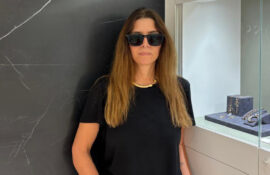

At a time when biohacking has moved from a Silicon Valley subculture to a global wellness movement, Dr Sladana Pavlović has emerged as one of Dubai’s most compelling voices in longevity and preventive medicine. Trained at the prestigious Medical University of Graz and double board-certified in internal medicine, she began her career in Austria, treating a wide spectrum of acute and chronic conditions with a focus on evidence-based care. She played a key role in Mobile Heart, a groundbreaking telemedicine project for heart-failure patients, and later led one of the country’s leading thyroid outpatient clinics.

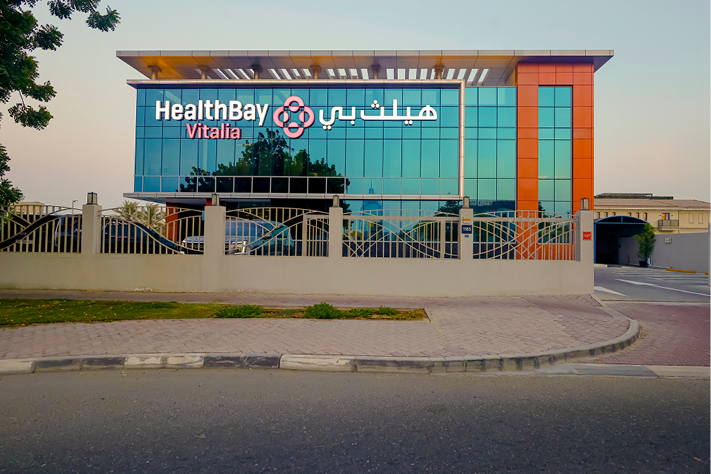
Her practice has since evolved to the cutting edge of modern biohacking, from orthomolecular medicine and metabolic balance to hormonal optimisation and personalised longevity protocols designed to slow cellular ageing. At HealthBay Dubai, she combines medical precision with a deeply human, tailored approach, creating programmes that boost energy, restore vitality, rebalance the body, and help patients look and feel noticeably younger from the inside out.
Dr Pavlović offers something deeper than quick fixes: a medically grounded roadmap for ageing well, feeling stronger, and living with greater vitality. Here we learn more about Dr Pavlović’s approach and the world of biohacking.
From your perspective, what does biohacking actually mean, and how does it differ from traditional wellness or medicine?
Biohacking is the practice of intentionally influencing your human physiology using science, data and personalised interventions to improve how you function on a cellular, metabolic and cognitive level. It goes far beyond wellness trends, since biohacking is grounded in measurable biomarkers, physiology, and an understanding of how lifestyle, environment and genetics shape the ageing process.
Unlike traditional medicine, which focuses mainly on diagnosing and treating disease, biohacking aims to upgrade health before dysfunctions arise with measurable, intentional and completely personalised methods.
How do you explain the difference between chronological age and biological age to patients?
Chronological age is what your passport shows, tied to your date of birth. Biological age reflects how well your cells, tissues and metabolic systems are functioning, essentially, the “actual” age of your body. Two people at the chronological age of 40 can have vastly different biological ages based on systemic inflammation, metabolic health, nutrition, stress, sleep and lifestyle.
This distinction empowers patients: if biology is adaptable, ageing becomes something we can actively influence.
Is reversing biological age truly possible, or is it more about slowing the ageing process?
We can’t stop the passage of time, but we can slow, and in some cases reverse, biological ageing markers.
By reducing inflammation, improving metabolic health, optimising sleep and stress management and additionally using targeted interventions such as resistance training, longevity nutrition or certain supplements, we can create cellular conditions that resemble a “younger” physiological state. The main goal is to achieve sustained vitality, not eternal youth.

Which biomarkers or diagnostic tools do you use in your clinic to assess biological age (for example, metabolic health, telomere length, advanced lipid profiling, inflammation markers)?
I use a combination of internal medicine diagnostics and advanced longevity biomarkers, including:
- Metabolic panel (HOMA‑IR, fasting insulin, HbA1c),
- Advanced lipid profiling (ApoB, Lp(a))
- Inflammation markers (hs‑CRP, homocysteine)
- Oxidative stress indicators
- Vitamin D
- Omega‑3 index
- CoQ10
- Hormone profile incl. thyroid function
- Gut health markers
- Genetic predisposition testing and body composition
You treat patients here in Dubai, a region with a high incidence of metabolic syndrome and cardiovascular risk. How do regional lifestyle and environment impact longevity strategies?
Dubai offers a dynamic lifestyle but also a fast-paced, high-stress environment with irregular schedules, sedentary professions and a comfort-driven culture that can particularly increase metabolic and endocrinological strain. High rates of insulin resistance, dysfunction of the lipid metabolism, high cortisol levels, late-night dining and environmental factors accelerate ageing.

Therefore, longevity plans require structure, e.g. prioritising physical activity even during episodes of extreme heat, strategic meal timing, hydration and electrolyte balance, stress regulation, regular cardiometabolic screening and education around preventive habits. In a high-paced city, health needs to be intentional.
For someone keen on reducing their biological age but with a busy professional life (travelling, irregular schedule), what are some basic biohacking habits you would recommend?
Prioritising hydration and protein-rich meals for balanced glucose response, reducing alcohol, daily movement for 20-30 minutes, mindful breathing or other techniques for nervous system regulation, as well as tailored supplements to support your metabolism. A consistent sleep window is crucial even after long flights to avoid circadian chaos.
Sleep and stress are pervasive issues. How pivotal are they to longevity, and what practical steps do you recommend to patients?
Sleep and stress are the foundations of biological age. No supplement compensates for poor sleep or chronic cortisol elevation. I recommend fixed sleep rhythm, reduced late‑night stimulation, magnesium glycinate or L‑theanine when appropriate, strength training, daily parasympathetic activation, and evaluating sleep apnea when indicated.
The “biohacker” market loves technology: wearables, continuous glucose monitors etc. In your practice, how useful are these tools, and how do you guide patients to interpret them sensibly?
Wearables are powerful tools, but they are often misunderstood. They were designed to offer insight, not govern and dictate behaviour, so it’s crucial to use data to be more conscious, not more anxious. I encourage my patients to look for patterns, not perfection, while still trusting the physiology they feel every day.
Emerging therapies, such as NAD+ infusions, peptides, and regenerative medicine, are often making the headlines. Which of these do you consider medically credible at this stage, and which should still be approached with caution?
Therapies such as NAD+, selective peptides (BPC‑157, GHK‑Cu), and regenerative medicine show real potential, but require evidence‑based use, medical supervision and personalised dosing. Promising doesn’t mean appropriate for everyone; longevity medicine must stay grounded in physiology, not hype.
Unregulated peptides, which are sold online, are currently the biggest risk since they can cause serious health complications such as systemic inflammation or autoimmune activation due to inconsistent purity, incorrect dosing or unknown biological activity.
There are genetic and gender-based differences in how people respond to interventions. How do you personalise biohacking and ageing-reversal strategies in your clinic?
Personalisation is the core of longevity medicine. Since men and women age differently on a cellular and metabolic level, I combine biomarkers, genetics, menstrual‑cycle mapping, hormone status, body composition and lifestyle context. Women often respond with high cortisol levels to fasting, stress and high‑intensity training. Men generally benefit from consistent fasting; their hormone patterns are more stable, muscle recovery is faster, however, men often have higher cardiovascular risk due to earlier visceral fat accumulation and more silent insulin resistance – hence cardiometabolic screening is essential.
You emphasise cardiometabolic health. How does exercise strategy (strength, endurance, HIIT) feed into biological-age reduction?
Exercise remains one of the most potent anti‑ageing interventions. Strength training improves insulin sensitivity, hormonal balance and bone density. Zone 2 training, which refers to a level of aerobic exercise where your heart rate is elevated but you can still comfortably hold a conversation-enhances mitochondrial function and biogenesis; HIIT boosts VO2 max, a strong predictor of lifespan. A balanced mix of all three improves cellular ageing.
Many wellness audiences ask about nutrition fads. What nutritional strategies do you find most efficacious for long-term cellular health and metabolic resilience?
Longevity nutrition is not about restriction – it is about metabolic stability. I emphasise adequate protein intake to preserve muscle mass, support metabolic rate and maintain satiety. Most of my patients significantly under-consume protein. Aiming 1.4-1.6g/kg bodyweight is ideal for longevity. Supporting stable glucose levels throughout the day is essential since glucose spikes lead to accelerated cell ageing, inflammation, oxidative stress and hormonal imbalance. Adequate hydration, gut health, Omega 3 supplementation and whole foods are other essential pillars of longevity nutrition.
For patients who perhaps feel “too late” to make change, what message of hope or realism do you share?
It’s absolutely not too late. Cardiometabolic markers – glucose regulation, blood pressure, visceral fat, inflammation – can improve dramatically within weeks of making the right adjustments.
When advising clients who may purchase luxury wellness “packages” abroad, what key questions should they ask to ensure safety, validity and long-term benefit rather than just glamour?
Longevity should not be considered a glamorous wellness trend but a scientific, regulated field in medicine. I encourage my patients to ask if the treatment is medically supervised and to check the credentials of the clinician. Therapy needs to be justified by diagnostics and not administered generically. It is also important to ask how the products are sourced and quality-controlled. Peptides, stem cells and biologics must come from reputable suppliers. A follow-up is essential, since longevity requires continuity and proper monitoring.
Luxury must not compromise the lack of medical structure and personalisation.
Looking ahead, where do you see internal medicine and longevity science intersecting most strongly in the next 10-15 years?
Internal medicine will shift from treating disease to extending health span and vitality. The two are merging through data, preventive diagnostics and personalised interventions. I believe the strongest intersections will be early metabolic risk detection to identify insulin resistance, inflammatory patterns and cardiovascular risk years before symptoms appear. Precision peptides, NAD+ modulation and targeted supplementation will become standard when regulated and clinically validated. Personalised lifestyle medicine with exercise prescriptions, genetics and phenotype expression as guidance to tailor nutrition, training and stress protocols.
Finally, if you had to pick one single change that anyone could make tomorrow to best reduce their biological age, what would it be and why?
If I had to choose only one, it would be glucose stabilisation. Glucose stability influences almost every ageing pathway. By simply prioritising protein, going for a 10-15-minute walk after a meal, reducing processed food, not skipping meals and consuming food in the right order, we can create an immediate and measurable shift in biological age markers.
By Emma Hodgson