
In Abu Dhabi, a new cultural landmark is quietly redefining the relationship between tradition, artistry and horsemanship. The Abu Dhabi Royal Equestrian Arts (ADREA) is a living school dedicated to preserving and elevating the classical riding heritage that has shaped centuries of equestrian culture around the world, now interpreted through an Emirati lens. Here, craft, discipline and storytelling come together. Horses are trained with patience and respect, riders learn that excellence is inseparable from ethics, and performances are created as carefully as a ballet or symphony. ADREA positions the UAE as a guardian of legacy, while also championing innovation and education for future generations.
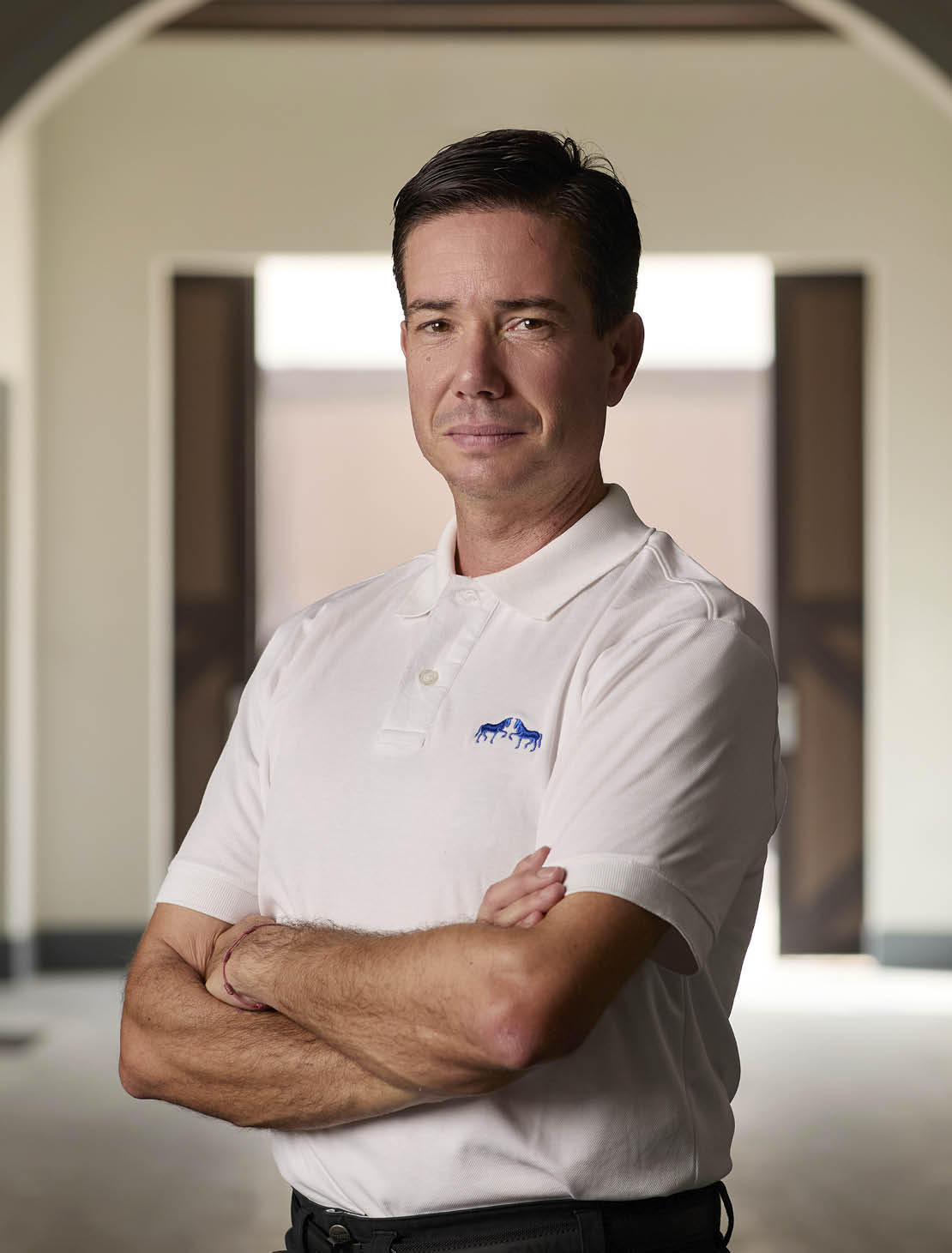
Guiding this remarkable vision is Gonzalo Marques Obeso, Chief Rider and artistic leader of the institution. With decades of experience in classical horsemanship, he brings both technical mastery and philosophical depth to the role. In this conversation, he reflects on ADREA’s mission, its global significance, and the transformative power of riding when it becomes not just a sport, but an art form.
ADREA joins a very select group of historic institutions worldwide. What does it mean to you to lead the artistic and technical vision of the first school of its kind in the Middle East?
For me, it is both an honour and a profound responsibility. Personally, it represents a dream that connects my life’s work in classical horsemanship with a new cultural chapter for this region. Professionally, it is an extraordinary opportunity to help shape the artistic and technical language of a school that will stand alongside the world’s great classical institutions, while proudly rooted in the heritage and identity of Abu Dhabi and the UAE.
From your perspective, how does ADREA elevate Abu Dhabi’s position on the global equestrian and sporting map, particularly in the realm of classical horsemanship?
ADREA places Abu Dhabi at the forefront of the global conversation around classical horsemanship. It demonstrates that the UAE excels, not only in hosting world-class events, but also in nurturing culture, art, heritage and technical excellence at the highest level. Through ADREA, Abu Dhabi is showcased as both a guardian of tradition and a creator of legacy.
ADREA has been designed as a fully integrated, horse-first environment. How does this philosophy shape the way riders are trained and performances are conceived compared to more conventional equestrian centres?
ADREA’s horse-first philosophy fundamentally shapes both training and performances. Riders are trained with patience, respect, and a deep understanding of classical horsemanship principles, emphasising harmony and partnership with the horse rather than force or dominance. This approach ensures that performances are not just technical displays but artistic celebrations of the bond between horse and rider. When the horse truly comes first, everything changes. By prioritising the welfare, dignity, and emotional well-being of the horse, ADREA creates an environment where excellence emerges naturally, setting it apart from more conventional equestrian centres.
What makes ADREA’s facilities and vision truly world-class, and how do they compare with the historic schools you trained at in Spain and beyond?
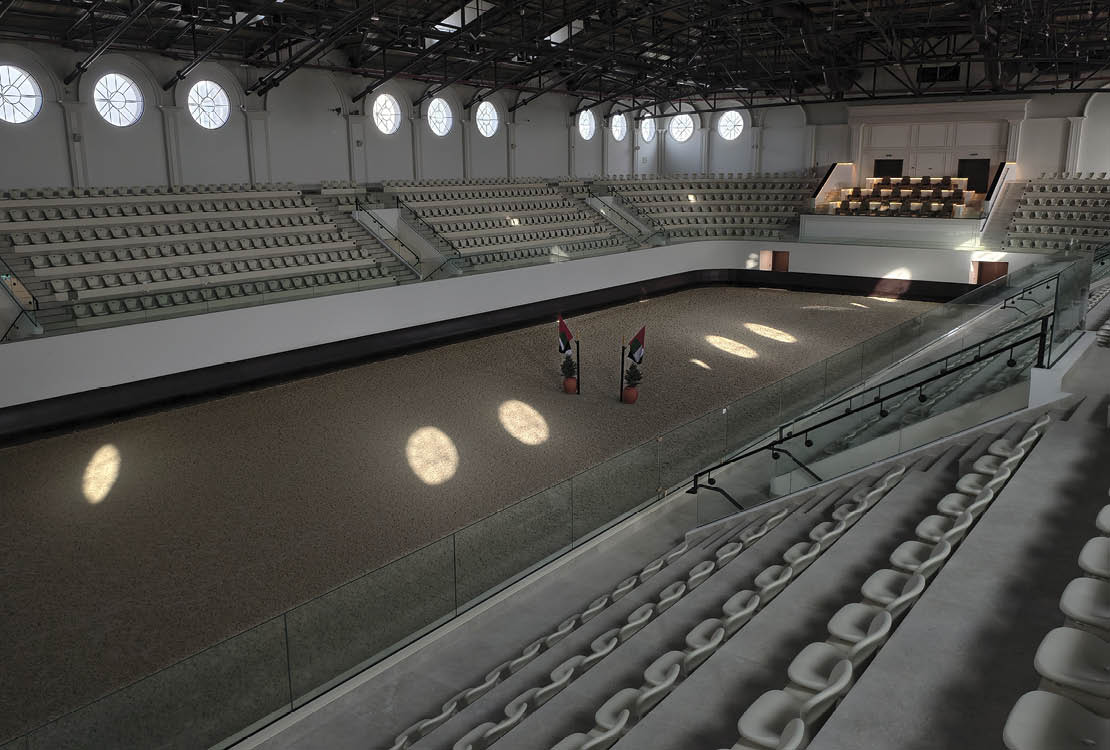
ADREA seamlessly blends the wisdom and discipline of the historic European schools with state-of-the-art infrastructure and innovation. Every aspect of the technology, environmental control, stabling, arenas and performance spaces is designed to support the highest standards of classical horsemanship. What truly elevates ADREA is that these world-class facilities serve a broader artistic, educational, and cultural mission, mirroring the greatest European institutions but with a unique Emirati vision.
How does ADREA balance athletic excellence with artistic expression, and why is that distinction important for modern audiences?
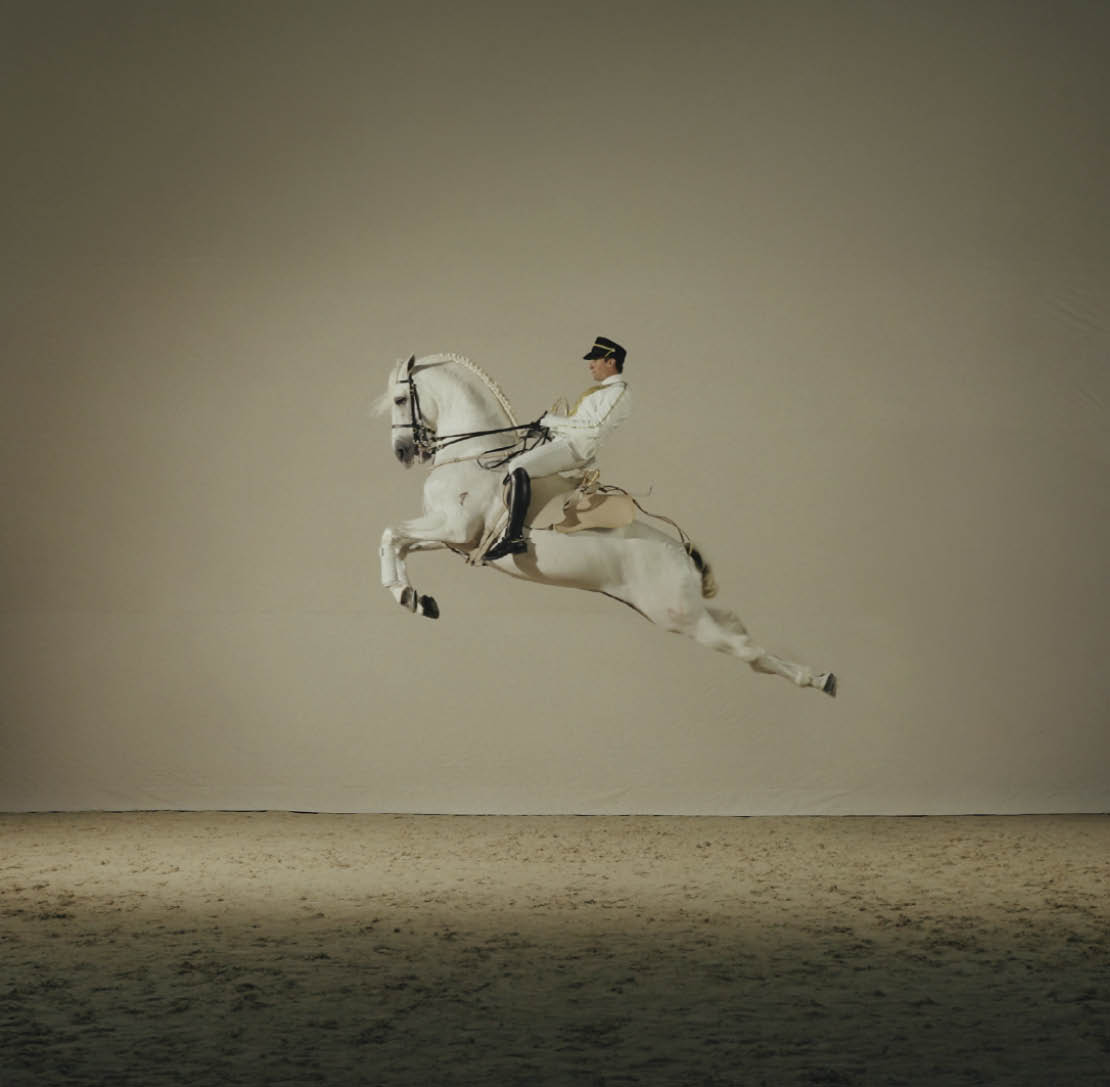
Classical horsemanship has always existed in terms of athletic precision and artistic expression. At ADREA, we believe audiences today seek more than technical skills; they want to experience emotion, authenticity and connection. While our riders and horses perform at the highest technical level, the focus is not on competition, but on storytelling. This balance transforms classical riding into a living art form, allowing audiences to appreciate classical riding as a living art.
Education sits at the heart of ADREA. Why is long-term, structured education so critical to preserving the haute école tradition?
Haute école cannot be improvised or rushed; it requires years of discipline, humility, and structured guidance. Long-term education is essential to preserve the tradition, allowing knowledge to evolve, riders to mature responsibly, and horses to develop correctly. Education ensures continuity, protects values, and guarantees that future generations inherit not only techniques, but philosophy and respect.
The weekly performance Furusiyya: Return to Origins has quickly become a cultural highlight. How do performances like this help introduce classical horsemanship to new audiences while remaining true to tradition?
Furusiyya: Return to Origins allows audiences to experience classical horsemanship emotionally before they understand it technically. The narrative that tells the story of the Arabian horse, tracing a return to the ancient traditions of Arab horsemanship and the enduring bond of honour, skill, and unity between horse and rider. music and choreography, people connect instinctively with the horse, heritage and artistry. At the same time, everything they see on stage is rooted in true classical technique and historical authenticity. That balance is what makes the performance powerful, educational and culturally meaningful.
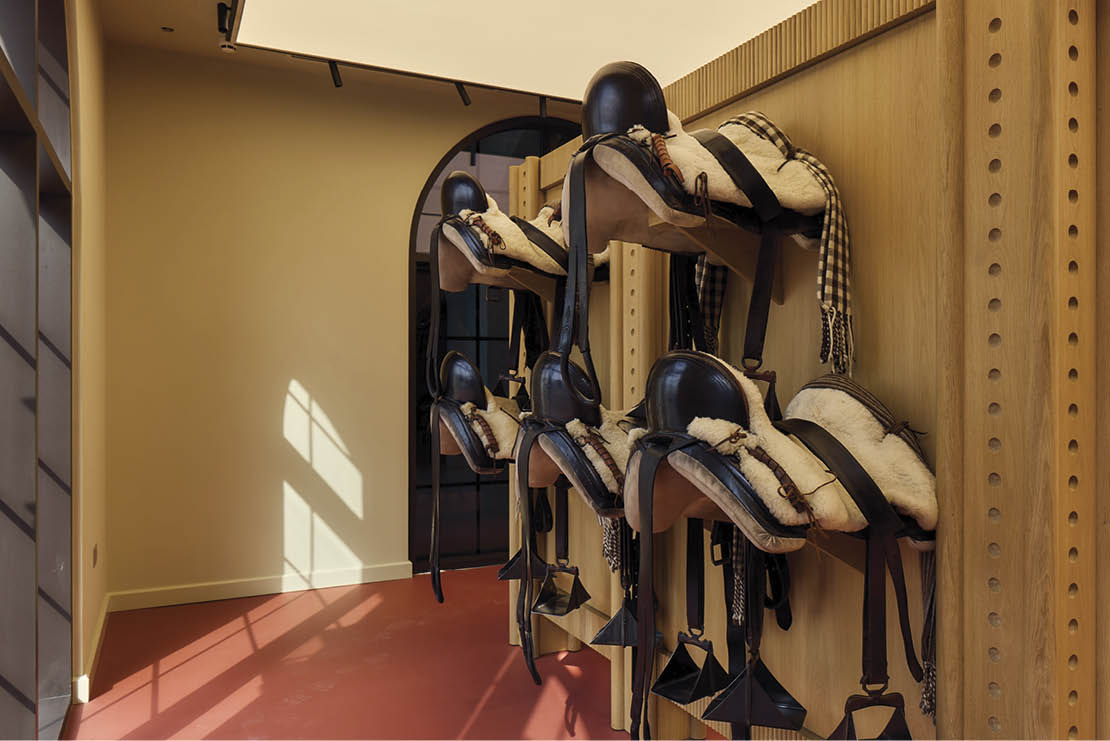
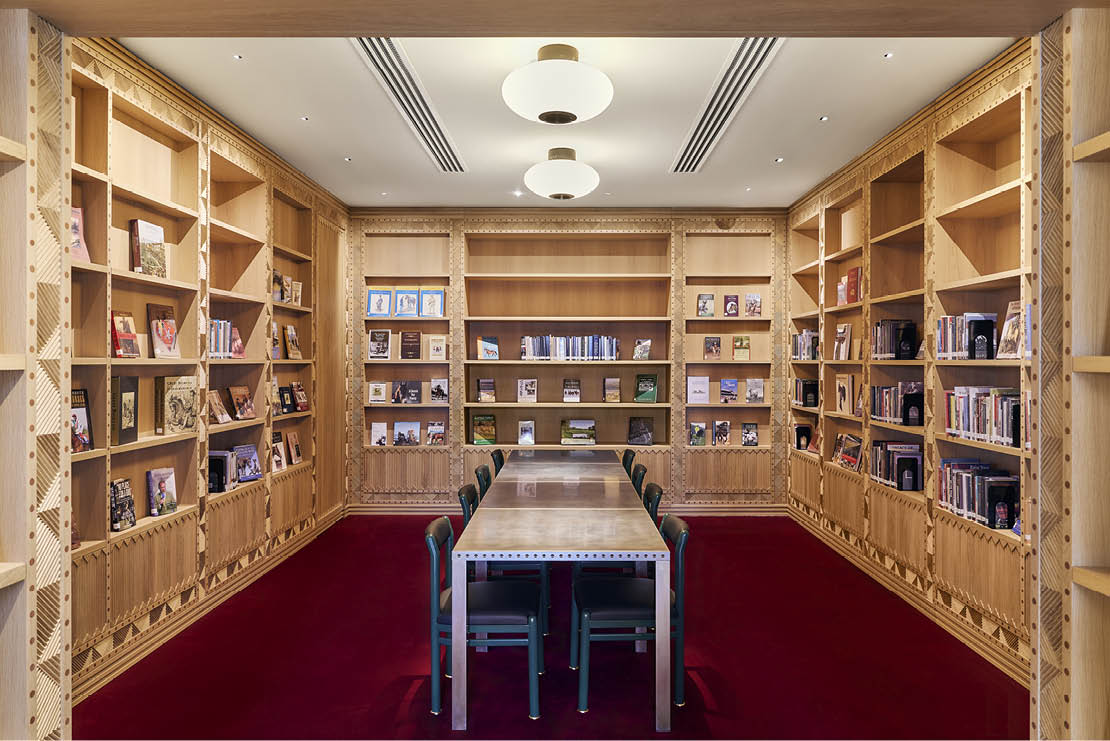
ADREA also houses cultural spaces, an equestrian library and the UAE’s first saddle-making atelier. Why was it important for the school to preserve craftsmanship and knowledge alongside performance and training?
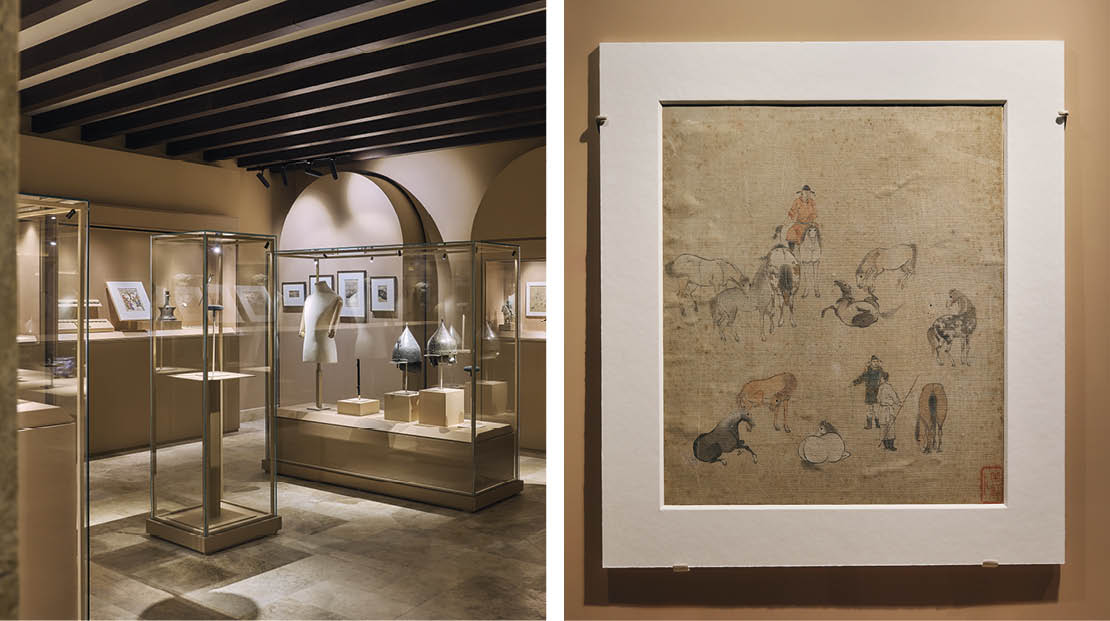
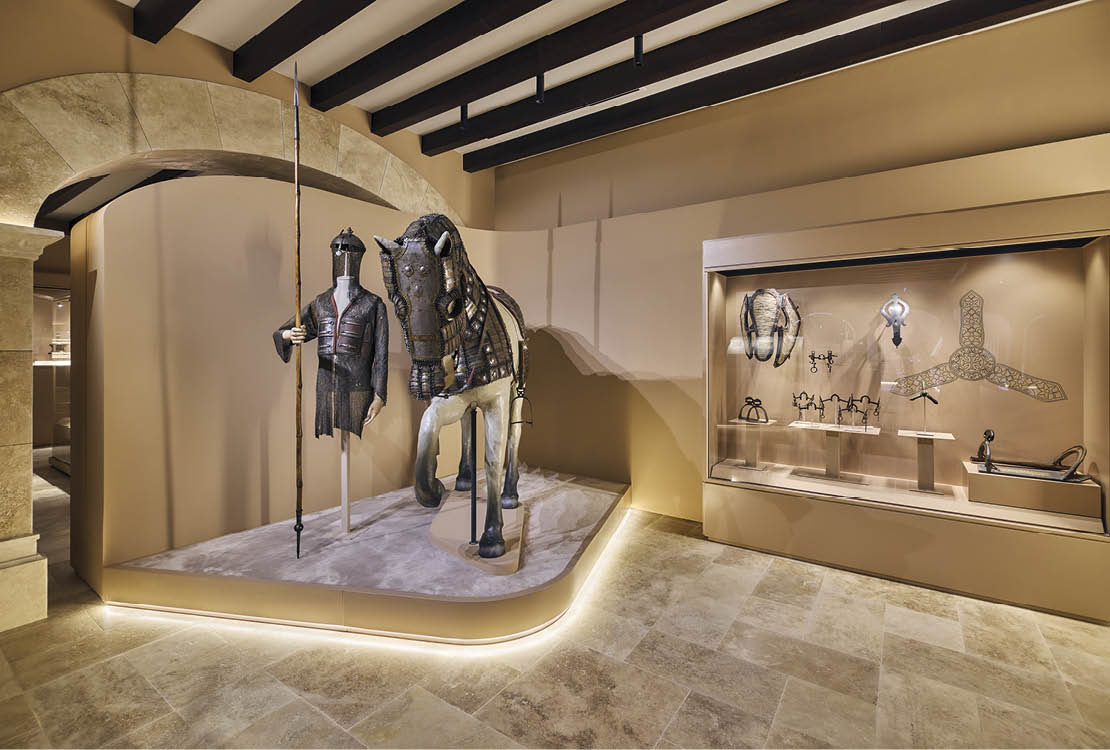
Classical horsemanship extends far beyond the arena; it is a complete culture encompassing craftsmanship, history, literature, design, and tradition. By preserving saddlery, archiving knowledge, and creating cultural spaces, ADREA ensures it serves as a centre for research, creativity, and heritage, not simply a place to watch horses perform.
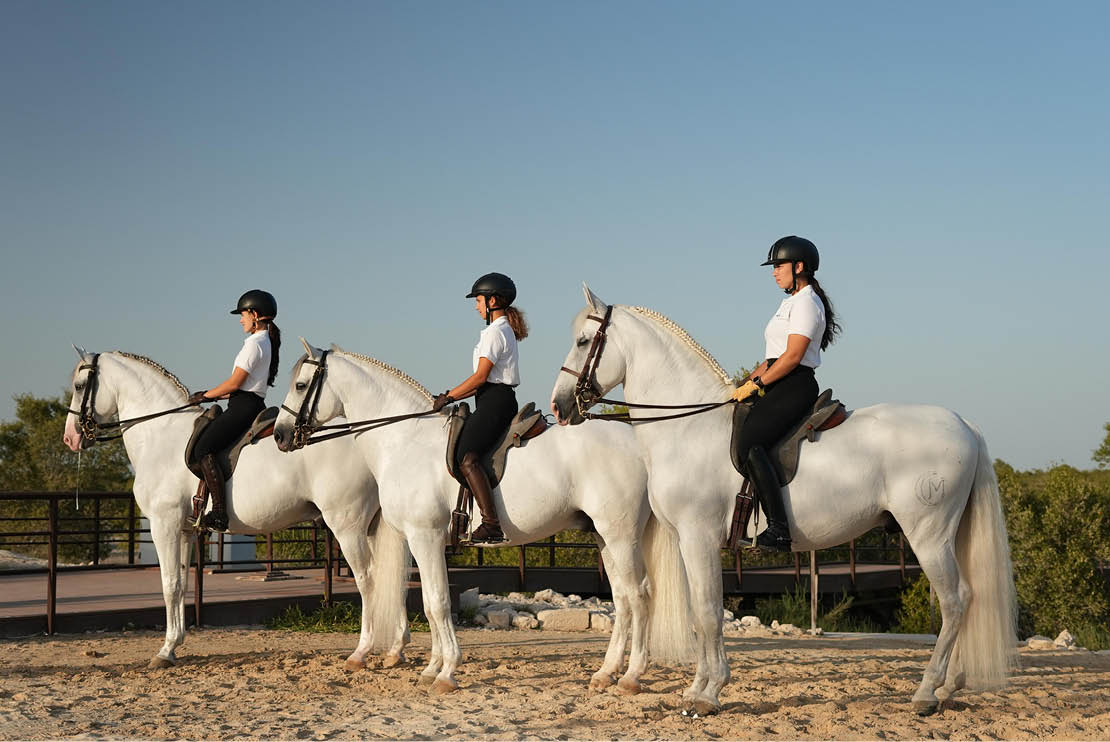
As a global specialist in Iberian horses, how do you see their role within ADREA’s identity, and what makes them particularly suited to classical horsemanship?
Iberian horses are deeply connected to the very origins of classical riding. Their temperament, intelligence, sensitivity and natural collection make them perfect for haute école. Within ADREA, they are not only performers but also symbols of the connection between European classical tradition and the Arabian legacy of horsemanship. They embody elegance, nobility and artistic power.
Looking ahead, how do you envision ADREA influencing the next generation of riders, not only in the UAE but internationally?
I believe ADREA will inspire a generation to see horsemanship differently, with more respect, deeper understanding and greater artistic ambition. We want riders to learn that excellence is inseparable from ethics, and that classical riding is not just technique, but culture and character. Our graduates will carry these values globally, shaping the future of equestrian art.
From a wider perspective, what impact do you believe ADREA will have on how the UAE is perceived globally as a destination for art, culture and heritage-led excellence?
ADREA reinforces the UAE as a nation capable not only of building the future, but of honouring and elevating heritage with world-leading precision and vision. It demonstrates that the UAE invests in culture with the same ambition it invests in innovation creating initiatives that are meaningful, timeless and globally respected. ADREA is more than an equestrian project; it is a cultural statement about identity, excellence and legacy.
By Lindsay judge