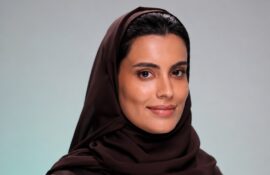

From the moment she first stepped into the ring, Rasha Alkhamis has been redefining what it means to be a female athlete in the Middle East. A pioneer in every sense, she became Saudi Arabia’s first certified female boxer and went on to leave her mark across multiple combat disciplines, even setting a Guinness World Record along the way. Today, Alkhamis stands at the forefront of a new chapter in sport as President of the Saudi Mixed Martial Arts Federation and the Kingdom’s official representative to the International Mixed Martial Arts Federation (IMMAF).
Her rise from trailblazing competitor to influential leader mirrors the rapid evolution of Saudi Arabia’s broader sporting landscape. Where once pathways for professional athletes, particularly women, were limited, Alkhamis now helps build structured governance, athlete development frameworks, and sustainable opportunities for future generations. Her leadership combines the grit of a seasoned fighter with the strategic vision of a policy maker, grounded in resilience and driven by purpose.
In this interview, Alkhamis reflects on her transition from athlete to institution-builder, the significance of MMA’s growth in the Kingdom, and the systems she believes are essential to nurturing sustainable careers for young athletes, both male and female. She also speaks candidly about challenge, leadership, and her ambitions to shape not just the sport’s future, but Saudi Arabia’s legacy on the global stage.
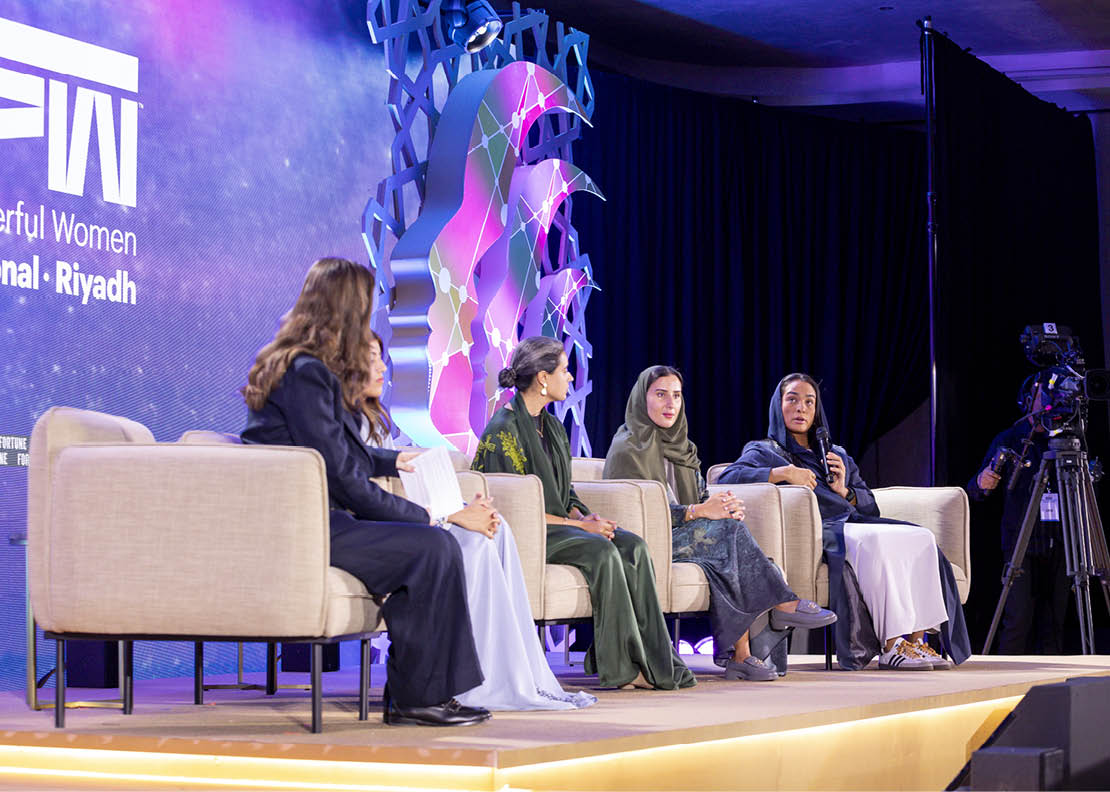
You have broken barriers across multiple disciplines, from becoming Saudi Arabia’s first certified female boxer to holding a Guinness World Record. Looking back, what first sparked your passion for sport and challenge?
I grew up with the belief that sport is for everyone, girls and boys alike. From an early age, sport was part of my daily life, not just a hobby, but as a way of building discipline, confidence, and curiosity. That foundation sparked a lifelong passion for challenge, whether on the court, in the ring, or later in leadership.
Your journey spans elite sport, governance and policy. How have these different experiences shaped you as a leader today?
These experiences taught me that performance and leadership are deeply connected. Sport sharpens decision-making under pressure, while governance and policy demand structure, accountability, and long-term vision. Together, they shaped a leadership style grounded in resilience, clarity, and purpose.
Being appointed Chairwoman of the Saudi Mixed Martial Arts Federation is a landmark moment. What does this role represent to you personally, and what responsibility do you feel carrying it?
It represents responsibility, not just a title. Personally, it is the culmination of a journey from athlete to institution-builder. Professionally, it carries the responsibility of building safe, regulated pathways for athletes and ensuring MMA contributes meaningfully to Saudi Arabia’s sporting legacy.
Saudi Arabia’s sports sector has evolved rapidly in recent years. From your perspective, how significant is MMA’s growth in the Kingdom, and where do you see it heading on the global stage?
MMA’s growth in Saudi Arabia mirrors the country’s wider sports transformation. What was once unregulated is now structured, safe, and rapidly expanding. Globally, Saudi Arabia is becoming a key contributor, not just as a host, but as a leader in governance, athlete development, and international collaboration.
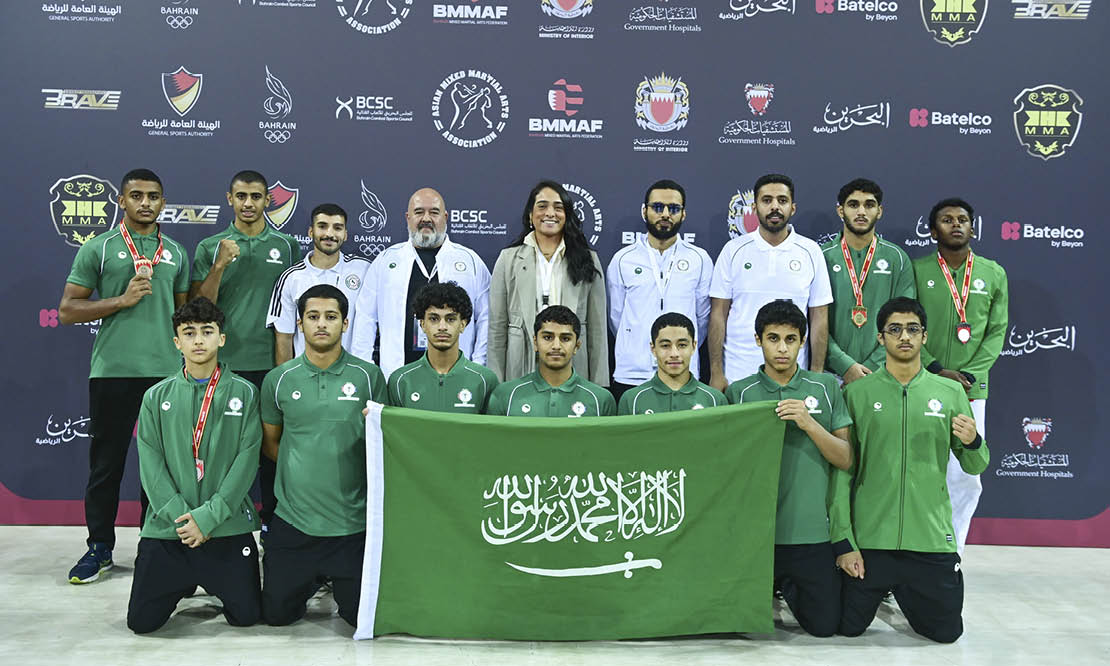
As IMMAF’s official representative in Saudi Arabia, what are your immediate priorities in developing the sport through governance, structure and athlete pathways?
My priorities focus on increasing participation, establishing clear and sustainable pathways from grassroots to elite performance, and paving the way for world-class athlete development. This includes strengthening elite athlete pathways, expanding partnerships and sponsorships, and reinforcing strong governance, both within the federation and through external alignment. Central to this approach are robust medical standards, continuous education for coaches and officials, and transparent progression routes that support both men and women equally.”
You are deeply invested in building opportunities for the next generation of athletes. What systems do you believe are essential to creating sustainable careers in MMA across the region?
Sustainable careers require three systems: strong grassroots participation, professional coaching and officiating ecosystems, and competition pathways supported by sports science, education, and post-career planning.
Women’s participation in sport across the Middle East has accelerated dramatically. How do you view your role in this movement, and what progress makes you most proud?
I see my role as an enabler. Progress happens when systems change, not just perceptions. I’m most proud of helping create structures where women no longer need permission to participate, but simply opportunity.
Having studied female sports facilities in Saudi Arabia and worked directly within federations, what gaps still need to be addressed to support women in competitive sport fully?
Facilities and access have improved significantly, but gaps remain in coaching and R&Js representation, and long-term career sustainability. Addressing these requires policy, investment, and continued leadership commitment.
You’ve faced physically and mentally demanding challenges. How do you personally deal with failure, setbacks or moments of doubt?
I treat setbacks as data, not identity. Clarity of vision, breaking challenges into small steps, and mental preparation are tools I rely on, both as an athlete and a leader.
What lessons from your athletic journey do you apply most often in leadership and decision-making?
Discipline, strategic thinking, and resilience. In boxing, most of the work is mental, reading situations, adapting quickly, and staying composed. Leadership is no different.
You’ve spoken about being driven by challenge and discovery. How do you continue to push yourself while balancing responsibility, public expectation and long term vision?
By staying anchored to purpose. Clear vision allows me to push boundaries while remaining grounded in responsibility and long-term impact.
As MMA works towards greater global recognition, including Olympic ambitions, how important is Saudi Arabia’s role in shaping the future of the sport internationally?
Saudi Arabia has a unique opportunity to shape the future of MMA through governance, athlete welfare, and global partnerships. Its role is increasingly influential.
For young girls and boys across the region who dream of careers in sport but fear limitations, what message would you like them to hear today?
Start before you feel ready. Believe in your vision, stay consistent, and let results speak louder than expectations. Nothing is out of reach.
Finally, when you look ahead to the end of your 2024–2028 term, what impact do you hope to have left on MMA, on women in sport, and on Saudi Arabia’s sporting legacy?
I hope to leave behind strong institutions, clear pathways, and a culture where MMA, and women in sport are firmly embedded in Saudi Arabia’s sporting future.
By Lindsay judge