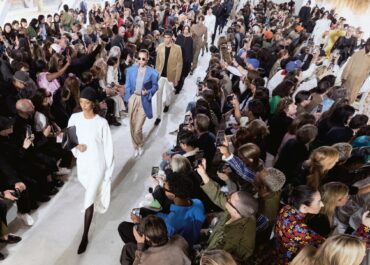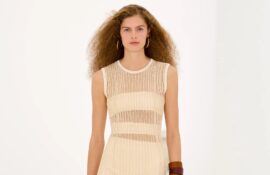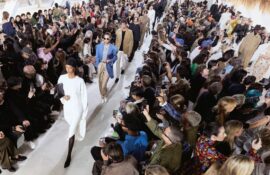

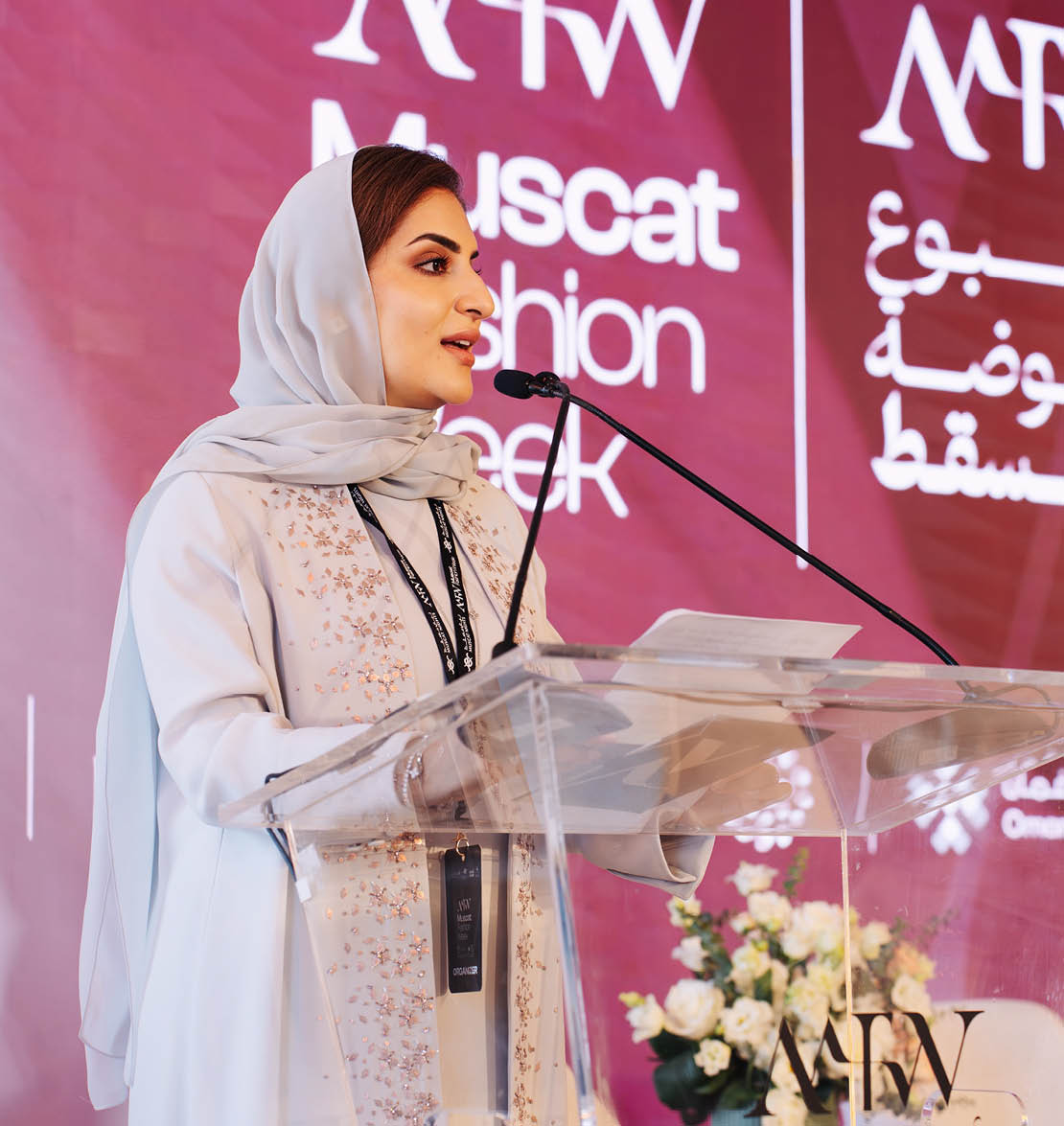
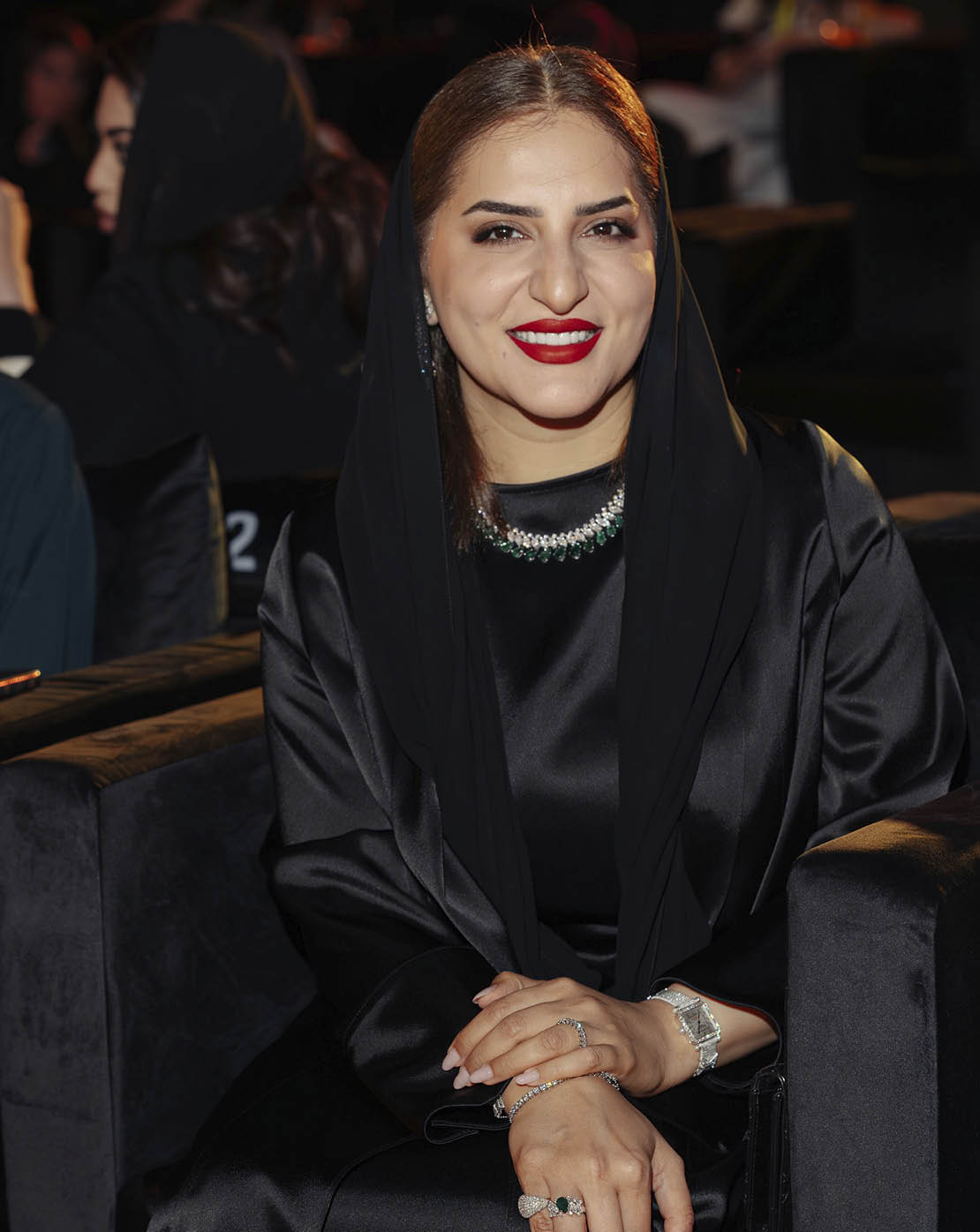
As Muscat Fashion Week returns with renewed purpose, Amal Al Raisi stands as a pioneer of Omani fashion and the founder of the platform. Al Raisi has spent the past two decades building her own brand while quietly nurturing the next generation of creative talent.
Now, with the relaunch of Muscat Fashion Week under a redefined identity, she is steering the event beyond the runway, positioning it as an ecosystem rooted in education, mentorship and cultural dialogue. From workshops and industry talks to long-term pathways for young designers, the vision reflects a deeper understanding of fashion as a serious creative industry with economic and cultural weight.
In this interview, Al Raisi speaks candidly about the challenges of rebuilding the platform, shifting perceptions around fashion in Oman, and why authenticity, not imitation, sits at the core of Muscat Fashion Week’s future.
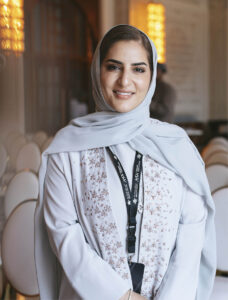
You’re relaunching Muscat Fashion Week with a new identity and direction. Why now, and what can we expect from this rebranding?
This has been in the making for nearly eight years. Over the past three years, while running my brand, which is now 20 years old, I’ve been deeply involved in mentorship and internship programs for fashion students. As a result, I realised there is a real gap in the industry in Oman. We have incredible talent, but there isn’t enough understanding of how the fashion industry actually works.
That’s why I created a programme called Fashion Future, in which I mentor 10 young women each year. In collaboration with the French Embassy, one of them interns in Paris for a month. For the last two groups of women, that internship was with Maison Rabih Kayrouz. Through this experience, it became very clear that we needed a bigger platform, something more structured and impactful. That’s when the idea of bringing Muscat Fashion Week back emerged, but with a completely different approach.
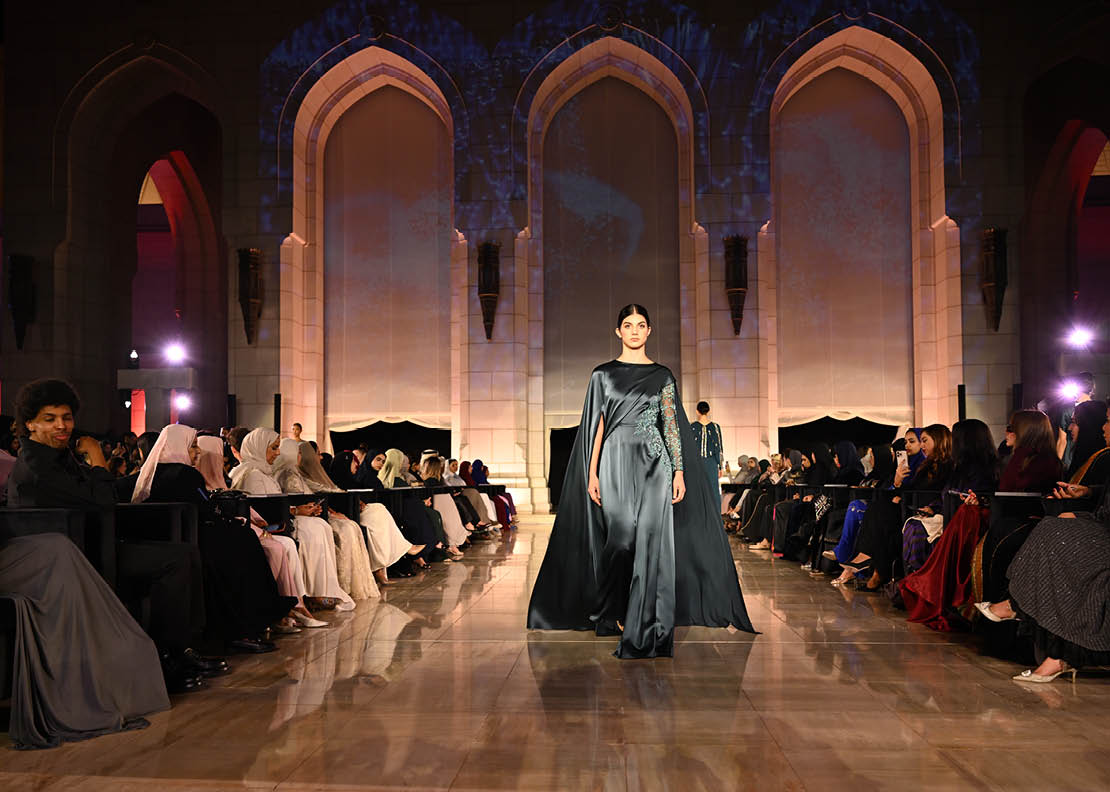
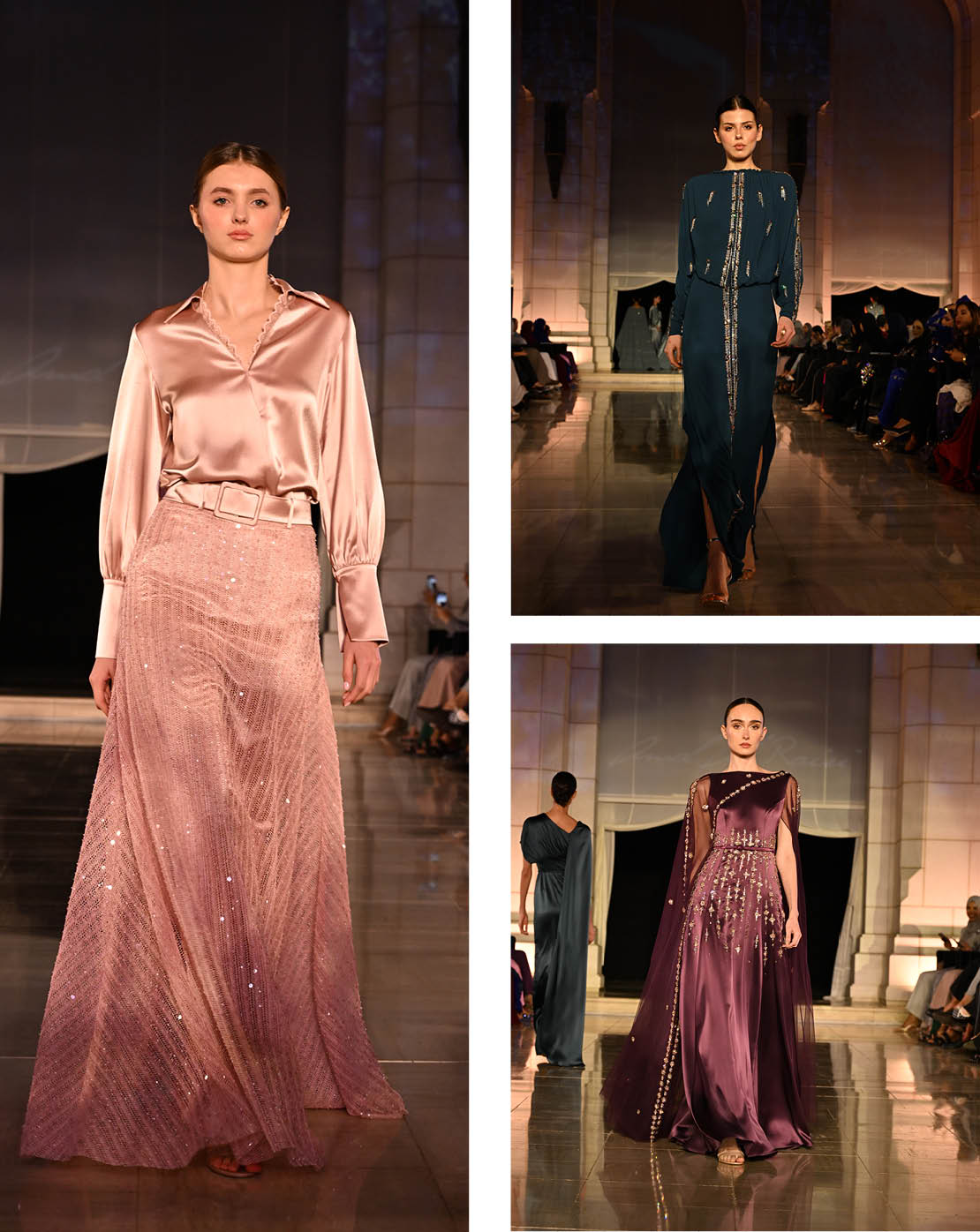
The vision was to highlight local designers on the runway while also offering workshops, talks, and industry discussions led by experts. Fashion needs context, education, and dialogue. From there, we worked on the programme content and approached the Ministry of Culture. We received incredible support from His Highness Sayyid Theyazin bin Haitham Al Said, who was Minister of Culture at the time, as well as from Muscat Municipality, which originally hosted Muscat Fashion Week. Today, both the Ministry of Culture and the Municipality are partners in bringing it back.
What have been the main challenges in putting this together, especially given this new approach?
One of the biggest challenges is that, as Arab communities in the GCC, we don’t always take fashion seriously. People don’t often realise how much goes into this industry. Fashion is not just about clothes. It’s an entire ecosystem. If you look at countries like Lebanon, where fashion is more advanced, it’s because the creative industries are more deeply embedded in the culture.
Here, the creative industry is still evolving. There’s a need to educate the community about its importance. Entire economies are built on creative industries, and yet many talented people feel lost because they’re unsure whether there’s a future for them. Through Muscat Fashion Week, we wanted to send a clear message to decision-makers: we have talent, and we need to create opportunities, jobs, and long-term pathways for them. Above all, we need to give young creatives hope that this is a serious industry with a real future.
How do you plan to shift perceptions and build trust in fashion as a viable and respected industry in Oman?
We are fortunate that Oman Vision 2040 clearly highlights creative industries as an essential part of the country’s future. If we want these industries to thrive, we need to educate talent, expose them to global developments, and bring in experts who can help them grow.
It’s also important to think beyond the local market. The world today is very small. Designers can work globally, retail internationally, and collaborate across borders. At the same time, expansion should never come at the cost of identity. Omani designers must use their cultural heritage in a way that feels relevant and appealing to women everywhere, without losing their identity.
How do you discover and support new talent in Oman?
I work closely with colleges and educational institutions, and I also keep an open channel for designers to reach out directly. Over the years, I’ve worked with agencies and mentors myself, and I learned the hard way. I had talent, but not the know-how. I had to experiment, travel, attend exhibitions, and invest heavily in understanding the industry.
Not everyone has the means or freedom to do that, especially women. Travel and exposure can be challenging in more conservative contexts. That’s why I decided that any knowledge I gained would be shared. If I’ve learned something, it shouldn’t stay with me.
Are there plans to connect Omani designers with international platforms such as Paris or Milan?
Absolutely. This first edition is about laying strong foundations. Going forward, we plan for Muscat Fashion Week to have activations during international fashion weeks, particularly in Paris, through showroom presentations rather than traditional runway calendars. We initially wanted to do this from the first edition, but we felt it was too early. This is definitely part of our long-term strategy: to represent Omani designers internationally, even if on a small scale at first.
What is the core objective you hope Muscat Fashion Week will achieve in the near future?
Authenticity. That’s the most important thing for us. There are many fashion weeks across the region now, and that’s a beautiful thing. We have so much talent to share. But Oman is unique. Our culture is rich, calm, and deeply rooted, and we are proud of that.
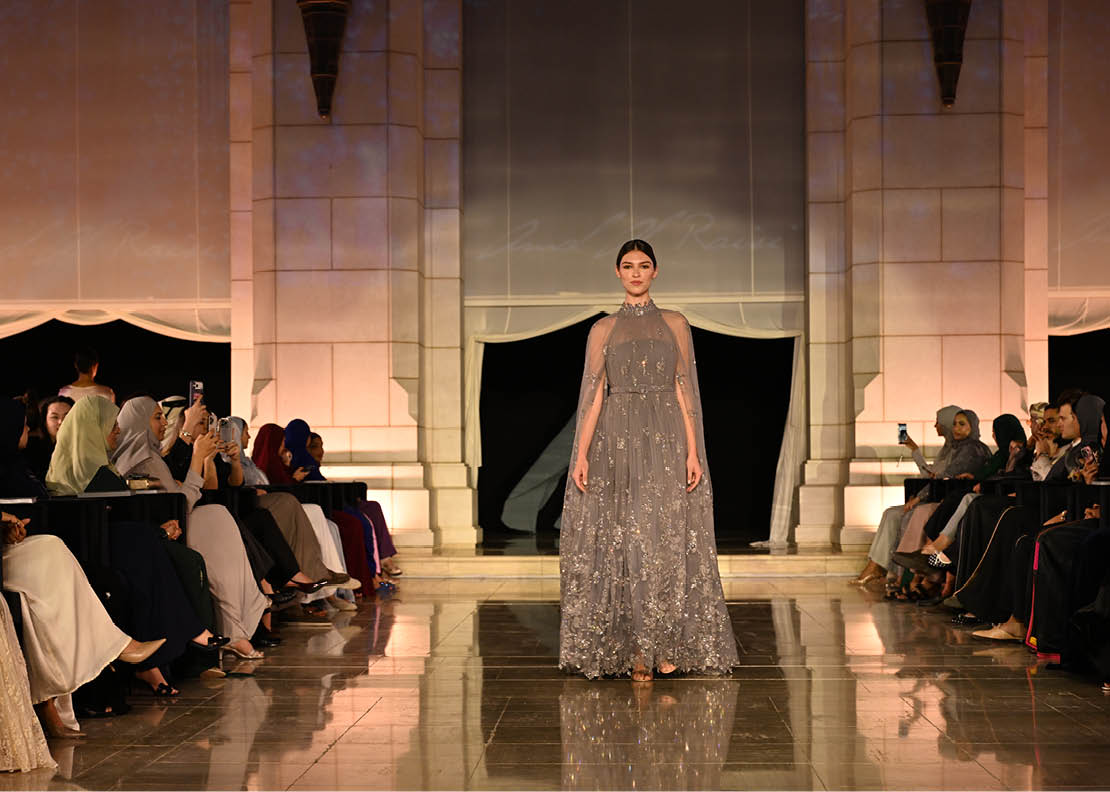
Muscat Fashion Week should reflect the Omani way. We don’t want to imitate anyone else. This platform exists to spotlight our designers, give them visibility, open doors for business opportunities, and introduce them to the world, while staying true to who we are.
On a personal level, what motivates you every day?
I’m very hard on myself. I don’t accept failure easily. I love my country deeply, and I try to be transparent and clear in everything I do. I truly believe that support comes when your goals are clear and you work hard. There’s often talk about connections or “wasta,” but in my experience, when people see that you are serious and committed to a clear vision, support naturally follows.
With Muscat Fashion Week, this has been a year-long journey. Final approvals came only about six weeks before the event. At one point, we had to decide whether to postpone or just go ahead and do our best. We chose to move forward. Not everything went exactly as planned, but we gave it our all.
Looking back, is there anything you would have done differently?
Of course, some things didn’t turn out the way I initially envisioned, mostly due to time constraints and factors beyond my control. But that’s part of the learning process. What matters is that we are finally living this dream.
Hosting Muscat Fashion Week at the Royal Opera House is incredibly special. It’s a venue with very high standards and strict protocols, and approval isn’t easy to obtain. But we had full support from His Highness Sayyid Kamil bin Fahd Al Said because our vision was clear. That made all the difference. Next year will be bigger and stronger.
If you had to describe Muscat Fashion Week in one word, what would it be?
Authentic. Just like Muscat itself. Muscat has its own rhythm and character, and Muscat Fashion Week reflects that.
By Lara Mansour