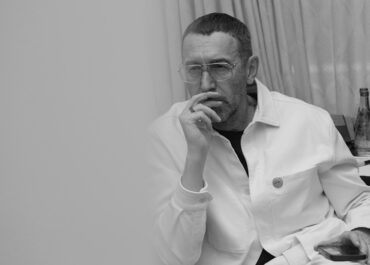

Over the past three decades, Shaun Killa has played a defining role in shaping the architectural identity of the UAE. From the futuristic form of the Museum of the Future to the flowing superyacht-inspired design of Jumeirah Marsa Al Arab, his work has become closely associated with Dubai’s ambition and forward-thinking design landscape. Over nearly three decades, the award-winning architect and Founder of Killa Design has delivered some of the region’s most recognisable landmarks, including the Address Beach Resort, Shebara Resort, the Office of the Future, and, earlier in his career, the Bahrain World Trade Centre, the world’s first large-scale integration of wind turbines within a building.
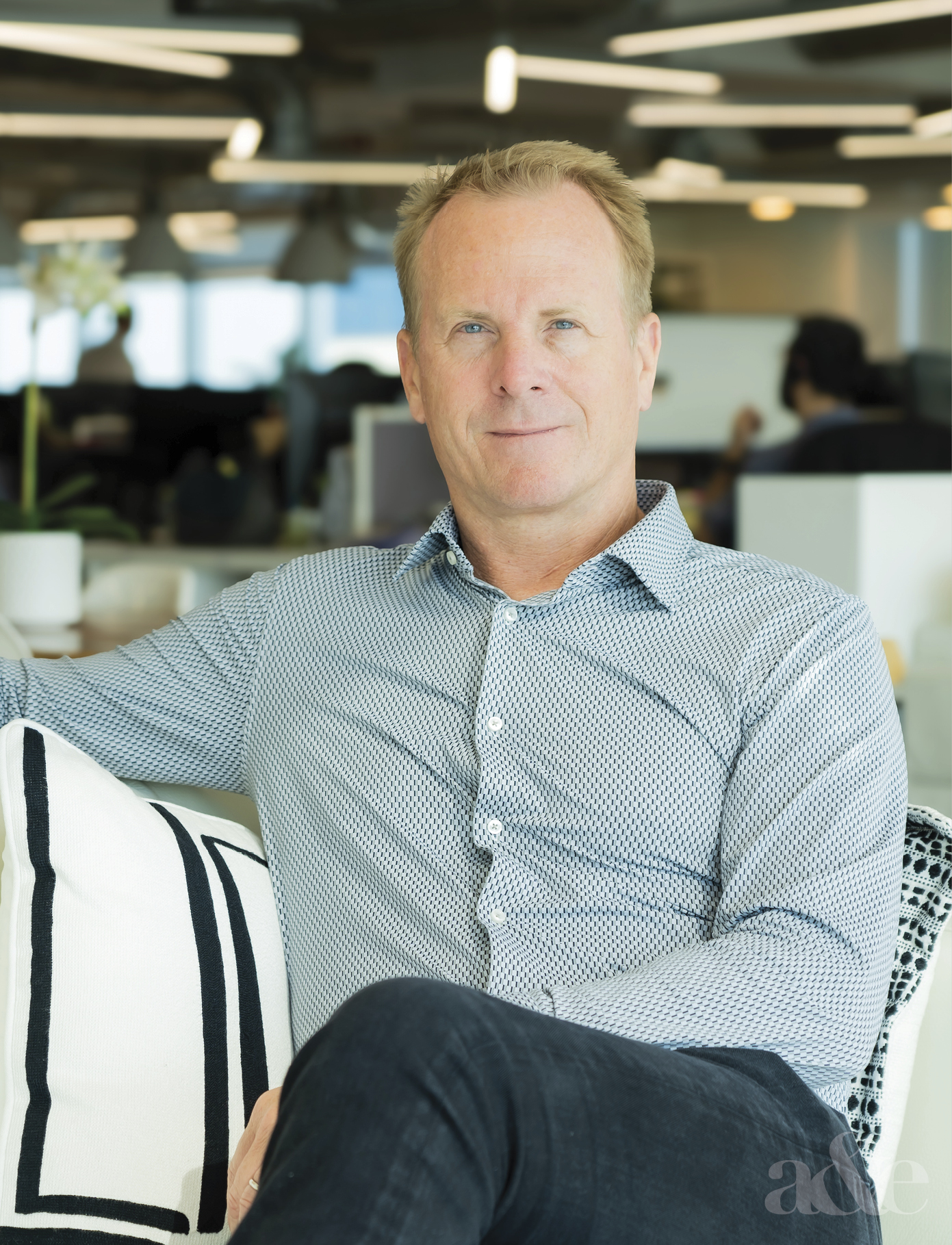
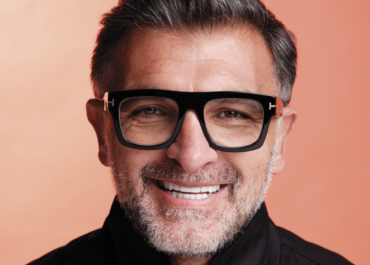
Shaun Killa, Founder & Design Director, Killa Design
Driven by a philosophy rooted in sustainability, innovation and human-centred design, Killa has consistently challenged architectural norms, creating expressive structures that balance technical precision with emotional impact. His projects do more than define skylines; they shape experiences, reflect cultural identity and push the boundaries of what architecture can achieve.
As the UAE continues to evolve as a global design destination, Killa remains at the forefront of this transformation, mentoring the next generation of architects while championing sustainable and future-focused urban environments.
Here, Shaun Killa discusses the evolution of architecture in the UAE, the vision behind his most iconic projects, and how design can shape the cities of tomorrow.
The UAE has become a global stage for architecture. How do you see the country’s design landscape evolving, and what makes it unique internationally?
What makes the UAE unique is its mindset. It’s a place that doesn’t just accept ambition, it encourages it. There is a willingness here to explore new ideas, new technologies, and new ways of living. What’s evolving now is a deeper level of thinking. The conversation is shifting from iconic, standalone buildings to more integrated, human-centric environments. We’re seeing a move toward mixed-use, lifestyle-driven developments that prioritise wellbeing, sustainability and long-term livability. That shift is important. The UAE is no longer just building for visibility; it’s shaping a future where people can live, work and thrive within a more complete ecosystem. That’s what gives it real global relevance.
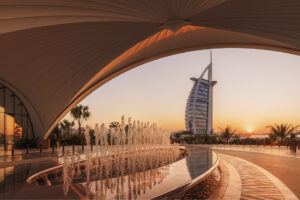
Jumeirah Marsa Al Arab
Many of your projects, including the Museum of the Future, have become global icons. What does it mean to contribute to shaping the architectural identity of the UAE?
It’s both a privilege and a responsibility. The UAE is still defining its architectural identity, and each project becomes part of that narrative. For me, it has never been about creating icons for their own sake. Architecture should have purpose; it should uplift, inspire, and improve the quality of life. When it’s disconnected from people or a place, it becomes a sculpture rather than architecture. Projects like the Museum of the Future or Jumeirah Marsa Al Arab are meaningful because they express something larger, a sense of optimism, innovation and cultural confidence. Contributing to that evolving identity is something I value deeply.
Take us back to the Museum of the Future. What was your vision for the project, and how did you approach designing such a landmark?
The project began with a question. What is the future, and how do you design for something that is still unknown? The design evolved around three key elements: the mound, the form and the void. The mound represents the earth, grounding the building in place. The form represents humanity and our ability to innovate. And the void represents what we do not yet know. The challenge was to translate that philosophy into something buildable. The integration of structure, calligraphy and façade required new ways of thinking and making. But when there is clarity in the narrative, design, engineering and technology align, and that’s when architecture becomes something more than just a building, it becomes an experience.
Many of your designs push boundaries both aesthetically and technically. How would you describe your architectural philosophy?
For me, design begins with purpose. It comes from understanding context, not just the site, but the culture, the climate and the emotional character of a place. We approach architecture holistically. It’s the interplay of structure, light, landscape, materiality and movement. When these elements are considered together, the result feels intuitive and connected. I see architecture as a tool for connection, between people and place, between the built environment and nature. That’s what gives it meaning and longevity.
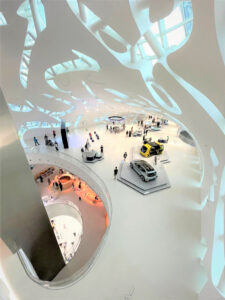
Museum of the Future
Sustainability is central to your work. How do you see sustainable architecture shaping the future of cities in the UAE and beyond?
Sustainability is no longer optional; it has to be fundamental. It needs to be embedded into the design process from the very beginning. We’re moving toward a future where buildings are not only efficient but also regenerative, giving back more than they take. That includes integrating renewable energy, passive design strategies, and a stronger connection to nature through biophilic design. At the same time, sustainability is also about well-being. It’s about creating spaces that improve how people feel, live, and connect with their environment. That balance between performance and experience will define the cities of the future.
The UAE is home to several of your most recognisable projects. Which projects are you most proud of and why?
Each project reflects a different aspect of our thinking.
The Museum of the Future stands out because it pushed the boundaries of what was possible, both technically and conceptually.
Jumeirah Marsa Al Arab is more about experience and narrative. It completes a beachfront story that began with Jumeirah Beach Hotel and Jumeirah Burj Al Arab, evolving into a more fluid, contemporary expression inspired by the elegance and movement of a superyacht.
Address Beach Resort is another project I’m proud of, particularly in how it redefines vertical hospitality while maintaining a strong connection to the sea.
More recently, Discovery Dunes, the ultra-exclusive Discovery Land Company golf residential community, represents a more immersive, lifestyle-driven approach. It’s about creating moments of pause and reconnection within the landscape, where architecture blends into the experience of the place.
And with the Four Seasons Residences in Abu Dhabi, the focus is on creating a sanctuary, where architecture, nature and hospitality come together in a seamless and refined way of living.
The projects I’m most proud of are the ones that create a strong emotional connection and stand the test of time.
Dubai has evolved rapidly over the past two decades. How has the architectural narrative of the city changed during your career?
In the early years, the focus was on creating icons that would define the city globally. There was a strong emphasis on visibility and ambition. Today, the narrative is more considered. There is a shift toward experience, towards creating environments that are liveable, sustainable and emotionally engaging. Dubai has taught me to think at the scale of legacy, to design buildings that capture the spirit of their time but remain relevant decades into the future. That evolution from spectacle to substance is what makes the city’s architectural journey so compelling.
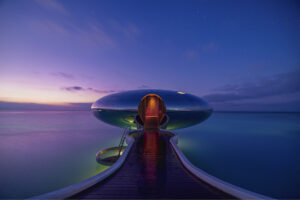
Shebara
Is there a project you have always dreamt of designing?
There are a few. I would love to design a hyper-luxury eco-safari lodge, something completely immersive where architecture and wilderness exist in balance.
But something very personal to me is designing a sailing yacht. Sailing has always been a source of clarity and inspiration, that balance between wind, sea and movement, and the connection to nature that comes with it. If we were to design a yacht, it wouldn’t be just an object; it would be a complete experience. A synthesis of performance, elegance and sustainability, where every line is fluid and every space evokes calm. More than anything, it would be about creating something that reconnects people to the ocean and to a sense of freedom and wonder.
Where do you draw inspiration from when conceptualising a new project?
It always begins with place, understanding the landscape, the light, the culture and the emotional quality of a site. But inspiration also comes from experience. From nature, from travel, and from moments of stillness. Sailing, in particular, has influenced how I think about balance, movement and connection to the environment. Often the most powerful ideas come from the space between what we understand and what we imagine. Design is about translating that into something tangible.
You have mentored many young architects. What advice would you give to emerging talent looking to build a career in the UAE’s architecture sector?
Stay curious and stay disciplined. Architecture is both creative and technical, and the strongest ideas are always grounded in rigour. Focus on purpose, not just form. Think about how your work impacts people and how it connects to its environment. And most importantly, be resilient. The UAE offers incredible opportunities, but it also demands a high level of thinking and commitment.
What would you say the biggest challenge is in your position today, and how do you manage that?
The biggest challenge is maintaining clarity as projects become more complex. There are more influences, more constraints, and more expectations than ever before. For me, it always comes back to the core idea. If that narrative is clear from the beginning, it guides every decision through to completion. And equally, it’s about building a strong team. Great architecture is always collaborative.
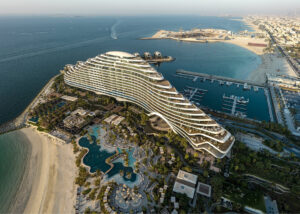
Jumeirah Marsa Al Arab
In terms of design, what’s your favourite building in the world and why?
I’m drawn to buildings that feel inevitable, where everything is resolved with clarity and intent. The most powerful architecture is not just visually striking, it’s emotionally resonant. It connects to its context, enhances experience, and remains meaningful over time. That balance between simplicity, innovation and emotion is what defines great design.
Looking ahead, what role would you like Killa Design to play in shaping the next chapter of architecture in the UAE?
We want to continue pushing the conversation forward, not just in terms of form, but in terms of meaning, responsibility and experience. Architecture should connect people to place, to nature and to each other. The future of the UAE’s architecture will be defined by that balance, innovation with purpose, ambition with sensitivity. If we can contribute to that in a meaningful way, then we are doing something worthwhile.