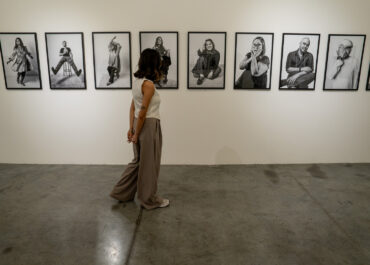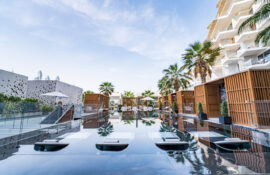

In a city that’s constantly developing, Alserkal Avenue has emerged as one of Dubai’s most compelling cultural anchors, a space where art, design and community come together with purpose. Founded in 2008 by Emirati businessman and patron Abdelmonem Bin Eisa Alserkal, the district began as a cluster of industrial warehouses in Al Quoz, reimagined as a home for contemporary art and creative exchange. What started with a handful of galleries has since evolved into a multidisciplinary destination that reflects Dubai’s growing cultural confidence. An anchor destination in the UAE’s creative scene, it has quickly become one of the most forward-thinking hubs for the arts, fashion, architecture, gastronomy and more.
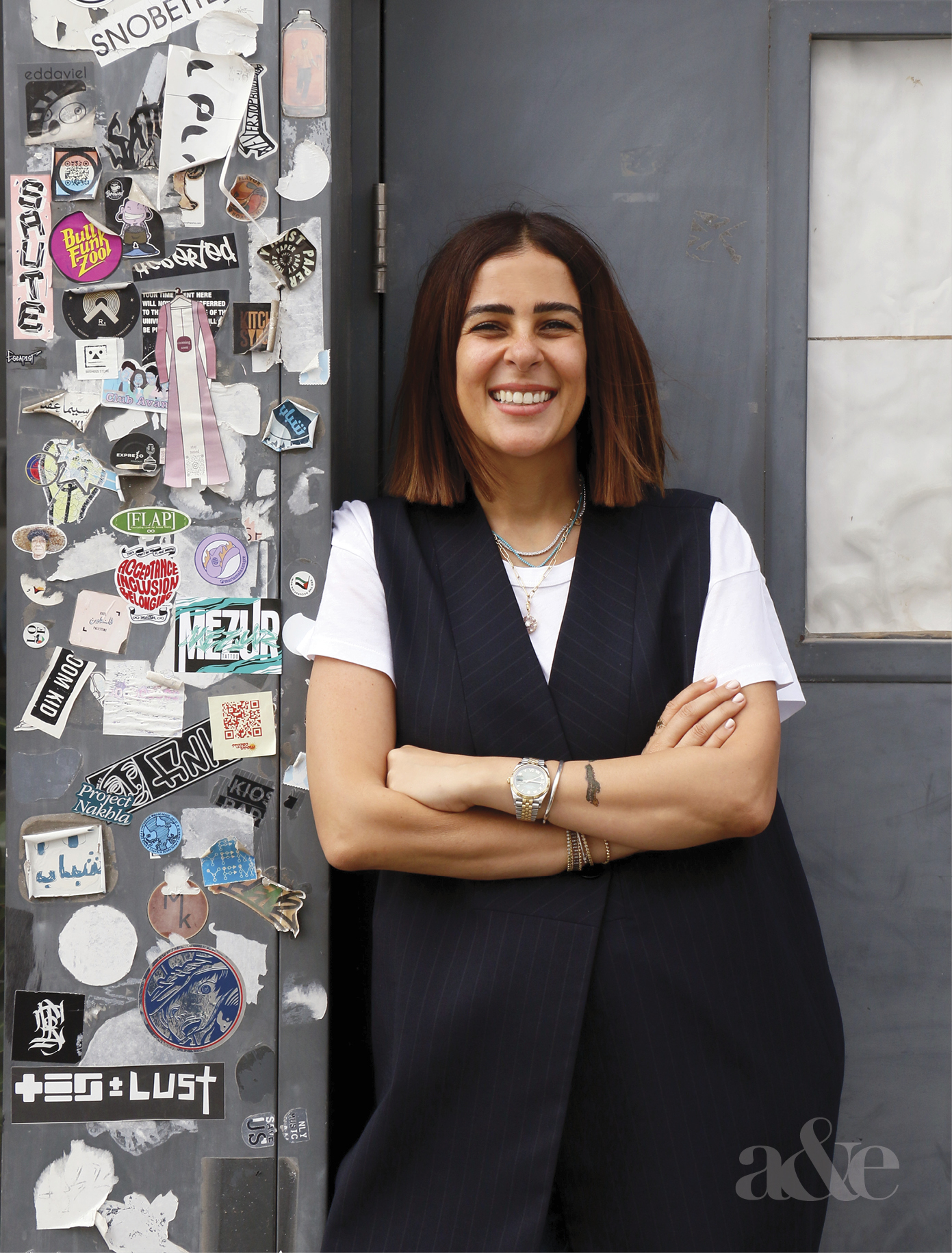
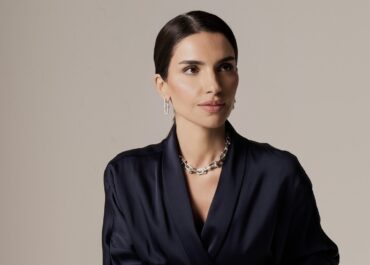
Basmah El Bittar, Director of Alserkal Avenue
At the centre of AlSerkal Avenue’s continued evolution today is Basmah El Bittar, whose work has helped shape the Avenue into a dynamic ecosystem extending far beyond visual art. Today, it encompasses performance, film, design, wellness and culinary concepts, all while maintaining a clear commitment to nurturing regional talent and fostering meaningful dialogue. Here, El Bittar reflects on the milestones that have defined Alserkal Avenue’s journey, the importance of building a community-driven cultural model, and how the district continues to evolve in step with Dubai’s ever-expanding creative identity.
Alserkal Avenue has grown into one of the region’s most important cultural districts. From your perspective, what has been the most meaningful transformation in its evolution over the past decade?
Following the Avenue’s opening in 2008, we expanded in 2015, doubling the Avenue’s size and nearly tripling the number of units. That was followed soon after in 2017, with the launch of Concrete, a multipurpose, museum-grade space designed by OMA. The opening of every new concept has been a milestone in its own right. I don’t think we could ever pinpoint just one. What’s more, we’ve been very fortunate to have the belief and vision of our founder, Abdelmonem Alserkal, driving us. Over the past decade, we’ve grown to have more than 90 concepts, the vast majority of which are homegrown brands from the region, steeped in their respective histories and cultures.
Supporting regional creatives has always been central to Alserkal Avenue’s mission. How does the organisation actively nurture artists and designers from the UAE and the wider region today?
Alserkal Avenue was founded with the vision of creating a space for contemporary art, creativity and cultural exchange. Since we opened in 2008, our mission has been to create an ecosystem from the ground up, working in partnership with cultural entrepreneurs – gallerists, artists, creative entrepreneurs, designers and audiences – to nurture a creative community here in Dubai. We’ve produced more than 5,000 programmes, free and open to the community, offering audiences a chance to engage with artists and cultural practitioners across a wide range of disciplines. Our network of artists and practitioners has grown with time, and we’ve commissioned more than 35 works of public art across the Avenue.
Alserkal Avenue has the feeling of being a living community. How intentional has that sense of community-building been in the way the district has developed?
Community is an essential part of any cultural endeavour. The exchange of ideas, meaningful dialogue, and the sharing of creative energy are contingent upon a community committed to curiosity and cultural exchange. That intent underpins how we curate the Avenue experience, not just for audiences but for community members too. Our focus is on the relationships that can grow and thrive, and the conversations that can arise as a result. A few years ago, when we began to grow our culinary offering, we spent a lot of time working with the concepts popping up on the Avenue, as well as those making their permanent homes here, to encourage a dialogue. The result is a culinary community that consistently experiments and shares its curiosity with audiences. It’s the same for the design concepts that are now in the Avenue. Each of them (there are eight permanent design spaces in the Avenue today) brings a unique approach and aesthetic to the community.
Beyond galleries, the Avenue now encompasses film, theatre, performance, literature, music, food and wellness. Why was it important to expand beyond the visual arts into a broader cultural ecosystem?
Culture informs creativity in all its forms. Whether in design, film or theatre, visual arts or literature, dance, performance, craft, music, or culinary arts, we see cultural nuances reflected in all creative endeavours. In a city like Dubai, where multiculturalism is a way of life, having a space that celebrates its distinct energy and plurality is important. It allows for a deeper, more layered, and multidimensional understanding of each other’s backgrounds, beliefs, and ways of thinking.
What role do spaces like Alserkal Avenue play in helping regional creatives gain international exposure and recognition?
Championing creatives and cultural practitioners from the region is woven into our DNA. From the earliest days, when we supported our galleries at international art fairs such as Art Basel, to our present-day community grants, which support projects such as Ishara House at Kochi Biennale, we’ve always worked to create and enable platforms for the region’s artistic and creative community to be celebrated, at home and on the international stage. The inaugural exhibition in Concrete was a celebration of Syrian art and a regional collection—Syria: Into the Light—which presented the Atassi Foundation’s collection. For our public art commissions, we regularly work with artists and practitioners from the region; in recent years, we’ve worked with Emirati artists Nujoom Alghanem, Asma Belhamar, and Sarah Al Mheiri, as well as regional artists such as Shilpa Gupta and Abbas Akhavan. We have numerous examples; the fact remains that contemporary artistic practice and critical thinking from the region should be celebrated on the international stage, and we’re really excited to shape and support that endeavour.
How do international collaborations strengthen Dubai’s position as a global cultural destination?
For us, as Alserkal Avenue, the more pertinent question is how collaborations can be beneficial to both parties. The UAE is already a global cultural destination, and collaborations serve a symbiotic purpose by fostering cultural exchange. They create opportunities that allow both parties to become stronger, more diverse, and more representative in their offerings and in the audiences they reach.
Alserkal’s model has moved beyond the traditional landlord-tenant relationship to a more collaborative one. How does this approach benefit creative entrepreneurs and cultural organisations within the district?
This has been our approach from the very beginning. We’ve never seen our role as that of a traditional landlord with a top-down approach. We begin every conversation with a long-term view: how can we work together to develop a concept that will challenge the status quo within its own industry, endure and grow, and how can we (Alserkal Avenue and the community as a whole) support that growth and vision?
Kave started as a pop-up in one of the warehouse spaces in the Yard in 2018. Today, the space is a hub for the community and hosts regular community programming throughout the week. Cinema Akil, now an anchor tenant, was a regular programming partner as far back as 2015, as we worked together to build a community and audience for independent cinema before they opened a permanent space in the Avenue.
We also frequently encourage conversations and collaborations amongst and between concepts in the Avenue. The results are beneficial to the entire community: synergies and new ideas emerge, and an authentic and supportive camaraderie grows.
Looking ahead, what can audiences expect from Alserkal this year in terms of exhibitions, festivals, or new cultural initiatives?
Our galleries’ openings are always a highlight, both during Alserkal Art Weeks and in September and January, and you can expect more programming to draw audiences into a space for interaction with contemporary art and critical thinking. We already do this, but people will find more opportunities to engage with contemporary art and design, and with the practitioners and creatives involved, as we move through the year. In addition, we will have more consistent programming through our growing weekend programme, which focuses on activities for the whole family, with arts programming, music, the farmer’s market and culinary activations. What The Food and QAF will return, and both programmes are already starting to look really exciting.
As the Avenue continues to grow, how do you balance expansion with maintaining the independent, experimental spirit that made the space special in the first place?
As an organisation, our ethos has always been about experimentation by design and a purposeful improvement. We take calculated risks and consistently look for ways to respond to and address the needs of businesses and creative entrepreneurs. With feedback from various business owners and creatives, we decided to create our kiosks, which allow entrepreneurs to experiment with products and ideas. They can try out their ideas without overcommitting, and tweak and fine-tune their offerings as they go. The pop-up model, whether in our kiosks or our warehouse spaces, enables us to work with more independent brands as they test the market and refine their offerings. It’s been an incredibly rewarding experience for us as well as the business owners who have brought their concepts to the Avenue.
Badibanga, a homegrown fashion brand started by Oscar Badibanga and Gilda Gilantash, recently had a pop-up in the Avenue, selling out their third capsule in just a few days. House of Habanero has recently opened as well.
While we do make concerted efforts to continue bringing fresh, independent concepts into the Avenue, experimentation is also part of the ethos of some of our concepts: Satellite, artist Rami Farook’s studio, is a great example. Ever since it first opened its doors, Satellite has been a space of continual reinvention.
Ultimately, Alserkal Avenue is a microcosm of Dubai’s multiculturalism and plurality. In many ways, we are a reflection of, and a response to, the cultural shifts in the city’s social fabric, and as the city evolves and grows culturally, so do we.
In your view, what still needs to happen for the UAE’s creative industries to reach their full potential?
I think we already see the UAE’s creative industries working to consistently fulfil their potential, from contemporary art galleries to community theatre, cinema, and even F&B concepts. More importantly, we see an incredible dedication and commitment from entrepreneurs to setting, achieving and then maintaining a very high level of personal investment in their concepts. Naturally, the ecosystem and the infrastructure to support their efforts have been growing in tandem. At Alserkal Avenue, we’ve been creating an ecosystem from within, working closely with the government, entrepreneurs, and creatives to develop systems of support that allow talent and commitment to truly shine. In that regard, there is always more we can do, and do better, but the creatives and entrepreneurs themselves, and the businesses they have set up, are a testament to the potential already here in the UAE and across the region.