
With a distinctive eye for elegance and a deep appreciation for thoughtful spaces, interior architect Eliane Gemayel has carved a refined presence in the design world. Her work reflects a harmonious balance between aesthetics, functionality, and emotion—creating interiors that feel both timeless and personal. With the launch of her new studio, SOLE Architecture and interiors, Eliane embarks on an exciting new chapter, bringing her creative vision to a platform dedicated to curated spaces and interiors, innovative concepts, and meaningful design experiences. In this conversation, she shares the inspiration behind the studio, her creative philosophy, and what lies ahead for her growing practice.
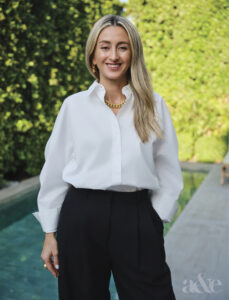
What inspired you to launch SOLE design studio and what does this new chapter represent for you as a designer?
After years of working alongside an exceptional mentor and team at Claude Missir Interiors, shaping my eye, my standards, and my confidence through high-end residential and commercial projects, I felt ready to build something of my own. SOLE is the natural next chapter: a studio that carries everything I’ve learned, expressed in my own voice. This new chapter is deeply personal. Design is not what I do; it is who I am. I pour myself into every project with a level of dedication that goes beyond profession; this is my passion, my purpose, and where I see myself for the rest of my life.
We believe that every project has a soul, a story waiting to be revealed through thoughtful architecture and refined interiors. Our role is to uncover that essence and translate it into spaces that are not only beautiful, but meaningful and enduring. And at the heart of everything is our relationship with our clients; their story is always our starting point, and every space we design flows from that deeply personal foundation.
The name “Sole” evokes both warmth and individuality. How did you arrive at the name, and what does it symbolise for the studio?
SOLE took so much time to find. I spent months searching for a name that felt true, and it came in the most unexpected, beautiful way. My husband and I were in Marrakech, a city that has inspired me since I was a little girl. We were sitting in the gardens of La Mamounia, having coffee, and I remember telling him: I cannot live in a city without the sun. The sun defines my day. Light is everything to me.
In that same moment, almost instinctively, he picked up his phone and searched what my name, Eliane, means. And there it was, the sun. We both just looked at each other. That was it. That conversation changed everything.
I didn’t want to name the studio after myself. I’ve always believed this work is bigger than one person; it is about the team, the collaboration, the collective dedication. But SOLE felt different. It carried soul, the belief that every space has one. It carried soleil, the French word for sun. And it carried something deeply personal without ever being just about me.
Light has been central to my work from the very beginning. The way it moves through a space, reveals texture, shifts mood, brings materials to life, that is where design truly lives. At SOLE, the careful interplay of light and shadow is not an afterthought. It is the foundation of everything we create.
How would you describe your design philosophy, and how is it reflected in the projects you take on?
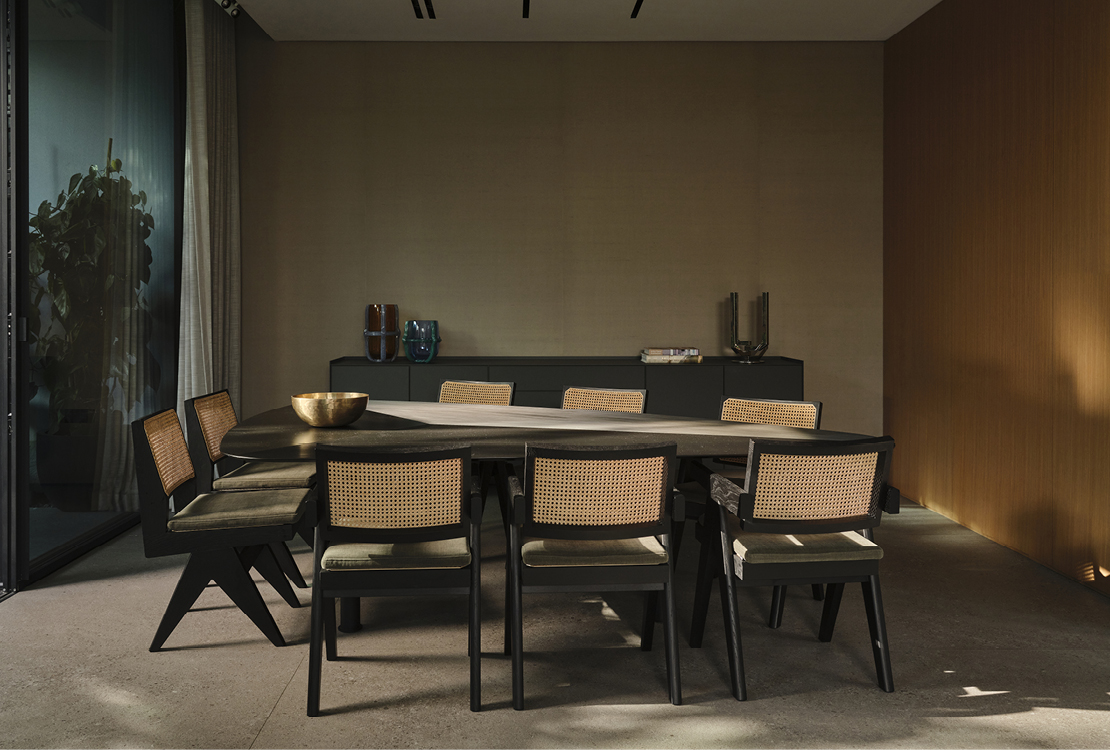
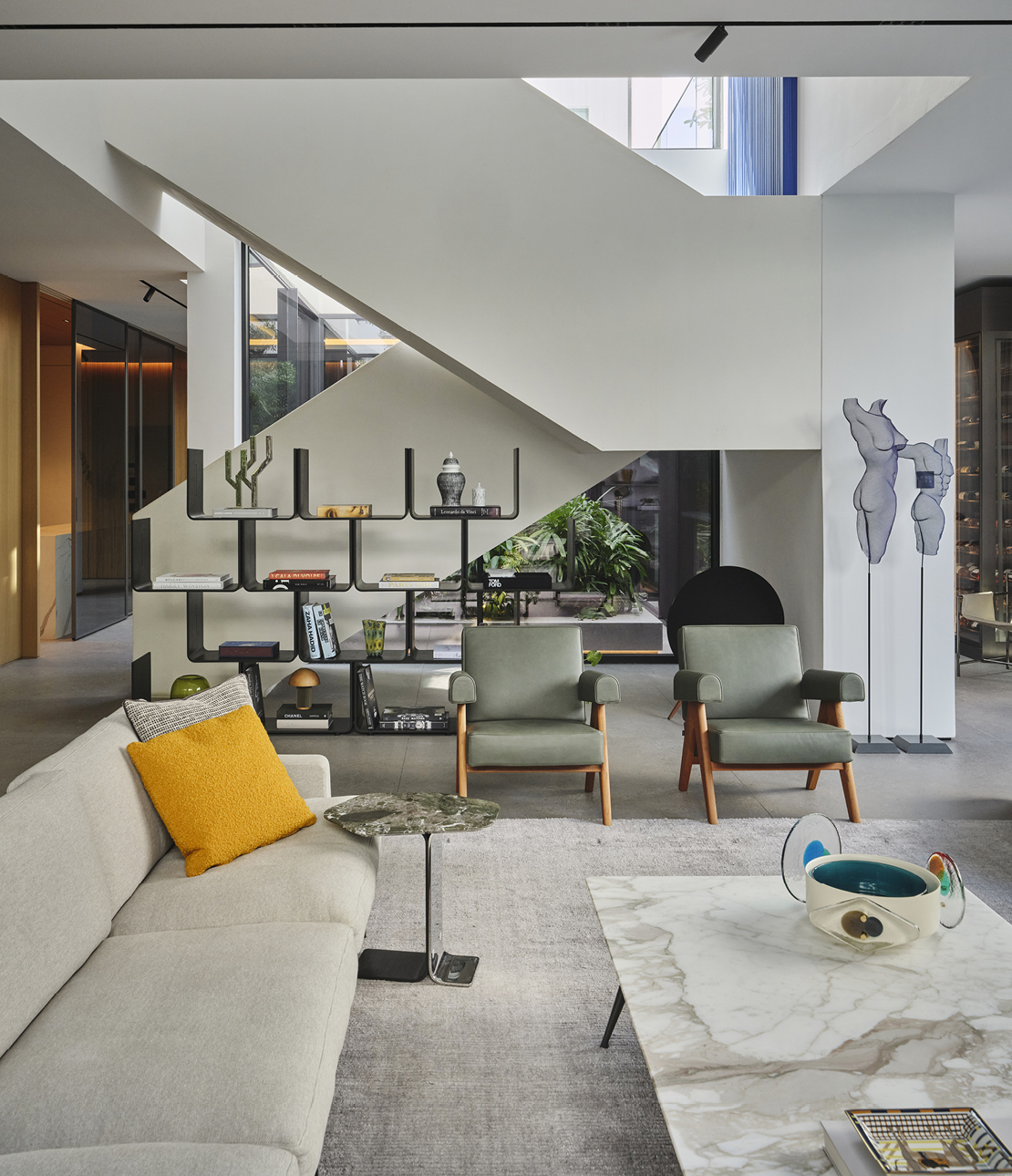
I am, at my core, a minimalist. I believe deeply in less is more, but only when it is done right. Great design is never about excess or statement-making. It is about restraint, intention, and the quiet confidence of a space that simply feels right. I am obsessively attentive to details. Not in a way that is visible or loud, but in a way that you feel without quite knowing why. The proportion of a doorframe. The balance of materials. The way light falls across a surface at a particular hour. These are the things that make the difference between a beautiful space and an unforgettable one.
What I care about most is durability, not structural, but emotional. I never want a client to love their home today and feel disconnected from it five years later. That is a failure of design. I want to create spaces that age with grace, that feel as considered and alive ten years on as they did on the first day. Low key, but lasting. Our work is guided by natural and noble materials, a coherent spatial language, and an honest mix of iconic pieces, vintage finds, and contemporary elements. That tension, handled with care, is what gives a space its character.
And perhaps the most personal measure of success: most of our projects come through referrals. A client who returns years later to entrust us with their next home or sends a dear friend our way. To me, that says everything.
Interior design often tells a story about the people living in a space. How do you ensure each project feels personal and unique to your clients?
Every project begins with listening. Before a single line is drawn, I take the time to truly understand my clients: how they live, how they think, what they dream of for their space. I visit them, I sit with them, I ask the questions that go beyond aesthetics. With time, many of our clients become close friends, and I think that closeness is what makes the work so personal.
This applies equally to commercial projects. Whether it is a residence or a hospitality space, the same question drives everything: what do you want people to feel when they walk through that door? For a commercial client, I need to understand their vision, their brand, their guest, because a space that moves people, that leaves an impression, is never accidental. It is designed with intention from the very beginning.
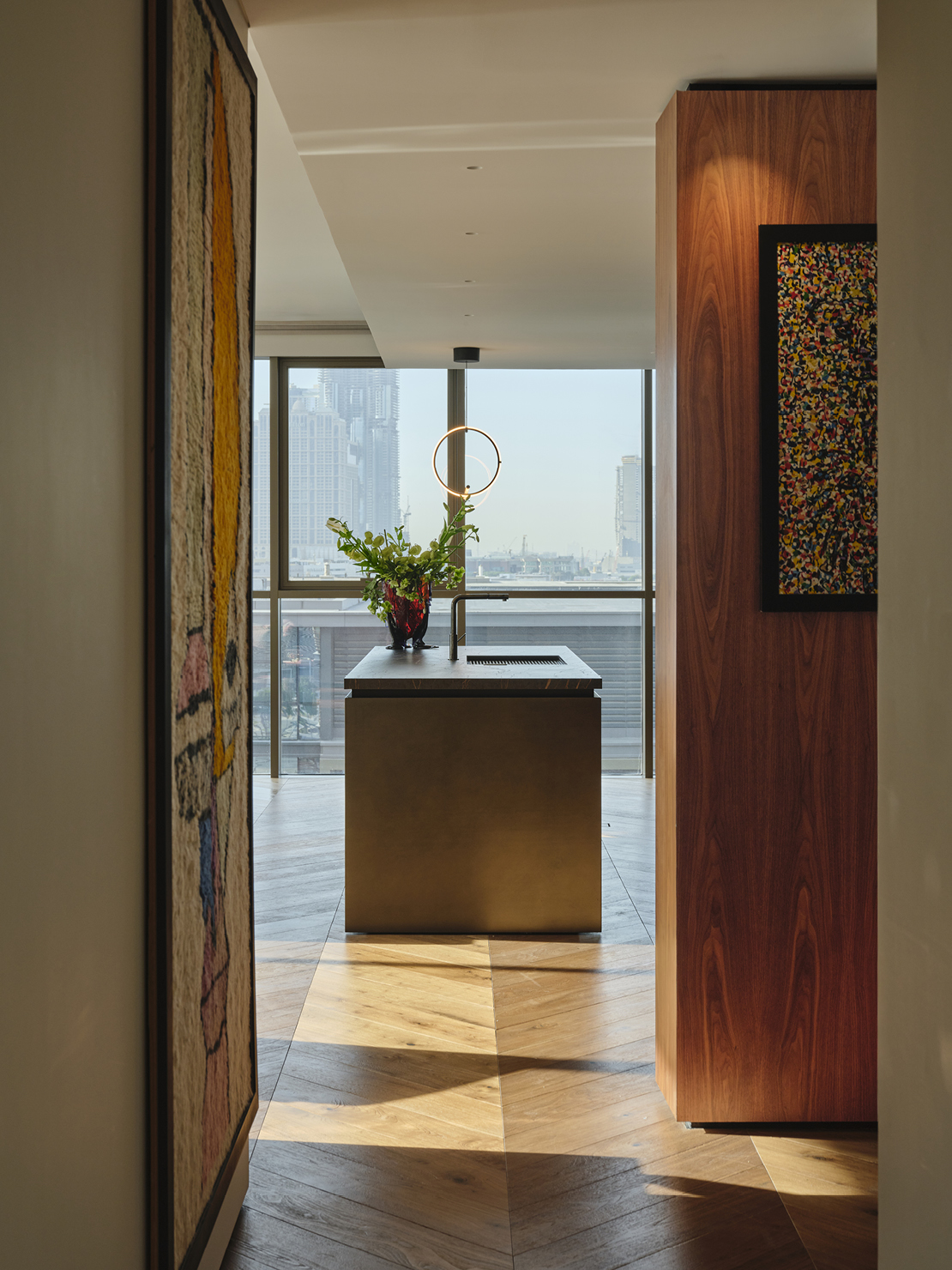
From those conversations, we build a preliminary concept — mood boards that reflect everything we have discussed, a visual translation of their story and aspirations. Once that foundation is approved, we move into the design process with a clear and shared vision.
Throughout, we always keep my clients’ best interests at the centre of every decision. We guide them thoughtfully within their budget, making sure that every choice — every material, every piece, every detail- works toward the most beautiful and meaningful outcome possible. The goal is never just a stunning space. It is a space that feels entirely, unmistakably theirs.
What are some key elements or materials you find yourself naturally drawn to when designing interiors?
I am drawn, above all, to authenticity. Materials that are real, that age beautifully, that carry history in their texture, these are non-negotiable, in design as in everything else.
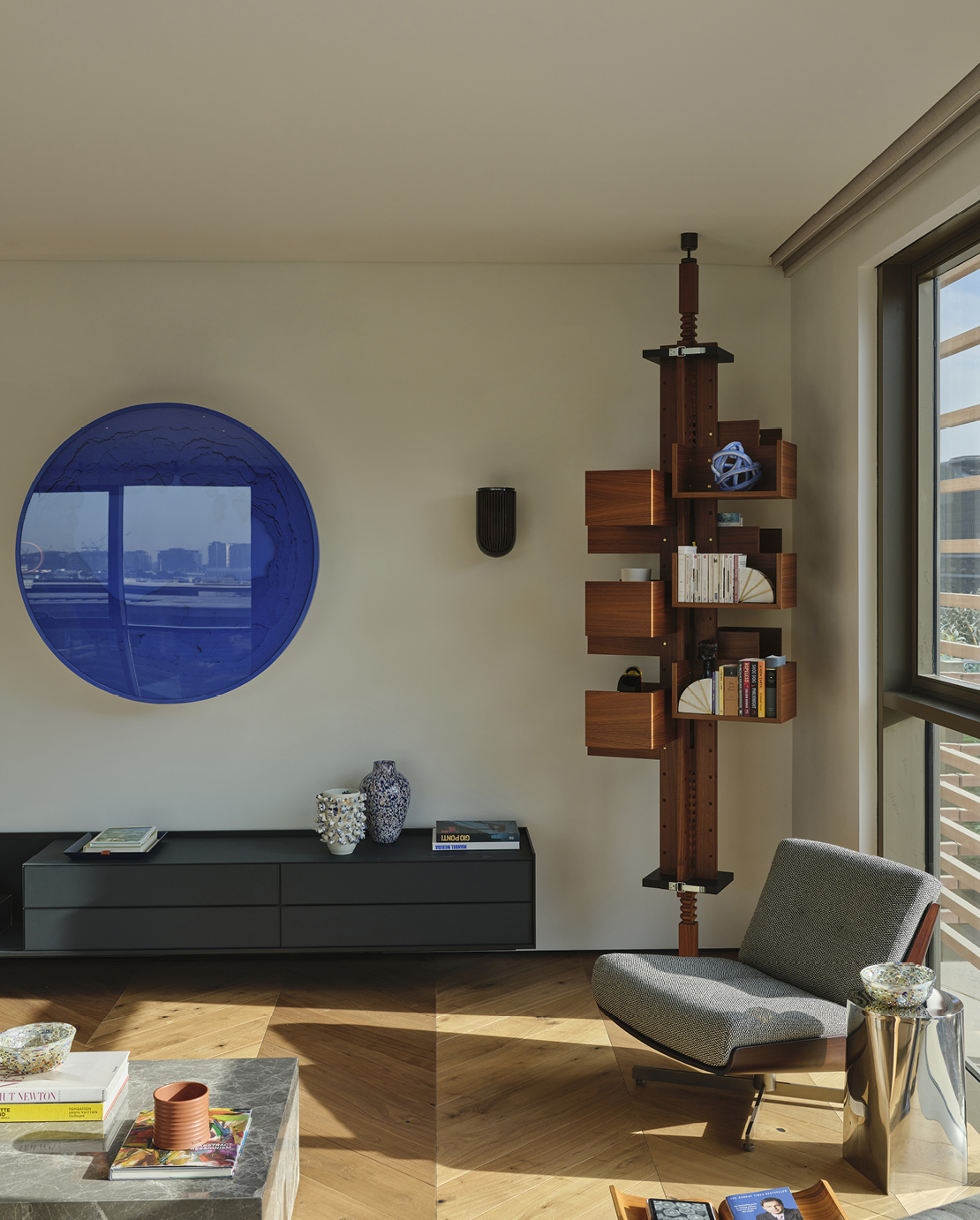
Wood brings warmth and life. Glass brings clarity and lightness. Marble carries a quiet nobility, and there is something I find deeply moving about its veining, each slab unique, a pattern formed over millions of years. Metal is almost always present too, adding precision and edge, whether as structure or detail.
Symmetry and balance also run through everything we do. There is a discipline in alignment that I find both calming and powerful.
And one thing I feel very strongly about: I will never use imitation materials. No fake wood effects, no simulated finishes. If the budget does not allow for the real thing, we find another genuine material that serves the same intention. A space built on honest materials has an integrity that you feel, even if you cannot always name it.
With SOLE design studio, are there particular types of projects or collaborations you are hoping to focus on?
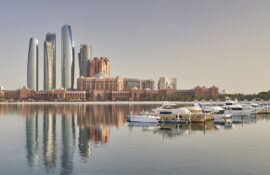
Since I was a child, I have carried a dream of designing a religious space; and I mean that across all faiths, all traditions. These spaces hold something rare: meaning, history, culture, and a sense of purpose that very few other typologies can claim. When I visited the Abrahamic Family House in Abu Dhabi, I walked through each space and felt genuine peace. I understood, in a very visceral way, what architecture can do to the human spirit when it is designed with true intention. That is something I hope to bring to SOLE one day.
Beyond that, I am deeply drawn to hospitality and marine projects; hotels, boats, spaces designed around an experience and a feeling. The constraints push the creativity, and the results, when everything comes together, are truly beautiful.
One collaboration that means a great deal to me personally is with Cloud Stone Studio, a US-based architecture firm founded by my brother, Antonio. There is something very special about that dynamic: a shared sensibility, a mutual trust, and a fluency that only comes from a deep personal connection. Together, I believe we have the reach and the vision to take on projects across continents.
As for collaborations more broadly, I am intentionally selective. I only work with brands and partners I genuinely believe in. Design has never been a commercial exercise for me; it is about authenticity, and about never putting your name on something that does not reflect your values. That will always be the standard at SOLE.
The design world is constantly evolving. What trends or shifts in interior design are inspiring you the most right now?
AI is impossible to ignore right now, and I embrace what it offers. It saves time, streamlines processes, and frees up space for the thinking and dreaming that drives great design. But I believe deeply that it will never replace the human part of what we do. It cannot sit across from a client and feel what they need. It cannot translate a personal story into something spatial and alive. That remains ours.
What inspires me most right now is the growing consciousness around sustainability, and honestly, it feels overdue. As designers, we have a real responsibility to our planet. The materials we specify, the suppliers we choose, the longevity we build into every project; these decisions matter. A space that lasts twenty years is, in itself, a sustainable choice.
Design shapes how people live. And how people live shapes the world. That connection is something I feel very personally, and it will only become more central to the way SOLE works.
What has been the biggest challenge—and the most rewarding moment since launching your own studio?
The biggest challenge, honestly, is the current climate. The uncertainty is real, and it would be naïve to pretend otherwise. But I believe deeply in this country and in this region. The UAE has given so much to us and to so many others. We have been here for twelve years, and not a single day has passed without genuine gratitude for the opportunities this place has offered. So, while the times are uncertain, my trust in what is coming remains unshaken. If anything, there is excitement in it.
As for the most rewarding moment, it is not one moment; it is every message. Every time a client reaches out, whether days or years after completing a project, to share how much their space still means to them, that is everything. Those messages carry more weight than any award or recognition ever could. They are the proof that what we do matters, that the spaces we create truly become part of people’s lives. That, for me, is the greatest reward of all.
How do you balance creativity with the practical demands of running a design business?
To be very honest, the business side has never been my natural territory. I am a designer at heart; that is where my instincts live, where my energy goes, and where I am most at home. Numbers and financial management are not my forte, and I have always believed in surrounding yourself with people who complement what you lack.
I am genuinely fortunate to have a husband who not only believes in what we do, but also actively steps in to support the financial and business side of the studio. His trust in our design capabilities means everything, and his involvement allows me to focus fully on what I do best: creating spaces that are meaningful, considered, and lasting.
I think that balance is one of the most important lessons in running a creative business: know where your strengths lie, protect your creative energy, and never be too proud to lean on the people who support you
Looking ahead, what is your long-term vision for SOLE design studio, and what kind of impact do you hope it will have in the design community?
My vision for SOLE has always been clear, even from the very beginning: to remain intentional. I never want to grow for the sake of growing. It is not the more the merrier, it is about the right projects, the right clients, and the right energy around every single space we create.
I want SOLE to be known for deeply personal work. Boutique in spirit, yet present on a global stage. The kind of studio that takes on fewer projects precisely because each one deserves everything we have. That balance, intimate and worldwide at once, is something I protect carefully.
Equally important is the team. I want every person at SOLE to feel a sense of ownership over what we build together. This is not my studio alone; it is theirs, too. When the team feels that investment, it shows in the work, and the work shows in the spaces.
Ultimately, what I hope SOLE leaves behind is simple: more beauty in the world. More spaces that feel personal, considered, timeless, and alive. More rooms where people feel truly at home, where moments are lived so fully, they become memories. If we can do that, genuinely and consistently, then I think we will have done something that matters.
By Lea Nouhra