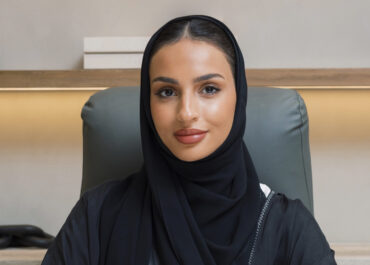

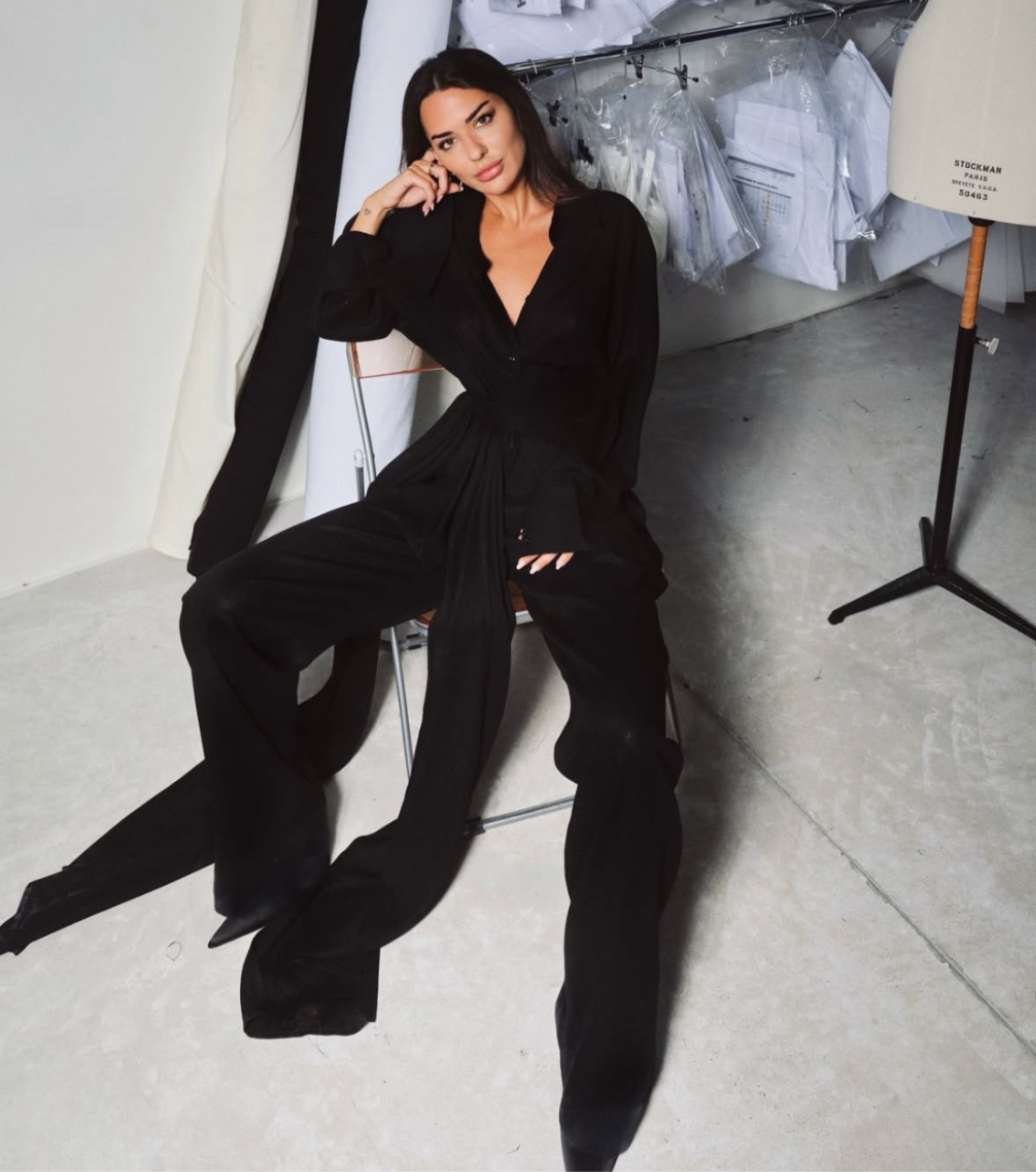
Lebanese designer Lama Jouni has built her namesake label on the idea that modern dressing should be both effortless and intentional. Founded in Dubai, her brand has become known for its refined balance of femininity and functionality, offering pieces designed to move seamlessly through a woman’s everyday life. With a background shaped by studies at ESMOD, Instituto Marangoni and Parsons Paris, and experience at leading fashion houses including Balmain and Rad Hourani, Jouni’s approach is grounded in strong tailoring, thoughtful construction and a clear sense of purpose.
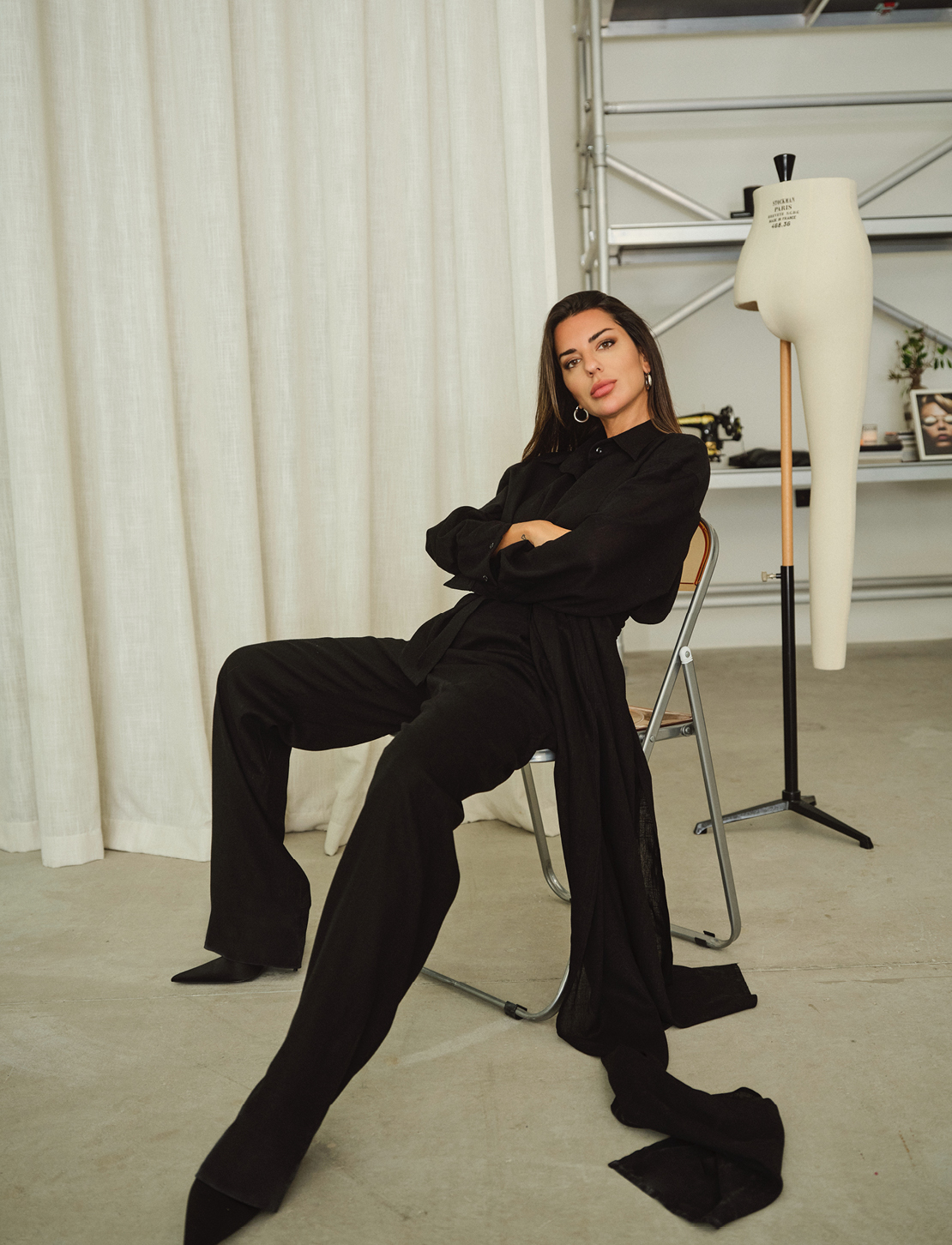
Since launching her label, Jouni has focused on redefining the capsule wardrobe, creating collections that emphasise versatility, longevity and ease. Her Essentials Series, introduced in 2020, helped shape the brand’s identity, with signature cut-outs, wrap ties and multi-strap silhouettes designed for women seeking confidence without complexity. Recognised by Vogue Arabia, Harper’s Bazaar Arabia and Forbes Middle East, she has steadily positioned her brand at the intersection of luxury and accessibility, with conscious design at its core.
As the regional fashion landscape continues to evolve, Jouni remains focused on building with intention, creating pieces that transcend seasons while empowering women through thoughtful, wearable design. In this interview, she reflects on redefining effortless dressing, building a brand from the region, and why slowing down may be the key to long term success.
Your brand is rooted in the idea of effortlessness. How do you define effortless dressing today, and why do you think it resonates so strongly with modern women?
Effortless dressing today is about clarity. It’s knowing yourself, your body, your lifestyle and choosing pieces that support that without overcomplicating it. Women today are doing so much, they don’t want to think too hard about what they’re wearing, but they still want to feel strong, feminine, and put together. Effortlessness is that balance of ease without losing intention.
Was there a personal moment or experience that led you to rethink how we consume fashion?
Yes, going through both the growth and the setbacks of my brand really shifted my perspective. There was a time when we were producing a lot, selling a lot, but it didn’t always feel aligned. That made me step back and question volume versus value. I started focusing more on creating pieces that have longevity—not just in quality, but in how they make you feel.
In a world driven by constant newness, how do you approach designing pieces that feel both relevant and enduring?
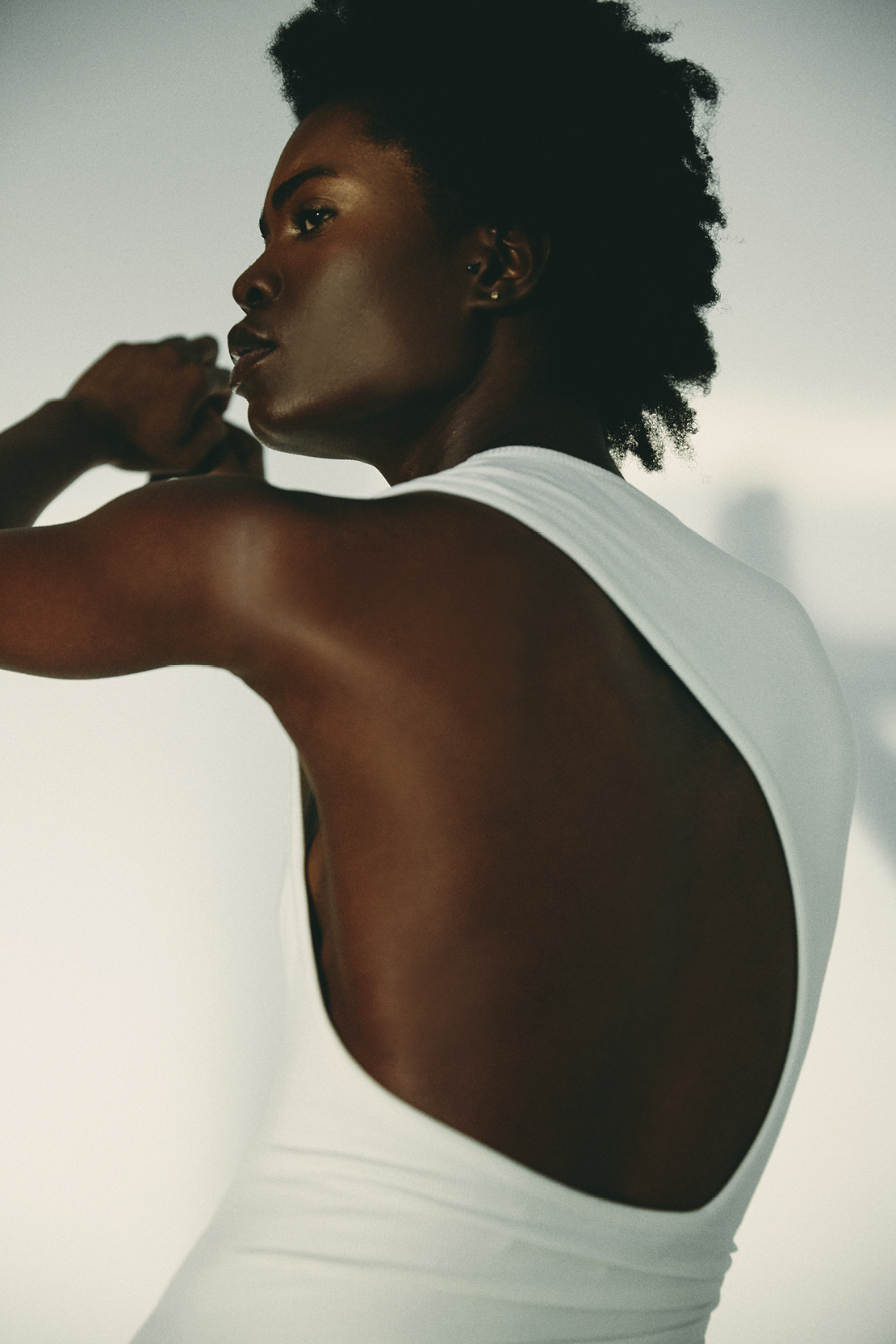
I don’t chase trends. I observe them, but I filter everything through the brand’s DNA. For me, it’s about refining rather than reinventing. If a piece can exist in your wardrobe for years and still feel right, then it’s successful. That’s how I define relevance: something that evolves with you, not something that expires.
Your silhouettes are known for their balance of femininity and ease. How do you ensure your designs remain both flattering and functional?
It comes down to construction and understanding the body. I come from a production background, so I think a lot about how something is made, how it moves, how it sits. I always ask: Does this make a woman feel comfortable and confident at the same time? If it restricts her or feels forced, it doesn’t work.
What lessons have you learnt along the way that continue to shape your approach today?
To slow down and be intentional. Not every opportunity is the right opportunity. Also, to trust my instinct more—especially when it comes to creative direction and business decisions. And to build sustainably, even if that means growing slower.
You’ve positioned your brand between luxury and accessibility. How do you maintain that balance without compromising on quality or design integrity?
It’s a constant balance, but it starts with being very clear on where value lies. I invest in fit, fabric, and construction—those are non-negotiables. Then I simplify where I can, whether it’s in design complexity or production processes, to keep things accessible. It’s about being smart, not cutting corners.
Conscious shopping is a key part of your philosophy. How do you encourage customers to shift their mindset from quantity to intention?
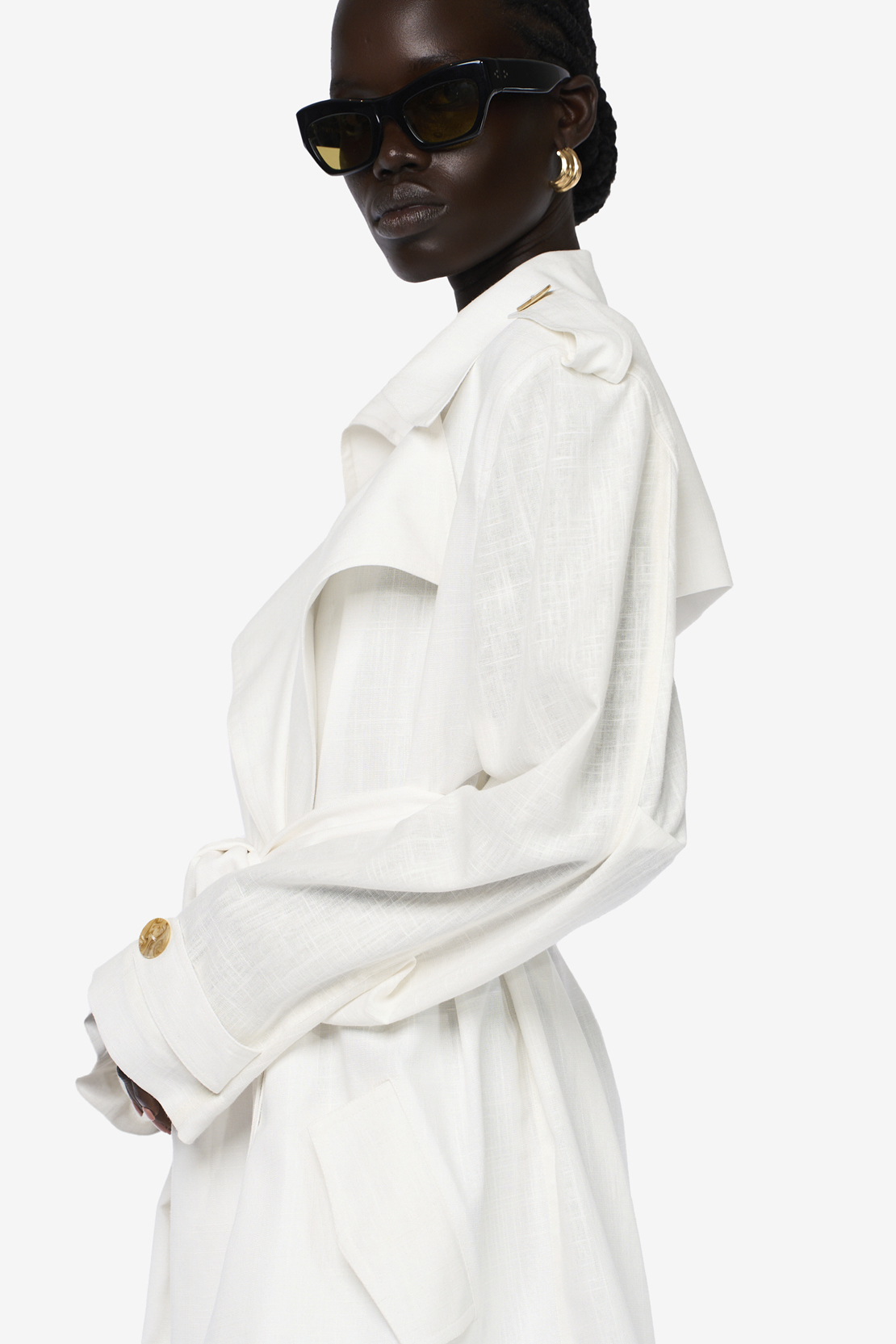
Through storytelling and consistency. I don’t want to overwhelm the customer with too many options. Instead, I want each piece to feel considered, like it has a purpose. When women connect emotionally to what they’re buying, they naturally become more intentional.
What, in your view, defines a truly modern essential?
A modern essential is something that adapts to different moments in your life. It’s versatile, comfortable, and makes you feel like yourself—but elevated. It’s not loud, but it’s impactful in how it’s worn.
As your brand continues to grow internationally, how do you ensure it remains rooted in its original vision?
By staying very close to the core of the brand, its values, its aesthetic, its message. Growth can sometimes pull you in different directions, but I always come back to: does this feel like us? If the answer is no, then it’s not worth pursuing.
What are the biggest challenges as a brand coming from this region, hoping to have success on an international scale?
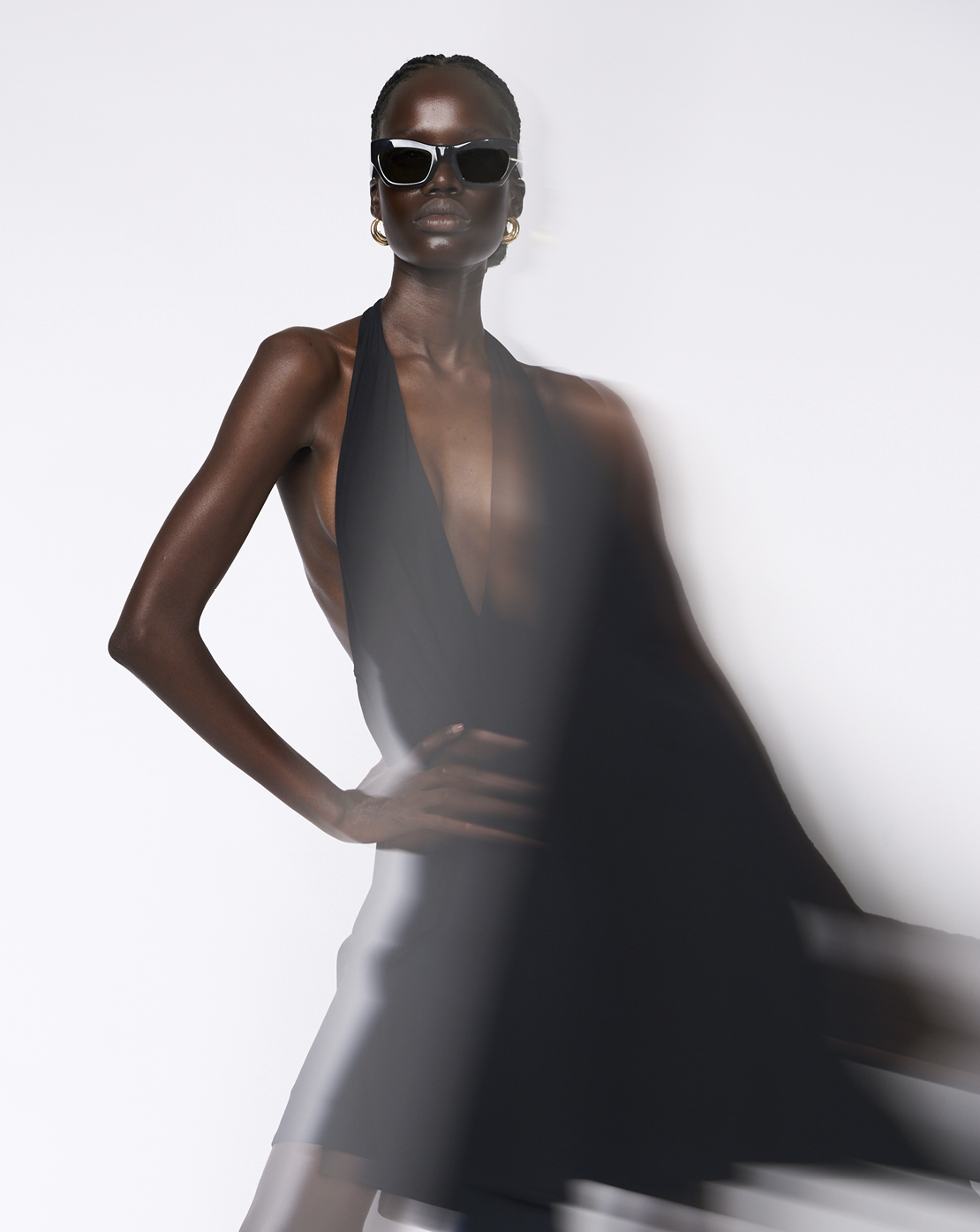
There’s still a perception gap. Sometimes you must work twice as hard to be taken seriously internationally. Logistics, production limitations, and access to certain resources can also be challenging. But at the same time, coming from this region gives us a unique perspective, and that’s something we should lean into more.
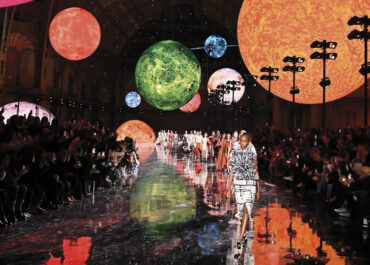
As a member of the Dubai Fashion Week committee, how do you see the regional fashion landscape evolving in the coming years?
I see it becoming more structured and more globally connected. There’s a lot of talent here, but now it’s about building the right systems, whether it’s production, distribution, or visibility. I think we’re moving towards a more mature and sustainable industry.
What would you still like to see being put in place to support designers coming from this region?
Stronger infrastructure, especially in manufacturing and funding. Designers need access to reliable production and financial support to scale properly. Also, more international exposure in the right markets, not just visibility, but actual commercial opportunities.
What would be your advice to aspiring designers?
Focus on building something real, not just something that looks good. Understand the business, not just the creative. And be patient, this industry takes time, and longevity is built through consistency, not hype.
What’s in the pipeline for you this year?
This year is about rebuilding with intention. We’re focusing on smaller, more curated drops, strengthening our direct relationship with our customers, and expanding into new categories. It’s less about doing more and more and more about doing things right.
By Lindsay Judge