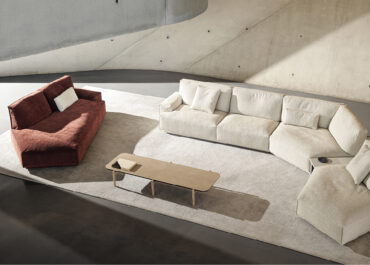

As the founder of Enso Design Lab, Ani Han has developed a distinctive design philosophy that prioritises calm, balance and material honesty, creating spaces and objects that quietly enhance everyday life rather than compete for attention. Her work reflects a measured approach to contemporary design, focusing on presence, proportion, and the relationship between people and their environments.
Through Enso Design Lab, Han explores how design can shape not only aesthetics but also the way individuals experience space, movement and emotion. Her projects span interiors, creative direction, and product design, unified by a commitment to minimalism grounded in meaning rather than trend. Natural materials carefully considered proportions, and a focus on tactile qualities are central to her work, allowing each project to develop character over time. This thoughtful approach has positioned Han as a designer interested not only in visual outcomes but in how design influences wellbeing and everyday living.
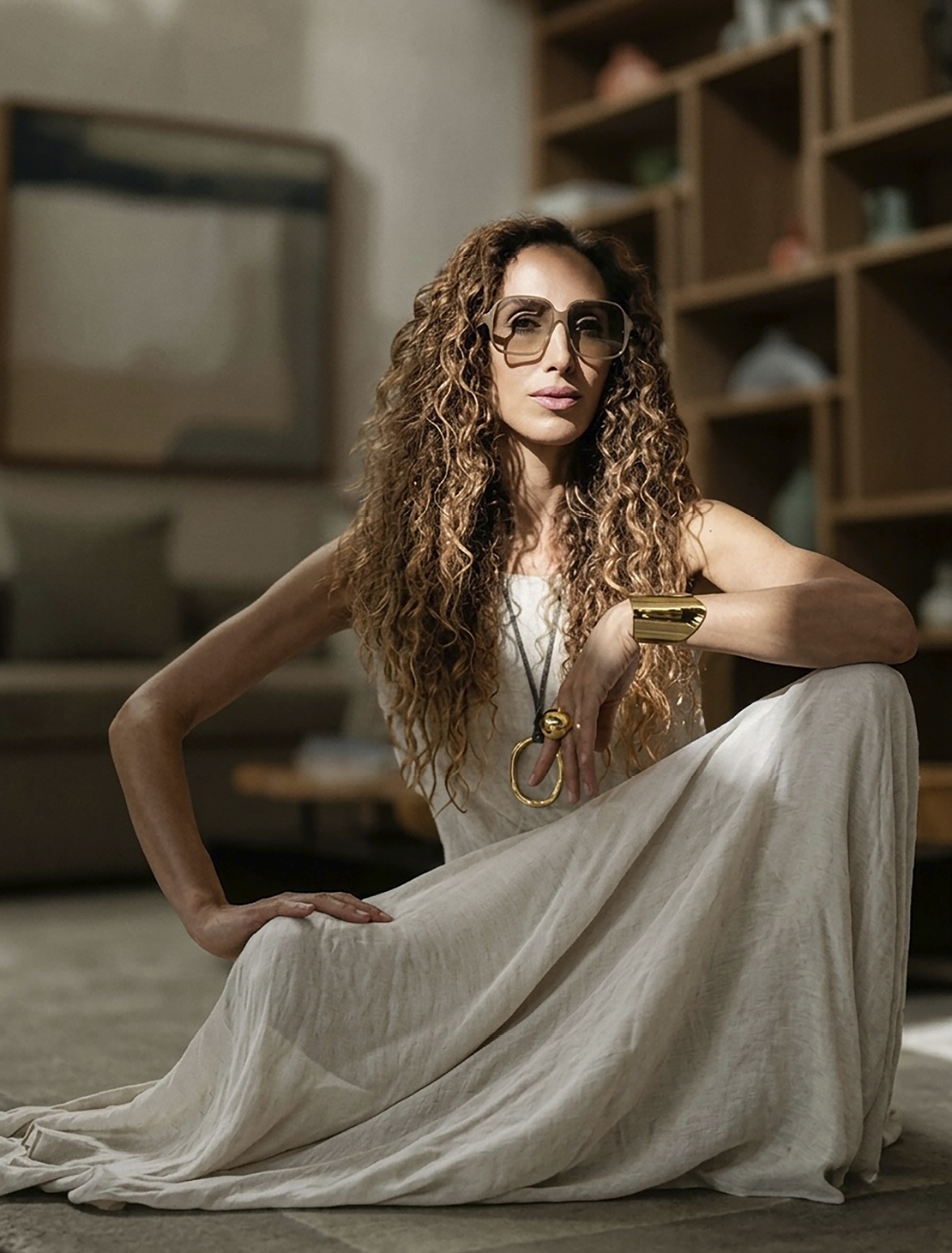
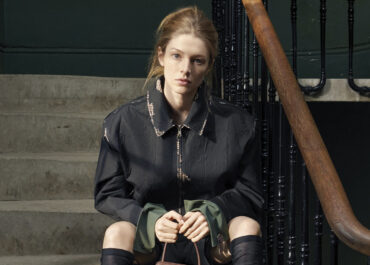
Han’s philosophy extends beyond interiors into jewellery design, where she translates her principles of simplicity and precision into wearable forms. Whether designing a room, an object or a piece of jewellery, Han approaches each project through the lens of essentialism, removing unnecessary details to reveal clarity and purpose. Here, Ani Han discusses the vision behind Enso Design Lab, her philosophy of essentialism and how thoughtful design can create spaces that feel both refined and deeply human
At the intersection of art, architecture, and mindful design stands Enso Design Lab a studio founded by visionary designer Ani Han. Known for its refined aesthetic and thoughtful approach to space, the studio explores how design can influence the way we live, feel, and connect with our surroundings. With projects that balance minimalism and emotion, Ani Han has carved a distinctive voice in the contemporary design world. Alongside her work in interiors and creative direction, she has also expanded her artistic language into jewelry, translating her design philosophy into wearable pieces that reflect both simplicity and meaning.
In this conversation, we explore Ani Han’s creative journey, the vision behind Enso Design Lab, and the inspirations that continue to shape her work.
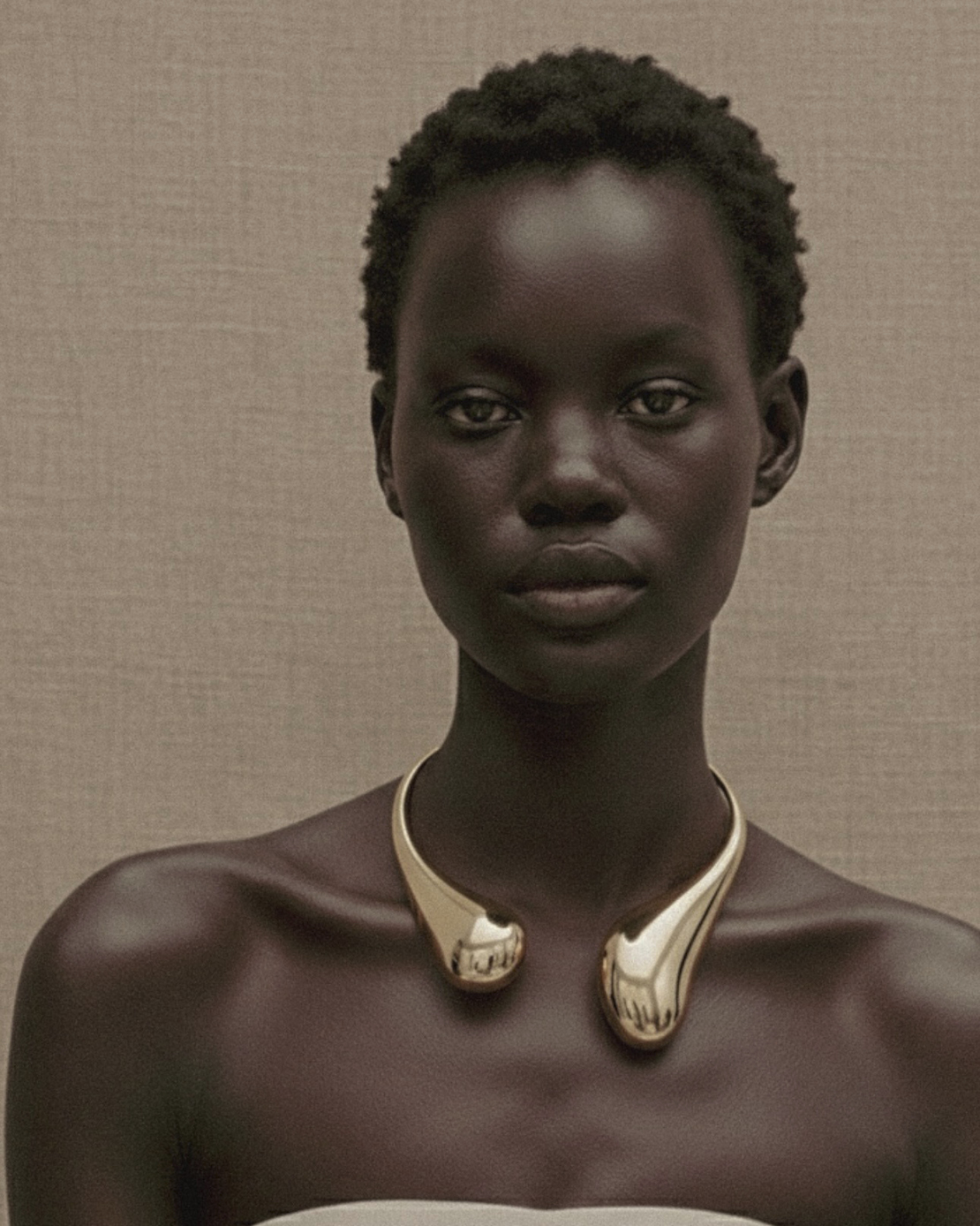
What inspired you to found Enso Design Lab?
I started the studio out of a very practical need. The world has simply become too visually noisy. Things constantly demand our attention through their shape, colour, or branding. I missed objects and spaces that just performed their function without overwhelming the senses. My vision was to build a practice where design doesn’t add unnecessary signals. I wanted to create environments where people don’t have to spend their energy processing redundant things.
The name “Enso” carries strong symbolic meaning. How does this philosophy influence the way you approach design and creativity?
Graphically, an enso is a circle, but for me, the most interesting part isn’t the line itself, the space it encloses. In my practice, distance, pause, and interval are just as much physical materials as stone or wood. I spend a lot of time working on how an object relates to the empty space around it. Design is largely a discipline of form. It is the ability to leave room for light, for movement, and for the person, rather than trying to fill every available inch.
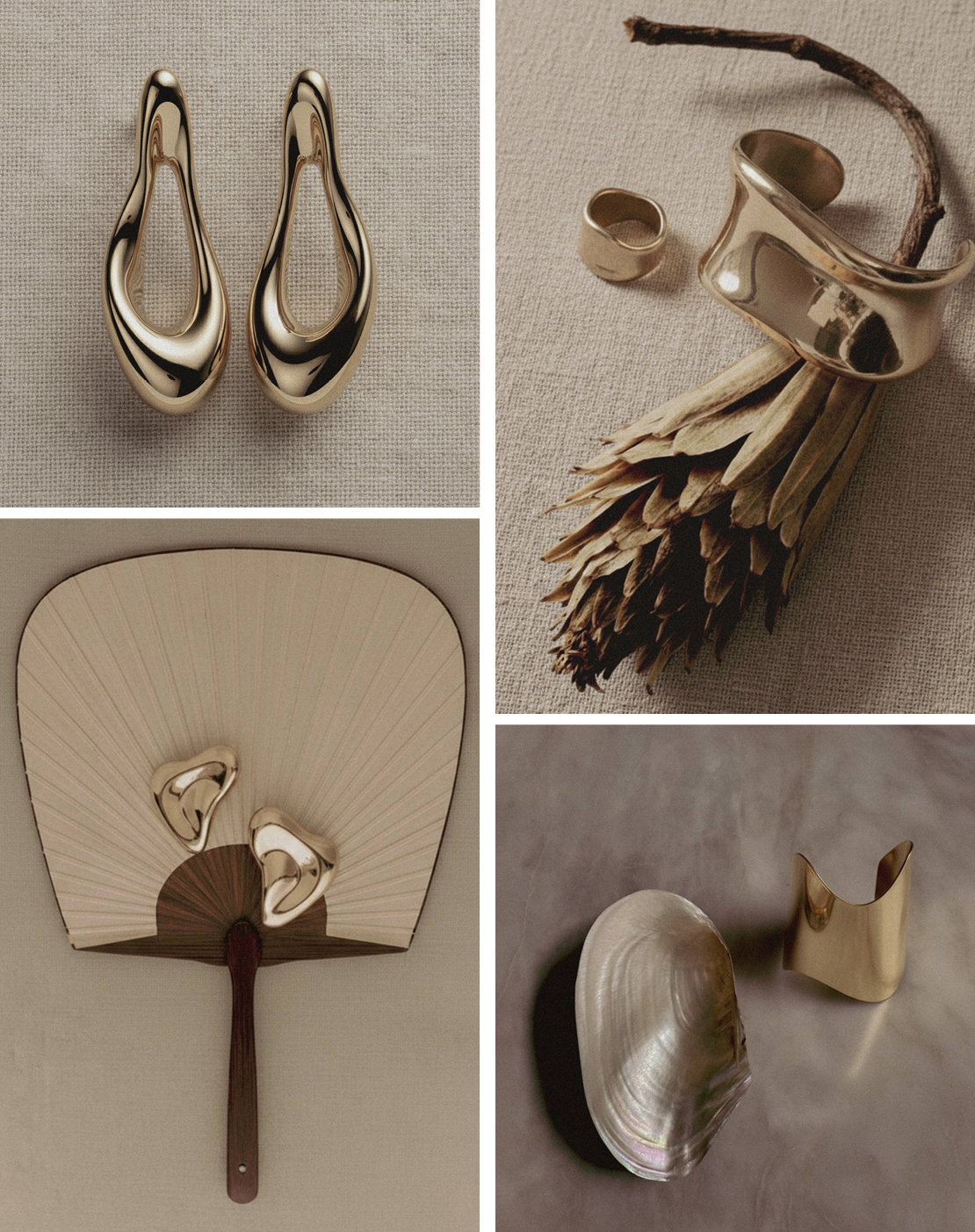
How do you balance simplicity with emotional depth in your work?
Emotional depth doesn’t come from adding decoration; it comes from the honesty of the material. When you strip away the excess, the remaining form has no margin for error. That is why tactility is so important to me. Wood, metal, heavy leather, these are living materials. Leather, for example, demands absolute precision: it reacts to touch, changes in density, and develops a patina over time. An object becomes truly expressive through how it ages and records its owner’s habits, not just by how it looks on day one.
In today’s fast-paced world, how important is mindful or intentional design when creating spaces for people to live and work in?
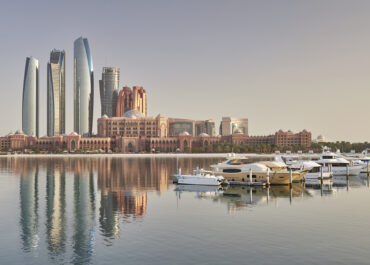
It is a basic necessity. Every day, we process a colossal amount of information. Dubai acts as a powerful catalyst in this regard; it is a city of immense speed and maximum visual density. Working here, right in the centre of this rhythm, makes it especially clear: a living or working space must serve as a physical and mental anchor. Today, the quality of design isn’t measured by the number of complex details, but by how effectively an environment can reduce your daily cognitive load.
What are some of the key elements you believe define the signature style of Enso Design Lab?
I would call our approach essentialism. For me, design begins with selection, not addition. In every object, we look for the structural core, whether in function, form, or tactile sensation, and we cut away anything that doesn’t support it. Our signature is largely defined by what is absent. You won’t find random joints, superfluous hardware, or complications added just for effect. It is a design where materials and forms work directly, without any decorative overlays.
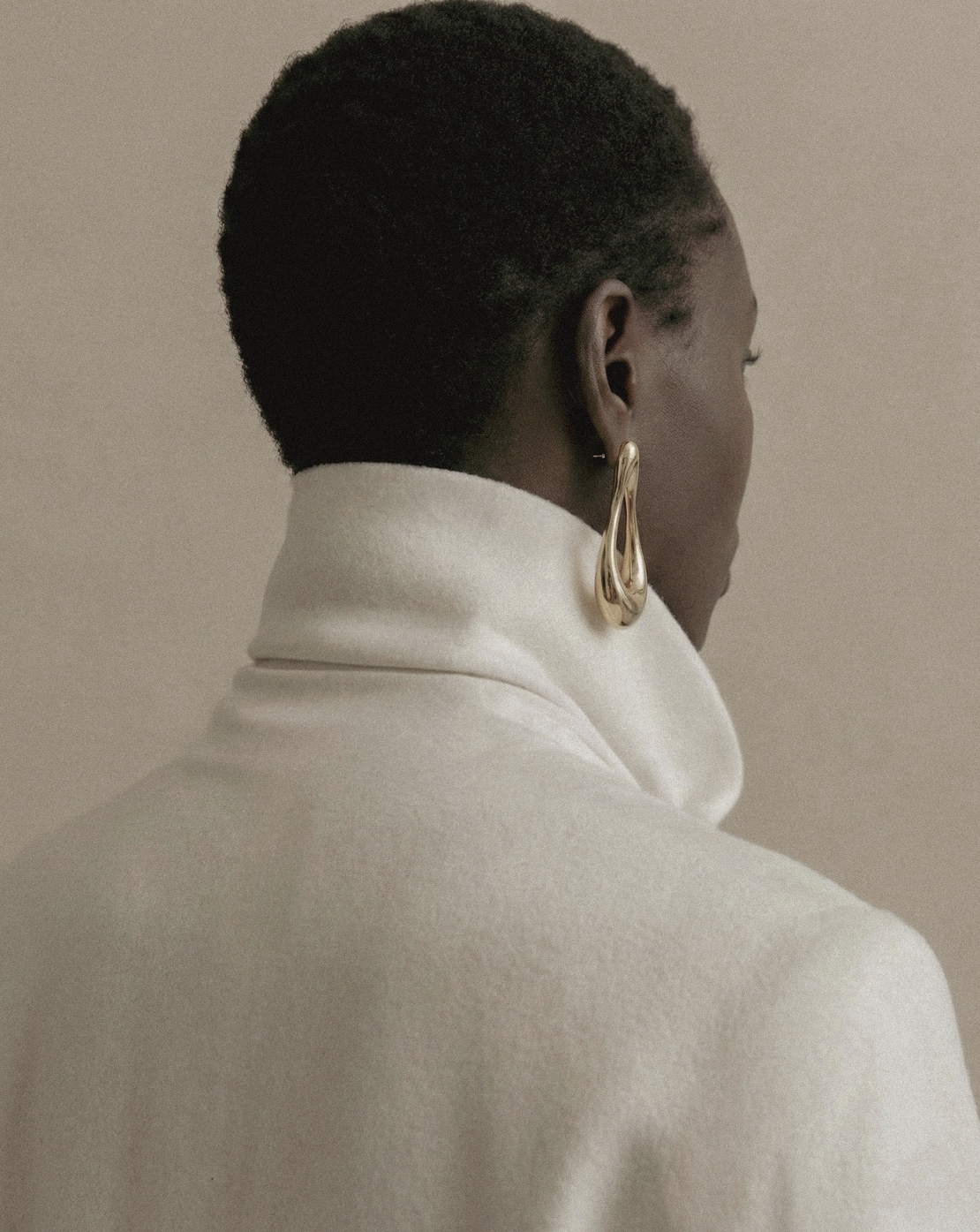
You’ve expanded your creative practice into jewellery. What inspired you to launch your jewellery line, and how does it connect to your overall design philosophy?
Jewellery operates at a scale where the object is in constant contact with the skin. Traditionally, there is a lot of visual excess in this industry: overt shine, complex silhouettes, a heavy emphasis on status. I was interested in applying our discipline of subtraction to micro-forms. I wanted to strip it back to just the weight of the metal, a clear line, and the precise interval between the piece and the body.
Do you approach jewellery design differently from interiors and spatial design, or do the same principles guide both processes?
The process is entirely identical, only the physical scale changes. Whether it is the resistance of a leather bag clasp, the weight of a bracelet on a wrist, or the distribution of light in a living room, the principle is exactly the same. We identify the structural core of a specific brief, and we systematically remove anything that distracts from it.
As a founder and creative director, what has been the most challenging part of building Enso Design Lab?
The discipline of restraint. In the design industry, there is constant pressure and temptation to overcomplicate a form, or to add another material or detail just to justify the amount of work done. It takes professional endurance to stop at the necessary minimum and to refuse to hide weak structural solutions behind visual effects.
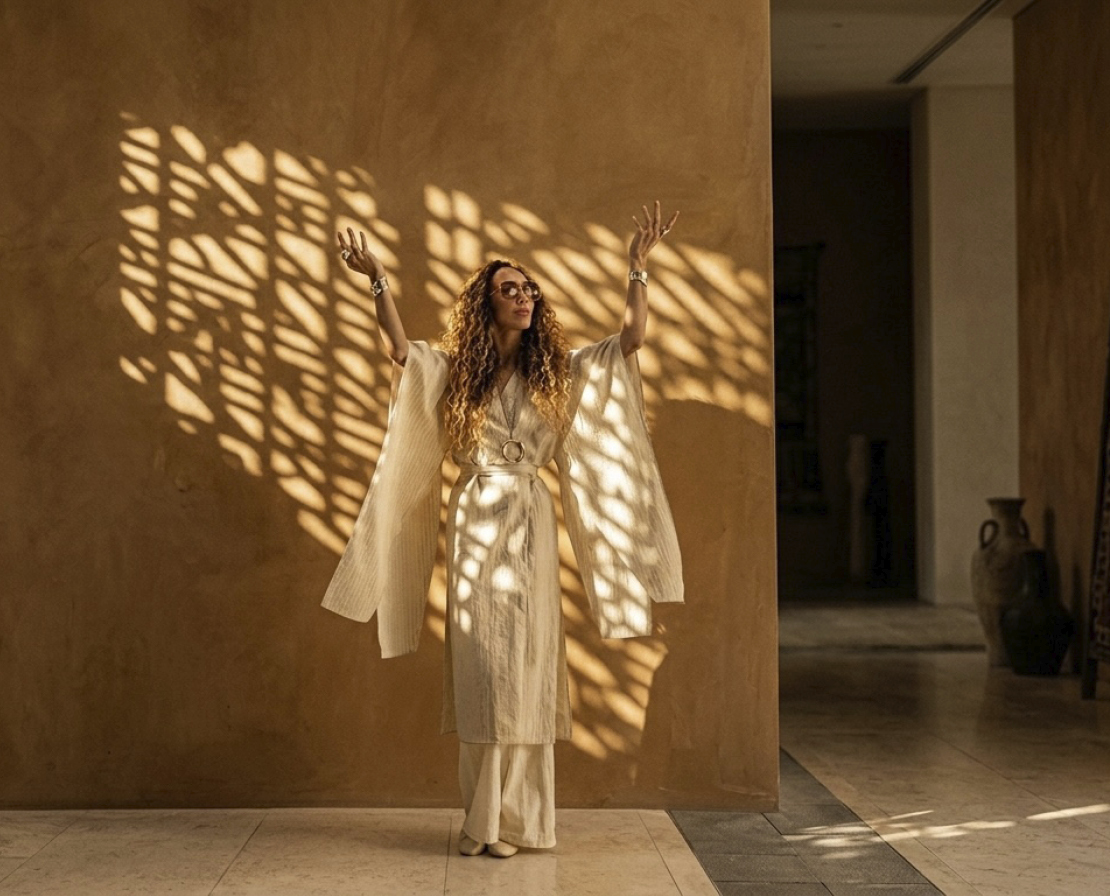
The design industry is constantly evolving. What shifts or trends do you find most exciting right now?
We are clearly seeing the end of photogenic, sterile interiors. People are tired of spaces designed as backdrops for images that end up feeling cold in daily use. This decorative emptiness is being replaced by a demand for structured silence. People want objects and environments that have enough mass and texture to withstand real life and daily wear without losing their quality.
Looking ahead, what is your vision for the future of Enso Design Lab?
I see the studio evolving into working with larger forms. For me, essentialism isn’t a stylistic gesture; it is a design method that works just as effectively in architecture as it does in product design. I am interested in partnering with developers and brands who share our value for longevity, teams who understand that high-quality design knows how to step back and become a quiet background, leaving the person at the centre of the experience.
By Lea Nouhra