
Photographer, author and cultural storyteller Alia Al Shamsi has long explored the intersections of memory, heritage and identity through her work. Rooted in social documentary, archives and cultural narratives in the UAE, her multidisciplinary practice spans photography, writing and research, often examining how stories shape collective understanding across generations. A graduate of Griffith University and Durham University, where she explored photography and memory, Al Shamsi was also the youngest photographer exhibited at the Biennale di Fotografia in Brescia, Italy, and most recently received the 2024 Ministry of Culture National Grant for her forthcoming book project.
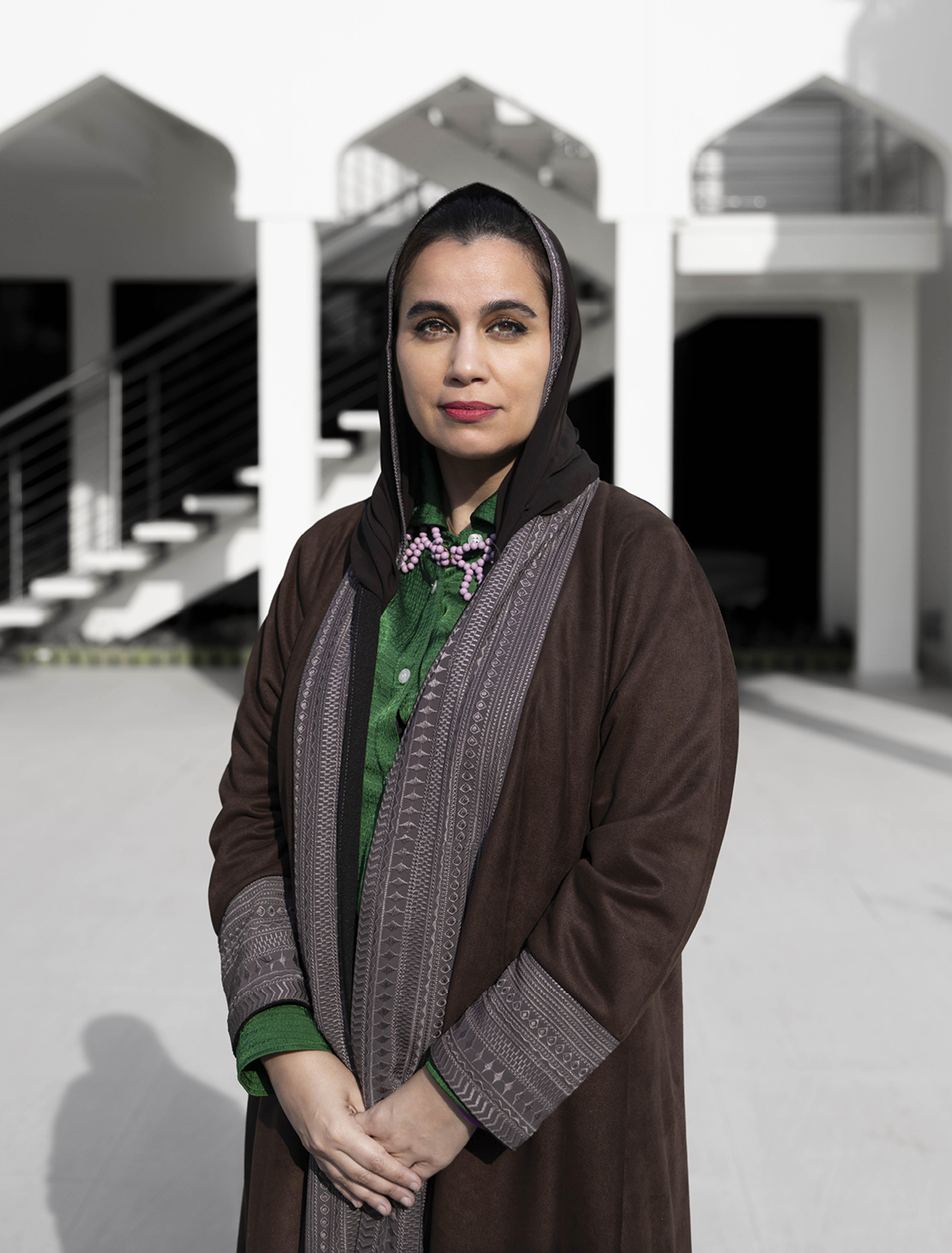
Now selected as part of Tashkeel’s Tanween Design Programme 2026, Al Shamsi embarks on a new creative chapter, translating her narrative-driven approach into three-dimensional design. Over the eleven-month programme, culminating in an exhibition at Downtown Design during Dubai Design Week, she will explore how objects can hold stories, memory and cultural connections, while collaborating with local manufacturers and embracing material-led experimentation. We spoke to Al Shamsi about this new journey, her fascination with folklore and archives, and how storytelling continues to shape her evolving creative practice.
What does it mean to you to be selected for the Tanween Design Programme 2026, and what are you hoping to explore during the eleven-month journey?
Last year, I took a leap of faith and stepped away from my nine-to-five role as Cultural Program Manager at Louvre Abu Dhabi, a position I deeply loved, to begin a creative journey of experimentation. After working within global narratives, I felt a pull to return home, to contribute to a local narrative within the global conversation, and to create within an ecosystem that continues to inspire me. Being selected for the Tanween Design Programme 2026 filled me with immense joy because it was part of my own journey as an exhibiting photographer. In the early stages, I was encouraged by Tashkeel from the very beginning, and continuing this journey through Tanween feels, in many ways, like coming home.
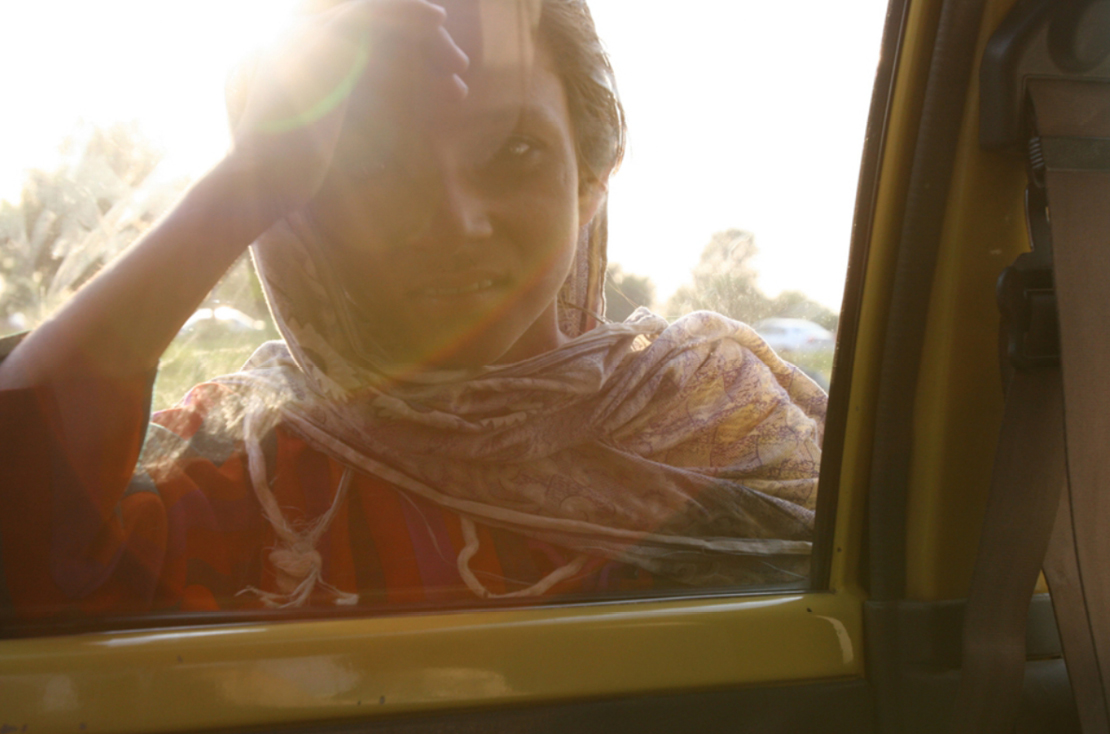
Pakistan Earthquake Coverage 2005
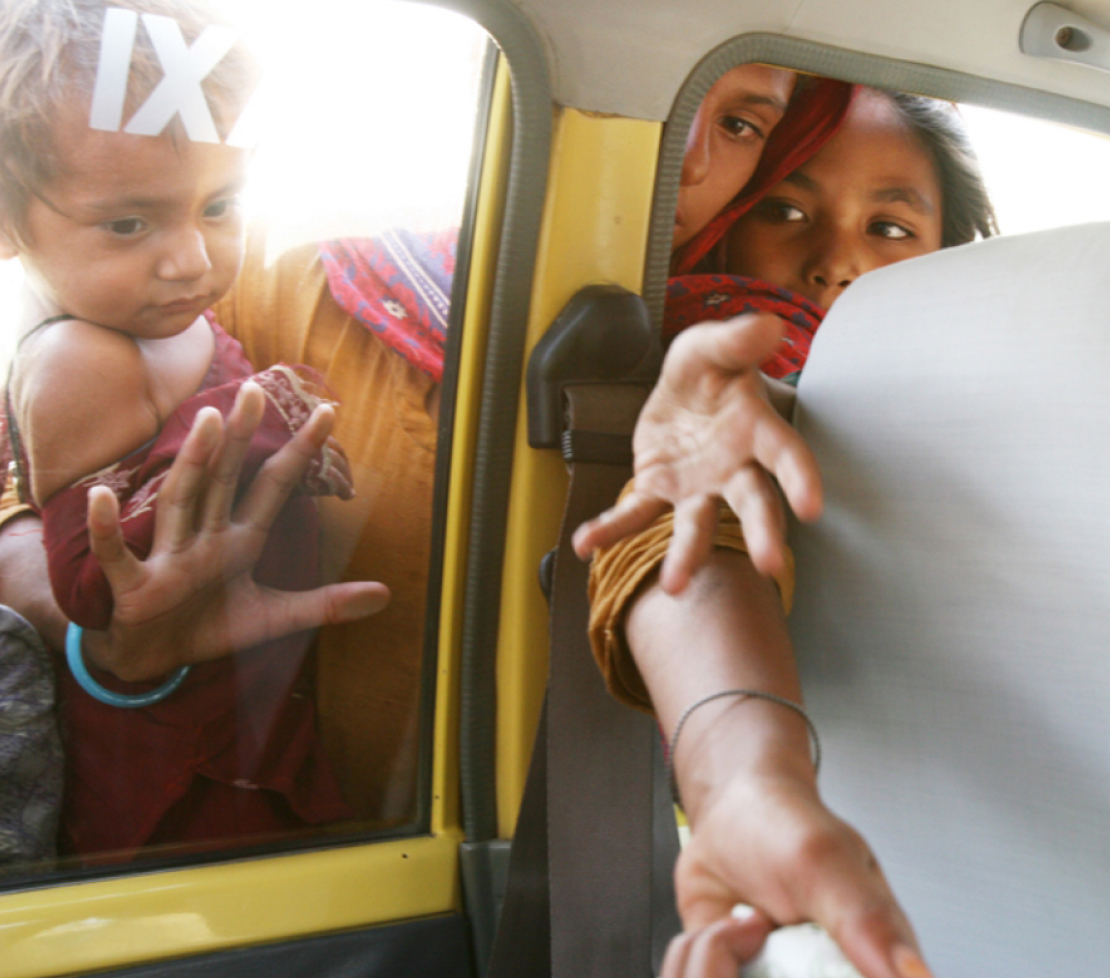
Pakistan Earthquake Coverage 2005
Your work is rooted in photography, illustration, archives and cultural memory in the UAE. How do you see these themes translating into product design through Tanween?
As a storyteller, I have worked with many types of media. From photography and illustration to writing books and poems, to curated exhibitions. Participating in Tanween with product design has raised a new question: how can a three-dimensional object hold or manifest an embodied story? The story I chose is from the regional folklore of Waq Waq Island: the mystery of the seven beautiful flying maidens in feathered gowns, the gardener, and the magical realm of Waq Waq Island. This story was part of the Khareefa Mejreifa, a book of UAE folklore stories rewritten for modern audiences, with the workshop run by the UAEBBY and the Goethe-Institut. My curious nature led me down a rabbit hole, and through a series of stumbles, I discovered that versions of this story exist in many other cultures, from the Selkie folklore in Scotland to the Fairy and the woodcutter in Korea. The red thread was weaving its way across continents, and the research has led me to believe that these stories are connected through trade in the forms of storytelling told in ports by sailors who then carried them across oceans. These are all hypotheses for how we can really tell how stories are formed. What is important is how I connect all of this to material selection, which will reflect the trade routes and the interconnectedness of our histories through the Mansoon trade.
Much of your research explores the relationship between illustration and memory. How might that influence the objects or materials you develop for the programme?
Creating vessels for the intangible, holding what cannot be seen and connecting people through stories.
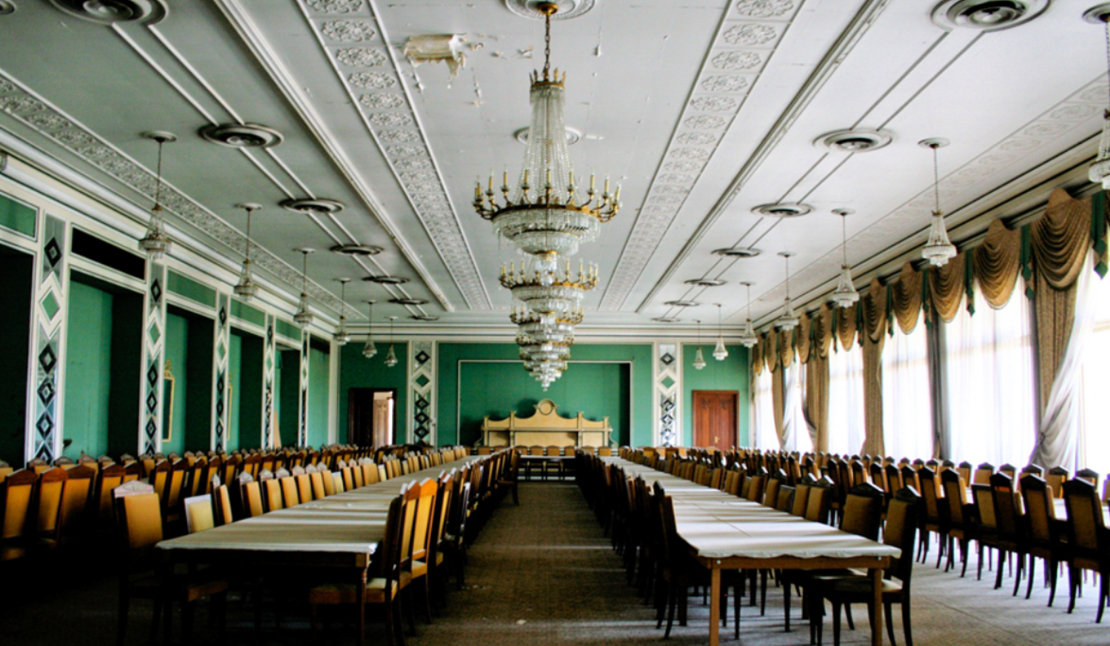
Documanetation Al Mudheef 2010
Tanween encourages collaboration with local manufacturers and fabricators. How important is this connection between research, craft and production in your practice?
I believe this is the foundation of a thriving ecosystem, where all parts are interconnected and supportive of one another. To me, sustainability lies in creating with purpose and in making timeless pieces. Artisans and those who work with their hands leave traces of the soul within the objects they create. It is a way of making that I deeply believe in and advocate for.
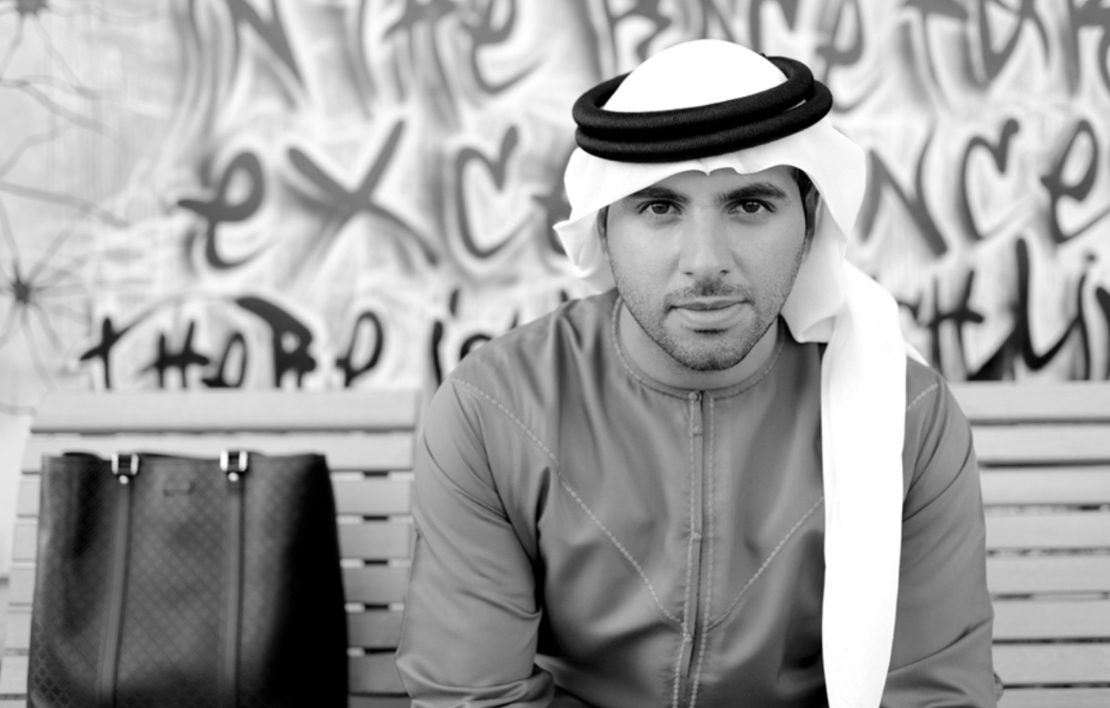
Gucci Icons on Icons 2014
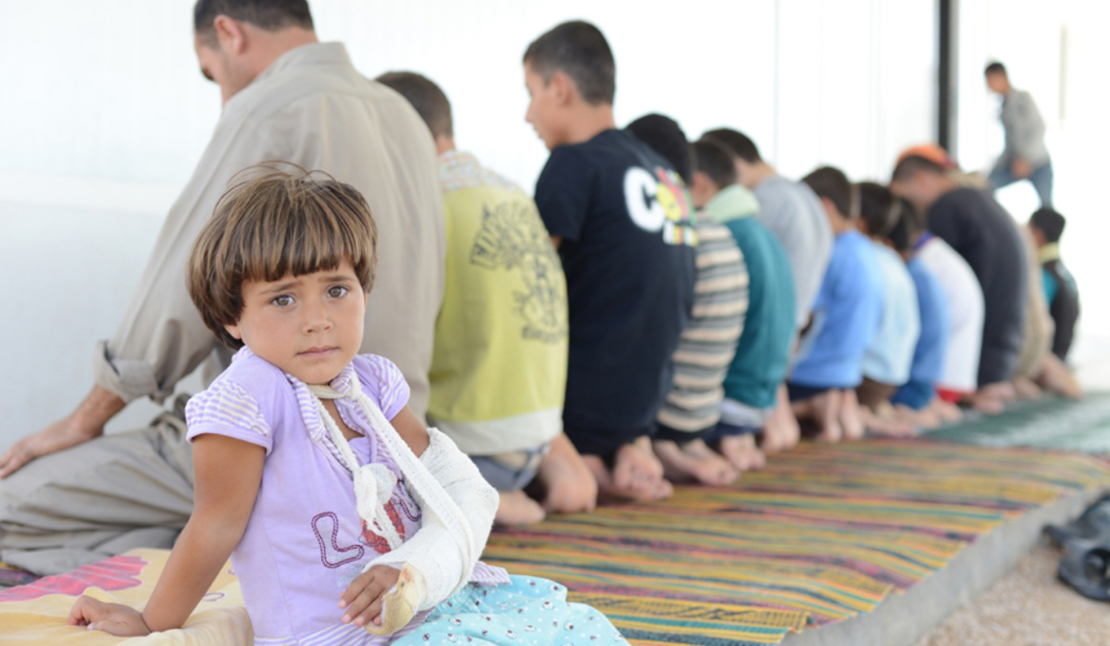
Syrian Refugees Mreejjeb Al Fuhood Camp 2013
What can we expect from the work you plan to develop for the exhibition at Downtown Design during Dubai Design Week?
The first piece of furniture reflects my love for storytelling, folklore, and the interconnected histories shaped by the monsoon trade routes.
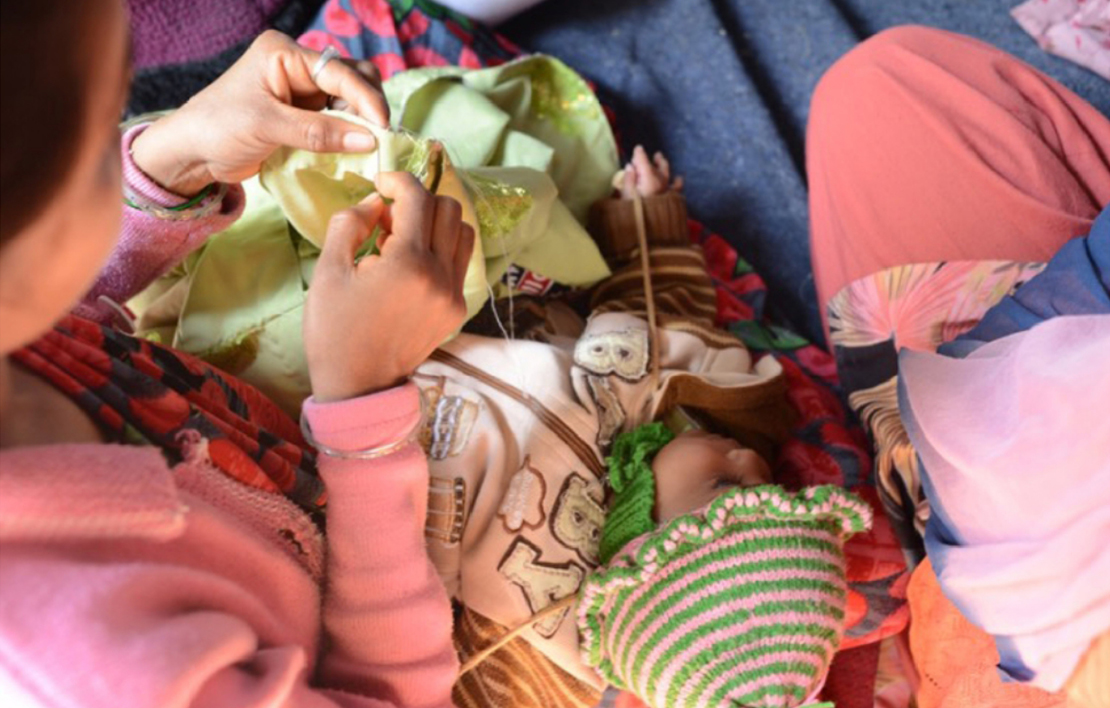
Happy Hearts India 2016
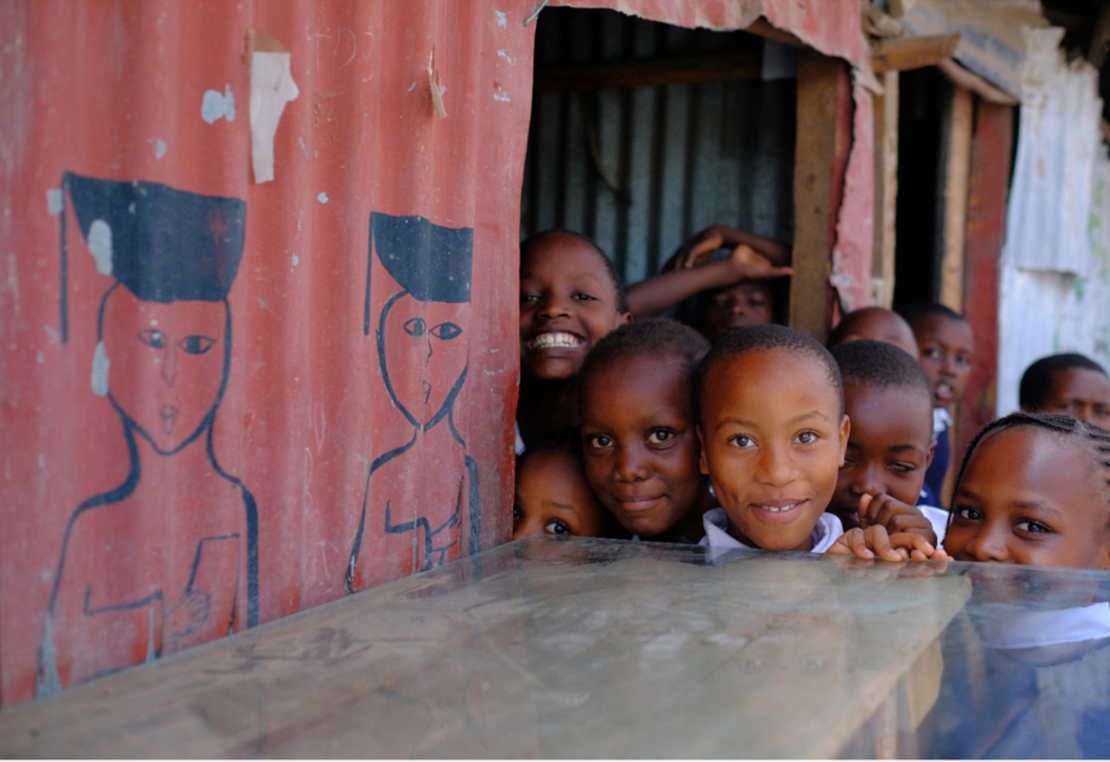
Happy Hearts Kenya 2017
Your career has spanned photography, writing and research. How has this interdisciplinary approach shaped the way you think about design today?
As a storyteller, I am always drawn to objects that carry a story; they become all the more valuable because of it. Purpose, for me, is the answer to sustainability. I aspire to create objects that endure because they are timeless. In a world of fast fashion and the decline of artisanal work, I hope to support the revival of these crafts by bringing them into contemporary practice, merging traditional methods with new and thoughtful design.
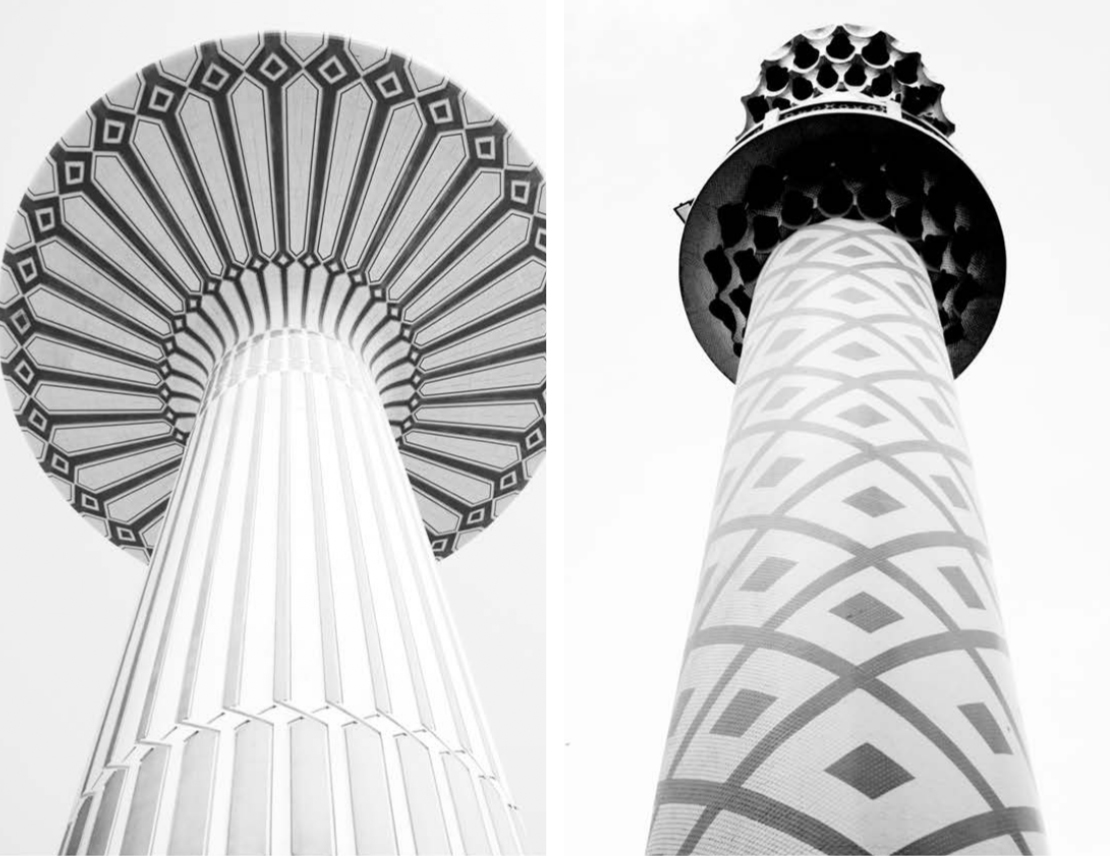
Al Khazan / Al Ghurair Mosque
Looking ahead, how do you hope participating in Tanween will influence the next chapter of your creative practice?
My answer to this question always leaves people perplexed because what I describe is less a plan and more a journey stirred by what makes me curious and anchored in passion. What I hope for each story, in diverse forms and media, is to convey a connection through conversations between people who are interconnected by our shared histories and geographies, but above all, our humanity.
By Lindsay Judge