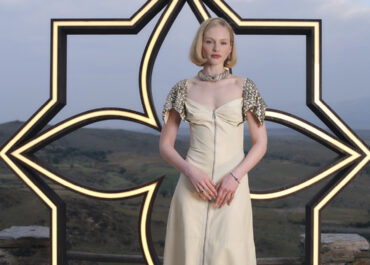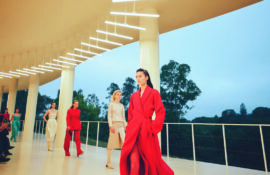

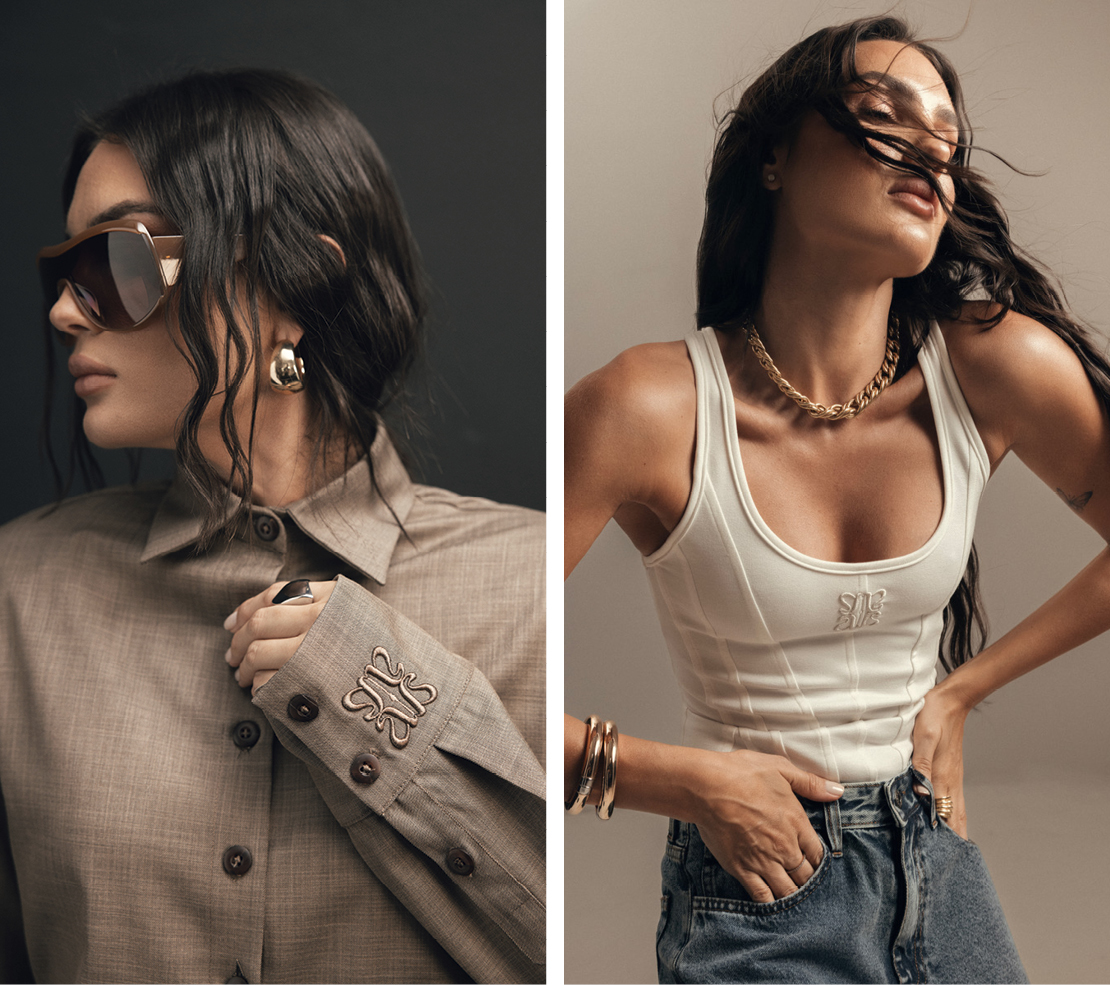
In a city that has learned to rebuild itself time and time again, creativity has never stopped finding a way through. Enter ISA The Line, a new clothing label born in Beirut with the vision of designer Christina Karam. Rooted in the duality of softness and strength that defines the women of this city, ISA is not about being loud, it’s about carrying presence. The kind that walks into a room quietly and leaves a lasting impression.
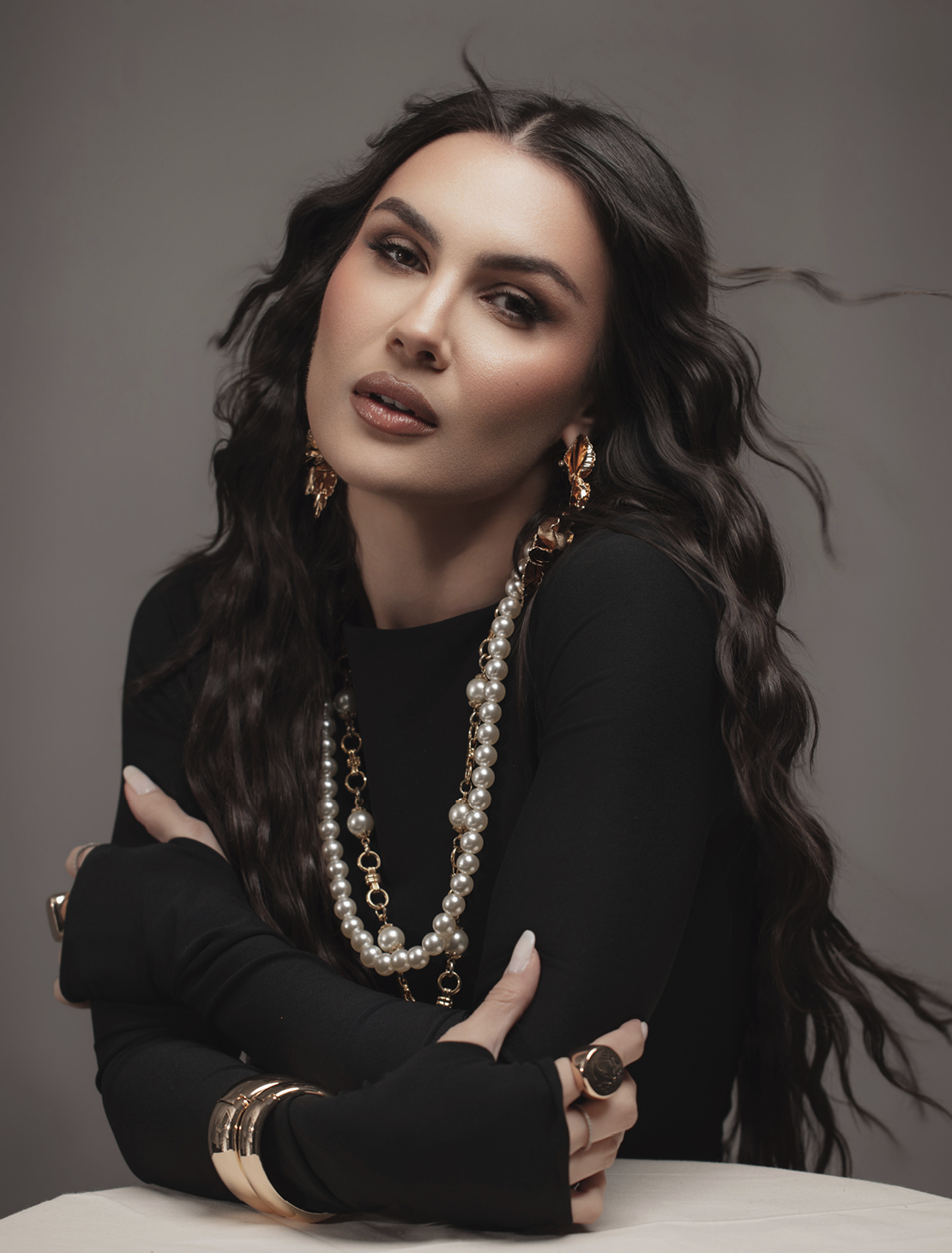
Every piece is crafted with deep intention, from the carefully chosen fabrics to the way each silhouette moves with the body. Christina is meticulous about the details, the structure, the ease, the elevated packaging, the digital experience, because to her, every touchpoint is an extension of the brand’s identity. ISA is not trend-driven. It is timeless by design, created for a woman who is done with disposable fashion and ready for pieces that truly belong to her.
What makes Christina’s journey particularly compelling is that she didn’t set out to fill a gap in the market, she set out to answer something far more personal. A long-held desire to build something that reflected her fully, not just aesthetically, but emotionally. Something that carried meaning. And in Beirut, a city that has never stopped inspiring even in its most difficult chapters, she found both the courage and the context to bring it to life. We sat down with Christina to talk about beginnings, identity, and what it truly takes to build something from the ground up.
Take us back to the beginning. What was the moment or experience that made you say, “I need to build this”?
It wasn’t one defining moment, but rather a build-up over time. I had always known, in a certain way, that I wanted to build something of my own. At some point, that idea became more than just a thought; it became something I couldn’t ignore.
I felt a strong need to create something that reflected me fully, not just aesthetically, but emotionally as well. I’ve always been drawn to pieces that make you feel put together, even in your most quiet moments. ISA came from that space, the desire to create clothing that carries presence, without needing to be loud. It became less of a choice and more of a natural step I had to take.
How does your work reflect the community you’re rooted in, and how has that community shaped your creative or business direction?
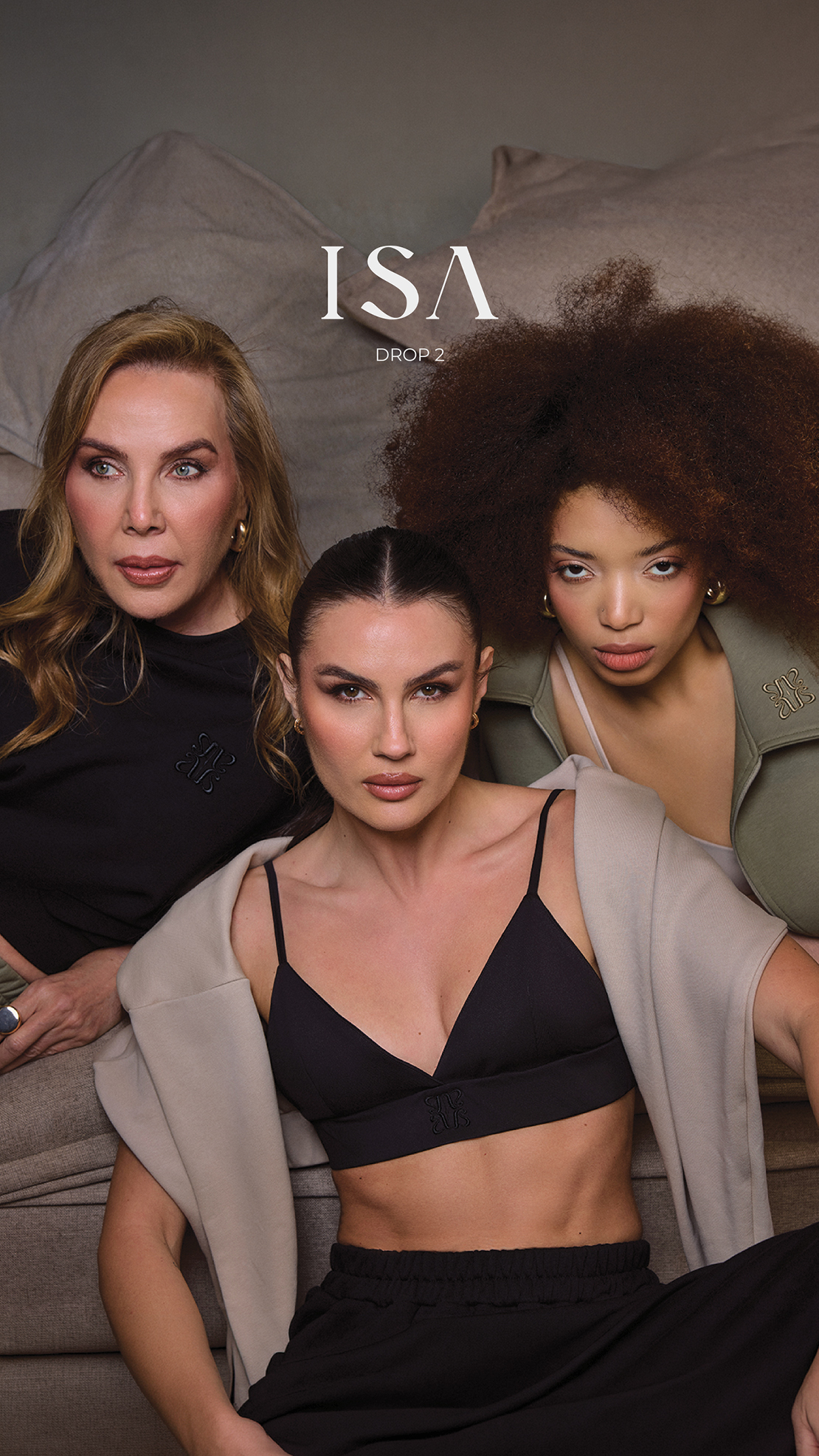
Beirut has a very specific energy; there’s resilience, elegance, and a certain depth that comes from everything people have lived through. That naturally finds its way into my work. There’s a balance between softness and strength that I think defines women here, and ISA reflects that duality.
At the same time, my journey has been very personal. A big part of what I create is rooted in individuality and freedom, in the idea that a woman can express herself fully, on her own terms, without fitting into a mould. That’s something I’ve grown into, and it’s something I want the brand to carry.
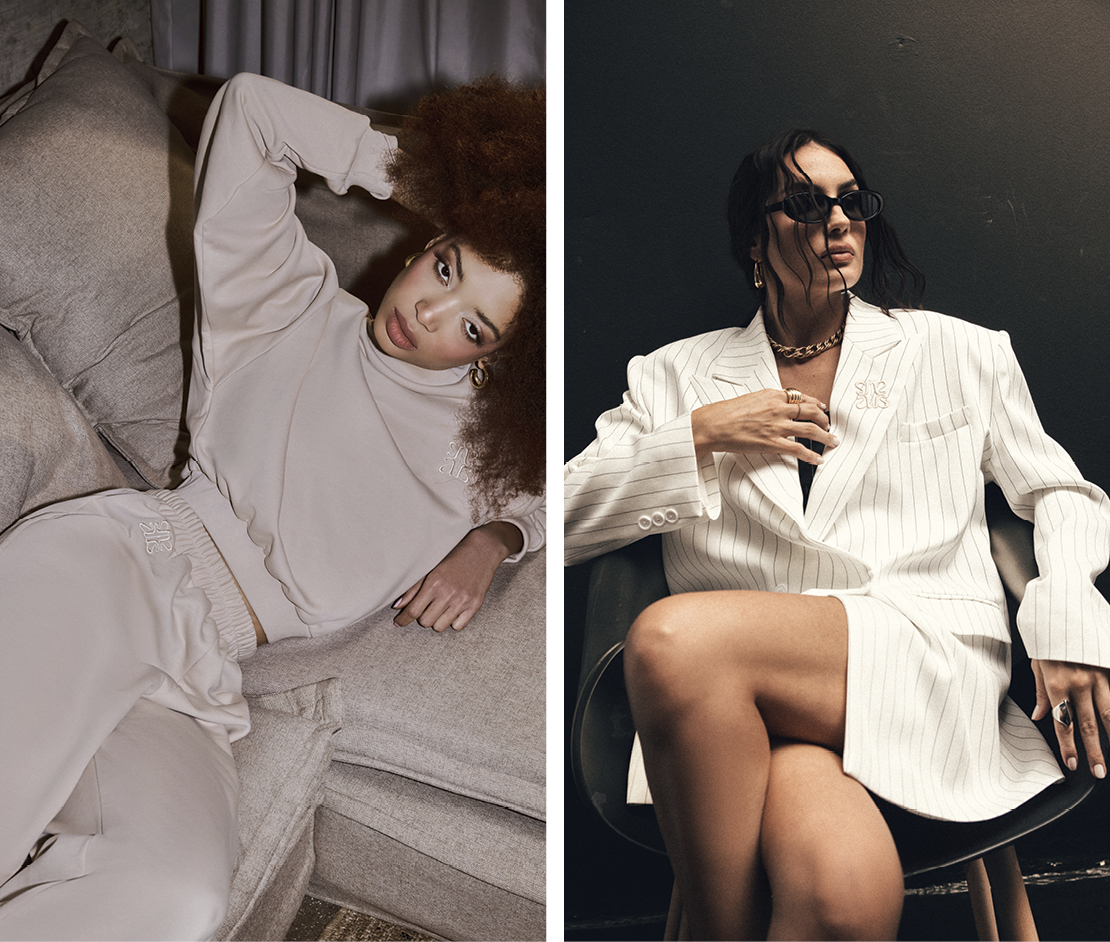
Often, I find myself envisioning the creative direction long before it comes to life. I’m very intentional about portraying women across different cultures, ages, and identities, because to me, it’s about creating something that resonates widely while still feeling personal. At the same time, I keep the visual language elevated and editorial, ensuring every piece carries a sense of spirit and authenticity.
In a crowded space, what makes what you do genuinely different , not just in what you offer, but in how you think?
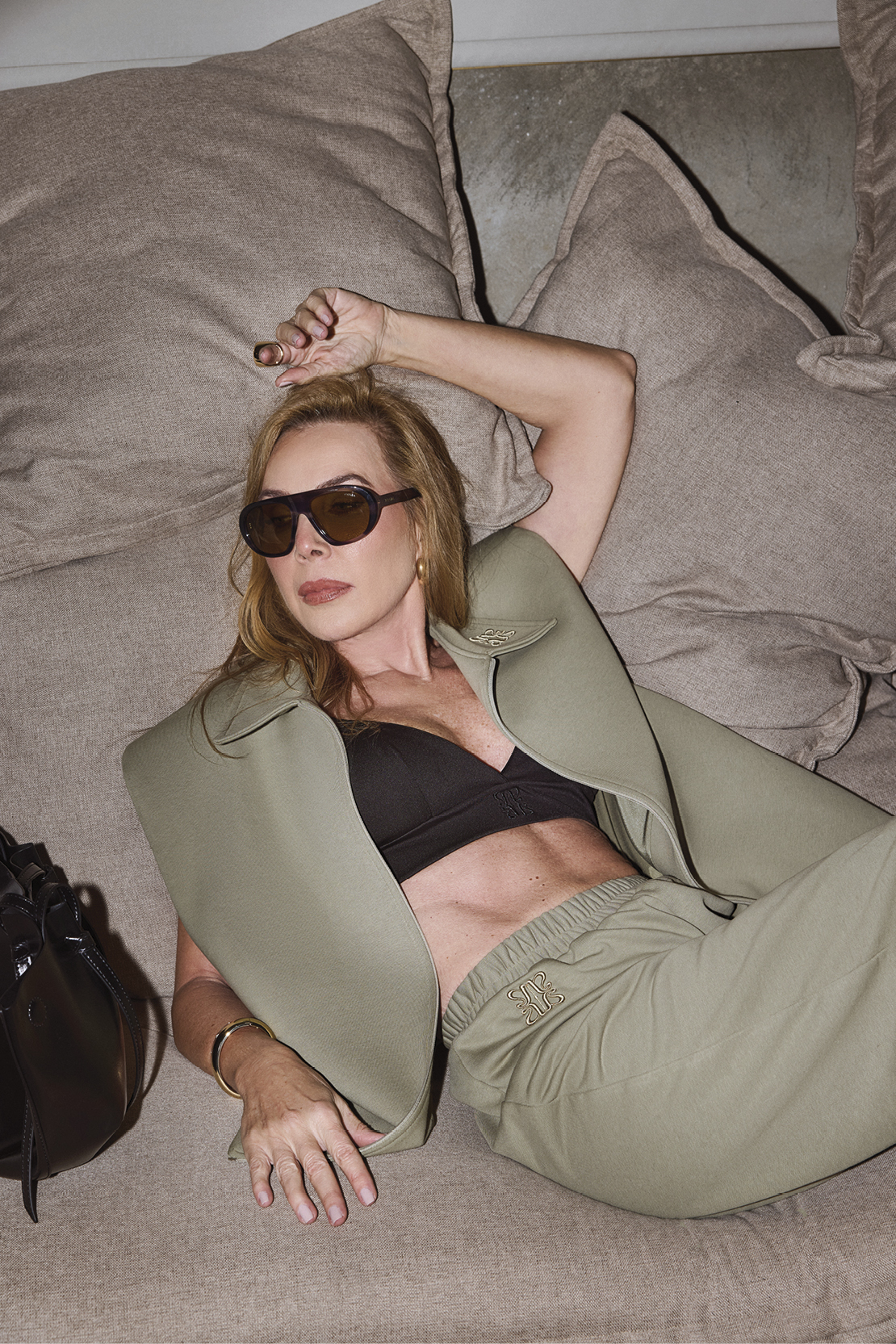
I think it’s the intention behind every decision. I’m not creating to fill a gap in the market, I’m creating from a point of view. Every piece is meant to feel like it belongs to a woman who knows herself, or is in the process of becoming her.
It’s less about following trends and more about creating pieces that feel relevant today while remaining timeless enough to stay in your wardrobe. I’m very intentional about that balance, something that feels contemporary, but never disposable.
Each piece is carefully considered, from the fabric to the way it moves with the body. I’m very attentive to how materials translate, how they hold structure, and how they create ease while still enhancing the silhouette. At the same time, the logo appears across the pieces, almost like a quiet signature. To me, it’s more than a visual detail; it carries a sense of identity and meaning that ties everything together.
That same level of attention extends beyond the product itself, into the packaging and the digital experience. From the moment someone interacts with the brand, whether on the website or when receiving a piece, the experience is designed to feel intentional, elevated, and considered.
Walk us through a challenge that nearly made you quit, and what kept you going.
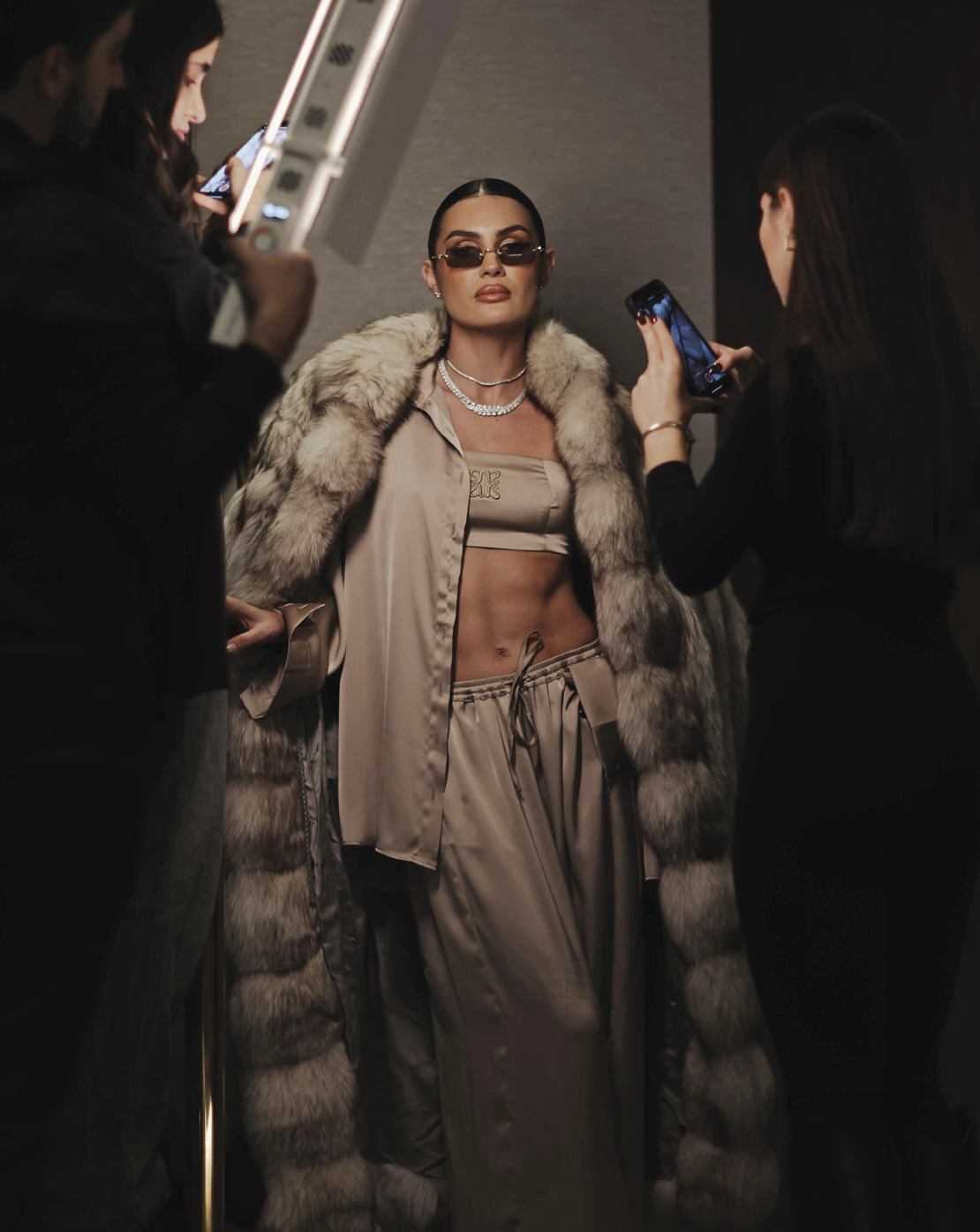
There were moments, especially early on, where everything felt uncertain: production, pricing, positioning, and whether the market would truly respond. Stepping into an industry I was still learning while navigating it as a first-time entrepreneur added another layer of complexity. Building something from the ground up means every decision carries weight, and that can feel overwhelming at times.
Creative direction, in itself, is one thing, but executing it exactly as you envision it is another. The process of bringing an idea to life and refining it through production until it meets the standard you set is often more demanding than people realise. There’s a constant push to ensure that what you offer truly reflects the best of what you can create while also meeting the expectations of your community.
What kept me going was the clarity of why I started. I knew what I wanted ISA to represent, and I trusted that consistency and patience would eventually meet the right audience and grow into what I had envisioned.
How do you balance staying true to your original vision while adapting to what the market or your audience needs?
I see it as a dialogue rather than a compromise. The core of the brand remains the same: the values, the feeling, the identity. At the same time, I stay open to feedback and to how people naturally connect with the pieces. It’s about refining, not changing direction.
We’re still in a phase of understanding where our community naturally aligns, what they connect with, and how they incorporate ISA into their everyday lives. That process allows us to grow with more clarity and intention, while continuing to build on what resonates most.
At the end of the day, the goal is for ISA to impact as many women as possible and create something that resonates deeply and empowers them in a real, lasting way.
What does support for local and independent businesses actually look like in practice? What have you received, and what do you wish existed?
In practice, support is really about people showing up. It’s people discovering the brand, engaging with it, sharing it, and choosing to support it in a real way. Especially in the early stages, that kind of support makes a big difference.
I’ve been lucky to receive encouragement and visibility from people who genuinely believe in building locally, and that has helped create momentum for ISA.
At the same time, there remains a lack of structural support for building and scaling a business. Access to resources, funding, and more streamlined systems is limited, which makes the process more challenging than it could be.
I think there’s a real opportunity to build stronger foundations that support independent brands, not just at the beginning, but as they grow and look to expand beyond the local market.
Who in your city or region is doing something you deeply respect, and why?
There are many creatives and entrepreneurs in the region who continue to build with intention, and that in itself is something I deeply respect.
I’m particularly inspired by people who have been able to create something from the ground up and shape it into a world of its own. Someone like Zaha Hadid, who completely redefined her field with a strong, unmistakable vision, building something that became globally recognised while staying true to her identity.
In fashion, designers like Elie Saab have built more than just a brand. He created something from the ground up and turned it into a lasting legacy, expanding beyond fashion into lifestyle and home, while building something that continues to carry forward.
In a different way, founders like Huda Kattan have built powerful brands by turning something personal into something global, while creating a strong and genuine connection with their community.
That ability to lead with vision, evolve, and expand while maintaining a clear sense of identity is something I deeply respect and something I aim to reflect in ISA as well.
If you could change one structural thing to help entrepreneurs as you thrive, what would it be?
I think it comes down to access, not just to funding or markets, but to clear structures that help entrepreneurs navigate the process of building a business.
There’s a lot of trial and learning involved, and at times it can feel like you’re navigating something very complex without a clear roadmap. Having more accessible frameworks, guidance, and mentorship would make a significant difference, especially in the early stages.
Creating spaces where entrepreneurs can better understand how to build, position, and scale their businesses, whether through coaching, dedicated platforms, or more structured support systems, would not only support individual brands but strengthen the ecosystem as a whole.
What does success look like for you in the next three years, and how do you define it beyond revenue?
Success, for me, is building a brand that feels established, not just in numbers, but in identity. I want ISA to be recognised internationally, while staying true to its origins and what it represents.
In the next few years, I see the brand evolving beyond a purely digital presence, moving into physical spaces where people can step into the world of ISA and experience it in a more tangible, immersive way. I also see it expanding into lifestyle-driven categories, creating pieces and extensions that go beyond clothing while still reflecting the brand’s essence and identity.
Success also means building a strong community around ISA, bringing together women who connect with its values and contribute to its evolution in their own way, while creating something that resonates deeply, through how they feel when they wear it, and the confidence and presence they carry with them.
What would you say to someone sitting on a dream similar to yours, too afraid to start?
You don’t need to have everything figured out to begin. Clarity comes with movement, and starting is what creates that momentum.
If there’s fear, take the time to understand what you’re stepping into. Do your research, learn, ask questions; it gives you direction and naturally removes a lot of the uncertainty.
At the same time, there’s something powerful in choosing to do something rather than nothing. Even trying is already a step forward. It shifts you from hesitation to action.
Going after something you believe in is worth it. It gives you a sense of purpose and puts you on the path toward the life you envision, leaving you with something much stronger than regret.