
The tie is back. Proper shoes are back. The coat is suddenly something to be seen in rather than something to pull on against the weather. Tailoring has softened, trousers have widened and the tie is showing up in ways that feel less Wall Street and more personal style. After years of dressing down, men are discovering something surprisingly radical, it can actually be rather nice to make an effort.
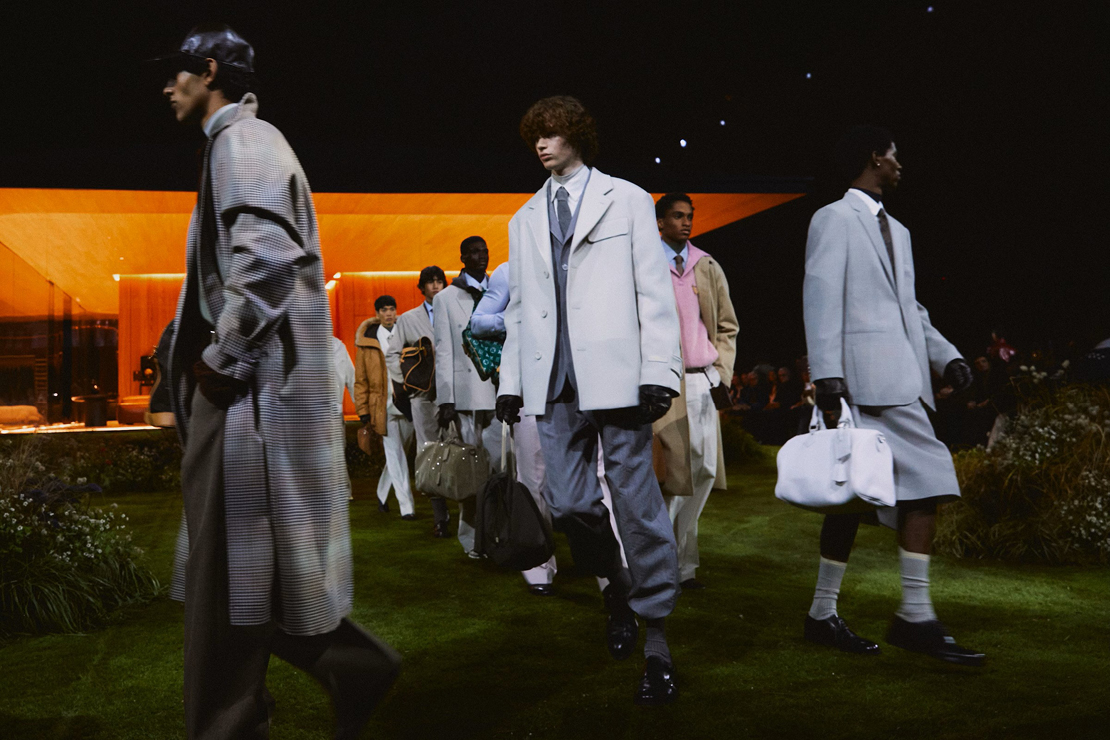
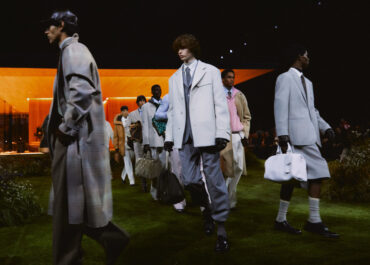
Across the AW26 collections, the message was unmistakable. From the polished tailoring of Hermès and Dior to the luxurious ease of Giorgio Armani and the beautifully considered wardrobe pieces at Louis Vuitton, menswear is rediscovering its more refined side. But this isn’t a return to the stiff, rule-bound gentleman of old. The new version is more relaxed, more individual and considerably less interested in doing things simply because they have always been done that way.
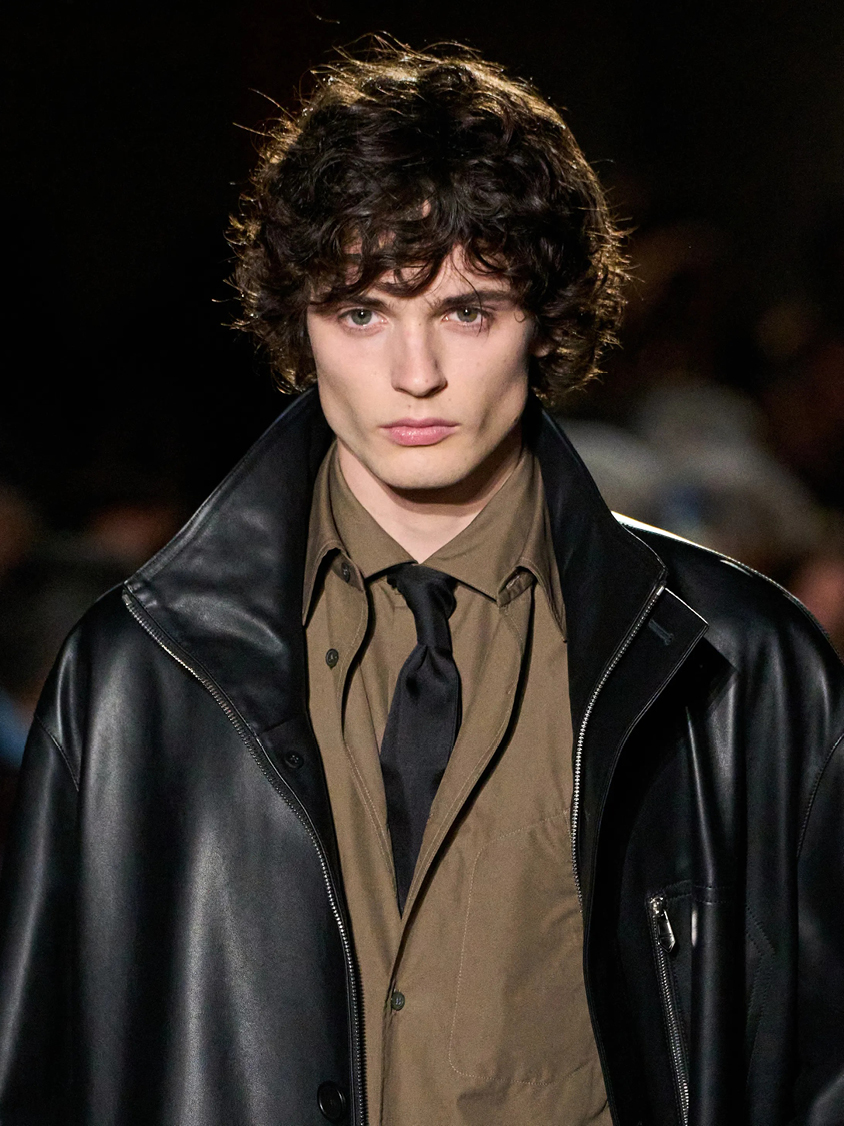
This is polish without the preciousness. A beautifully cut suit worn with a fine knit rather than a formal shirt. A long wool coat thrown over jeans. A proper loafer with a generously proportioned trouser. A cashmere sweater beneath tailoring. A watch chosen for pleasure rather than status. The clothes are considered, but they don’t look over-considered. And perhaps that is what makes this new elegance feel so modern. For years, menswear seemed determined to convince us that looking good should be effortless, that the ultimate sartorial achievement was to appear as though you hadn’t really thought about what you were wearing at all. AW26 offers a rather more appealing proposition, what if thinking about clothes is actually part of the fun?
The suit, naturally, is where the story begins. But this season it is not the suit we once knew.
Across AW26, tailoring has been liberated from its corporate associations and given a new sense of movement. At Prada, familiar menswear codes, the trench, the shirt, the tailored jacket, were reworked with unexpected proportions and a slightly subversive attitude. At Dior, Jonathan Anderson looked back to the elegance of an earlier era while making it feel anything but museum-like, mixing sharply cut tailoring with more relaxed and eccentric pieces. The message was clear, tradition doesn’t have to mean stiffness.
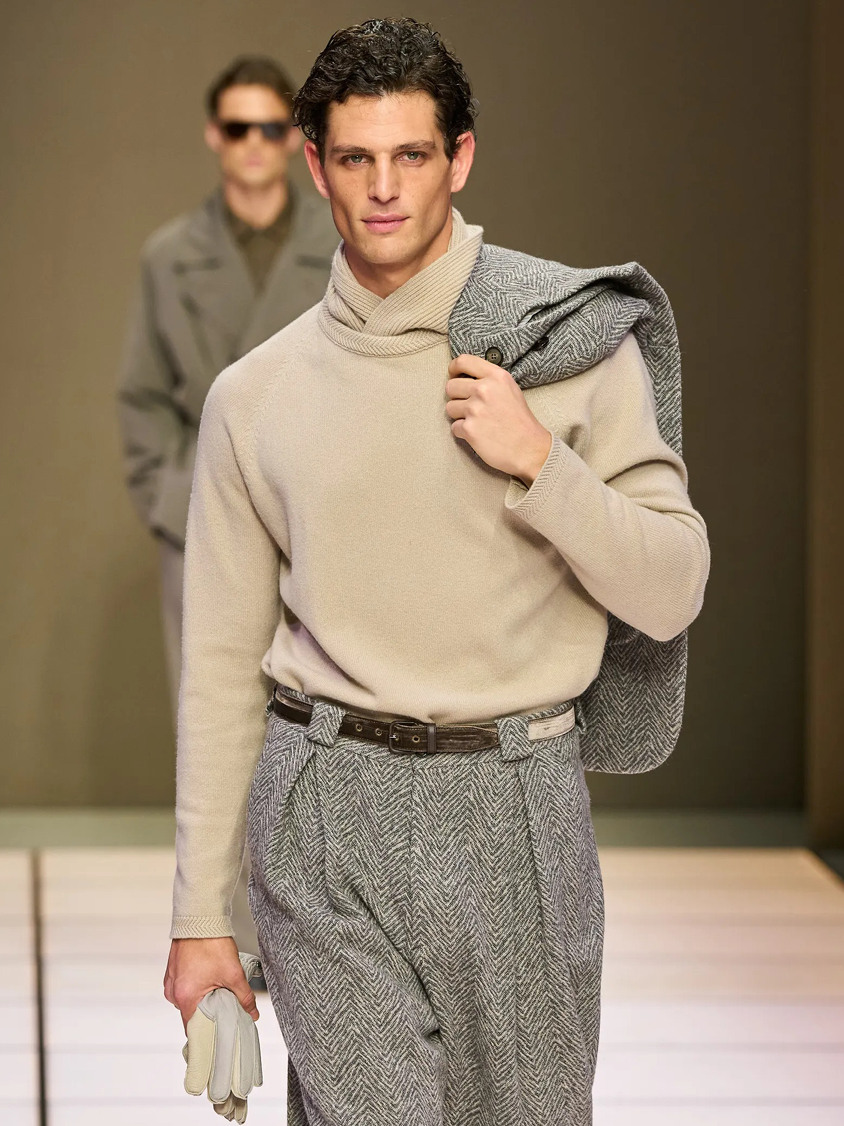
The modern suit can have a soft shoulder, a generous trouser and a beautifully fluid drape. It can be worn with a tie, but it doesn’t have to be. It can be paired with a crisp shirt one day and a fine cashmere polo the next. It can be broken up and worn as separates. Most importantly, it can feel like clothing, rather than a uniform.
The changing trouser is perhaps the clearest sign of the shift. After years of narrow silhouettes, the leg is being given room again. Fuller thighs, wider hems and higher waists create a more elegant line, allowing the fabric to move as the man moves. There is something wonderfully old-fashioned about it, but the effect is surprisingly modern. The trouser has stopped trying to disappear. Then there is the coat. If the suit is the intellectual centre of the new gentleman’s wardrobe, the coat is its great romantic gesture. AW26 is full of long wool overcoats, generous topcoats, beautifully cut trenches and richly textured outerwear that demands to be noticed. The coat is no longer simply the practical layer between the house and the office, it is the first impression.
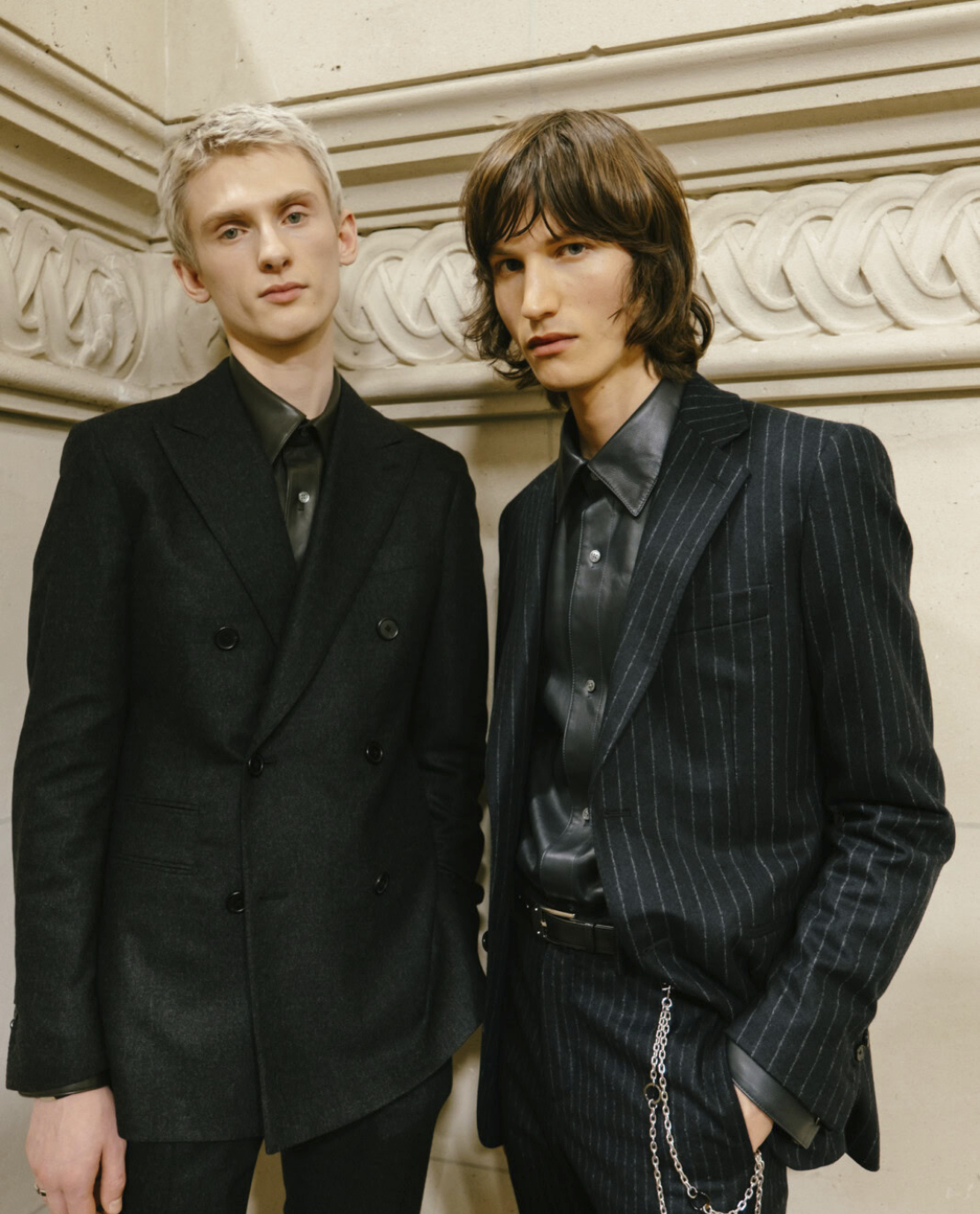
Louis Vuitton approached this idea through a wardrobe built around craftsmanship and enduring pieces, while Brunello Cucinelli offered the softer side of luxury through beautifully proportioned outerwear, cashmere, suede and rich neutrals. Here, the message isn’t about conspicuous consumption. It is about knowing what good fabric feels like and understanding that one exceptional coat can do more for a wardrobe than five disposable ones.
That idea of permanence runs through the season. The new gentleman is less interested in accumulating clothes and more interested in finding the right ones. A navy blazer that becomes a constant companion. A cashmere sweater that gets better with every winter. A leather bag that develops its own patina. A pair of shoes that can be resoled rather than replaced. There is a quiet confidence in that approach. It suggests that luxury isn’t necessarily about having more. It is about knowing the difference between something good and something merely new.
Knitwear has an important role to play here, softening the formality of tailoring and bringing a sense of comfort to the polished wardrobe. Fine-gauge polo necks, luxurious cardigans, chunky sweaters and beautifully textured crewnecks provide the relaxed counterpoint to tailoring. A cashmere knit beneath a structured coat can feel every bit as sophisticated as a shirt and tie, perhaps more so.
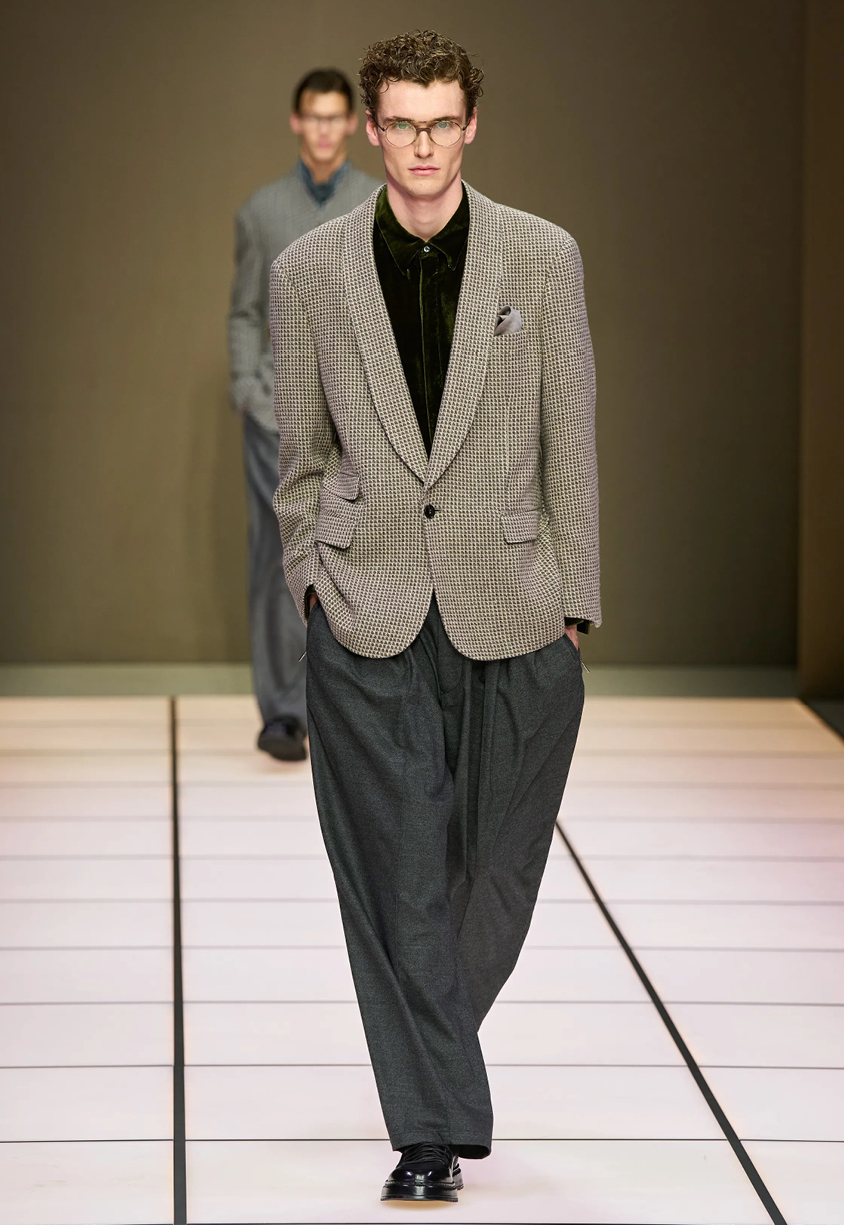
The same can be said of shoes. After years in which the trainer became the default answer to almost every sartorial question, proper footwear feels newly exciting. Loafers, derbies, Chelsea boots and polished lace-ups bring an element of ceremony back to menswear. A good shoe changes the posture of an outfit. A heavy leather boot can make tailoring feel rugged, a sleek loafer gives a wide trouser a distinctly European elegance, a polished Oxford turns even the simplest dark suit into something with purpose.
And then there are the details. The watch peeping from beneath a cuff. A beautiful leather belt. A scarf tucked casually into an overcoat. A pair of tortoiseshell glasses. A signet ring or a beautifully made bag. Even the tie, once the preserve of the boardroom, is becoming something more expressive, worn loose, perhaps in an unexpected colour or fabric, or simply because the wearer likes the way it looks. These are the details that turn good clothes into personal style.
Because there is a difference between being fashionable and being well dressed. Fashion changes, often at extraordinary speed. Good dressing is slower. It is knowing when a jacket needs another inch in the sleeve, when a trouser is falling correctly, when a coat is worth the investment. It is understanding proportion and texture and recognising that the most memorable outfit in the room is rarely the one shouting the loudest.
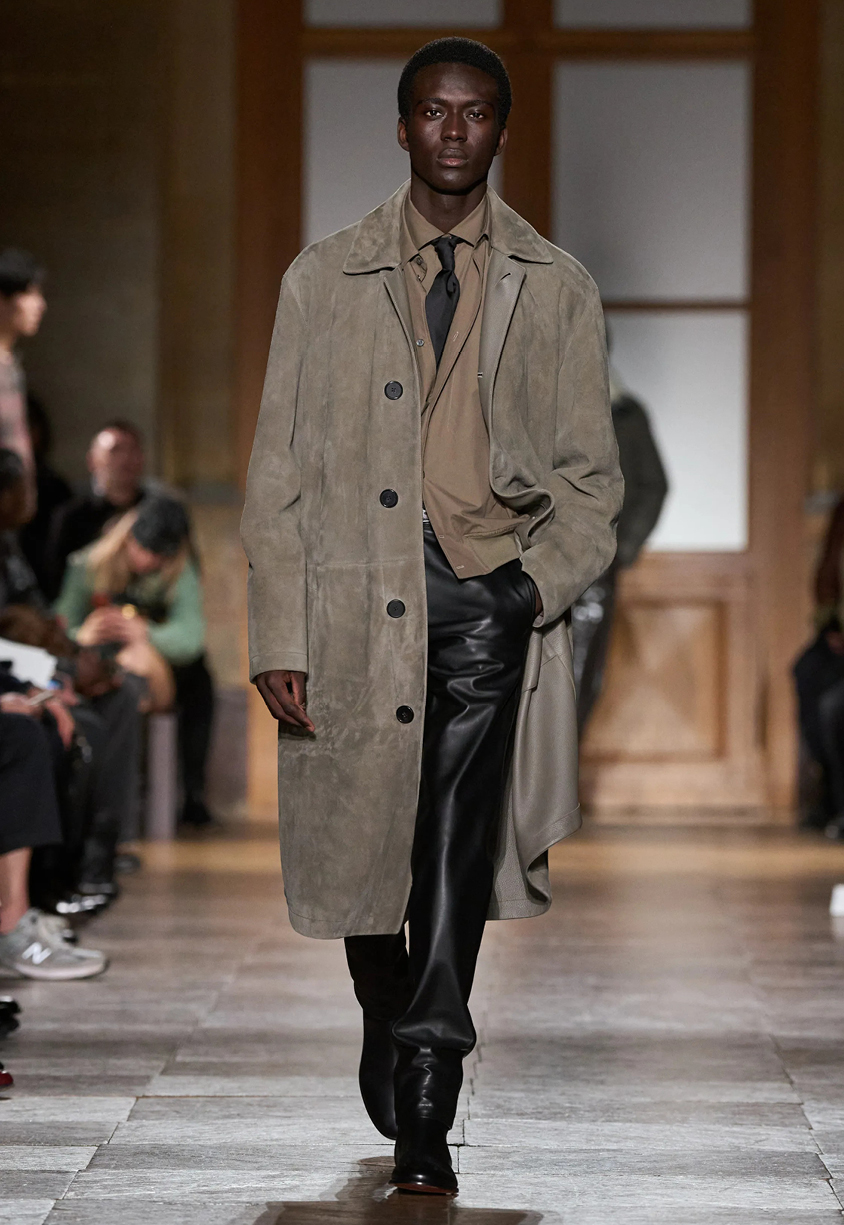
Perhaps that is why the new menswear feels so appealing. It has rediscovered the pleasure of dressing without rediscovering all the rules that once came with it. The modern gentleman can wear the suit, but soften it. Wear the tie, but loosen it. Choose the proper shoes, but don’t wait for a wedding to wear them. He can invest in the watch, buy the beautiful coat and choose the cashmere simply because it feels wonderful against the skin.
There is also something quietly optimistic about this return to polish. After years in which comfort was often confused with dressing down, AW26 suggests that comfort and elegance need not be opposites. And perhaps that is the real appeal of the new gentleman. He isn’t dressing to demonstrate that he knows every rule. He is dressing because he enjoys the result.
After years of being told that the coolest man in the room was the one who looked as though he hadn’t tried, this season offers a rather more enticing idea. Perhaps the most modern form of confidence is to care. To get dressed for dinner because dinner is worth dressing for. To buy fewer things, but better ones. To appreciate the craftsmanship of a beautiful garment and the pleasure of wearing it. The new gentleman isn’t going backwards. He is simply remembering something we may have briefly forgotten, getting dressed can be one of life’s small pleasures.