
There is something rather special about a watch that has already lived a life. Perhaps it is the softly faded dial of a vintage Rolex, the elegant proportions of a Cartier Tank, or the unmistakable glamour of a Bulgari Serpenti.
Unlike their contemporary counterparts, vintage timepieces come with a sense of history, craftsmanship and individuality that is increasingly difficult to replicate. And with collectors looking beyond the obvious investment pieces, the appeal of pre-owned watches has never been greater. But navigating the vintage market requires a little more than a good eye and an appreciation of beautiful things. From understanding what makes a watch genuinely vintage to recognising original components, assessing condition and knowing where to buy, there is plenty to consider before making a purchase. Whether you are searching for your first classic timepiece or adding another treasure to an established collection, knowing what to look for is the secret to finding a watch worth keeping.

Understanding What Makes a Watch Vintage
Before embarking on a vintage watch search, it is worth understanding what the term actually means. Unlike pre-owned, which simply describes a watch that has had a previous owner, vintage generally refers to timepieces from an earlier era, although there is surprisingly little consensus on precisely where the cut-off should fall. For some specialists, anything manufactured before 1985 qualifies, marking the point at which computer-aided design began to influence watchmaking. Others take a more relaxed approach, extending the definition into the mid-2000s, particularly for models whose design language has since become distinctly associated with a particular period.
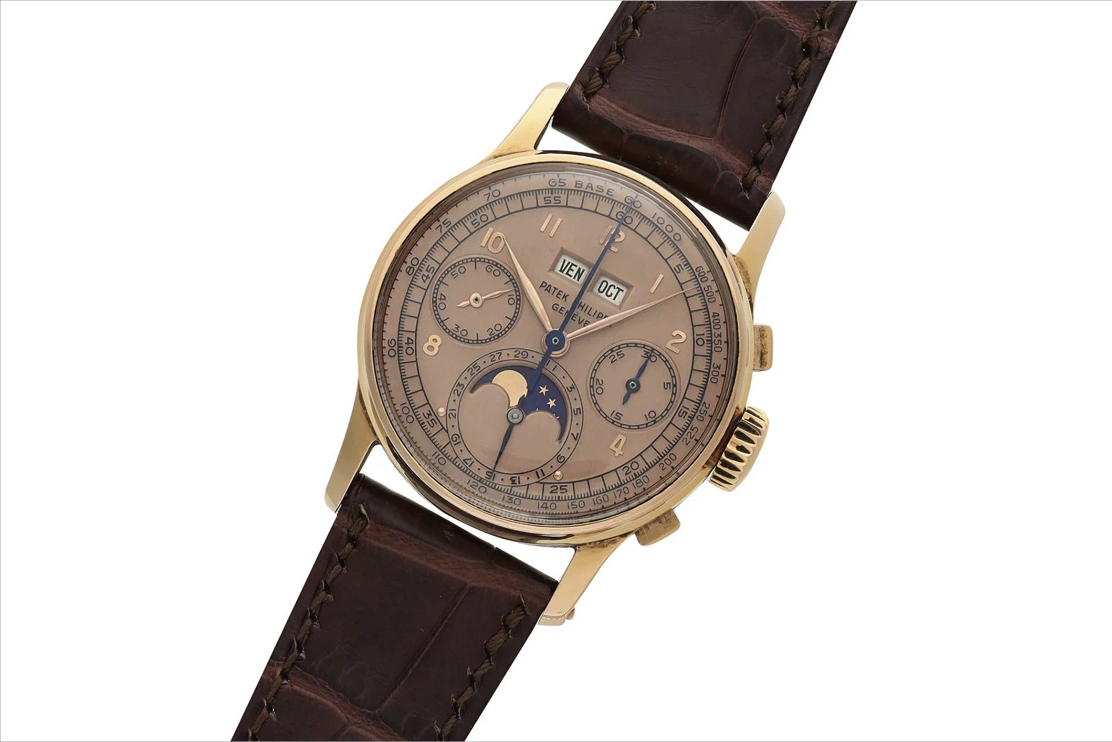
Then there is the increasingly popular category of neo-vintage, generally used to describe watches from the 1990s and early 2000s. It is an especially interesting area for collectors, encompassing a period when houses such as Cartier, Audemars Piguet and Patek Philippe were experimenting with proportions, materials and design. Think smaller, more characterful dress watches, distinctive metal bracelets and unusual dial treatments. For women, this might mean a beautifully proportioned Cartier Panthère or an early Bulgari Serpenti; for men, a vintage Rolex GMT-Master or Patek Philippe Nautilus. Ultimately, the appeal lies in finding a piece that captures the spirit of its era while feeling entirely relevant today.
Develop Your Eye Before You Buy
One of the most enjoyable parts of buying vintage is discovering just how much variety exists beyond the familiar names and instantly recognisable models. But developing an eye for a good watch takes time, and the best place to start is with research. Think of it as creating a visual education: spend time looking at watches from different decades, studying their proportions, dial designs, case shapes and bracelets until you begin to recognise what makes certain examples particularly desirable.
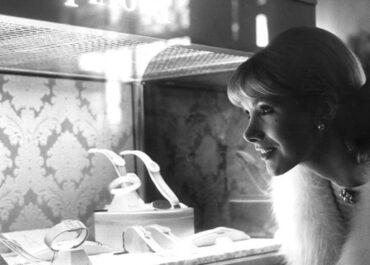
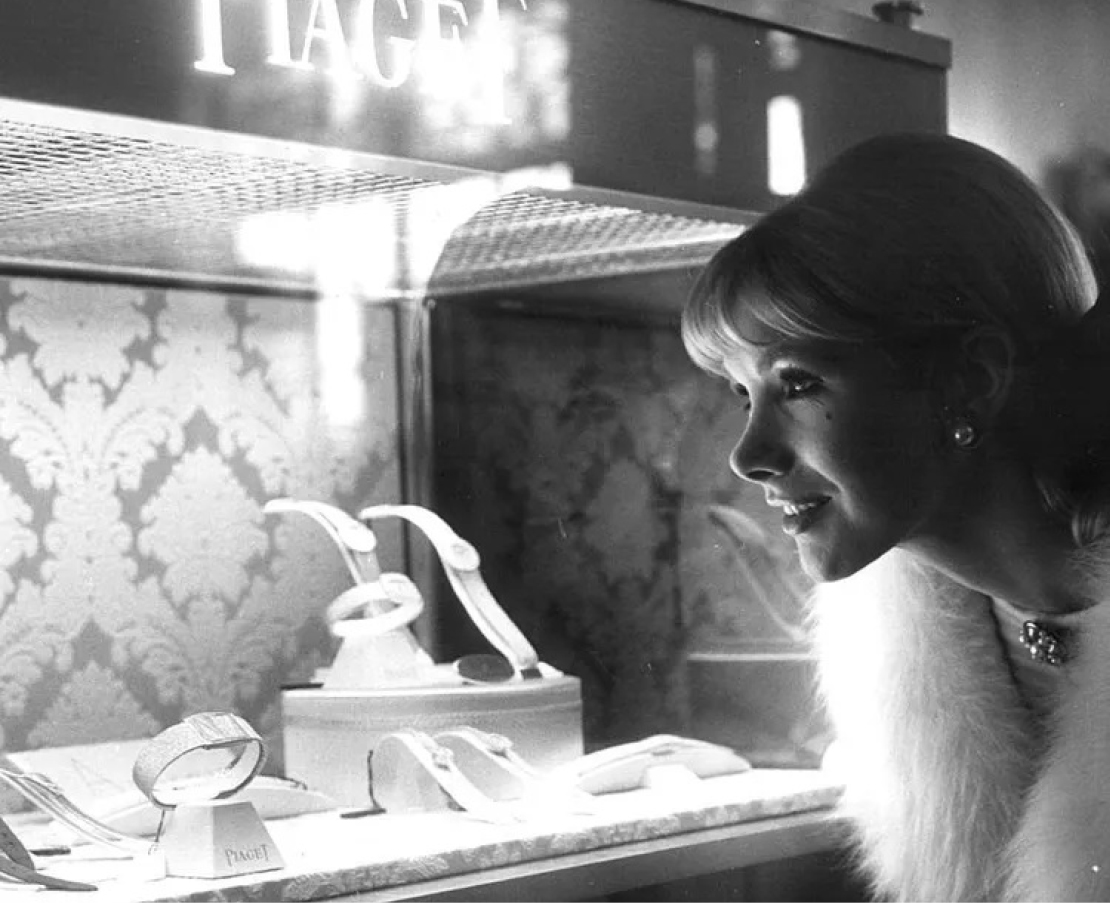
Instagram, specialist dealers, auction-house archives and collector communities are all useful starting points. Follow established watch specialists and brands, browse past auction catalogues and begin building a collection of reference images that reflect your personal taste. You might find yourself drawn to the extraordinary stone dials of vintage Piaget, the architectural simplicity of a Cartier Tank or the sculptural glamour of a Bulgari Serpenti. Equally, a beautifully aged Rolex Submariner or an unusual Patek Philippe complication might prove more appealing than the latest release. Online forums can provide useful background, but should never replace professional advice when making a significant purchase. The more familiar you become with different models and their variations, the easier it will be to distinguish a genuinely special find from something that simply looks the part.
Try Before You Commit
Vintage watches are objects to be experienced, not simply admired through a screen. A photograph can reveal a beautiful dial or an unusual bracelet, but it tells you very little about how a timepiece actually feels when worn. Size, weight, thickness and proportions can transform your impression entirely, particularly when dealing with watches from decades when smaller cases were the norm.
Make time to visit specialist dealers, watch boutiques and auction previews, where you can handle an extraordinary variety of pieces without any obligation to buy. Auction houses such as Christie’s, Sotheby’s and Phillips regularly offer opportunities to examine watches in person, from delicate, gem-set evening pieces to substantial sports models. Try on a classic Cartier Tank alongside a Rolex Datejust, or compare the proportions of a vintage Audemars Piguet Royal Oak with a more understated dress watch. You may discover that the watch you had imagined wearing every day feels entirely different in reality. It is also an opportunity to ask questions and learn directly from specialists, who can often explain details that are not immediately apparent. Take an auction catalogue home, too. These are often packed with fascinating historical and technical information, making them an invaluable resource for the budding collector.
Know Where to Find the Good Ones
The vintage watch market has expanded considerably, with everything from online marketplaces to specialist boutiques offering an increasingly tempting selection. But not all sellers have the same expertise, and knowing where to look is just as important as knowing what to buy. Established vintage dealers remain one of the safest starting points, particularly for first-time buyers. Their experience, specialist knowledge and access to watchmakers can provide reassurance when assessing authenticity, condition and provenance.
Specialist retailers such as Watchfinder offer a broad pre-owned selection. Online, Françoise Watches and Tortoise Watches are worth exploring for interesting vintage discoveries, particularly across the Cartier market. Auction houses including Christie’s, Sotheby’s and Phillips are also excellent places to follow, even if you are not quite ready to bid. Their catalogues provide a useful insight into the breadth of the market and the prices different models can command. For those interested in particular manufacturers, specialist resources such as Collectability offer a deeper understanding of Patek Philippe and its history. Online marketplaces such as eBay can also produce interesting finds, but stick to verified sellers and make use of available authenticity checks. The golden rule is simple: reputation should always come before an apparently irresistible bargain.
Originality Is Everything
A vintage watch’s condition is about far more than whether it looks polished and pristine. In fact, some of the most desirable examples are those that have retained their original components, even when the passing decades have left visible marks. Collectors often refer to this as originality, meaning that the dial, hands, bezel, bracelet and other elements remain as they were when the watch originally left the manufacturer’s workshop.
This is particularly important because servicing can sometimes alter a watch’s character. Brands may replace older components with newer versions to improve reliability or refresh the appearance, but these changes can affect collectability. A Cartier from the 1970s or 1980s, for example, may originally have featured the distinctive Paris signature on its dial, subsequently replaced with a Swiss Made version during servicing. Similarly, a faded or slightly cracked Bakelite bezel on an early Rolex GMT-Master can be more desirable to a collector than a later replacement. That said, originality is not necessarily everything for someone buying simply to enjoy wearing a beautiful watch. A genuine, professionally replaced component may be a perfectly sensible compromise. The important distinction is between authentic manufacturer parts and aftermarket replacements, refinished dials or counterfeit elements. Understanding exactly what has been changed is essential before agreeing a price.
Beware the Over-Polished Watch
One of the most overlooked aspects of vintage watch buying is the condition of the case itself. While a gleaming, freshly polished watch might initially appear more attractive, excessive polishing can actually diminish both its character and its value. Over time, metal is gradually removed from the case during the polishing process, softening the original lines and altering the proportions that made the design distinctive in the first place.
This is particularly significant with watches whose appeal depends on their architectural shape. The Audemars Piguet Royal Oak, for example, is celebrated for its beautifully defined edges and distinctive octagonal bezel. Too much polishing can round these edges, leaving the watch looking noticeably different from its original design. Equally, the softened curves of a vintage Cartier or the crisp profile of a Rolex sports model are details worth preserving. Not all signs of age are undesirable, however. Gentle fading, a naturally aged dial or a bracelet that has developed a little character can add to a watch’s appeal. The key is knowing the difference between attractive ageing and genuine deterioration. Look carefully at the case, bezel and bracelet, and ask whether the watch has been polished, restored or refinished. A little wear can tell a beautiful story; too much intervention can erase it.
Buy the Expertise, Not Just the Watch
For anyone entering the vintage market, the reassurance of buying from someone who genuinely understands watches should not be underestimated. A reputable dealer is doing considerably more than simply sourcing attractive timepieces. They should be able to provide information about authenticity, condition, servicing and the history of a particular model, helping you understand precisely what you are purchasing. This can be especially valuable when considering more complicated watches, unusual references or pieces with precious stones and intricate detailing.
Vintage watches require a level of knowledge that is not always available through general pre-owned retailers. Certain manufacturers and models have highly specific components, and sourcing replacements can become increasingly difficult as watches age. Even an authentic timepiece may require specialist attention before it is ready to wear. This is why a retailer’s ability to assess and prepare a watch matters so much. Look for established businesses with a proven track record, transparent descriptions and a willingness to answer detailed questions. Ask about the watch’s service history, whether its components are original and what checks have been carried out before sale. A good specialist should welcome this curiosity rather than discourage it. Over time, building relationships with trusted dealers can become one of the most rewarding aspects of collecting, giving you access to interesting pieces and invaluable expertise.
The Practicalities: Servicing, Papers and Returns
It is easy to become so absorbed in the aesthetic appeal of a vintage watch that the practical considerations slip down the priority list. Yet a timepiece is ultimately something you want to wear, which means understanding its mechanical condition is just as important as admiring its design. A watch may look immaculate but still need attention internally, so always establish whether it is keeping time and when it was last serviced. If there is any uncertainty, have it examined by a trusted watchmaker who can assess its accuracy and identify whether maintenance is required. Vintage movements are delicate mechanisms, and servicing should always be entrusted to someone with the appropriate expertise.
The question of original boxes and papers also deserves some perspective. Although a complete set can be attractive, it should never automatically take precedence over the quality of the watch itself. Older paperwork was often discarded once the original warranty period had expired, making complete sets increasingly difficult to find. A watch in excellent, authentic condition without its original papers may therefore be a much better purchase than a compromised example with all its accompanying accessories. Before buying, check the retailer’s return policy, too. A 14-day return window, where offered, gives you valuable time to reconsider your purchase and arrange any additional checks. Above all, establish the full cost, including any servicing that may be necessary.
Buy What You Love, Not What You Think Will Rise in Value
The most successful collections are built on instinct, not speculation. There is no denying that vintage watches can be collectible, and certain models have developed formidable reputations in the secondary market. But approaching the category purely as an investment is rarely the most rewarding way to begin. Trends shift, tastes evolve and the watches currently commanding the highest prices are not necessarily those that will hold the greatest appeal in years to come. Rather than chasing the model everyone else wants, look for something that genuinely resonates with your own sense of style.
There are still interesting opportunities to be found beyond the obvious names. Smaller, more ornate watches for men, for instance, are attracting renewed attention as tastes move towards more refined proportions and precious metals. Classic dress watches from Breguet offer an elegant alternative to the familiar steel sports models, while women might discover extraordinary value in vintage Piaget, Cartier or Bulgari designs that are as much pieces of jewellery as they are instruments for telling the time. Set a realistic budget and resist the temptation to stretch it simply because a watch is described as rare or investment-worthy. A vintage timepiece should bring pleasure, whether worn every day or saved for special occasions. Its greatest value may ultimately be the enjoyment it brings, rather than what someone might pay for it in the future.