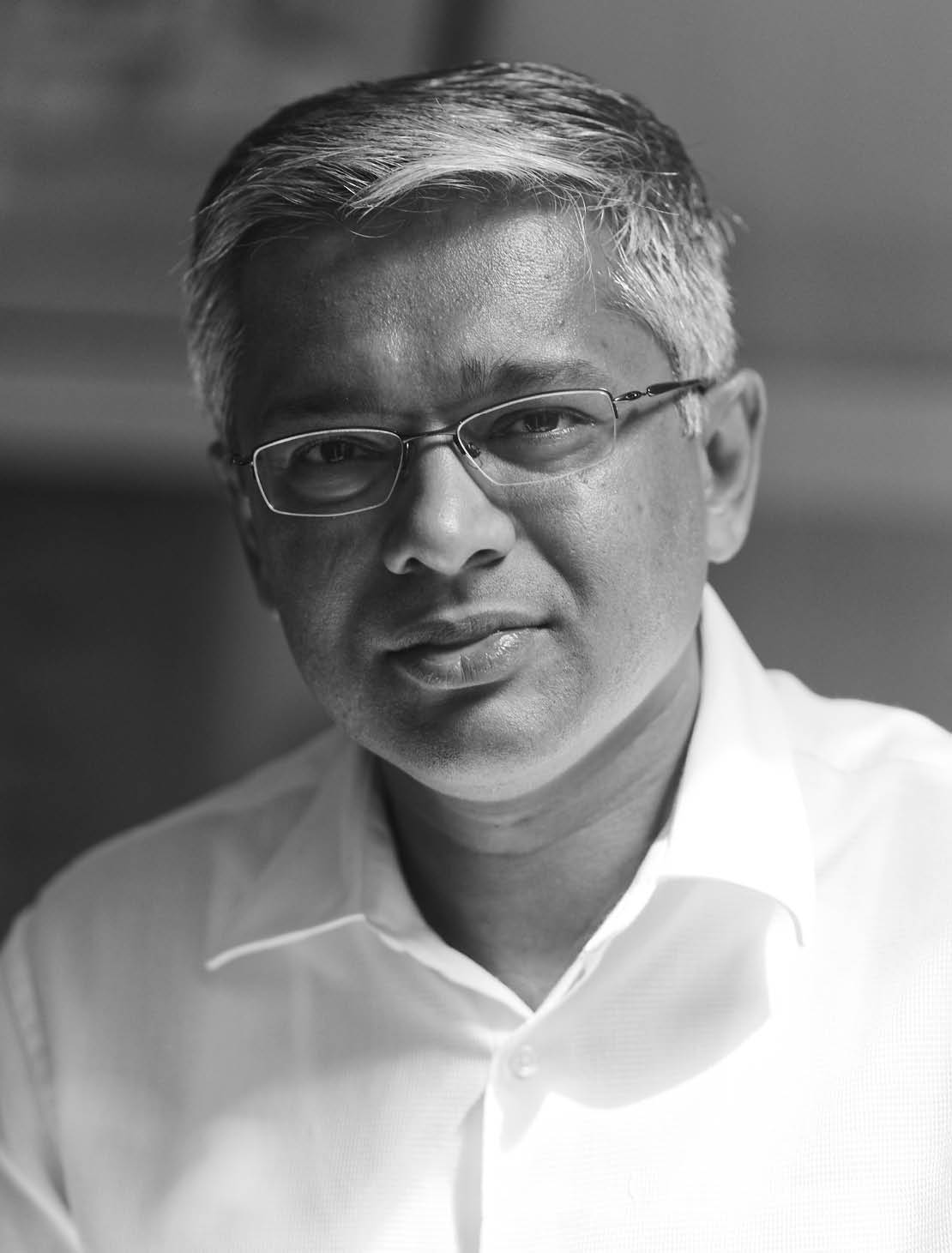
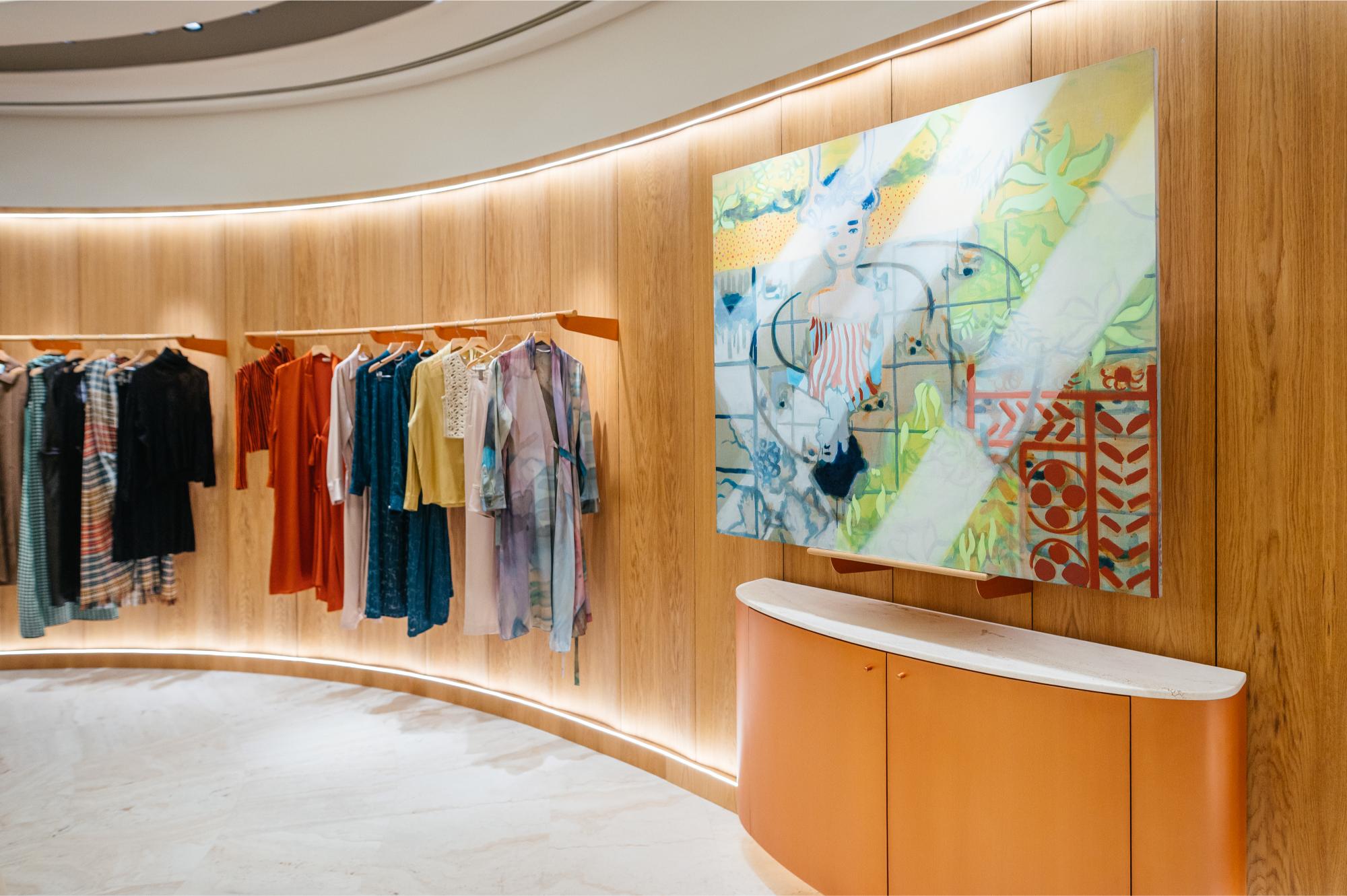
Designing Serenity, Tanuj Goenka, Director of Kerry Hill Architects, discusses the design of the highly anticipated Aman Dubai
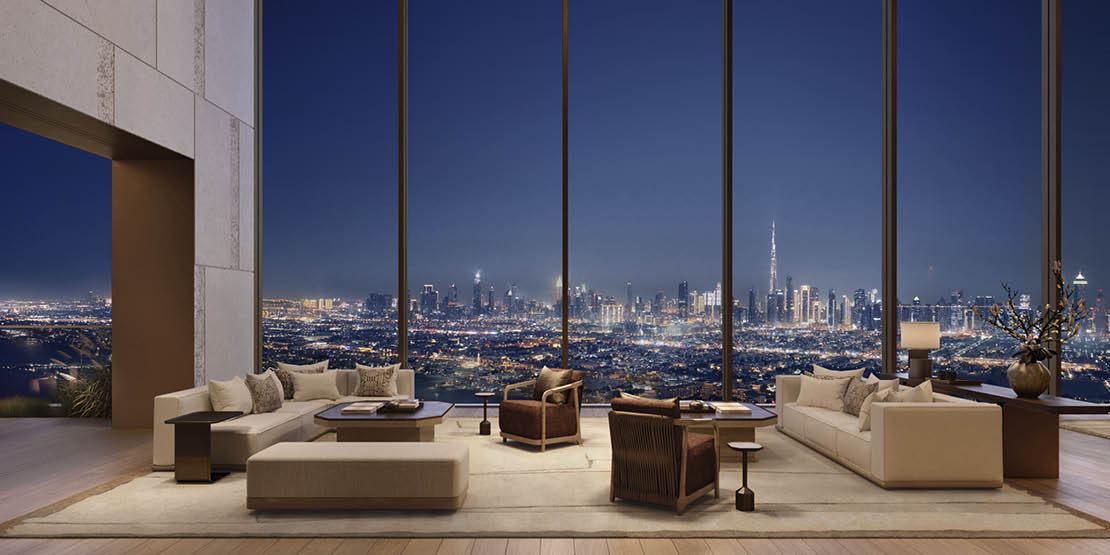
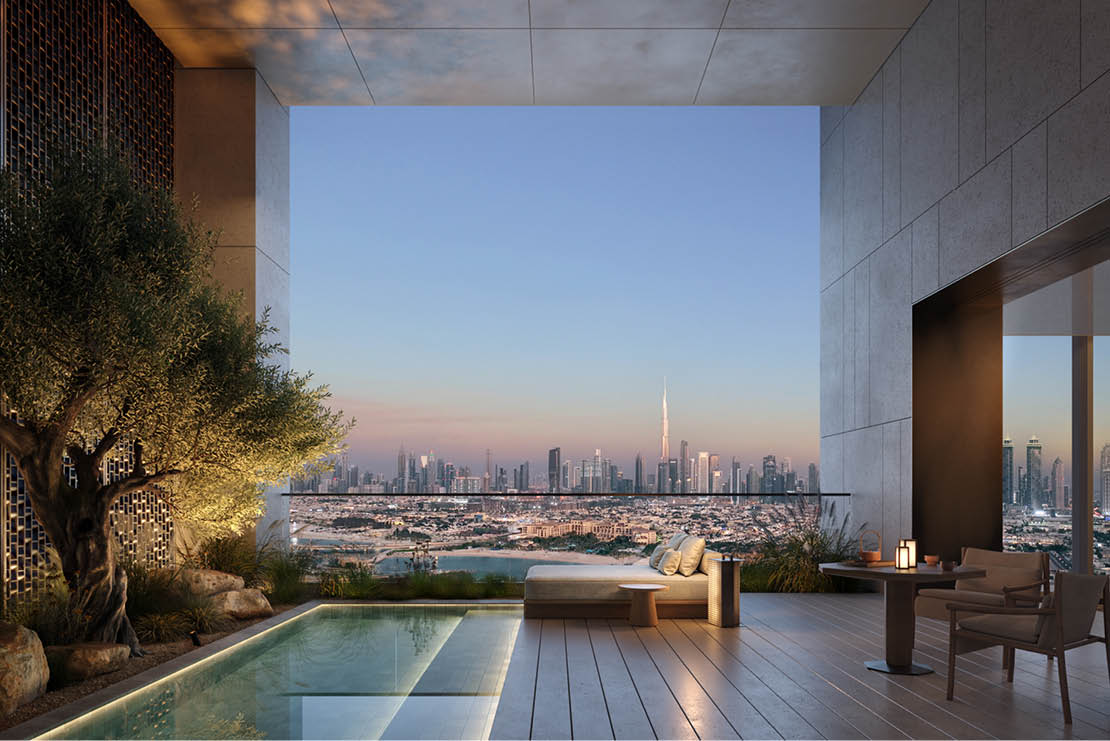
Set to redefine the city’s luxury hospitality landscape, Aman Dubai is one of the most highly anticipated hotel openings in the region. Rising on the newly formed Dubai Peninsula, the project brings Aman’s signature sense of serenity into a striking urban and coastal setting, where panoramic views of the Arabian Gulf meet the city skyline and the Burj Khalifa beyond. Designed by Kerry Hill Architects, the resort and residences promise a refined dialogue between place, culture, and contemporary living.

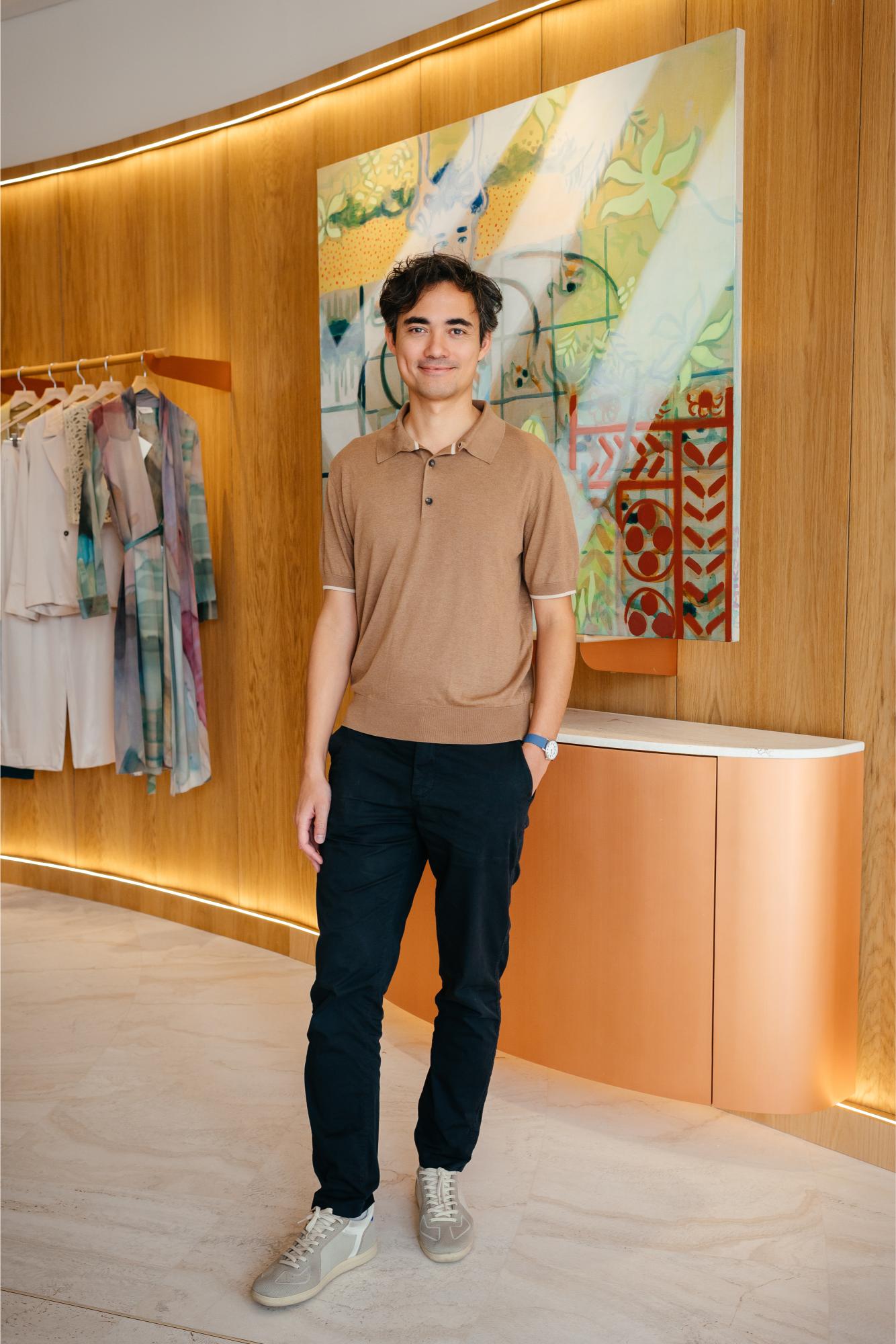
Here, Tanuj Goenka, Director at Kerry Hill Architects, shares insight into the architectural vision behind Aman Dubai, revealing how the studio has woven together Arabian heritage, natural materials, and Aman’s philosophy of understated luxury to create a sanctuary that feels both deeply rooted and quietly transformative.
Aman Dubai is one of the most anticipated hotel openings in the region. What was the initial design vision for translating Aman’s philosophy of understated luxury into Dubai’s urban landscape?
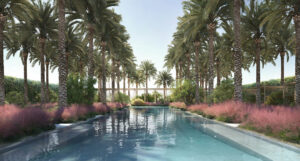
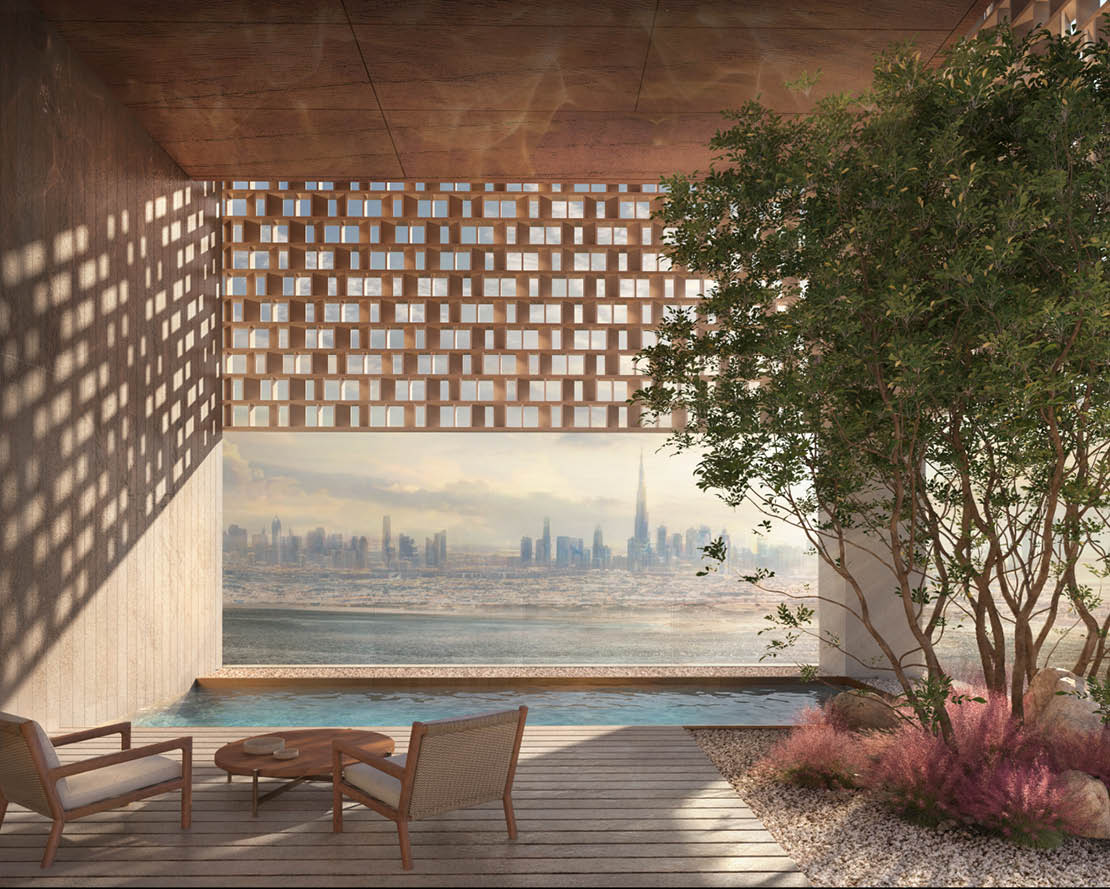
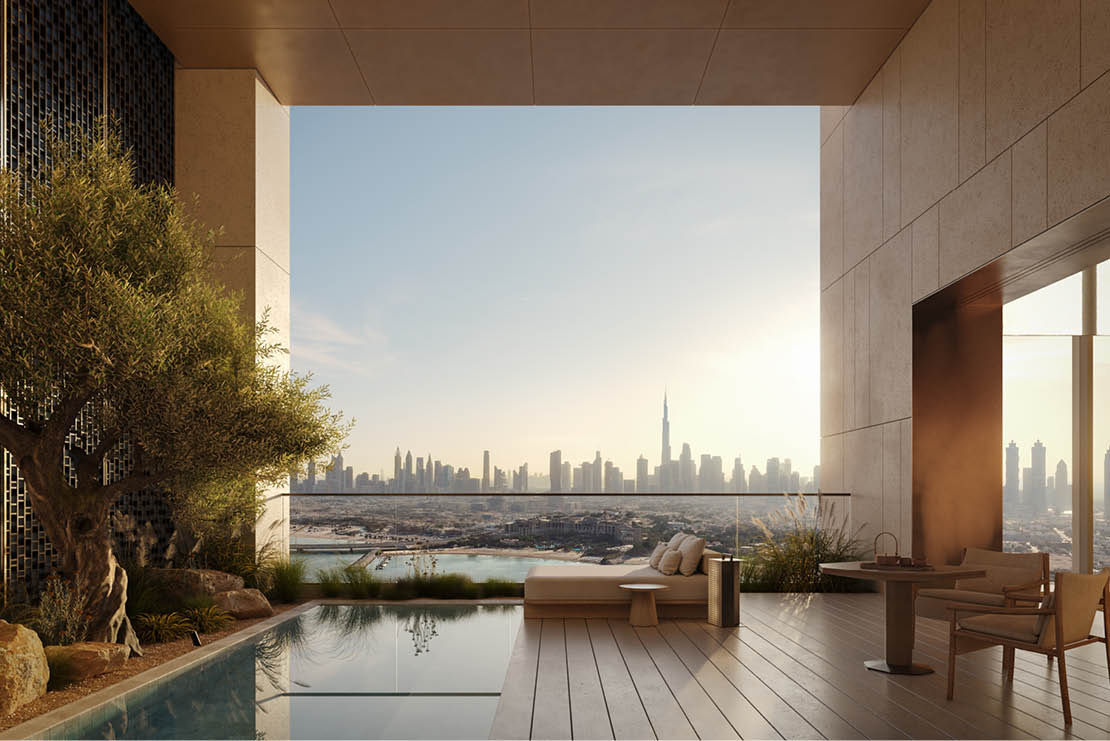
Aman Dubai is located on the newly formed Dubai Peninsula. The site offers uninterrupted views of the Arabian Gulf, along the north and south coastal beaches, and offers panoramic views of Dubai’s city skyline and the Burj Khalifa. The Aman resort and residences aim to create a distinct and memorable experience by combining Aman’s serenity with the hospitality of Arabian culture. The concept draws inspiration from the region’s rich architectural and cultural heritage and is reimagined as a living oasis with modern comforts.

What narrative or sense of place did you want to express through the design of Aman Dubai?
Our design seeks to seamlessly integrate the past, from when Bedouin herders settled in the region and engaged in date palm agriculture, pearling, fishing, and trade, to its vibrant present. Culturally significant elements from traditional architecture and handmade craft inform our design, creating a strong sense of place while honouring local traditions. Arabian culture is also characterised by a strong emphasis on family and hospitality. Welcoming and hosting guests is central to this culture, a value we have translated into our design through a contemporary lens.

KHA has a long-standing relationship with Aman. How did you approach translating Aman’s signature serenity into the urban context of Dubai?
Our design concept is rooted in the region’s geography and cultural heritage. The resort features a solid rostrum of stone walls and gardens that step down toward the beach, carved and punctuated to connect subterranean spaces and landscaped courtyards with light and views. Together, these elements compose a living oasis of alcoves, cloisters, and verdant gardens.

Given Dubai’s bold skyline, how did you approach the challenge of creating a structure that feels both iconic and serene?
The overall planning and architectural language are guided by clean lines and spatial arrangements that respond naturally to the site. The towers and several low-rise buildings are composed of geometric forms that resonate with local tradition, while the towers are rotated to maximise uninterrupted views of the city skyline and ocean. The result is a collection of structures that feel effortless, serene, and in harmony with their surroundings.
How has the team drawn on the UAE’s natural and cultural identity to shape the architecture?
The desert seaside environment calls for a design that embraces simplicity and functional comfort. It draws inspiration from historical wisdom, interpreting natural shade, cooling, and air-circulation techniques. Through our design, we celebrate the nomadic spirit and cultural diversity of the region. Stone and woven palm leaves pay homage to traditional palm houses, crafting a tapestry of textured, natural, and expertly crafted elements. Ancient weaving techniques inspire shade structures, while art and gardens symbolise life and abundance.

The project includes both hotel and branded residences. How are you ensuring a seamless identity between the two developments?
The hotel and residential towers share a unified design language and a refined material palette of limestone, timber, and architectural bronze. Their façades feature generous balconies landscaped with mature trees, extending the native botanical gardens from the beachfront up into the towers.
Are there architectural references or lessons from earlier Aman projects you worked on that are being adapted here?
There are some shared sensibilities with our other Amans. While each project is treated as unique, a set of guiding principles informs our architectural approach. It’s about creating buildings that feel authentic because they connect with their specific location’s climate, materials, and culture. We achieve this by using local materials, designing structures that naturally adapt to temperature, wind, and sunlight, and incorporating design elements meaningful to the local culture and community. This extends to our interiors, which are highly crafted and regionally sourced, and to the landscape, where careful collaboration ensures a seamless integration with the natural environment.
What emotions or sensory experiences do you hope guests will feel when they eventually step inside?
When guests step inside Aman Dubai, they are immediately transported from the frenetic energy of the city into a sanctuary. The senses are enveloped by soothing water, the scent of gardens, and the gentle interplay of light and shadow across courtyards and open spaces. Guests experience a sense of home alongside a place of discovery. Every element, from spaces for relaxation, wellness, nourishment, and entertainment, is designed to allow guests to retreat, rejuvenate, and reconnect. It is a place where the ocean, gardens, and architecture converge to create a living oasis, offering clam, inspiration, and sensory richness.
If you could describe the project in three words that define its spirit so far, what would they be?
Coastal: the shoreline identity and coastal siting. Verdant: lush greenery, courtyards, gardens, refuge
Crafted: cultural sensitivity, artisanal references, material refinement.
What does luxury mean to you today in architectural terms?
Luxury in architectural terms is less about materiality and more about spatial experience and the crossing of thresholds. It’s about how a space makes you feel – casual coastal living, that is elevated but relaxed. Luxury is about creating a sense of home while capturing the unique spirit of place.
By Emma Hodgson
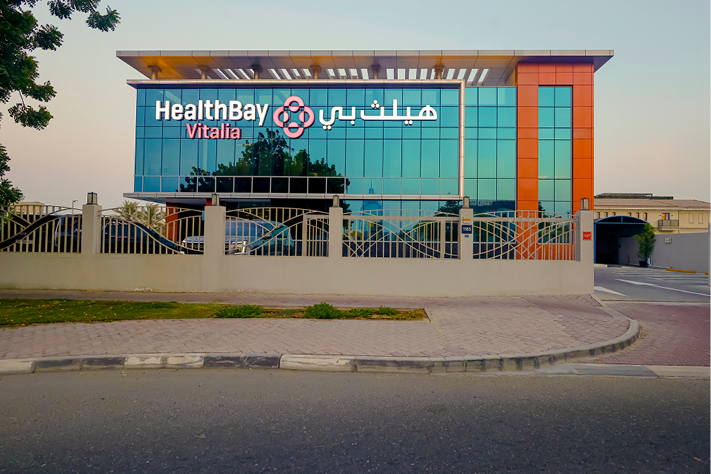
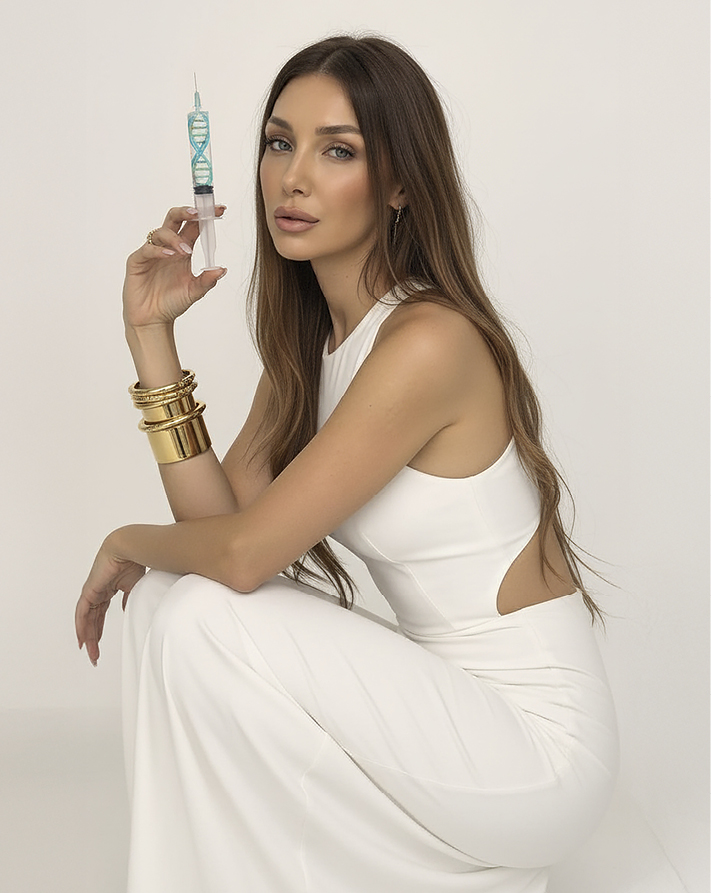
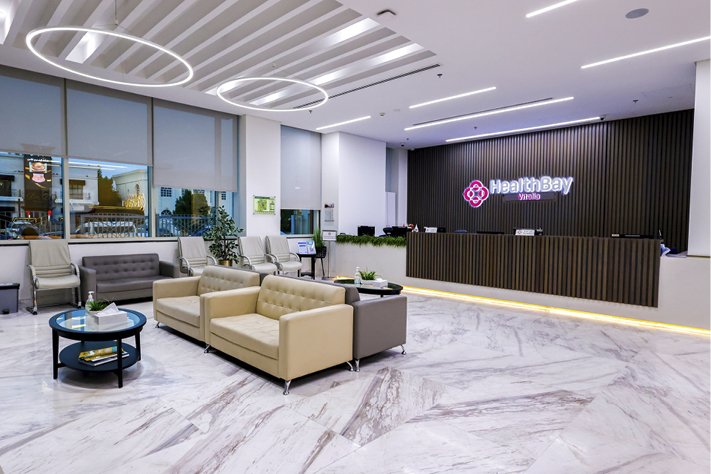
Longevity Rituals, Dr Sladana Pavlovic, Specialist in Internal Medicine at HealthBay Dubai, discusses how Biohacking is the new frontier in anti-ageing treatments
At a time when biohacking has moved from a Silicon Valley subculture to a global wellness movement, Dr Sladana Pavlović has emerged as one of Dubai’s most compelling voices in longevity and preventive medicine. Trained at the prestigious Medical University of Graz and double board-certified in internal medicine, she began her career in Austria, treating a wide spectrum of acute and chronic conditions with a focus on evidence-based care. She played a key role in Mobile Heart, a groundbreaking telemedicine project for heart-failure patients, and later led one of the country’s leading thyroid outpatient clinics.

Her practice has since evolved to the cutting edge of modern biohacking, from orthomolecular medicine and metabolic balance to hormonal optimisation and personalised longevity protocols designed to slow cellular ageing. At HealthBay Dubai, she combines medical precision with a deeply human, tailored approach, creating programmes that boost energy, restore vitality, rebalance the body, and help patients look and feel noticeably younger from the inside out.
Dr Pavlović offers something deeper than quick fixes: a medically grounded roadmap for ageing well, feeling stronger, and living with greater vitality. Here we learn more about Dr Pavlović’s approach and the world of biohacking.
From your perspective, what does biohacking actually mean, and how does it differ from traditional wellness or medicine?
Biohacking is the practice of intentionally influencing your human physiology using science, data and personalised interventions to improve how you function on a cellular, metabolic and cognitive level. It goes far beyond wellness trends, since biohacking is grounded in measurable biomarkers, physiology, and an understanding of how lifestyle, environment and genetics shape the ageing process.
Unlike traditional medicine, which focuses mainly on diagnosing and treating disease, biohacking aims to upgrade health before dysfunctions arise with measurable, intentional and completely personalised methods.

How do you explain the difference between chronological age and biological age to patients?
Chronological age is what your passport shows, tied to your date of birth. Biological age reflects how well your cells, tissues and metabolic systems are functioning, essentially, the “actual” age of your body. Two people at the chronological age of 40 can have vastly different biological ages based on systemic inflammation, metabolic health, nutrition, stress, sleep and lifestyle.
This distinction empowers patients: if biology is adaptable, ageing becomes something we can actively influence.
Is reversing biological age truly possible, or is it more about slowing the ageing process?
We can’t stop the passage of time, but we can slow, and in some cases reverse, biological ageing markers.
By reducing inflammation, improving metabolic health, optimising sleep and stress management and additionally using targeted interventions such as resistance training, longevity nutrition or certain supplements, we can create cellular conditions that resemble a “younger” physiological state. The main goal is to achieve sustained vitality, not eternal youth.
Which biomarkers or diagnostic tools do you use in your clinic to assess biological age (for example, metabolic health, telomere length, advanced lipid profiling, inflammation markers)?
I use a combination of internal medicine diagnostics and advanced longevity biomarkers, including:
- Metabolic panel (HOMA‑IR, fasting insulin, HbA1c),
- Advanced lipid profiling (ApoB, Lp(a))
- Inflammation markers (hs‑CRP, homocysteine)
- Oxidative stress indicators
- Vitamin D
- Omega‑3 index
- CoQ10
- Hormone profile incl. thyroid function
- Gut health markers
- Genetic predisposition testing and body composition
You treat patients here in Dubai, a region with a high incidence of metabolic syndrome and cardiovascular risk. How do regional lifestyle and environment impact longevity strategies?
Dubai offers a dynamic lifestyle but also a fast-paced, high-stress environment with irregular schedules, sedentary professions and a comfort-driven culture that can particularly increase metabolic and endocrinological strain. High rates of insulin resistance, dysfunction of the lipid metabolism, high cortisol levels, late-night dining and environmental factors accelerate ageing.

Therefore, longevity plans require structure, e.g. prioritising physical activity even during episodes of extreme heat, strategic meal timing, hydration and electrolyte balance, stress regulation, regular cardiometabolic screening and education around preventive habits. In a high-paced city, health needs to be intentional.
For someone keen on reducing their biological age but with a busy professional life (travelling, irregular schedule), what are some basic biohacking habits you would recommend?
Prioritising hydration and protein-rich meals for balanced glucose response, reducing alcohol, daily movement for 20-30 minutes, mindful breathing or other techniques for nervous system regulation, as well as tailored supplements to support your metabolism. A consistent sleep window is crucial even after long flights to avoid circadian chaos.
Sleep and stress are pervasive issues. How pivotal are they to longevity, and what practical steps do you recommend to patients?
Sleep and stress are the foundations of biological age. No supplement compensates for poor sleep or chronic cortisol elevation. I recommend fixed sleep rhythm, reduced late‑night stimulation, magnesium glycinate or L‑theanine when appropriate, strength training, daily parasympathetic activation, and evaluating sleep apnea when indicated.
The “biohacker” market loves technology: wearables, continuous glucose monitors etc. In your practice, how useful are these tools, and how do you guide patients to interpret them sensibly?
Wearables are powerful tools, but they are often misunderstood. They were designed to offer insight, not govern and dictate behaviour, so it’s crucial to use data to be more conscious, not more anxious. I encourage my patients to look for patterns, not perfection, while still trusting the physiology they feel every day.
Emerging therapies, such as NAD+ infusions, peptides, and regenerative medicine, are often making the headlines. Which of these do you consider medically credible at this stage, and which should still be approached with caution?
Therapies such as NAD+, selective peptides (BPC‑157, GHK‑Cu), and regenerative medicine show real potential, but require evidence‑based use, medical supervision and personalised dosing. Promising doesn’t mean appropriate for everyone; longevity medicine must stay grounded in physiology, not hype.
Unregulated peptides, which are sold online, are currently the biggest risk since they can cause serious health complications such as systemic inflammation or autoimmune activation due to inconsistent purity, incorrect dosing or unknown biological activity.
There are genetic and gender-based differences in how people respond to interventions. How do you personalise biohacking and ageing-reversal strategies in your clinic?
Personalisation is the core of longevity medicine. Since men and women age differently on a cellular and metabolic level, I combine biomarkers, genetics, menstrual‑cycle mapping, hormone status, body composition and lifestyle context. Women often respond with high cortisol levels to fasting, stress and high‑intensity training. Men generally benefit from consistent fasting; their hormone patterns are more stable, muscle recovery is faster, however, men often have higher cardiovascular risk due to earlier visceral fat accumulation and more silent insulin resistance – hence cardiometabolic screening is essential.
You emphasise cardiometabolic health. How does exercise strategy (strength, endurance, HIIT) feed into biological-age reduction?
Exercise remains one of the most potent anti‑ageing interventions. Strength training improves insulin sensitivity, hormonal balance and bone density. Zone 2 training, which refers to a level of aerobic exercise where your heart rate is elevated but you can still comfortably hold a conversation-enhances mitochondrial function and biogenesis; HIIT boosts VO2 max, a strong predictor of lifespan. A balanced mix of all three improves cellular ageing.
Many wellness audiences ask about nutrition fads. What nutritional strategies do you find most efficacious for long-term cellular health and metabolic resilience?
Longevity nutrition is not about restriction – it is about metabolic stability. I emphasise adequate protein intake to preserve muscle mass, support metabolic rate and maintain satiety. Most of my patients significantly under-consume protein. Aiming 1.4-1.6g/kg bodyweight is ideal for longevity. Supporting stable glucose levels throughout the day is essential since glucose spikes lead to accelerated cell ageing, inflammation, oxidative stress and hormonal imbalance. Adequate hydration, gut health, Omega 3 supplementation and whole foods are other essential pillars of longevity nutrition.
For patients who perhaps feel “too late” to make change, what message of hope or realism do you share?
It’s absolutely not too late. Cardiometabolic markers – glucose regulation, blood pressure, visceral fat, inflammation – can improve dramatically within weeks of making the right adjustments.
When advising clients who may purchase luxury wellness “packages” abroad, what key questions should they ask to ensure safety, validity and long-term benefit rather than just glamour?
Longevity should not be considered a glamorous wellness trend but a scientific, regulated field in medicine. I encourage my patients to ask if the treatment is medically supervised and to check the credentials of the clinician. Therapy needs to be justified by diagnostics and not administered generically. It is also important to ask how the products are sourced and quality-controlled. Peptides, stem cells and biologics must come from reputable suppliers. A follow-up is essential, since longevity requires continuity and proper monitoring.
Luxury must not compromise the lack of medical structure and personalisation.
Looking ahead, where do you see internal medicine and longevity science intersecting most strongly in the next 10-15 years?
Internal medicine will shift from treating disease to extending health span and vitality. The two are merging through data, preventive diagnostics and personalised interventions. I believe the strongest intersections will be early metabolic risk detection to identify insulin resistance, inflammatory patterns and cardiovascular risk years before symptoms appear. Precision peptides, NAD+ modulation and targeted supplementation will become standard when regulated and clinically validated. Personalised lifestyle medicine with exercise prescriptions, genetics and phenotype expression as guidance to tailor nutrition, training and stress protocols.
Finally, if you had to pick one single change that anyone could make tomorrow to best reduce their biological age, what would it be and why?
If I had to choose only one, it would be glucose stabilisation. Glucose stability influences almost every ageing pathway. By simply prioritising protein, going for a 10-15-minute walk after a meal, reducing processed food, not skipping meals and consuming food in the right order, we can create an immediate and measurable shift in biological age markers.
By Emma Hodgson
Architectural Icons, A closer look at some of the Best-Designed hotels in the Middle East
With the National Day long weekend approaching, it’s the perfect time to plan a regional escape, especially if you love great design.
The Middle East is home to some of the world’s most striking hotels, where bold architecture, thoughtful details, and inspired interiors come together to create unforgettable stays. From sculptural silhouettes to design-led desert retreats, we’ve rounded up the best destinations for travellers who appreciate beauty in every line and curve.
Burj Al Arab, UAE
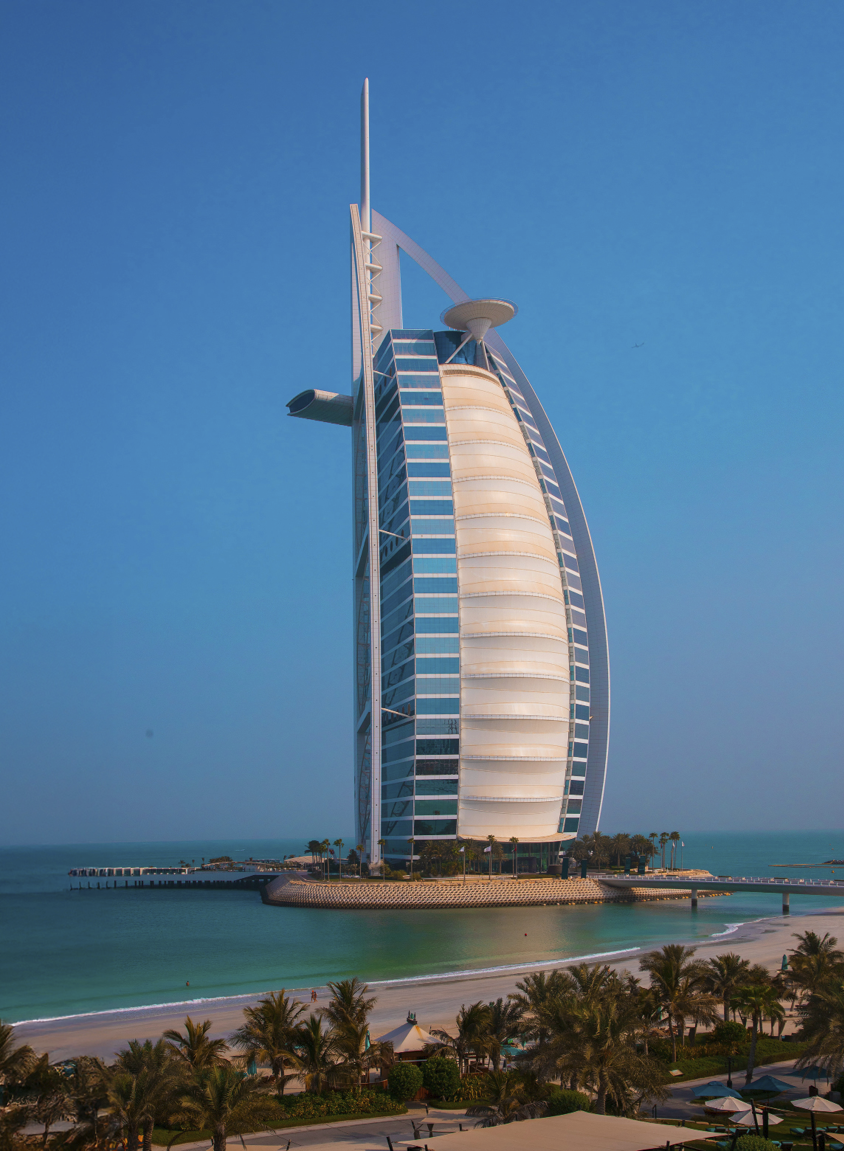
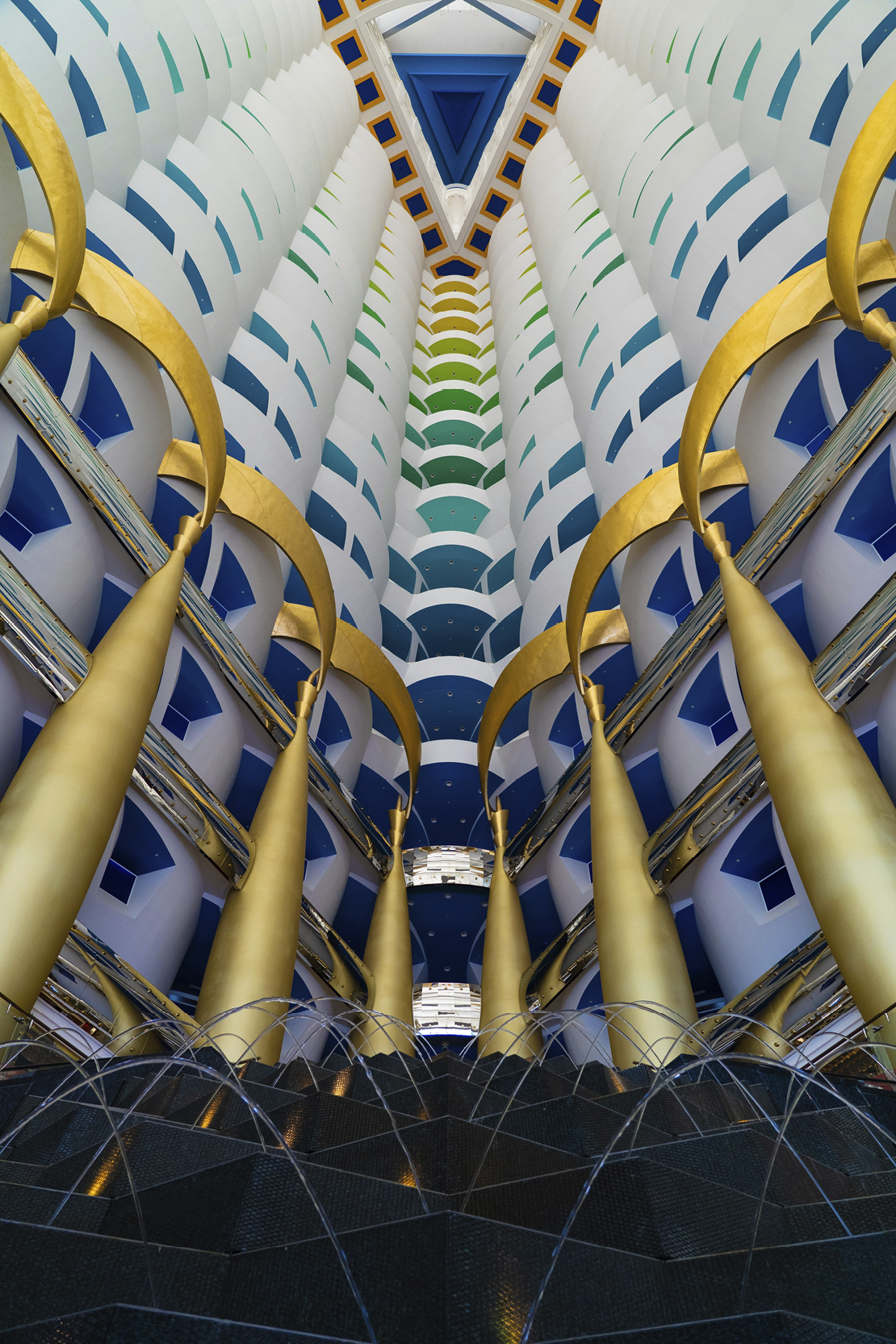
One of the most recognisable buildings in the world, the Burj Al Arab celebrated its 25th anniversary last December, reaffirming its status as both an architectural and hospitality icon. First opening in 1999, the property was conceived by British architect Tom Wright of WKK. The building’s sail-like form was envisioned as a contemporary symbol of Arabian modernity, paying homage to the emirate’s maritime past while propelling its skyline into the future. Rising 321 metres above the Arabian Gulf, the Burj Al Arab stands on a man-made island, 280 metres offshore. The engineering feat required over two years of land reclamation and the construction of a massive concrete foundation supported by 250 driven piles. Its slender, curved form was achieved through a double-skin Teflon-coated fibreglass façade, the first of its kind in the world, spanning over 10,000 square metres and capable of withstanding Dubai’s intense heat, humidity, and sandstorms. By day, the façade shimmers white against the blue of the Gulf; by night, it becomes a vast illuminated canvas, transforming the skyline with choreographed light shows. Every architectural detail was conceived to express movement and precision, from the helipad that has hosted tennis matches and concerts to the cantilevered Skyview Bar that projects 27 floors above sea level. The structure’s blend of symbolism, engineering, and spectacle established a new architectural vernacular for Dubai, one defined by vision, ambition, and impossibility realised.


Raffles Doha & Fairmont Doha, Qatar
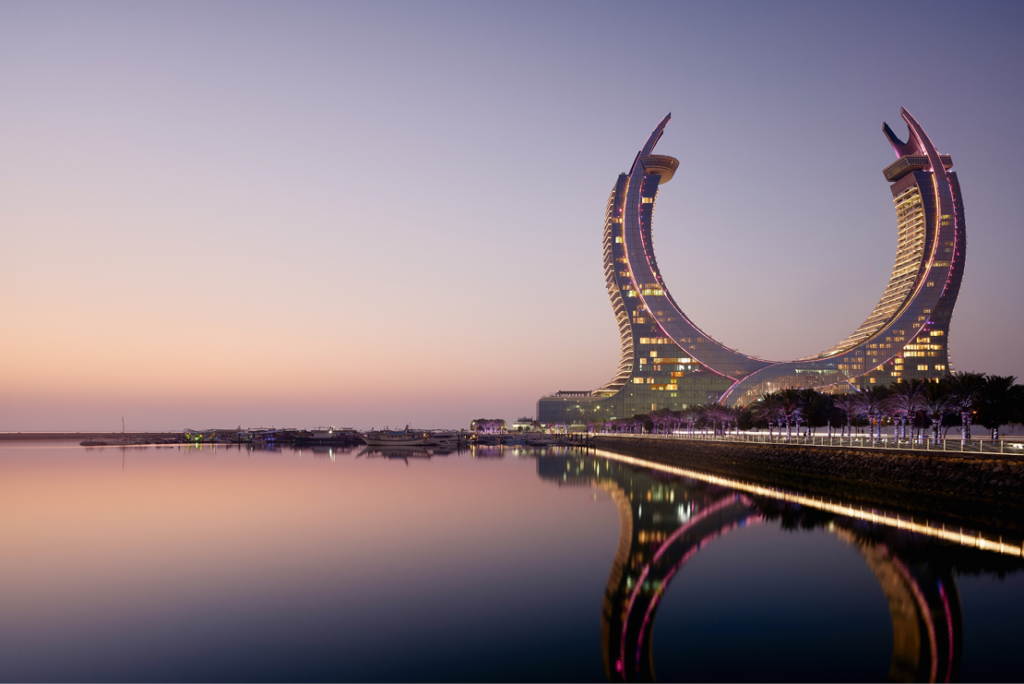
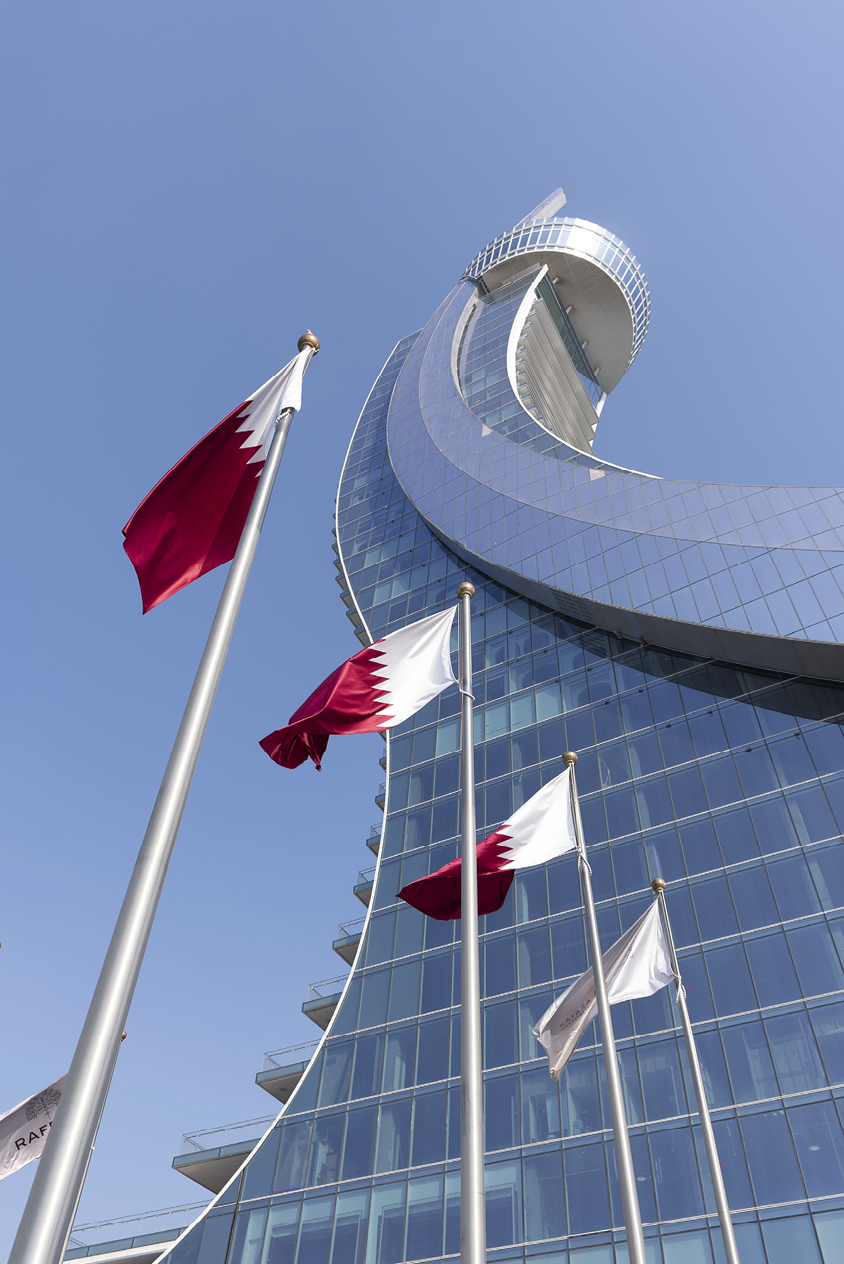
Rising above Lusail Marina with their instantly recognisable crossed-sword silhouette, Katara Towers stand as one of Qatar’s most ambitious architectural statements, and within them, Raffles Doha and Fairmont Doha together redefine contemporary luxury through design. The twin-arched structure, designed to resemble the national emblem of Qatar, embodies unity and progress, merging bold modernism with deep cultural symbolism. The curving façades of glass and steel reflect both the surrounding sea and the desert sun, transforming the skyline of Lusail into a landmark of national pride and architectural ingenuity. Inside, the Raffles Doha celebrates opulence and craftsmanship through an architecture of intimacy and grandeur. Its all-suite layout transforms each space into a private residence, framed by sweeping views of Doha’s skyline. The interiors combine sculptural forms with rich materials, marble, onyx, and gold detailing, creating an atmosphere that is both regal and contemporary. The soaring Katara Hall, crowned by a 22-metre-high ceiling, stands as an architectural marvel in its own right, combining spatial drama with refined symmetry and representing Qatar’s most elegant event setting. In contrast, the Fairmont Doha takes inspiration from the sleek lines of luxury yachts. Its architecture favours fluidity and movement, with rooms featuring curved walls, rich wood panelling, and shimmering gold mosaic details that evoke maritime craftsmanship. The use of natural light, reflected through expansive terraces and panoramic windows, reinforces a sense of openness and connection to the coastline.


Alila Jabal Akhdar, Oman
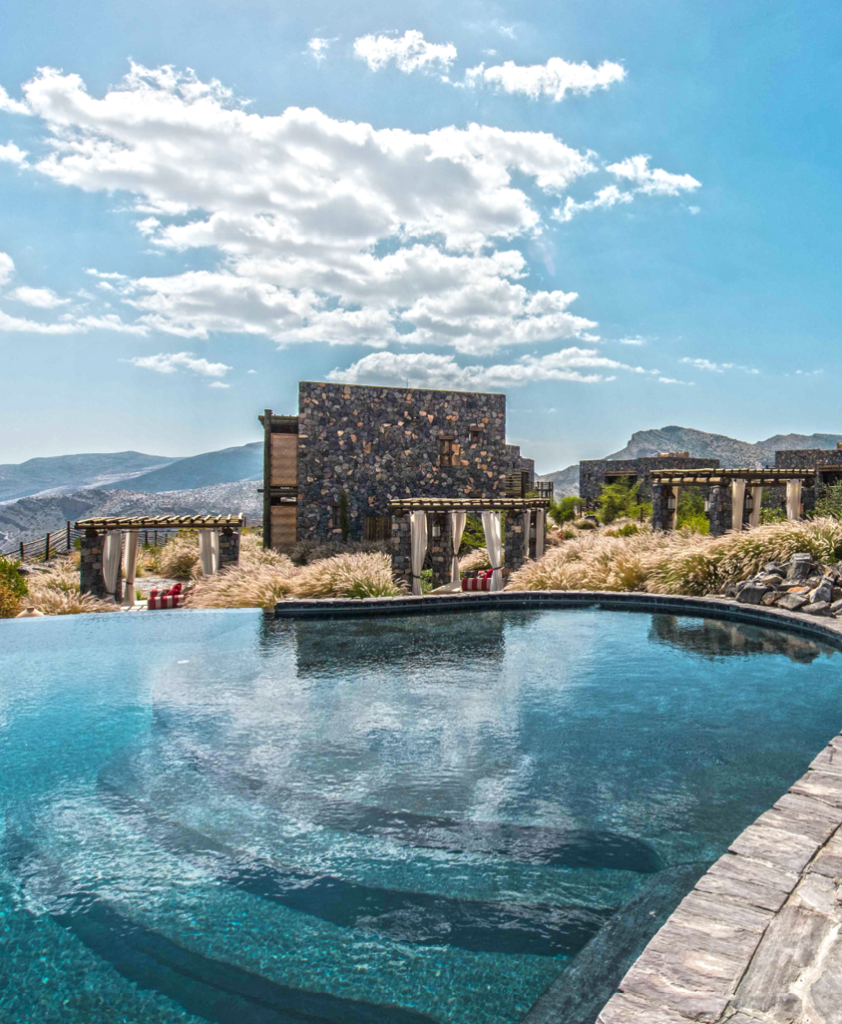
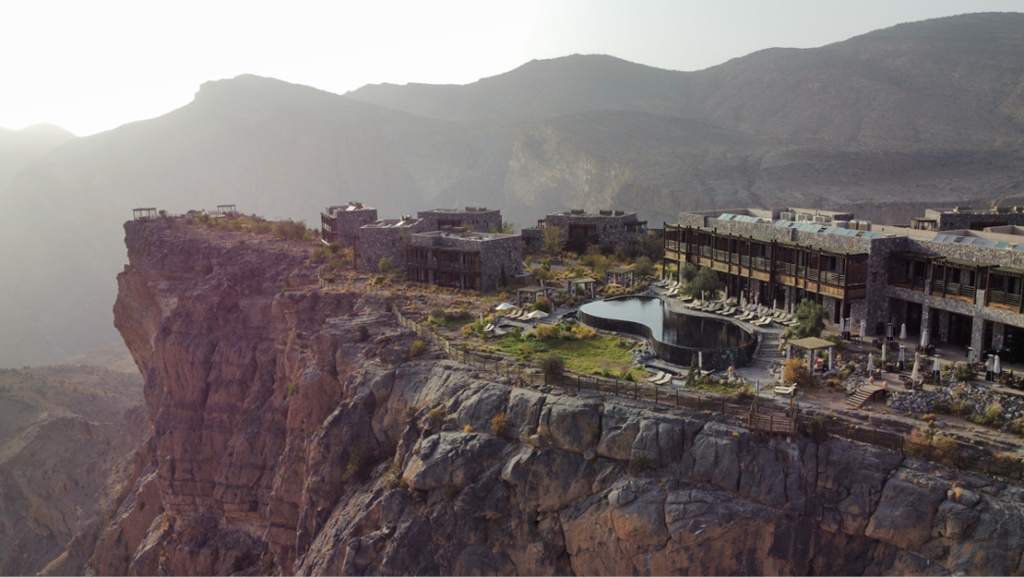
Perched 2,000 metres above sea level on the Saiq Plateau, Alila Jabal Akhdar is a striking architectural homage to Oman’s rugged beauty and centuries-old building traditions. Surrounded by the dramatic escarpments of the Hajar Mountains, the resort is designed to blend seamlessly into its natural surroundings, employing locally sourced stone and traditional construction methods to create a dialogue between landscape and structure. Its seventy-eight suites and villas, ranging from 52 to 361 square metres, are carefully positioned to maximise sweeping canyon views while preserving guests’ privacy and the site’s natural contours. The architecture prioritises both aesthetic harmony and environmental responsibility. The complex is enveloped in thick stone walls built from rock excavated during construction, ensuring thermal insulation and reducing the need for mechanical cooling, an essential consideration in Oman’s arid climate. The resort holds LEED certification for its sustainable design, which integrates traditional Omani systems with modern engineering. Chief among these is the reinterpretation of the ancient aflaj irrigation network: a series of channels that collect and distribute water while naturally cooling the air through evaporation. This integration of vernacular wisdom and contemporary sustainability underlines the project’s architectural intelligence. Internally, the resort’s spaces combine rustic textures with understated luxury, polished timber, hand-carved details, and muted earth tones that mirror the mountain palette outside. The overall effect is one of quiet grandeur: a modern fortress of stone and light that feels deeply rooted in its environment. Far from imposing itself upon the landscape, Alila Jabal Akhdar appears hewn from it, a testament to how architecture can honour place and tradition while embracing innovation.


Armani Hotel, UAE
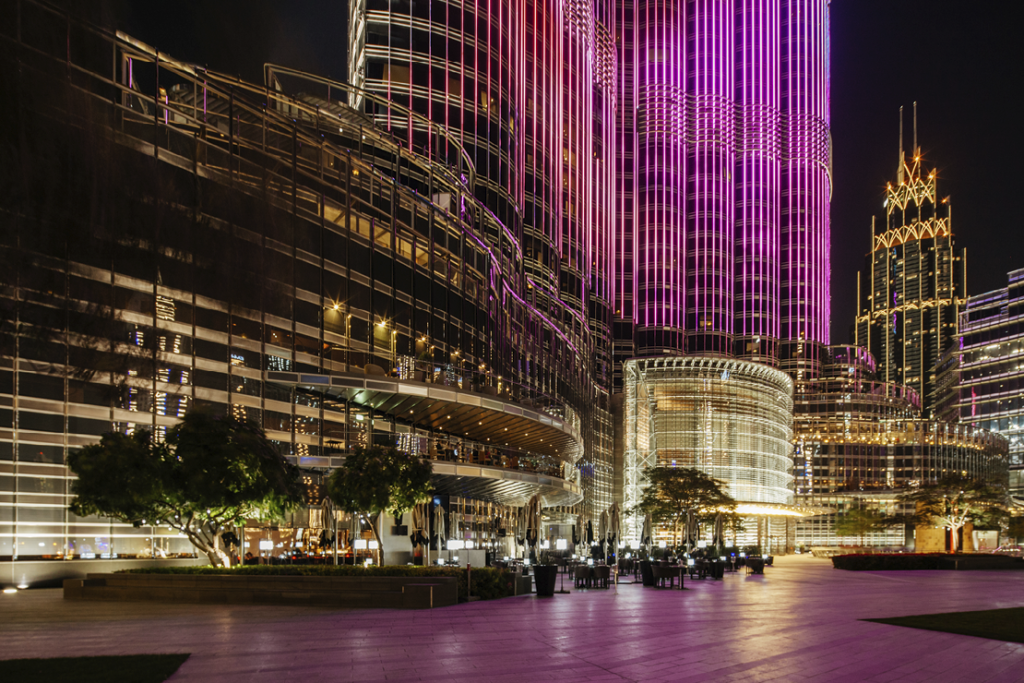
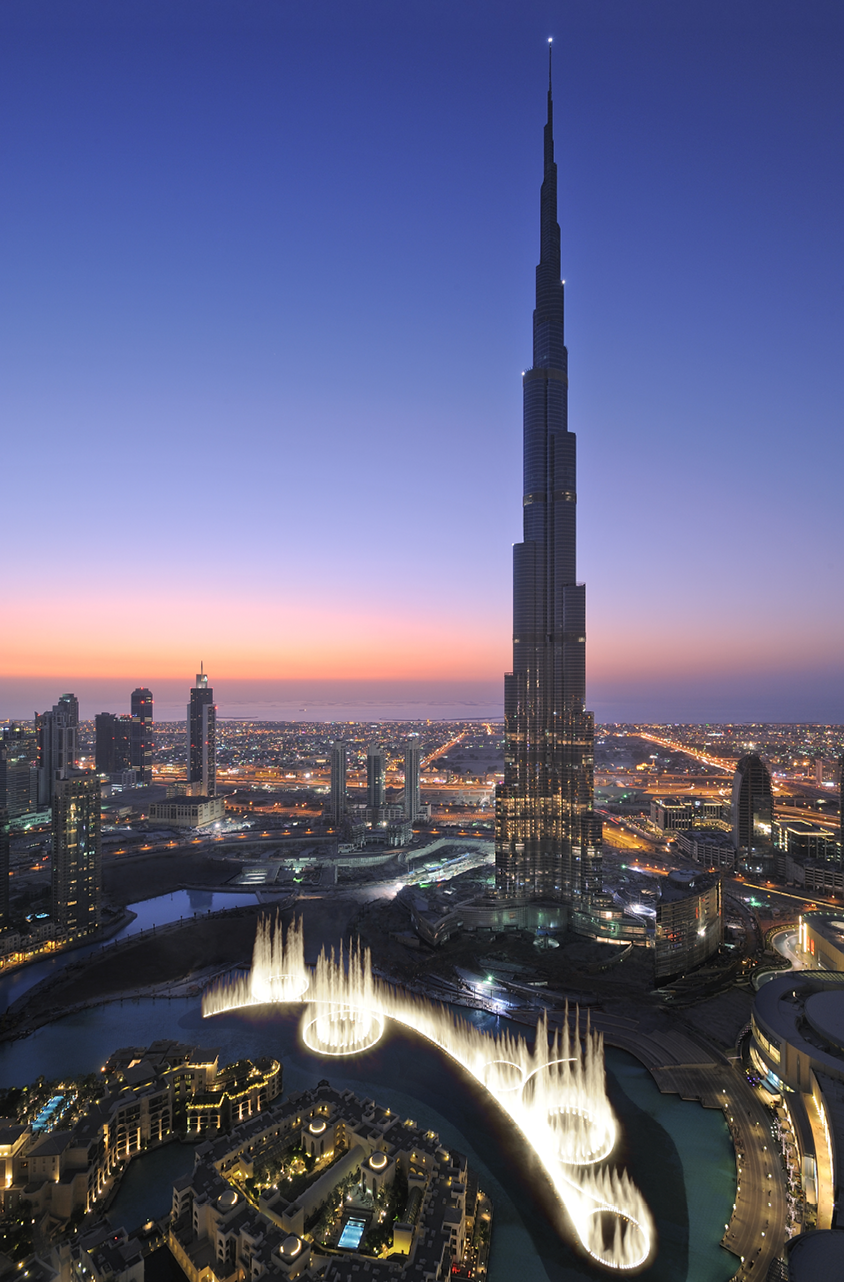
Nestled within the world’s tallest building and one of the planet’s most iconic architectural landmarks, the Armani Hotel Dubai occupies a unique place in both design and hospitality. Spread across 11 floors of the Burj Khalifa, the hotel is a study in how architectural scale and interior refinement can coexist seamlessly. The Burj Khalifa, designed by Skidmore, Owings & Merrill LLP (SOM) under consulting architect Adrian Smith, rises to 828 metres, its form inspired by the desert flower Hymenocallis. Its distinctive Y-shaped floor plan, developed to minimise wind loads and maximise light and views, provides the foundation for Armani’s understated yet luxurious aesthetic. The geometry of the tower, all flowing lines and tapering silhouettes, complements the calm precision of Giorgio Armani’s design language, creating an architectural dialogue between grandeur and restraint. Within this vertical city, the Armani Hotel occupies the lower levels, including the concourse, ground floor, and levels 1 to 8, 38 and 39. The interiors, personally designed by Giorgio Armani, mirror the building’s architectural rhythm: curving walls echo the tower’s sweep, while bespoke materials, from Japanese tatami to Venetian plaster, create a palette of neutral tones and textures that soften the Burj’s monumental structure. The hotel’s integration into the Burj Khalifa exemplifies a holistic approach to architecture and design. Rather than existing as a separate entity, it flows with the contours of the tower, becoming an intrinsic part of its vertical journey. The result is an environment where architectural innovation meets sartorial precision, a celebration of form, proportion, and detail that redefines luxury living at the very summit of global design.


Raffles Al Areen Palace, Bahrain
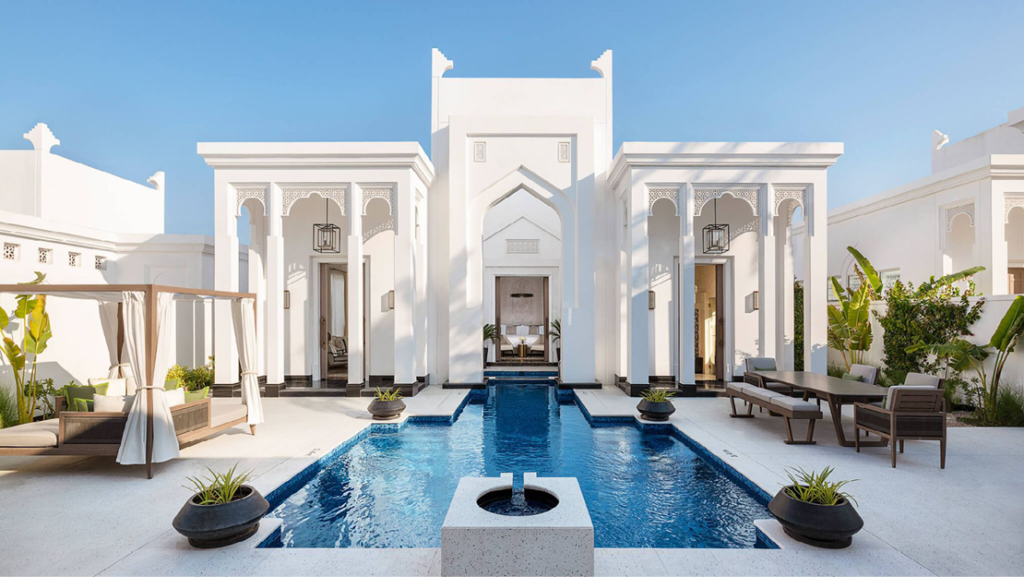
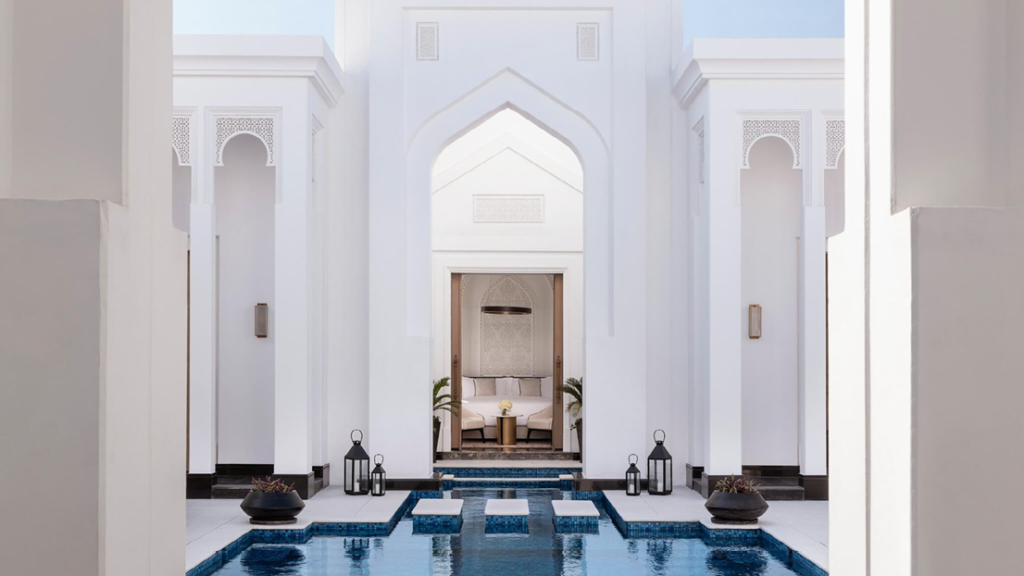
Raffles Al Areen Palace, Bahrain, stands as a testament to refined Arabian architecture, where contemporary luxury harmoniously intertwines with Bahrain’s natural and cultural heritage. Opened in December 2023 as the kingdom’s first and only all-villa resort, it is conceived as a secluded palace amid tropical gardens, a modern interpretation of an ancient oasis. Set on the edge of the Al Areen Wildlife Park, the property’s 78 private pool villas are designed to offer intimacy and grandeur in equal measure. Each structure draws inspiration from traditional Middle Eastern forms, with domed roofs, latticed mashrabiya screens, and hand-carved wooden detailing that filters light in intricate arabesque patterns. The architectural rhythm echoes the poetry of the desert, calm, contemplative, and rich in texture, while modern technology discreetly enhances comfort and privacy. The landscaping plays a vital architectural role, softening the transition between built and natural environments. Pathways weave through palm groves, fountains, and reflective pools, creating a sense of continuous discovery. Native plants and home-grown produce flourish in the grounds, linking the palace’s kitchens and gardens in a sustainable dialogue with the land. Constructed using locally inspired materials and warm, earthen tones, the villas appear to rise organically from their surroundings. This deliberate integration blurs the line between interior and exterior space, shaded courtyards, collonaded walkways, and open-air lounges invite guests to experience Bahrain’s gentle desert light and evening breezes.

Four Seasons Hotel Riyadh, Saudi Arabia
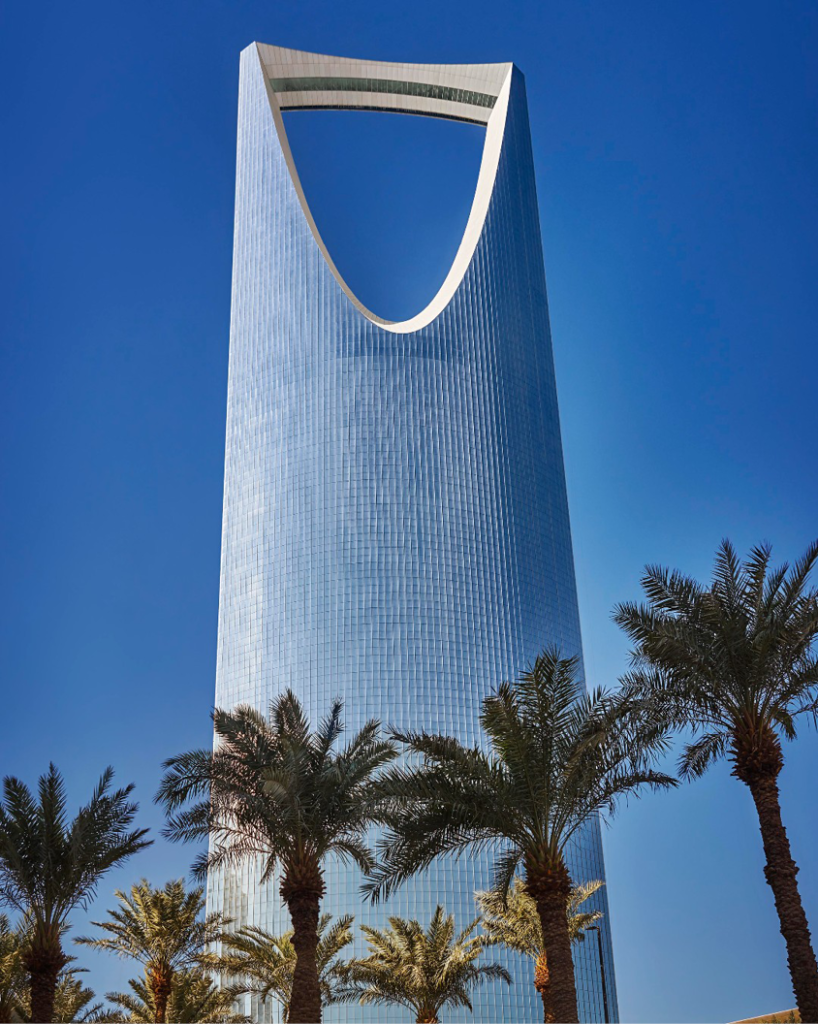
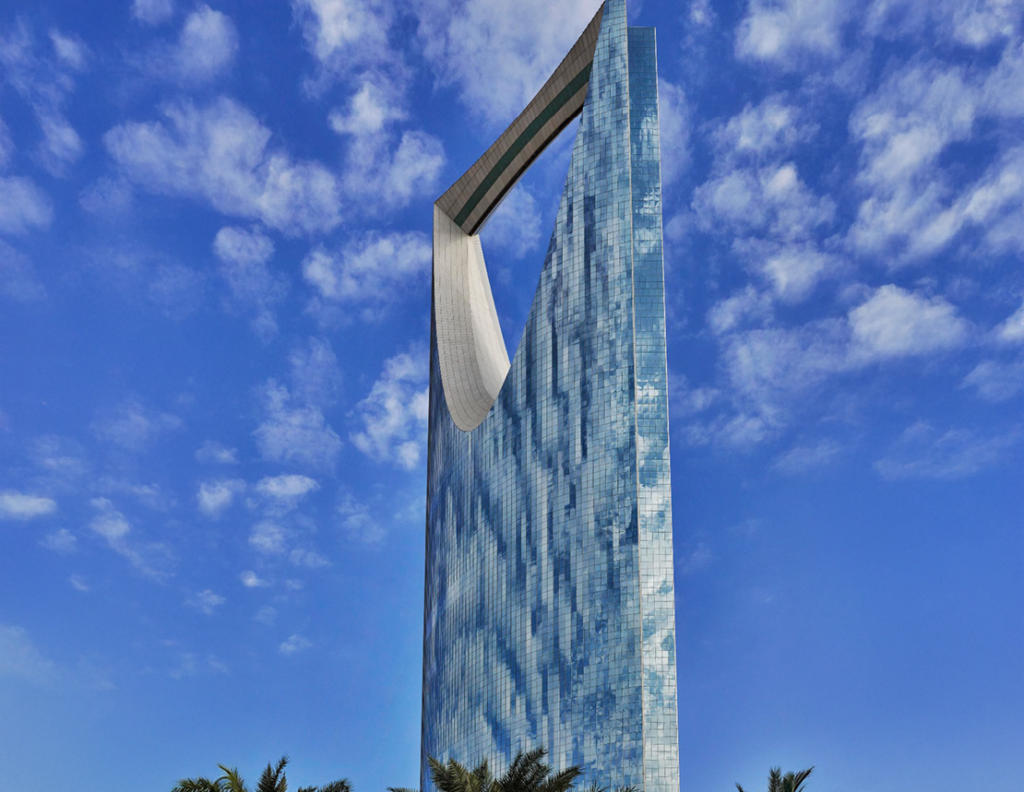
Rising 302 metres above Riyadh, the iconic Kingdom Centre is home to one of the city’s most prestigious destinations, the Four Seasons Hotel Riyadh. Designed by Ellerbe Becket in collaboration with Omrania & Associates and completed in 2002, the tower embodies the ambition of modern Saudi Arabia, uniting innovative engineering with refined hospitality. Within its sleek, tapering form, the Four Seasons occupies several of the tower’s upper levels, where guests experience luxury framed by panoramic views of the capital through floor-to-ceiling glass. The hotel’s interiors echo the tower’s architectural language: contemporary minimalism softened by warm tones, polished stone, and subtle references to Arabian geometry. The most striking element of the Kingdom Centre remains its signature feature, the vast inverted catenary arch that carves through the crown of the building. Spanning this void, the illuminated sky bridge becomes both an observation deck and a symbol of openness, visible for miles across the Riyadh skyline. Structurally, the tower combines reinforced concrete for its lower portion with a tubular steel frame at the top to accommodate the complex geometry of the arch, while a high-performance glass façade ensures energy efficiency and a shimmering, reflective presence. For guests of the Four Seasons, the experience is immersive, the serenity of their rooms contrasts with the vertical dynamism of the tower itself. As the lights of Riyadh flicker below, the hotel within the Kingdom Centre stands as a statement of how architecture, design, and hospitality can converge to define the spirit of a modern metropolis.


The Arab Art Guide Winter 25/26, This saeson, A slew of art, cultural events and openings are taking place across the region. Here are some of the highlights.
This winter, the Middle East is poised for one of its most dynamic cultural chapters yet, with landmark openings and major exhibitions taking place across the region. The season weaves together archaeology, contemporary art, design and more, reflecting how the region’s creative scene continues to expand its global presence while drawing deeply on its heritage.
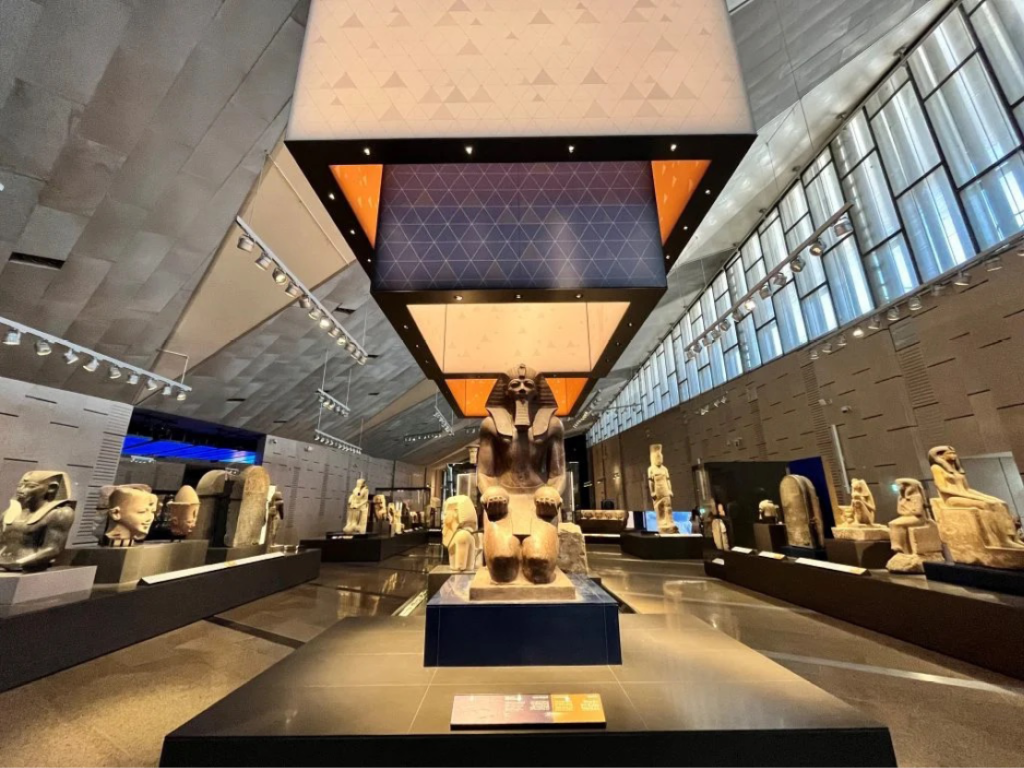
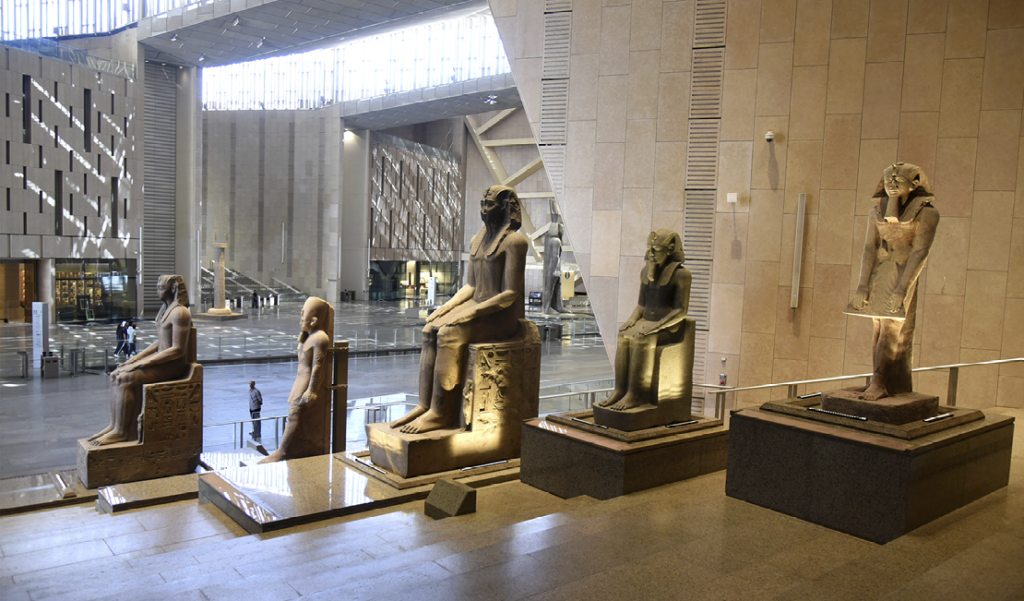
November starts with the much-awaited opening of the Grand Egyptian Museum in Egypt (open from the 4th of November), marking one of the most anticipated cultural milestones of the year. Situated beside the Giza Pyramids, the 300,000-square-metre complex will unite more than 100,000 artefacts spanning from pre-dynastic Egypt to the Greek and Roman periods. For the first time, all of Tutankhamun’s treasures will be displayed in one place, alongside the solar boat of Pharaoh Khufu and the collection of Queen Hetepheres I. Designed with architectural motifs that echo its pyramid surroundings, the museum offers a panoramic view of ancient civilisation while functioning as both a cultural and educational hub expected to welcome millions of visitors annually. Its opening signals not only Egypt’s renewed commitment to heritage preservation but also the broader renaissance of cultural tourism across the Arab world.


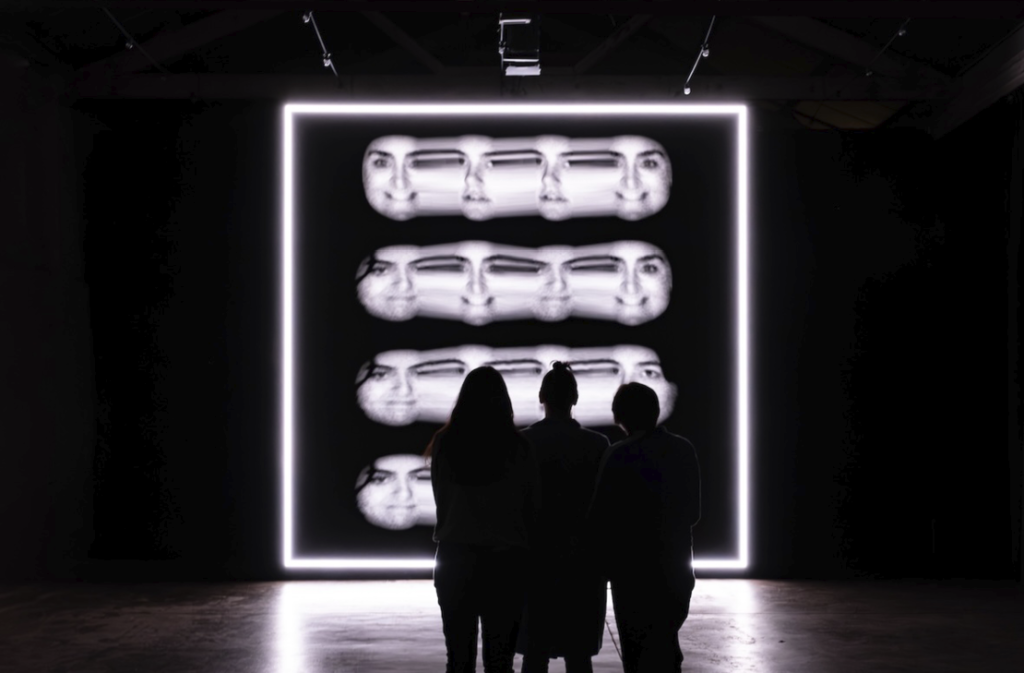
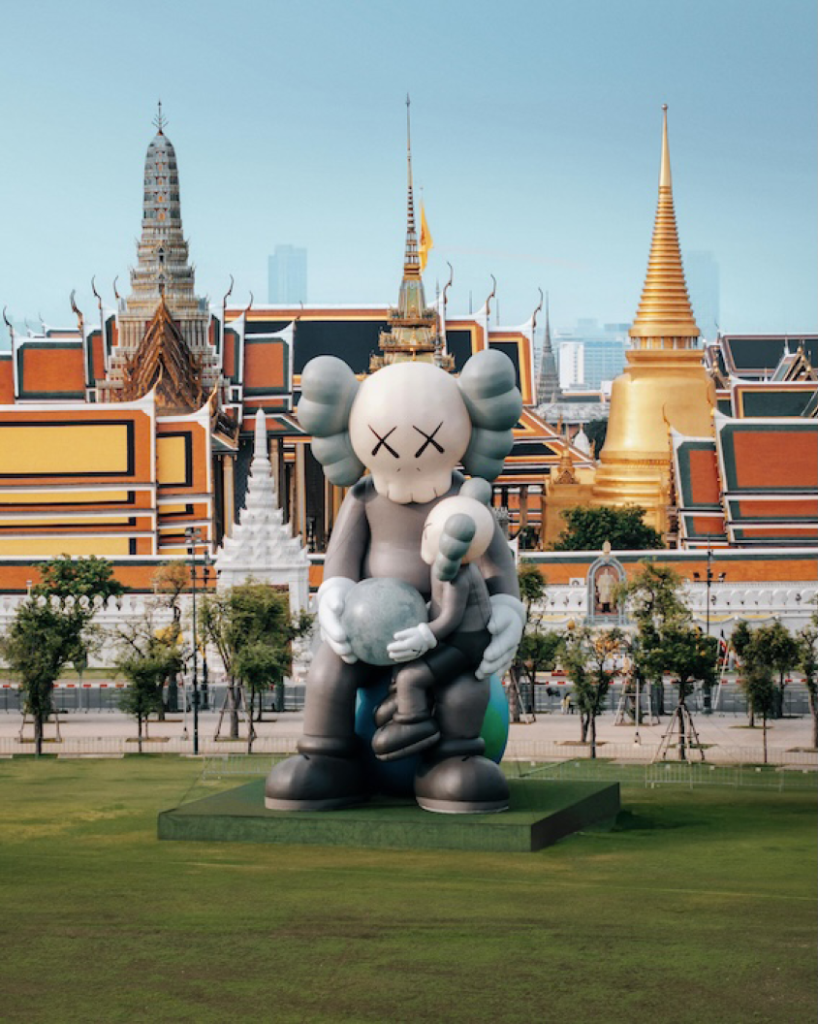
Building on that spirit of innovation, Manar Abu Dhabi, UAE (1st of November 2025 to the 4th of January 2026 in Al Ain; 15th of November 2025 to the 4th of January 2026 in Abu Dhabi) will illuminate the capital and the oasis city of Al Ain with an expansive public light-art exhibition. Organised by the Department of Culture and Tourism – Abu Dhabi and titled The Light Compass, this second edition brings together 15 Emirati and international artists from 10 countries, presenting 23 installations across Jubail Island, Souq Al Mina and the Al Qattara and Al Jimi Oases. Curated by Khai Hori with co-curators Alia Zaal Lootah, Munira Al Sayegh and Mariam Alshehhi, the event explores light as both a navigational and poetic medium. Among the highlights, Jubail Island’s mangrove walkways will host site-specific works engaging with nature, while Souq Al Mina will showcase an illuminated COMPANION by KAWS in collaboration with AllRightsReserved. With its combination of environmental and technological creativity, Manar Abu Dhabi reinforces the city’s growing reputation as a platform for cross-cultural artistic experimentation.

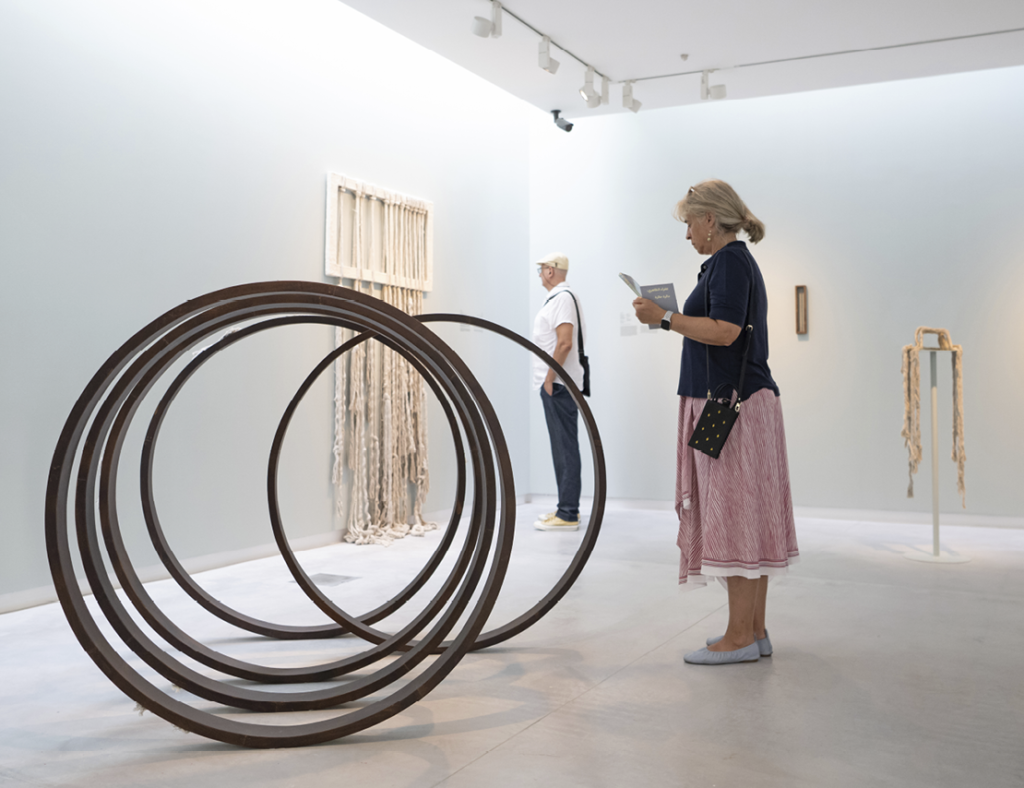
In neighbouring Sharjah, the Sharjah Art Foundation Autumn 2025 Programme, UAE continues to strengthen the UAE’s artistic momentum. Following Sharjah Biennial 16, the foundation’s autumn season features first institutional solo exhibitions by Afra Al Dhaheri and Leda Catunda, along with a major presentation of works from its collection at Kalba Ice Factory. Al Dhaheri’s Restless Circle (ongoing until the 14th of December 2025) at Gallery 6 explores temporality and repetition through mixed media, while Catunda’s I like to like what others are liking (ongoing until the 8th February 2026) presents tactile compositions that bridge pop and craft traditions. Of Land and Water (ongoing until the 17th of May 2026) showcases regional and international works from the Foundation’s collection, marking the first major exhibition at Kalba Ice Factory. Complementing these are Perform Sharjah, the Sharjah Film Platform, the Focal Point art book fair and the launch of community initiatives such as Al Majarrah Park designed by Superflex. This diverse calendar underlines Sharjah’s position as a centre for sustained artistic dialogue and experimentation.

In Dubai, the city’s Alserkal Art Week, UAE (16th to 23rd of November) will turn Al Quoz into a hub of contemporary culture with exhibitions, installations, screenings and performances. The Majlis Talks series, Stories Behind Stories, curated by Uriel Orlow and Andrea Thal, will focus on remembrance and shared narratives through sound, text and performance, while collaborations with Prameya Art Foundation, Serendipity Arts Foundation and Tabari Artspace will highlight the exchange between South Asian and Arab creative voices. Across Alserkal Avenue, more than 15 new exhibitions, film screenings and workshops will unfold, maintaining the district’s status as one of the region’s leading cultural engines and a key meeting point for artists, curators and collectors.
Back in the UAE capital, the Natural History Museum Abu Dhabi, UAE (opening on the 22nd of November) adds another landmark to the city’s Saadiyat Cultural District. Designed by Dutch architectural firm Mecanoo, the 35,000-square-metre institution will take visitors on a journey through time, from the origins of the universe to a vision of Earth’s future. Among its star exhibits are the skeleton of “Stan,” the Tyrannosaurus rex, and the Murchison Meteorite, alongside immersive displays that narrate the story of life and planetary evolution. The museum will also function as a scientific research centre, with a focus on zoology, palaeontology, geology and molecular studies, connecting Abu Dhabi’s cultural development to global scientific inquiry.
The season’s cultural focus extends to Doha with the opening of Lawh Wa Qalam: M. F. Husain Museum, Qatar (28th of November), a project founded by Qatar Foundation to honour the life and work of the late Indian artist Maqbool Fida Husain. Designed by architect Martand Khosla from a sketch drawn by Husain himself, the 3,000-square-metre museum at Education City features the artist’s final works completed in Qatar, including the Arab Civilisation series and Seeroo fi al ardh. Through multimedia installations and personal artefacts, the museum offers a deeply immersive experience into Husain’s creative world, symbolising Qatar’s continued investment in regional and global art narratives.

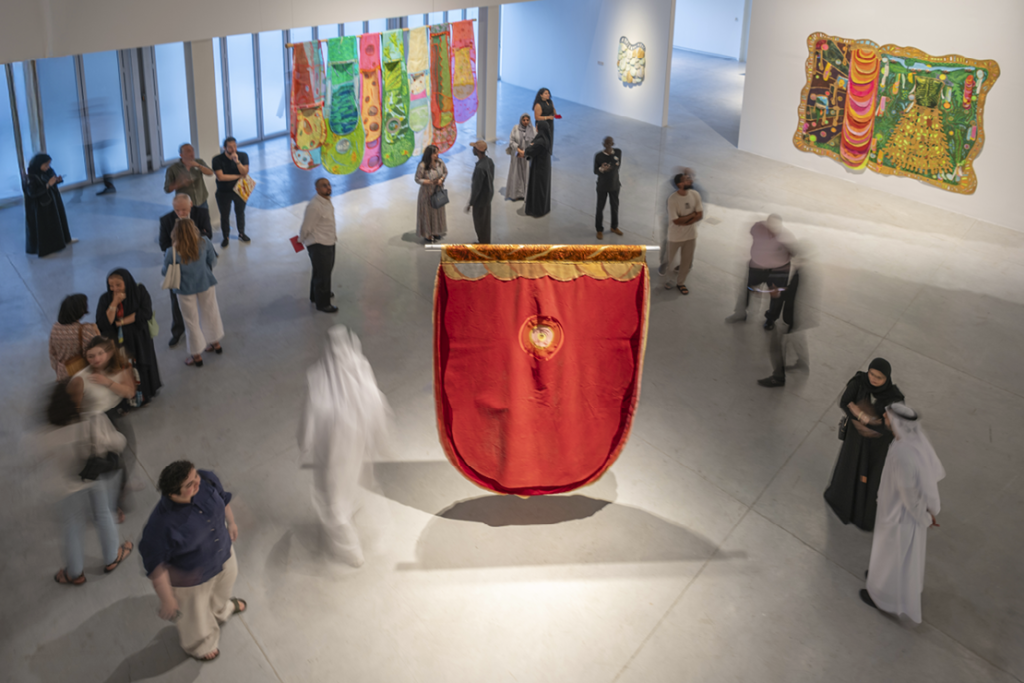
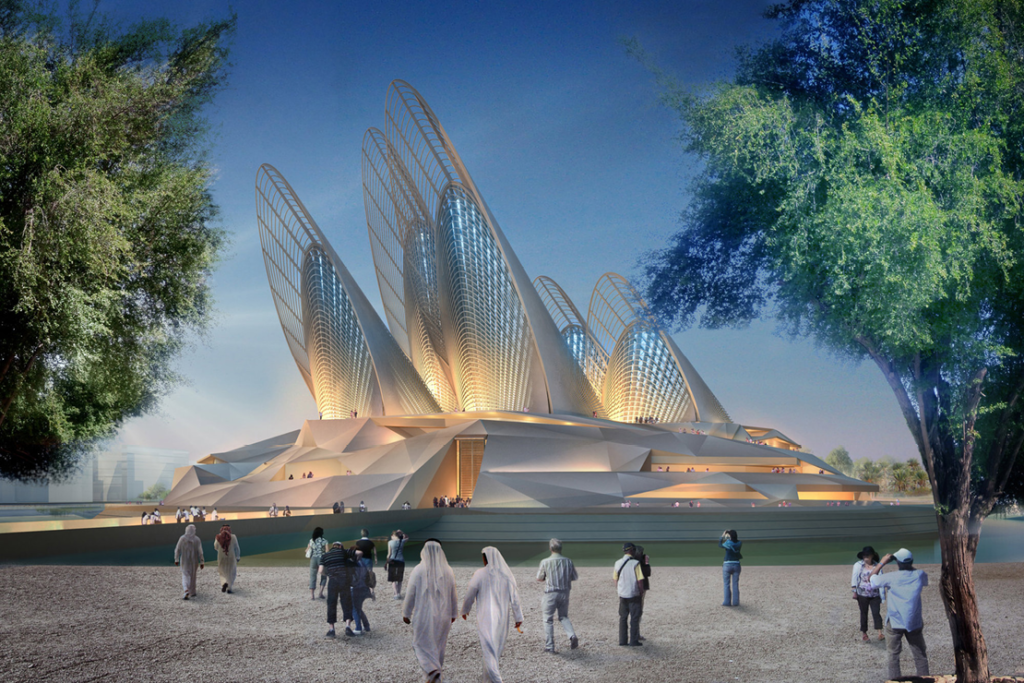
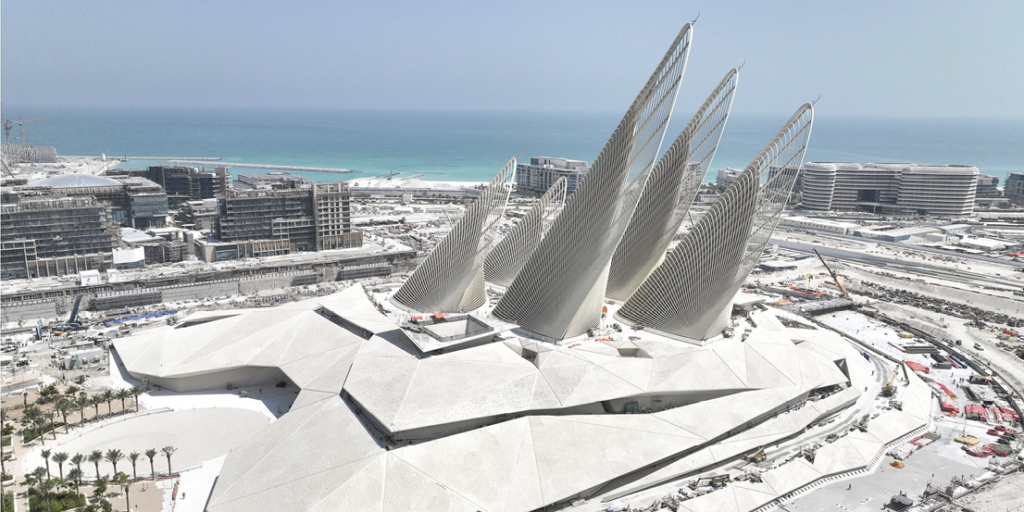
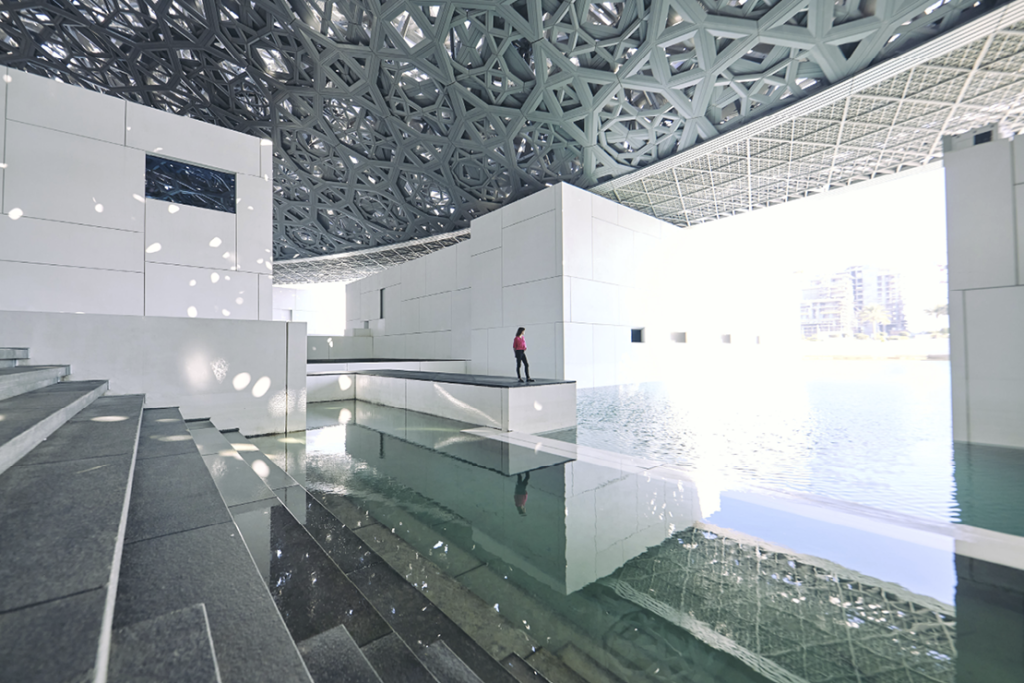
The second big opening in Abu Dhabi will take place in December, with the opening of the long-awaited Zayed National Museum, UAE (opening on the 3rd of December), which will serve as the national museum of the United Arab Emirates and a tribute to its founding father, Sheikh Zayed bin Sultan Al Nahyan. Designed by Pritzker Prize-winning architect Lord Norman Foster, the museum will guide visitors through the nation’s story from ancient times to today, using archaeological finds, immersive displays and sensory installations. The galleries, Our Beginning, Through Our Nature, To Our Ancestors, Through Our Connections, By Our Coasts and To Our Roots, trace 300,000 years of history, culminating in reflections on identity and heritage. With over 3,000 artefacts and a vast landscaped entrance called Al Masar Garden linking the museum to its Saadiyat neighbours, it will join Louvre Abu Dhabi, Guggenheim Abu Dhabi and the Natural History Museum as part of the capital’s evolving cultural district.

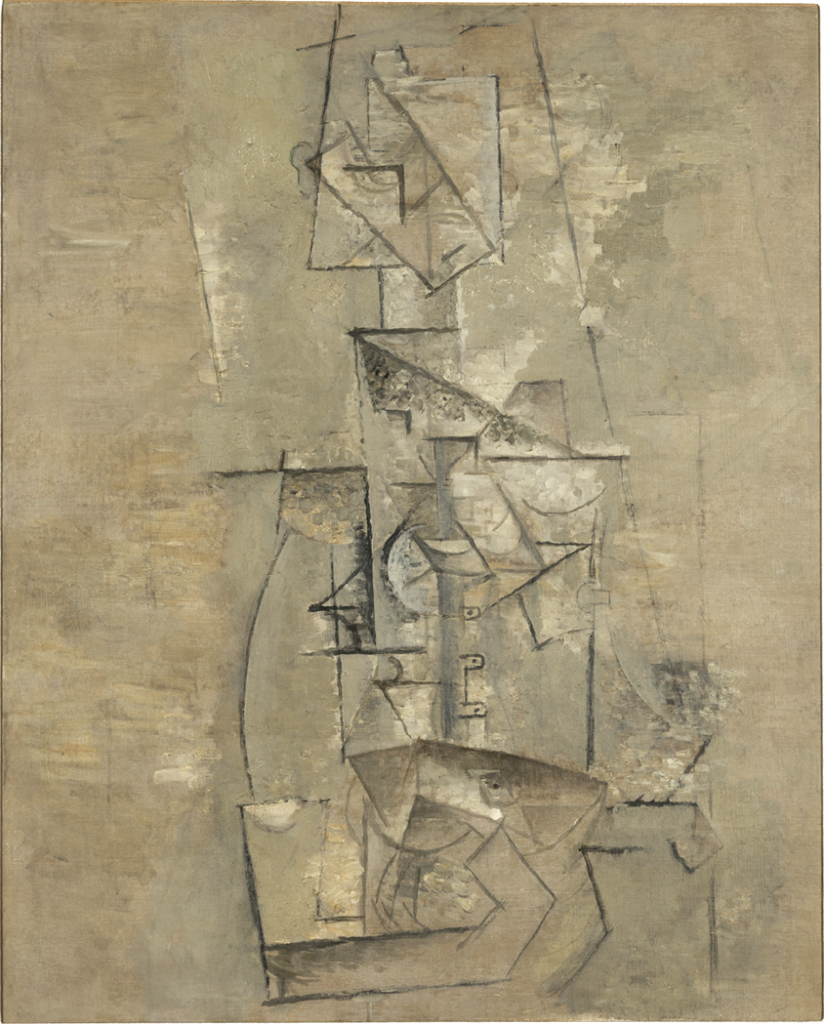
Early next year, the spotlight will return to Louvre Abu Dhabi for Picasso the Figure (21st of January to the 31st of May 2026), a major exhibition exploring Pablo Picasso’s evolving depiction of the human form through painting, sculpture and drawing. Co-curated by Cécile Debray, Virginie Perdrisot and Aisha AlAhmadi, the show includes key pieces such as Woman with a Mandolin (Miss Léonie seated) (1911), Portrait of a Seated Woman (Olga) (1923) and Woman Sitting in Front of the Window (1937), combining works from the Louvre Abu Dhabi’s own collection with loans from the Musée national Picasso–Paris. The exhibition underscores the museum’s mission to connect cultures and eras through shared artistic dialogue.
Rounding out the season in the northern emirates, Ras Al Khaimah Art Festival, UAE (16th of January to the 15th of February 2026) will return to Al Jazeera Al Hamra Heritage Village under the theme “Civilisations – A Journey Through Time and Culture.” Inspired by Octavio Paz’s reflection that “life is plurality, death is uniformity,” the festival celebrates diversity as the essence of progress. This year’s edition explores civilisation as a living process shaped by centuries of human innovation, exchange and creativity, from the ancient trade routes that once connected Ras Al Khaimah to distant worlds to the global networks of today. Through installations, photography and performance, Civilisations examines how art reflects and sustains cultural evolution, asking what endures and what transforms when societies meet and merge. The programme highlights the shared aspirations that unite humanity while honouring the unique heritage of the region. As Margaret Atwood reminds us, “When any civilisation is dust and ashes… art is all that’s left over.” The 2026 festival captures that enduring truth, celebrating art as the legacy through which civilisation continues to live.
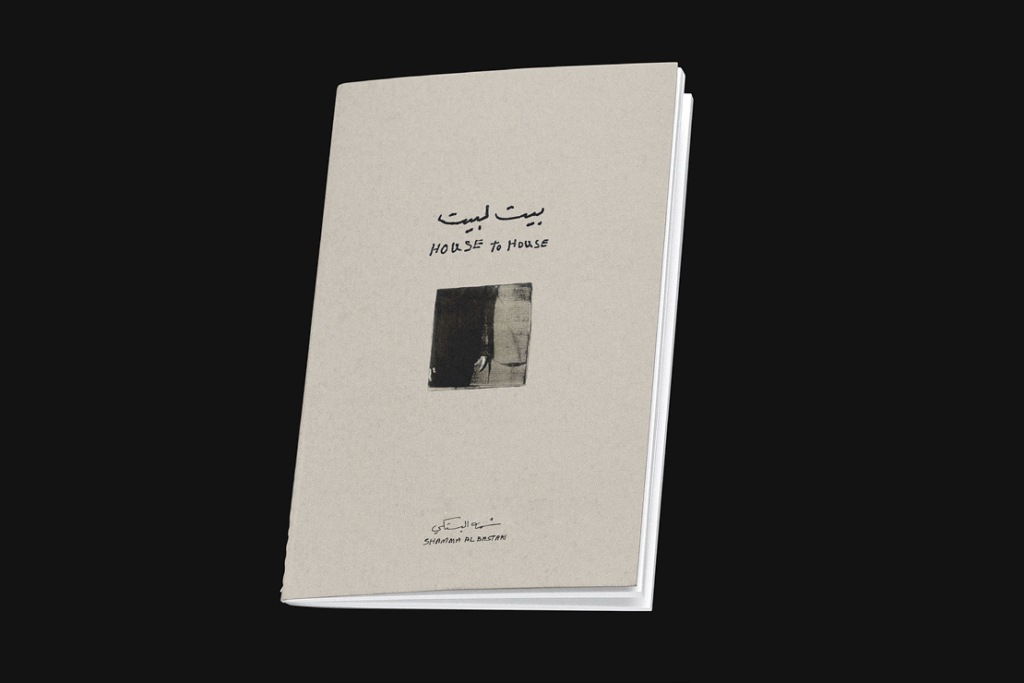
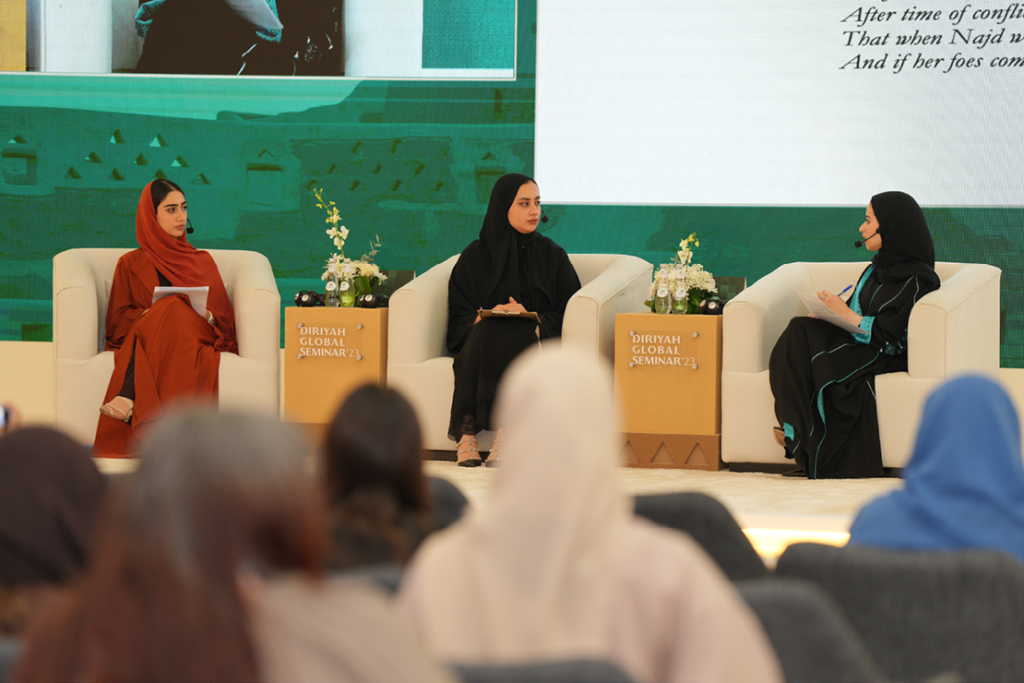
The Power of Verse, Shamma Faisal Al Bastaki, discusses her latest book launch
Born in Dubai in 1996, Shamma Faisal Al Bastaki has built an impressive body of work that bridges oral history, poetry, and visual art. Her debut collection, House to House, launched at Dubai’s Etihad Museum this October. The work gathers the memories of Dubai Creek’s elders, tracing the stories of everyday life between the 1940s and 1980s, and turns them into a lyrical portrait of belonging and place.

A graduate of Harvard University and NYU Abu Dhabi, Al Bastaki’s academic path mirrors her creative depth. Her Harvard thesis, Al-Majaz: A Crossing, received the Best Thesis Award from the university’s Centre for Middle Eastern Studies, while her undergraduate work combined Literature and Sociology. She later earned a Postgraduate Diploma in Diplomacy and International Relations from the Anwar Gargash Diplomatic Academy, blending her artistic voice with a nuanced understanding of cultural dialogue.
She has represented the UAE internationally as an ambassador for Louvre Abu Dhabi and co-founded the JARA Collective, a chapbook press connecting writers across New York, Bangalore, and Paris. Her work has been performed from London to Washington, and her visual art, including calligraphy and mixed-media installations, has been exhibited through the Salama Bint Hamdan Emerging Artists Fellowship. Here we speak to Al Bastaki about her debut work, wider career and what is next for the UAE’s rising literary star.
Growing up in the UAE, what were some of the early influences, people, places, or moments that shaped your love of storytelling?
I was surrounded by many influences growing up, and I consider myself very fortunate to have had such a colourful and imaginative childhood. My parents would often read me bedtime stories and share nursery rhymes that I absolutely loved. I think that was where it all began. I moved from enjoying nursery rhymes to loving rhyme itself, and eventually to writing my own poems once I realised how much joy I found in playing with words from a young age.
That early sense of musicality stayed with me, as did the creativity I grew up around. My father is an artist, and having a creative presence at home shaped my poetic sensibilities as I grew older. And, of course, the UAE itself is effervescent in its inspiration; a setting full of stories, rhythms, and creative sensibilities that continue to influence my work.
Do you see your creative journey as something that has evolved naturally, or have there been defining moments that changed its direction?
I would say a little of both. My creative journey has unfolded quite organically, though there have certainly been defining moments that have shaped its course. I never forced my love of writing; it was something that came to me naturally as I was growing up. As a teenager, writing became both a creative and emotional outlet. I was quite reserved and shy, and poetry offered me a way to express everything I found difficult to communicate with others.
There have been pivotal moments that have led to where I am today; I wrote my first poem at the age of seven and continued writing extensively between the ages of thirteen and seventeen. When I was fifteen, I shared one of my poems aloud for the first time with an audience and was moved by their response, and that there was a response at all. That moment was a turning point for me; it gave me the confidence to see writing not only as something personal but also as a means to connect with others and be in community with other writers.
Later, during my time at university, I wrote what would become my first collection completed in 2018, House to House was studying literature and creative writing alongside social research and public policy at NYU Abu Dhabi, and I began to realise how my interests in research, sociology, and anthropology could feed my creative practice and make me better at noticing the spectacle in the ordinary, a key feature of my wiring today. Also, during my master’s at Harvard, where I wrote my second poetry collection and began to experiment with language more boldly than ever before.
These experiences, along with the influence of teachers, mentors, and fellow writers, have all shaped my poetic sensibility and my view of my creative practice, which I hope will continue to be situated in conversation with the broader, traditional and evolving literary landscape of the UAE.
Your debut poetry collection, House to House, is rooted in the oral histories of the Dubai Creek communities. What first drew you to documenting these stories through poetry rather than prose or academic research?
I believe poetry can achieve what other mediums cannot. To me, poetry is a space of intermittent surprise, a distillation of reality rather than an embellishment of it. There is sometimes a misconception that poetry seeks to beautify or romanticise the world, but for me, poetry allows us to access the textures of everyday life with greater precision, to render reality in a way that feels more immediate and true.
In House to House, one of the central questions I explore is how memory itself can become a form of history. The oral narratives I collected were refracted through a rigid, structured poetic mould that reflects the intermittence of memory, but also celebrates a lyricism of encounter. Paradoxically, I was able to produce work that is organic, generative and open to interpretation.
The book spans memories from the 1940s to the 1980s. How did you approach transforming oral storytelling into poetic form while maintaining authenticity?
While the project began with a certain ethnographic and archival impulse, House to House was never intended to be a historical study in the traditional sense. As I note in the preface, it is a creative exploration of documentary forms, using the research tools to create something poetic. The end product is not a record of facts but a refracted record of the voices that honours the rhythm, cadence, and embodied experiences of the people I conversed with, including the misremembrances and the beautiful imprecision of relational mapping and collective recollections that present as record.
This collection also emerged from a place of self-reflexivity. I wanted to understand who I am in relation to the people whose stories I was gathering, stories that felt foundational not only to my own poetic sensibility, but also to the broader layered narratives of the UAE. It felt vital to collect and safeguard these narratives, and I can only hope to have done these beautiful stories justice through my poetry.
How has the Emirates Literature Foundation and ELF publishing supported you in your journey?
The Emirates Literature Foundation’s support long preceded the publication of this book. I have been a regular at it since I was in my early teens and feel fortunate to have had a series of meaningful encounters with its incredible team. To now be published by the Emirates Literature Foundation and ELF Publishing is both a privilege and a blessing.
It is deeply meaningful to me, not only as a writer but also as someone who cares about the growth of our literary communities in the UAE. A publisher like ELF Publishing is exactly what our literary landscape needs, one that champions and amplifies voices from the UAE to the wider world.
House to House was launched in October at the Etihad Museum as part of Dubai Culture’s Library Talks. What does this mean to you?
It is a privilege and an honour to share my work in a space that holds such deep meaning for our community and nation. The Etihad Museum is among the UAE’s most remarkable cultural landmarks, and I am deeply grateful and excited to have launched House to House in a setting that reflects the spirit of the stories that inspired it.
How do you see your work contributing to Dubai Culture’s vision of preserving oral memory and promoting the city as a global hub for creativity?
I would say that House to House reflects stories which reveal that the people of the UAE have always been creative, connected, and inherently cosmopolitan. The people of the creek were foundational to sculpting the sediment for the Dubai we know today, which was always vibrant and dynamic.
Dubai Culture’s commitment to safeguarding such stories is essential. I hope that, in my literary capacity, this work contributes to that larger and deeply meaningful project of preserving and celebrating collective memory.
As both a poet and a visual artist, how do your practices in writing, calligraphy, and sculpture intersect or inform each other?
I would say that my work is rooted in a desire to move beyond definitions and to push the boundaries between genres and forms. I am interested in challenging the limitations of what constitutes sculpture, image, photography, or language. For me, these mediums are fluid and interconnected; it comes naturally to me to conceive of a sculpture as a form of language, as it is to approach a poem as a visual work.
I think of language as material and in House to House, for instance, there are visual compositions that some might find difficult to categorise as poetry, yet I present them as such because they capture a poetic essence or I impose a similar set of constraints that I do to the language, even in the absence of decipherable text or linear narrative. My work, across disciplines, feels like a continuous experiment of what language, and art more broadly, can do when pushed, subtly and softly, to its limits. I often use poetry as a framework through which to approach my photography, sculpture, and film practice, and I see all these forms as parts of a single, continuous artistic conversation rather than separate.
You won the ADMAF Creativity Award and your work has been taught in universities around the world. How does it feel to see Emirati poetry being studied internationally?
The excerpt that won the award was part of the very first version ofHouse to House, produced as my undergraduate capstone project, which I submitted to the ADMAF Creativity Award in 2019.
It is surreal to see this work being taught internationally. The text has been included in classrooms in Japan and has been adapted into educator guides for both high school and university students in the United States and elsewhere after an excerpt of it was published in Asymptote Journal, a Taiwan-based international journal of contemporary literature. I also shared this work in South Korea during a trip with ELF Publishing to the Seoul International Book Fair this year. To see a work so deeply rooted in the UAE, and so hyper-local in its focus, be received warmly in divergent contexts around the world is thrilling and unexpectedly gratifying.
Your work often explores identity and belonging. How do you navigate those ideas as a writer from Dubai who has studied and lived abroad?
My work often begins from a place of self-reflexivity and inquiry. I do not see my identity as fixed; rather, it is something that is constantly evolving. Naturally, my context as a writer from Dubai shapes the way I engage with and understand the world, and it is key to the backdrop of making House to House.
At the same time, I feel fortunate to have had experiences across a kaleidoscope of places beyond the UAE, from London, Florence, Greece, New York, Washington, D.C., Boston, and Japan. These experiences have broadened my horizon of expectations and continually influence the way I see the world and encounter its wonders.
One insight that comes from being from Dubai is the ease with which one navigates strangeness. The UAE, as a place where diverse communities converge, inspires a natural sense of adaptability and openness. It has made it possible for me to adapt and feel comfortable even in contexts that are far removed from home.
Looking back over your career so far, how do you feel your voice has evolved and what themes have remained constant?
My style has evolved quite significantly over the years. I began writing poetry that was highly structured, metrical, and rhythmic. Over the past decade, however, my work has taken a more experimental turn. While it remains melodic and rhythmic, it now embraces disruption and unpredictability. I enjoy playing with language, exploring its ambiguity, and using these qualities to create work that is less polished and more inventive, allowing the process itself to guide the outcome.
In terms of themes, several ideas have remained central to my practice. One is the concept of the infra-ordinary, drawing from Georges Perec, which explores the textures of everyday life, what occurs when nothing seems to be happening. Another is what I have called the Poetics of Translucence, which employs blurriness and inexactness to achieve a form of precision that is often more intelligible to reality.
Relational aesthetics also plays a key role in my work, creating art from a place of community, where the relational aspects of the creative process are valued more than the final product. This approach was particularly important in House to House.
You’ve performed and exhibited work internationally, from Europe to the US, How do audiences abroad respond to Emirati poetry and art?
Audiences are often very curious about the creative talents emerging from the UAE, of which there are many. In general, the response has been quite warm and positive. I think there is frequently an imagined notion of flatness or pre-imagined categories within which Emirati art has tended to be situated, with an otherizing effect. Encountering work that is complex, layered, and nuanced, whether it is my own or that of other Emirati creatives, can therefore come as a surprise. This complexity is typically met with genuine interest and appreciation, which is encouraging.
Your installation El Ash was part of the Salama Bint Hamdan Emerging Artists Fellowship exhibition. Can you tell us about the ideas behind that piece?
El Ash was the culmination of the work I undertook as part of the Salama Bint Hamdan Emerging Artists Fellowship, of which I was a member of the sixth cohort. During this fellowship, I was able to experiment with my visual practice more extensively than ever before. The title El Ash is a variation of the name Aisha, meaning “living”. It was inspired by my matrilineal heritage, exploring various manifestations of doll-making and play, such as my grandmother teaching me to sew dolls in the same way her grandmother had taught her. In creating El Ash, I also considered my own relationship with my mother, who collected dolls in the late 1970s and 1980s, much as I now collect stuffed animals.
Through still-life photography, sculpture, fabrics, and film, the work explores matrilineal connections, the transmission of knowledge across generations, and kinship through doll-making, reflecting on play as a vital medium for memory, inheritance, and creative expression.
Finally, what does the act of “crossing”, a recurring idea in your work, mean to you today, both as a poet and as an Emirati woman artist?
I have always been drawn to the word “crossing,” which is also the subtitle of my second poetry collection, Al Majaz: A Crossing. The Arabic word al majaz literally translates as “crossing” but is also the term for metaphor or a figure of speech in classical literature. In this sense, crossing signifies the movement from one meaning to another, much as a metaphor does.
When writing this collection, I was inspired by my walks through the pedestrian underpasses of the UAE. These walks became a point of departure for exploring the classical Arabic concept of al majaz, while also reflecting on the way language travels through a city. I came to think of the pedestrian underpass as a mythopoetic space, a liminal place where multiple crossings can occur: from one place to another, from one encounter to the next, from a mural to the next, from line to line.
Over time, in my creative practice and beyond, I have learned to embrace this sense of being neither fully here nor there, finding in it a source of comfort and a generative force for my work, rather than an obstacle to art-making.
By Emma Hodgson
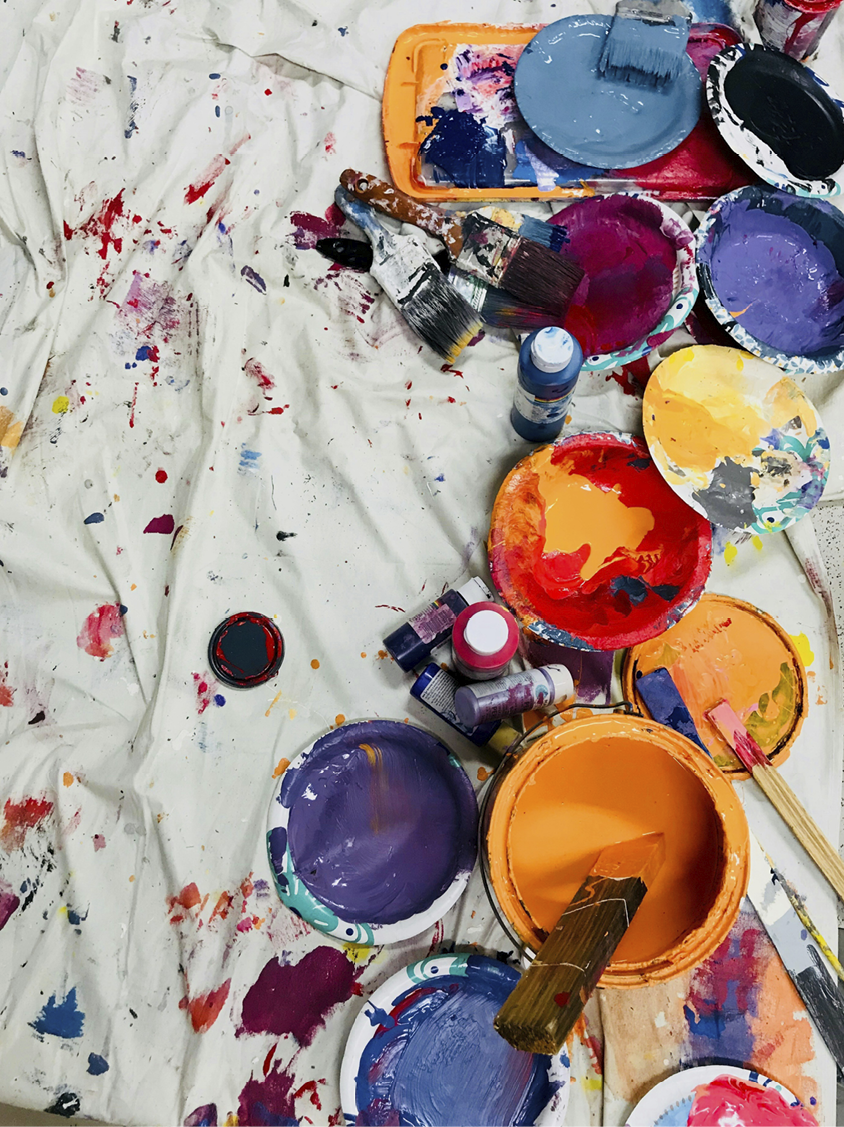
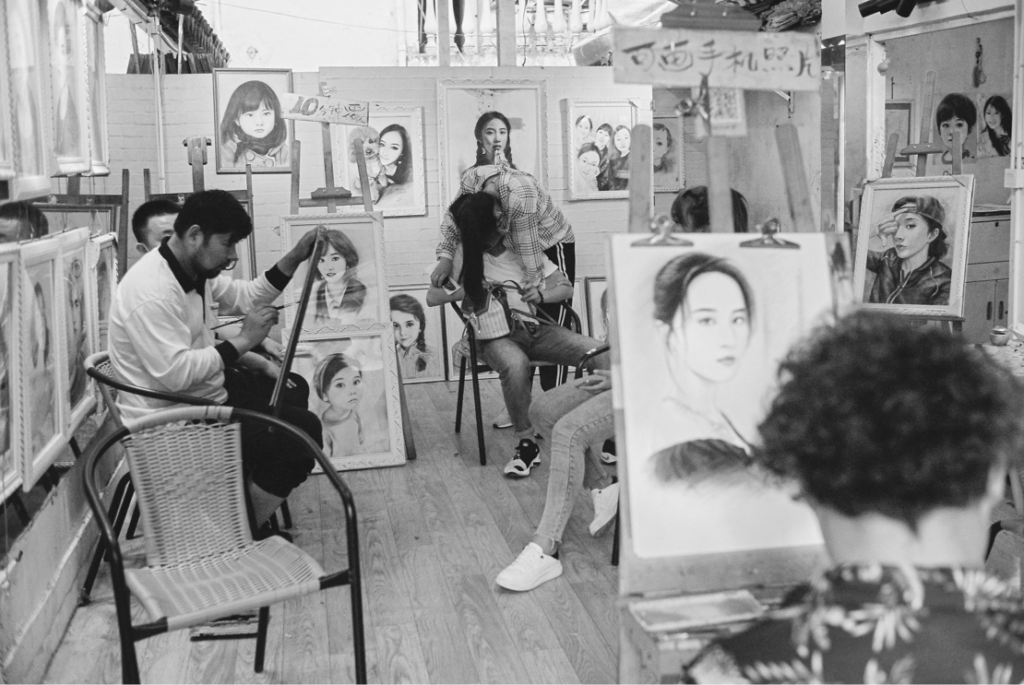
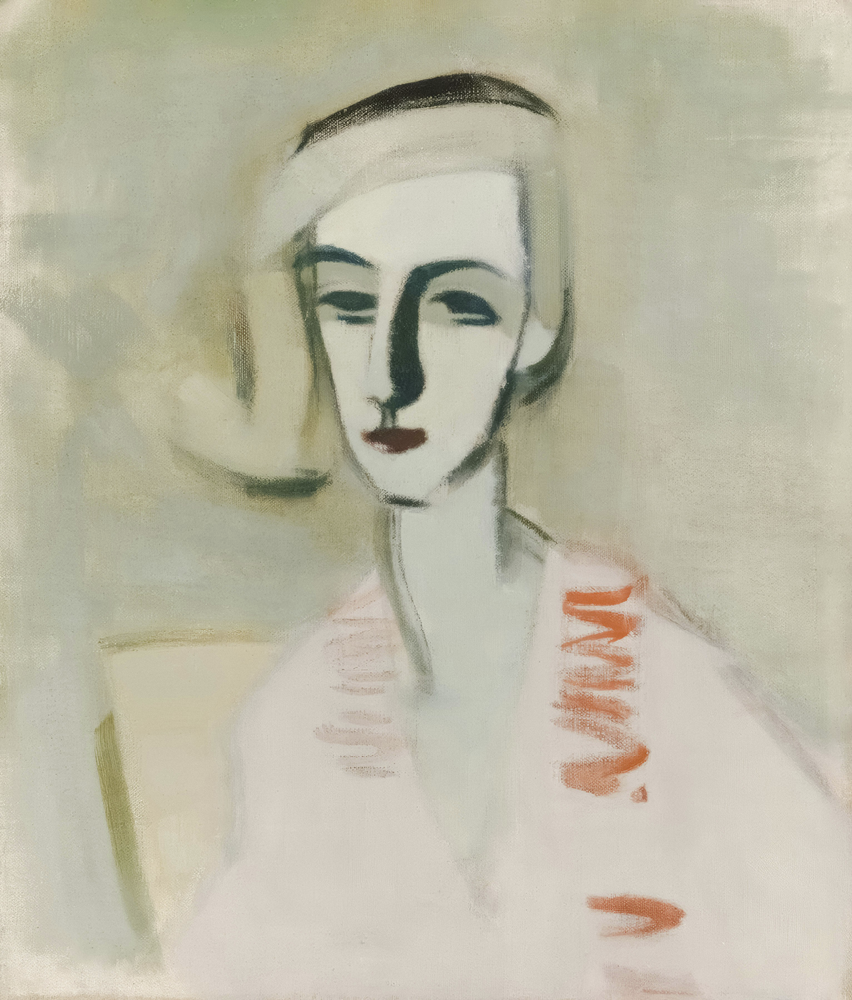
The Art of Healing, How creativity could be the key to emotional well-being
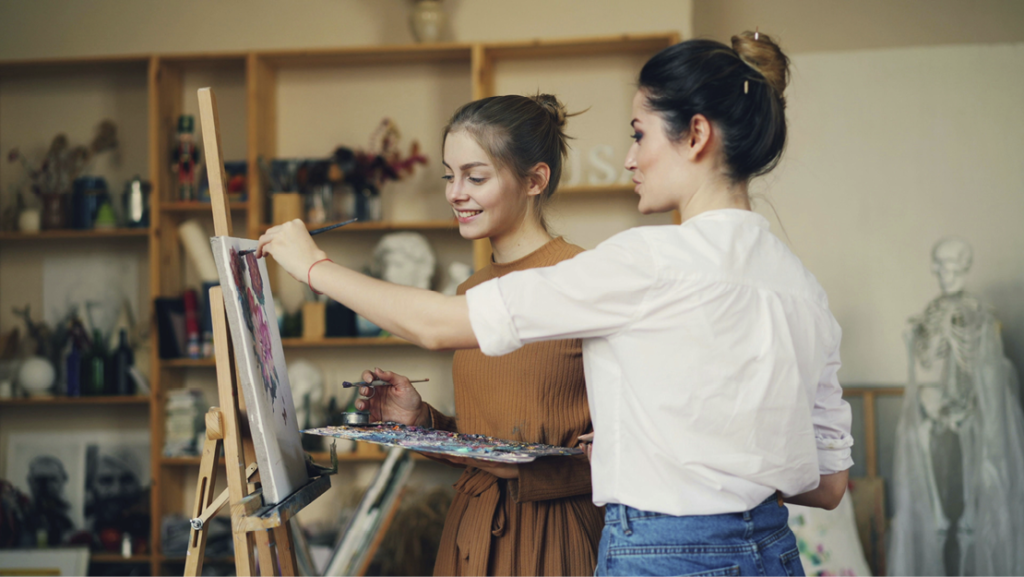
Once seen as avant-garde, Art therapy is increasingly being recognised as a valuable form of psychotherapy that bridges creativity and psychology. It uses art-making as a way to explore emotions, memories, and experiences that may be difficult to articulate through language.
“Art therapy is a form of psychotherapy that uses creative expression, such as drawing, painting, or working with any art materials, to help people explore their emotions, experiences, and inner worlds,” explains Nada Shanti, an Art Psychotherapist who works between Dubai and Spain (@create_change_art_therapy).

“It’s not about artistic skill at all; we don’t care about the end product. It’s about the process of making art as a way of communication and healing. You don’t need to have any art skills at all. Art therapy is about expressing yourself, not creating a perfect artwork.”

Shanti adds that the discipline allows people to access parts of the brain that traditional talk therapy often cannot. “Through imagery, colour, and symbolism, art helps people express what might be too complex, painful, or unconscious to put into words. In that way, the creative process becomes both a mirror and a bridge, reflecting what lies beneath the surface while opening new pathways for insight, emotional release, and transformation.”
Unlike recreational or professional art, Art Therapy follows a structured framework grounded in psychology and neuroscience. It is practised by licensed therapists trained to interpret creative expression and guide emotional processing.

Indeed, research supports its efficacy across a range of conditions. Studies published in Routledge’s Handbook of Art Therapy and the Journal of IntiMal Open Journal Studies highlight the impact of art-based therapy on stress reduction, trauma recovery, and neuroplasticity. The process of creating art has been shown to activate both hemispheres of the brain and support the body’s relaxation response, lowering cortisol levels and improving emotional regulation.
For many, Art Therapy offers a way to communicate the unspoken. “Art therapy offers a wide range of benefits that support emotional, psychological, and even physical well-being,” Shanti explains. “It helps people reduce stress, process trauma, and express feelings that might be difficult to verbalise when words are not enough. The creative process can foster self-awareness, improve emotional regulation, and build a sense of empowerment and resilience.”

By engaging the sensory and emotional parts of the brain, art-making can also promote mindfulness and reconnection with the self. Shanti notes that it provides a safe, non-judgmental environment for exploration, “whether someone is dealing with depression, anxiety, loss, or simply looking for personal growth.”
When asked why the practice is becoming increasingly popular, Shanti points to its accessibility. “Art therapy is becoming increasingly popular because it offers a different kind of therapeutic experience, one that feels less invasive and more engaging. For many people, it can be intimidating to sit and talk about painful experiences, but through art, they can express emotions and stories without having to put everything into words. The process itself can feel freeing, even enjoyable; it’s creative, playful, and at times, fun. At the same time, it allows people to explore their inner world, uncover hidden emotions, and gain insight in a gentle and natural way.”
In this sense, art therapy enables people to “make visible the invisible.” Through the tactile process of using paint, clay, or collage, internal experiences, grief, joy, trauma, or memory can be externalised and examined from a distance. This approach aligns with Jungian concepts of symbolic imagery, where archetypes and personal symbols serve as bridges between the conscious and unconscious mind.
As modern life grows increasingly digital and fast-paced, Art Therapy also serves as a form of resistance to overstimulation. The deliberate, hands-on act of creating art slows the mind and body, inviting presence and sensory awareness.
Many practitioners draw parallels between Art Therapy and mindfulness. Both emphasise awareness, process, and non-judgment. Sitting quietly with materials, observing colour and texture, and allowing intuition to lead can shift focus away from external noise. In a world dominated by screens, the tactile nature of art-making offers a grounded, analogue form of self-care.
Art Therapy sessions often encourage participants to notice physical sensations and emotional responses during the creative process, reinforcing the mind–body connection. Indeed, studies in psychophysiology suggest that focusing on form, movement, and colour can regulate breathing and heart rate, helping to calm the nervous system.

Beyond traditional clinical settings, art therapy has found applications across hospitals, rehabilitation programmes, and wellness industries. It is used to support cancer patients, eating-disorder recovery, veterans, children, and even corporate teams seeking to reduce stress and improve emotional resilience.
In hospitals, art therapists work alongside medical teams to help patients process fear and anxiety associated with illness and treatment. Within eating-disorder and trauma clinics, creative expression allows clients to rebuild a sense of agency and reconnect with their bodies in non-verbal ways.
Art therapy’s impact is perhaps most visible in work with military veterans. Creative Arts Therapist Melissa Walker, in her TED Talk Art Can Heal PTSD’s Invisible Wounds, explains how neurological research has revealed why art can succeed where language fails. “Due to advances in technology and neuroimaging, we now know there’s an actual shutdown in the Broca’s, or the speech-language area of the brain, after an individual experiences trauma. This physiological change, or speechless terror as it’s often called, coupled with mental health stigma, the fear of being judged or misunderstood, possibly even removed from their current duties, has led to the invisible struggles of our servicemen and women.”
Walker describes how the process of creating art allows trauma survivors to bypass the speech centres of the brain and access the same sensory areas that encode traumatic memories. “Vivid, symbolic artwork is being created by our servicemen and women, and every work of art tells a story. We’ve observed that the process of art therapy bypasses the speech-language issue with the brain. Art-making accesses the same sensory areas of the brain that encode trauma. Service members can use the art-making to work through their experiences in a non-threatening way. They can then apply words to their physical creations, reintegrating the left and the right hemispheres of the brain.”
She adds, “Philosophers have told us for thousands of years that the power to create is very closely linked to the power to destroy. Now science is showing us that the part of the brain that registers a traumatic wound can be the part of the brain where healing happens too. And art therapy is showing us how to make that connection.”
This integration of science and creativity has positioned art therapy within a broader wellness landscape. Luxury retreats, mindfulness workshops, and corporate wellbeing programmes increasingly include guided art sessions designed to reduce burnout and encourage reflection.
As technology evolves, so too does the practice of Art Therapy. Digital Art Therapy, where clients use tablets or styluses to create, has expanded access for people unable to attend sessions in person. Virtual reality (VR) platforms are now being explored as immersive environments for creative healing, allowing users to sculpt, paint, or move within 3D spaces as part of their therapeutic process.
These innovations raise new ethical and clinical questions, such as how data privacy and embodiment translate in virtual space, but they also open opportunities for broader inclusion. For younger generations raised on digital interaction, virtual art therapy may feel as intuitive and accessible as a sketchbook once did.
Despite its evolving forms, the core principle of Art Therapy remains constant: creativity as a tool for communication, self-understanding, and recovery. Whether through brushstrokes, clay, or pixels, the act of creation continues to offer what words alone cannot, a safe space to express, to connect, and to heal.
Queen Rania of Jordan Champions British Design in JW Anderson at One Young World Summit
Queen Rania of Jordan made a striking appearance at the One Young World Summit in Munich this week, wearing a green cotton asymmetric jacket from JW Anderson’s Spring/Summer 2025 collection.
The choice underscored her ongoing commitment to supporting innovative international design while maintaining her reputation for refined, contemporary style.
The piece, crafted from pure cotton, embodies the British label’s modern approach to tailoring. Designed with a relaxed silhouette, it features dropped shoulders, asymmetric detailing, welt pockets, buttoned cuffs, and a detachable belt that allows for versatile styling. The muted green tone lent a subtle yet confident finish to the look, aligning with the Queen’s preference for understated elegance with a modern edge.
Founded by Northern Irish designer Jonathan Anderson, JW Anderson has built a reputation for pushing the boundaries of classic British design, fusing sculptural forms with everyday wearability. The SS25 collection, unveiled earlier this year in London, continued that theme, exploring structure and proportion through fluid shapes and reworked tailoring.
Queen Rania’s choice of the label for an event centred on global leadership and youth empowerment reflected a thoughtful alignment between fashion and message. The One Young World Summit brings together young leaders from over 190 countries to discuss solutions to pressing global challenges, including climate change, education, and social justice. Known for her advocacy on issues such as women’s empowerment and education reform, Queen Rania’s presence at the summit reinforced her ongoing role as a global ambassador for humanitarian progress.
jwanderson.com
Kim Kardashian Shines in Swarovski’s Constella Choker for Disney’s All’s Fair
Global entrepreneur and cultural icon Kim Kardashian has been spotted wearing Swarovski in Disney’s latest TV series, All’s Fair (2025).
In one of the show’s key scenes, Kardashian appears wearing the brand’s futuristic Constella choker, a striking piece that captures Swarovski’s hallmark fusion of craftsmanship and modern glamour.
The Constella design, defined by its intergalactic sparkle, embodies the brand’s signature approach to contemporary elegance. Its appearance in the series underscores Swarovski’s evolving presence in both fashion and entertainment, reinforcing its connection with global icons and cultural tastemakers.
Kardashian’s choice of Swarovski in All’s Fair marks another milestone in the brand’s long-standing engagement with the worlds of film, fashion, and celebrity style. Known for her influence across beauty, business, and media, Kardashian’s collaboration with Swarovski highlights the brand’s enduring relevance among the most recognisable figures in pop culture today.
The moment also aligns with Swarovski’s creative direction, which continues to bridge heritage craftsmanship with forward-thinking design. Since its founding in 1895 in Austria, Swarovski has been a leader in precision-cut crystal and jewellery design. The company today produces not only jewellery and accessories but also home décor, Swarovski Created Diamonds, and zirconia.
Represented in more than 140 countries and operating over 2,300 boutiques, Swarovski employs around 18,600 people globally. The brand forms part of the Swarovski Group, alongside Swarovski Optik and Tyrolit. Sustainability remains central to its mission, with initiatives spanning circular innovation, responsible production, and philanthropy through the Swarovski Foundation, which supports environmental and social causes.
By featuring in All’s Fair, Swarovski continues its legacy as a “Master of Light,” illuminating the intersection of culture, entertainment, and design. Kardashian’s appearance in the Constella choker reinforces the brand’s commitment to celebrating individuality, self-expression, and the art of adornment for a new generation of luxury consumers.
Aman Group Expands Janu Portfolio with New Ras Al Khaimah Property
Aman Group has announced the launch of its second Janu property in the UAE, unveiling plans for Janu Al Marjan Island in Ras Al Khaimah.
Building on the success of its inaugural hotel, Janu Tokyo, which opened in 2024, the project marks the next step in the brand’s regional and global expansion.
Set on the scenic Al Marjan Island, a cluster of man-made islets extending into the Arabian Gulf, the resort will offer a design-led take on coastal living. Developed by Singapore-based SCDA Architects, Janu Al Marjan Island has been conceived as a vibrant waterfront destination that fuses contemporary architecture with community-focused spaces.
The development will feature a 132-key hotel with expansive sea views, anchored by amenities that reflect Janu’s signature focus on wellness, connection, and shared experience. Facilities include a Janu Wellness Centre with a yoga studio, gym, banya and hammam, alongside a Mixology Bar, two restaurants, a nightlife venue and a Kids’ Club. Guests and residence owners will also have access to a private beach, Beach Club and pool.
Complementing the hotel, a residential tower will house an exclusive collection of Janu Residences ranging from one- to five-bedroom properties, as well as standalone villas. Owners will enjoy full access to the resort’s amenities, promoting an integrated lifestyle rooted in wellbeing and social engagement. The site is also located within easy reach of Wynn Al Marjan Island and the Marina, offering convenient mooring access.
Vlad Doronin, Chairman and CEO of Aman Group, said: “Ras Al Khaimah is rapidly emerging as one of the Middle East’s most captivating destinations, making it a natural home for our next Janu property. Janu Al Marjan Island will offer a vibrant setting where like-minded individuals can connect through shared experiences, immerse themselves in the region’s striking natural beauty, and embrace the brand’s spirited approach to contemporary, connected living.”
The new opening aligns with Janu’s broader expansion strategy, which includes upcoming properties in Dubai, Turks and Caicos and Saudi Arabia. Janu Al Marjan Island continues the brand’s mission to create spaces that cultivate purposeful connections in exceptional destinations worldwide.
janu.com/janu-al-marjan-island
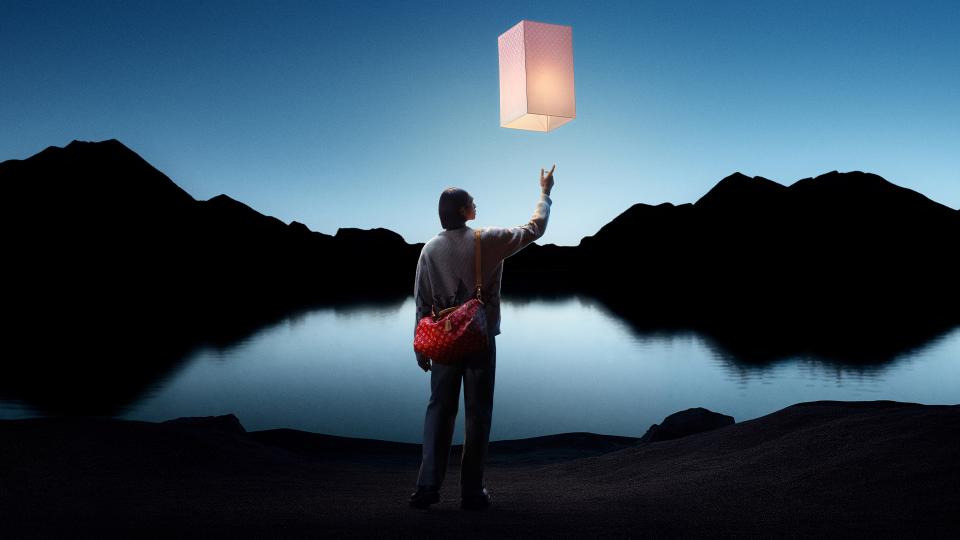
Louis Vuitton Unveils Holiday Campaign “Le Voyage des Lumières
Louis Vuitton has unveiled its new Holiday 2025 campaign, Le Voyage des Lumières, a visual journey that captures the warmth and wonder of the festive season through the house’s timeless lens of travel and craftsmanship.
Centred around the interplay of light and motion, the campaign draws inspiration from the glow of Parisian sunsets, the iridescence of the aurora, and the flicker of bonfire sparks. Together, these motifs form a poetic tribute to the spirit of travel and discovery that has defined Louis Vuitton since its founding in 1854.

Le Voyage des Lumières celebrates the shared moments of connection that mark the festive season. Through a series of cinematic visuals and creative storytelling, the maison invites audiences to explore a dreamlike world where every glimmer evokes the joy of giving and the promise of new horizons.
The campaign highlights an array of Louis Vuitton creations across leather goods, ready-to-wear, accessories and travel pieces, presented through luminous settings that recall the radiance of festive nights. Each scene reinforces the house’s dedication to savoir-faire, blending heritage with modernity in its signature style.
From glowing trunks that symbolise journeys yet to begin, to reflective surfaces that echo the shimmer of holiday lights, Le Voyage des Lumières conveys a message of timeless optimism. It is an invitation to embark on a voyage guided by light, artistry and the enduring elegance of Louis Vuitton.
The Holiday 2025 campaign continues the maison’s tradition of blending artistry with emotion, reaffirming its position at the intersection of fashion, design and culture. Through Le Voyage des Lumières, Louis Vuitton illuminates the season with a story that is both universal and uniquely its own.
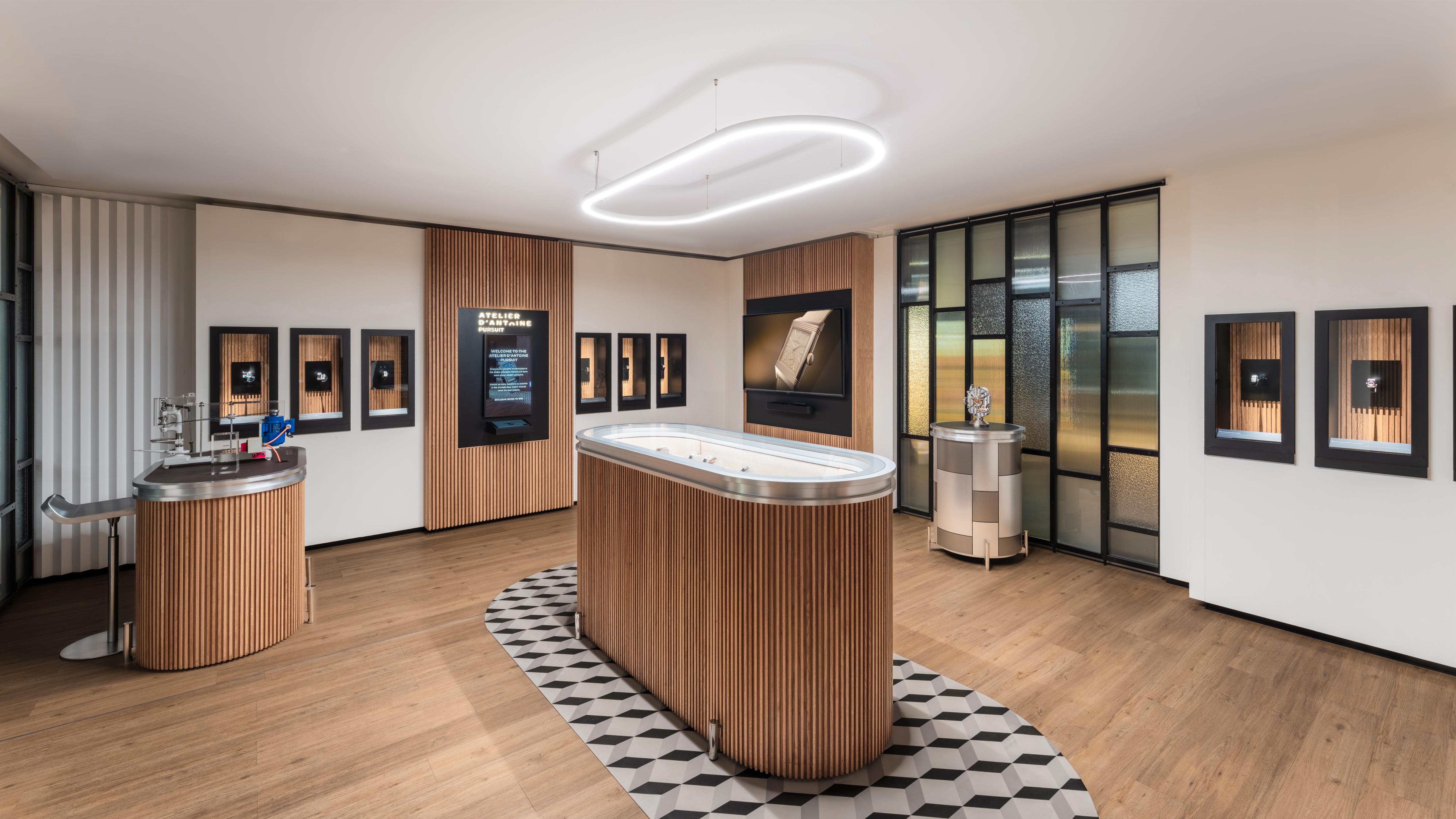
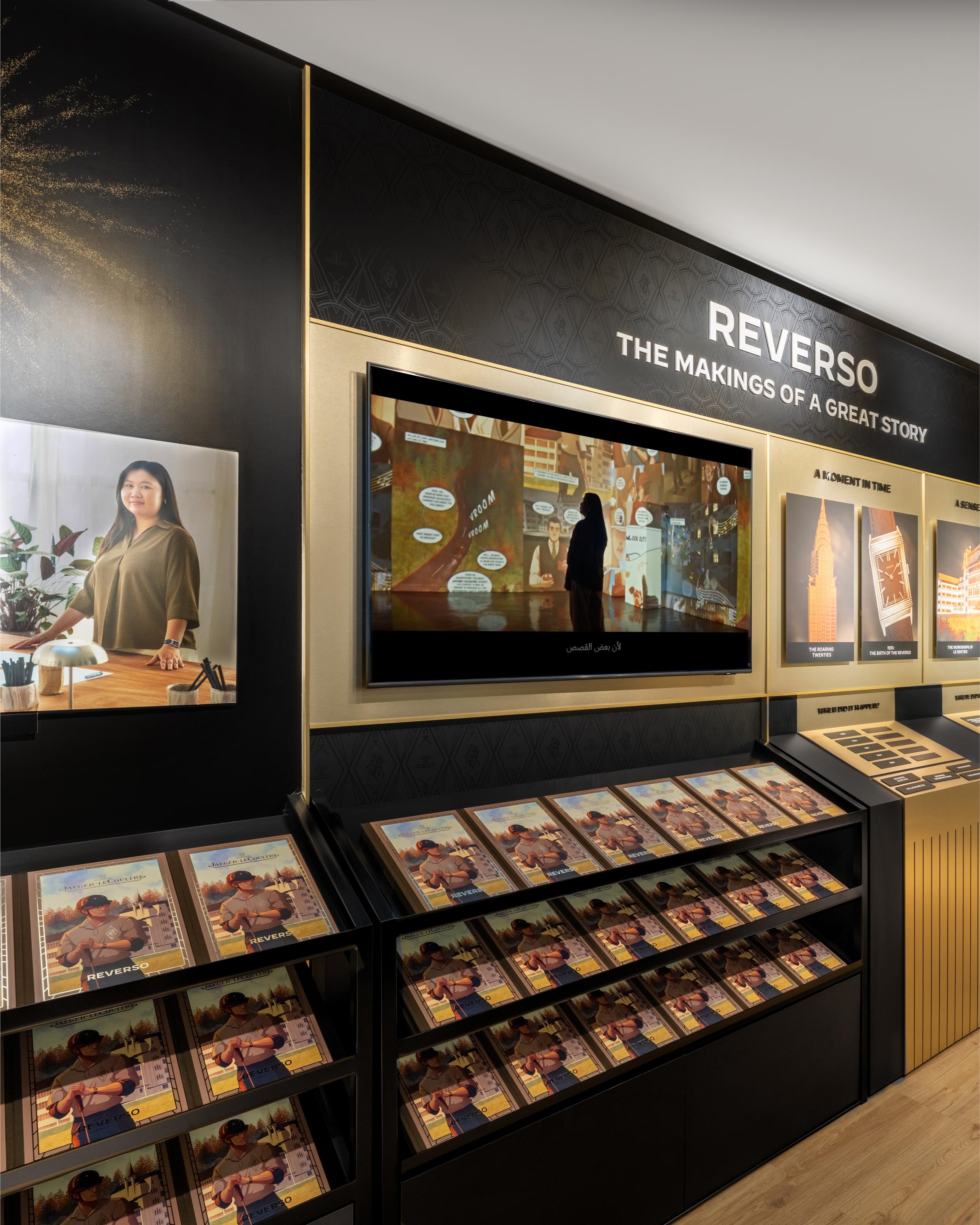
Jaeger-LeCoultre Unveils ‘Reverso Stories’ Pop-Up in Dubai Design District
Jaeger-LeCoultre has unveiled its immersive ‘Reverso Stories’ pop-up in Dubai Design District, celebrating over nine decades of craftsmanship, innovation and design excellence.
Open to the public from 4 to 16 November during Dubai Design Week, the exhibition traces the evolution of one of the world’s most recognisable timepieces through a series of interactive displays and artistic collaborations.
The showcase unfolds in four themed chapters – Story of an Icon, Story of Style & Design, Story of Innovation and Story of Craftsmanship – each illustrating the heritage of the Reverso line through emblematic pieces from the Maison’s archives and contemporary collections. Visitors can view the world’s first wristwatch with four functioning faces, the Reverso Hybris Mechanica Calibre 185 Quadriptyque, alongside rare historical models and high jewellery editions.
Marking the occasion, Jaeger-LeCoultre also presents a new interpretation of the Reverso Hybris Artistica Calibre 179. Limited to just ten pieces, the 18K pink gold timepiece features black hand-lacquered dials on both front and reverse. Incorporating the fourth evolution of the Manufacture’s signature multi-axis Gyrotourbillon, it maintains exceptional complexity while preserving the slim proportions of the Reverso case.

Three creative partnerships from the Maison’s Made of Makers™ programme further enrich the Dubai experience. Webcomic designer Olivecoat introduces a digital artwork inspired by the Reverso’s history, inviting visitors to explore the watch’s story through interactive storytelling. Emirati architect Abdalla Almulla contributes a large-scale installation titled 30 Sunsets, crafted in oak and sunset hues to express the golden ratio principles that influenced the Reverso’s Art Deco design. Meanwhile, acclaimed pâtissière Nina Métayer brings the same mathematical harmony to life at the 1931 Café with pastries inspired by balance and proportion.
The ‘Reverso Stories’ pop-up reflects Jaeger-LeCoultre’s ongoing commitment to blending heritage and innovation. Originally created in 1931 to withstand the rigours of polo, the Reverso has evolved into a cultural design icon, housing more than 50 calibres over its 90-year history. Open daily from 10am to 11pm until 9 November and 12pm to 11pm from 10 to 16 November, the Dubai pop-up offers free admission, inviting visitors to engage with the timeless narrative of craftsmanship, design and artistry that defines Jaeger-LeCoultre.
jaeger-lecoultre.com
Abu Dhabi Art to Unveil 2025 Artist Commissions Across Al Ain’s Cultural Sites
Abu Dhabi Art has announced the artists selected for its 2025 Artist Commissions in Cultural Sites programme, set to open to the public in Al Ain on the 19th November 2025.
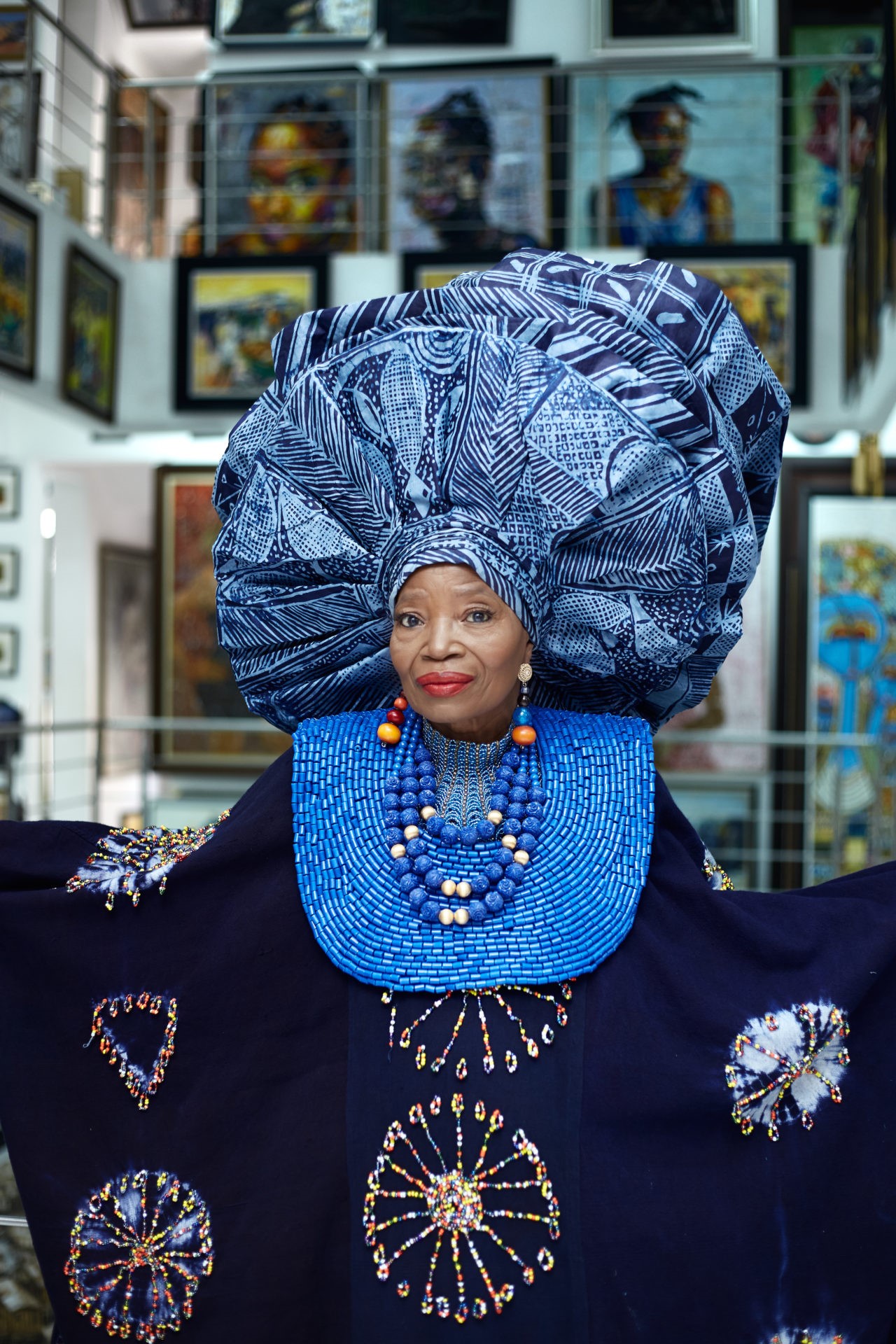
The initiative will run until the 26th April 2026 and features new works by Abu Dhabi-based artists Ramin Haerizadeh, Rokni Haerizadeh and Hesam Rahmanian, alongside Nigerian textile artist Nike Davies-Okundaye and Syrian-born artist Issam Kourbaj.
Supported by Abu Dhabi Art’s Global Partner, HSBC, the programme continues to bridge contemporary artistic practice with the UAE’s historic landscape. Through its partnership, HSBC reinforces its commitment to expanding cultural access and fostering artistic dialogue across communities.

Portrait of Nike Davies-Okundaye. Image Credit Courtesy of Nike Davies-Okundaye
The trio of Ramin Haerizadeh, Rokni Haerizadeh and Hesam Rahmanian will present Luminous Shadow at Hili Archaeological Park, the largest Bronze Age site in the Emirates. Their sculptural work, The Arch, draws inspiration from the fluid forms of Arabic and Pahlavi scripts, interpreting them as visual representations of sound. “At Hili Archaeological Park, the largest Bronze Age site in the Emirates, the Arch rises from the silent depths of the sand. We are honoured to be participating in this edition of Abu Dhabi Art’s public art commissions, a moment that allows us to bring this work into dialogue with such an ancient and significant site,” the trio said.
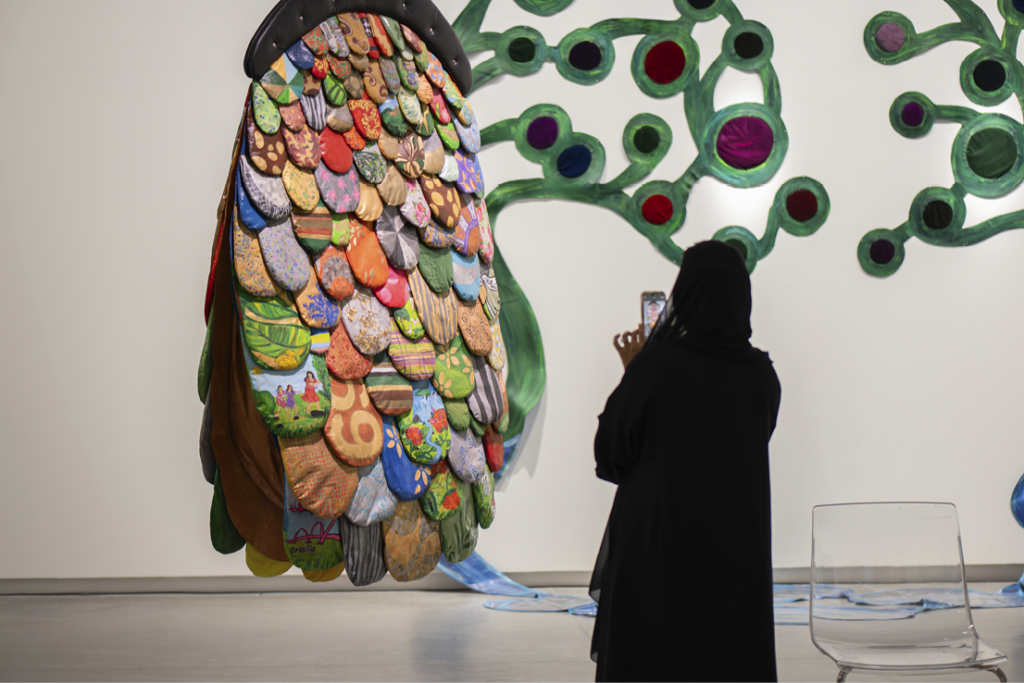
At Al Ain Oasis, Nike Davies-Okundaye will unveil a large-scale tapestry installation combining embroidery, appliqué and adire, a hand-dyed cotton textile technique. Drawing from the symbolic backdrops of 1950s Yoruba travelling theatre, her work explores the palm tree’s role within the oasis ecosystem. “Art connects people, and I’m grateful for this chance to keep building that connection through creativity and tradition,” Davies-Okundaye said.
Issam Kourbaj’s contribution will see a series of camera obscura installations placed across key sites in Al Ain, including Al Qattara Oasis. The interactive works encourage visitors to experience the landscape through the interplay of light, vision and history.

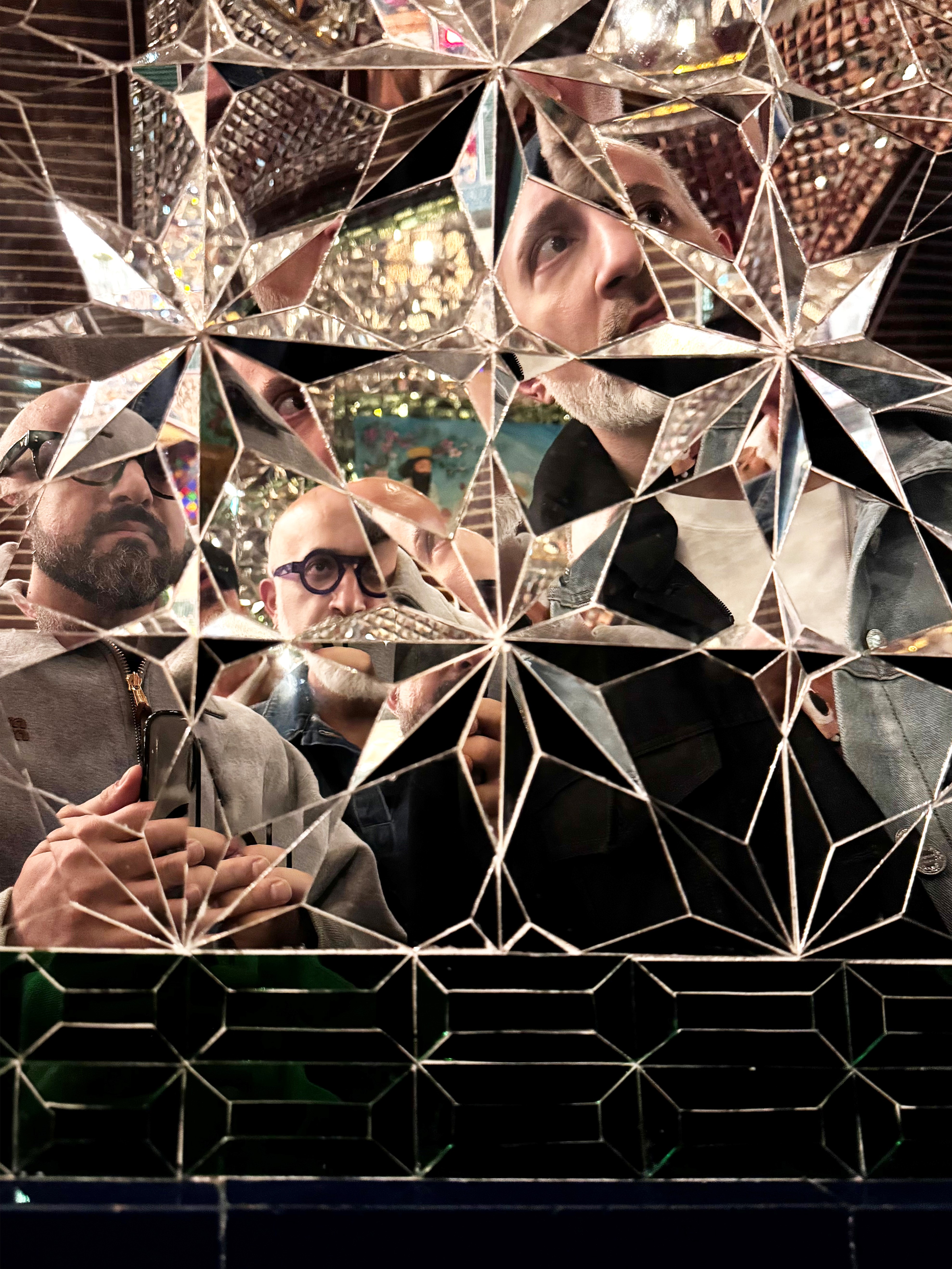
Ramin Haerizadeh, Rokni Haerizadeh, and Hesam Rahmanian
“Through the lens of the camera obscura, I explore the word Al Ain, in Arabic, as both eye and spring, revealing the delicate interplay between perception, place, and time,” said Kourbaj.
abudhabiart.ae
Kahhal 1871 and Shaikha Al Sulaiti Unveil The Divine Collection in Doha
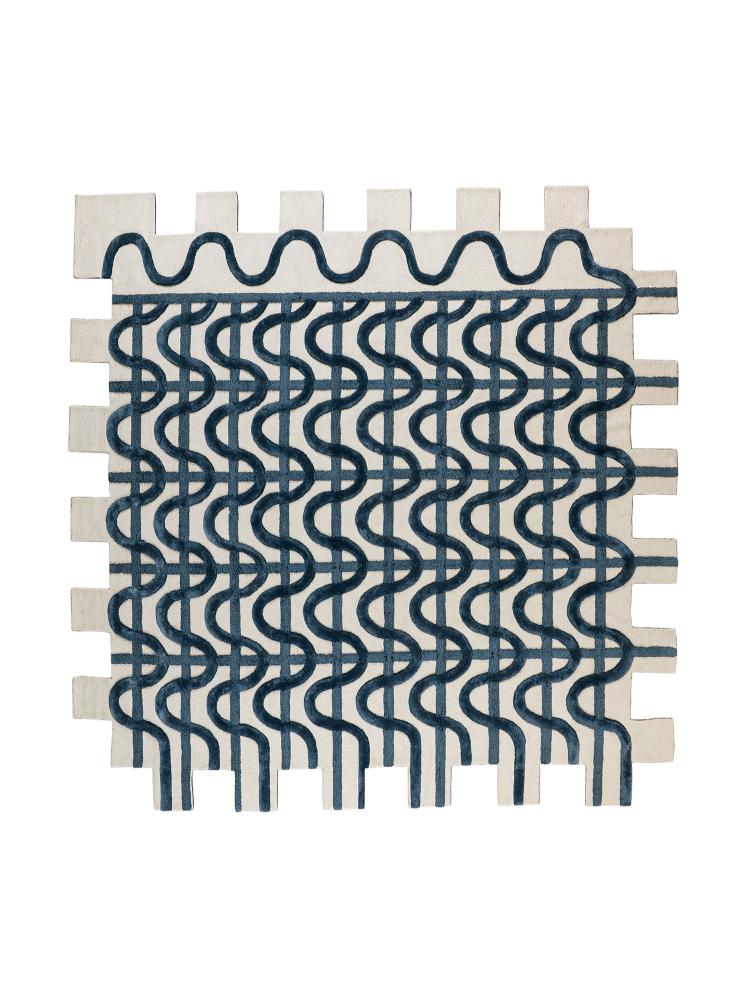
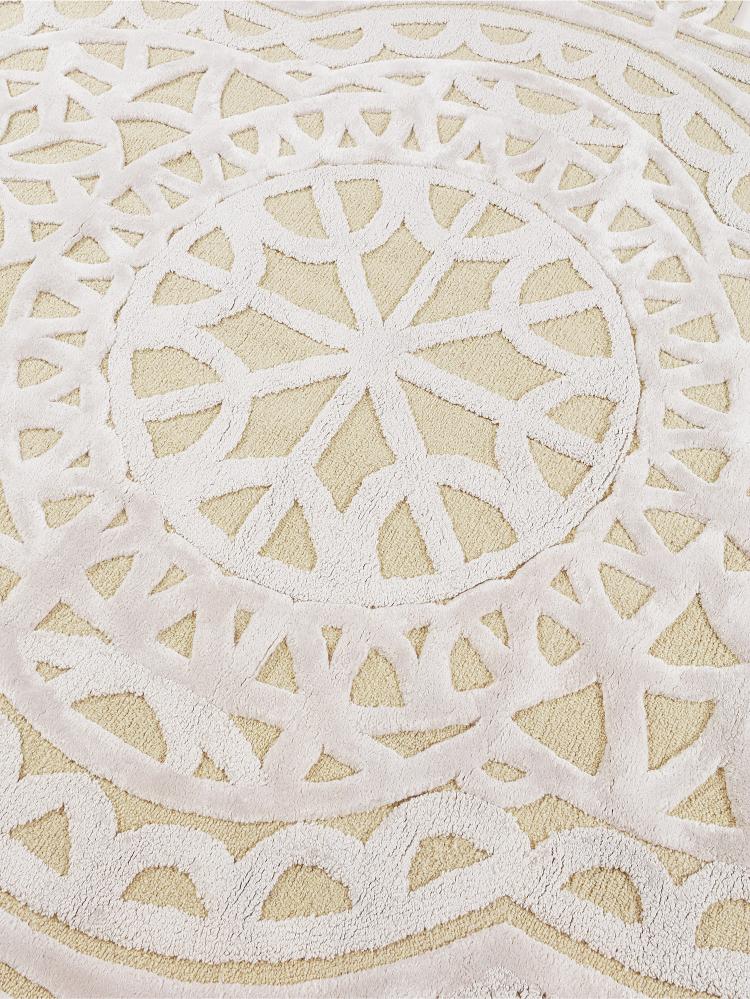
Continuing its journey of cultural collaboration and contemporary craftsmanship, Egyptian rug house Kahhal 1871 has announced The Divine Collection in partnership with Qatari designer Shaikha Al Sulaiti.
The collection will be unveiled at a private viewing titled A Craftsman’s Language, Spoken Anew at Studio 7 in Doha on the 11th of November 2025.
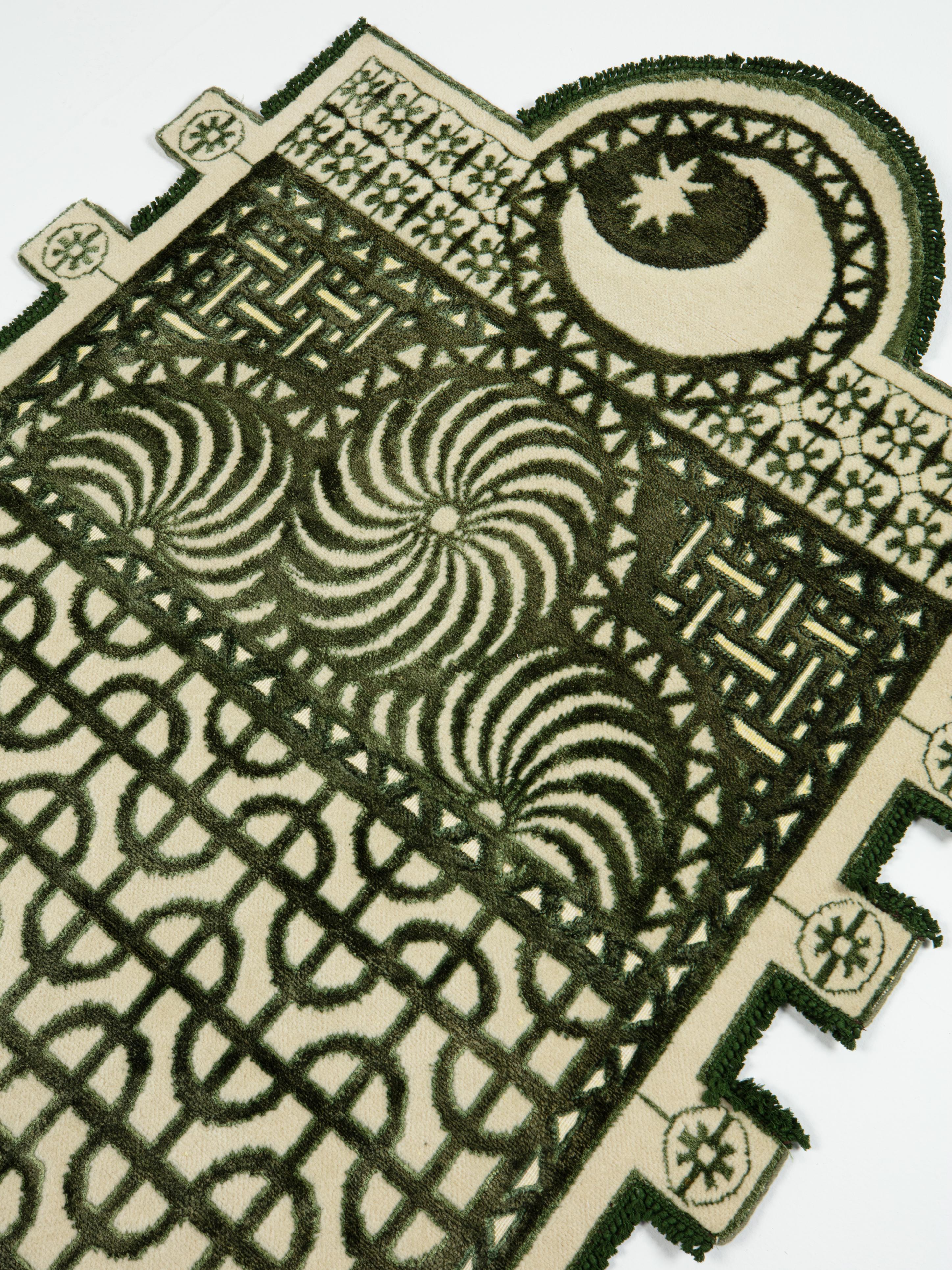
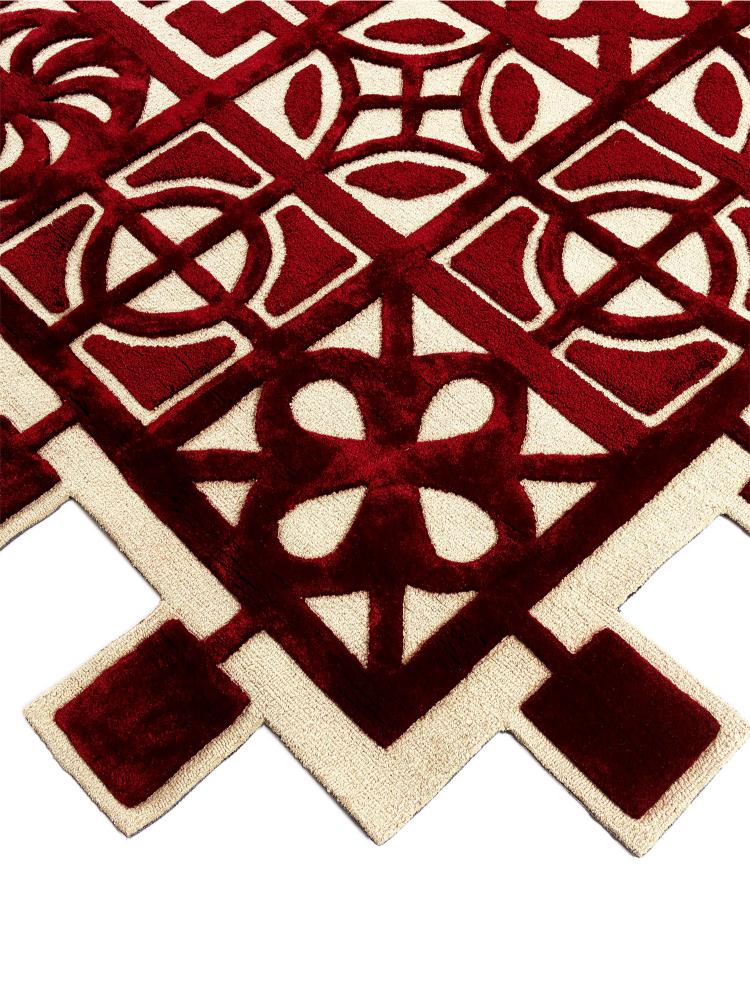
Rooted in shared values of heritage, artistry and innovation, The Divine Collection reimagines cultural symbols through form and texture. The collection includes four area rugs, a runner and a distinctive prayer rug design made to be experienced in pairs. Each prayer rug takes 90 days to craft, entirely by hand, reflecting precision, patience and devotion. Every piece embodies the human touch, transforming artistry into connection and elevating design into meaning.
The collaboration bridges Egyptian rug-making traditions with Qatari architectural sensibility. Each thread unites Kahhal 1871’s century-old craftsmanship with Al Sulaiti’s contemporary design vision. Together, they explore how tradition can be both preserved and reinterpreted for a modern audience, offering moments of reflection, connection and communion.

A key feature of the collection is its modular connection system, which allows rugs to link seamlessly with one another. This flexible approach enables endless combinations, ideal for larger spaces and majlis settings—serving as both a functional and symbolic representation of unity and shared purpose.
Each design carries symbolic and spiritual meaning. The prayer rugs, for instance, feature six stars along each side, positioned across seven interlinking motifs representing the seven heavens, with an eighth symbolising the gates of heaven. When joined, the stars align to form a visual metaphor of harmony and togetherness.
Mohamed El Kahhal, Managing Director of Kahhal 1871, said: “Divine Connection is a celebration of what binds our region beyond borders. It is a shared sense of spirituality, artistry and heritage. Through every texture and detail, we wanted to express the sacred dialogue between human creation and divine inspiration.”
For Al Sulaiti, the collaboration carries a deeper cultural message. “The collection draws inspiration from the timeless teachings of our Arab heritage, the belief in love, unity and strength through togetherness,” she said.
By weaving tradition into contemporary form, The Divine Collection stands as a testament to the power of craftsmanship to transcend boundaries and foster connection across cultures.
kahhal1871.com
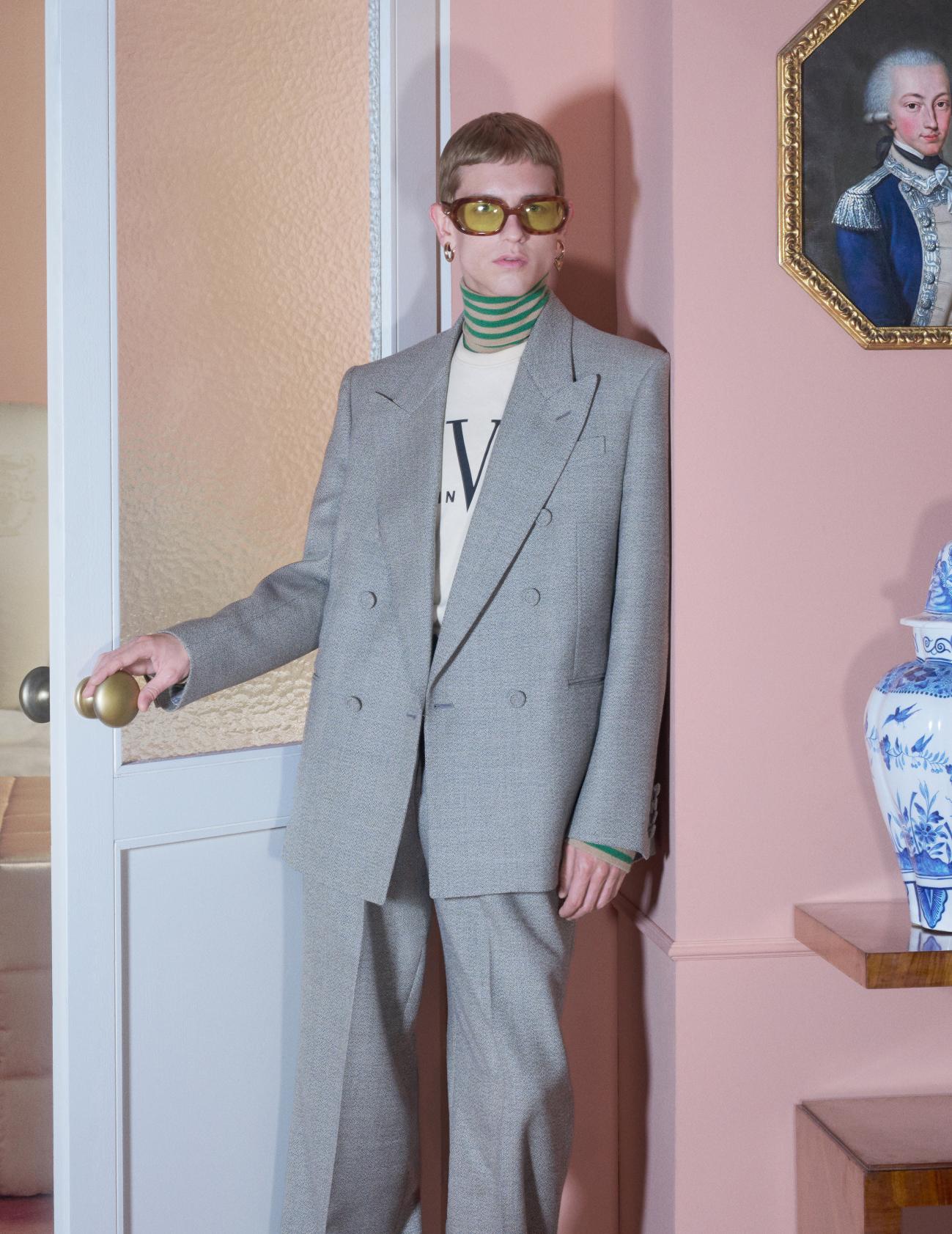
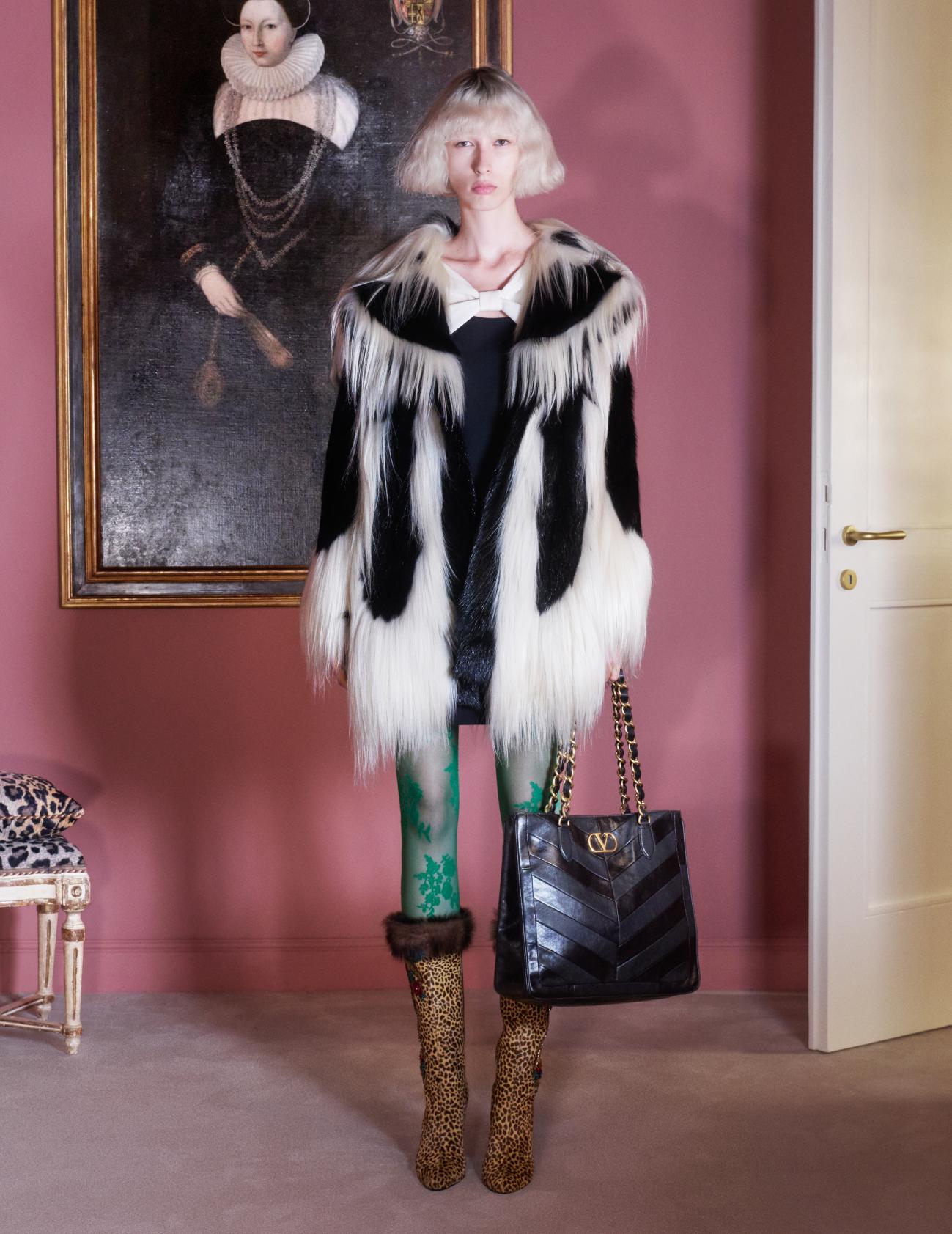
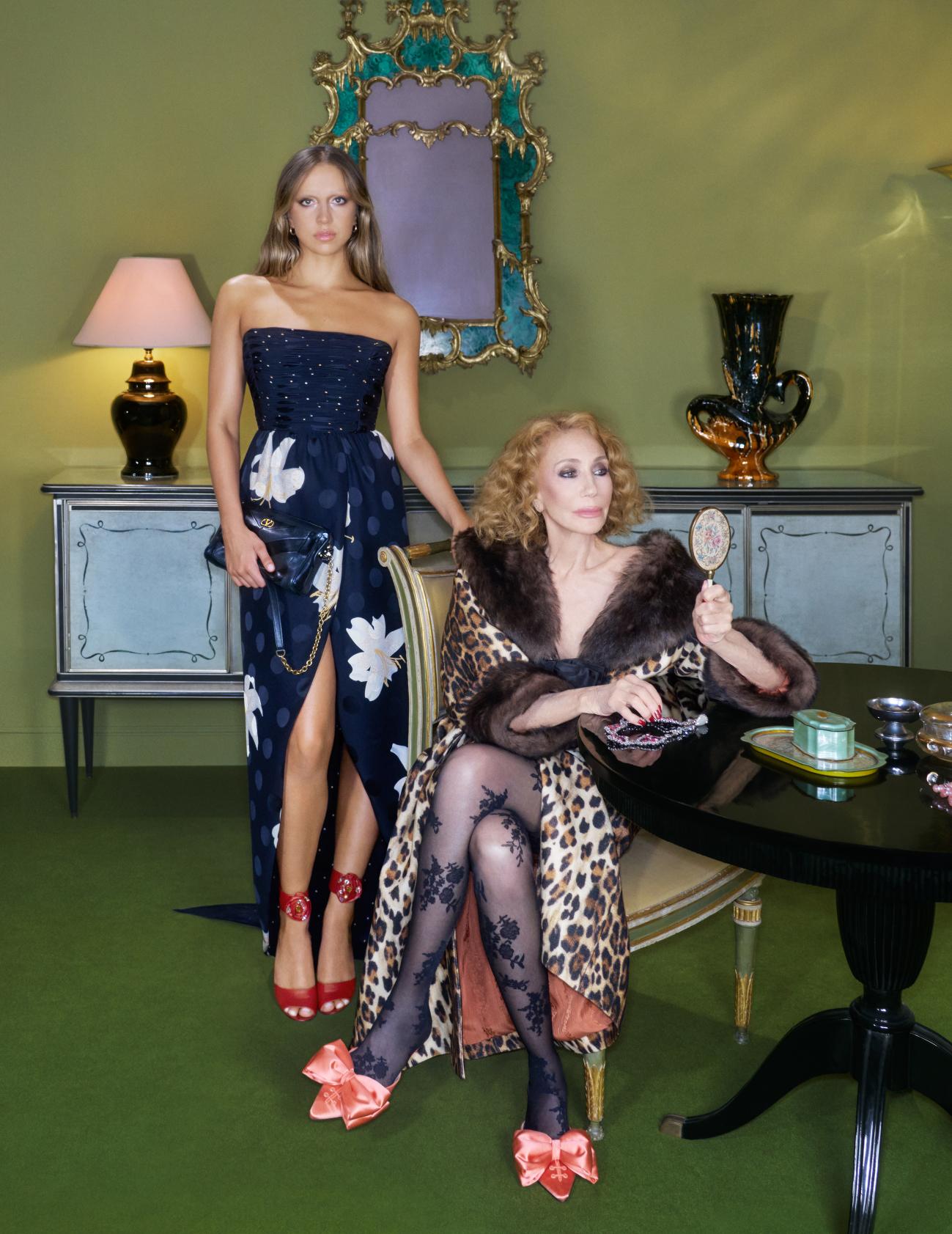
Valentino Unveils Cruise 2026 Campaign ‘Nocturne’
Valentino’s Cruise 2026 campaign, titled Nocturne, invites viewers into a world suspended between waking and dreaming.
Conceived by Creative Director Alessandro Michele, the campaign explores the poetic in-between space where consciousness begins to yield to sleep.

Set within the quiet intimacy of a hotel, Nocturne reflects on the transient yet deeply personal nature of contemporary life. Each room becomes a fragment of a shared universe, where the private rituals of solitude — the act of resting, of surrendering to night — merge into a collective intimacy. The setting transforms the hotel into a metaphor for modern existence: a space of proximity without contact, where individual lives unfold in silent parallel.
Michele frames this threshold as both physical and emotional, a site where “the borders of sleep and wake become porous.” The result is a narrative that blurs the boundaries between isolation and togetherness, suggesting that in the stillness of night, private moments can take on universal meaning.
Directed by Renell Medrano with cinematography by Jack Exton, the campaign is captured through a lens of soft focus and introspection. Photographer Marili Andre and stylist Jonathan Kaye bring Michele’s vision to life with a palette that favours intimacy over spectacle. The visual language is supported by Victoria Salomoni’s set design, Yadim Carranza’s makeup, and Esther Langham’s hair direction, each contributing to the atmosphere of suspended quiet.
The cast blends artists and performers across disciplines, including Marisa Berenson, Dev Hynes, Anne Imhof, Dakota Johnson, Tate McRae, and Devon Teuscher. Models Aimee, Isabella, Edna, Weiyi, Harry, and Bukwop join the ensemble, embodying the campaign’s theme of isolated yet interconnected lives.
The campaign is underscored by Nocturne in E Flat by Frédéric Chopin, performed by Angus Pendergast. The classical composition lends the visuals a reflective rhythm, described as a “musical breath of a world that, for a fleeting instant, allowed itself to sleep together.”
valentino.com
RETORI Debuts in the Middle East with Ounass
Italian luxury label RETORI has officially entered the Middle Eastern market through a new partnership with Ounass, the region’s leading online destination for high-end fashion and lifestyle.
The collaboration marks a key step in RETORI’s global expansion, launching its Chapter 02 collection, “Embrace Your Identity,” exclusively on Ounass.com.

To celebrate the partnership, RETORI is taking over Ounass Maison, the e-tailer’s shopping suite at Mandarin Oriental Jumeira, Dubai, from the 3rd to the 5th of November. The three-day activation brings together art, storytelling, and cultural dialogue, reflecting the brand’s commitment to connecting fashion with identity and creativity.
The event features a week-long art installation at Ounass Maison, showcasing RETORI’s Chapter 02 collection alongside paintings by Suriname-born, Dutch-Indonesian artist Miko Veldkamp, who collaborated closely with founder and creative director Salma Rachid and the design team. The installation mirrors the brand’s ethos of blending heritage with reinvention and art with craftsmanship.
Over the three days, RETORI will host a series of experiences designed to engage the local audience. Guests will be invited to a private dinner featuring a performance by singer and songwriter Lauren Claire Townley, followed by curated shopping appointments and graphology sessions. The programme concludes with an art panel led by Veldkamp and art curator Hala Khayat, discussing how art can serve as a pathway to self-discovery and belonging.
“RETORI was born out of a dialogue between cultures and identities, art expressions and the universal resonance of the journey of life. Ounass shares our vision of conscious luxury, craftsmanship and authenticity, where beauty resonates through emotion as much as through form,” said Salma Rachid, founder and creative director of RETORI.
Zaccheo Manzoni, CEO of RETORI, added: “This collaboration with Ounass is not only an important business milestone but a true cultural convergence. Ounass Maison allows us to meet our audience in a region that deeply understands the emotional dimension of luxury. Dubai’s cultural milieu echoes RETORI’s vision to connect creation, identity, and intimacy.”
Through this partnership, RETORI and Ounass aim to redefine the luxury retail experience in the region, rooted in cultural exchange, craftsmanship and authenticity, while deepening the brand’s dialogue with a global community that views fashion as both art and expression.
Ounass.com
Maison Margiela Unveils Snowstorm Holiday Campaign by Frank Lebon
Maison Margiela has unveiled its 2025 Holiday campaign, titled Snowstorm, directed and photographed by Frank Lebon.
The campaign reinterprets festive imagery through the Maison’s avant-garde lens, transforming traditional seasonal symbols into abstract expressions of creativity and craft.
At the heart of the campaign lies a conceptual dismantling of holiday motifs. Metallic confetti and the brand’s numeric logo are reimagined as a swirling snowstorm, evoking both celebration and disruption. This visual play aligns with the Maison’s long-standing codes of deconstruction and anonymity.
Models appear in silk masks, continuing Margiela’s exploration of identity and collective expression. The looks featured come from the Avant-Première Spring–Summer 2026 collection, which showcases the brand’s signature fusion of tailoring innovation and subversive elegance. Standout pieces include a featherweight wool knit two-piece with faded colour gradation, bias-cut gowns, and metallic foil-treated dresses. A trench coat demonstrates the Pressed and Foiled technique, blending heat, pressure, and luminosity to achieve a distinctive reflective finish. Tailored garments bear a “greasy patina,” while reversible silk Robes de Chambre transform loungewear into eveningwear.
The accessories offer unconventional takes on festive dressing. Highlights include the 5AC Soft XL and 5AC East-West Small bags, metallic gilded and classic Tabi boots, and a debuting Numeric twisted diamond-cut bracelet. Bag charms, inspired by everyday objects and archival ideas, add a playful note to the presentation.
Styling embraces a streetwear sensibility, layering high craft with irreverence to capture the Maison’s distinct festive spirit. Snowstorm reflects Margiela’s ability to blend technical precision with poetic subversion, recasting celebration through the lens of experimentation and artistry.
maisonmargiela.com
Dolce&Gabbana Unveils the Fine Jewelry Eleganza Collection
Dolce&Gabbana has launched its new Fine Jewelry Eleganza Collection, a refined line celebrating grace, beauty, and craftsmanship.
The collection embodies the Italian house’s dedication to timeless elegance, fusing traditional goldsmithing with a modern interpretation of sophistication.
Comprising necklaces, bracelets, rings and earrings, the collection is crafted in 18-carat yellow, white and rose gold, each piece reflecting the meticulous artistry synonymous with the Dolce&Gabbana name. Every jewel has been designed to capture light and movement through an expert selection of natural gemstones, creating what the brand describes as “chromatic poems,” harmonious compositions of colour and cut.

The stones, including London Blue topaz, amethyst, aquamarine, peridot, rhodolite and sapphire, have been chosen for their brilliance and purity. Their interplay of tones and shapes evokes both delicacy and vibrancy, offering pieces that can transition effortlessly from everyday wear to evening refinement.
The Eleganza Collection highlights Dolce&Gabbana’s ongoing celebration of Italian heritage and craftsmanship. Through its attention to detail, each creation reflects the brand’s interpretation of noble beauty — not only as an aesthetic but as a quality of the soul. The design language is understated yet opulent, aiming to make elegance an attainable expression for daily life.
Beyond its visual allure, the collection reaffirms the house’s expertise in blending technical precision with emotional artistry. Each jewel is hand-finished to enhance the fluidity of its form, while the balance of gold tones and gemstone hues gives every piece a distinctive identity. The result is a collection that feels both romantic and timeless, true to Dolce&Gabbana’s philosophy of modern luxury grounded in artisanal tradition.
dolcegabbana.com.
Moynat Unveils the M Canvas Fall Collection in Seasonal Shades
Luxury French trunk-maker Moynat has introduced its latest M Canvas Fall Collection, expanding its signature monogram line with new seasonal hues that blend heritage craftsmanship with modern design.
Founded in 1849 by Pauline Moynat, the House built its reputation on technical innovation and artisanal excellence. Among its early breakthroughs was the “English Trunk”, introduced in 1873, which featured a waterproof coating made from gutta-percha, a then newly discovered vegetal gum from Indonesia. This pioneering material marked a turning point in luxury travel goods, setting Moynat apart as a symbol of refinement and functionality.
By the early 1900s, artistic director Henri Rapin further defined the brand’s identity with the introduction of the ‘M’ monogram, hand-painted across the trunks’ canvas. This instantly recognisable motif remains a key pillar of the Maison’s visual language, representing a century-old dialogue between tradition and innovation.
The M Canvas Collection continues this legacy, reimagining the monogram for contemporary lifestyles while maintaining the integrity of Moynat’s artisanal codes. For Autumn 2025, the collection debuts in rich fall tones of army green, burgundy, and navy, offering a modern reinterpretation of the House’s timeless aesthetic.
The line features some of Moynat’s most iconic bag silhouettes, including totes in small, medium, and large sizes; the 48h and mini 48h travel bags; the Hobo and Moon Bag; alongside the Daily Pouch and a range of small leather goods. Each piece showcases the meticulous craftsmanship and understated elegance that define the brand’s heritage.
Available across Moynat boutiques worldwide, the collection reinforces the House’s ongoing commitment to merging artistry and innovation. It serves as both a tribute to Moynat’s storied past and a reflection of its forward-looking vision—one that continues to evolve with contemporary fashion while staying true to the refined traditions established by its pioneering founder more than 175 years ago.
Moynat.com
Schiaparelli Reimagines Denim for Fall/Winter 2025–2026
Daniel Roseberry’s latest ready-to-wear collection for Schiaparelli redefines one of fashion’s most enduring fabrics.
In Lone Star, the creative director transforms denim from its utilitarian roots into an emblem of fantasy and couture craftsmanship.
The collection showcases denim sculpted in deep, inky black, cut with the precision typically reserved for haute couture. Presented as cropped jackets, boot-cut trousers, mini skirts, and shirt dresses, each piece combines Texan irreverence with Parisian savoir-faire, a hallmark of Roseberry’s vision for the Maison. Through the designer’s distinctive lens, denim becomes both armour and ornament.
The pieces are finished with gilded buttons, western-inspired stitching, and Schiaparelli’s signature surrealist details. These embellishments elevate the material beyond its traditional associations, infusing it with a bold, avant-garde spirit that is simultaneously feminine and defiant. The result is a collection that honours Elsa Schiaparelli’s legacy of boundary-pushing creativity while anchoring it in a distinctly modern, wearable context.
“Fearless, feminine, and disobedient” these are the qualities that underpin Roseberry’s interpretation of denim this season. In keeping with the Maison’s ethos that “nothing here is impossible,” the designer continues to blur the lines between everyday wear and haute couture, expanding the vocabulary of what luxury fashion can represent.
The Fall/Winter 2025–2026 denim pieces are now available at the Schiaparelli Salons at 21 Place Vendôme in Paris, as well as at select international locations. These include the Hôtel de Paris Monte-Carlo, Harrods in London, Bergdorf Goodman in New York, Neiman Marcus in Los Angeles and Dallas, and private salons within the Mandarin Oriental Jumeirah in Dubai and Hankyu Osaka.
Schiaparelli.com
Ducasse in AlUla Returns for a Limited-Edition Pop-Up
Following two acclaimed editions, Ducasse in AlUla will make its much-anticipated return to the ancient oasis from the 18th of December until the 21st of February 2026.
The luxurious pop-up, created in collaboration with celebrated chef Alain Ducasse, will once again merge the refined artistry of French haute cuisine with the distinctive regional ingredients of AlUla, offering an exclusive oasis-to-table experience unlike any other in the Kingdom.

Set beneath the lush canopy of AlUla’s palm groves near the heritage site of Jabal Ikmah, the restaurant provides an elegant setting that reflects the harmony between nature, sustainability and fine dining. Guests can choose between a five or seven-course tasting menu, each highlighting local produce interpreted through Ducasse’s signature French techniques.
The new menu includes standout dishes such as pâté en croûte with green date condiment, blue crab cake with burnt lemon and fennel, and slow-cooked camel paired with foie gras and puff potatoes. Seafood lovers can enjoy grilled spiny lobster enhanced with tamarind and curry leaves, while desserts promise indulgence through creations such as hot chocolate with hazelnut, frozen lemon with mint and tarragon, and apple puff pastry with vanilla and tahini.
This season also introduces Executive Chef Alessandro, originally from San Remo, Italy. With more than a decade of experience across Ducasse’s prestigious kitchens, his career spans Le Grill at the Hôtel de Paris in Monaco, Le Grill at The Dorchester in London, and the two-Michelin-starred Le Meurice Alain Ducasse in Paris. Before joining Ducasse in AlUla, Alessandro led the kitchen at Muni Kyoto in Japan for three years.
Alain Ducasse, whose restaurants collectively hold 17 Michelin stars worldwide, began his career in France in 1972 and trained under legends such as Michel Guérard, Gaston Lenôtre, Alain Chapel and Roger Vergé. His enduring influence has helped shape modern French cuisine while championing culinary innovation and sustainable practices.
experiencealula.com
Prada Unveils Holiday 2025 Campaign Starring International Ensemble
Prada has released its Holiday 2025 campaign, presenting a cinematic exploration of the season anchored in themes of reunion, shared experiences, and the journey home.
Titled A Winter’s Tale, the campaign centres on the familiar ritual of travelling through wintry landscapes, framed as a universal symbol of returning to loved ones.

Shot and directed by Glen Luchford, the campaign spans both still and moving imagery and follows a group of friends on a snow-covered road trip. The narrative unfolds mid-journey, rather than at a point of departure or arrival, capturing a moment where the ordinary slips into the surreal. The film transitions from the realities of winter travel into a dreamlike scene of a forest illuminated at night, intended to reflect the enchantment often associated with the holiday period.
The cast features a line-up of global talent: Maya Hawke, Damson Idris, Louis Partridge, Letitia Wright, and Li Xian. Presented as a chosen family, they embody a sense of youthful camaraderie and togetherness at the heart of the season. Accompanying short films see the cast share personal reflections and memories of past holidays, blurring the boundary between fiction and real-life sentiment. Creative direction was led by Miuccia Prada and Raf Simons, with campaign creative oversight from Ferdinando Verderi.
The cast brings a strong range of creative backgrounds to the project. Hawke, known for Stranger Things and also active as a musician and producer, recently released her third album Chaos Angel. Idris, a British-Nigerian actor, stars alongside Brad Pitt in F1, Apple’s summer blockbuster, and is set to portray Miles Davis in the upcoming biopic Miles and Juliette. Partridge, who rose to prominence in the Enola Holmes films, appeared in Alfonso Cuarón’s Disclaimer and Noah Baumbach’s Jay Kelly. Wright, acclaimed for her role as Shuri in Marvel’s Black Panther franchise and a BAFTA Rising Star Award recipient, continues to expand her work as a producer and filmmaker, with her directorial debut Highway to the Moon releasing in 2025. Li Xian, a leading figure in Chinese film and television, has earned major acting accolades in China and recently starred in series that topped regional streaming charts.
prada.com
YSL Beauty Reopens its Reimagined Boutique at The Dubai Mall
YSL Beauty has reopened its boutique at The Dubai Mall following a comprehensive redesign.
The refreshed boutique brings the fashion house’s heritage into focus through a contemporary aesthetic. Marble features, mirrored accents and gold detailing reference the maison’s couture codes, while sculptural lines and contrasting materials set a refined yet bold tone throughout the space. The layout has been designed to create a fluid journey across fragrance, makeup and skincare, with lighting and visual elements curated to enhance product discovery.
A key feature of the new boutique is the Scent Station, which uses a neuro-connected headset to monitor emotional responses to different fragrances before generating tailored scent recommendations. Makeup takes centre stage through the Hyper Look Wall, which presents 18 signature looks created by global makeup artist Sam Visser. Displayed across six skin tones, the edit highlights artistry and individuality.
Skincare is showcased through the Or Rouge Signature Protocol, a treatment designed to boost radiance through expert techniques and sensorial textures. Guests also have access to customisation options through UV printing and Art of Gifting, allowing fragrances, makeup and skincare items to be personalised with exclusive motifs and design details.

For a more private consultation, the boutique includes a VIP room that offers hospitality touches including warm towels, coffee and tea.
yslbeauty.com
JW Anderson Launches The Loafer Bag Campaign with John Malkovich
JW Anderson has unveiled its latest campaign, spotlighting the Loafer Bag with acclaimed actor John Malkovich.
Crafted in Italy from soft suede and smooth leather, the Loafer Bag is a nod to one of the label’s most recognisable motifs.
Every detail draws inspiration from the shoe it references, resulting in a design that combines elevated craftsmanship with practicality. This balance between functionality and form has long been central to Jonathan Anderson’s creative direction.
The campaign also showcases pieces from JW Anderson’s Resort Spring/Summer 2026 collection, featuring refined materials and innovative techniques.
Highlights include knitwear spun from fine yarns, Japanese-crafted denim developed in collaboration with expert makers, and Chelsea boots adorned with military green strass.
Each piece exemplifies the brand’s continued exploration of texture and silhouette, reaffirming its place at the intersection of heritage and innovation.
Photographed by Heikki Kaski, the campaign imagery captures Malkovich through a lens that balances eccentricity with sophistication.
Styled by Benjamin Bruno, with set design by Hella Heck, the visuals echo the theatrical yet grounded sensibility often associated with Anderson’s creative vision. The beauty direction was led by Phoebe Alana Brown for make-up and Karim Belghiran for hair, completing the understated yet polished aesthetic.

Speaking to JW Anderson’s ongoing dialogue between fashion, objects and art, the campaign extends beyond a simple product launch. Instead, it continues the brand’s exploration of storytelling through form, inviting viewers into a world where craft meets performance.
The Loafer Bag and accompanying Resort Spring/Summer 2026 collection are now available at JW Anderson’s flagship stores in London’s Soho and Milan, as well as online at jwanderson.com.
Celebrity Facialist Su-Man Returns to The Ritz-Carlton, Doha for Exclusive Spa Residency
The Ritz-Carlton, Doha has announced the return of internationally renowned facialist Su-Man for a limited spa residency from the 8th to the 12th and the 14th to the 17th of November.
The celebrated skincare expert, whose client list includes Kate Middleton, Sienna Miller, Naomi Campbell, Anne Hathaway and Jenna Coleman, will offer a series of her signature treatments at The Ritz-Carlton Spa.
Known for her holistic and results-driven approach, Su-Man combines techniques drawn from dance, Shiatsu, Pilates and oriental healing traditions. Her philosophy treats the skin as an extension of the body’s wellbeing, using energy flow to promote radiance, firmness and rejuvenation without invasive procedures.
During her stay in Doha, Su-Man will present four exclusive treatments, each tailored to the individual’s needs. The Skin Reborn Sculpting Facial employs stimulating massage, exfoliation and cleansing to activate facial muscles and deliver an instant lifting effect and enhanced glow. The Chi Flow Contour Facial, also lasting 60 minutes, uses a Gua Sha device to contour and define the face while encouraging lymphatic drainage through precise pressure-point work.
Among her innovations is the Su-Man Digital Damage Resculpt Facial, developed in response to the modern effects of prolonged screen use. This treatment focuses on the face and neck, using electrical muscle stimulation (EMS) and targeted massage to counteract sagging skin and loss of definition caused by hours spent looking down at digital devices.

The Su-Man Myofascial Facial Treatment draws on the ancient Chinese healing method of Bó Jīn, using a specialised tool to follow the body’s meridian pathways and acupressure points. The technique works to relax facial tension, reawaken the skin and restore its natural luminosity.
Appointments with Su-Man are expected to be in high demand, and advance booking is strongly recommended.
For more information and to contact the hotel: ritzcarlton.com/doha
Montblanc Unveils “Tree of Writing” Installation In Dubai
Montblanc has announced The Tree of Writing, a new interactive installation at Kempinski Hotel Mall of the Emirates, coinciding with Dubai Design Week.
Running from the 3rd to the 9th of November, the one-week pop-up invites guests to reflect on the power of writing and creativity beneath a sculptural canopy inspired by the written word.
Located in the hotel’s lobby, the installation acts as a living hub where visitors are encouraged to calm their minds and let ideas take shape. The tree’s design symbolises the growth and interconnectedness of creativity, with letters carrying quotes about writing and travel hanging from its branches. Envelopes and open books form the treetop, completing the concept of writing as both personal and universal expression.

Throughout the week, guests can enjoy personalised postcards created by a local calligrapher from 3pm to 7pm each day. Kempinski’s Aspen Café complements the experience with a Montblanc-themed afternoon tea menu that mirrors the exhibition’s theme of imagination and craftsmanship.
The three-tier set features refined savoury and sweet pairings, including Tangy Prawns and Mango buns, Beetroot Gravlax rolls, Piña Colada Petits Gâteaux, and Matcha and strawberry rolls. Freshly baked scones are served with Strawberry Marmalade, Clotted Cream, and Citrus Curd, with a tea selection curated by the hotel’s Tea Sommelier. The afternoon tea is available daily between 1pm and 7pm, priced at AED 200 for one or AED 375 for two.
montblanc.com
Abu Dhabi Art Announces Virtual Collectors’ Forums Ahead of 17th Edition
Abu Dhabi Art has announced a new series of virtual Collectors’ Forums to take place in early November, offering audiences exclusive insights into the upcoming 17th edition of the annual fair.
The online discussions will bring together curators, gallerists and art experts from around the world to explore themes and highlights of this year’s event.
The sessions will be held via Microsoft Teams from the 4th to the 11th of November, each running from 6 to 7 pm. Over the course of five days, the forums will focus on distinct regional and thematic areas, including the Collectors’ Salon, Nigeria Spotlight, The Gulf and Modern Türkiye. Each discussion will be moderated by Abu Dhabi Art curators alongside invited specialists and gallerists.
The opening session on the 4th of November, titled What To Look Forward To, will feature Dyala Nusseibeh, Tola Akerele, Brook Andrew and Issam Kourbaj, setting the stage for the week’s programme and offering an overview of the fair’s key highlights.
On the 5th of November, the focus turns to the Collectors’ Salon, with Roxane Zand, Alia Al Assaad, Daniel Crouch, Tayssir Khalfallah, Bora Keskiner and Cécile Attal discussing collecting trends and the evolving role of collectors in shaping the global art landscape.
The following day, the Nigeria Spotlight will take centre stage. Moderated by Tola Akerele, the conversation will feature Kavita Chellaram, Sosa Omorogbe and Richard Vedelago, exploring Nigeria’s dynamic art scene and its increasing influence across the international market.
The series continues on the 10th of November with a session conducted in Arabic focusing on The Gulf. Speakers Asma Al Seddiq Al Mutawa, Hayfa Aljishi, Heba El Moaz and Maryam Al Falasi will discuss the region’s growing art ecosystems and the contributions of Gulf-based collectors and institutions.
The final forum, held on the 11th November, will spotlight Modern Türkiye and will feature Doris Benhalegua Karako, Ece Köksal, Esra Sarigedik Oktem and Elvin Gürenli. This discussion will explore Türkiye’s modern and contemporary art narratives and their connections to wider regional dialogues.
All sessions are open to the public and free to attend upon registration.
abudhabiart.ae
Jane Birkin’s Personal Hermès Handbag to Go Under the Hammer in Abu Dhabi
A rare Hermès Birkin once owned by the late Jane Birkin will go on sale this December as part of Sotheby’s inaugural Abu Dhabi Collectors’ Week.
Titled Le Birkin Voyageur, the black box-leather handbag was gifted to the British-French singer and actress by Hermès in 2003 and will be auctioned live on 5 December at The St Regis Saadiyat Island Resort, with an estimate of $240,000 – $440,000.
The auction follows Sotheby’s record-breaking July sale of Birkin’s original Hermès prototype, which achieved €8.6 million ($10.1 million) in Paris, the most valuable handbag ever sold at auction. The new offering marks only the second time in history that one of Birkin’s own bags has appeared on the market.
After selling her prototype in 1994 to raise funds for a French AIDS charity, Hermès presented Birkin with replacement bags over the years, four in total. Le Birkin Voyageur was her everyday companion between 2003 and 2007, visibly worn and inscribed with her personal messages. Inside, she had written phrases such as “My Birkin bag” and signed “Jane B,” adding small drawings and a poignant note: “Mon Birkin bag qui m’a accompagné dans le monde entier” (“My Birkin bag, my globetrotting companion”). The inscription inspired the bag’s name, celebrating the artist’s famously unstudied style and sentimental attachment to her possessions.
Distinctive details include closed bridges, a design feature otherwise unseen in Hermès production, and a generous 40-centimetre width. The bag was last sold in 2007 to benefit the Human Rights Association and has since remained in private hands.
According to Morgane Halimi, Sotheby’s Global Head of Handbags and Fashion, presenting two of Birkin’s personal Hermès creations within one year is a historic moment for collectors. The sale represents an intimate link to the woman whose name has become synonymous with the world’s most recognisable handbag.
Abu Dhabi Collectors’ Week, presented in collaboration with the Abu Dhabi Investment Office, will run from 2 to 5 December. The event will showcase auctions and exhibitions across high jewellery, rare timepieces, fine art and luxury automobiles, reinforcing Abu Dhabi’s growing role as a destination for global collectors.
sothebys.com/en/series/abu-dhabi-collectors-week
Boucheron Opens New Boutique at The Galleria Mall Abu Dhabi
Roger Vivier and ADIO Unveil Abu Dhabi Exclusive Efflorescence Jewel Bags
Roger Vivier has introduced a new milestone in the Middle East with the launch of its Abu Dhabi Exclusive Efflorescence Jewel Bag Collection, created in collaboration with the Abu Dhabi Investment Office (ADIO).
The capsule of four designs will be available exclusively at the Maison’s Abu Dhabi boutique, celebrating the elegance and vitality of the UAE capital.
Each piece in the collection draws inspiration from Abu Dhabi’s natural beauty and cultural heritage. A rich green satin bag embroidered with natural stones evokes the lush mangroves, while a silver tweed design adorned with metallic roses and pearls references the city’s pearl-diving history and modern skyline. A natural linen bag reflects the hues of the emirate’s golden beaches, and a black satin creation embellished with tiger eye stones pays tribute to local wildlife, symbolising the falcon and the El Reem gazelle. Each bag features a customised mirror engraved with a special reference to the city.
Central to the design is the sculptural handle, crafted using an intricate torchon technique. Three brass chains, each more than three metres long, are hand-wrapped around a tubular base in a process that takes over seven hours. The bags are finished with a crystal-flower buckle, imagined by Creative Director Gherardo Felloni and inspired by antique jewellery techniques, transforming each piece into a timeless collectible.
The Abu Dhabi boutique will host a curated in-store event in October to mark the collection’s debut. The launch follows two previous milestones for the Maison in the emirate this year: the global exclusive presentation of its Spring/Summer 2025 collection, Jardin à la Vivier, and its first Ramadan capsule collection.
Noora Al Foulathi, Head of Abu Dhabi Retail, said, “In collaboration with Roger Vivier, we proudly unveil the Abu Dhabi Exclusive Efflorescence Jewel Bags, a limited-edition collection available only in the capital. Inspired by the spirit and natural allure of Abu Dhabi, these creations embody the city’s unique ability to unite global artistry with local inspiration.”
The collaboration between ADIO and Roger Vivier underscores Abu Dhabi’s growing position as a global luxury destination, blending international craftsmanship with regional creativity. With its cultural institutions, high-end retail, and commitment to experiential luxury, the city continues to strengthen its role as a hub for art, fashion and innovation.
rogervivier.com
HUGO Launches Capsule Collection with Jujutsu Kaisen