The Region’s First Buddha-Bar Hotel Announced for Dubai’s World Islands
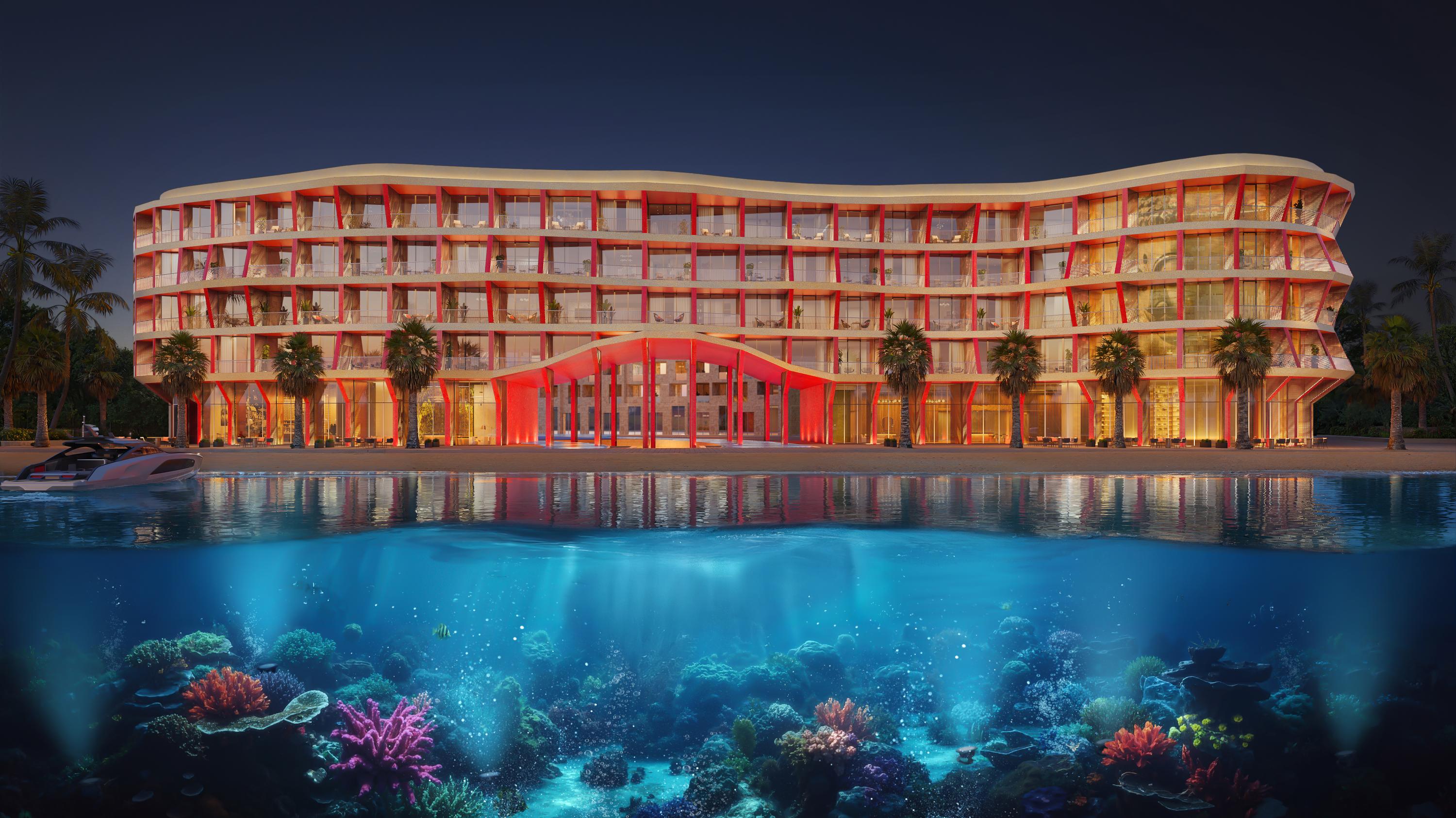
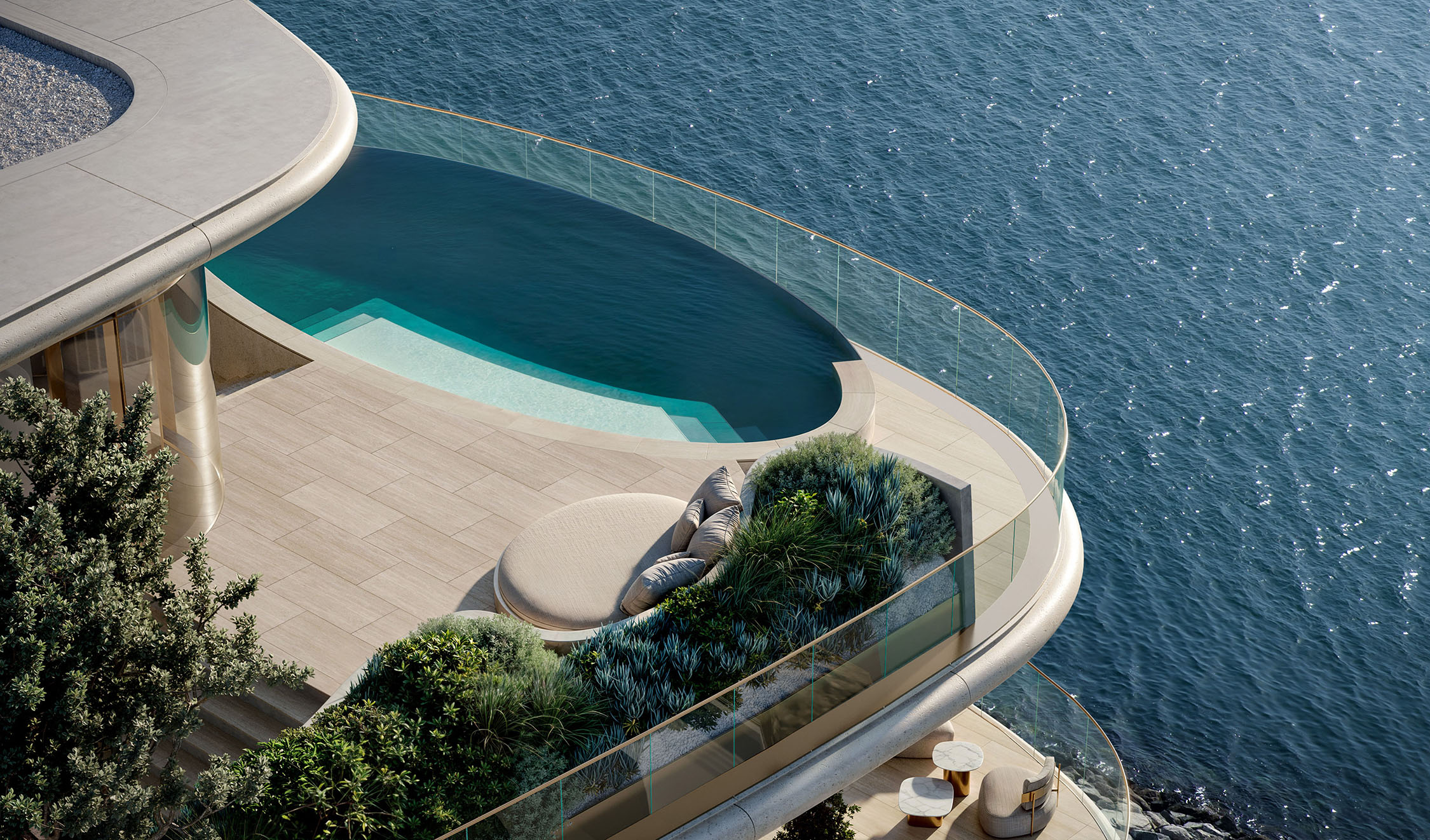
Valued at approximately AED 3 billion, the region’s first Buddha-Bar Hotel and Floating Residences by Buddha-Bar has been unveiled for Dubai’s World Islands.
The landmark development, exclusively managed and represented by Yieldhaüs, marks the debut of the global lifestyle brand in the Middle East, combining immersive design with island living. Completion is projected for 2027.

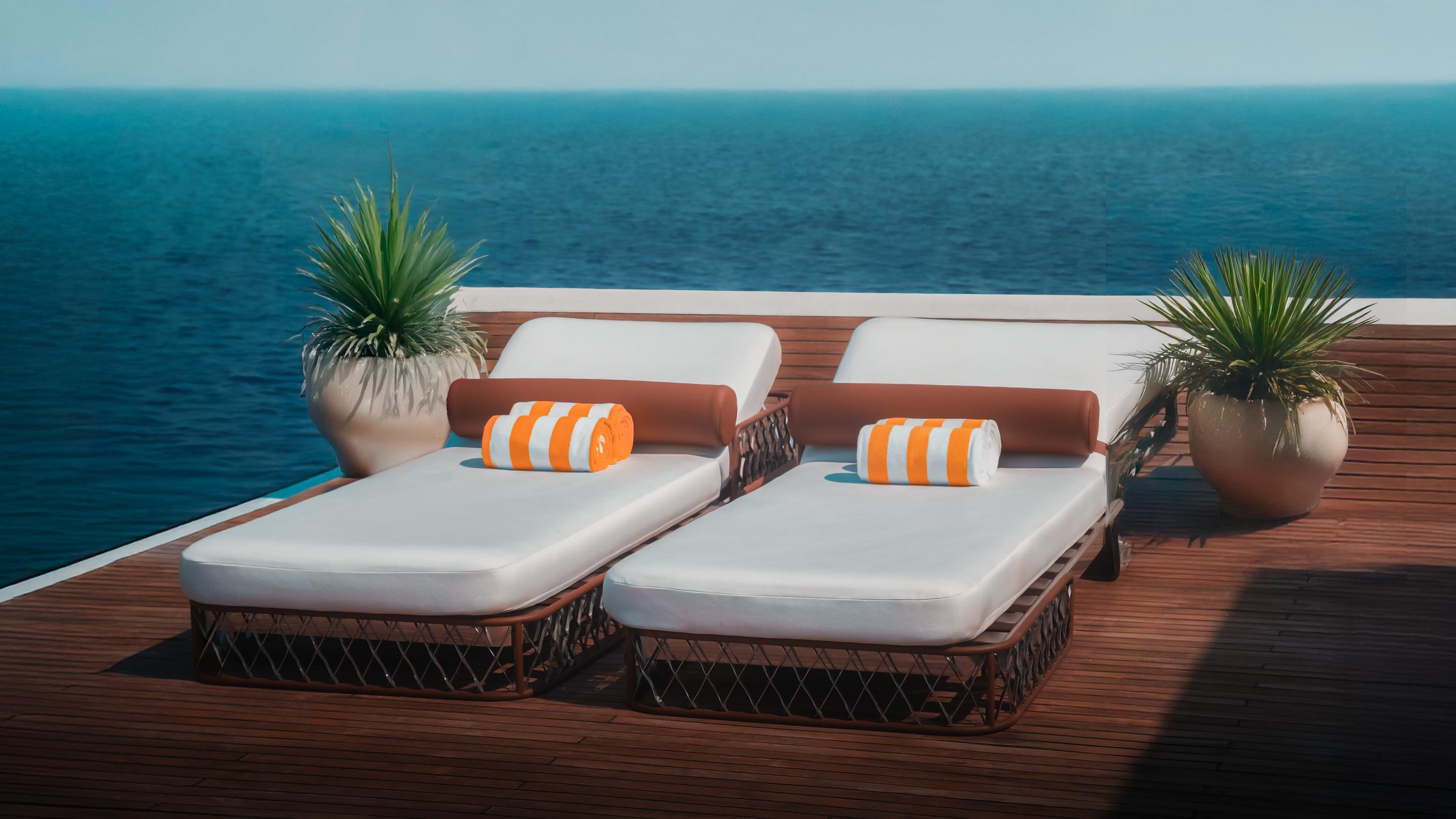
The project will comprise 162 rooms and 24 Floating Residences, alongside the renowned Buddha-Bar Beach. For the first time, the Buddha-Bar concept will be transported from land to sea, translating its signature blend of music, mood and design into an island setting surrounded by the tranquil waters of the Gulf.

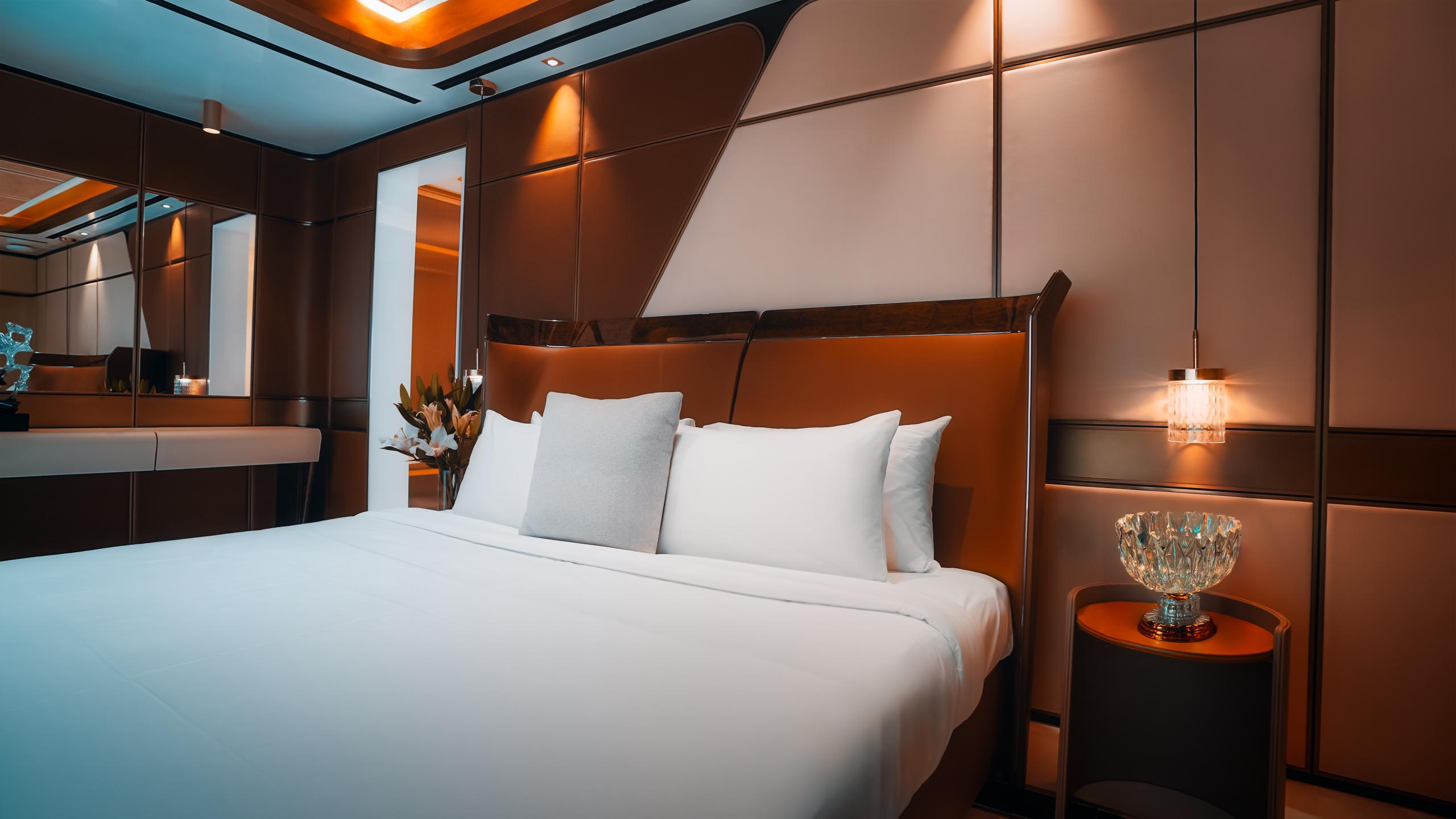
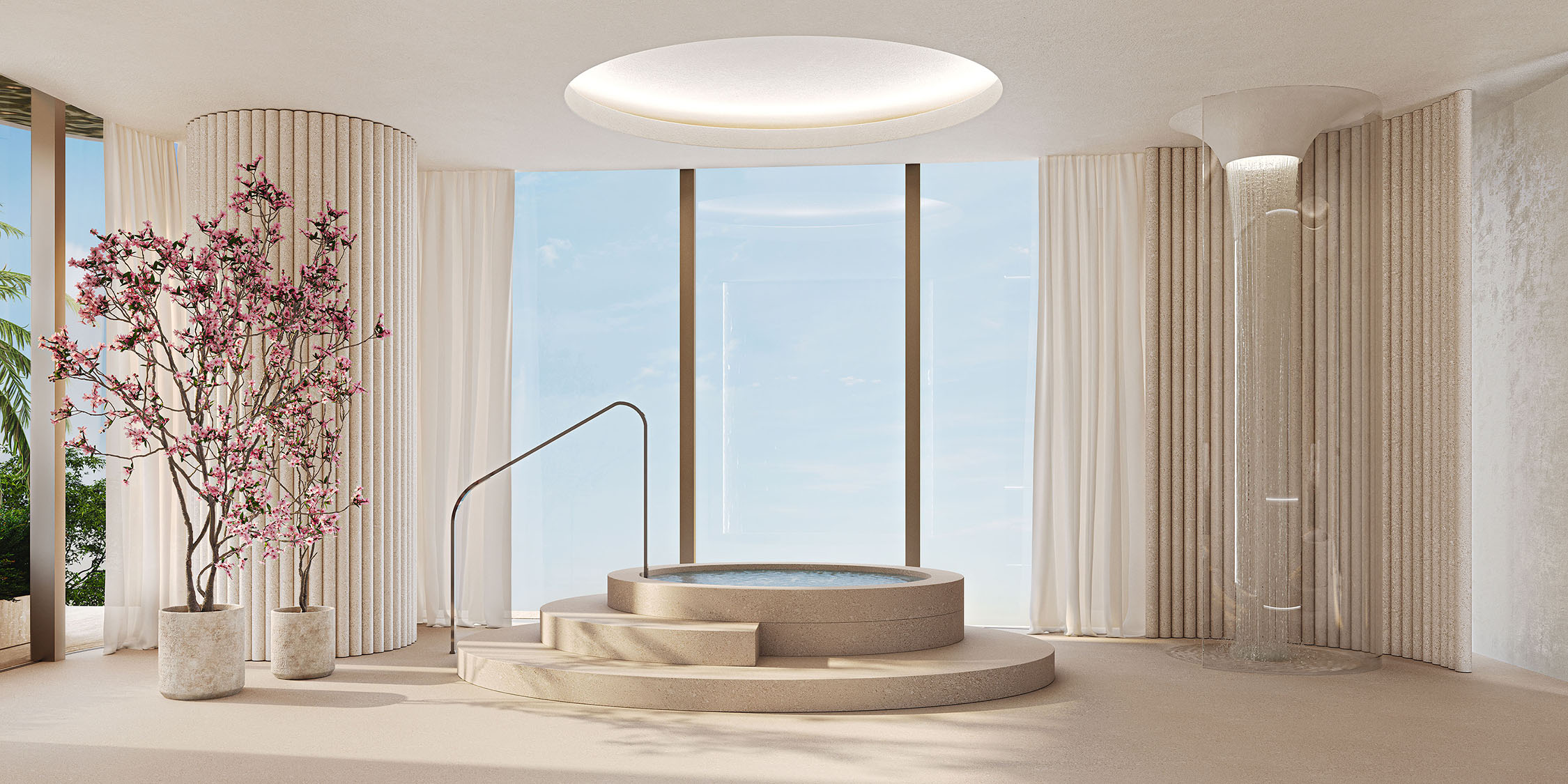
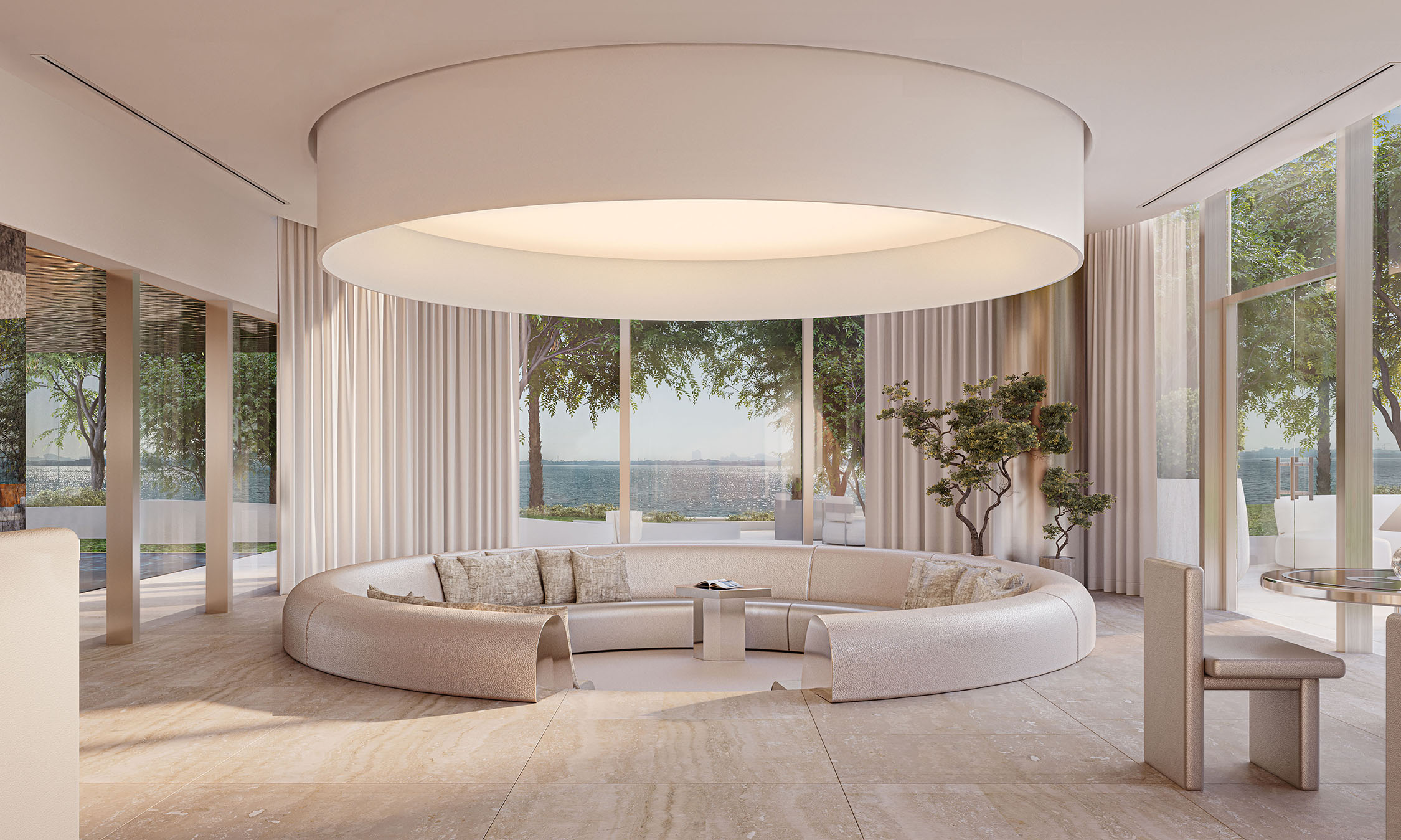
The Buddha-Bar Hotel will feature 162 keys, with one floor dedicated to branded residences. Interiors will draw from Far Eastern influences with rich colours, Asian colonial motifs and an ambient, lounge-inspired atmosphere. Guests can expect curated soundscapes and dining experiences influenced by Pacific Rim flavours, as well as a spa offering Eastern-inspired rituals and modern wellness treatments.

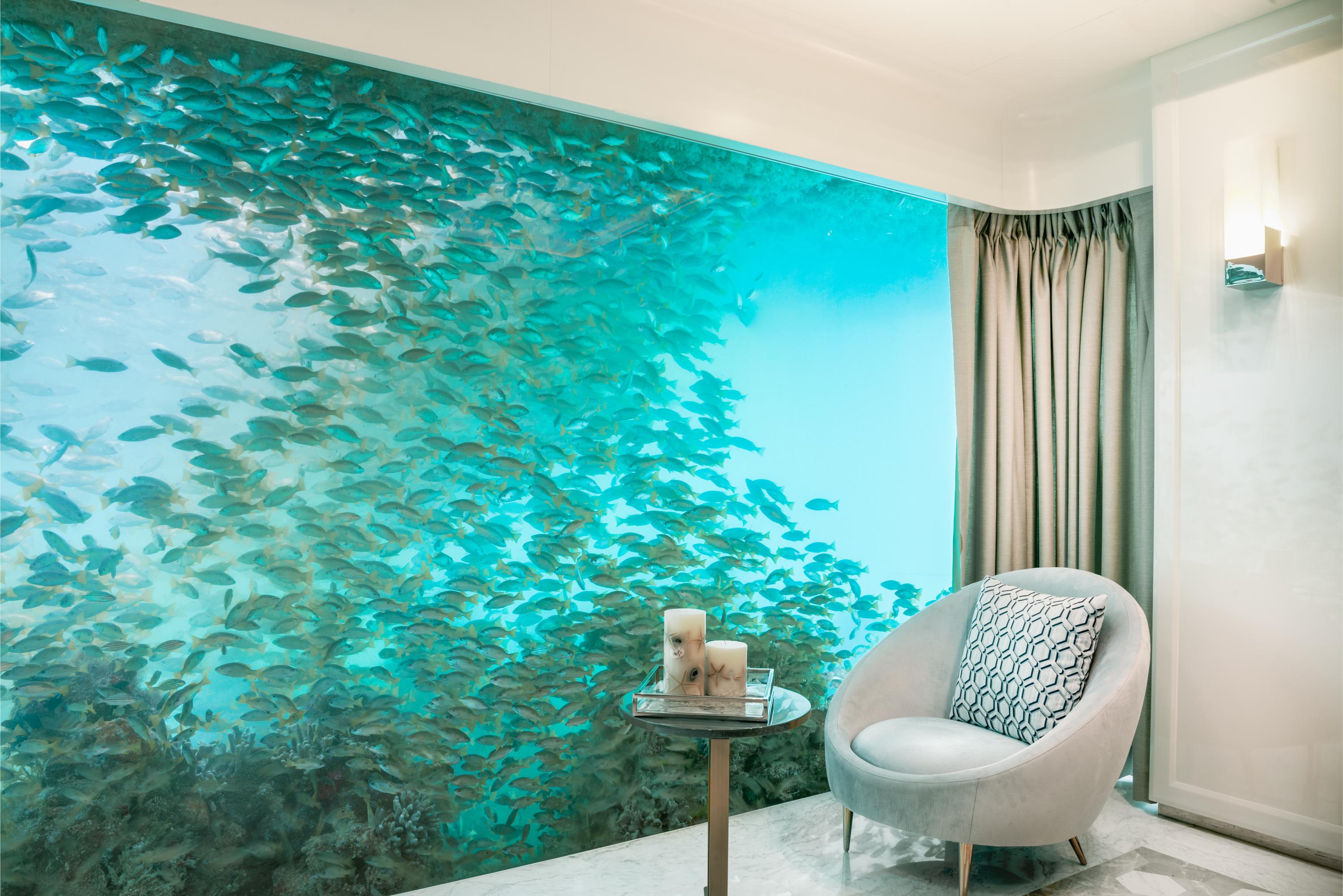
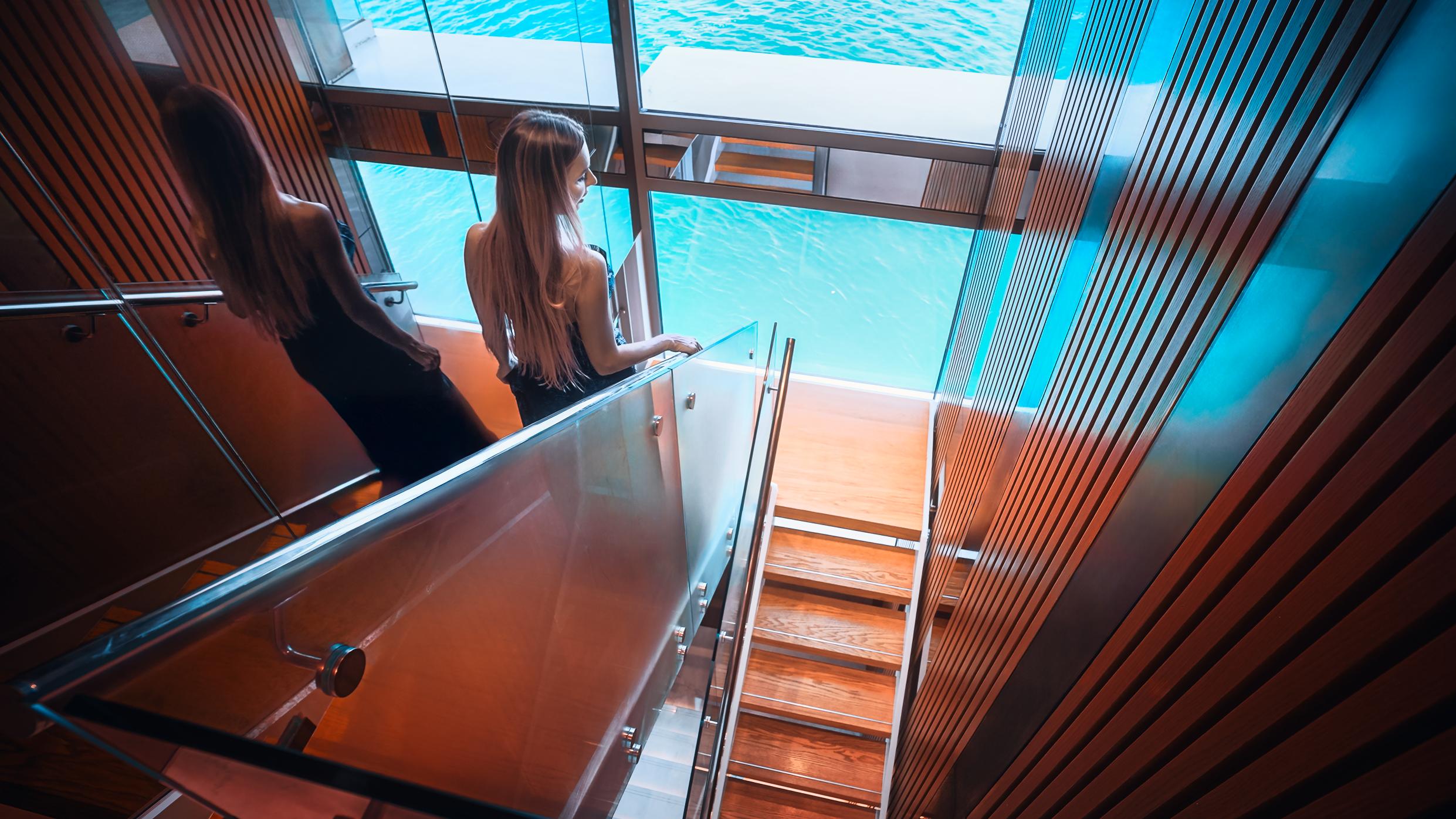
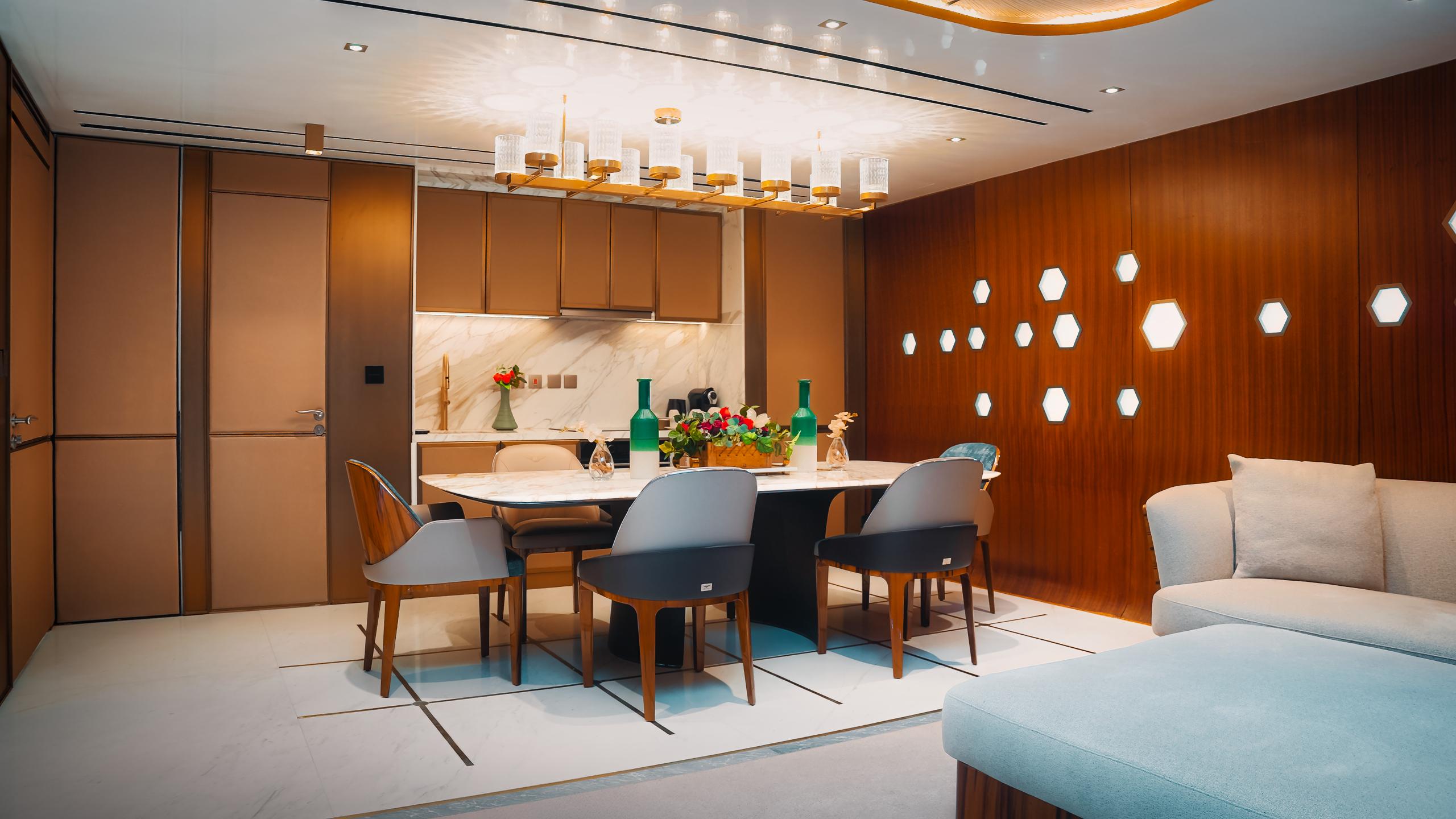
The 24 Floating Residences will extend the concept offshore, integrating marine engineering with luxury hospitality. Each residence will span around 4,000 square feet across three levels, accommodating up to eight guests. Highlights include a rooftop deck with jacuzzi and dining area, a sea-level living space with panoramic windows and overwater hammocks, and an underwater level featuring bedrooms framed by coral gardens. Materials will include tactile woods, veined stone and maritime glass, with optional Bentley Home furnishings.
Buddha-Bar Beach will serve as the social hub of the development, blending Mediterranean style with barefoot luxury. The venue will host sunrise yoga sessions, beachside brunches and evening DJ sets that evolve into night-time beach parties. Facilities include an infinity pool, private cabanas, event lawns and direct beach access, complemented by curated dining and mixology.
“Buddha-Bar Hotel and Floating Residences at The World Islands is a breakthrough for our brand,” said Nabil Souhail, Vice President of Buddha-Bar International. “This project is a convergence of our DNA, music, mood and magic, xswith next-level hospitality design.”
Mohamad Issa, Founder of Yieldhaüs, described the launch as “a defining moment for experiential real estate in the region,” highlighting the project’s ambition to create “living works of art.”
The development is expected to redefine waterfront luxury when it opens in 2027.
buddhabar.com
Schiaparelli Reveals The House’s “The Art of Giving” Capsule
Schiaparelli celebrates the festive season with a collection that fuses Parisian craftsmanship with the Maison’s signature surrealist codes.
The Fall/Winter 2025–2026 ready-to-wear line, titled The Art of Giving, reflects the spirit of creative audacity that has defined Schiaparelli since its founding at Place Vendôme.

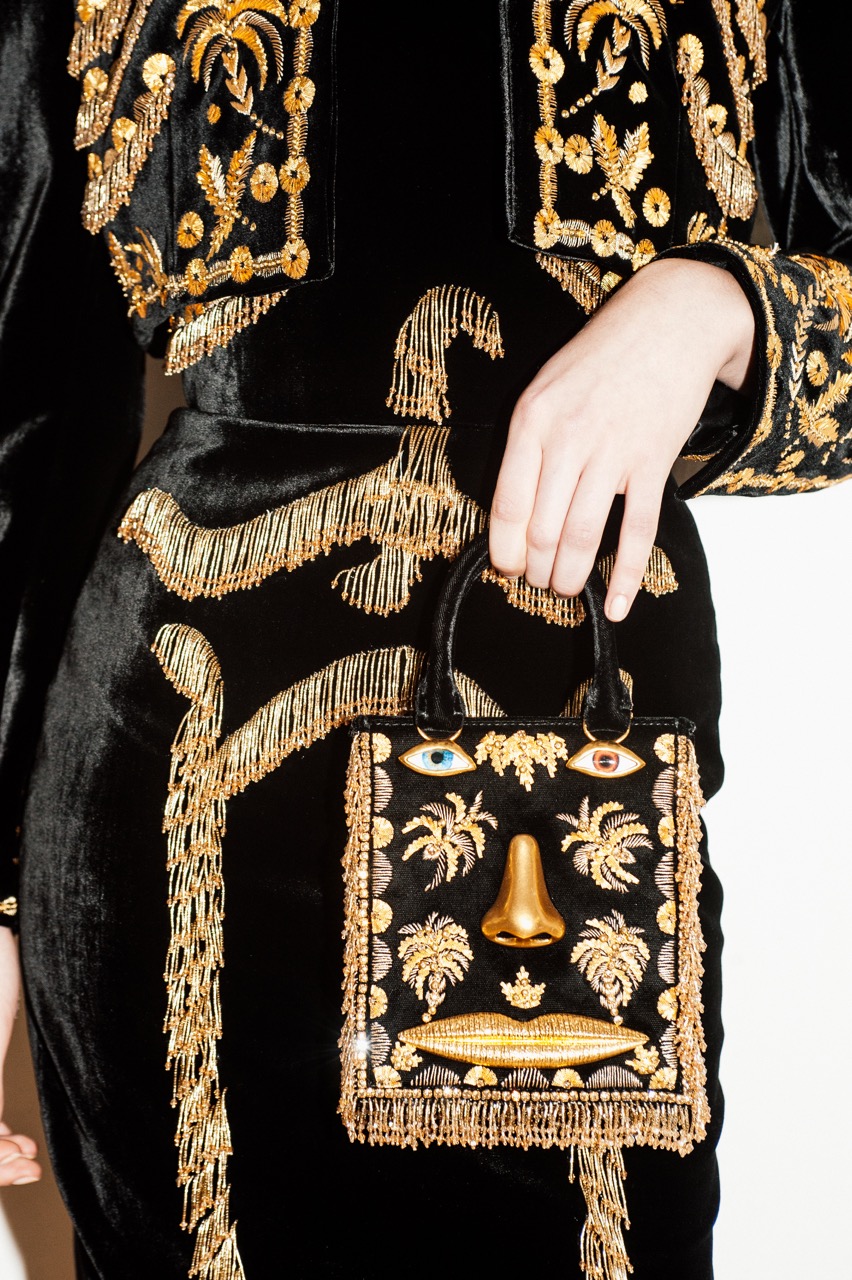
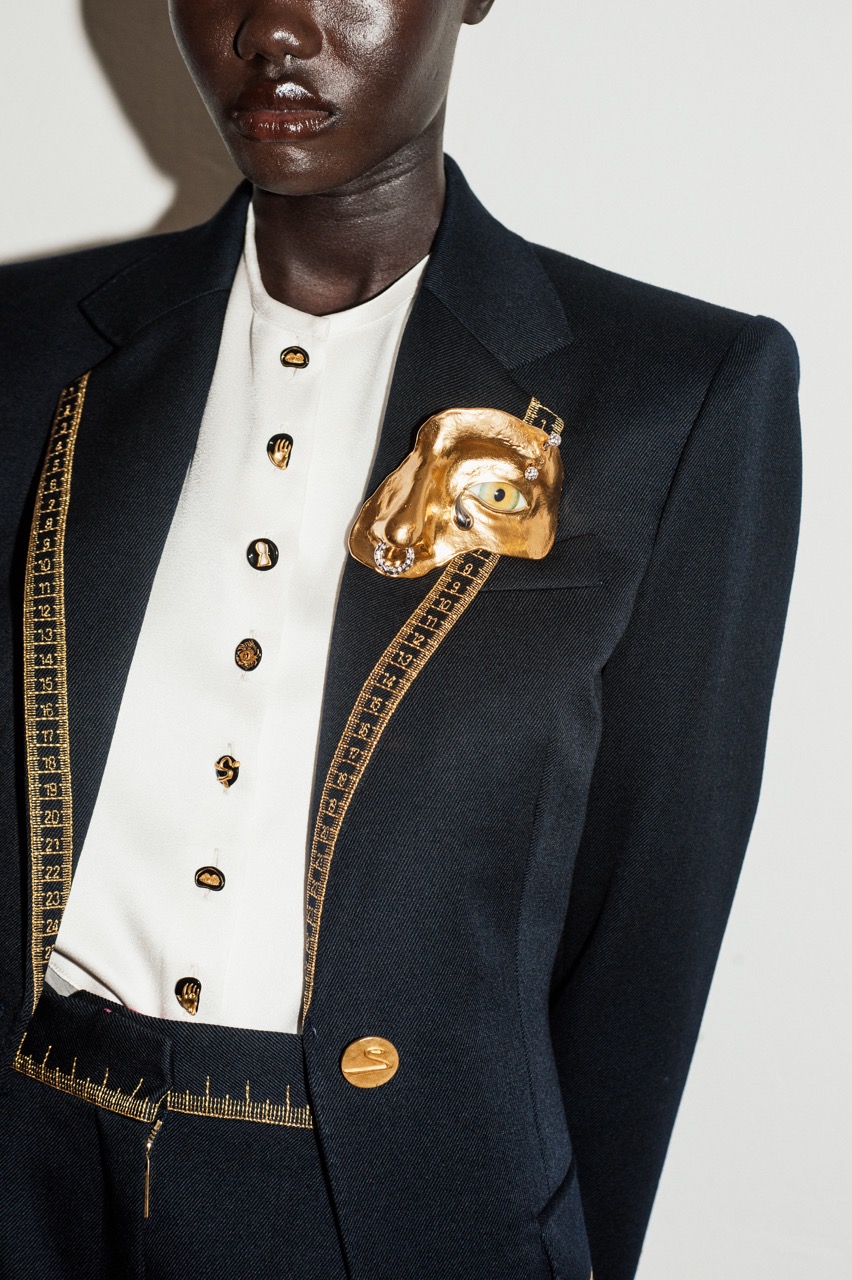
Among the highlights are pieces that transform traditional notions of luxury into imaginative expressions of form and fantasy. A chain bracelet adorned with anatomical charms captures the Maison’s fascination with the human body, while a delicately embroidered Keyhole clutch reinterprets the palm tree motif from the archives. The Hand-in-Hand ring, designed to wrap gently around the fingers, adds an intimate touch to the season’s accessories.
The collection also extends to eveningwear, where craftsmanship meets bold design. A flowing gown in nude jersey, defined by a ruched Keyhole opening at the centre, reflects Schiaparelli’s mastery of drapery and detail. Each dress, whether draped, bustier, baroque or classically feminine, is designed to turn any occasion into a red-carpet moment, staying true to the brand’s philosophy of artful celebration.
Jewellery plays a defining role this season. Lighter than ever, Schiaparelli’s sculptural pieces reinterpret the house’s emblematic motifs into chandelier earrings and surrealist-inspired necklaces. These creations embody the label’s ability to transform the everyday into wearable art, a hallmark of Elsa Schiaparelli’s original vision and Daniel Roseberry’s contemporary direction.
The Art of Giving edit serves as both a gift guide and a statement of style, presenting pieces as unique as the women who wear them. Through craftsmanship, imagination and wit, Schiaparelli invites clients to rediscover the pleasure of giving, and of owning something extraordinary.
Schiaparelli.com
MICHELIN Guide Abu Dhabi 2026 Reveals New Selection
The MICHELIN Guide Abu Dhabi has announced its fourth edition, unveiling the 2026 selection that highlights the continued growth and sophistication of the emirate’s dining scene.
This year’s guide features a total of 56 restaurants, including 11 new additions: three Bib Gourmand establishments and eight newly selected restaurants.
Three restaurants have retained their One MICHELIN Star distinctions: Erth, Hakkasan, and Talea by Antonio Guida. The award recognises outstanding cooking based on the quality of ingredients, harmony of flavours, mastery of techniques, the chef’s personality, and consistency over time.
The Bib Gourmand category, which celebrates high-quality food at great value, welcomes three new names. Bua Thai Café on Yas Island serves authentic Thai dishes in a lively, colourful setting. 3Fils Abu Dhabi, the capital outpost of the acclaimed Dubai restaurant, offers contemporary Japanese cuisine at Al Bateen Marina. Goldfish, located in Marina Mall, presents a generous and accessible menu of sushi, skewers, ramen, and noodles from chef Akmal Anuar.
Eight new restaurants join the Guide’s wider selection. Cipriani Dolci, situated in Marina Mall, brings refined Italian flavours in an elegant yet relaxed format. Antonia, a beachside Italian restaurant on Mamsha Al Saadiyat, is known for its sourdough pizza and classic pastas. Novikov Abu Dhabi at The Galleria Mall offers Mediterranean fare alongside live piano music, while Villa Mamas, led by Bahraini chef Roaya Saleh, showcases Khaleeji-inspired dishes in a homely, plant-filled setting.
Also new to the list are Taparelle, located in Manarat Saadiyat, which merges French and Italian cuisines; Pincode by Kunal Kapur, featuring modern Indian street food; Strawfire by Ross Shonhan, a lively venue built around Warayaki-style cooking; and Sand & Koal, a beachside grill overlooking the Presidential Palace.
The Guide also recognises excellence through its Special Awards. Strawfire by Ross Shonhan receives the Exceptional Cocktail Award; the Young Chef Award goes to Villa Toscana at The St. Regis for its skilful Tuscan cooking; Ray’s Grill at Conrad Etihad Towers earns the Service Award; and the Opening of the Year is presented to 3Fils Abu Dhabi for its outstanding debut.
The 2026 MICHELIN Guide Abu Dhabi reaffirms the city’s growing reputation as a world-class dining destination, where culinary creativity and hospitality continue to thrive.
guide.michelin.com/en/ae-az/restaurants
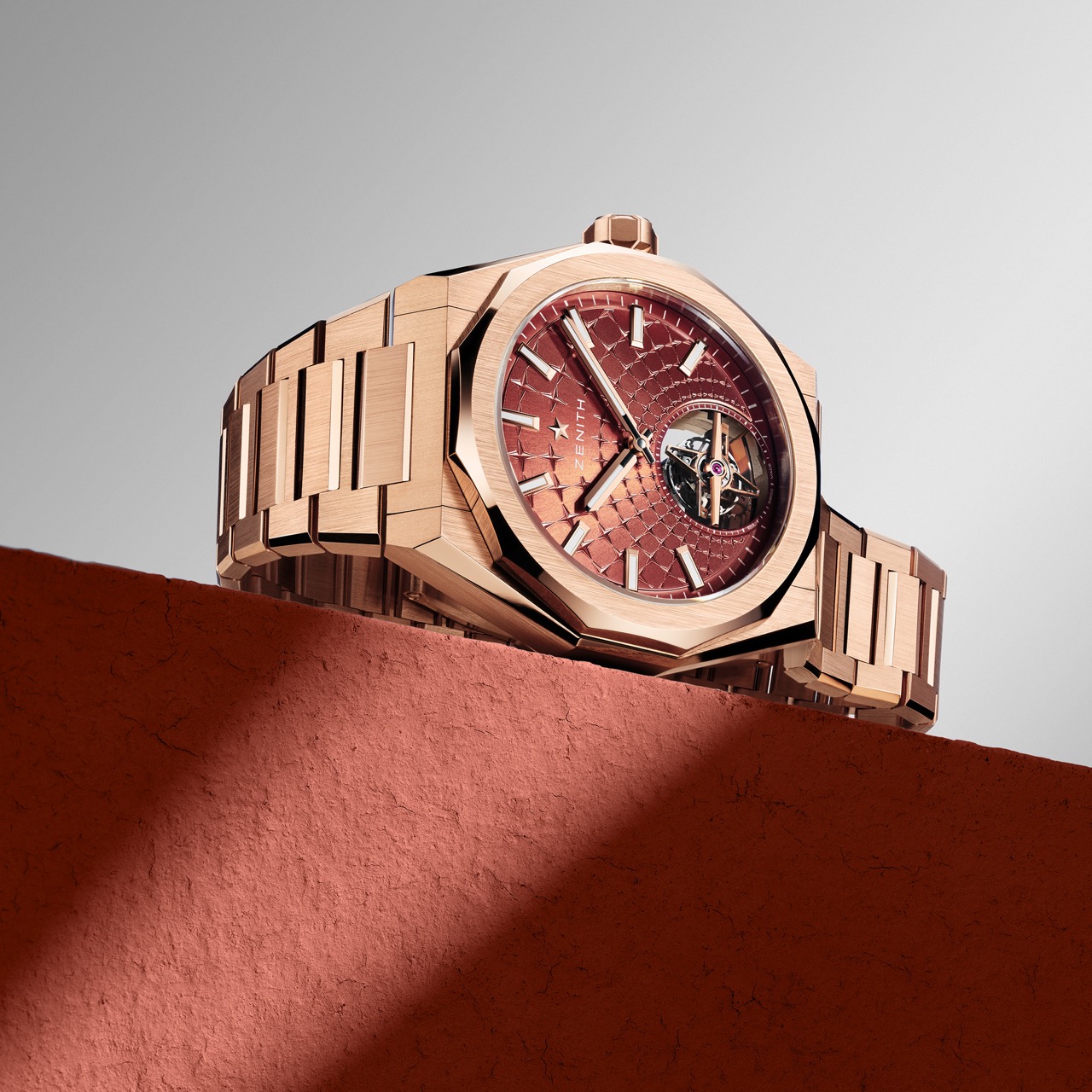
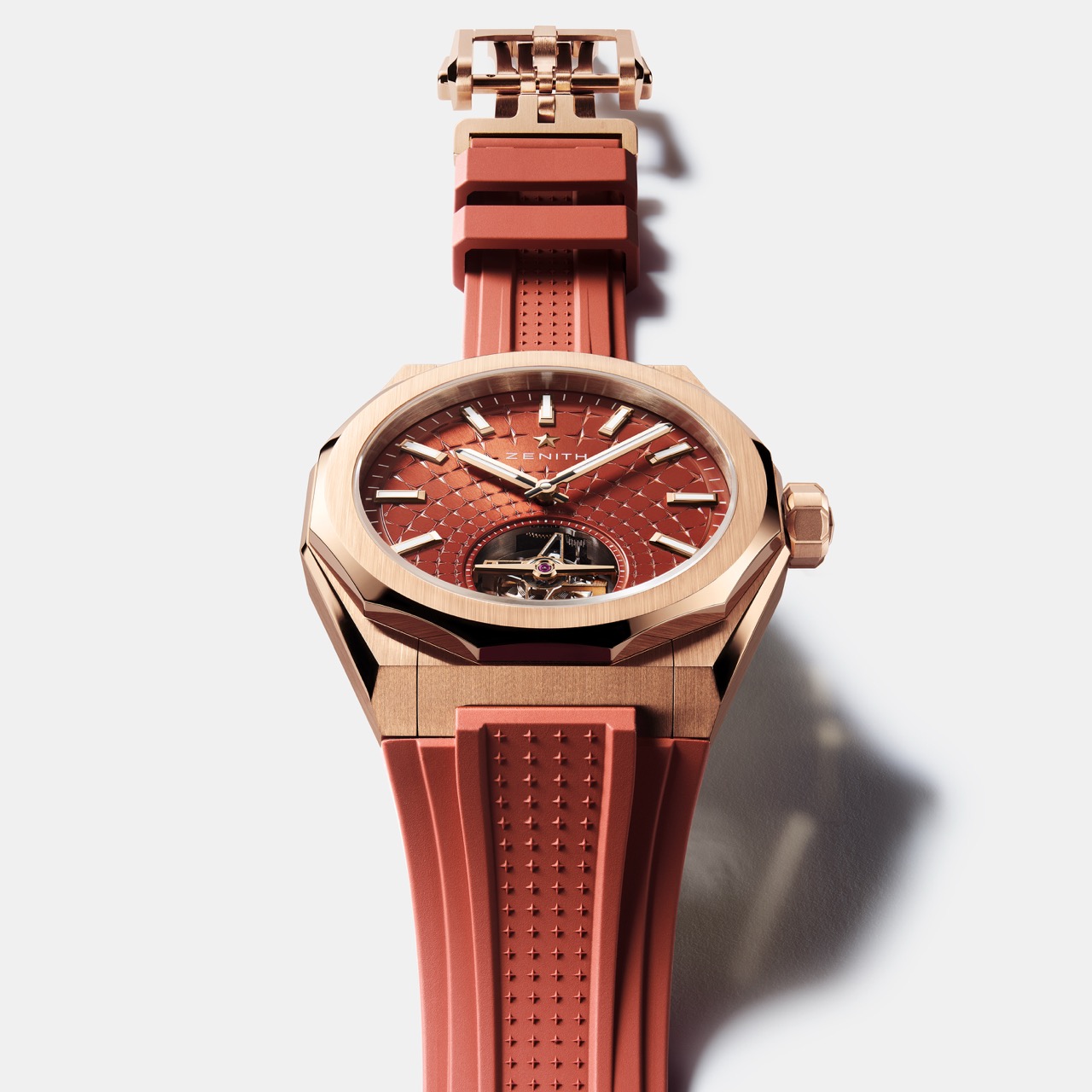
ZENITH Unveils the DEFY Skyline Tourbillon in Radiant Rose Gold
ZENITH has introduced a new expression of its contemporary icon, the DEFY Skyline.
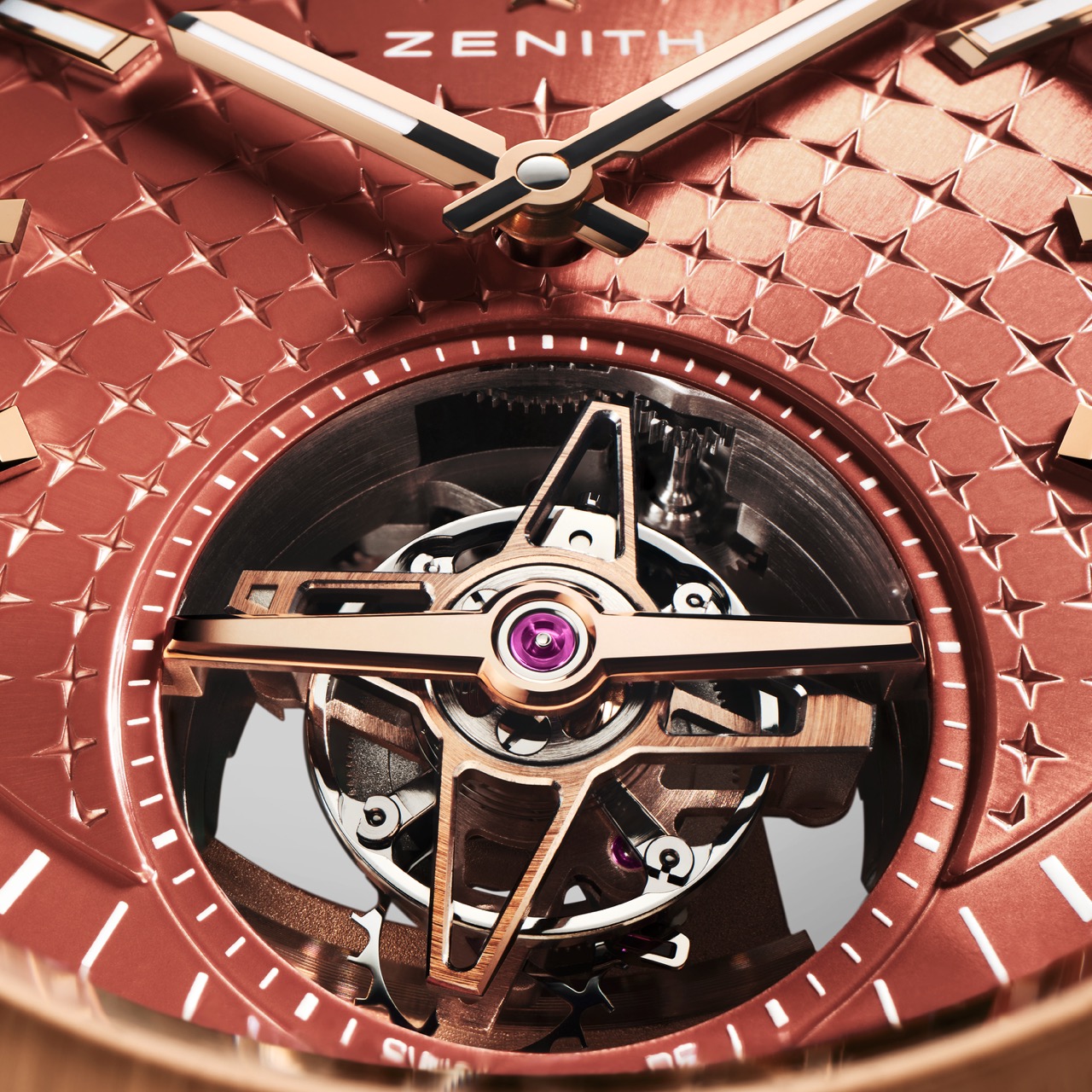
First launched in 2022, the collection has become a cornerstone of the Manufacture’s portfolio thanks to its modern lines and technical precision. Now, ZENITH presents the DEFY Skyline Tourbillon in full rose gold for the first time, featuring a distinctive brick-red dial that pays homage to the brand’s historic Manufacture in Le Locle.

The new model continues the legacy of the original DEFY line from 1969, known for its boldness and resilience. The 41mm rose-gold case showcases alternating satin-brushed and polished surfaces that highlight its architectural form. The dial features a pattern of engraved four-pointed stars radiating from the tourbillon aperture at 6 o’clock, a signature motif within the DEFY Skyline family. The warm, brick-red tone mirrors the red-and-white brickwork of ZENITH’s heritage building, creating a visual link between past and present. Rose-gold hands and hour markers coated with Super-LumiNova enhance legibility while maintaining harmony with the case.
At its core lies the El Primero 3630 automatic tourbillon calibre, entirely developed and manufactured in-house. Operating at a high frequency of 5Hz (36,000 vibrations per hour), it offers a 50-hour power reserve. The tourbillon carriage, weighing just 0.25 grams, reflects the brand’s expertise in precision engineering and miniaturisation. The movement’s surfaces are decorated with a 3D laser-engraved “côtes de Genève” motif radiating from the tourbillon, while the openworked star-shaped oscillating weight, crafted in rose gold for the first time in the DEFY Skyline, provides a clear view of the intricate mechanism.
The watch is fitted with an integrated rose-gold H-link bracelet that tapers seamlessly into the folding clasp for comfort. A brick-red rubber strap, matching the dial, is also included. Both can be easily exchanged using ZENITH’s quick-change system without the need for tools.
Priced at 93 300 USD, the DEFY Skyline Tourbillon in rose gold is water-resistant to 10 ATM and available exclusively through ZENITH boutiques and a select network of authorised retailers.
zenith-watches.com
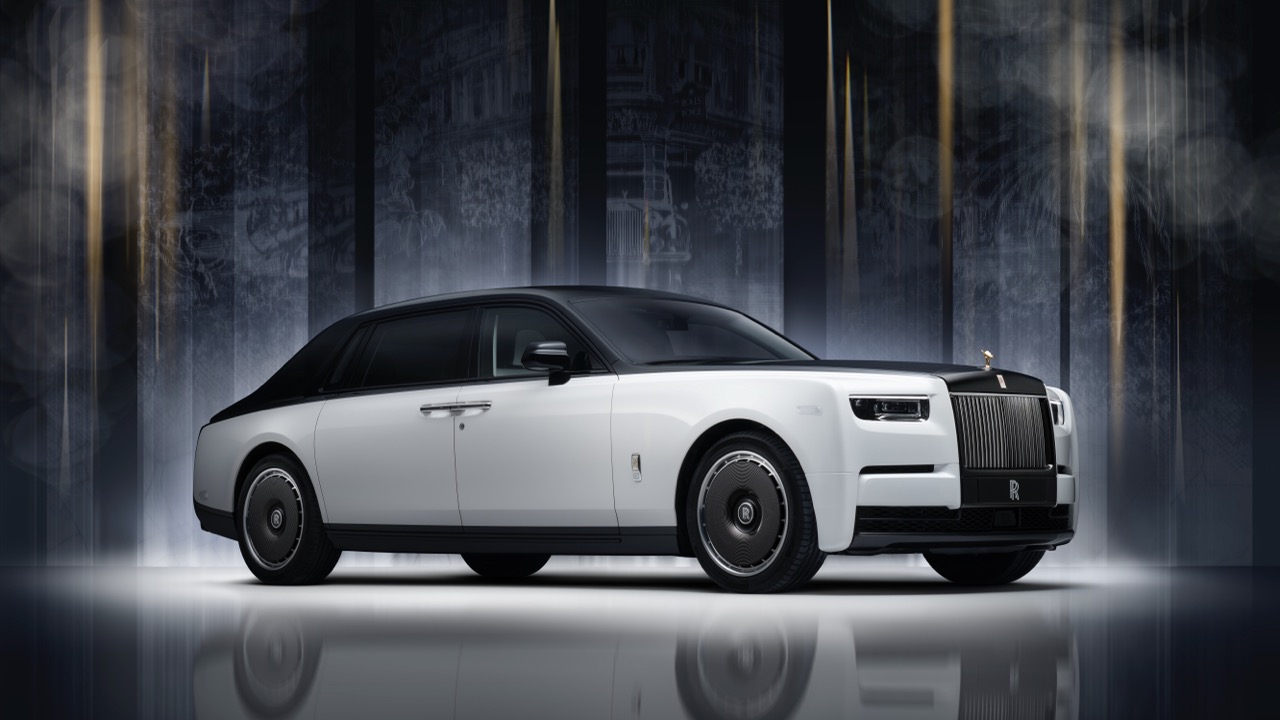
Rolls-Royce Marks a Century of the Phantom with Limited Edition New Design
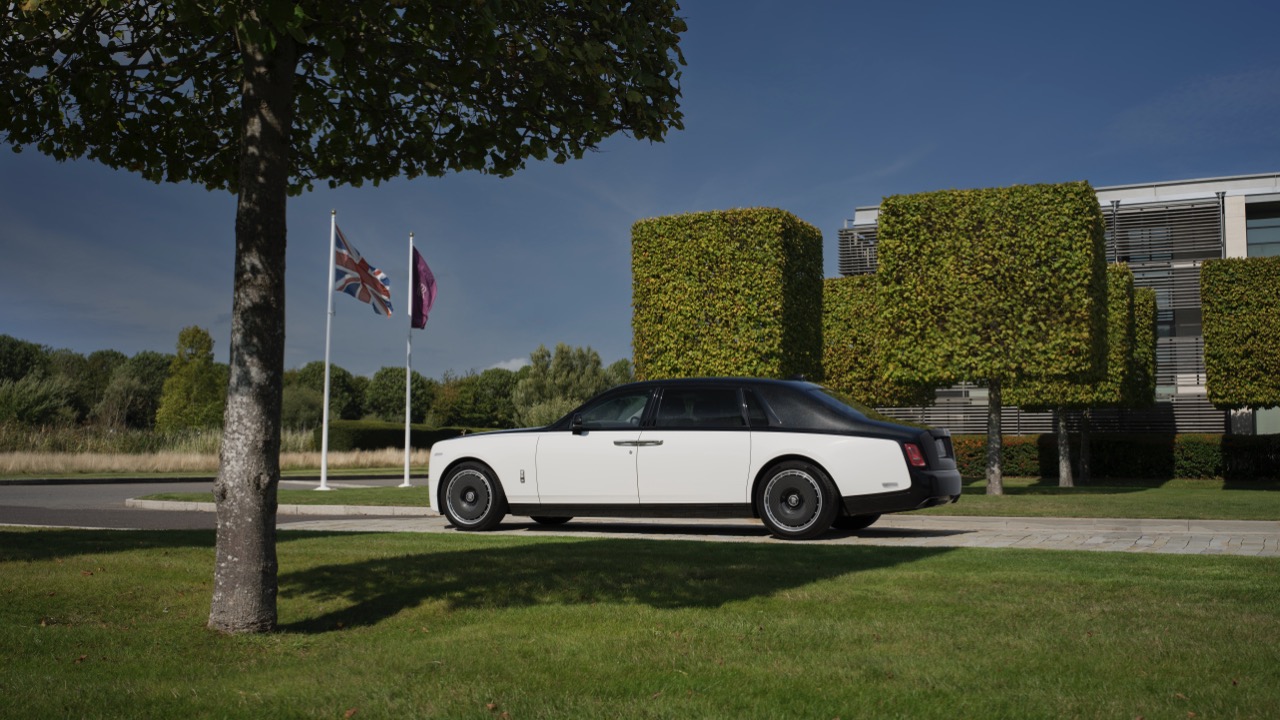
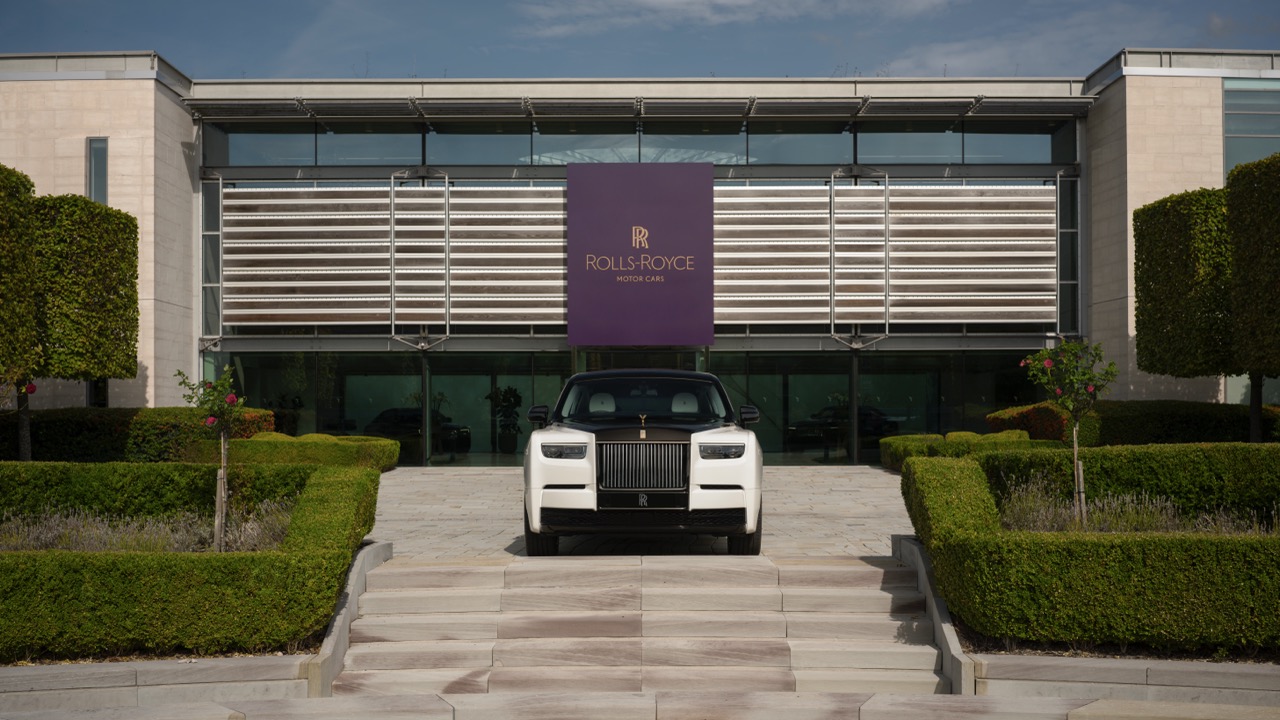
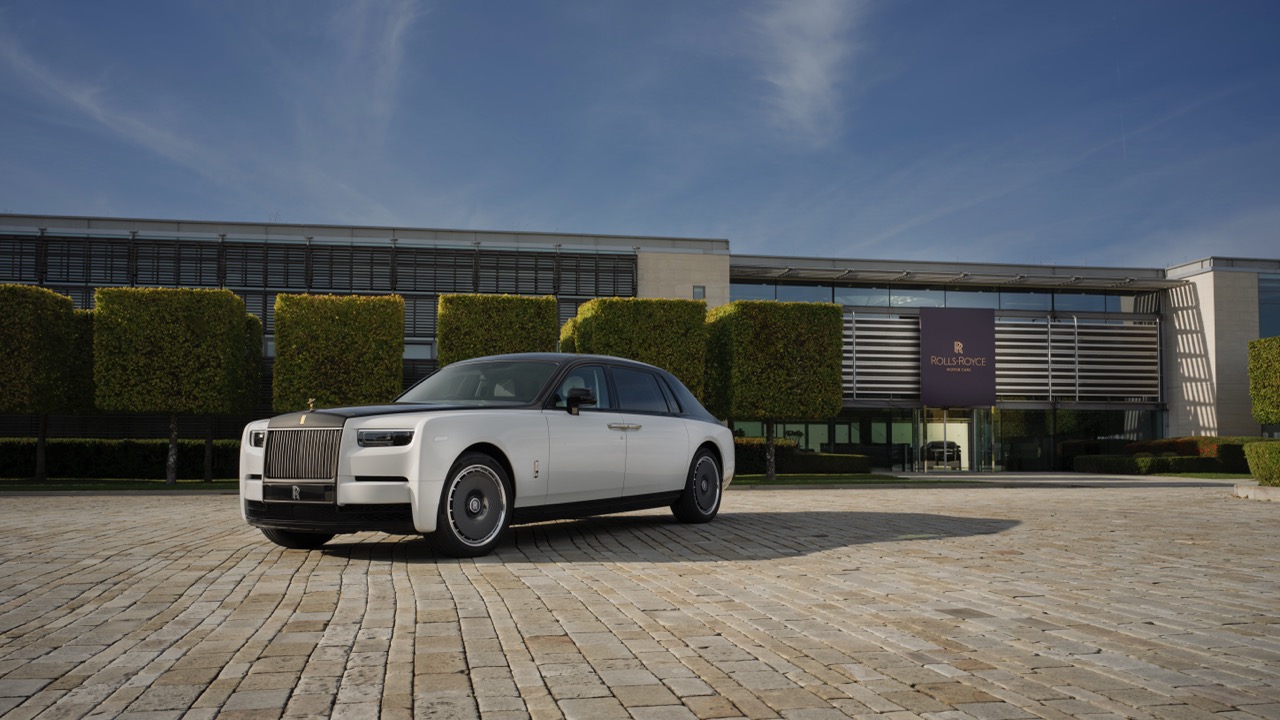
Rolls-Royce Motor Cars has unveiled the Phantom Centenary Private Collection, a landmark project celebrating 100 years of its most revered nameplate.
Limited to just 25 examples worldwide, the collection represents the marque’s most complex and technologically ambitious bespoke commission to date.
Developed over three years and involving more than 40,000 hours of work, the Phantom Centenary Private Collection tells the story of the Phantom through 77 individual artworks integrated across the motor car’s interior and exterior. Each detail honours the visionaries, clients, and milestones that have shaped the model’s century-long legacy.
Externally, the motor car is finished in a bespoke two-tone treatment, Super Champagne Crystal over Arctic White or Black, designed to evoke the elegance of 1930s Phantoms. The shimmering effect is achieved by infusing the paint’s clear coat with iridescent particles of crushed glass. The bonnet features a unique Spirit of Ecstasy cast in solid 18-carat gold and plated in 24-carat gold, modelled on the very first figurine fitted to a Phantom in 1925. For the first time, the marque’s ‘RR’ Badge of Honour appears in gold and white enamel.
Inside, the story of Phantom’s evolution unfolds through materials and craftsmanship. The rear seats, inspired by the 1926 “Phantom of Love,” were created in collaboration with a fashion atelier — marking its first commission beyond haute couture. The design combines high-resolution printed fabric with 160,000 embroidered stitches, each telling stories of the marque’s past owners and key locations. The front seats feature laser-etched leather artwork depicting historic codenames such as “Seagull” and “Roger Rabbit.”
The Anthology Gallery, a central feature of the fascia, comprises 50 brushed aluminium fins, each carrying excerpts of text celebrating Phantom’s legacy. Elsewhere, the stained Blackwood veneers incorporate 3D marquetry, 3D ink layering, and 24-carat gold leafing, techniques never before applied to a Rolls-Royce.
The design extends to the Starlight Headliner, which contains 440,000 stitches depicting scenes from the marque’s history, including the mulberry tree beneath which Henry Royce once worked. Every component, from the gold-dusted Piano Black veneer to the Arctic White V12 engine cover detailed in gold, contributes to a cohesive artistic narrative marking a century of the Phantom’s craftsmanship and innovation.
According to Rolls-Royce, the Phantom Centenary Private Collection “reaffirms Phantom’s status as a symbol of ambition, artistic possibility, and historical gravitas.”
rolls-roycemotorcars.com
Dior Introduces ‘Dior Boy’ Shoes for Cruise 2026
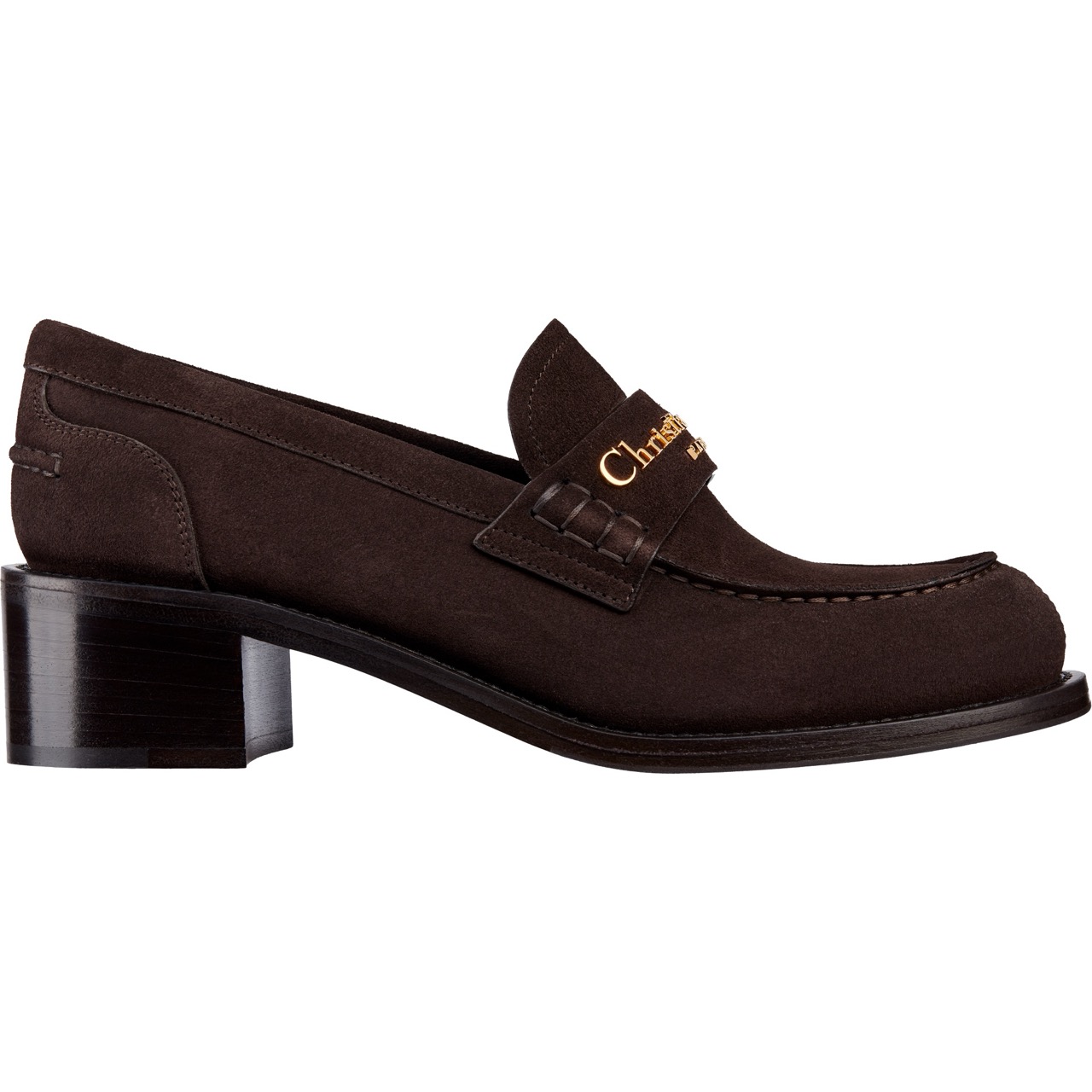
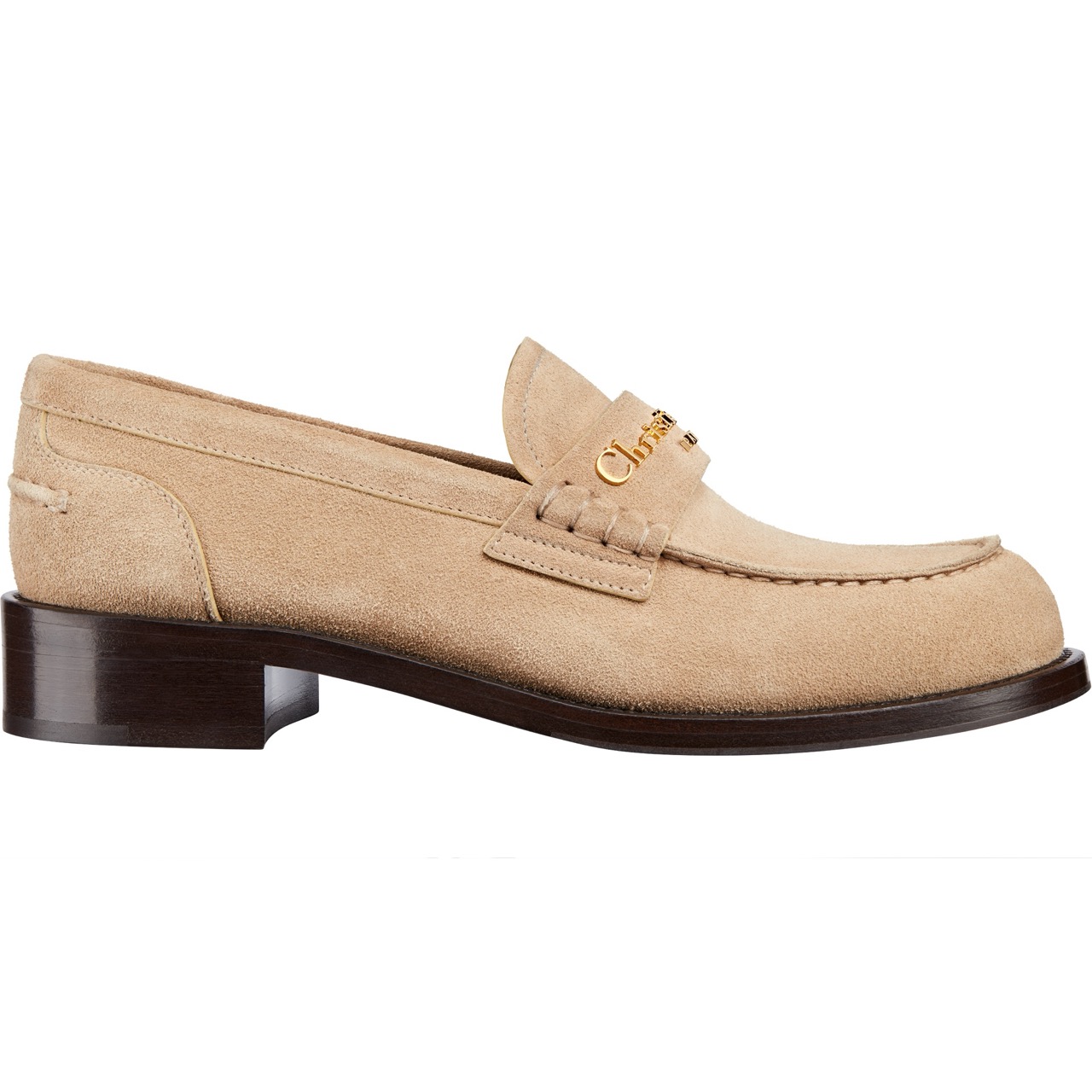
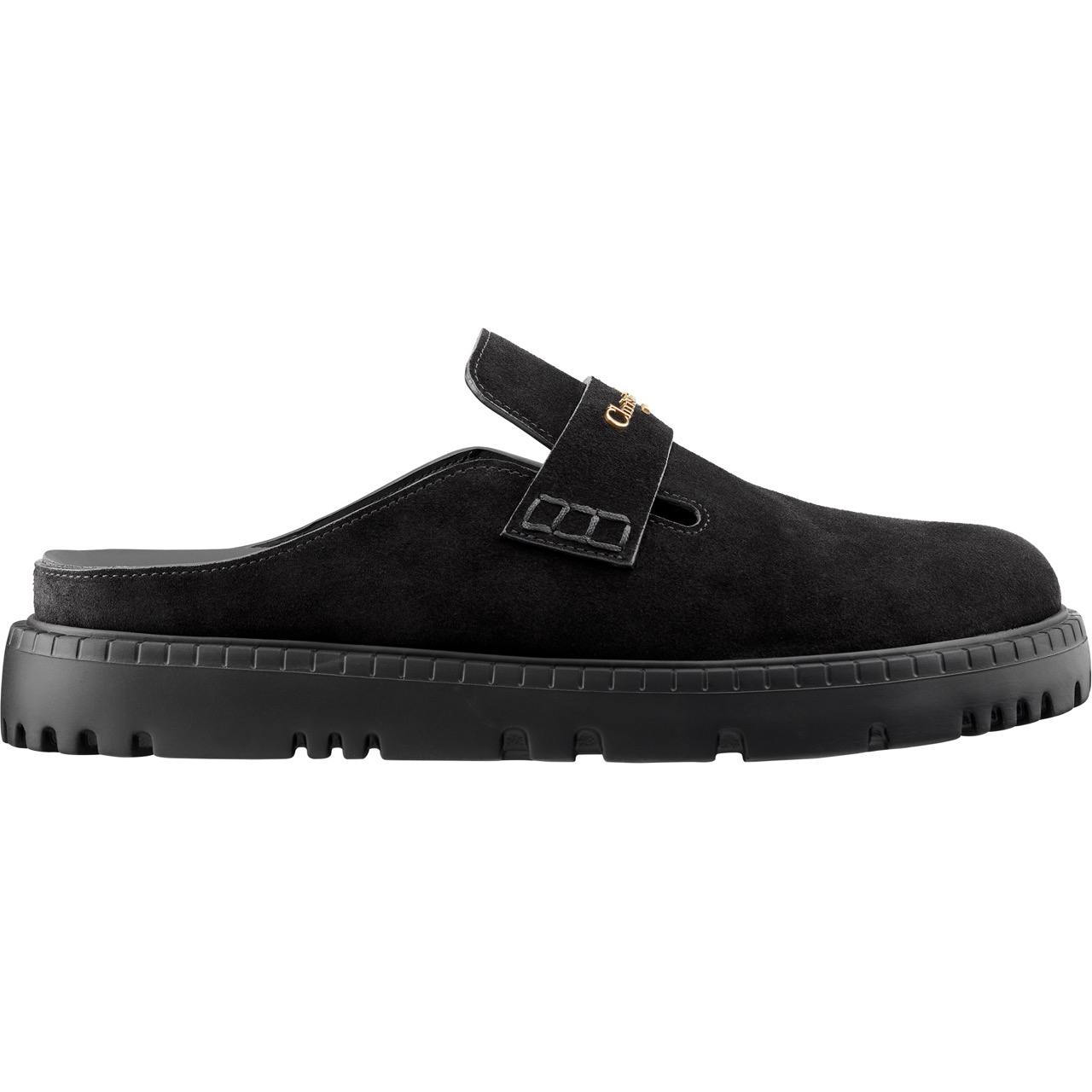
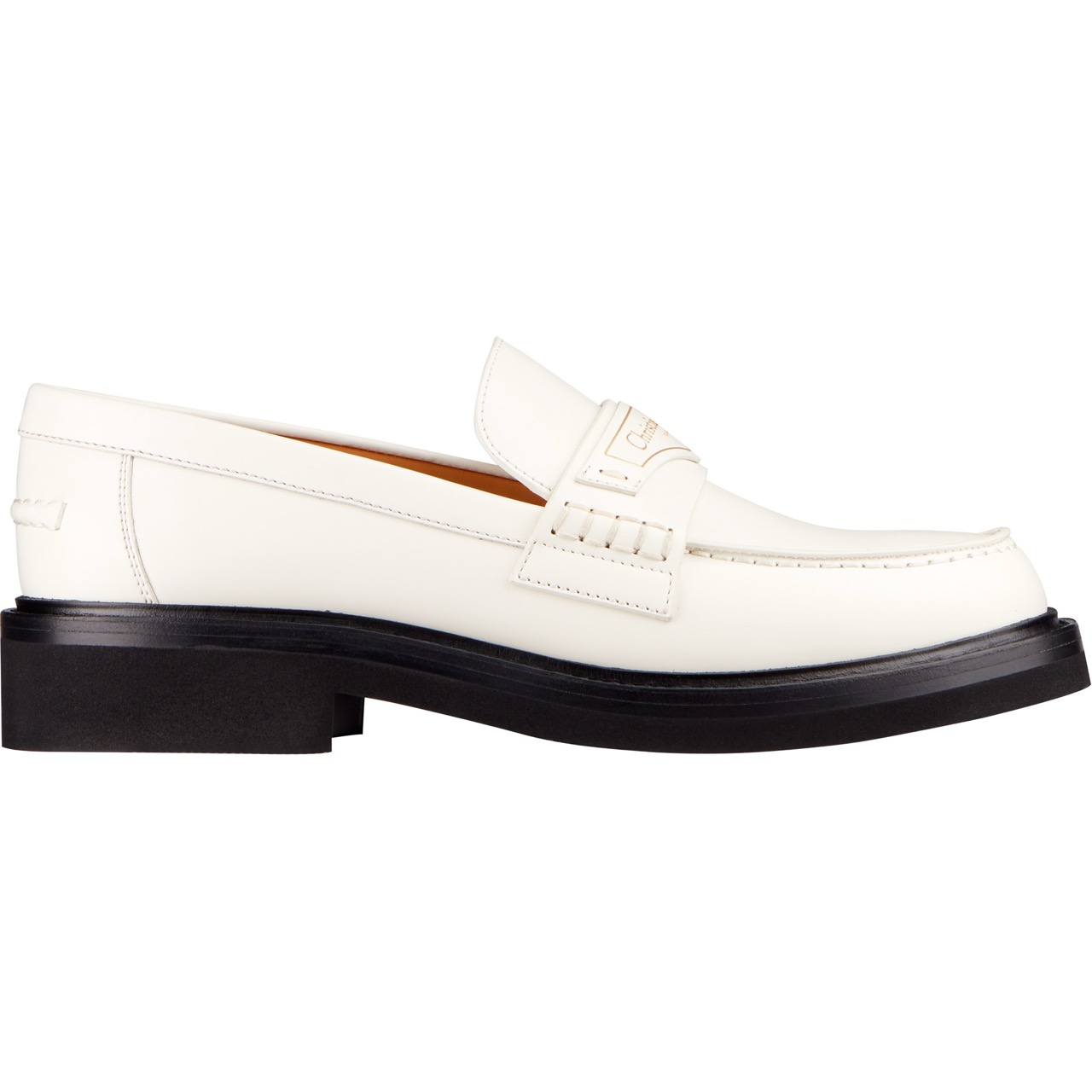
Dior has unveiled the Dior Boy shoes as part of its Cruise 2026 collection, a design that continues the house’s dialogue between timeless craftsmanship and contemporary expression.
With a distinctly formal aesthetic and a strong, confident silhouette, the Dior Boy embodies the Maison’s modern interpretation of elegance. The design combines structure and ease, characterised by a widened shape and a chunky sole intended to provide comfort while maintaining an assertive presence.
Drawing inspiration from the codes of the classic loafer, the style has been reimagined through the lens of Dior’s ateliers. The result is a line that merges traditional tailoring influences with an androgynous spirit. The shoes will be available in both a mule version with an open back and a variant featuring a small heel, offering a more elongated profile.
Each piece is crafted in suede and presented in a refined palette of black, rope, and ebony tones. These subtle yet sophisticated shades highlight the sculptural design and lend the shoes a sense of understated versatility. The finishing touch comes in the form of the “Christian Dior Paris” signature, rendered in gold lettering across the top of the foot — a discreet yet recognisable emblem of the brand’s heritage.
Described as a style manifesto, the Dior Boy bridges heritage and modernity through both its design language and construction. It reflects the ongoing evolution of Dior’s aesthetic underpinned by an appreciation of craftsmanship and the pursuit of new forms of expression.
The Dior Boy shoes are available now.
dior.com
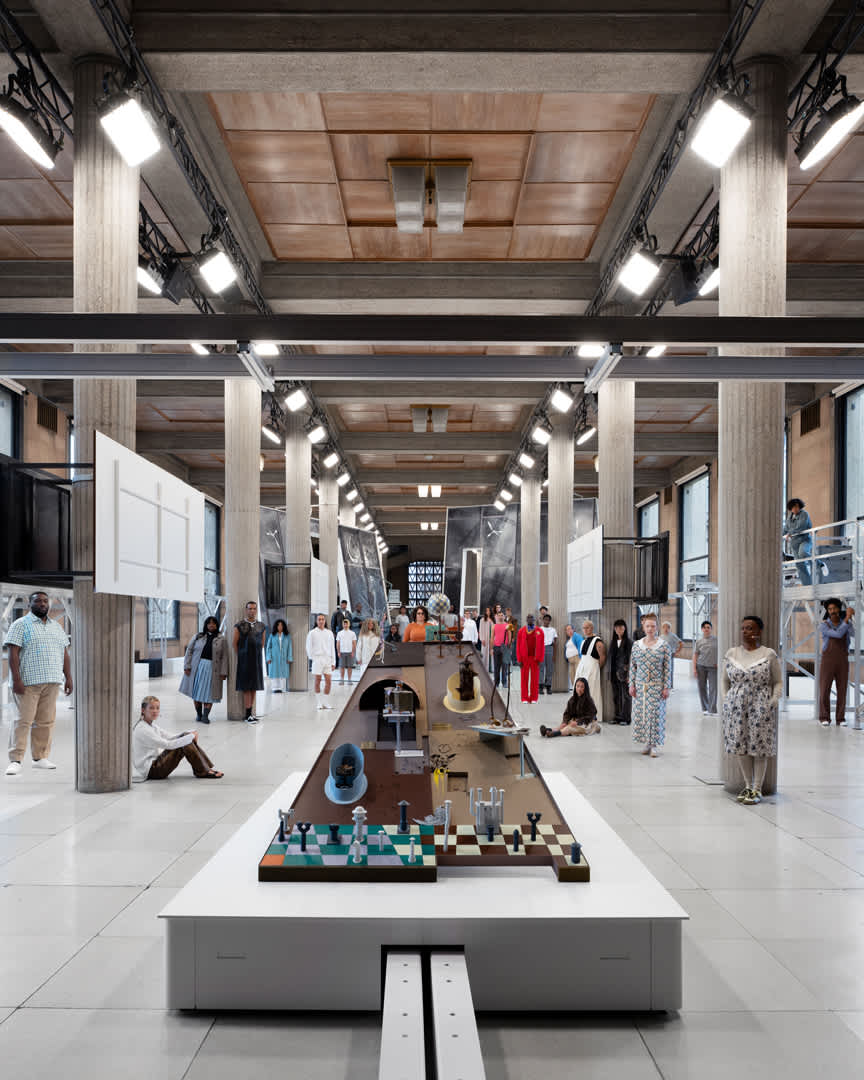
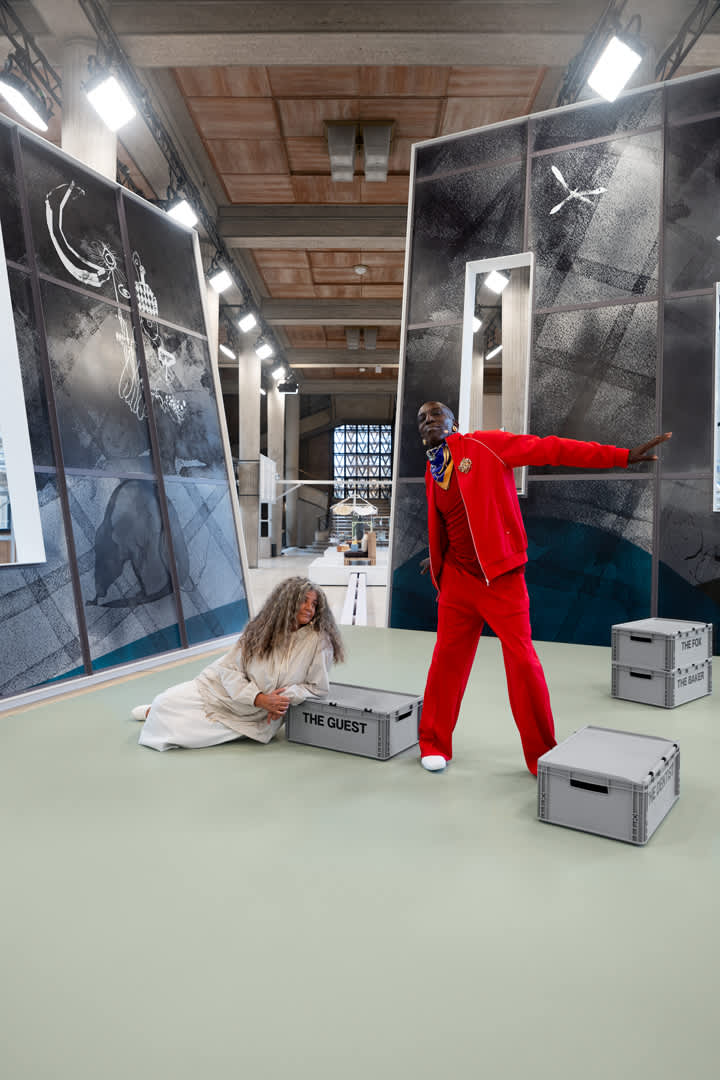
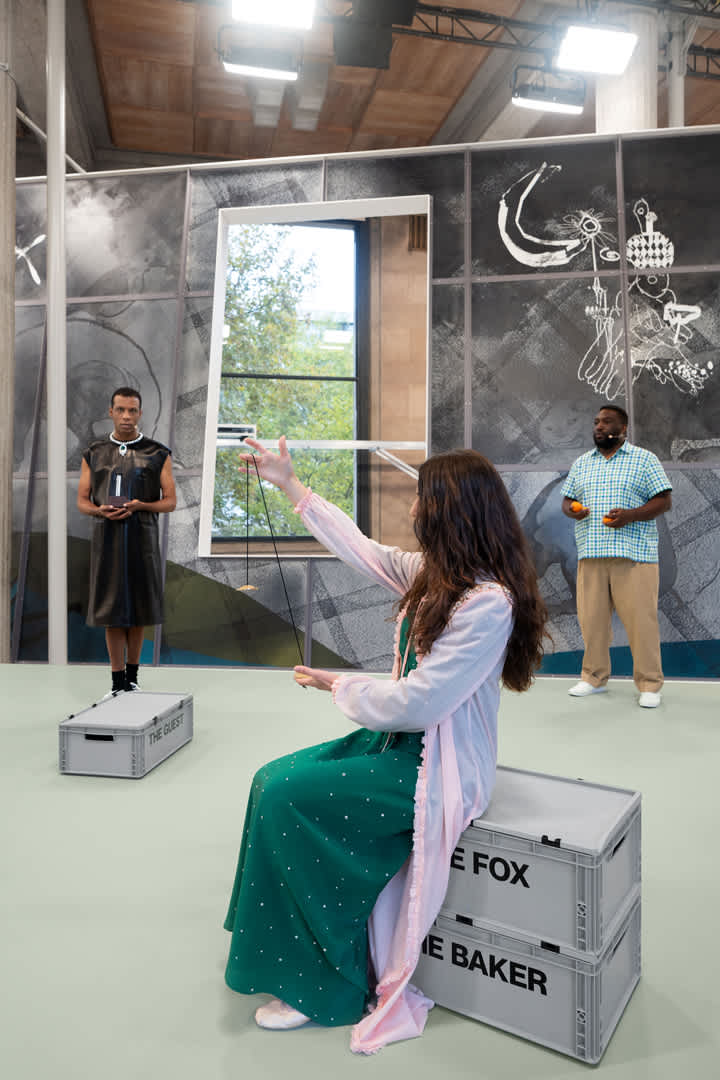
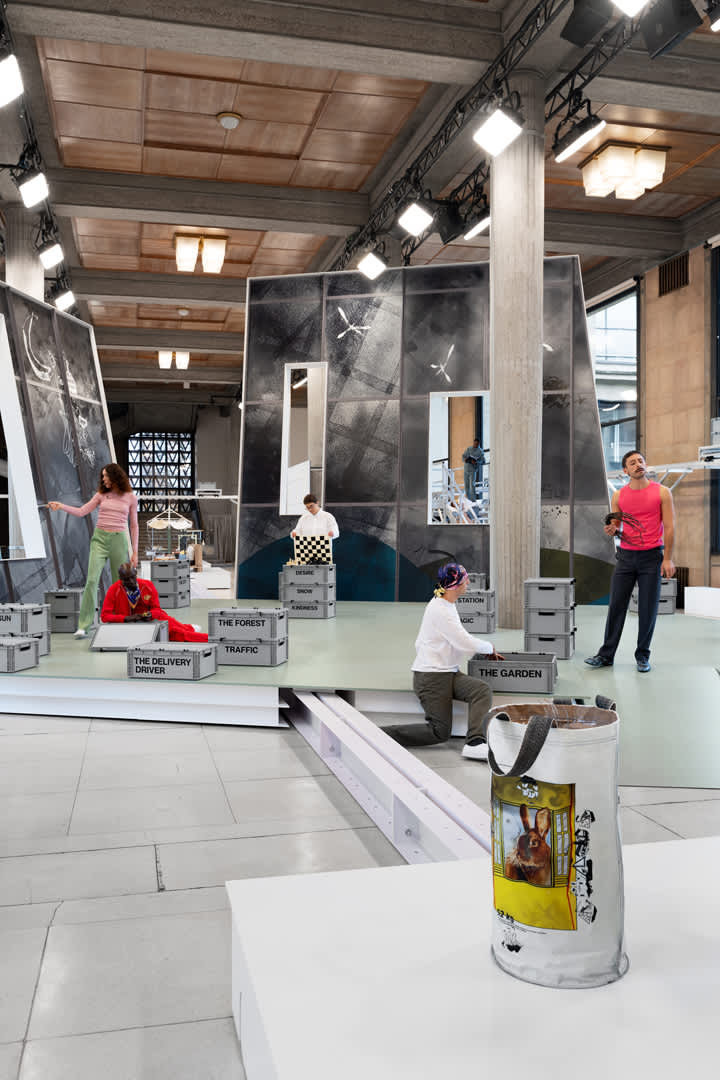
Miu Miu unveils Helen Marten’s “30 Blizzards.” at Palais d’Iéna for Art Basel Paris 2025
Maison Margiela Launches First Residential Project in Dubai
Maison Margiela has announced the launch of Maison Margiela Residences in Dubai, marking the fashion house’s first venture into luxury residential living.
Developed in partnership with Alta Real Estate Development, the project reflects the brand’s ongoing exploration of architecture, design, and material innovation.
Situated on Dubai’s Palm Jumeirah, the collection comprises 25 bespoke residences that translate the Maison’s design codes of deconstruction, trompe-l’œil, and transformation into a living environment. Each residence has been conceived as a creative canvas where architecture and craftsmanship converge.

The project has been designed by Italian architect Carlo Colombo in collaboration with the Maison Margiela architecture team. A bespoke furniture collection, including sofas, tables, beds, chairs, armchairs, and lighting, has been created exclusively for the development, establishing a cohesive visual language between the building’s exterior and its interiors.

Maison Margiela’s longstanding engagement with interior and object design has evolved through projects such as the 2011 La Maison Champs Élysées hotel in Paris and a series of objects, from bottle lamps and dolls to white cushions and feather pens. These earlier works inform the approach to the Residences, where materiality and technique remain central. The interiors feature Travertine furnishings inspired by classic forms, resin-filled indentations in optical white, and the Maison’s signature décortiqué technique, each element reflecting the brand’s distinctive aesthetic.

Amenities within the development extend the Maison’s philosophy of elegance and discretion. Residents will have access to an art gallery, curated library, gym, spa, fitness studios, infinity pool, and Margiela Café, designed to embody comfort and creative refinement.
The project also forms part of a wider regional expansion for the brand, coinciding with the opening of a new Maison Margiela boutique and Margiela Café at Dubai’s Mall of the Emirates. Together, these ventures underline the fashion house’s ambition to integrate fashion, architecture, and lifestyle on a global scale.
Renzo Rosso, Chairman of OTB Group, described the project as “the beginning of many more to come,” noting the collaboration’s alignment with the Maison’s three-decade legacy. Abdulla Al Tayer, Managing Director of Alta Real Estate Development, added that the partnership “blends iconic design with bespoke experiences,” positioning Maison Margiela Residences as a landmark of contemporary luxury in Dubai.
MaisonMargiela.com
Grace Wales Bonner Appointed Creative Director of Hermès Men’s Ready-to-Wear
Hermès has announced the appointment of Grace Wales Bonner as Creative Director of Men’s Ready-to-Wear. The London-born designer, who founded her eponymous label in 2014 after graduating from Central Saint Martins, will present her first collection for the French house in January 2027.
Wales Bonner, known for her contemporary and culturally attuned approach to menswear, has developed a distinct design language over the past decade that fuses meticulous craftsmanship with a nuanced exploration of identity and heritage. Her appointment marks a new chapter for Hermès as it continues to evolve its menswear offering while staying rooted in its artisanal tradition.
“I am really pleased to welcome Grace to the Hermès Artistic Director family,” said Pierre-Alexis Dumas, General Artistic Director of Hermès. “Her take on contemporary fashion, craft and culture will contribute to shaping Hermès men’s style, melding the house’s heritage with a confident look on the now. Grace’s appetite and curiosity for artistic practice strongly resonate with Hermès’ creative mindset and approach. We are at the start of an enriching mutual dialogue.”
In her own statement, Wales Bonner expressed gratitude for the opportunity. “I am deeply honoured to be entrusted with the role of Creative Director of Hermès Men’s Ready-to-Wear. It is a dream realised to embark on this new chapter, following in a lineage of inspired craftspeople and designers. I wish to express my gratitude to Pierre-Alexis Dumas and Axel Dumas for the opportunity to bring my vision to this magical house.”
hermes.com
Balenciaga Unveils First Campaign Under Pierpaolo Piccioli
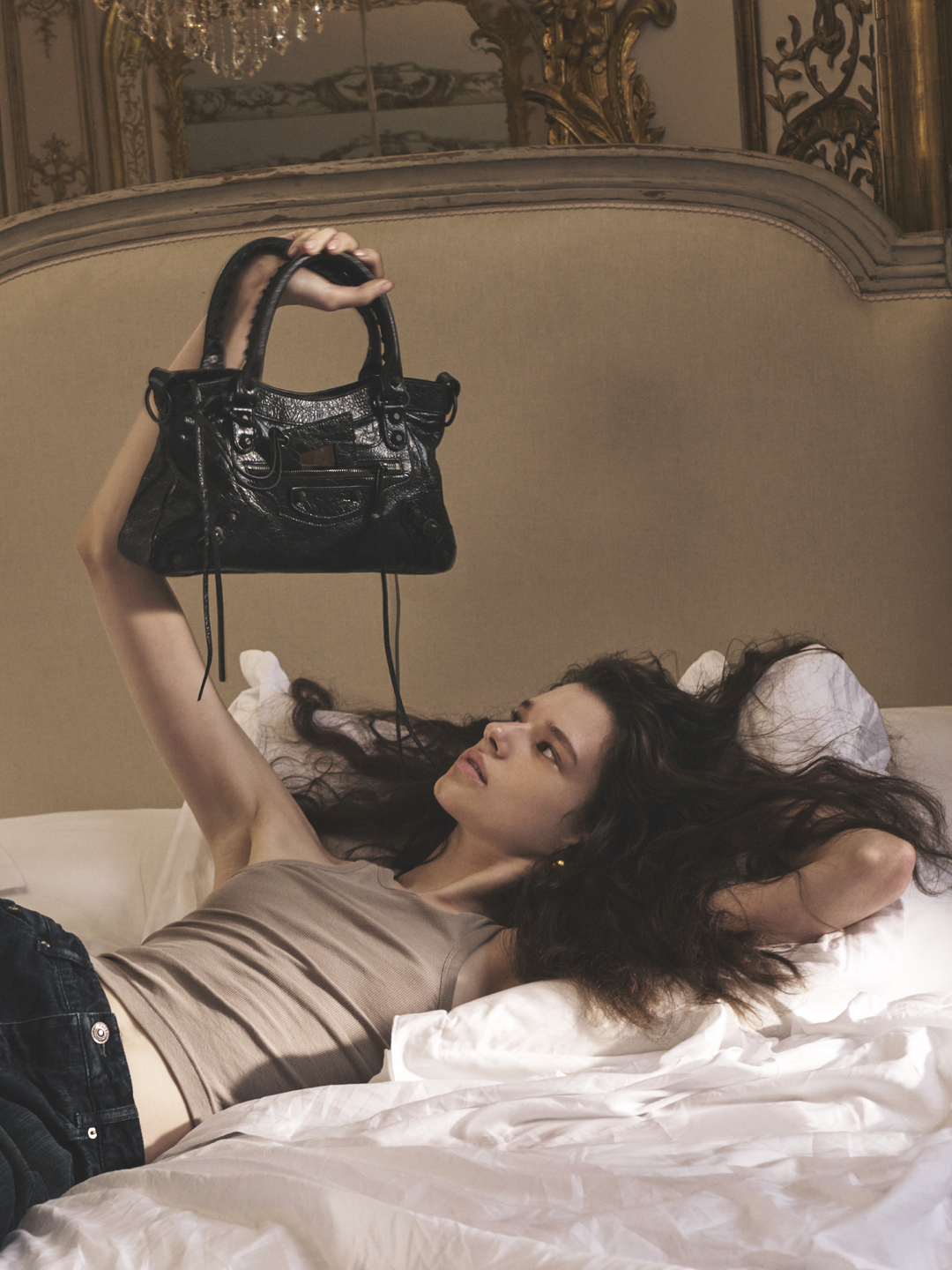
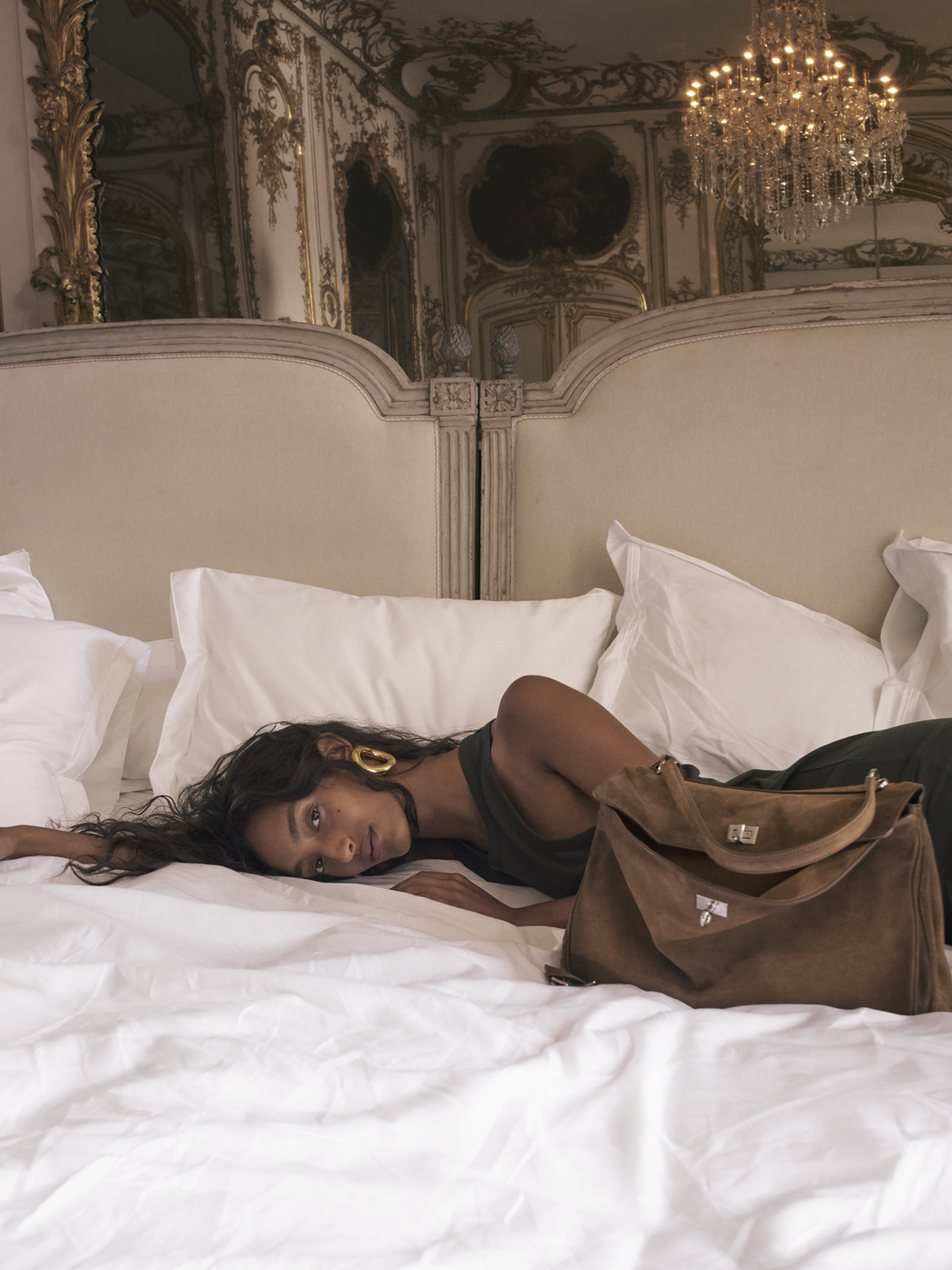
Today, Balenciaga unveiled its first campaign under the creative direction of Pierpaolo Piccioli, marking a new chapter for the French fashion house.
Following his recent runway debut, the campaign signals a clear shift in tone and aesthetic direction, defined by quiet strength and emotional resonance.
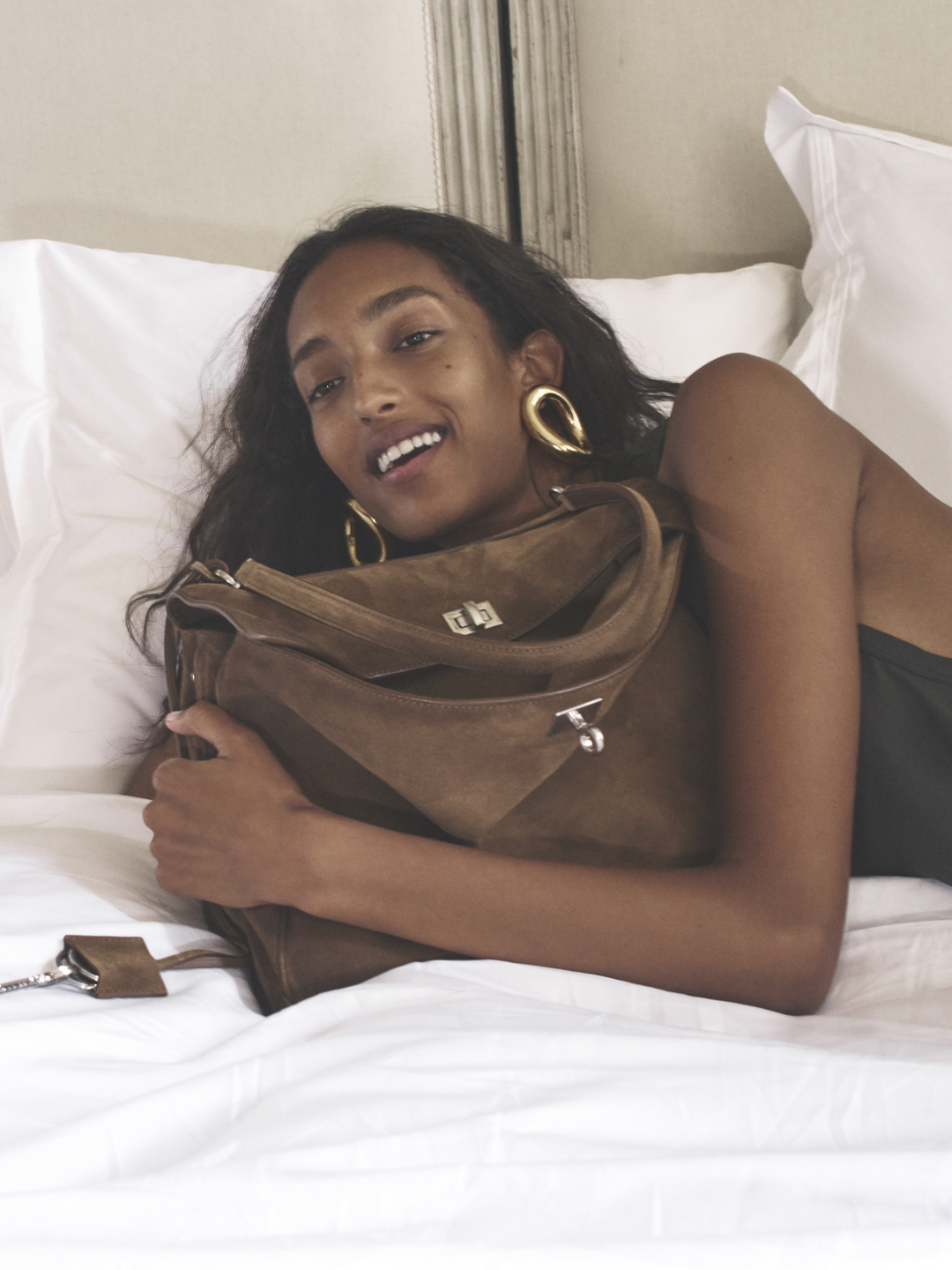
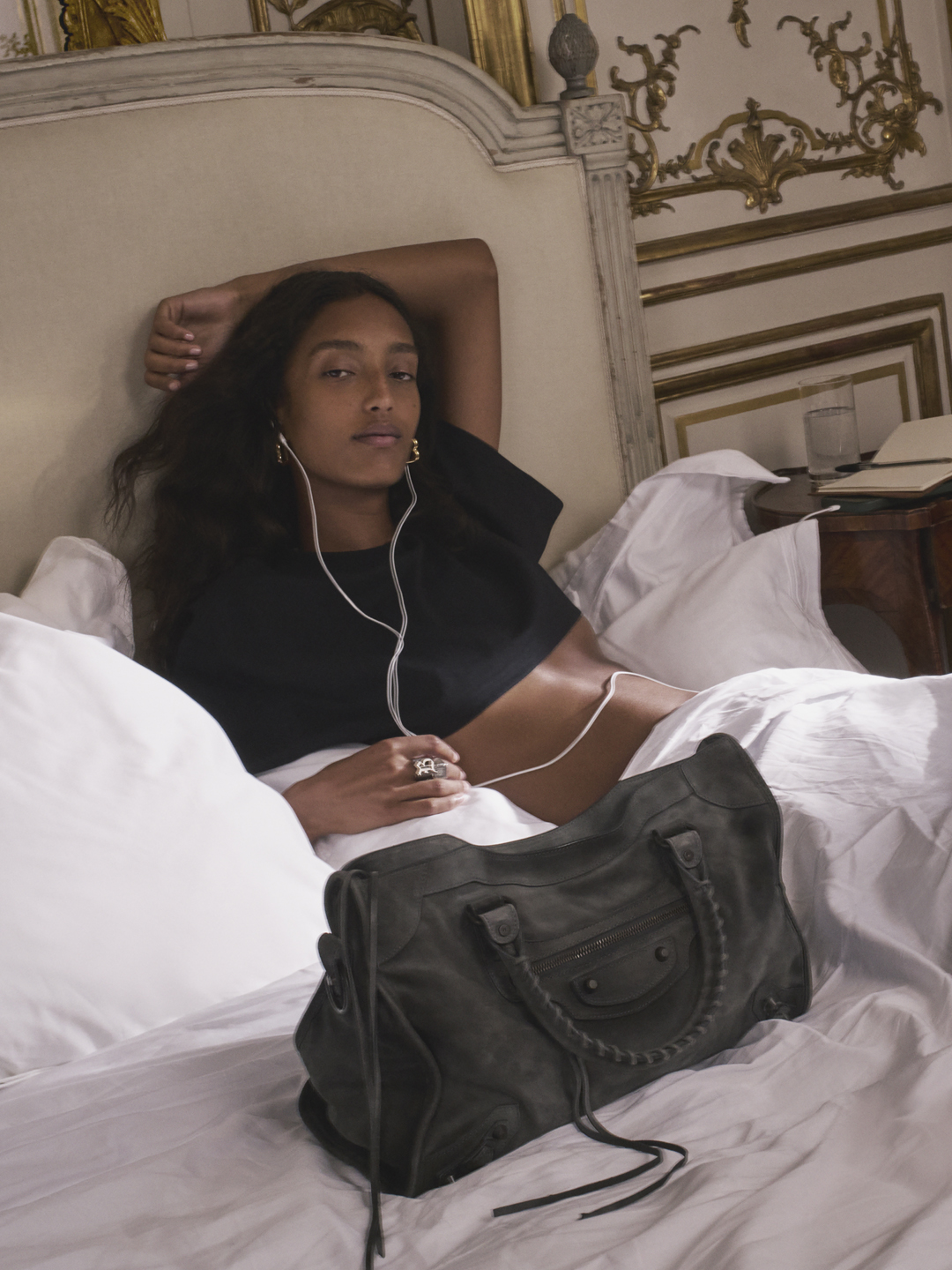
Shot by photographer David Sims, a frequent collaborator of Piccioli’s, the campaign comprises both still and moving portraits featuring models Mona Tougaard and Sandra Murray. The imagery captures moments of natural ease inside the historic Hôtel de Maisons–Pozzo di Borgo in Paris’s 7th arrondissement. Bathed in soft, natural light, the setting highlights an understated elegance that reflects Piccioli’s interpretation of modern femininity.

Piccioli described the project as deeply personal, explaining that he sought to portray “effortless beauty and delicate humanity”. The collaboration with Sims, he said, made the process especially meaningful, as the two worked to capture the essence of a new Balenciaga woman who according to both is spontaneous, authentic, and self-assured.
The campaign’s visual language contrasts the grandeur of 18th-century architecture with intimate, contemporary styling. Piccioli’s designs are described as both fluid and architectural, merging wearability with sculptural form. The result is a collection that redefines strength through sensitivity and emotion, positioning Balenciaga’s new aesthetic as one rooted in authenticity rather than artifice.
Central to the campaign are two of the house’s enduring emblems: the Rodeo and Le City bags. Representing Balenciaga’s dual spirit of practicality and refinement, both pieces serve as touchstones linking the brand’s heritage to Piccioli’s renewed creative vision. The Rodeo conveys a sense of urban individuality, while Le City stands as a symbol of craftsmanship and cultural relevance.
The campaign, described as a luminous portrait of “beauty as emotion”, underscores Piccioli’s belief in fashion as a reflection of humanity. Through its focus on natural light, timeless settings, and genuine expression, it introduces a softened, more introspective Balenciaga, one that celebrates human presence within monumental form.
Balenciaga’s new direction under Piccioli aims to bridge the house’s historical codes with a contemporary sensibility, setting the tone for the next era of the Maison.
Balenciaga.com
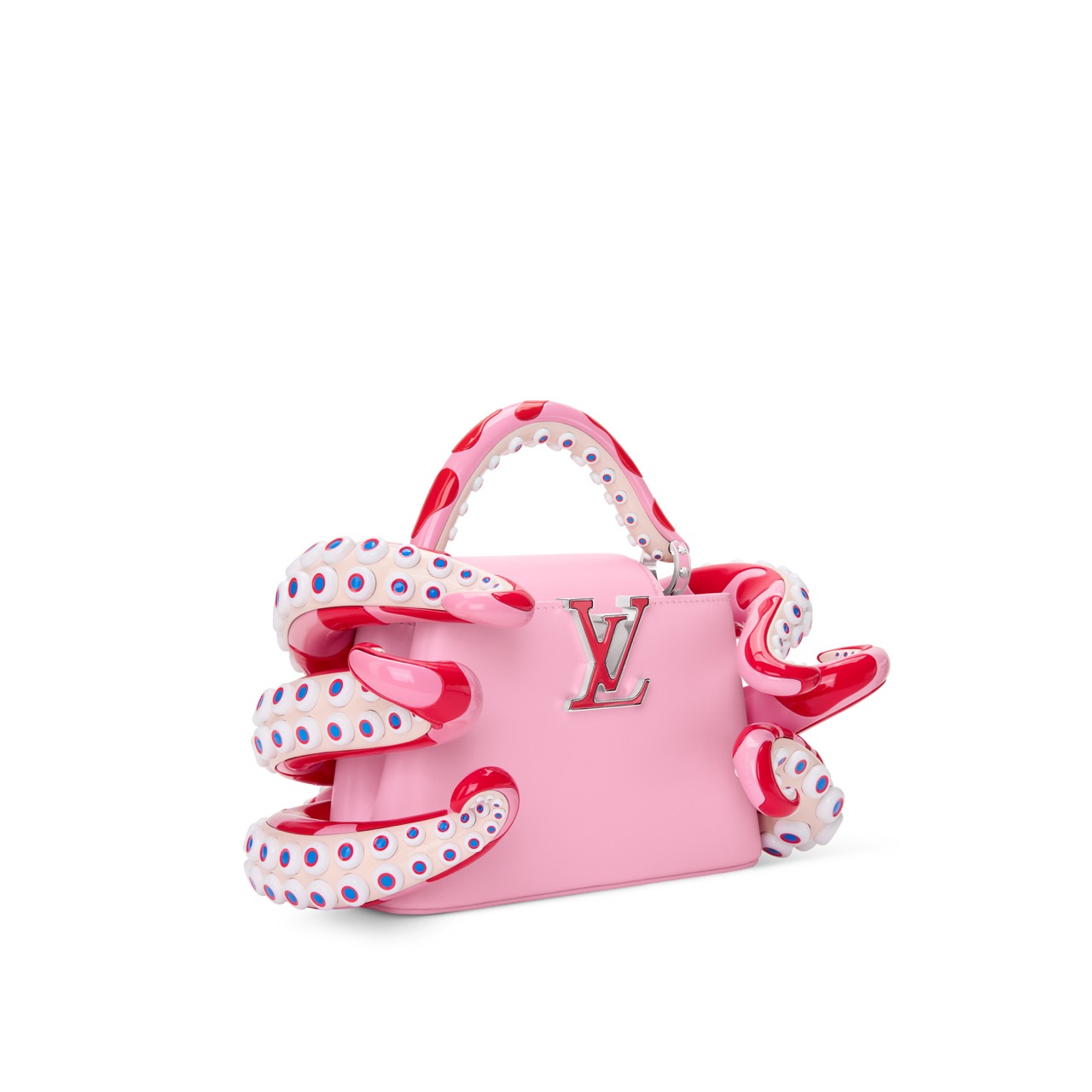
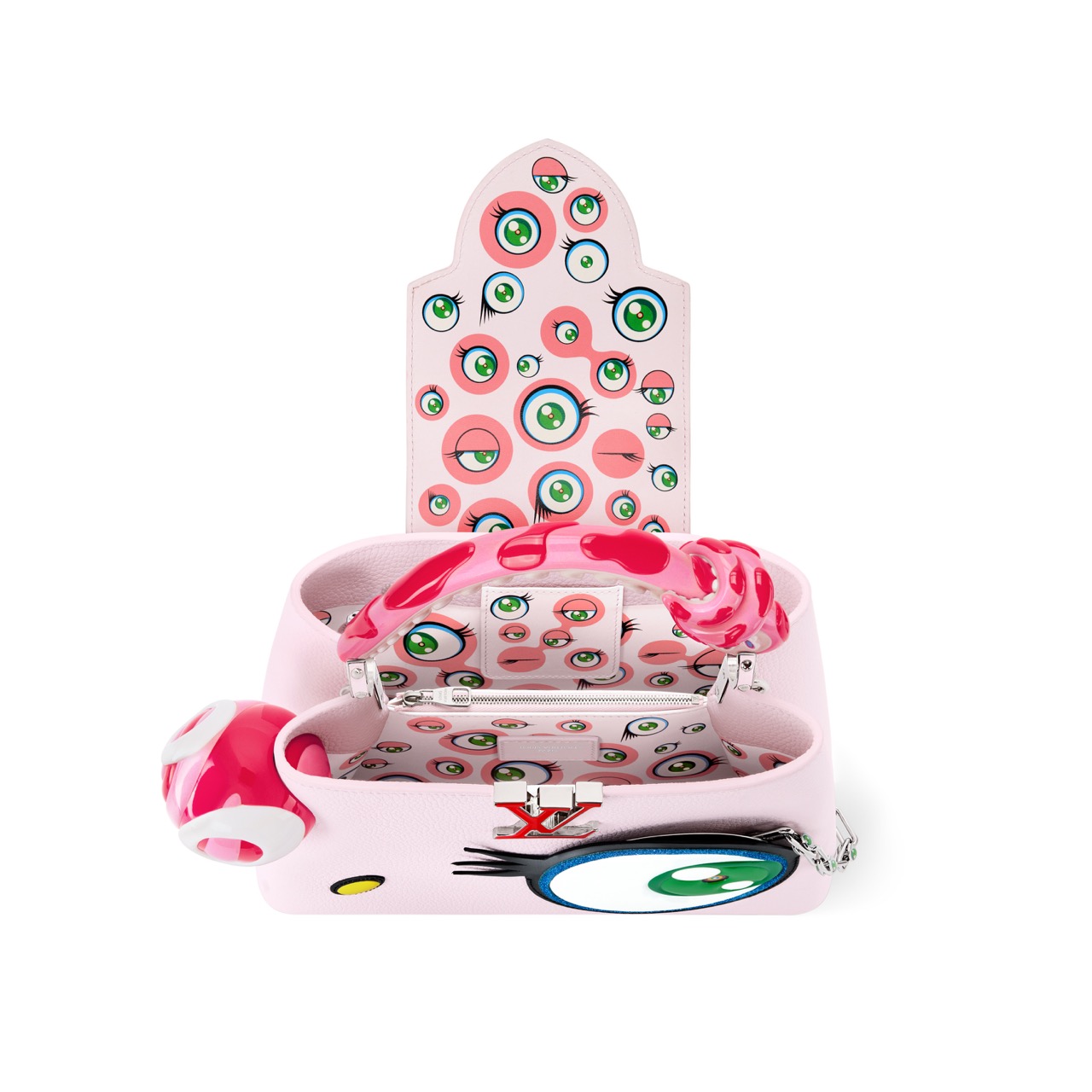
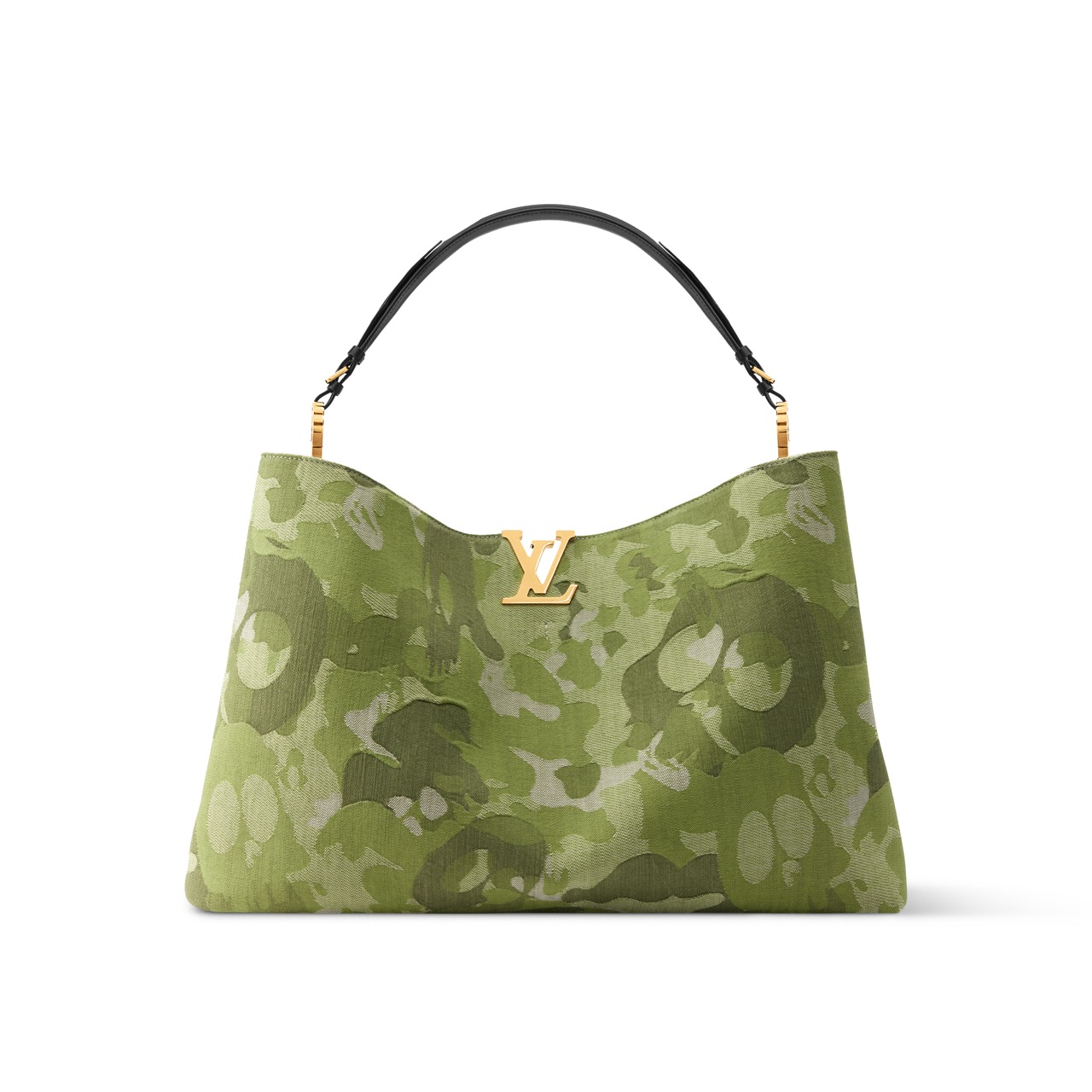
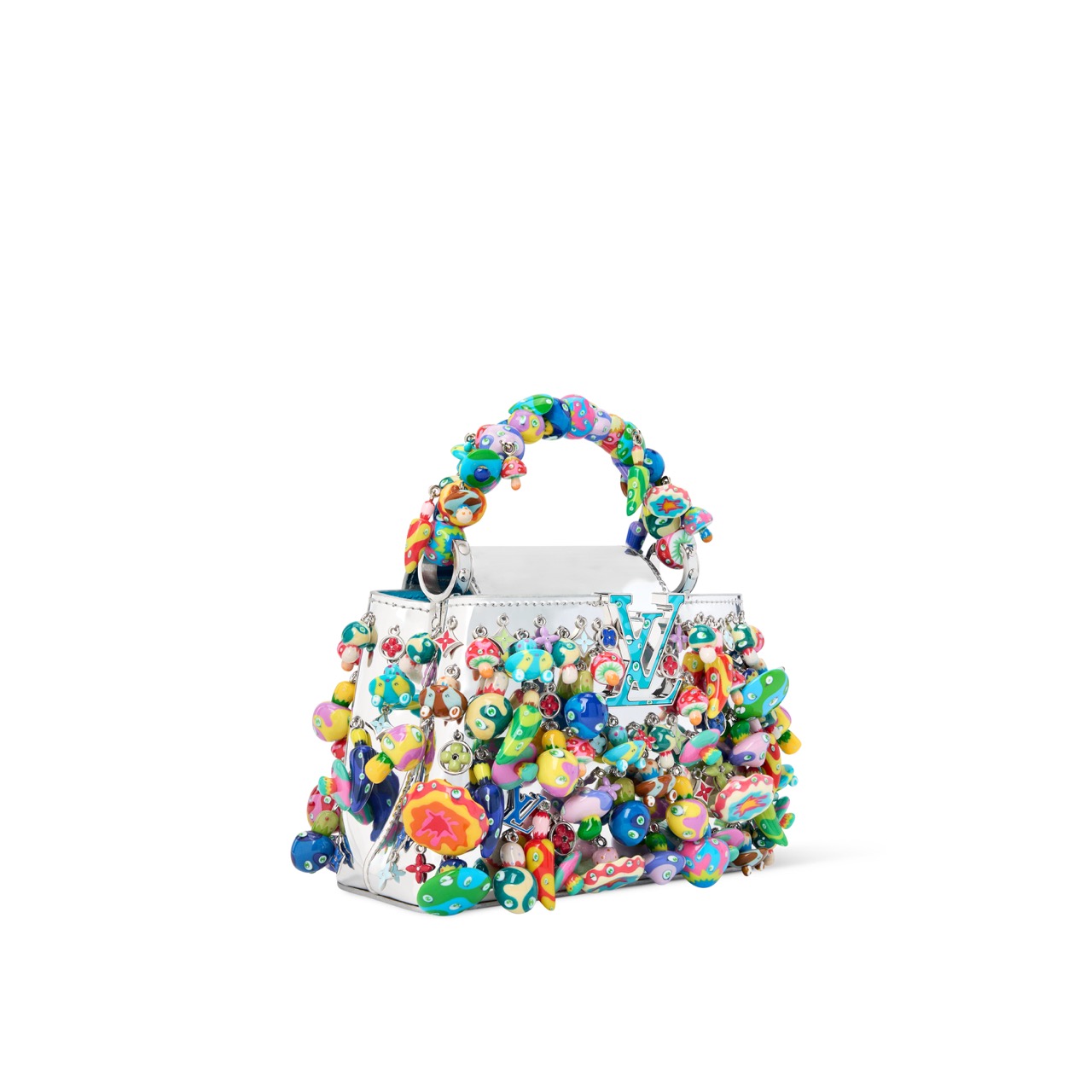
Louis Vuitton Unveils Artycapucines VII with Takashi Murakami
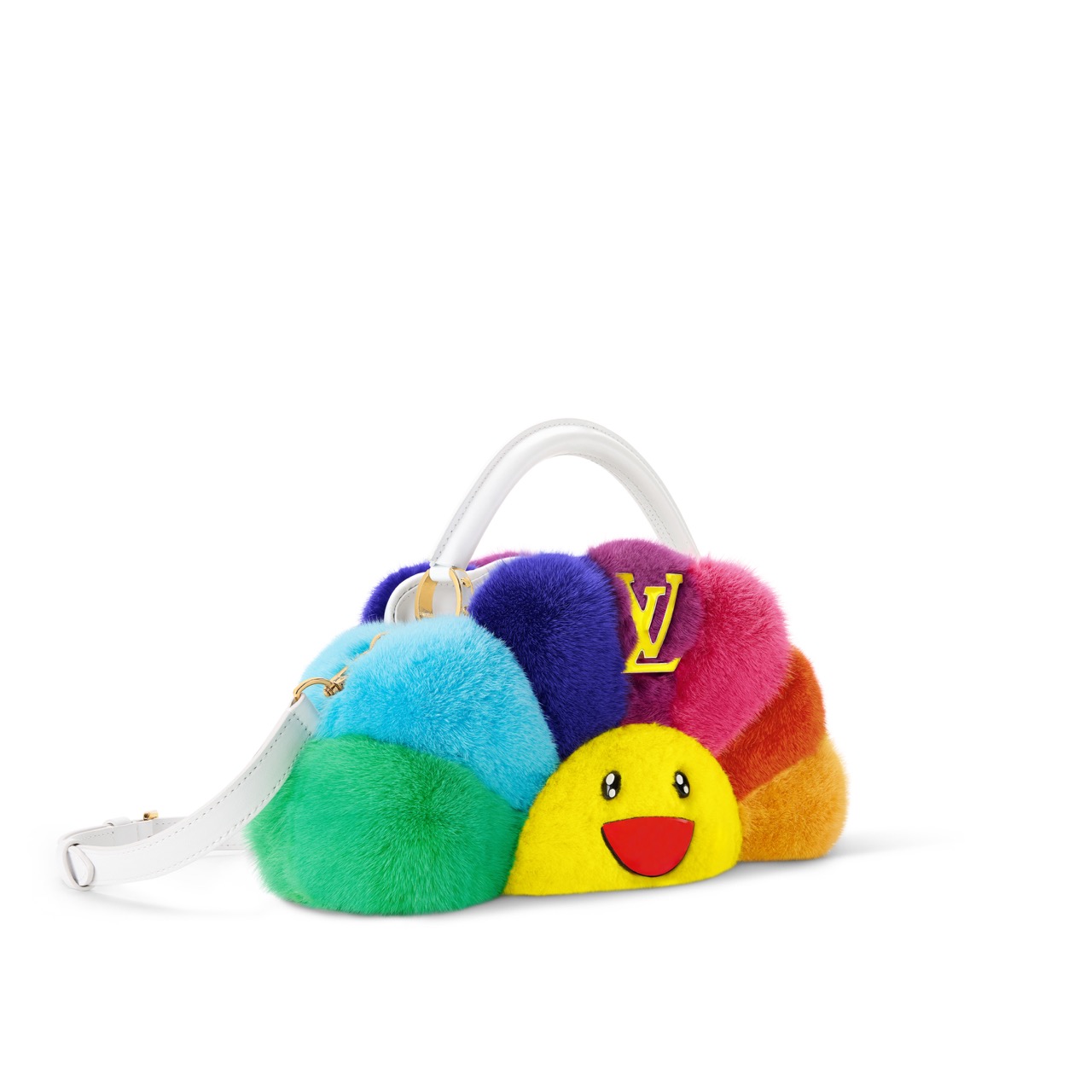
Louis Vuitton has revealed the seventh chapter of its Artycapucines Collection, created in collaboration with renowned Japanese artist Takashi Murakami.
The limited-edition series comprises 11 interpretations of the Maison’s iconic Capucines bag, each reimagined through Murakami’s distinctive, pop-infused artistic lens. The global reveal takes place on 21 October at Art Basel Paris.
Since its inception in 2019, the Artycapucines initiative has invited leading contemporary artists to reinterpret the Capucines – named after Rue Neuve-des-Capucines, where Louis Vuitton opened his first Paris store in 1854. Over 30 artists have since contributed to the project, blending their own creative vision with the Maison’s exceptional craftsmanship.
Murakami, born in Tokyo in the 1960s, is celebrated for his fusion of traditional Japanese painting techniques with contemporary anime and kawaii culture. His work often bridges fine art and pop culture, featuring vibrant motifs such as smiling flowers, pandas and mushrooms. In this latest collaboration, he worked closely with Louis Vuitton’s design team to transform the Capucines into sculptural works of art, employing both artisanal savoir-faire and advanced production technology.
Highlights include the Capucines EW Rainbow, which reinterprets the bag’s structure as a kaleidoscopic version of Murakami’s Rainbow Flower motif; the Capucines Mini Mushroom, embroidered with 100 hand-polished mushroom characters; and the Capucines Mini Tentacle, inspired by a sculptural piece in which Murakami’s alter ego, Mr. DOB, becomes an octopus. The Capucines EW Dragon reproduces elements from his monumental 18-metre painting Dragon in Clouds – Indigo Blue (2010), while the Capucines BB Golden Garden showcases leather marquetry and gold-leaf detailing. The Panda Clutch, crafted from silver-tone brass and set with 6,250 strass, stands out as a collector’s piece.
The Artycapucines Collection builds on Louis Vuitton’s century-long engagement with artists, from commissions by Gaston-Louis Vuitton in the 1920s to modern collaborations with Yayoi Kusama, Richard Prince and the opening of the Fondation Louis Vuitton in 2014.
Murakami’s relationship with the Maison dates back to the Spring/Summer 2003 collection, which introduced the Monogram Multicolore design and marked a defining era for the brand. This new edition continues that legacy, uniting art, design and craftsmanship in a celebration of innovation and imagination.
louisvuitton.com
Missoni Returns to Its Essence for Autumn/Winter 2025
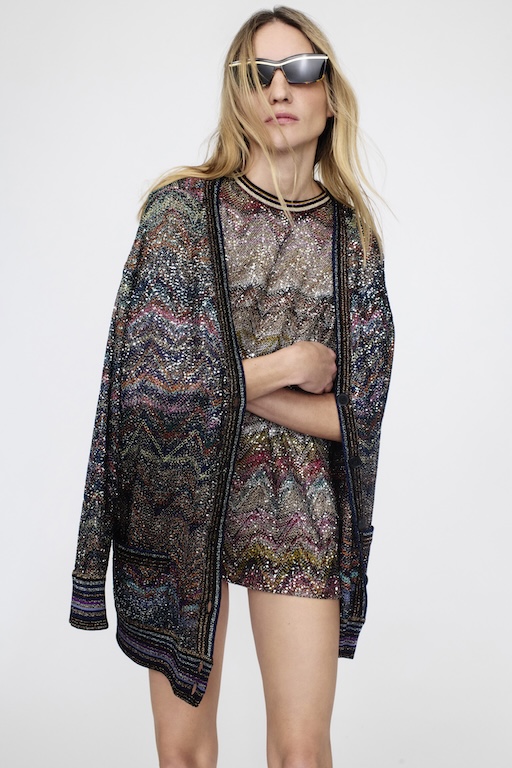
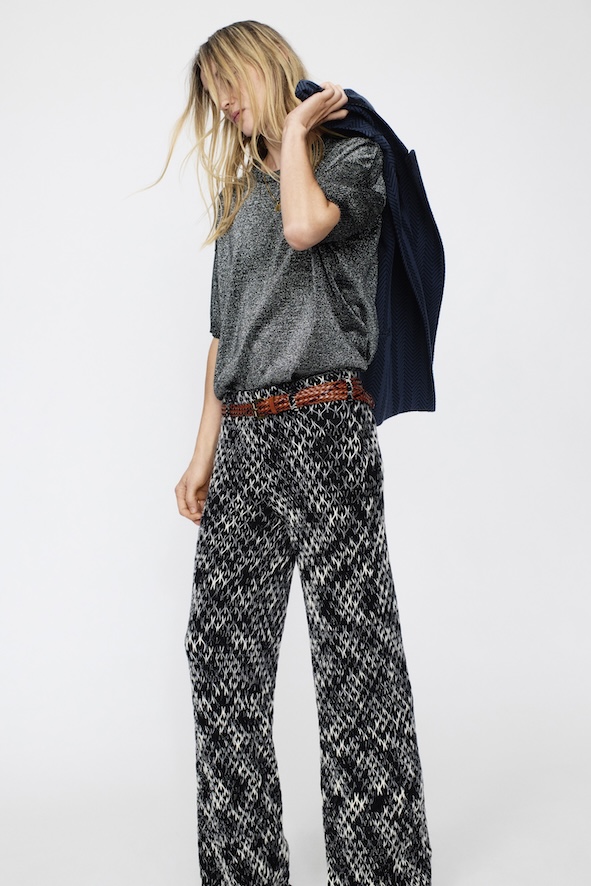
Missoni’s Autumn/Winter 2025 women’s collection revisits the Italian house’s core philosophy, focusing on the meeting point of matter and colour.
The collection embraces purity of form and timeless design, creating an adaptable wardrobe that speaks through its materials and construction rather than embellishment.
Silhouettes are deliberately simple and archetypal, conceived for daily wear and reinterpreted across occasions. The collection builds a vocabulary of essential garments designed to be mixed, layered and lived in. As the brand describes, the garments become the “words” through which the wearer expresses their own stories.

Outerwear and tailoring take centre stage, with enveloping coats, classic trench coats and fluid suits defining the season’s structure. Buttonless blazers and loose trousers reflect Missoni’s ease of movement, while knitwear remains the brand’s foundation. Polo shirts, turtlenecks, T-shirts, tank tops and dresses form the ABCs of dressing in knit. The collection also plays with gender codes: a men’s cardigan is reimagined as eveningwear for women.
Contrasting proportions bring dynamism to the line, from long, form-fitting dresses to liquid caftan silhouettes. Graphic miniskirts, airy shirts and fitted tops add versatility, reinforcing a modern, cross-generational vision of style. Missoni presents clothing as a fluid expression of individuality, where age is “a condition of the mind”.
The colour palette draws from organic tones: white, black, bronze and deep blue serve as the foundation, illuminated by touches of sunny yellow and aqua blue. These hues blend into nuanced amalgams, with even solid shades appearing to move and vibrate. Metallic highlights and flashes of light enhance the house’s signature sense of texture and depth.
Missoni.com
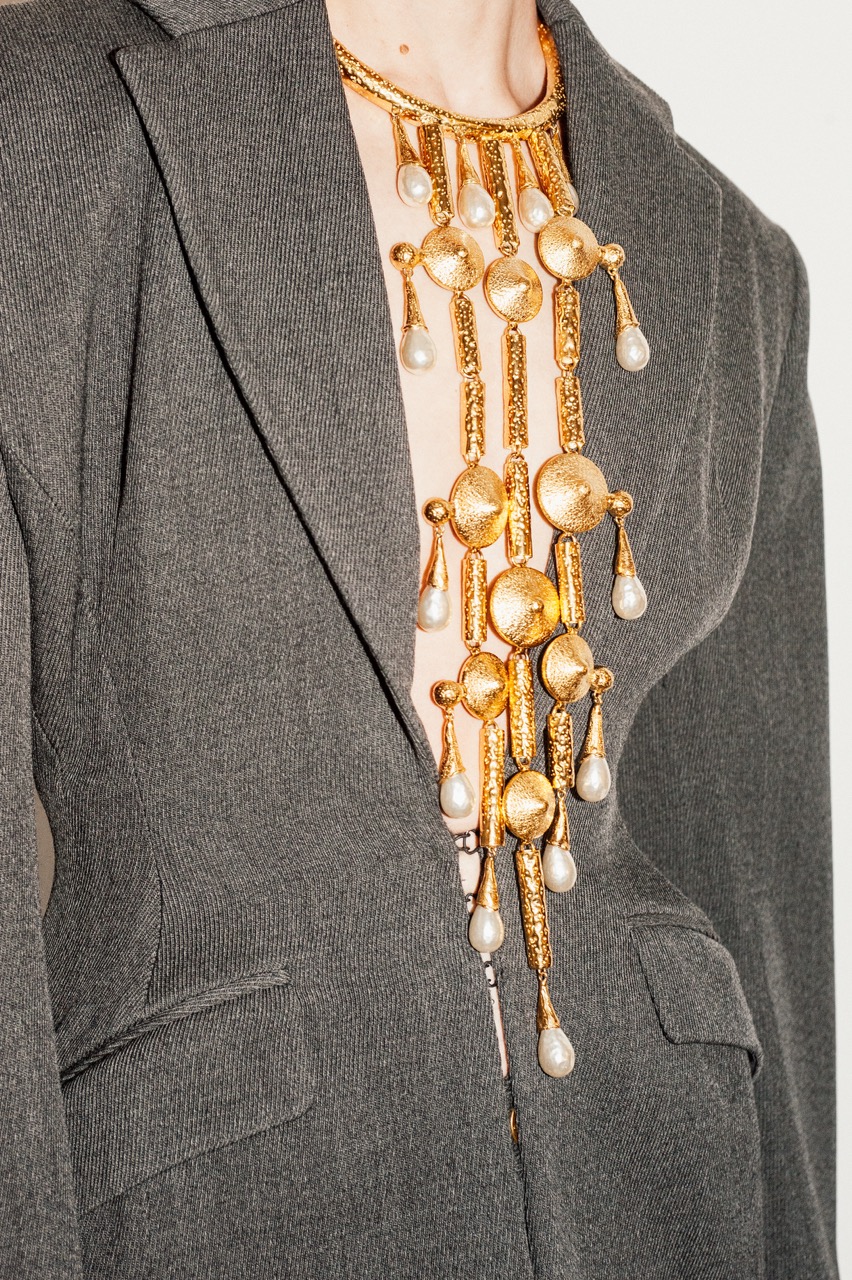
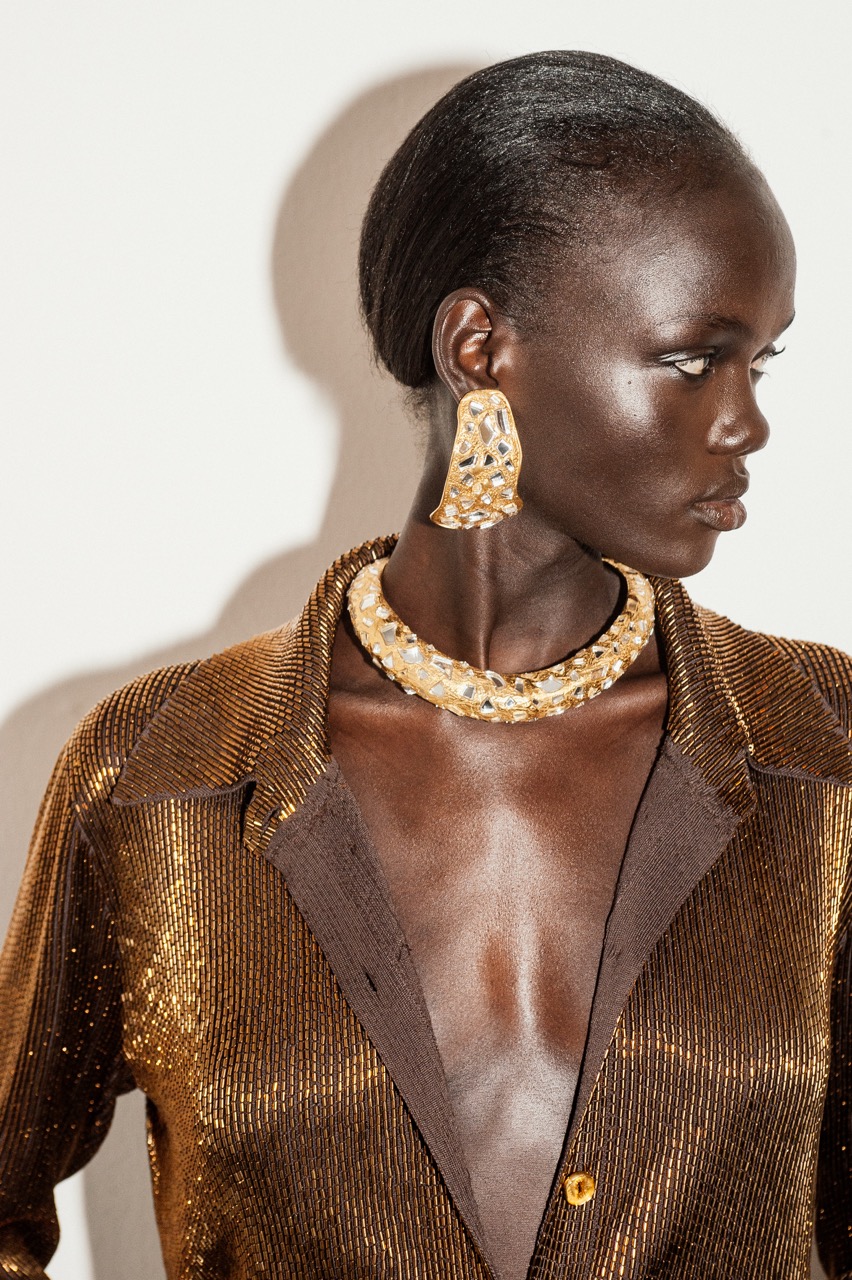
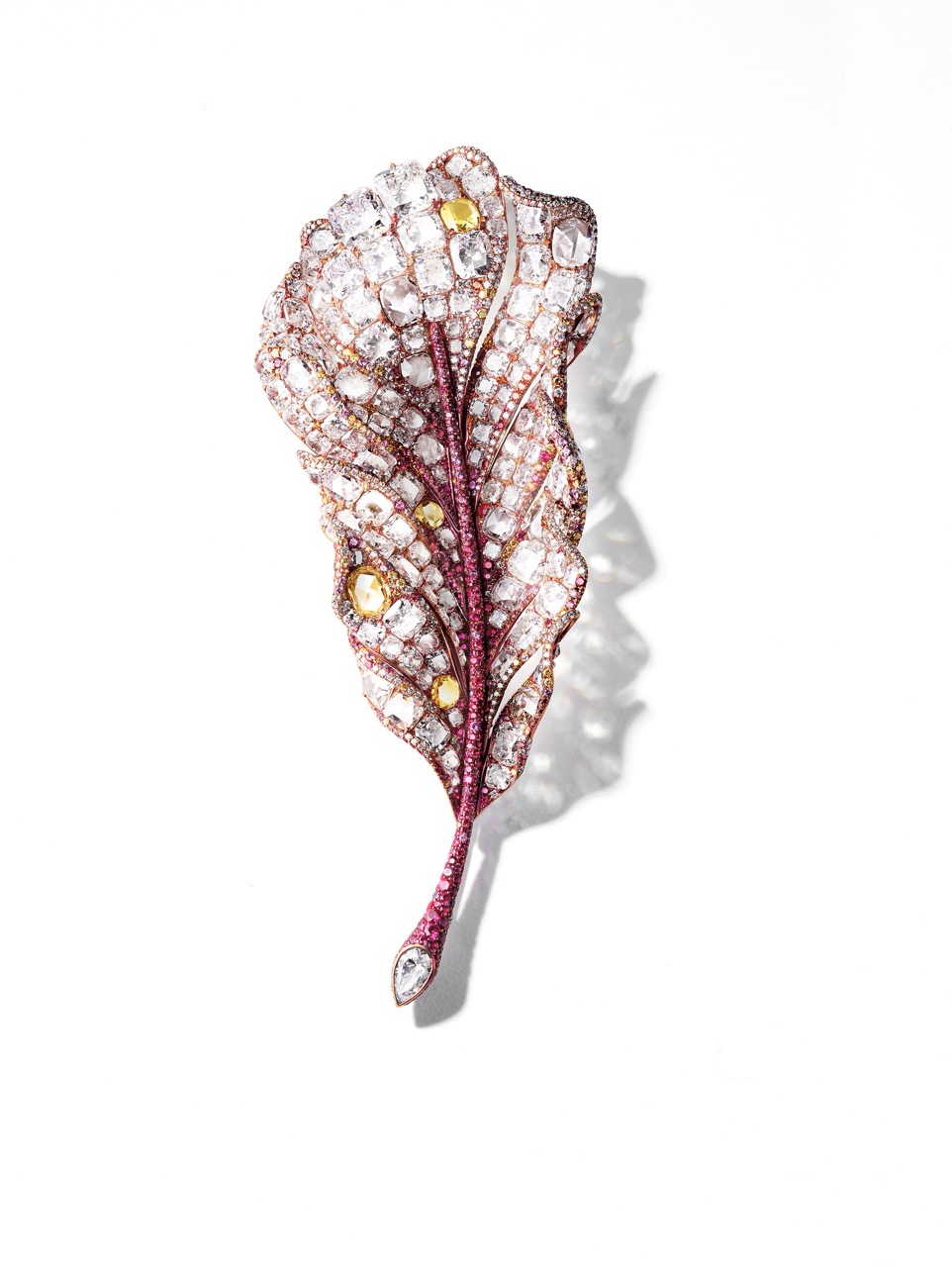
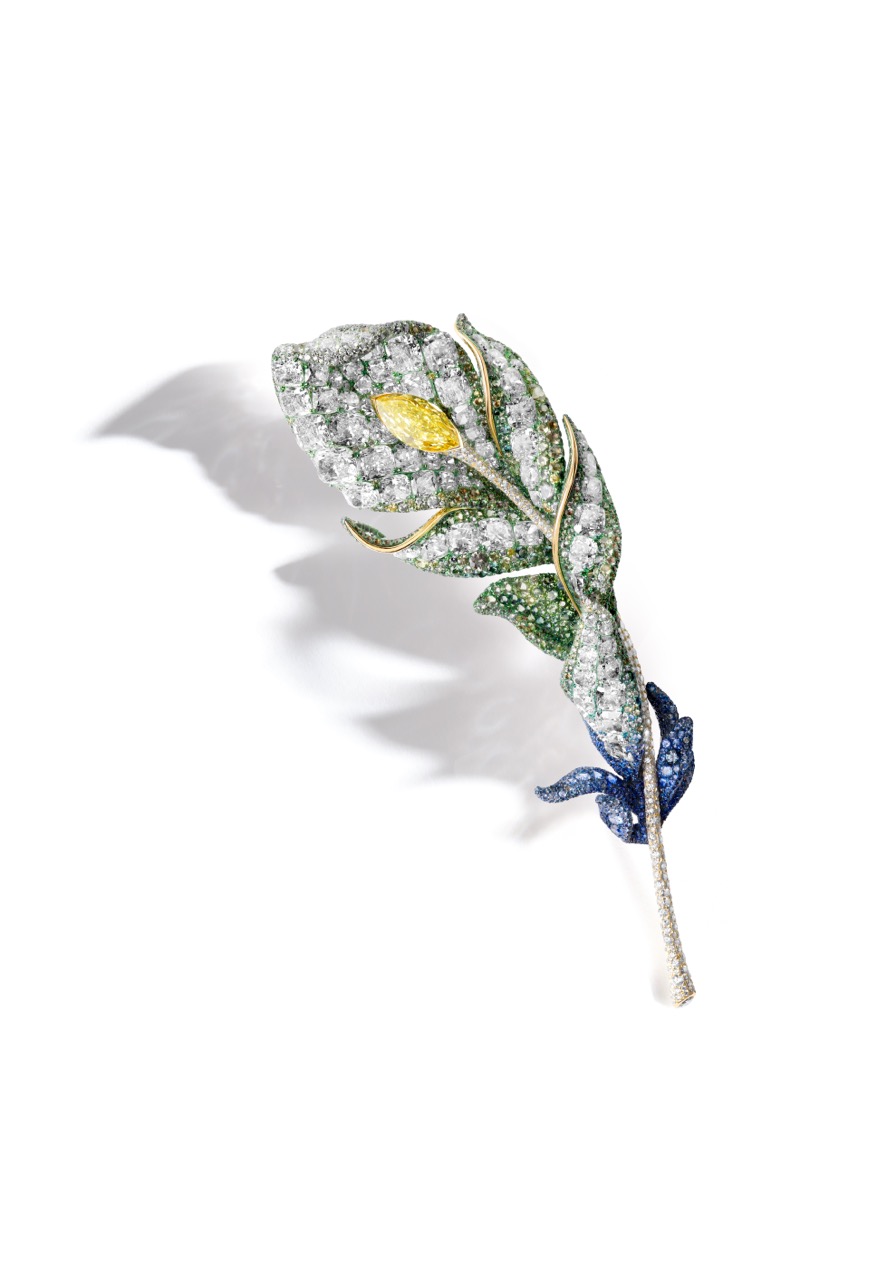
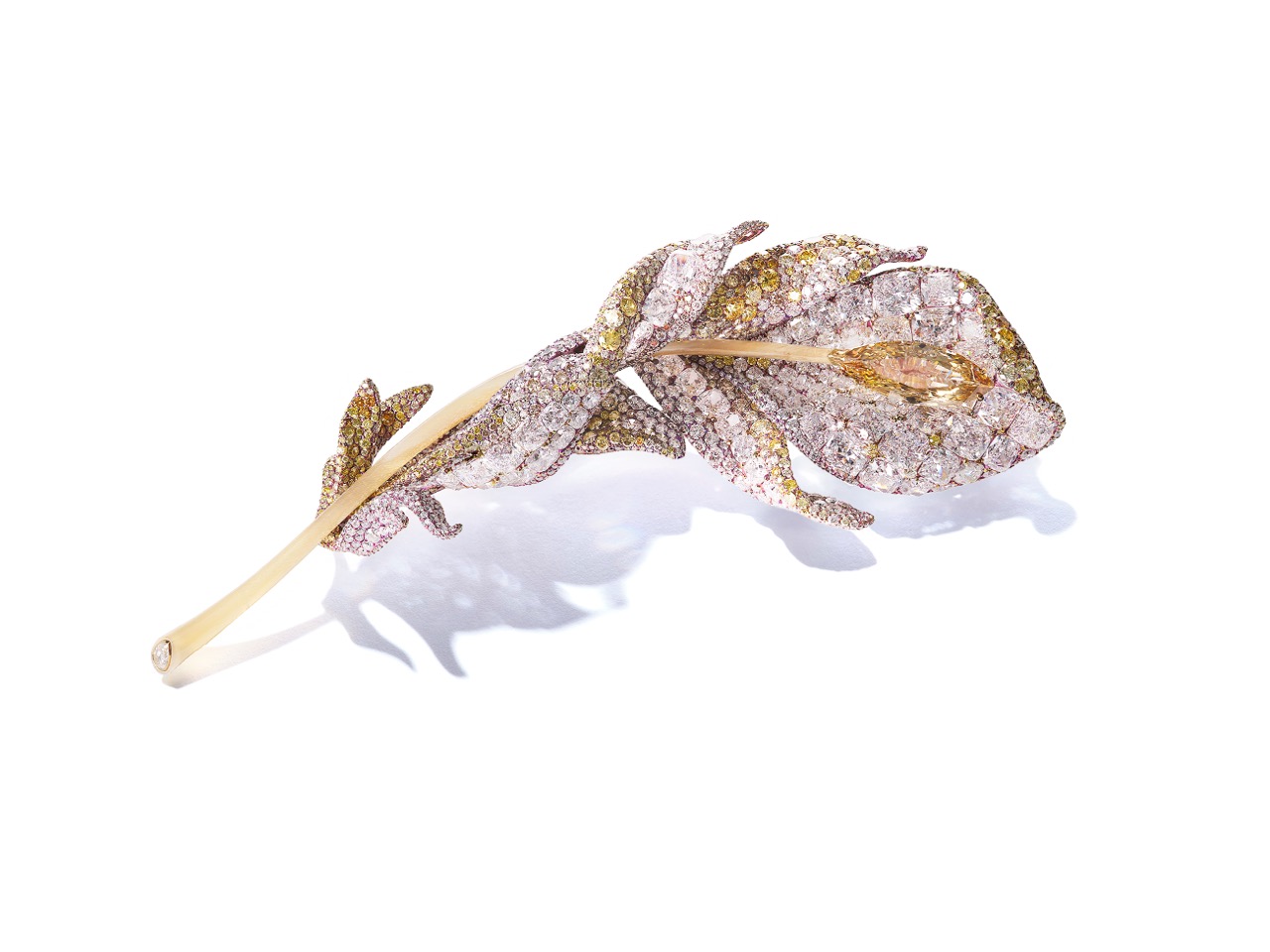
CINDY CHAO Marks 20 Years with a Feather of Weightlessness and Dimensionality
Loro Piana Celebrates New York City with Bergdorf Goodman Installation
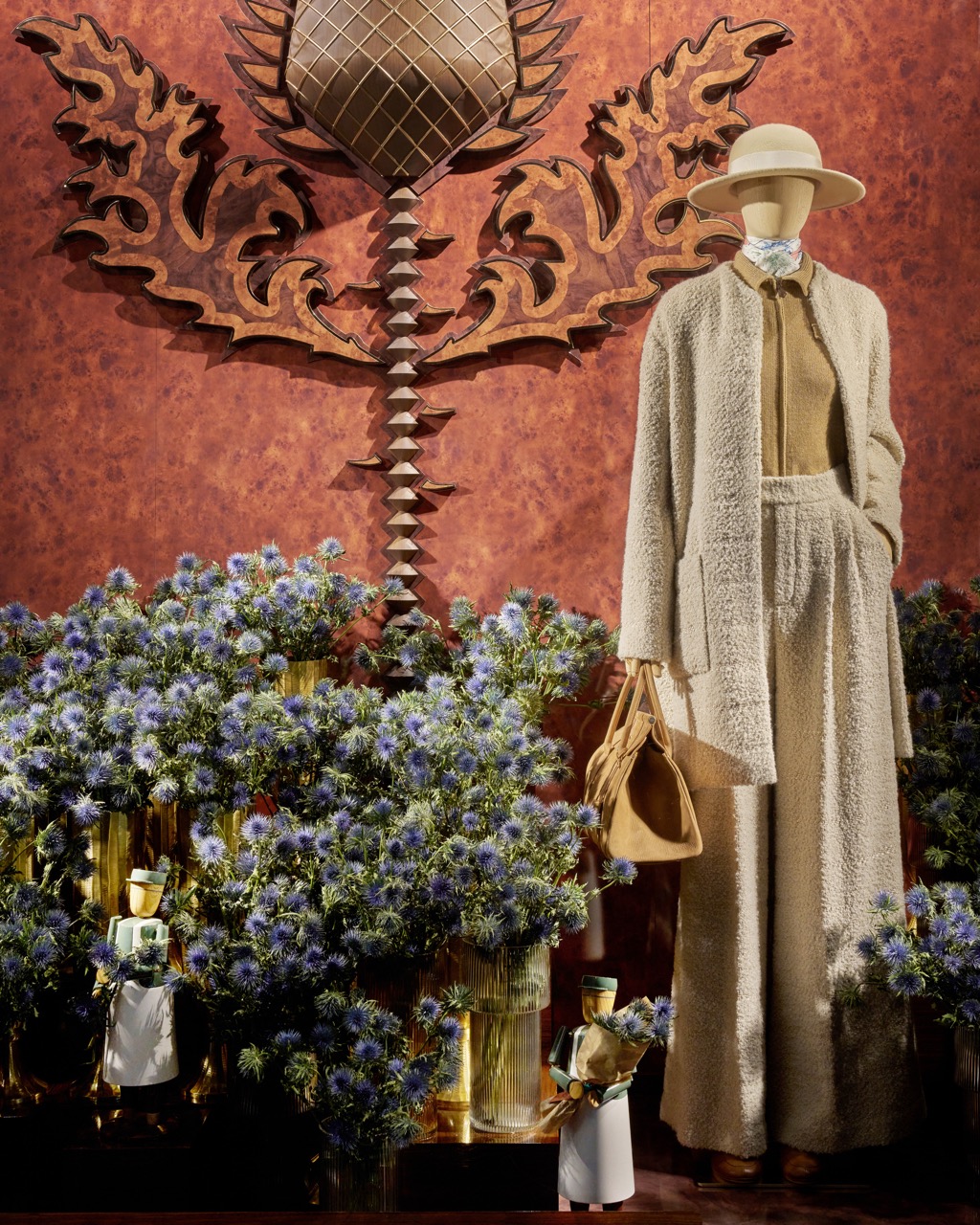
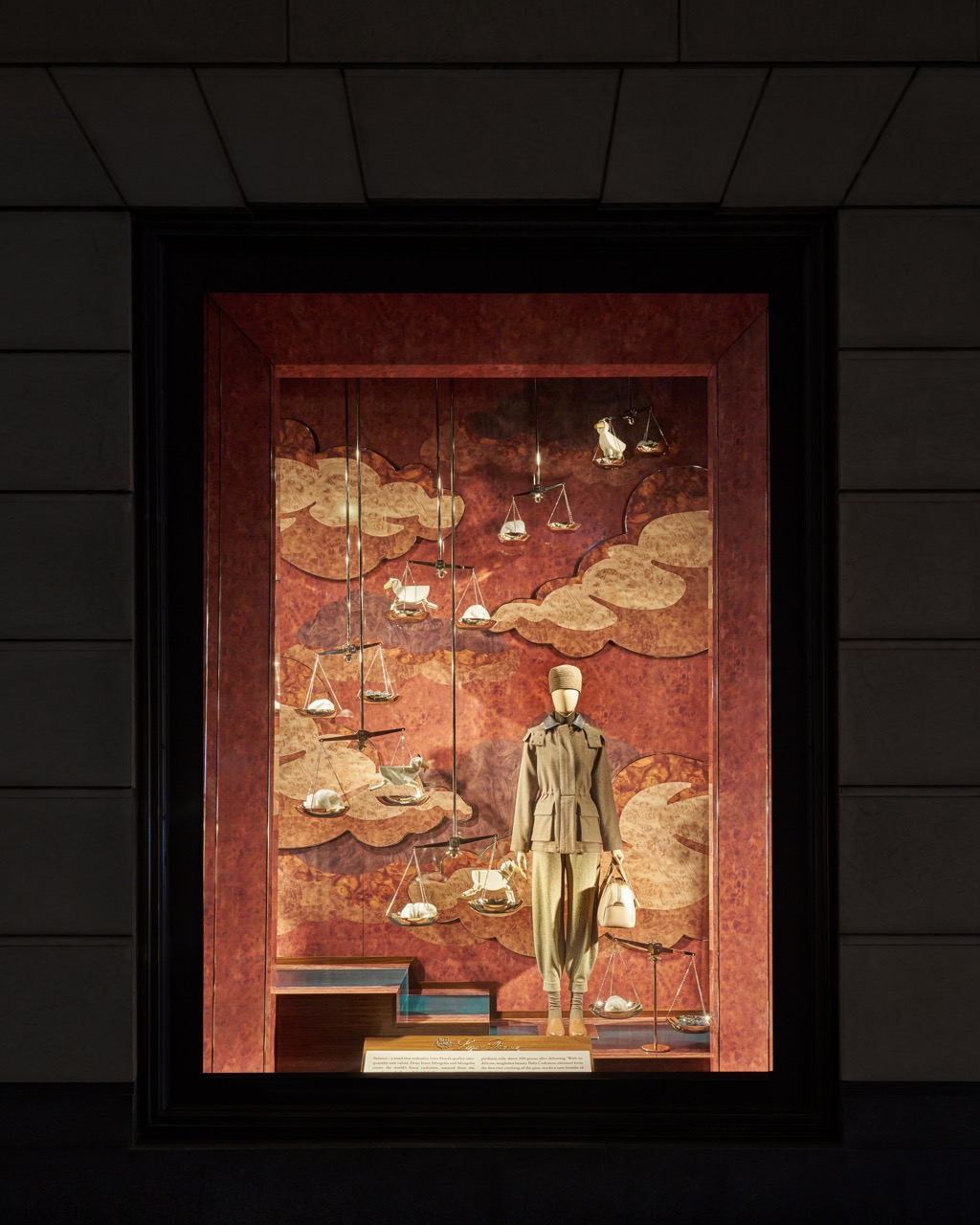
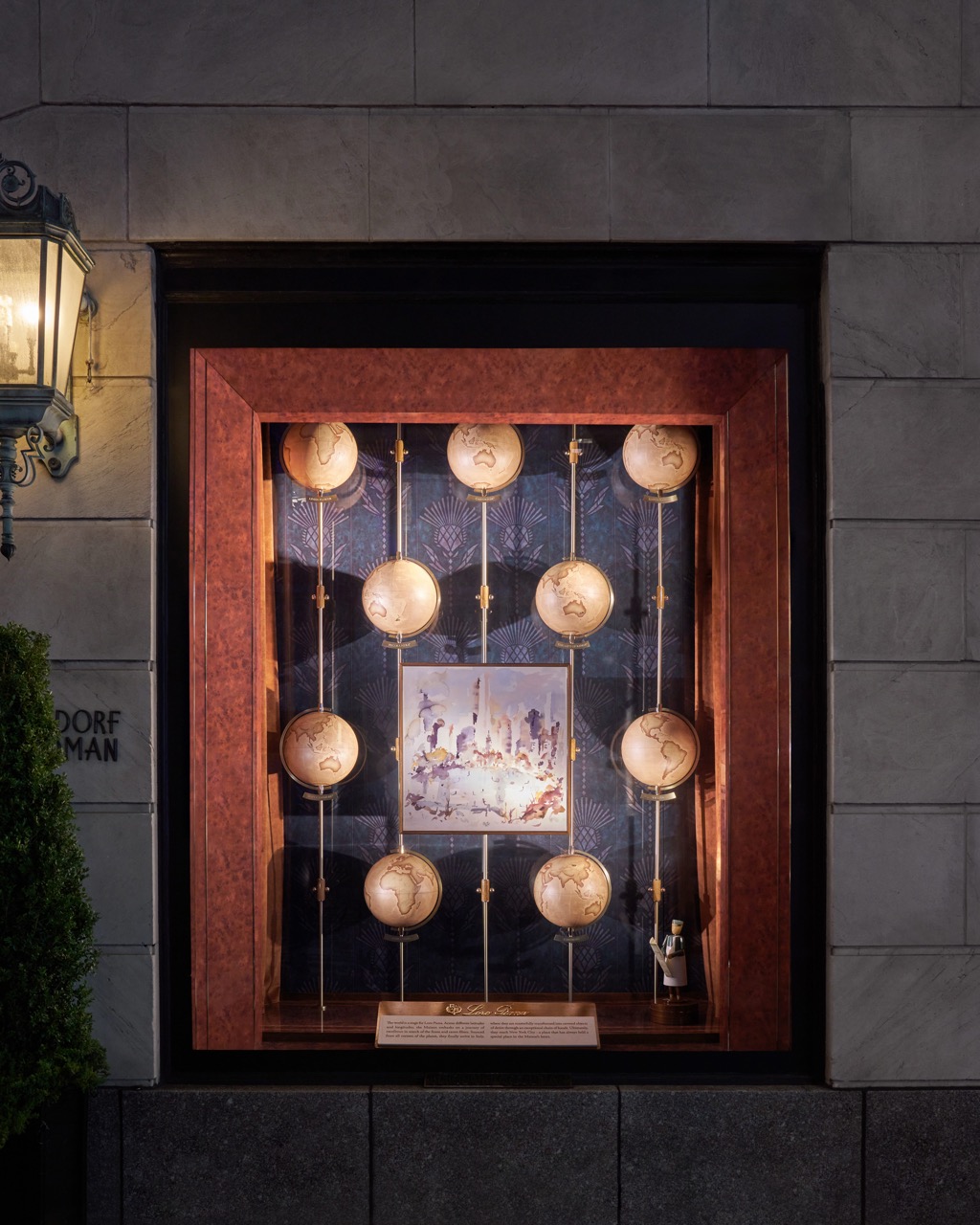
Loro Piana is honouring its long-standing connection with New York City through a special installation at Bergdorf Goodman, which is currently running, and will be on show until the 3rd November 2025.
The Maison’s collaboration with the landmark Fifth Avenue retailer features a striking window display, exclusive product launches, and a bespoke personalisation service for two of its most recognisable accessories.

The installation spans the windows of both the men’s and women’s stores, each designed to reflect Loro Piana’s craftsmanship and heritage. The women’s store also features a light installation across its façade, illuminating scenes that trace the Maison’s journey from Mongolian cashmere fields to its storied factory in Quarona, Italy, and on to New York. Inside, visitors can access a personalisation service for the Grande Unita scarf and Unito blanket, where expert artisans embroider initials onto cashmere pieces in a wide selection of colours.
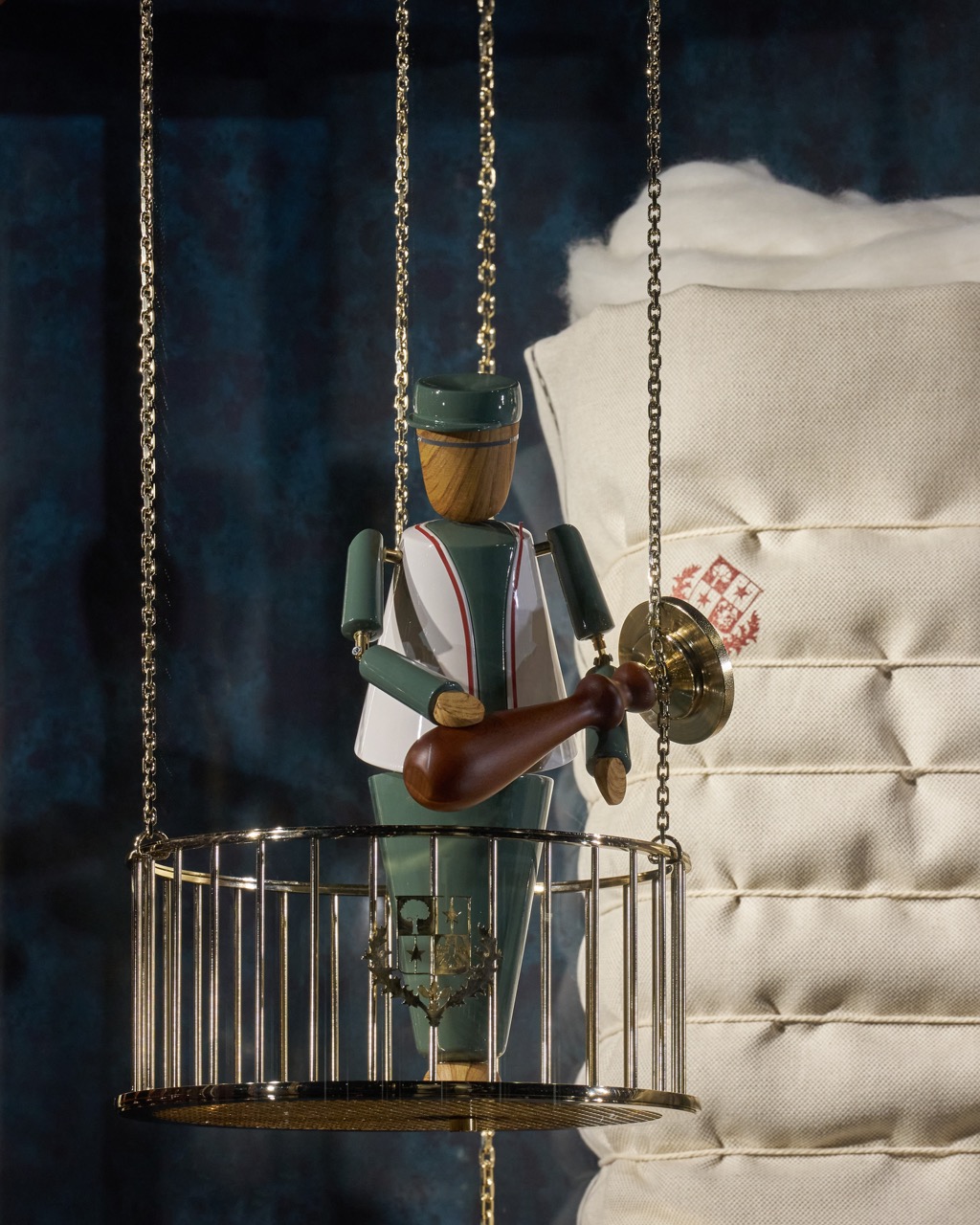
Each window showcases a chapter in the House’s story. The displays, influenced by Art Deco design, include miniature wooden figures of Loro Piana artisans, symbolic depictions of Baby Cashmere goats, and nods to the thistle flower, part of the brand’s coat of arms since 1951. The men’s windows feature motifs such as vintage cars, fabric bales, and a loom weaving Pier Luigi Loro Piana’s declaration that “Luxury is inextricably linked to quality.”
To mark the occasion, Loro Piana has introduced exclusive garments and accessories available only at Bergdorf Goodman. Highlights include a rust wool overshirt for men and a grey cashmere ensemble for women, complemented by a cloche hat in bold animal print. Each piece reflects the Maison’s commitment to understated luxury and refined materials.
The partnership also underscores Loro Piana’s enduring bond with New York. The Italian House opened its first U.S. office in the city in 1989, followed by its debut concept store in 1994 between Park and Madison Avenues. Bergdorf Goodman began carrying its accessories soon after, later hosting a permanent Loro Piana corner. This 2025 collaboration continues that shared history, celebrating both craftsmanship and the creative spirit of New York.
loropiana.com
Giorgio Armani Fine Jewellery Expands the Blanche Series
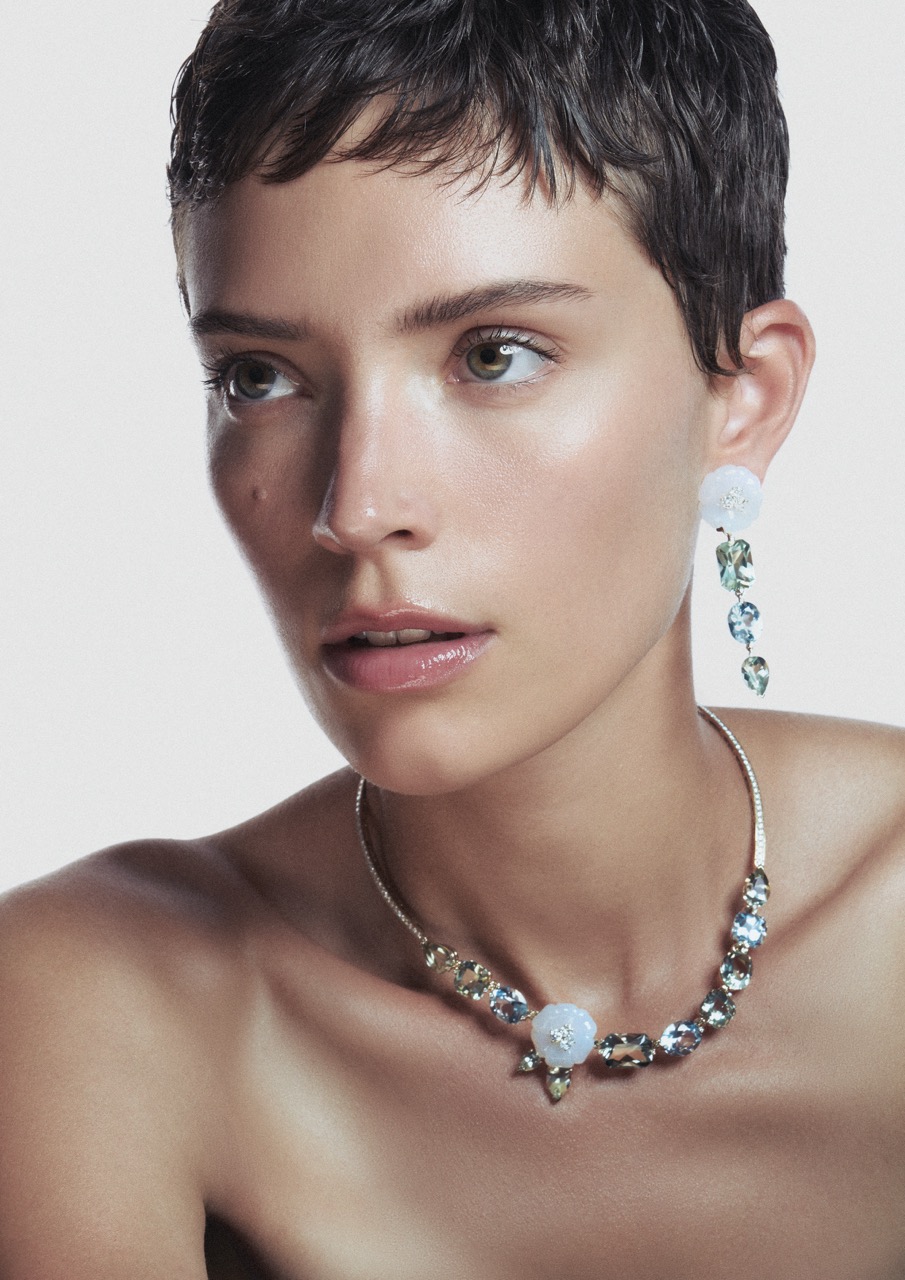
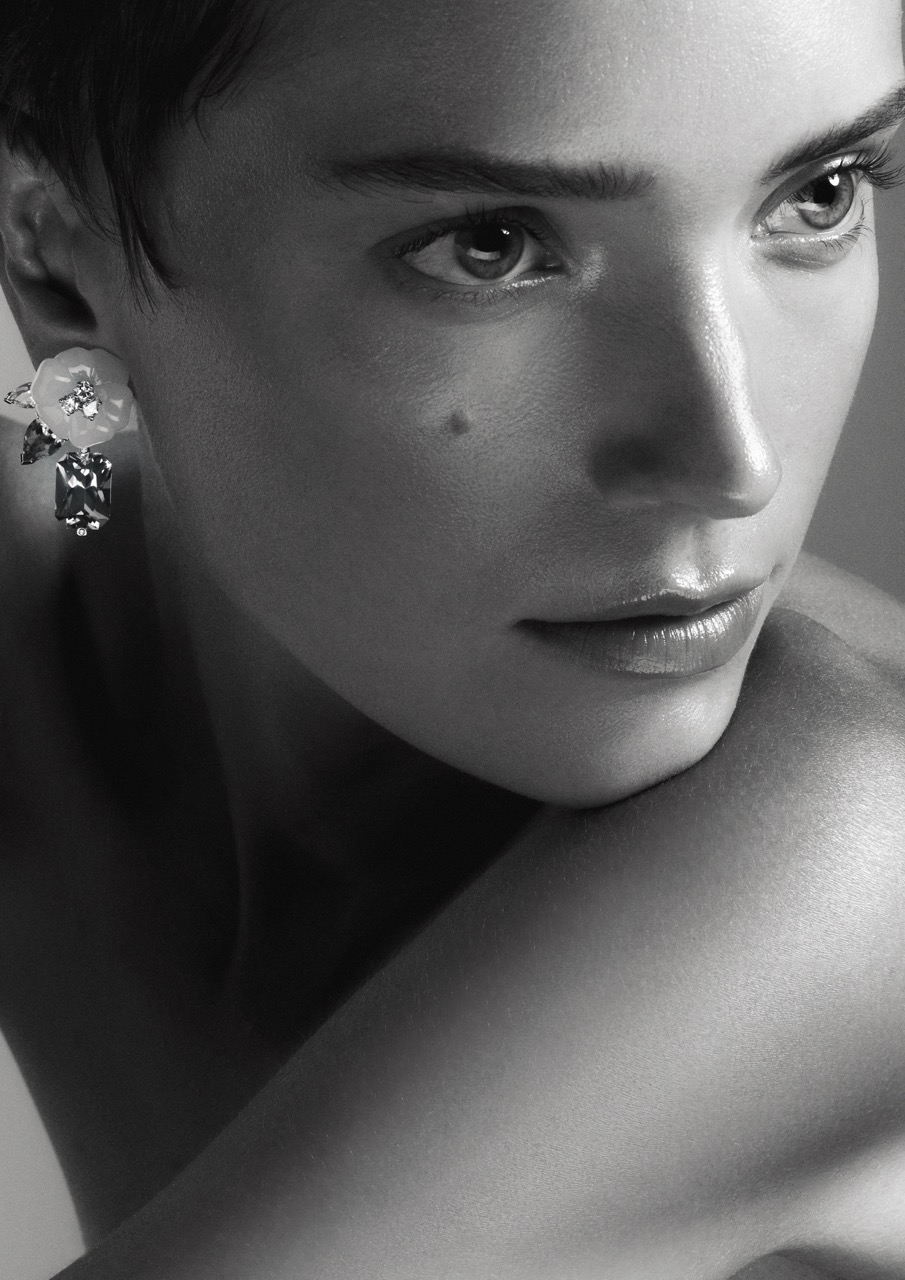
Giorgio Armani Fine Jewellery has expanded its Blanche collection, a line inspired by the rare and delicate Arabian jasmine flower.
The new additions include a necklace, earrings and a ring, crafted in the brand’s signature 18K gold shade and set with precious stones.
At the centre of the design is a small agate flower in milky tones, accentuated by a central brilliant-cut diamond and small decorative leaves. This motif sits at the heart of a semi-rigid choker, which is further enhanced by large topazes and prasiolite gemstones in soft hues of green and pale blue. The collection also introduces pendant earrings, offered in two lengths, and a ring distinguished by three large stones, continuing the house’s focus on refined form and balanced proportions.

Launched in November 2019, Giorgio Armani Fine Jewellery represents an extension of the designer’s ready-to-wear aesthetic into the realm of fine craftsmanship. Each piece is produced with goldsmith precision, reflecting the brand’s long-standing dedication to elegance, simplicity and the purity of materials. The Blanche series in particular captures the understated sophistication that has come to define Armani’s creative vision, combining subtle tones with organic inspiration.
The newly unveiled pieces were previewed exclusively at the Giorgio Armani boutique in Venice during the International Film Festival, aligning the debut with one of the brand’s most significant cultural partnerships. This presentation underscores Armani’s continued connection with the world of cinema, where his designs have often appeared both on screen and the red carpet.
Available from October in selected Giorgio Armani boutiques, the expanded Blanche series joins the maison’s growing fine jewellery families. Through this evolution, Giorgio Armani Fine Jewellery continues to build on its reputation for timeless design, bringing together the artistry of high jewellery and the brand’s signature modern restraint.
armani.com
Maison Valentino Appoints Dakota Johnson as Global Brand Ambassador
Maison Valentino has officially appointed actress Dakota Johnson as its new global brand ambassador.
The announcement marks a significant collaboration between the Italian couture house and one of Hollywood’s most acclaimed talents, reinforcing the Maison’s ongoing dialogue between fashion, culture and artistic expression.
The partnership reflects Valentino’s commitment to celebrating individuality and creative authenticity. Known for her refined sensibility and understated elegance, Johnson is regarded as an artist whose personal style and cinematic career align with Valentino’s values of emotional beauty and craftsmanship. The brand describes her as embodying “modern elegance that is neither constructed nor performed, but lived.”
Johnson expressed her excitement about the appointment, stating that she was “elated to be joining the Valentino family” and “beyond happy to be reunited” with Creative Director Alessandro Michele. She added that she was “honoured and excited to begin this new chapter with a team of such wonderful and talented people.”
Dakota Johnson has built an impressive career across acting, producing and directing. She first achieved global recognition through her leading role in Universal’s Fifty Shades franchise, which grossed over a billion dollars worldwide. Since then, she has appeared in critically acclaimed films such as The Lost Daughter, Suspiria, The Peanut Butter Falcon, Black Mass and A Bigger Splash.
In 2019, Johnson expanded her creative portfolio by founding TeaTime Pictures, a production company through which she has produced and starred in a range of projects, including Splitsville, Daddio, Cha Cha Real Smooth and Am I Ok? Her most recent performance in Celine Song’s Materialists received strong reviews, and she will next appear in Verity, the film adaptation of Colleen Hoover’s bestselling novel.
valentino.com
Dior Men Unveils Spring 2026 Lifestyle Capsule
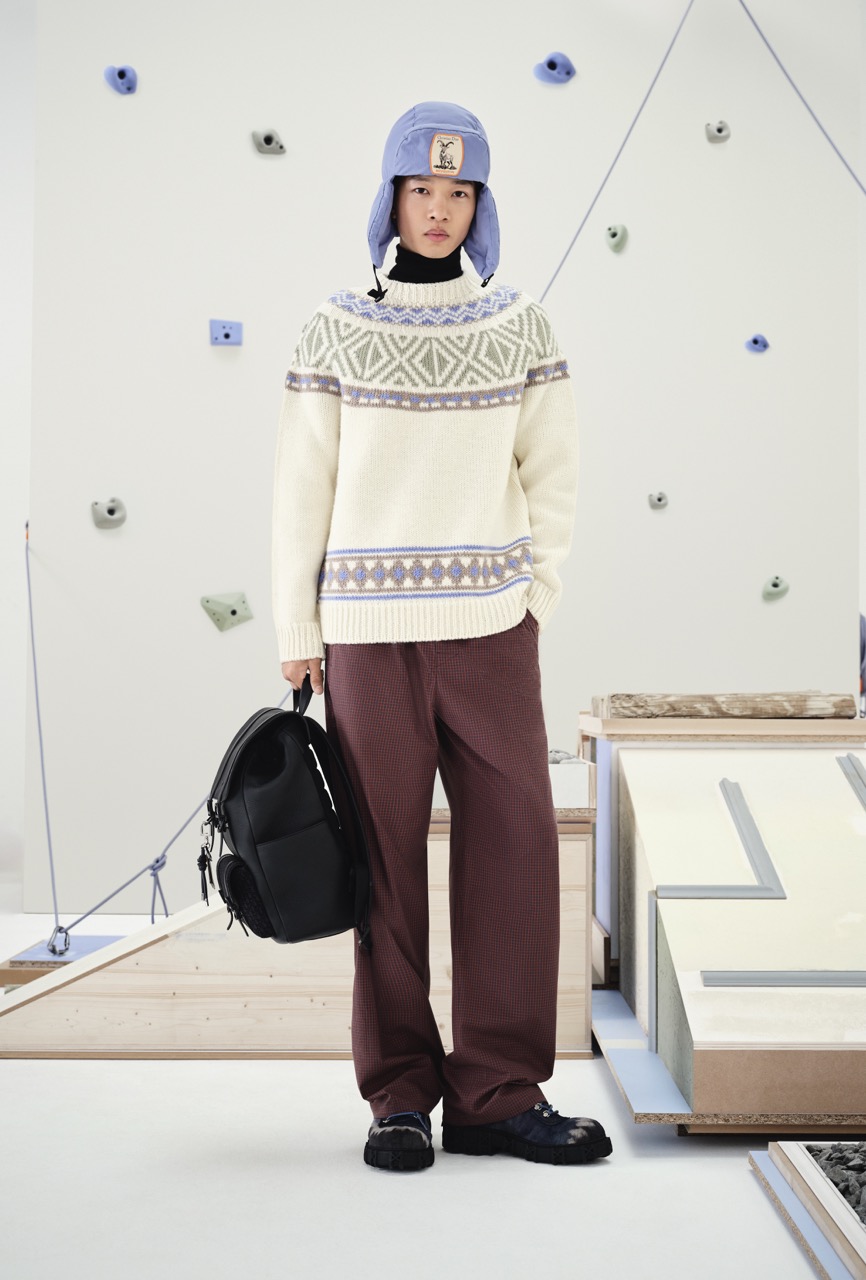
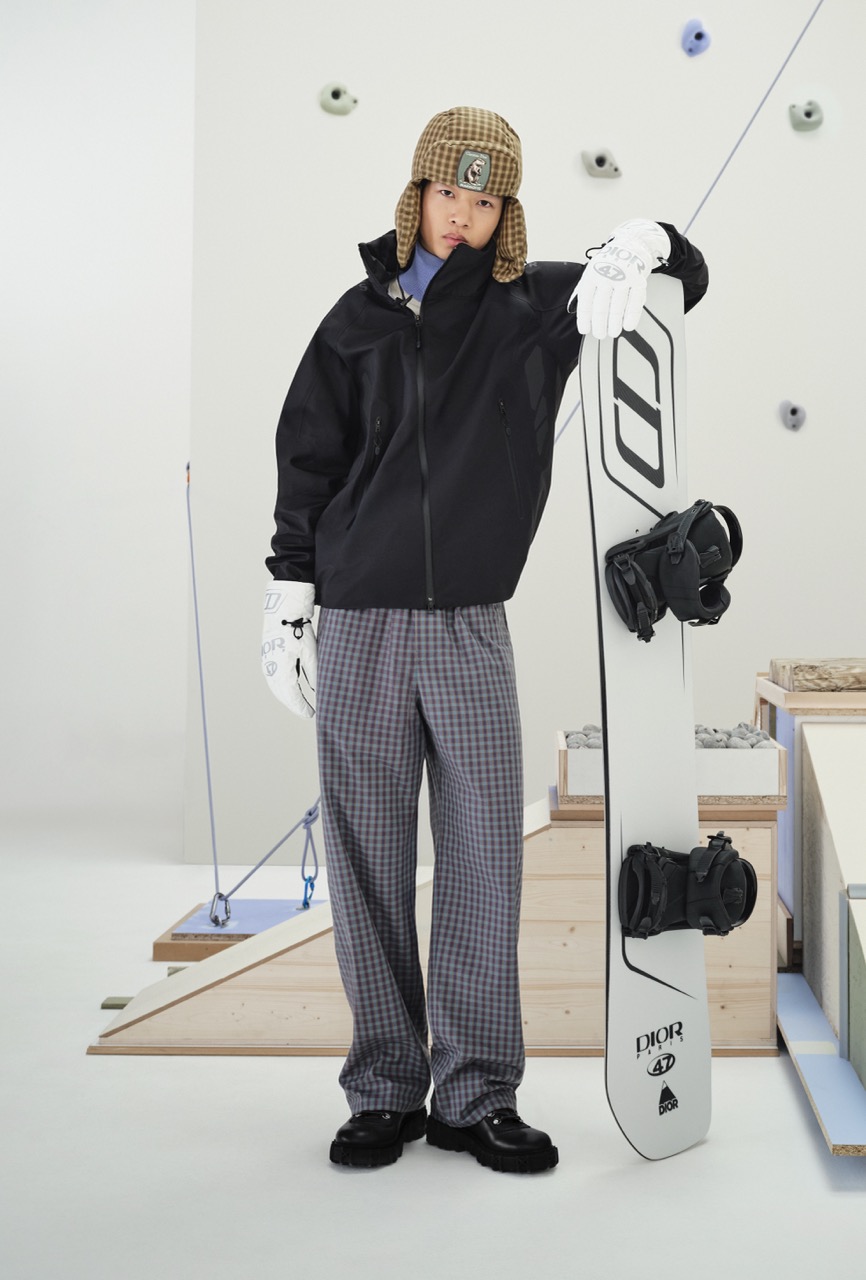
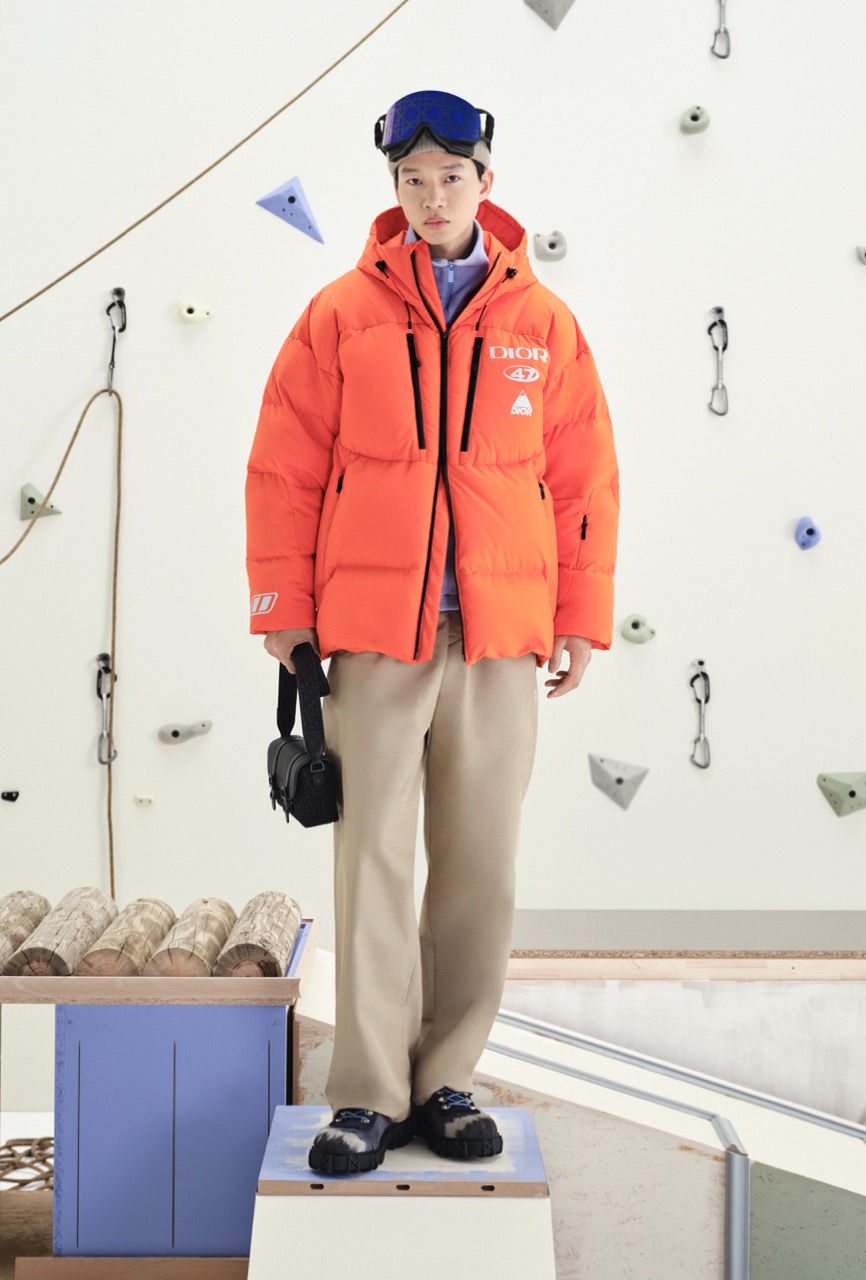
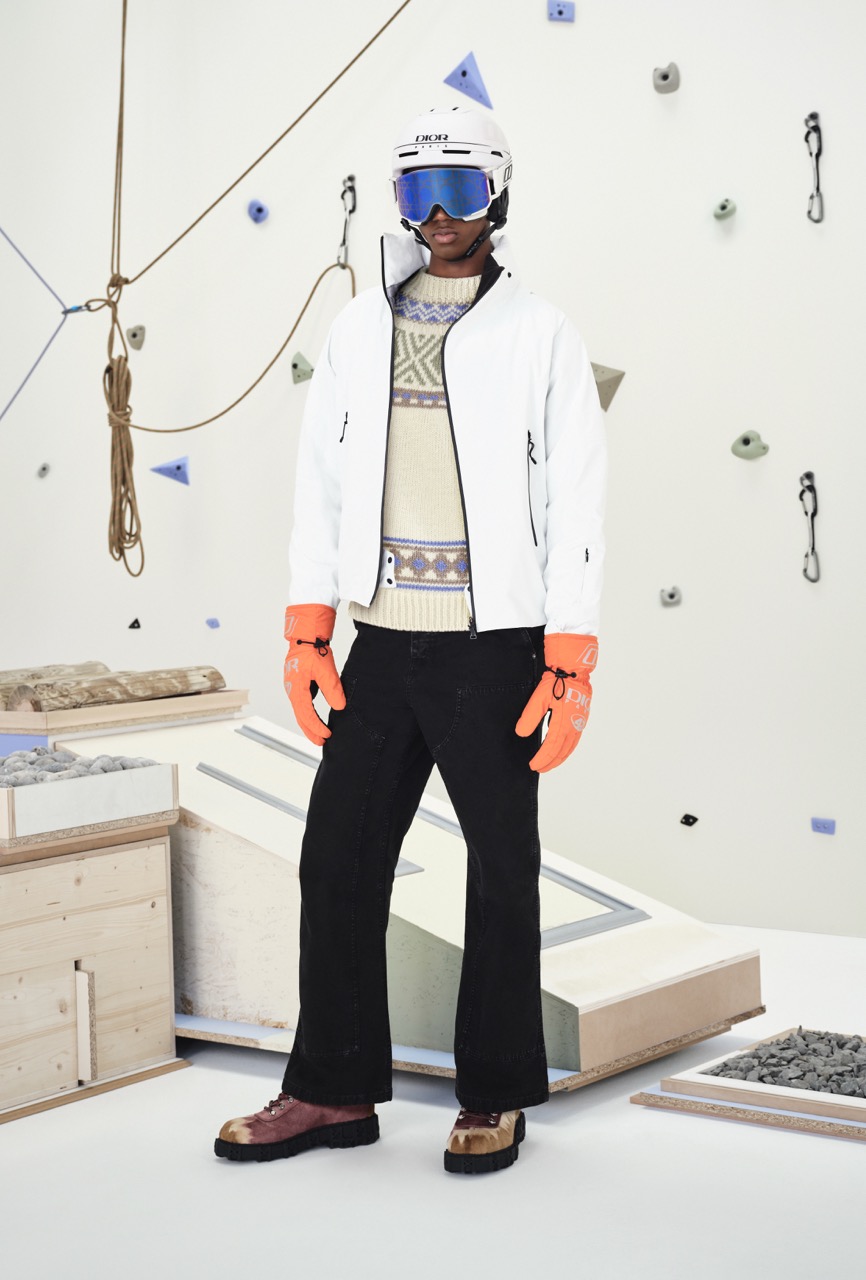
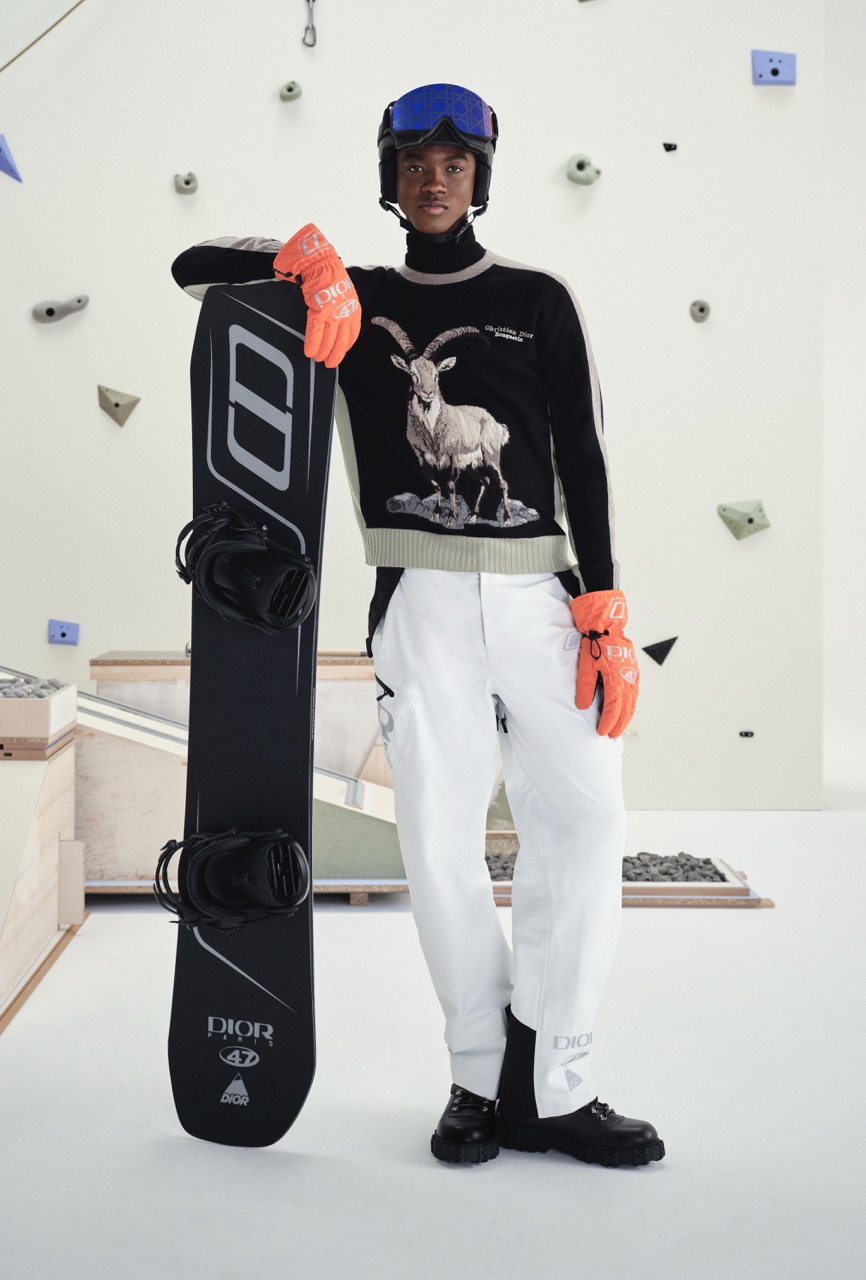
Dior Men has introduced its Spring 2026 Lifestyle Capsule, a collection that reinterprets the world of skiing, a longstanding source of inspiration for the house, through a refined lens of contemporary menswear.
The capsule presents a wardrobe defined by simplicity, functionality, and elegance, where the boundaries between formal and informal dress are intentionally blurred.

The line features a fusion of outdoor culture and luxury craftsmanship, expressed through looks that combine blazers and turtlenecks with cargo or ski trousers. Ivy League-inspired checks appear across shirts in shades of blue, burgundy, and brown, while the sportswear element is emphasised through technical canvas garments. These include minimalist hooded windbreakers with reflective stripes, long coats, and fleece jackets that balance practicality with sophistication.
Accessories play a central role in the capsule, reflecting Dior’s continued emphasis on design innovation and detail. The house’s signature Saddle bag returns in multiple forms, including messenger, triple pouch, and zipped backpack versions. Each is adorned with distinctive Dior Mountain patches, decorative motifs that also appear on jewellery, chapkas, and caps.
Footwear has been reimagined for the season, with two standout models. The B30 Countdown Tech sneakers debut in a new high-performance edition inspired by competitive running, crafted in N3O nylon with technical detailing. Meanwhile, the Dior Slickrock sneakers introduce a bold sole featuring the maison’s Cannage motif, designed to evoke movement and add a graphic dynamic to the overall aesthetic.
The collection encapsulates the many facets of the modern Dior man , one who embraces versatility, performance, and timeless style. It unites elements of sport, travel, and luxury into a cohesive offering that reflects a lifestyle rooted in both heritage and forward-thinking design.
The Dior Men’s Spring 2026 Lifestyle Capsule will be available in stores now.
dior.com
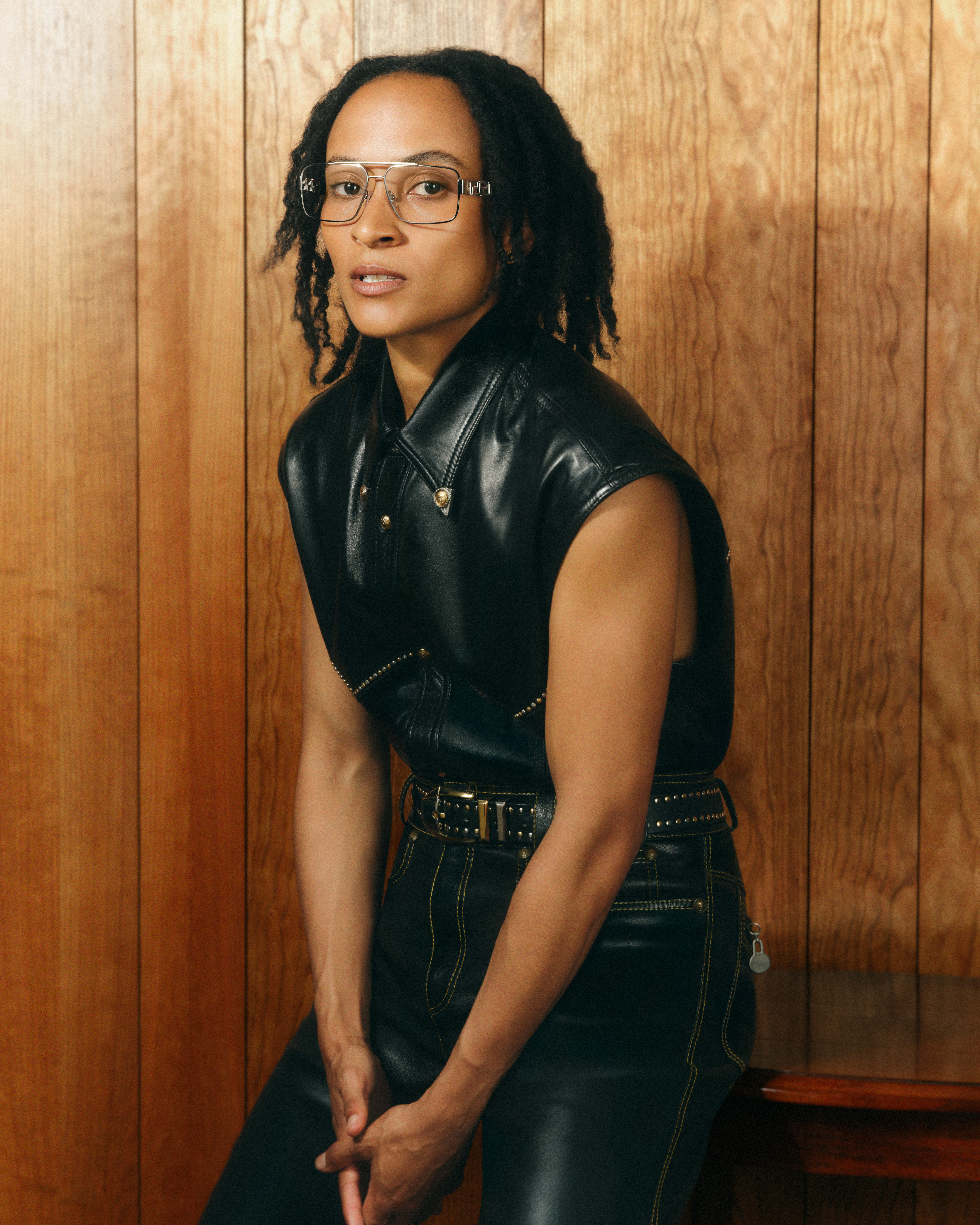
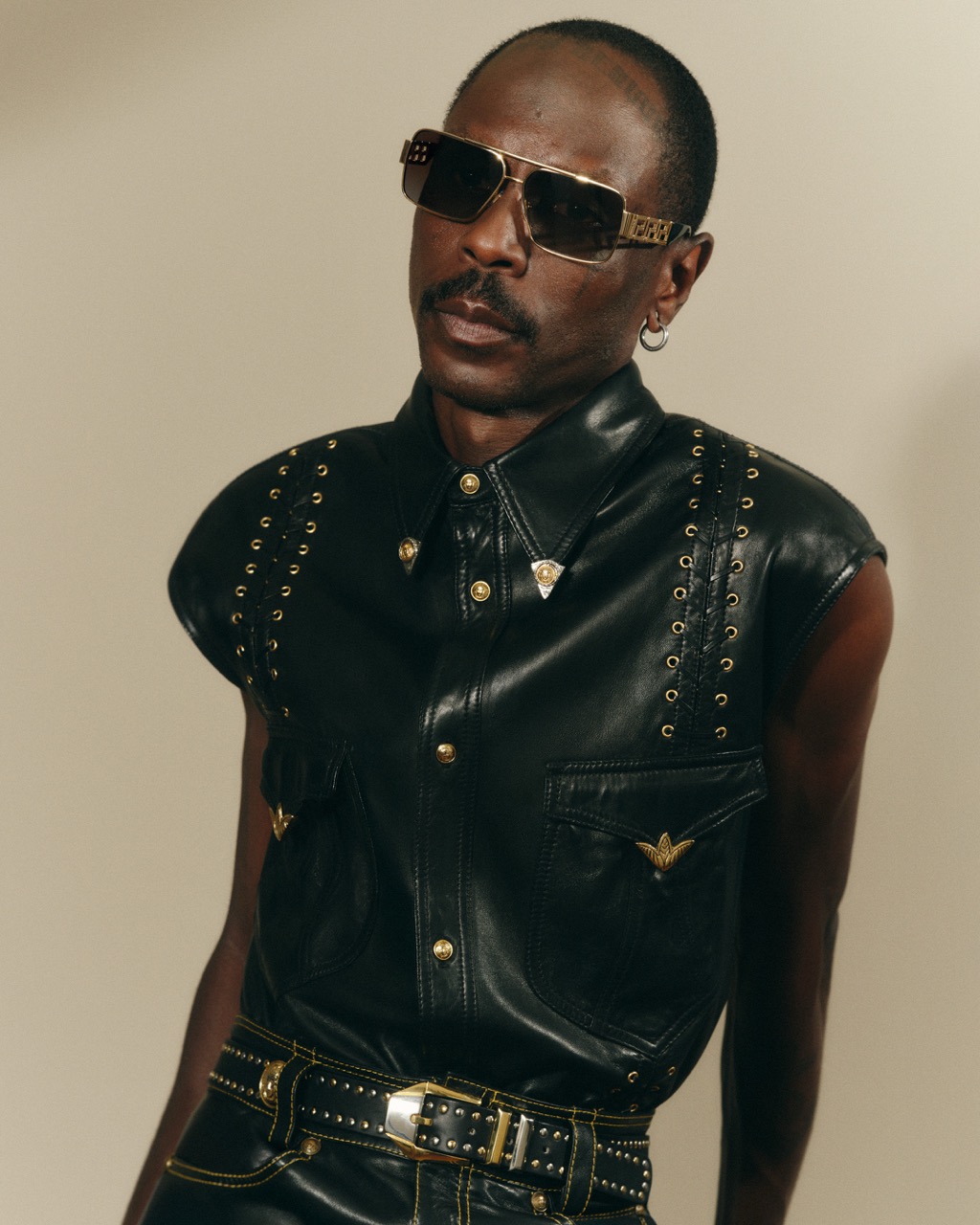
Versace Unveils “Greca” Campaign Directed by Luna Carmoon
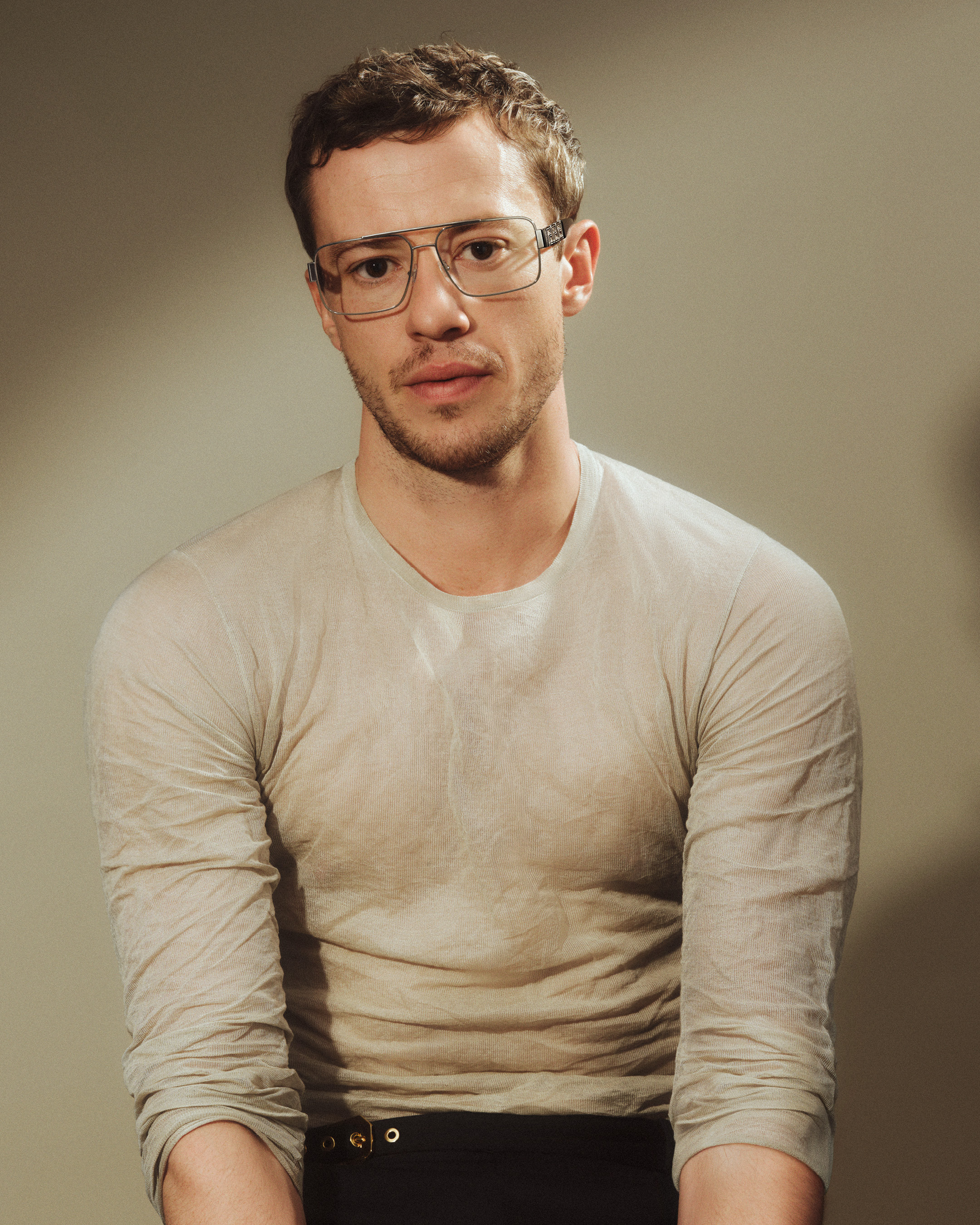
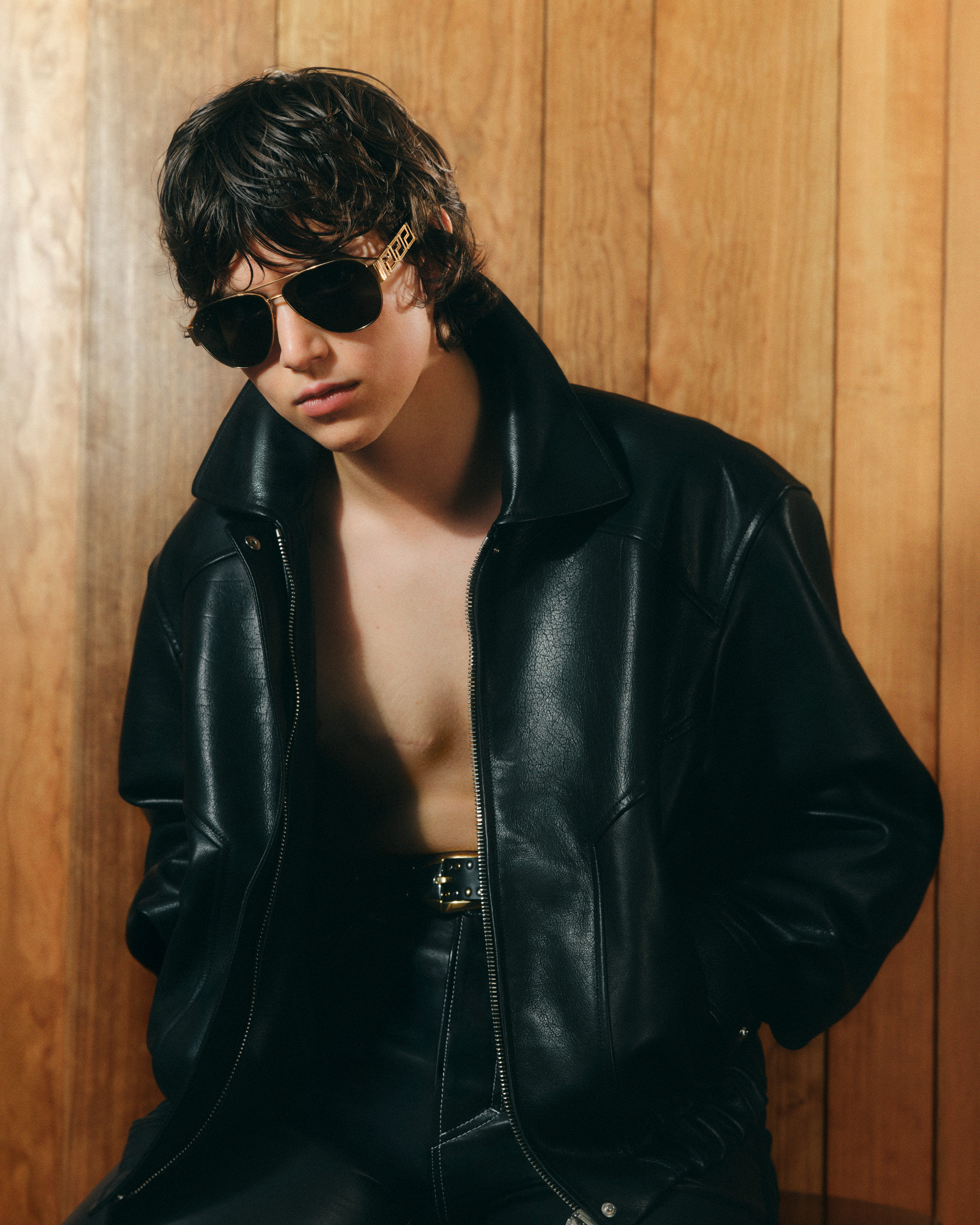
Versace has revealed its new “Greca” campaign, an introspective visual study of duality, individuality and self-expression, directed by British filmmaker Luna Carmoon.
Set in the imagined location of “Room Six” within a highway motel, the campaign unfolds through a series of intimate portraits captured by photographers Anuschka Blommers and Niels Schumm.
The campaign, described as an “intensely intimate study of introspection,” brings together a diverse cast representing various disciplines and creative worlds. British actors Joseph Quinn and Aimee Lou Wood lead the ensemble, joined by British-Ugandan DJ and producer Josh Caffé, Montreal-based composer Ouri, Texan bodybuilder Wesley Glouchkov, and New York City line cook Giovanni Luciano. Each subject embodies the tension between opposites, grit and grace, immediacy and timelessness, wearing Versace’s Greca eyewear line, defined by its distinctive Greek-key motif and refined classicism.
Luna Carmoon’s concept introduces an “imaginary mise-en-scène” in which each character enters a setting of suggestion and seduction. Her script, Room Six, mirrors her characteristic cinematic style, visceral, bold, and charged with emotion, while exploring themes of desire and duality. The film’s motel backdrop evokes a world of confined intensity and heat, amplifying the raw humanity at the core of the Greca story.
Blommers and Schumm, represented by The Ravestijn Gallery in Amsterdam, bring their signature blend of fashion and art to the series, balancing realism with stylised composition. The creative direction is led by Dario Vitale, with styling by Leopold Duchemin.
Each member of the cast brings a distinctive narrative to the project. Quinn continues to bridge independent cinema and major international productions, while Wood is celebrated for performances across television, film, and stage. Caffé’s work spans underground and global music scenes, and Ouri’s compositions blend classical training with electronic experimentation. Glouchkov merges physical transformation with spiritual discipline, and Luciano brings a candid, working-class realism from the culinary world.
Rooted in Mediterranean heritage, the Greca campaign encapsulates Versace’s long-standing commitment to bold self-expression. Founded in 1978 by Gianni Versace, the Italian house remains guided by its principles of freedom, inclusivity, and craftsmanship under Chief Creative Officer Dario Vitale and CEO Emmanuel Gintzburger, with Donatella Versace serving as Chief Brand Ambassador.
The new Greca eyewear is available now at versace.com.
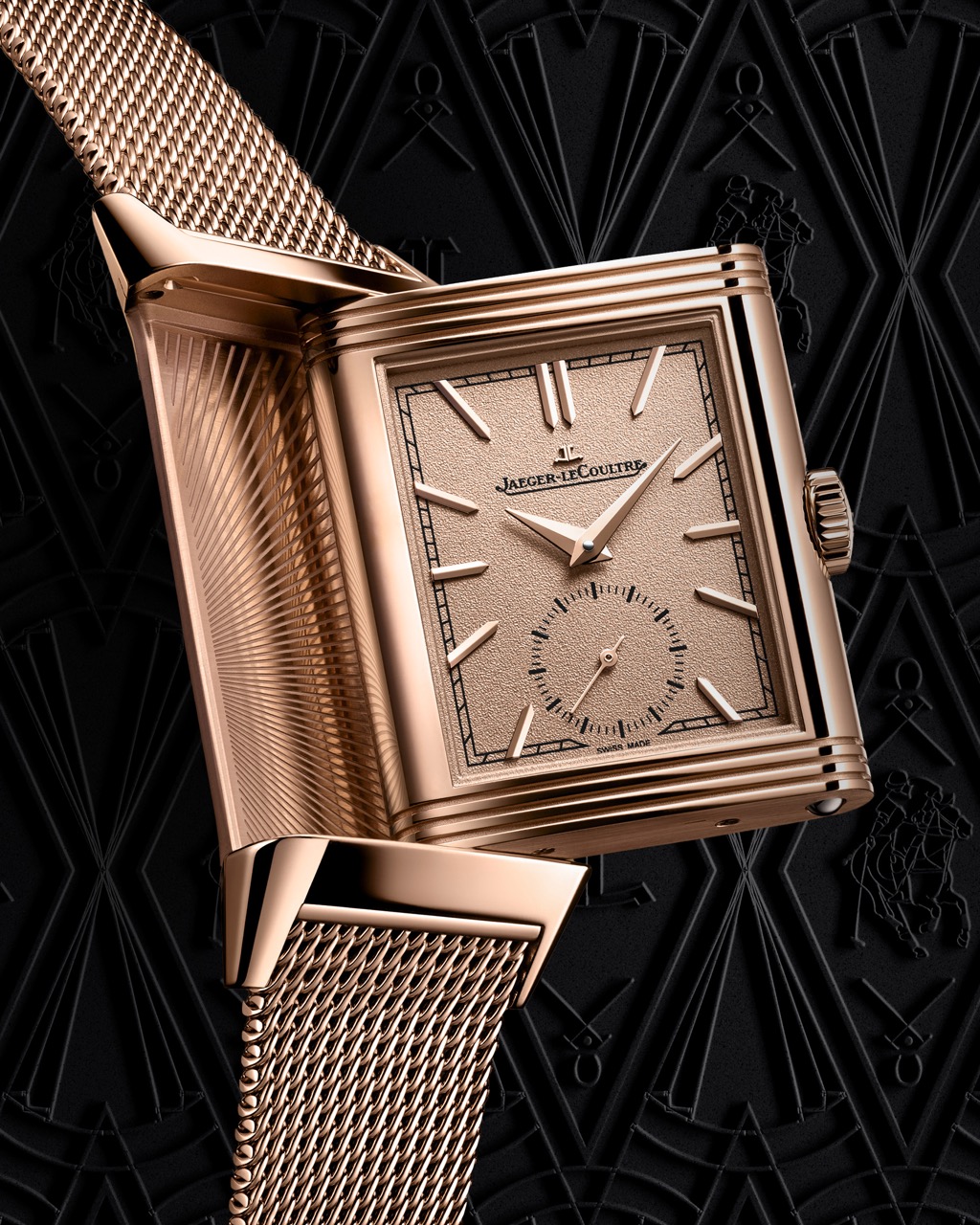
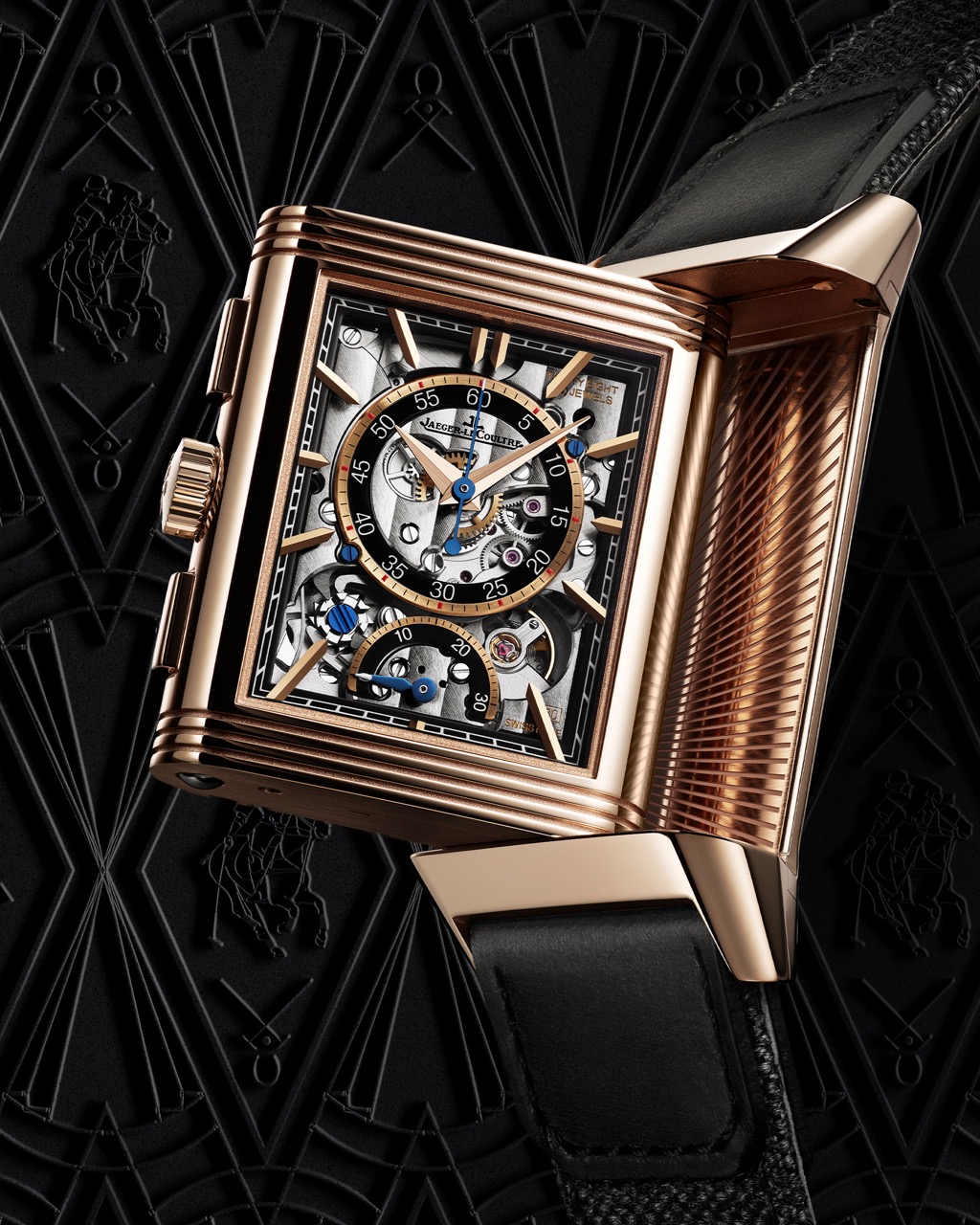
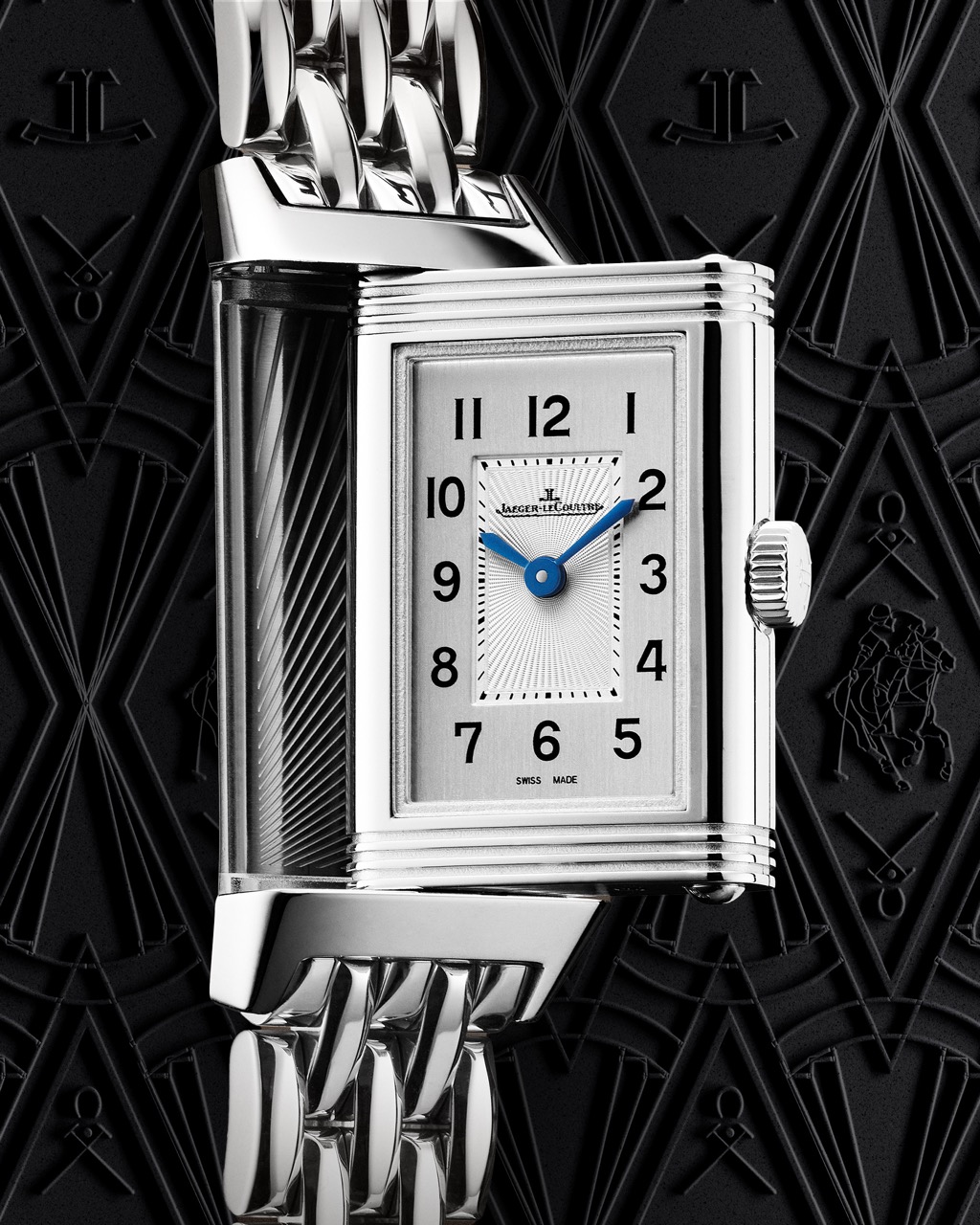
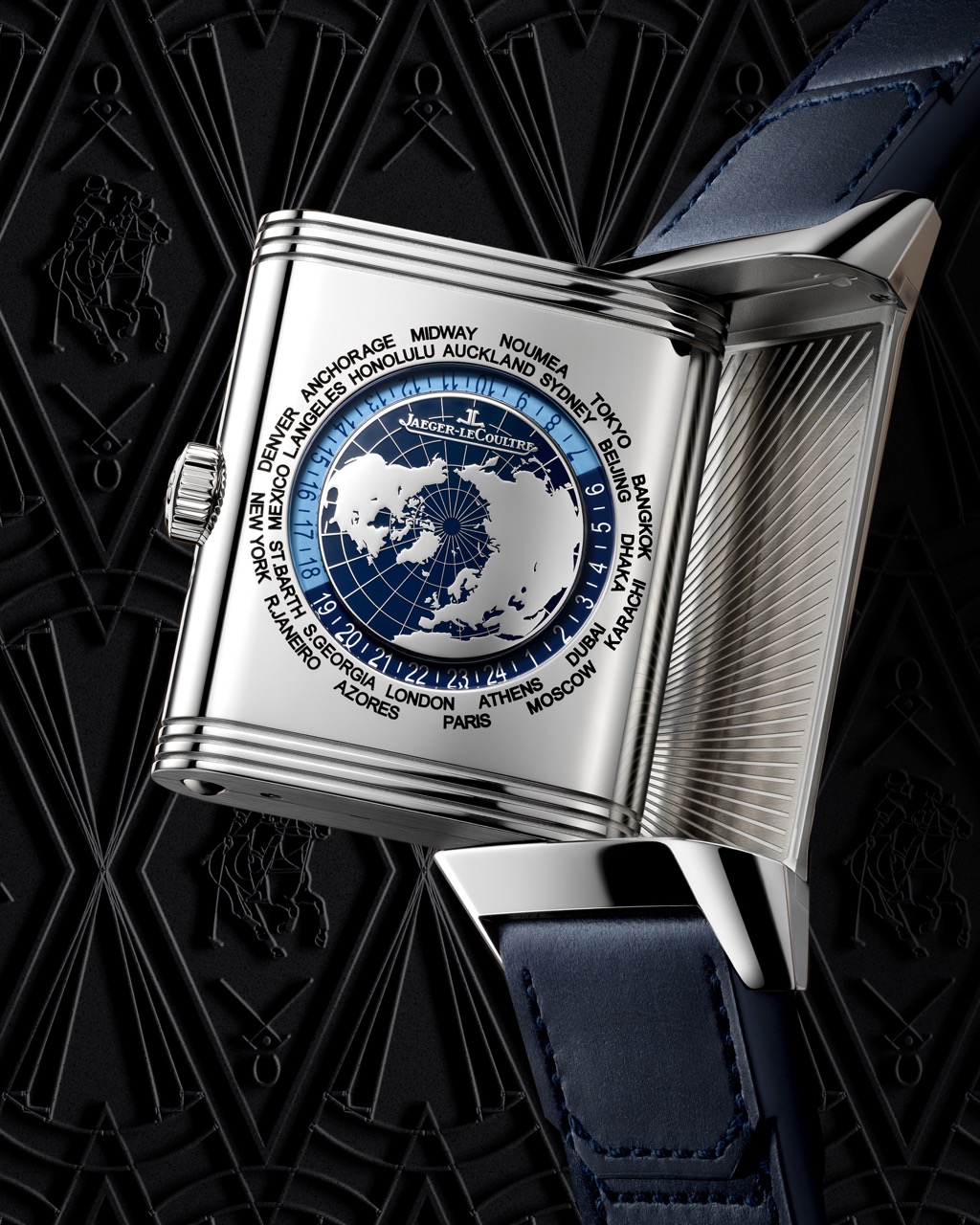
Jaeger-LeCoultre Presents ‘Reverso Stories’ Experience in Qatar
Jaeger-LeCoultre has announceed‘Reverso Stories’, an immersive exhibition celebrating nine decades of craftsmanship, design and innovation, open at Place Vendôme Mall in Qatar from the 18th to the 30th of October 2025.
The event invites visitors to explore the evolution of the Reverso, the Maison’s most recognisable timepiece, through an interactive journey that connects heritage, artistry and modern creativity. The showcase includes a new Made of Makers™ collaboration with Filipino webcomic artist Olivecoat, alongside a curated presentation of exceptional Reverso models at the Jaeger-LeCoultre boutique.
At the heart of the exhibition, the Reverso by Olivecoat project reimagines the watch’s history through an archive-inspired webcomic. Known for her delicate, narrative-driven art, Olivecoat interprets the Reverso’s story using contemporary visual storytelling, highlighting the cultural dialogue between East and West. The digital comic explores the genesis of the icon through moments in time, defining places and characters such as César de Trey and Jacques-David LeCoultre, linking the creation of the 1931 original to the Maison’s enduring legacy.
Visitors to the boutique are invited to discover rare archival models and modern masterpieces, including the Reverso Tribute Enamel Monet “The Doge’s Palace”, whose dial required nearly 70 hours of enamelling, and the Reverso One Precious Flowers collection, a showcase of grand feu enamel and gem-setting depicting floral motifs crafted by the Métiers Rares™ ateliers. The Reverso Hybris Artistica Calibre 179, limited to ten pieces and featuring the intricate Gyrotourbillon mechanism, further demonstrates Jaeger-LeCoultre’s expertise in both technical and artistic innovation.
The experience also incorporates a culinary element. Swiss chocolatier Mathieu Davoine has created a tasting inspired by the Vallée de Joux, the birthplace of Jaeger-LeCoultre, offering guests a sensory link between the Maison’s homeland and the world of polo that inspired the Reverso’s reversible case.
Open daily from 10 a.m. to 10 p.m., Reverso Stories provides a comprehensive insight into Jaeger-LeCoultre’s 190-year heritage and its ongoing dialogue with contemporary creators.
For details and bookings, visit the Jaeger-LeCoultre boutique at Place Vendôme Mall, Qatar, or jaeger-lecoultre.com.
Véronique Nichanian to Present Final Collection for Hermès in January 2026
Hermès has announced that Véronique Nichanian, Artistic Director of the house’s Men’s Universe, will present her final collection on Saturday, the 24th of January 2026, during Paris Fashion Week for the Autumn-Winter 2026–2027 season.
The upcoming show will mark the end of an era for Hermès menswear, closing nearly four decades of creative direction under Nichanian, who joined the house in 1988 at the invitation of Jean-Louis Dumas. In its statement, Hermès expressed deep gratitude for her “eye, vision, generosity, energy and curiosity”, crediting her with shaping “the destiny of a man who walks with allure” and driving the continued success of the men’s universe.
Nichanian said that her departure comes after “immense pleasure” in working for Hermès and being part of what she described as a “big family” that allowed her “total creative freedom”. Reflecting on her approach, she added that she has continuously sought to reinvent her understanding of the vêtement-objet by combining materials and techniques to create a contemporary wardrobe where “innovation and heritage are brought together”.
She thanked Jean-Louis Dumas, Axel and Pierre-Alexis Dumas, as well as the Hermès teams and her studio, for their trust and collaboration. “My wish has always been to create clothes of today for the long term,” she said, emphasising her belief that “there is not an Hermès man; there are Hermès men.”
Under Nichanian’s direction, Hermès menswear became defined by a chic, discreet and timeless elegance, expressed through precision in tailoring and her attention to detail—often referred to as “selfish” details designed to please the wearer. Her collections consistently explored the interplay of craftsmanship, functionality and innovation, with a focus on how garments are lived in rather than simply worn.
Over nearly forty years, Nichanian established Hermès as a reference point in contemporary men’s fashion, creating a style rooted in the house’s artisanal heritage while evolving with the times. Her work has consistently found strong success among clients worldwide.
hermes.com
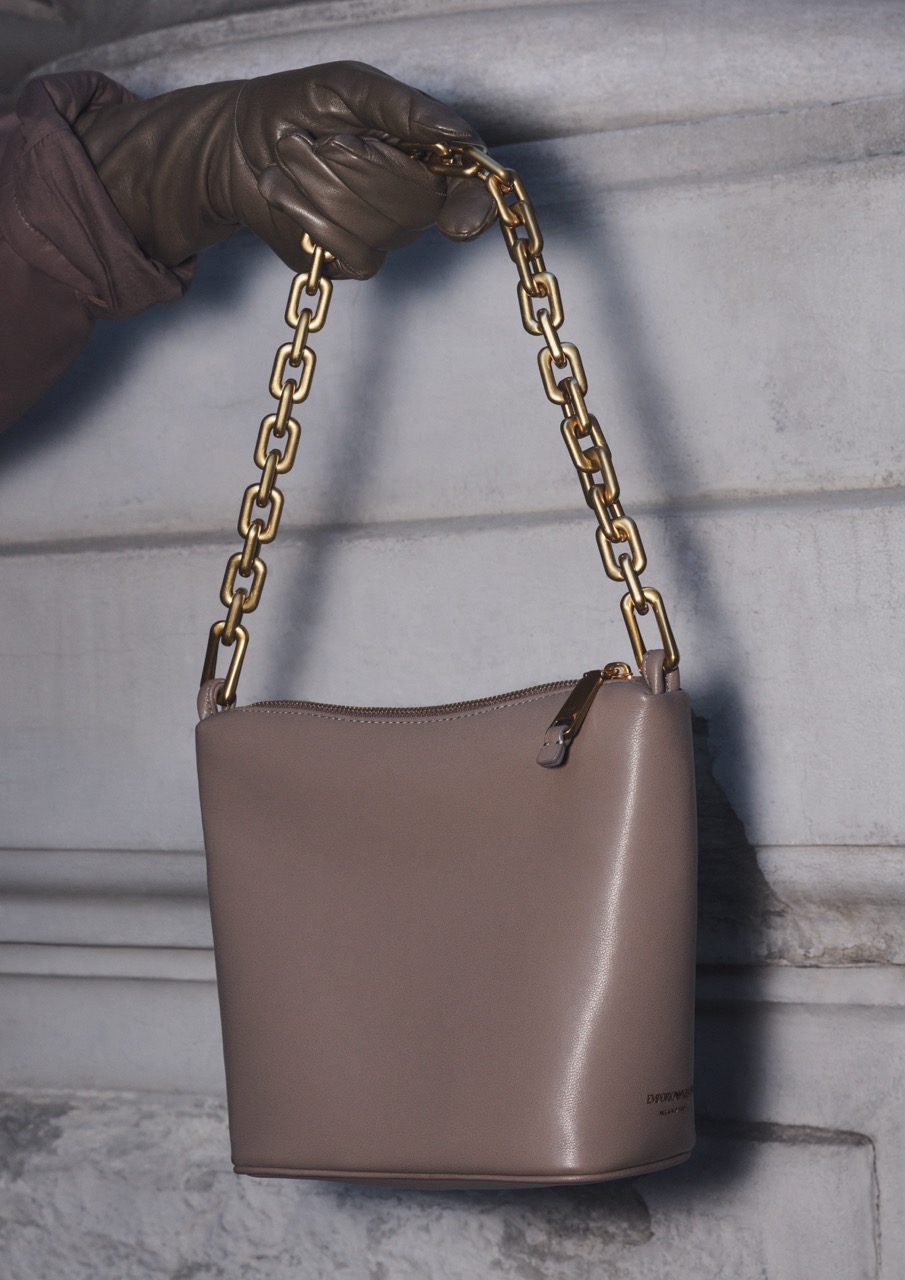
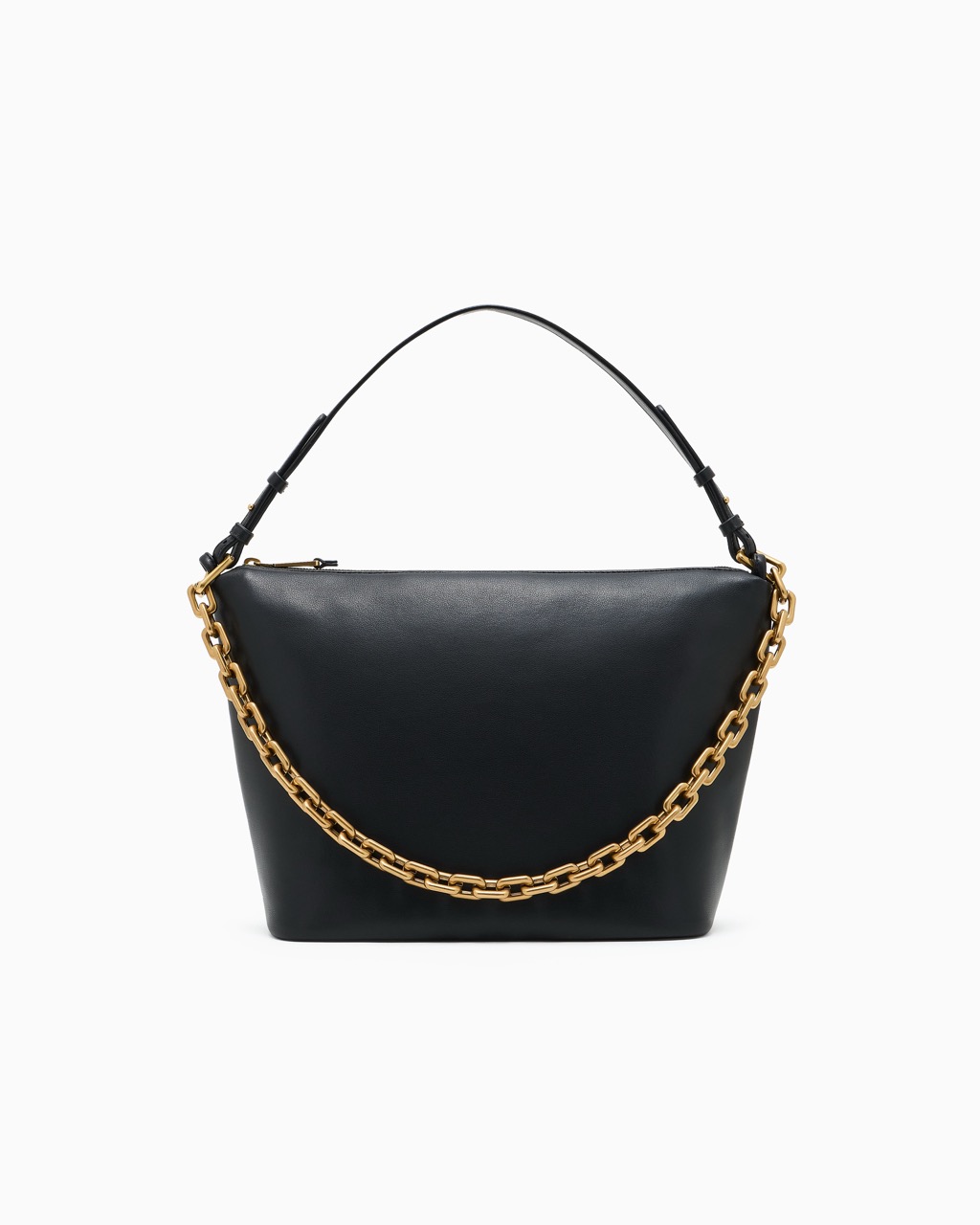
Emporio Armani Introduces the Sissi Bag for Autumn/Winter 2025/26
Emporio Armani has unveiled its latest addition to the accessories line: the Sissi bag, a new design for the Autumn/Winter 2025/26 season, from one of the last collections designed by Giorgio Armani.
The name “Sissi” carries personal significance within the Armani universe. It is an affectionate nickname used by those closest to Silvana Armani, the niece of Giorgio, who heads the Women’s Style Office for the Armani Group. The naming underscores the brand’s family heritage and continuity, elements that have long contributed to its identity.
The Sissi bag stands out for its balance between softness and structure. Its fluid lines are offset by the bold inclusion of a second chain shoulder strap, creating a look that is both modern and versatile. This detail reinforces Emporio Armani’s design approach, which often merges functional design with subtle luxury.
The bag is available in two distinct sizes designed to meet different needs throughout the day. The medium version is spacious and practical, intended for daytime use and crafted to be worn comfortably on the shoulder. The smaller version is adaptable for evening wear and can be styled either on the shoulder or cross-body, offering flexibility for different occasions.
Sissi’s design language reflects the wider themes of the Emporio Armani Autumn/Winter 2025/26 collection, which continues to celebrate urban sophistication and quiet confidence. The brand’s accessory collections often serve as extensions of its ready-to-wear lines, reinforcing key seasonal motifs through craftsmanship and silhouette.
Available in selected Emporio Armani boutiques worldwide and online at armani.com
A First Look At La DoubleJ “Magical Matter” Fall 2025 Campaign
Milan-based luxury house La DoubleJ has unveiled its Fall 2025 ready-to-wear collection, titled Magical Matter.
The collection explores beauty, creativity and imagination through prints, silhouettes and accessories inspired by the natural world. Designed as a celebration of life’s cycles, the range features intricate craftsmanship and the bold, uplifting aesthetic the brand has become known for.
The season’s standout theme, Powered-Up Prints, takes inspiration from Mother Earth. Key motifs include “Fun-gi”, a print referencing the underground world of mushrooms; “Nucleus”, which reinterprets microscopic forms as mosaiced stones; “Camelot”, depicting a golden stallion composed of smaller creatures; and “Monarch”, a butterfly design made from unexpected animal forms. Continuing its signature celebration of botanicals, the brand introduces new prints such as “Bamboo”, “Riptide” and “Pinwheel”.
Scarf dressing plays a central role this season, with scarves and foulards built into tops, dresses and coats. The Draped Scarf Dress can be styled as a hood, shawl or cape, while the Scarf Top, Reversible Scarf Gilet and Scarf Skirt offer versatility and movement. Accessories include hand-crocheted Triangle Scarves, reversible Slim Scarves and fringed foulards in vintage and in-house prints.
La DoubleJ also expands its knitwear selection, showcasing pieces such as padded tweed long gilets, the Meditation Poncho, and hand-embroidered cardigans that highlight Italian craftsmanship. Outerwear highlights include the Brooklyn Bomber in lurex bouclé, the Jagger Blazer in jacquard matelassé, the Windsor Parka and the statement In My Power Coat in printed brushed wool.
The Celebration Styles line continues to cater to special occasions with designs such as the Park Ave Dress, Penelope Dress, V-Neck Scala Top in crystal-embroidered chiffon and the Dolce Vita Skirt. Standout evening looks include the caped Magic Dress and the Cherie Scarf Dress with a thigh-high slit.
This season also introduces Joy-Enhancing Jewellery made with crystals and semi-precious stones including carnelian, rose quartz, lapis lazuli and amethyst, each selected for their energetic symbolism.
Finally, the brand debuts its first sneaker collaboration: an eight-piece collection with Hdn-Ander, crafted in Italy from printed and solid leather. The sneakers feature La DoubleJ’s monogram, energy-inspired charms and the inscription “Divinely Made in Italy”.
ladoublej.com
Escape To The Desert This Winter In The GCC With These Next-Level Wellness Retreats
Here are four of our favourite retreats across the Middle East
Thuraya Wellness, Habitas AlUla, Saudi Arabia

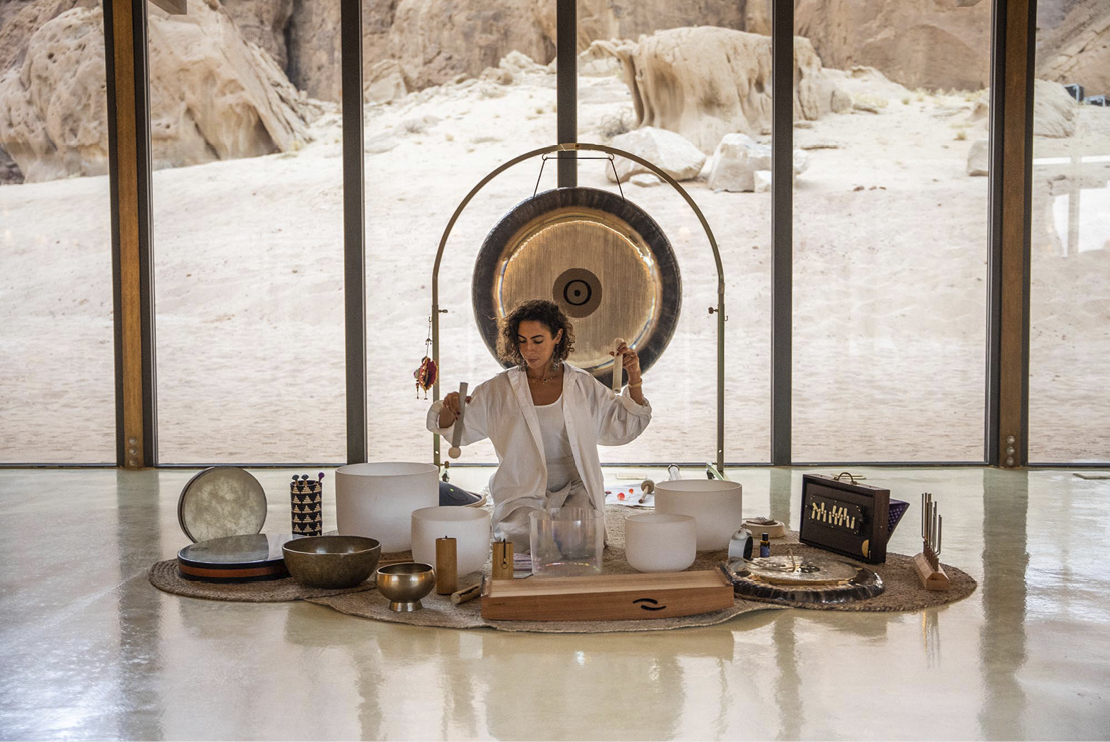
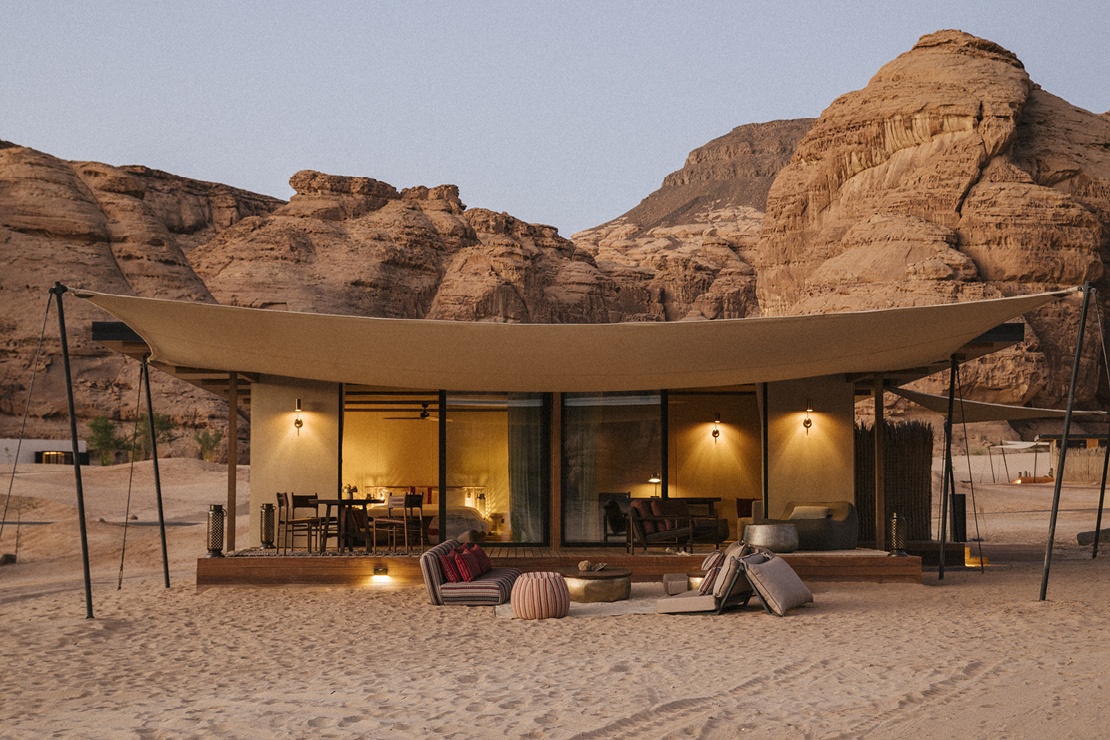
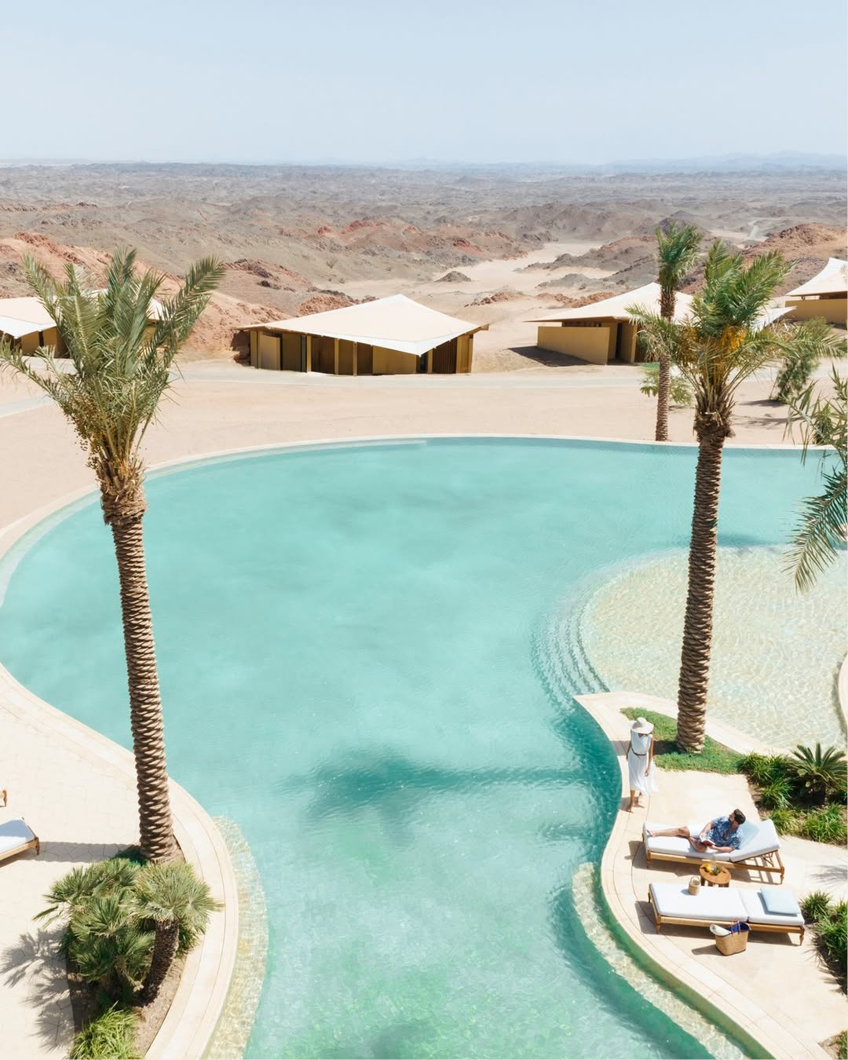
Thuraya Wellness within Habitas AlUla is the destinations quiet centre of gravity, designed for restoration in the middle of Ashar Valley’s sandstone drama. The purpose-built complex brings together a peaceful lounge and alchemy bar, dedicated spa treatment rooms, a fitness centre, an outdoor wellness agora and a yoga studio, so guests can move seamlessly from movement to recovery in one place.
Treatments draw on regional botanicals and time-honoured Middle Eastern practices. Signature therapies feature all-natural, locally inspired ingredients (think moringa peregrina, frankincense and mastika) alongside warm AlUla stones to encourage deep relaxation. Facials and body rituals also incorporate staples such as date, oat, lavender and mineral-rich clays for skin resilience and glow.
Beyond the treatment menu, Thuraya’s daily rhythm includes yoga, meditation and mindful fitness sessions, with the gym fitted for guests who want to maintain cardio and strength training while away. The interiors of the property are built from glass, w,ood and stone and blend harmoniously into the desert. Meanwhile, the outdoor agora hosts breathwork or stretching as the cliffs change colour at dusk. It’s a thoughtful balance of contemporary wellness with Saudi influences, made for guests who value both ritual and results. For guests building an AlUla itinerary around recovery, bookable sessions can also be paired with pool time or sunset yoga to create a compact, restorative circuit.
ourhabitas.com/alula/wellness/
Al Maha, a Luxury Collection Desert Resort & Spa, Dubai, UAE
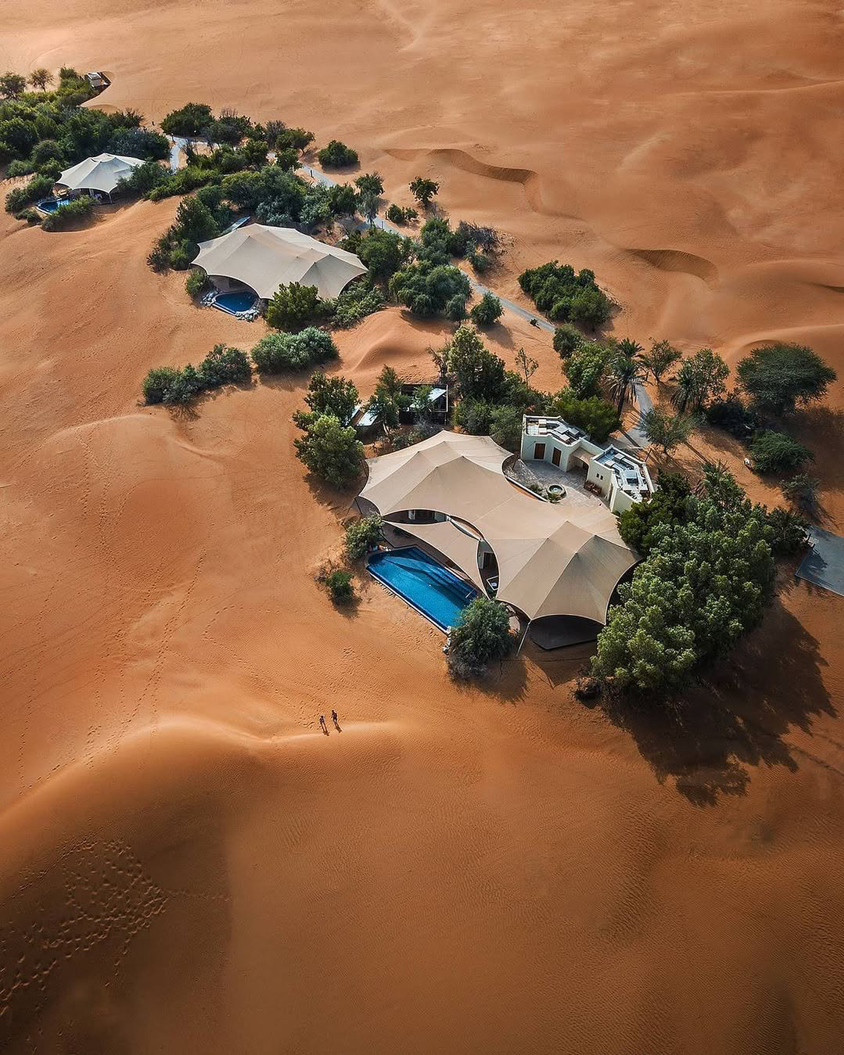
The property’s Timeless Spa is at the heart of the Al Maha, a Luxury Collection Desert Resort & Spa, offering, a quiet sanctuary framed by palms and open desert views inside the Dubai Desert Conservation Reserve. The spa’s menu blends regionally resonant ingredients with results-driven therapies.

Highlights include the Sodashi Oud Renewal Therapy, designed to ease muscular tension while supporting detox and skin radiance, and the Al Maha Body Journey, which uses figs, dates and essential oils for exfoliation before a soothing massage and a fresh dates-and-milk foot mask. Facilities help guests truely reset at this desert retreat, alongside the treatment rooms, there is a jacuzzi, steam and sauna, a fitness space and the main infinity pool, creating a straightforward route from recovery to relaxation without leaving the complex.
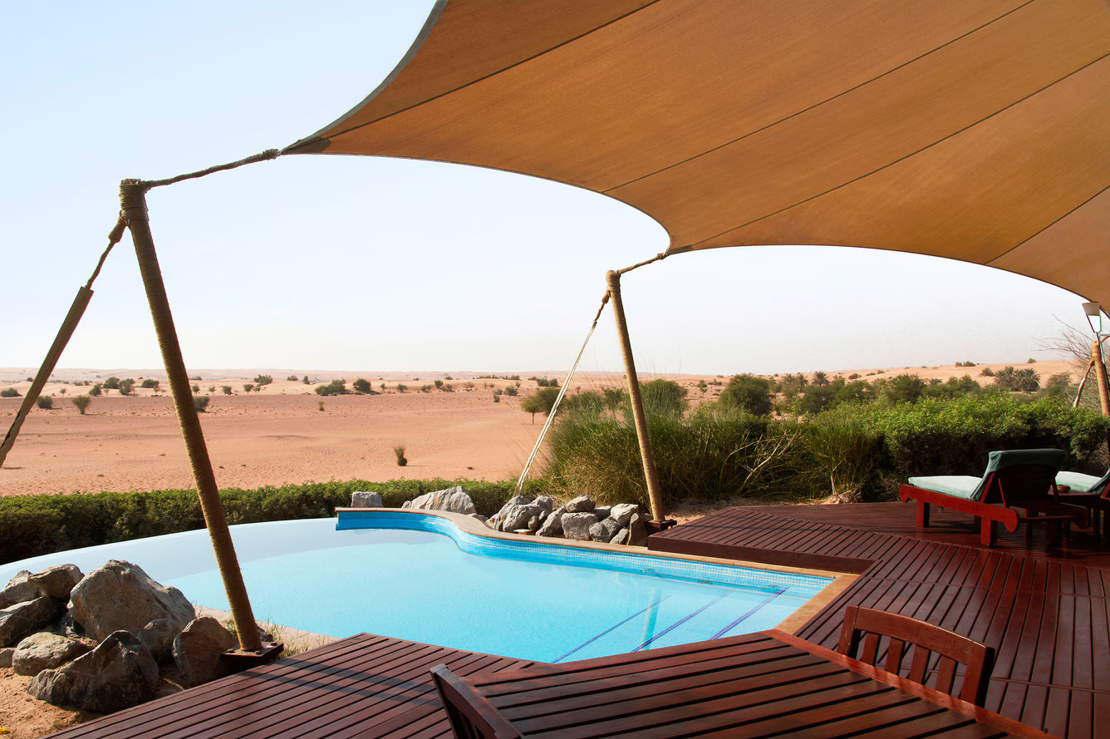
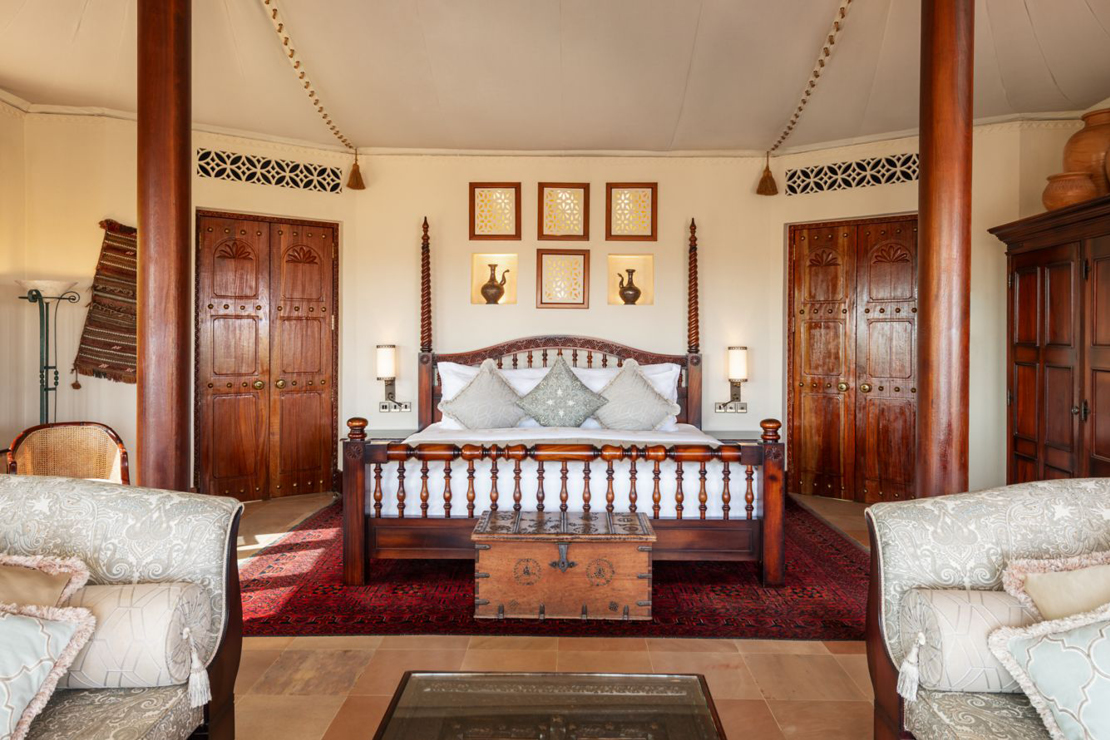
Wellness at Al Maha also continues in-suite. Each of the 42 villas has a private, temperature-controlled pool and generous deck space for stretching or unwinding in privacy, with desert views that make sunrise mobility or sunset breathing sessions feel unforced. Set within the UAE’s first national park, the resort’s nature-led rhythm complements a programme that prioritises calm, restoration and a sense of place.
marriott.com/es/hotels/dxbam-al-maha-a-luxury-collection-desert-resort-and-spa-dubai/overview
Six Senses Southern Dunes, The Red Sea, Saudi Arabia
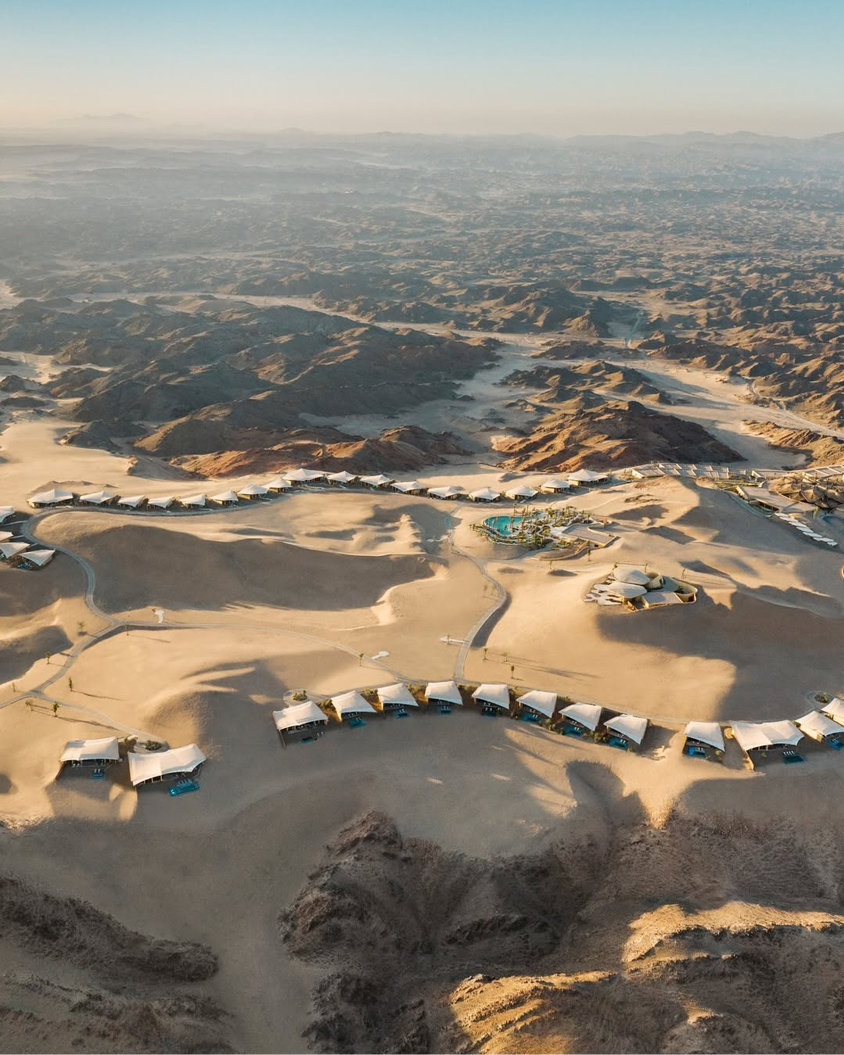
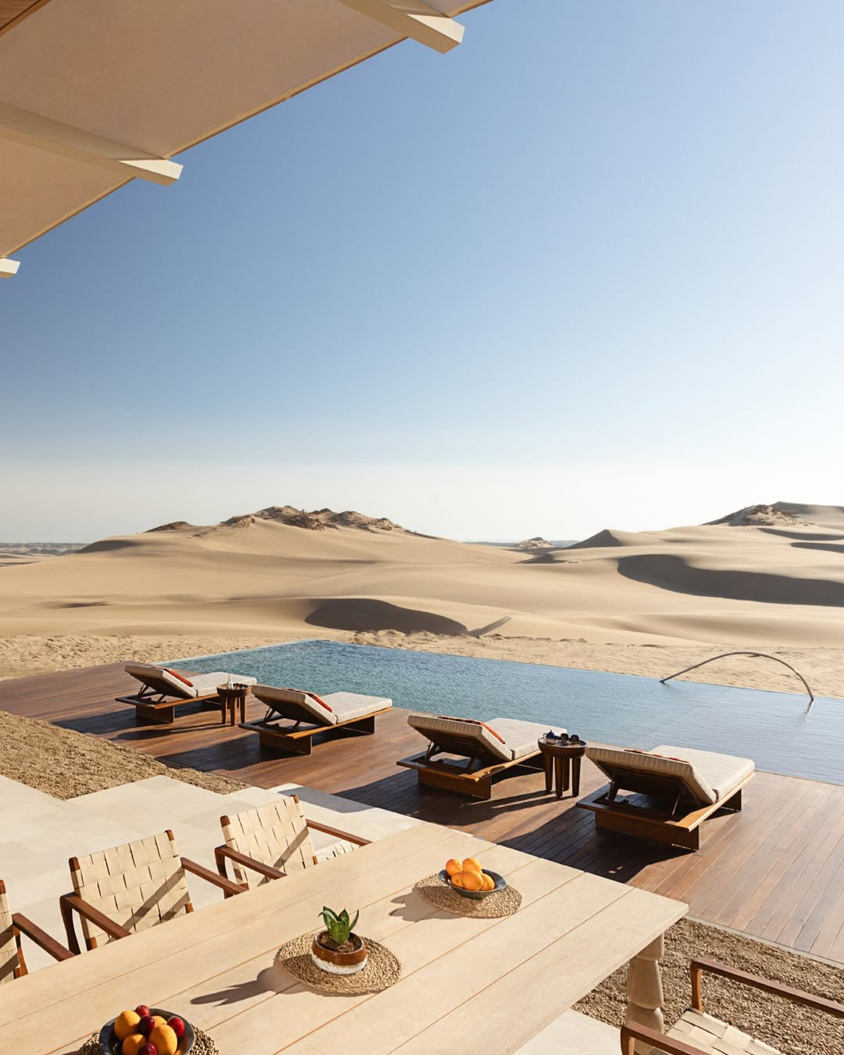
Six Senses Southern Dunes, The Red Sea is nestled with the Alnesai desert with a 3,974-square-metre, two-storey spa designed for results as much as retreat. The upper level houses a fitness suite with desert views and classes from spin to aerial and traditional yoga. Below, treatment rooms connect to a wet zone with a vitality pool, infrared salt sauna, steam, cold plunge and relaxation areas.
Facilities also include a single hammam, outdoor cabanas, a sensory suite with meditation dome, a Holistic Anti-Ageing Centre, hair and nail salon, male barber, Biohacking area, Alchemy Bar and Juice Bar. Local notes, such as frankincens,e bring Saudi character to the journey. Programming follows the Six Senses personalised approach. Non-invasive screenings, skin analysis and smart-tech biohacking inform tailored plans across core tracks, including Fitness, Sleep, Detox, Weight Management and Discover Yoga, combining movement, therapies, nutrition and recovery to sustain gains beyond the stay.
Meanwhile, treatment highlights range from Desert Bliss on a warm quartz sand bed to a Traditional Date Seed Hammam that uses antioxidant-rich date kernels for full-body exfoliation, and Biologique Recherche’s Triple Lift facial for contouring and tone. Hands-on Alchemy Bar workshops teach guests to blend clean skincare, drawing on the region’s spice-route heritage. The wider resort context strengthens the proposition. As the first hotel to open at The Red Sea in 2023, the property celebrates Nabataean heritage and desert ecology, while the central Oasis canopy and pool areas create an easy loop between movement, treatment and downtime.
sixsenses.com/en/hotels-resorts/middle-east-africa/saudi-arabia/southern-dunes-the-red-sea
Qasr Al Sarab by Anantara, Abu Dhabi, UAE

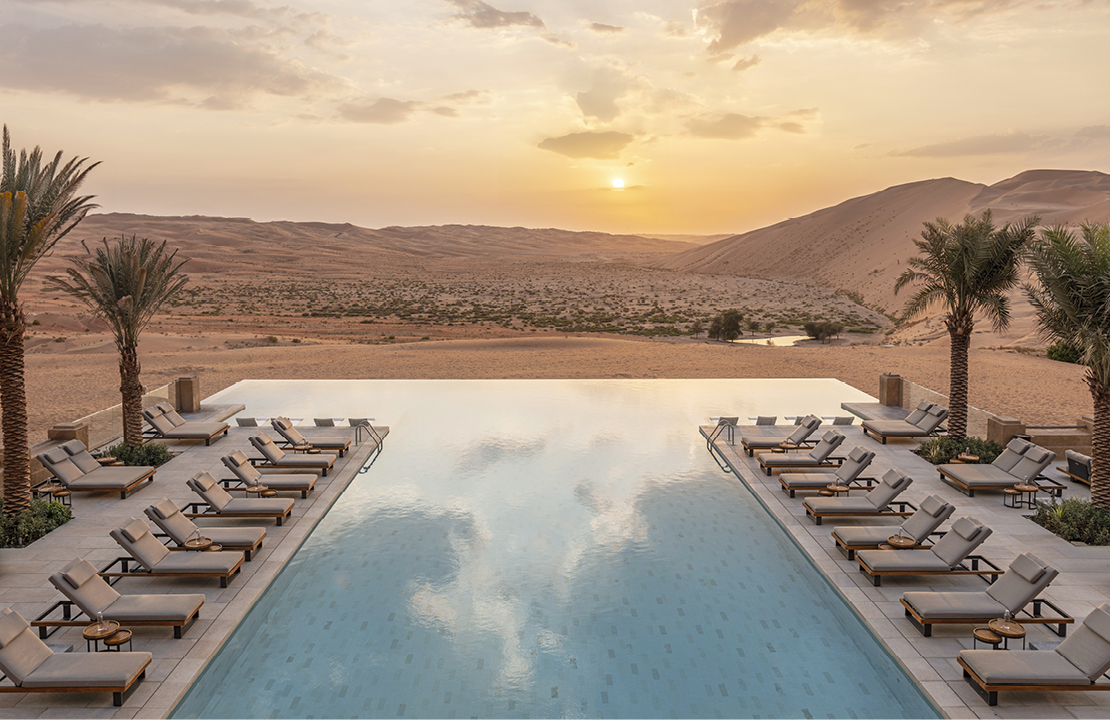
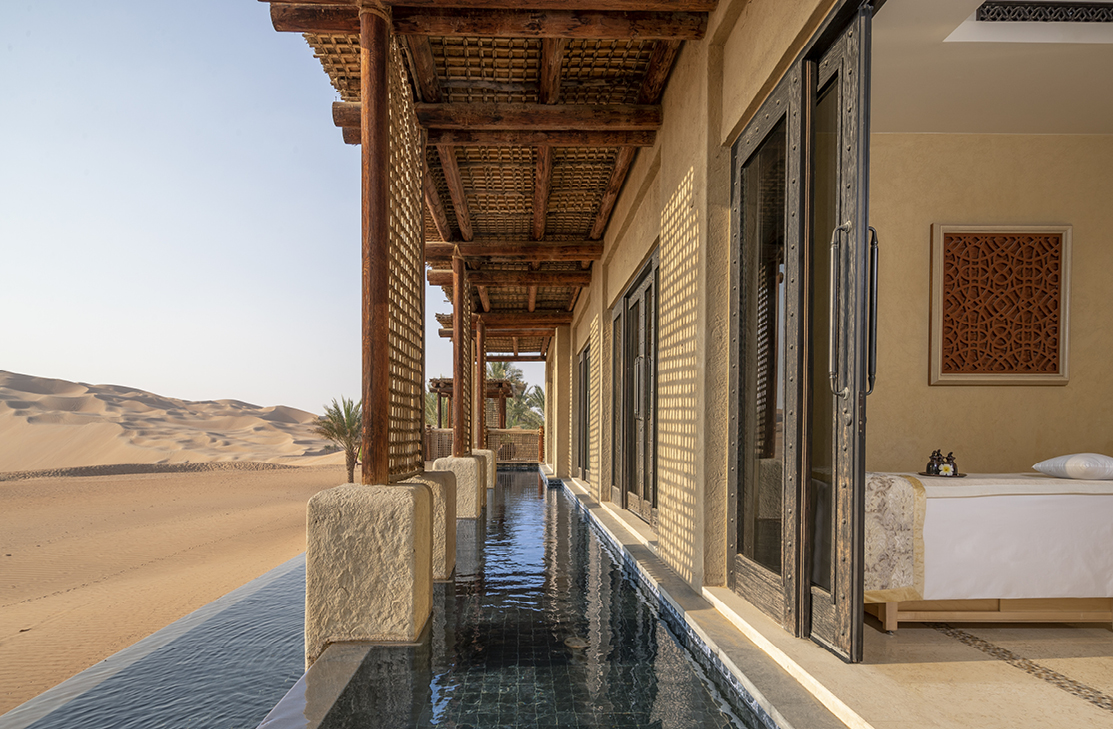
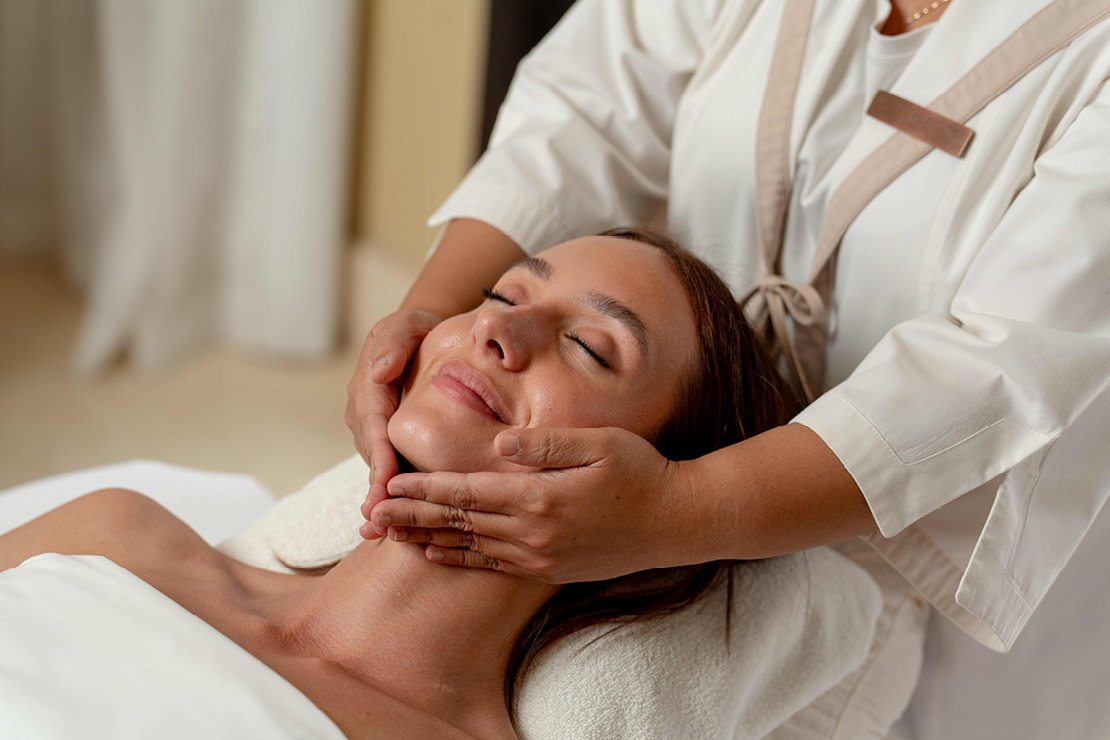
Qasr Al Sarab Desert Resort by Anantara is shaped by its dramatic setting within Abu Dhabi’s Empty Quarter. Situated in the world’s largest uninterrupted sand desert, the property is the perfect spot to switch off, rest and rejuvenate through targeted treatments at the Anantara Spa and its dedicated Wellness Centre. The spa blends Arabian rituals with Thai wellness practices inside light-filled treatment spaces that face the dunes. Biologique Recherche facials are offered on an exclusive basis at the resort, alongside Moroccan hammam rituals and desert-inspired massages. The positioning is restorative, with therapies adapted to individual needs. The property also offers five noteworthy experiences which are worth booking in during your stay at the property.
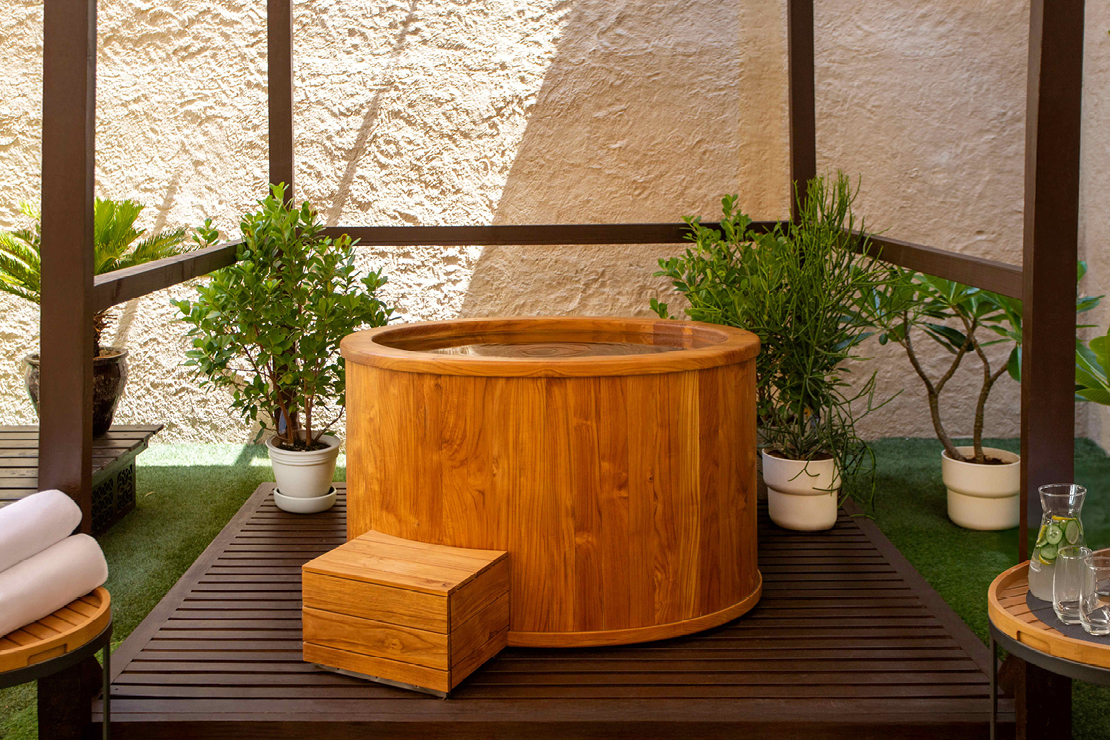
There is a guided Desert Ice Bath provides cold-immersion therapy to support circulation, muscle recovery and nervous system calm within the Wellness Centre.

A Biologique Recherche Soin Oxygénant VIP O2 facial which targets hydration and radiance, using formulations tailored to each guest. An Arabian Desert Rose Ritual which offers a four-hour sequence that layers a desert sand scrub, rhassoul clay mask and milky rose bath with a full-body massage and a Biologique Recherche facial for a comprehensive reset.
A Rub’ al Khali Healing Sand Bath draws on Bedouin tradition, using the heat and minerals of the desert sands to ease muscular and joint discomfort before a cooling mask is applied. And finally the Qasr Al Sarab Royal Hammam, which delivers a private steam, traditional exfoliation and mineral-rich clay application, completed with a calming back massage to aid circulation and lymphatic support.
anantara.com/en/qasr-al-sarab-abu-dhabi
Rami Al Ali Presents ‘White 8: Her, Ten Times’ in New York
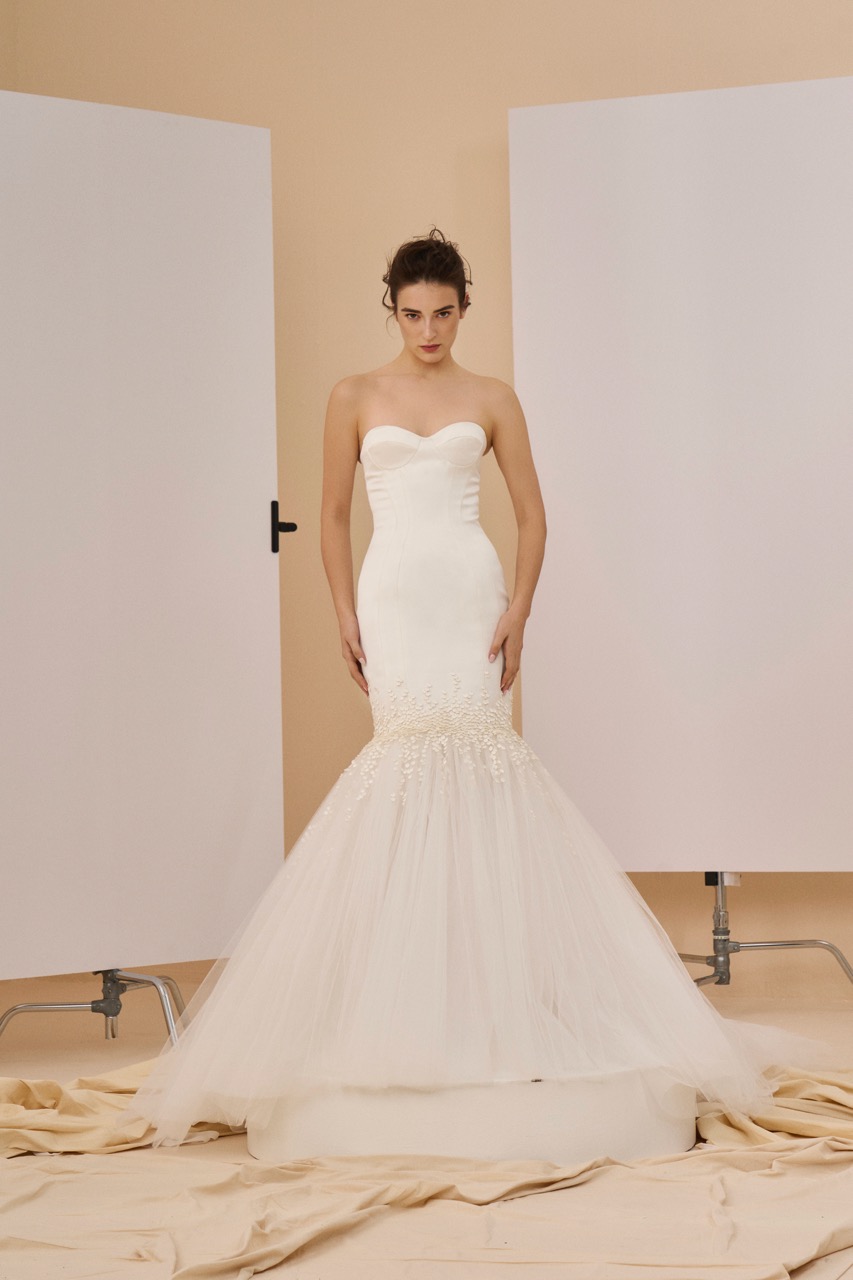
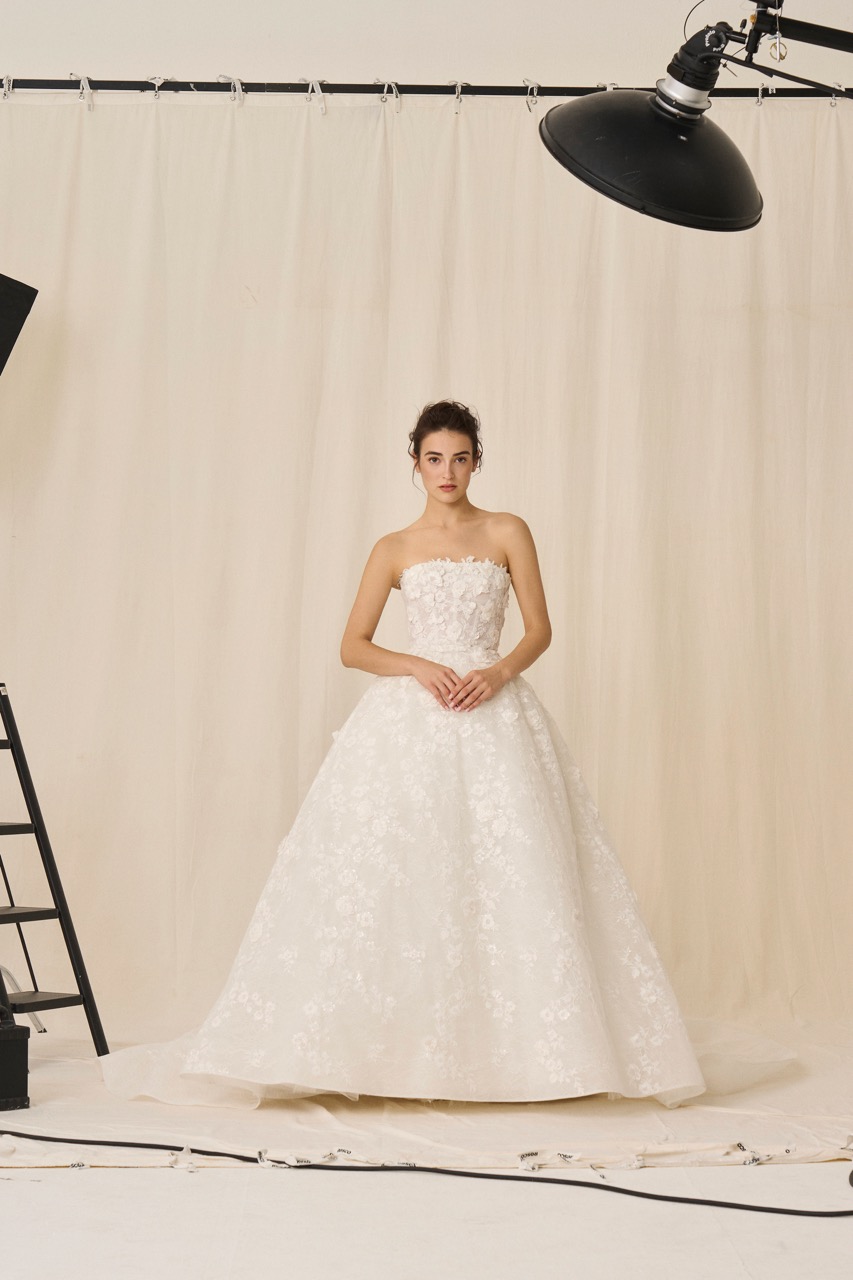
Rami Al Ali has unveiled White 8, the latest addition to his Rami Al Ali White bridal line, during New York Bridal Fashion Week.
The collection, titled Her, Ten Times, brings together ten gowns that explore the many facets of contemporary femininity and the emotional depth of the modern bride.
The concept of ten moments forms the creative foundation of the collection, with each gown representing a different interpretation of womanhood. From timeless romance to understated minimalism, White 8 captures the evolving identity of today’s bride. This approach not only offers variety but also underlines the maison’s ability to reflect individuality through craftsmanship and design integrity.
While rooted in bridal tradition, the collection pushes boundaries through construction and fabric innovation. Each design demonstrates the couture house’s technical mastery, with intricate hand embroidery, delicate layering, and complex structural techniques. The garments blend luxurious materials and meticulous detailing, revealing a refined understanding of how fabric, form, and emotion can work together.
One of the defining features of White 8 is the revival of the corset. Al Ali reinterprets the classic silhouette with contemporary precision, focusing on fit, structure, and modern femininity. The result is a design element that enhances both the body and the sense of confidence it evokes.

“White 8 is about celebrating both individuality and craftsmanship,” said Rami Al Ali. “Each gown is designed to reflect a distinct facet of the modern bride, while demonstrating the artistry, technique, and refinement at the heart of our work.”
Through its balance of romance, architectural structure, and artisanal detail, White 8 continues Al Ali’s pursuit of couture excellence within bridalwear. It reaffirms his commitment to creating pieces that transcend trends, offering brides garments that feel both timeless and forward-looking.
ramialali.com
Maria Grazia Chiuri Appointed Chief Creative Officer at Fendi
Fendi has announced the appointment of Maria Grazia Chiuri as its new Chief Creative Officer, marking a significant return for the designer to the Roman Maison where she began her career.
Bernard Arnault, Chairman and CEO of LVMH Group, praised Chiuri’s appointment, saying: “Maria Grazia Chiuri is one of the greatest creative talents in fashion today, and I am delighted that she has chosen to return to Fendi to continue expressing her creativity within the LVMH group, after sharing her bold vision of fashion. Surrounded by the Fendi teams and in a city that is dear to her, I am convinced that Maria Grazia will contribute to the artistic renewal and future success of the Maison, while perpetuating its unique heritage.”
Ramon Ros, Fendi’s Chairman and CEO, echoed this sentiment and highlighted the modern evolution of the creative leadership role. “I’m thrilled to welcome Maria Grazia into the team. The role of a creative director is no longer to simply design beautiful clothes but to curate a culture and hold a mirror to the world we live in. Her talent and vision will be instrumental in fortifying Fendi’s heritage, shaping the future talent in the house and deepening our commitment to Italian craftsmanship,” he said.
Chiuri, who previously served as Creative Director at Dior, began her career at Fendi under the guidance of the brand’s founders — the five Fendi sisters. Reflecting on her return, she said: “I return to Fendi with honour and joy, having had the privilege of beginning my career under the guidance of the House’s founders, the five sisters. Fendi has always been a forge of talents and a starting point for many creatives in the industry, thanks to the extraordinary ability of these five women to foster and nurture generations of vision and skill.”
She continued: “I am grateful to Mr. Arnault for entrusting me with the task of helping to write a new chapter in the history of this extraordinary women-founded company.”
Chiuri will present her first collection for the house, Fendi Fall/Winter 2026–2027, during Milan Fashion Week next February. The announcement marks a new era for the historic Roman brand, uniting Chiuri’s vision of culture and craftsmanship with Fendi’s longstanding commitment to creativity and Italian excellence.
Fendi.com
The Six Best New Design-Led Hotels in 2025
Your quintessential guide to the best new design-led properties around the world.
Shebara Resort
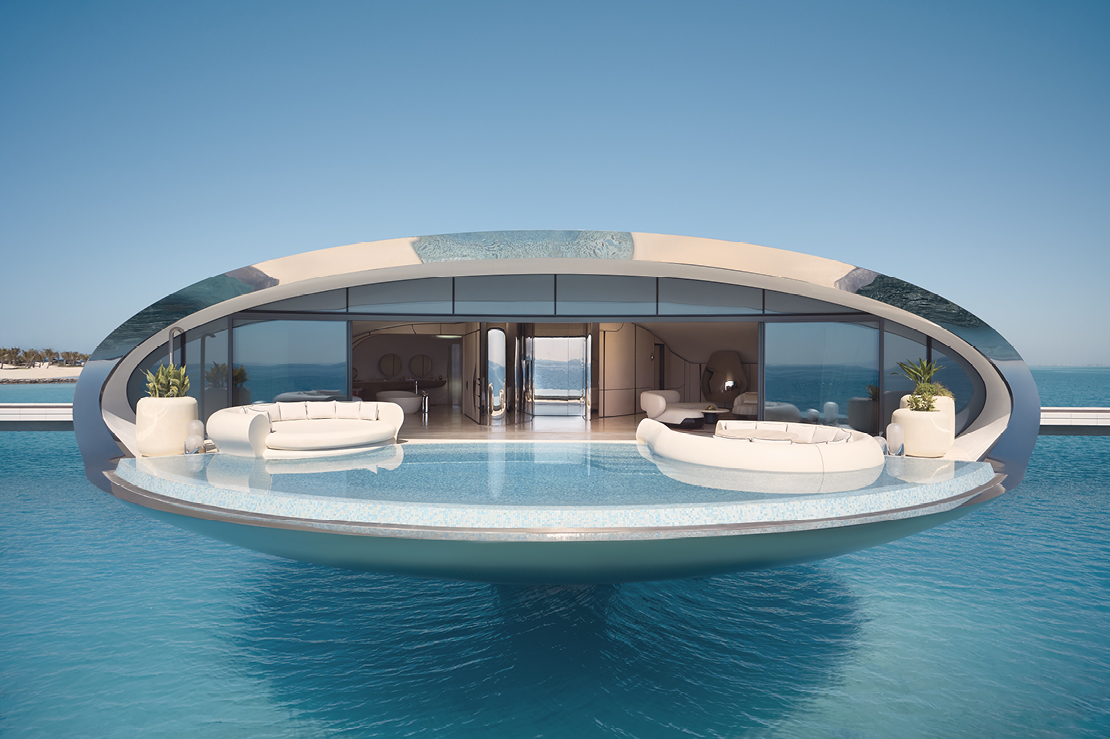
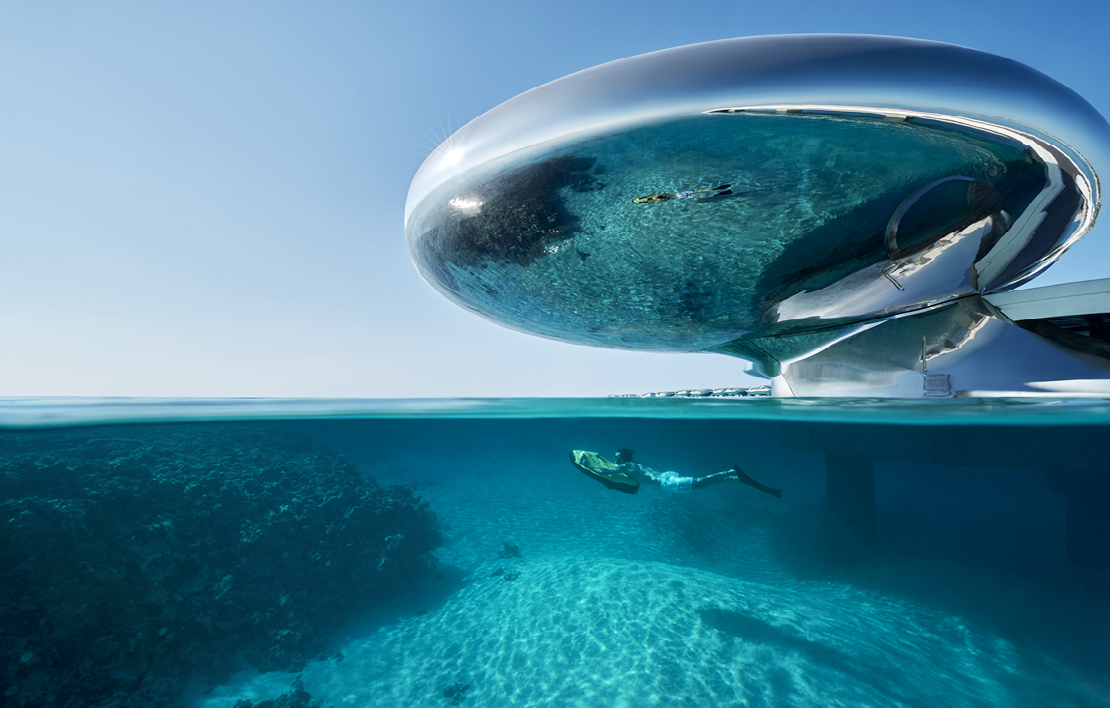
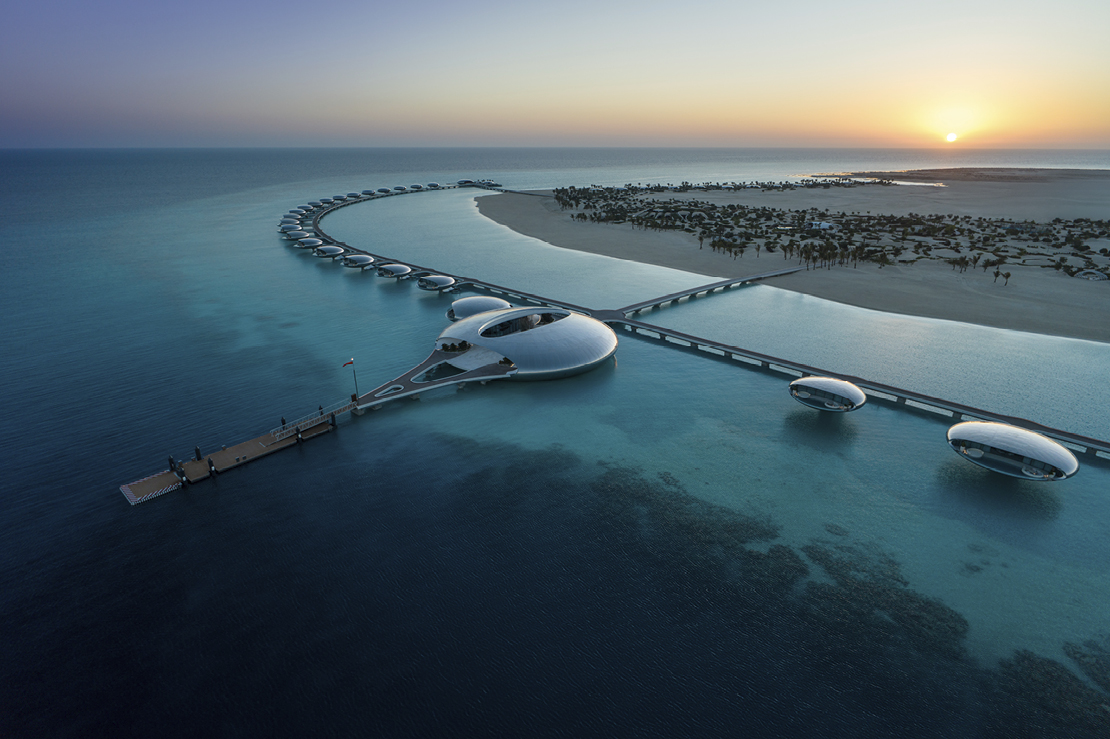
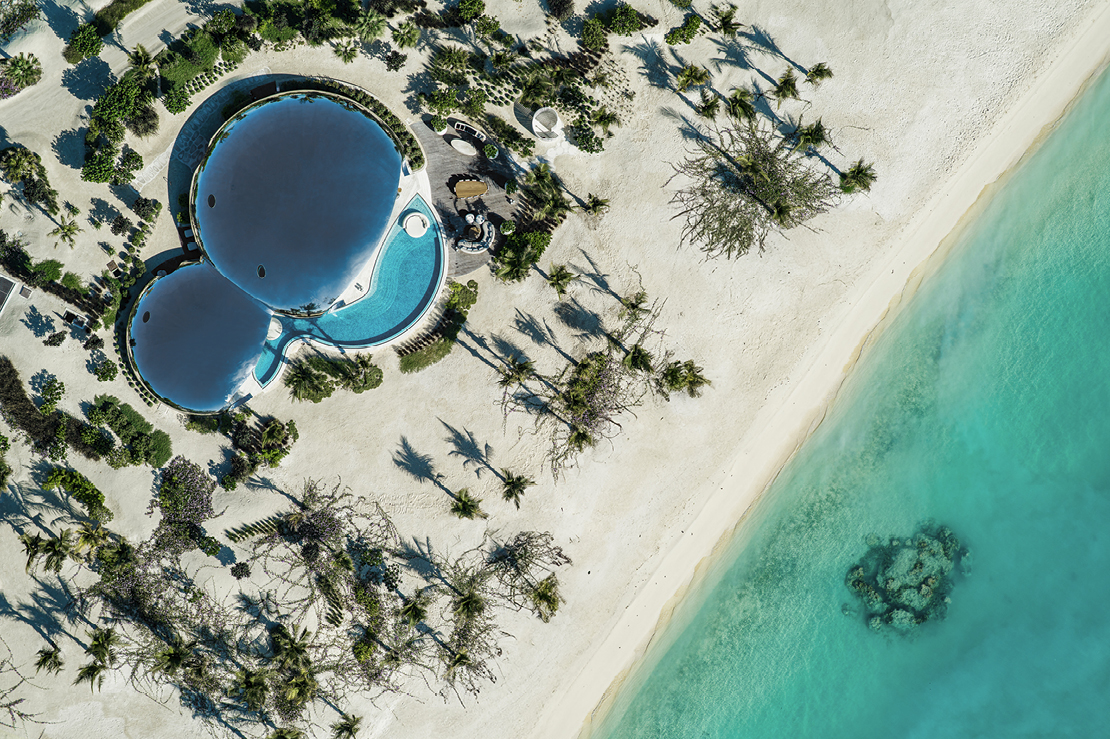
Shebara Resort in Saudi Arabia is a feat of futuristic, sustainable design that is meant to emulate a string of pearls set across the Red Sea. Conceived by Killa Design, the 73-key masterplan pairs 38 overwater suites with 35 beachfront villas; the former take the shape of polished stainless-steel orbs that mirror the sky and sea so completely they seem to dissolve at the horizon. The spheres are lightly cantilevered above the lagoon to minimise disturbance to coral and seagrass, reinforcing the property’s nature-first approach to luxury.
Each individual suite was built off-site and craned into position onto slender supports, creating the property’s signature silhouette and offering panoramic views of the design from different parts of the property.

Meanwhile, the beachfront villas are designed with earth-toned façades, which naturally fit with the island’s beach. Inside the villas, Toronto-based Studio Paolo Ferrari crafted interiors which combine residential comfort and the latest designs.
Think matte wood and natural stone underfoot and rounded joinery that echoes the architectural curves. Floor-to-ceiling windows open each villa to uninterrupted sea views, while mirrored facades blur the line between architecture and ocean.
Behind the scenes, the island runs off-grid, powered by a dedicated solar array with its own water system. According to the design team, every detail serves the sea, the sky and the silence.
shebara.sa/en
Romeo Roma
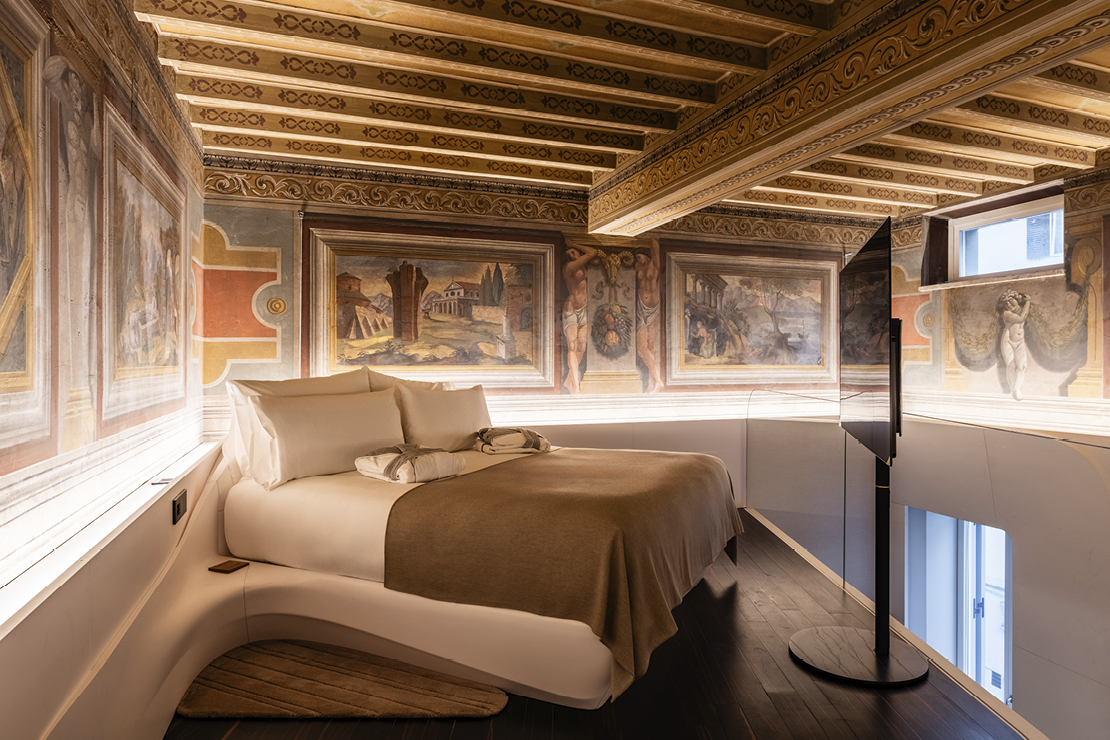
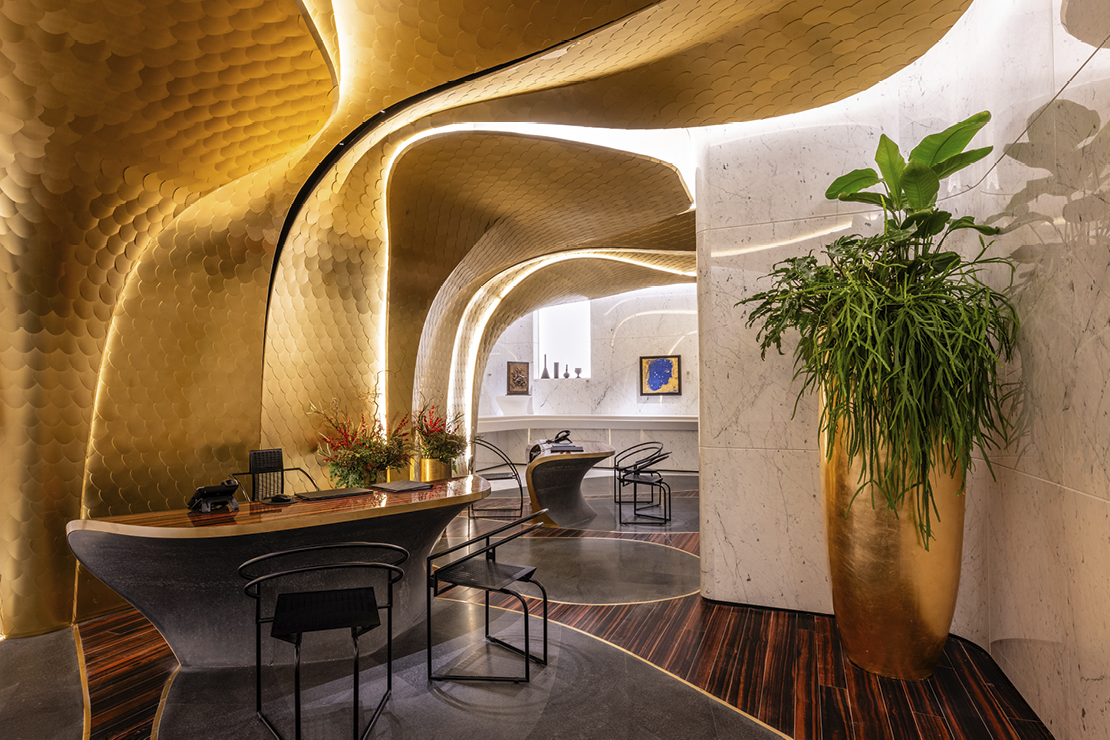
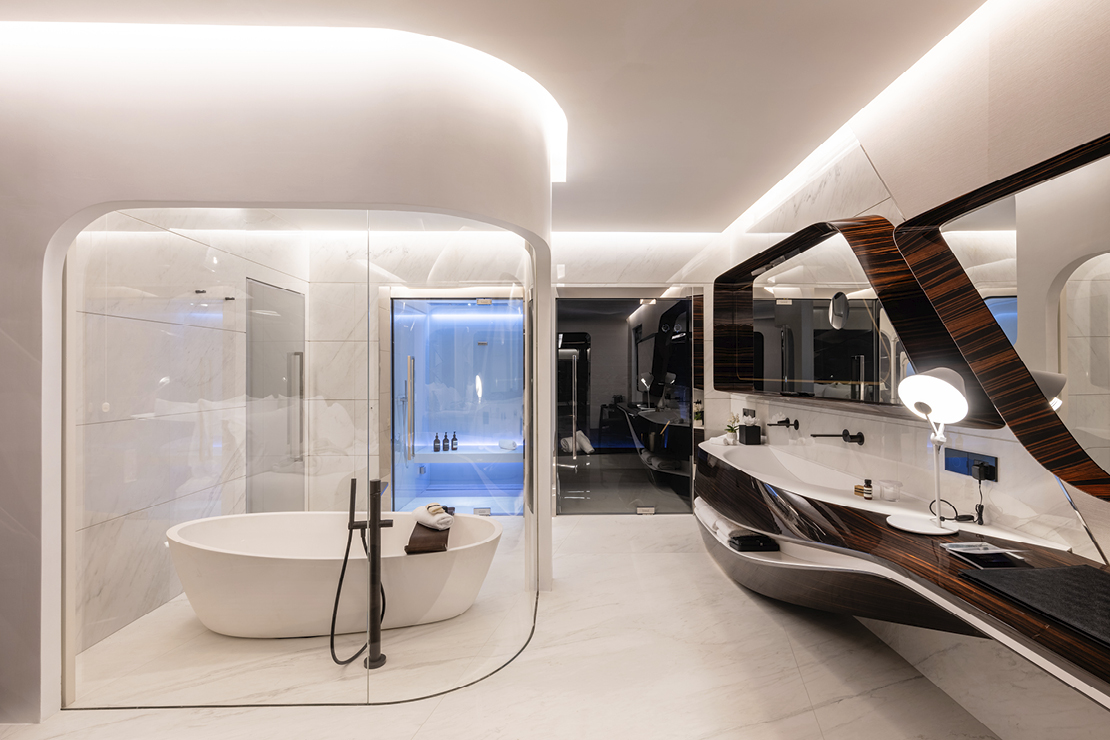
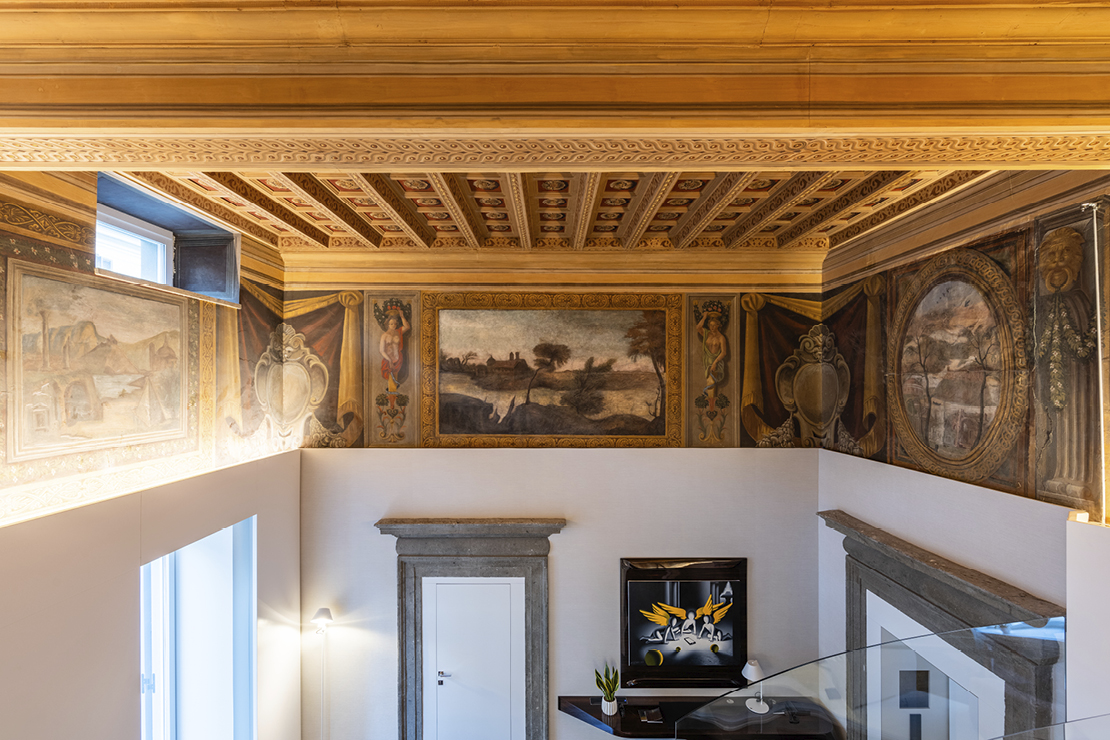
One of the last architecture projects by Zaha Hadid, Hotel ROMEO Roma recently opened in a renovated 16th-century palace just steps from the famous Piazza del Popolo in Rome. The project sets contemporary lines against historic fabric to create a calm, precision-led aesthetic in the heart of the Eternal City. Luxury craftmanship appears in the form of Macassar ebony, Nero Marquina and Carrara marble throughout the property, while Hadid’s fluid geometry is calibrated to sit alongside original frescoed ceilings on the noble floor.
The approach pairs tradition with innovation and prioritises sustainability through eco-minded materials and technical choices designed to reduce environmental impact. In keeping with the theme of the hotel, the lobby presents a dialogue between the ancient and the contemporary. Meanwhile, at the heart of the building, a reimagined courtyard functions as an urban square for guests, with IL BAR, LA SPA Sisley Paris and IL CORTILE positioned around it.
Elsewhere, LA TERRAZZA Krug crowns the property with panoramic skyline views. Guestrooms combine natural stone, solid wood, glass, lava stone and Krion with integrated technology.
Suite highlights include whirlpool tubs, fireplaces and private terraces. Where possible, historic frescoes have been preserved underfoot, including in a feature room overlooking Via di Ripetta. Other highlights include Alain Ducasse’s first restaurant in the Italian capital and the aforementioned spa, which features an exquiste pool which runs from the interior to exterior; its transparent floor revealing archaeological remains.
theromeocollection.com/en/romeo-roma
One&Only One Za’abeel

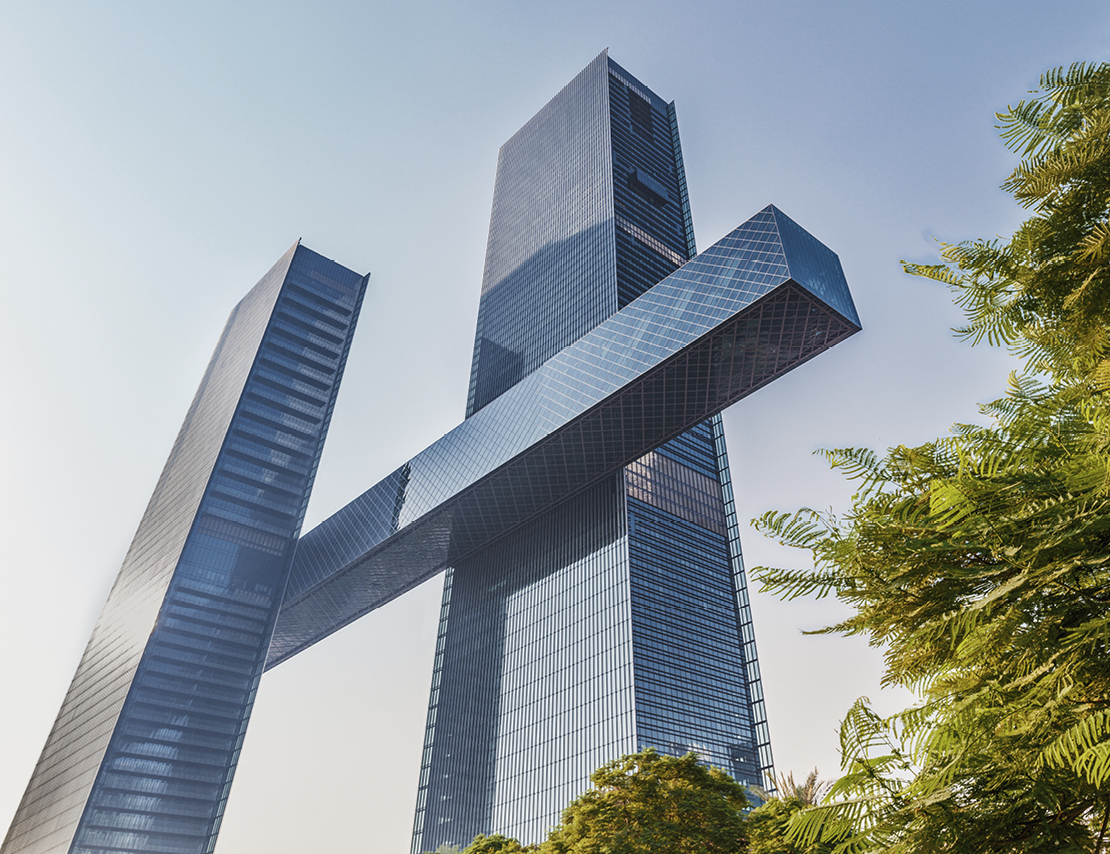
One&Only One Za’abeel occupies part of the twin-tower One Za’abeel development in Dubai by Japanese architects Nikken Sekkei, whose glass volumes are joined by The Link, a three-storey sky concourse that sets a world record for cantilever span.
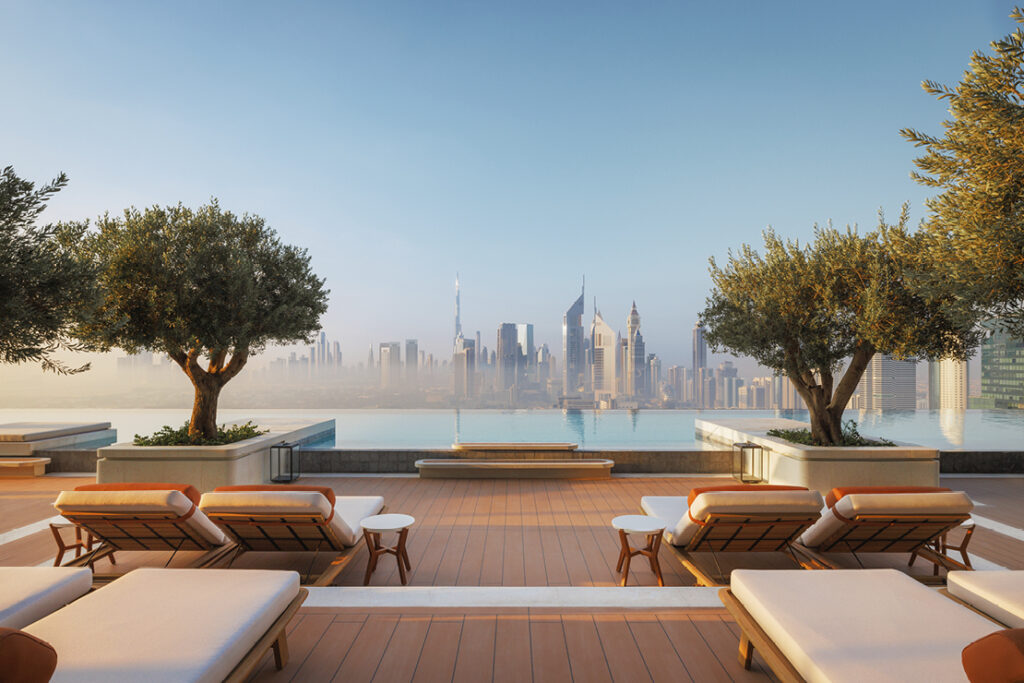
Positioned around 100 metres above the city, The Link functions as a lifestyle boulevard with restaurants and the UAE’s longest suspended infinity pool. The design is modern and disciplined. Facades are clean and reflective, framing panoramic views across the city. Inside, design specialists Jean-Michel Gathy and Denniston have taken the One&Only’s well-known resort DNA and elevated it for the new property’s urban setting.

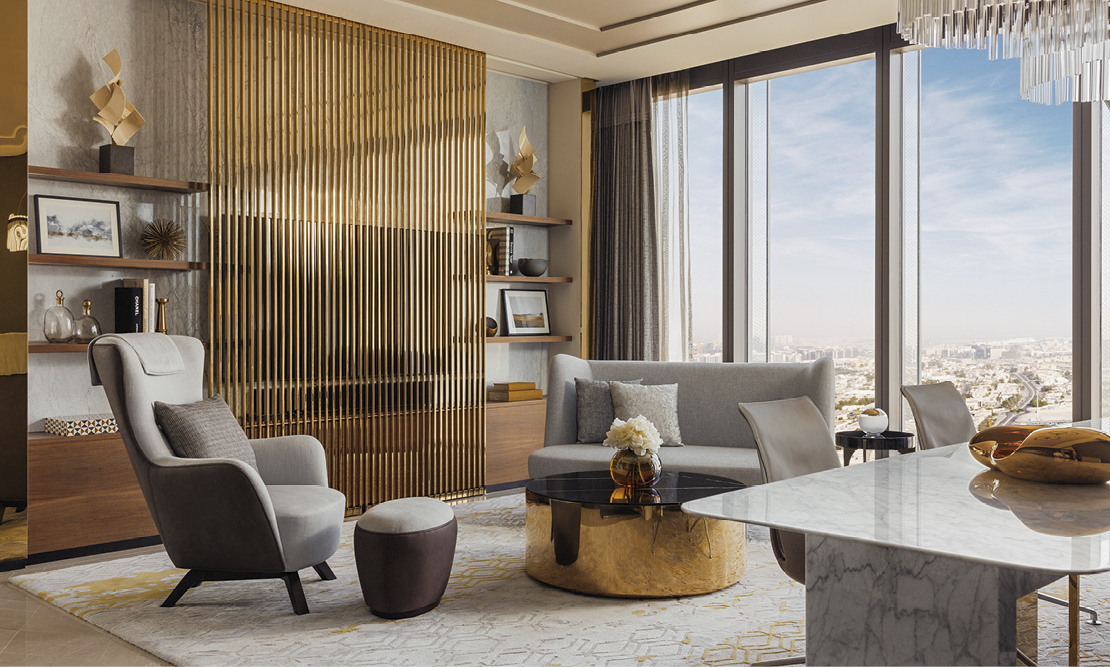
Rooms and suites favour calm, sand-toned palettes, full-height windows and generous layouts that feel residential rather than corporate. Storage, lighting and technology are integrated, keeping surfaces uncluttered and the focus on light and proportion. Public spaces follow the same logic.

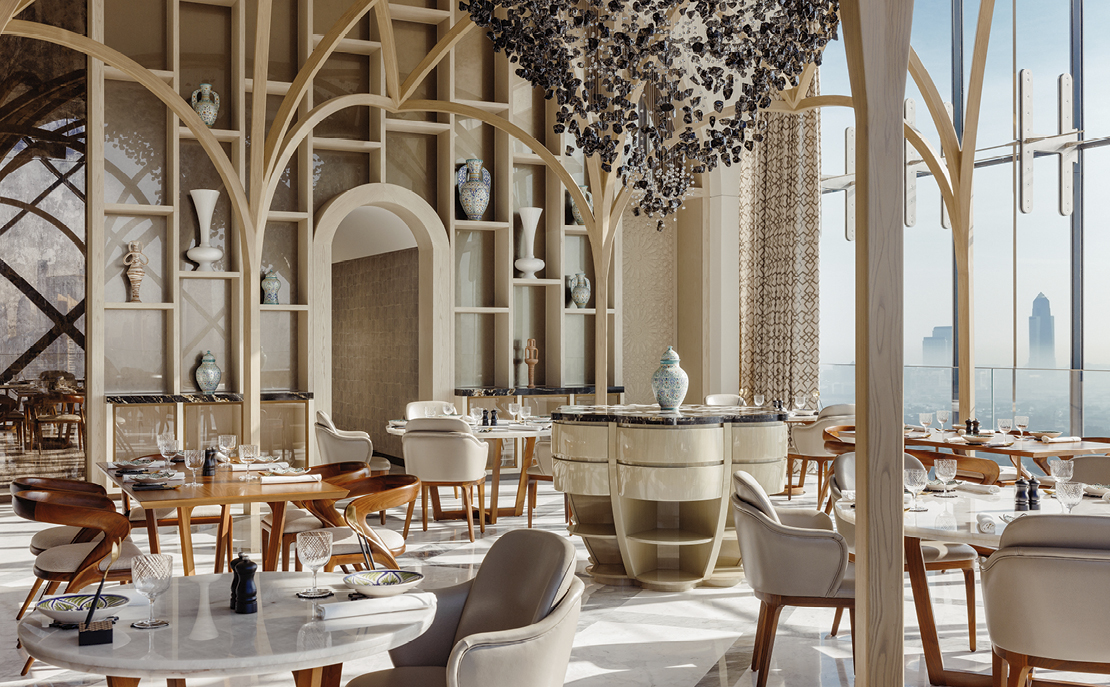
Arrival areas are open and easy to navigate, with clear sightlines and natural light. At podium level, landscaped terraces and a garden-style pool soften the architecture and bring a resort note to the city. Above, theaforementioned Link concentrates dining and nightlife in one address, so guests can move from day to evening without leaving the building. The pool appears to float over Dubai, turning swims and sundowners into memorable moments.
oneandonlyresorts.com/one-zaabeel
Fairmont Tokyo
Fairmont Hotels & Resorts entered the Japanese market this year for the first time, with its flagship property opening in the country’s capital – aptly named the Fairmont Tokyo.
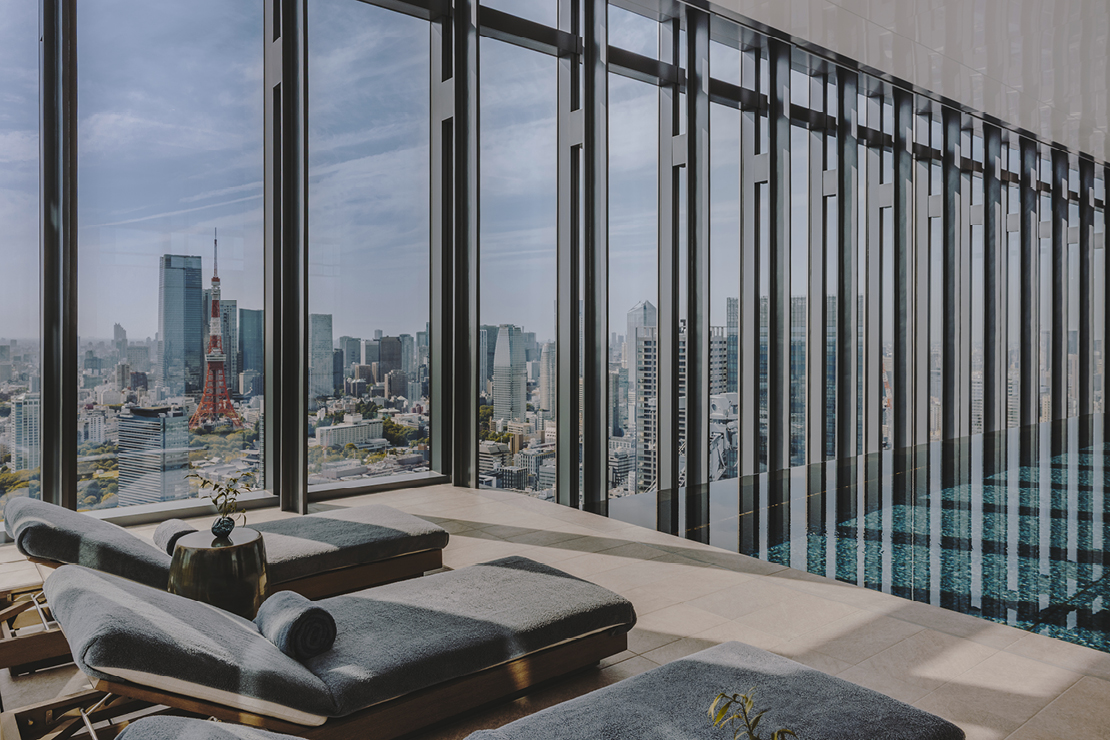
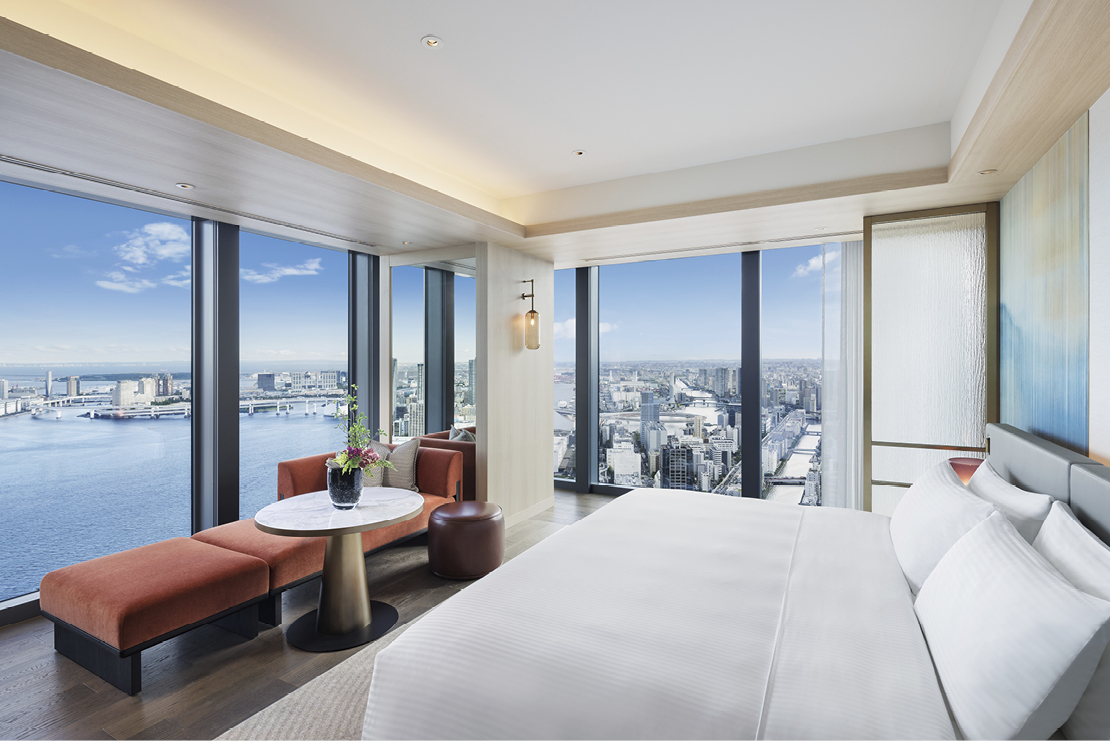
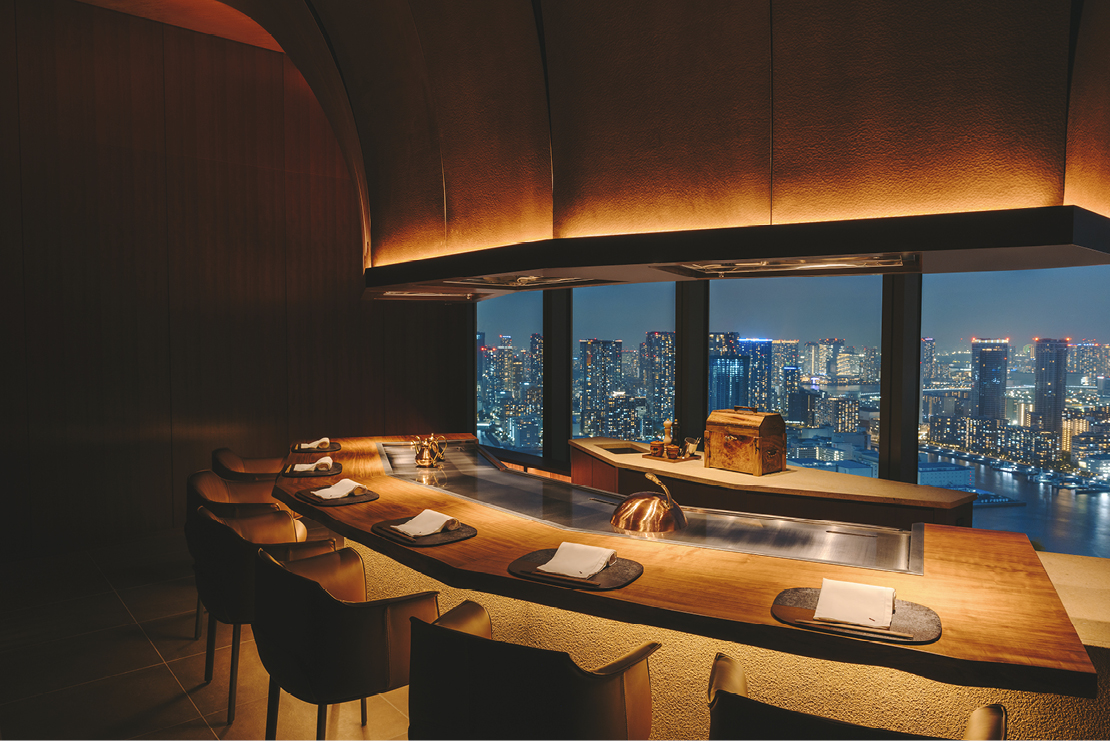
The hotel occupies floors 35 to 43 of the newly developed Blue Front Shibaura Tower South in the Minato district. The tower was designed by world-renowned architect Fumihiko Maki, according to the company, the core design philosophy aimed to blend the vibrancy of the city with the richness of nature and the waterfront of Shibaura.
Interiors at the hotel were created by BAR Studio, with a design that mixes contemporary references and Japanese craft. The designers use a mix of colour, texture and light, alongside curated artworks that draw on techniques such as kintsugi and weaving.
Floor-to-ceiling windows across the property give unobstructed city and bay vistas. Meanwhile seating areas are inspired by the traditional engawa (meaning “border”), creating a defined transition between interior and exterior. The top three signature suites at the property also incorporate bespoke furnishings and curated art.
fairmont.com/en/hotels/tokyo/fairmont-tokyo.html
Oku Andalusia
“Oku” is a Japanese spiritual and architectural term meaning “inner space,” something at the core of the group’s four properties. One of the latest openings, OKU Andalusia, which started welcoming guests this summer, interprets that concept as calm, pared-back design, nestled within the hillside of the south coast of Andalusia.

The low-rise architecture is modeled on local fincas and perfectly merges quiet luxury and Mediterranean indoor-outdoor living, with rooms and public spaces oriented towards the sea along with panoramic views of the Straits, the North African coast across the water, and the British enclave of Gibraltar. At the centre of the property is The Terrace, a sumptuous day-to-night courtyard that sets the rhythm of the stay, with meals throughout the day served under a pergola facing the ocean. Building on the sleek interiors, art is also integrated throughout the property, currently through a commission from Barcelona-born artist Alicia Gimeno.

Her abstract calligraphies are informed by Wabi-Sabi, Ma and Qì, and are placed across key locations including the exquisitely designed high-ceiling reception area, the spa, To Kima (the property’s poolside restaurant), and a small number of guest rooms. The works form part of the artist’s Radicular Structure series, which explores root-like forms, nature and movement, and references the lines of Catalan modernist architecture and Eastern calligraphy.
okuhotels.com/oku-andalusia
Vista Ostuni
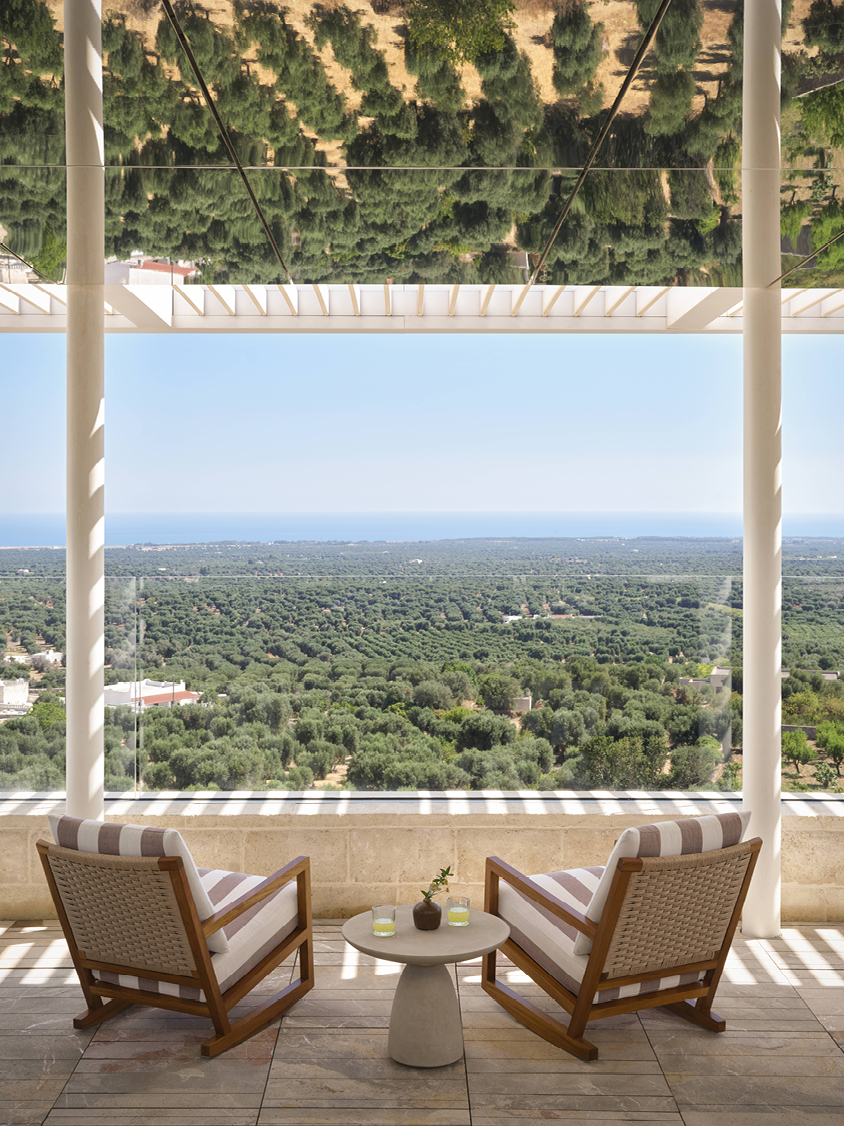
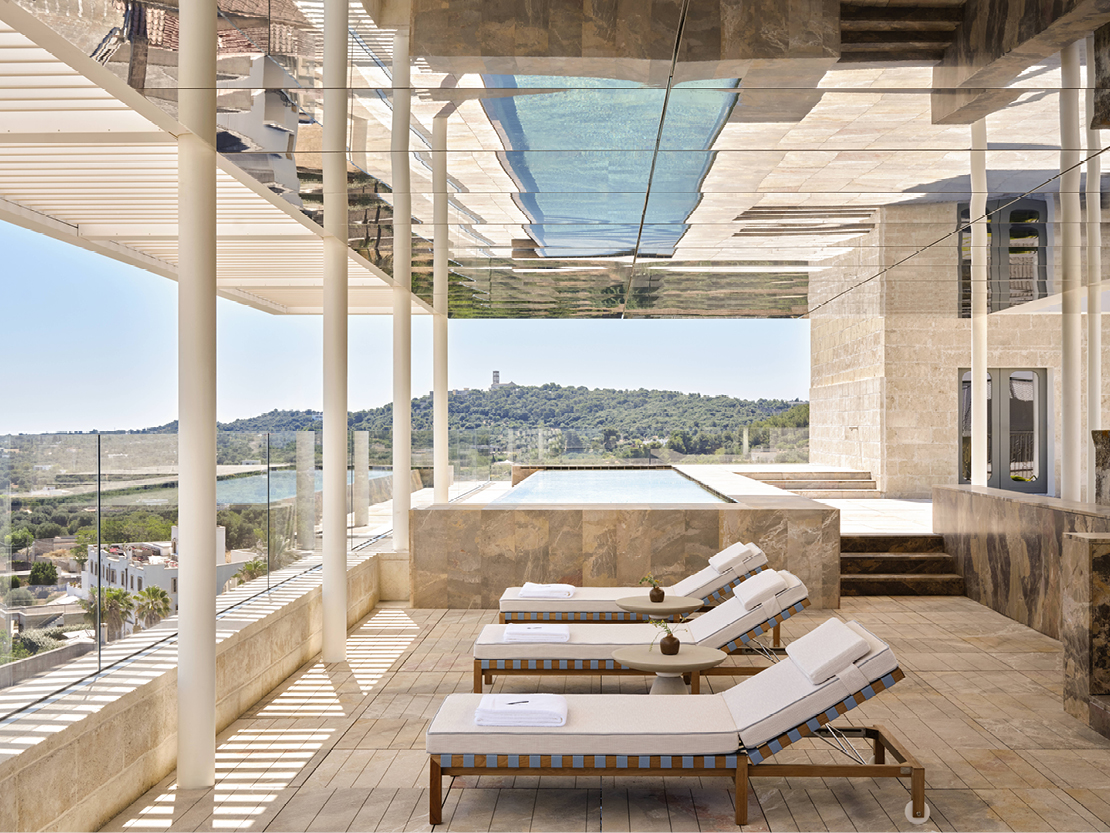
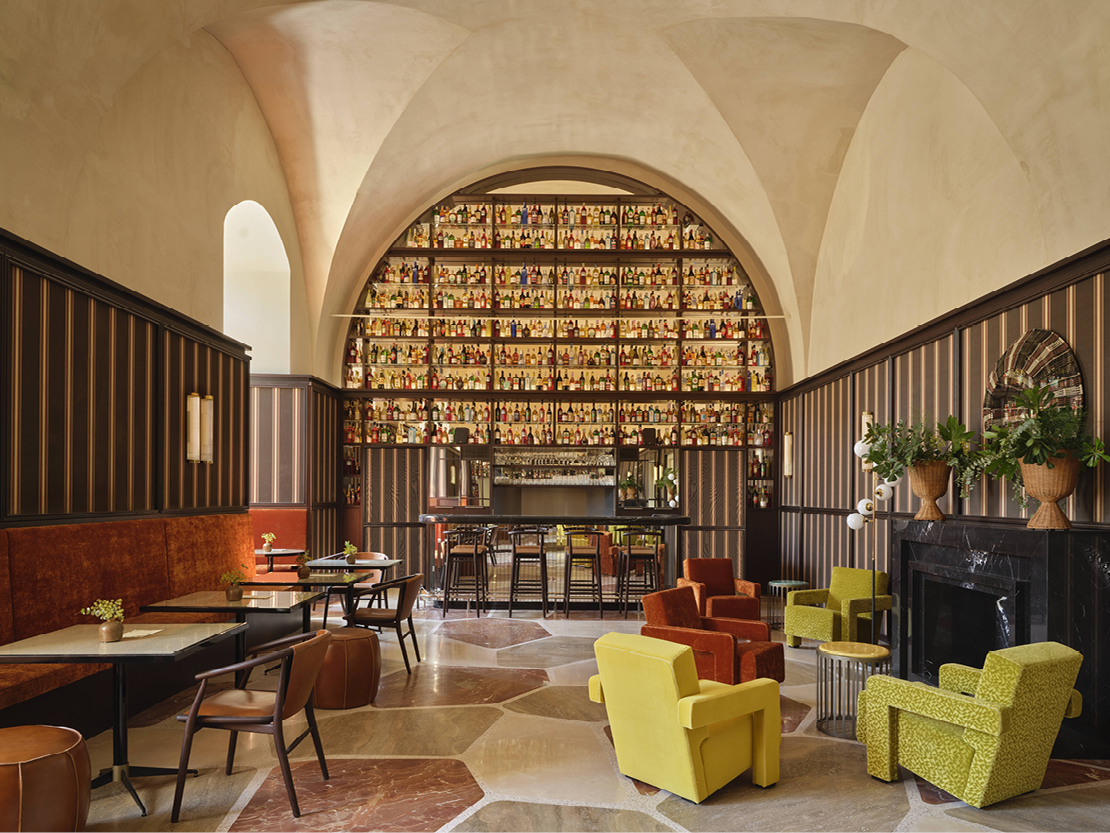
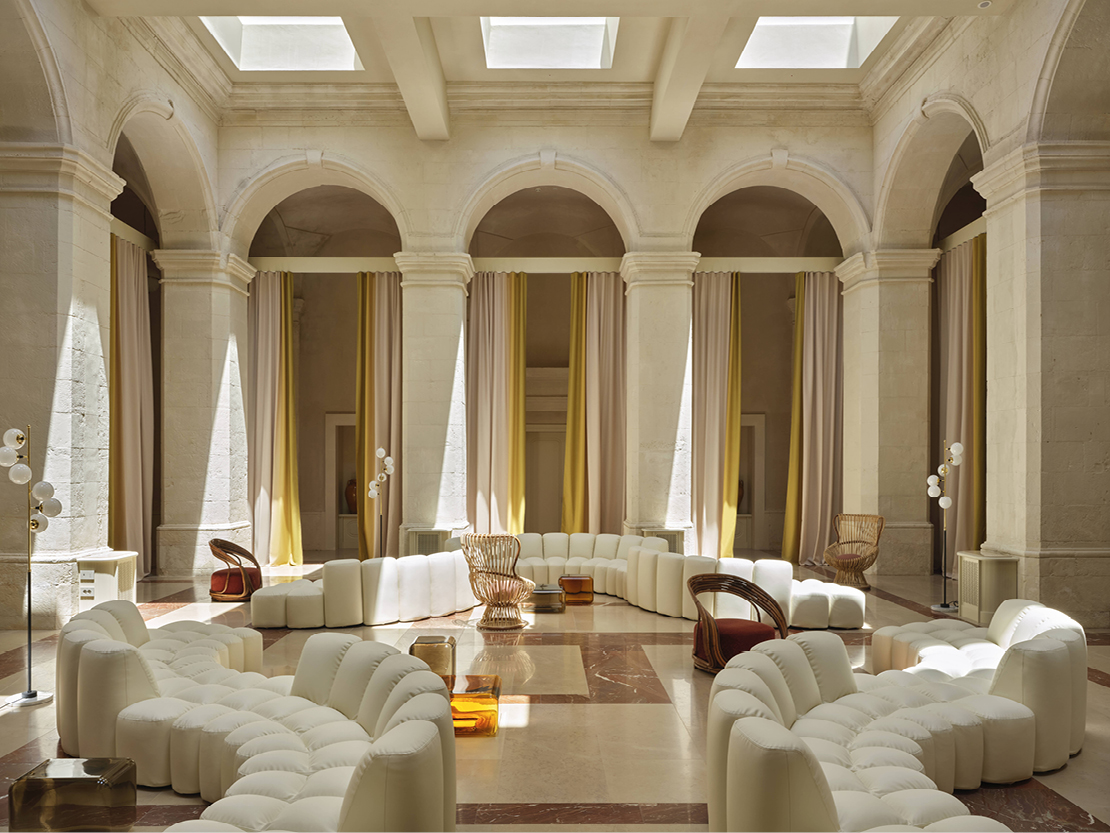
Vista Ostuni opened in July this year, in the heart of Puglia’s White City in Italy, following the renovation of a 14th-century palazzo. The building began life as a convent and later operated as a factory before decades of abandonment. Its revival retains historic fabric while adapting the spaces for year-round hospitality, with 28 rooms and suites and membership of The Leading Hotels of the World.

The restoration was led by architect Roberto Murgia of Milan’s RMA Studio. Across more than 6,000 square metres of interiors, original stone vaults and soaring volumes were preserved, including rare “volta a schifo” ceilings. Materials were sourced locally: Trani and Breccia Sant’Antonio stone underfoot, hand-painted ceramics from Grottaglie, plus jute, wood and iron.
Bespoke metalwork was replicated by local blacksmiths and façade details were recut by stonecutters. The approach remained craft-centred and low-intervention, with historic iron railings and carpentry elements remade to original patterns. Rooms and suites emphasised scale and light. Suites averaged close to 60 m², with ceiling heights up to seven metres and deep window reveals carved into thick perimeter walls.
Layouts included duplex and corner suites with city or Adriatic views, while bathrooms are clad in Italian marble. Landscape design serves as a defining component rather than a backdrop. The three-hectare grounds by landscape architect Erik Dhont were conceived as a sequence of Mediterranean “micro-landscapes”: ancient olives and carobs, citrus and palms at arrival; aromatic beds of thyme, helichrysum and oregano around the garden pool; dry-stone walls and organic benches shaping quiet corners; and a belvedere terrace oriented to sunset.
vistapalazzo.com/en/ostuni/vista-ostuni
Chef Tim Newton Discusses Bringing Culinary Heritage to Some of the UAE’s Biggest Restaurants
In the ever-evolving world of Dubai’s dining scene, few chefs embody its spirit of ambition and innovation quite like Chef Tim Newton.
From humble beginnings in a small American town, his culinary passion ignited at just 16, setting him on a journey that would take him across Paris, London, California, and Australia. Along the way, he honed his craft under the mentorship of icons such as Francesco Mazzei, Matt Moran, and Ed Wilson, refining a style defined by precision, respect for heritage, and a fearless embrace of global influences.
Today, Chef Tim is at the helm of some of Dubai’s most dynamic dining destinations as Group Executive Chef at Demind Group. His portfolio is as eclectic as it is exciting: Bagatelle, where French classics are given bold new life; OPA, a vibrant stage for refined Greek cuisine; La Niña, an opulent immersion into Iberian Latino flavours; and Myrra, a seaside retreat that fuses Greek and Spanish traditions. Each concept offers a distinct culinary voice, yet all carry Newton’s signature balance of authenticity and innovation.

Dubai’s F&B industry has never been more competitive, yet Chef Tim has helped Demind Group carve out a reputation for bold storytelling through food, where menus do more than feed—they create connections, memories, and meaning. His philosophy is simple but powerful: honor heritage while daring to innovate, craft experiences that resonate emotionally, and build teams that are as passionate about hospitality as they are about flavor.
As Dubai continues its meteoric rise as a global culinary hub, Chef Tim Newton’s vision—bridging cultures, cuisines, and creativity—places him firmly at the forefront of the city’s next dining chapter.
You started cooking at just 16. What first sparked your passion for the culinary world?
I’ve always loved food – the flavours, the memories it creates, and the way it brings people together. That love naturally turned into a desire to be the one creating those experiences for others, not just enjoying them myself. Cooking became my way of expressing that passion.

How did working under successful chefs shape your culinary philosophy?
They taught me discipline and respect for the craft. I learned that being a chef isn’t only about making great dishes; it’s about consistency, leadership, and setting the standard every single day. That foundation shaped the way I approach every kitchen I step into.
Coming from a small American town to working in Paris, London, and now Dubai, what were the biggest lessons from your international journey?
The biggest lesson is that people are different everywhere you go, and you need to treat them as such. Whether it’s your team in the kitchen or your guests at the table, adaptability is key. Each city has its own rhythm, and learning to move with it has been invaluable.
Your style is described as bridging heritage and innovation. What does that balance look like on the plate?
For me, it’s about weaving personal history into global flavours. If I’m cooking a Spanish dish, I’ll always add an element that connects back to where I came from – something that reflects my roots. It’s about staying true to the cuisine while leaving a part of myself in every plate.
How do you approach creating menus that are both culturally authentic and emotionally resonant for today’s diners?
I cook from the heart. When the food is honest and genuine, it resonates with people. Diners can feel when something is made with passion – and that’s what makes a menu both authentic and memorable.
You’ve mastered French, Greek, Spanish, and Latino influences. Which is truly your favourite?
Latino, no question. The boldness, the vibrancy, the energy in the flavours – it speaks to me on a deeper level. There’s a soulfulness in Latino cuisine that I connect with more than anything else.
As Group Executive Chef at Demind Group, you oversee some of Dubai’s most dynamic restaurants. How do you maintain each concept’s unique identity while keeping a cohesive vision?
It comes down to respecting the ingredients and the DNA of each cuisine. Every concept has its own voice, and I make sure that voice isn’t lost. At the same time, I keep the bigger picture in mind, so all the restaurants feel part of one strong, united vision.
Which restaurant pushed you the most creatively?
La Niña. It really challenged me to dig deep into Latino flavours, understand them on a cultural and emotional level, and then reinterpret them in a way that still felt authentic. It pushed me outside my comfort zone, and that’s where the best creativity happens.
How do you see Dubai evolving as a culinary hub, and what role do you hope Demind Group will play in that growth?
Dubai is evolving at an incredible pace. It’s nonstop, always raising the bar. While tourists are a big part of the dining scene, our focus is on building strong relationships with Emiratis and long-term residents – the people who shape the city every day. That loyalty is what keeps us strong, and that’s where we want to continue to grow.
You’re not only a chef but also a mentor and brand visionary. How do you balance creativity in the kitchen with leading teams and shaping concepts?
I trust my team and give them the space to take ownership. That trust allows me to stay creative and think about the bigger picture, while ensuring every concept we run has clarity and purpose.
What qualities do you look for when mentoring young chefs in Dubai’s fast-paced F&B industry?
Authenticity is everything. I want them to bring their own voice and ideas to the table. At the same time, I test whether they can handle the pressure -the long hours, the intensity, the reality of this business. It’s not easy, but for the right people, it’s incredibly rewarding.

What’s the most rewarding part of your job?
Inspiring guests, building strong teams, and creating lasting relationships with my chefs. Watching people grow and succeed is just as satisfying as creating a dish that moves someone.
What excites you most about the next chapter for Demind Group’s dining concepts?
The unpredictability. The culinary world is full of surprises, and in a city like Dubai, you never really know what’s around the corner. That sense of possibility is what excites me the most.
If you could open a new concept tomorrow, what would it be?
Mexican. I love the culture, the traditions, and of course the food. It’s a cuisine I’d love to dive into more deeply, and I think there’s so much potential to share it in a fresh and exciting way.
Finally, when you’re not working, what’s your go-to comfort meal?
Tacos. They’re simple, flavorful, and always satisfying. No matter where I am in the world, they feel like home.
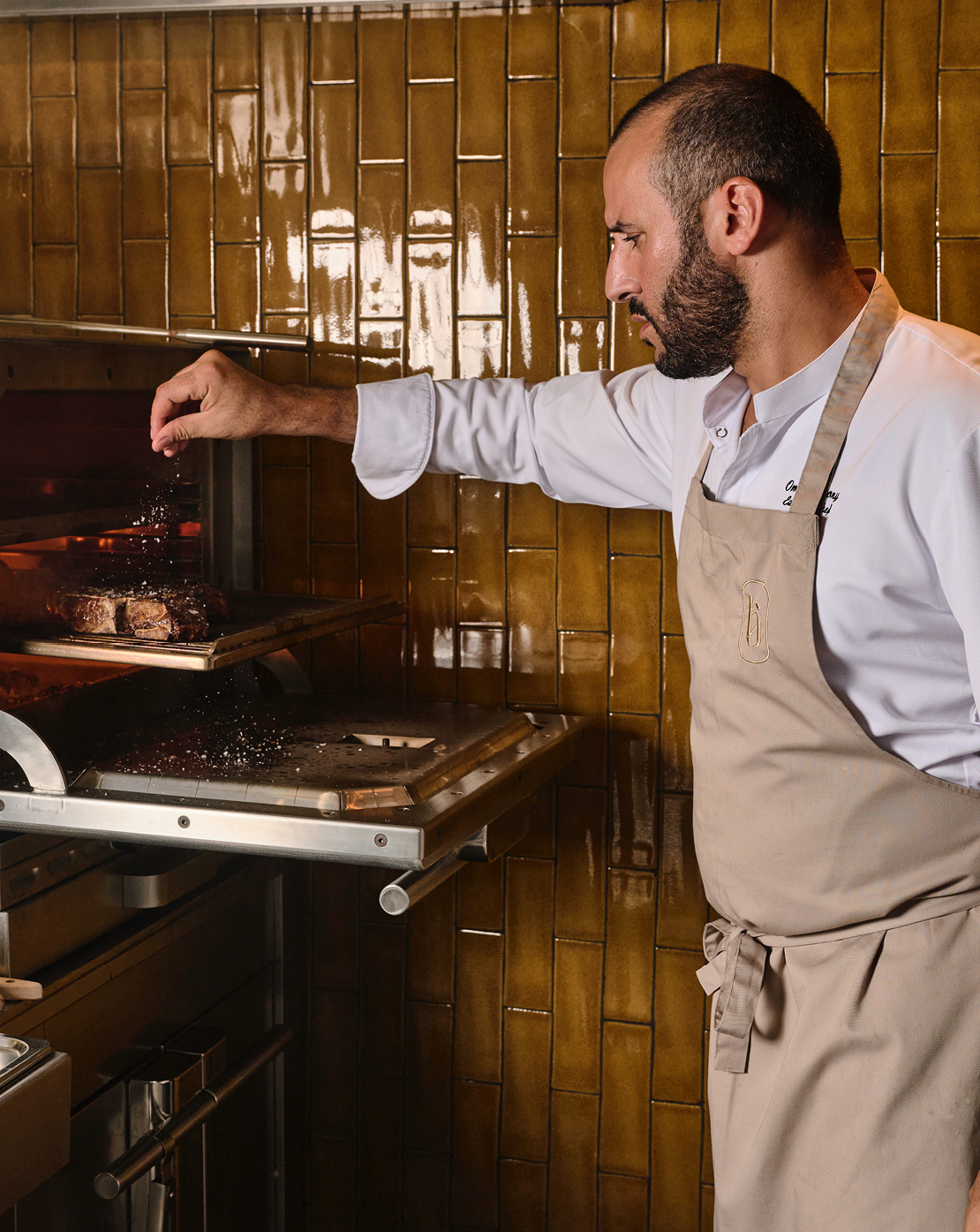
Bâoli’s Executive Chef Omar Basiony Reflects on the Restaurant’s Michelin Recognition
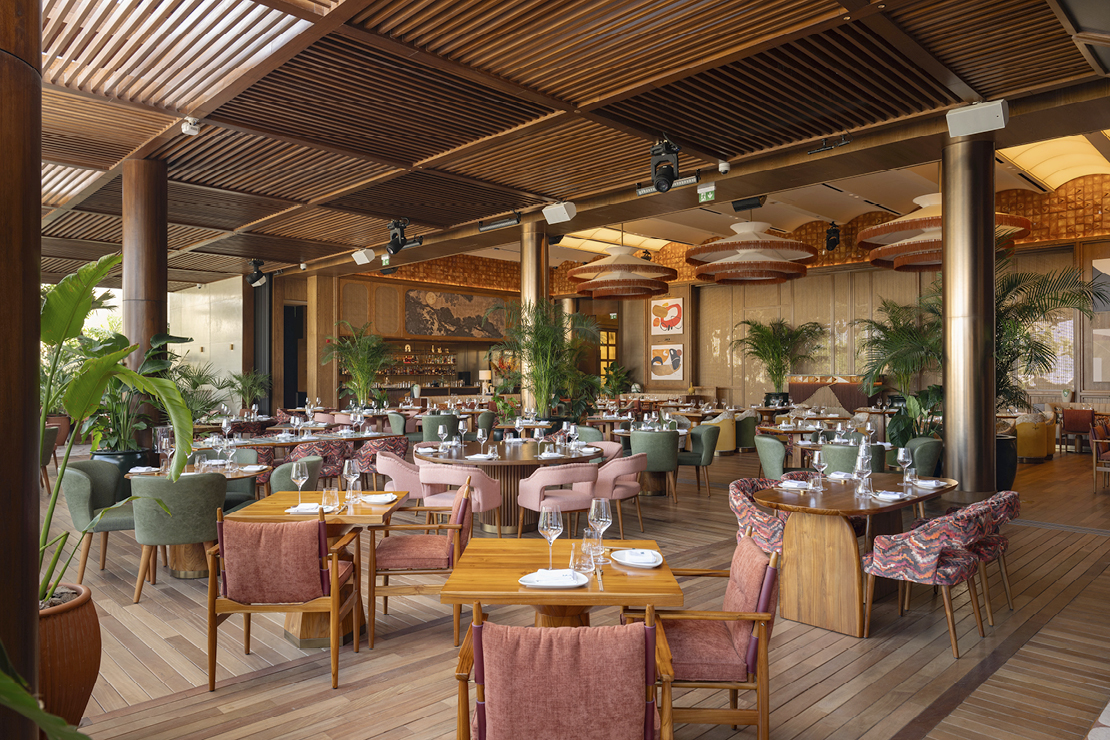
Few venues embody Dubai’s dining transformation as perfectly as Bâoli, the high-energy restaurant and lounge concept located at J1 Beach, is one of the city’s most talked-about new lifestyle destinations.
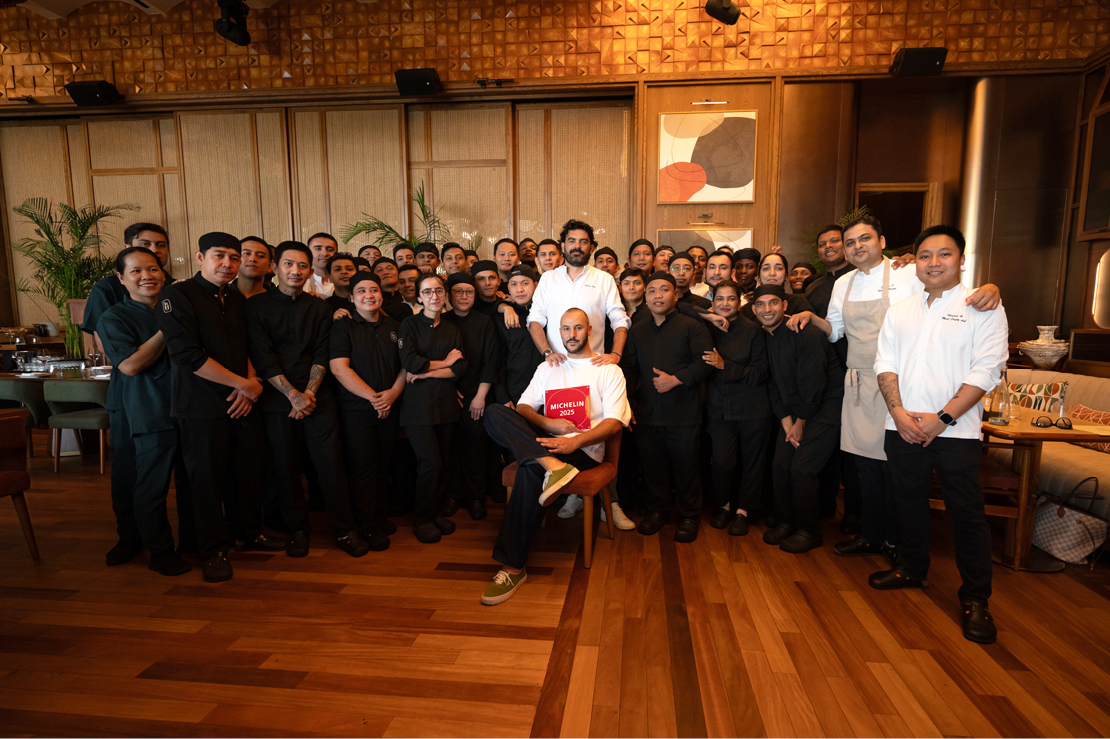
Since opening less than a year ago, Bâoli has already made its mark on the global culinary stage with a coveted recognition from the Michelin Guide. The accolade reflects not only the restaurant’s meticulous attention to detail and vibrant atmosphere, but also the talent and vision of its executive chef, Omar Basiony. Under his leadership, Bâoli has become more than a dining destination; it’s an immersive experience where Japanese precision, French refinement, and Mediterranean warmth meet under one roof.
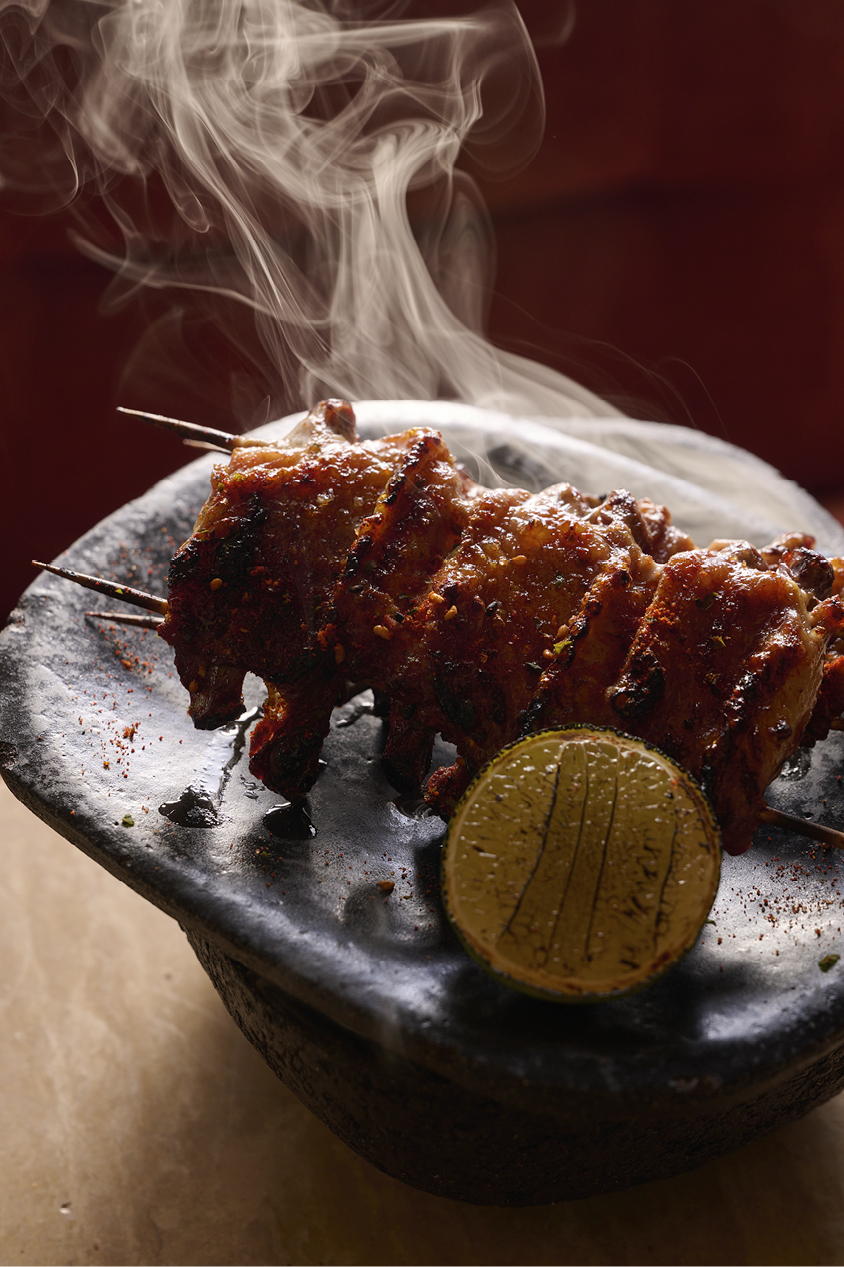
Basiony, who has honed his craft in Michelin-starred restaurants across the US, Europe, and the Middle East, brings both technical mastery and an instinctive sense of storytelling through food. His approach reflects a belief that cuisine is as much about emotion and connection as it is about product and technique. With dishes such as wagyu short rib glazed with house tare and paired with Brussels sprouts and tarragon mustard, he translates years of training and cultural influence into creations that resonate with Dubai’s diverse, cosmopolitan clientele.
As the UAE’s dining industry continues to gain international recognition, Chef Omar Basiony’s work at Bâoli stands as a symbol of the city’s ambition, innovation, and growing cultural confidence.
Tell us about your journey to where you are today.
There’s my journey through the industry, which shaped me as a professional, and then there’s my personal journey, which shaped me as a person. My family immigrated to the United States when I was very young, leaving behind everything they knew in search of new opportunities. It’s a story shared by many, but witnessing that kind of grit and tenacity taught me that opportunity exists; you just have to be willing to step up and claim it.
I am a son of Chicago, spent most of my life growing up there and had some of my first experiences in the culinary field there. But when the time came to truly commit to the industry, I knew I needed to push myself out of my comfort zone. I moved alone to Boston at a young age to apprentice at one of the city’s top fine dining institutions, an East Coast landmark at the time. That experience was transformative: the people, the culture, the access to world-class product, all of it honed not just my skills as a chef but also my discipline as a person.
Since then, I’ve worked in Michelin-starred establishments and renowned venues across the US, Europe and the Middle East. But the ethos that still drives me comes from those formative years: the kindness of mentors who guided me when I knew nothing, and the determination I saw in my family as they built a life in a new country. Be strong, be kind, be humble, be generous, but above all, always push!
Congratulations on Bâoli being recognised by Michelin – what does this recognition mean?
It’s a huge achievement, not just for me but for the entire team. To be recognised in the Michelin Guide is an honour, but more importantly, it’s an incredible motivator. It’s a tangible reward for the countless hours and dedication, and shows us all that the hard work is paying off. Honestly, we didn’t even see it coming. We’d been open less than a year when I suddenly got a call from a friend congratulating me. I had no idea what he was talking about until I pulled up the Michelin live stream! That moment is one I’ll never forget.
J1 Beach has fast become a must-visit hotspot in the city – tell us about that.
J1 has definitely stolen the spotlight this year. As a destination, it finally accomplished something many projects in Dubai have tried to achieve: it positioned itself as a true competitor to DIFC.
What can guests expect from a visit to Bâoli?
High energy, great food, and unforgettable moments. We’re a venue built on atmosphere; you visit Bâoli not just for a meal, but for an experience, whether that be for the vibe, the music, the food, the drinks or even better, the seamless harmony of all those elements together.
Tell us about your unique blend of Japanese, French and Mediterranean cuisine and some of the highlight dishes.
Our cuisine is rooted in product and technique. Whenever we create a dish, the guiding questions are always: What ingredient is this dish highlighting? What technique is it built upon?
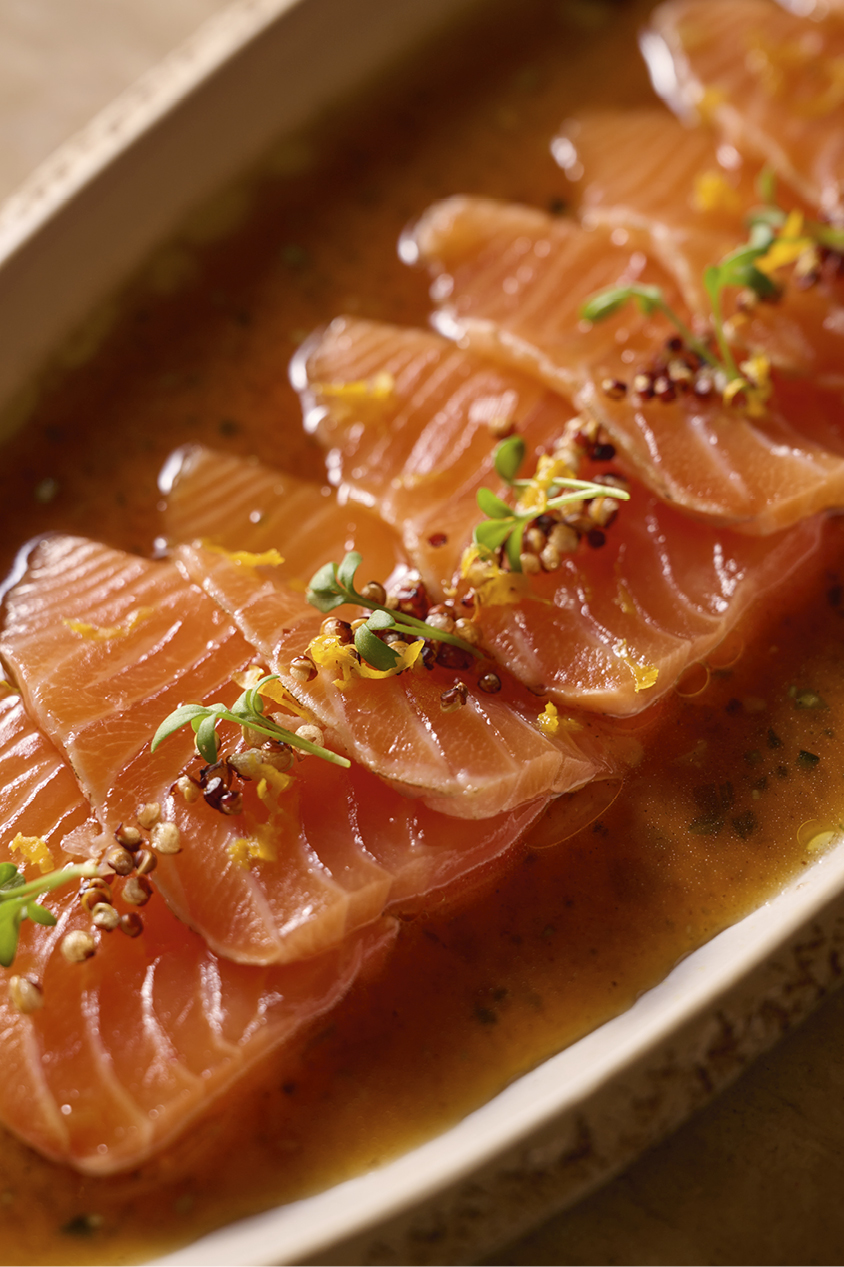
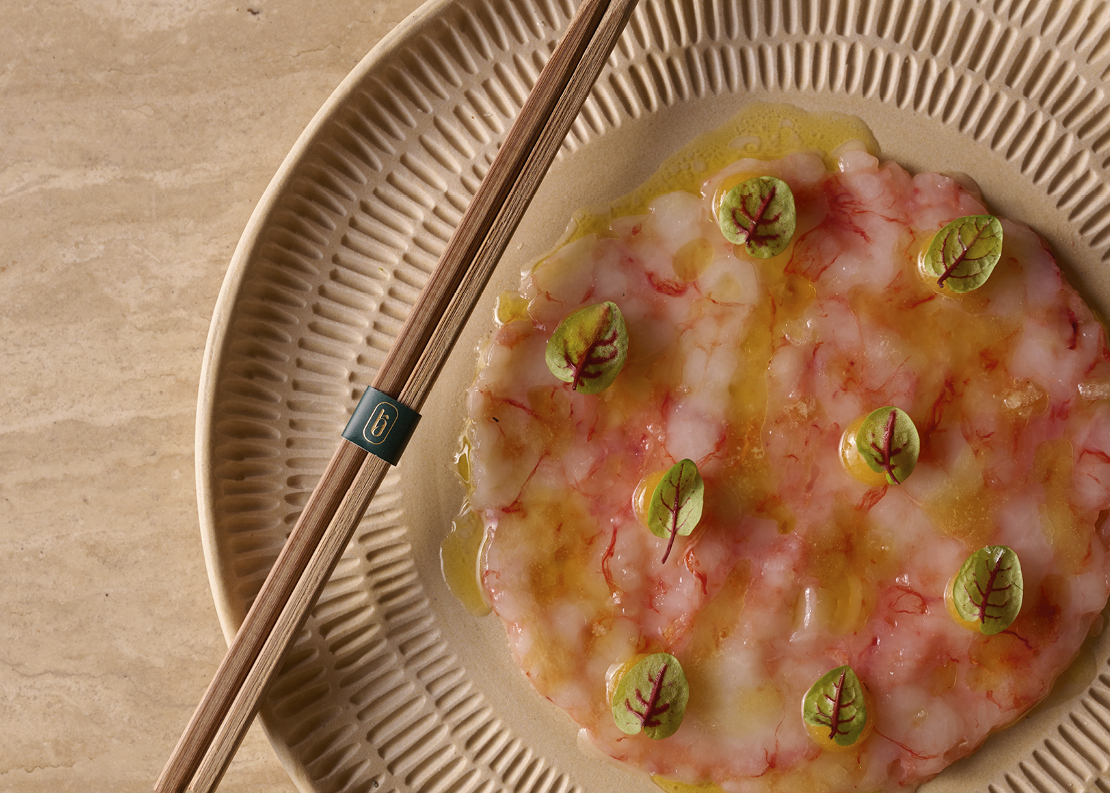
It’s an exercise in restraint, where we might take uniquely Japanese ingredients and highlight them delicately with French and Mediterranean flavours and then vice versa. Ultimately, the balance lies in making everything feel natural, cohesive and understandable to the guest. When done right, it creates something unique, and I’m proud to say we’ve achieved that at Bâoli.
We have some beautiful dishes that showcase this balance and restraint very well. A personal favourite for me would be the wagyu short rib. We take beautiful MB4 wagyu short ribs, cook them sous vide for 12 hours at a low temperature to achieve a medium-rare steak-like consistency, but with a texture that falls apart in your mouth. We then finish the short rib over the robata, glazing it with our house tare and then combining it with crispy fried Brussel sprouts and a tarragon mustard. A dish that on the surface could feel very European, though it relies upon Japanese cooking techniques and flavours and ultimately is a success because of the skill and execution of the kitchen.

How would you assess the F&B industry in the UAE and the wider Middle East today?
The industry has seen enormous growth and recognition in recent years. This heightened attention has done wonders to drive the overall quality of F&B in the city, while also attracting some amazing foreign talents and showing them that the Middle East is being taken seriously as a global player in gastronomy, and rightly so.
What do you think guests are looking for from a dining experience today?
First and foremost, consistency. The bar is honestly set so high, and with so many great operators around and more opening every day, you need to be delivering at every level, every time, in order to remain relevant in the market.
Aside from that, I feel the customers are looking for an experience. That doesn’t necessarily have to come in the form of live entertainment; it could be a tasting menu, a chef’s collaboration, or simply a venue with a clear identity and story. People want to feel like they’re part of something, that they’re being transported. Food is universal; what makes the difference is the narrative that surrounds it.
What do you believe is the secret to longevity for a restaurant in the UAE today?
Consistency. Many factors contribute to longevity, some beyond an operator’s control, but consistency is the non-negotiable. You have to have a fantastic product, execute on all levels and then ensure that the same experience is delivered every single day, every single service.
How do you ensure customers keep returning?
Give them something to come back for. Make a genuine connection, deliver on what you promise, and maintain consistency. The F&B market here is saturated, but the truth is that not all venues execute at the level they promise. I think there isn’t much mystery around it. If you want to stand out, it’s not enough to just play the game; you have to want to be the best, and then put in the work every day to achieve that.
Equally, it’s about culture. Create an environment where both your team and your guests feel seen, heard and supported. That’s what keeps people coming back.
How do you cater to the diverse clientele in this region?
Dubai is one of the most cosmopolitan cities in the world, and that diversity is reflected every day and night at Bâoli. For me, the key is to create an experience that feels welcoming and engaging no matter where you’re from. Food is a universal language that bridges cultures and is why our menu is built on techniques and flavours that resonate globally while still being unique to Bâoli.
Beyond the food, it’s about understanding the nuances of hospitality. Some guests want to discover new flavours, others are looking for familiarity, and many want to feel like they’ve been transported somewhere entirely new. Our role is to strike that balance, to meet people where they are while still giving them something they didn’t know they wanted. Ultimately, whether you’re a local or visiting from across the world, the goal is the same: you leave feeling seen, satisfied and part of the Bâoli story.
What’s your favourite dish to cook at home?
At home, we love Asian cuisine, and one dish that’s always a favourite is sukiyaki, a Japanese hot pot built around a delicate broth with fresh vegetables, mushrooms, big chunks of tofu, and thin slices of tender beef. It’s hearty, comforting, and makes you wish Dubai dipped below 18 degrees a little more often. The best part is finishing off the leftover broth with fresh noodles, which always turns into the perfect food coma.
We are definitely a household that enjoys Asian cuisine and with that there are a lot of different dishes that will make it to the table. Something I really love and that the whole family enjoys is a nice sukiyaki, a Japanese style hot pot dish built around a delicate broth packed with fresh vegetables, mushrooms, big chunks of tofu & thin slices of tender beef. It’s one of those delicious one pot meals that makes you wish Dubai dipped below 18 degrees a little more often. The best part is finishing off the leftover broth with fresh noodles, which always turns into the perfect food coma.
What’s your first memory of food?
That’s an interesting one because I feel like I have two very strong early emotional memories around this topic. There is my first memory of food, and then, somehow, just as important, especially given my profession, my first memory of restaurants.
For food, it would be my grandmother’s house in Cairo, her sitting at the table with this curved two-handed knife in her hands, chopping molokhia while the smell of broth and other tasty dishes permeates the air. That sense of love and care through food has stayed with me. At its core, feeding someone is an act of giving, of nurturing, of love.
The other memory is a little different. When I was a bit older, once we’d already made the move to the US, we would often fly to Italy to visit the other side of our family. My uncle had a little Osteria in Padova, and this was always the first stop as soon as we would land. Then it would be a huge lunch and hours of talking. I remember sleeping in the back room of the restaurant with all the sounds, smell, laughter & chaos of a restaurant unfolding around me and feeling at once so comfortable and at home. Maybe no surprise then I’ve decided to spend so much of my life inside restaurants.
Dubai’s Leading Dessert Chef Carmen Rueda Hernández On Her Sweet Path to Success
Over two decades, Carmen Rueda Hernández has lived and worked in eight countries, absorbing varied culinary traditions and refining her craft as one of the world’s leading pastry chefs.
During her career, she has worked for esteemed names in the industry, including El Bulli and The Fat Duck under Heston Blumenthal. Most recently, Chef Carmen was honoured as the Middle East & North Africa’s Best Pastry Chef 2025. Based in Dubai, Chef Carmen leads Brix, a dessert-only tasting concept. Her journey is a striking example of passion, discipline, and imaginative ambition. We recently spoke to Chef Carmen to learn more about her journey and her plans for the future.
Earlier this year, you won Best Pastry Chef 2025 at the MENA’s 50 Best Awards, Congratulations on the achievement. How does this recognition reflect your journey in the Middle East so far?
Thank you very much. This recognition is both humbling and motivating. The Middle East has been an incredible chapter of my career, where I have been able to build something truly personal through Brix. For me, the award reflects not only my own journey but also the commitment of my team and the growing recognition of pastry as an art form in this region. It shows that the Middle East is ready to celebrate creativity and innovation in desserts at an international level.
You’ve worked at globally acclaimed restaurants such as The Fat Duck and El Bulli. How did those experiences shape your creative philosophy today?
Working in those environments taught me discipline, respect for detail, and the importance of pushing boundaries. At El Bulli, creativity was limitless, while at The Fat Duck, storytelling and precision were at the heart of every dish. Those experiences shaped my approach today: each creation must go beyond flavour – it must tell a story, evoke emotion, and connect with people in a deeper way.
As a chef, where do you personally find inspiration?
Inspiration comes from many places, heritage, nature, art, travel. I draw heavily on memory and emotion because I believe desserts should trigger feelings of connection. Sometimes it’s as simple as a smell that reminds me of my hometown in Spain, or an ingredient I discover in the market here in Dubai. Other times it’s about translating big narratives – history, culture, and sustainability into flavours and textures.
What made you choose Dubai as the city to launch your dessert-only dining concept Brix Journey?
Dubai is a city that embraces innovation and diversity. It is home to people from all over the world who are open to new ideas and willing to experience concepts beyond the conventional. Launching a dessert-only dining experience here felt natural; it is a place where tradition and modernity coexist, and where bold ideas are welcomed.
How do the two Brix properties differ and how are they are aligned?
Brix Journey is an immersive tasting experience, where we tell stories through multi-course dessert menus inspired by heritage and global narratives. Brix Café, on the other hand, is more casual and accessible, offering creative pastries and drinks in a relaxed setting. What aligns them is philosophy: both spaces are designed to surprise, delight, and push the boundaries of how people experience pastry.
Your menus feature unusual pairings like saffron ganache with caviar and caramelised seaweed. What is your process in terms of pushing flavour boundaries?
It starts with curiosity. I study ingredients at a molecular level – their volatile compounds, textures, and cultural associations – and from there I begin experimenting with combinations. Some pairings are born from contrast, others from hidden connections. The goal is always to surprise but also to create harmony: the dish must be challenging yet delicious, with balance at its core.
Luxury dining today often goes beyond taste to create an immersive experience. How do you ensure Brix delivers on that expectation?
At Brix, flavour is only one layer of the experience. We combine storytelling, design, visuals, music, and interaction to create something multi-sensory. Each element, from the plate design to the pacing of the menu, is carefully considered so that guests feel transported into a narrative. Luxury, for me, is about creating memories that stay with you long after the meal ends.
How do you approach the challenge of transforming historical and cultural narratives through your Silk Road menu at Brix Journey into flavours and textures?
The Silk Road menu is about translating history into edible stories. I research trade routes, cultural exchanges, and the ingredients that travelled across continents, and then reinterpret them through pastry. For example, spices that shaped commerce centuries ago become the heart of a dessert. It’s a way of honouring history while making it accessible and exciting for today’s diner.

How would you assess the F&B industry in the UAE and the wider Middle East today?
The region is experiencing incredible growth and maturity. There is a strong appetite for innovation, but also a deep respect for heritage. The UAE, in particular, is positioning itself as a global hub for gastronomy – chefs, investors, and diners all contribute to a dynamic ecosystem that keeps evolving. I believe the Middle East is only at the beginning of its culinary journey, and the future looks very bright.
What do you think guests are looking for from a dining experience today?
Guests want more than food – they want connection, authenticity, and discovery. They are looking for experiences that are personal, meaningful, and memorable. People value storytelling, creativity, and a sense of being part of something unique. That is why at Brix, we design each menu as a journey rather than just a collection of dishes.
What do you believe is the secret to longevity for a restaurant in the UAE today?
Consistency, adaptability, and respect. Consistency in quality and service, adaptability to meet the evolving expectations of a diverse market, and respect for both the team and the guests. Restaurants that balance innovation with reliability, while staying true to their identity, will endure.
How do you ensure customers keep returning?
By creating a sense of belonging. Guests return when they feel seen and valued, and when each visit offers something new. At Brix, we constantly refresh our menus, but we also focus on building genuine relationships with our guests. It’s about making them feel part of our journey.

How do you cater to the diverse clientele in this region?
Dubai is one of the most multicultural cities in the world. We embrace that diversity by designing menus that are globally inspired yet locally rooted. We respect dietary needs and preferences, but also encourage guests to explore flavours outside of their comfort zone. It’s about finding balance between familiarity and adventure.
What can we expect next from you, in terms of new menus, new concepts, or perhaps expanding internationally?
We are always working on new narratives for Brix Journey and fresh creations for Brix Café. Sustainability and local ingredients are increasingly at the core of our research. Looking ahead, I am excited about the possibility of sharing the Brix philosophy with an international audience, but always in a way that respects our identity and values.
The Chef Power Couple Behind the Michelin-Starred Il Carpaccio at Le Royal Monceau – Raffles Paris
At Il Carpaccio, the Michelin-starred Italian restaurant at Le Royal Monceau – Raffles Paris, Chefs Alessandra Del Favero and Oliver Piras bring instinctive, contemporary flair to authentic Italian cuisine.
Partners in life and in the kitchen, they have created one of Paris’s most acclaimed dining experiences, earning a Michelin star within their first year in 2022.
The pair first met in 2012 at Da Vittorio, the legendary three-starred restaurant near Bergamo, where they trained under the Cerea family. Alessandra, born in the Dolomites and raised in her family’s hotel, combines a deep understanding of hospitality with training at the ALMA culinary school. Meanwhile, Oliver, originally from Sardinia, built his career across Europe with chefs including René Redzepi at Noma and the Roca brothers at El Celler de Can Roca, before returning to Italy to refine his craft.
In 2015, they opened Aga in Alessandra’s family hotel, earning a Michelin star with just five tables. Their move to Paris marked the beginning of a new chapter in partnership with Da Vittorio, showcasing classic Italian recipes, seasonal tasting menus, and a style defined by precision, warmth, and creativity. For them, dining is not only about food, but about recreating the sense of welcome found at home. Here we discuss their careers and what is next for Il Carpaccio.
You first met at Da Vittorio. How did that experience shape your culinary philosophy?
Da Vittorio was not just a kitchen; it was a true school of life. Within those walls, we discovered that cuisine must be disciplined yet soulful, anchored in tradition yet always evolving. What stayed with us is the conviction that a dish should embody simplicity without ever being ordinary, where every ingredient tells a story and every detail carries meaning. And beyond technique, we also learned something fundamental: that even in a three-Michelin-starred restaurant, cuisine must remain warm and convivial, a reflection of family spirit. Working with the Cerea family showed us that excellence and generosity can go hand in hand, a lesson we carry with us every day.
Alessandra, how did growing up in the Dolomites influence your approach to ingredients and hospitality?
I grew up in the Dolomites, in a family that ran a hotel, and that world shaped me profoundly. The mountains taught me respect for nature and its rhythms: winters were long and harsh, summers generous but brief. Ingredients were always close at hand: mushrooms gathered in the forests, milk from the valleys, and vegetables from the gardens. Everything was seasonal, pure, and authentic. Hospitality, too, was simply part of daily life: welcoming guests with warmth and generosity came as naturally as breathing. From that upbringing, I carry with me the value of genuine hospitality, which I strive to bring even into the world of fine dining.
Oliver, Sardinia has such a distinct food culture. How does your heritage appear in your cooking today?
Sardinia is my identity. In my cooking, I often seek to bring back the flavours and aromas of my island: the salt of the sea carried by the wind, the perfume of wild herbs growing on rugged hills, and the humble ingredients that have always sustained its people. I don’t always recreate them literally, but I transform them, carrying their soul with me. In this way, the memory of Sardinia: its sea, its sun, its strength, lives on even here in Paris.
You trained under some of the world’s best chefs, from René Redzepi to the Roca brothers. Which lessons still guide you daily?
From kitchens such as Celler de Can Roca, Noma, and Joël Robuchon, we absorbed invaluable lessons: the discipline of extreme precision, the pursuit of purity, and a profound respect for authentic flavour. But above all, we learned that creativity must always have roots: it cannot exist randomly, it must grow from tradition, from memory, and from respect for ingredients.
What was it like to run Aga, your own restaurant in the Dolomites, and win a Michelin star so quickly?
Aga was our most important training ground. For the first time, we had total freedom, but with it came immense responsibility. Every decision was ours alone, from the ingredients to the atmosphere. Winning a Michelin star so quickly was both a surprise and a profound confirmation that the path we had chosen was the right one. It gave us courage, and the belief that our voice in cuisine could truly resonate.
How do you balance working as both a couple and a chef duo in a Michelin-starred kitchen?
t’s not always easy, but it is the heart of our strength. We live and work together, and that bond of trust allows us to share every decision and responsibility. Over the years, we’ve found a natural harmony: Alessandra brings organisation and care for the team, while Oliver focuses on creation and flavour. It’s a partnership built not only on skills, but on love, and that makes our cuisine even more alive.
What drew you to Il Carpaccio and to Paris as a stage for your cuisine?
Paris was both a challenge and a dream. When we were offered Il Carpaccio at Le Royal Monceau, together with the Cerea family, we immediately felt it was the right opportunity. Il Carpaccio is not just a restaurant it is a historic place. Angelo Paracucchi first entrusted Alberico Penati to bring his vision here, just as the Cerea family entrusted us today. For me, this link is very personal: I worked with Penati in Brussels in 2007, and he often spoke about Il Carpaccio with such pride! So stepping into this kitchen years later feels like continuing a story that I had already been dreaming of for a long time. And Paris, a city that breathes gastronomy, is the perfect stage to carry this Italian legacy forward with our own voice.

You often describe your style as “instinctive cuisine.” What does that mean in practice?
For us, ‘instinctive cuisine’ means allowing our feelings to guide us. It is not improvisation behind it lies technique, discipline, and years of experience. But instinct is what tells us when an ingredient feels right, when a dish needs to change, or when a small detail can make all the difference. It’s the invisible thread that connects our craft to emotion.
What is the creative process behind designing a tasting menu at Il Carpaccio?
Every tasting menu begins with the season: the ingredients are our first inspiration. From there, we compose a journey with rhythm and balance: moments that are fresh and delicate, followed by others that are deeper and more intense. Along the way, we enjoy revisiting Italian classics, lightening them, reinterpreting them, and adding a touch of surprise, but always remaining faithful to their essence.
Do you have a favourite ingredient that you always return to when designing new dishes?
There are ingredients we always return to. Olive oil and Parmesan are constant companions, timeless symbols of Italian cuisine. Then each of us adds something personal: for Oliver, it’s the flavours of Sardinia: the sea, the herbs, the intensity of the island; for Alessandra, it’s mushrooms and mountain herbs from the Dolomites. These are not just ingredients; they are memories, carrying the spirit of our homelands into every dish we create.

How do you decide when to use French produce versus Italian?
For us, it always begins with quality. If a French product is in season and exceptional, we are delighted to showcase it. But some ingredients can only be Italian; they carry a cultural weight, a flavour that defines the identity of the dish. The balance lies in letting the two countries meet on the plate, without ever losing the soul of Italian cuisine.
How do you adapt your menus to reflect the seasons while maintaining Italian authenticity in Paris?
We follow the rhythm of the seasons very closely; it is nature that tells us what to bring to the table. In Spring, freshness and lightness; in Autumn, depth and warmth. Yet whatever the season, every dish carries an unmistakable Italian soul: a pasta, a cheese, a condiment that ties it back to our roots. This way, the menu evolves with time, but our identity remains constant.
What did it feel like to earn a Michelin star at Il Carpaccio just months after arriving?
It was deeply emotional and completely unexpected. We never imagined the star would come so quickly. For us, it was not only a joy, but also a powerful confirmation that our cuisine could resonate in Paris, a city where the standards are so high and the competition so refined. At the same time, we see it as a recognition of a whole team: the dining-room staff who bring warmth to the service, the pastry team, the sommellerie, and the marketing team who help tell our story. A Michelin star is never the achievement of two people alone; it is the fruit of a family working together with the same passion. That is what gave us confidence and the feeling that we had truly found our place here.
Awards aside, how do you personally define success in the kitchen?
For us, true success goes far beyond awards. It is seeing people happy at the table, when a guest tells us that a dish awakened a memory, or that they left with a new emotion. Success is when cuisine creates an experience that lingers in the heart, not only on the palate.
What do you think guests are looking for from a dining experience today?
Today, guests are seeking authenticity. It is no longer enough to impress with technique or plating; they want to understand the story behind a dish, to feel its soul. What they look for is something personal, sincere, and welcoming; an experience that speaks to them on a human level as much as a culinary one.
How do you ensure customers keep returning?
We strive to make every visit feel unique, never a repetition of the last. The menu evolves constantly with the seasons, and we pay close attention to our guests’ feedback. But beyond change, what matters most is consistency, that every time they return, they find the same care, passion, and authenticity. We also believe in creating a close link with our guests: Chef Oliver and the pastry team often step out for live cooking moments, which not only entertain but also create a direct, personal connection at the table. It is this blend of surprise, trust, and human warmth that makes people want to return.
raffles.com/paris/dining/il-carpaccio