

Mandarin Oriental Savoy, Zurich, blends historic legacy with contemporary luxury in the heart of the city
Located in one of Zurich’s most prestigious addresses, Mandarin Oriental Savoy, Zurich offers an intimate take on urban luxury in the heart of the city. Situated on Paradeplatz and housed within a landmark building dating back to 1838, the hotel seamlessly blends historic character with contemporary design, creating a refined sanctuary for travellers seeking both style and substance.
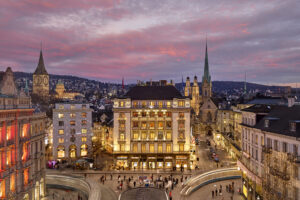
Just moments from the Bahnhofstrasse, one of the world’s most exclusive shopping avenues, as well as Zurich’s Old Town and the scenic promenade leading to Lake Zurich, the hotel places guests at the centre of the city’s cultural and leisure landscape. Museums, galleries, boutiques and restaurants are all within walking distance, making it an ideal base for those looking to experience Zurich through a more curated, luxury lens.
The building itself carries a remarkable legacy. Formerly known as Hotel Baur en Ville, it has hosted a distinguished list of guests over the decades, including Franz Liszt, Charles Dickens and Richard Wagner. Today, that same sense of heritage remains woven into the experience, most notably in the preserved guildhall, where the Guild of Tanners and Shoemakers has been meeting since 1920. The space now serves as a unique and atmospheric meeting room, offering a rare glimpse into Zurich’s past.
Innovation has always played a role in the property’s story. As early as 1838, the hotel was home to one of the world’s first rooftop bars, the Belvédère, where guests would take in sweeping views of Lake Zurich from a terrace surrounded by blossoming orange trees. Orders were communicated to the kitchen through a speaking tube and delivered using one of the first modern food elevators, reflecting a pioneering spirit that continues to define the hotel today.
Now reimagined under the Mandarin Oriental name, the Savoy stands as a destination in its own right. Whether visiting for a weekend of shopping and fine dining or as a cultural stop on a wider European journey, the hotel offers a sophisticated retreat where Zurich’s heritage meets modern luxury.
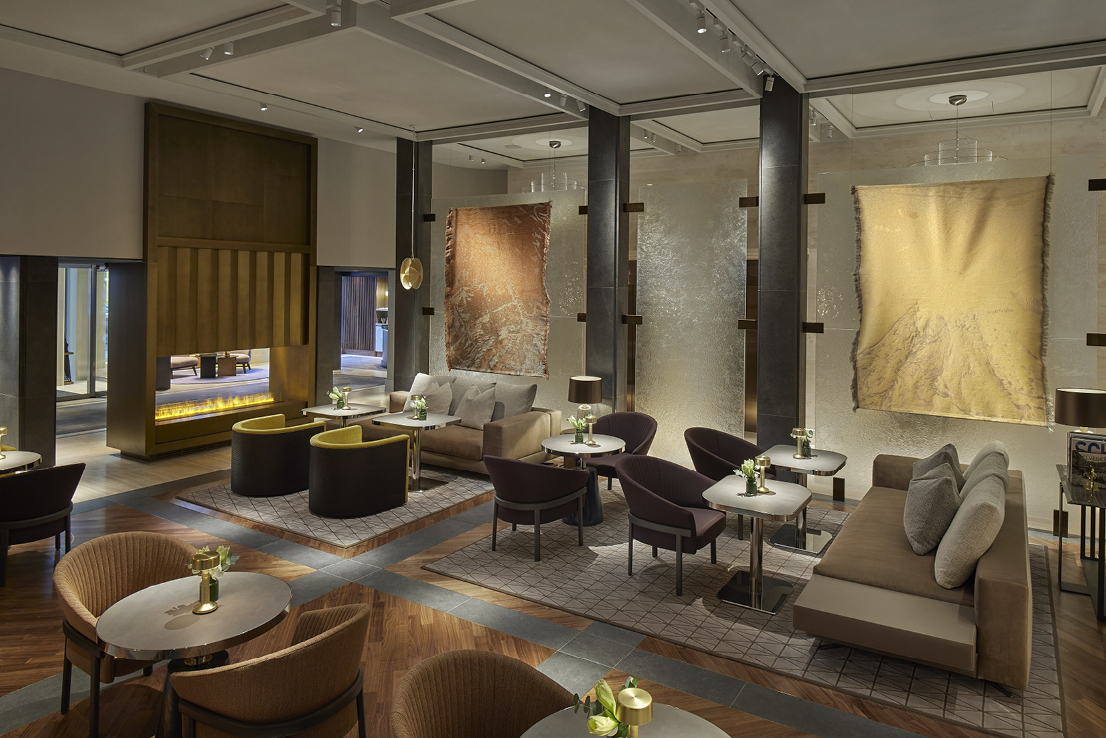
Rooms & Suites
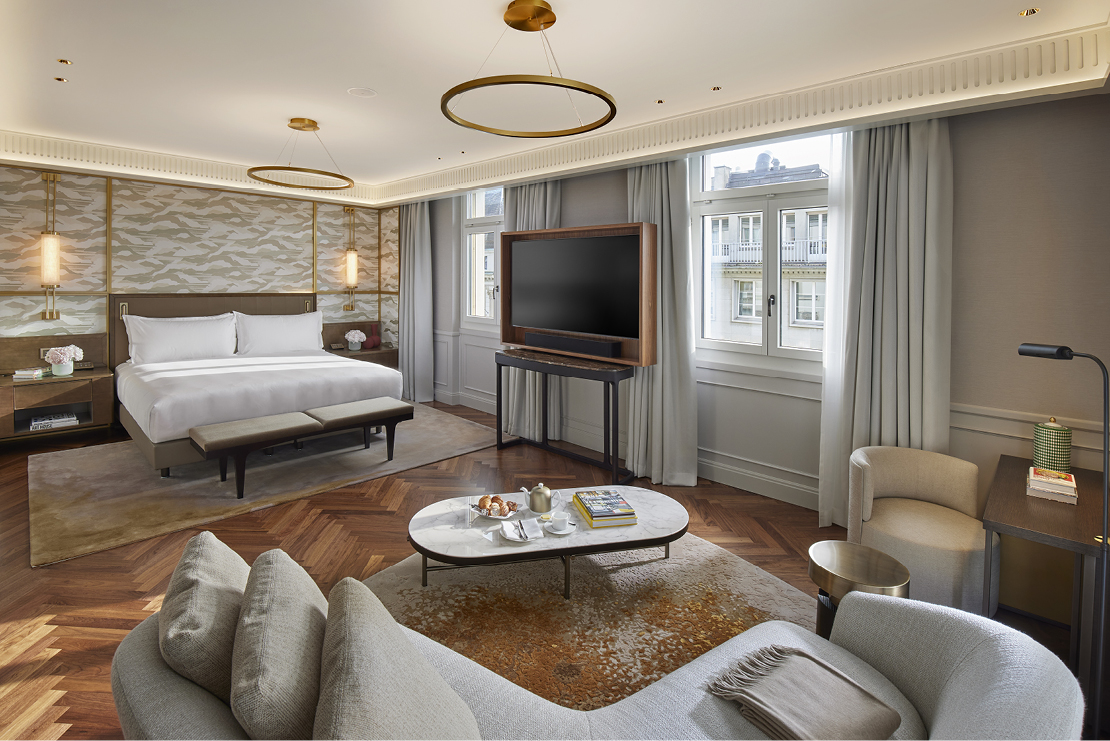
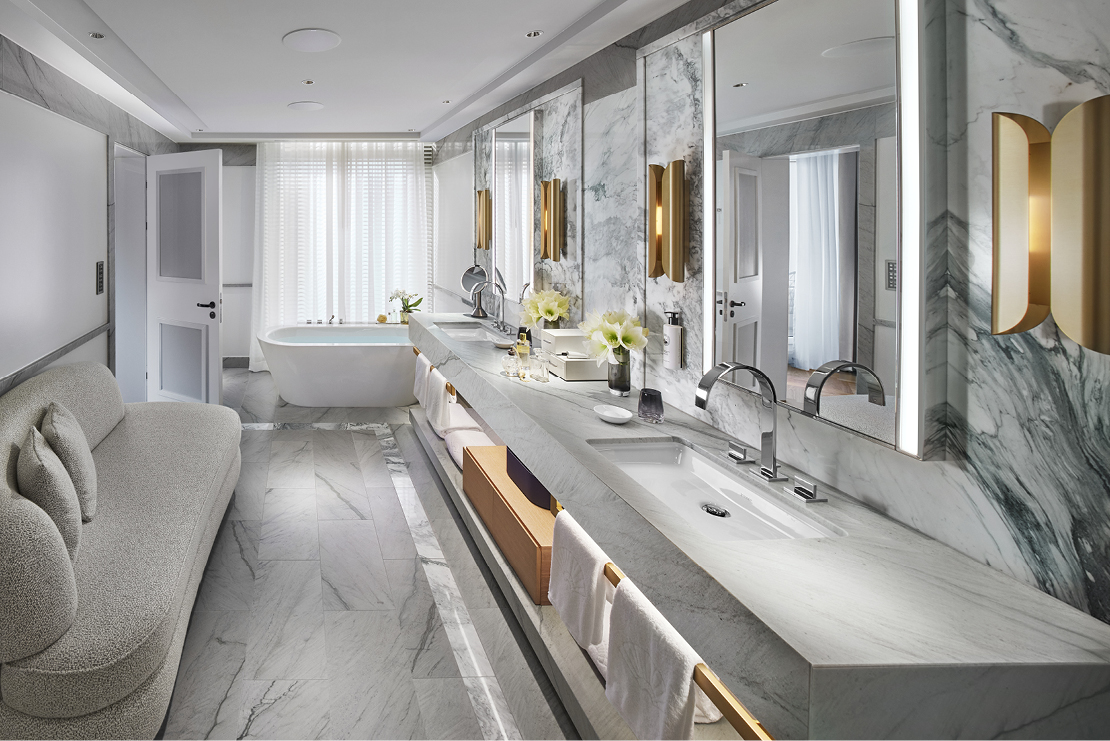
The rooms and suites offer a refined blend of heritage elegance and contemporary comfort. Thoughtfully designed with a soft, neutral palette, each space features bespoke furnishings, marble bathrooms and understated detailing that reflects the building’s historic character while embracing modern luxury. Many rooms enjoy views across Paradeplatz, the Old Town or towards Lake Zurich, adding to the sense of place at the heart of the city. Spacious suites provide separate living areas, creating an inviting setting for both relaxation and entertaining. With generous layouts, tactile materials and discreet technology throughout, the accommodation has been designed to offer a calm and sophisticated retreat after a day exploring Zurich’s cultural and shopping districts.
Dining
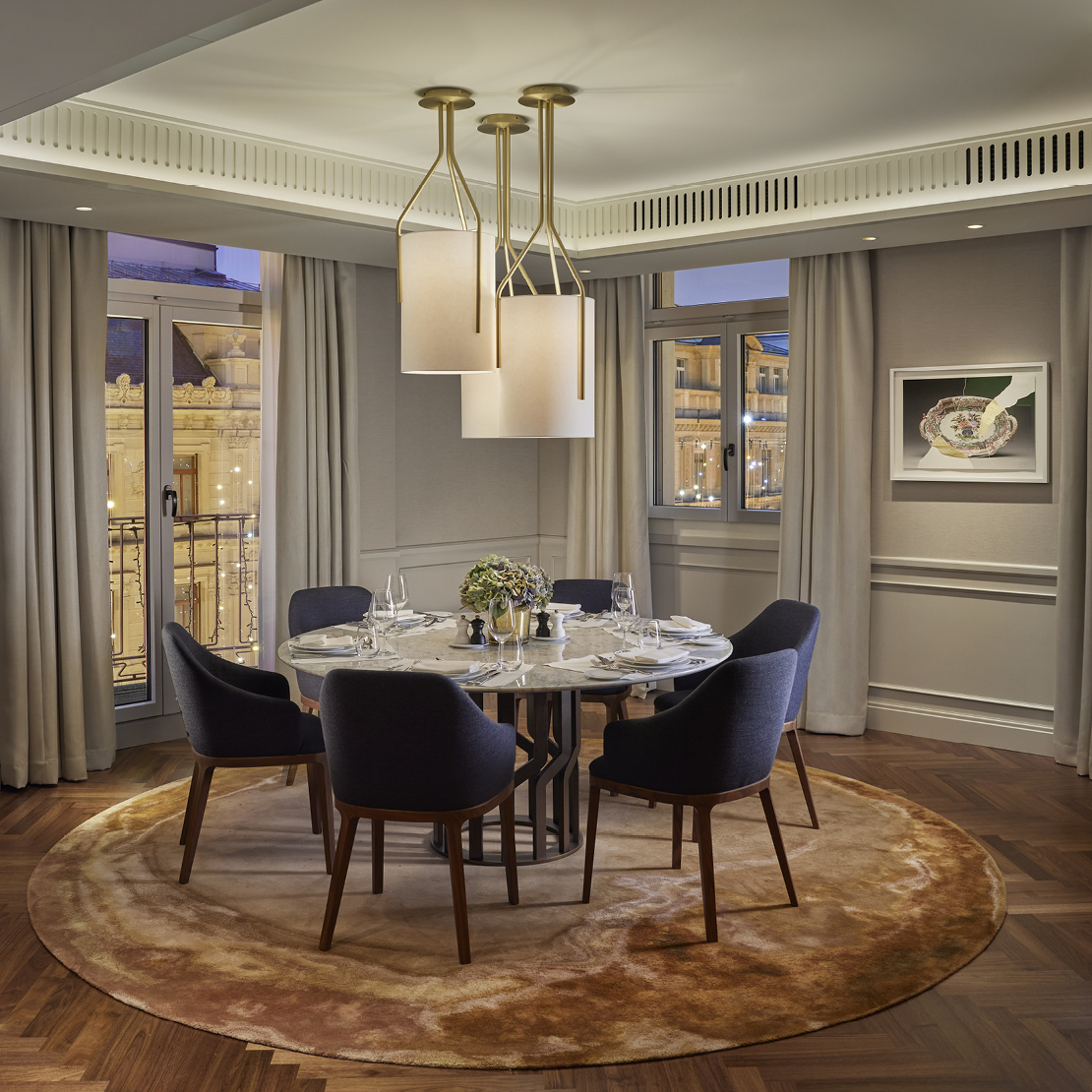
Dining at Mandarin Oriental Savoy, Zurich brings together contemporary flair and timeless sophistication across its thoughtfully curated venues. Guests can enjoy refined international cuisine at Savoy Brasserie & Bar, where classic European dishes are reinterpreted through a modern lens in an elegant setting. For lighter bites and all-day dining, ORSINI offers a relaxed yet polished atmosphere, perfect for breakfast, lunch or an afternoon pause between exploring the city.
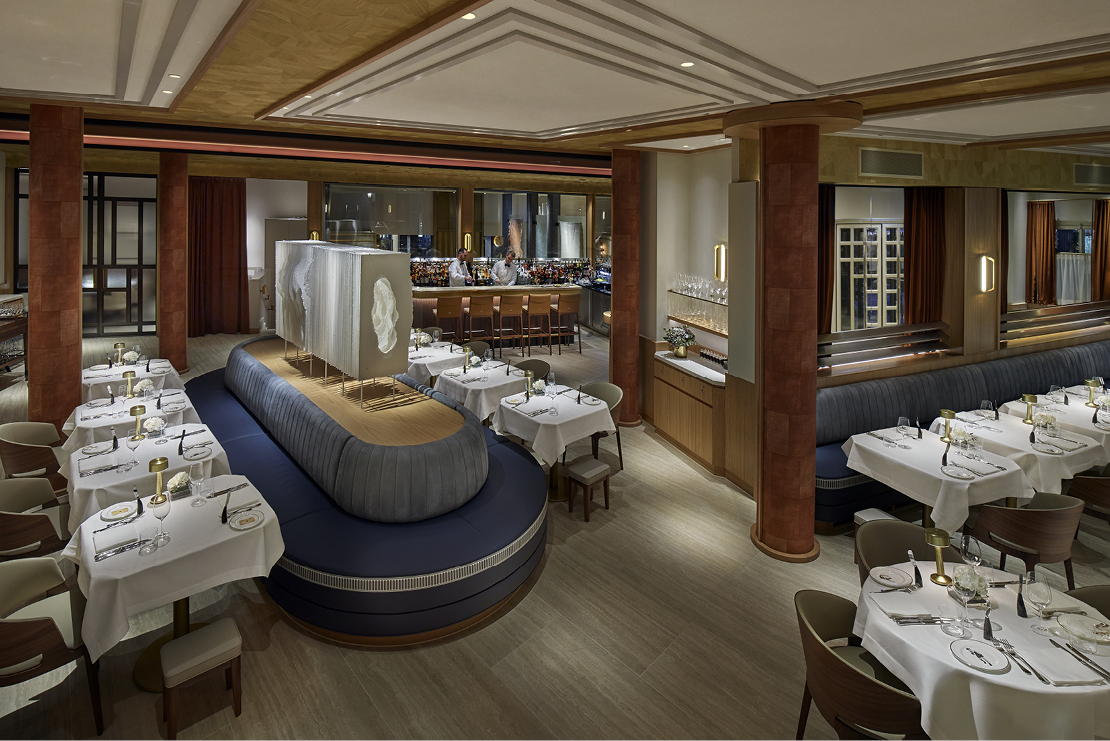
The rooftop restaurant and bar, 1838, provides sweeping views across Zurich’s skyline, creating a memorable backdrop for cocktails or seasonal small plates. Whether beginning the day with a leisurely breakfast or unwinding after an afternoon on the Bahnhofstrasse, the hotel’s dining offering delivers a polished experience that complements its urban luxury setting.
Spa & Wellness
The Spa at Mandarin Oriental Savoy, Zurich offers a calm retreat from the pace of the city, inviting guests into a discreet sanctuary designed for relaxation and restoration. The intimate wellness space features a curated menu of holistic treatments, including signature Mandarin Oriental therapies such as the Oriental Essence Massage and bespoke facial rituals tailored to individual needs.
Modern fitness facilities are also available for those looking to maintain their routine while travelling. Blending contemporary design with a serene atmosphere, the wellness experience has been created to support both physical and mental wellbeing, offering a moment of quiet balance after a day spent exploring Zurich’s cultural and shopping districts.
Driving a New Era, Ritu Chandy, Lead Sales, Asia-Pacific, Eastern Europe, Middle East and Africa, BMW Group discusses innovation, performance and pushing the boundaries
As BMW Group enters one of the most transformative moments in its history, the focus is shifting far beyond performance alone. From design language and digital innovation to strategic cultural partnerships, the brand is redefining what premium mobility looks and feels like in a rapidly evolving global landscape. Nowhere is this more apparent than in the Middle East, where BMW’s presence has grown increasingly dynamic, shaped by a new generation of customers who value experience, emotion and authenticity as much as engineering excellence.
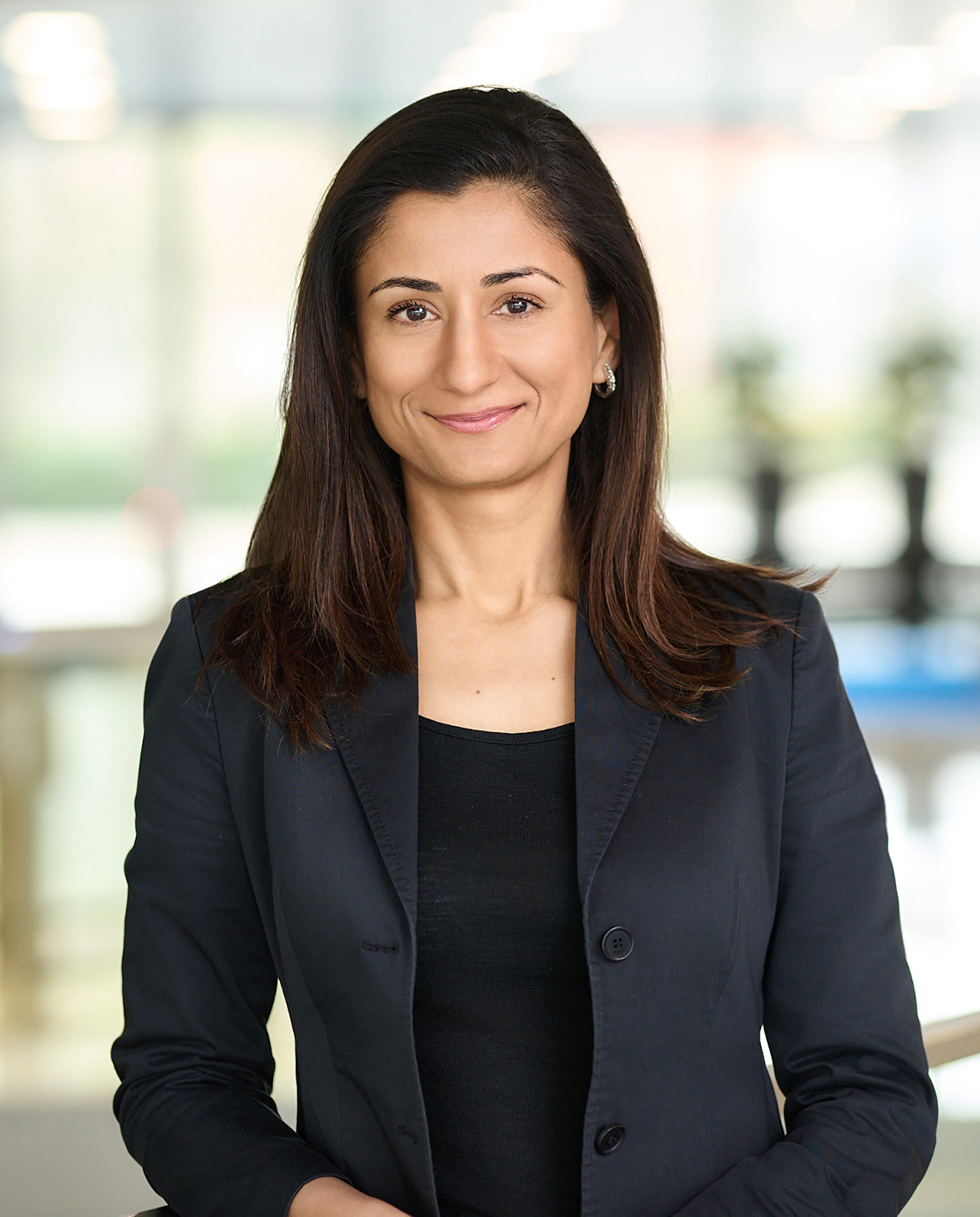
Leading this regional momentum is Ritu Chandy, BMW Group’s Head of Sales for Asia-Pacific, Eastern Europe, the Middle East and Africa. With responsibility across some of the brand’s most diverse and competitive markets, she sits at the forefront of a new era defined by adaptability, localisation and customer-centric thinking. As the Neue Klasse signals a renewed direction for the company, we met with Chandy on a recent visit to Dubai this February to discuss the role of strategic partnerships, the importance of cultural relevance, and why this region continues to play a critical part in shaping BMW’s future on a global stage.
BMW feels noticeably fresher and more dynamic, particularly in the Middle East. We’ve seen strong visibility through platforms like Art Basel and a clear shift in communications. What’s driving this evolution?
BMW is a brand that constantly adapts and changes. It very much lives in the now. We evolve with the markets we are present in, and that adaptability is core to who we are. You used the word “fresh,” which I like, because 2026 is truly one of the most exciting years in BMW Group’s history. It marks the beginning of a new era with the Neue Klasse, and with that comes a renewed, fresh approach.
It’s not that BMW wasn’t fresh before, but we are adapting very quickly to the times. Strategic partnerships are a key part of that. We believe the brand is amplified with partnerships like the 1 Billion Followers Summit and Art Basel. That’s really important because these partnerships amplify the brand, but only when there is a shared ethos. Any partnership we enter must align with our values.
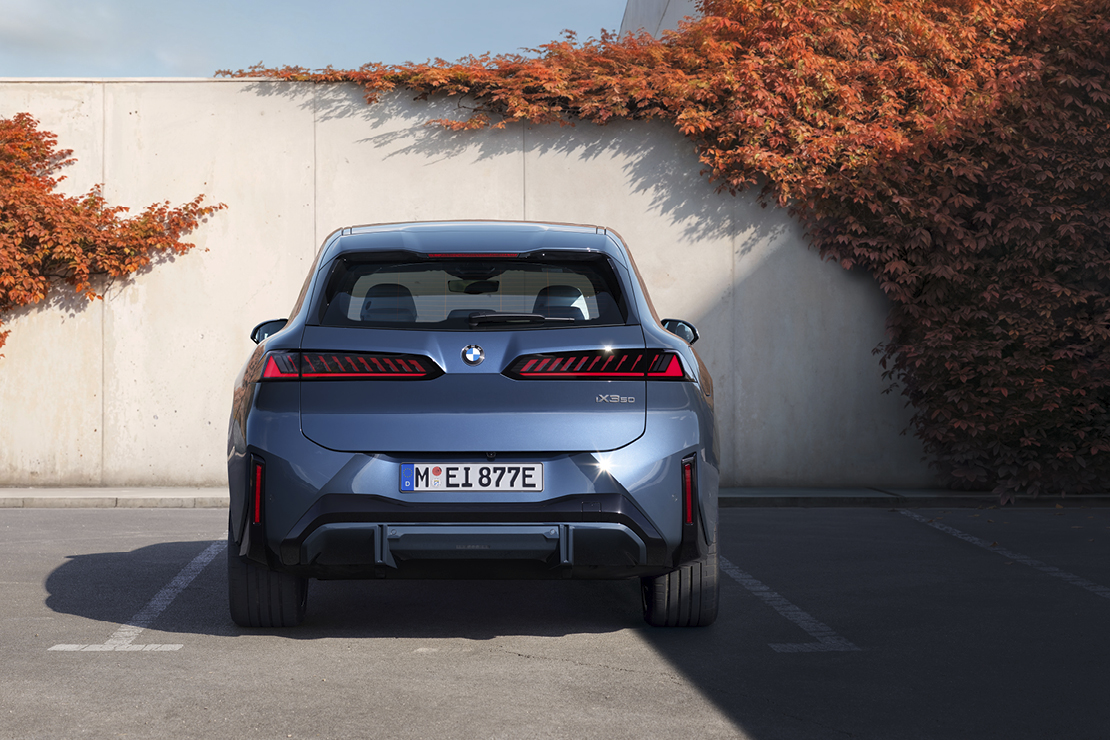
If you think about art and BMW, there are many common codes. Whether it’s about curation or bespoke craftsmanship. The same thinking applies to sport. Take tennis, for example. Carlos Alcaraz has been a friend of the brand for over a decade. He wasn’t chosen by accident. We believed in his talent early, supported him throughout his journey, and he remains a friend of the brand today. He was also one of the first to speak publicly about the Neue Klasse – BMW iX3 – and what this new era means to him. That’s what matters to us: truly embodying brand values and using art, sport and individuals to authentically amplify BMW.

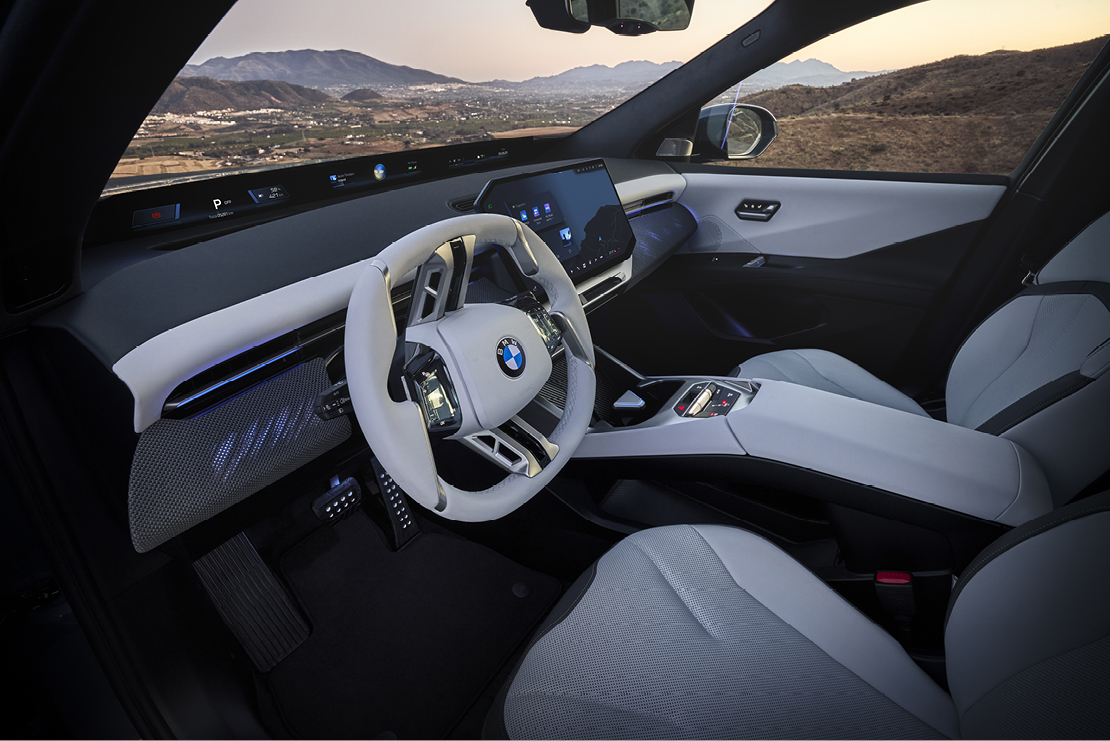
This is particularly important as we enter the biggest transformation in BMW Group’s history. I don’t even like to call it a product offensive. It’s a design offensive, a UI and UX offensive, a complete rethinking of the experience. We are launching around 40 new models. It’s a huge milestone for the decades to come.
The response so far has been overwhelming; we have been meeting with our partners in the region, and the reception has been very positive. In Europe, customers are placing deposits without even having driven the car. Those who have driven it have returned with a sense of disbelief that BMW has taken yet another step forward. It’s been incredibly positive. The experience of driving the car is integral to this evolution, and I think once you have driven it, you will understand this fresh, new approach. It’s very relevant to what we want to stand for today.
This region is highly competitive and rapidly evolving, with new markets emerging alongside established ones. How does BMW stay ahead?
Firstly, this is a very important region for us, and it has developed extremely positively over the years. It’s been fabulous to spend the last 48 hours here and experience firsthand what’s happening. We hold leadership positions in the upper-class segment, including the 7 Series, X7, and the M brand, which the local teams have developed exceptionally well. Looking at the wider group of brands, the region is also critical for MINI, BMW Motorrad and Rolls-Royce Motor Cars. In fact, yesterday we visited the single largest Rolls-Royce facility globally from a sales perspective.
This region continues to play a very important role, but it’s not just about the numbers. Dubai, in particular, is one of the most competitive automotive markets in the world. There are no trade barriers, and new brands can enter freely. We were told today that around 40 new Chinese brands have entered the market, in addition to the other brands already present. So, it’s highly competitive; however, it’s also a very discerning market, and our brands are for discerning customers. BMW Group is not in the game of chasing volume. We are in the premium segment. We are catering to customers who value distinction, innovation and craftsmanship. We stand for driving dynamics and sheer driving pleasure, and we want to embody that experience in how you purchase your car and how you are supported after purchase.
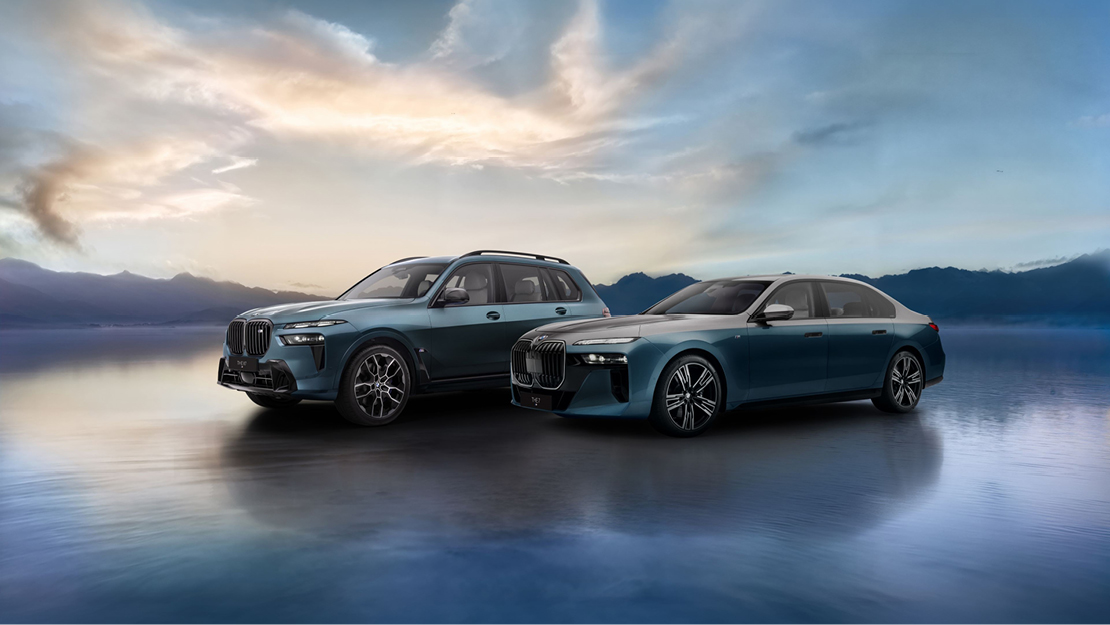
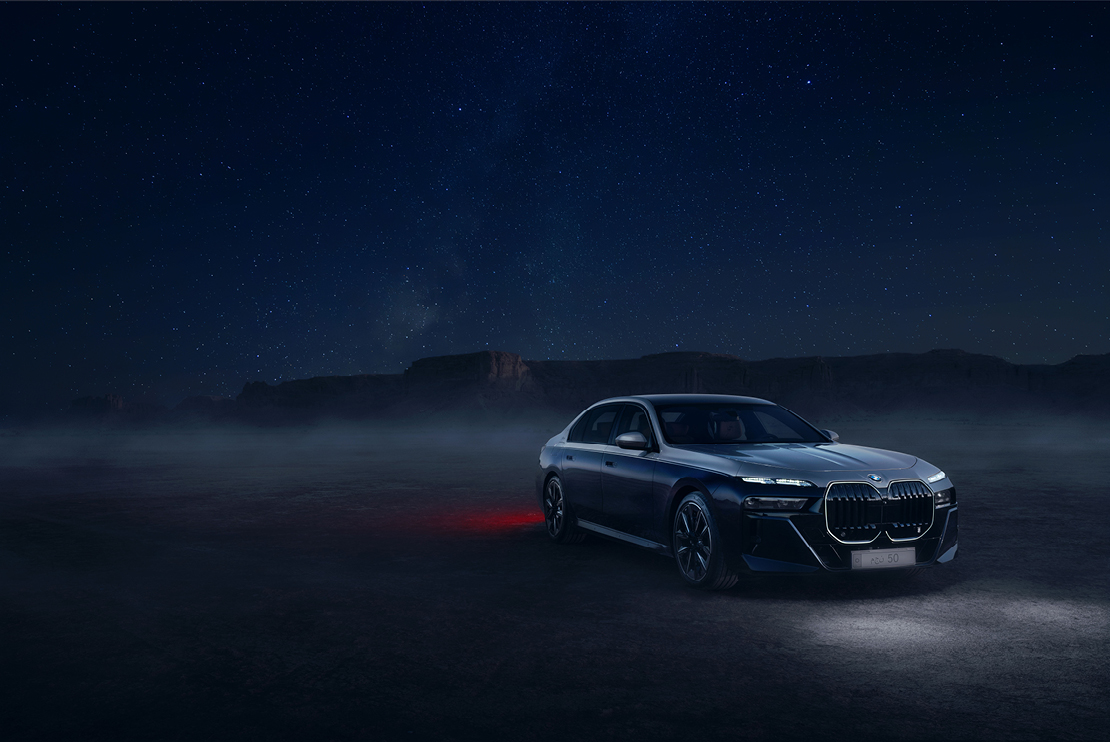
BMW Individual holds a special place in the Middle East, where craftsmanship and personal expression naturally converge. One of the strongest examples of this is the BMW 7 Series Suhail Edition, a collection of just 50 cars worldwide, curated exclusively for the region. Inspired by the Suhail star, a symbol of clarity, brilliance and new horizons in Arabian culture, this edition pays tribute to the spirit of the Middle East, a place where innovation and tradition do not compete but enrich one another. BMW Individual is more than a statement, it is a storytelling experience.
We are very fortunate to have extremely solid partners in the region, and I think our success here is not just the result of our team and our strong products, but also of our partners. They are strong partners; they believe in the brand ethos, not just today, but for the long term. They invest not only in facilities but also in people, processes, services, and community building. Whether that’s M track days, curated events or exclusive gatherings, these touchpoints matter deeply in this market. I think we must give credit where it’s deserved to our partners.
Emerging markets such as Iraq, Syria, and Egypt present opportunities. We are not at our final frontier yet, as we are still developing the network. We have a lot of exciting product reveals coming in the next 12 months and beyond. We also have a new brand: BMW ALPINA. This is so important in this region because it plays a significant role for Rolls-Royce and BMW, and BMW ALPINA fills an important space between the two. Alpina is about that very acquired taste of understated luxury and performance. We are planning to build significantly on this brand. This region and everything here are very relevant to our brand; the hotels and everything here engage with the customers we want to reach.

Experience, emotion and customer are three recurring themes. How does BMW remain close to its community and incorporate customer feedback when shaping future models?
This is a very important question. As a company, we have some core values that are non-negotiable: sheer driving pleasure, strong design language, and sustainability are indisputable parts of who we are. But beyond that, the localisation of our experience and products is essential. Relevance comes from understanding how those values translate into different markets.
A good example is electrification. At one point, it was fashionable for brands to declare themselves 100 per cent electric. BMW never did that. We firmly believe that electrification is not a binary journey. Different markets will adopt at different speeds, and we will continue to offer combustion engines, including V8s, where there is demand. This was our view, and we never compromised on this. To me, that is us reflecting our commitment to listening to customers globally, not reacting to a single regulatory or regional narrative.
You can see this localisation reflected in our flagship dealerships in Dubai, for example, you see aspects of the Arab language. Emiratisation and cultural relevance are incorporated into the experience, ensuring that we adapt the brand values to local markets where we can. To your point on community, this is where it starts. I grew up in different parts of the world, and have lived in different parts of the world, but at the same time you identify with a brand for something that’s absolutely integral to the brand, but if it’s too farfetched and you don’t feel like you can associate with it in local context, then you’re not going to watch to engage with it. That’s where our partners, yet again, play an important role: taking those values and making them approachable for customers in markets around the world.
The community aspect is very important. You can invest heavily in advertising, but if a brand is not part of the right conversations and communities, it won’t resonate. This is an emotional market, and thankfully, BMW creates an emotional product. Experiences like M track days unlock that joy and reinforce the brand’s values. M Performance parts are also highly appreciated in the region, especially elements like the BMW M exhaust system, where engineering meets emotion. It’s the harmony of driver, machine and moment, perfectly aligned.
Looking ahead, what do you still hope to achieve in this region?
This region has the potential to be more than just a strong sales market. It can be a thought leader in terms of shaping the customer experience and how we engage with our customers. There are best practices here that we can certainly apply globally. We operate across a vast region, from Asia-Pacific to Eastern Europe, the Middle East and South Africa, and there is enormous value in cross-market learning. We’ve seen exceptional customer experiences in markets like Singapore that can be adapted elsewhere.
There is always more to do. I think we can do more in partnerships and in how we approach them. Our partners are a strong reflection of what’s happening in those regions and offer valuable insight into what is developing. We need to bring that knowledge further into our company and further develop what we are doing. We have 26 nationalities in our office, with some great people whom we need to continue developing. There are new levers, such as AI, that we can definitely use in the way we approach business. So there is much to be done. It is about learning from and applying experience to develop what we do. Ultimately, customers are not just buying a vehicle. They are buying into a brand and a community, and they expect a certain level of care.
In one sentence, how would you describe 2026 for BMW?
New era. Unleashing momentum. We are truly unleashing momentum, and it has already begun. We are going to build on that momentum throughout the year, with lots more to come.
By Lara Mansour
Renewed Presence, Amal Al Raisi on Rebuilding Muscat Fashion Week and Redefining Omani Fashion
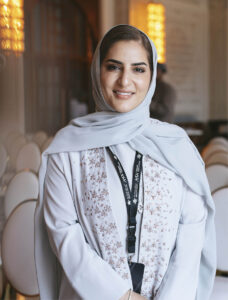
As Muscat Fashion Week returns with renewed purpose, Amal Al Raisi stands as a pioneer of Omani fashion and the founder of the platform. Al Raisi has spent the past two decades building her own brand while quietly nurturing the next generation of creative talent.
Now, with the relaunch of Muscat Fashion Week under a redefined identity, she is steering the event beyond the runway, positioning it as an ecosystem rooted in education, mentorship and cultural dialogue. From workshops and industry talks to long-term pathways for young designers, the vision reflects a deeper understanding of fashion as a serious creative industry with economic and cultural weight.
In this interview, Al Raisi speaks candidly about the challenges of rebuilding the platform, shifting perceptions around fashion in Oman, and why authenticity, not imitation, sits at the core of Muscat Fashion Week’s future.
You’re relaunching Muscat Fashion Week with a new identity and direction. Why now, and what can we expect from this rebranding?
This has been in the making for nearly eight years. Over the past three years, while running my brand, which is now 20 years old, I’ve been deeply involved in mentorship and internship programs for fashion students. As a result, I realised there is a real gap in the industry in Oman. We have incredible talent, but there isn’t enough understanding of how the fashion industry actually works.
That’s why I created a programme called Fashion Future, in which I mentor 10 young women each year. In collaboration with the French Embassy, one of them interns in Paris for a month. For the last two groups of women, that internship was with Maison Rabih Kayrouz. Through this experience, it became very clear that we needed a bigger platform, something more structured and impactful. That’s when the idea of bringing Muscat Fashion Week back emerged, but with a completely different approach.
The vision was to highlight local designers on the runway while also offering workshops, talks, and industry discussions led by experts. Fashion needs context, education, and dialogue. From there, we worked on the programme content and approached the Ministry of Culture. We received incredible support from His Highness Sayyid Theyazin bin Haitham Al Said, who was Minister of Culture at the time, as well as from Muscat Municipality, which originally hosted Muscat Fashion Week. Today, both the Ministry of Culture and the Municipality are partners in bringing it back.
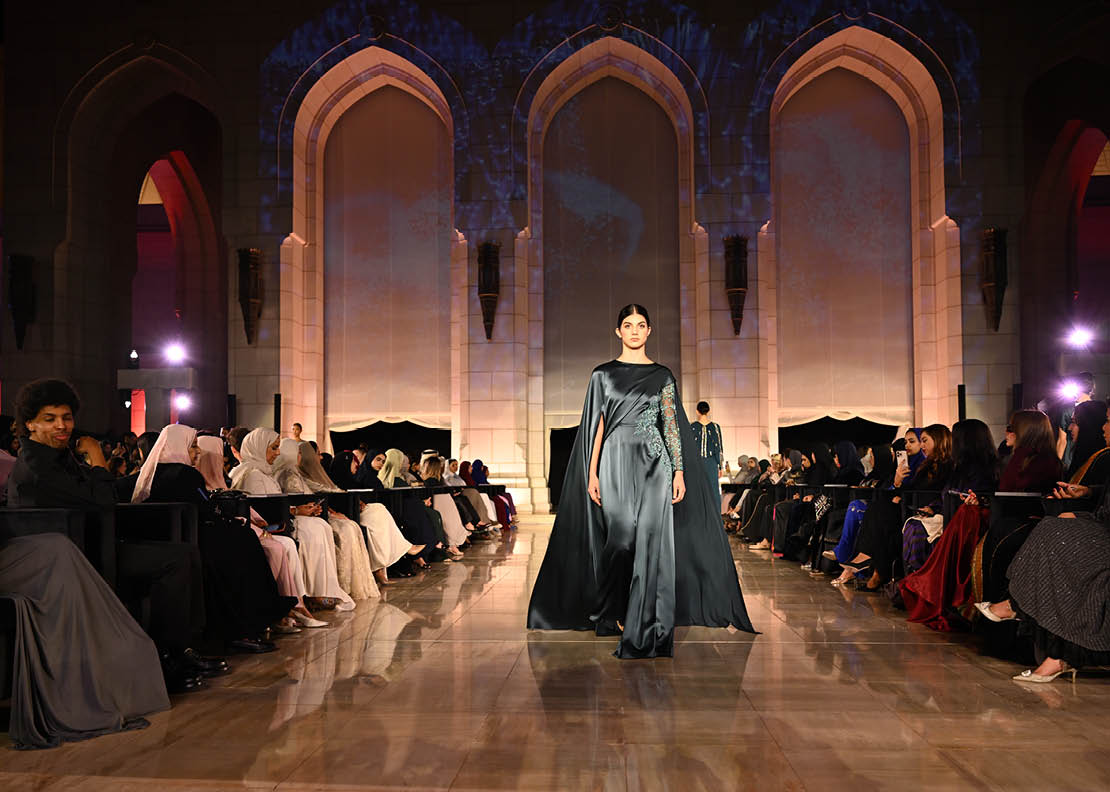
What have been the main challenges in putting this together, especially given this new approach?
One of the biggest challenges is that, as Arab communities in the GCC, we don’t always take fashion seriously. People don’t often realise how much goes into this industry. Fashion is not just about clothes. It’s an entire ecosystem. If you look at countries like Lebanon, where fashion is more advanced, it’s because the creative industries are more deeply embedded in the culture.
Here, the creative industry is still evolving. There’s a need to educate the community about its importance. Entire economies are built on creative industries, and yet many talented people feel lost because they’re unsure whether there’s a future for them. Through Muscat Fashion Week, we wanted to send a clear message to decision-makers: we have talent, and we need to create opportunities, jobs, and long-term pathways for them. Above all, we need to give young creatives hope that this is a serious industry with a real future.
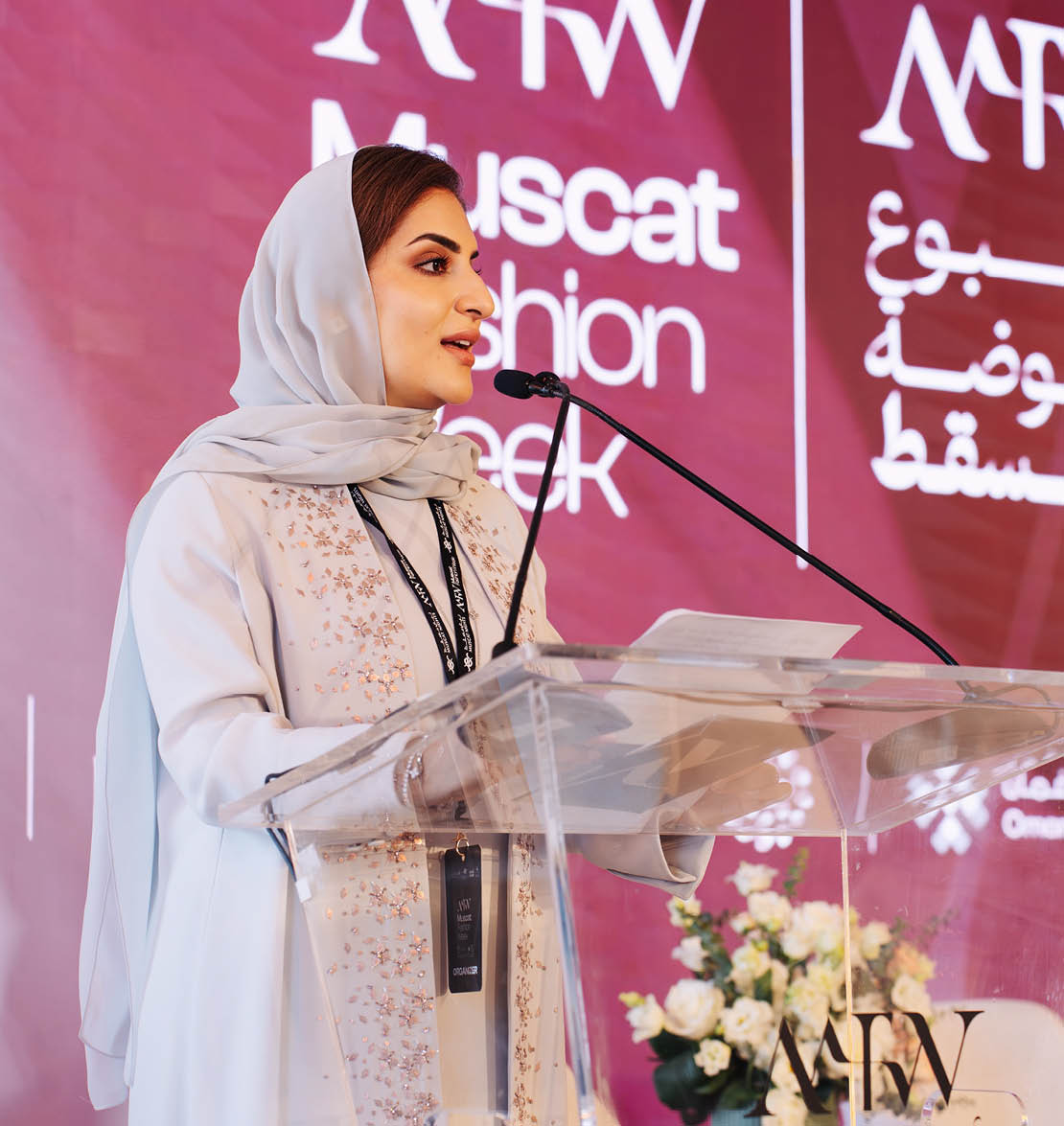
How do you plan to shift perceptions and build trust in fashion as a viable and respected industry in Oman?
We are fortunate that Oman Vision 2040 clearly highlights creative industries as an essential part of the country’s future. If we want these industries to thrive, we need to educate talent, expose them to global developments, and bring in experts who can help them grow.
It’s also important to think beyond the local market. The world today is very small. Designers can work globally, retail internationally, and collaborate across borders. At the same time, expansion should never come at the cost of identity. Omani designers must use their cultural heritage in a way that feels relevant and appealing to women everywhere, without losing their identity.
How do you discover and support new talent in Oman?
I work closely with colleges and educational institutions, and I also keep an open channel for designers to reach out directly. Over the years, I’ve worked with agencies and mentors myself, and I learned the hard way. I had talent, but not the know-how. I had to experiment, travel, attend exhibitions, and invest heavily in understanding the industry.
Not everyone has the means or freedom to do that, especially women. Travel and exposure can be challenging in more conservative contexts. That’s why I decided that any knowledge I gained would be shared. If I’ve learned something, it shouldn’t stay with me.
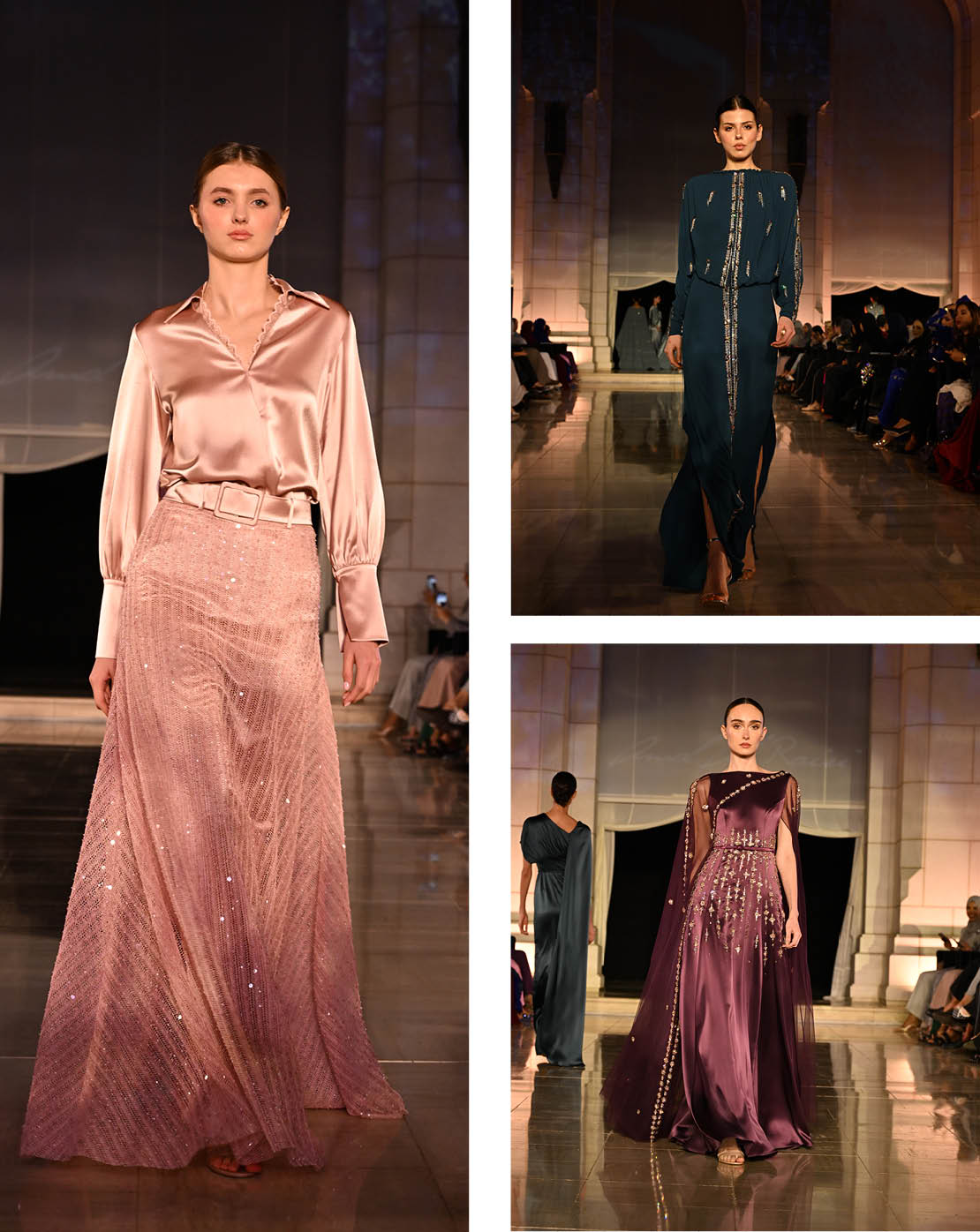
Are there plans to connect Omani designers with international platforms such as Paris or Milan?
Absolutely. This first edition is about laying strong foundations. Going forward, we plan for Muscat Fashion Week to have activations during international fashion weeks, particularly in Paris, through showroom presentations rather than traditional runway calendars. We initially wanted to do this from the first edition, but we felt it was too early. This is definitely part of our long-term strategy: to represent Omani designers internationally, even if on a small scale at first.
What is the core objective you hope Muscat Fashion Week will achieve in the near future?
Authenticity. That’s the most important thing for us. There are many fashion weeks across the region now, and that’s a beautiful thing. We have so much talent to share. But Oman is unique. Our culture is rich, calm, and deeply rooted, and we are proud of that.
Muscat Fashion Week should reflect the Omani way. We don’t want to imitate anyone else. This platform exists to spotlight our designers, give them visibility, open doors for business opportunities, and introduce them to the world, while staying true to who we are.
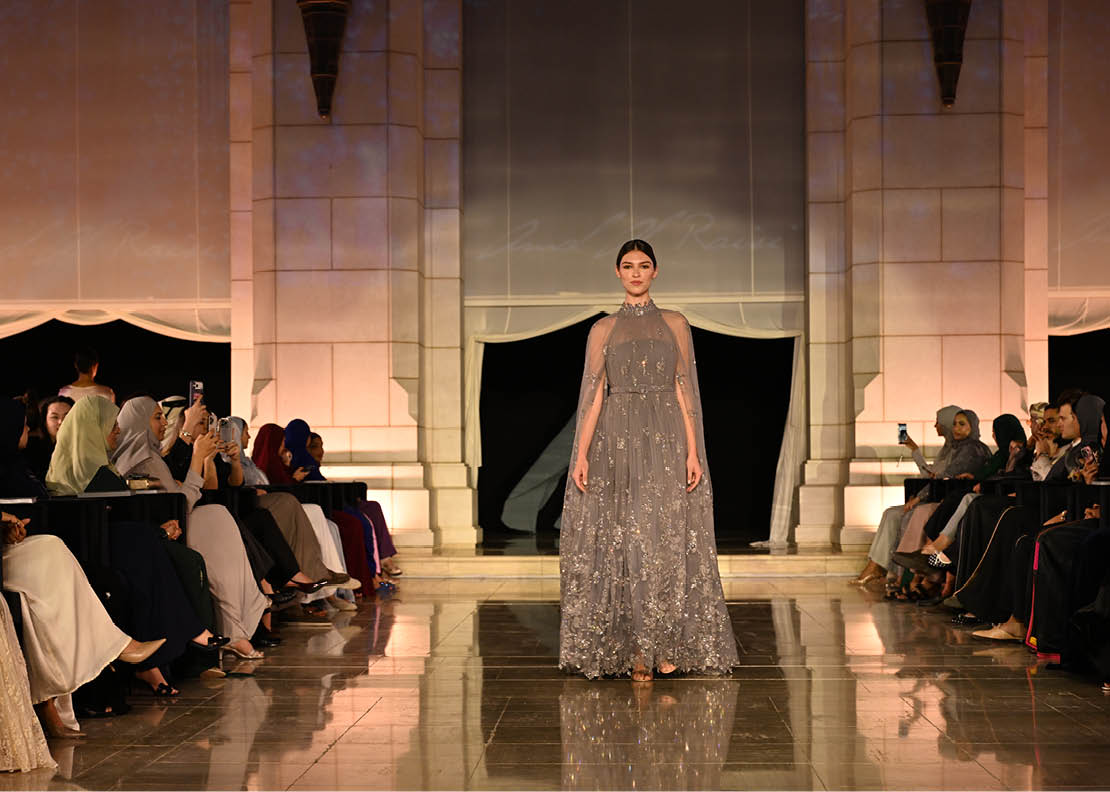
On a personal level, what motivates you every day?
I’m very hard on myself. I don’t accept failure easily. I love my country deeply, and I try to be transparent and clear in everything I do. I truly believe that support comes when your goals are clear and you work hard. There’s often talk about connections or “wasta,” but in my experience, when people see that you are serious and committed to a clear vision, support naturally follows.
With Muscat Fashion Week, this has been a year-long journey. Final approvals came only about six weeks before the event. At one point, we had to decide whether to postpone or just go ahead and do our best. We chose to move forward. Not everything went exactly as planned, but we gave it our all.
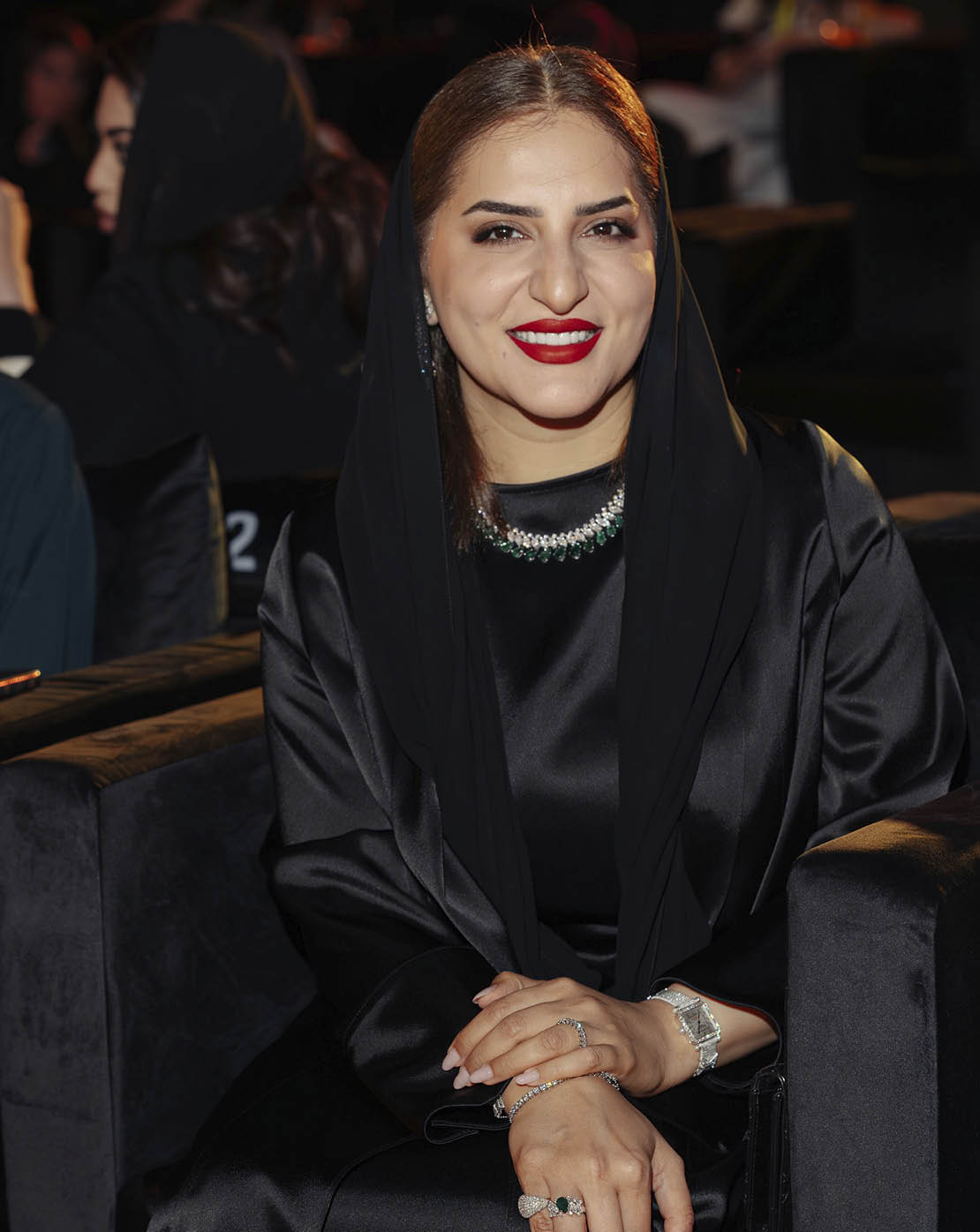
Looking back, is there anything you would have done differently?
Of course, some things didn’t turn out the way I initially envisioned, mostly due to time constraints and factors beyond my control. But that’s part of the learning process. What matters is that we are finally living this dream.
Hosting Muscat Fashion Week at the Royal Opera House is incredibly special. It’s a venue with very high standards and strict protocols, and approval isn’t easy to obtain. But we had full support from His Highness Sayyid Kamil bin Fahd Al Said because our vision was clear. That made all the difference. Next year will be bigger and stronger.
If you had to describe Muscat Fashion Week in one word, what would it be?
Authentic. Just like Muscat itself. Muscat has its own rhythm and character, and Muscat Fashion Week reflects that.
By Lara Mansour
Inside Lamborghini’s exclusive #SheDrivesaLambo event in Courchevel
High in the French Alps, where altitude sharpens perspective and performance is tested by nature itself, Automobili Lamborghini staged the third European edition of #SheDrivesaLambo. Returning to Courchevel in December 2025, the two-day experience brought together an international group of women leaders, creatives, engineers, and explorers for an immersive encounter with performance, purpose, and possibility. Hosted at Le K2 Palace, the event unfolded against the vast openness of Les Trois Vallées, a setting chosen as much for symbolism as spectacle.

This year’s theme, Horizon, set the tone for the experience. In Lamborghini terms, performance has always meant more than speed figures or horsepower. Here, it was positioned as clarity of vision, intention in movement, and the confidence to go further. The alpine environment amplified that message. Snow, shifting light, and vertiginous roads created a natural metaphor for leadership under pressure.
At the heart of the experience was the Lamborghini Temerario, the brand’s latest high-performance hybrid super sports car. Powered by a new twin-turbo V8 paired with three electric motors, it delivers more than 920 CV, showcasing Lamborghini’s approach to electrification as an enhancer rather than a compromise. Over the course of the drive, participants navigated flowing mountain passes, tight switchbacks, and high altitude straights, experiencing first-hand how precision engineering translates into confidence behind the wheel. A dedicated ice track drifting session followed, led by Lamborghini’s professional drivers, where hybrid technology and a bespoke drift mode revealed their value in control, responsiveness, and pure enjoyment even on low-grip snow.
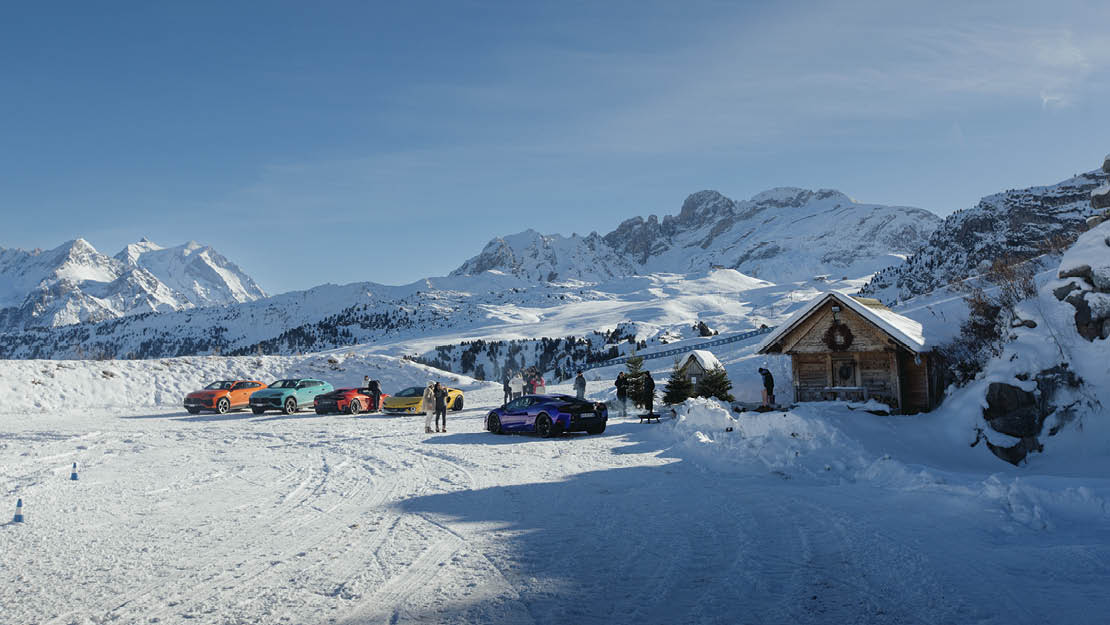
The choice of Courchevel was deliberate. One of the world’s most prestigious alpine destinations, the resort reflects both elevation and excellence. For this edition, A&E’s Editor in Chief, Lara Mansour, joined the event in Courchevel, taking part in the on-road drives, ice drifting sessions, and the wider programme of discussions and experiences. Her presence underscored the initiative’s connection to culture, storytelling, and the role of women in shaping how performance and leadership are represented across industries.
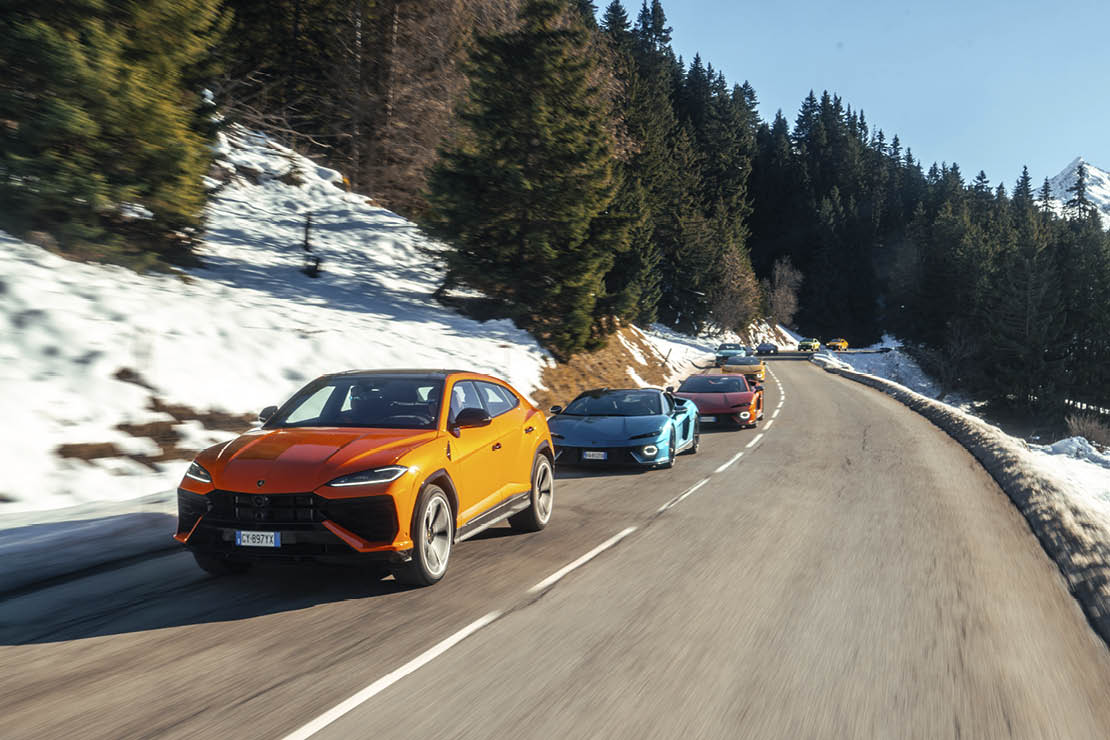
Beyond driving, #SheDrivesaLambo is designed as a platform for dialogue. Guests were invited into conversations with women who embody resilience and innovation in very different fields. Daniela De Vivo, Project Leader of Whole Vehicle Development at Lamborghini, spoke candidly about her journey in a male-dominated sector. She addressed the reality of isolation, the challenge of earning credibility, and the importance of transforming obstacles into opportunities. Her message was grounded and forward-looking: representation matters, not as a statement, but as a pathway for the next generation of women engineers.

Alongside her was Anja Blacha, a record-breaking extreme expedition explorer whose achievements include summiting K2 without supplemental oxygen and completing a solo, unsupported expedition to the South Pole. Her perspective brought a different dimension to the idea of performance. Where automotive engineering speaks in data and design, Blacha spoke of mental endurance, preparation, and the discipline required to move forward when conditions turn hostile. Together, the dialogues reinforced the idea that leadership is multifaceted, shaped by context but anchored in clarity and conviction.
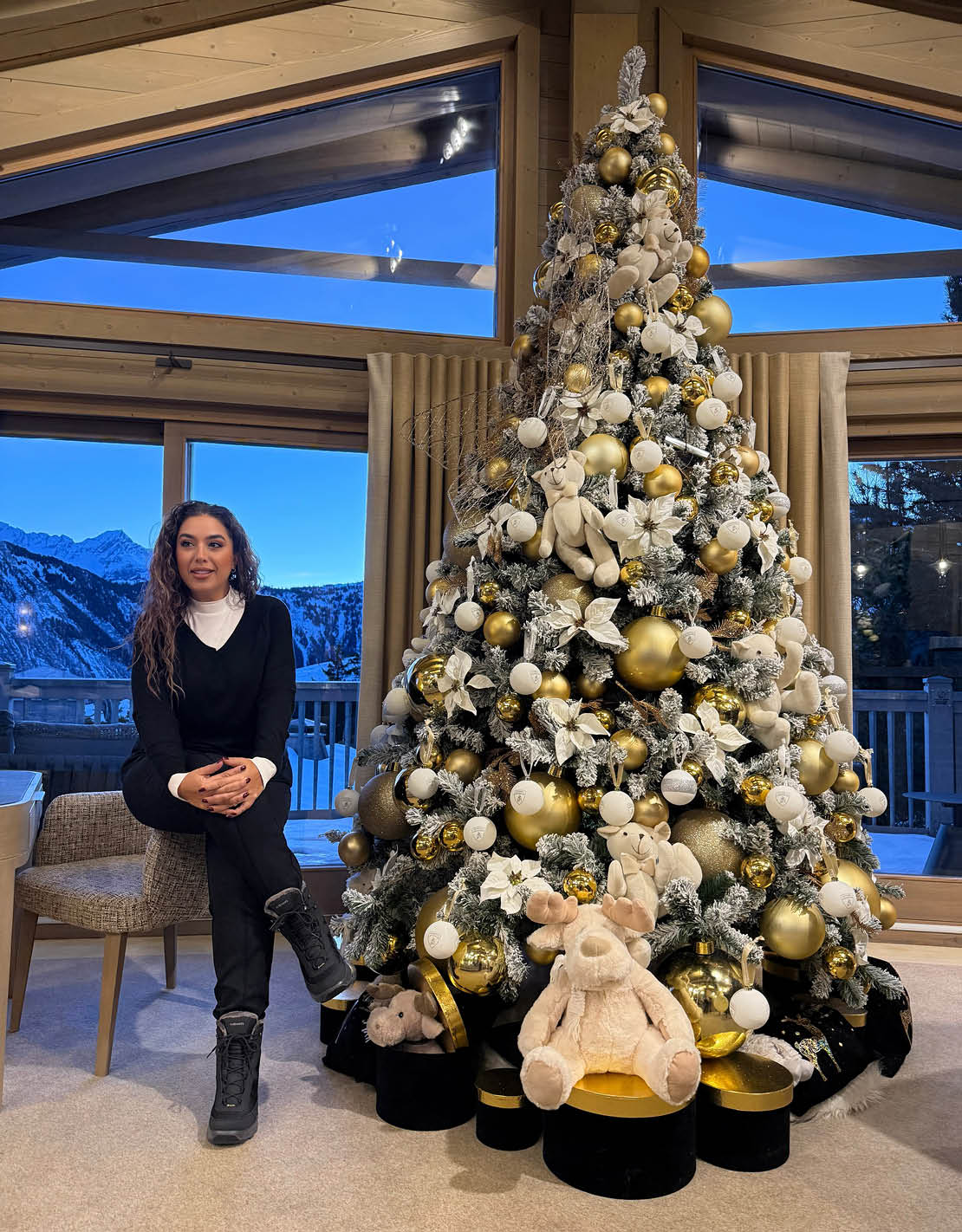
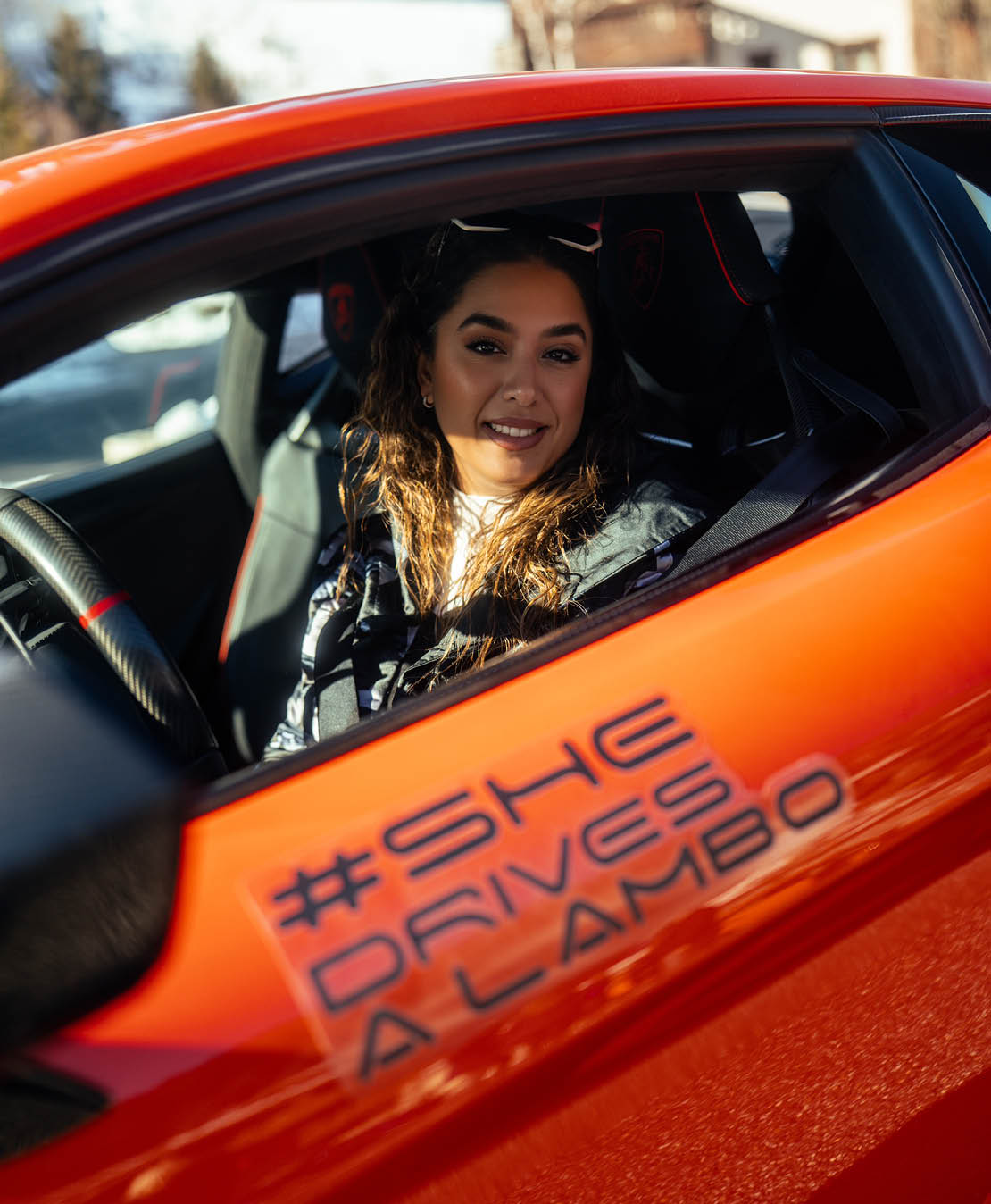

Hospitality played a central role in the experience. Le K2 Palace, with its Himalayan-inspired interiors, bespoke service, and panoramic views, became more than a base. It was an extension of Lamborghini’s values of craftsmanship and attention to detail. From curated dining moments to informal conversations by the fire, the setting encouraged connection, reflection, and exchange. Every element was considered, mirroring the brand’s approach to design and engineering.

As Stephan Winkelmann, Chairman and CEO of Automobili Lamborghini, noted during the event, the initiative reflects a broader commitment to diversity and inclusivity. Lamborghini, he emphasised, is not only about power and luxury, but about redefining expectations and pushing boundaries. #SheDrivesaLambo positions the brand alongside women who embody those same qualities: bold, uncompromising, and forward-looking.
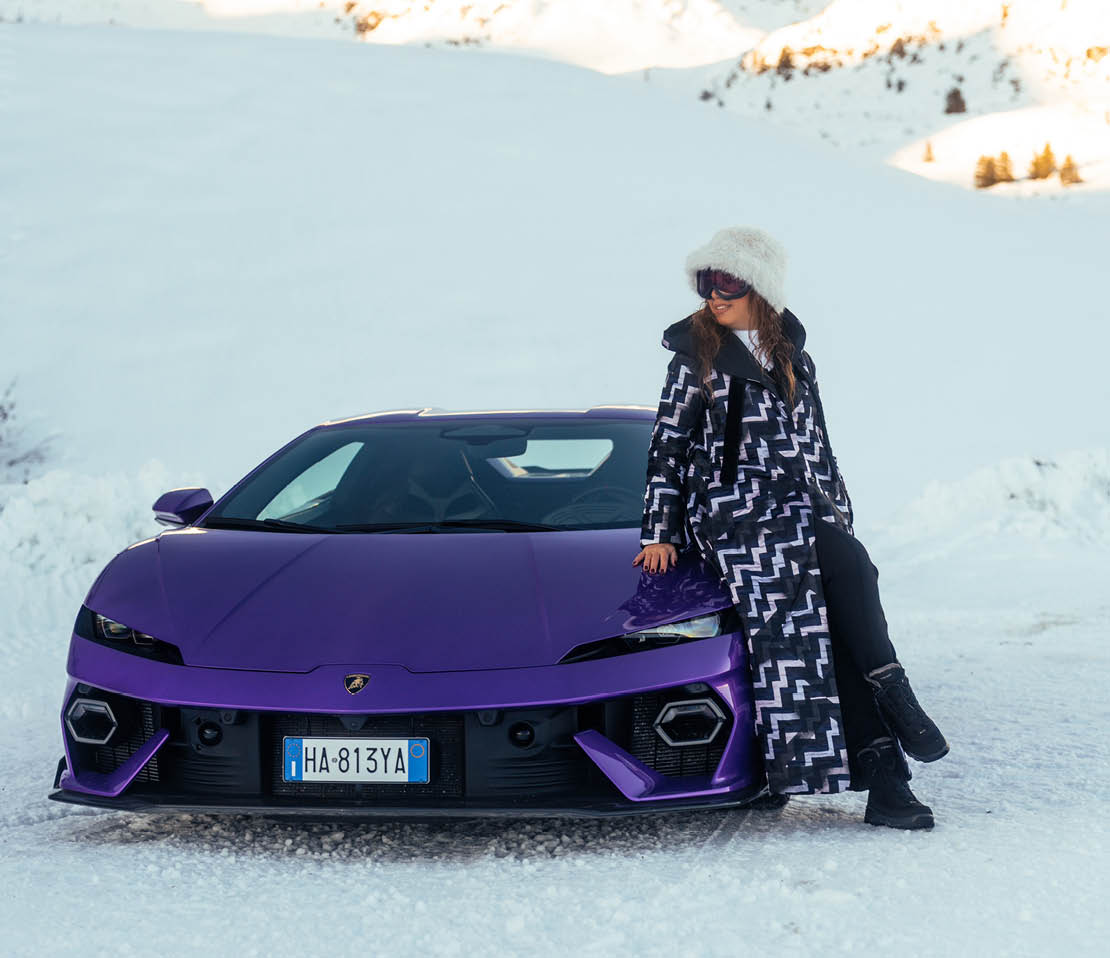
In its third European edition, #SheDrivesaLambo has evolved into a narrative platform that places women at the centre of performance, innovation, and cultural influence. Against the snow-covered peaks of Courchevel, the message was clear: true performance is not only about how fast you go, but about how far your vision extends, and whom you bring with you as you move toward the horizon.
By Lara Mansour
Lebanese basketball player Elie Rustom on finding strength and resilience after injury
In professional sports, most stories are told on the court, through trophies, scoreboards and highlight reels. Yet the defining chapters often unfold in silence, during the moments when everything stops. For Lebanese basketball star Elie Rustom, that moment arrived at the height of his career while playing for powerhouse club Sagesse in one of the league’s most intense finals against long-time rivals Al Riyadi. For years, Rustom had been known as a resilient competitor, a cornerstone in the Lebanese League and a respected national team figure whose leadership extended beyond the court. Then injury intervened, abruptly forcing him into unfamiliar territory filled with doubt, stillness and the fear that his dream might never return. What followed became a different kind of journey, one shaped by mindset, faith and the gradual rebuilding of identity. In the conversation that follows, Elie reflects on recovery, resilience and the way setbacks can shape stronger athletes and stronger people for the future.
You were once at the peak of your career when an injury suddenly changed everything. What was the hardest part of that moment, not physically, but mentally?
The hardest part was believing that it had actually happened to me, especially at the peak of my career with Sagesse Club during the finals against Al Riyadi. In that moment, it felt as though everything I had worked for since I was a child disappeared all at once, and I truly believed it might never come back. I kept asking myself, “Why me? Why now? Is this real?” It felt like a nightmare I couldn’t wake up from. In many ways, it felt similar to grief, except that what I was grieving was my dream.
Athletes often define themselves through performance. When basketball was taken away from you temporarily, how did it affect your identity?
The hardest part of my injury was being torn away from the sport that had shaped my entire life. Suddenly, for nearly six months, I couldn’t train, couldn’t compete, my days were filled only with physiotherapy, and the rhythm I had always known was gone. I felt lost. I didn’t know how to fill my time, how people lived without the constant push of practice, and even my own body felt like a stranger. It was as if a piece of me had vanished. But gradually, I started to explore new ways to spend my time, to try new things, to reconnect with myself beyond the athlete. And in that quiet, unexpected space, I discovered a resilience and inner strength I never knew I had

Injuries can isolate players emotionally. Did you experience moments of loneliness or self-doubt during recovery, and how did you confront them?
During that period, I was fortunate to have family, friends, and even fans visiting me in the hospital and at home, which made the days more bearable. But when everyone left, the pain and overthinking would return; the moments of doubt, insomnia, and anxiety about the future were very real. What helped me the most was the unwavering support from my fans. Their messages, emotional videos, and constant encouragement reminded me of how much I meant to them. That support gave me a sense of purpose beyond myself, and motivated me to come back stronger, not just for me, but for everyone who believed in me
There is a silent mental battle athletes face behind the scenes. What was the darkest thought you had to overcome during that period?
I still remember the darkest thought I had back then: accepting that this had happened to me and wondering if I would ever be able to play again. I kept blaming myself, asking if I could have avoided it, and being stuck in the past felt unbearable. Looking at my broken hand, so tiny compared to my strong, bulky other hand, was heartbreaking. I would cry every time I saw it. It was a moment of deep vulnerability, both physically and mentally, and one of the hardest parts of my journey.
What role did mindset play in your rehabilitation, and how did you train your mind alongside your body?
Mindset played a crucial role in my rehabilitation. I spent a lot of time learning about how the brain influences the body, and I made a conscious decision to accept the injury and that it was something I could not change. What mattered was the future. I knew I had to move forward with what I had, create a new plan, and focus on one goal: returning to the court and playing again in front of my fans and supporters. I was fully committed to that belief, determined to do whatever it took to come back. Over time, I even learned to embrace my scar, it became a symbol of my journey and strength, something people recognize me by today. Alongside the physical work, prayer played a powerful role in keeping me grounded, hopeful, and mentally strong throughout the process
Many athletes rush to return too soon. How did you balance patience, discipline, and ambition during your recovery?
Patience was essential. Through my career and previous injuries, I learned two major lessons: respect the injury by giving it the time it needs, and trust the process, the doctors, the treatment, and the plan. That’s exactly what I did. Together with my medical team, I set small, realistic goals, and every ten days, I could see real improvement. Watching my body gradually respond helped me stay motivated and disciplined. As I improved physically, my confidence grew, and that progress strengthened me mentally as well. Balancing ambition with patience allowed me to return stronger and more prepared, rather than rushing and risking setbacks.
Was there a specific moment when you realized you were mentally ready to come back, not just physically cleared to play?
I broke my hand during a dunk in our home court gym, and when I returned to practice, fear was still very present. Even in everyday situations, like moving through a crowded room, I was afraid someone might hit my left arm. Although the doctors had cleared me physically, rebuilding confidence took time. Then one day in practice, without overthinking it, I dunked on the same basket, on the same court where the injury had happened. In that moment, the fear disappeared. My teammates and coaches were shocked, and their reaction gave me an incredible boost of motivation. That’s when I knew I was truly ready both mentally and physically.
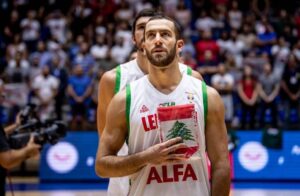
How did this injury reshape your understanding of success, failure, and longevity in professional sports?
Life is not always filled with roses. Accidents and obstacles are inevitable, and sometimes they happen to reveal strengths within us that we didn’t even know existed. The most important thing is not the fall itself, but how we rise and continue forward. One moment that deeply stayed with me was receiving a statue from a fan with the words engraved on it: “Fall seven times, stand up eight.” That message perfectly captures the mindset that carried me through my journey.
Pain, setbacks, and uncertainty can either break or build a person. What lessons did this experience teach you about resilience?
No matter what we go through, if we truly believe in our goal, resilience allows us to keep moving forward. The journey is not always easy — it can be painful and demanding — but overcoming adversity builds strength, character, and perspective. Achieving a dream after taking the hard path makes the success even sweeter, and that resilience becomes the true reward.

Do you believe this chapter made you a stronger athlete or a stronger person, and why?
Both. I returned to the court a stronger athlete, mentally sharper and more focused, because sport is not only about physical strength. At the same time, I came back as a stronger person in life, better prepared to face challenges and view situations from a different perspective.
For young players facing injuries or mental struggles today, what advice would you give them about patience, belief, and self-worth?
Be patient with yourself and trust the process. Injuries and mental struggles are part of the journey, they are not something to fear, but something to accept and overcome. They do not define your worth or your future. Believe in yourself, even on the days when progress feels slow, and take things one step at a time.
Looking back now, would you say this setback was a pause or a turning point in your life?
At the time, this setback felt like a pause, a transition phase, before it eventually became a turning point in my life. It pushed me toward new ways of thinking and a stronger, more mature mindset. I want young athletes to know that setbacks are not the end of the journey; they can be the beginning of discovering new strengths, new passions, and a clearer vision for a brighter future, not only for themselves, but for the Arab world as a whole.

What drives you today, and how do you want your story to inspire others beyond basketball?
What drives me today is resilience and the determination to achieve my goals. I want my story to inspire other athletes, especially in the Arab world, to know that serious injuries and mental struggles can be overcome. If we were able to surpass these challenges, so can you. The most important thing is to love what you do, because achieving greatness in any field demands dedication, hard work, and sacrifice.
Sport often becomes a lifeline for young people. How do you see basketball shaping character, discipline, and resilience in today’s youth?
When I was playing basketball, I mainly focused on how much I enjoyed the game. Now, as I approach retirement, I realize how much basketball has shaped my character and strengthened my personality. It taught me discipline in daily life, the value of sacrifice and determination, and strengthened my competitive spirit in every field I enter. Beyond that, it taught me how to work as part of a team, not just think individually, and helped me develop leadership skills that I carry with me off the court as well.
In moments of personal struggle, did you become more aware of the responsibility athletes carry as role models for younger generations?
Yes, absolutely. Every time I face mental struggles, I remember how many young people look up to me and expect me to stay strong. This is a responsibility I carry toward them. They may not know what I am going through personally, but they care about my performance, and that pushes me to focus on overcoming these challenges in every way possible.
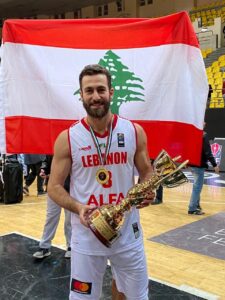
What values do you believe sports can instill in youth that education or social media alone cannot?
Education is very important, but sometimes it can feel static, general, or even boring. Social media can also be misleading at times. I believe sports teach essential lessons that neither education nor social media can fully provide. Sports are real, every game presents new challenges, requiring creativity and the ability to react instantly. They train the connection between the brain and the body, helping athletes make split-second decisions and respond effectively to any situation on the court. These experiences build skills and qualities that are invaluable both in sports and in life.
You’ve witnessed the evolution of basketball in the region firsthand. How do you assess the current basketball scene in the Arab world today?
In most of the Arab world, during my peak, basketball was not considered essential, people tended to focus more on soccer. But now, the situation is improving. Federations and schools are putting more effort into developing basketball, integrating modern sports science and fitness education, and investing heavily in basketball centers and academies. They are also bringing in foreign players, experts, and consultants to raise the level of the game. This is especially true in the Gulf region, where Dubai has a team participating in the Euro League, Saudi Arabia is investing heavily in basketball, and Qatar will be hosting the 2027 Basketball World Cup. The results are already showing, and the future for basketball in the region looks very bright.
What potential do you see in Arab youth when it comes to competing on regional and international levels?
We are already seeing many Arab countries evolve in both talent and team development. Some are reaching advanced levels, and growth plans are already in place. What is needed now is patience and commitment to a long-term vision, because in sports, results take time to achieve.
What do you think is missing or needs to change for basketball in the Arab world to reach its full potential?
The key is to stick to the plan that is already in place and continue investing in development. This includes creating more academies and school programs, bringing in qualified coaches from abroad, integrating sports science, and increasing exposure to international competition to raise the level of play. Equally important is embedding basketball more deeply into the culture, boosting visibility, media coverage, and public interest so that more young people are inspired to play. Patience and long-term planning are essential because progress takes time. With consistency, commitment, and the right infrastructure, Arab basketball has the potential to reach world-class standards
How important is mental health awareness in sports within our region, and do you feel it’s finally getting the attention it deserves?
Mental health is as important as physical health, especially because athletes face many challenges and often feel afraid to speak up. Recently, awareness has started to grow in Lebanon, which is great, and I would love to see this attention expand across all Arab countries. Supporting athletes’ mental health not only improves performance but also personal growth and sets a strong example for young players.
Looking ahead, what personal objectives are you still driven to achieve as an athlete?
As an athlete, and now at the end of my career, my goal is to help young athletes grow and become better. Part of the game is sharing our experience to support others. I also want to use my knowledge with teams and federations to help develop basketball in Lebanon and across the region, improving the game for the next generation.
Beyond the court, are there dreams or initiatives you hope to pursue, perhaps in mentorship, coaching, or youth development?
I’m not drawn to coaching; I feel more productive and fulfilled in management, mentorship, or youth development. This is where I can apply my 20 years of court experience, as well as the knowledge I gained working locally and internationally with some of the most influential coaches who came to the region. That’s also why, alongside my engineering degree, I completed a master’s in sports management in 2019 to better equip myself to make a real impact in developing the game and supporting young athletes.
If you could define the next chapter of your life in one sentence, what would it be about?
“Exploration” is the best word to describe this new phase of my life. After 20 years of a daily rhythm filled with two practices, team commitments, games, and physical competition, I’m now experiencing a completely different life. It’s a chance to discover new opportunities, grow in new ways, and explore how I can contribute off the court.
Mountaineer Anja Blacha discusses the mental and physical struggles of her profession
Perched at the intersection of physical extremity and philosophical clarity, Anja Blacha occupies a rare space in modern exploration. A world record–holding mountaineer and polar explorer, she has skied 1,400 kilometres solo and unsupported from the Antarctic coast to the South Pole, stood atop Mount Everest three times, and climbed twelve of the world’s fourteen 8,000-metre peaks without bottled oxygen. Yet beyond the statistics and summits, Blacha’s story is one of interior strength: how the mind behaves when the body is depleted, when fear is rational, and when turning back can be as courageous as pressing on.
Trained not only by mountains and ice fields but also by rigorous academic thought, Blacha holds a master’s degree in philosophy alongside a background in business. That dual lens shapes how she approaches risk, discipline, and decision-making, whether navigating avalanche terrain or questioning the narratives we attach to success, willpower, and failure. Today, she brings those insights beyond the expedition world, speaking to global audiences, advocating for climate education, and inspiring a new generation through initiatives such as Not Bad for a Girl and the Peak Performer Foundation.
In this interview, Blacha reflects with striking honesty on the moments when doubt grows louder than ambition, how she distinguishes real danger from the urge to quit, and why discipline often matters more than motivation.
When you’re standing at extreme altitude, exhaustion setting in, and the summit still far ahead, what inner voice do you listen to, and how do you keep it stronger than fear or doubt?
In those moments when the summit seems elusively far away and my progress diminishing, I look around and take in the view. The cloud cover stretches out below me, and the panorama of jagged mountains extends infinitely out in the distance. I see how far I’ve come – simply by putting one step in front of the other. To me, this is the most powerful reminder that all the effort, no matter how insignificant it may feel at the time, adds up. At this point, I don’t look at the summit ahead of me anymore; I simply ask myself: Can I take one more step? And if I can, I will, knowing that this is all it takes to get me there.
Mountaineering pushes the human mind to its limits. How do you personally manage mental health under intense physical stress, isolation, and risk?
First and foremost, I need to understand and attend to my own needs. Sometimes, that is simply a short rest, some water and a snack, and my mental resilience is restored significantly. Then, there are other people, be it the Basecamp team, climbers on the route, or a strong bond with someone back home who can help me reset my mental state. I will never forget how, at the end of 58 days of skiing alone to the South Pole, I gave a hug and spoke face-to-face with someone. Suddenly, all the pressure and thoughts that had grown so big inside my mind collapsed to nothingness.
Still, there are times when itis just me out there. I remind myself during those times that I chose to be there, and that I chose it for the very reason that it would be challenging. Now, do I want to be a victim of my own choosing, or can I shift perspective, embrace the challenge and actively push through this? This mindset shift makes an incredible difference as it allows me to turn negative stress into eustress, something that is invigorating, that allows me to outgrow myself and thrive.

There are moments on a climb when turning back is the safer choice. How do you distinguish between true danger and the mind’s natural urge to quit?
Before each expedition, I consciously decide to take certain risks that are unavoidable to reach my goal. However, I need to reassess factors such as weather, route conditions, and my personal condition as I go, because they can vary and greatly increase the risk.
The key question I ask myself is: How likely is it that I will return safely if I continue? Sure, I can be lucky if I continue despite a greatly increased risk. However, in the long term, statistics will play against me.
The second question I ask myself is: What will I be thinking if I turn around now? Will I be looking for excuses to justify my descent, or will I stand tall because I acted in accordance with my guiding principles and the best reasoning I could at that moment?
Willpower is often romanticised, but it can be fragile. Have you ever experienced a moment where your willpower nearly failed. And what brought you back?
There are countless moments on an expedition where motivation is low. To prevent myself from quitting in these moments, I remind myself that if I stop now, I will have to do it all over again, only to end up back where I am now. So I rationalise that the better choice is to continue – even when I do not feel like it. Discipline beats motivation. In fact, willpower in the sense most closely related to discipline can even be trained.
Thus, months and months on expeditions – getting out of the sleeping bag when it is freezing cold, shovelling snow when all I want to do is hide away in my tent, breaking trail when the going gets tough – have probably transformed me from a stubborn person to an even more stubborn person!
Also, being highly committed to the expedition helps alleviate the lack of willpower at times. Out on expedition, Plan B may well exist, but it comes at a high price. In contrast, if I chose to go running every morning at 5 am, the immediate consequences of skipping a day are barely noticeable.
When it comes to willpower as the inner drive, though, the force that makes me want to go out there in the first place, that is a different story altogether. If I cannot feel that inner drive, I will not even embark on the expedition in the first place.
I believe that stretch goals invigorate our inner drive the most. Goals that are equally intimidating and intriguing, daunting and rewarding, still out of reach, but if only we try hard enough, we might be able to reach them. After all, why would I want to work hard for something that is already well within my reach?
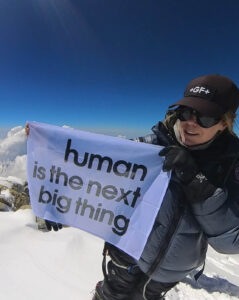
How do you prepare mentally for an expedition long before you ever step onto the mountain? Are there rituals or mental disciplines you rely on?
I do not do mental training. Instead, I have come to realise that practical competence directly contributes to my mental readiness; i.e., the more I have prepared, trained, and built my skills, the more at ease I feel taking the leap into the unknown of an expedition. And the more I have proven to myself that this is something I really want to do.
In extreme environments, control is an illusion. How has mountaineering reshaped your relationship with uncertainty and letting go?
Indeed, weather windows shift, fresh snowfall creates avalanche risk, seracs collapse and block the way – there is always something happening outside my control. I have learnt that it is critical to remain clear about the goal, but agile in the way to get there. Realising that I can only control my own actions, not nature, is, in a way, liberating, and I have found that by working with changing external circumstances as a given, I can, more often than not, still reach my goal.
I try to bring this mindset into daily life too. All too often, we get upset about external circumstances, complain without being able or willing to take meaningful action, or we try to change other people’s behaviour – often in vain. The moment we refocus on ourselves and our actions, though, is the moment we realise that we do have a lot of control.
Failure and retreat are part of the journey in climbing. How do you reframe setbacks without letting them affect your confidence or sense of purpose?
Confidence follows courage. However, being curious, daring to explore my capabilities and pushing beyond what I have done before is already a greater win to me. Separating my self-worth and identity as a human being from the outcome of an expedition is what helps me most when dealing with the emotional impact of a setback.
Still, I want to understand the root cause of a setback and learn from it: Was it for reasons within my control, i.e. could I have done something differently, or did I do my homework, prepare and dedicate all the resources that I was willing to give to this expedition? Or was it for reasons entirely outside of my control that I retreated? Either way, the consequences are the same: Re-focus on the long-term result. A setback or failure may be hard to digest at first, but there is always the chance to return and do better than before, leveraging the learnings or benefiting from more favourable conditions.

High-pressure situations often reveal who we truly are. What have the mountains taught you about yourself that everyday life never could?
I have found my personal strength in staying calm, focused, and grounded. The mountains have taught me: You don’t need to be special to do something special.
How do you define “success” today?
Of course, when I set out on an expedition, my number one objective is to return home safely, and my number two objective is to reach the summit. Success, however is not a finish line. Rather, it is the art of striving well, a process of learning, evolving, and growing. I feel most accomplished when I have outgrown myself.
What advice would you give to someone facing a personal ‘mountain’ in their own life?
I would tell them to break it down. When I decided to ski 1400km solo and unsupported to the South Pole, that goal felt overwhelming, so I divided the route into six segments, and those six segments into daily schedules. I figured that, on average, all I had to do was ski 3km/hour for 8 hours every day. Suddenly, this daunting goal felt very doable. It is micro-steps and micro-habits that lead us to big goals.
Secondly, keep showing up. With my schedule laid out, I was keen to turn it into reality. Many days, motivation was lacking; I would have rather enjoyed a rest day in my tent. But I kept showing up, knowing that any step I do not take today will be added to the next day that already is going to be long in itself.
And thirdly, help others climb their mountain. The moment you start helping others tackle their big goals, your mindset shifts. You take on a new perspective and see possibilities where for yourself, you might have only seen struggle. Sometimes, lifting up others is the best – and most rewarding – way to grow yourself.
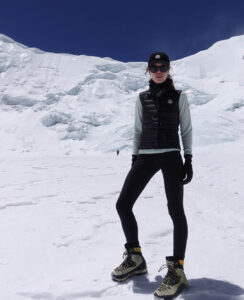
Mental strength doesn’t mean emotional numbness. How do you allow space for fear, vulnerability, or doubt without letting them take control?
Fear and doubt are basic human instincts critical to survival. I prefer to frame them with respect. Respect allows me to come prepared and stay focused and alert without becoming paralysed or panicky. A lack of respect easily leads to overconfidence or sloppiness, which are far greater dangers. As much as I advocate for the courage to step out into the unknown, I take an equally humble approach.
After achieving extraordinary goals, how do you find meaning beyond achievement and what continues to drive you forward?
Quite the opposite, with every peak I climb, my horizon expands, and new goals come into sight that spark my curiosity. There is just so much to explore in this world – on and off the mountains.
High performance often requires operating while depleted, physically, mentally, and emotionally. How do you train your mind to perform consistently when ideal conditions don’t exist?
Metaphorically speaking, I may go beyond my limits. Practically speaking, though, I try to never go to my limits. In environments beyond control, something can always happen. I need reserves for the unexpected. Also, I try to make safety a habit. I will practice and establish routines in non-critical circumstances until they become second nature, so I can perform them even when my mind is not sharp or conditions are bad. This allows me to pitch a tent amidst heavy gusts, or to use my belay device properly when my fingers feel numb, the goggles are frozen, and my energy is low.
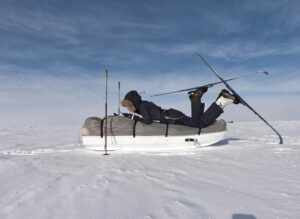
Elite performers across all fields speak about the focus and clarity they maintain under pressure. What mental frameworks or habits allow you to stay fully present and make clear decisions in life-or-death situations?
I will create anchor points in advance, for instance, pre-determined rules such as turnaround times, regular radio checkpoints with Basecamp, written checklists and emergency procedures. These are guard rails that help me stay on track or get back on track. When I find myself in a critical situation and need to regain control, breathing provides a bridge from the conscious to the subconscious. Box breathing and deep exhales are great tools to balance and calm down my system. Finally, shifting gears and getting back into action quickly allows me to experience self-efficacy again. I then try to focus on the next safe step or hold, rather than the abyss below.
What is an objective or dream that you still aim to achieve?
Right now, I am working towards climbing all fourteen 8000m peaks without bottled oxygen. There are two remaining: Lhotse and Shishapangma.
Rising Again: Paula Badosa on comebacks, consistency and competing at the top
Few athletes embody resilience quite like Paula Badosa. A former world No. 2, Grand Slam semifinalist, and one of the most powerful competitors of her generation, the Spanish tennis star’s career has been defined as much by mental strength and self-awareness as by her explosive game. Known for her intensity on court and her openness off it, Badosa has become a leading voice in the modern sports world, speaking candidly about pressure, injury, mental health, and the realities of life at the elite level.
After a challenging period marked by recurring injuries, Badosa’s return to top form culminated in a landmark run to the Australian Open semifinals in 2025, reaffirming her place among the game’s most formidable players. As she looks ahead to the 2026 season, her focus has shifted toward longevity, balance, and consistency, a recalibration shaped by experience rather than expectation.
Now based in Dubai, where she lives and trains, Badosa has found a rhythm that supports both performance and well-being. The city’s world-class facilities, stable climate, and emphasis on recovery have become central to her preparation, offering an environment that allows her to train with intensity while protecting both body and mind.
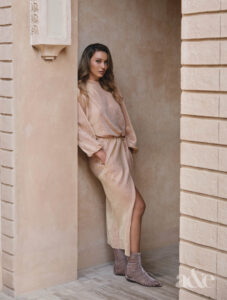
Giorgio Armani
In this conversation, Paula Badosa reflects on her journey from a seven-year-old discovering tennis to an elite athlete redefining success on her own terms. She speaks about discipline over motivation, turning setbacks into fueling her ambitions, the importance of mental health in a solitary sport, and the values that continue to guide her, on the court and beyond.
We are here in Dubai, where you are currently living and training. What do you love about this city, and how has spending time in the Middle East influenced your game, lifestyle, and training environment?
Dubai gives me the balance that no other city gives me. It allows me to fully focus on my work while also taking care of my recovery and wellbeing. The facilities are top-level, both for practice and recovery. The weather is ideal, as conditions remain the same most of the year and are similar to those we face in most tournaments. Being here has helped me create more structure in my routine and a calmer mindset, which has a direct impact on my tennis.
Take us back to the beginning. What first sparked your passion for tennis?
I started playing tennis when I was 7 years old. My parents had to work during the summer, so they needed me to be somehow occupied. I joined a tennis camp in my hometown and fell in love with the sport. I loved the competitiveness, the discipline, and the fact that everything depended on my own effort. I was the first one to get on the court and the last one to leave. A few years later, I realized that tennis was more than a sport for me.
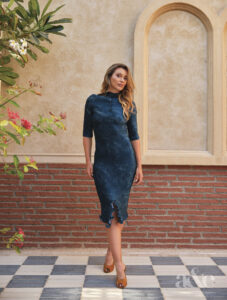
Fendi
We are here today on set with your mum. How did her journey and passion inspire you and support you throughout your career?
My mum has been a constant source of strength and inspiration. Her sacrifices, her passion, and her belief in me shaped who I am today. She taught me resilience and humility, and I carry that with me every day.
Tell us about some of the challenges along the way, as a tennis player and more specifically as a woman in this field.
It hasn’t been an easy journey. The pressure and expectations are constant, both on and off the court. As a woman in professional tennis, you often feel the need to prove yourself more, and at the same time, you’re constantly being tested in ways that go beyond performance. There have been ups and downs, but those experiences have shaped me. Over time, I have learned to trust myself more and to stay true to who I am, both as an athlete and as a person. That inner confidence has become one of my greatest strengths.
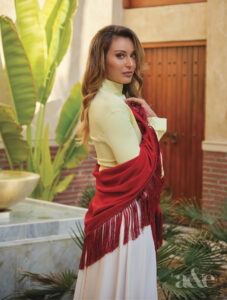
Tod’s
With every success comes setbacks. How do you deal with failure or loss?
Unfortunately, my journey hasn’t always been easy. I’ve gone through many injuries and tough moments. I’ve learned to see failure as part of the growth process. But from each setback, I took a lesson out of it. Setbacks teach you a lot if you’re willing to listen. Now I’ve learnt to feel the disappointment, but I don’t stay there, I analyze, learn, and move forward with all the learnings possible.
You reached the Australian Open semifinals in 2025, a major milestone in your comeback. How did that experience shape your confidence going into 2026?
The Australian Open 2025 was very special for me. After a hard preseason, it confirmed that all the work I had done, both physically and mentally, was paying off. It gave me the confidence boost I needed at that time.
Going into 2026, I feel stronger and more secure. I’ve had the best preseason I’ve ever had. It’s been a longer one, but I needed those extra weeks to get my body reconditioned after the injuries I went through in 2025.
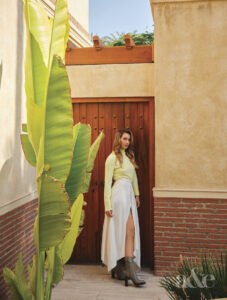
Tod’s
You dealt with a difficult back injury last season. What helped you stay motivated during recovery, and how are you approaching this new year physically and mentally?
The injury was one of the toughest moments of my career. What kept me motivated was my love for the sport and my desire to come back stronger. I worked a lot on patience and self-awareness. This year, my approach is about listening to my body and staying consistent.
Tennis is as much mental as it is physical. What are the mindset tools or routines that help you stay focused and resilient?
Routine is key for me. I work a lot with visualization, breathing techniques, and meditation. I’ve learned that controlling my emotions and thoughts is just as important as hitting the right shot.
You have spoken openly about mental health in the past. Why is this such an important topic for you, and how does it connect to life as a professional athlete?
Mental health is fundamental, especially in a sport as demanding and lonely as tennis. I believe speaking openly helps normalize something many athletes struggle with in silence. Taking care of your mind is essential to performance, no matter your situation. I feel everybody should take care of their mental health the same way we take care of our physical health.
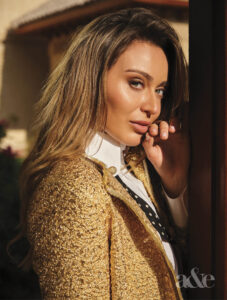
Valentino
Your game is known for its power and intensity. What aspects of your tennis are you working on or evolving as you head into the new season?
I’m currently working on getting myself into the best condition possible for 2026. I’ve been equally focused on my physical state, tennis level and mental condition. I believe the balance of these three pillars will help me have a solid and great season.
When you think about your long-term legacy in the sport, what impact do you hope to make?
I hope to be remembered not only for my results, but for my fighting spirit and authenticity. I want people to see that it’s possible to be strong, vulnerable, ambitious, and human — all at the same time.
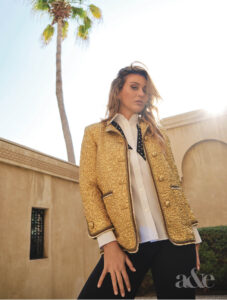
Valentino
How do you find balance between competing, travelling, and taking time for yourself?
It’s not easy, but I’ve learned to prioritize myself more. I try to create small routines wherever I am, stay connected to my close circle, and give myself moments to disconnect and reset. I love a good spa day wherever I am!
You’re a role model for many young players. What advice would you give to young athletes navigating pressure, expectations, and self-belief?
Work hard and believe in yourself. Be patient with your journey and understand that progress isn’t linear. Most importantly, don’t lose yourself trying to please everyone else.
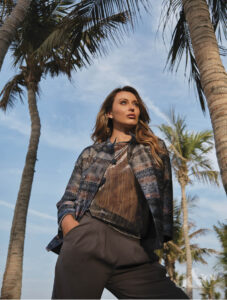
Giorgio Armani
What are you most excited about for the 2026 season, both on and off the court?
On the court, I’m excited to compete again, feeling confident and ready to give my 100% again. Off the court, I’m looking forward to continuing to grow and enjoying the journey.
What goals have you set for yourself in 2026?
My main goal is consistency — staying healthy, competing at the highest level, and enjoying the process. Of course, I want to fight for big tournaments too; that’s always a goal.

Max Mara
What is the professional motto you live by?
Fight for it. Every day, every hour, turn the pain into power.
Photography: Ziga Mihelcic
Styling and Direction: Lindsay Judge
Hair and Makeup: Lina Dahlbek
Location: One&Only The Palm, Dubai
Paula Badosa on comebacks, consistency and competing at the top
Few athletes embody resilience quite like Paula Badosa. A former world No. 2, Grand Slam semifinalist, and one of the most powerful competitors of her generation, the Spanish tennis star’s career has been defined as much by mental strength and self-awareness as by her explosive game. Known for her intensity on court and her openness off it, Badosa has become a leading voice in modern sports, speaking candidly about pressure, injury, mental health, and the realities of life at the elite level.
After a challenging period marked by recurring injuries, Badosa’s return to top form culminated in a landmark run to the Australian Open semifinals in 2025, reaffirming her status as one of the game’s most formidable players. As she looks ahead to the 2026 season, her focus has shifted toward longevity, balance, and consistency, a recalibration shaped by experience rather than expectation.
Now based in Dubai, where she lives and trains, Badosa has found a rhythm that supports both performance and well-being. The city’s world-class facilities, stable climate, and emphasis on recovery have become central to her preparation, offering an environment that allows her to train with intensity while protecting both body and mind.
Giorgio Armani
In this conversation, Paula Badosa reflects on her journey from a seven-year-old discovering tennis to an elite athlete redefining success on her own terms. She speaks about discipline over motivation, turning setbacks into fueling her ambitions, the importance of mental health in a solitary sport, and the values that continue to guide her, on the court and beyond.
We are here in Dubai, where you are currently living and training. What do you love about this city, and how has spending time in the Middle East influenced your game, lifestyle, and training environment?
Dubai gives me the balance that no other city gives me. It allows me to fully focus on my work while also taking care of my recovery and wellbeing. The facilities are top-level, both for practice and recovery. The weather is ideal, as conditions remain the same most of the year and are similar to those we face in most tournaments. Being here has helped me create more structure in my routine and a calmer mindset, which has a direct impact on my tennis.
Fendi
Take us back to the beginning. What first sparked your passion for tennis?
I started playing tennis when I was 7 years old. My parents had to work during the summer, so they needed me to be somehow occupied. I joined a tennis camp in my hometown and fell in love with the sport. I loved the competitiveness, the discipline, and the fact that everything depended on my own effort. I was the first one to get on the court and the last one to leave. A few years later, I realized that tennis was more than a sport for me.
We are here today on set with your mum. How did her journey and passion inspire you and support you throughout your career?
My mum has been a constant source of strength and inspiration. Her sacrifices, her passion, and her belief in me shaped who I am today. She taught me resilience and humility, and I carry that with me every day.
Tod’s
Tell us about some of the challenges along the way, as a tennis player and more specifically as a woman in this field.
It hasn’t been an easy journey. The pressure and expectations are constant, both on and off the court. As a woman in professional tennis, you often feel the need to prove yourself more, and at the same time, you’re constantly being tested in ways that go beyond performance. There have been ups and downs, but those experiences have shaped me. Over time, I have learned to trust myself more and to stay true to who I am, both as an athlete and as a person. That inner confidence has become one of my greatest strengths.
With every success comes setbacks. How do you deal with failure or loss?
Unfortunately, my journey hasn’t always been easy. I’ve gone through many injuries and tough moments. I’ve learned to see failure as part of the growth process. But from each setback, I took a lesson out of it. Setbacks teach you a lot if you’re willing to listen. Now I’ve learnt to feel the disappointment, but I don’t stay there, I analyze, learn, and move forward with all the learnings possible.
You reached the Australian Open semifinals in 2025, a major milestone in your comeback. How did that experience shape your confidence going into 2026?
The Australian Open 2025 was very special for me. After a hard preseason, it confirmed that all the work I had done, both physically and mentally, was paying off. It gave me the confidence boost I needed at that time. Going into 2026, I feel stronger and more secure. I’ve had the best preseason I’ve ever had. It’s been a longer one, but I needed those extra weeks to get my body reconditioned after the injuries I went through in 2025.
Tod’s
You dealt with a difficult back injury last season. What helped you stay motivated during recovery, and how are you approaching this new year physically and mentally?
The injury was one of the toughest moments of my career. What kept me motivated was my love for the sport and my desire to come back stronger. I worked a lot on patience and self-awareness. This year, my approach is about listening to my body and staying consistent.
Tennis is as much mental as it is physical. What are the mindset tools or routines that help you stay focused and resilient?
Routine is key for me. I work a lot with visualization, breathing techniques, and meditation. I’ve learned that controlling my emotions and thoughts is just as important as hitting the right shot.
Valentino
You have spoken openly about mental health in the past. Why is this such an important topic for you, and how does it connect to life as a professional athlete?
Mental health is fundamental, especially in a sport as demanding and lonely as tennis. I believe speaking openly helps normalize something many athletes struggle with in silence. Taking care of your mind is essential to performance, no matter your situation. I feel everybody should take care of their mental health the same way we take care of our physical health.
Your game is known for its power and intensity. What aspects of your tennis are you working on or evolving as you head into the new season?
I’m currently working on getting myself into the best condition possible for 2026. I’ve been equally focused on my physical state, tennis level and mental condition. I believe the balance of these three pillars will help me have a solid and great season.
Valentino
When you think about your long-term legacy in the sport, what impact do you hope to make?
I hope to be remembered not only for my results, but for my fighting spirit and authenticity. I want people to see that it’s possible to be strong, vulnerable, ambitious, and human — all at the same time.
How do you find balance between competing, travelling, and taking time for yourself?
It’s not easy, but I’ve learned to prioritize myself more. I try to create small routines wherever I am, stay connected to my close circle, and give myself moments to disconnect and reset. I love a good spa day wherever I am!
You’re a role model for many young players. What advice would you give to young athletes navigating pressure, expectations, and self-belief?
Work hard and believe in yourself. Be patient with your journey and understand that progress isn’t linear. Most importantly, don’t lose yourself trying to please everyone else.
Giorgio Armani
What are you most excited about for the 2026 season, both on and off the court?
On the court, I’m excited to compete again, feeling confident and ready to give my 100% again. Off the court, I’m looking forward to continuing to grow and enjoying the journey.
What goals have you set for yourself in 2026?
My main goal is consistency — staying healthy, competing at the highest level, and enjoying the process. Of course, I want to fight for big tournaments too; that’s always a goal.
Max Mara
What is the professional motto you live by?
Fight for it. Every day, every hour, turn the pain into power.
Photography: Ziga Mihelcic
Styling and Direction: Lindsay Judge
Hair and Makeup: Lina Dahlbek
Location: One&Only The Palm, Dubai
Elegance Elevated, Massimiliano Ferrari, CEO, Elie Saab Maison discusses the brand’s latest project in Abu Dhabi
Yas Island is set to welcome a new residential landmark in its evolution as one of the UAE’s most sought-after destinations. Recently unveiled in Abu Dhabi, Stellar by ELIE SAAB marks the Maison’s first branded residential project on the island, an ambitious collaboration between Emirates Developments and the renowned couture house. More than a development, it represents a considered translation of ELIE SAAB’s creative universe into architecture, interiors and contemporary living.
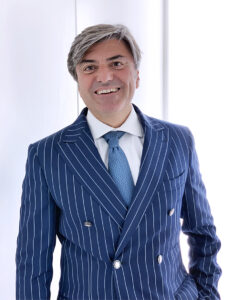
Led by Massimiliano Ferrari, CEO of Elie Saab Maison, the project reflects the brand’s growing presence in the region and its vision for a complete lifestyle experience rooted in harmony, proportion and refined design. With 144 bespoke residences, curated amenities and interiors shaped by ELIE SAAB Maison, the launch signals a defining moment for the brand’s expansion into high-end real estate.
In the conversation that follows, Ferrari shares insights into the strategy behind this milestone, the design philosophy driving Stellar by ELIE SAAB, and how the Maison continues to build a global lifestyle universe shaped by timeless elegance.
Elie Saab Maison has been steadily expanding its global footprint. How would you describe the brand’s growth strategy in the Middle East?
Our strategy in the Middle East is to build on ELIE SAAB’s strong brand equity in the region. We are expanding through targeted partnerships, a strengthened retail presence – including the recent opening of ELIE SAAB Maison within AATI in Dubai – and high-quality residential developments. As Corporate Brand – A++ Group, we also operate a permanent office in Dubai Design District, which allows us to directly supervise the execution of our projects and maintain consistent quality across the region. Stellar by ELIE SAAB is a key milestone in this trajectory, reinforcing our long-term commitment to the region and demonstrating how the Brand’s design language can be expressed at an architectural scale. Our focus remains on long-term collaborations and projects that reflect the same standards of excellence that define ELIE SAAB globally.
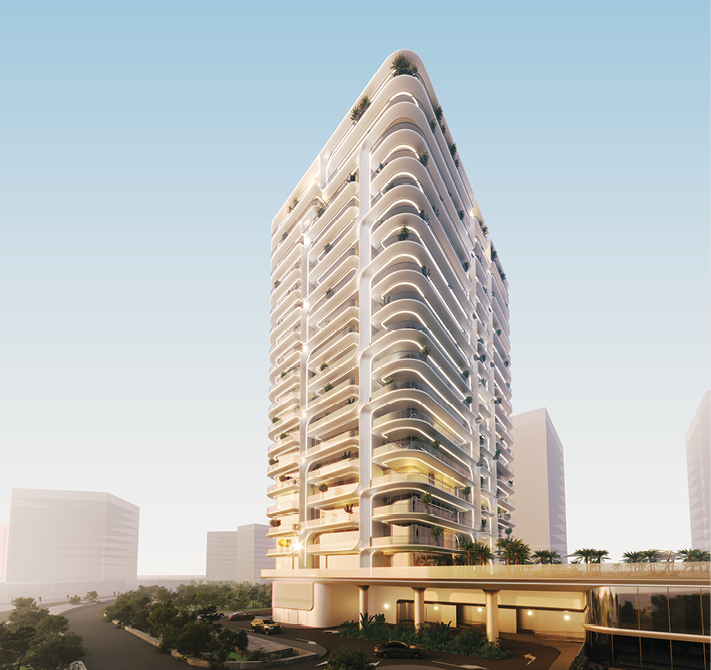
The announcement of Stellar by Elie Saab in Abu Dhabi marks the brand’s first luxury residential project on Yas Island. What made this the right moment and the right location to introduce such a milestone?
Yas Island represents one of the UAE’s most strategic and fast-growing destinations, with a strong pipeline of cultural, residential, and lifestyle developments. For us, it offered the right combination of infrastructure, investor appeal, and long-term growth potential.
Launching Stellar by ELIE SAAB at this stage aligns with the Brand’s broader expansion in the region and responds to a clear demand for high-quality, design-driven residential offerings. The maturity of the market, together with the vision of our development partners, created the ideal conditions to introduce a project that reflects the Brand’s standards of architecture, design, and execution.
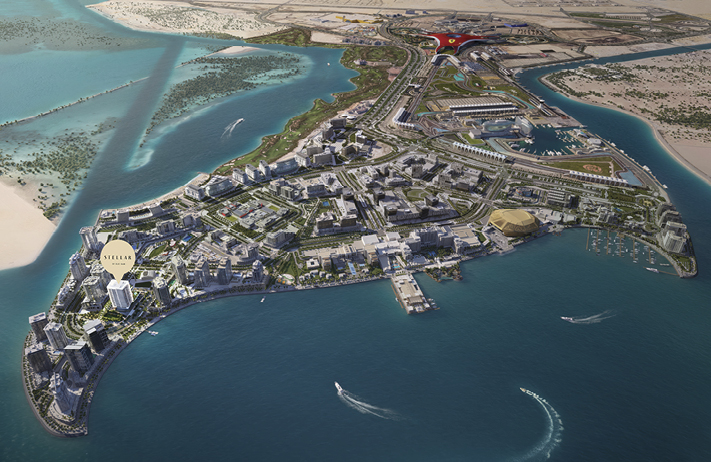
What defines the vision behind Stellar by Elie Saab, and how does it translate the maison’s couture heritage into a residential living experience?
The vision behind Stellar by ELIE SAAB is to create a residential environment that reflects the Brand’s core values of harmony, proportion, and refined design. Our objective was to translate the ELIE SAAB Maison world into a complete living experience, where architecture and interiors follow one coherent language.
A key element is the integration of ELIE SAAB Maison furniture, crafted in Italy and designed with the same attention to detail that defines the Brand. The common areas are fully furnished with pieces from the collection, ensuring an immediate and recognisable identity throughout the development. Additionally, selected units will be offered fully furnished, giving residents the opportunity to experience the Brand at home with a complete and curated interior concept.
Through these elements, the project delivers a consistent, high-quality living environment where design, materials, and atmosphere all align with the ELIE SAAB Maison vision.
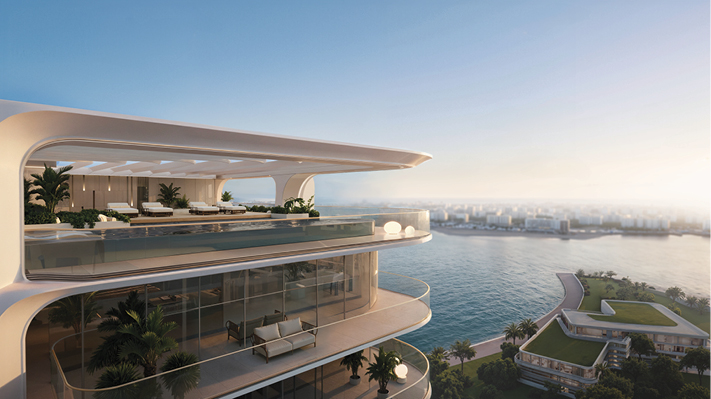
Elie Saab is known for a distinctive creative universe, elegance, luminosity, craftsmanship. How do you ensure these codes are authentically preserved when moving from fashion into furniture, interiors and now luxury real estate?
Authenticity is preserved through consistency and coherence. Since the creation of ELIE SAAB Maison, we have worked to ensure that every product, interior, and architectural element reflects the same design grammar: refined lines, balanced proportions, and a deep respect for materials. All furniture pieces are made in Italy, designed by Mr Saab and Carlo Colombo, which guarantees quality and fidelity to the original vision. In real estate, this coherence becomes even more essential – every detail must express the Brand’s values, from façade articulation to the finishing of a handle.
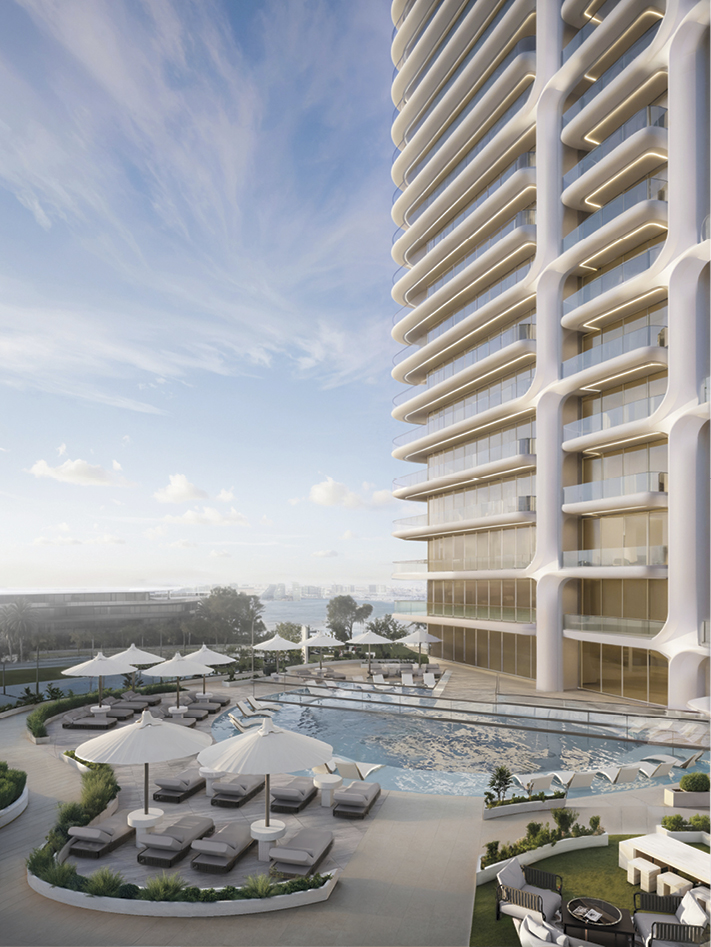
What were the guiding principles when designing Stellar by Elie Saab? Were there particular regional influences, lifestyle considerations or architectural elements that shaped the project?
The project was guided by three pillars: Balance, light, and architectural clarity.
Yas Island’s landscape played a natural role: its proximity to water, open horizons, and calm informed the project’s palette and materiality. We wanted to create a building that belongs to the region, not through overt references, but through a refined interpretation of space, comfort, and indoor-outdoor dialogue. Lifestyle considerations were central: generous layouts, wellness-oriented amenities, and environments conceived for contemporary family life.
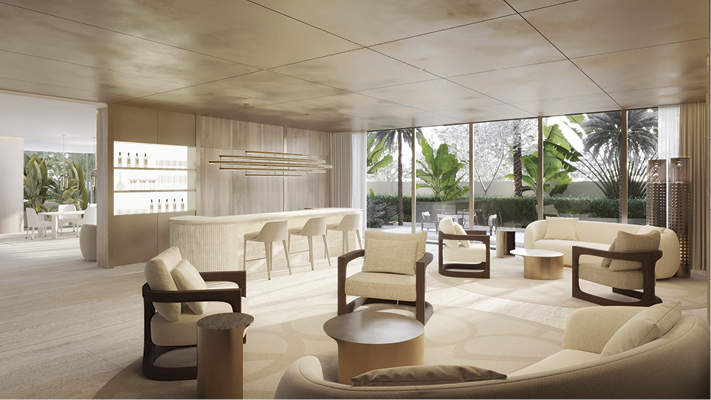
The Middle East has become a major hub for high-end property. How do you view the luxury real estate market in the region today, and where do you see the strongest opportunities for branded residences?
The luxury market in the Middle East is increasingly focused on quality, coherence, and complete lifestyle experiences. Buyers expect more than strong architecture – they look for projects that deliver a unified design identity. This is where branded residences have clear potential. With ELIE SAAB Maison furniture integrated into common areas and, when offered, fully furnished units, we can provide a true full-experience residence that reflects the Brand at every touchpoint. Opportunities are strongest in destinations where this level of completeness is valued, and where design-led living is becoming a key decision driver for buyers.
Branded residences have surged in popularity globally. What makes Elie Saab Maison’s approach different, and how do you see your offering evolving in such a competitive landscape?
What differentiates ELIE SAAB Maison is the consistency of the brand’s design ecosystem. We are not simply applying a logo to a building; we bring a complete world of living that includes architecture, interiors, and a full collection of furniture crafted in Italy. This allows us to deliver projects with a unified aesthetic and a clear identity – something buyers increasingly expect in the branded real estate segment.
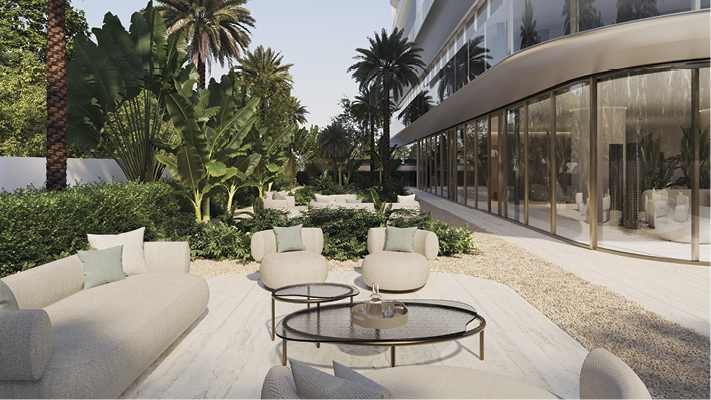
Our offering continues to evolve by expanding the categories we manage, from furniture and lighting to kitchens, wardrobes, and bespoke interior solutions. This gives us the capability to shape developments in a comprehensive way and ensure a reliable, high-quality standard across every element of the project.
In a competitive market, our strength lies in this integrated approach and in working with partners who share the same commitment to excellence and long-term value.
Elie Saab Maison has been expanding not only geographically, but also across categories — from interiors to hospitality to large-scale property collaborations. What’s driving this evolution, and what can we expect next?
Our growth is driven by the ambition to position ELIE SAAB as a complete lifestyle brand. Beyond interiors and residential projects, we have expanded into yachting and private aviation, bringing our design language into new luxury environments.This multi-category approach strengthens the Brand’s identity and allows us to offer a coherent experience across how our clients live and travel.
Looking ahead, we will continue developing strategic partnerships in hospitality, branded residences, and specialised sectors like yachts and air, always with the goal of delivering a unified, high-quality lifestyle experience.
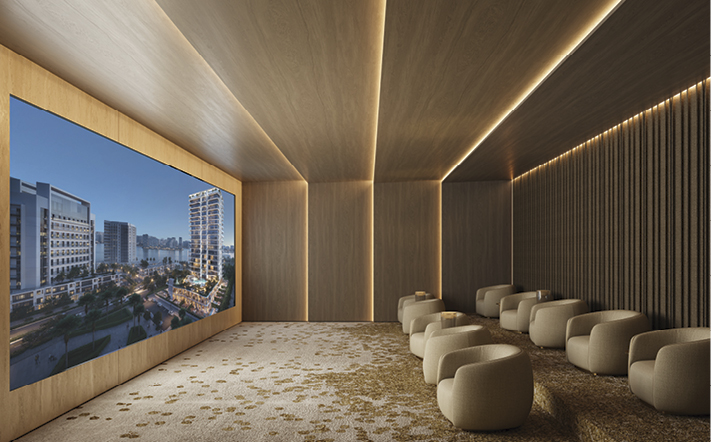
Stellar by Elie Saab is positioned as an iconic addition to Abu Dhabi’s skyline. How do you balance architectural ambition with the need for timelessness — a key value in both couture and real estate?
Timelessness is central to the ELIE SAAB Maison philosophy and guides our approach to every project. With Stellar, the ambition lies in creating a strong identity without compromising the elegance and longevity that define the Brand.
By applying a coherent and refined design language across both the building and the interior experience, we ensure the project remains relevant, recognisable, and enduring over time -which is the essence of timelessness for ELIE SAAB.
Looking ahead, do you see additional opportunities for Elie Saab Maison across the GCC, whether through new residences, hotels or flagship interior spaces?
The GCC is an important region for the brand, and the launch of Stellar by ELIE SAAB reflects the depth of opportunity for design-led residential projects. We see continued potential across new residences, hospitality collaborations, and selected flagship interior spaces. Our focus is on partnering with developers who value coherence, quality, and long-term brand integrity, ensuring that each project fully reflects the ELIE SAAB Maison vision.
Finally, as CEO, what is your long-term vision for Elie Saab Maison?
Our long-term vision is to position ELIE SAAB Maison as a global benchmark for refined living, with a presence that extends seamlessly across interiors, residential projects, hospitality, yachts, aviation, and other strategic categories. We aim to strengthen our network of trusted partners, expand selectively into key markets, and ensure that every new project reflects the same coherent design language and high standards that define the Brand. As we move forward, our focus is on building a comprehensive lifestyle universe, where clients can experience the ELIE SAAB identity across multiple touchpoints—always with consistency, quality, and long-term value at the core.
100 Years of the Phantom, Rolls-Royce Celebrates a Century of the World’s Most Iconic Car
For 100 years, the Rolls-Royce Phantom has been more than a car. It is a statement, a symbol of luxury and a standard against which all others are measured. This year, Rolls-Royce Motor Cars marks the Phantom’s centenary with an extraordinary tribute: The Phantom Centenary Private Collection, a limited release of just 25 masterpieces that collectively tell the story of the world’s most revered luxury motor car.
The collection, created over three years at the marque’s Goodwood home, is the most intricate and technologically ambitious in Rolls-Royce’s history. It embodies a century of design excellence, craftsmanship, and innovation, a legacy that began in 1925 when the very first Phantom replaced the legendary Silver Ghost. As A&E Editor in Chief, Lara Mansour was in Goodwood for this landmark unveiling, we reveal what makes these creations in a league of their own.
A Century of Greatness
Since its debut as the Phantom I, the model has been regarded as the ultimate expression of success and discernment. It was the choice of kings, queens, statesmen, artists, and icons, from Maharajas to movie stars. Over eight generations, the Phantom has evolved while remaining true to the brand’s founding ethos: to craft “the best car in the world.”
Each generation reflected the spirit of its time. The 1925 Phantom I brought silent sophistication to the roaring twenties, while the 1950s Phantom IV became the car of choice for royalty. The 1960s Phantom V and VI represented post-war optimism, beloved by John Lennon and the British royal family alike. And in 2003, after a brief hiatus, the Phantom VII heralded the rebirth of Rolls-Royce under BMW ownership, codenamed “Roger Rabbit.”
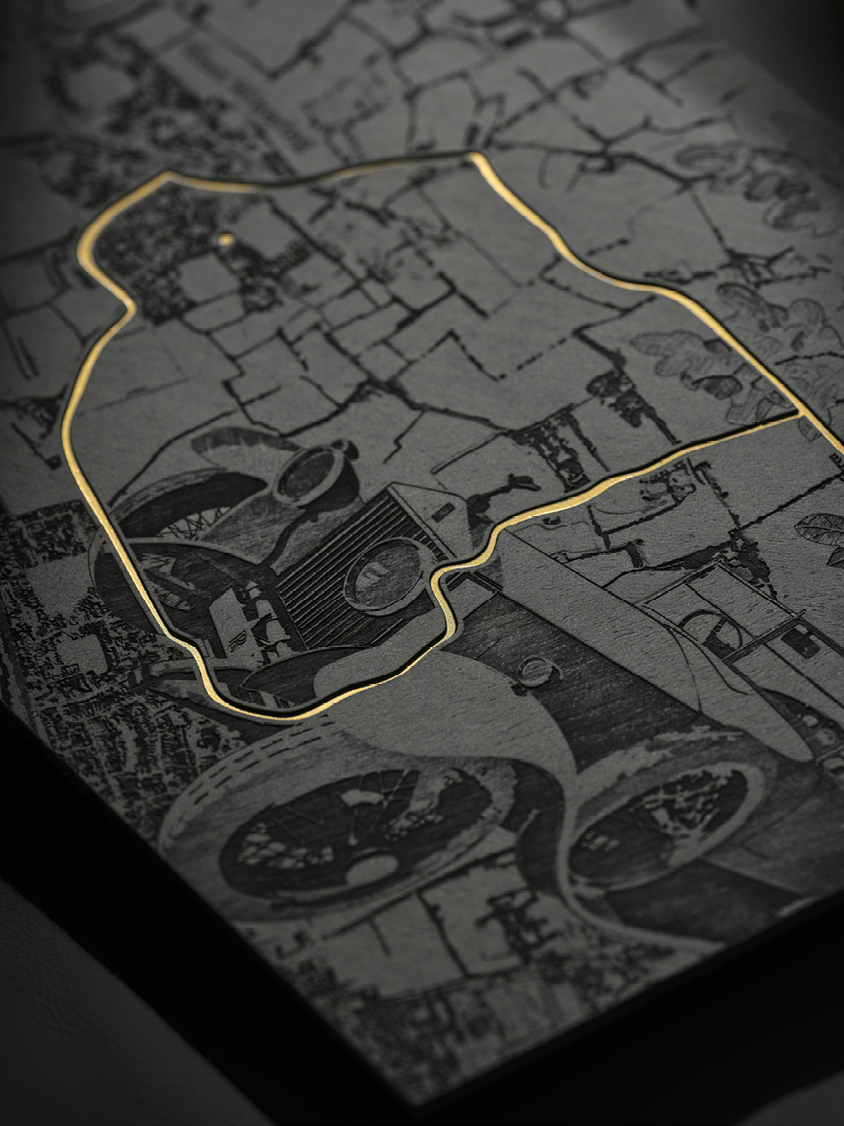
Today, the Phantom VIII stands as the culmination of that heritage,an engineering and artistic masterpiece that embodies modern luxury. And now, the Centenary Private Collection honours that lineage in the most spectacular fashion.
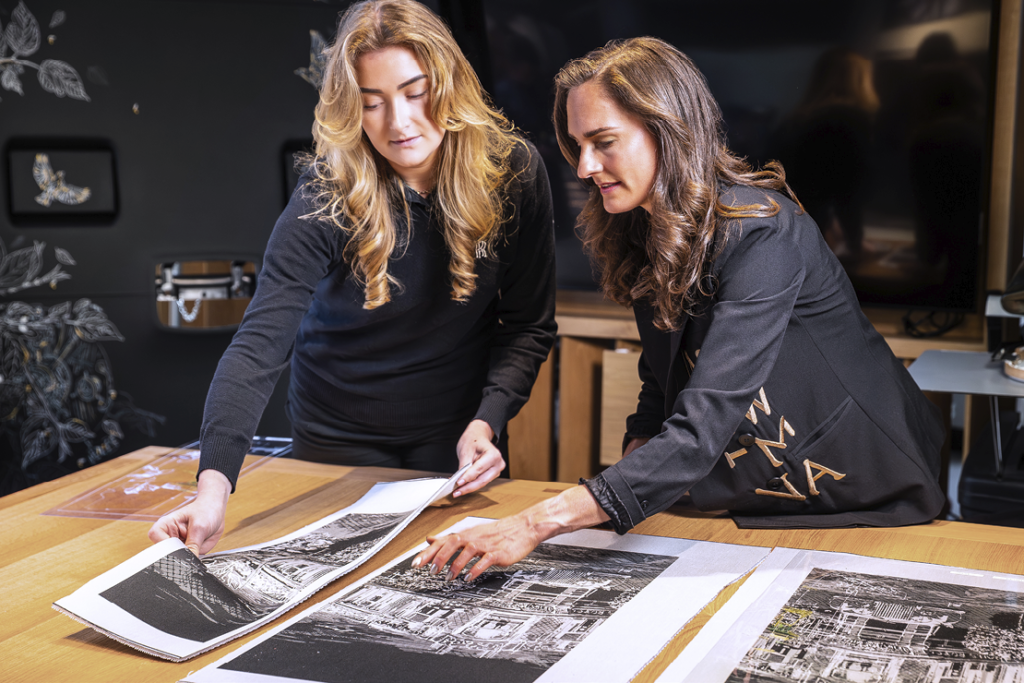
“The Rolls-Royce Phantom Centenary Private Collection is our tribute to 100 years of the world’s most revered luxury item,” said Chris Brownridge, Chief Executive of Rolls-Royce Motor Cars. “This uncompromising work of art uses the meticulously engineered Phantom VIII as the canvas to tell the story of Phantom’s remarkable life and the people who shaped it – from the visionaries within Rolls-Royce to the owners who helped create its legend. For a century, the Phantom nameplate has expressed the pinnacle of Rolls-Royce’s abilities. To honour that legacy, this extraordinarily ambitious Private Collection introduces new techniques and is the result of over 40,000 hours of work, culminating in a motor car which reaffirms Phantom’s status as a symbol of ambition, artistic possibility, and historical gravitas.”
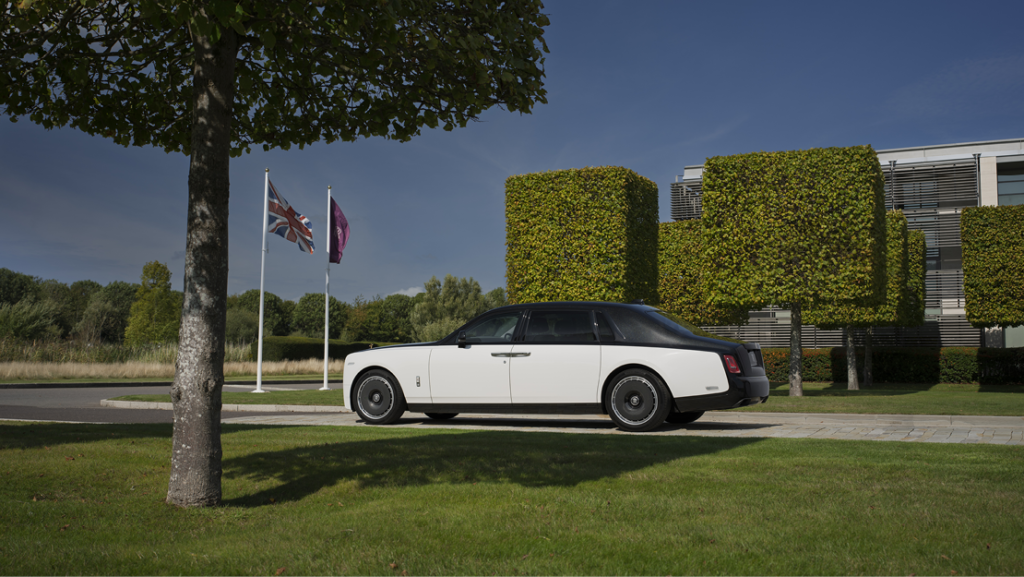
It is, indeed, a creation unlike any other. Every element of the Centenary Phantom has been meticulously designed to celebrate moments, people, and places that shaped its history. The result is a car that is both a masterpiece of engineering and a museum of craftsmanship.
A Work of Art in Motion
From the outside, the Phantom Centenary Private Collection exudes timeless sophistication. Its two-tone exterior in Super Champagne Crystal and Arctic White recalls the glamour of 1930s Hollywood, when the Phantom graced premieres and carried screen legends through the golden age of cinema. The shimmering effect of the finish comes from iridescent crushed-glass particles, a technique developed exclusively for this collection.
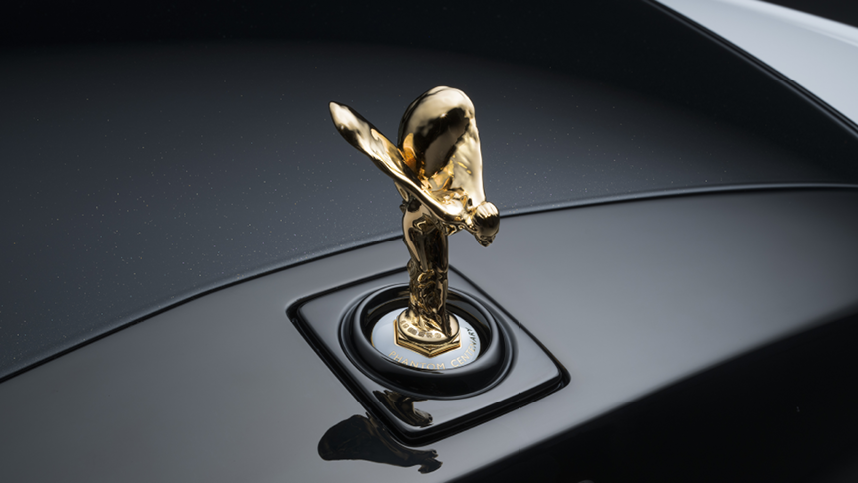
Atop the grille sits a breathtaking reinterpretation of the Spirit of Ecstasy, cast in solid 18-carat gold and plated in 24-carat gold for brilliance and longevity. This marks the first time the iconic figurine has been hallmarked in London specifically for a Phantom edition. Even the “RR” badges are adorned in 24-carat gold and white enamel — a nod to the car’s enduring prestige.
Every detail tells a story. Each wheel is engraved with 25 lines, one for each car in the collection, adding up to 100, a perfect numerical tribute to the Phantom’s centenary year.
Inside, the Phantom Centenary tells a story. The rear seats, inspired by the legendary 1926 “Phantom of Love,” are a visual masterpiece. Rolls-Royce collaborated with a Parisian fashion atelier to create high-resolution printed textiles and embroidery that depict 100 years of Phantom’s heritage. Across three layers of storytelling, hand-drawn motifs and over 160,000 stitches illustrate iconic Phantoms, historic locations, and notable owners.
“Conceived as a contemporary interpretation of a handwoven tapestry, the rear seats tell Phantom’s story through carefully curated details, captured in textiles and embroidery,” said Celina Mettang, Bespoke Colour and Material Designer. “Every embroidered element was digitally re-drawn by artisans who selected specific stitch applications for every stroke… These fine details required extraordinary precision to get right: one motif went through 24 iterations before we were satisfied.”
Even the front seats pay homage to Rolls-Royce’s design language. Laser-etched leather panels feature hand-drawn sketches inspired by archival drafts, including subtle motifs referencing Phantom prototypes like “Roger Rabbit” and “Seagull.”
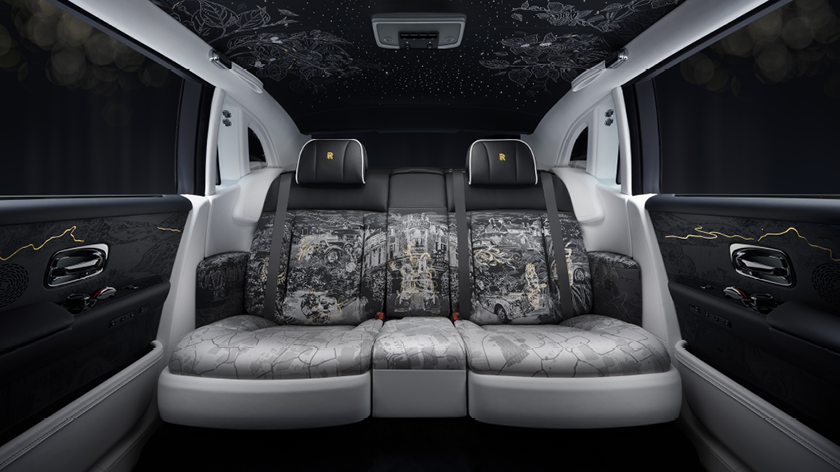
The heart of the interior is the Anthology Gallery, a sculptural centrepiece that captures a century of acclaim. Fifty brushed-aluminium fins are interlaced like the pages of a book, each engraved with words drawn from press reviews throughout Phantom’s history. As light shifts across the metal, reflections shimmer like falling fireworks.
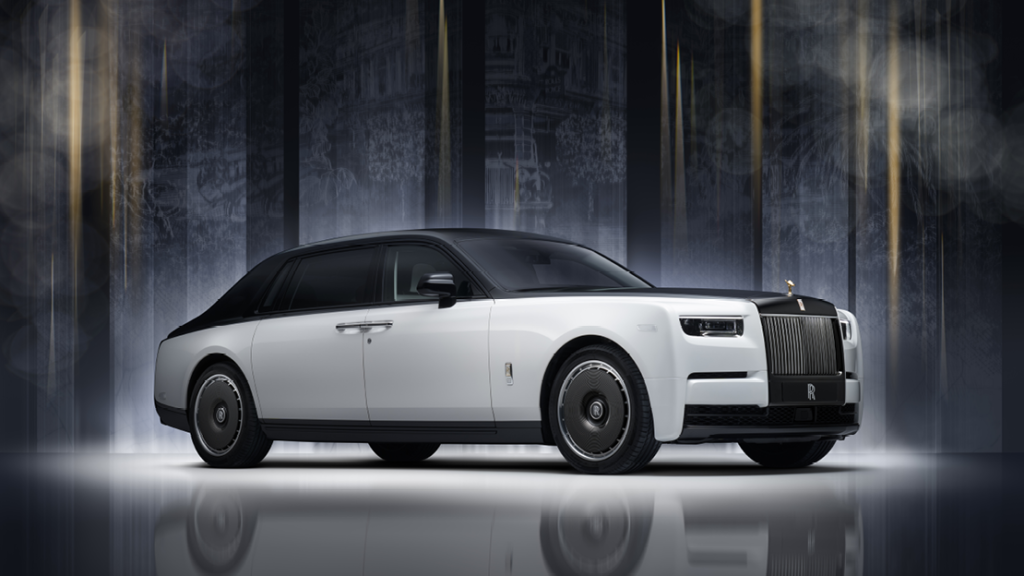
The woodwork, meanwhile, represents the pinnacle of Rolls-Royce craftsmanship. Using new technologies, including 3D marquetry, laser etching, and 3D ink layering, artisans created intricate panels depicting Phantom’s most significant journeys, from the coastline of Le Rayol-Canadel-sur-Mer, where Sir Henry Royce spent his winters, to the English countryside of West Wittering, home to his summer retreat.
“We drew on an extraordinary range of sources – original texts, diaries, photographs and paintings – to create a composition that weaves together many threads of Phantom’s story,” said Katrin Lehmann, Bespoke Colour and Material Designer. “New technology developed for this project allowed us to add details at a scale never before possible – from a boat sailing across the sea to location names on a map.”
The result is artistry at its most ambitious: a seamless blend of innovation and tradition that transforms the Phantom’s cabin into a living archive.
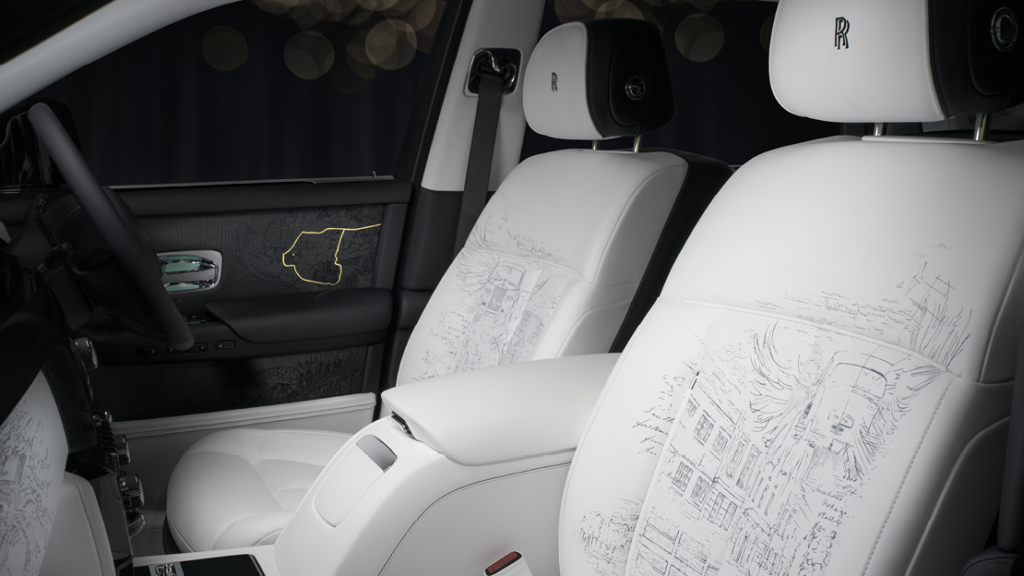
A Golden Legacy
The celebration of craftsmanship extends even to the engine bay. The cover of the 6.75-litre V12 engine is detailed in 24-carat gold, paying homage to the effortless power that defines Phantom’s modern identity. Above, an embroidered Starlight Headliner features 440,000 individual stitches forming constellations, symbols, and hidden references.
“Having the privilege to pay a Bespoke tribute to the Phantom nameplate is a once-in-a-generation opportunity,” said Martina Starke, Head of Bespoke Design. “A record number of designers spent a year immersed in the motor car’s rich history… The result is a true collective work of art that celebrates the skill, ambition and imagination of everyone at the Home of Rolls-Royce.”
As Rolls-Royce celebrates a century of its most iconic creation, the Phantom Centenary Private Collection is a reaffirmation of what the brand has always stood for: mastery, art, and the pursuit of perfection. What began in 1925 as an audacious vision by Sir Henry Royce now continues as a living legacy.
Diego Della Valle, Chairman and CEO of Tod’s Group S.p.A. Discusses Tod’s Legacy of Craftsmanship
In a forever-changing luxury industry that’s increasingly driven by trends, digital engagement, and constant reinvention, Tod’s has retained its quiet power through consistency, quality and excellence.
With a heritage built on craftsmanship, authenticity, and timeless style, the house remains one of Italy’s most respected names in modern luxury, its products embodying the kind of understated sophistication that never goes out of fashion. Epitomising the meaning of “Quiet Luxury,” Tod’s reigns supreme when it comes to dressing the world’s elite, inviting its clients to discover the exceptional artisanal techniques and materials it takes to remain at the top of its game.
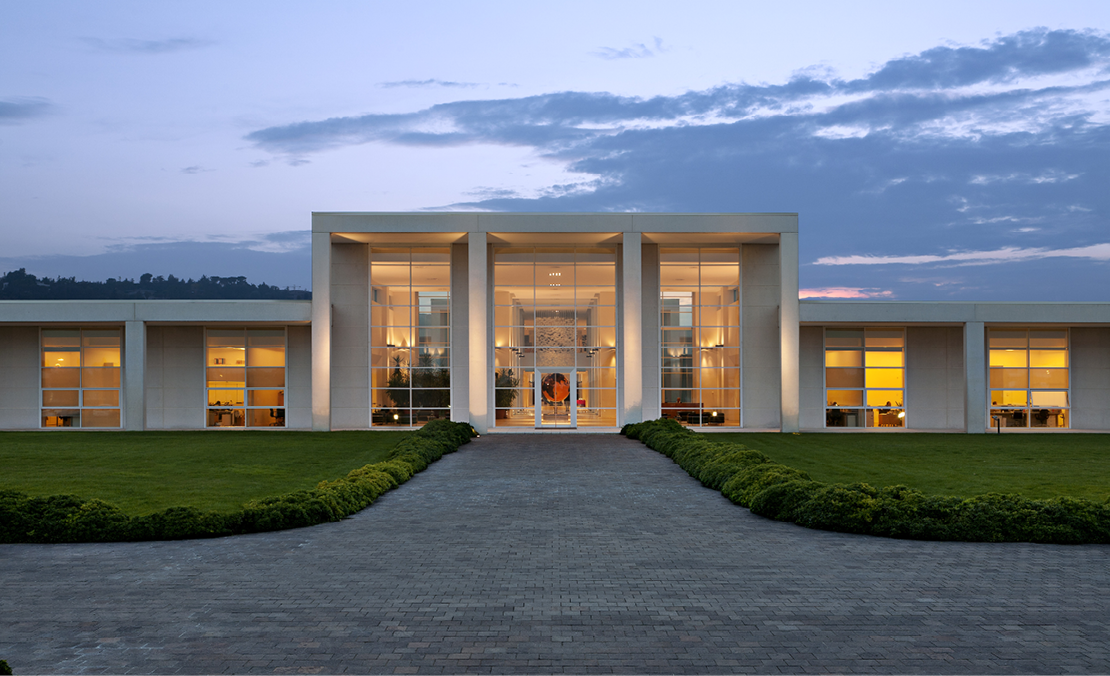
Today, Tod’s stands as a symbol of Italian lifestyle at its finest. Elegant yet effortless, refined yet rooted in substance. Its aesthetic speaks to the modern consumer who seeks longevity over loudness, substance over spectacle. From the buttery-soft leather of its iconic Gommino loafers to the sculptural silhouettes of its handbags and outerwear, every Tod’s creation is designed to age gracefully, telling a story of material integrity and human touch.
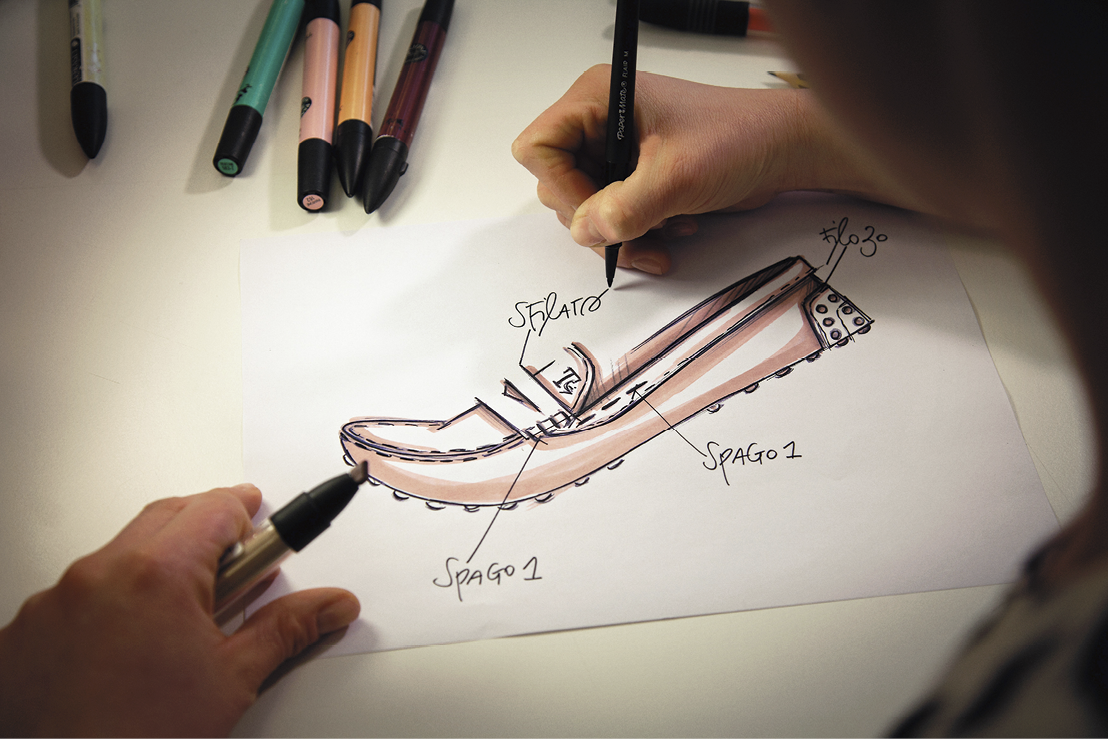
“Tod’s today represents the Italian lifestyle and great quality, where tradition meets modernity. Beyond our iconic Gommino, bags, and accessories, we have also added Ready-to-Wear, while keeping our fundamental values firm. For me, Italian craftsmanship and timeless style are our roots and should remain unchanged,” says Diego Della Valle, Chairman and CEO of Tod’s Group S.p.A.
The roots of the Tod’s story stretch back to the early 1900s, when the Della Valle family began producing handmade shoes in the Marche region of Italy. The brand’s global rise began in the late 1970s, when Diego Della Valle transformed the family workshop into an international business while keeping its artisanal foundations intact. His vision was to merge the meticulous tradition of Italian shoemaking with a distinctly modern sensibility, establishing Tod’s as a global ambassador for “Made in Italy.”
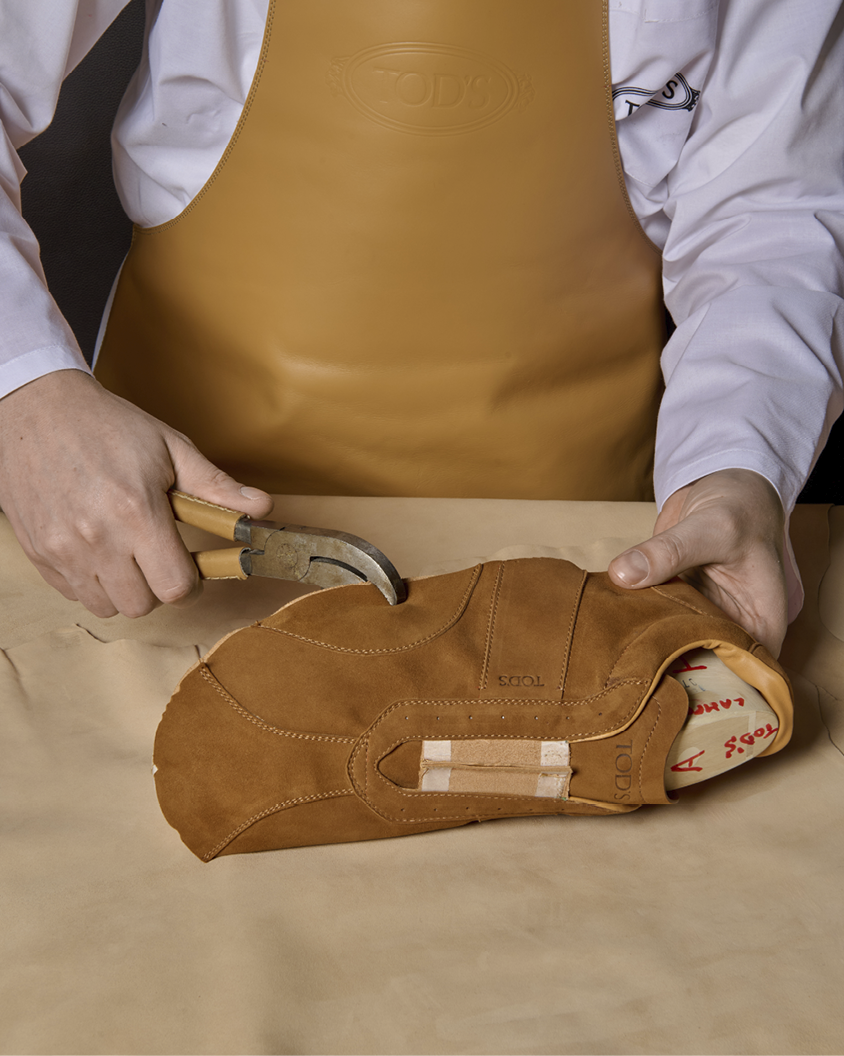
At the heart of this transformation was a single, now-iconic creation: the Gommino. Introduced in the 1970s, the driving shoe became an instant emblem of relaxed sophistication, its rubber pebble sole (made of 133 individual rubber nubs) and impeccable hand-finished leather offering both comfort and polish. It bridged the gap between casual and couture, embodying the Italian ideal of “sprezzatura”, or effortless elegance. “For me, a product becomes iconic thanks to a timeless design, impeccable functionality, and a universally recognised aesthetic: the Gommino is the perfect example,” says Della Valle.
Over the decades, the Tod’s brand expanded into handbags, accessories, and ready-to-wear, always retaining the artisanal focus that defined its origins. The Di Bag, once carried by Princess Diana, became a hallmark of quiet luxury, and in recent years, the brand’s aesthetic evolved toward a more contemporary, fluid expression of Italian craftsmanship, a balance of refinement and ease that appeals to the modern global audience. “It is my DNA: patience and precision, enduring values. I like to think of creating something destined to last,” he says.
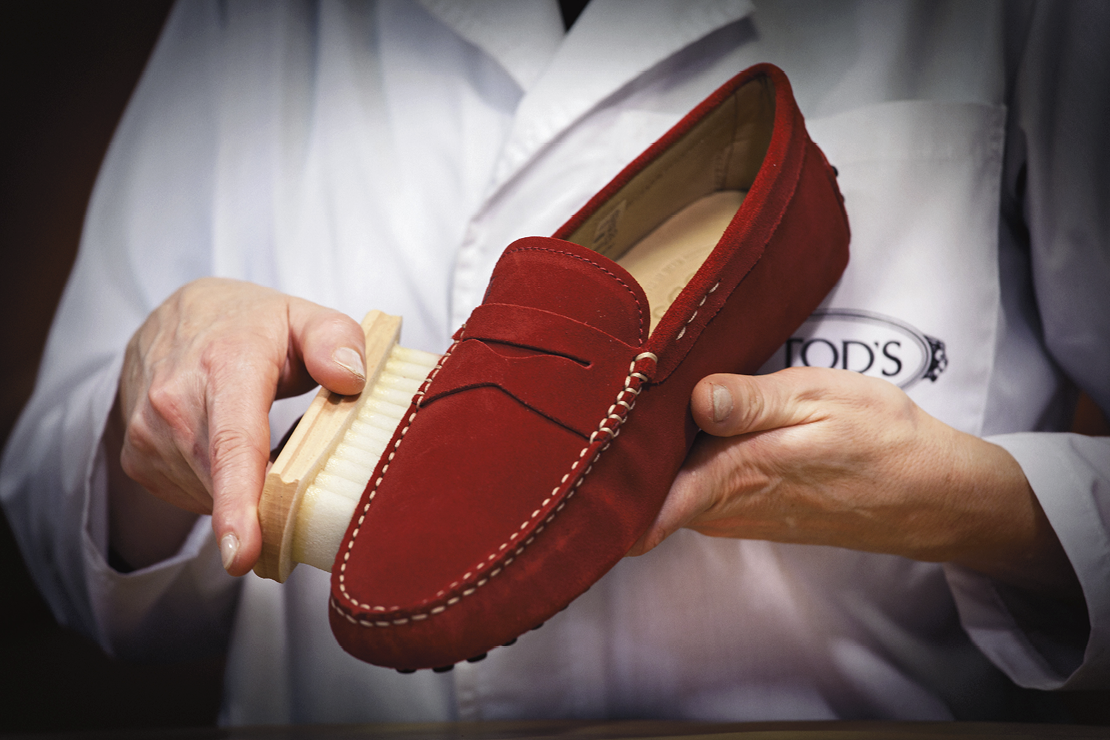
For Della Valle, craftsmanship is not a marketing term but a philosophy of living. “In a world of mass production and artificial intelligence, I speak about Artisanal Intelligence: it is the hands that cut the leather, the nose that smells its scent, the eyes that check every single stitch, the knowledge handed down from generation to generation. It is very special, and for me, essential dedication.”
This idea of Artisanal Intelligence defines everything Tod’s does. The dialogue between innovation and human skill. Della Valle does not reject technology; he refines it to serve tradition. “For me, it means using new technologies to improve efficiency, exploring the use of new materials, or refining design processes, while always keeping the hands of our artisans at the centre of the creation. Innovation should serve to elevate our traditional techniques, not diminish them. This is what I call Artisanal Intelligence.”
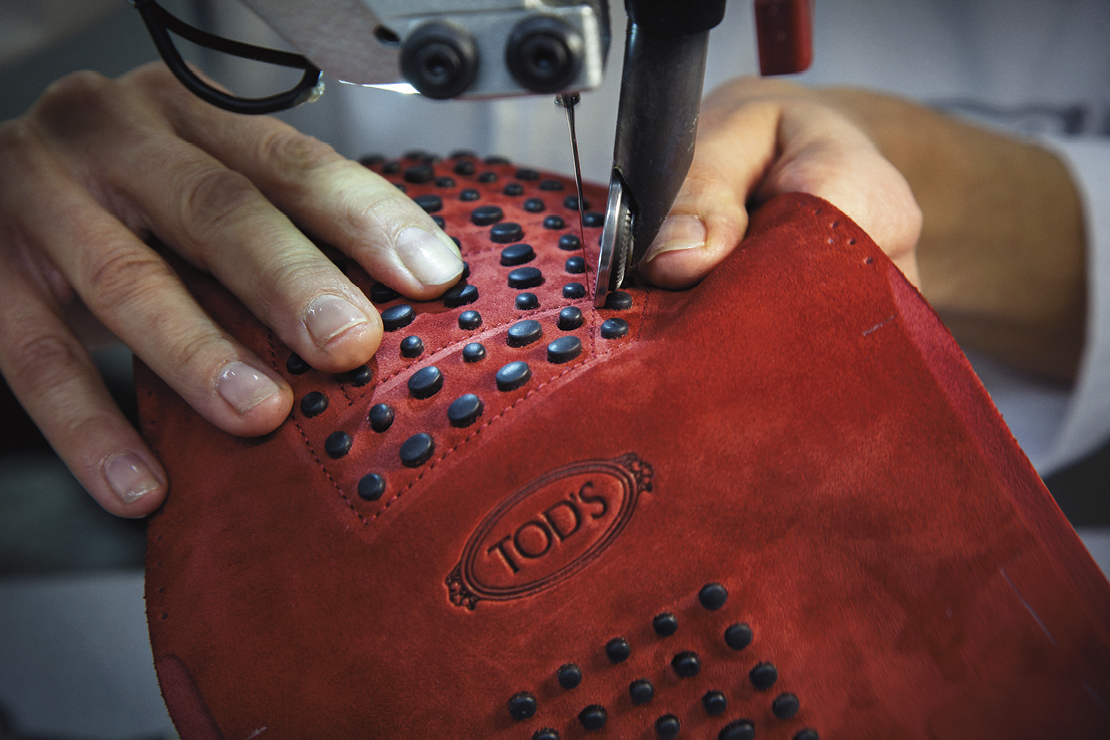
The brand’s headquarters in Casette d’Ete, Marche, remains a hub of creativity and craftsmanship and home to La Bottega dei Mestieri, an in-house academy created to ensure the continuity of traditional know-how. “This is a topic I care deeply about. We have created a workshop called La Bottega dei Mestieri. Here we train the next generations, passing on the unique skills of our master artisans. All this while maintaining a very strong corporate culture that prioritises tradition, quality, alongside innovation.”
Through initiatives like this, Della Valle ensures that Tod’s is not just preserving heritage but nurturing it for the future. “The balance between traditional savoir-faire and innovation is delicate, but the commitment to their coexistence is maximum. In fact, innovation allows us to keep Tod’s legacy alive and current for new generations, ensuring that precious skills and techniques continue to exist and evolve.”
This approach to luxury – deliberate, human, and built to endure – stands in contrast to the short-term mentality of trend-driven fashion. “I believe that the failure of many brands stems from the pursuit of trends without solid foundations, or from compromising on quality to reduce costs. Tod’s, on the other hand, has always focused on creating luxury products, building our customers’ trust through reliability and authentic craftsmanship.”
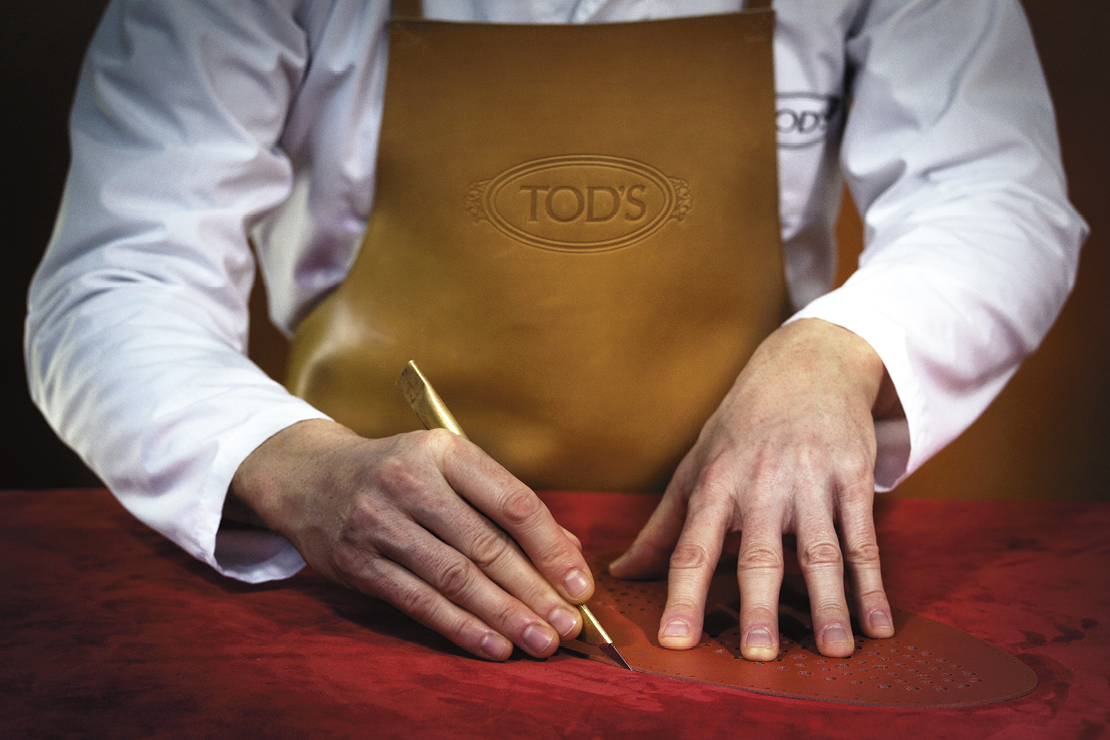
Beyond business, Della Valle views Tod’s as a cultural ambassador for Italy itself. “‘Made in Italy’ for me means attention to detail and precious materials, and a sense of style that is typically Italian. It is a guarantee of quality, something that cannot be easily replicated.” He sees it as both a privilege and a responsibility. “It is great: Italy has a unique heritage in luxury manufacturing, and we have a duty to preserve this reputation. We are the custodians of a tradition of beauty, design, and quality. And Tod’s is continuously committed to preserving an invaluable part of our culture.”
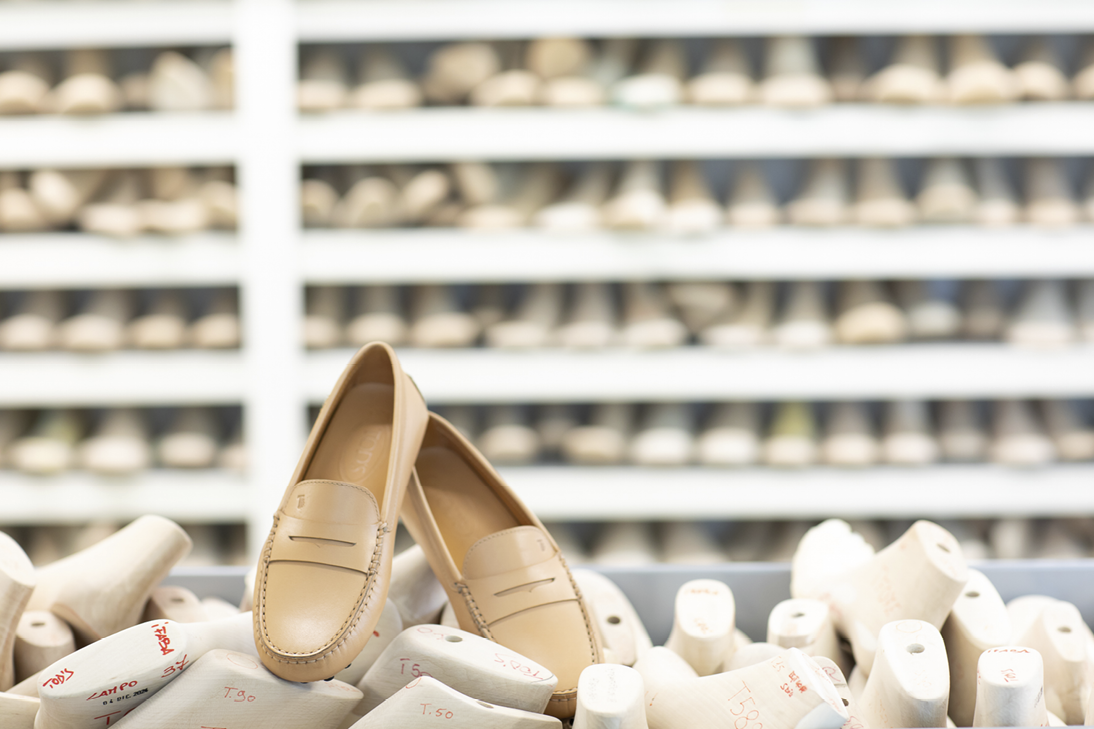
Looking ahead, the Tod’s Group continues to expand globally, including in the Middle East, where it has established a loyal client base, while staying true to its principles. “We work to continue being a global leader in the Italian luxury lifestyle, recognised for its craftsmanship and timeless style,” says Della Valle. And at the core of his leadership is a simple yet enduring life lesson: “I was fortunate to have a family that taught me a lot, both personally and professionally, all based on solid principles.”
For over a century, Tod’s has proven that true luxury is not about excess or reinvention, but refinement, the constant pursuit of excellence, guided by integrity, patience, and respect for craft. It is this belief, stitched into every seam and polished into every leather finish, that ensures Tod’s remains not just relevant, but timeless.
How Schiaparelli’s Legacy Was Resurrected And Brought To New Heights
Few fashion houses embody the blend of fantasy and craftsmanship as powerfully as Schiaparelli.
Founded in 1927 by the audacious Elsa Schiaparelli, the Maison has long stood at the intersection of art, fashion, and imagination. From her early days crafting sweaters embroidered with trompe-l’œil bows to her revolutionary collaborations with artists like Salvador Dalí and Jean Cocteau, Schiaparelli built a legacy rooted in the surreal, the spectacular, and the subversive. Today, under the visionary direction of American designer Daniel Roseberry, the house has found a new, modern voice, one that pays homage to its rich heritage while embracing a daring, contemporary glamour.
A Revolutionary Beginning
Elsa Schiaparelli was born into an aristocratic Italian family in 1890 and moved to Paris in the 1920s, where she immersed herself in the avant-garde intellectual and artistic circles of the time. Inspired by the Dada and Surrealist movements, she began designing fashion that pushed boundaries and provoked conversation. Her first real breakthrough came in 1927 with a hand-knitted sweater featuring a trompe-l’œil bow that became an instant hit after it was featured in French Vogue.
Schiaparelli officially established her couture house at 21 Place Vendôme in 1935, steps away from the Ritz, and quickly became one of the most celebrated names in fashion. She challenged conventions with her imaginative designs, such as the Lobster Dress (created with Dalí), the Skeleton Dress, the Shoe Hat, and the Tears Dress, all of which are now icons of 20th-century fashion. Her use of shocking pink, now synonymous with the brand, was revolutionary; vibrant, unexpected, and unapologetically bold.
Schiaparelli was a true pioneer. She was the first designer to use zippers as a visible design element in couture and introduced the concept of themed collections, a now-standard practice in fashion. In 1934, she was the first female fashion designer to grace the cover of Time magazine, a testament to her cultural impact.
A Dormant Legacy, Reawakened
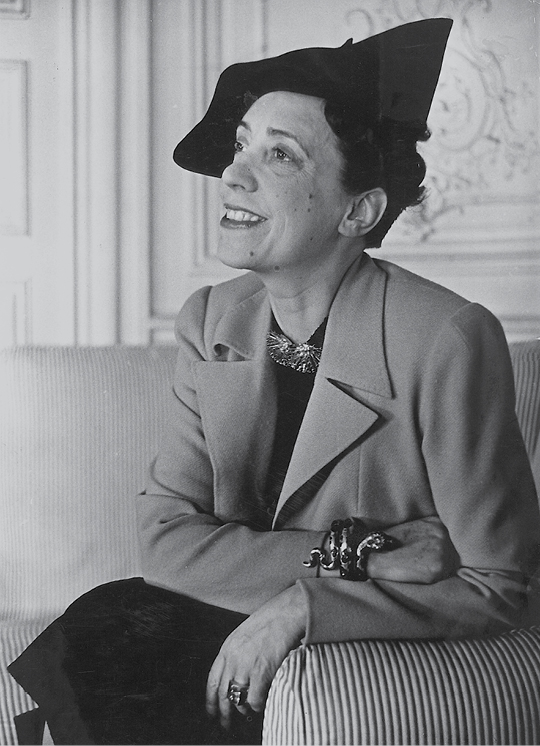
The house closed its doors in 1954, shortly after Elsa published her autobiography Shocking Life. For decades, the brand lay dormant, its influence visible in fashion but the label itself inactive. In 2006, Tod’s Group acquired the Schiaparelli name, and in 2012, the brand reopened its historic salon at Place Vendôme.
Several designers attempted to revive Schiaparelli in its early 21st-century iterations, including Christian Lacroix and Bertrand Guyon. However, it was not until 2019, with the appointment of Daniel Roseberry as creative director, that the house truly found its rhythm again.
Daniel Roseberry: A Modern Surrealist
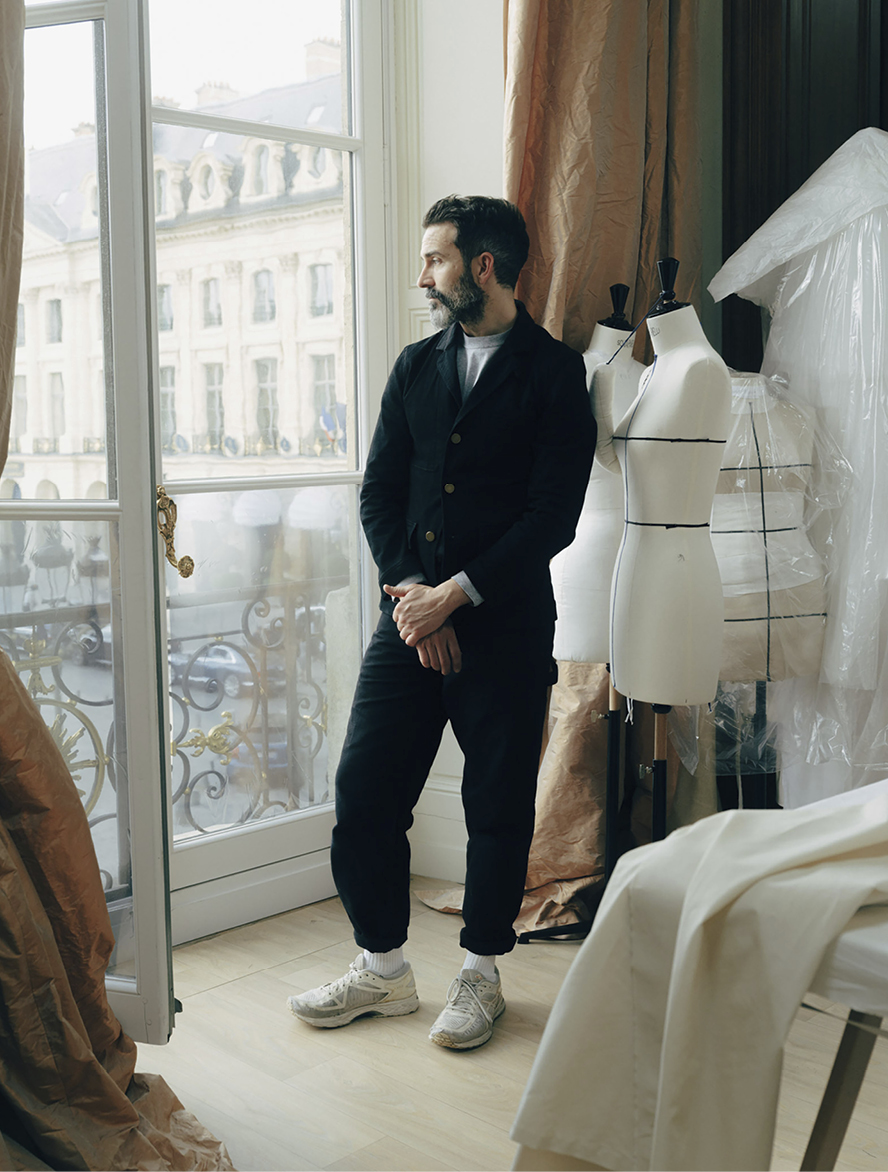
Roseberry, the first American to lead a French couture house, arrived at Schiaparelli with no formal couture background but a deep reverence for the brand’s theatricality and artistry. Since his debut, he has infused the house with fresh energy, redefining its codes while preserving its rebellious soul. His couture shows are consistently among the most anticipated during Paris Haute Couture Week, often drawing standing ovations for their artistry, boldness, and breathtaking craftsmanship.
From the sculptural bustiers and golden breastplates to hyper-exaggerated silhouettes, Roseberry’s designs are modern odes to Elsa’s surrealist legacy. He references the past – lobsters, padlocks, body parts, and shocking pink – but reframes them for a new era. The results are opulent, otherworldly, and unforgettable.
Roseberry’s vision transcends clothes; it’s about creating a universe where fantasy and fashion collide. His work challenges the divide between ready-to-wear and couture, often incorporating whimsical motifs (like third eyes, gilded noses, and hands) that echo Schiaparelli’s surrealist past.
Celebrities and the Schiaparelli Effect
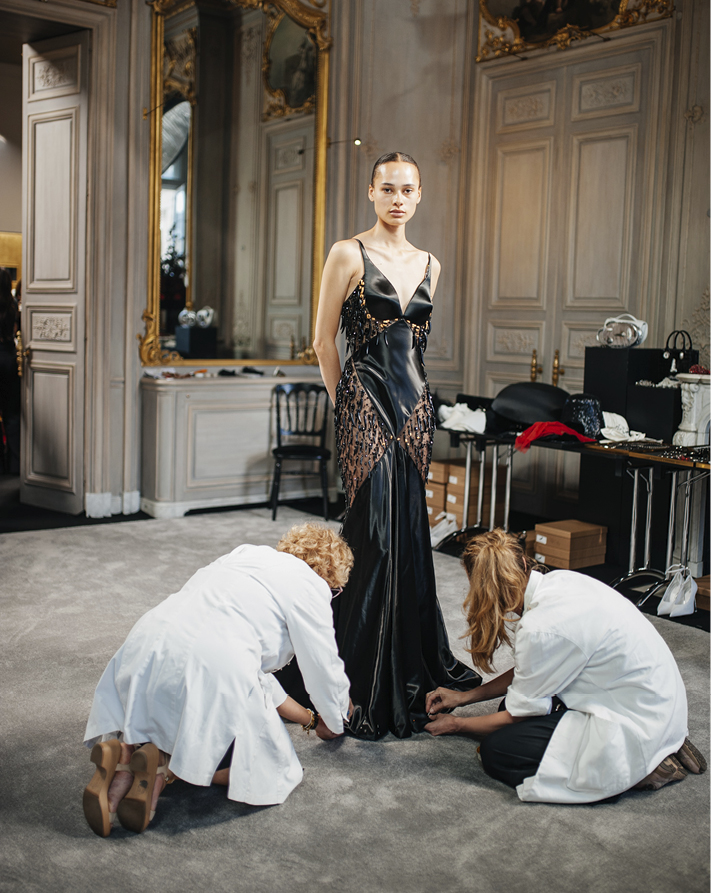
Schiaparelli has emerged as a go-to brand for celebrities who want to make a bold, artistic statement. Beyoncé wore a gilded Roseberry creation for the 2023 Grammy Awards, while Lady Gaga’s bulletproof Schiaparelli ensemble at President Biden’s inauguration, featuring a Dove motif, became instantly iconic. Adele, Cardi B, Kim Kardashian, and Zendaya are among the many who’ve embraced the drama, artistry, and individuality of Schiaparelli on global stages.
Doja Cat’s unforgettable look at Paris Couture Week, drenched in over 30,000 hand-applied red Swarovski crystals, made headlines around the world, while Kylie Jenner’s lion-head gown turned every head at the same show. These aren’t just outfits; they are moments, capturing the theatrical DNA of the house.
Icons and Innovations
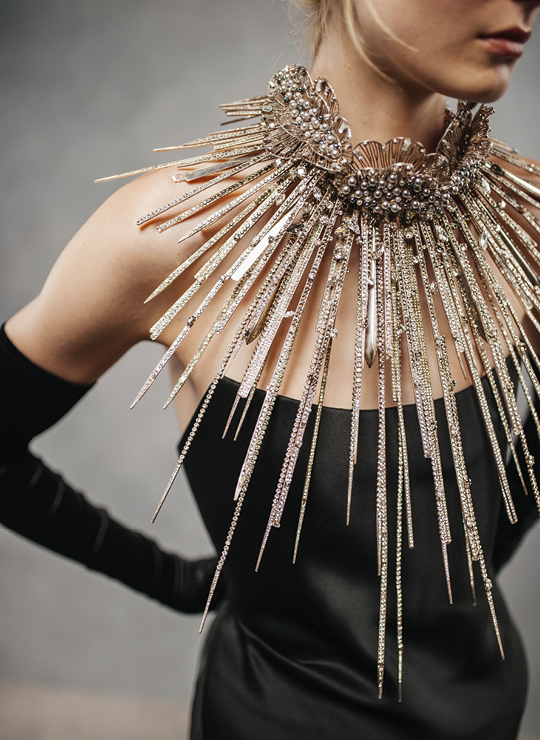
Some of Roseberry’s most talked-about designs include the anatomical gold bustiers inspired by ancient armour, surrealist face jewellery, and the ever-evolving reinterpretation of Elsa’s signatures. Schiaparelli’s accessories have also become cult items; padlock handbags, sculptural sunglasses, and statement earrings all infused with a boldness that defies fashion norms.
The house’s ateliers continue to uphold the highest standards of craftsmanship, using traditional techniques to realise fantastical visions. Each piece feels alive with detail, imagination, and narrative, all hallmarks of Elsa’s philosophy that fashion should provoke, delight, and transform.
The Schiaparelli Universe
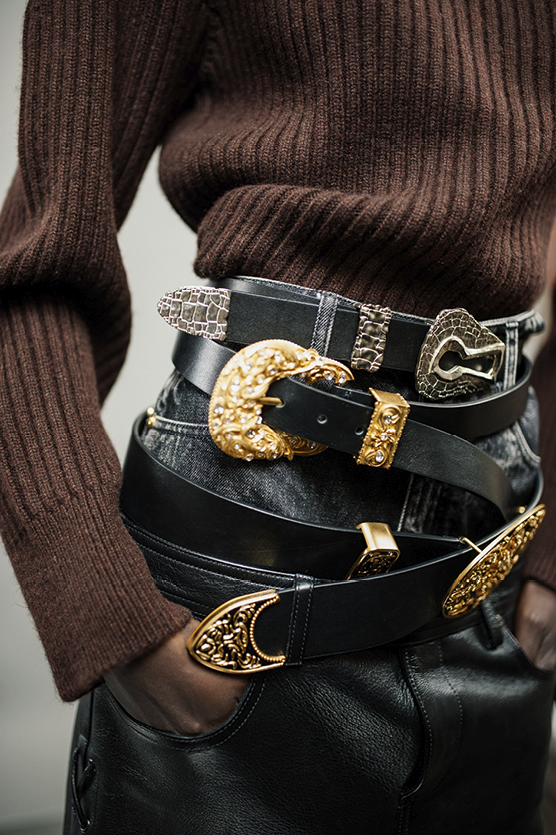
Schiaparelli’s revival is more than a return; it’s a renaissance. With Roseberry at the helm, the brand has re-established its identity as couture’s boldest dreamer. It doesn’t just offer garments; it presents a vision, a world where art, imagination, and elegance coexist in technicolour.
Whether it’s through celebrity collaborations, art-inspired collections, or its distinctive aesthetic codes, Schiaparelli has once again become a house that sets trends rather than follows them. It is fearless. It is fantastical. It is couture at its most unapologetically expressive.
As the house continues to shape its future, one thing is certain: Elsa Schiaparelli’s spirit, audacious, artistic, and utterly original, lives on in every stitch.
Dior’s Peter Philips Discusses The New Era Of Rouge Dior
Since its debut in 1953, Rouge Dior has maintained its position as a timeless symbol of elegance—an icon of colour, femininity, and couture beauty.
Worn by generations of women, it has continuously evolved while staying true to its essence: empowering lips with bold colour and confidence. Now, in 2025, the House of Dior turns the page with its most audacious chapter yet.
Rouge Dior On Stage is a modern reinvention, shaped by the vision of Peter Philips, Creative and Image Director for Dior Makeup. This latest evolution pushes the boundaries of performance and design, offering two new finishes—coated shine and blurring matte—that deliver lasting impact and exceptional comfort. The shine shades will be launched this month, while the matte finishes are set to arrive early next year.
Since joining Dior in 2014, Peter Philips has redefined the brand’s creative identity across runway and beauty, bringing a bold yet refined sensibility to every product. Known for marrying technical innovation with artistic expression, Philips has played a pivotal role in developing Rouge Dior On Stage from concept to final creation. From pioneering the dual-phase formula to rethinking the packaging and silhouette, every detail of this lipstick reflects his forward-thinking approach and deep understanding of how beauty should feel, function, and inspire.
As Rouge Dior On Stage takes its place in the spotlight, Peter Philips shares the story behind its creation, the innovation that powers it, and how this new lipstick marks a bold step forward in the Rouge Dior legacy.
Tell us about Rouge Dior On Stage and why the name “On Stage”?
Rouge Dior On Stage is the next generation of the product. We wanted to create the most beautiful shine and the most beautiful matte textures in a new version with new packaging, more elegant, sleeker, to give Rouge Dior an edgy sister. “On stage” could represent a photoshoot, a catwalk, a dinner or any moment where you are in the spotlight and the star of your world.
How does it differ from the previous product?
Rouge Dior is our pillar product. It’s timeless, iconic. It has a great formula and finishes. It has been around for a long time and has been evolving and growing. We have made several adaptations, including a liquid version and a sparkling version, and we have created many variations on the packaging, and it has always been somewhat of a family affair. This product is a new addition to our family, and we wanted to take it a step further, giving it a new twist.
What was a significant change you made in the formula?
Rouge Dior is a classic lipstick in a traditional format, featuring a solid stick. The new product is in a guided stick, which means we could create a formula that is less solid. It gave us the opportunity to work more freely and create a formula that is almost a liquid because it is kept in a tube. That’s where the opportunity arose to create different formulas and versions that are more long-lasting and non-transferable, because you’re not only looking for ingredients that keep your lipstick in place. We went in two directions with both matte and a shine version.
How was technology used to help with the development of this product?
We focus on finding a balance of caring ingredients without compromising the beautiful results of the makeup. Ensuring that when we have a claim, it is justified, and that the formula is optimized to its best potential. For example, if we claim a matte lipstick is non-transferable, it must be non-transferable. We use what’s called Two-Face technology to do this. It’s a very thin film that you apply to the product, it sets on your lip and then, after a minute, you see the blurring effect. The shine has the same principle. You apply the product, it sets, and then the shine appears. And that’s very technical to achieve. We have worked with a formula that’s fluid, almost like a liquid, it’s very smooth. And when it sets, the pigments place themselves in a way that gives that required effect, whether that’s matte or shine.
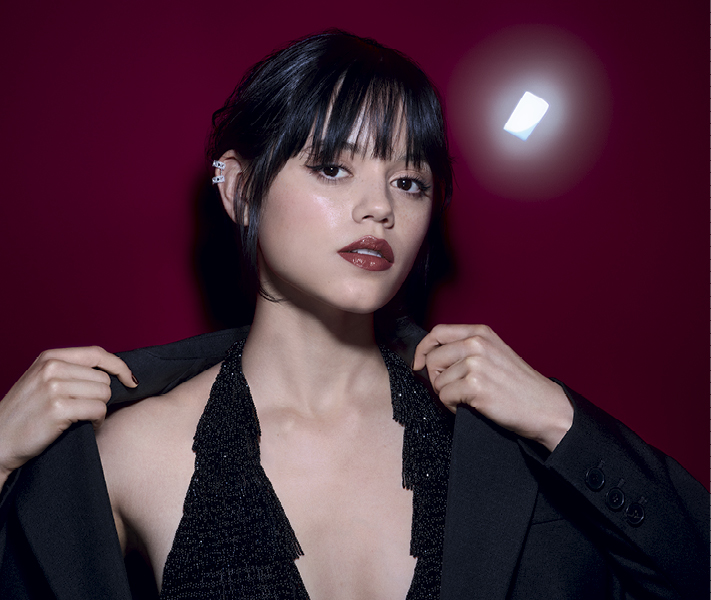
How many shades are we expecting of this product?
We have ten shades for each finish. The packaging also reflects each version – so shiny for the shiny version, matte for the matte. It’s a timeless range of shades with a spectacular result. We have beautiful nudes and berry tones.
What can we expect from Dior Makeup for Fall/Winter 2025?
The Fall/Winter collection is very rich in colour and diversity. We are launching a collection featuring three themed palettes, each accompanied by matching products. It’s a celebration of Miss Dior with customised packaging to put the shadow palettes in. We have a special edition cushion foundation and palettes in various tones that complement all skin tones, featuring a range of shades that allow for different variations. It’s very bold, quite colourful, but very stylish and chic.
When you are developing the colours, how do you arrive at the final selections?
We test on a huge diversity of types of skin – age, skin tone, texture, volume – and for this product, the starting point was the formula – we wanted results. And then once we decided that was a laboratory success, we looked at the shades. We tested on different skin tones and skin of various ages, as you need to see how products sit on more mature skin and younger skin. We didn’t want to make it too complicated, so we decided on ten shades and two finishes so that any woman can find something that suits her.
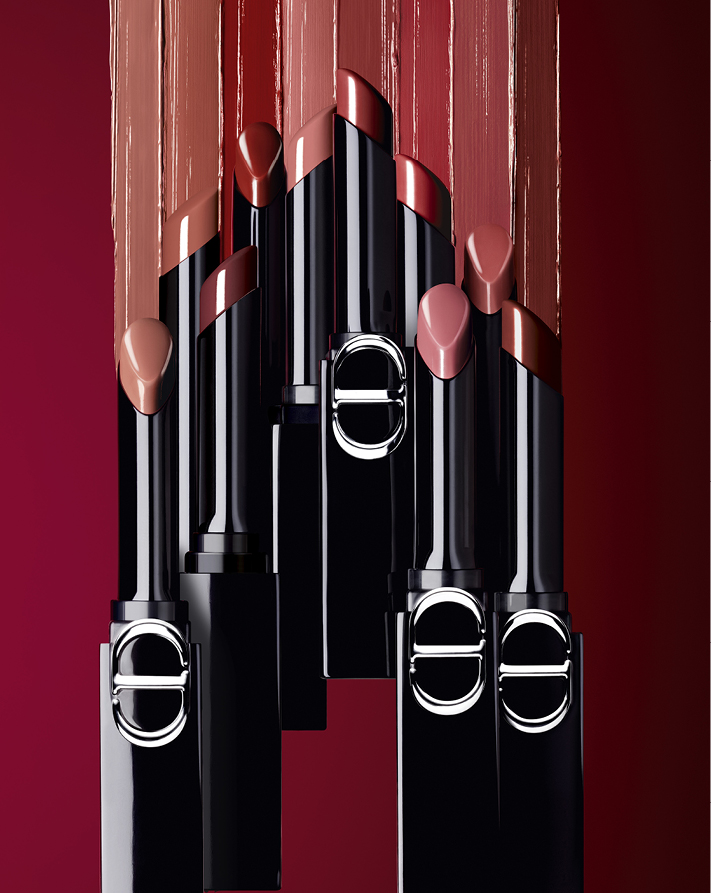
Where is lip liner today within a woman’s makeup routine? Do you think there is less need for that product, given that lipsticks are becoming more precise?
Lip liner is very much present now, but not as a tool to help you draw your liner, more as a makeup statement. There are numerous ways to apply lip makeup now, including using a visible lip liner as a contour, to create volume, add plumpness, and achieve a desired finish. The classic approach to lip liner, for example, was to use a tone-on-tone technique, so the colour of the liner perfectly matches your lipstick. Now, a bit like in the nineties, there is a trend of outlining or overlining the lips, but in a lighter or darker shade, so you can see the outline. Lip liner is not dead at all; it’s actually having a revival, but not only in the context of pure lip liner as a tool to help you draw a perfect lip.
What else is in the pipeline?
We are working on upcoming collections, including the Backstage line, with several new launches on the horizon. This is really exciting. We are focusing on the younger generation. This generation knows so much about makeup that they don’t need an expert palette because they are experts themselves, so we have created something that’s a bit more playful in terms of textures and products. They are really beautiful products. The lip glow butter, for example, is a lip balm in a tube with a buttery texture. It’s fantastic. And we have reformulated Rosy Glow powder; the packaging is now square, and we made it even easier to apply.
Cindy Chao Discusses Art Jewellery And The Maison’s Remarkable Achievements
For two decades, CINDY CHAO The Art Jewel has brought together the worlds of high jewellery and fine art, renowned for its architectural forms, sculptural fluidity, and exquisite craftsmanship.
Founded by Taiwanese artist Cindy Chao, the Maison has redefined the concept of “art jewels,” creating rare, collectable pieces that blur the line between adornment and sculpture. Drawing inspiration from nature and brought to life through the intricate technique of wax sculpting, her creations are celebrated by collectors and museums worldwide for their emotional resonance and technical mastery. With a philosophy rooted in timeless artistry and a vision that transcends trends, Cindy Chao continues to shape the dialogue between jewellery and art on a global stage. As the brand marks its 20th anniversary, we sit down with the designer to reflect on her journey, creative evolution, and the values that continue to guide her work.
You recently celebrated the 20th anniversary of your brand. Looking back, what have been the most defining moments of your journey so far?
There are two pivotal events in my career that hold profound significance for me. The first was in 2010 when my second annual butterfly – the 2009 Royal Butterfly Brooch was inducted into the Smithsonian National Museum of Natural History in Washington, DC, the largest museum institute in the US. This marked an unprecedented milestone as it was the first of my pieces to be inducted into a museum, and it was also the first time the Smithsonian Museum collected a piece from a contemporary Asian jewellery artist. I vividly remember during the press event, a curator was asked by the media about the reasoning behind this acquisition. He replied that museums have a responsibility to preserve heritage for future generations and that they believed Cindy Chao’s work would come to represent 21st-century jewellery art.
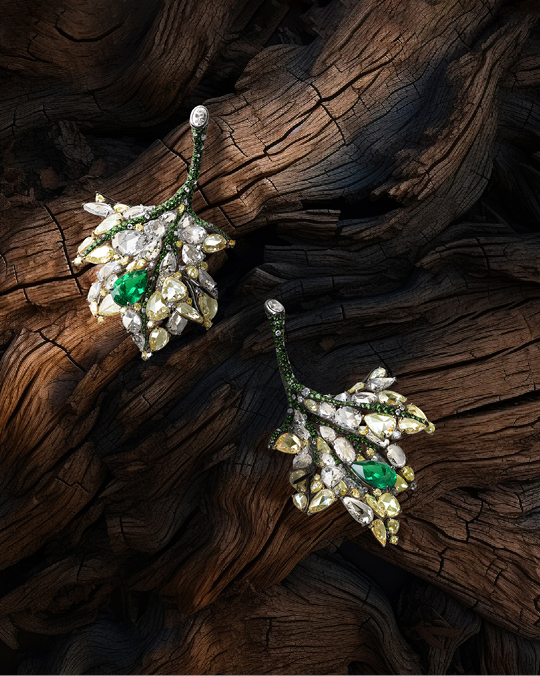
His comment has ever since transformed my creative approach. I realized that true artists create with a visionary mindset, so I started looking at each piece in the “future tense” instead of just “here and now.”
Fast forward to 2021, when I was awarded the Chevalier de l’Ordre des Arts et des Lettres (Knight in the Order of Arts and Letters) by the French Ministry of Culture. During the ceremony, I remember seeing the minister holding a nine-page speech draft, which was deeply moving as it recognized my efforts to bridge Eastern and Western cultures through art. This honor was especially meaningful to me, being acknowledged by France—a country that prides itself tremendously in the legacy and craftsmanship of jewellery art. Around that time, I saw media reports where many Western observers described CINDY CHAO as ushering in a “new era of Nouveau Art Nouveau” – an art movement used to describe the natural-inspired and craftsmanship-centric high jewellery that we’re creating in this moment in time. As a connector, a bridge for jewellery art inspires me to promote and foster artistic and cultural exchanges for generations to come.
How has CINDY CHAO The Art Jewel evolved over the past two decades—both in terms of design language and brand vision?
Time flies—twenty years have passed in the blink of an eye. I feel deeply grateful to have had the freedom to create on my own terms. At last year’s retrospective exhibition in Taipei, seeing my earlier creations, which were borrowed from collectors, was a very emotional moment for me. It was also the first time for me to see these pieces together in one room – memories rush back to me – all the challenges, the growing pains, and the evolution and fruitful results.
In the early years, my creations were defined by black and white tones—a reflection of my solitude. Over time, they grew vibrant and exuberant, infused with bold colours and intricate craftsmanship, mirroring my desire to be seen and to establish the brand. As I gained confidence, I began to challenge conventions, constantly reinventing myself and pushing boundaries in both form and technique. My focus shifted from proving myself to creating with purity and intention.
Participation in leading art fairs and milestone auction moments further strengthened my belief in this path. Today, my work feels lighter, more instinctive, like a feather. What remains after refining and distilling is the purest form of artistic expression.
While my style has evolved, the vision has remained the same: to create art jewels of enduring significance and to establish CINDY CHAO The Art Jewel as an international brand with a lasting legacy. Twenty years is just the beginning—we still have a long journey ahead.
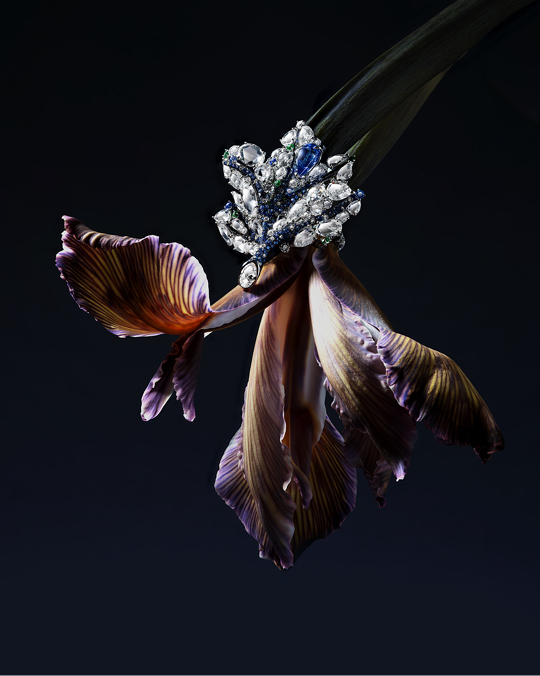
You recently celebrated the 5th anniversary of your Shanghai Maison with a sculptural garden exhibition. Can you tell us about the inspiration behind that concept and what it symbolizes?
During the global pandemic, when we were creating the CINDY CHAO Shanghai Maison, I envisioned it as my own home, where jewellery, art, and architecture converge, where friends can come, have engaging conversations, and enjoy all the beauty in life.
To mark the Masion’s fifth anniversary, we partnered with ART021 Group, one of China’s leading contemporary art fairs, to curate five striking sculptures throughout the space – transforming the Maison into a sculptural garden. Placed alongside my own sculptural jewellery pieces, they create an engaging dialogue—bringing to life the brand’s essence: architectural structure, sculptural form, and organic energy.
I have always loved sculptures: I collect them, and I create them myself. My father was a sculptor, and I grew up watching him work. Sometimes, he would give me a piece of clay and an assignment—this is how I came to have the hands of a sculptor. Through the idea of a sculpture garden, the Maison becomes a living space where contemporary art, design, and craftsmanship come together. It’s where East meets West, tradition meets innovation, and everything flows in harmony.
What’s the biggest challenge you face today, and how do you overcome it?
In 2023, for Sotheby’s 50th anniversary, I was honored to be named one of the leading Asian artists. I remember the chairwoman asking me in an interview: “Was it easy to be a young Asian female artist when you first started?” I looked at her and said, “Absolutely not.”
For centuries, the high jewellery industry has been dominated by Western brands, led by European craftsmanship—and yes, by men.
When I first started, I knew only the most experienced craftsmen could bring my vision to life. So I travelled to Europe carrying a suitcase full of wax sculptures, seeking out master artisans. At first, as a stranger from Asia, no one would speak to me. But I didn’t need words to understand their thoughts—I saw the doubt and skepticism in their eyes.
But I refused to give up. When they said “no,” I returned again and again. When they declared it “impossible,” I sculpted the wax before them, showing that it was possible in my hands.
Through my wax sculptures, they began to understand my artistic vision and embraced the challenge of working with me. Over time, doubt transformed into trust. Today, those very artisans are my closest partners. Together, we have pushed the boundaries of titanium craftsmanship, mastering the art of moulding this challenging metal into soft, organic curves.
The lesson I have learned is simple: Most people only believe after seeing. For a rare few dreamers, they believe, and reality follows. Faith is the first step to shaping the future.
Your creations sit at the intersection of jewellery and sculpture. Why do you believe these worlds are so intimately connected?
When we stand before a powerful work of art, we experience a deep aesthetic and emotional response. Jewellery, as an art form, is the same – it has always been a vessel for originality and creativity. It can inspire the same feelings, perhaps even more so, given that a piece of jewellery is even more personal and closer to our lives and hearts.
I have always approached jewellery creation through the concept of miniature architecture and sculpture. From a young age, my grandfather and father taught me about three-dimensional forms and the importance of observing life with my eyes and heart. This foundation allows you to see in my work a sculptural unity, where each piece resembles a small sculpture but also contains complex architectural engineering within. In my creations, jewellery transcends its traditional function as an accessory and becomes a collectable work of art.
Your pieces often draw from nature. What aspects of the natural world continue to inspire you most, and how do they translate into your designs?
Nature is the most beautiful and inspiring force in the world. She is ever-changing, appearing in countless forms and hues. No two leaves, no two landscapes are ever alike, and she never pauses for anyone. This constant transformation fascinates me. When I work, I don’t just replicate what I see; I try to capture an instant in time while still suggesting movement- a butterfly caught mid-flight, a frosted leaf tipped with green to hint at the coming spring, an airy bow freshly tied… Each piece holds a story suspended in motion. I want to preserve those ephemeral scenes and emotions, celebrating nature’s beauty in a way that lasts.
Could you walk us through your creative process? How does an idea evolve into a Cindy Chao masterpiece?
My creative process is somewhat different from the conventional approach. While contemporary jewellery design mostly begins with sketching, making jewellery from 2D to 3D, I start each of my creations with wax sculpting- an approach to create from a three-dimensional perspective.
The wax sculpting process is an ancient technique that was once widespread in Europe during the 18th to 19th centuries. In my creative process, inspiration first takes shape in my mind, and then I envision the form of the piece. From there, I picked up the tools and started sculpting, shaping it into a 1-to-1 ratio wax sculpture of the structure I had envisioned. Every aspect of the piece, including the spatial perception, three-dimensional layers, curvature, undulation, and even the positioning of each gemstone, is already planned and created during this initial wax sculpting phase.
As my pieces are highly three-dimensional and structural, showing only hand-drawn sketches would make it difficult for my craftsmen to grasp the depth and spatial aspects I intend. Wax sculpting allows me to maintain the three-dimensional nature of my vision, making sure that there’s nothing lost in translation.
When I introduced the idea of turning 3D sculptures into 3D jewellery pieces two decades ago, European craftsmen saw it as groundbreaking because no one was doing it. Over the past twenty years, I have remained committed to using wax sculpting techniques, continually honing my skills. During this time, I have worked closely with my craftsmanship team in Europe to innovate with the materials we use. For example, incorporating titanium, one of the hardest metals in the world, into my sculptural artworks represents another level of innovation in jewellery crafting. I believe what sets CINDY CHAO apart from other brands is this innovative approach, bringing new spectacles to the industry over the past 20 years.
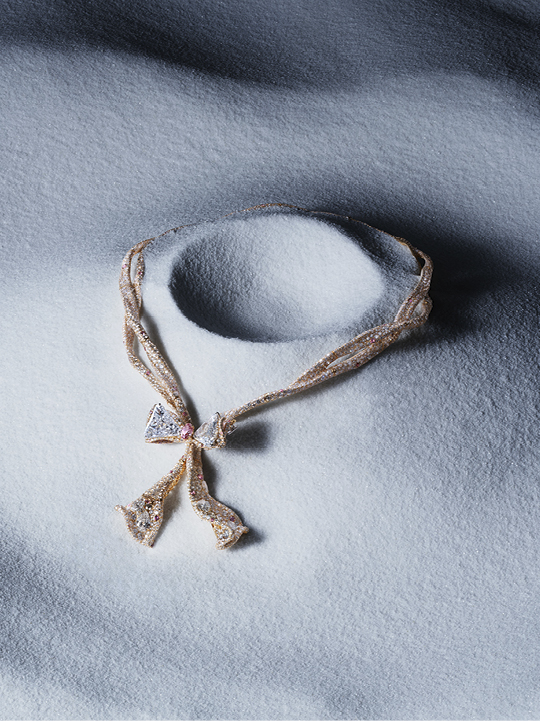
When preparing for a new creation, how do you enter a creative mindset? Do you have specific rituals or environments that help spark inspiration?
Wax sculpting feels a lot like meditation to me — it demands complete focus yet brings the joy of being in a state of flow. In those moments, creativity moves freely, taking shape in the wax as I work.
While I try to set a schedule and reserve time for wax sculpting, I never “force” myself into a creative state of mind. Inspirations, I believe, be an accumulation of one’s life experience – it could be everyday encounters with nature, strolling through a park, hiking a trail, or even noticing a single leaf.
I remember my Aquatic Collection was born from my very first snorkeling trip. The vibrant, colorful underwater world was an abundant source of inspiration, and I found myself captivated by its beauty. Coral branches, seashell curves…they became recurring motifs in the designs, and the collection has since become one of my signatures.
A scene or detail will spark an idea, and I start shaping it three-dimensionally in my mind. When that inspiration takes hold, I can’t wait to get to my wax table! If travel takes me too far or abroad, I would try my best to sketch out colors and thoughts in my notebook. But truly, the flow comes when I’m working on the wax – it is my sanctuary, and my favorite time in the past 20 years.
What does your current vision for the Cindy Chao brand look like—and how do you see it growing or evolving in the years to come?
We are twenty years young. There are many things we still need to learn, but I also think that CINDY CHAO has now reached a kind of “maturity.” The qualities I’ve always pursued (architectural, sculptural, and organic) are now deeply embedded in not only art jewellery creations but everything we do. It’s the result of twenty years of staying true to my artistic vision, and over time, that vision has become the brand’s signature.
Looking ahead, this will always be the foundation I build on. As an artist, my greatest wish is simply to keep creating and enjoying these moments. I always say to my team, “There is good, better, and the best.” Of course, in terms of being a company, the team is always growing, and there is still so much we can learn. Creatively and aesthetically, I only compete with myself, constantly pushing to go further, to be better than I was before. That evolution is something I want everything CINDY CHAO to reflect.
What would you like to achieve in the next 20 years of Cindy Chao The Art Jewel?
For the past 20 years, I have been charging forward without reservation. But I have always had a wish: to establish CINDY CHAO The Art Jewel as the first Asian jewellery brand to be recognized globally, akin to many esteemed Western jewellery maisons.
It takes time to build a shift in awareness, in point of view, and in culture, and it is even more difficult and time-consuming to sustain that shift. So, in the next 20 years, we will continue to lay a solid foundation for this.
Apart from creation, I also aim to continue sharing and transmitting jewellery craftsmanship. Last year, I was honored to be invited to teach wax sculpting at the Haute École de Joaillerie in Paris. Teaching the young talents was not only fulfilling but also inspiring for me. Through active collaboration with art institutions worldwide, I aspire to provide a platform for artistic growth and resources to aspiring art students, thereby nurturing emerging talents in the realm of high jewellery.
We’re seeing increasing interest in your work from the Middle East. How do you see your brand resonating with collectors and clients in this region?
Being at the epicentre of the world and so rich in culture, the Middle Eastern collectors have a truly international and cross-cultural taste in terms of aesthetics. They are also discerning and highly knowledgeable, with a keen eye for exceptional craftsmanship and creativity.
It was a pleasant surprise for me to learn how Middle Eastern collectors are actually bold and expressive with colors and forms – and this is where CINDY CHAO really resonates with the region. They deeply appreciate both the artistry and the rarity of our work and are so willing to take the time to understand the creative stories behind each piece. In recent years, we’ve built a growing base of collectors in the region, and we’re confident that this exploration will lead to even more wondrous journeys.
Can you share what’s next for the brand—any upcoming projects, exhibitions, or global expansions we should look forward to in 2025?
When we celebrated the brand’s 20th anniversary, our exhibitions and events were all about “looking back”—reflecting on two decades of continuous evolution. Now, looking ahead to the next 20 years, I’m working on a brand-new creative series that will be completely different from anything I’ve done before. I hope to launch it in the second half of the year and bring collectors something truly fresh and unexpected.
We visit the Middle Eastern market every two months, bringing our latest creations directly to collectors. Our goal is to continue cultivating this market, and maybe one day down the road, a CINDY CHAO Maison will leave a footprint in the region.
Hélène Poulit-Duquesne Boucheron’s CEO On How The House Became One Of The World’s Most Coveted Brands
At the heart of Place Vendôme, Boucheron continues to define what it means to be both timeless and daring.
Founded in 1858, the Maison has always been a pioneer, from its trailblazing founder Frédéric Boucheron to its current Creative Director Claire Choisne, whose Carte Blanche collections push the boundaries of high jewellery with conceptual brilliance and technical mastery. In this exclusive interview, CEO Hélène Poulit-Duquesne reflects on the brand’s enduring legacy and its commitment to innovation, as well as unveiling the poetic new 2025 high jewellery collection, Carte Blanche: Impermanence.
Following January’s “Untamed Nature” collection, which paid tribute to the Maison’s heritage, Impermanence is a deeply personal and philosophical exploration of nature’s fleeting beauty. Inspired by the Japanese art of ikebana and the aesthetics of wabi-sabi, the collection captures vanishing moments in precious form — from luminous compositions to fading silhouettes, echoing the life cycle of the natural world. With 28 pieces and over 18,000 hours of craftsmanship, it stands as a testament not only to Boucheron’s savoir-faire but to its ability to evoke emotion and provoke thought.
Here, Hélène Poulit-Duquesne shares her perspective on honoring the past while imagining the future — and why Impermanence may be the Maison’s most profound statement yet.
Congratulations on this year’s beautiful Carte Blanche collection – what can you tell us about this collection?
I must say that this year’s Carte Blanche High Jewellery collection, “Impermanence,” is the one that has moved me the most since I became CEO. For the first time at Boucheron, we are presenting not just High Jewellery, but true art objects – six botanical compositions that encapsulate 28 pieces, many of them multi-wear and transformable. “Impermanence” is Claire Choisne’s most personal tribute so far; it explores not only the beauty of nature, but also its fleeting quality, inviting us all to contemplate nature’s preciousness and our own role in protecting it.
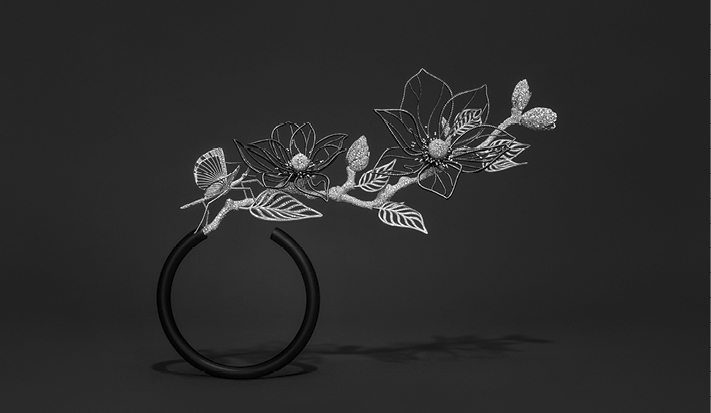
Claire was profoundly inspired by two Japanese influences: Ikebana, the art of giving life to flowers, and the philosophy of wabi-sabi, which finds beauty in imperfection and honors the passage of time. These influences run throughout the collection, which visually unfolds from white to black, evoking the gradual disappearance of light – an allegory for impermanence itself. Even the pieces’ names, counting down from Composition n°6 to Composition n°1, emphasize this sense of disappearance.
As with every Carte Blanche collection, “Impermanence” also represents innovation at all levels: in form, with art objects hiding multi-wear pieces; in technique, with ultra-high-resolution 3D-printing and a couture diamond setting invented especially for this collection; and in materials, from gold and precious stones to borosilicate glass, plant-based resin, titanium, ceramics, and even the exceptional Vantablack® – one of the darkest materials ever created, absorbing 99.965% of light. I am extremely proud of this poetic, innovative, and meaningful tribute to nature.
The innovation and craftsmanship in these pieces are truly exquisite – how do you balance this boundary-pushing spirit with the expectations of traditional jewellery connoisseurs?
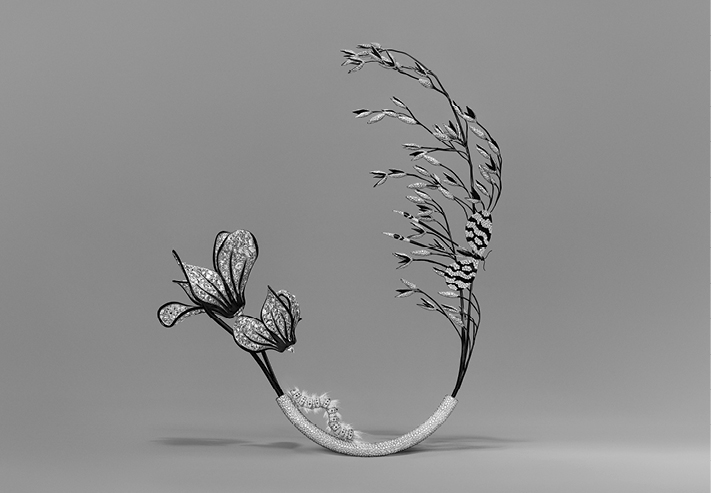
It’s an easy answer because, at Boucheron, innovation and heritage have always been intertwined. Innovation has been in our DNA since the very beginning in 1858. For me, if we want to respect the past, we have the duty to continue to innovate and to remain in tune with our time. Honoring our heritage does not mean looking backwards or replicating the past – it means bringing our archives and savoir-faire into the present through a contemporary lens. For example, in our Histoire de Style collections, Claire Choisne reinterprets themes and designs from our Maison’s archives, rather than simply replicating them. With our Carte Blanche collections, I give her total freedom to push the boundaries of High Jewellery, experimenting with unexpected materials and new ways of wearing jewellery while always remaining true to the spirit of Boucheron.
I have found that clients today fall into two main categories: some are drawn to the investment value, craftsmanship, and timelessness of our heritage pieces, while others are collectors looking for emotional and creative pieces that push boundaries. Both are equally important to us, and by presenting two distinct High Jewellery collections a year, we can speak to each audience – those who cherish classic craftsmanship and those who seek bold, innovative statements.
Ultimately, we believe the true value of High Jewellery lies not only in the preciousness of its materials, but in the dreams, emotion, and know-how that bring each piece to life. Our constant dialogue between tradition and innovation is what sets Boucheron apart and keeps our story relevant for generations to come.
The textures, the movement of these pieces are so close to nature – how important is it to you as a brand to have this authenticity in the pieces you create?
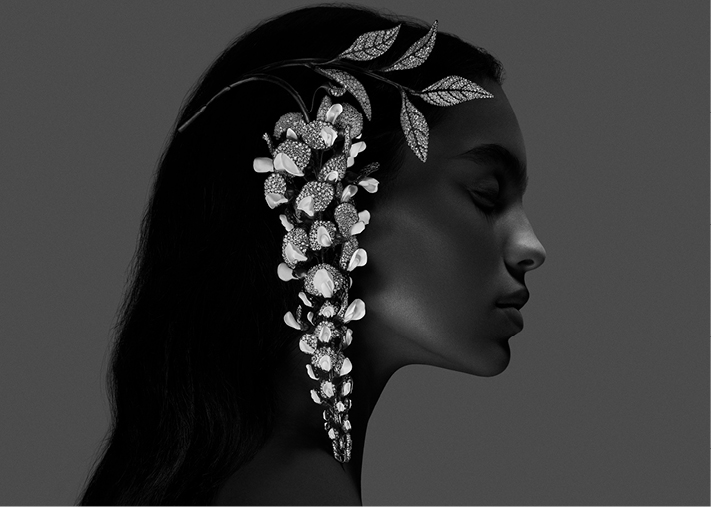
Authenticity is absolutely fundamental to Boucheron – it’s at the heart of everything we do, especially when it comes to our relationship with nature. Since the time of Frédéric Boucheron, our Maison has never sought to simply idealize nature. Instead, we have always celebrated it in its truest, most authentic state.
For us, capturing the textures, the movement, and even the imperfections found in nature is a way of paying tribute to its beauty and complexity. This quest for hyper-realism is possible only through faithful reproduction of details: for example, the leaf of the iris looks as if it’s glistening with morning dew, thanks to the delicate sparkle emitted by two lines of grain-set diamonds and two dewdrops of rock crystal. These meticulous touches bring the pieces to life and create a true emotional resonance with those who wear them.
To achieve this, we put all the savoir-faire and innovative techniques of High Jewellery at the service of realism. Staying true to nature and to ourselves is not just a creative choice, but a philosophy for the Maison. It’s about looking at the world with humility, seeing beauty in what is often overlooked, and offering our clients pieces that are both extraordinary and profoundly authentic.
Many of the pieces can be worn in different ways – why has it been important to incorporate this versatility into Boucheron’s designs in recent years?
At Boucheron, versatility is not just a feature – it is a philosophy that is deeply rooted in our DNA. Our approach is fundamentally people-centric rather than product-centric: we believe jewellery should adapt to the wearer, and not the other way around. This is why it has always been important for us to create multi-wear pieces that allow everyone the freedom to express their personality and mood in their own way. Both Claire Choisne and I pay particular attention to wearability and comfort; we even test all our prototypes ourselves to ensure that every piece not only looks beautiful but truly feels good to wear. We see versatility as a way to bring High Jewellery into everyday life, breaking with the notion that such precious objects should remain locked away in a safe. I remember one of our clients who wore a brooch as shoe jewellery – such creativity inspires us and perfectly embodies the Boucheron spirit.
As a CEO, how do you support this experimental approach, that your creative director has with this collection, and how do you work together?
The creative partnership between Claire Choisne and I is quite unique, as we are the only female CEO and Creative Director duo on Place Vendôme. Our collaboration is built on absolute trust and a shared vision to honor the pioneering spirit of Frédéric Boucheron by constantly pushing the boundaries of High Jewellery. As CEO, my role is to provide Claire with the freedom and the resources she needs to fully express her creativity, especially for the Carte Blanche collections. I believe that true innovation can only flourish when there is trust and empowerment, so I support her in taking bold risks and exploring new territories. Sometimes, I even encourage her to push her ideas even further! We are a genuinely complementary duo: I am a creative businessperson, and Claire is a business-minded creative. We work hand in hand on everything from product development to storytelling, and our dreams and ambitions for Boucheron are perfectly aligned: to create emotional High Jewellery, free from conventions, meant to be worn and enjoyed in everyday life, not kept locked away.
What are some of the highlights for you in this high jewellery collection?
It is truly impossible for me to choose just one highlight from this collection, as you really can’t understand the concept – nature’s disappearance – without seeing all the pieces together, with light gradually fading away across the ensemble. All of the pieces are incredibly innovative and creative in their own way, yet they come together as a very cohesive statement. I still have one highlight to mention; the caterpillar, with its bristle-like brush hairs, looks incredibly lifelike.
Working with these innovative materials is truly unique – as a brand, how do you decide on the right path in terms of your craftsmanship and the materials you want to move forward and experiment with?
Our approach to craftsmanship and materials is always guided by creativity and emotion, rather than by convention or the intrinsic value of what we use. Each collection starts with an idea – from there, Claire and her studio consider which materials and savoir-faire will best evoke the emotion we want to convey. It is never innovation for the sake of innovation, but about selecting whatever serves the creative vision and brings the dream to life. This is what has led us to experiment with unexpected materials over the years, such as aerogel, rattan, wood, pebbles, ceramics, titanium, Cofalit and even Vantablack. We are always challenging the notion of what is considered “precious” in High jewellery. Our craftsmen then work closely alongside Claire to push the boundaries of their savoir-faire and invent new techniques if necessary – sometimes even collaborating with experts from other fields. The most important thing for us is that the choice of material or technique serves to create a piece that is meaningful, innovative, and emotionally resonant.
This issue of a&e talks about legacy and icons – Boucheron holds a unique place as the first jeweller on Place Vendôme. How does that legacy shape the way you lead the brand today?
Boucheron’s legacy as the very first of the contemporary jewelers to open a boutique on Place Vendôme in 1893 is something I hold with immense pride and a great sense of responsibility. Frédéric Boucheron’s decision to move to Place Vendôme was visionary – he was a true pioneer, willing to break from tradition and light the way for others. That spirit of audacity, innovation, and excellence is at the very core of our Maison, and it shapes everything we do today. For me, honoring our legacy means two things. First, I have the duty to respect and protect the rich heritage that has made Boucheron what it is – our exceptional savoir-faire, our commitment to excellence, and our family spirit. But just as important, I also believe that respecting that legacy means continuing to push boundaries and be in tune with our time, just as Frédéric Boucheron did in his day.
For us, heritage and innovation are not opposing forces; in fact, I believe that to truly honor our past, we have the duty to keep moving forward and reinventing ourselves, just as Frédéric Boucheron did.
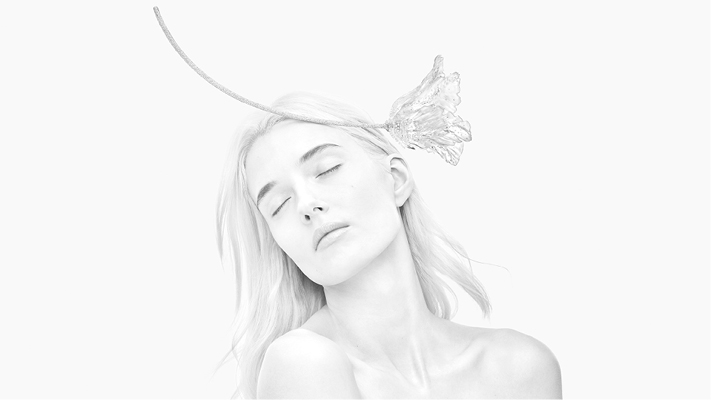
Boucheron has many incredible icons in its portfolio – what, for you, makes a piece of jewellery truly iconic?
Icons are fascinating to me, because there is no real recipe to forge them. You can’t create an icon: it’s the clients who decide. It’s impossible to predict if a new creation will become iconic until it is introduced. A truly iconic piece of jewelry manages to transcend time, boundaries, and trends. It resonates deeply with people because it expresses something universal while remaining utterly distinctive. The piece becomes a symbol, not just of the Maison, but of the wearer’s personality and story. Quatre is a perfect example of this at Boucheron. It started as a single ring and became a complete collection thanks to its bold, urban, and genderless design and its endless potential for reinvention. The design is strong enough to be instantly recognizable, but flexible enough to be continually reinterpreted in new materials, sizes, and wearability, without ever losing its essence.
What is the biggest challenge you face in your role today?
The biggest challenge I face in my role today is preserving Boucheron’s unique identity and culture as we continue to grow and expand globally. My responsibility has always been to do this while maintaining our ‘start-up spirit’ and agility, even as our Maison becomes more international. As we grow, it becomes even more crucial to ensure that our core values – empathy, kindness, authenticity, and collective intelligence – remain alive and shared with every new team member around the world. Another major challenge is ensuring we have “the right people at the right place,” because, as I’ve learned, you simply can’t do everything yourself. Delegation and empowerment are essential as the company scales.
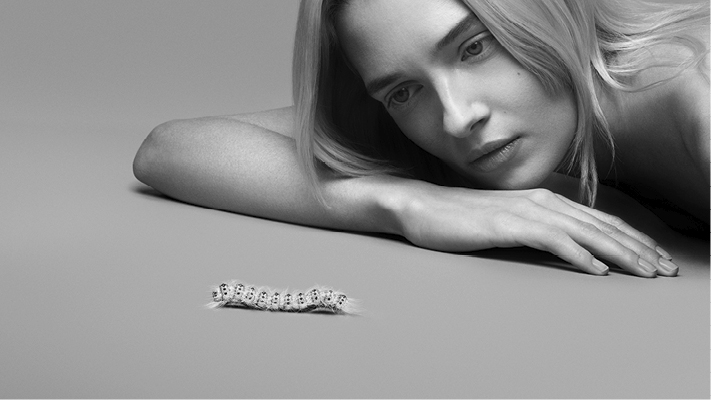
As you continue to lead the Maison’s success, what is the vision for the brand?
For Boucheron, my vision is crystal clear: to respect Frédéric Boucheron’s original vision and legacy, while continuing to push the boundaries of creativity and innovation. Boucheron must remain the most stylish and cutting-edge French High Jewellery Maison – this is both our heritage and our mission. I want Boucheron to “light the way” for our industry, continually inspiring people with authentic emotion, bold creativity, and a deep respect for our craft and our legacy. That is my vision for the Maison, not just for today, but for the next decades to come.
What is something you would still like to achieve?
As I look to the future, my ambition is to continue building on what we have achieved at Boucheron over the past decade, while always remaining true to our DNA. My goal is to keep telling the same story, defending the same strategy, and positioning, and to share our unique vision with new audiences and in new markets. I would like to deepen our presence internationally, especially in the United States, following our strong development in Asia. Another aspiration is to further place sustainability at the heart of our Maison. Ultimately, what I would most like to achieve is for more people to feel not just like clients, but truly part of the Boucheron universe – a community where authenticity, creativity, and emotional connection are at the center of everything we do.
What else is in the pipeline for Boucheron this year?
Looking towards the end of the year, we still have many exciting projects in the pipeline. We will soon unveil new jewellery creations that pay homage to a beloved archival design. We are also accelerating our international expansion: we will open our very first flagship boutique in China, in Shanghai’s iconic Xintiandi district, this November. This boutique will be a true intercultural bridge between France and China, and a statement of our long-term commitment to the region. We will also be showcasing our Impermanence collection around the world, building on the success of the launch in Paris. All these initiatives are part of our mission to keep Boucheron at the forefront of creativity, style, and emotion – both in Place Vendôme and everywhere around the globe.
How Daniel Roseberry Has Brought Schiaparelli’s Legacy To New Heights
Since taking the helm of the storied maison in 2019, Roseberry has redefined Schiaparelli for a new era—bringing surrealism, bold sculptural forms, and unapologetic glamour back to the forefront of haute couture.
His visionary approach has captivated both critics and celebrities alike, carving out a distinctive, theatrical voice within the world of fashion. Speaking just days after the Fall/Winter 2025 Haute Couture show, Roseberry opened up about the inspirations behind the collection, the legacy of Elsa Schiaparelli, and his ever-evolving creative journey at the house.
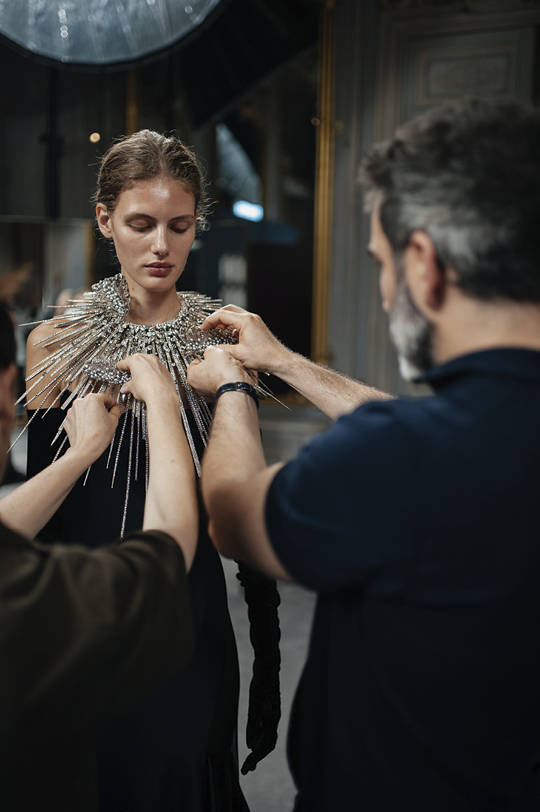
Of course, you are trying to maintain the legacy of Elsa Schiparelli, but also put your touch on the collections – how challenging is it to keep the fine line between conserving her spirit but adding a bit of you?
The incorporation of Elsa to me, feels to me extremely effortless. Not to make it sound not complicated, but because I feel so connected and so close to her ethos, it feels like a natural alignment, between the things I feel are urgent to say with the house, and the things that she did.
Do you think there was anything Elsa hasn’t said that she would have wanted to say that you are trying to continue with in this legacy?
What’s so fascinating for me and so important about the legacy of Elsa, as a woman, as a designer, as a creative at that time – was not that she talked about surrealism or that she challenged codes or that she was a disruptive person – those are all relevant of course – but what is important for me is that she challenged the medium of fashion in itself. She was the first person who said “maybe a dress is not just a dress. Maybe it can be in conversation with art.” And so, she looked at blurring the lines between fashion and art and no one had ever done that. That’s what’s so profound about the legacy of Schiaparelli; that before Schiaparelli, fashion was just fashion. It was ornamentation, it was ceremony, but it was never really fine art or in dialogue with fine art. I think that legacy is so critical in understanding why this reinvention of Schiaparelli works because the codes of the house are not linked to Elsa as a person or a silhouette or a colour combination, it’s a movement and a concept. I always think about what Salvador Dali said: “No one knows how to say Schiaparelli but everyone knows what it means.” I think that’s a really powerful part of the DNA.
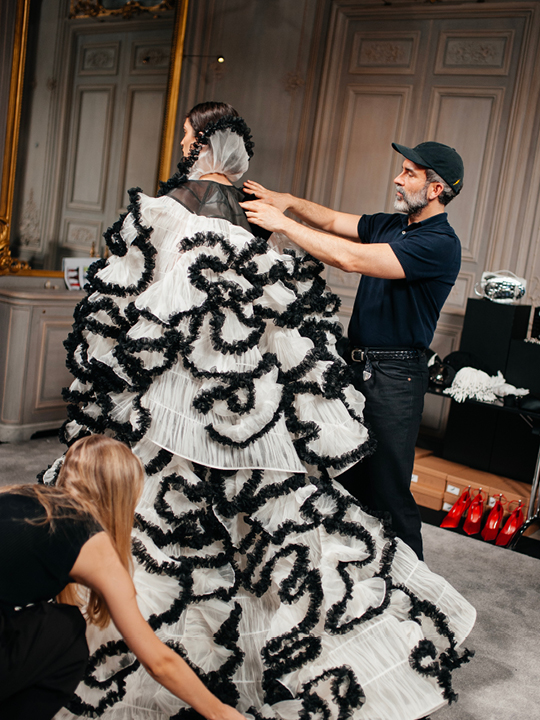
Speaking of art; who do you feel like you are fascinated by now in the art world?
I think people and specifically women who are creating the culture in which we live, and that can be artists but it’s often celebrities, people who are wielding their influence in order to create culture feels really inspiring for me. When I started at Schiparelli, a lot of people asked me when I was going to start collaborating with artists, And for me, I always feel like I was creating with the artistry of the house and with Elsa in a way, which felt much more urgent than another design collaboration.
How did your upbringing influence what you do today and what are some of the things that either grounded you or helped you shape the way you’re working?
I think that growing up in a religious household provided structure and a sense fo being grounded for sure. But I was always surrounded by art. And by women. Both of my grandmothers, my mum, my sister, were and are so cool. I always think of the phrase “the triumph of the imaginations”, because I think it’s really a testament to the fact that it doesn’t matter where you’re from or what environment you grew up in. I was nourished creatively for sure, but the daydreaming, the imagination – this was more powerful than any limit or access that I could have had. I am the opposite of a nepo baby – I was born so far away from this world, but I always think about how imagination is key – more than big budgets, more than 300 stores globally, being able to execute a creative vision and imagine something that will move people and be sensitive to that, I think is so important.
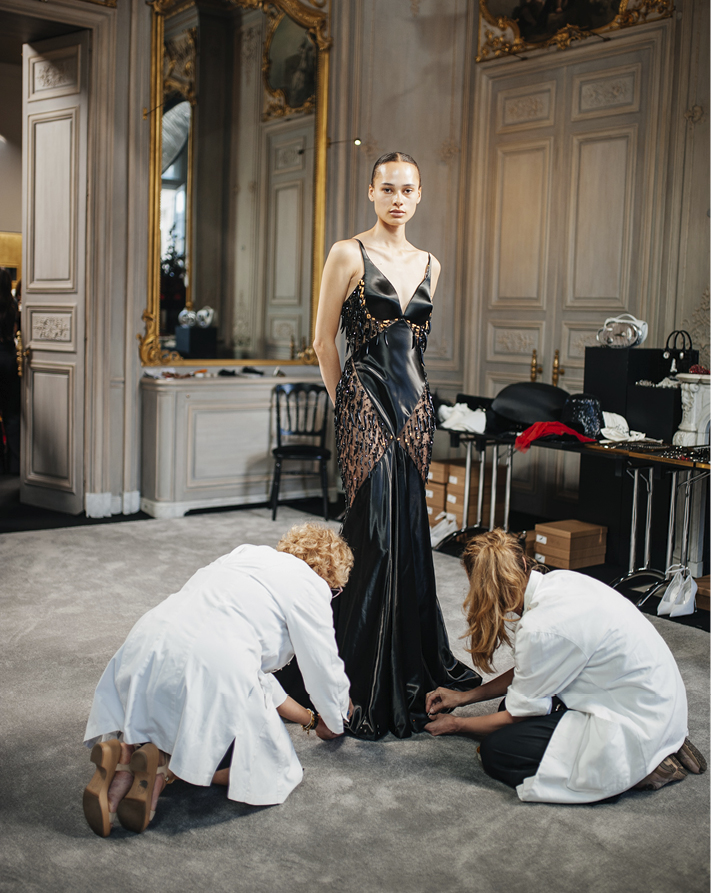
Everyone’s eyes are on you and what you’re doing today, and people are awaiting Schiaparelli as a show – it’s become a storytelling platform beyond just fashion – how much is this stressful to you as a person? The expectations are higher and higher – how do you live up to that?
I read a quote recently by Yves Saint Laurent talking about the burden of the creative process. And he was doing four collections a year as well, at the peak of his powers. It was so reliving for me to hear another creative director talk about the agony of the creative process. Now I feel that if I’m in love with it, if I feel like it is satisfying what I want to see, I know it’s going to click with our audience, but to get to that point where I’m satisfied, that is agonizing – just ask my team! In the days in the lead up to the show, normally I know we have it perfected, but before that, it can be difficult. I was recently talking to a friend of mine whose producing a show for a big brand, and she was telling me about the process as I wanted to know. She said it’s boardrooms full of thousands of samples, hundreds of jeans, hundreds of coats, that all get styled together, but it’s the opposite of what we do – what we do is 30 little marriages of silhouettes and embellishment and fabric and everything, and they all have to be extraordinary, so yes, it is a lot of pressure but I also love the pressure. I love it, I need it, I want more!
The Fall/Winter haute couture collection “Back to the Future” was presented yesterday, tell us about the theme and how the collection and the idea came to life.
The trigger was the photography of Parisian fashion photography in the late 1930s and the timelessness of these images. They felt to me, both haunting and of the past, but also that you could look at them in 200 years and they would still look timeless and so in that sense they also felt futuristic. So I starting thinking about how it’s not just about being modern, it’s about future, but also the archives and the past. And I think having this sort of glamour at the peak of global uncertainty, felt really timely. It’s less about where we are today as a society, but more about what is it that you want to see and what you want to wear and feel and I think it’s something that feels truly precious. What feels precious anymore? And can we make fashion that? And can this house be a house that still feels like a jewel. I remember when I started, Diego Della Valle told me that Schiaparelli was the last dream of fashion. It was the sleeping beauty and he was 100 per cent right.
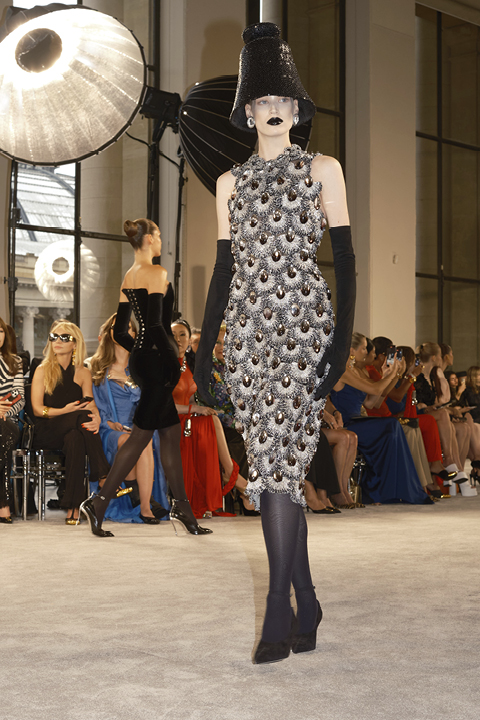
Every piece that you create has a part of you within it – what has been the most challenging collection or piece that you’ve worked on and what was a lesson you took from that process?
When I was growing up my mum taught me how to draw, and then when I was around 12 or 13, I would draw art commissions for doctors’ offices and things like that for kids. I would have an image of something, and I would try to recreate it. Sometimes I would get so frustrated that it didn’t look like the original photo and my mum would sit behind me and we would work through it layer by layer, starting over and over. More than teaching me how to draw – because I think that’s something you innately have or you don’t – she was teaching me how to work through the agony of the creative process. That is something that reflects today when I’m fitting a collection, or going through the design process and I’m in a room full of people who love what they’re seeing, but if I don’t love it, or it’s not enough for me, I have to have the conviction to say, “this is not it, we’re not there yet”. Each collection is really a grind. Each one is difficult for different reasons, this one was in particular extremely difficult to create. The ability to work through it with my team and to keep going is actually my favourite part of the job but also the hardest part of the job.
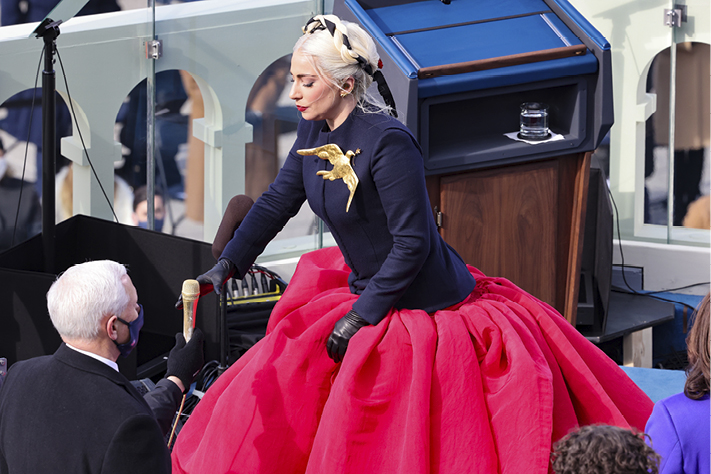
Do you think you reach a part of maturity and self-confidence to say “not there” – it comes with time right?
I think so. I think the more you put work out into the world, and you see the way people react and what they respond to, you’re absorbing that all the time. And this was the twelfth couture collection.
Let me take you back to when you first joined the brand and the first show, where you were sitting on the stage drawing. Now, twelve collections later, is there anything that you would have done differently?
I think I can honestly say no. Sometimes I wish I had been more focused at the beginning, but I also feel like it was important to be more exploratory at that point. Trying things out and be free to make mistakes. And I’ve made them.
How do you deal with mistakes?
Mistakes are hard. But again, the more you put the work in, the less satisfied you are with it. And as I said to my team, everything is so beautiful and none of it is enough. The minute you finish the show, you should be taking the victory lap, but instead, I feel like you’re at the foot of the next mountain, and that’s why I think the agony and the ecstasy of the process are so closely linked.
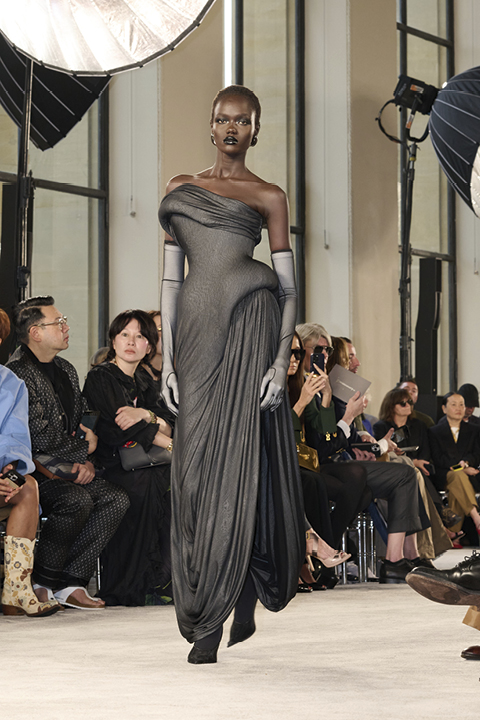
If Elsa came into your space today and saw what you are doing, what do you think her reaction would be?
You know what’s funny? People often ask me about Elsa – I’ve never read her biography, I have not really been a student of her as a person. That could change tomorrow, but I think from a work and creative perspective, I would find things that felt…the thing is, if she walked into the room and it was a re-do of what she had done, I think she would be extremely disappointed. I think she’d be disappointed that her house didn’t stop exploring after she closed it. I would hope that she would be proud. At the end of my first show, Tim Blanks said in his review “it wasn’t perfect, but it was brave,” – and I think that boldness is innately Schiaparelli.
How would you like people to look at you and what you’ve achieved? How would you like to be remembered?
The first thing I think of is students. I would want students to maybe say that they got into fashion because they were inspired by Schiaparelli. That’s how I feel. I feel like I got sucked into fashion because I couldn’t unsee McQueen, Galliano – these collections blew my mind and gave me permission to think that maybe one day I could participate. I always feel that if you have the students with you, liking what you do, then you’re doing something right because they are the toughest to convince.
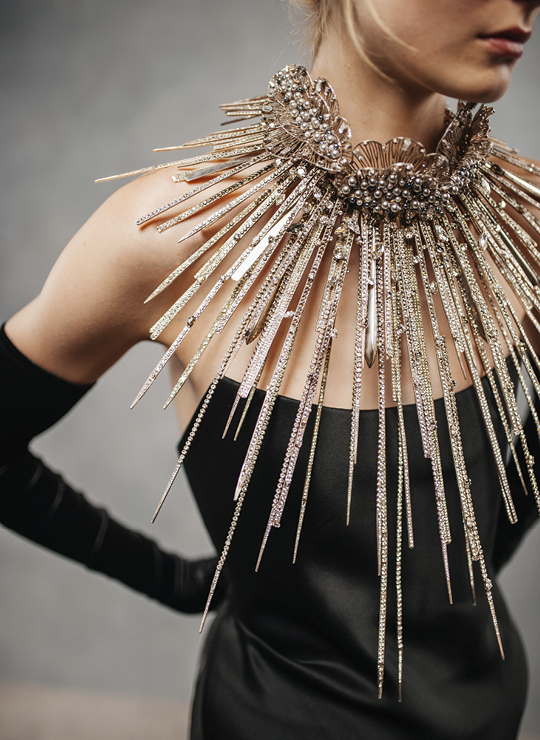
What is your advice to young talented creatives?
I asked a dear friend of mine who is a writer what the key to her success was and she told me; “I wasn’t the smartest, I wasn’t the most brilliant in my class, but I always finished my work.” She said the creative process is often about finishing and it’s hard. What I can say is that your work ethic and your attitude will be as valuable as your creative contribution. If I have people on my team who are smart and creative but have a terrible attitude, I don’t want to be around them. And I think I’ve always had a really great attitude as a worker and I’ve loved my training; I loved being mentored by someone. I think a lot of students think they must have all the answers right out of school but it’s a journey.
What can you share with us about Daniel as a person?
It’s funny, when I first started this role, I thought I was going to be really out there but that is not my character. I think my work life and my work self is where I feel most free. My creative self is my most free self. I don’t lose sleep over the creative part of it, it’s more all the other aspects – I’m still searching for alignment in many ways in other areas of my life. So I think that’s why I’m probably quite private. My public offering to this industry, is sort of everything except my personal self – it’s my time, it’s my inspirations – but at the end of the day, if you give it all, you’ve got nothing left for yourself and those you love.
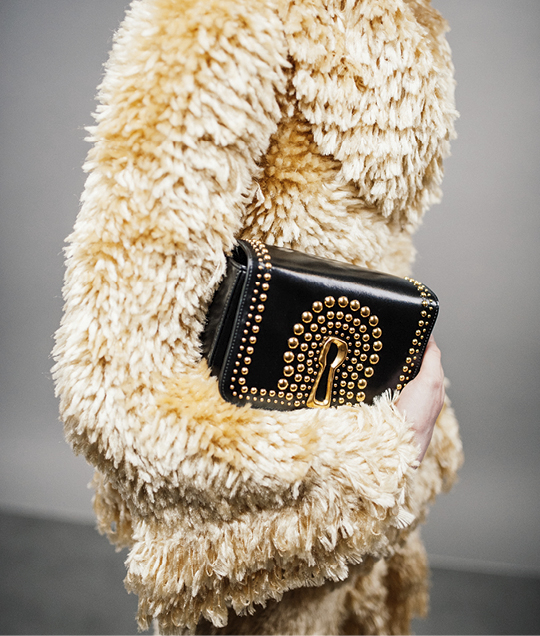
What is something you would still love to do that you haven’t done yet?
I would love to live in nature – I will do this at some point in my life I’m sure. At the moment, I have so little access to nature and it’s so important for me. I would also love to create art that is not fashion centric. I know I have that in me – I don’t know if it would be furniture, lighting, painting, drawing – but I’d love to have an exhibition one day of some kind.
At Schiaparelli, there is this fine line between couture and ready-to-wear – how do you make sure you differentiate the two and find a balance?
It’s funny because people say; “your ready-to-wear looks like couture”, and it’s also sad because what they’re used to seeing, is luxury ready-to-wear collections that look like Zara. And so, their eyes have n are adjusted to that. The ready-to-wear and the couture are actually really different in the process and the making – I think there needs to be a sense of ease, and I love clothes that are not too precious in my daily life. I find with some of the ready-to-wear pieces that are starting to be more compelling, are denim pieces, things that are a little rough and ready which I like – that’s the flip side of the Schiaparelli coin. Of course, we have the gowns, but we also have incredible knitwear and denim that fills a space.
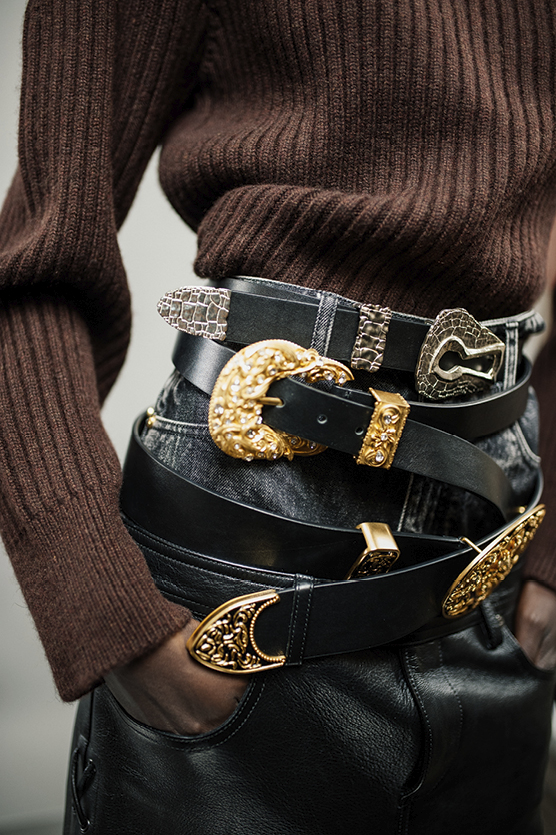
Would you ever consider being a mentor for students?
Yes – I would love to rewrite a curriculum for FIT or something like that one day – every time I’ve visited a university and spoken to the students I love it. It’s something I’m good at and would love to explore.
You have a lot of Middle Eastern clients – when you are designing you don’t have a specific woman in mind, but what in your opinion makes something timeless and relevant globally? What are the main codes you always make sure are in your designs?
I love playing with archetypes – so whether it’s a trench coat, a jean, or a gown that is an archetype shape – I love playing with things that we already have an emotional connection to, and then repackaging them so that you feel like you’re seeing them for the first time, but at the same time, it feels like an old friend. There’s an element of familiarity, and an element of revelation that I’m always trying to touch on. Like with Lady Gaga and the Dove – the Dove is a timeless symbol but seeing it in a different context makes it feel new. The lungs – we all have them – but seeing them cast in gold; it’s a revelation. The anatomy is the one thing we all know and have, and I love seeing the emotional response that people have when they see these symbols or motifs of things they know well, cast in gold and presented in a new way. I think it’s this tension between the familiar and the revelation.
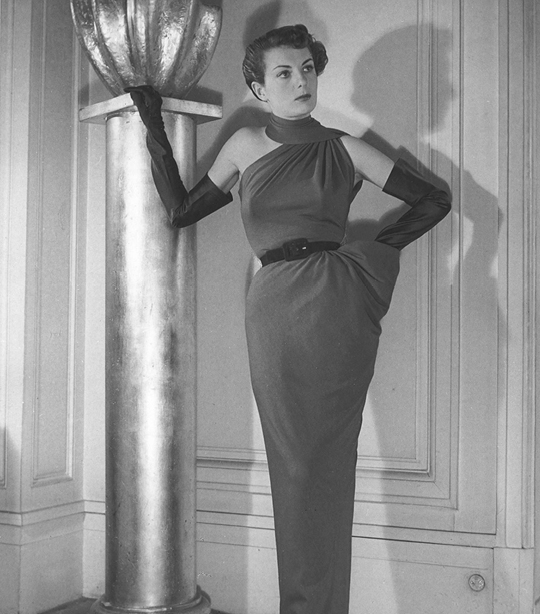
If there is one piece that you have designed that you would have in your closet what would it be?
I would say the snow leopard dress from the Wild Cat collection. I really loved that piece. It was shocking, it was a taboo – we had done nothing wrong, they were made by a vegan artist, and there was a ferocity to that moment, and it became part of the Schiaparelli legend in a way. I really love that piece.
Celebrating an Icon: 50 Years of Giorgio Armani
As his eponymous brand reaches major milestones, Giorgio Armani looks back at an incredible career
Today, Giorgio Armani stands as one of the most enduring and influential figures in fashion; a designer whose name has become shorthand for timeless elegance. Over nearly five decades, he has transformed the way the world dresses, from the softly structured suits that redefined power dressing in the 1980s to the ethereal gowns that continue to dominate red carpets today. As his Maison celebrates 20 years of couture and his global lifestyle empire spans fashion, interiors, hospitality, and beauty, Armani remains as engaged as ever in shaping its future. In this rare conversation, he reflects on the milestones that built his legacy, the principles that have guided him, and the vision he holds for the next chapter of the Armani universe.
This year marks five decades of your extraordinary career in fashion and 20 years of Armani Prive, what does reaching this milestone mean to you?
Milestones, for me, are always a way to look ahead, to keep creating and imagining and to reflect on what I have achieved to do even better. Over my fifty-year career, I have designed an all-encompassing Armani lifestyle that reflects my creative vision, one that goes beyond fashion and, above all, resonates with people. I’m not a fan of self-congratulation, but I must admit that I’m proud to have reached such important achievements.
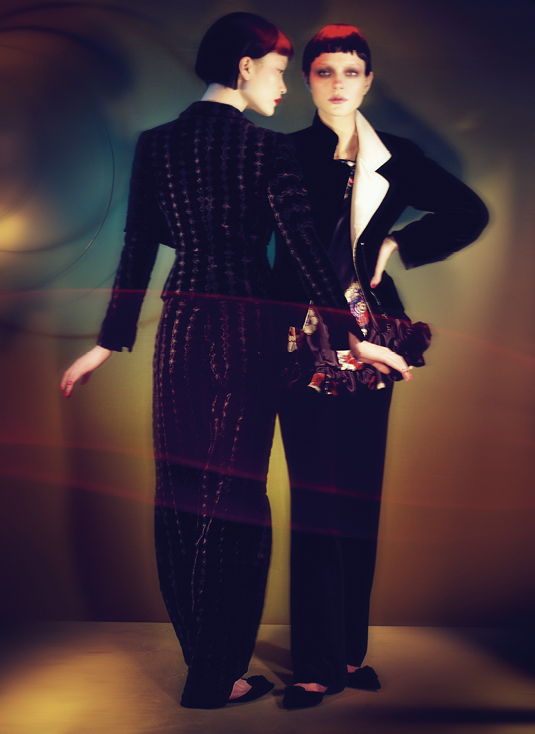
From your first couture collection to your most recent, how has your approach to haute couture evolved while staying true to your design philosophy?
While the principles of couture – exclusivity, craftsmanship and artistry – remain unchanged, the way in which it is approached is evolving with the times. Today’s couture must take into account sustainability, fabric innovation and a clientele that is more diverse and more global than ever before. Armani couture embraces these changes while remaining true to its DNA: impeccable tailoring, refined materials and a focus on timeless elegance rather than fleeting statements.
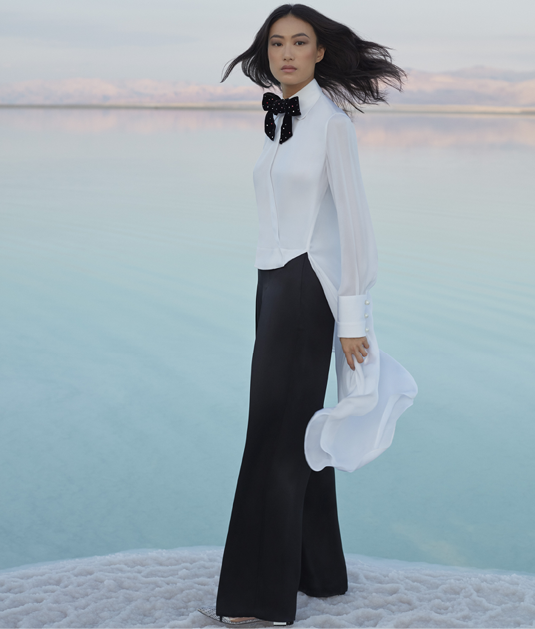
What do you think women are looking for from Haute Couture today?
For me, couture is a collection based on reality, just as prêt-á-porter. It is designed for women who have special needs, a real clientele of undeniable privilege who have occasions and commitments that demand a certain dress code, exclusive moments where couture can be worn. But after all, the woman who wears couture is just a woman, like all others, who wants to look wonderful in the clothes she chooses to wear.
How would you sum up the universe of Giorgio Armani today?
My initial goal was to dress people, but from there I moved naturally into other areas, because I wanted to offer those entering the Armani world a unique experience.
I have, in fact, created a lifestyle that I would define as a world of natural sophistication, in which nothing is over the top but everything finds a balance that, while whispered, is rich in personality. Like clothes, physical spaces can reveal a lot about a person’s character.
Looking back, what are you most proud of since launching your brand?
Having created a style that everybody immediately identifies with makes me feel accomplished and proud. The fact that my work had such a strong and tangible impact on people’s daily lives is a major achievement and a great incentive to carry on. But I’m not one to rest on my laurels; I always look ahead and still enjoy challenges, and fashion provides plenty of challenges to take on.
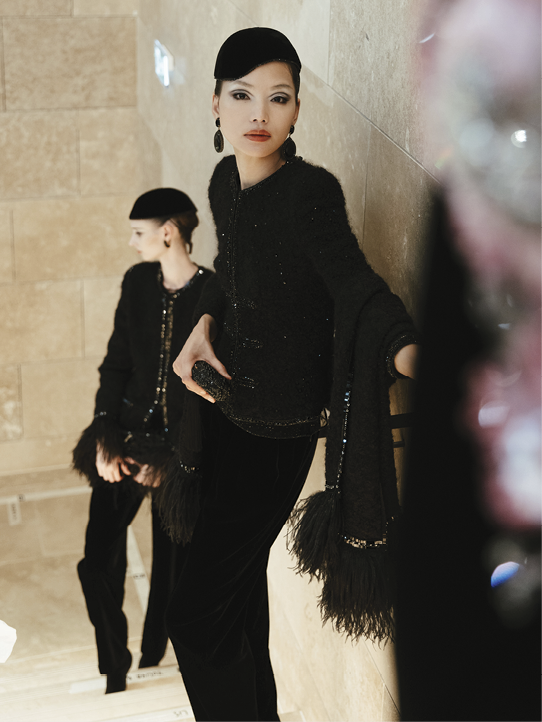
Is there a moment or collection from the past 50 years that feels especially defining for you?
Undoubtedly, the first positive feedback I received when I started was the moment, I realised that I had made a solid contribution to liberating men and women from rigidity in the way they dress, offering clothes with simple, natural elegance, and achieving my vision. The 1970s hold a special place in my heart as that was when I laid the foundations for what I’ve built over the past fifty years, which have been for me a magical, unique moment. Then, there were various awards that confirmed that my job was always going in the right direction.
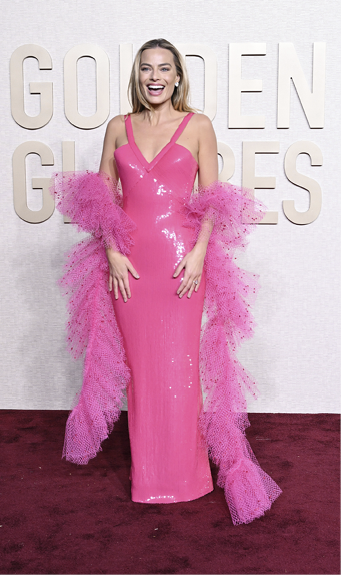
Today, many brands come and go – what do you believe is the true recipe to success and longevity?
I believe my work has endured because it fundamentally stems from a very precise aesthetic that I developed at the start of my career. Despite working in fashion, I chose not to align with passing trends, but rather to create my own idea of timeless classics that blended male and female and could accompany bodies and roles as society changed. This has translated into an aesthetic that has captured the collective imagination on multiple levels, as diversification has always been a fundamental aspect of my work.
How do you ensure that your legacy continues across generations?
I would like my legacy to be one of style, but also of the relationship between the creator and their clients. For me, the person always comes first and is always the most important. My entire style has been created to give men and women the tools to best express their personality, without confining it in uncomfortable or excessive garments. My wish is that in the future, my pure aesthetic and the idea of designing clothes that complement the person will always be maintained with consistency, while considering changes in society.
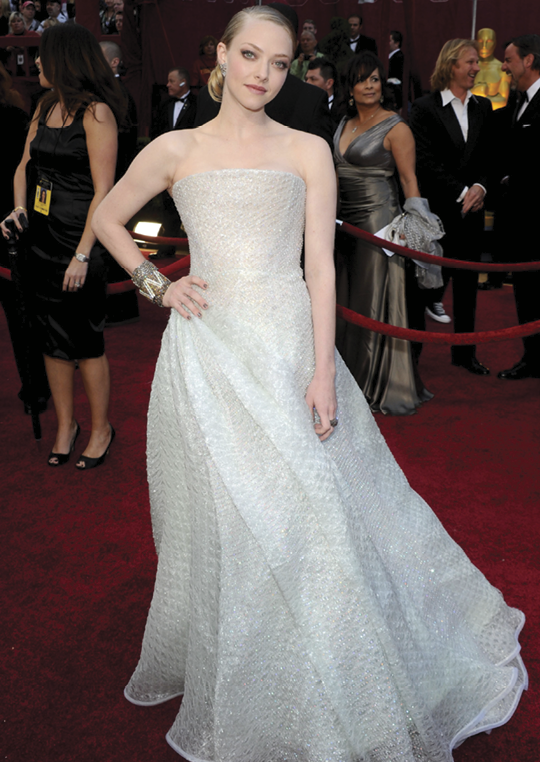
What advice would you give to the next generation of designers hoping to build something with lasting impact?
My advice is always the same: work, work, work. Be serious and committed. Today, there’s a tendency to believe that success should arrive instantly, thanks to a single intuition. But that kind of success is often fleeting and can disappear just as quickly. Only dedication and hard work can build something that lasts. You need to have the idea, then develop it, expand it, and refine it. It’s essential to believe in yourself, but also to stay connected to what’s happening in the world. Be tenacious. Be consistent.
What’s a message you would send to your younger self?
I am often asked what I would do if I could go back to 1975 with today’s wisdom and give advice to that 40-year-old Armani. It is an interesting question, but also a purely intellectual exercise. Everything I have done in these fifty years has helped me get where I am and become who I am. So what I would say to him is to follow that same path and perhaps try to enjoy life a little more.
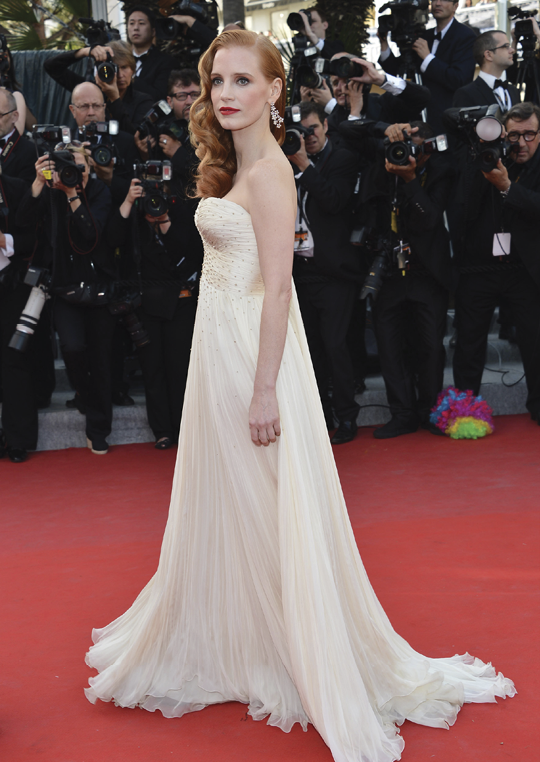
What still excites you most about designing after all these years?
What keeps me motivated and inspired is curiosity– curiosity about how to do things better, how to explore new ideas, how to challenge myself. But what still drives me the most is the fact that working makes me feel alive and engaged. It is a passion that comes from within and is hard to explain in words, but it is my life force.
What is the life lesson you always carry with you?
The greatest life lessons I can think of are to believe in yourself; don’t be swayed by the opinions of others; do something career-wise that you love to do; and one from my mother: ‘If you wish to create beauty, only do what is necessary, and no more.’
Rolls-Royce CEO Chris Brownridge Talks Exclusively About the Iconic Motor Car Brand
Few names in the world of luxury carry the weight and prestige of Rolls-Royce.
More than just an automotive marque, it represents the pinnacle of craftsmanship, bespoke elegance, and a legacy of excellence that has defined the brand for over a century. Now, under the leadership of CEO Chris Brownridge, Rolls-Royce continues to push boundaries, evolving with the demands of an ultra-discerning clientele while remaining steadfast in its commitment to unparalleled luxury.
Today, the brand’s approach to cultivating deep and lasting relationships with its clientele — many of whom expect not just a vehicle but a personal statement of refinement and individuality – is crucial to its existence. More than just buying a product, Rolls-Royce clients are buying into an exclusive family, where their every need can be met. In the Middle East, the future for Rolls-Royce is bright. From bespoke commissions tailored to the tastes of Gulf connoisseurs to the brand’s latest innovations, the brand continues to grow and goes above and beyond to impress its customers. As Rolls-Royce continues to redefine automotive luxury, we talk exclusively to CEO Chris Brownridge. After joining the brand in 2023, he has been tasked with continuing the success of the car manufacturer and expanding its opportunities and capabilities even further. In his first interview given to the region, we discuss what truly sets Rolls-Royce apart and the exciting potential of this luxury brand.
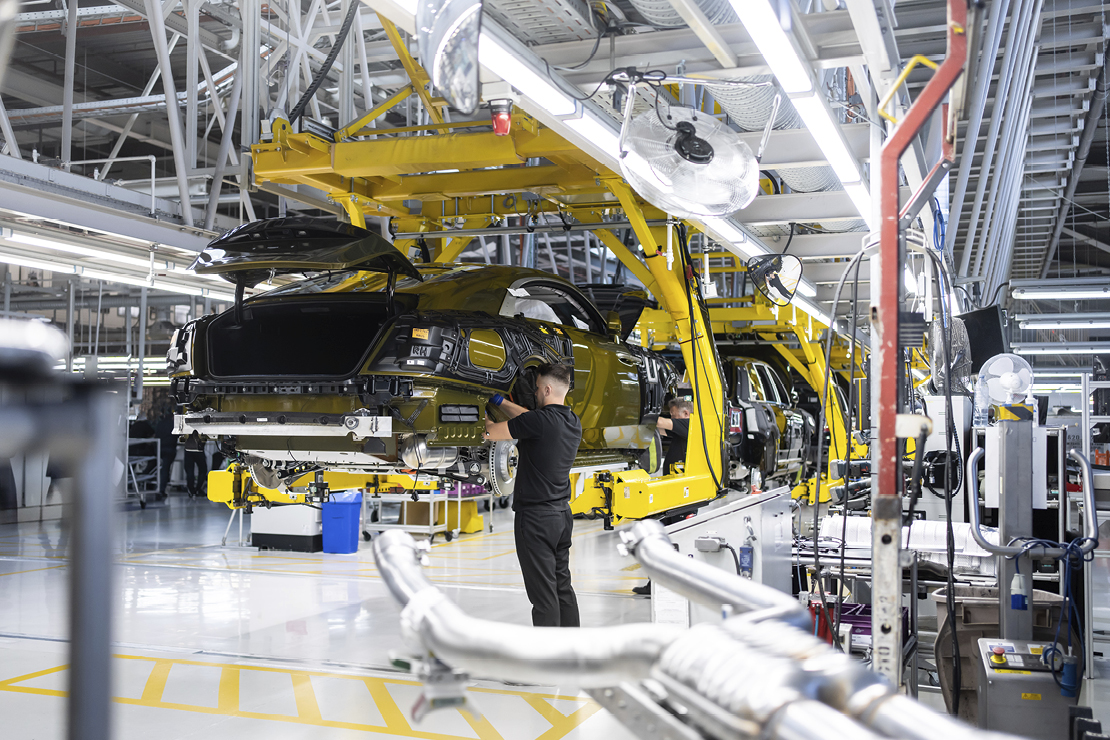
You joined the company in December 2023 – what is the vision and direction you have for Rolls-Royce moving forward?
Rolls-Royce is a true luxury house. It’s not just what we make but how we make it. The product is not just the motor car itself but also the experiences that we bring to our clients. What I see is a very successful business with a very exciting future. It’s in a great place today, and our biggest opportunity is to continue to create more value for our clients by meeting with them and delivering wonderful experiences for them, showing them what really goes into creating their masterpiece. Seeing the craftsmanship and artistry that goes into making every Rolls-Royce and the possibilities of what your Rolls-Royce could be elevates the experience to an unrivaled level. It’s about the whole journey and the co-creation of a motor car that makes Rolls-Royce stand out.
What I want to do is to bring that story to life and bring more of our clients closer to the company’s beating heart. Whether by them coming here, to the manufacture, or looking at how we work with the private offices that we have around the world. I think that is our biggest opportunity.
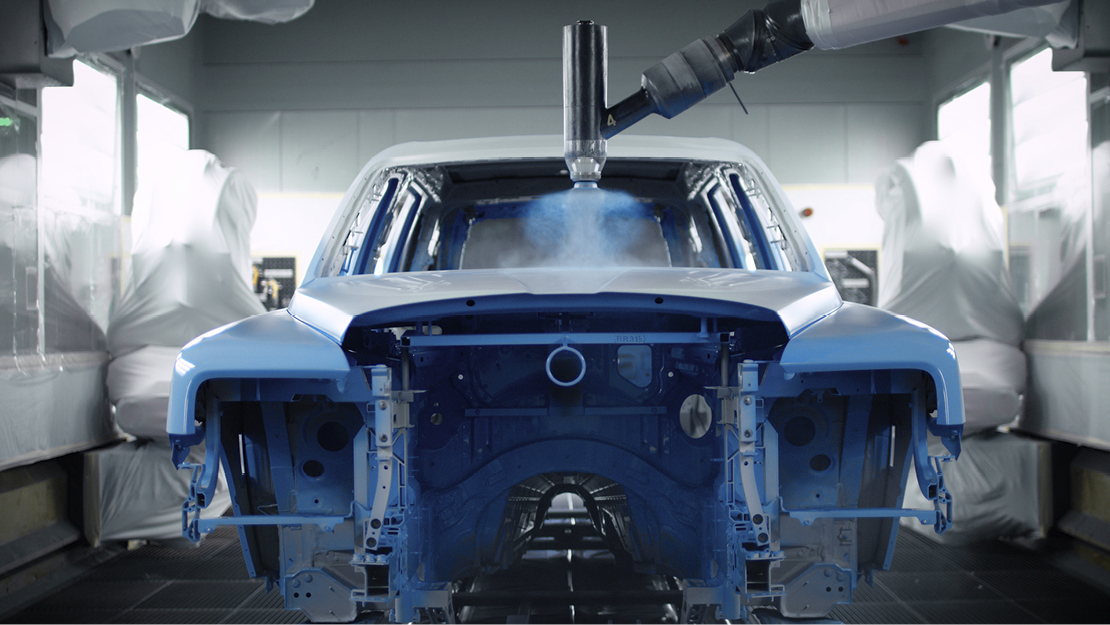
“Client” and “Experience” are two words we hear a lot at Rolls-Royce. How do you remain close to your clients?
Rolls-Royce stands out because of the special relation that we have with our clients. Every client that I’ve met since the first event that I attended, has told me in an unprovoked way, that they value the closeness to the business. I talk to our clients every day – on the phone, in person or through our digital platform “Whispers”; and that is very valuable to me because it helps me understand what they like, it helps me be better informed about what they see as the true definition of luxury, and it helps us make sure that we’re performing to the highest level. You’ll see the words “strive for perfection” written on our walls, and that means that you never get to perfection, but every day you push harder, and that’s what we do here. It’s something that you see in every part of our business. When our clients come here and see their Rolls-Royce being made, they value that, but they also like meeting the people that do it. And I think it’s those people-centric stories that increase value for our clients. Being close to them is very important, through the headquarters, our dealer partnerships and our private offices. What’s important is that we have a seamless relationship with our clients. We’re here to serve them and deliver a true luxury experience. The product is not just a car; it’s the whole Rolls-Royce experience.
When you’re a brand with such a legitimate history, how do you balance between guarding that heritage and being relevant for today’s consumer?
Rolls-Royce has 120 years of heritage, which is quite remarkable. In fact, this year we celebrate 100 years of Phantom. But it is a huge responsibility that everyone in this business carries because they are representing and being the faces of one of the most famous brands in the world.
How do we get that balance right? Well, first of all, we are informed by our past and the values of the past, and we interpret them for the future. And so, of course, that’s not about creating the same object over and over again; it’s about interpreting and projecting the brand into the future. And you can see how Rolls-Royce has evolved. 20 or 30 years ago, it was very different from how it is today. If you look at what we’re producing in the production line, each one is clearly a Rolls-Royce. So, there is a very clear DNA in terms of the product offer, but also the client experience. The other aspect of that is that we understand our clients. We interact with them directly, we listen to them, and we understand what they value in all the regions where we are present. This helps our creative teams here customize our design of the future.
We hear many luxury houses referring to themselves as “the Rolls-Royce of…” What does this mean to you?
Because of the remarkable heritage of Rolls-Royce, the brand name is also an adjective. In the Oxford English dictionary, it actually means “the very finest of”. That goes to show how strong the brand’s reputation is in every corner of the world. That sets an expectation because when a client is engaging with Rolls-Royce, their expectations are of the very highest standard, which is why we’re very informed by the goal of striving for perfection in everything we do. We are constantly pushing ourselves and asking how we can make everything more extraordinary for our clients. That’s not just about the experience but also about the car itself.
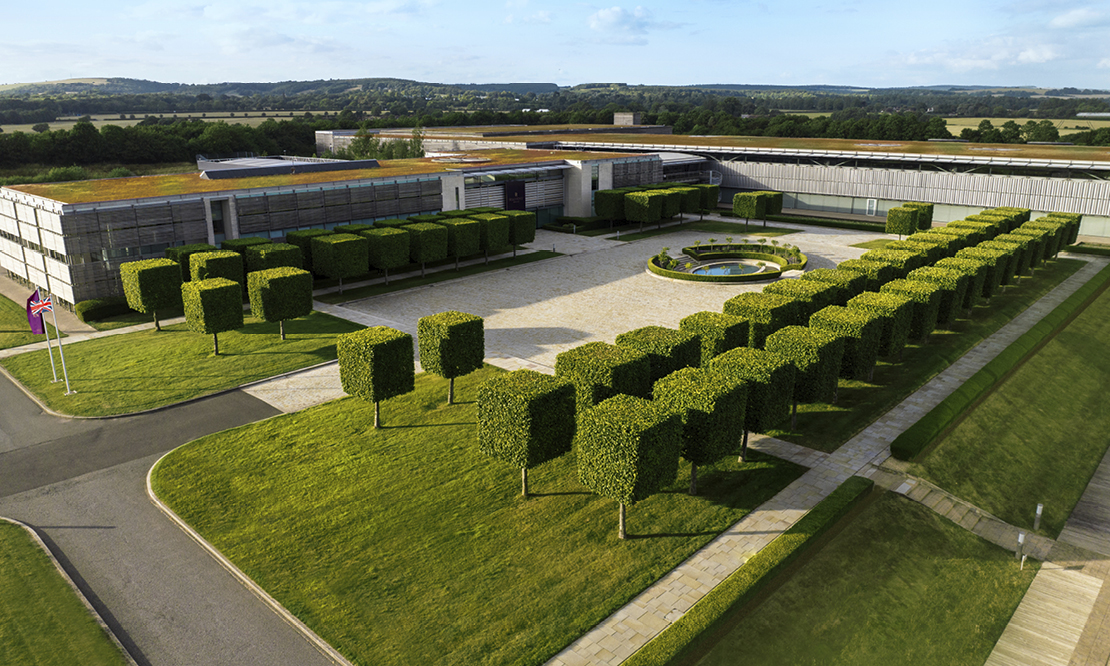
Tell us more about the private offices and how customers experience the journey through these.
When you visit one of our partners and sit at the atelier of their dealership, they have these beautiful environments where they can offer extraordinary client experiences to configure your Rolls-Royce. You already have the option of choosing from more than 44,000 different colors. So, the opportunities are seemingly endless, but sometimes our clients’ ambitions are even greater. Let’s be honest: they are not choosing a Rolls-Royce because they need to get somewhere – often, our clients will have access to a portfolio of motor cars – they are choosing Rolls-Royce because they want something remarkable or unique and something that’s a reflection of their success or a particular moment. So, a client may wish to use the motor car as a canvas to celebrate a specific topic. Our private office can unlock possibilities for our clients, allowing them to personalize. Our designers in the private offices know that the possibilities are endless, but they also meet the client, and their job is to take away the thoughts and wishes and bring them to life. There are many examples where clients have asked for something to celebrate a moment or signify something important to them, and the design team has worked to create something truly unique around that.
Examples include a client who had a love of floristry; they named their daughters after particular flowers, and we created a Rolls-Royce Phantom for them which had more than a million stitches depicting this beautiful image of roses on the doors of the car. We didn’t just do that. We also worked with a rose breeder to create a unique rose, which only grows at Goodwood, the home of Rolls-Royce. So, we bring to life lovely stories for our clients. That is how the private office has a role to play in elevating the customer experience and the creative process. The very pinnacle of that is us contacting our clients with ideas that we may have, and it’s always a two-way process. Our clients are given the opportunity to co-create with Rolls-Royce, and the result is a work of art.
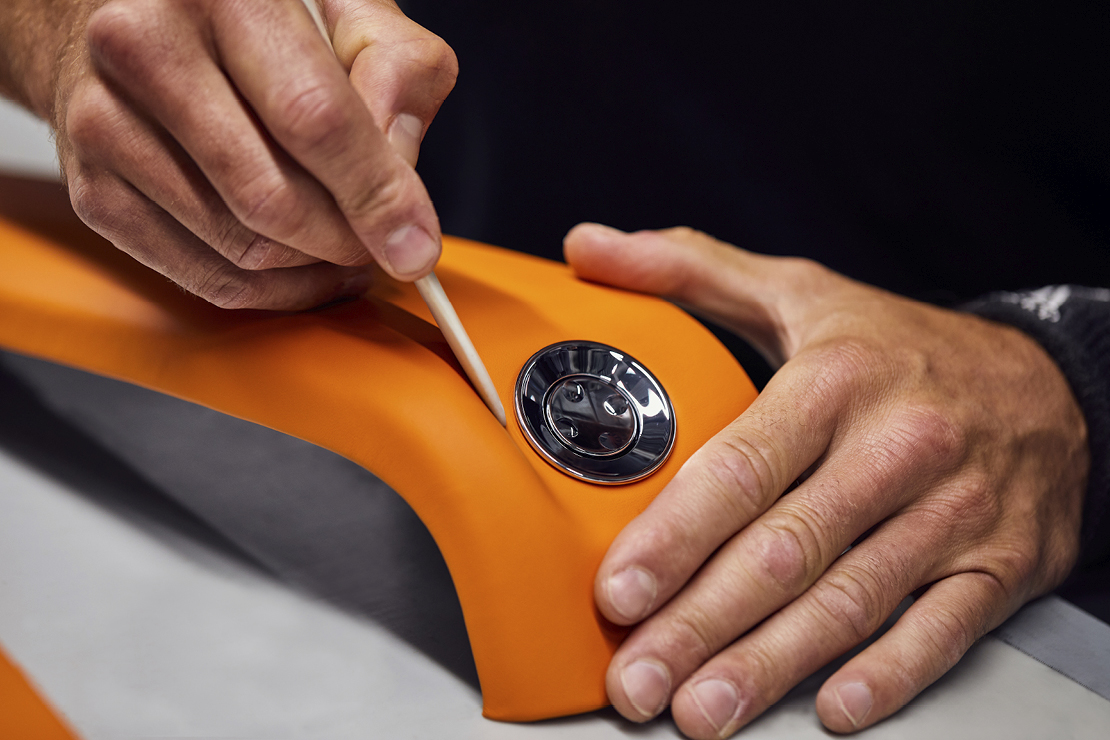
Do you archive these kinds of stories and how they came to life?
Yes, and it’s fascinating. For some of our clients, we even create a perfect model car of their creation – it’s a whole experience. Another example was a gold motor car that we created, which was based on the 1937 model featured in the James Bond film “Goldfinger”. The attention to detail that went into making this car was incredible, but then, from this, our team will find other ways to express their creativity, and the overall result is a marvelous example of artistry. The client went on a journey, and we made the entire process personalized to him, meeting at secret locations, arranging for his family to come and release the car, and releasing the car on a certain date so the chassis number ended in “007”. And when we had a handover event for the car, we did it at Stoke Park, which is where the movie was filmed. There are many examples where the whole journey is part of the product, so it was an overall luxury experience for our client. And that is true luxury.
The people who are involved in making these things happen love it. It’s exciting to them because there are no limits to what we can do. So, not only does it create enormous value for our clients, but also for our employees. Our people are committed to the brand and need very skilled staff to create what we do. We have an apprentice scheme, and since that started in 2009, 70 per cent of people who were part of it are still working at Rolls-Royce. There is a real passion for what we do, and that’s what makes working here quite wonderful.
The Phantom is celebrating 100 years – how significant is this milestone, and what can you tell us about what is in the pipeline to commemorate this moment?
For Rolls-Royce to celebrate 100 years of the Phantom, it is an extremely important moment. Phantom is the pinnacle of Rolls-Royce, and it has a legacy that is unrivaled by any other motor car. One hundred years of this is a moment that we will celebrate, and you can imagine that our creative teams are pulling out all the stops to create the most wonderful celebration of this remarkable heritage. Sometimes at Rolls-Royce, we like to test ourselves. It will start with a creative idea that has the potential to really stretch and show off what we can do, and we do it because it’s exciting, but it also creates art pieces. And that’s all I can tell you for now!
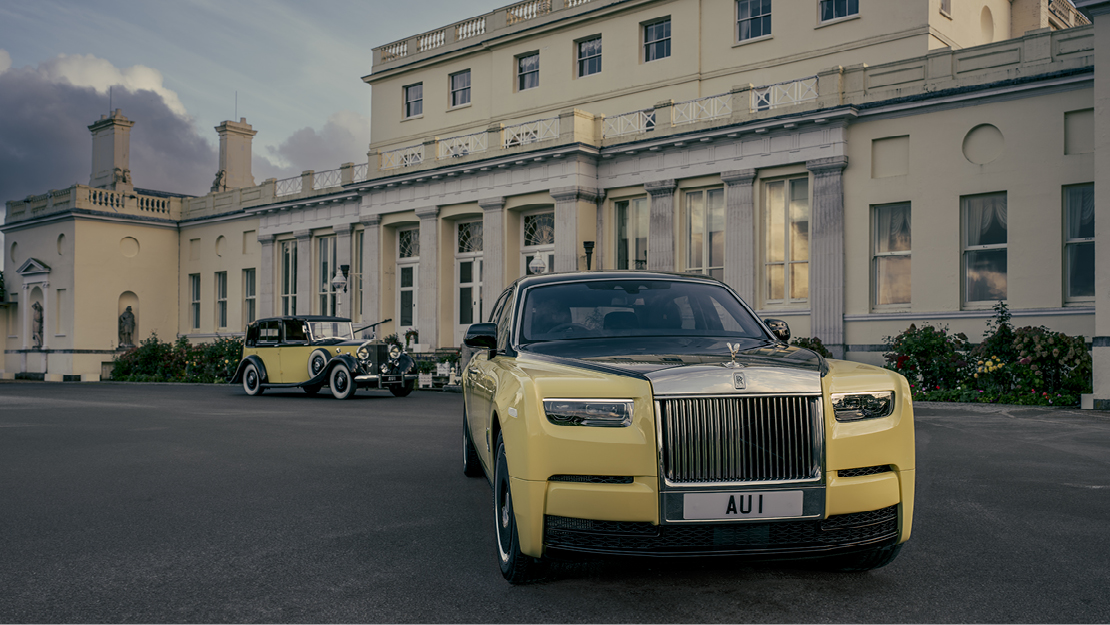
Roll-Royce is one of the most prestigious established names in the world today – how do you challenge yourself as a brand to aim higher, and when is it enough?
Well, that’s easy – it’s never enough! Because if you strive for perfection, you never reach that, but if that’s your mantra, then you’re always challenging yourself. But I also think that has interesting cultural implications for an organization because if your mantra is to strive for perfection, what’s important is that you must always reflect on how you can do even better. That’s what’s important to me in this business. We strive to do better and also learn from things that perhaps we didn’t do so well. That’s a fascinating aspect of the role for me because it’s all about unlocking the possibilities of this organization and its people. I think you could be intimidated by the prospect of always striving for perfection, but in fact, it’s very exciting.
Tell us about the performance of Rolls-Royce in the Middle East, how important the region is to the brand and what’s in the pipeline.
It’s a thriving region; it’s so exciting and vibrant and it’s a very important region for us. Rolls-Royce is in a wonderful position in that it’s a super agile condition, and we are very successful in every corner of the world. And I think that’s key to our success because there will always be ups and downs in different parts of the world, and we are perfectly placed to respond to that. It’s important to remember that we only ever make something when someone has asked us to make it, so being agile is very important.
In terms of the Middle East, we have seen stable, consistent growth in the last year, and we expect that to continue. But what we will always do is only produce motor cars when people are asking for them, so I think it’s important that we get that balance right and we don’t try to push a particular region. I’ve just returned from the UAE, where I met our partners, who are confident about the future and extremely good at looking after their clients. They understand their clients, and they deliver extraordinary experiences for them.
You have vast experience in the industry – what is one thing that you haven’t seen done yet at Rolls-Royce that you would still aim to achieve?
That’s a great question! Rolls-Royce is a very successful business, and it’s been very well managed over the years. Coming in with fresh eyes, I still see significant opportunities. Since I started in my role, we have approved the investment to grow, and my strategy is to create the capacity to meet the growing demand that we see. It’s not about making more Rolls-Royce motor cars, because we are a true house of luxury. It’s about making more remarkable Rolls-Royce. What we would like to have here at Goodwood is more space and more capacity for the more complicated, bespoke projects. Since I started, we’ve opened two more private offices, and so we’re seeing more demand from our clients for these remarkable features and art in our motor cars.
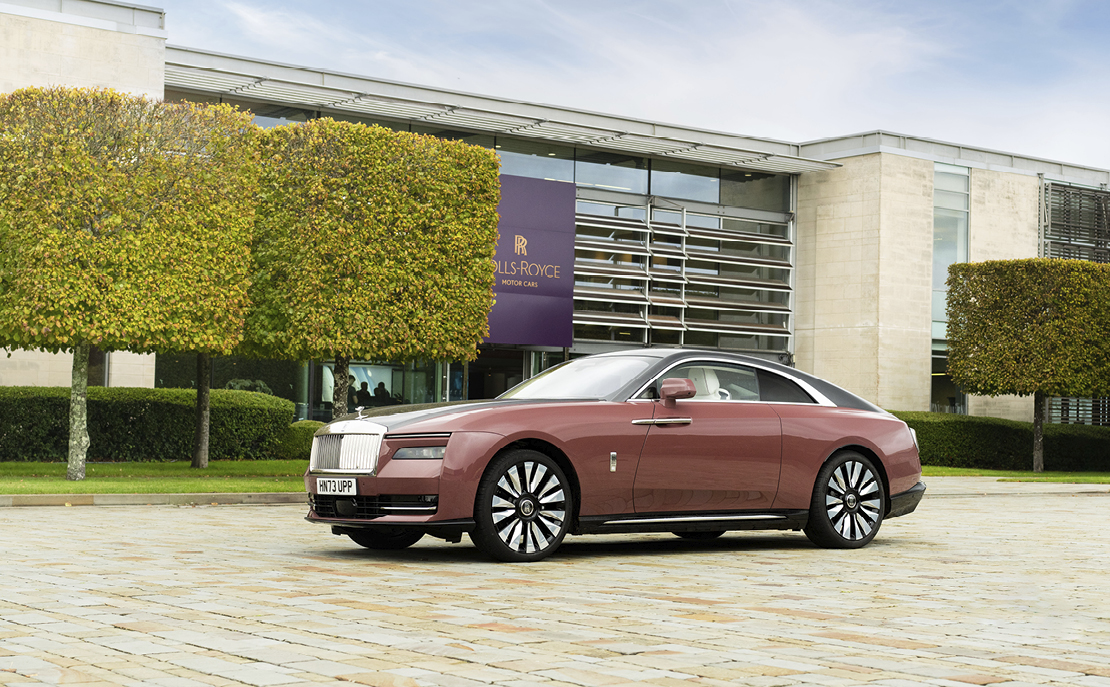
Tell us about the shift towards women owning and driving a Rolls-Royce today.
What I can see today is that many of our clients are very successful women – in business or creative roles – and they find Rolls-Royce very appealing for the same reasons that anyone would. I think Rolls-Royce is equally appealing to men and women today.
What is a challenge that you find in relation to this business?
This business has opportunities rather than challenges. But the biggest opportunity that I can see is the most wonderful one. Often, brands use storytelling to embellish their brand. Rolls-Royce is in a very different place as we need to be able to tell stories to explain the substance of what we do, and so we don’t need to make stories up, we need to be able to articulate the truth. And I see a huge opportunity there. So, the challenge that I’ve set myself is to tell the story of Rolls-Royce and to bring our clients closer to the brand to show them what the possibilities are. I think this will create more value for them, but also do justice to the people who work here. So, the opportunity is simply revealing the truth, rather than making up stories about what we do.
They say there is strength and power in partnerships to what extent do you believe in this?
We have talked about the strengths of our brand, and I think it’s essential that at Rolls-Royce, we stand alone. Rolls-Royce is one of a kind. From time to time, we might work with a collaborator to inspire a particular creation, and there are examples of that, but ultimately, it is a Roll-Royce, but there are opportunities to collaborate, and I think this is something we do particularly well. But in terms of partnerships with brands, I think we tend to stand on our own, and I think with a brand with our reputation and heritage, we should keep it that way. That said, we are always very inquisitive about what other luxury brands are doing. We are always looking to learn and thinking about the next innovation for us.
What’s a life lesson you have learned that you will pass on?
I think it’s always been straightforward. I’m not interested in politics and for me, my goal in this organization is to make sure that I can unlock the potential of everyone who works here by making it a place where everyone can contribute their fullest input without fear of the consequences. That excites me as much as the wonderful things we make because it makes it a very empowering workplace.
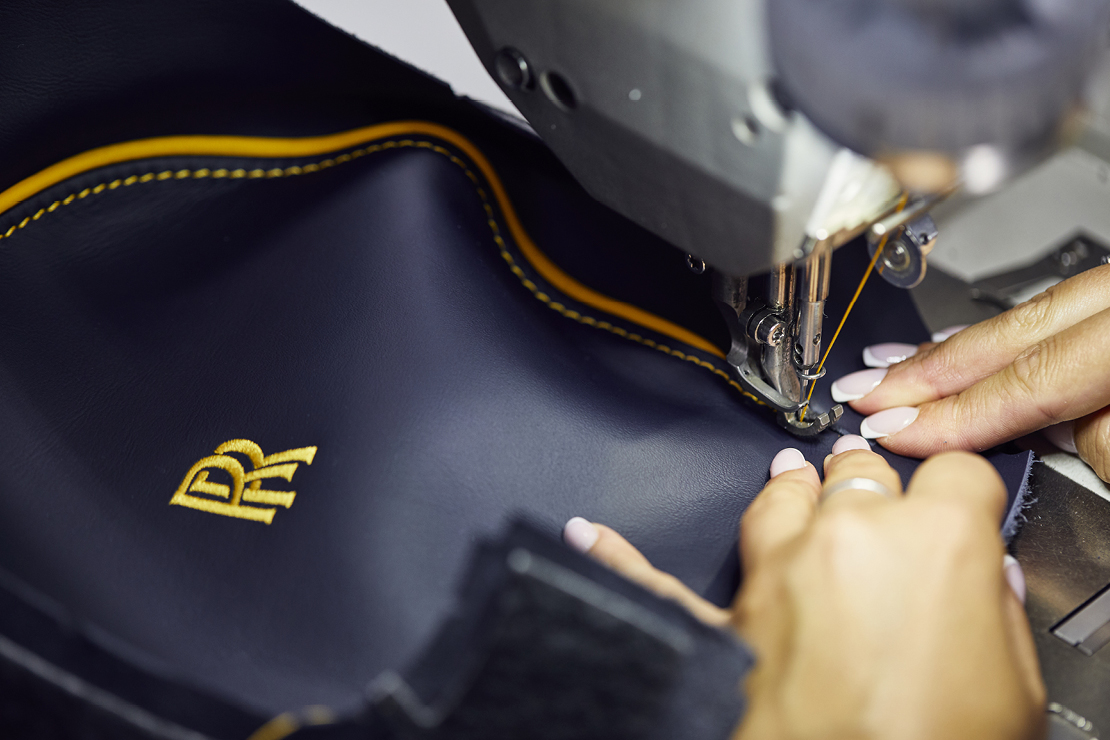
What motto do you tell yourself every day?
I don’t really have a motto, but I have been very lucky that I have always enjoyed what I do in my roles, which have combined a passion with business, and to work at Rolls-Royce is the ultimate thrill. What I didn’t realize before I started here is how remarkable Rolls-Royce is, so it’s actually been a wonderful year for me.
Many years ago, we would have never expected Rolls-Royce to create an electric car as they did with Spectre. What is a dream that you would like to see come to life at Rolls-Royce?
I wouldn’t want to give too many secrets away! But I think what we have seen with Spectre is how our founders talked about electrification many years ago, and they said that the perfect Rolls-Royce would be silent, odour-free and devoid of any mechanical noise, and they were right! Spectre makes a wonderful Rolls-Royce, and many of our clients have told us that it is the most perfect Rolls-Royce. So what the future holds, I wouldn’t want to give away now, but what excites me is that, as technology changes, we will demonstrate here that we can master that technology to continue to deliver the best car in the world.
What would you like to tell our readers in the Middle East?
I want to share the excitement that we have for the future of Rolls-Royce. This business is really committed to delivering remarkable client experiences and creating the most fascinating motor cars. In the Middle East, we have some wonderful clients whom we are very close to, and we’re very proud of the relationships we have with them and also of the motor cars we have created for the region. It’s so inspiring to work with clients who are ambitious and have such creativity. There is so much ahead of us.
Dior’s Perfume Creation Director Discusses the Inspiration Behind Bois Talisman
Francis Kurkdjian, Dior Perfume Creation Director, explains the unique story behind the house’s latest fragrance.
Upon joining Dior as Perfume Creation Director in 2021, Francis Kurkdjian found a world of symbols, signs and superstitions, highlighting moments and memories from the brand’s rich history. He began searching through archives and finding momentoes that could be the starting point for his future fragrance creations. One such find was a video of Mr Christian Dior, filmed in 1955 and featured a piece of wood that the house’s founder would carry as a lucky charm. When Francis Kurkdjian discovered these rare and moving images, he realised that his own superstition of carrying a cube of sugar for good luck, happened to reflect that of the brilliant couturier. So, he decided to combine these two ingredients to make a very special fragrance.
Bois Talisman, the house’s newest addition to La Collection Privée was the result. Combining Cedarwood with the precious scent of vanilla, Kurkdjian created a unique and subtle blend that would become a welcome addition to the luxury fragrance line. Here, we find out more about the inspiration and story behind Bois Talisman.
How did this fragrance come to life?
This fragrance is based on the combination of two superstitions. We were very lucky to have the Dior archive, which is where we looked to for the inspiration for this fragrance Christian Dior has a special relationship with its past, and I think this resonates with people in the Middle East. We have a huge department that takes care of looking after the brand’s archive and everything that happened in the past – this can be printed documents, old products, notebooks, sketches, movies, documentaries and more. I came across one documentary featuring Christian Dior from 1955 that highlights a trip he made to The United States to promote one of his shows. During the film, he talks about the lucky charms he carries. One of those was a piece of wood. My idea was to merge his lucky charm with my lucky charm, which is a white sugar cube. I always carry a sugar cube with me in my pocket for important meetings or occasions. It was a tip that was given to me by a colleague to bring good luck and I have been carrying this with me for many years now whenever I have a very important meeting.
Tell us about the ingredients of this scent and how they combined.
We then looked into this piece of wood but it was not clear which type of wood it was. So I thought of the idea that Christian Dior was sketching with pencils, and I would therefore use the same tree that the wood for the pencils comes from, which in France, is the Cedar tree. So, I blended Cedarwood and vanilla (which represents the sugar cube), and it’s a very simple combination. It’s his superstition, my superstition, a piece of wood, a piece of sugar, and there you have it!
What is so special about this fragrance for you?
I try to make every fragrance I create special. I like the fact that this was super easy to put together. It’s very easy to understand. It’s very easy to explain. There aren’t too many layers, it’s a simple story, and I always feel that the most simple stories are always the best ones.
You know the Middle East very well – Tell us about how your perception of clients in the region.
I truly believe that The Middle East has the most demanding clients in the world. Even more demanding than France. In the Middle East, perfume is very integrated into the culture and history of the region. In France, we link perfume to the world of beauty. To me, perfume in the Middle East is linked to a more elevated level. It’s more about the soul. There is almost something philosophical about it. It’s more about the connection with your brain and something more spiritual than just smelling good.
What inspires you?
To be inspired is not just something that comes to you. You have to look for inspiration all around you. It’s a quest. To be inspired means you have to dig and look for something you don’t know. It’s like you are in the dark, and you’re looking for the switch. You feel, you touch, you listen, and exactly when the moment is right, the inspiration will come. Many things can be inspiring but it’s a journey.

When you are stuck for inspiration, how do you break this block?
You keep going! You have no choice; we are on a deadline, so you have to find the answers eventually. I have 30 years of experience in this, so I know how to manage it, but when things are not going the way I want them to go, I return to the beginning and start again. It happens, but sometimes you have to take a step back, reset and go back to work.
What is the biggest challenge you face as a creative in the industry today?
My first challenge is myself and how excited I can be to do something. How do I keep faith in what I can bring to the perfume world? It’s by being alert, as well as looking to the youth and the younger generation. I feel you become old when you start saying things were better before. You have to focus on the future.

How are you approaching the youth of today through fragrance?
You can’t fool young people today, so we must be transparent and true to this audience. When you are young, everything is possible, and everything is seen with a very open and genuine eye. This is sometimes what I miss the most as I’m getting older! I think the young generation is smarter than we give them credit for.
What is an ingredient that you still haven’t tapped into that you would love to experiment with.
There are many, but the ingredients are not important. What’s important is the stories that I haven’t told. Once you have the story, the ingredients come easily to support it.
To what extent do you think it’s important to revisit the history of the brand, and how do you balance this with being relevant today?
As I said earlier – if you think things were better before, then quit! I’m very excited about what artificial intelligence is going to bring to the world. I can be scared, I can question myself, but I’m excited because, within technology, there is always a positive and a negative. I have a scientific background, and there are always two sides.
What fragrance are you wearing today?
Nothing – I don’t like wearing perfume for my own pleasure. I wear them when I work on them but this is it.
Giorgio Armani Celebrates 20 Years of Haute Couture Mastery
In the world of haute couture, few names command as much respect as Giorgio Armani.
This year, the iconic designer celebrates a monumental milestone: 20 years of redefining couture under his Armani Privé label. It’s a journey marked by relentless innovation, timeless sophistication, and a vision that has reshaped fashion’s highest echelon.
When Giorgio Armani launched his haute couture line, Armani Privé, in 2004, it marked a bold expansion for a designer already synonymous with understated luxury. Known for his clean lines and effortless tailoring, Armani brought a new sensibility to couture — one that married precision with wearability, glamour with restraint. In a world of exaggerated opulence, Armani Privé introduced a quiet yet commanding elegance, proving that couture could be both aspirational and attainable.

From his debut collection shown in Paris to his latest offerings, Armani has consistently blurred the lines between fashion and fine art. His couture creations are not merely garments; they are narratives woven into fabric, reflecting his profound understanding of the female form and the power of subtlety.

Beyond the runway, throughout two decades, Armani Privé designs have graced some of the most significant red carpets and events in modern history. Hollywood stars such as Cate Blanchett, Julia Roberts, Zendaya, and Nicole Kidman have become regular wearers of his creations, often stealing the spotlight with looks that exude poise and grace.

Yet, Armani’s influence extends beyond Hollywood. His Privé collections have also become fixtures at exclusive events such as the Vienna Opera Ball and the Met Gala. Each piece is a testament to the brand’s philosophy: to enhance, rather than overpower, the wearer’s natural beauty.
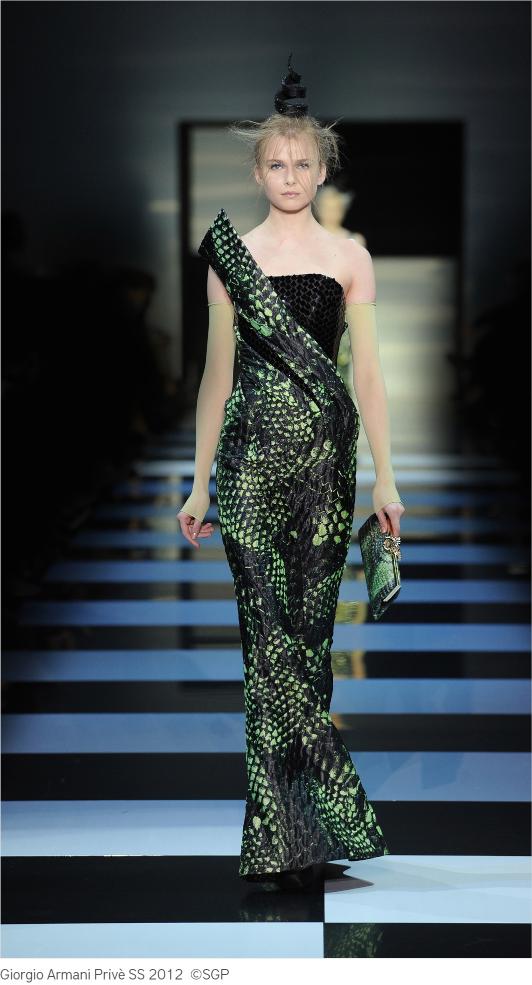
At the heart of Armani Privé lies an unwavering commitment to craftsmanship. Every collection is a symphony of hand-sewn embellishments, custom fabrics, and meticulous tailoring. From cascading silk organza to shimmering sequins applied with surgical precision, Armani’s ateliers embody the quintessence of couture.“Haute couture is about creating a dialogue between tradition and innovation,” Armani once said. “It’s a reflection of where we’ve been and where we’re going.” This philosophy is evident in his collections, which often draw inspiration from art, architecture, and global cultures. Whether channelling the bold geometry of Art Deco or the delicate florals of Japanese prints, Armani’s designs transcend trends, offering a timeless appeal.

Giorgio Armani’s impact on haute couture goes beyond the runway. His work has redefined what it means to be a modern designer, emphasising the importance of sustainability, inclusivity, and longevity. In recent years, Armani Privé has embraced eco-conscious practices, from utilising sustainable fabrics to reducing waste in the production process. This forward-thinking approach ensures that his legacy will endure for generations to come.
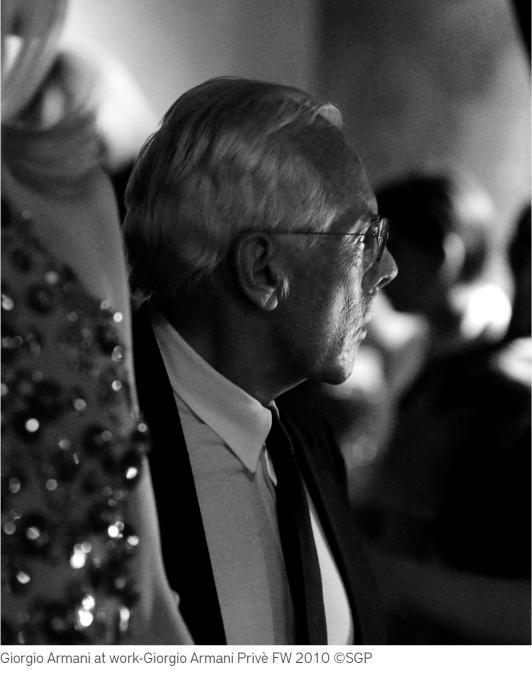
Moreover, Armani’s commitment to inclusivity has challenged traditional notions of couture. By celebrating diversity—in age, ethnicity, and body type—his collections speak to a universal audience. His designs are not just for the elite few but for anyone who appreciates the transformative power of fashion.

As Giorgio Armani marks 20 years of haute couture excellence, the future of Armani Privé is as luminous as its past. With each collection, Armani continues to push the boundaries of craftsmanship and creativity, proving that his passion for design remains undiminished.

For his Privé Spring/Summer Couture 2025 show, Giorgio Armani orchestrated an ode to light – its movement, its fleeting brilliance, its infinite nuances – transforming fabric into ethereal, shimmering poetry.
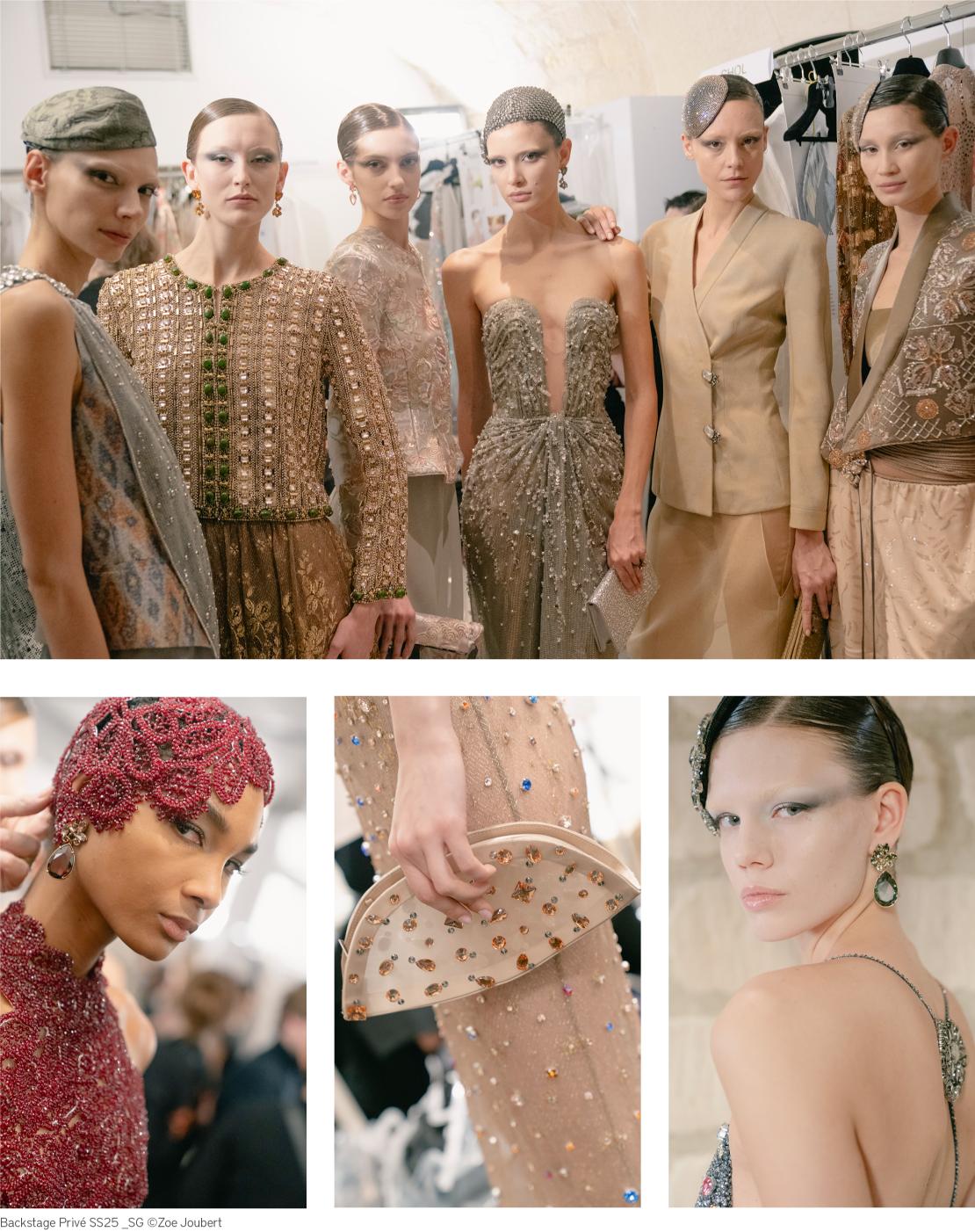
Set against the backdrop of the house’s new Palazzo Armani in Paris, Armani’s latest couture offering traced an exquisite journey through global influences. The silhouettes were sinuous yet structured, delicately poised between power and grace, evoking the Armani woman.
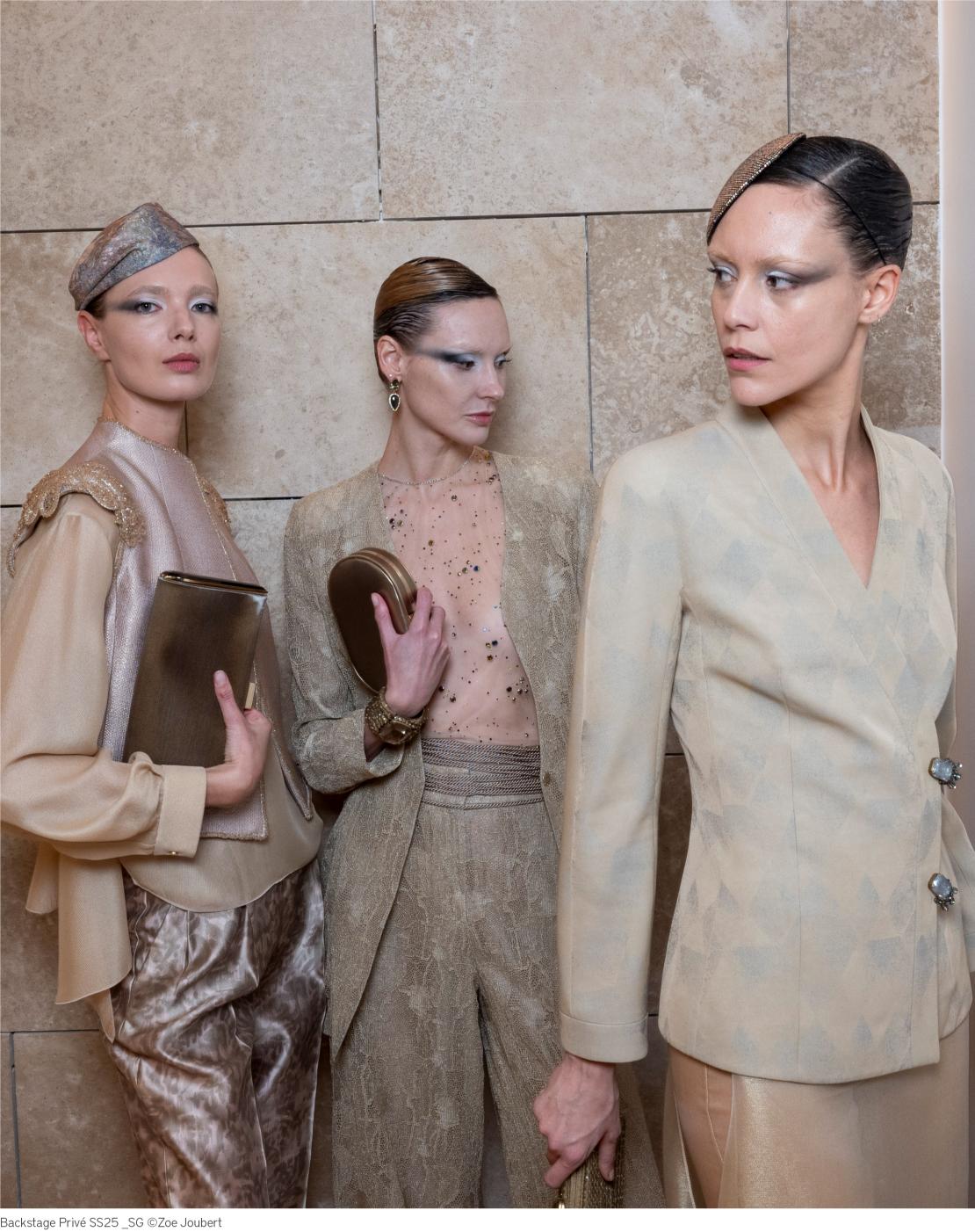
The crisp, cropped jackets and fluid, masculine blazers stood in elegant contrast to the sweeping gowns in the collection. The palette through the collection showcased a sophisticated evolution of light. Beginning in the muted embrace of gold, greige, and monochrome, it then unfolded into hushed pinks, amaranth, and the depth of bronze and midnight blue. Embroidery – meticulously handcrafted – glimmered with iridescence. Elsewhere in the collection, there were crystals and stones weaved throughout the designs, playing with light.
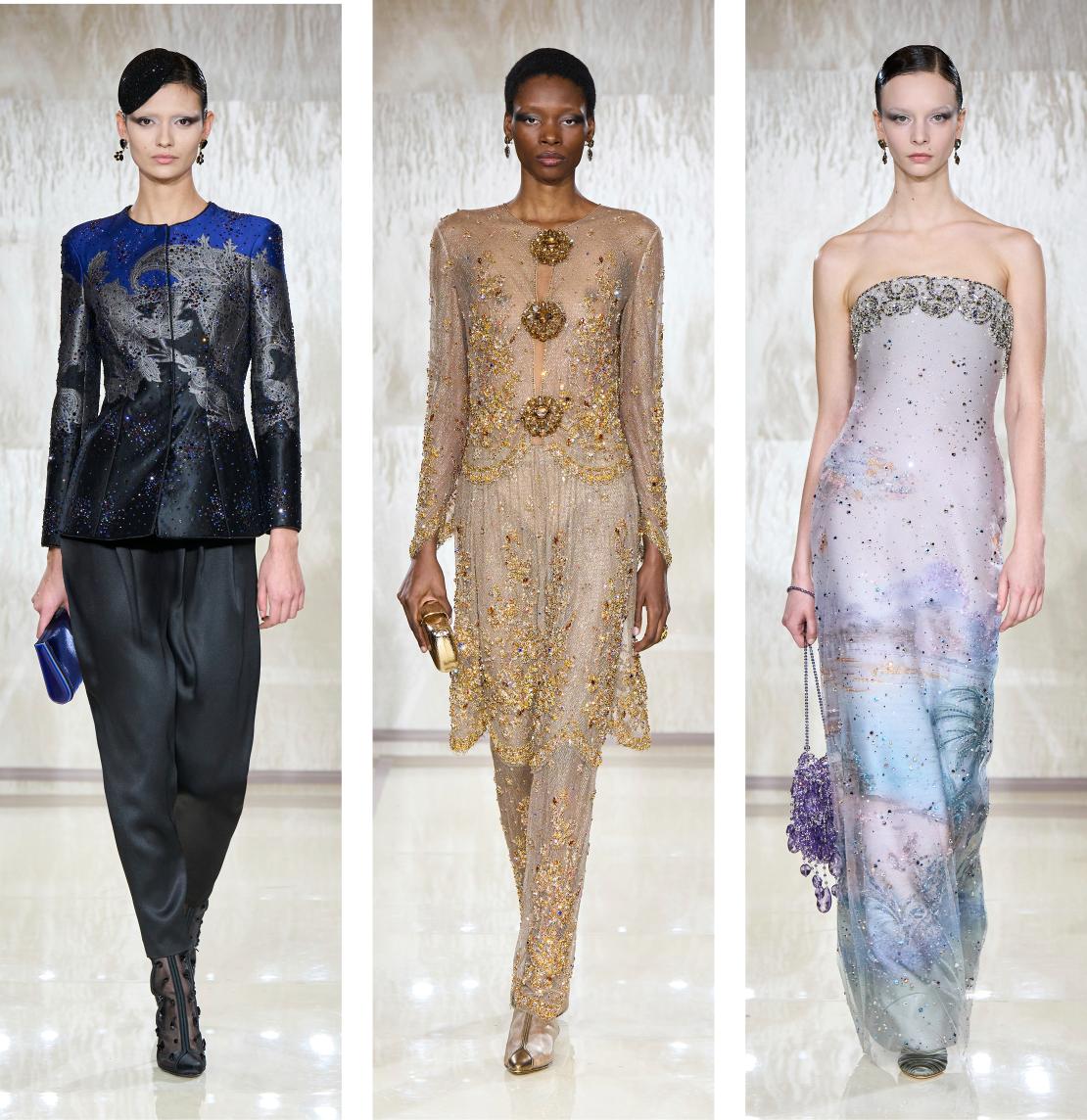
The influence of China, Polynesia, India, Japan, and North Africa were all woven into the narrative of the collection. There is no bravado in Armani’s latest offering, only the quiet confidence of a maison that understands luxury is not about excess, but about the perfection of restraint.
How Cindy Chao’s Unique Approach to Jewellery sets her Brand Apart
Cindy Chao has become a symbol of artistry, innovation, and unparalleled craftsmanship.
The Taiwanese designer, who founded her eponymous brand in 2004, has elevated jewellery into a form of sculptural art and is now known as the brand of “The Art Jewel”. Her creations are coveted by collectors, displayed in prestigious museums, and celebrated for their intricate detailing and emotional resonance.
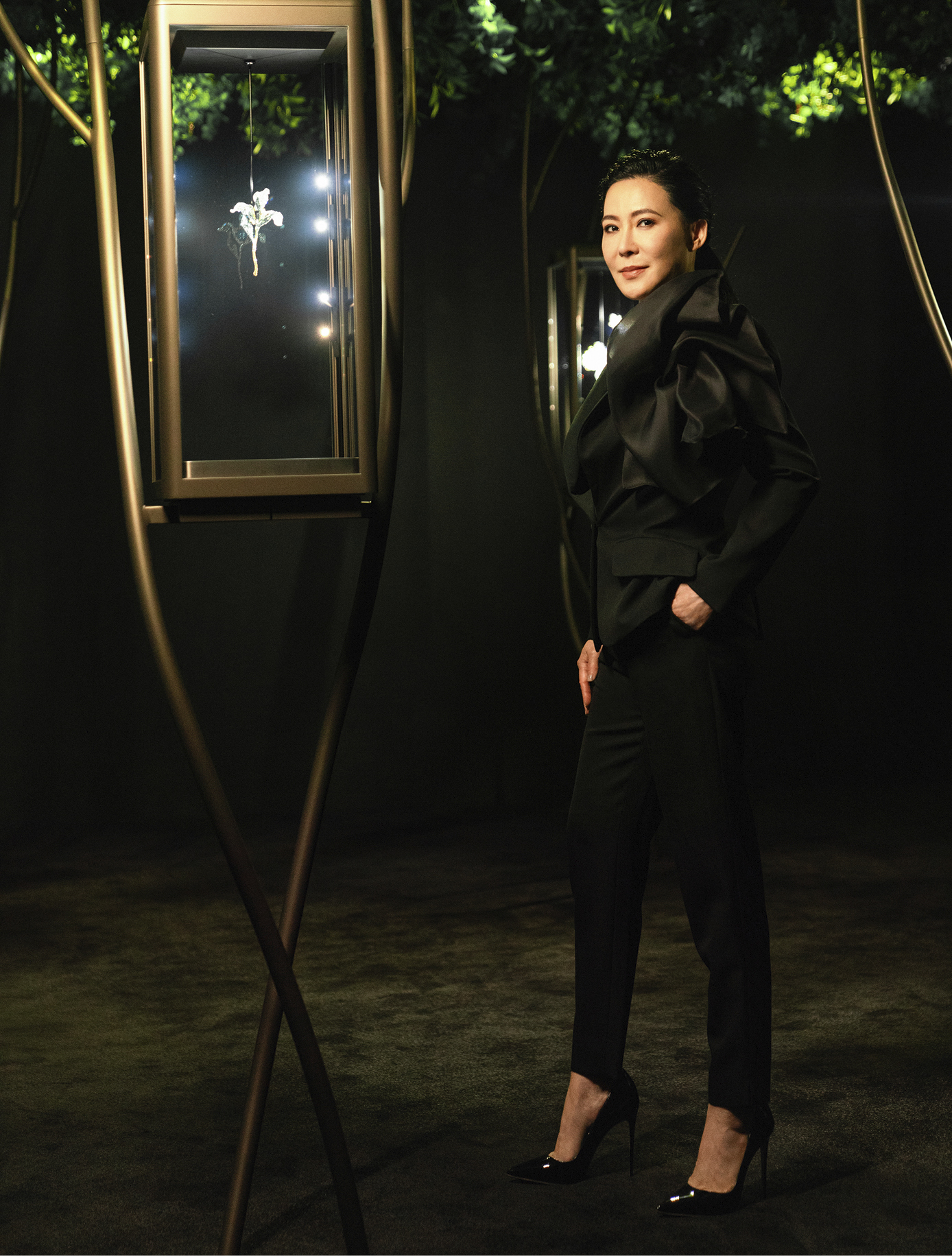
Chao’s journey began with a legacy of creativity — her grandfather was an architect who influenced her understanding of structure and form, and her father was a sculptor whose techniques she still integrates into her work today. This unique background allows her to blend architectural precision with an artist’s sensibility, resulting in pieces that transcend traditional notions of jewellery.
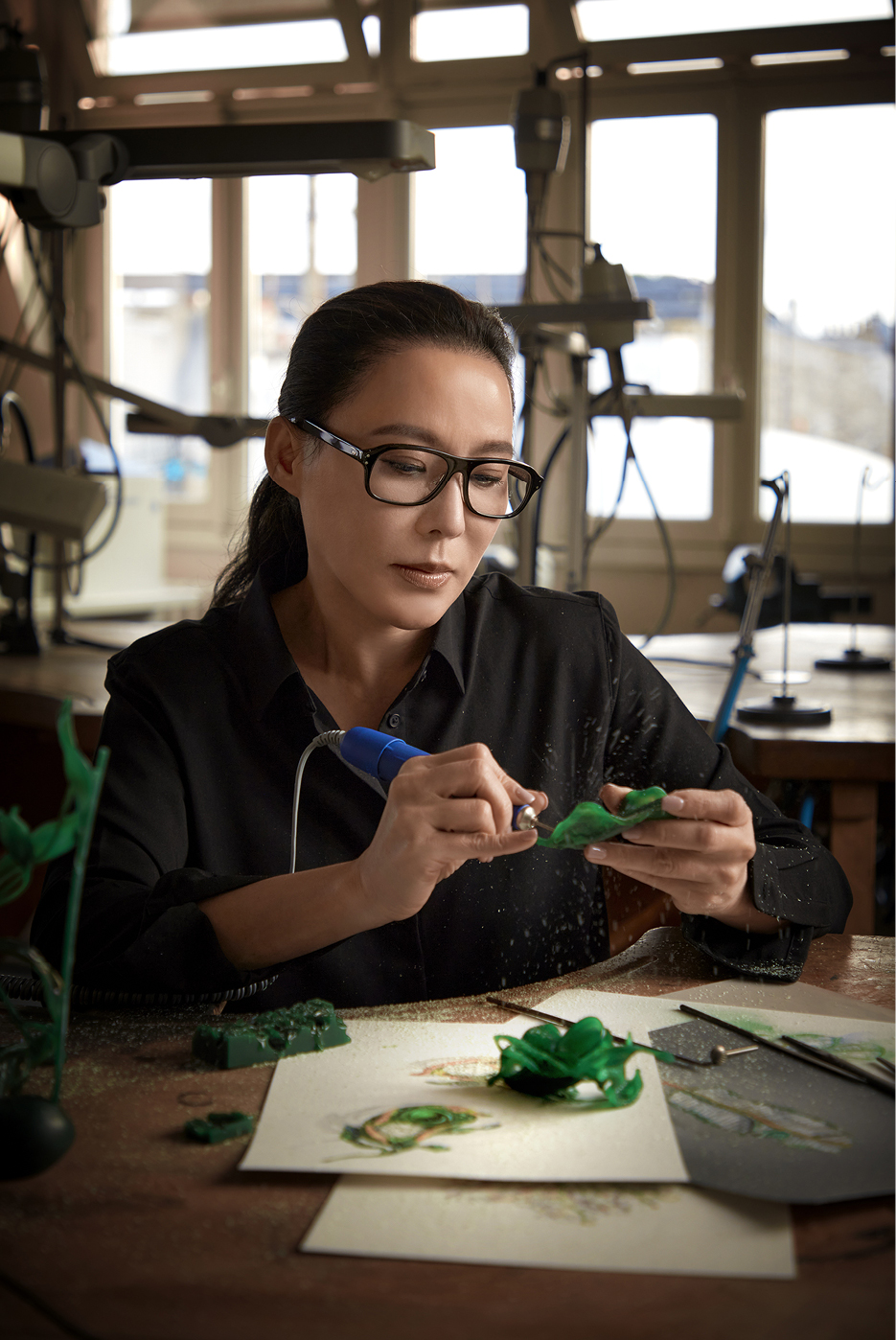
One of her most notable achievements is being the first Taiwanese jewellery artist to have her work inducted into the Smithsonian National Museum of Natural History. Her 2010 Ruby Butterfly Brooch, featuring over 2,300 rubies and diamonds, became part of the museum’s permanent collection, cementing her status as a global icon in the jewellery world. Chao has also gained recognition at major auctions. Her pieces often fetch record-breaking prices at Sotheby’s and Christie’s, highlighting their investment value and timeless allure.
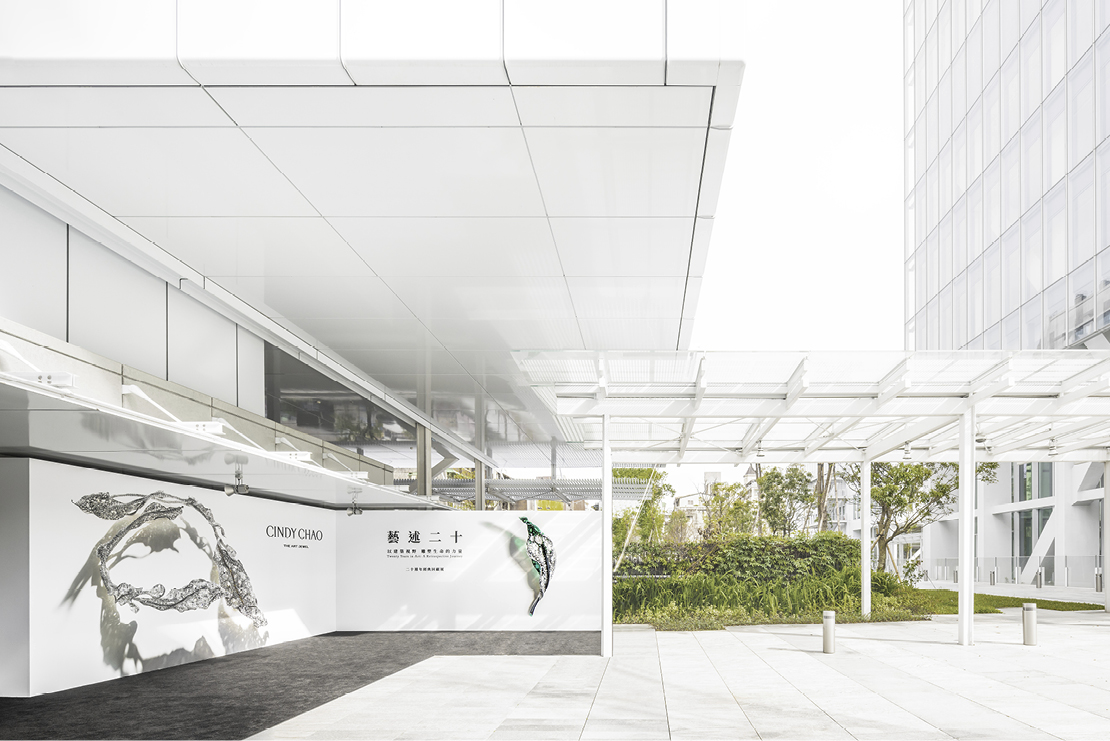
Her signature Black Label Masterpieces and White Label Collections highlight her design philosophy. Each Black Label piece is a one-of-a-kind creation that takes years to complete, showcasing her dedication to perfection. The White Label offers a broader collection of exquisite designs, each imbued with her distinctive style.
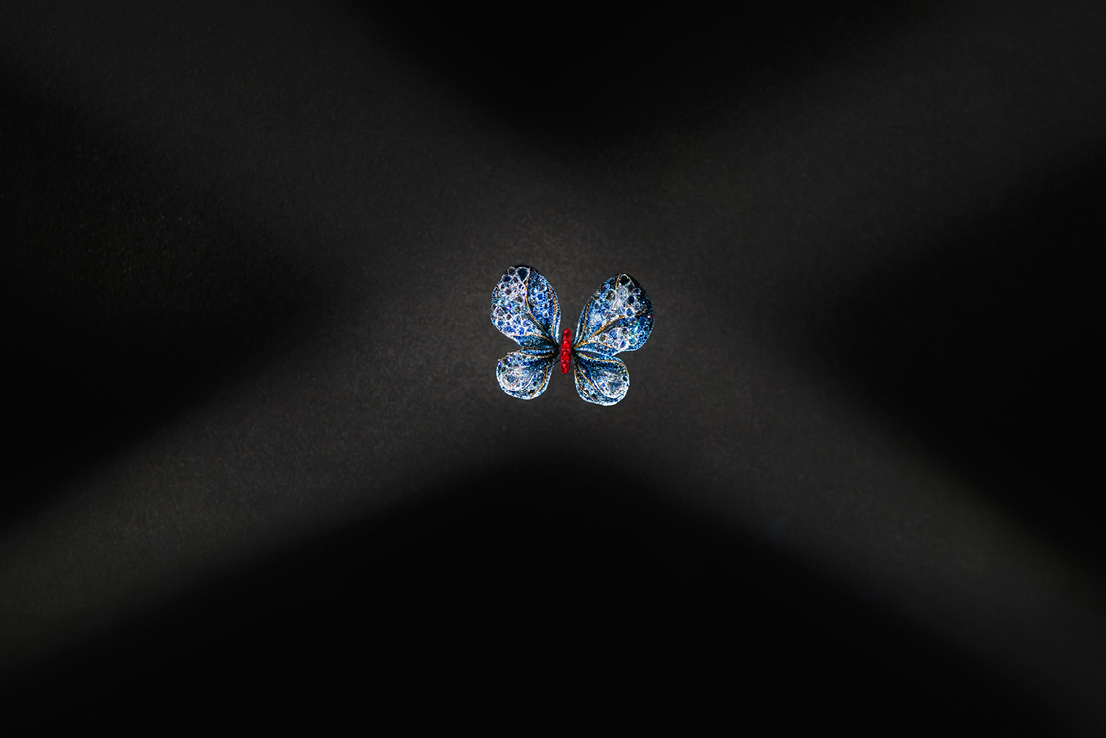
As Cindy Chao celebrates the 20th anniversary of her brand, she reflects on two decades of pushing boundaries. Her recent collections, such as the Architectural Bangle and Aurora Butterfly, continue to astonish with their innovative use of light, colour, and organic forms.
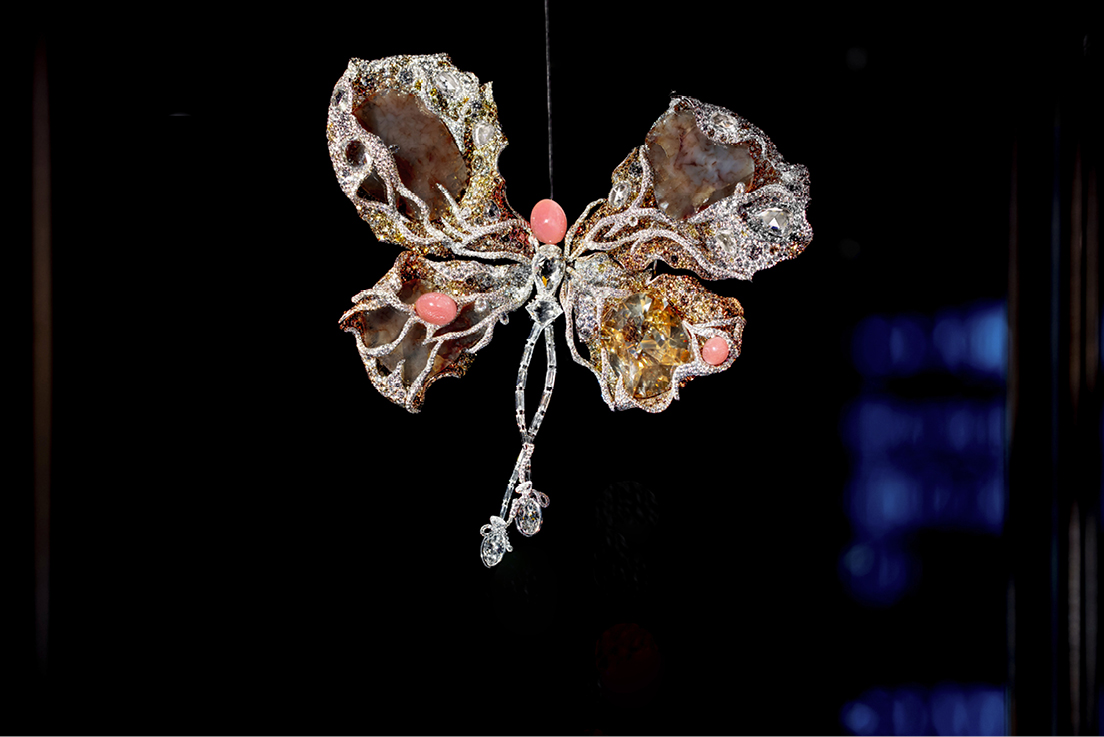
With each creation, Cindy Chao reshapes the landscape of high jewellery, transforming precious materials into masterpieces that capture moments of beauty and emotion. Her journey from a visionary artist to an internationally celebrated designer is a testament to her artistry, passion, and unwavering pursuit of excellence.
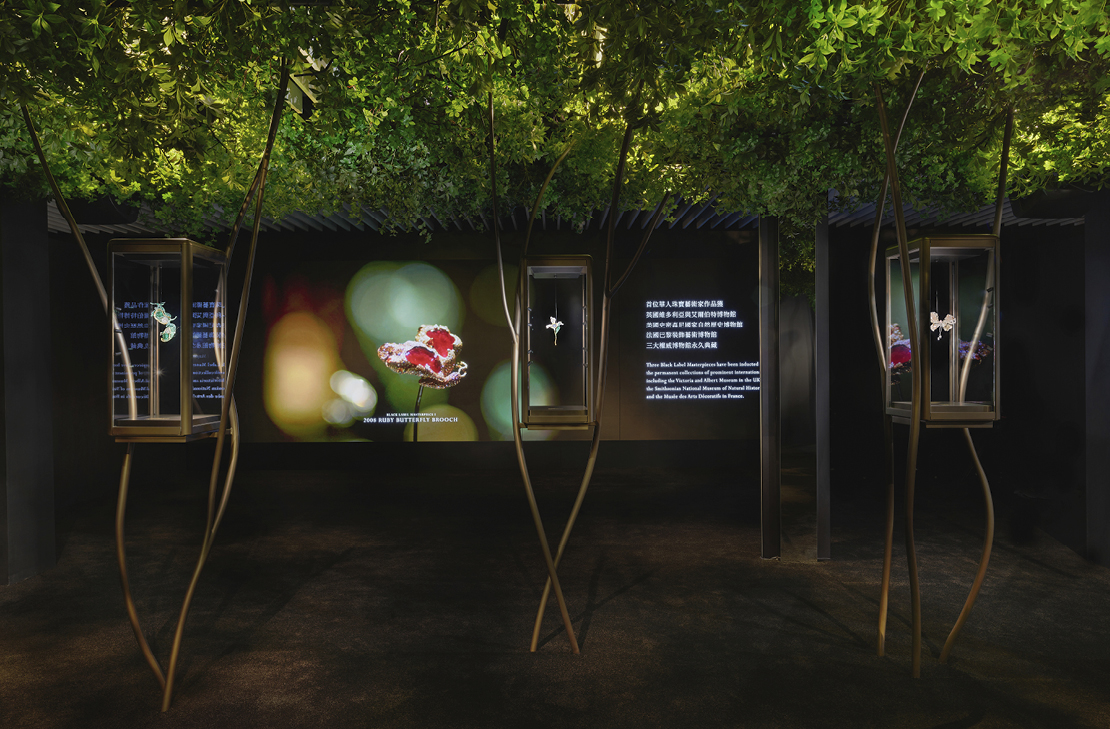
To celebrate her milestone achievement, Cindy Chao presented a showcase in her hometown, Taipei. Twenty Years in Art: A Retrospective Journey presents nearly 30 masterpieces and iconic creations that chronicle two decades of artistic transformation. The collection of pieces includes prestigious works from international private collections, auction highlights, and award-winning creations from art fairs, including rarely seen creations that highlight the designer’s continuous pursuit of breaking artistic boundaries and revolutionising jewellery craftsmanship.
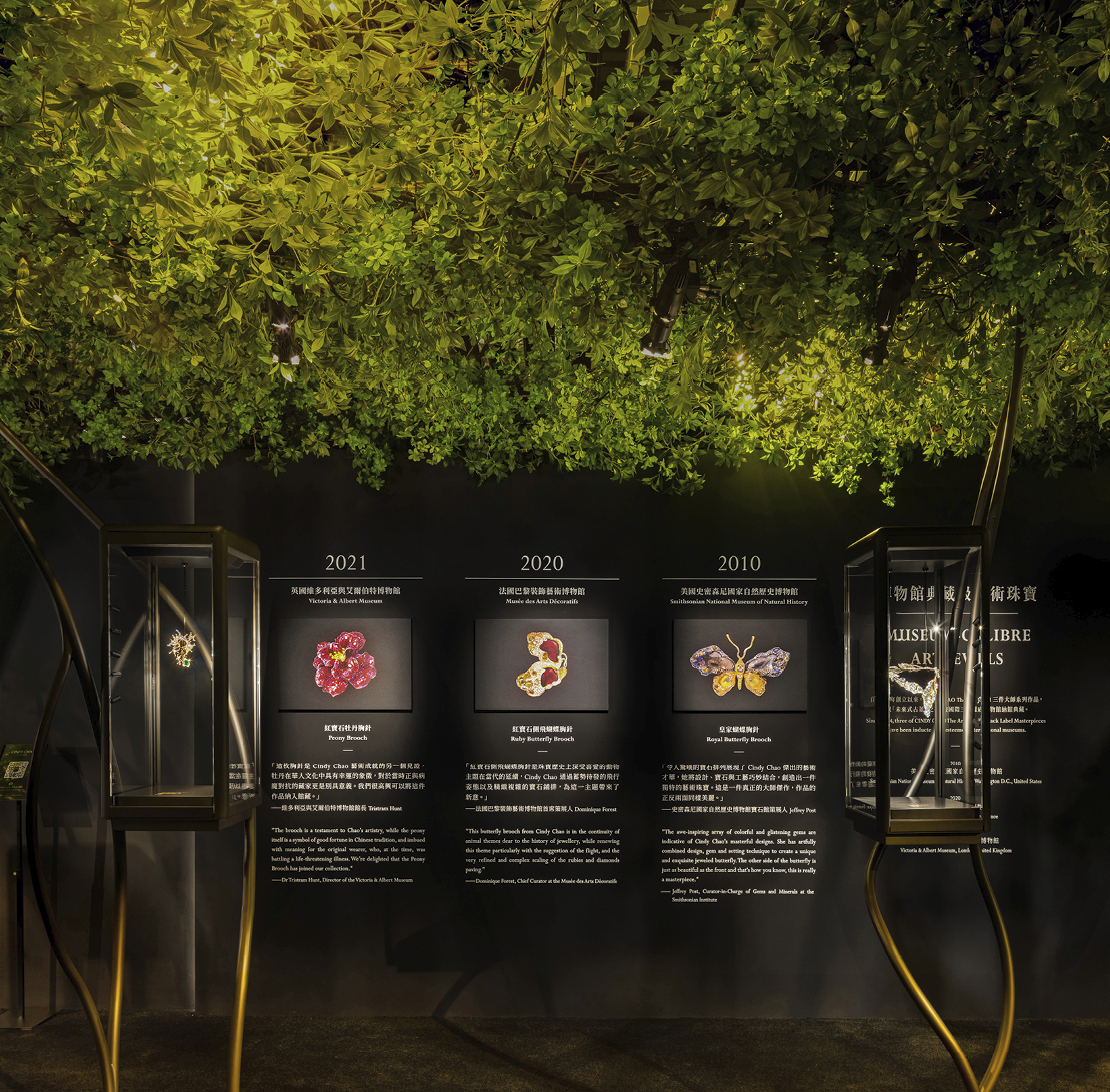
The exhibition takes visitors through three chapters; Emergence, Take Wing and Artistic Mastery.
Emergence defines the beginnings of the brand in 2004, when Chao established it with the vision to create high jewellery with artistic sensibility. These monochromatic pieces symbolise her yearning for transformation and breakthrough. Though austere in colour, these early creations are infused with profound emotion and tension, embodying her resolute determination to challenge traditional boundaries in the realm of artistic high jewellery.
Take Wing highlights how Cindy Chao has participated in prestigious art fairs since 2013, earning accolades and achieving remarkable results at auctions. It was then that three three Black Label Masterpieces have been inducted as permanent collections by renowned museums in the United Kingdom, the United States, and France. These milestones symbolize the brand’s continued ascent and its significant presence on the international stage.
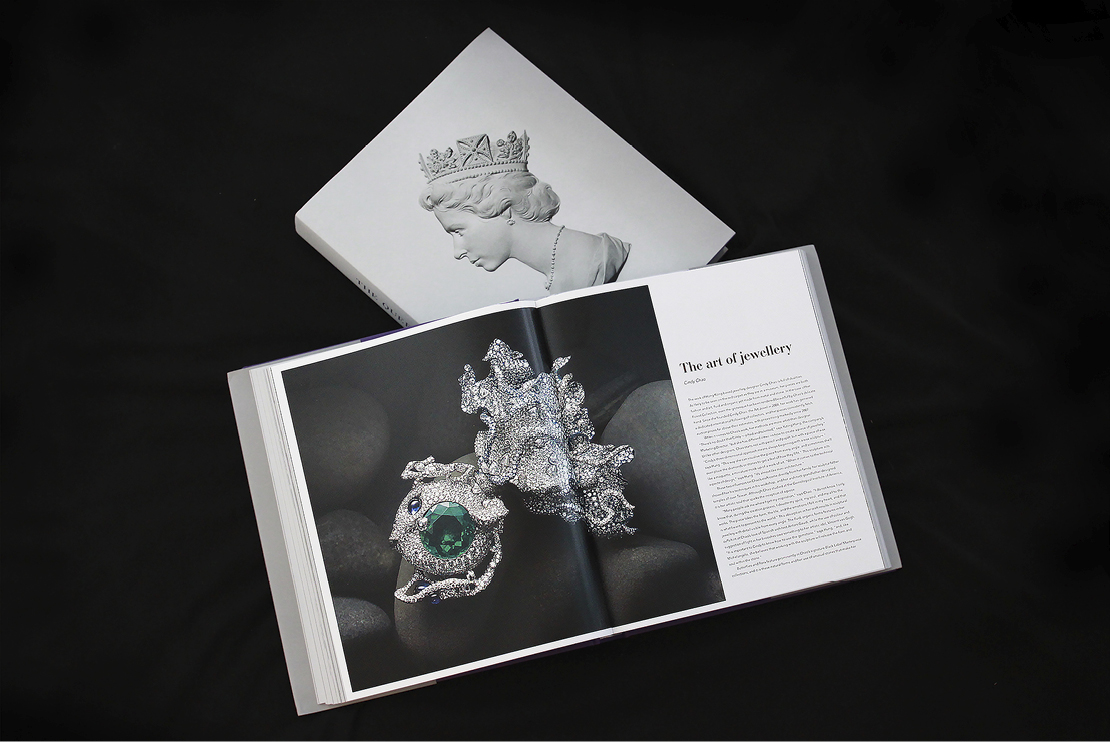
Artistic Mastery focuses on the brand’s story from 2020 since Chao has been focused on capturing moments of resonance between nature and the soul, infusing her creations with emotion and spirit. After nearly two decades of exploration, she has achieved a level of artistic mastery that allows her to effortlessly express her creative vision through forms, colours, curves, layers, lights and shadows. Her work has evolved from the stark black-and-white compositions of her early years to a freer, more fluid style.
An Insider’s Look at Emirates Palace Mandarin Oriental
We recently spoke to Michael Koth, the General Manager of the jewel in Abu Dhabi’s crown, Emirates Palace Mandarin Oriental
Michael Koth is a world leader in the luxury hospitality industry with a career spanning more than 35 years. For nearly half a decade, Koth has been at the helm of one of the UAE’s most prominent luxury properties, the Emirates Palace Mandarin Oriental, Abu Dhabi. Throughout his career, Koth has seamlessly melded strategic vision and operational excellence, cementing his reputation as a luminary in the industry. In addition to managing the iconic property, he also serves as the Area Vice President of Operations for Mandarin Oriental, demonstrating his capacity to oversee diverse and complex projects.
Koth’s career reflects an impressive journey through some of the world’s most prestigious hospitality organisations. Before joining the Mandarin Oriental Hotel Group, he held several senior roles with the InterContinental Hotel Group (IHG). His tenure included serving as General Manager in marquee locations such as Doha and Cairo, as well as pivotal corporate roles in Dubai. At IHG, he rose to Director of Operations for the Levant region, where he was responsible for overseeing 13 hotels spanning three brands. This expansive role honed his skills in multi-property management and strategic planning. We recently spoke to Koth, to learn more about his experience at Emirates Palace Mandarin Oriental, and what his plans are for the property’s future.
Emirates Palace is an iconic landmark. What do you believe are the key elements that contribute to its status as a luxury destination?
Emirates Palace is a benchmark of luxury, not only for its architectural splendor but for the experience it provides. Our design is a thoughtful blend of traditional Arabian aesthetics and contemporary sophistication, offering guests an environment that is both visually captivating and deeply rooted in the cultural heritage of the region.
What truly distinguishes us is our commitment to delivering an exceptional level of service with the Mandarin Oriental touch. We pride ourselves on anticipating our guests’ needs and creating bespoke experiences tailored to their individual preferences. Whether through the attention of a private butler, the culinary excellence of our Michelin-starred restaurants or our comprehensive wellness offerings, every aspect of the guest journey is meticulously crafted.
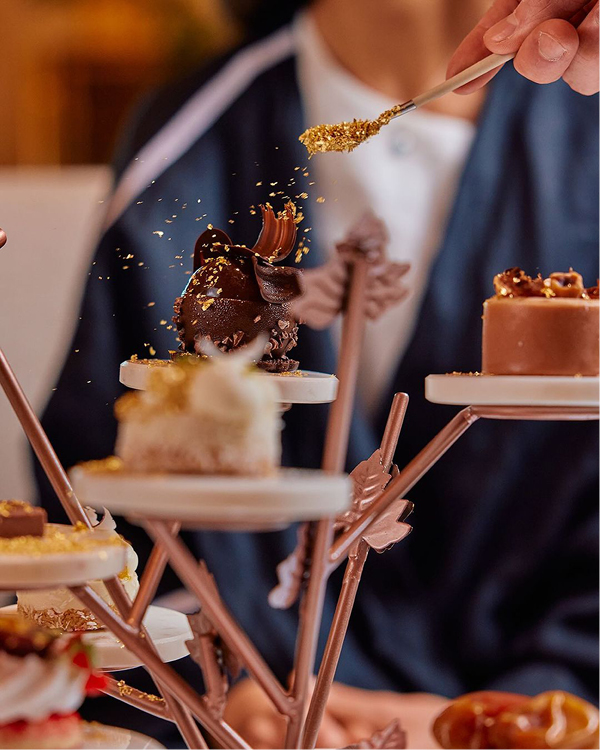
How are you promoting the destination locally, regionally, and internationally?
At the local level, we focus on cultivating strong connections with the UAE community by offering exclusive events and partnering with prestigious brands to host tailored experiences. These include wellness retreats and exclusive dining experiences, designed to make the Palace a central part of the UAE’s lifestyle.
Regionally, we target markets in the GCC by promoting the Palace as the ideal setting for intimate weddings and high-end corporate events. Through carefully crafted travel packages, influencer partnerships and collaborations with leading travel agencies, we maintain a strong presence in key regional markets.
On an international scale, we position Emirates Palace Mandarin Oriental as a destination that provides a fusion of rich Arabian heritage and world-class luxury. By working with global media partners, we highlight the Palace as a unique cultural experience for international guests. We also leverage bespoke travel packages and influencer collaborations to attract global visitors seeking an escape and a taste of authentic hospitality.
How has your background and experience shaped your approach to managing a luxury hotel like Emirates Palace Mandarin Oriental?
My career in hospitality spanning diverse regions and cultures has profoundly influenced my approach to managing the Palace. I have come to appreciate that true luxury lies not just in providing impeccable service, but in understanding and anticipating the unique needs of each guest.
I also bring a forward-thinking approach to the management of the Palace. Luxury hospitality is an ever-evolving field, and I understand the need to remain agile, anticipating trends and adapting to guests’ changing expectations while maintaining the unique cultural and architectural essence that defines this vast space.
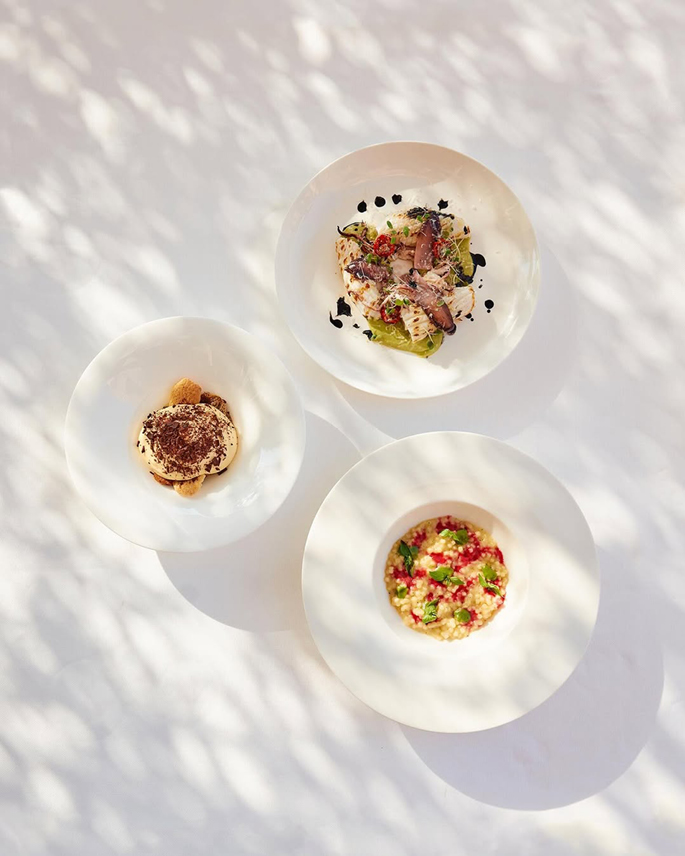
Can you walk us through a typical day in your role as General Manager? What are your main priorities?
My day begins early, often with a walk through the property to ensure everything is running smoothly and to connect personally with the team. I make it a priority to be visible and approachable, both for staff and guests. I typically greet guests during breakfast, address any immediate concerns and touch base with department heads to review the day’s priorities.
Throughout the day, I focus on ensuring that every element of the hotel operates seamlessly. This includes overseeing service standards, ensuring staff morale remains high and reviewing both financial performance and guest satisfaction metrics. Another key aspect of my role is innovation—whether it’s through introducing new guest offerings, developing sustainability initiatives or enhancing our technology. I dedicate time to meeting with key stakeholders, ensuring we remain aligned on long-term strategies.
How do you balance maintaining traditional luxury with contemporary trends in hospitality?
Balancing the timeless appeal of traditional luxury with the demands of contemporary hospitality is an art that requires both respect for heritage and a willingness to embrace innovation. We remain rooted in the tradition of grandeur that defines our history.
While this industry is continuously evolving, today’s guests are looking for more than just opulence—they seek authentic, immersive experiences that resonate with their values. For this reason, we incorporate modern elements such as sustainable practices without compromising our identity. This includes eco-friendly initiatives and curated experiences that cater to the modern traveller’s lifestyle.
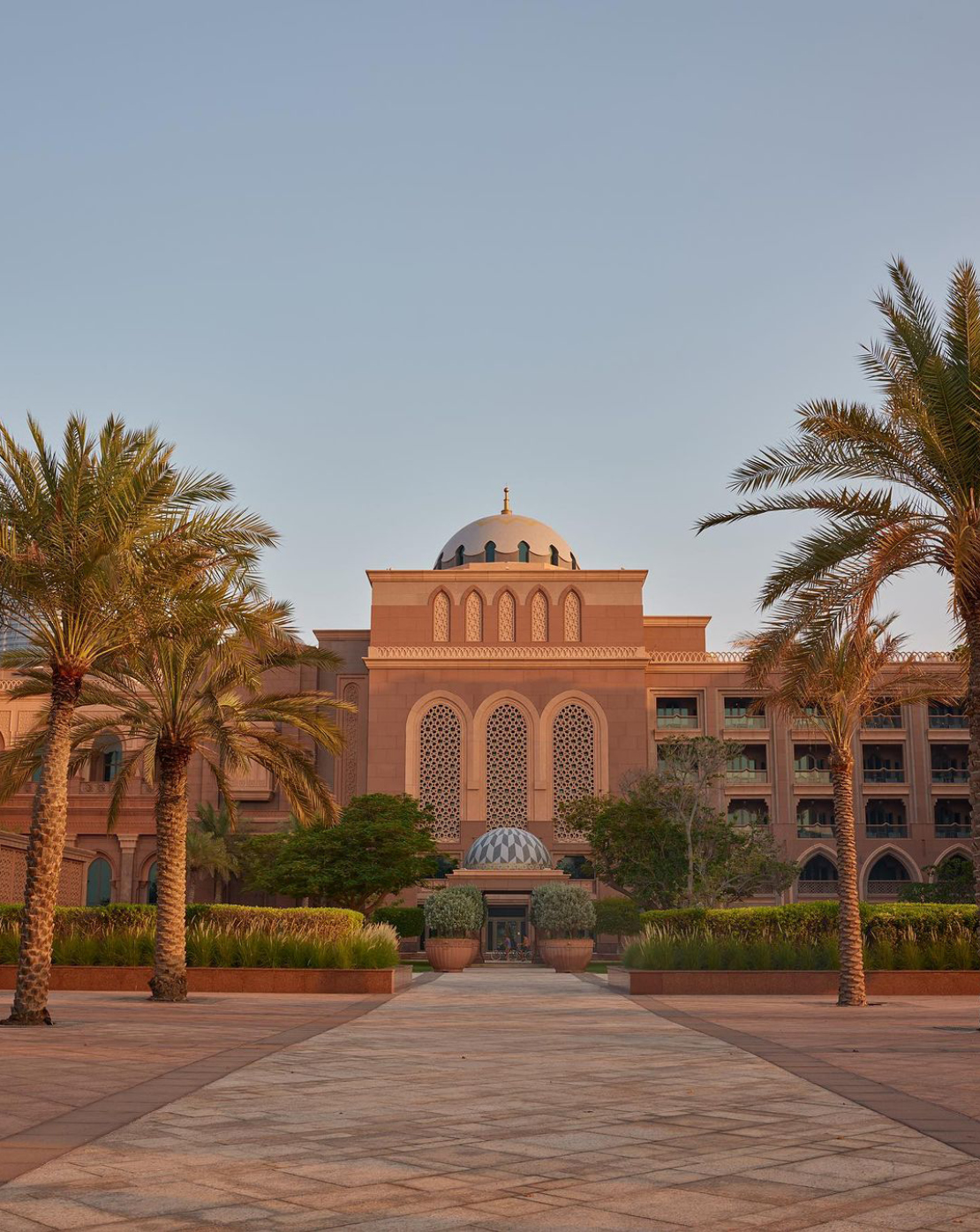
The culinary landscape in Abu Dhabi is becoming increasingly competitive, particularly with the arrival of Michelin in the city. Can you share some insights into the culinary offerings at Emirates Palace Mandarin Oriental?
We take great pride in our culinary offerings, which reflect both local flavours and international trends, and continue to set the standard in a city where the dining scene is growing ever more competitive. The arrival of Michelin in Abu Dhabi has certainly elevated the city’s culinary landscape, and we are proud to offer a variety of dining experiences.
Our restaurants include Broadway, a modern American brasserie, which offers a contemporary dining experience, and Talea, a Michelin-starred Italian restaurant by the celebrated Chef Antonio Guida, where diners can indulge in authentic, refined Italian cuisine. For those seeking bold flavours, Hakkasan offers an edgy take on Cantonese cuisine, combining traditional elements with modern techniques.
Whether it is a light business lunch, sophisticated dinner or large event, we offer the flexibility to enjoy experience food without limitations, without compromising on quality and service. Guests can take their pick from the wide array of outlets we offer including Vendôme, Café Fountain, Episodes, Martabaan by Hemant Oberoi, Lebanese Terrace, ALMA, and Sand & Koal.
This year, we’re proud to be hosting the Michelin Guide Food Festival at the Palace. This event will bring together Abu Dhabi-based and international chefs from 20 Michelin Guide recommended restaurants, offering specially curated menus and exclusive dishes, a selection of culinary masterclasses and a marketplace featuring local producers.
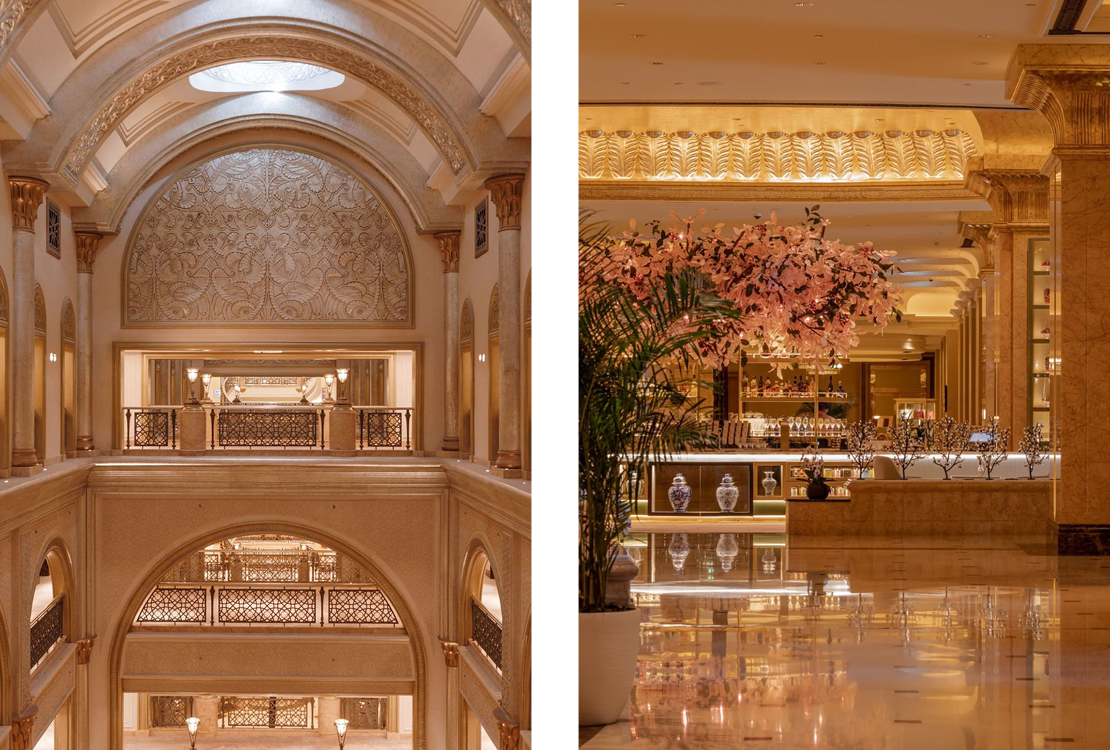
What is the most memorable event or experience you have hosted at Emirates Palace Mandarin Oriental?
One of the most memorable events I have had the pleasure of hosting was our rebranding celebration, which marked a significant milestone in the ongoing evolution. The event was an opportunity to showcase our commitment to both preserving our legacy and embracing future innovations. We welcomed an exclusive group of VIP guests, industry leaders and influencers, creating an atmosphere of both sophistication and excitement.
The evening was marked by elegant entertainment, exquisite cuisine and signature cocktails, all set against the stunning backdrop of the Palace’s opulent architecture. What made this event truly memorable was the palpable sense of anticipation for what lies ahead.
What trends do you see shaping the future of luxury hospitality?
The future of luxury hospitality will undoubtedly be defined by a shift towards greater personalisation and sustainability. Guests now expect highly tailored, immersive experiences that cater to their individual preferences, whether it’s bespoke dining, wellness retreats or cultural immersions. At the same time, sustainability will continue to be a core value, with more guests prioritising eco-friendly practices.
We’ve responded to this shift by introducing innovative offerings like our vegan rooms. These rooms are thoughtfully curated with eco-friendly, cruelty-free materials and amenities, offering everything from plant-based in-room dining to sustainable bedding and toiletries. This initiative reflects our commitment to reducing our environmental footprint while providing guests with luxurious, guilt-free options that align with their values. Sustainability, in our view, is no longer an add-on but an integral part of the luxury experience.
What challenges have you faced in maintaining the iconic status of Emirates Palace Mandarin Oriental in a rapidly evolving hospitality industry?
This sector is constantly adapting to new demands for tailored service, sustainability and technology. Striking the right balance between embracing innovation and preserving the historic legacy of the Palace is key to ensuring we remain a leader in the industry.
It’s also essential to stay ahead of global trends, particularly in areas like sustainability and wellness, which are increasingly important to modern travellers. Embracing these changes while staying true to the essence of what makes this landmark iconic is both a challenge and an exciting opportunity for the future.
Tell us about the recent additions or upgrades at Emirates Palace Mandarin Oriental, from the EP Club and private beach to the Kids Palace.
We’ve made several enhancements across the property to provide a more elevated experience for our guests. The EP Club was introduced to offer an exclusive and refined environment, perfect for those seeking privacy and personalised service. The club’s private beach has also been redesigned, offering facilities and a greater focus on comfort and relaxation.
Additionally, we newly opened the Kids Palace during summer, ensuring that our little fans have access to engaging, educational and enjoyable activities, while families can take full advantage of the offerings at the Palace. It offers a diverse range of activities centred around five key pillars: Sustainability, Culinary, Arts and Creative, Wellbeing and Exploration – all of which include experiences that foster holistic development.
Whether you’re organising a kids’ camp, a thrilling FIFA tournament or a special birthday party, we have the ideal space to accommodate everyone. Our rooms are also available for private events like sleepovers, afternoon tea for mums and gender reveal parties.
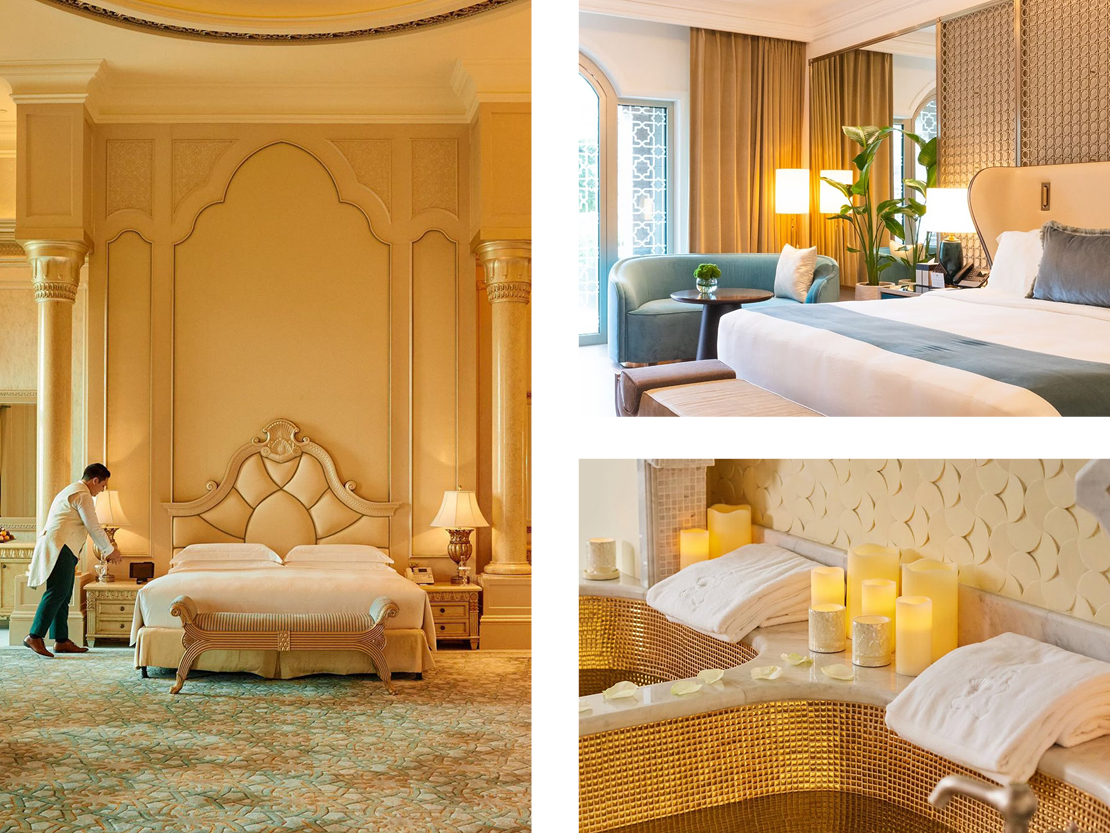
What are your future plans or visions for Emirates Palace Mandarin Oriental, especially in light of evolving guest expectations and market trends?
My vision for Emirates Palace Mandarin Oriental is to further elevate its status as a global leader in luxury hospitality, where personalisation and innovation take center stage. As guest expectations evolve, we are committed to offering increasingly bespoke and immersive experiences, ensuring that each stay is uniquely tailored to the individual.
We plan to deepen our cultural, culinary and wellness offerings by integrating more local elements—whether through exclusive art and cultural tours, private dining experiences with our Michelin-starred chefs or innovative wellness programs that fuse tradition with modern holistic practices.
Sustainability will continue to be at the forefront of our future plans. Responsible sourcing, energy efficiency and waste reduction are key pillars of our sustainability strategy.
Your tagline is “Your Palace, Your Story.” What impression do you want each guest to leave with?
With our tagline, “Your Palace, Your Story,” we aim for every guest to feel that their experience here is truly their own. Whether through bespoke services and experiences or unique moments shared within our settings, we want each guest to leave knowing that their time here was as individual as they are and to feel like they’ve not only visited a prestigious hotel but have created a lasting memory—a story that’s uniquely theirs.
Share with us the upcoming festive season plans at the property.
This festive season, the Palace will transform into a winter wonderland under the theme ‘Lilies and Baubles,’ where the purity of lilies represents a season of light and new beginnings. Our grand Christmas tree lighting ceremony will kick off the celebrations, and guests can expect an array of seasonal events, including festive afternoon teas, gourmet dinners and exclusive holiday experiences.
To welcome the New Year, we will host an extraordinary celebration, including a concert by the renowned Andrea Bocelli, dining experience, live entertainment and spectacular fireworks. This will be the ultimate venue for a truly unforgettable festive season.
Breitling’s Gianfranco Gentile On The House’s New Breitling Heritage Exhibition
Gianfranco Gentile, Breitling’s Heritage Director, takes us on a deep dive into the highlights of the Breitling Heritage Exhibition.
After joining Breitling in 2023, Gianfranco Gentile was tasked with developing the brand’s heritage department and shining a light on the rich history of the brand.
As Breitling approached its 140-year anniversary, Gentile set about creating a series of moments that would celebrate the heritage and storytelling of Breitling throughout the decades. We find out more about the process of bringing this exhibition to life, and why honouring and recognising the heritage of the brand is key in carving out its future.
How did this concept come to life and why did you decide to have it as a travelling concept around the world?
When we established the Breitling Heritage Department in 2023, we decided that we needed a set of activations to celebrate the 140-year anniversary of Breitling, and we worked on a series of projects, including this travelling exhibition, which began in Switzerland and will roll out to 25 countries, sharing the history of Breitling, with the world over the next six months.
We had to adapt the logistics to incorporate all of the countries, and so we actually designed four identical kits that were shipped to different continents. Each kit features a series of Breitling watches that represent key moments in the brand’s heritage.
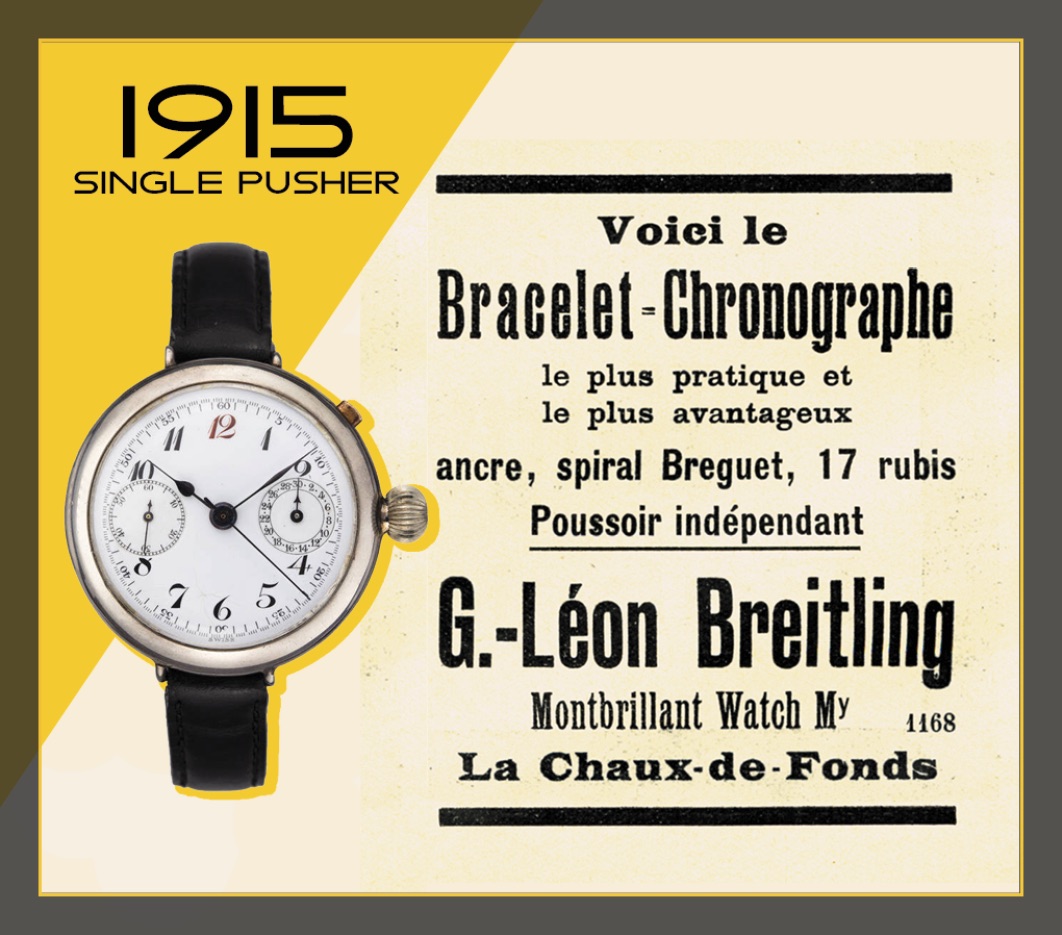
What do you base the edit on for each kit going to a certain market?
All the kits have almost the same watch models inside. We try to make them correspond as much as possible. It was a huge job to acquire all of the pieces because we had more or less one of each piece, but finding four of each piece is quite something, especially as most of the pieces are quite significant in terms of their rarity and value. But we want the kits to be as ingenious as possible in order to be able to tell the same stories. The only difference is with some of the limited edition pieces. With the Emergency watch, for example, each continent gets a different edition, but all of the watch types are the same.
What was the process of finding some of these really rare watches?
The company already had a significant selection of vintage watches, but for the exhibition, we decided to conceive the collection from scratch. We set up a process which included three different steps of evaluation by internal and external experts. The idea was that every watch we scout, either at auction or from a dealer or collector, was evaluated by three different people, and then, if approved by all three, it goes to the exhibition collection. The idea was to have a process that was bulletproof.
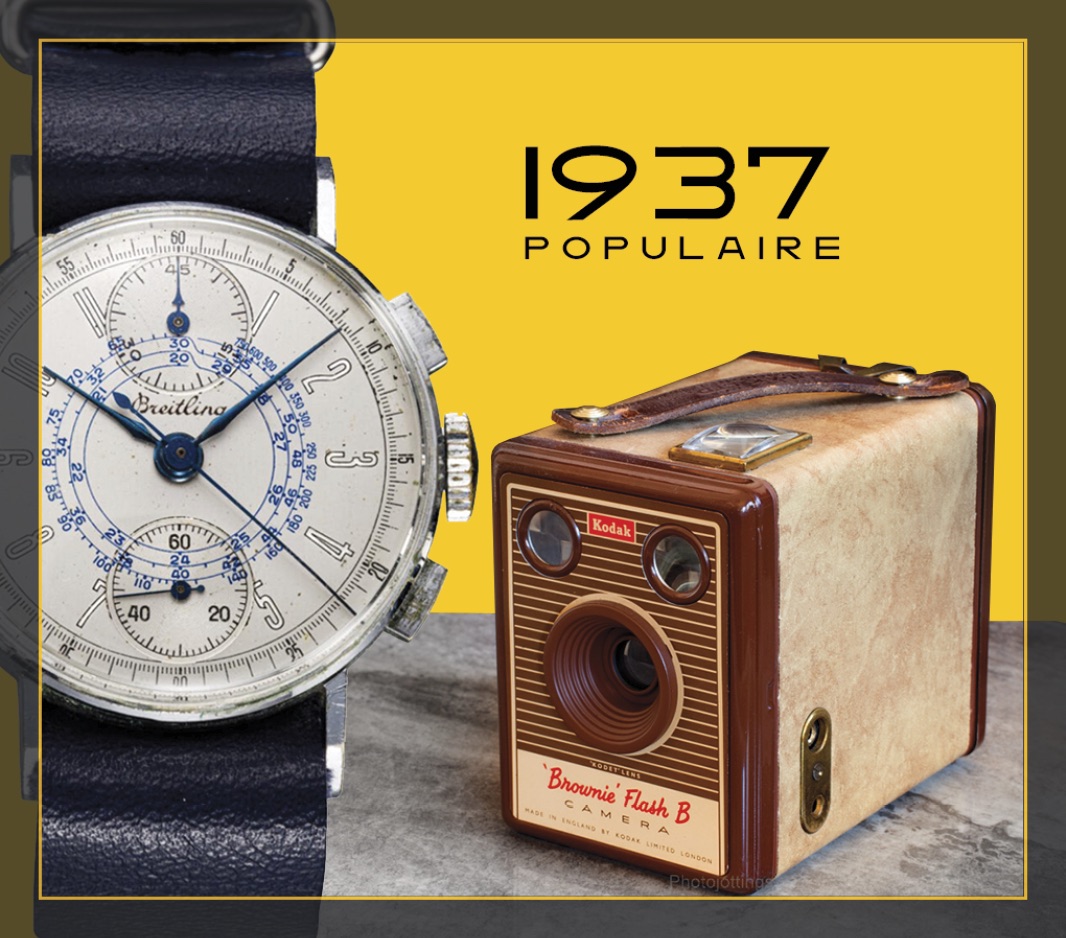
The heritage departments at watch brands have become very important over the past few years – tell us about the importance of this role for a legitimate historical brand and what is the nature of what you do in your role.
I started working in heritage marketing and management around 15 years ago. My first job was at Hermès in Paris, where I joined the exhibition department. At this point, the fashion industry had already started to understand the importance of having a heritage department, especially in historical and well-rooted brands like Hermès. Then, in 2010, I moved to the automotive industry and joined the Fiat Group in Italy. This industry was getting there in terms of recognising heritage. We know that the watch industry is quite a conservative industry, so I think this hit watchmaking a little but later, but the role of a heritage department is vital for a brand which is so historical.
It’s not only about the stories we can tell the customers. It’s about distilling the values that move the brand. What we do by going through the brand’s history is understand what it stands for and what it stood for during its sole existence.
For example, with Breitling, if I had to link it to values, they would be innovation because, from the very beginning, it was always about being daring and moving forward. And the second one would be quality. For Willy Breitling, quality was the utmost important thing. Before making any kind of complication, he would ensure that the watch would last and would not have issues later in time. The third pillar is the fact that form always follows function. So every aesthetic choice, even the most daring ones, is always derivative from the function that the specific watch has. For example, the Superocean reference 807; the first dive chronograph in history, was launched in 1957. It is also most likely the first panda dial in history. It is an aesthetic choice, of course, but it is also a derivative of function. This was a diving watch, so readability was crucial to make sure the diver could easily read the sub-counter of the minutes.
How do you balance preserving the heritage of the brand while still remaining modern and attractive to your clients?
We are involved from the very beginning, which is also part of our function within the company, as well as telling stories and bringing cultural projects to life. We are involved in defining the brand’s strategy and shaping the values and products. We are involved in all the discussions with the product department, marketing, visual merchandising etc. from day one because everything you do in the present and the future has to be coherent with what the brand did in the past.
We have an educational function because we are here to tell stories, but also to inspire new designs, visual merchandising, creativity, and marketing and communication campaigns. The campaign that we did this year was strongly inspired by the use of yellow which was launched by Willy Breitling in 1957. Yellow has been the colour of the brand for 70 years, so we wanted to bring this back for the anniversary. We are always there to support every department in the brand.
What can we expect to see at the exhibition in Dubai?
The travelling exhibition distils the most important milestones and storytelling throughout the brand’s history. The exhibition in Zurich at our museum has 90 pieces, while the travelling exhibition has 70. We tell the stories that made Breitling what it is today. For example how, in 1934, Breitling patented the Chronograph as we know it today. This concept with the crown and two pushers became a standard for the industry.
We talk about technical stories. We talk about the products that the brand launched through the decades, which are still part of the offering because we want our customers to understand that everything we have in the shop at the moment is inspired by some of the icons that Breitling launched in the past.
And then on top of that, we have more recent stories, like the one of the Emergency for example. And then we try to be daring and playful. One of the windows that I love the most is called Contrasting Craftsmanship, where we pair a B01 Chronograph, and pair it with a beautiful light jewellery piece from the 1940s, which people find totally unexpected. Many customers don’t realise that we used to produce jewellery watches, so this is important for us to share. This shows that we are not doing women’s watches or fashion collaborations just because they are trendy and cool; we do it because we have always paid attention to women and these kinds of watches. This is part of my task – explaining to the customer that the brand used to be much more than what it has been in the last 20 years.
If you chose one story of an icon you love, which would it be?
The Cosmonaute. The story of the first Swiss wristwatch that went to space. The piece is exhibited here in Zurich for the first time for the public. What’s interesting about this watch is not only what it could achieve but the fact that this amazing project wasn’t born out of an institutional commission but was born out of the love of two people – an astronaut who was very passionate about watches – Scott Carpenter. And a watchmaker who was incredibly passionate about space – Willy Breitling – in a way, they just blended and worked on this project as a totally personal initiative, and the watch was delivered only four or five days before Carpenter went to space. So it was very last minute, but it turned out very well.
What do you think makes an icon today?
We have been very tough about the use of the word icon at Breitling. Even though all our watches are legendary, we decided that the word icon can be applied to the Navitimer only. I think what makes an icon is its ability to be relevant over and over again. The Navitimer has been in production for 70 years. It went through an incredible array of variations, but still, it was always current. Today, people still recognise it immediately, and this is what makes it an icon that it deserves to be.
Zsófia Jakab Discusses The Growing Fashion Industry In Central Europe
We recently spoke to Zsófia Jakab, the CEO of the Hungarian Fashion & Design Agency.
In 2018, the Hungarian Fashion & Design Agency, (HFDA), was founded with the vision of growing the fashion industry in Hungary and growing the awareness of talented individuals and upcoming brands in the country’s fashion and design industries. The agency formed an efficient and structured way to achieve its vision that focuses on professional coordination, enhancing Hungarian brands’ availability of trade opportunities, educational development and manufacturing development. To support this vision the council created the Budapest Central European Fashion Week (BCEFW), with the goal of raising awareness of talented designers in the region and giving them a platform to showcase their designs and brands to a regional and international market.

This year was the 14th edition of the event which was the biggest event so far with over 5,000 visitors. More than 60 designers were present, showcasing their Spring/Summer 2025 collections, and buyers, press and VIP guests from around the world were invited to attend. The event took place across 40 venues in Budapest, the Hungarian capital and brands showcased their designs in the form or runway shows, presentations, exhibitions, workshops and more. Leading the vision of HFDA is CEO Zsófia Jakab, who is tasked with elevating the profile of not just the designers, but of Hungary as a regional hub for the fashion industry. During the event we sat down to find out more about this and why the Middle East is a key market for designers in Central Europe.
Tell us about Budapest Central European Fashion Week and its vision.
We started Budapest Central European Fashion Week in 2018, and we are now in the 14th edition. Our goal was to be a fashion hub in the region comprising of Hungary and the neighbouring countries. In the beginning, we collaborated with neighbouring countries like Austria, Slovakia, Ukraine and Czechoslovakia, and we had just a few brands, but now we are showcasing designs from 60 designers, including 20 international designers from neighbouring countries. We have opened our profile to also take on countries from the wider region and support international designers.

In fashion, there are the big four cities, but there are other places that are important to focus on, and I think in this region, we are the only ones who can be a player in this field and support brands that may not be able to showcase in the big four cities. This is a good option for them as they get awareness and visibility from international buyers, clients, and the press, which allows them to move forward with their brand. In a sense, we are a platform to help them get to where they want to be.
What are the prerequisites for you to take on designers to participate?
We have an application form that all potential designers need to fill out, and this year, we had the biggest demand so far. The criteria are that they need to have existed for a couple of years and have seasonal collections that align with the international market. If they don’t have this, there is still the opportunity for them to come, but not in the sense of a catwalk show. We have created many formats for designers to be part of our fashion week. We want to give as many designers as possible the opportunity, particularly Hungarian brands. Many smaller brands show their collections in a presentation format, allowing us to support more brands.

International brands who are applying to be part of the event should be ready to showcase the right seasons, and they need to share pictures of their previous collections, as well as some ideas about their new collection. This can be a moodboard or a drawing. We have an advisory board, created three seasons ago, that will consider all of this.
If you look at this part of the world, what is it that Budapest offers as a platform for designers that the neighbouring cities don’t yet have?
We are inviting a lot of international guests. Our focus is really on being a meeting point for the region. I think this is the biggest event in our region of this scale. We are a small country, and our market is small, but we aim to be a regional hub to help brands grow on a regional and global level. That’s why we collaborated with other agencies and fashion weeks this season. We have collaborations with Serbian Fashion Week, Austrian Fashion Week, The Slovakian Fashion Council, and Ukrainian Fashion Week. This allows us to have a bigger reach and also gives these entities the best designers from their markets.

We understand you will also have a day of presentations at Milan Fashion Week – tell us more about that, and do you plan to roll out to the other cities?
Yes, we definitely need to be part of other fashion weeks. There are a couple of brands from the Hungarian market who are ready to be at these fashion weeks. We have been working closely with Camera Nazionale della Moda Italiana since 2008, and we have a partnership with them. This will be the first season we organise our event in Milan. Until now, Camera Moda was the organiser, and we had a collective fashion show, which was a huge opportunity for us, but after more than ten seasons, we decided we were ready to organise our own event.

Our brands all have different target groups and styles and so we decided not to combine them into one fashion show but instead to do an event that showcases the brands on a different format. We want to show guests that something important is happening in Hungary, so we are creating a whole universe for them to discover more about our brands and what’s happening in our market. It will be a holistic approach that also focuses on Hungarian gastronomy, design, skincare and other elements of our country, of course, with the main focus remaining on fashion.
Why did you choose to have this platform at Milan Fashion Week rather than in other cities?
The four main fashion cities have four different goals. Just because Milan is in Italy, it doesn’t just focus on the Italian market; it focuses on a global market, and I believe this is where the business is. In Milan, people come from all around the world and you can reach many different markets in one place. So, for us, it’s the most international market, and it is the best place for us to have the opportunity to create our story.

In your capacity as CEO, what are the challenges you face?
I think the hardest one is that the whole fashion system is changing. Economically it’s really hard now to create an established fashion brand. The whole economic situation is not easy in general. We are missing Chinese shoppers – they are coming back as tourists, but they don’t really shop like they did before. It’s really hard to get your place in this big crowd. For me, as CEO, the biggest challenge is that I’m not the CEO of one brand. I’m representing an agency that’s representing a whole county’s creative industry – brands producers, fashion schools and more – so I need to think about what’s good for our country and so when we are doing an event, I need to involve more than just one designer, and it needs to be a collaborative effort to find the best solution that works for everyone.
What would you still like to achieve with the agency, and where do you want to take this fashion week in the future?
If we can continue with the path we are on now, from season to season, we grow. Our international awareness is growing, and if we can ensure that we get more coverage and attention every season, this will continue.

With the agency as a whole, we have some really good brands, and we want to have three or four of these brands showcasing on an international level and having success in international markets.
How important is it for you to focus on awareness in the Middle East for this part of the world?
This is a new challenge for us, but it’s very promising. We started focusing on the Middle East a couple of years ago during Expo 2020 in Dubai, where we had a beautiful fashion show, and we saw there was an appetite for our brands. Now we have found good partners in the region, and we are focusing on understanding the needs of clients in that region and our designers are preparing for this market. It’s a very special market, and our brands are ready for it.
Haute Couturier Rahul Misha On His Collaboration With Tod’s
Rahul Mishal has been designing exquisite haute couture pieces for over two decades.
The Indian designer, who is known for his opulent designs and impressive embroideries, was the first Indian designer to be invited to showcase his collections at Haute Couture Week in Paris. At the heart of his designers are traditional Indian embroideries, which are still present in all of his collections today, albeit with a modern, cosmopolitan twist. Misha has come a long way from his humble beginnings in India but he continues to remain loyal and dedicated to the traditions and techniques of hand-making clothing that his home country is known for. He creates his designs locally in India, partnering with the most talented craftspeople, to produce pieces that are of the utmost quality.
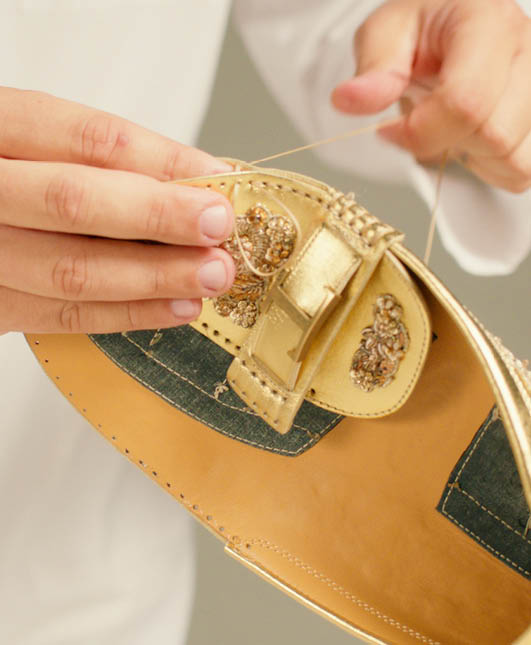
It seems fitting then that Tod’s an Italian brand which also holds quality, craftsmanship and family values at the heart of everything it does, would approach the Indian designer to work on a collaboration collection. The partnership that took seven years to come to fruition launched last week in London, with an exclusive line of shoes and bags forming the “Rahul Mishra X Tod’s” collection. The “Rahul Mishra X Tod’s” collection is part of Tod’s Factory, a creative laboratory where established and emerging designers are invited to offer a new point of view on the Tod’s DNA and its iconic heritage. Tod’s Factory allows creatives unique access to Tod’s craftsmen and the savoir-faire in the Marche region of Italy, creating a range of capsule collections and limited-edition pieces within the season.
This collection pays homage to the encounter of quality and Italian artisanal tradition and the essence of Indian craftsmanship, with Misha applying custom-designed embroideries onto some iconic Tod’s creations. Accessories, including the Gommino, the Di Bag and the T Timeless bag have been hand embroidered by skilled Kaarigar artisans, who have perfected this art for generations and interpret timeless luxury with a contemporary language. Here we find out more about this very special collection.
How did the collaboration between you and Tod’s come to life?
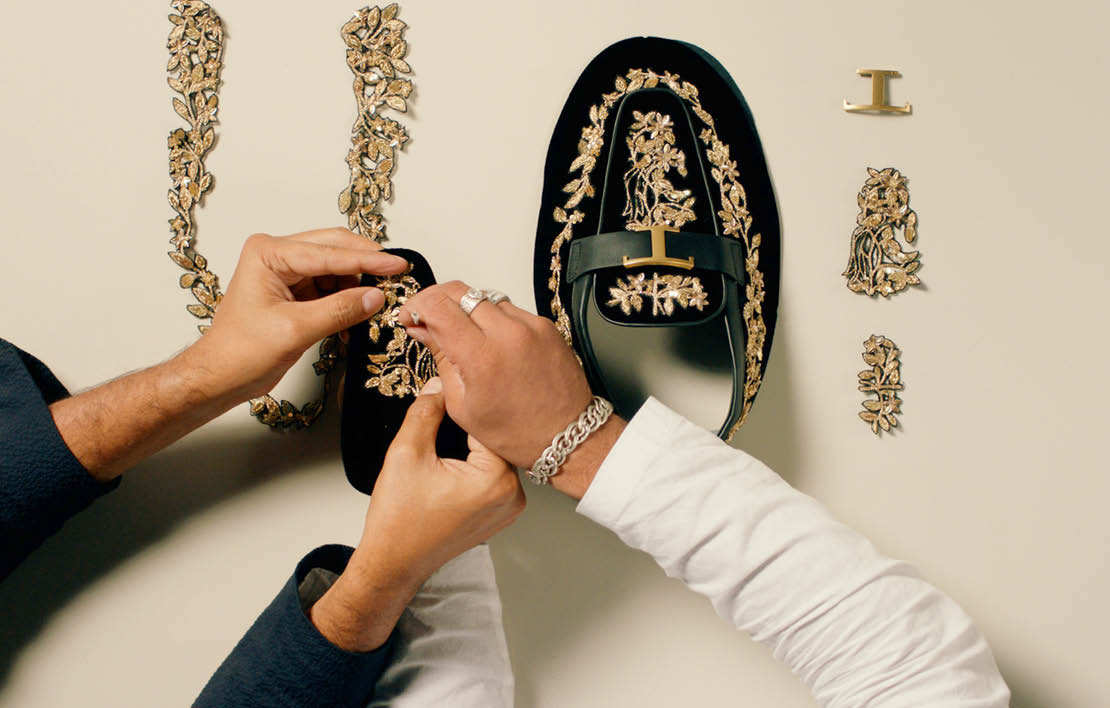
Tod’s first contacted me in 2017 about a possible collaboration and later that year, after my ready-to-wear show at Paris Fashion Week, I flew to Milan and went to Tod’s headquarters in Ancona. Diego Della Valle [CEO of Tod’s Group], was travelling, so I was hosted by his brother Andrea, and I was truly fascinated by the brand. At Tod’s, they don’t just control the manufacturing of their products, they look after people in the village [where the HQ is]. They have set up everything in Ancona to help all the families that live there. I fell in love with what they are doing. I love this feeling of luxury, which isn’t just about marketing alone. It has a deeper meaning and a beautiful ecosystem around it. So I knew after this visit that I HAD to do this collaboration. I wanted to be involved with this brand.
When I got back to India, I was sent materials from Tod’s, and we started working on creating the first pair of shoes. And then, I realised that doing the finest embroidery on the finest material is not easy. When you look at any shoe that might have some embroidery, the material is different – it’s usually fabric – and even if it’s leather, it’s end-to-end covered, to hide mistakes, but here, the materials Tod’s uses are so beautiful I wanted them to be visible. When you create a Gommino, you need stretchability, you need a material that can breathe and almost become a second skin for a foot. So, creating a shoe with embroidery was very challenging. Creating embroidery on clothes is much easier! When you do a piece of clothing, it’s very easy – clothes are a larger canvas, so details can be easily captured, but if you shrink the canvas to a bag or a shoe, the details have to be a lot more intricate, and the process is a lot more intense. So, it took us two or three years of development before we were ready. And then Covid hit and everything was put on hold. Then in 2023, we got a message from Tod’s to set a timeline for the project and we pinned the date for 2024. And here we are.
It was Mr Diego Della Valle’s passion, his belief in artisanal works, the savoir-faire that we offer, and his love for our brand that made this happen. It took seven years to develop and now we are seeing the result.
Tod’s is the Italian soul of beautiful handcrafted pieces, using the most beautiful craftsmanship to shape bags and shoes. I don’t feel that it’s just a collaboration between Tod’s and Rahul Mishra. It is a collaboration between India and Italy. India is known to create the best of hand embroideries for the world – when I showcase Haute Couture, we are the only designer doing Indian embroideries. And with this collection, we don’t just showcase Indian embroideries, we also showcase modern Indian histories.
Tell us about the message and story you are telling with these pieces.
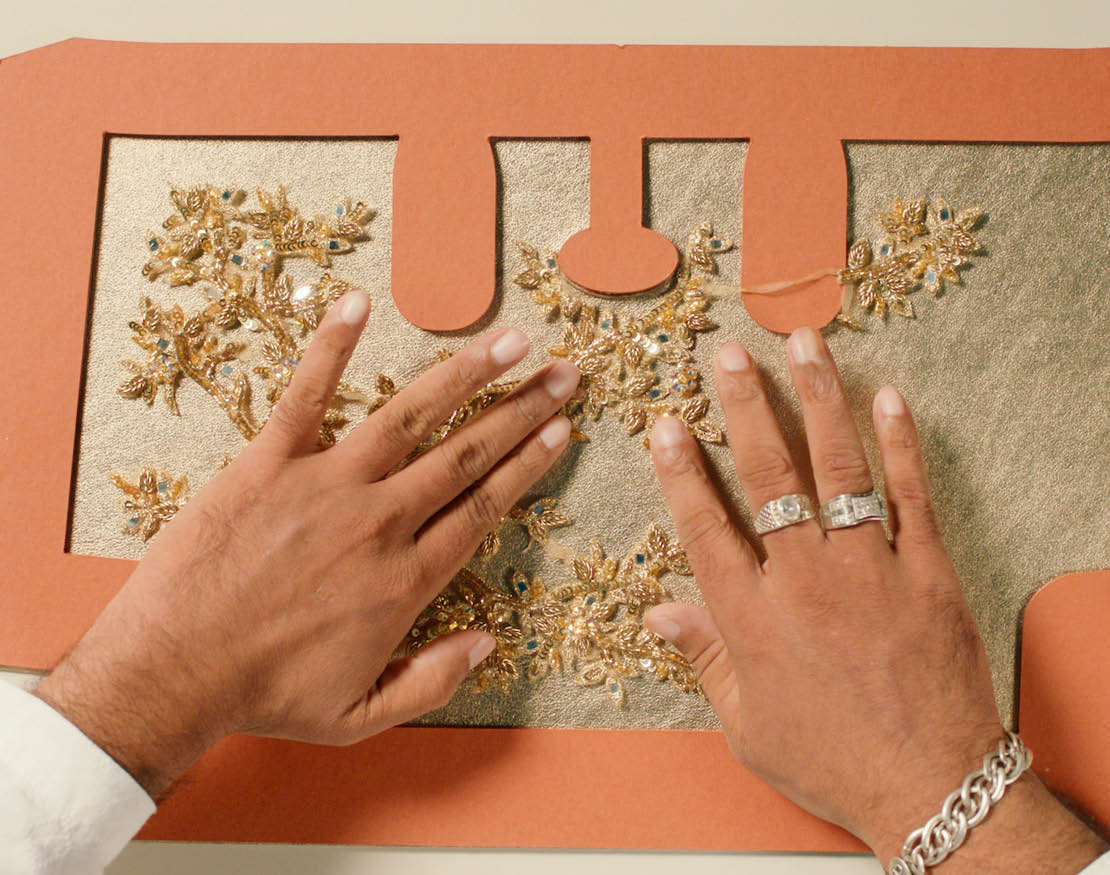
My idea with this collection was to go back to the drawing board. Although my last two seasons of Haute Couture have been dominated by black and grey tones to create a very global and modern feel, in this collection, we thought about how we could make something that even if you don’t know it was created by the house of Rahul Mishra or Tod’s, you still know it is the best of Indian and Italian craftsmanship coming together. So, I really worked on modern Indian ethnography.
The tiger is one of the most important motifs in Indian culture. My idea behind the tiger was to create a modern motif out of it. The tiger walking in a lotus pond was an idea to pay homage to Indian craftsmanship and, at the same time, modern Indian aesthetics. The Tree of Life is a motif originating out of India and is the common connection between India and impression motifs. There’s a beautiful mosque in Ahmedabad, which is a UNESCO World Heritage Site. The mosque has the most amazing Tree of Life carved on sandstone. Artisans came together to create it in 1532. The details are beyond anything I’ve seen. I studied 2km away from this mosque, and it’s therefore very important to me. So, creating a Tree of Life motif with two parrots sitting on it took a very typical Indian idea and made it modern. India is not just a country, it’s multi-cultural, multi-spirituality, it’s beautiful.
The beauty of India is incredible. The most beautiful mosques and temples are all preserved in all their glory. This collection somehow shows these multicultural elements in all its facets. It was not a collection based on a theme or moodboard. It was more like creating a time capsule.
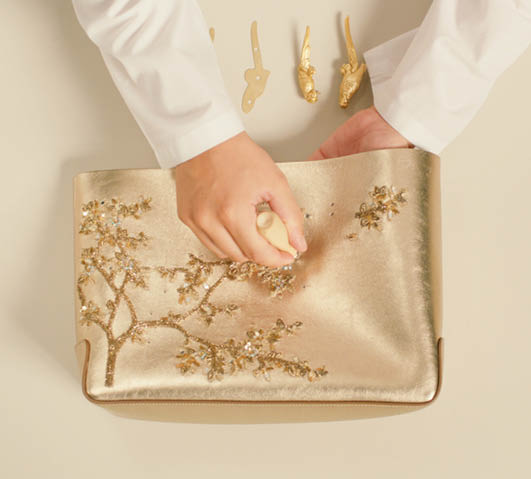
Tell us about the leather colours you chose and why you chose them.
The idea was to express the opulence of luxury because anything handmade is the epitome of haute couture or luxury. Being a haute couture brand, it became really important for us to showcase a new version within our universe and elevate these accessories to become almost like jewellery pieces. They are not just accessories, they are crafted like jewellery is. That was the whole feeling behind everything we did, including how we worked with the colour palette. We looked at some of the classic Tod’s shapes, and these icons became a canvas for craftsmen to express themselves. Some of the master craftsmen at Rahul Mishra have worked on these pieces, and that’s why it took us six months even to produce hand embroideries in India. The patterns initially came to India. We created some art pieces with those patterns, which were then sewn. The embroidery was done on the leather and it was sent back to Italy. After this, they were transported to Italy, where they were again hand-assembled. The craftsmen here didn’t see it as a challenge to sew into the leather, and it was also a beautiful exchange between two production processes. It was a complex collection; it wasn’t easy to make, and that’s why it took seven years of research and development.
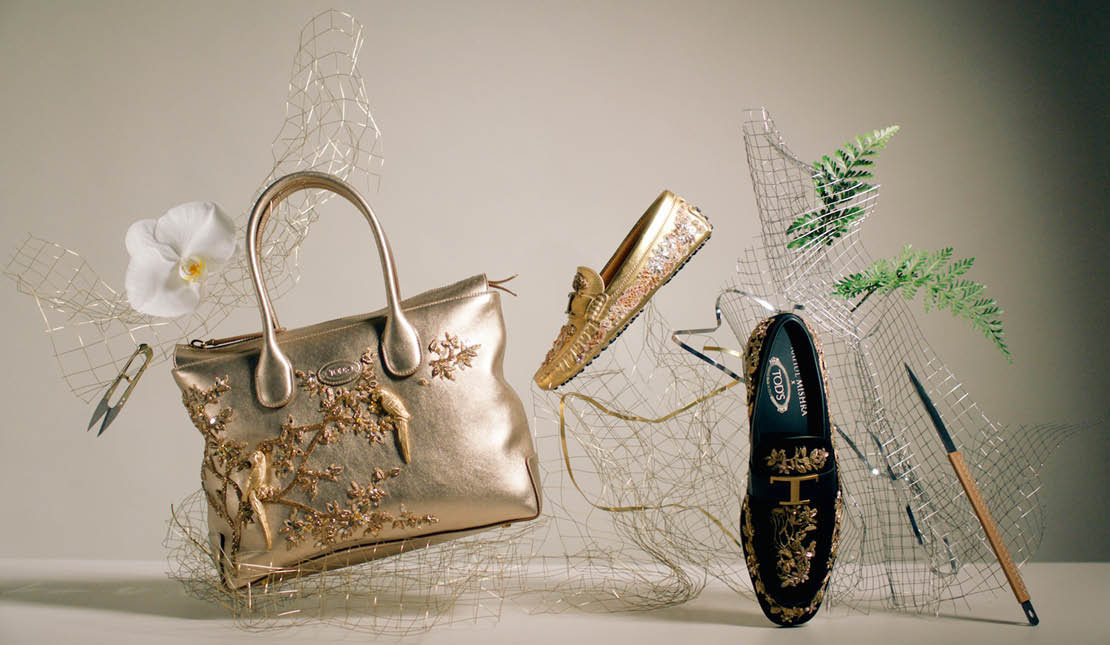
What are the common codes you found between you and Tod’s?
During my visit to Ancona, what really moved me was that whatever piece Tod’s was creating, it was purposeful. This brand is not just creating luxury pieces simply for consumption. They are creating luxury that will create employment for the region. That is such an important message in today’s world. The world is moving forward with AI, and the world’s population is increasing. Today, India is the world’s most populated country, so what I create in couture needs to create employment. So the idea of creating slowness in the process means I’m creating more participation from hand embroiders and artisans, and they are getting the chance to express themselves and also get employment. This is a message of creating luxury with heart, where luxury does not just follow the process at hand. It’s an idea in the mind, an emotion in the heart and a process that happens with the hand. And this entire universe is unified across the two brands. This is very special.
What would you still like to achieve?
Most importantly, it’s sharing this message with the world. The world is moving very fast with technology and any way we can show people that anything made by hand is far more luxurious and far more beautiful is crucial today. The power of luxury goes beyond an expensive item. The idea is that what we create in India with our craftsmen and embroiders provides lives for them or their families. To a craftsman, luxury is an enabler. If luxury is slow; it is an enabler for him to dream big for his children. That should be the same for all craftsmen. My question is; how do I ensure there is enough work for all my craftsman so they can dream big for their families? My mission is to create more employment across Indian villages. My dream is to employ a million people one day. It is a big dream, but dreams need to be big.
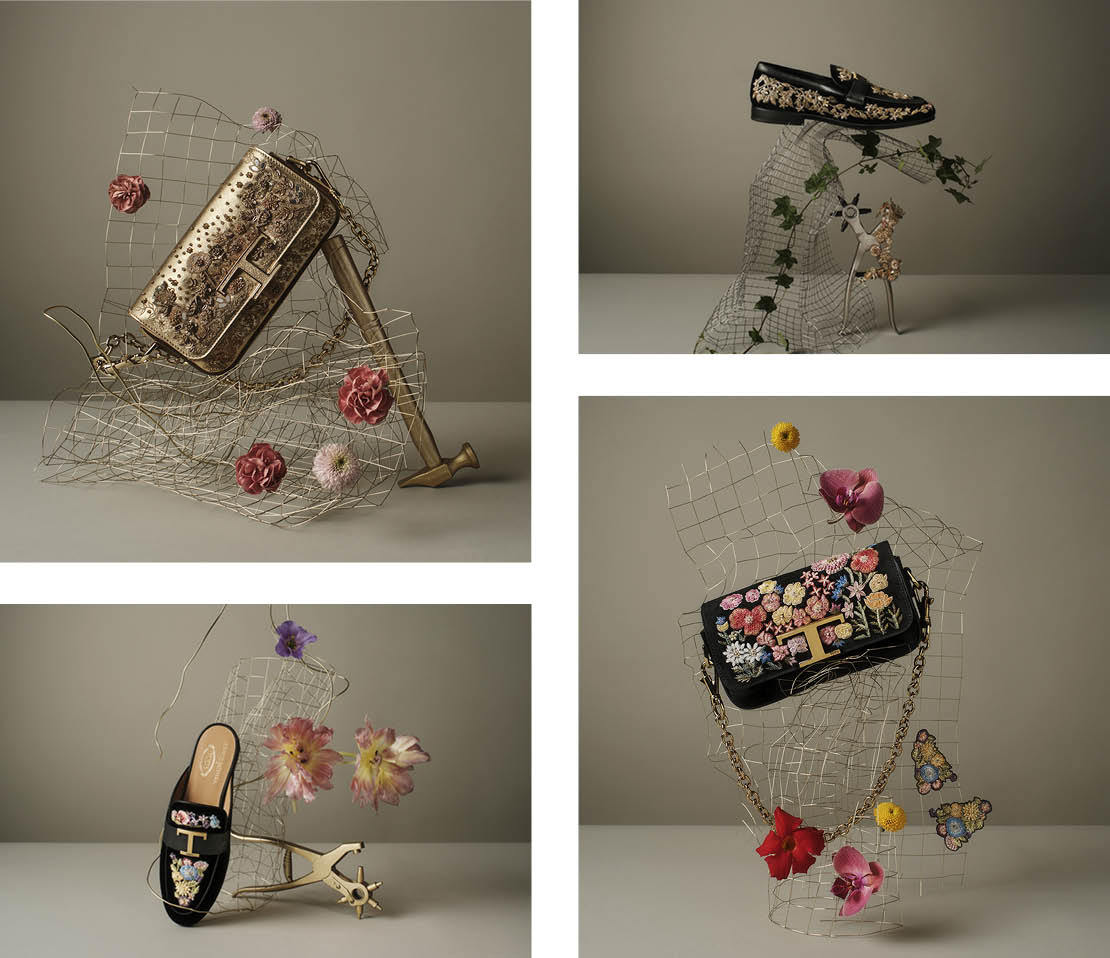
Your dreams are big, and your objectives are challenging. How do you keep yourself grounded and really be committed to your dreams?
In India, all the designers use embroidery. It is not a passing trend. I think of a simple philosophy: Any step you take in any direction you’re contemplating, think of the weakest and poorest person you’ve ever come across in life and ask how what you do could be useful for him, to help him gain control of his life. I’m a fashion designer. I think of a mood board or an idea, and then I create. Now, if I created a print, it could be very simple and take ten people to do the job, but if I do hand embroidery, 5,000 humans have a job. So, for me, it’s simple. I want to do something which is useful for a person who’s behind in life. I don’t want to do something that I can 100 per cent control and produce at a fast pace – that’s easily done – I want to take time and to give people a purpose and a better chance.
I live in the city where Gandhi gave a message of peace to the world. My design professor taught me the power of Gandhi’s message. Of inclusivity. Making sure everyone gets to do their work. And when you come from the most populous country in the world, there’s the biggest challenge. However small my contribution might be, I want to contribute. I want to take a more difficult path because, ultimately, it’s also about making the most beautiful decision, not the easiest one. This is what couture is for me.
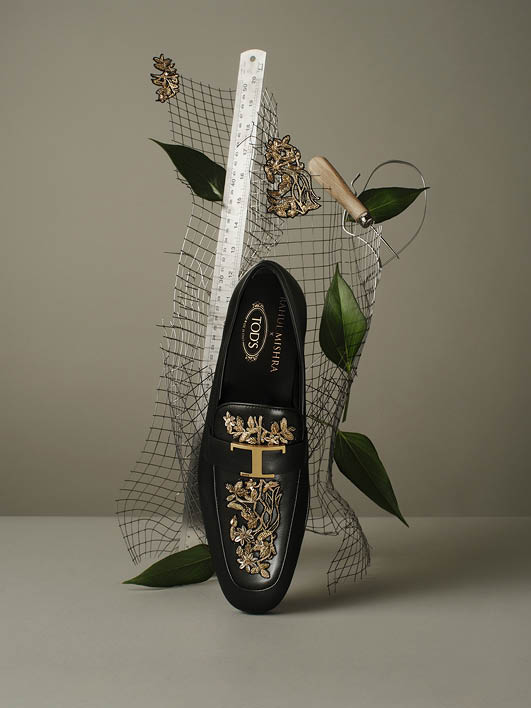
What message would you give our readers and consumers in this region?
I would say that whether it’s related to sustainability, environmental culture, or the economy, you should make a choice every day. We all have choices. Make a small choice. Go to luxury that is made by hand. Ask questions about the brand and the products you spend money on. How much is going to a person who really needs the work? Maybe, if as consumers, we can start making smart choices about what we choose to buy and that it creates some value for somebody who’s way behind in line.
Gherardo Felloni, Roger Vivier’s Creative Director Gherardo Felloni Discusses The Brand’s Latest Pieces
This July, during Paris Haute Couture Week, Roger Vivier unveiled a series of special creations with the third chapter of its Pièce Unique collection.
Imagined and designed by the house’s creative director Gherardo Felloni, these beautiful one-of-a-kind Viv’ Choc handbags as well as a series of silk gilets, showcase Roger Vivier’s highest iteration of savoir-faire and attention to detail.
Entitled “Petites Merveilles”, Felloni’s passion for nature inspires the one-of-a-kind pieces, this time looking to the ethereal beauty of insects and their flora, incorporating their colours and beauty into the designs. Each creation features talismans and gestures that recall their namesake creature. From butterflies and bees to scorpions and spiders, beetles, ladybugs and fireflies. Together, the collection of 15 bags and four gilets forms a harmonious work of artistic expressions that flow from one design to another, oscillating between diaphanous lightness and a darker sense of beauty.
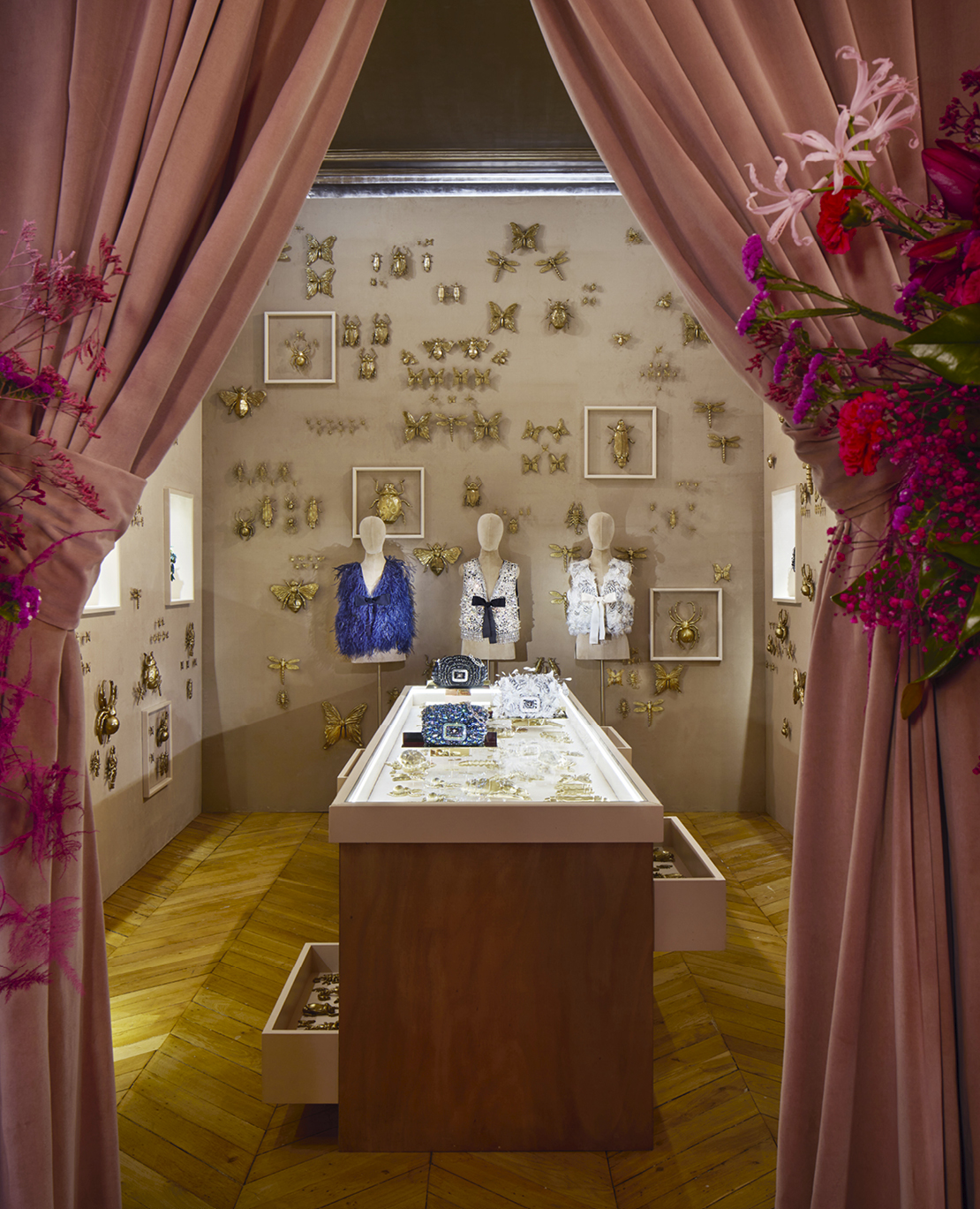
Highlight pieces of the collection include the Icarus Bag. This beautiful iridescent creation mirrors the wings of a Common Blue Butterfly, meticulously detailed through shades of hand-embroidered black and blue rhinestone beads. The wing patterns, padded, are rendered in three dimensions, giving the piece a moving, sensual aspect, as if it were alive. The front reveals a buckle encrusted with blue and black rhinestones, which also adorn the platinum metal chain. The specific placement of each rhinestone, drapery and pattern has been planned by Felloni, with careful consideration for the overall balance of volume and functionality. The creation of this Pièce Unique took approximately 36 hours.
Another highlight is the Lady Ruby, inspired by the ladybug and the beliefs of prosperity held around the creature. The red satin base of the bag is draped with hand-stitched rhinestones of varying sizes and shades of red, then complemented by fringes of translucent red beaded cords tipped with red satin spheres. These luxurious orbs are themselves embroidered in red and black beads, embodying the creature of good fortune. The central closure and shoulder strap chain, composed of ultra-black platinum metal, are each hand-encrusted with Siam red, ruby-like, rhinestones in accordance with high-jewellery techniques. The creation of this Pièce Unique took approximately 40 hours. With these and many more incredible pieces to discover, we talked to Gherardo Felloni to find out more.
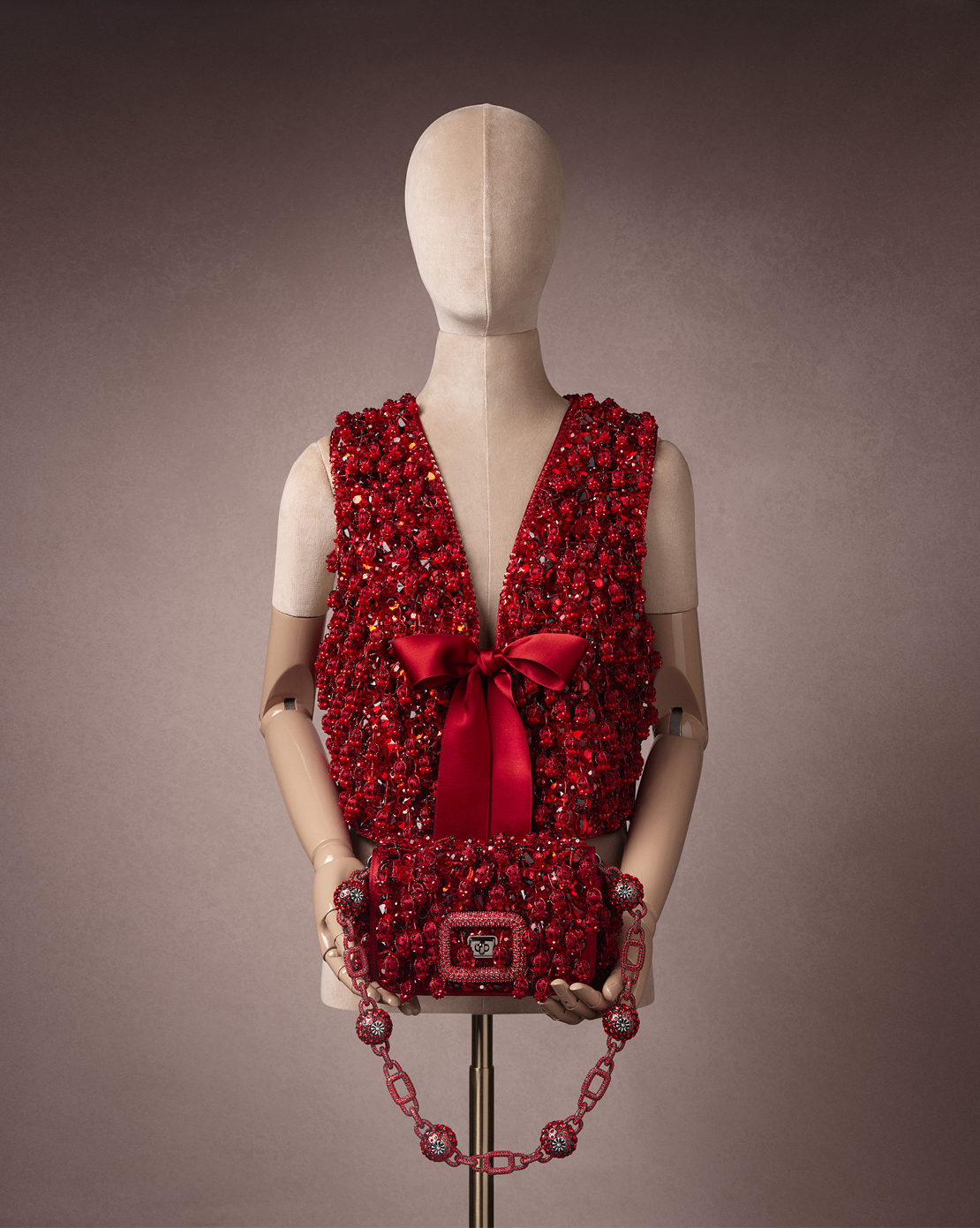
We just saw these beautiful, unique pieces – take us through the message you are trying to portray.
The inspiration for these pieces are the insects – these small animals that we often forget about, but they are really important. As you know, I like nature – flowers, gardening – and when I was looking for inspiration for our next collection, I said, ‘Why not insects? They are so important.’ Ladybugs, bees, all of these creatures are crucial to mankind. Every country has its own stories and references to many of these insects – a ladybug, for example, can bring good luck to Europeans. From a biological point of view, an insect eats parasites and protects other types of nature, so they are really important to the ecosystem. They are beautiful, too.
Every bag is a one-of-a-kind piece and each bag has its own story, dedicated to a different insect. Of course, there is a beautiful savoir-faire behind each bag. Each embroidery is different. For me, it was an easy project because when you work on unique pieces, you have the freedom. You don’t have to think about quantity or replicating the pieces, so all of the stones, features and details used on the bag are quite special, as you don’t need to have vast quantities of them. I like the idea of working on something that is so far from fast fashion. It takes many hours to make each of these bags, and as a consumer, if you have the spending power to buy a bag like this, it’s really special. We are not working on a collection. You are buying into a unique piece with a message.
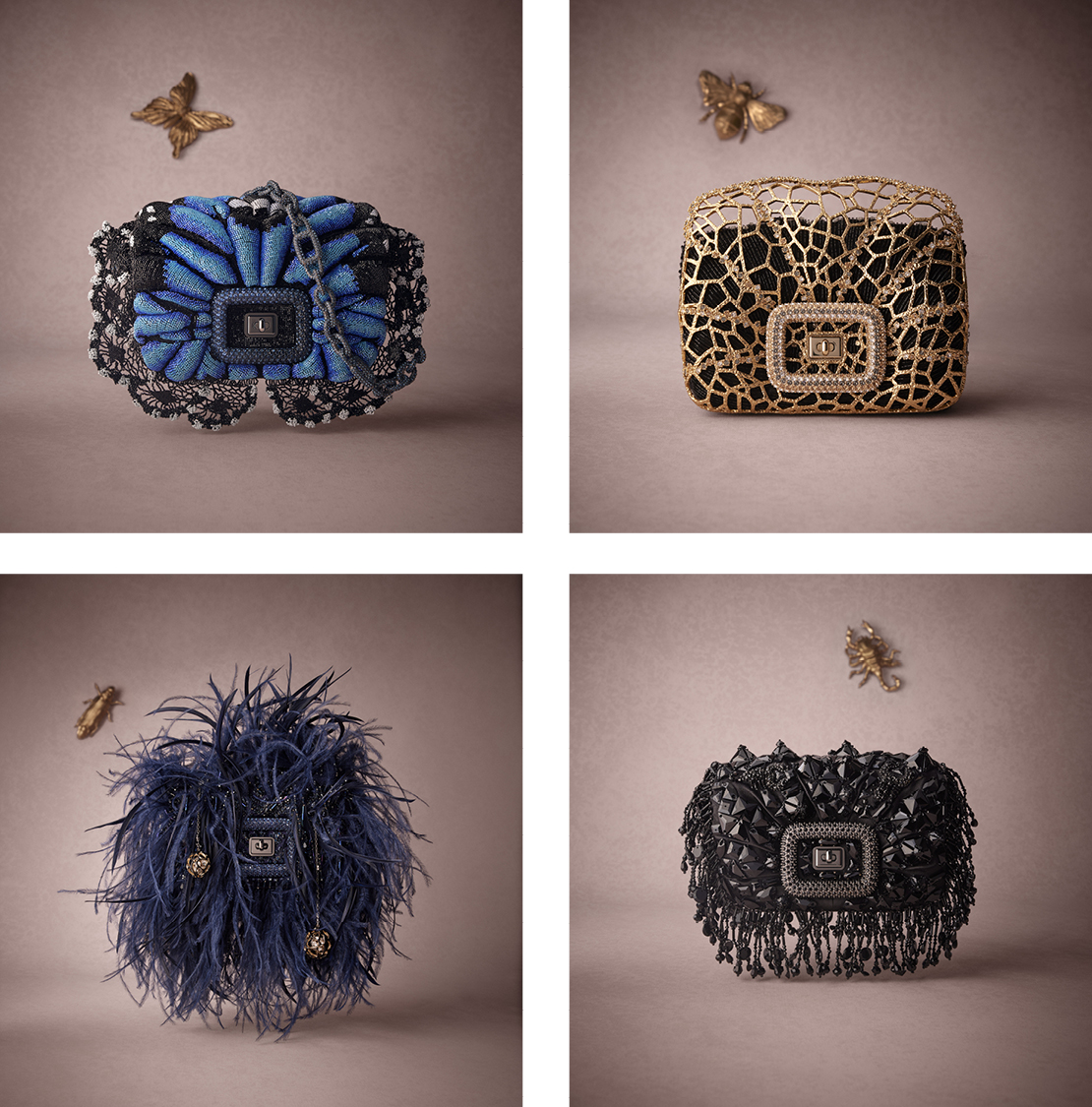
Why do you find it important to be inspired by nature?
For me, inspiration is everywhere. There are moments when you see things and get inspired by them. But nature is really important for everyone. I grew up around it, and so I always thought it was beautiful and inspiring. Now, I think especially the new generation is attracted to nature and understands that we need to take care of it because it’s our living space. If we destroy nature, we will destroy the planet, and that really is the simple equation.
What is something that you would still like to work on?
I would love to work on sunglasses. I love objects that elevate a silhouette – hats, jewels, and, of course, gilets – we have done much of this already. A gilet, for me, is like a jewel for the body, and that’s why they are all embroidered, and you can wear them wherever you want in any way you want. Not many brands work on gilets, and I think it’s a homage to this kind of effect that Roger Vivier changed the female silhouette.
Tell us about the upcoming fall/winter collection.
The Optical collection is a homage to the golden era of Roger Vivier in the sixties. He was the master of black-and-white designs. So, I decided to honour this moment. It was quite spontaneous, but I soon realised it was a big trend, and the sixties inspired many designers. Maybe because it was a moment in Europe when women were liberated. Women started to wear more comfortable shoes with a chunkier heel and it was quite an important moment for women’s empowerment. Roger Vivier was the one to embrace this moment through his shoes, and I decided to revisit it.
What is upcoming for next season?
We are preparing the September presentation. If I could describe this collection in one word, it would be “ lightness”.
What is the motto that you live by?
We have to be resilient, believe in our ideas, and promote what we love to other people.
What would you tell our readers in the Middle East?
I’m quite fascinated by the Middle East. It’s a big area, and I would love to explore it and become more in touch with its culture.
Zuhair Murad On Expanding His Brand While Honouring Traditional Craftsmanship
Zuhair Murad has become one of the most recognisable names in fashion.
The Lebanese couturier has become a designer of choice for everyone from Jennifer Lopez to Taylor Swift to the region’s elite and his opulent yet perfectly put-together haute couture designs are undeniably beautiful.
Zuhair Murad came from humble beginnings, growing up in Baalbek, Lebanon. His love for fashion and fantasy began at a young age when he started sketching dresses at the age of just ten. Realising his talent, the aspiring designer’s family supported him in travelling to Paris to study fashion design, and in 1997, he opened his first atelier in Beirut. In 2001, Murad presented his haute couture collection in Paris for the first time and gained great recognition for his designs, exploding him onto the international platform.

Murad’s designs have become instantly recognisable for their intricate embroidery and eye-catching embellishments and have become a regular fixture on any red carpet, from the Oscars to the Cannes Film Festival. At the heart of everything he does is Murad’s constant passion for his craft, something that remains a key pillar at the Maison today. Combining expert savoir faire with his colourful inspirations, the designer is able to create collections that have a truly special appeal. We find out more.

How would you describe the universe of Zuhair Murad today?
The Zuhair Murad universe embodies timelessness, where every design tells a story of craftsmanship, heritage, and creativity. It blends opulence and refinement with delicate details.
The Fall/Winter 24 Haute Couture collection was the epitome of elegance – tell us about this collection – the inspiration, the silhouette, the materials etc.
This collection embodies a transformation that reflects the journey of a woman who has faced her struggles and emerged stronger. Silhouettes are fluid yet powerful. The collection features daring slits, structured draping, and exaggerated shoulders that echo both fragility and strength. Fabrics such as embroidered tulle, silk, chiffon, satin, crêpe cady, velvet, and jersey are intricately embellished with sparkling crystals and beads, transforming traces of past pains into stunning works of art.
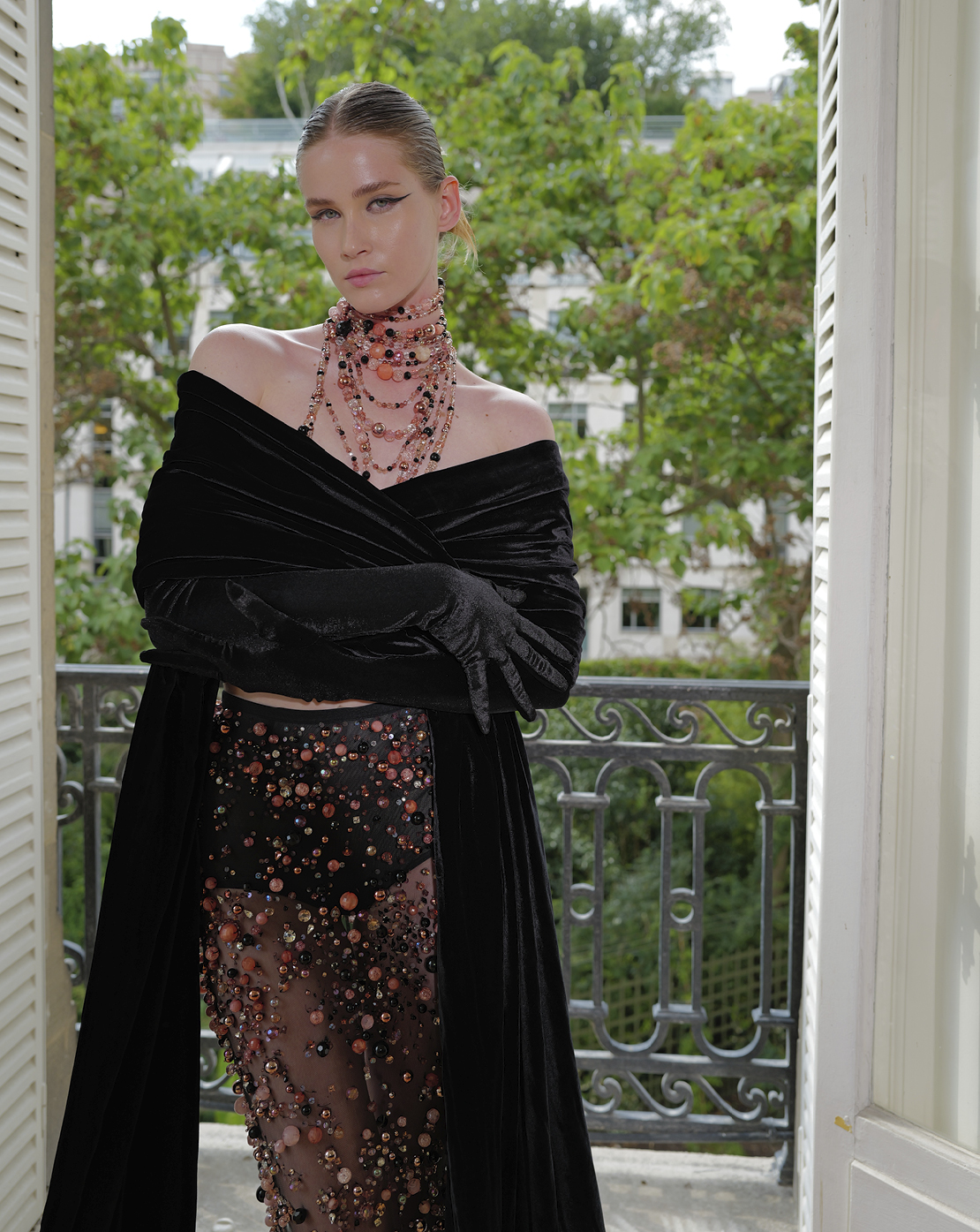
Why is nature such an important inspiration for your designs, and how do you get inspired?
I find inspiration in my surroundings, and nature is a big part of it. Nature can be both soft and strong. It’s endlessly multifaceted, offering an infinite range of interpretations. I find inspiration in everything—from the delicate patterns of flowers to the majestic power of the ocean. These elements remind me of the grace that we aim to capture in our collections.
Tell us about your creative process.
My creative process begins with a story—whether it’s inspired by art, nature, or an emotion. I start by sketching, letting the ideas flow naturally, and then working closely with my team to select fabrics and embroideries that bring these sketches to life. Each piece undergoes multiple stages of refinement to ensure that every detail is perfect. It’s a collaborative journey from concept to runway.
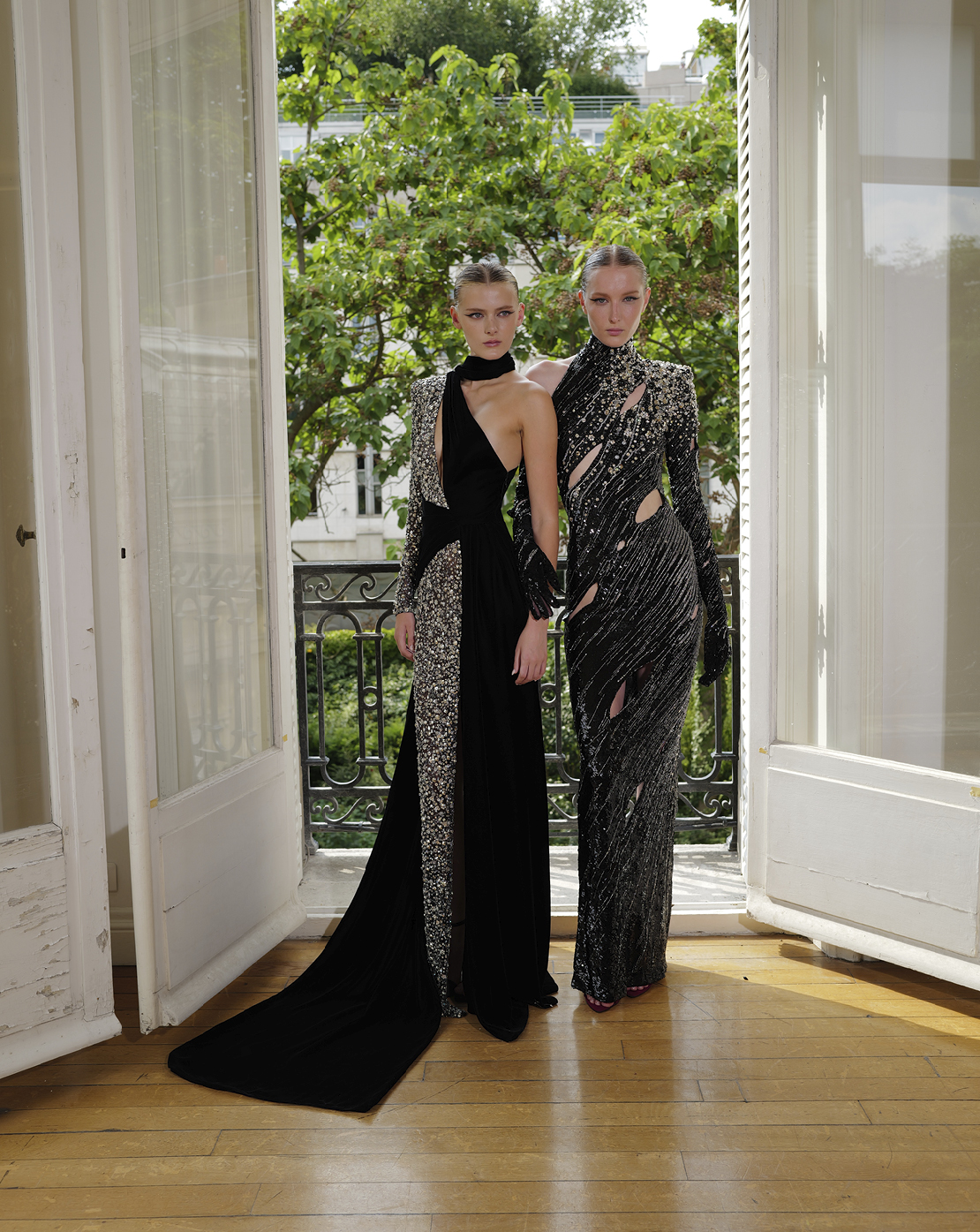
After almost two decades, how would you assess the industry today and how it has evolved?
The industry has evolved dramatically, with consumer behaviour shifts playing a significant role in shaping the fashion landscape. There’s a greater emphasis on inclusivity and sustainability, and consumers are more engaged and informed than ever before. While the pace has quickened, the core values of craftsmanship and creativity remain at the heart of the industry.
What’s the biggest challenge you face as a designer today?
The biggest challenge is balancing creativity with the realities of business. It’s always a fine line between staying true to your artistic vision and adapting to market trends while maintaining the brand’s integrity. The pressure to innovate continuously while meeting the expectations of a global audience is both exciting and challenging.
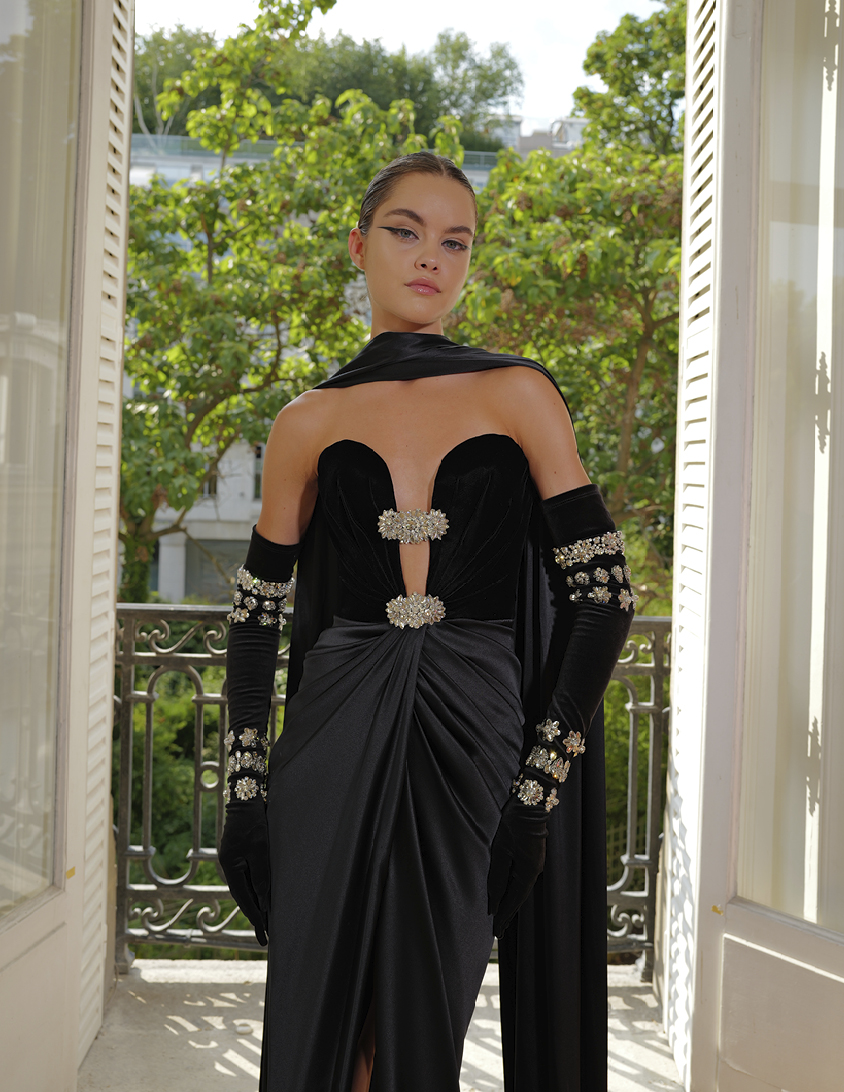
Can you share more about the brand’s presence in the Middle East and why it is important to you?
The Middle East holds a special place in my heart; it’s where my journey began. Consumers in the region have a rich appreciation for fashion, beauty, and luxury, and I feel a deep connection with the clients here. The rich cultural heritage and traditions continue to inspire my work, and I’m grateful to have the support of such a passionate audience.
As one of the first Arab designers to achieve international success – what do you think is the secret to sustaining global recognition?
The secret lies in staying true to your roots while embracing change. Consistency in delivering exceptional quality and a deep understanding of the brand’s DNA. Building a personal connection with clients and listening to their needs also helps sustain a lasting presence on the global stage.
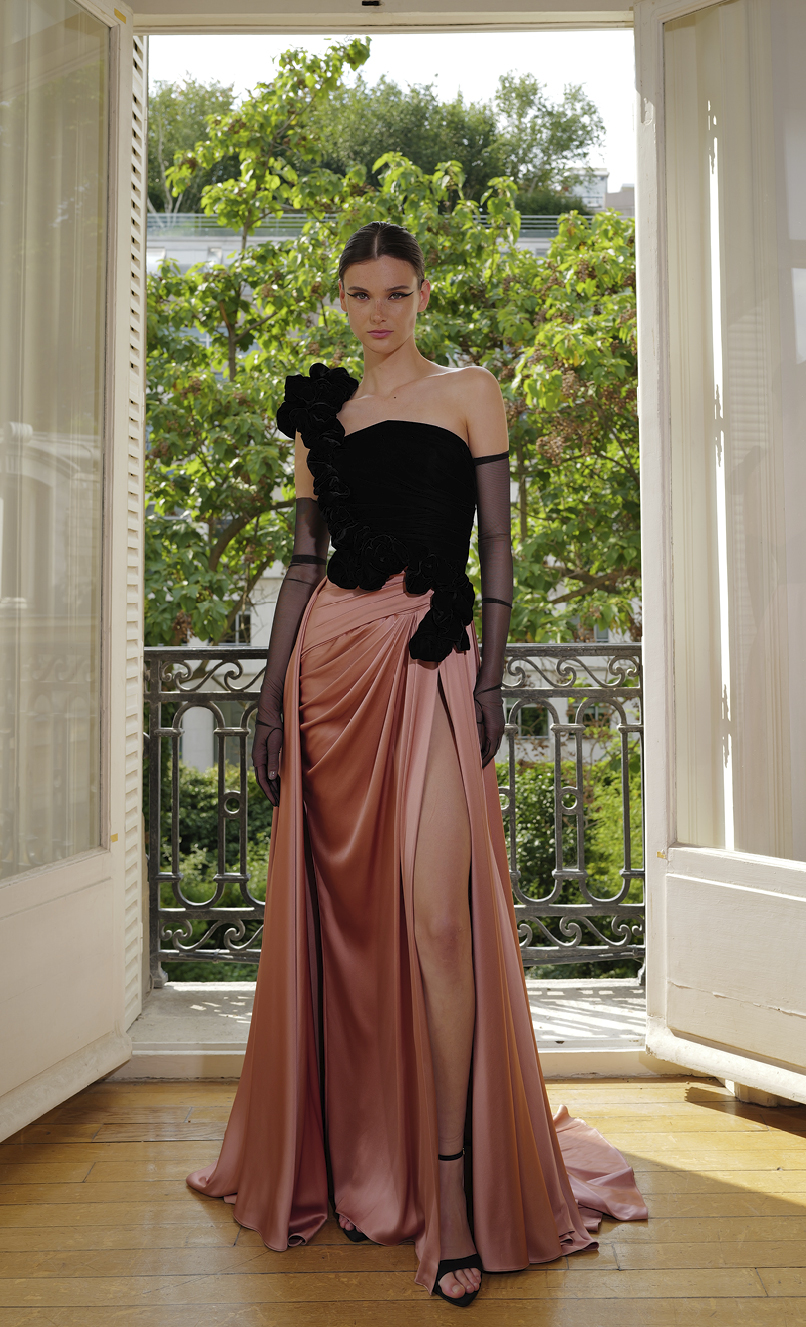
What is something that you would still like to do?
I’d love to explore new creative territories to further develop the ZUHAIR MURAD lifestyle. There’s always a new story to tell, and I’m eager to see where my creative journey will lead next.
What do you like to do in your spare time?
I love spending time with my family and friends, enjoying nature, and exploring art galleries. Travelling also inspires me; it’s an opportunity to discover new cultures and recharge creatively.
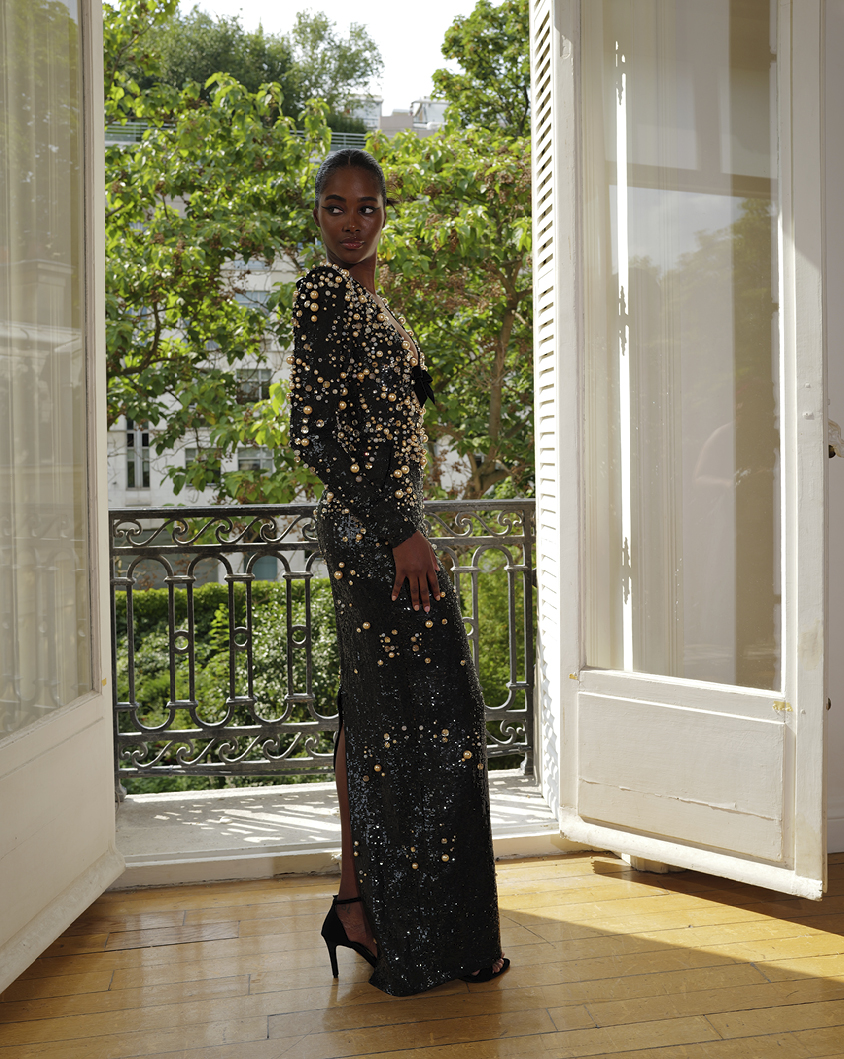
When you are looking to disconnect and reconnect, where do you go to?
There’s no place like home! After my long working days, I like to spend time at home, where I get to recharge and let go of the hardships.
As the world of Zuhair Murad is well-established in fashion and haute couture – can we expect further expansion into different sectors.?
Absolutely. We’re always exploring new opportunities to expand the brand. From fragrances to home collections, the possibilities are endless, and I’m excited about the future of the brand.
What else is coming up for the brand this year and into next year?
We have exciting collaborations in the works, new retail openings, and a few surprises that will further enhance the Zuhair Murad experience. Stay tuned!
A Look At Giorgio Armani’s Legacy As The Iconic Designer Turns 90
As Giorgio Armani celebrates his 90th birthday we take a look back at his incredible career.
Giorgio Armani is one of the most recognizable names in fashion. The Italian designer who celebrates his 90th birthday this month, shows no signs of slowing down and still has the same passion as he did in 1975 when he launched his first menswear line.

“I have to create beauty that resonates with my customer in a way that is relevant to their lives. I have a very particular personal aesthetic, which is based on sophistication, elegance and comfort, and over the years, I have discovered that this is something that many people all over the world – regardless of geography or culture – can relate to and desire.” He told us in 2020 as the brand was dealing with the impact of COVID-19. “This is the secret to my longevity as a designer; my clarity of vision is very simple to understand, and as I don’t follow transient, passing trends, my customers know they are in good hands. You sustain desirability by having a genuine, authentic point of view. That is what people respond to.”

Armani has a special something that allows customers to connect and feel the essence of the brand, and perhaps this is why he has been so successful. As he reaches this remarkable milestone, it is an opportune moment to reflect on the illustrious career of a man who has not only shaped the fashion industry but also redefined the concept of luxury itself.

Born on July 11, 1934, in the Italian town of Piacenza, Giorgio Armani’s early life was far removed from the glitz and glamour of the fashion world. Initially pursuing a career in medicine, he soon realized his true calling lay elsewhere. After a brief stint in the military, Armani took a job as a window dresser at La Rinascente, a prestigious department store in Milan. This experience ignited his passion for fashion and set the stage for what would become a legendary career.

In 1975, Armani founded his eponymous brand by launching his first menswear collection. His designs, characterized by clean lines, impeccable tailoring, and a subdued colour palette, quickly garnered attention. The brand’s “less is more” ethos resonated with a generation seeking refined simplicity. Armani’s breakthrough came in 1980 when he designed Richard Gere’s wardrobe for the film “American Gigolo.” The film’s success catapulted Armani into the international spotlight, solidifying his reputation as a master of understated elegance and creating a connection to the film industry that would last for decades.
Giorgio Armani’s influence extends far beyond the runway. He revolutionized red carpet fashion, dressing some of the world’s most iconic celebrities, including Michelle Pfeiffer, Julia Roberts, and Cate Blanchett. His designs have graced countless award ceremonies, from the Oscars to the Cannes Film Festival, making him a favourite among A-list stars.
Armani’s impact on menswear is equally profound. He redefined the modern suit, introducing unstructured jackets and relaxed silhouettes that offered a fresh take on traditional tailoring. His approach to menswear blurred the lines between formal and casual, creating versatile pieces that became staples in men’s wardrobes worldwide.
Throughout his career, Giorgio Armani has remained steadfast in his commitment to quality and craftsmanship. Every piece that bears his name is a testament to his dedication to perfection. His attention to detail and insistence on using the finest materials have set the standard for luxury fashion.
Armani’s empire extends beyond clothing. His ventures into accessories, fragrances, hotels, and even interior design have taken the brand to the next level. The Armani brand is synonymous with a lifestyle of sophistication and refinement, offering a complete vision of luxury living.

Beyond fashion, Armani’s philanthropic efforts have made a significant impact. He has supported numerous charitable causes, including medical research, humanitarian aid, and environmental conservation. His commitment to giving back reflects the values of integrity and responsibility that have defined his career.
As he turns 90, Giorgio Armani is as dedicated to his work as he was on the first day and his recent continue to receive praise for their innovation and timeless appeal. Armani remains actively involved in every aspect of his brand, ensuring that his legacy of elegance and excellence endures.
Armani celebrates this milestone with the release of his latest Haute Couture collection, which debuted in Paris last month. The collection ” Pearls ” celebrates the pearl’s beauty and connection to the moon, water, wisdom, and love. Seeing a widespread need for serenity and calm, the designer built his entire collection around pearls. He imagined women of quiet and seductive allure and dresses that sculpted them paired with jackets with powerful shoulders and flowing trousers, with wrap-around overcoats, liquid tops and skirts or long dresses that trace the figure and allow each delicate movement of the body to be perfectly perceived.
The attention to detail is incredible. Embroideries decorate delicate pieces, playing with the light, while pearls are trapped on the surfaces of materials and multiply like dew drops on fabric. There is a sense of shimmering opulence and beauty throughout the collection which celebrates the mastery and skills of an icon.
Zegna’s Global Ambassador Mads Mikkelsen On Fashion, Film And Fatherhood
With a career spanning three decades, Danish actor Mads Mikkelsen has become one of the most recognizable faces in Hollywood.
From a bold villain to a detective to comedic roles, his portfolio makes him one of the film world’s most versatile artists. Beginning his career in Danish productions, Mikkelsen’s breakthrough came when he was cast in the 2004 movie King Arthur, and he has since gone on to star in some of Hollywood’s biggest movies such as Casino Royale, Hannibal, Dr Strange and Indiana Jones and the Dial of Destiny.
Away from the spotlight, Mikkelsen lives a humble lifestyle with his family in Europe. A father of two and more recently a grandfather, he splits his time between Denmark and Majorca.
In 2023, Mikkelsen was revealed as Zegna’s new Global Ambassador, which sees him lead the Italian brand’s 232 community of visionaries, who are united by a commitment to excellence and bold decision-making. The brand’s latest collection L’Oasi di Lino, which debuted at the Summer 2024 fashion show in Milan, embodies Artistic Director Alessandro Sartori’s vision of lightness for the season through relaxed silhouettes and a color palette inspired by the natural world. As the brand’s ambassador, Mikkelsen is the face of the collection’s campaign, which sees the actor wearing iconic ZEGNA staples – including the Alba Overshirt, Triple Stitch Espadrilles and the new Orizzonte II Sunglasses. As the brand celebrates the launch of the campaign in Shanghai, we talked to Mads Mikkelsen to find out what it means to him to be aligned with a brand like Zegna.
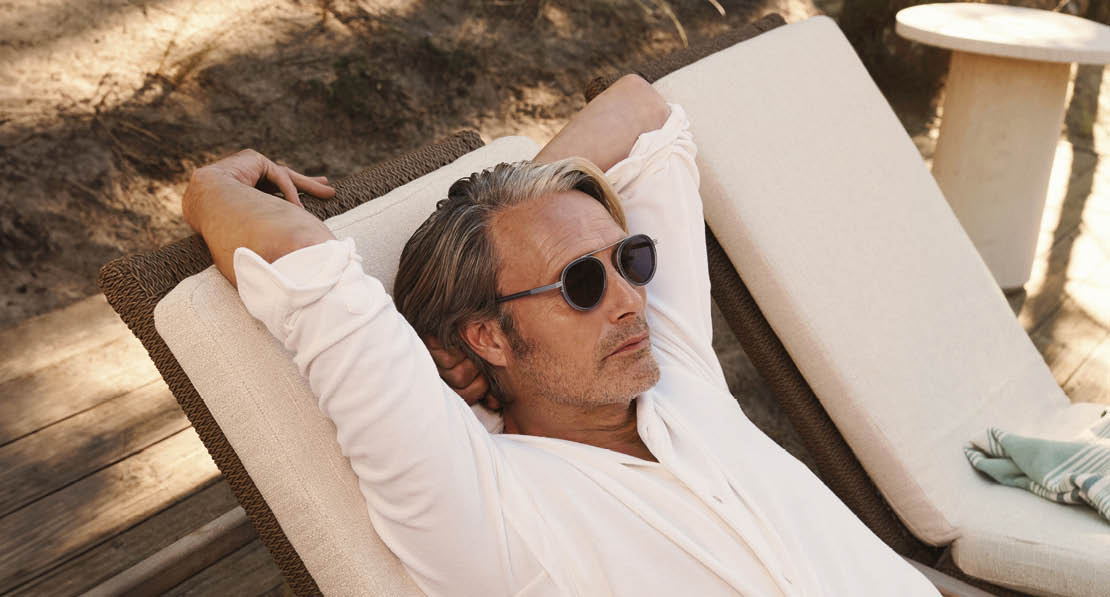
What are the common codes and values between yourself and Zegna?
I didn’t know much about the brand when I first wore one of their tuxedos – I just thought it was fantastic to wear – but then later, they invited me to the home of Zegna in Trivero, and that’s when I discovered the story about Ermengildo Zegna, how the brand began, the Oasi Zegna, how they built schools and houses, planted trees and much more. At this point, I thought, ‘a lot of people talk the talk but don’t walk the walk’, be he did, and the brand has been doing that ever since. Always keeping things in the community, keeping the manufacturing close to them – I loved the story, and the place was so beautiful. There was something about the people, even though they are working in fashion, it is about so much more for them. It is very important that the brand was a mirror of the family’s values, and therefore I fell in love. Everyone is so nice, Alessandro Sartori is fantastic; it was not how I imagined the fashion world.
Sustainability is very important to the brand and to the planet today. How important is this in your life?
I would be a hypocrite if I were to say I think about it all the time – after all, I did fly all the way from Copenhagen to Shanghai – but I think sustainability is something that people are becoming more and more aware of. I am a big opponent of nuclear power, I think there are some fantastic innovations still to be made, which may not solve everything, but will definitely solve something. I’m aware of it, and when it comes to how to tackle it, I agree with some messages, and I disagree with others, but it’s our planet, we love it, and we want to keep it.
You are the face of Zegna’s latest campaign – in your professional eyes, what is this campaign saying and how much were you involved in the making of the video?
Of course, I have an understanding of filmmaking, but this is a different world for me. I trust Alessandro and the Zegna family to do what is best for them, and I lean into that. Everything we’ve done so far has been very aesthetic and very much in the spirit of how Alessandro visualizes everything.
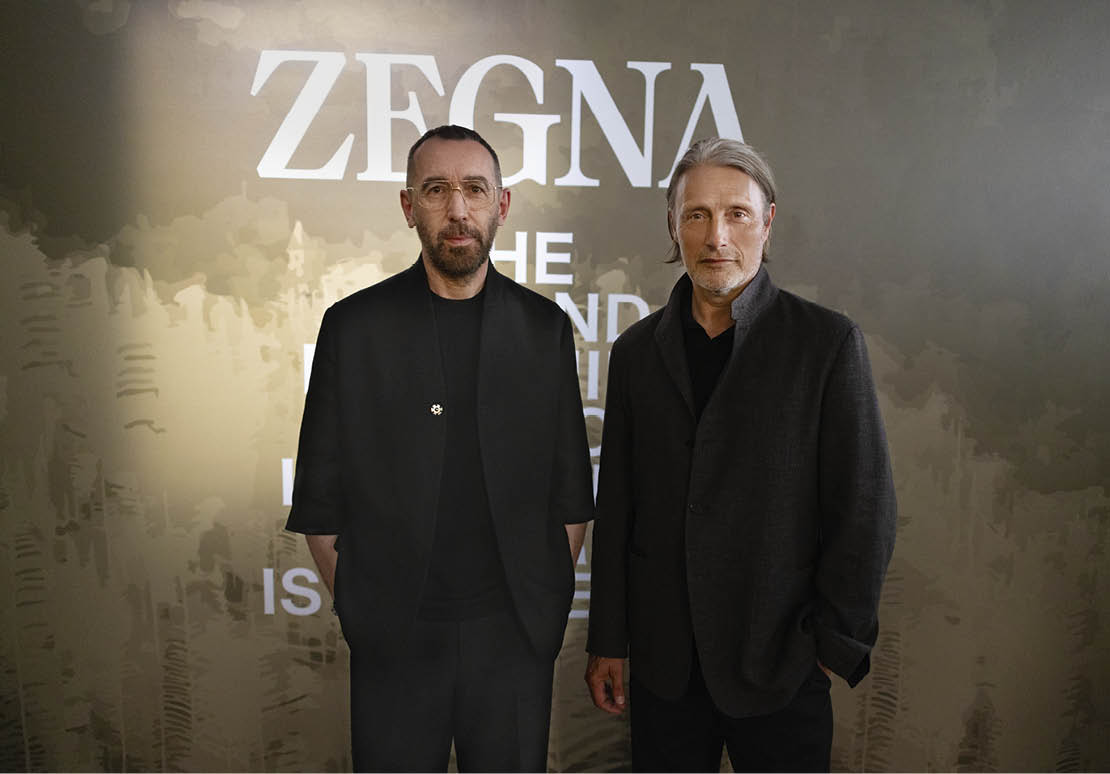
What’s your favourite Zegna piece?
I have a lot of things that I really enjoy, but I have a very slim jacket made out of suede. It’s dark brown, and it’s the most beautiful piece.
What do you think is special about this brand?
The quality of the materials, the linen, which is absolutely soft in a way that you cannot imagine linen to be, or the cashmere, which is unreal to touch. Then, there is the quality of how it is made and the talent of the people who are making it.
How would you assess the filmmaking industry, its current state, and its biggest challenges?
There are a lot of challenges. A few years ago, it was streaming platforms—I wasn’t afraid at that point because I was in the mindset that rather than competing, we should work together. There will always be room for film, but we don’t know where it’s going because it’s a young art form compared to ballet, music, or opera, for example. So, it could take a lot of turns.
There is a fine balance when it comes to streaming platforms. Obviously, AI is a big deal now for the entire world, and we need to figure out how to live with it and how to use it because it is here to stay.
There will always be room for real people on screen and people would always like to go to a movie theater and see films together. I have no doubt of that. Its popularity might decrease, but then there will be something else. I’m not nervous about the future. There will definitely be some films that are completely AI, and that will be interesting and fun, but I don’t think it will take over completely.
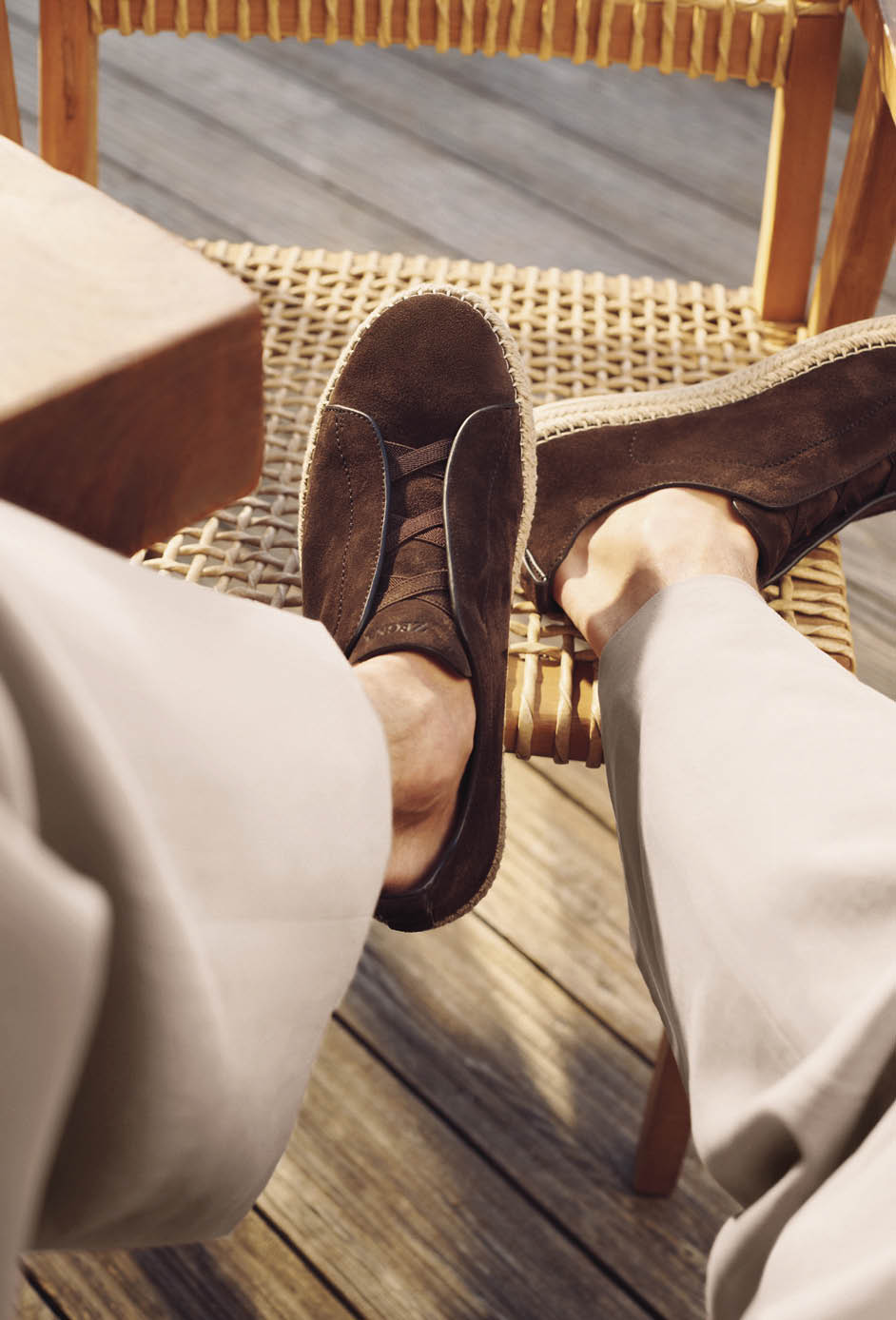
What are you currently working on?
Right now, I’m working on a Danish film with director Anders Thomas Jensen. I’ve worked with him five times. He always produces crazy dark comedies, and it’s great to be working with him again. I love his specific sense of humour.
We have seen you play many roles – who is the man behind the characters?
If I knew the answer myself, I probably wouldn’t tell anyone. One of the secrets to being an actor that people might find interesting is that they don’t know too much about you. If I were a great football player, I could talk about my private life today, and tomorrow I’ll be an equally as good football player. But if people know too much about me as an actor, then I can’t lie on screen anymore! The people I find most interesting are those I don’t know anything about.
You are a father and a grandfather. Where do you see the future generation, and what scares you about that?
I don’t know. Obviously, not being able to control the future can make everybody very anxious. At the same time, I don’t want anyone to control the future because that would also be a disaster.
I think progress in the human race and progress to something more peaceful and more beautiful is always something we should aim for. During that process, I don’t think we should tear everything down and hope it will just pop up as a beautiful thing in the future. We should build on the best part of what we already have and what we have done for thousands of years. There is a tendency to tear things down because people want fast changes, but what grows out of that is normally not for the better.
What is the biggest lesson you have learnt across your career or an incident that helped to shape who you are today?
The most important incident that happened in my life was having children. It changed me completely. Everything I was focused on and afraid of and dreamt of became secondary because suddenly, there was something so much more important than me and all my dreams. That also made it easy for me to follow my dream because I would work hard and see if it would happen, but it was not the only thing in my life anymore.
What is a motto you live by?
I don’t have a real motto, but I do live in the present.
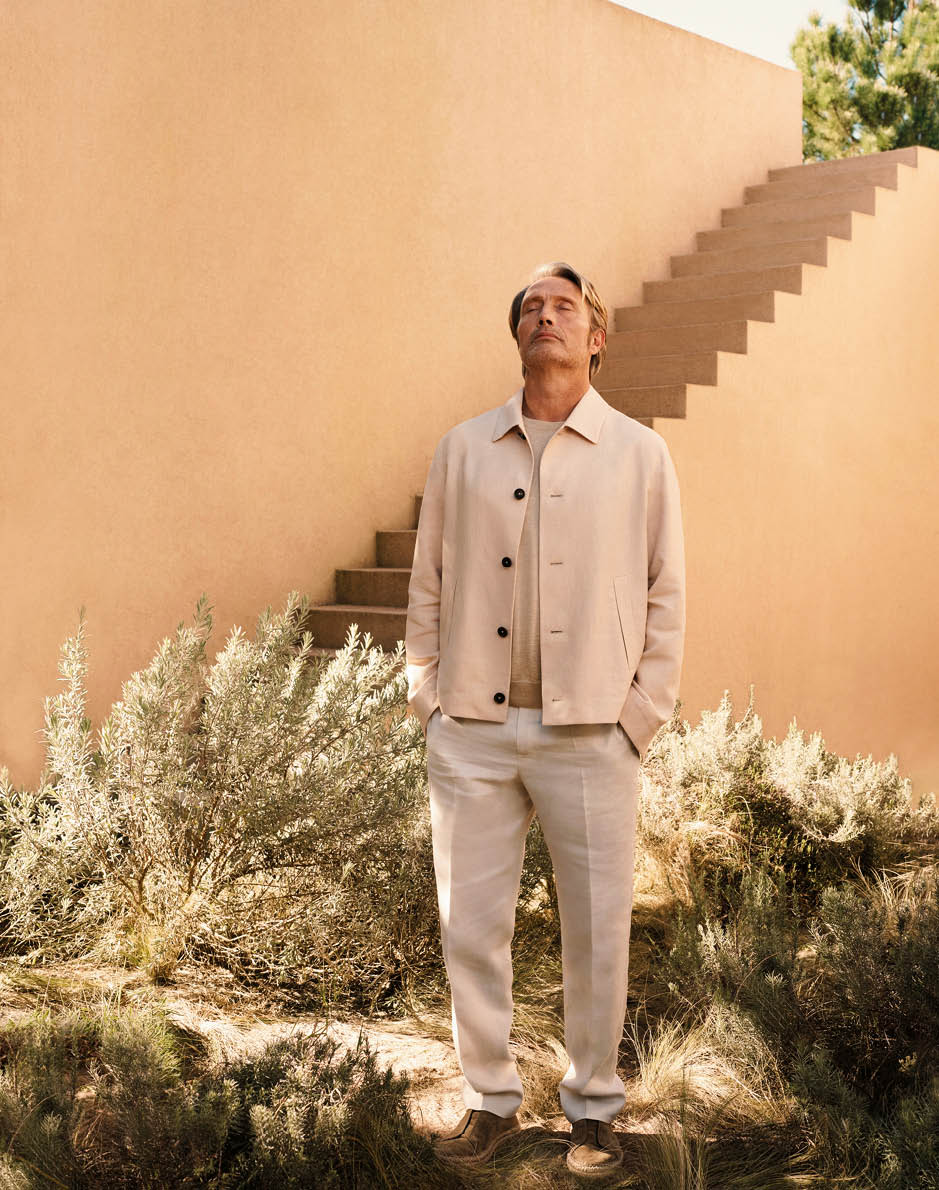
What do you say no to?
Work-wise, I say no to things that I don’t find interesting or that I think are not my taste. Sometimes, I’m wrong, and things do become really interesting, but that’s too bad. I always say yes to things that I visualize as a fantastic project.
What do you fear?
I try not to have too much fear in my life because I have not seen it as a very constructive feeling. However, like everyone else, I probably do fear things that I can’t control, but you cannot let this take over your mind.
How do you spend your free time?
I spend time with my kids, play a lot of sports—tennis, bike riding, anything with a ball—and I love building things.
Is there a role that you haven’t played yet that you would like to do?
I don’t have a favourite role. The next role is always my dream role, that’s how I try to plan it. There are obviously genres that I’ve never done—I’ve never done a real horror film, which I’m a big fan of or a zombie film, so maybe one of these one day.
Do you read?
I do read. I tend to read a lot of history books. An inspiring book would be a Swedish book called “The Brothers Lionheart” by Astrid Lindgren.
If there was a character or story from the Middle East that interests you, what would it be?
There have been so many kings with interesting pasts and so many interesting historical figures from the Middle East. But going way back before the Egyptians, there is a 10,000-year-old place that is now in Turkey called Göbekli Tepe. There was a civilization, that we still know nothing about and we have had a very hard time figuring out what happened between that and the Egyptian period—it’s four thousand years between. It would be fun to go back and dive into that together with some archaeologists.
What is a message you would like to tell your fans in the Middle East?
What we are doing is putting life and dreams on the screen, and I think it’s important to dream. Keep dreaming of a society you want to live in and how it should look.
Zegna’s Artistic Director Alessandro Sartori Discusses The Vision And Future Of The House
Zegna is one of the few luxury fashion brands today that has existed for over a century. Throughout this time, one thread has remained true; the innovative and forward-thinking mindset of the house’s founder Ermenegildo Zegna is kept at the forefront of everything the brand does.
This encompasses using the finest craftsmen, ensuring the highest quality, understanding what men truly want from clothing and, of course, offering a more sustainable approach to fashion. Today, Zegna’s Artistic Director Alessandro Sartori is tasked with ensuring the DNA and original values of the family business remain at the heart of everything they do. He lives and breathes Zegna and has truly become part of the family. Today, As the Villa Zegna is unveiled in Shanghai, we sat down with the Artistic Director to find out how this project is once again reaffirming the brand’s values and offering a new way of immersing clients into the Zegna Universe.
You were quoted saying “Oasi Zegna is not a place, it’s a mindset, tell us more about this
When we start a collection with a brief or moodboard, of course, we have our customers in mind, and we know what we want to give them or what we want to explore, but this is almost the background thought – we are surrounded and fueled by the values of Oasi Zegna. When you think that over 100 years ago, a man (Ermenegildo Zegna), decided to give back to a community that was working for him; through a huge natural reserve, – he planted half a million trees to increase oxygen in the area – that was the vision of someone who already thought with a modern mind. And this is always the platform where we start our projects, and we add layers from there. Even our choice of organic colours is inspired by this, (we have many iconic colours, but one above all is the colour of foliage, the dense orange you will know from our logo), or the fact that we are taking inspiration from activities that you can do in Oasi Zegna – from skiing to walking to climbing and so on – the fact that we have so many beautiful photos and references taken from Oasi, the fact that we are doing photoshoots over there, and the fact that we produce content there. When I create a coat for Mads [Mikkelson], I imagine him wearing that coat in the environment there, so it’s a full concept that we always keep as a platform in every project we do.
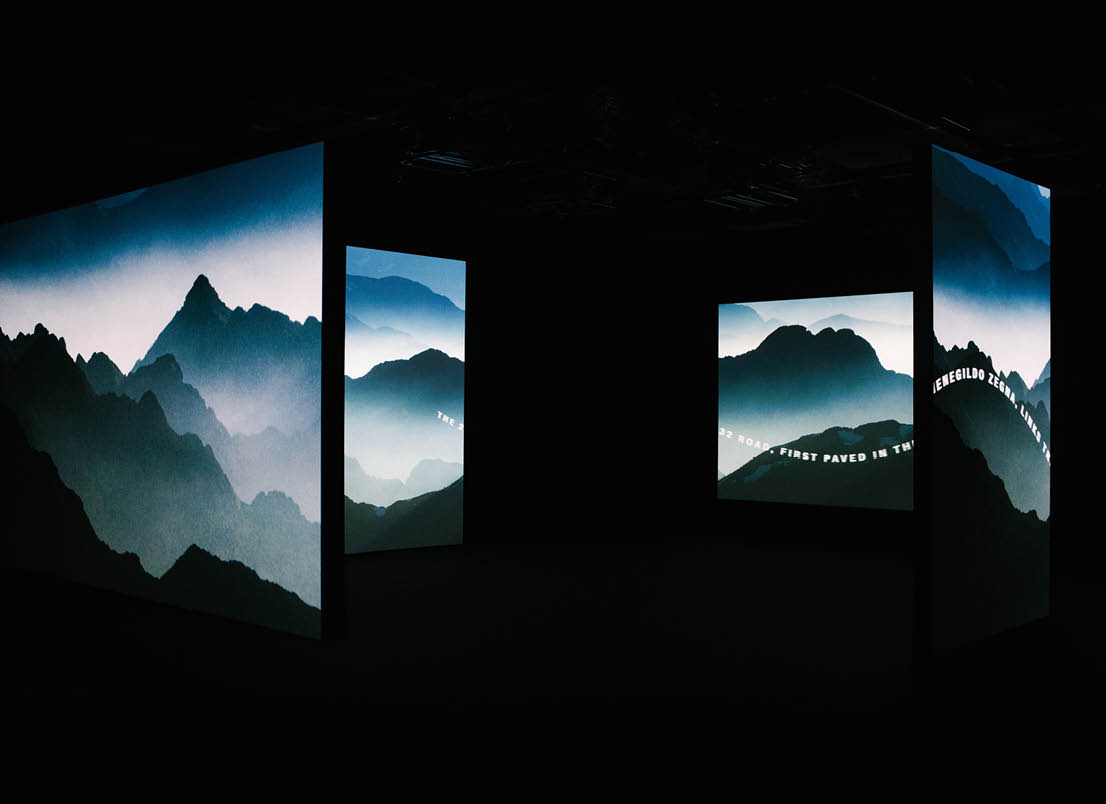
Today we are in Shanghai for the rollout of Villa Zegna – why did you choose Shanghai?
The Villa is a very unique project, and we will be unveiling it worldwide. The journey starts here in Shanghai, but this is only the beginning. We want to be a global and a local company, and we want to be close to our communities around the world. Why Shanghai? Zegna started to delve into the Chinese market more than 30 years ago, and this is a way of connecting with the huge Zegna fanbase that we have here. So, it was important for us to start here and from Shanghai.
To what extent do you think creating experiential moments for your clients is crucial today?
What we do is not just about selling clothes. If we think only in that way, we won’t be selling the global dream that we are offering. Of course, we are a business, and selling clothes is ultimately what we do, but that needs to be part of a global picture. We are not doing our job if we don’t offer a one-to-one service with our stylists to help you dress yourself in the best version of yourself, not somebody else and if we don’t know you and your habits and preferences how can we tell you what to wear?
If you think of the past, the tailor, the hairdresser, and the doctor were, for men, the three people who touched their privacy. The modern version of those jobs is an evolution of that – and in my position, I need to know you, talk to you, and understand you, I need to explain the products I create and the content and experiences I prepared for you. So, when I go to my clients, it’s not for selling; it’s to do the best job possible for them, offering products with real values and real craftsmanship.
Zegna has so many ateliers because we like human work that’s impossible to explain because each one of our tailors has a lot of experience and their crafts, their brand and their hands are becoming part of the final product. Our brand has so many layers behind it and selling is one of those layers, but it’s not THE layer.
Do you think this kind of approach is leading to more demand on bespoke clothing?
There is more demand for a one-to-one experience — that can be bespoke, personalized, or special pieces made for you in a full journey dedicated to you.
You have changed many norms in the industry – how do you respect all the codes of the house, yet stay relevant with what you’re offering?
There are days, and this morning was one of those days, and my last fashion show was one of those days, when I feel happy, free, and liberated from judgements and opinions because I see my work and my team’s work on real people. And when you see 15, 20, or 30 people dressed in your style, each wearing it in an individual way, but still interpreting the language that you had in your mind, you feel that the job is getting there.
There is a concept conversation between myself and the customer, but it all starts from the work we do internally, respecting the values, the founder, the DNA of the family, and the relationship I have with the CEO where we keep discussing how to improve, what to offer more of, what to do better, where to go and so on. We spend hours talking about approach, style, beauty, and emotions. Everything is about the relationship between the brand and myself and the dialogue we create. I don’t go out of the parameters but try to deep dive into the base.
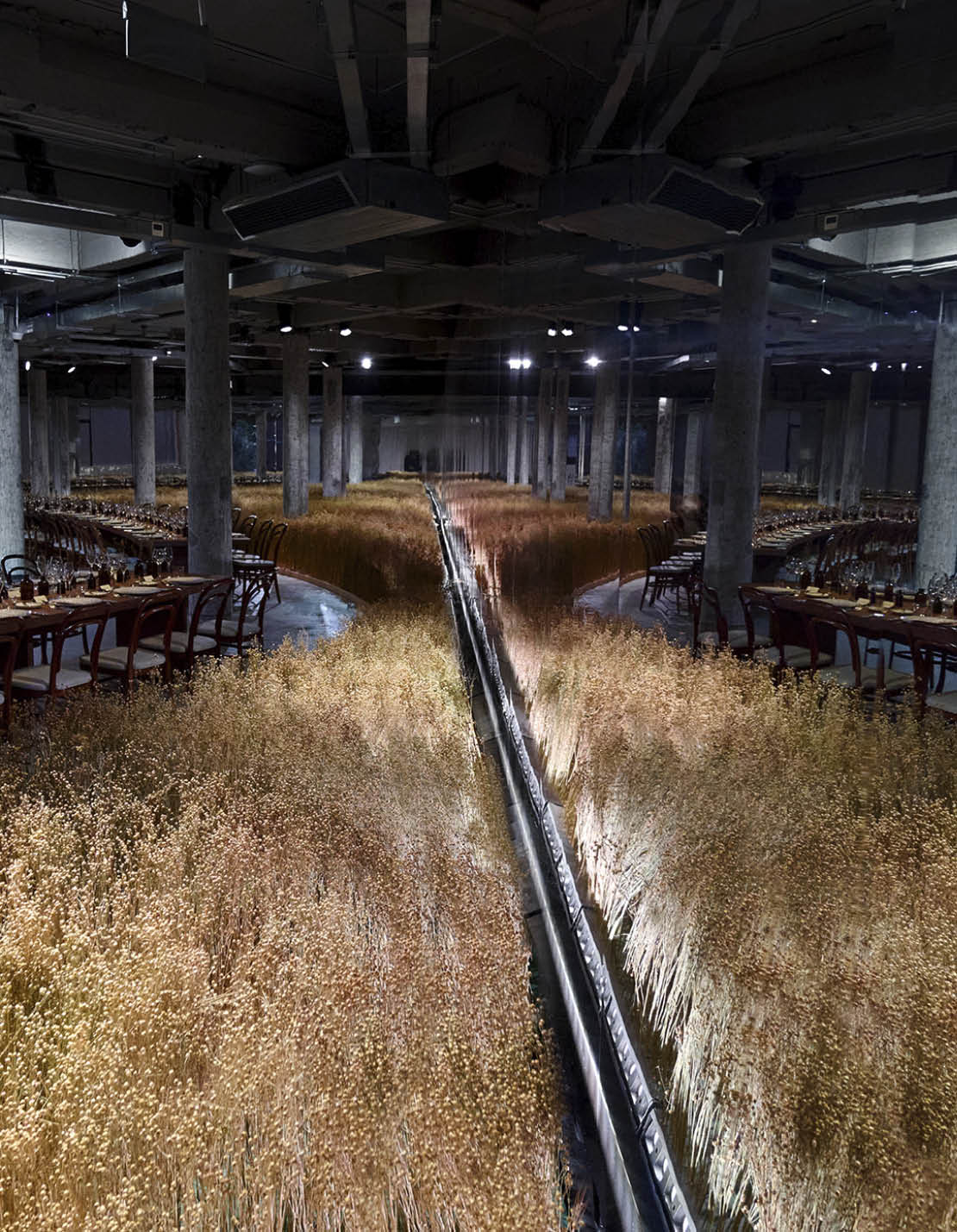
There are certain product lines that became icons – one of these is the Triple Stitch sneakers – to what do you tribute the success of an icon such as this?
Firstly, I think in the past we were all doing too many things. But to create an icon, you cannot have too many things happening at once that are all important, all iconic and all going in the same direction. Fashion is not only about what you do, but also about what you don’t do. For example, if I have ten styles of sneakers, they cannot all be iconic – I will confuse my customers and dilute the design message. And that’s why not doing certain things is also part of the success of what you do well.
So, to design an icon, you should be very focused on what you want to do and what that product is for. Secondly, and even more importantly, the design of the product and the craftsmanship should be thought of accordingly. So maybe, you don’t need only one season to create an icon, maybe you need two years, because you need to work until the object is the best possible it can be for what you want to achieve. That means that you cannot design thinking only about selling it for a certain season because you need to hit a budget – if you think in such a way, you will never design the best product. So, get out of the seasonal concept, start to reduce the number of styles you create, being very focused – that would be my advice for creating an icon.
So why is Triple Stitch so successful? Because the brief was to offer the best, comfortable, luxury leisurewear shoe, to a silhouette that is a masterpiece in the world of our clients, and that’s what we did. The idea behind the shoe is interesting because the three laces are connected to craftsmanship, inspired by the criss-cross stitching used by the Zegna tailors. The design existed when I joined, but it wasn’t working because it was too heavy, too bulky, too rigid and not comfortable enough. So, we took the design and created the most comfortable shoe with the most exclusive leather, we updated the upper part and the sole and we had a design that worked.
The overshirt is another item that became iconic and everyone has copied it! But I designed that overshirt personally in 2020 during Covid. At that time, no one thought a workwear overshirt that is normally produced in basic cotton, could be made in pure linen and cashmere and that that item could become an icon. But it did.
Zegna works on several collaborations. What prerequisites do you consider when you undertake a partnership or collaboration?
Don’t do it solely for marketing reasons. Marketing is a big part, but it should not be the main driver. The driver should be adding value to a project. This means that you need integrity, you need to link with someone who shares your values, and you need to be able to speak to this person as he speaks to your customer because there needs to be a common benefit. We are looking for the right people, the right dream, the right aesthetic to create something unique and for that person to be able to speak to their community and for them to speak to our community and you should build a product that stays within that parameter.
Some people say you have changed the way cashmere is seen in the market – why do you think they say this?
Because a material like cashmere, or ultra-fine fabrics, or incredible blends have always been treated as classics, which I think is wrong. I don’t deny that a classic navy-blue cashmere coat is always a beautiful coat, but I also believe that I can transform that quality into something different, to create a new way of presenting luxury. And so I use cashmere fabrics for workwear over shirts – and nobody thought they would sell, but boom! They broke all the rules.
So, I don’t think we need to label men’s fashion as always classic or crazy. Men’s fashion is a fantastic space and somewhere in between those two, is what real men want to wear.
I am very into creating something unique but real and relevant.
Fast forward to today – what do you think men are looking for now from fashion, and what has changed in terms of consumer habits?
A lot has changed, and it keeps changing. I think today, men are looking for a one-on-one experience because not only do they not want to waste their money, they want to evolve. And if you don’t have a one-on-one moment with your stylist, how do you elevate your look? How do you buy real value? How do you build your own silhouette? Customers today don’t just want to buy the same item in many colors; they want to elevate their looks, and that is done by building a silhouette over time. Sometimes, I see men spending a lot of money on products that are completely wrong for them. What they need is one-to-one appointments and more time and attention spent on what suits them. This is one of the layers of Villa Zegna.
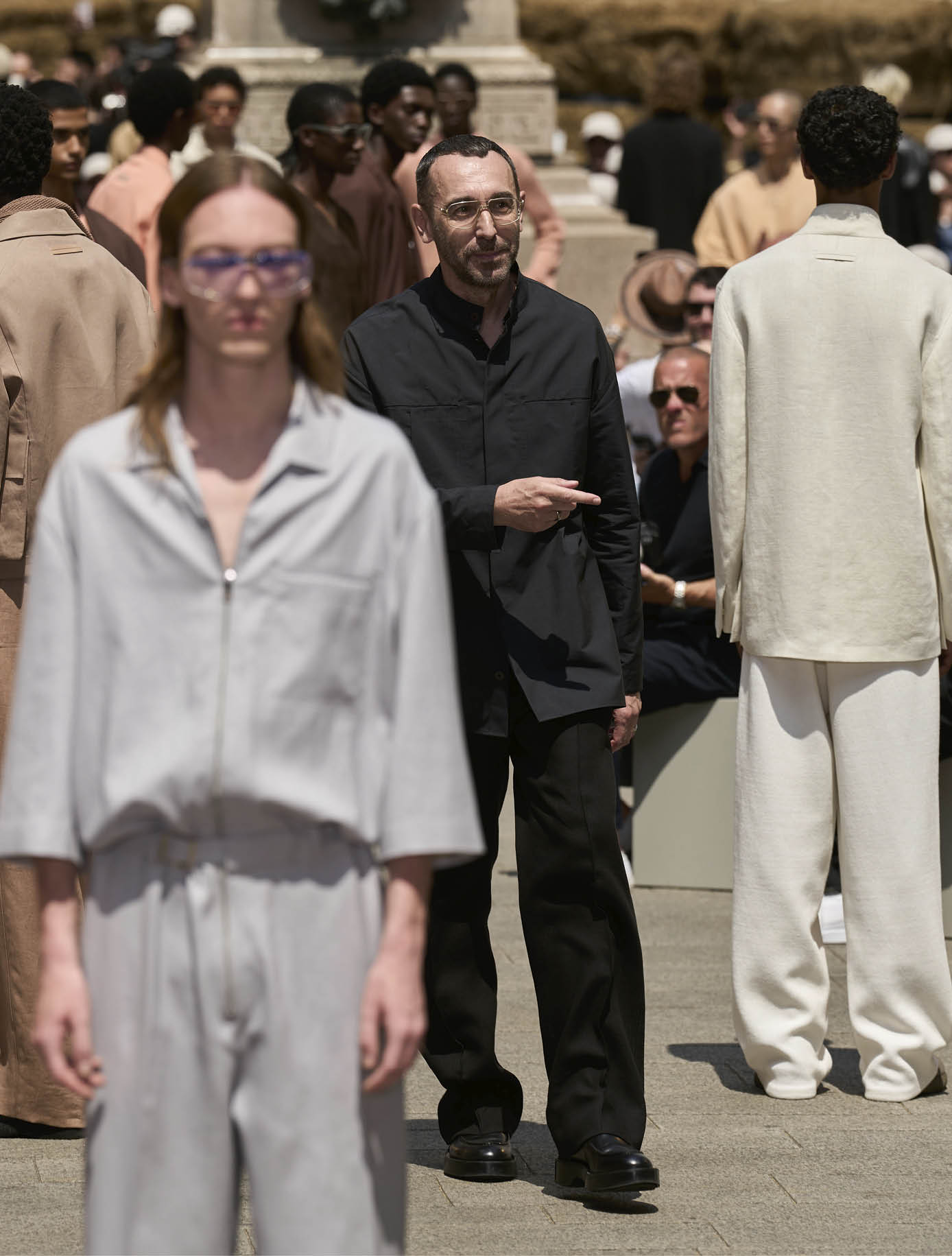
The next men’s fashion week is coming up – what can we expect?
Believe me, from Zegna, it’s always a very novel proposal, format, and language because it’s in our DNA to be at the forefront but linked to the company values.
Villa Zegna is one example of this – when I was a child, I remember riding my bicycle in Piedmont and passing in front of the home of Zegna’s founder – this is the villa that inspired Villa Zegna and to take that villa around the world, means to bring the story, values, language, and the new collections from Zegna around the world in a different manner. We didn’t want to do a traditional event, we wanted to bring the principles and ideas of Villa Zegna to our clients around the world in order to show them what we are doing and to immerse them into our world.
What is an objective you still want to achieve this year?
We are working on several new projects. Some of these, respect what I told you about the different timing needed to create something perfect and so can take a year or two in our design studio, and some of these new projects which we will unveil this year or next year are really breakthroughs for menswear and I can’t wait to showcase what we’re doing for our community.
My next target is to unveil a couple of new projects in the next six months, starting with the next show, and they are very special projects.
Sustainability has always been at the heart of Zegna; what are you working on now around this topic?
We already have so many layers to this subject, so whatever we do now is additional to that. Of course, we started the process of recycling waste with ‘Use the Existing’ in 2017, we started creating Oasi cashmere three years ago, and today, that is 100 per cent traceable. We did the same with our Oasi Lino. In the industry, we are one of the best companies for values around sustainability. We have a balance of sustainability attached to the company. We invite anyone to see our production and our source. I think it’s very important to have full integrity to speak to your customers. You can’t miss parts out and still be credible. That’s why we control every single step. Our production plays a big role in answering this question, and the idea of making the product internally is for quality and service, but it is also that we can be very honest and transparent about what we do.
We are also working on a new aspect of Oasi Zegna, and some of this will be unveiled this year through our new projects. We need a few more months before we can reveal more, but stay tuned because we keep raising the bar and creating with the green mindset of our founder.
