

Dua Lipa’s Chanel Haute Couture Wedding Dress Revealed
The details of Dua Lipa’s wedding dress have finally been unveiled, revealing an extraordinary Chanel Haute Couture creation crafted especially for her marriage to actor Callum Turner.
The bespoke gown marks a significant milestone for the French Maison, becoming the first Chanel Haute Couture wedding dress designed by Matthieu Blazy for a friend of the House. The result of a close relationship between the singer and Chanel, the dress was meticulously handcrafted in the ateliers at 31 Rue Cambon in Paris.
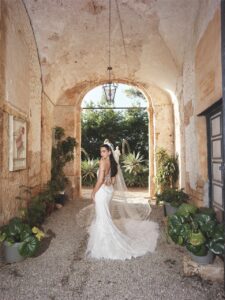
Exceptional craftsmanship lies at the heart of the design. The gown was entirely hand-embroidered with 480,000 beads by Atelier Montex, while intricate trompe l’oeil jewels created by Lesage required more than 1,155 hours of needlework. A further 25,000 feathers, applied by Lemarié, delicately outlined the silhouette and two-metre train.
Completing the bridal look was a six-metre tulle veil embroidered with beads and feathers, adorned with hand-cut organza appliqués, paired with custom-made white satin pumps by Massaro.
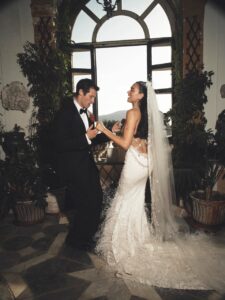
A remarkable showcase of haute couture savoir-faire, the dress reflects the artistry and craftsmanship that continue to define Chanel’s most exceptional creations.
Vacheron Constantin Extends the Boundaries of Mechanical Innovation
Vacheron Constantin has unveiled a new evolution of its Traditionnelle Twin Beat Perpetual Calendar, further advancing one of modern watchmaking’s most technically ambitious complications.
The latest model increases its remarkable power reserve from 65 to 70 days thanks to refinements made to the hand-wound Calibre 3610 QP. At the heart of the watch is the Maison’s patented Twin Beat system, which allows the movement to switch between a high-frequency 5Hz Active mode for daily wear and a low-frequency 1.2Hz Standby mode when not in use, preserving energy without sacrificing accuracy.

The perpetual calendar mechanism has also been optimised through a newly engineered low-energy instant-jump system, contributing to the extended reserve.

Housed in a 42mm platinum case, the watch features a contemporary openworked aesthetic. A transparent sapphire dial reveals the movement beneath a slate-grey hand-guilloché gold surface, highlighting the complexity of the calibre. Finished with a black textured calfskin strap, the Traditionnelle Twin Beat Perpetual Calendar combines cutting-edge innovation with the refined craftsmanship synonymous with Vacheron Constantin.
Life in Colour, Cartier Unveils Le Chœur Des Pierres in Saint Tropez
Unveiled in Saint Tropez this May, Cartier’s latest high jewellery collection, Le Chœur Des Pierres, places extraordinary gemstones firmly at the centre of the Maison’s creative universe. Presented as the first chapter in a new high jewellery story, the collection transforms some of the world’s rarest stones into sculptural works of art, celebrating colour, craftsmanship and the emotional power of exceptional gems.
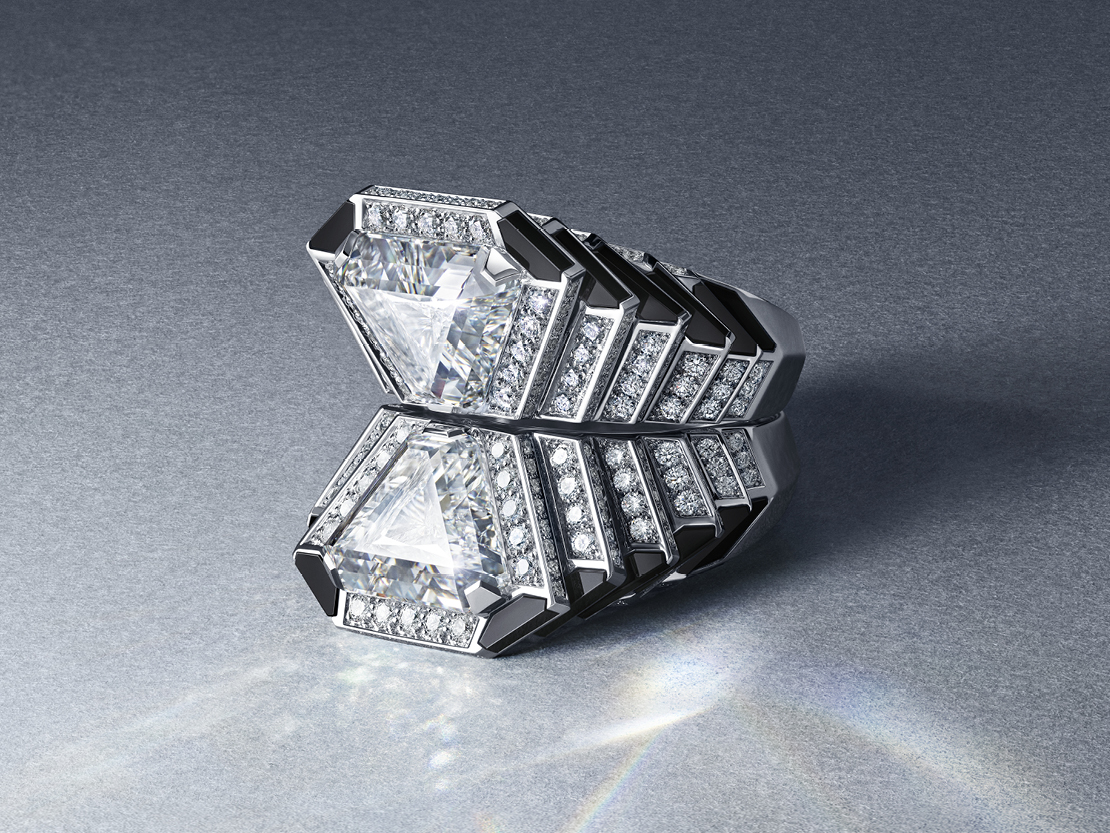
Comprising more than 125 unique creations and requiring over 85,000 hours of craftsmanship, the collection reflects Cartier’s ongoing fascination with the individuality and energy of gemstones. Emeralds, garnets and white, yellow and orange diamonds form the foundation of the collection, with each piece designed to amplify the natural brilliance, depth and character of the stones themselves.
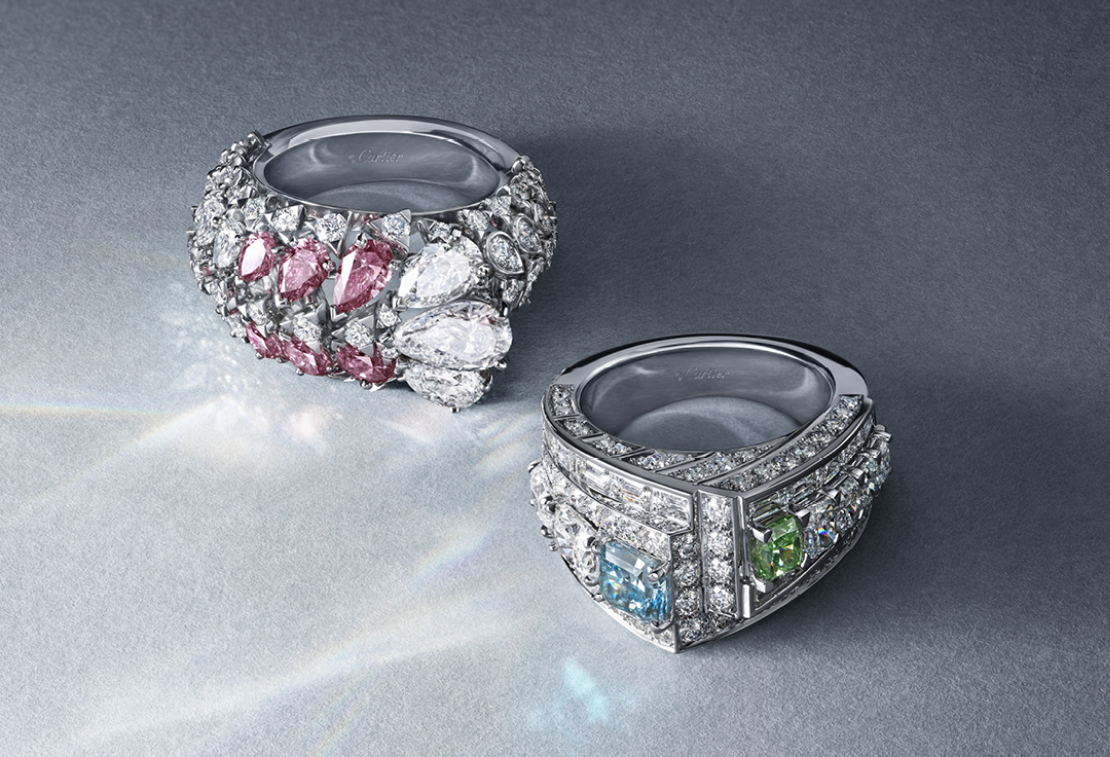
Among the standout creations is the OLORRA necklace, crafted in white gold with emeralds, turquoise, lapis lazuli and diamonds, exploring rich blue and green contrasts through layered gemstone compositions. The TUTTIKANYA necklace combines platinum, emeralds, sapphires, rubies and diamonds in a vibrant display of colour and technical precision, while the HARYMA necklace captures Cartier’s mastery of warm tones through yellow gold, topazes, garnets, emeralds, onyx and yellow and orange diamonds.
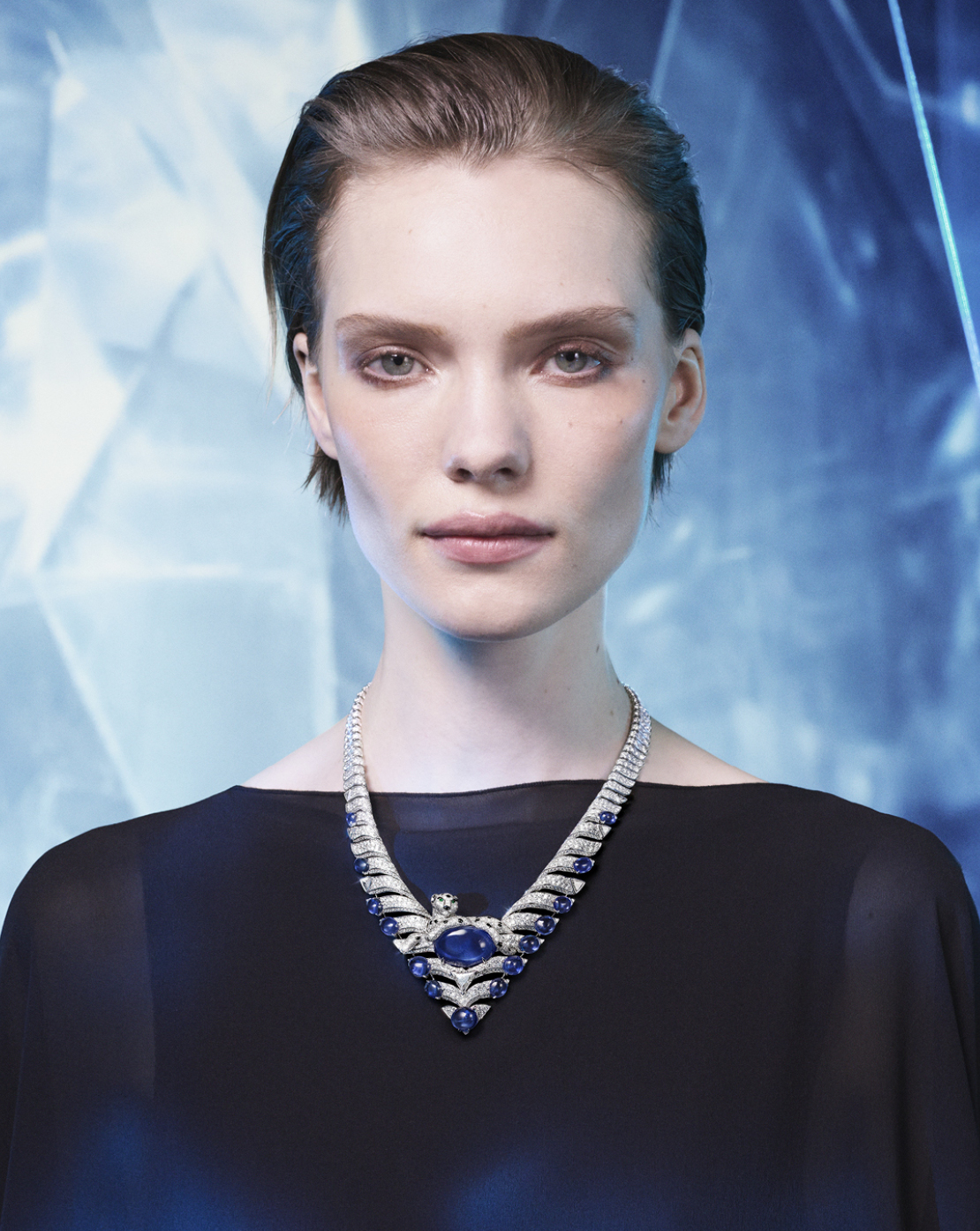
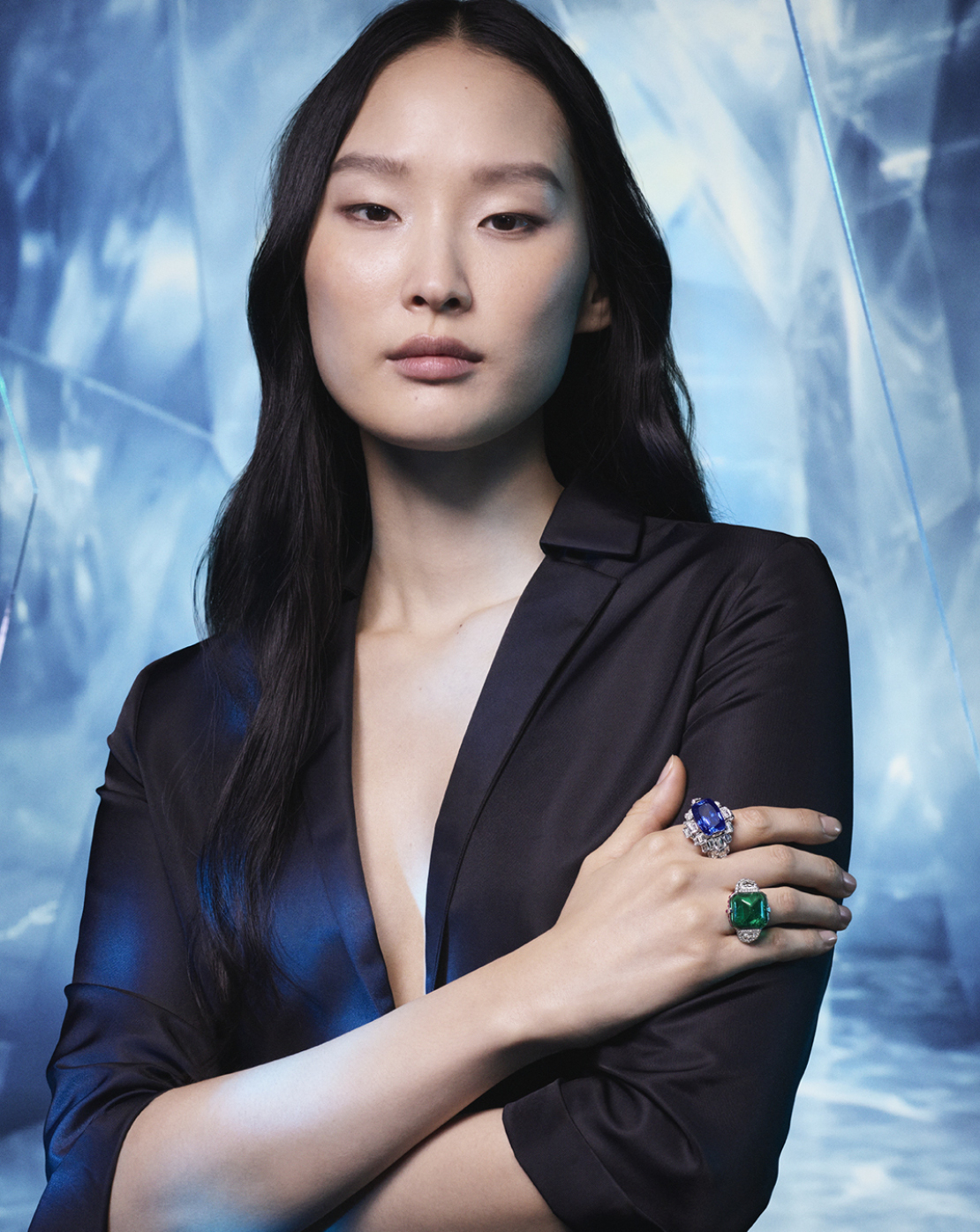
The Maison’s iconic panther also reappears throughout the collection, most notably in the striking PANTHÈRE KENTIA necklace, where sapphires, emeralds, onyx and diamonds reinterpret the emblematic motif through bold contrasts and sculptural detailing. Elsewhere, pieces such as the SPECULA ring and ruby-centred TESSELIA ring highlight Cartier’s ability to balance graphic structure with refined elegance.


“Letting a stone speak is to recognise in it a memory of the world, a beauty shaped by time and imbued with eternity,” says Jacqueline Karachi-Langane, Director of High Jewellery Creation. That philosophy runs throughout Le Chœur Des Pierres, a collection that positions gemstones not simply as decoration, but as the true voice of the Maison’s artistry.
Fendi Celebrates the Baguette in New Global Campaign
Fendi has unveiled a new campaign dedicated to the Baguette, the House’s most iconic handbag and enduring symbol of craftsmanship and self-expression.
Captured by photographer Bibi Borthwick, the campaign brings together a diverse cast of global talents, including Sarah Jessica Parker, Jessica Alba, Bang Chan, Emma D’Arcy, Song Yuqi, Sophie Thatcher, Ren Meguro, Iris Law, Tecla Insolia and MINA. Each personality is paired with a Baguette that reflects their individual style and identity, reinforcing the bag’s long-standing connection to personal expression.
First introduced in the late 1990s, the Baguette quickly became a fashion phenomenon, standing apart from the era’s minimalist aesthetic through its bold use of colour, materials and craftsmanship. More than two decades later, it remains one of luxury fashion’s most recognisable accessories.

The campaign also marks the return of the original Baguette® silhouette under the direction of Maria Grazia Chiuri as part of Fendi’s Fall/Winter 2026-27 collection. Launching worldwide on July 16, 2026, the design revisits the bag’s signature style codes while reaffirming its place within contemporary culture.
The campaign premiered digitally on June 16, 2026.
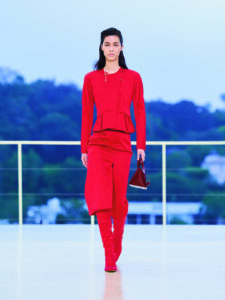
Hermès Presents the Second Chapter of its Fall/Winter 2026 Women’s Collection
transports the brand to the hills of Bel Air, where the setting sun becomes part of the narrative. Staged within a pavilion bathed in pale yellow neon light, the presentation unfolded against the cinematic backdrop of Los Angeles, blurring the boundaries between craftsmanship and expression.
The collection explores the concept of femininity through motion. Drawing inspiration from the world of dance, Vanhée examines the parallels between the disciplined gestures of the dancer and the skilled hands of the artisan. Both rely on repetition, precision and years of refinement, creating a shared language that informs every silhouette. The result is a collection that feels simultaneously controlled and liberated, balancing structure with fluidity in a way that is distinctly Hermès.
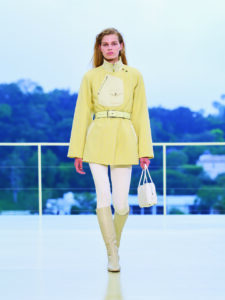
This season marks a notable evolution in the house’s approach to dressmaking. While Hermès is celebrated for its mastery of leather and silk, Vanhée places the dress firmly at the centre of the collection. Dresses emerge as expressions of movement and character, designed to accompany the body rather than restrict it.
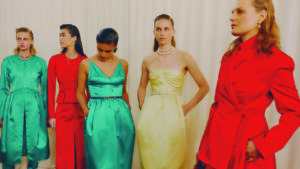
The influence of ballet is evident throughout. Satin dresses in rich jewel tones draw inspiration from the ballet slipper, translated into elegant eveningwear. Fine piping traces the contours of the body, while grosgrain ribbons fasten and loosen with ease. Gathered bustiers subtly reference the softened pointe shoe, introducing an architectural quality without sacrificing softness.
Knitwear also plays a significant role. Cache-cœur sweaters wrap around the torso like a dancer preparing for rehearsal, offering both warmth and structure. Elsewhere, smocked knit jumpsuits with flared legs and shimmering embroidery reinterpret traditional warm-up attire through a luxury lens, bringing athleticism and sophistication into harmony.
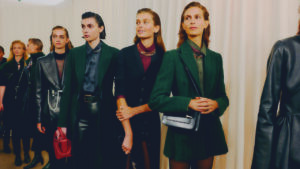
As the narrative progresses, the dancer leaves the studio behind. Silk velvet foulard dresses move with effortless sensuality, layered beneath biker jackets and polished leather coats that introduce a sense of freedom and adventure. The contrast between softness and strength becomes a recurring theme, reflecting a woman in constant motion, driven by instinct rather than by destination.
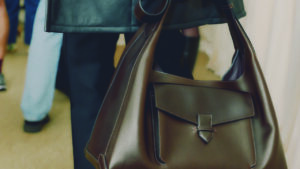
One of the collection’s most striking elements is the reinterpretation of the iconic Soleil de Soie Tattoo carré. Transformed into garments through smocking, gathering and draping, the silk motif takes on sculptural dimension, appearing almost suspended in motion before cascading into soft folds.
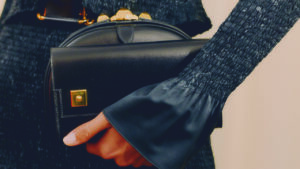
As night falls, embroidered gowns shimmer against black satin and deep velvet, evoking a star-filled sky stretched across the Pacific horizon. Yet despite the theatrical finale, Vanhée resists offering a definitive conclusion. Instead, Silhouettes on the Horizon celebrates continuity, transformation and movement itself. It is a collection that embraces evolution rather than resolution, charting an open path forward for the Hermès woman: confident, expressive and forever in motion.
The Cortisol Conversation, Dr. Lamees Hamdan, Founder of TIMEBEAM on Why Longevity Is Reshaping the Future of Beauty
Dr. Lamees Hamdan has spent more than two decades exploring the relationship between beauty, wellness and longevity. Known to many simply as “Dr L”, the integrative medical doctor and founder of TIMEBEAM Beauty has become recognised for her holistic approach to skin health, one that moves beyond traditional anti-ageing conversations to focus instead on prevention, resilience and long-term skin function.

After beginning her career in conventional medicine and launching her own skincare line, Dr Lamees became increasingly interested in treating the root causes of ageing rather than simply correcting visible symptoms. That journey led her into the world of integrative medicine and longevity science, shaping a philosophy centred on the idea that everything is connected: stress, sleep, hormones, inflammation and emotional wellbeing all leave visible imprints on the skin.
Today, through TIMEBEAM Beauty, she combines topical skincare with ingestible supplements designed to support skin health from the inside out, with a particular focus on NAD+ science, cortisol regulation and circadian biology. As the beauty industry increasingly shifts away from reactive anti-ageing and towards longevity, Dr Lamees is part of a growing movement redefining skincare as a reflection of overall health rather than purely aesthetics.
The conversation around beauty has shifted dramatically in recent years from anti-ageing towards longevity. How would you define “skin longevity” and why do you believe this approach represents the future of skincare?
For me, skin longevity is about maintaining the skin’s ability to function optimally in a more youthful manner for as long as possible. This requires an integrated approach to skincare, utilising both topical and internal supplementation.
It’s not just about treating wrinkles once they appear; it’s about supporting the systems that keep skin resilient, hydrated, energised, and able to repair itself in a timely manner. Part of the reason we age is that everything slows down and takes longer to repair.
Traditional anti-ageing focused largely on correcting visible damage at the surface. Longevity science looks more deeply at the biological processes driving skin ageing in the first place, such as inflammation, cellular energy decline, oxidative stress, and impaired repair.
I believe this approach represents the future of skincare because today’s consumer is thinking much more proactively about ageing. They want healthy, resilient skin that looks better for longer, not just quick fixes. That’s really the foundation of what I call Holistic Skin Longevity™.

You often speak about the connection between stress and ageing. Why do you think cortisol’s impact on the skin is still so overlooked within mainstream beauty conversations?
Because there is no topical solution to elevated cortisol levels, the solutions are internal and lifestyle-based. While on social media, you can see the consumer is ready for an elevated cortisol solution; mainstream beauty conversations aren’t really digging deep into the why, possibly because cortisol is a hormone, and the science of how it gets elevated is complex.
For years, beauty focused mostly on what we could see externally, not what was happening internally. But your skin is deeply connected to your nervous system, hormones, sleep and stress levels. Everything is connected. Elevated cortisol can weaken the skin barrier, increase inflammation, impair repair and accelerate collagen breakdown. The effects often show up gradually as dullness, dehydration, puffiness, or sensitivity, so people don’t always connect them to stress. But biologically, chronic stress is one of the biggest accelerators of visible ageing we see today.
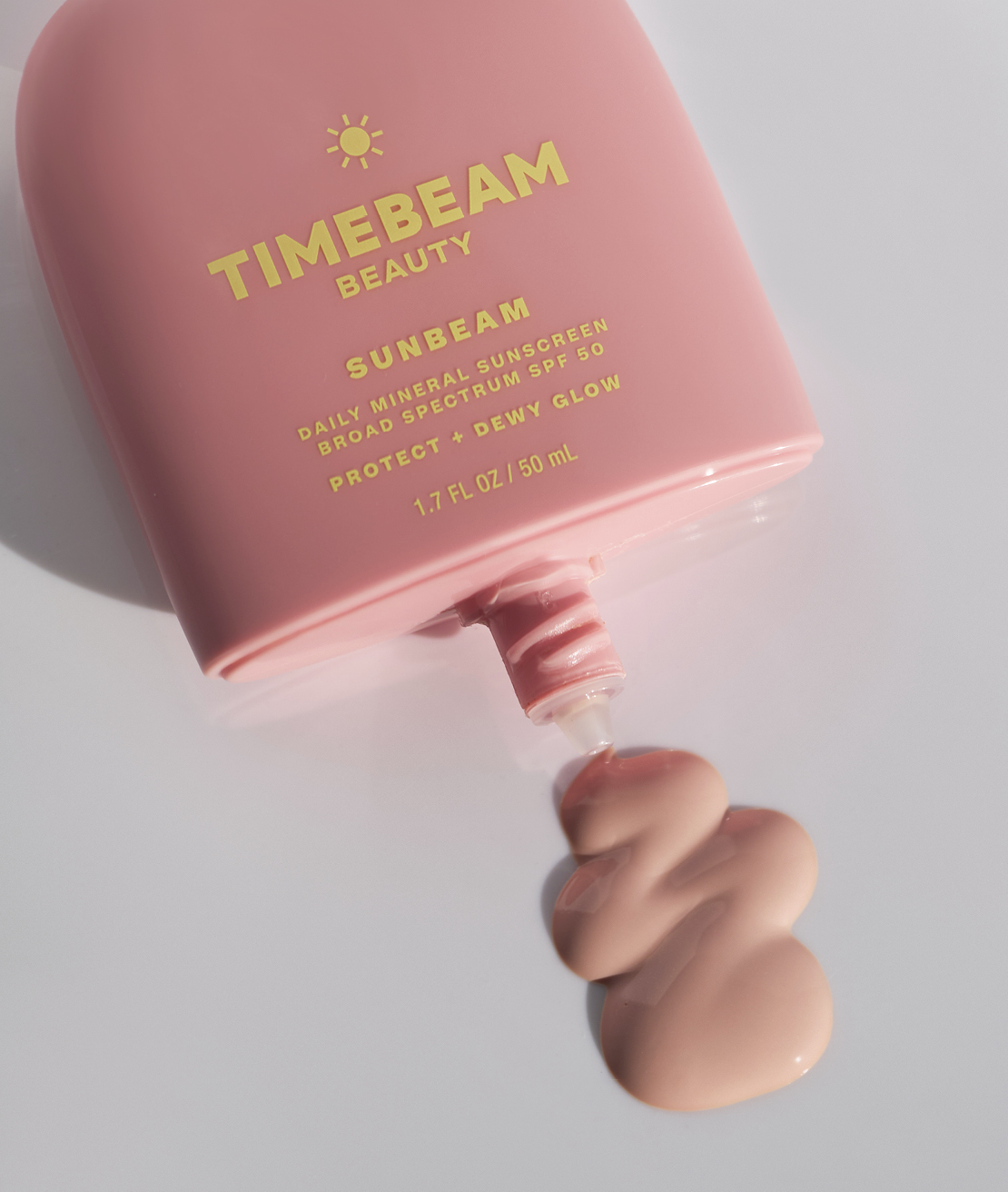
What are some of the earliest visible signs of stress-related skin ageing?
One of the earliest signs is often a loss of radiance. Skin can start to look dull, tired, dehydrated or more reactive than usual. You may also notice puffiness, breakouts, redness, slower healing or increased sensitivity. Over time, chronic stress can contribute to fine lines, collagen loss and a weakened skin barrier. I always say the skin is incredibly intelligent. Very often, it’s one of the first places the body shows that something is out of balance internally.
Chronobiology is becoming increasingly relevant in longevity science. How does chronic stress disrupt the skin’s internal clock and accelerate ageing on a biological level?
Our skin follows a circadian rhythm. During the day, it focuses on protection, while at night it shifts into repair and regeneration mode. Chronic stress and elevated cortisol can disrupt that rhythm, impairing collagen production, cellular repair and recovery while increasing inflammation and oxidative stress. For instance, elevated cortisol levels at night blunt the production of melatonin, so you have trouble falling asleep. Everything in our bodies is connected in some way.
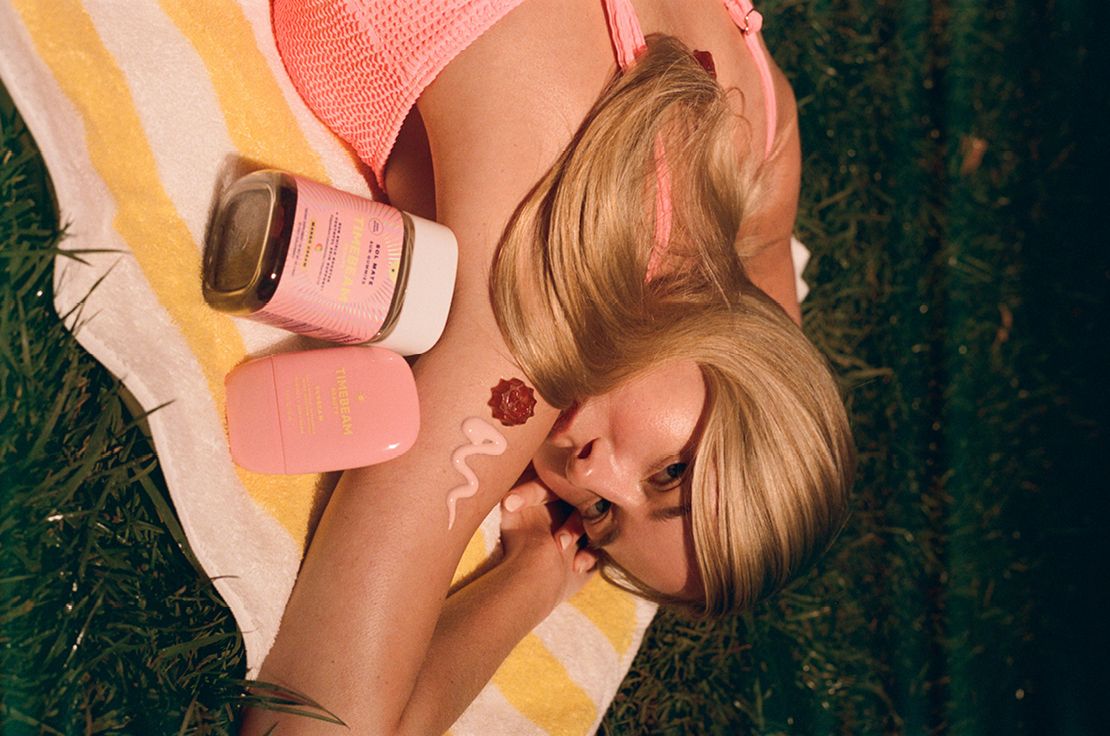
That’s why I believe skincare should work in harmony with the body’s biology. Skin has different needs in the morning versus at night, which is why circadian-based skincare is becoming so important in longevity science. And why I developed 2 supplements, one for the morning, with NAD+, adaptogens, electrolytes, Vit B12, Vit C , and another for the night, with nature’s own melatonin in Tart Cherry Extract, L-Theonine, Magnesium Glycinate and valerian root.
You’ve spoken about the idea that inflammation, rather than time itself, is one of the real drivers of ageing. How is the beauty industry beginning to rethink ageing through that lens?
We now understand that chronic low-grade inflammation, often called “inflammaging,” is one of the biggest drivers of visible skin ageing. The industry is shifting away from simply masking wrinkles toward supporting skin resilience, barrier health and cellular repair. That’s why we’re seeing growing interest in antioxidants, NAD+ science, adaptogens and barrier-supportive ingredients. The conversation around ageing is becoming much more holistic because skin health is connected to stress, sleep, nutrition, hormones and lifestyle.
Your brand TIMEBEAM Beauty, focuses heavily on prevention rather than reaction. Why do you believe reactive skincare routines are no longer enough?
By the time visible signs of ageing appear, changes have often been happening beneath the surface for years. Reactive skincare focuses on correcting damage after it happens. Prevention is about supporting collagen, hydration, cellular function and skin resilience before that damage becomes deeply established. I always say longevity is not about chasing youth. It’s about preserving healthy skin function for as long as possible and even reversing the outward signs of ageing. We have clinicals on our topical NAD+ in Milky serum that has been tested and shown to reverse 8 years of ageing in just 6 weeks. These days, we have powerful tools; we just need to know how to use them and formulate them effectively.
What does a truly preventative skincare and wellness routine look like in 2026?
In 2026, preventative beauty will look much more integrated. It will combine skincare, wellness, sleep, stress management and nutrition into one approach. A preventative routine includes daily SPF, antioxidant protection, hydration, quality sleep, stress management and supporting skin both topically and internally. Consumers are increasingly understanding that what’s happening inside the body shows up on the skin.
NAD+ has become one of the most discussed topics within longevity science. How does supporting NAD+ levels help the skin repair and recover more effectively?
NAD+ is widely discussed, but so misunderstood. NAD+ is essential for cellular energy and repair. Every skin cell relies on it to function properly, but NAD+ levels naturally decline with age, and stress, poor sleep and environmental stressors can accelerate that decline even further.
What’s important to understand is that not all NAD+ products are created equal. NAD+ itself is unstable and doesn’t easily penetrate cells, which is why at Timebeam, we focus on bioavailable NAD+ boosters that help support the body’s own natural NAD+ production.
When you support healthier NAD+ levels, you help fuel cellular repair, collagen preservation and skin resilience, which is why it’s become such an important part of longevity science. And our NAD+ booster goes even further, supporting inflammaging but clinically decreasing elevated Cortisol levels and increasing glutathione levels. NMN and NR, the most widely used NAD+ boosters, can’t do that.

TIMEBEAM approaches skincare through a more holistic and integrative lens. How did your own journey from conventional medicine into longevity and integrative health shape the philosophy behind the brand?
I began my career in conventional medicine, but over time I became increasingly interested in treating the root causes of ageing and health, not just symptoms. Studying integrative medicine and traditional healing practices around the world reinforced my belief that everything is connected. Your skin reflects what’s happening in your body and mind, which is why I felt skincare needed a more holistic approach. That philosophy ultimately inspired me to create Timebeam, combining topical skincare with ingestibles to support skin from the inside and out.
Consumers today are becoming far more educated about ingredients and wellness science. How do you balance making complex longevity concepts accessible while still remaining scientifically rigorous?
I believe science should feel empowering, not intimidating. My goal is always to translate complex longevity concepts into something people can actually understand and use in daily life. Consumers don’t need a medical degree to understand that stress, inflammation, sleep and cellular energy impact how their skin ages. At Timebeam, we focus on making longevity science approachable, effective and easy to integrate into everyday routines.
The wellness and beauty industries are increasingly overlapping. How do you see the relationship between skincare, health and longevity evolving over the next decade?
I think the lines between beauty, wellness and health will continue to disappear because consumers are really starting to understand how interconnected they are. We’re moving toward a much more preventative and holistic approach where beauty is seen as a reflection of overall health and wellbeing, not just something cosmetic. The future of skincare will focus more on resilience, recovery and supporting the body’s natural systems over time.

Looking ahead, what are some of the biggest shifts or innovations you believe will define the future of beauty and longevity wellness?
I think we’ll continue to see major innovation around cellular health, NAD+ science, inflammation reduction and circadian biology. We’ll also see more focus on stress regulation and recovery because chronic stress has become one of the biggest accelerators of aging today. Most importantly, consumers will continue to gravitate toward brands that make longevity feel approachable, sustainable, and grounded in real science.
Louis Vuitton Unveils Mythica High Jewellery Collection
Louis Vuitton unveils Mythica, a collection that explores mythology, transformation, and personal strength through an ambitious narrative expressed through gemstones, symbolism, and craftsmanship. Designed as an allegorical journey, the collection positions the Louis Vuitton woman as both heroine and architect of her own story, moving through themes of challenge, discovery and triumph.
Structured across 11 chapters and 110 pieces, Mythica draws upon the visual language of ancient myths while remaining firmly connected to the Maison’s contemporary identity. Throughout the collection, exceptional coloured gemstones and Louis Vuitton’s signature Monogram-cut diamonds serve as storytelling devices, shaping a universe where jewellery functions as both adornment and symbol.
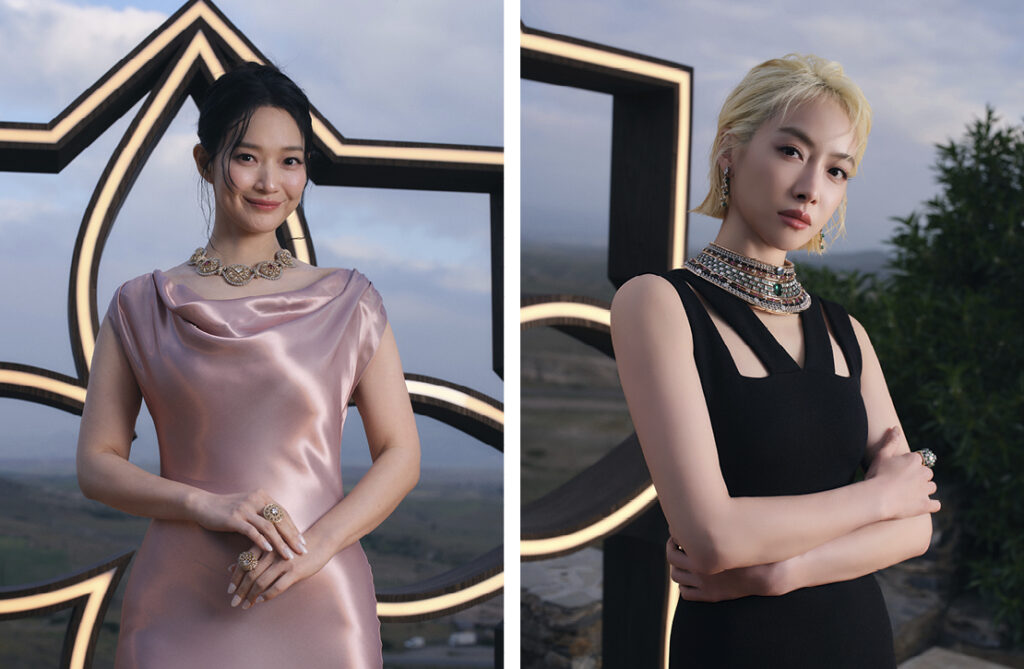
The journey begins with Conquest, where directional arrow motifs evoke movement, ambition and forward momentum. Graphic lines and sharp compositions establish a sense of purpose that continues throughout the collection. In Totem, protection and symbolism emerge through yellow and white gold chevrons, creating pieces that reference ancestral emblems while maintaining a distinctly modern sophistication.
Among the collection’s strongest moments is Fortitude, where powerful silhouettes and rare stones reflect ideas of courage and resilience. Here, Louis Vuitton introduces zircon into the world of high jewellery, a natural gemstone rarely seen at this level, chosen for both its intensity and uniqueness. The collection continues to evolve through Enigma, where geometric forms and abstract compositions introduce a more mysterious mood, and Physis, inspired by the natural world through vivid emeralds and sculptural botanical references.
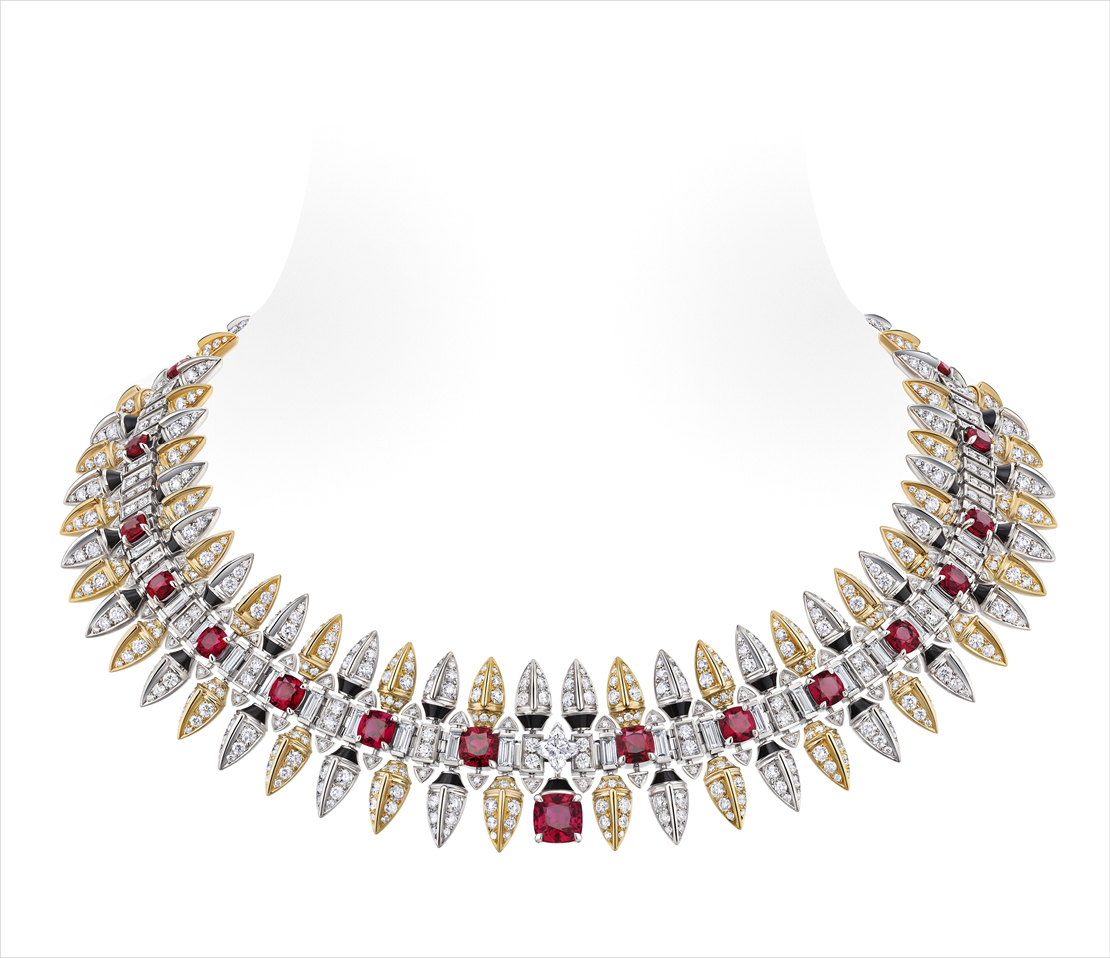
Colour plays a defining role throughout Mythica. Deep greens, electric blues, fiery reds and luminous diamonds create pieces that feel rich in both emotion and visual impact. In Aura, spinels and rubies bring warmth and energy, while Throne explores ideas of authority and rebirth through dramatic structures inspired by crowns and ceremonial ornamentation.
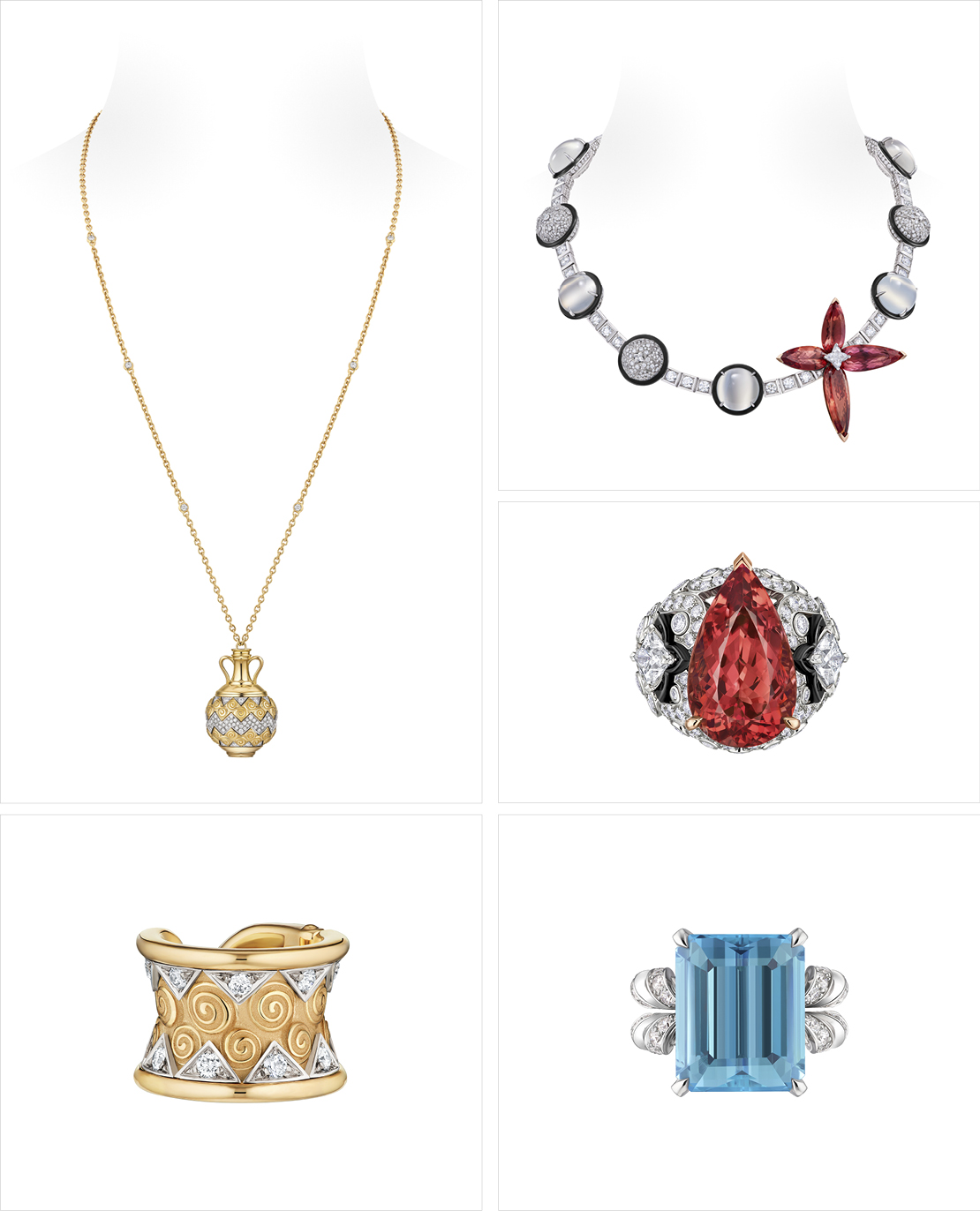
Despite the scale and complexity of the collection, there remains a strong sense of clarity within the designs. Louis Vuitton balances technical virtuosity with wearability, allowing even the most elaborate creations to feel contemporary rather than purely ceremonial. The collection moves fluidly between history, fantasy and modern glamour, transforming mythological references into something relevant for today.
Venice Biennale 2026: The Exhibitions and Activations to Have on Your Radar
As the Venice Biennale returns to the floating city for its 61st edition, fashion houses once again move beyond the runway and into the world of contemporary art, architecture and cultural patronage. Across Venice, luxury brands are using the Biennale as a platform to deepen conversations about creativity, heritage, and artistic collaboration.
The UAE Pavilion Explores Sound, Memory and Identity
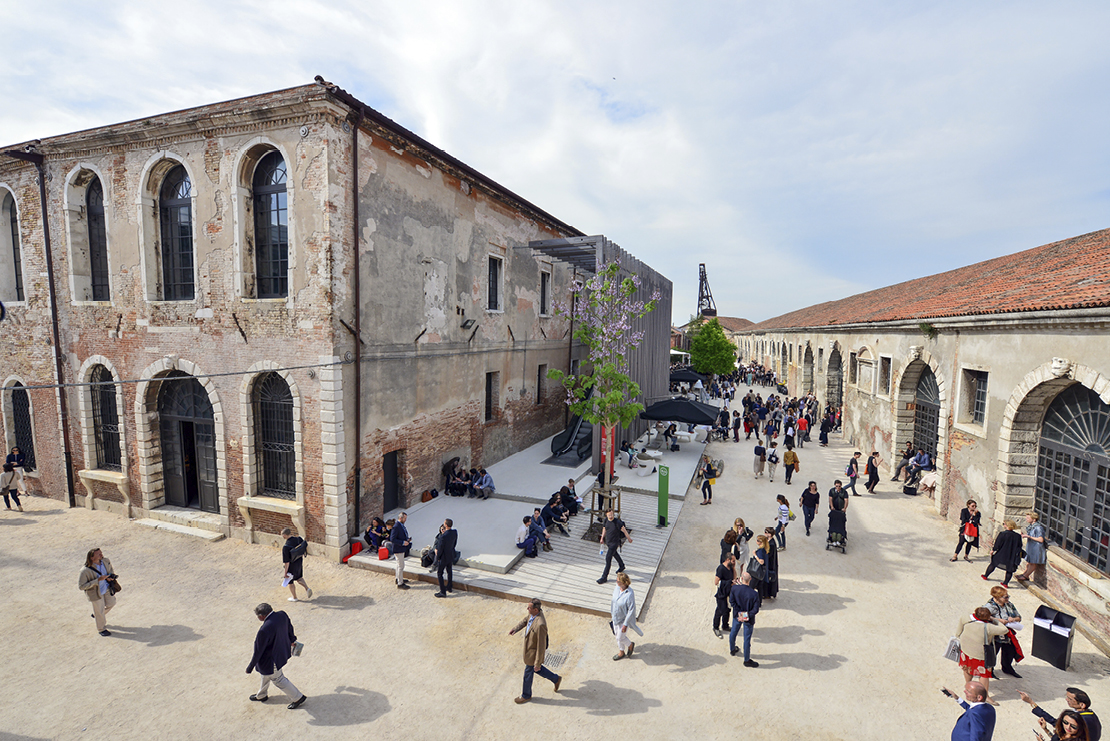
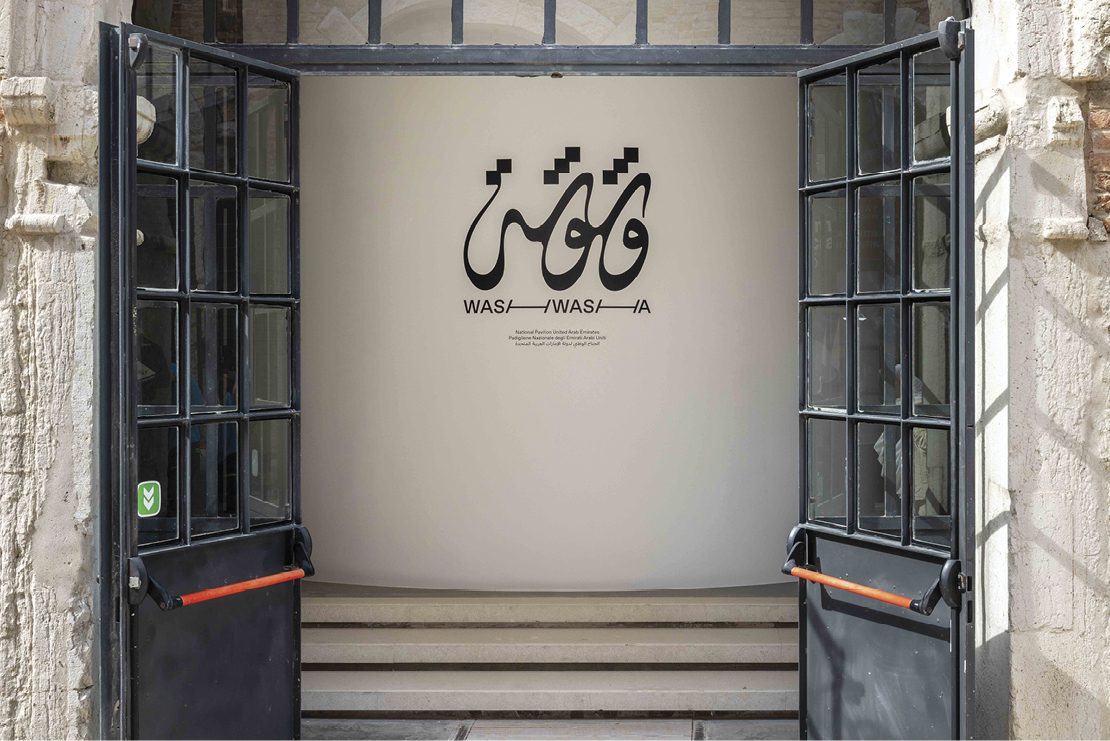
This year’s UAE Pavilion presents Washwasha, curated by Bana Kattan, bringing together six artists whose practices investigate the soundscapes of the Emirates and the wider region. The exhibition takes its name from the Arabic word for whispering, exploring subtle forms of communication, oral histories and the invisible layers of sound that shape everyday life.
Artists including Farah Al Qasimi, Lamya Gargash and Taus Makhacheva examine themes of migration, technology, identity and memory through immersive installations and sonic experiences that resist fixed narratives. Rather than presenting a singular definition of the UAE, Washwasha reflects the country as a constantly shifting space shaped by movement, correspondence and layered histories. Developed through more than 18 months of curatorial research, the exhibition positions sound not simply as atmosphere, but as a way of archiving intangible cultural experiences often left undocumented.
BVLGARI Strengthens Its Commitment to Contemporary Art
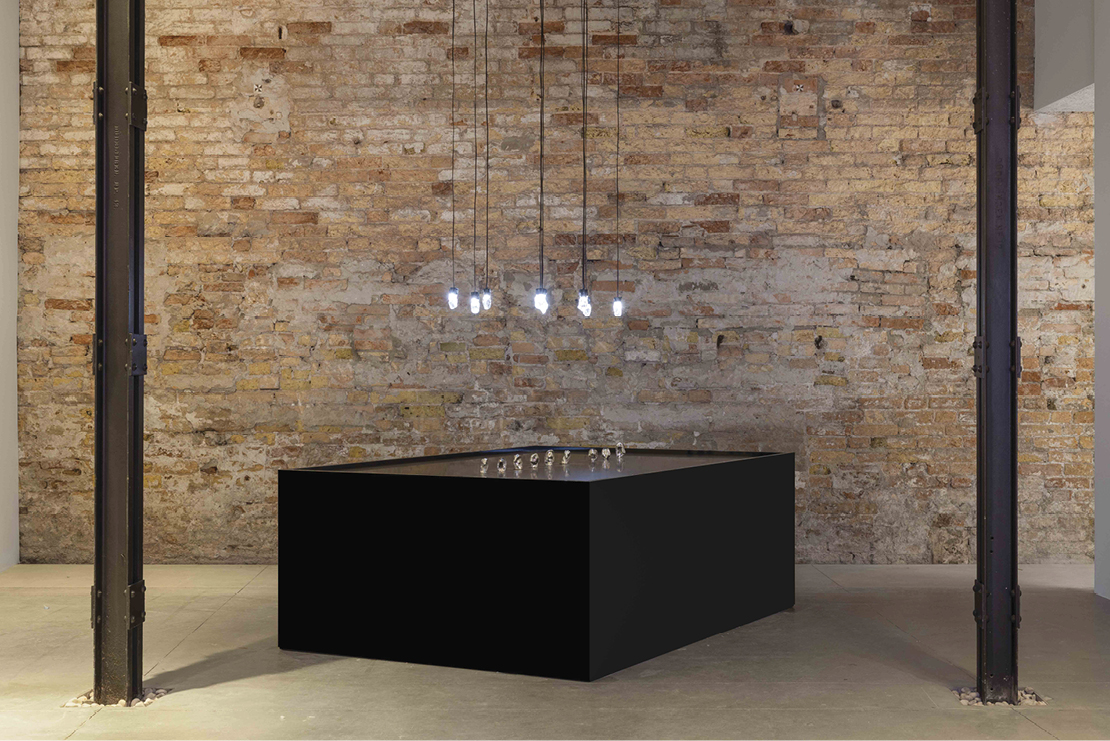
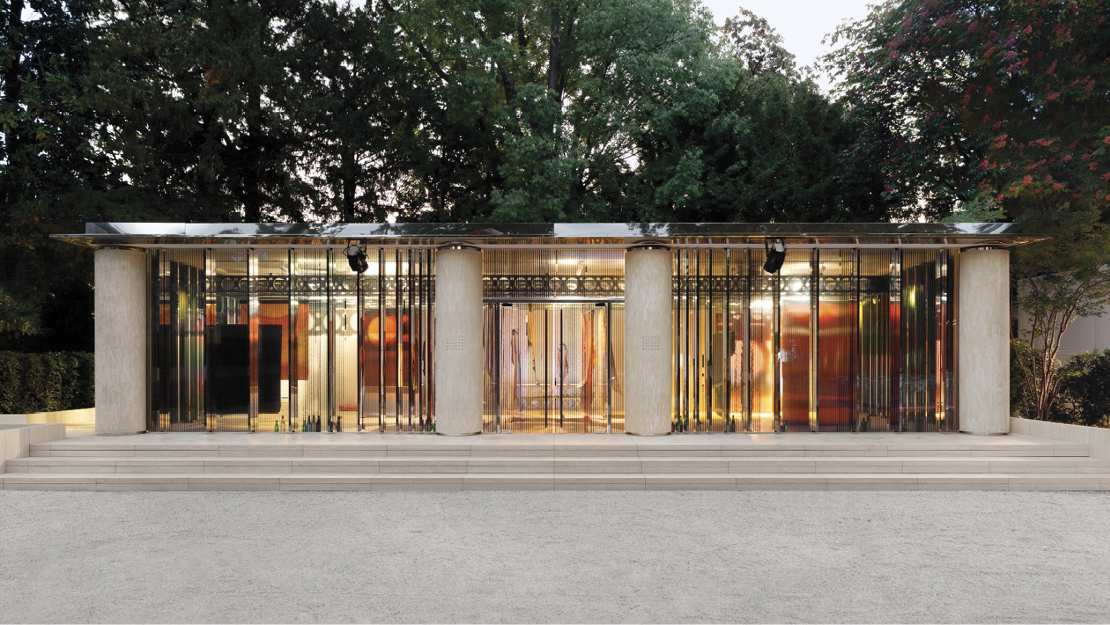
Bvlgari inaugurates its role as the Exclusive Partner of La Biennale di Venezia until 2030 with two major artistic initiatives that firmly position the Maison firmly within the cultural landscape of Venice. At the Giardini della Biennale, the newly established Bvlgari Pavilion presents The Face of Desire is Loss by Canadian artist Lotus L. Kang, an immersive installation exploring time, memory and transformation through suspended photographic film, sculptural works and shifting light. The work continuously evolves throughout the Biennale as the materials react to light and humidity, creating a living installation that changes over time.
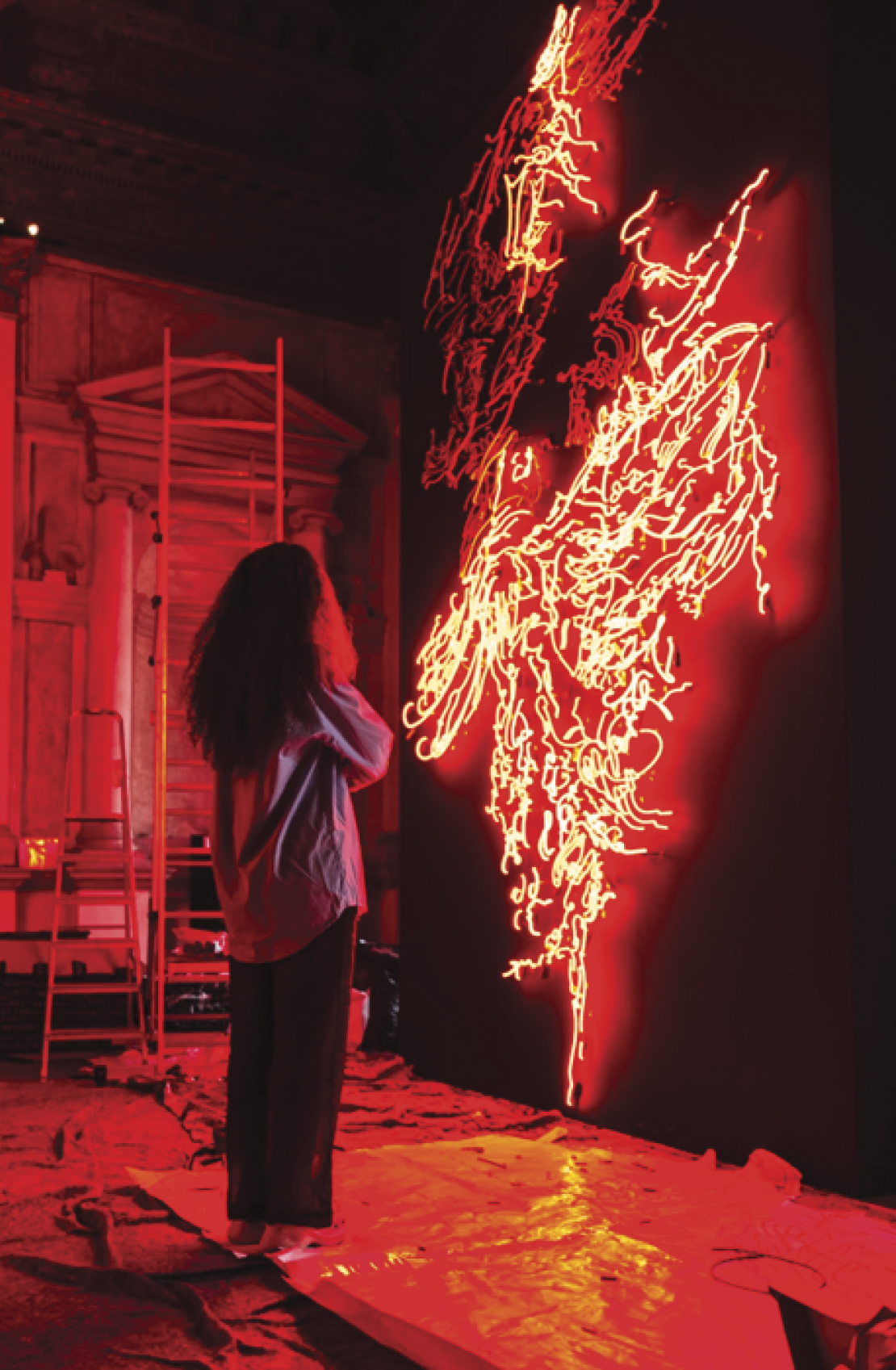
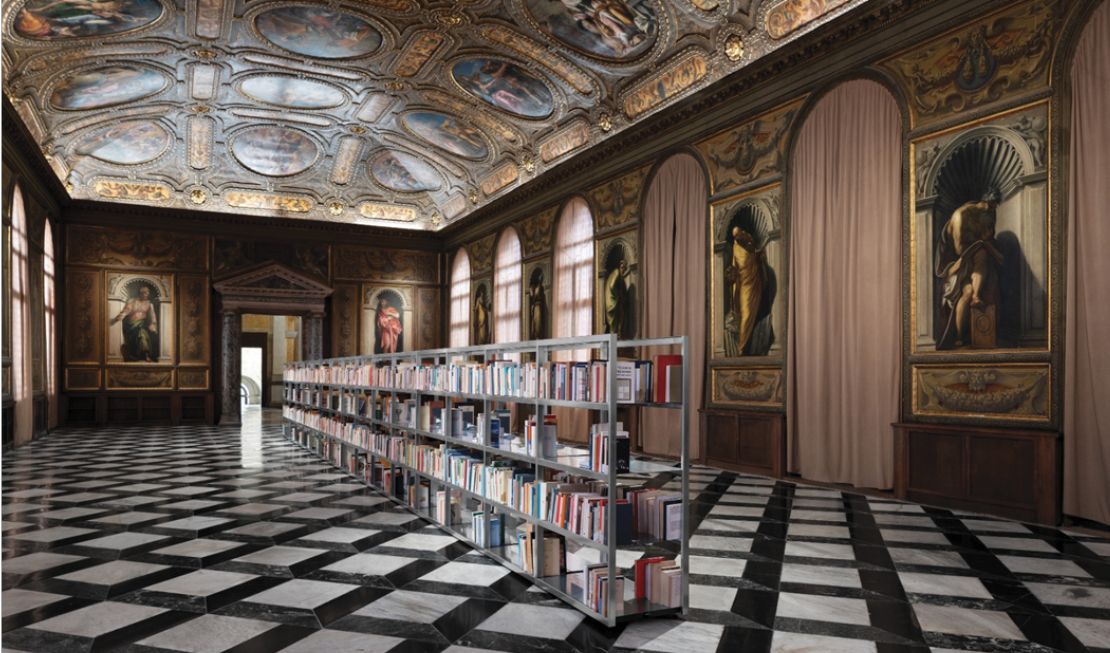
Alongside this, Fondazione Bvlgari launches its first-ever exhibition at Biblioteca Nazionale Marciana with works by Italian artists Lara Favaretto and Monia Ben Hamouda. The partnership reflects Bvlgari’s growing investment in contemporary artistic dialogue and its ambition to create spaces where art, experimentation and cultural exchange can unfold on an international stage.
ZEGNA Brings Art, Landscape and Material Together
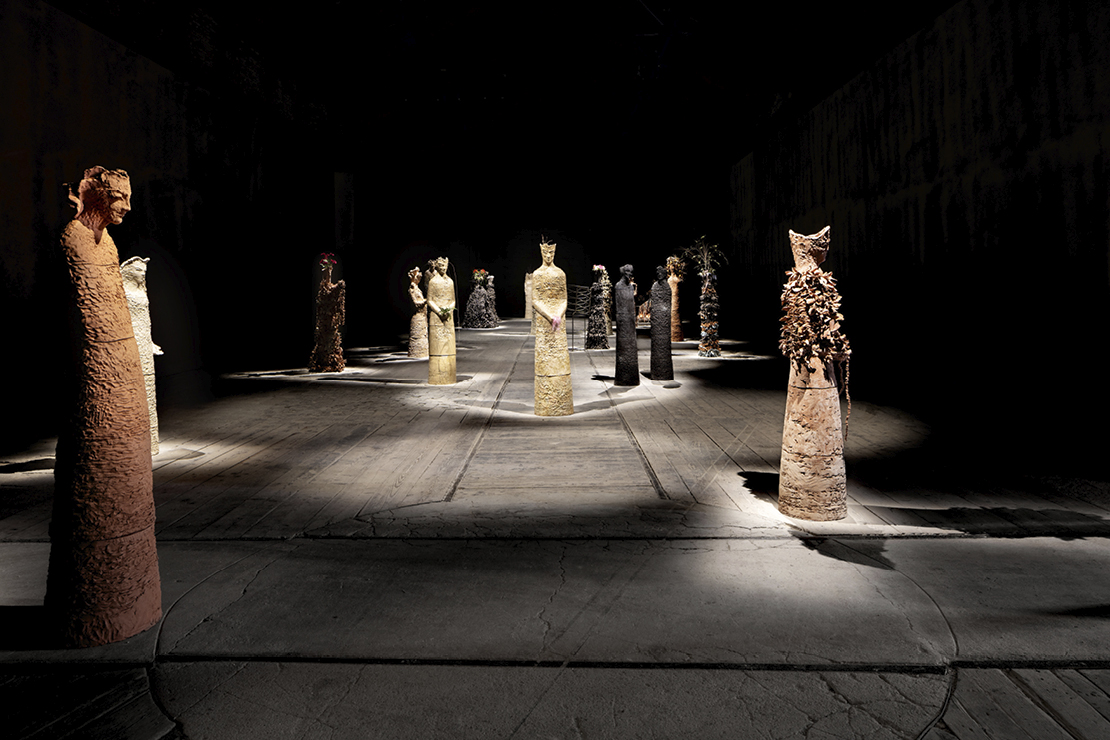
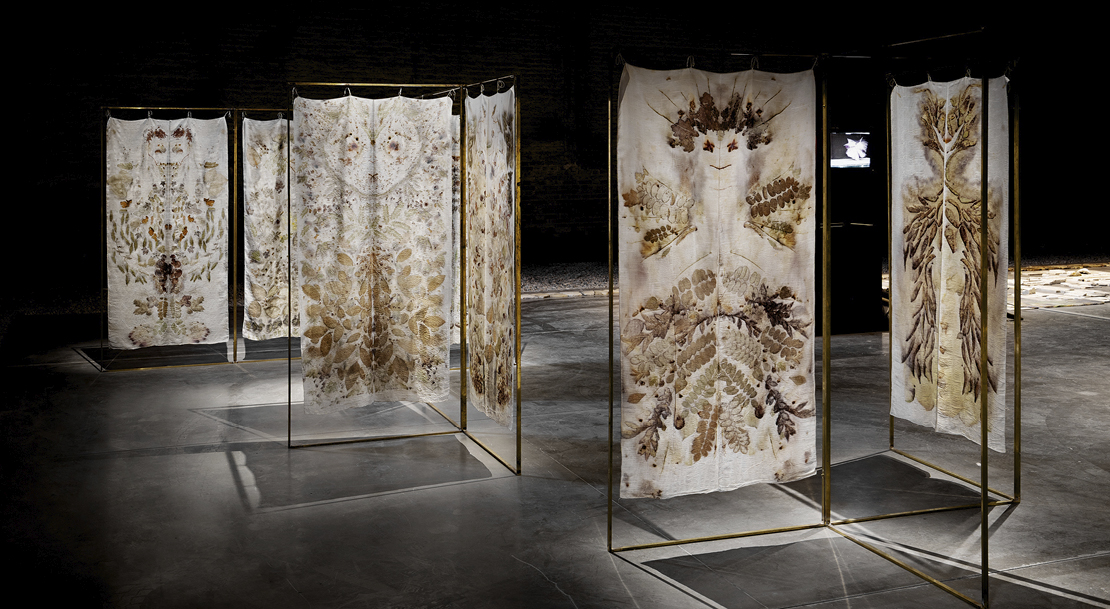
As Main Sponsor of the Italian Pavilion, ZEGNA continues its longstanding relationship with contemporary art through Con te con tutto by artist Chiara Camoni, curated by Cecilia Canziani. The project reflects on coexistence, transformation, and humanity’s relationship with the natural world, themes closely aligned with ZEGNA’s own philosophy of craftsmanship, territory, and sustainability.
What makes the collaboration particularly distinctive is how the brand becomes physically embedded in the artworks themselves. Materials sourced directly from Oasi Zegna, including earth, ash and minerals, have been incorporated into the sculptures, while textiles from Lanificio Ermenegildo Zegna are woven into the installations. The result is a dialogue between art, landscape and material production that feels deeply rooted in the brand’s history.
The partnership also extends beyond Venice, with Fondazione Zegna set to present a parallel exhibition by Camoni at Oasi Zegna later this year, reinforcing the ongoing relationship between artistic practice and place.
Bottega Veneta Champions Lorna Simpson in Venice
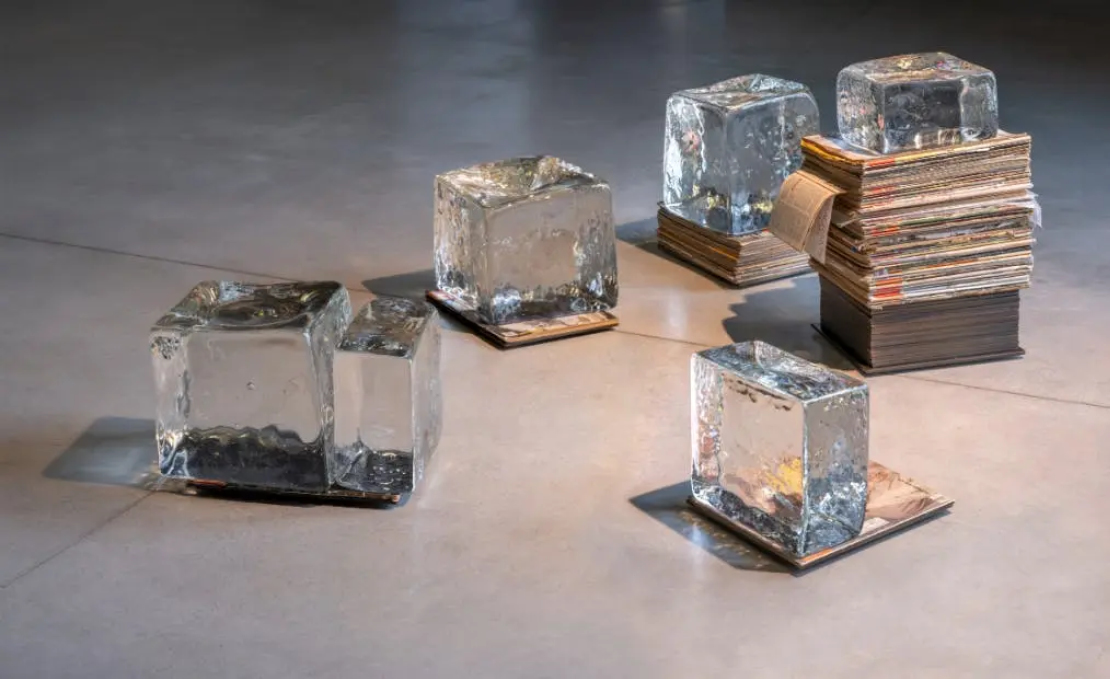
Bottega Veneta deepens its cultural ties to Venice through its support of Lorna Simpson. Third Person at Punta della Dogana, marking the celebrated American artist’s return to Europe after more than a decade. Curated by Emma Lavigne for the Pinault Collection, the exhibition spans more than 20 years of Simpson’s work, examining themes of memory, race, identity, and representation through photography, painting, and large-scale collage.
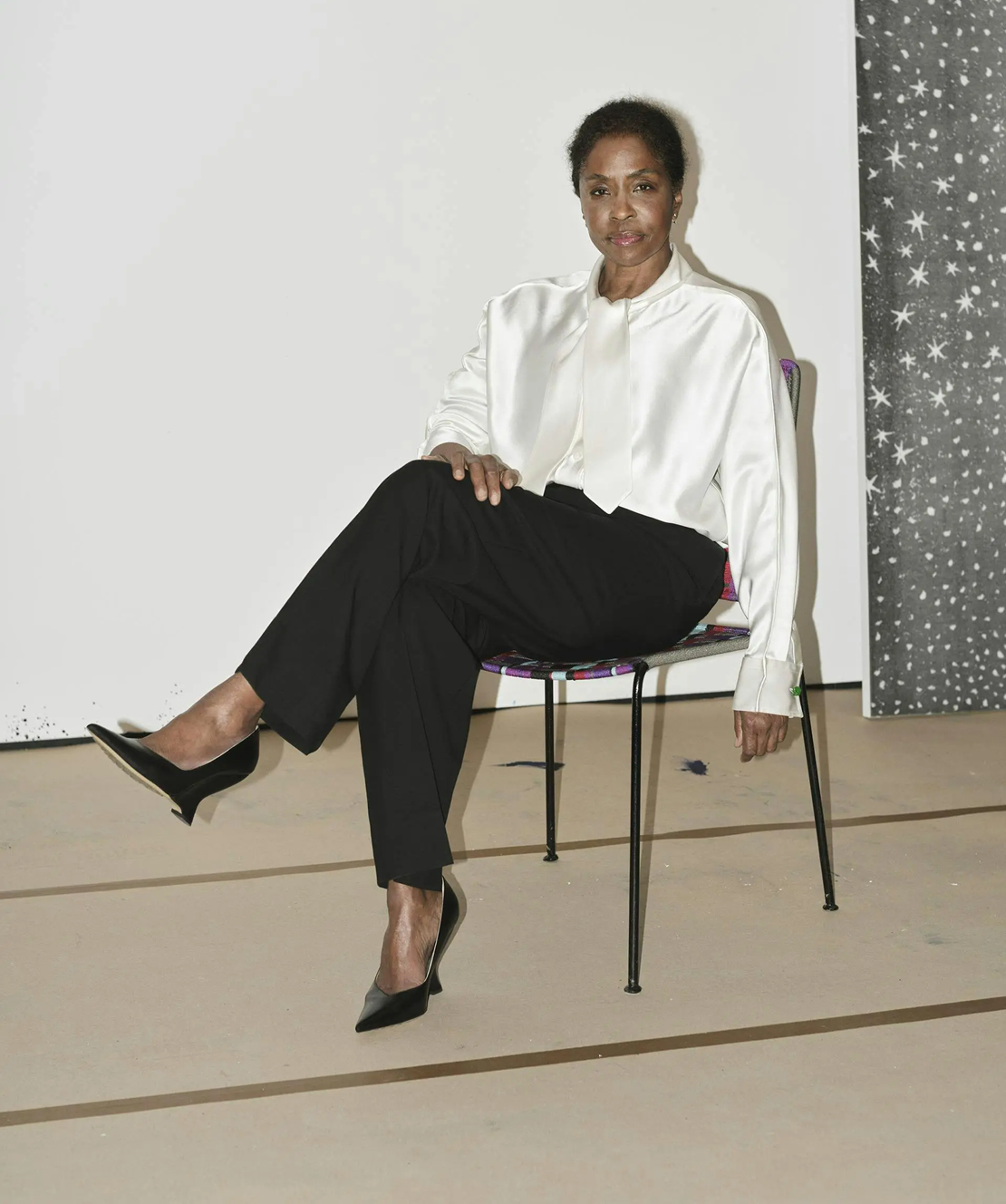
For Bottega Veneta, the collaboration reflects a broader commitment to cultural patronage and intellectual exchange rather than traditional sponsorship. Under the creative direction of Louise Trotter, the Maison continues to align itself with artists whose work challenges perception and encourages slower, more reflective forms of engagement. The partnership also connects to the brand’s wider Venice initiatives, including its Bottega for Bottegas programme, celebrating local craftsmanship and its Venice-inspired Summer 2026 campaign, photographed by Juergen Teller. Together, the projects position Venice not simply as a setting for the brand, but as an essential part of its cultural identity.
ZENITH CEO Benoit De Clerck Discusses the Latest Novelties
At Watches & Wonders 2026, ZENITH presented a collection of launches that reaffirmed the Manufacture’s long-standing focus on chronograph innovation and precision watchmaking. From new interpretations of the CHRONOMASTER Sport to the continued evolution of the G.F.J. collection, the latest releases reflected a brand balancing technical heritage with a distinctly modern perspective on contemporary horology.

Since taking over as CEO two years ago, Benoit De Clerck has focused on sharpening ZENITH’s identity around what has always defined the Maison: movement expertise, mechanical legitimacy and a deep-rooted culture of chronometry. At a time when collectors are increasingly drawn to watches with authenticity, substance and strong historical foundations, the Manufacture continues to build on the legacy of iconic calibres such as the El Primero while ensuring they remain relevant for today’s market.
Here, De Clerck discusses this year’s launches, the emotional connection collectors continue to have with heritage references, the growing importance of the Middle East market, and how ZENITH is evolving while remaining true to its core watchmaking philosophy.
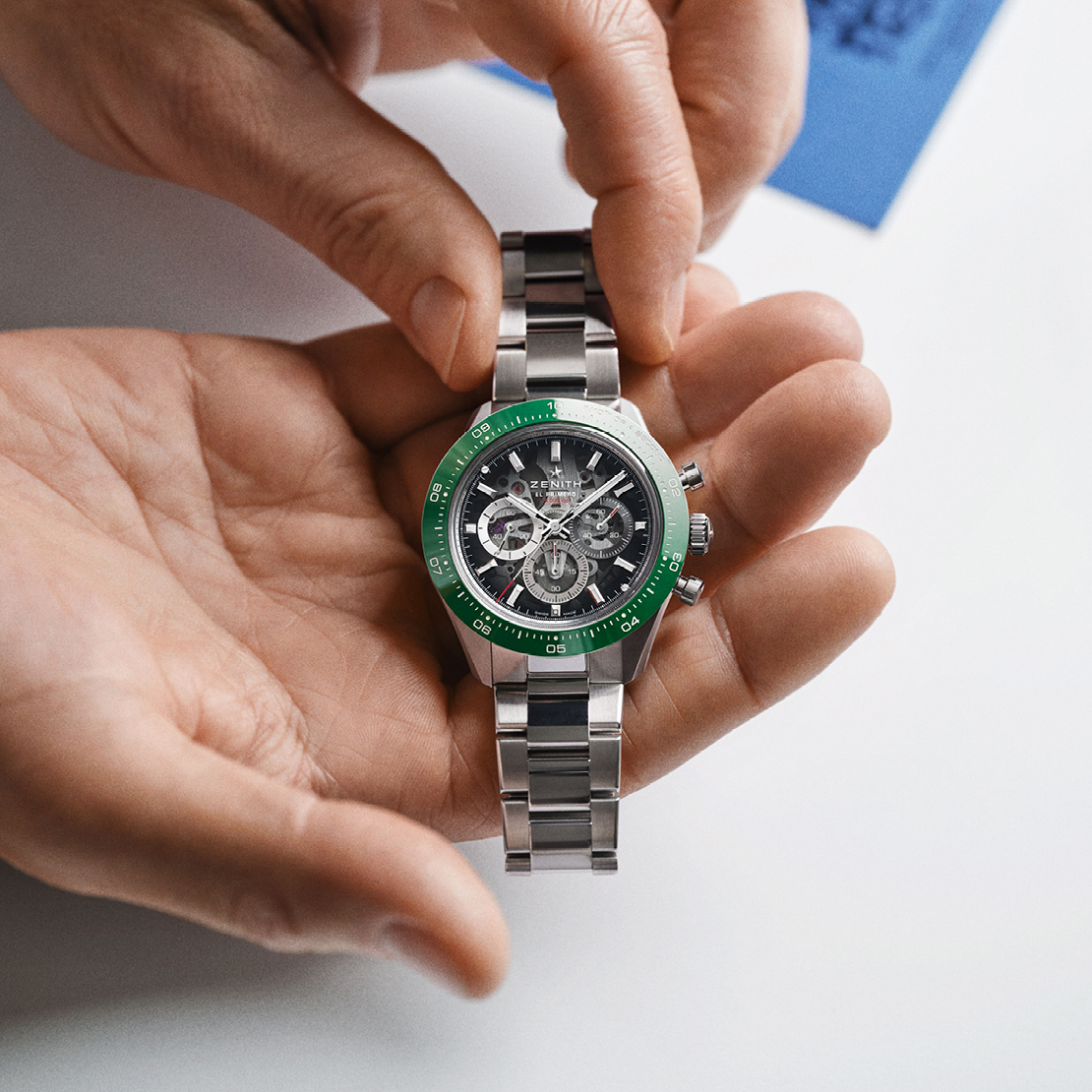
Watches & Wonders 2026 marked another major moment for ZENITH. How would you describe this year’s launches and what they represent for the brand today?
Watches & Wonders 2026 was a very clear statement of what ZENITH is today. Beyond the launches themselves, this year reaffirmed the two territories that have shaped the Manufacture from the beginning: chronograph and chronometry.
On one side, the El Primero remains the backbone of our chronograph identity. More than 55 years after its launch, it remains one of the most distinctive and technically relevant chronograph movements in the industry. The CHRONOMASTER Sport Skeleton and the latest CHRONOMASTER Sport executions show that this calibre continues to evolve without losing its original purpose or character.
On the other side, the new G.F.J. pieces reaffirm our chronometry heritage through the Calibre 135, one of the most awarded observatory movements ever produced. For us, this is not about nostalgia or reissuing the past. It is about continuing a culture of precision that has always been central to ZENITH.
What these launches ultimately reflect is a Manufacture with a very clear identity and a very clear point of view: precision, mechanical substance and movement legitimacy remain at the heart of everything we do.
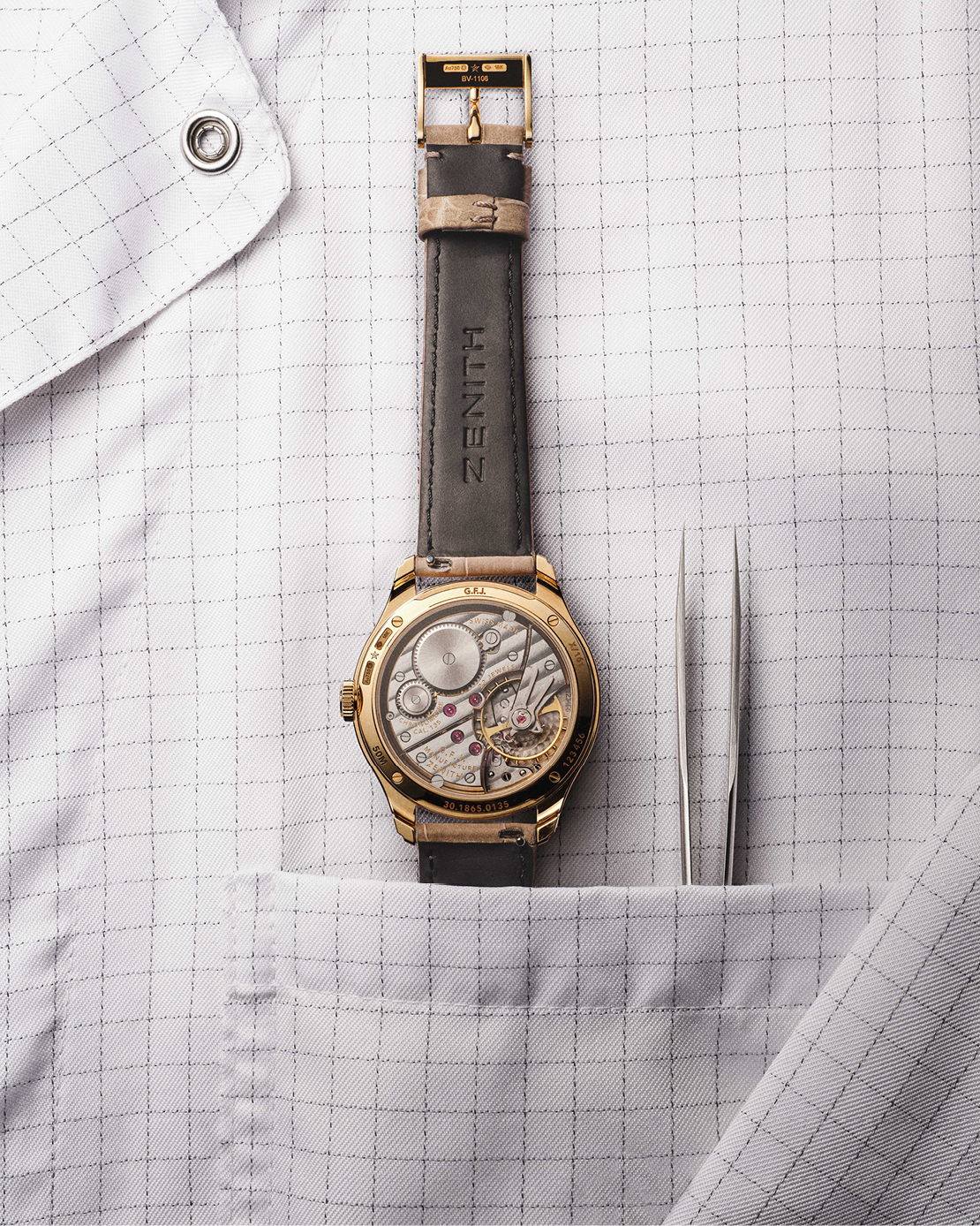
The G.F.J. collection feels deeply connected to ZENITH’s chronometry heritage and founder Georges Favre-Jacot. Why was it important to continue evolving this line following its award-winning debut?
The G.F.J. was never conceived as a commemorative exercise or a limited anniversary project. From the beginning, the ambition was to establish a contemporary home for the Calibre 135 and to reconnect ZENITH with a very important part of its identity: chronometry. The award at the GPHG naturally validated the relevance of that direction, but, more importantly, it confirmed that collectors today remain deeply receptive to watches rooted in genuine watchmaking heritage. Continuing the collection was therefore very natural. The Calibre 135 is one of the greatest movements ever produced by the Manufacture and probably one of the most important observatory calibres in the history of Swiss watchmaking. It deserves to live beyond a single release.
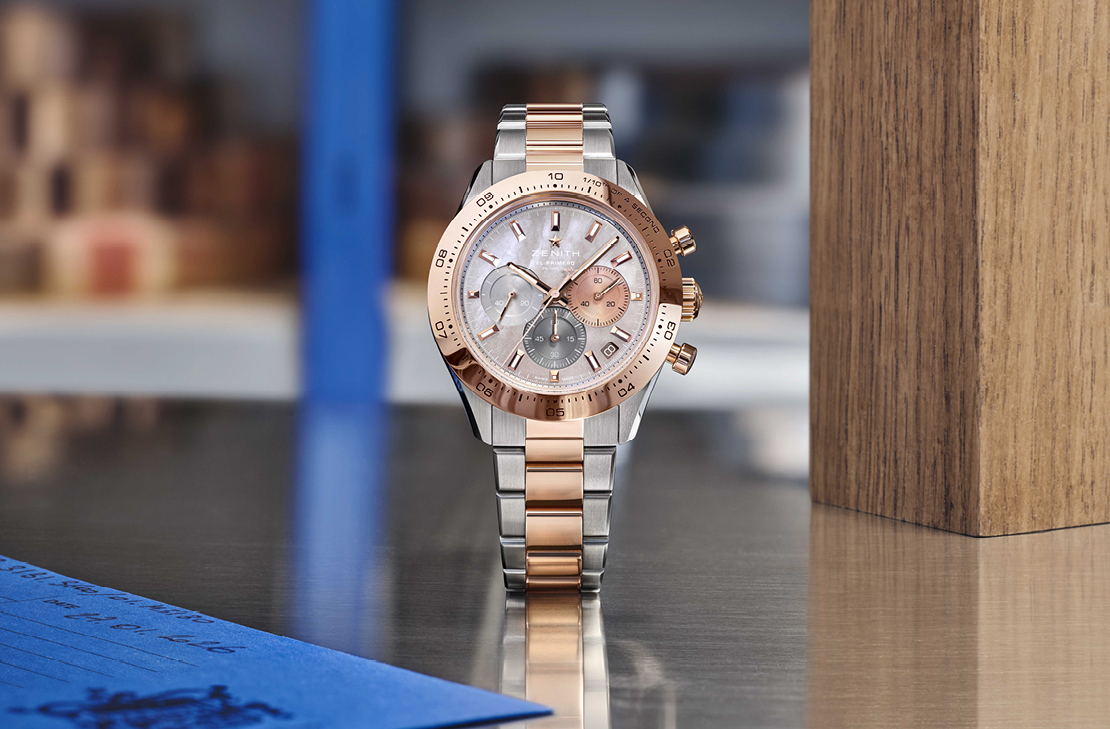
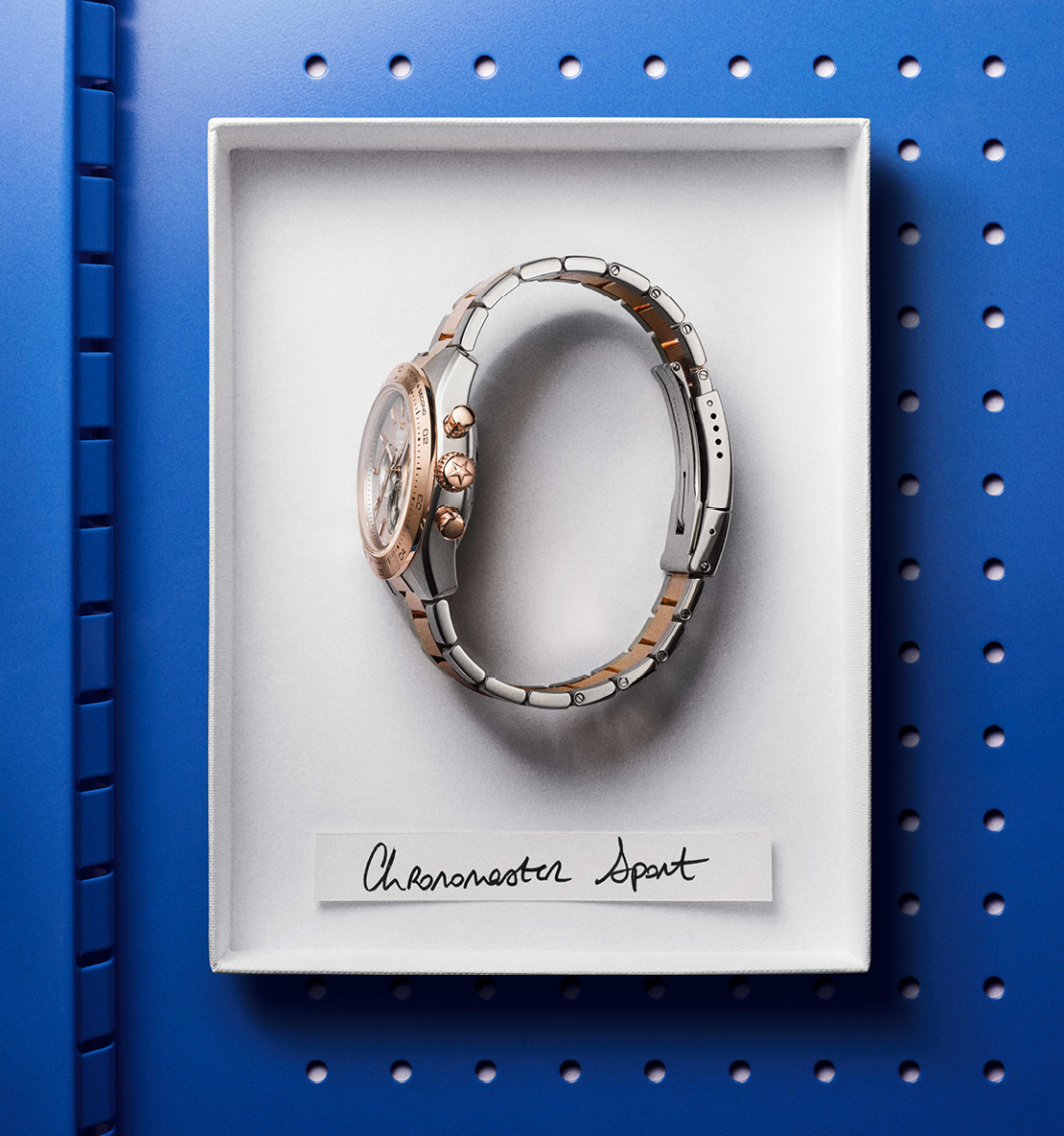
The CHRONOMASTER Sport continues to evolve while remaining rooted in the El Primero legacy. What inspired the introduction of the new steel-and-rose-gold edition this year?
The CHRONOMASTER Sport is one of the purest expressions of the El Primero today. Its identity is rooted in performance, precision, and a very distinctive chronograph architecture. With this new steel-and-rose-gold execution, the intention was to expand the watch’s versatility without compromising that identity. The two-tone construction, the mother-of-pearl dial, and the warmer tonalities bring a more refined dimension to the piece, but the technical foundation remains entirely unchanged. At its core, it is still a high-frequency El Primero chronograph built around the same level of mechanical intensity and precision. What interested us was precisely this balance: a watch capable of moving more naturally across different contexts while retaining the strong character that defines the CHRONOMASTER Sport.
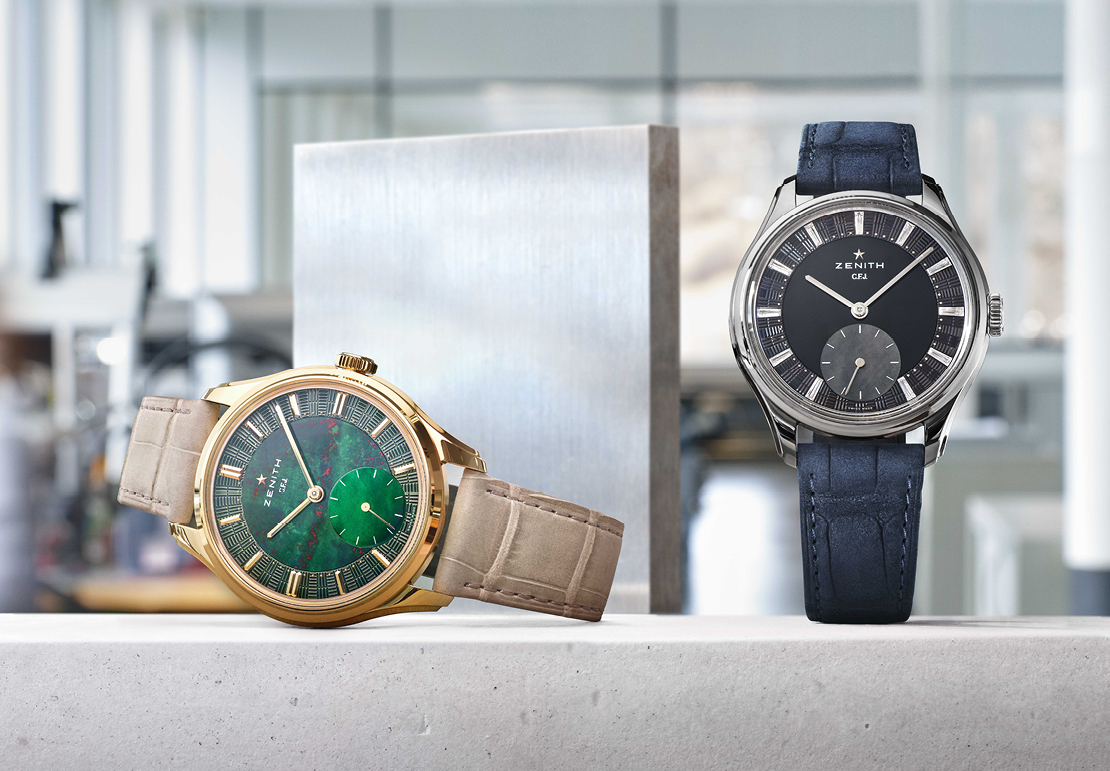
The new CHRONOMASTER Sport Skeleton reveals the movement in a far more architectural way. Why do you think collectors today are increasingly drawn to open-worked watchmaking?
Collectors today are increasingly interested in the mechanics themselves. They want to understand how a watch is built, how a movement functions, and what gives it legitimacy beyond the dial. For us, skeletonization only has meaning if it reveals something mechanically interesting. The CHRONOMASTER Sport Skeleton was never intended as a stylistic exercise. Its purpose is to expose the architecture and the energy of the El Primero in a much more direct way.
The El Primero is an extremely expressive calibre by nature: high frequency, visible chronograph construction, constant motion. Opening the movement simply makes that mechanical intensity fully visible. More broadly, I think collectors today value transparency and true horological substance. Openworked watchmaking leaves no room for approximation, the movement, the finishing, and the construction are all exposed. For a Manufacture like ZENITH, that feels completely coherent with who we are.
ZENITH also revisited one of its most recognisable historical references with the CHRONOMASTER Revival A384 Tropical. What makes the A384 such an enduring icon for the Maison?
The A384 is one of the purest expressions of ZENITH during the El Primero era. When it launched in 1969, the design was radical: the tonneau case, the sharp lines, the ladder bracelet, the very graphic dial. It had a real personality. What is interesting is that it still feels incredibly modern today. Not because it was trying to be fashionable, but because it was designed with a very functional and coherent approach from the beginning. With the Tropical edition, we wanted to reconnect with that atmosphere collectors love: the warmth, the patina, the feeling of a watch that has lived. That emotional dimension is a major reason the A384 remains such an important reference for our Manufacture.
Vintage-inspired watchmaking continues to resonate strongly across the industry. Why do you think collectors remain so emotionally connected to heritage references and archival storytelling?
Because heritage creates an emotional connection that feels genuine. When collectors look at a historical reference, they are responding not only to the design of the watch itself but also to what it represents within the history of a Manufacture and within watchmaking more broadly. At ZENITH, we explore this very directly through the Revival collection. What makes Revival interesting is that we are not loosely “inspired” by vintage watches; we recreate some of our most emblematic references with an extremely high level of fidelity to the originals. There is a real respect for the proportions, construction, details, and overall spirit of the watch. I think collectors respond to that honesty. They appreciate when heritage is treated seriously, not as a marketing exercise. But at the same time, these pieces still need to feel relevant and desirable today. That balance is essential.
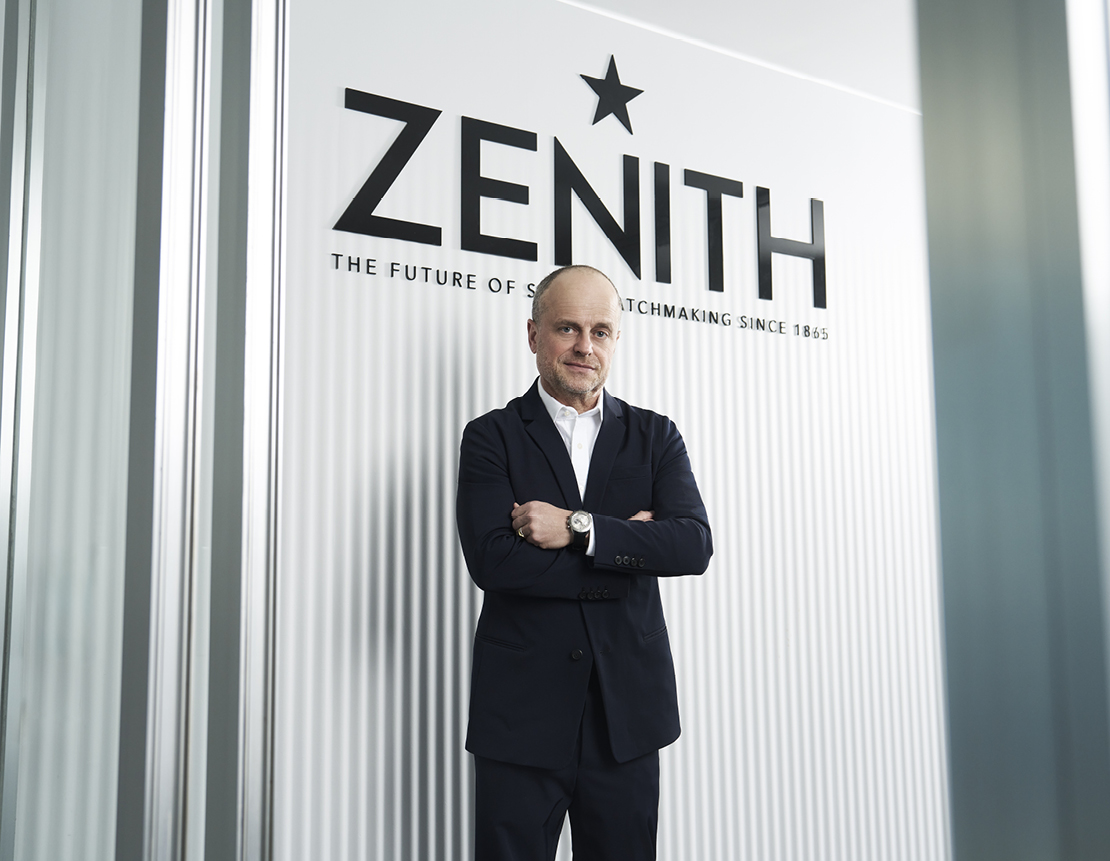
You joined ZENITH two years ago. Looking back, what have been some of the biggest lessons or discoveries for you since stepping into the role of CEO?
What struck me very quickly was the depth of the Manufacture itself. ZENITH has an extraordinary level of legitimacy, both mechanically and historically, as well as a very strong internal culture built around precision and movement-making.
One of the biggest lessons has probably been that the role of a CEO in a Maison like ZENITH is not to reinvent everything. It is to create clarity. To understand what truly makes the brand unique, protect it, and express it coherently today. I also realised how important focus is in today’s environment. The industry moves very fast, there is constant pressure for novelty and visibility, but ultimately, what builds long-term desirability is consistency and substance. That is especially true in watchmaking.
How would you describe the current identity of ZENITH today and where do you see the brand positioning itself within the wider watch industry?
ZENITH today is a Manufacture with a very defined identity and a clear area of legitimacy within watchmaking. We are not trying to be everything to everyone. The brand is built around a strong movement culture, a real manufacturing legacy and a very direct approach to product. That naturally positions us towards collectors and clients who are genuinely interested in watchmaking itself. ZENITH has always been a brand for people in the know, for horological enthusiasts more than for purely status-driven consumption. At the same time, we are not a heritage-only brand. There is still a strong sense of modernity and evolution in the collections. Our role now is to continue sharpening that positioning and aligning the brand’s perception even more closely with the reality of the Manufacture.
The Middle East has become an increasingly important market for luxury watchmaking. How would you describe ZENITH’s relationship with collectors and clients in this region?
The Middle East is an incredible region when it comes to watch culture. There is a very high level of knowledge and discernment among collectors in the region. Clients are highly informed, highly detail-oriented, and genuinely interested in the substance behind the watch.
What is interesting is that there is a real appreciation for legitimacy and exclusivity, as well as for pieces with strong character and identity. That aligns very naturally with ZENITH. Over the past few years, we have seen a growing connection between the brand and collectors in the region, particularly around watches that express strong mechanical content and a more distinctive point of view. It is a market where people value authenticity and where relationships are built over time, which is very important for us.
Beyond the watches themselves, luxury clients today are increasingly looking for experiences and emotional connection. How is ZENITH approaching client engagement in 2026?
Today, collectors want to understand what sits behind a watch. For ZENITH, the Manufacture will remain our best ambassador. Le Locle is not a storytelling concept; it is a real working Manufacture where all our movements are conceived, developed, and produced. Bringing clients closer to that reality creates a much stronger connection to the brand. We’ll always put a strong emphasis on experiences that feel immersive and credible from a watchmaking perspective. Not experiences built around spectacle, but around access to the people, the expertise, and the culture behind the watches.
The watch industry continues to evolve rapidly, balancing innovation, heritage and shifting consumer expectations. How would you assess the state of the industry today?
What is interesting today is how much the industry has evolved and diversified over the past years. There is now room for very different approaches to watchmaking, different aesthetics, different philosophies, and different client sensitivities. That diversity is actually very healthy for the industry. But beyond all these evolutions, what remains remarkable is that the fascination for mechanical watches is still entirely intact. A few years ago, with the arrival of smartwatches, many people were predicting the decline of traditional watchmaking. The opposite happened. The industry proved them wrong because mechanical watches were never competing purely on function.
Looking ahead, what are your current priorities and long-term objectives for ZENITH over the next few years?
The priority is to continue protecting and reinforcing what has defined ZENITH since the beginning: being a true movement Manufacture. In an industry where many brands speak of heritage, what matters is preserving real mechanical integrity: designing, developing, and producing movements with coherence and legitimacy. That is the responsibility we have as a Manufacture like ZENITH. Going forward, the objective is to continue expressing that identity in a way that remains relevant and meaningful for contemporary watchmaking.
By Lindsay Judge
Joy in Life, The Quiet Weight Women Carry and Why Mental Wellbeing Matters More Than Ever
Women today are carrying a lot. Emotionally, mentally, physically and energetically. They are building careers, raising children, supporting households, navigating relationships and trying to keep up with a world that rarely slows down. From the outside, many women appear to be functioning well. But internally, many are overwhelmed, disconnected and exhausted. This is why focusing on mental well-being is foundational to our general wellbeing.

For me, a regulated nervous system that can live in the present moment with joy is one of the greatest forms of success a woman can experience, especially as a mother. Because children do not need a perfect mother. They need a mother who is emotionally present. A mother who is connected to herself. A mother who is able to access joy, safety and calm within herself.
And of course, reaching that state is not one single step. There are many layers involved. Many pieces connected together. But one of the deepest places to begin is by bringing awareness to who we are being every day.
I often speak about three important parts of our way of being. The language we use, the emotions we carry and our connection to the body. The language we use internally shapes our reality more than we realise. Many women are constantly speaking to themselves through pressure, criticism, guilt and fear. The emotions we carry also matter deeply because unacknowledged emotions do not disappear. They remain stored in the body and begin to influence how we react, communicate, and move through life. And finally, the body itself. So many women today are disconnected from their bodies. They are constantly in their minds, thinking, planning, worrying, and performing, while ignoring what their bodies have been trying to communicate for years.
Mental well-being is not only about mindset. It is also about the relationship between the mind, body and emotions. When women begin to reconnect with themselves in this way, everything around them begins to shift. Their relationships become healthier. Their parenting becomes more present. Their leadership becomes more grounded. This conversation becomes especially important when speaking about mothers.

There is often a narrative around working mothers being more overwhelmed, but I do not necessarily believe it is that simple. Sometimes working mothers actually experience moments of separation that allow them to miss their children, reconnect with themselves and return with renewed energy, assuming they are not deeply burnt out.
The real issue is not whether a woman works or stays home. The real issue is whether she is emotionally depleted. A mother who is burnt out walks into her home with low emotional batteries. Even small moments can begin feeling overwhelming. Patience becomes thinner. Presence becomes harder. Joy becomes less accessible.
This applies to all women. Mothers working in offices, entrepreneurs building businesses, women working from home and mothers who dedicate their time fully to raising children.
One of the most important lessons women can learn is that putting ourselves first is not selfish. Just as the instructions on a plane tell us to put on our own oxygen mask before helping others, women also need to take care of themselves emotionally before continually pouring into everyone around them. Many women today are surviving rather than truly living.
There is also this ongoing conversation around the balance between motherhood and career. The truth is, I do not believe perfect balance truly exists. At times, one area will naturally require more of you than another. Something will always need more attention in certain seasons of life. And that is okay. The goal is not perfection. The goal is presence and quality.
It is not always about the quantity of time spent with our children, but the quality of energy we bring into the moments we do share with them. A mother who is fully present for 20 meaningful minutes can create more connection than hours spent physically present but emotionally distracted, anxious or disconnected.

Children feel energy more than we realise. They feel whether we are truly there with them or mentally somewhere else. This is why women need spaces where they can reconnect with themselves again, away from the noise, the pressure and the expectations constantly placed upon them.
Society today places enormous pressure on women to become everything at once. To be nurturing but ambitious. Soft but strong. Successful but always available. Productive but perfectly balanced. Women are constantly absorbing messages about who they should be, how they should look, how they should parent and how they should live.
At some point, many women stop asking themselves one important question: What actually feels true for me? And this is where many begin losing themselves. One of the deepest forms of healing for women today is having the courage to reconnect with who they truly are beneath conditioning, expectations and limiting beliefs.
So many women spend their lives trying to fit in. Fitting into societal standards. Family expectations. Workplace cultures. Roles that were never fully aligned with who they truly are. But fitting in and belonging are not the same thing. In fact, the opposite of belonging is fitting in.

Belonging happens when a woman feels safe being fully herself without constantly having to perform, shrink, or mould herself into someone more acceptable. This is especially important for female entrepreneurs and women in leadership.
One of the biggest pieces of advice I give female founders is to stop trying so hard to fit in. Stop trying to lead like everyone else, build like everyone else or become what the world expects you to become. There is so much power in building from authenticity. Women who are connected to themselves lead differently. They parent differently. They make decisions differently. Their energy enters rooms differently.
And the beautiful thing is that when a woman truly belongs to herself, everyone around her benefits from it. Her children feel safer. Her home feels calmer. Her relationships feel more honest. Her work becomes more aligned.
Mental well-being is not about becoming perfect or endlessly positive. It is about creating enough internal safety within ourselves to move through life with awareness, honesty and presence.
Women do not need more pressure today. They need more truth. More self-connection. More emotional safety. More spaces where they can breathe, slow down and hear themselves again. Because when a woman reconnects with herself, she not only transforms her own life. She transforms the energy of every space she walks into.
Haya Bitar is a leadership and personal transformation expert, founder of Blue Turtle, and wellness advocate.
By Haya Bitar
House Janolo founders Oloof and Dujanah Jarrar on Bringing a Fresh Perspective to Jewellery in the Middle East
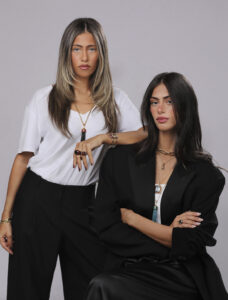
Born and raised in the UAE between Abu Dhabi and New York, sisters Oloof and Dujanah Jarrar have introduced a distinctive new voice to the region’s contemporary jewellery landscape through House Janolo. Founded in late 2025, the fine jewellery house approaches design through the lens of individuality, emotion and craftsmanship, creating pieces that feel both expressive and deeply personal.
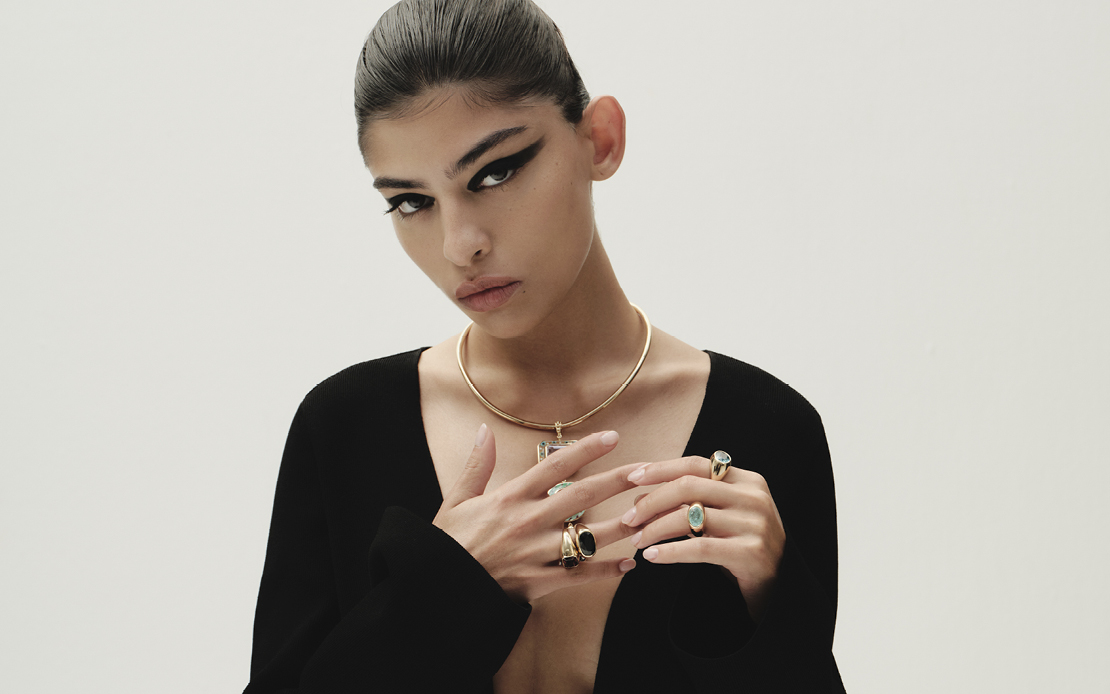
Working exclusively with 18k gold and responsibly sourced natural gemstones, House Janolo balances bold colour, sculptural forms and artisanal techniques with a refined sense of restraint. Each piece is handmade, embracing the subtle imperfections, tonal variations and character that come with traditional craftsmanship. Inspired by art, fashion, interiors, travel and memory, the sisters create jewellery designed not simply to be worn, but lived in.
Their debut collection, Wild Beginnings, draws from nature’s instinctive logic, exploring the idea that beauty and function often exist together in perfect balance. Alongside this, the brand’s House Signatures collection introduces enduring designs centred around asymmetry, floating stones and modern heirloom pieces intended for everyday rituals and quiet luxury. Produced intentionally in small quantities, House Janolo represents a slower and more thoughtful approach to fine jewellery, one rooted in longevity rather than trends.
As a new generation of regional brands reshapes the Middle East’s luxury landscape, House Janolo stands out for its strong visual identity, emotional storytelling and commitment to craftsmanship. Here, the founders reflect on building the brand, designing for individuality, and why jewellery should feel like an extension of the wearer.
What originally inspired you to launch the brand together, and what kind of jewellery house did you want to create?
House Janolo existed as an idea long before it became a brand. We actually had the name for years and held onto it, even before we knew what it would become. Both of us come from design backgrounds, so the idea moved through different worlds for a while before eventually finding its place in jewellery. We landed on jewellery from the honest place of being the customer and feeling like something was missing. There were many brands we admired, but we struggled to find pieces with the scale, colour, and presence we personally wanted to wear every day — pieces that felt expressive and bold without losing refinement. We were designing for ourselves first. Working together was never really a question. We always knew we wanted to build something together; the only thing that took time was figuring out what that thing would be.
How would you describe the House Janolo woman?
The House Janolo woman doesn’t walk into a room trying to be seen. She walks in knowing she will be. Not in a loud way, but in a way that makes people look twice without fully knowing why. There’s something very natural about her presence. She’s precise in how she puts things together, but it never feels forced or overthought. That’s probably what people respond to most.
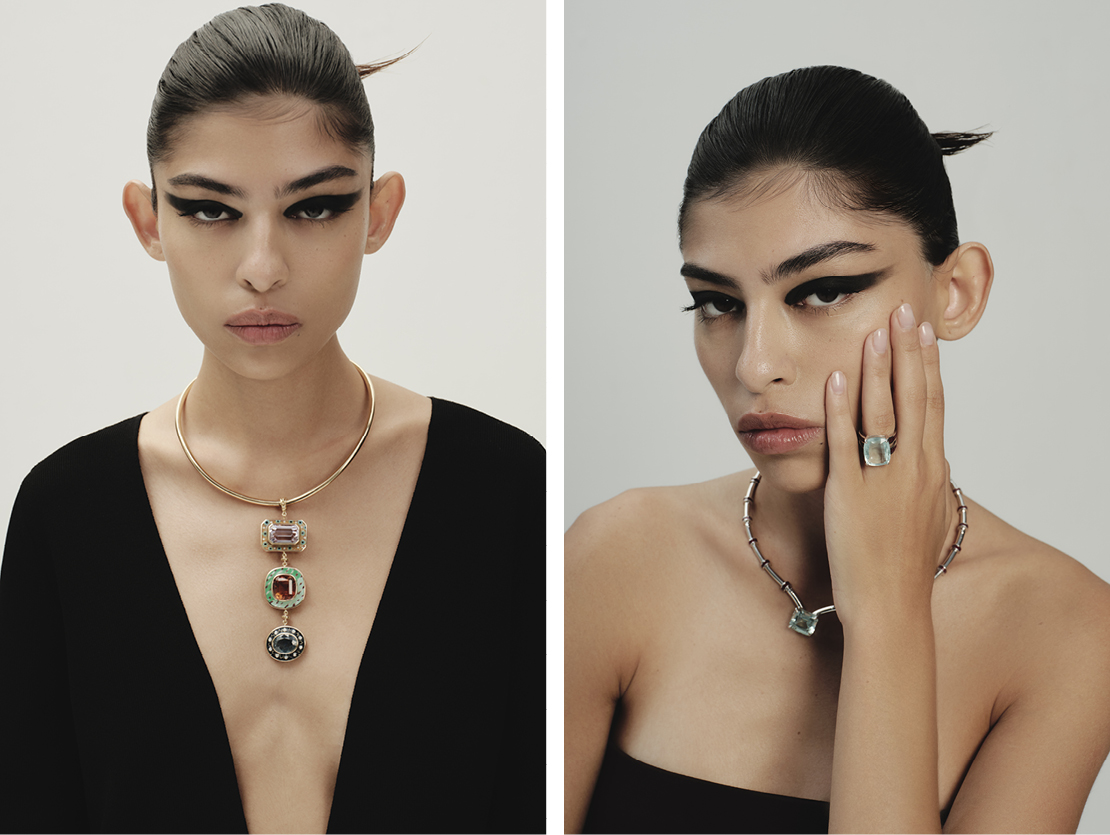
What stories or feelings do you hope people connect with through your pieces?
We are creatives inspired by other creatives. A lot of what inspires us exists outside of jewellery, in art, film, interiors or fashion. We’ve always been drawn to things that feel thoughtful, emotional, and intentional, and I think that naturally became part of House Janolo.
Emotion is a huge part of the brand. We want people to feel something when they wear the pieces. Sometimes that comes from colour, sometimes from a stone or sometimes from the memories that become attached to it over time.
More than anything, House Janolo is rooted in individuality. It’s about embracing who you are without softening it. We want the pieces to feel expressive and personal, so different people can wear them in completely different ways and still make them feel like their own.
Your debut collection, Wild Beginnings, draws inspiration from nature and instinctive beauty. What was the creative starting point behind the collection?
There wasn’t one specific starting point for Wild Beginnings. It was more an accumulation of ideas, references, stones, and conversations that slowly began to form one clear theme and feeling. As we were moodboarding, nature kept resurfacing; more specifically, the wild beings that inhabit it. What really struck us was the idea that their exterior is often their greatest tool for survival. Texture, colour, pattern, and form all exist for a reason. That idea stayed with us.
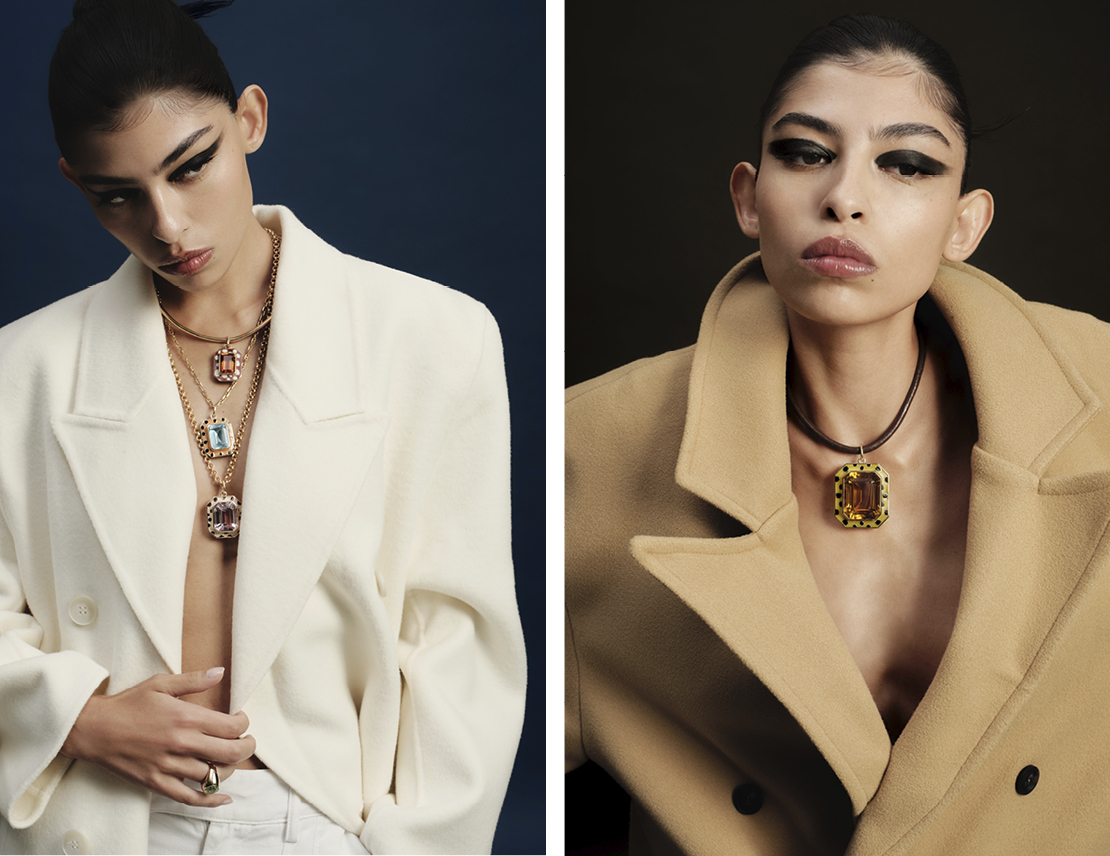
Across the collection, we worked with a wide range of gemstones — from emeralds and citrines to Paraíba tourmalines, kunzites and topaz — all in very different scales to allow for the stones and designs to work together naturally.
Many of the pieces are designed for stacking, layering and personal interpretation. Why was versatility and self-expression so important to the brand from the beginning?
House Janolo was built because, as customers ourselves, we struggled to find pieces that reflected what we actually wanted to express — creativity, individuality, boldness, emotion, even a sense of play. We’ve always believed jewellery should say something about the person wearing it because it’s one of the few things we wear that is completely intentional. You don’t need jewellery in the way you need clothing. It’s a choice.
At the same time, we also see jewellery as something you build over time. So from the beginning, we wanted to create pieces that could stand strongly on their own but also layer naturally into someone’s existing collection.
That thinking influenced both the design and the engineering of the pieces. A lot of attention goes into how things can be worn, stacked, layered, opened, closed or styled differently. We always try to balance a very distinct House Janolo identity with wearability and versatility, because we want people to genuinely live in the pieces and make them their own.
Craftsmanship sits at the heart of House Janolo. Why was it important for the pieces to be handmade using traditional artisanal techniques?
For us, when something is handmade, you can feel it. Especially with jewellery. Given the intricacy and detail in our pieces, everything takes a lot of time, patience, and care, and we think that carries weight. There’s something special about knowing what you’re wearing wasn’t manufactured but actually made carefully and intentionally by hand.
We also love that no two pieces are ever exactly the same. No two stones are identical, no enamel work is identical. To us, that’s the beauty of craftsmanship. It means every person is getting something truly individual. In a world becoming more automated and AI-driven, it creates a different connection to the object.
And while we are deeply inspired by traditional artisanal jewellery-making techniques and use them as our foundation, we also love combining those older methods with newer engineering and technologies that allow craftsmen to push ideas further and create things that maybe weren’t possible before.
What have been some of the biggest lessons you’ve learned so far since launching House Janolo?
We are learning every day. One of the biggest lessons has been learning how important it is to stay adaptable — to always be on your feet, communicate constantly, and find solutions quickly when things don’t go as planned.
Another big lesson is that there really is no linear path. Especially in jewellery, and especially when you’re trying to build something international, things happen in ways you don’t expect. Sometimes goals you thought would happen early take much longer, and other things happen far sooner than you imagined. Success rarely looks clean or perfectly planned out.
We’ve learned that it’s important to have a clear vision and strong goals, but not to become too attached to exact timelines or how you think everything is supposed to unfold.
More than anything, we’ve learned how important it is to protect the brand’s DNA. To stay honest to what House Janolo is, continue refining it, and make sure everything we put out — whether it’s a product, an experience, or a conversation — reflects the standard we believe in and would want as customers ourselves.
The Middle East is seeing a growing appreciation for contemporary regional jewellery brands. How do you think the regional fine jewellery landscape is evolving today?
Even though we’ve only been in the industry for around eight months, it’s very clear that jewellery is an industry built through generations. There’s a lot of history in it, which is beautiful in many ways, but we also think that can sometimes make the industry feel comfortable or repetitive.
What feels exciting right now, especially in this region, is that a younger generation is entering the space and bringing a different energy. The newer brands are approaching jewellery in ways that feel less traditional and less expected. There’s more experimentation, more personality, more emotion behind it. It feels less formulaic.
We also think people are reconnecting with the idea that jewellery should actually be lived in. Fine jewellery is made from durable materials for a reason, it’s supposed to become part of your everyday life.
What’s also refreshing is seeing more women enter the industry and build brands from their own perspectives. Jewellery has historically been a very male-dominated space, so seeing women designing for women in a more instinctive and personal way feels like a really important shift. There’s naturally a certain understanding there.
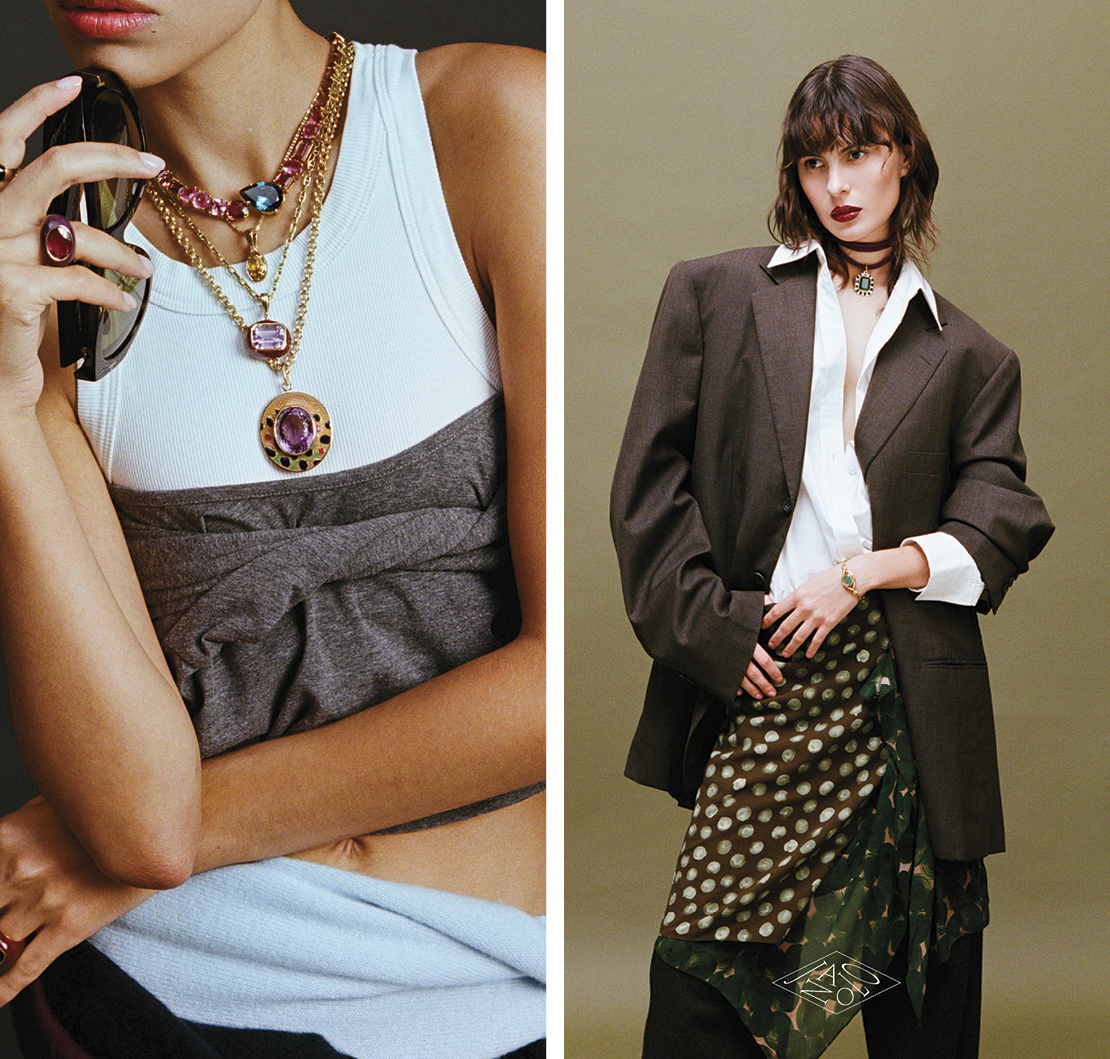
Alongside Wild Beginnings, you introduced your House Signatures collection. How do you see these core pieces evolving as the brand grows?
House Signatures is really the core of House Janolo. It’s probably the clearest expression of what we naturally gravitate towards and what we feel the house really specialises in — strong design with confident simplicity.
A lot of the pieces stand out through shape, colour, proportion, or presence on the body. Our House Sphere rings are a good example of that. Their scale and unusual colour combinations create a very strong presence when worn, yet the designs still feel clean and intentional.
The collection is also deeply centred around natural gemstones, which is really at the heart of the brand. We’re very drawn to stones that feel overlooked, unusual, or full of character. With House Signatures, the stone becomes the storytelling itself. The design exists to support, frame, and elevate it.
As the brand grows, we see the collection evolving naturally through new additions that remain true to the House Janolo DNA. Over time, we hope these pieces become real identifiers of the house — the kinds of designs people immediately associate with the brand.
What advice would you give to other young women and entrepreneurs in the region looking to build brands rooted in creativity, craftsmanship and authenticity?
If it feels right, do it. Don’t wait too long and don’t ask too many opinions in the beginning, because eventually you stop hearing yourself.
Once you start, work hard and stay consistent. Especially as women, we’re still entering industries that can feel very intimidating at times. There will be rooms where you’re the youngest person there, or one of the only women there. Don’t let that shake your confidence. And even if you do feel intimidated sometimes, don’t let it stop you from advocating for yourself and what you believe in.
We also think people can feel when a brand is authentic. If it’s genuinely true to you, people respond to that naturally. So don’t build something based on what you think is trending right now, because trends move quickly. Build something you actually understand and would genuinely want yourself. For us, it’s important that we are also the customer. We understand the feeling we’re trying to create because it’s something we personally connect to.
Another important one is who you work with matters a lot. The people helping you build and create become part of the brand too, so take your time with that and invest in the right relationships.
Looking ahead, what can we expect to see next from the brand?
We’ve really just started, which is the exciting part. There’s a lot we want to do, and it’s very easy to get carried away thinking too far ahead, but we’ve been quite conscious about focusing on what we’re building right now. Wild Beginnings has connected with people in a way we honestly didn’t expect, and we still feel very inspired by that world. So instead of rushing into something completely new, we’re continuing to explore it further.
We’ve just launched the second drop, and there’s more coming over the summer.
A lot of what’s happening behind the scenes right now is research and experimentation. We spend a lot of time with our craftsmen thinking about new techniques, different ways of working, and how to combine more traditional craftsmanship with newer methods in a way that feels genuinely fresh.
We’re also starting to explore different proportions, cuts, and forms that maybe didn’t fully belong within Wild Beginnings, but feel like a natural evolution for the house. There’s still a lot we want to try, and honestly, a lot we still want to learn. It still feels very open, which is exciting for us.
By Lindsay Judge
Woven Stories, As Oumnia celebrates 20 years, Founder Nivine Mohamed Maktabi reflects on heritage and craftmanship
For nearly two decades, Nivine Mohamed Maktabi has built a world in which carpets, textiles and fashion serve as carriers of memory, identity and storytelling. As part of the renowned Maktabi family, whose name has been associated with the carpet industry for generations, textiles have long been embedded in her world. That legacy would eventually inspire the launch of Oumnia in 2006, the Beirut-based concept brand through which she reinterprets heritage craftsmanship through a contemporary lens.
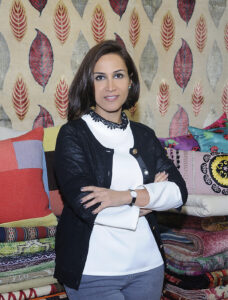
Raised between Beirut and London, with Persian and Lebanese roots, Maktabi later studied the history of carpets and textiles at Sotheby’s Institute in London before transforming her lifelong connection to textile culture into a multidisciplinary design platform spanning statement carpets, decorative textiles and intricately designed cashmere shawls. At the heart of Oumnia is the idea of preserving artisanal traditions while continuously evolving them for a modern audience.
Over the years, her work has become recognised for its layered use of colour, calligraphy and symbolism, often drawing from personal experiences, regional identity and the emotional resonance of objects within the home. Whether through vibrant silk scarves carrying hopeful messages or tribal inspired textiles woven with references to travel and heritage, her collections blur the lines between interiors, fashion and art.
Now celebrating Oumnia’s 20th anniversary, Maktabi reflects on the evolution of the brand, the growing appreciation for heritage-driven design across the Middle East and the role of craftsmanship in an increasingly digital world. In this conversation, she discusses resilience, creativity and why storytelling remains central to everything she creates.
You are celebrating Oumnia’s 20th anniversary this year. When you first launched the brand in 2006, what was the original vision behind it, and how has that evolved?
In 2006, my dream came to life when I opened Oumnia, a concept store in Beirut’s Saifi Village. My vision was to carry forward my late father’s legacy, while adding my own touch, a fresh approach built on my family’s traditional roots in the carpet industry.
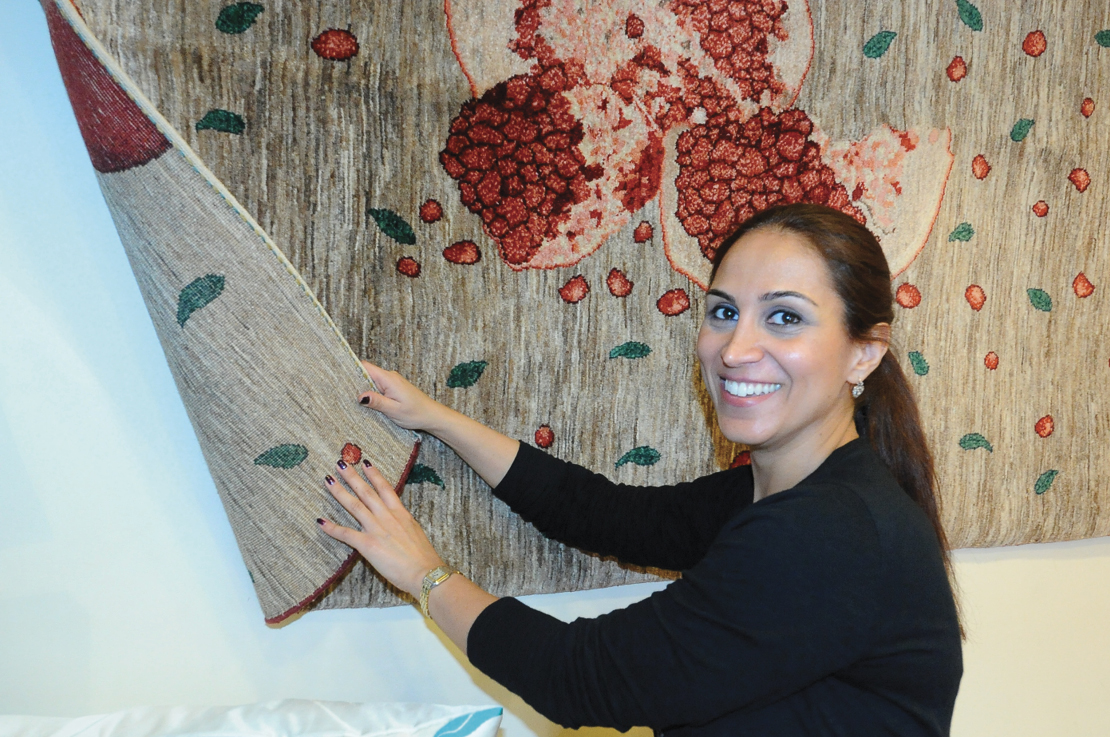
Gradually, I introduced new patterns – oriental with a modern twist, colourful multi-purpose decorative textiles, tribal kelims, patchwork wall hangings and statement pashmina shawls, all with a story or a message that evolved every season.
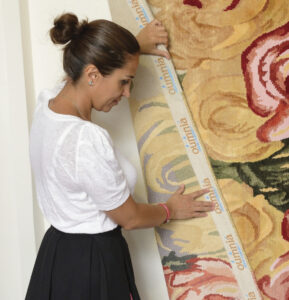
How did your heritage and different cultural influences shape your creative identity?
I call myself a mixed salad! I was born in Beirut and raised in London, but of Persian origin. Indeed, my family’s carpet business shaped my upbringing and childhood. Living in London was also a real turning point for me, an eye opener, it gave me a deep appreciation for the history of the Oriental carpet and its profound significance in our global culture, especially when I studied the history of carpets and textiles at Sotheby’s Institute. I always laugh and say that rugs are in my DNA.
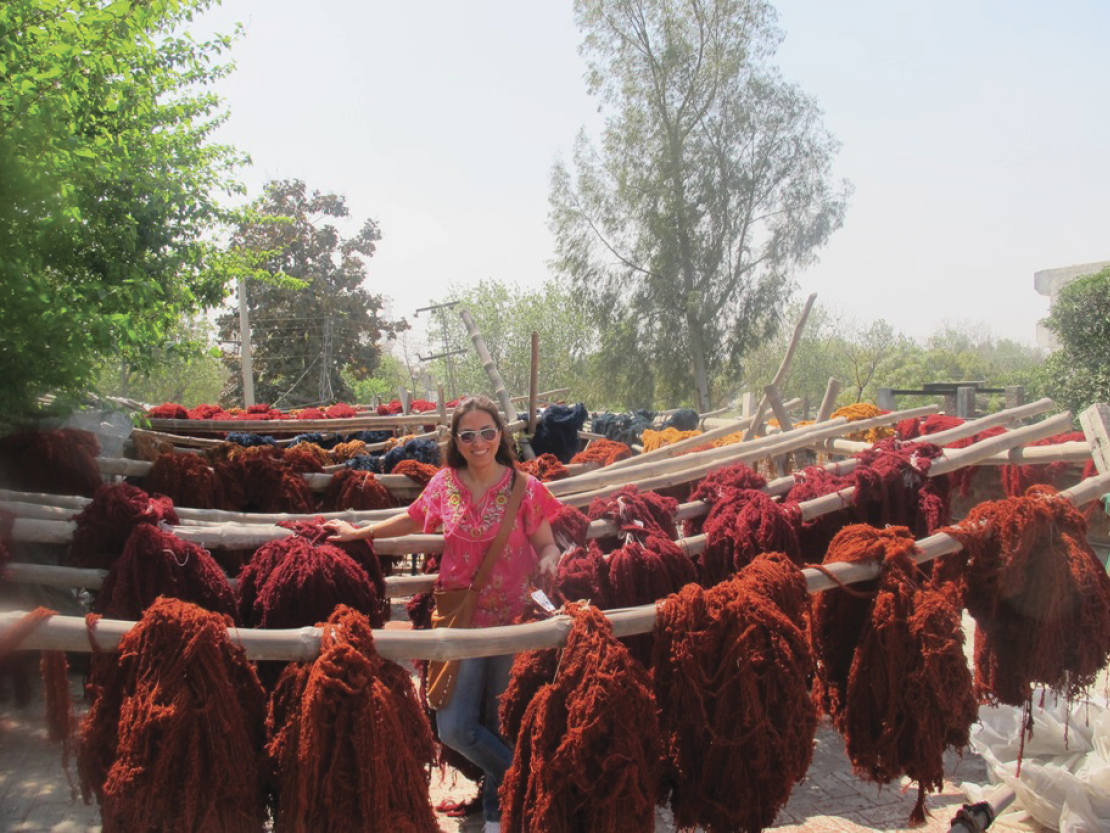
What does it mean to you to represent the region through design today?
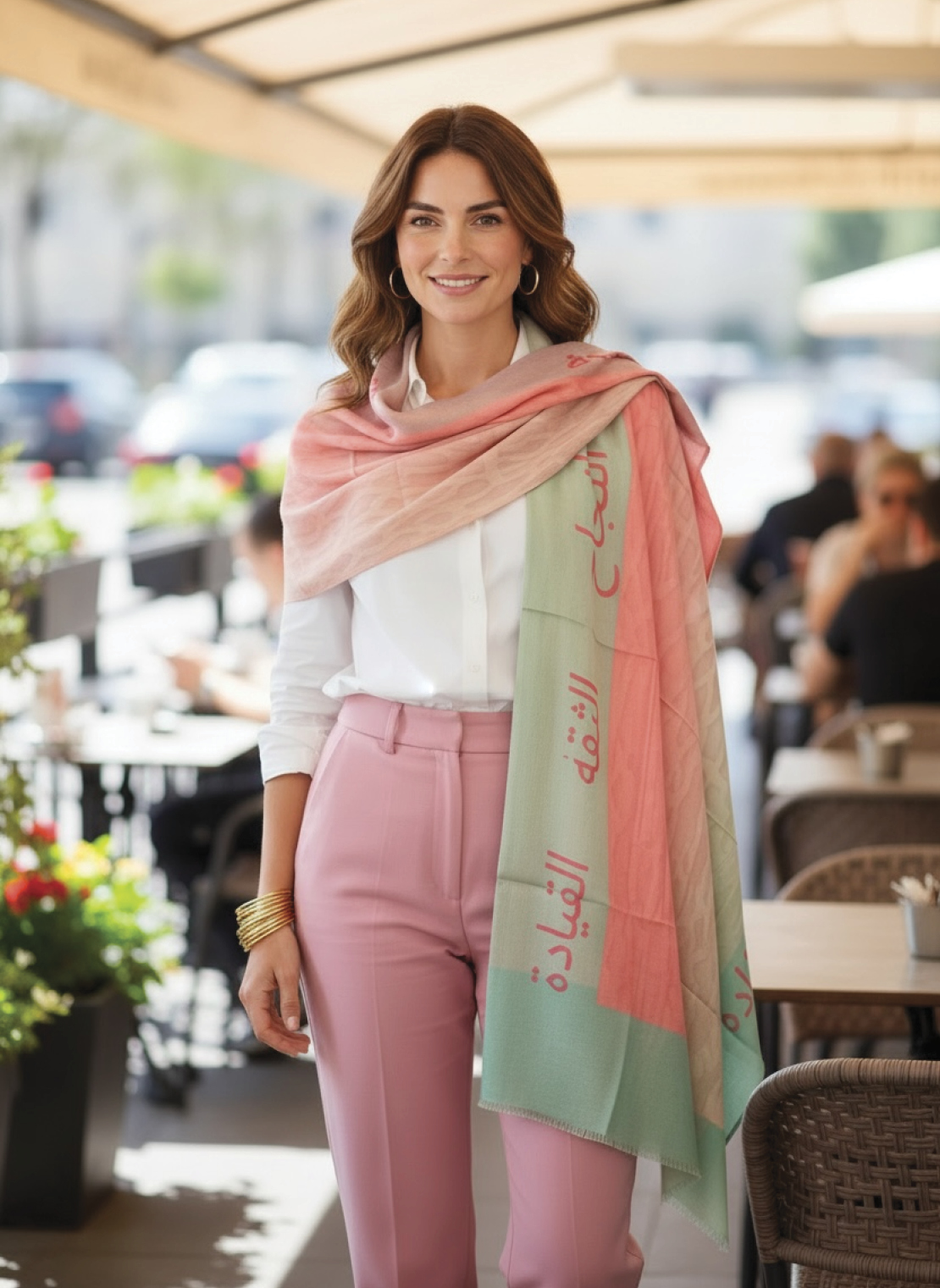
It’s important to have an identity and to build on it over the years, especially when speaking to an international audience that is curious and fascinated by our culture. My origins, my surroundings and every circumstance and challenge we face in Beirut and the region influence my designs. I realised that my customers or new clients feel connected to a particular design, a feeling, a word. Many relate to the message or the theme of a scarf, which makes each design even more special and unique. Although my designs draw from Oriental influences and frequently incorporate Arabic calligraphy, they remain fashion-forward, always aligned with the latest trends and styles.
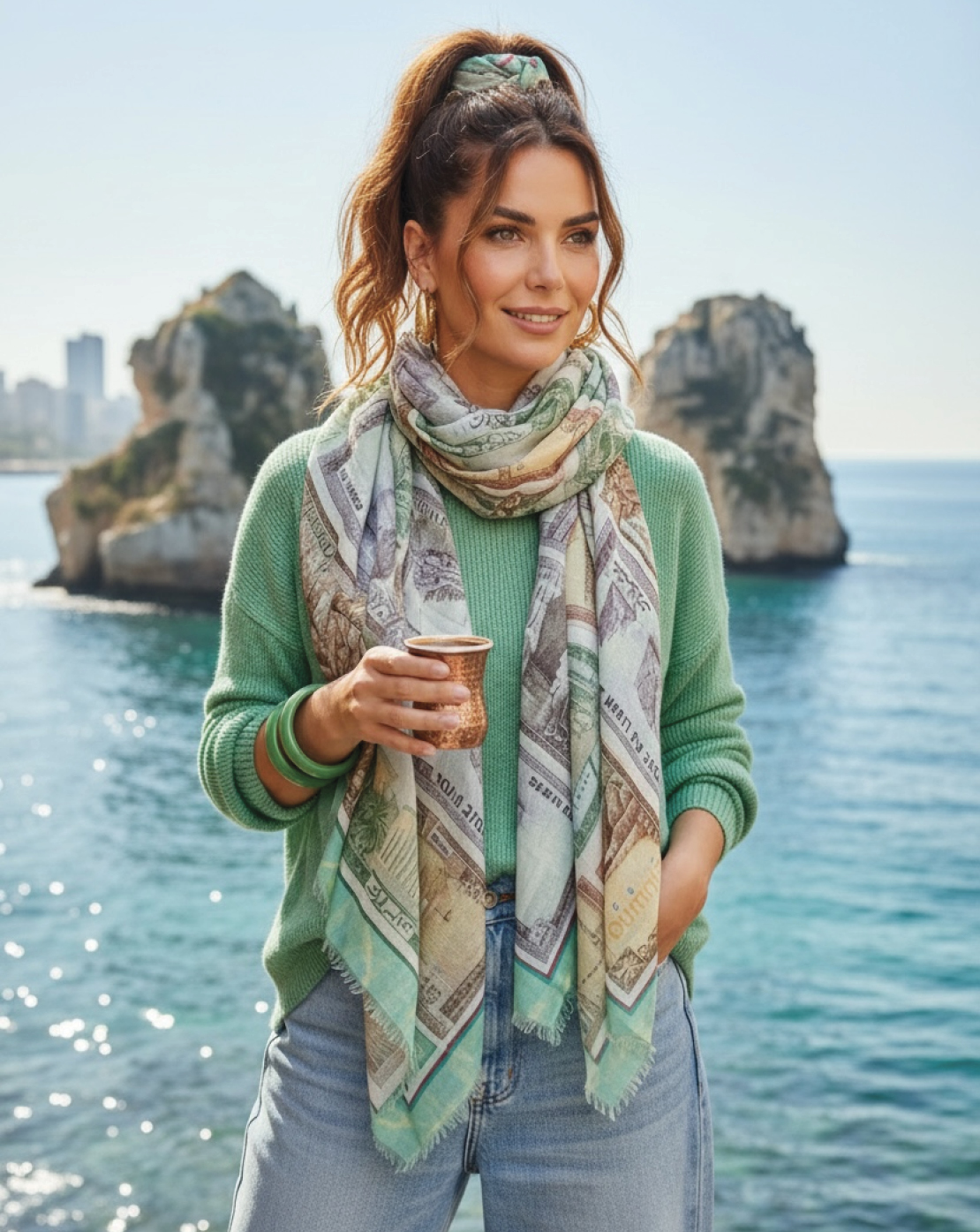
Tell us about the latest collections and what customers can find today.
My current collection is inspired by the signature scarf, for instance, a versatile beach wrap that can be both a scarf and a cover-up. Considering the uncertain times the region is facing, many of my scarf themes reflect this period. For example, the “This Too Shall Pass” and “Have Hope” silk scarves carry hopeful messages, yet it maintains a bright, colourful patterns full of vibrant hues that bring a sense of positive energy. I also revisited the Lebanese Lira, which I introduced for the first time in 2016 – it can be nostalgic, a reminder of the good old days when everything had value, even our currency.
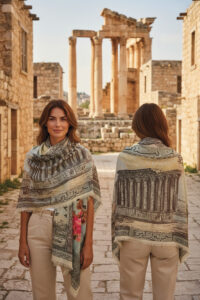
Travel seems to play a significant role in your creative process. How do your journeys across the Orient continue to inspire new collections and ideas?
I love authentic places with heritage and culture, and I am fortunate to have visited many fascinating, culturally rich countries such as India, Turkey, Pakistan, Uzbekistan, Armenia, Syria, Morocco, and Azerbaijan… Many of these places share similarities yet remain unique. Common techniques I have found include the mosaic tile artwork, handmade carpet weaving, block printing and brasswork. The region celebrates authentic jewels, timeless embroidered brocade textiles, and Suzani and ikat handloomed textiles, all featuring an outstanding palette of gorgeous colours. I am constantly inspired by the creativity of local designers and traditional handicrafts. The artistry leaves a deep impression on me and, of course, inspires and shapes my work.
The Middle East has seen a growing appreciation for regional craftsmanship and homegrown brands in recent years. Have you noticed a shift in how audiences engage with heritage-driven design?
There has absolutely been a shift. In the Middle East, we’re seeing a resurgence of pride in regional craftsmanship (mother-of-pearl artefacts, mosaic artwork, handmade traditional carpets…), and audiences are much more drawn to brands that tell a story rooted in heritage and authenticity. People are seeking connection, not just with the product, but with the culture and the artisans behind it, and that’s really transforming how heritage design is valued. When looking at Western fashion brands, the Oriental influence is very present among brands today.
What were some of the biggest challenges you faced when building Oumnia as an independent brand, particularly within such a niche category?
As the saying goes, if it doesn’t kill you, it makes you stronger. Back in 1998, when I first started in the carpet industry, it was a male-dominated business. Very rarely would I encounter women in the Bazars or exhibitions when I was negotiating and placing carpet orders. It was challenging to talk business with ‘conservative’ carpet dealers. At the same time, I cannot deny that the name “Maktabi” was an added value and built immediate trust among other dealers in the industry. This is due to the good reputation my grandfather, my father and uncles have built over time, from generation to generation.
On another level, Lebanon is a beautiful yet very volatile country; unfortunately, stability doesn’t exist, and it is very difficult to plan. We have been through many heartbreaking and traumatising incidents. However, Lebanese people are the strongest nation one can ever know because we are the definition of resilience; our love for life only pushes us to keep going forward. We have amazing genes that make us forget yesterday and immediately stand up and think about the next day. My wish and hope are for global peace and stability for us and the new generation to come, because life is beautiful, and Lebanon is even more beautiful.
As someone working across both interiors and fashion, do you find that clients today are looking for more emotional and personal connections to the objects they buy?
Definitely! That’s the main reason to make a house your home: so that it reflects you as the owner. Connecting with a carpet you will live with is very important; it can be emotional and hold sentimental value. Many relate to a meaningful design and decide to purchase the item because it speaks to them. This is important in today’s harsh world, where technology and AI are becoming increasingly dominant and slowly replacing the human touch.
Your work is filled with colour, texture and optimism. What draws you so strongly to bold palettes and layered visual storytelling?
I love colours and particularly daring, happy hues. Even in the way I dress, colourful outfits are essential in my wardrobe, as I believe colours bring a smile to the wearer and reflect positive energy. I can’t create without adding a mix of tones, and I very rarely use black, even though it’s the most popular colour in a woman’s closet.
Looking ahead, what excites you most about the future of Oumnia? Are there any new projects, collaborations or creative directions you’re currently exploring?
I always look forward to the exhibitions and pop-ups I take part in, especially in the Gulf region and Europe, particularly London and Monaco. I love seeing my regular customers and am delighted to see that they always find something new in the new collection. At the same time, it is a pleasure to meet new clients, introduce them to Oumnia, and explain each design and its meaning.
I am also looking forward to a new collaboration with a Lebanese artist and to seeing his artworks become wearable art, each again telling a story with a Lebanese identity. This is not the first time I have collaborated with a Lebanese artist, and because of the positive feedback, I can’t wait for the new project.
What’s the professional motto you live by?
I don’t like to say “what if”, and I don’t like to give up. I like to be present in my shop or during any exhibition I take part in, and know that customers appreciate it when they see or meet the person behind the brand and feel the passion. Education and dedication are the heart of what I do.
Finally, what advice would you give to young Middle Eastern entrepreneurs and creatives looking to build their own brand?
I am very impressed and proud of the young Arab creators who are super talented and full of innovative ideas. I believe we have amazing talent in our region across all fields, and it’s wonderful to see that our heritage and culture will remain present in their work and motivate the younger generation with a passion for art and culture. Thanks to social media and AI, their work is more visible to the world.
Last but certainly not least, I see my talented niece Talia as a rising star in the world of fashion design. Her dedication, unique artistry, and passion for her craft fill me with pride, and I can’t wait to see how she shapes the future of her designs.
By Lindsay Judge
Tied With Time, Chanel’s Diamond Bow Watch Steals the Spotlight
Unveiled at Watches & Wonders, Chanel’s Manchette Nœud de Camélia perfectly encapsulates the maison’s unique approach to haute horlogerie, where the worlds of jewellery, fashion and watchmaking converge. Limited to just five pieces worldwide, the extraordinary creation draws on two of Gabrielle Chanel’s most enduring signatures: the camellia flower and the bow, both recurring motifs throughout the house’s history.
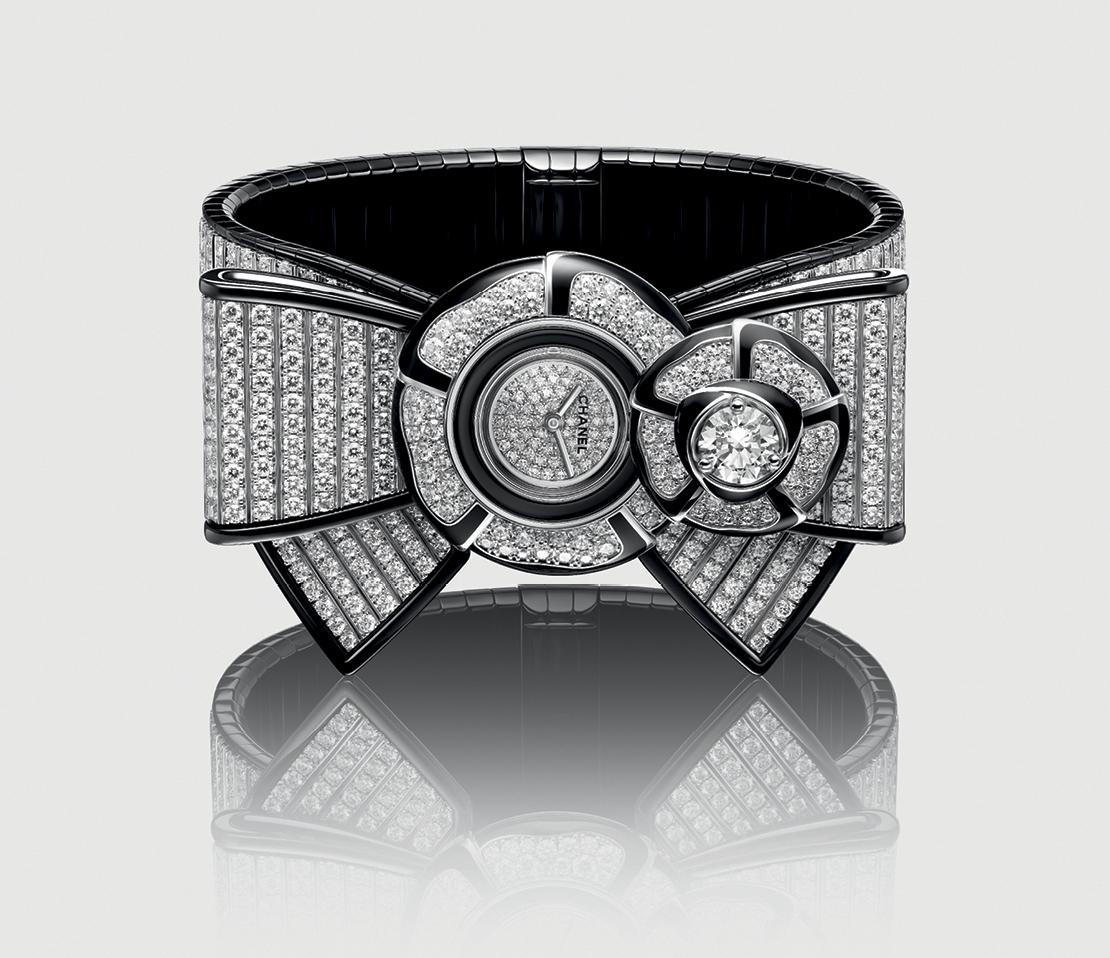
The cuff watch transforms these emblematic symbols into a sculptural composition of white gold, black lacquer and more than 1,100 brilliant-cut diamonds. The camellia, rendered in a delicate snow setting, conceals a miniature black lacquer dial, while the bow references the grosgrain ribbons that have long been part of Chanel’s couture vocabulary. Together they create a piece that is both ornamental and functional, blurring the boundaries between jewellery and watchmaking. With over 22 carats of diamonds and meticulous craftsmanship throughout, the Manchette Nœud de Camélia reflects Chanel’s continued commitment to creative watchmaking that is rooted in its fashion heritage.
The Poetry of Time, Rainer Bernard, Director of Research and Development Watches at Van Cleef & Arpels on storytelling, celestial inspiration and emotion
At Van Cleef & Arpels, watchmaking has always existed beyond the purely technical. Across its Poetic Complications and Extraordinary Dials collections, the Maison approaches time through emotion, storytelling and craftsmanship, transforming watches into miniature worlds shaped by movement, artistry and imagination. From celestial references and animated automatons to intricate métiers d’art, each creation is designed not simply to measure time, but to evoke wonder.
This philosophy continued at Watches & Wonders 2026, where the Maison unveiled a series of dreamlike novelties inspired by astronomy, nature and its enduring fascination with poetic storytelling. Among the highlights was the new Midnight Jour Nuit Phase de Lune, a technically complex yet visually delicate creation that reimagines the moon phase through moving discs and animated displays designed to bring the celestial cycle to life in a more immersive way.
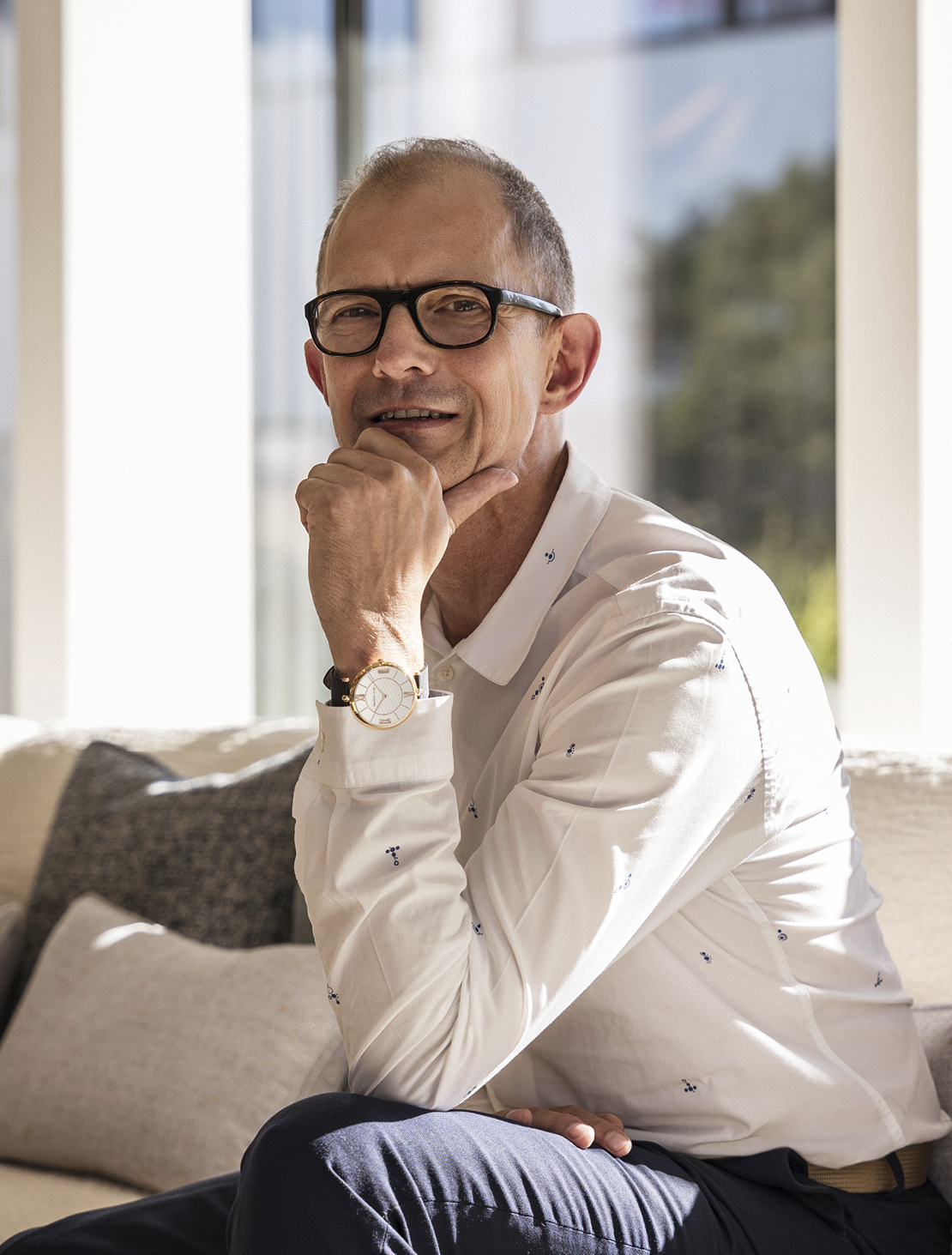
As Director of Research and Development Watches, Rainer Bernard works closely across the Maison’s Creative Studio, Métiers d’Art teams and watchmaking departments to transform these ideas into fully realised creations. Here, he reflects on balancing innovation with emotion, the evolving role of craftsmanship within contemporary watchmaking, and why Van Cleef & Arpels continues to place storytelling at the heart of every timepiece it creates.
Van Cleef & Arpels has long explored the relationship between watchmaking, poetry and storytelling. How would you describe the Maison’s current areas of focus within watch development today?
When creating a new watch within Poetry of Time, we always start with a story from the Maison’s universe or inspiration. At the beginning, it is justan idea. The different métiers then put their expertise together, from the Creative Studio, Métiers d’Art team, to the watchmakers and technical designers. We work closely, combining all our crafts and knowledge to bring the story to life; we complement each other to harmonise the elements. Of course, there are some challenges, but it’s easier to overcome them when we work closely together from the start, like a big family.
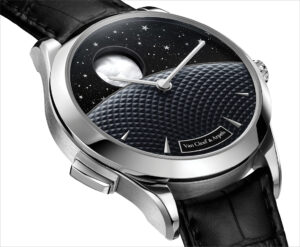
Midnight Jour Nuit Phase de Lune
This year’s novelties feel particularly emotional and dreamlike. Was there a broader narrative or philosophy connecting the 2026 watch presentations?
For this edition of Watches & Wonders, we launched six novelties that each, in their own way, express our watchmaking philosophy, drawing on sources of inspiration dear to the Maison, such as Poetic Astronomy. Indeed, Van Cleef & Arpels has always been inspired by the spectacle of the stars in jewellery, high jewellery, and Watchmaking creations. One of the Maison’s earliest commercial ledgers mentions the sale of a moon crescent set with a sapphire and brilliants in 1906. Poetic Astronomy makes us think of the cosmos, and it is something that fascinates us because it is out of our reach.
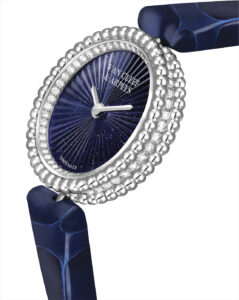
Perlee
The new Jour Nuit watch introduces both a day-and-night display and an astronomical moon phase complication. What has drawn the Maison to revisit and evolve this poetic complication now?
For the Midnight Jour Nuit Phase de Lune, we wanted to continue the story of the Jour Nuit collection, which was born in 2008, while revisiting the moon-phase complication. The initial idea was to animate the moon while following its night-and-day cycle, rather than representing it only as a full moon with diamonds, as in the Lady and Lady Arpels Jour Nuit watches. As the moon is naturally hidden behind the earth during the daytime, and on the watch behind the shroud, we added an automaton that allows one to ask for the moon at any (day)time to have a glance at the actual moon phase.
The decor comes to life through the combined action of two rotating discs, each moving at its own pace. The night-and-day disc with the sun and the moon completes one rotation in 24 hours; the second one below describes a rotation in 24 hours, 16 minutes, and 27 seconds. It is almost imperceptible, but it transfigures the moon day after day to indicate the moon phase. To avoid any inaccuracies in the moon phase, we had to account for the changes that would occur during the animation, since the discs are performing an additional full rotation. It took us four years of research and development to bring this creation to life! Here, the technical challenge is always in service of the story, so the Maison’s timepieces remain narrative creations, evoking a unique emotion in the wearer.
Van Cleef & Arpels approaches complications very differently from many traditional watchmakers, often prioritising emotion and wonder as much as technical mastery. How do you balance innovation with storytelling?
Every creation starts with a story. Whether it is butterflies fluttering in a garden or two lovers meeting on a bridge, all the different teams involved work closely together to combine knowledge and expertise. For technical solutions, we naturally favour clever solutions over complex ones, so we are not seeking complexity for its own sake. We may bring to life various, multilayered stories with several “actors” moving in different ways, which at the same time indicate the time, combined with automatons in passage et on demand, always moving smoothly at a poetic speed: all the engineering required is driven solely by the story. This is combined with craftsmanship, at the heart of every initiative of the Maison for more than a century.
In watchmaking, we continue this tradition with a wide range of in-house expertise. Our creations feature miniature painting, gem setting, engraving, marquetry, and over 15 enamelling techniques. Choosing a specific métier d’art or its combination is a central element of the creative process, especially for Extraordinary Dials or Poetic Complications collections. Always starting with a story and an aesthetic in mind, we will choose the techniques which allow us to express it. Like letters forming words, this craftsmanship forms words which then become a poem. To create, for example, effects with light like reflection and brilliance, or visual depth, we carefully choose the perfect materials, textures, forms, colours, and sometimes transparency.
The right combination of all the elements then allows us to create, for example, a scene that evokes the feeling of an early summer morning or another specific time of day. Indeed, the need to develop innovative techniques is always a result of our imagination, willing to express the story: when we realise that the mastered technique in the Maison does not offer the possibility (yet) to create that specific aspect we are looking for, we start to search for the impossible and most of the time till we find a solution, even if it can take years!
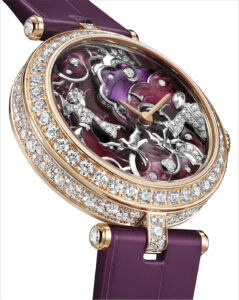
Lady Retrouvailles Célestes
The Ludo Secret watches reinterpret one of the Maison’s most iconic jewellery signatures from 1934. How important is it for Van Cleef & Arpels to continually revisit archival designs through a contemporary lens?
The Ludo Secret watches celebrate the timeless elegance of one of the Maison’s signature designs: the Ludo bracelet, created in 1934, and inspired by Couture, a theme dear to the Maison. It represents a belt with a buckle. At this year’s Watches & Wonders, the Maison perpetuates this tradition with a new version in yellow gold and sapphires, revisiting a 1949 model. What is interesting about this watch is the sapphires: the harmony of intense blue and the contrast between them – meticulous work from the stone department, which selects each individual stone to achieve perfectly matching colours according to Van Cleef & Arpels’ demanding criteria. For the Maison, continuing to reinvent its classics is proof that a piece’s aesthetic power can carry it through time without losing its relevance.
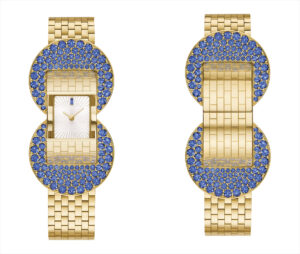
Ludo Secret
How does Van Cleef & Arpels continue pushing the boundaries of high jewellery watchmaking while preserving its signature elegance and refinement?
Van Cleef & Arpels sees watches from a jeweller’s perspective and combines the reading of time with its jewellery and High Jewellery expertise to display the passing hours with timeless sophistication. These pieces embody the concept of jewels that tell time, dear to the Maison, where each is both a piece of jewellery or High Jewellery and a watch. I like to say that Van Cleef & Arpels’ watches are recognisable in a certain way, by their style and the way they are made. Our watches are always pieces of jewellery that tell time. This blending of jewellery, high jewellery, and high watchmaking is very important for the Maison.
By Lindsay Judge
The Art of Colour, Benjamin Comar, CEO of Piaget, Discusses the Maison’s Latest Novelties
For more than 150 years, Piaget has been one of the world’s most unique watchmakers. Blurring the lines between the precision of watchmaking and the expressive language of high jewellery. While many maisons define themselves through technical achievement alone, Piaget has long embraced something more emotional and artistic, building a universe shaped by colour, ornamental stones, sculptural forms and an enduring sense of freedom. From the bold experimentation of the 1960s and 70s to today’s contemporary reinterpretations, the Maison continues to blur the boundaries between timepiece and jewel, balancing heritage with a distinctly modern spirit.
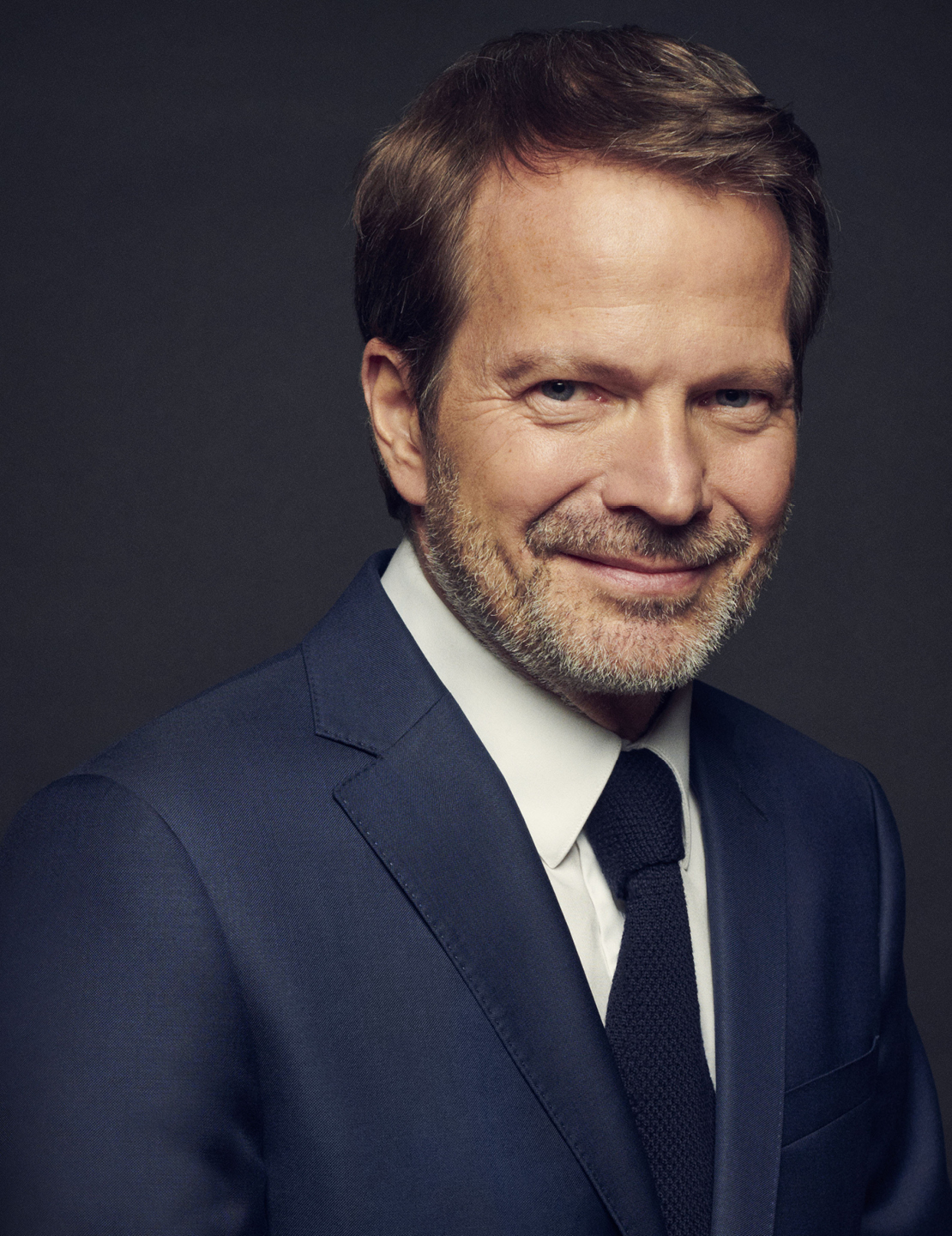
This year at Watches & Wonders, Piaget once again returned to the codes that have defined its identity for decades. Through vibrant ornamental stones, expressive sautoir watches and the continued evolution of collections such as Swinging Pebbles and Sixtie, the Maison reaffirmed its belief that watchmaking can be both technically rigorous and deeply creative. At the centre of this vision is Benjamin Comar, Chief Executive Officer of Piaget, who continues to guide the Maison through a new chapter rooted in craftsmanship, authenticity and the enduring appeal of the “Art of Colour.” Here, he reflects on Piaget’s evolving identity, the importance of artistic expression in contemporary watchmaking and why the Maison’s archival designs continue to resonate so strongly with a new generation of collectors.
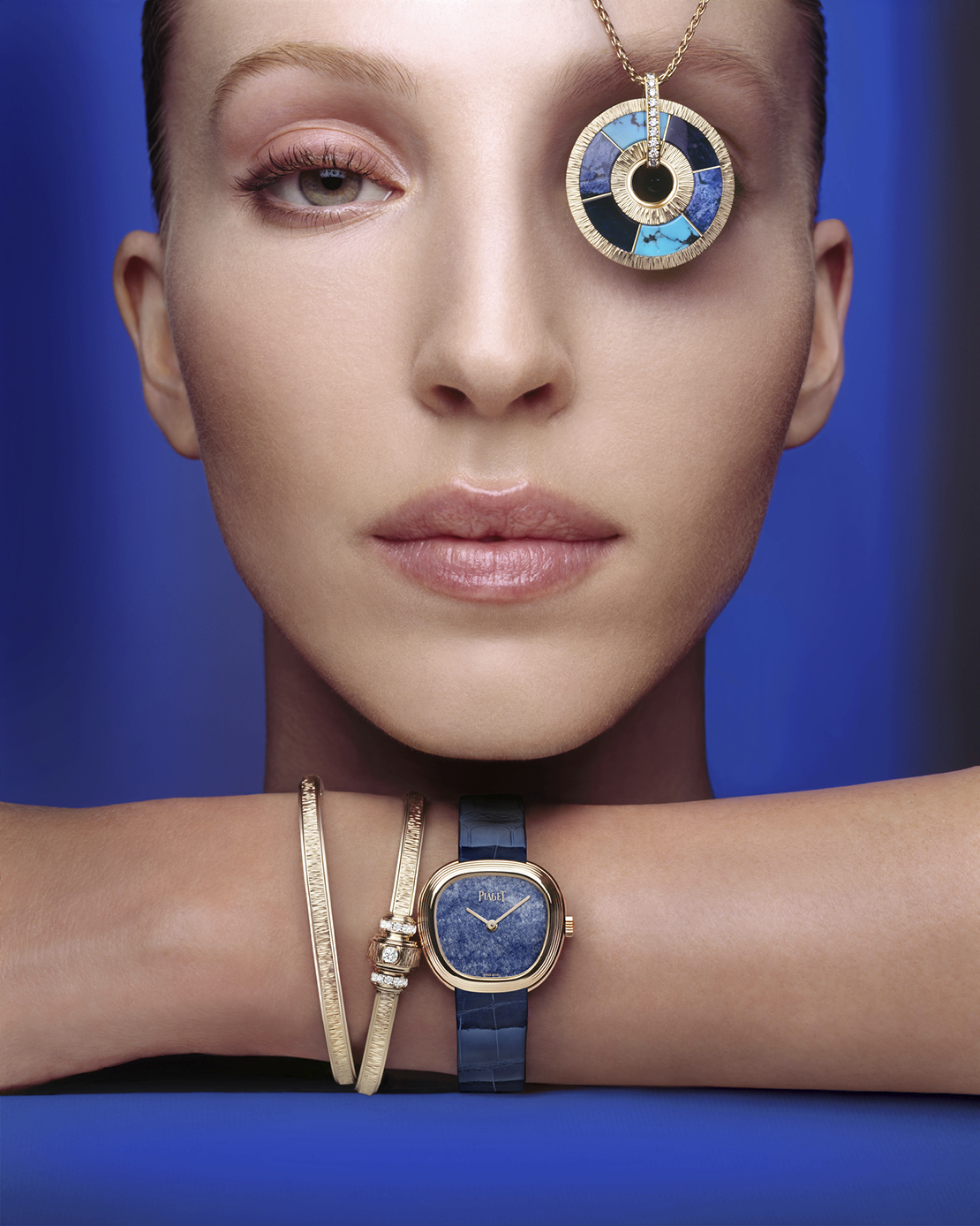
Piaget has always blurred the boundaries between jewellery and watchmaking. How does this philosophy continue to shape the Maison today?
Historically, we are watchmakers who became jewellers. This allows the Maison to combine the meticulous precision of horology with the boundless creativity of fine jewellery. Landmark innovations, such as the ultra-thin 9P and 12P movements introduced in 1957 and 1960, were pivotal. These technical advancements empowered our artisans to push design boundaries, notably by integrating exquisite ornamental stones into watch dials. This exemplifies Piaget’s enduring philosophy that technics always serve aesthetics. As Mr Piaget himself famously stated, “A Piaget watch is first and foremost a piece of jewellery.” This commitment to authenticity and exceptional craftsmanship resonates deeply with today’s discerning clientele, defining the very essence of Piaget.
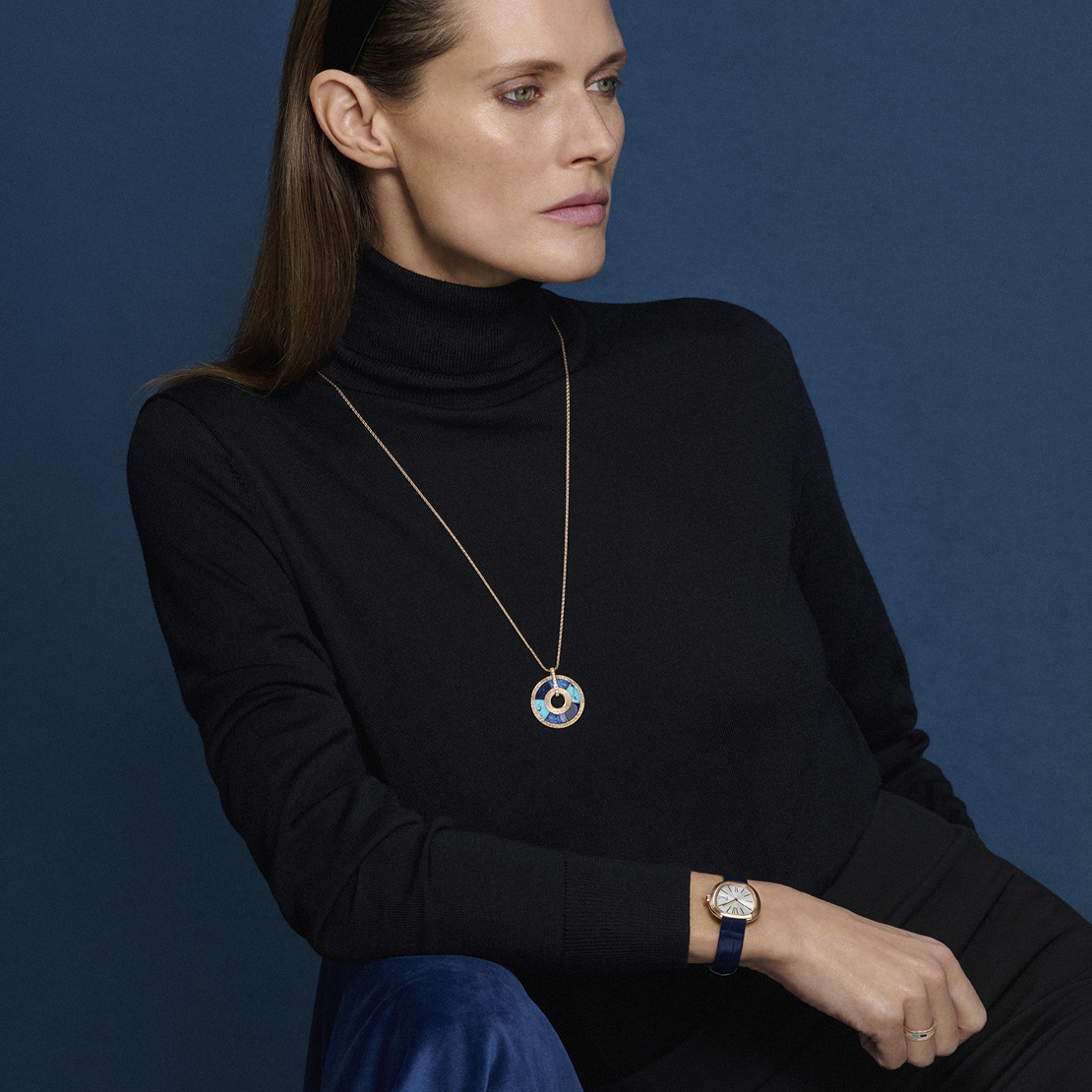
This year’s Watches & Wonders novelties place a strong emphasis on ornamental stones and expressive design. Why was this the right moment to revisit this part of Piaget’s heritage?
Since 1963, our Maison has been renowned for its audacious embrace of colour, a hallmark of the concept of “Extraleganza”, by daring to adorn watch dials with vibrant ornamental stones. This year, we wanted to delve deeper into our rich heritage, forging a powerful connection between past and present to rekindle the creative spirit of timeless modernity. This year marks a magnificent reawakening of the “Art of Colour,” as we explore new and captivating varieties of ornamental stones, presented with characteristic boldness across its latest timepieces.
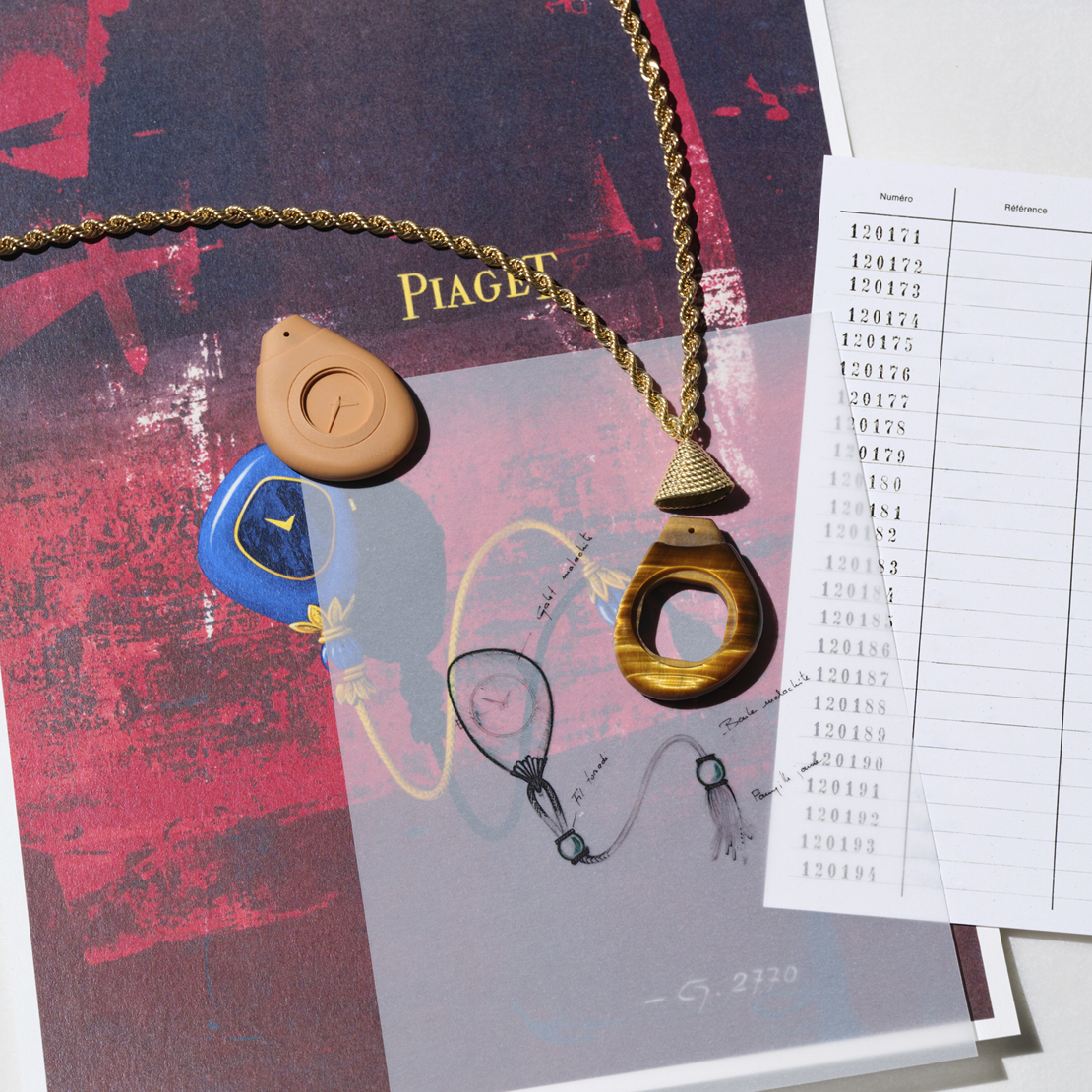
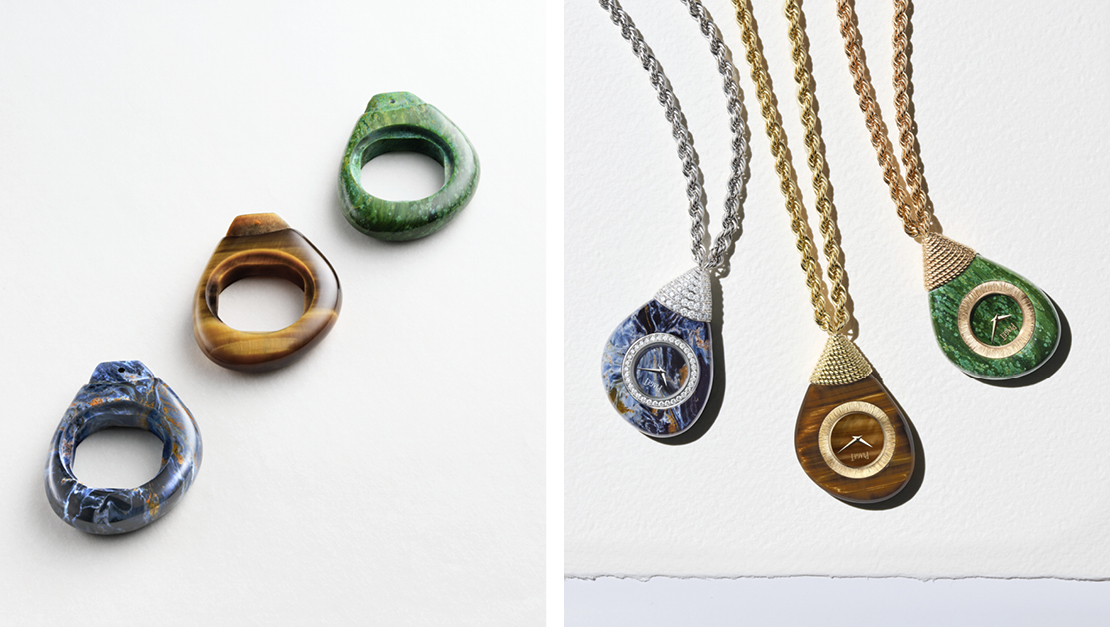
The new Swinging Pebbles pieces feel incredibly connected to the spirit of the 1960s and 70s. What drew the Maison back to the idea of the sautoir watch today?
We are thrilled to unveil a contemporary reinterpretation of Piaget’s iconic design heritage: the “Swinging Pebbles” Watch Swinging Sautoir. This innovative piece draws inspiration from the bespoke “Kimono pocket watch” first introduced in the 1970s, embodying a design that is both organically fluid and boldly disruptive.
The sautoir is offered in three exquisite ornamental stones – pietersite, verdite, and tiger’s eye – each showcasing an incredible feat of craftsmanship. Our artisans meticulously carve out each individual stone to house the watch, then ingeniously transform the carved-out section into the watch’s dial. This intricate process highlights our dedication to creating truly exceptional pieces, all while remaining profoundly true to Piaget’s distinctive DNA.
Piaget has long described itself through concepts such as movement, freedom and artistry rather than pure technicality. How do you balance emotional storytelling with serious watchmaking expertise?
At Piaget, we craft gold, we celebrate colours, and we play with shapes while producing ultra-thin movements. Piaget can be seen as a niche Maison with a certain duality: the elegance within the extragavance, the technical expertise within the creative vision. This foundational principle has been a guiding force from the very beginning, continually inspiring our creative studio to push the boundaries of horological artistry.
The exceptional thinness of our movements has historically empowered us to explore daring and innovative designs, most notably through the integration of exquisite ornamental stones on watch dials.
The Sixtie collection has quickly become one of the Maison’s most distinctive modern launches. What do you think it represents for Piaget’s future?
To me, it represents how seamlessly the past, present and future blend together at Piaget. The trapeze form of the Sixtie takes its inspiration from the 21st Century Collection unveiled in 1969, where the Piaget family redefined the way of reading time. When the design studio saw the Watch Sautoirs and Cuffs in the archives, they knew they had to do something and so the watch became a jewel on the wrist – an homage to our heritage while embracing modernity.
How do younger luxury clients respond to Piaget’s more artistic and expressive approach to watchmaking?
I believe that nowadays, with everything that exist on the market, customers expect Maisons with heritage to be authentic. By staying true to ourselves while putting the customer at the heart of what we do, we engage better with new voices.
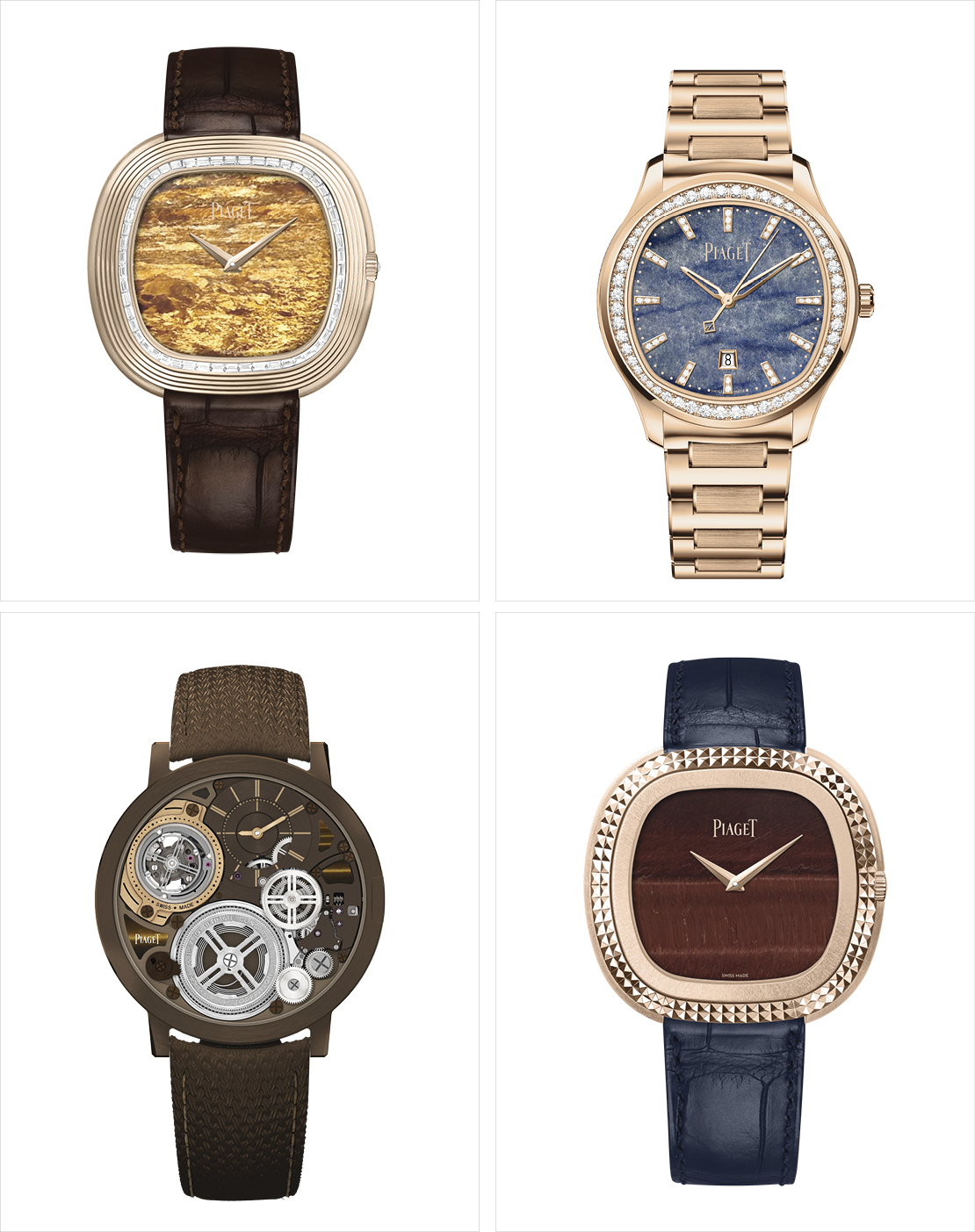
Piaget’s archival designs still feel remarkably contemporary. Why do you think the Maison’s design language has aged so well?
Probably due to the fact that Piaget was incredibly avant-garde in the 1970s, always focusing on what has never been done before. Valentin and Gérald Piaget, the third generation of the family, imagined new ways of reading time by sending the design studio to fashion shows in Paris and have they draw jewellery and watches directly on the pages of fashion magazines.
How important is craftsmanship to Piaget at a time when so much luxury production is becoming increasingly industrialised?
Our craftsmanship is rooted in a century of unparalleled expertise in ultra-thin watchmaking, masterful goldsmithing, and meticulous gem-setting. This profound heritage defines our philosophy of excellence. Concurrently, we are dedicated to ongoing innovation, both through technical advancements and by pushing the limits of artistic expression. Each piece we create is regarded as a unique work of art, reflecting our unwavering commitment to perfection and creative ingenuity.
The Middle East has long appreciated high jewellery, craftsmanship and bold design. How important is this region for Piaget today?
The Middle East has indeed a long-standing appreciation for exquisite crafts, art, and particularly the allure of gold and gemstones – elements central to Piaget’s aesthetic as the “house of gold and ornamental stones.” To us, the region is a leading luxury retail hub, making it an ideal setting to experience and showcase beauty.
Piaget has a very emotional and lifestyle-driven identity compared to some more technical watch brands. How do you continue building that emotional connection with clients globally?
Piaget is per se an emotional Maison defined by the art of ultra-thinness, the art of colour, the shapes within the shapes and the unusual way of crafting gold. We keep following our founder’s motto “always do better than necessary”, which means that we keep pushing technical boundaries to create exceptional designs.
Beyond the novelties revealed at Watches & Wonders, what are some of the Maison’s key areas of focus for the rest of 2026?
In June, we’ll present our high jewellery collection – which is, to me, the aspirational pinnacle and creative laboratory for Piaget. It’s the ultimate expression of the Maison’s identity. Form and colours have always been a playground for our artisans.
Looking ahead, how do you see Piaget continuing to evolve while still remaining true to its creative spirit established during the Maison’s golden era in the 1960s and 70s?
At Piaget, our core identity is rooted in honoring our heritage: we are committed to exploring our origins and celebrating our roots, consciously avoiding mere reproduction. We identify and extract emblematic elements from our past – such as the gadroons – and boldly reinterpret them through a contemporary lens.
By Lindsay Judge
Chopard Explores Beauty, Nature and Imagination Through its 2026 Red Carpet Collection
For its latest Red Carpet Collection, Chopard turns towards the idea of “Miracles,” exploring the beauty of fleeting moments, emotional memory and the extraordinary details found within the natural world. Created by Caroline Scheufele, the Red Carpet Collection 2026 continues the longstanding relationship between Chopard and the Cannes Film Festival, with which the Maison has remained closely intertwined for almost three decades.
Presented as a meditation on wonder and imagination, the collection approaches high jewellery through emotion and atmosphere rather than spectacle alone. Scheufele draws inspiration from what she describes as the “miracles” hidden within everyday life: the movement of clouds, the glow of moonlight, the shifting colours of nature and the emotional traces left behind by moments of beauty. These ideas shape a collection rooted in poetry, light and transformation.
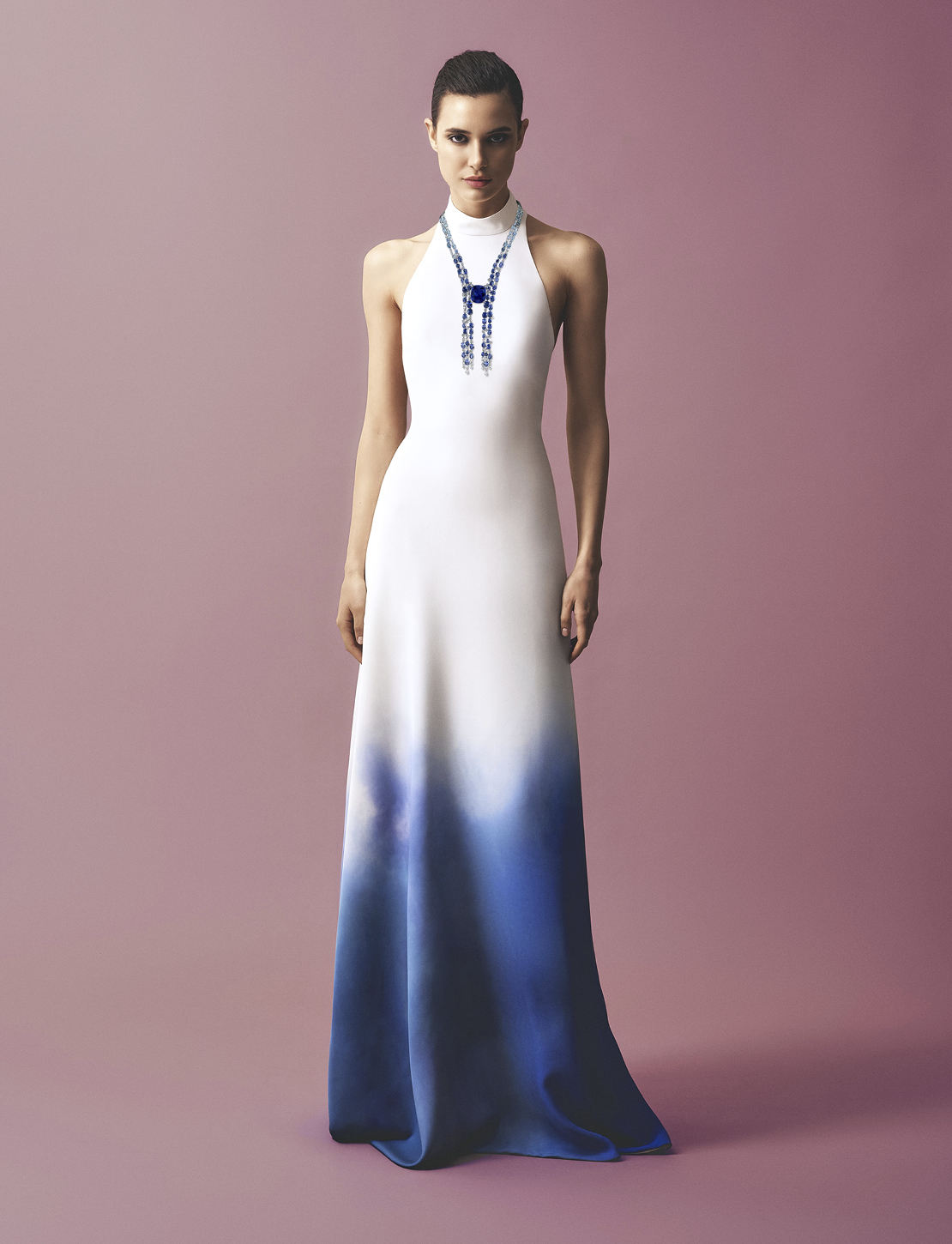
The collection unfolds through a series of exceptional creations that capture Chopard’s signature balance between technical mastery and expressive design. Precious stones appear in vivid, luminous colour combinations, reflecting natural landscapes, celestial references, and organic forms. Diamonds, emeralds, sapphires and coloured gemstones are arranged through fluid settings that create movement and softness, allowing each piece to feel alive on the body.
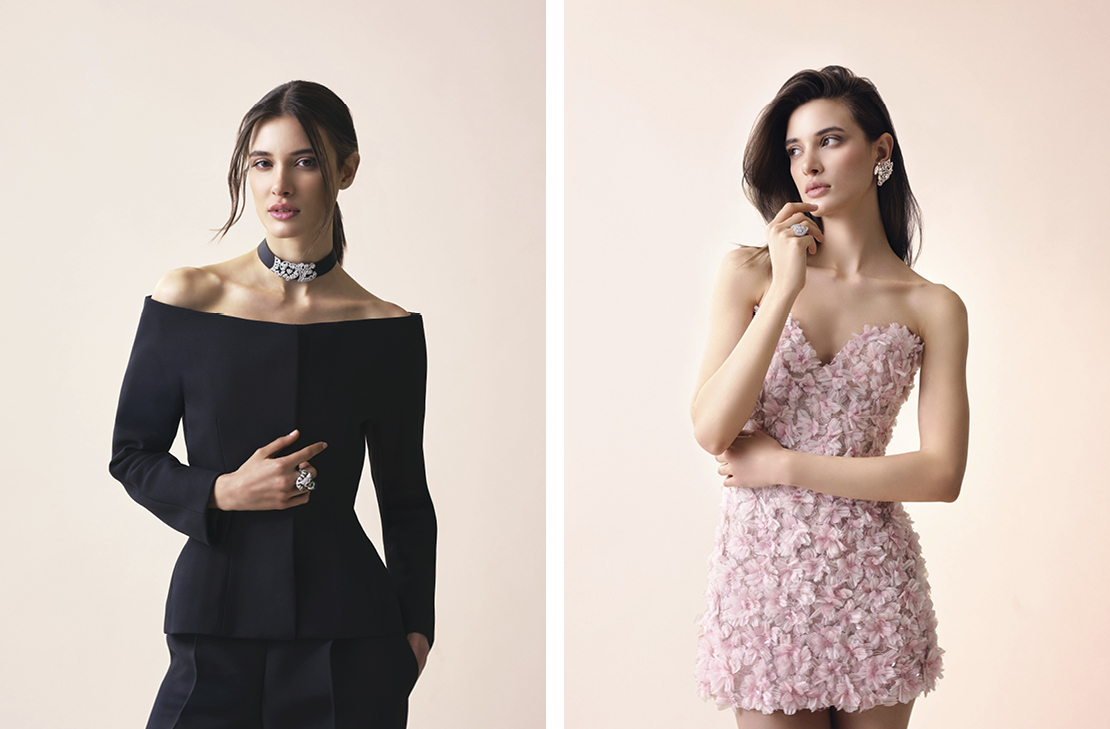
Nature remains central throughout the collection. Floral motifs, flowing structures and delicate sculptural details evoke shifting seasons and changing skies, while the play of light across gemstones reinforces the dreamlike quality of the pieces. There is a strong sense of fantasy woven into the collection, though it is always anchored by the Maison’s exceptional craftsmanship and gem-setting expertise.
What makes Miracles particularly compelling is the emotional sensitivity behind the designs. Rather than focusing purely on grandeur, the collection explores intimacy and memory through jewellery. Certain pieces feel almost cinematic in their construction, capturing moments of suspension and transformation as stones reflect light or surfaces appear to move with the wearer. The result is a collection that feels deeply connected to the emotional language of the red carpet itself, where jewellery becomes part of storytelling and self-expression.
Within Chopard’s Geneva ateliers, these inspirations are transformed through meticulous savoir-faire, with artisans shaping each creation using highly specialised techniques that emphasise fluidity, lightness and precision. Every necklace, ring and earring reflects the Maison’s continued commitment to craftsmanship while embracing a more emotional and imaginative approach to high jewellery.
Summer Spirit, Dioriviera explores a more fluid approach to menswear through colour And craftsmanship
Jonathan Anderson’s latest Dioriviera collection brings a lighter, more relaxed energy to Dior menswear, reimagining the House’s summer wardrobe through colour, texture and an effortless Mediterranean spirit. While Dioriviera has long been associated with resort dressing and escapist luxury, this season’s men’s offering feels particularly focused on ease and movement, balancing playful references with the refinement expected of the House.
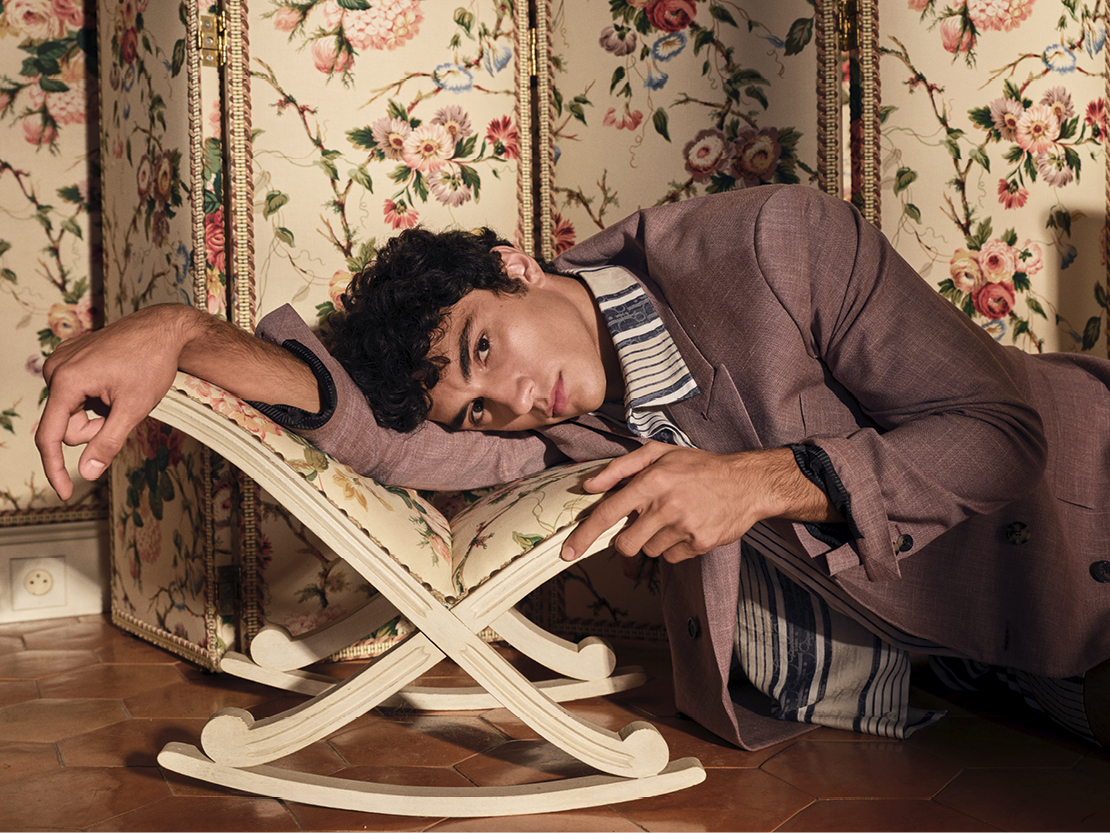
At the centre of the collection is an exploration of nature that connects directly back to Christian Dior’s lifelong fascination with gardens and the natural world. Anderson reinterprets archival motifs through a more contemporary lens, introducing lush botanical prints and softened floral patterns that feel both nostalgic and modern. The Dior Arabesque print, inspired by the work of Christian Bérard, unfolds across lightweight shirts and relaxed tailoring, while new interpretations of the toile de Jouy introduce a more graphic, summery sensibility.
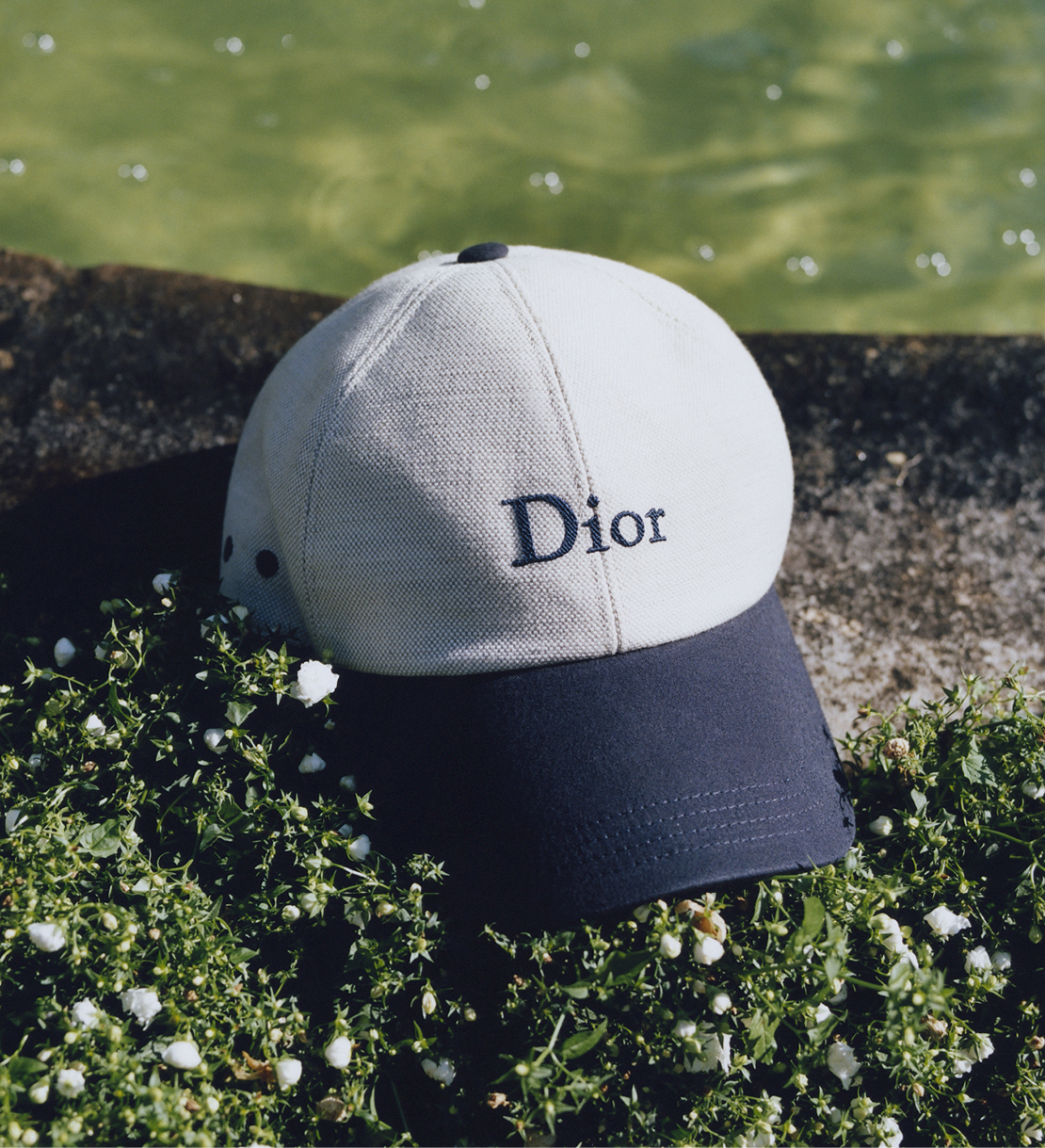
Silhouette also plays a central role in defining the collection. Flowing shirts are paired with easy shorts and lightweight separates designed for movement and comfort, reflecting the growing shift towards softer, more fluid menswear dressing. There is an intentional looseness throughout the collection, yet the pieces retain a polished structure that prevents them from feeling overly casual. Anderson approaches resortwear not as beachwear alone, but as a complete summer wardrobe built around versatility and understated elegance.
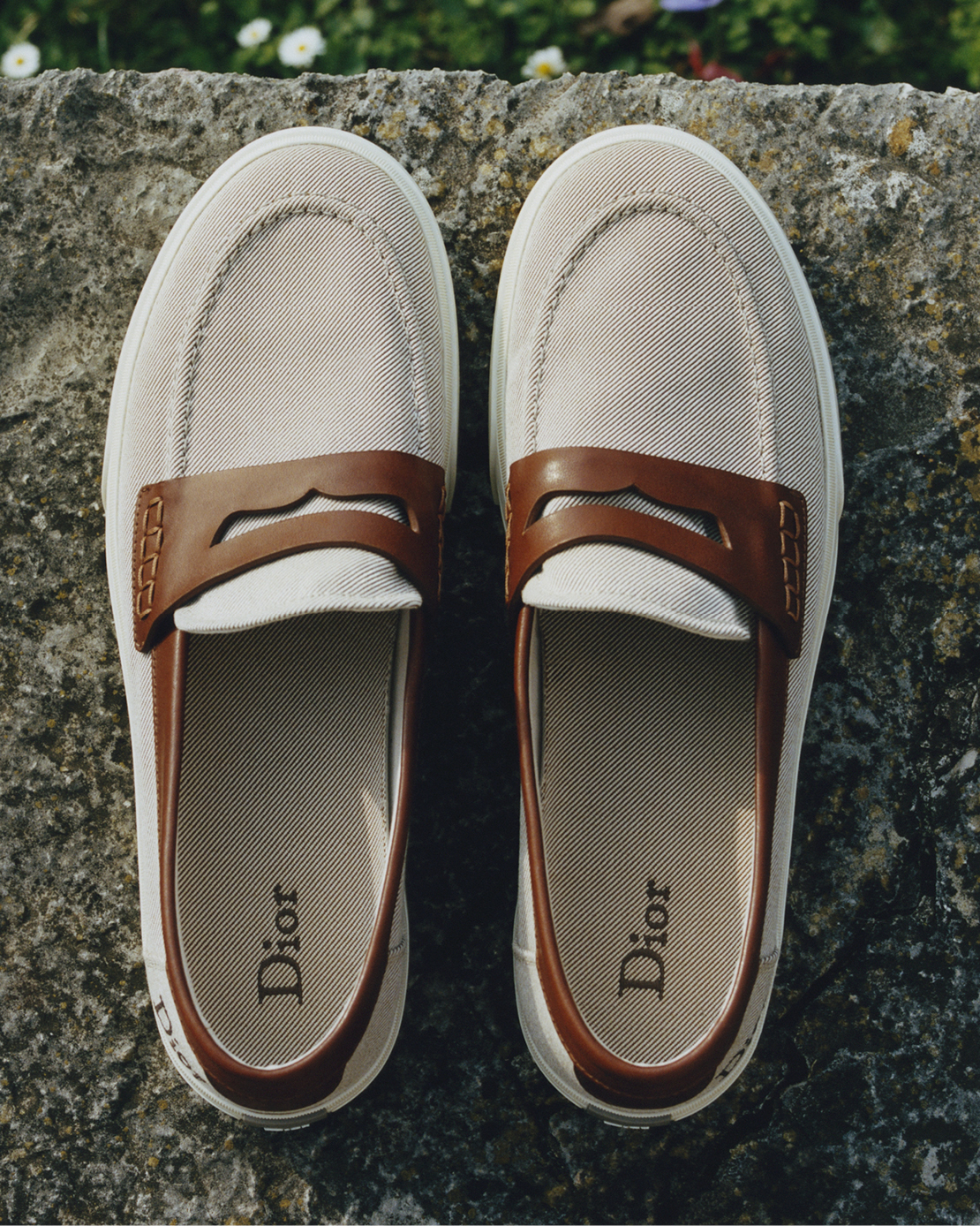
Accessories further reinforce this balance between practicality and escapism. Striped knits, silk scarves and bucket hats evoke the glamour of Riviera travel, while swimwear is elevated through precise cuts and refined detailing. Footwear also takes on a more leisurely attitude this season. The new Dior Chester loafers and boat shoes channel a vintage-inspired ease, complementing the collection’s relaxed tailoring and nautical undertones. Meanwhile, the Dior Rivage sandals introduce brighter colours and a more playful energy that aligns with the collection’s broader sense of optimism.
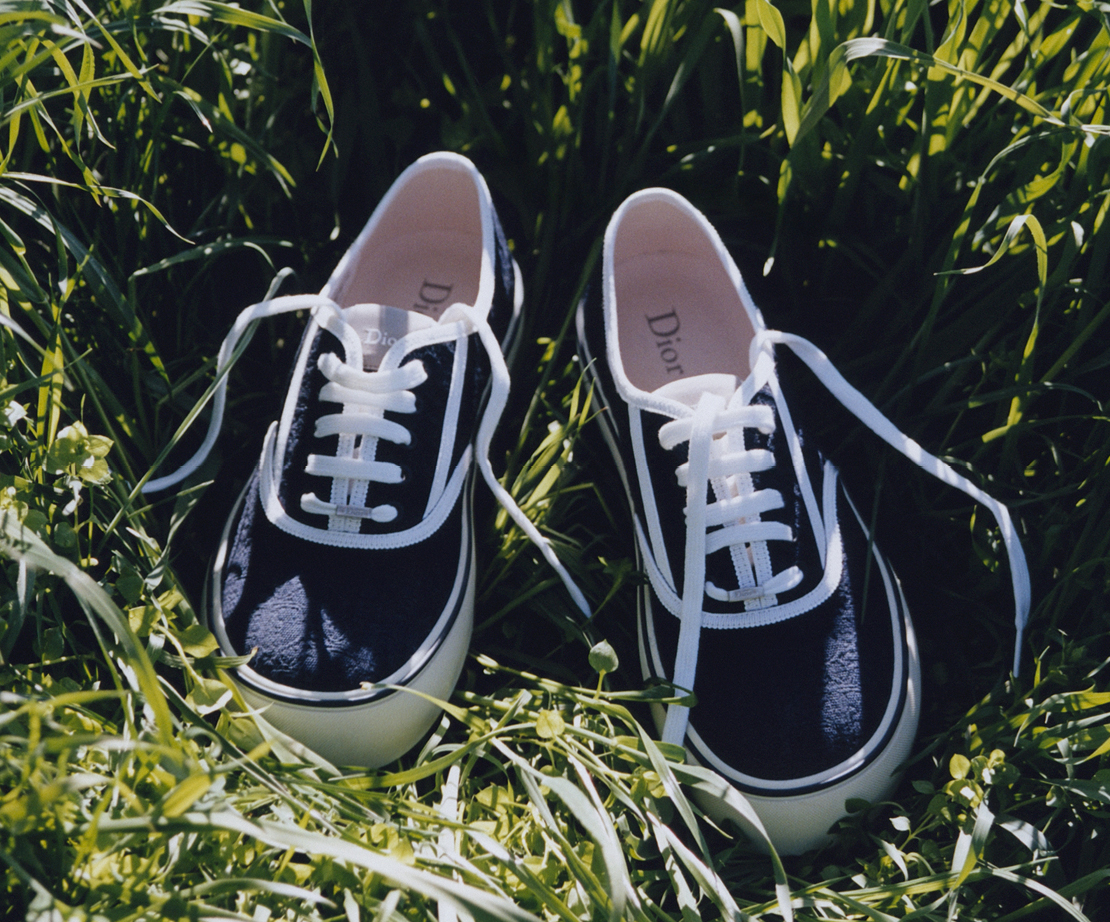
The Dior Oblique motif also returns in refreshed finishes, appearing across denim textures and Sun Stripes treatments that add depth without overwhelming the simplicity of the silhouettes. These details extend into accessories, including the Dior Jett bag and Dior Saltwind trainers, creating continuity throughout the collection while keeping the overall mood fresh and contemporary.
Shahd AlShehail, Founder of Abadia on Craftsmanship, Cultural Storytelling and Authenticity
As Saudi Arabia’s fashion industry continues to gain momentum on the global stage, a new generation of designers is reshaping perceptions of luxury through craft, cultural identity and contemporary design. Founded by Shahd AlShehail in 2019, ABADIA has emerged as one of the region’s most internationally recognised luxury labels, rooted in artisanal craftsmanship and a deep commitment to storytelling through design.

Blending feminine fluidity with structured tailoring, the brand reinterprets traditional techniques from Saudi Arabia and the UAE through a modern lens, creating collections that feel both timeless and globally relevant. From becoming the first Saudi brand to launch on Net-a-Porter to securing partnerships with leading international retailers, including Selfridges, Luisa Via Roma and Harvey Nichols, ABADIA continues to redefine what modern regional luxury can look like. Here, founder Shahd AlShehail reflects on building a purpose-driven brand, preserving craftsmanship, and the evolving global conversation surrounding Saudi fashion.
What originally inspired you to launch Abadia, and what gap did you feel existed within the luxury fashion landscape at the time?
I started Abadia from a desire to create a different kind of luxury, one that felt deeply rooted in our region while still speaking globally. At the time, I felt there was very little representation of the craftsmanship, cultural depth and stories I grew up around within the contemporary luxury space. I wanted to build a brand that approached heritage in a modern and intentional way, creating pieces that felt timeless rather than trend-driven.
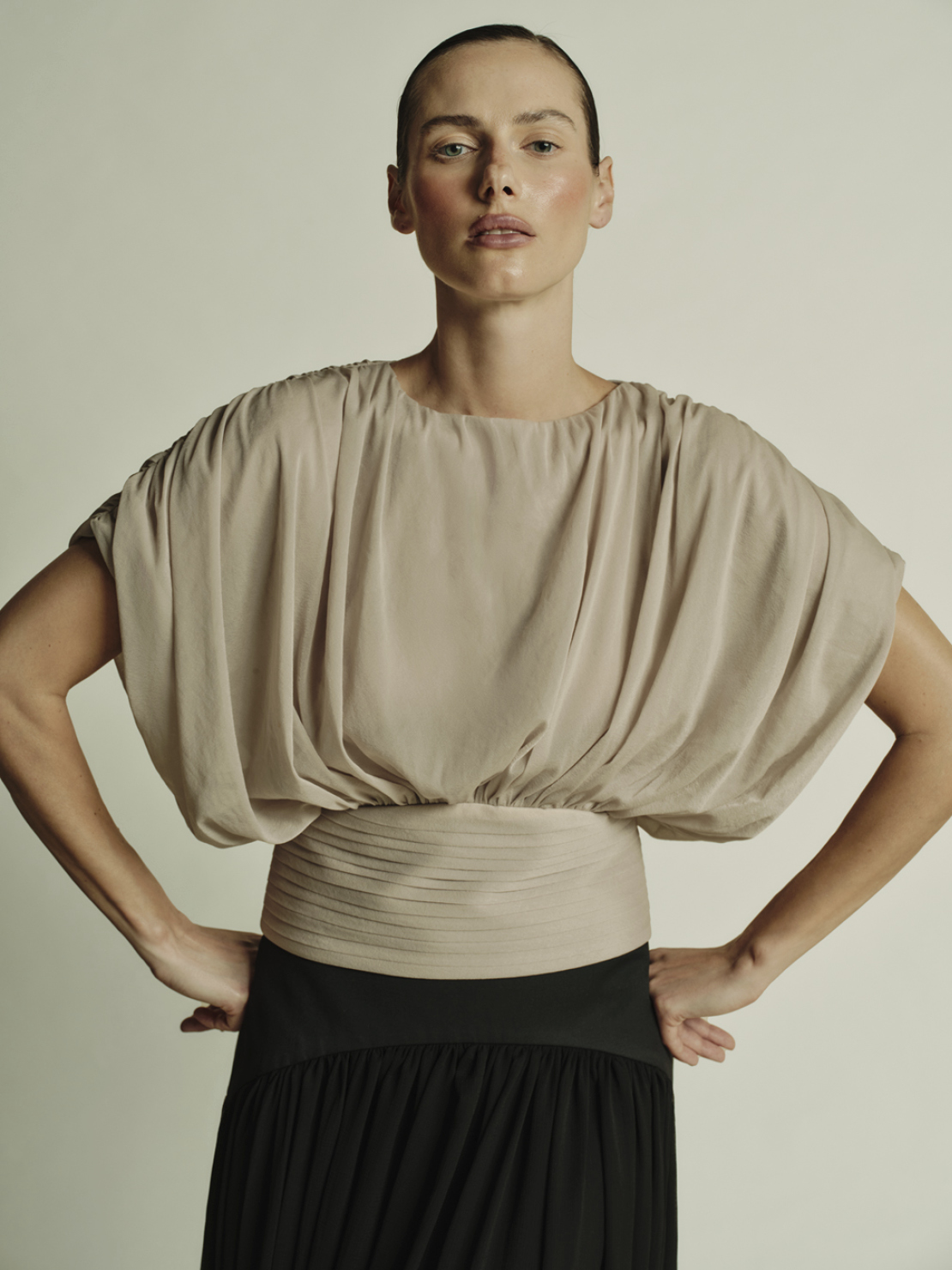
How would you describe ABADIA’s visual language today?
Refined, grounded and intentional. There is always a balance between structure and softness, heritage and modernity. I am drawn to fluid silhouettes, thoughtful construction and pieces that feel effortless but emotionally lasting.
Why has it always been so important for you to work closely with artisanal communities across Saudi Arabia and the UAE?
Craft is the foundation of everything we do at Abadia, so working closely with artisanal communities has always felt essential, not optional. These techniques carry history, memory, and knowledge passed down through generations, and I believe it is important to preserve them while allowing them to evolve naturally in a contemporary context. There is also something deeply human about that relationship. It brings care, intention and meaning into the process, and that is very much at the heart of how I think about luxury today.
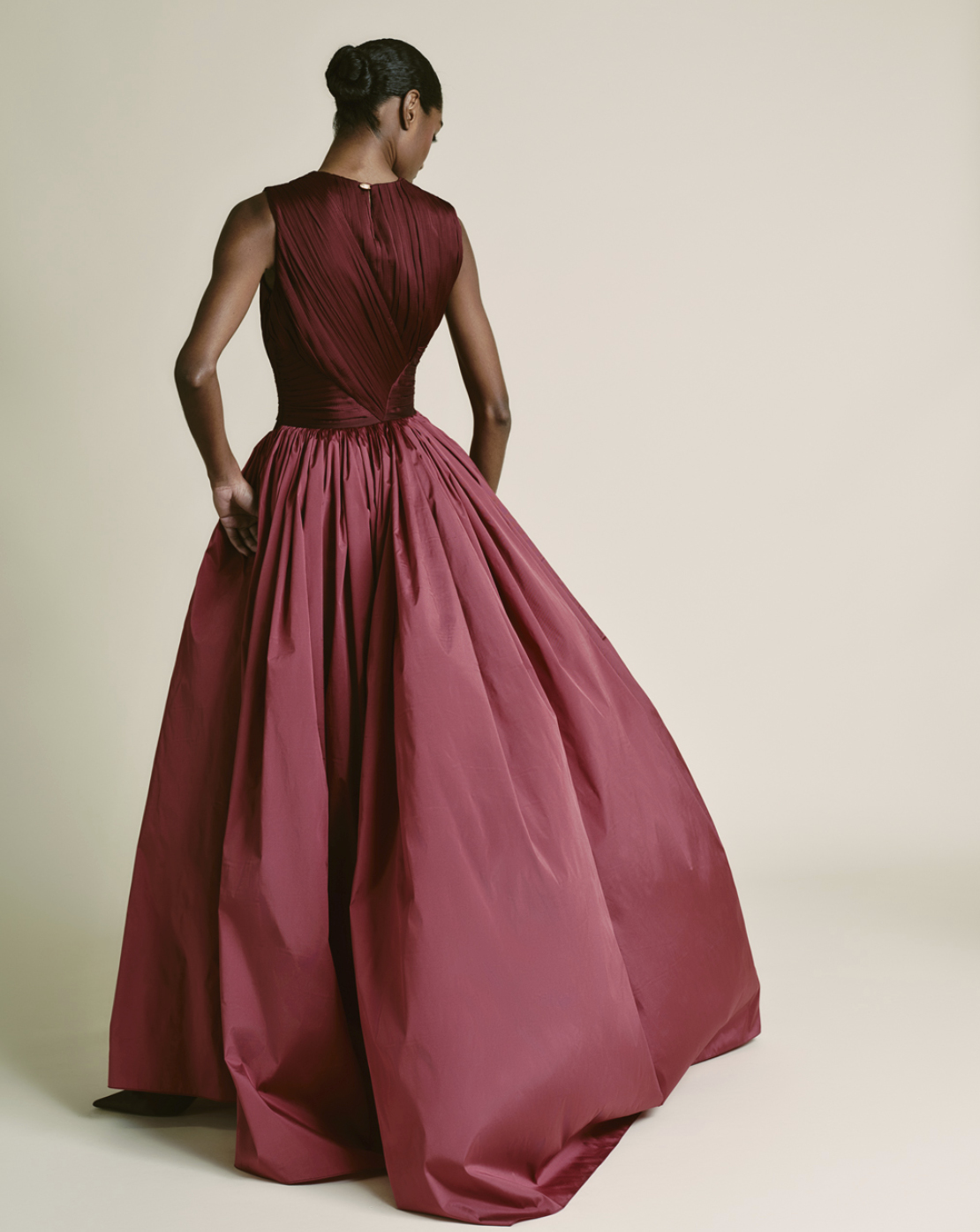
ABADIA has helped place Saudi fashion on the global luxury map, from Net- a-Porter to Selfridges and Galeries Lafayette Haussmann. What has that international journey been like for you personally?
It has been incredibly meaningful. To see a brand so deeply connected to the region resonate internationally has reinforced the idea that authenticity travels. What has mattered most to me is growing in a way that still feels aligned with our values and identity.
Last year, the brand received recognition through Fashion Trust Arabia. What did that acknowledgement mean for you, and how has it helped propel the brand forward?
It was a very meaningful moment because it recognised not only the brand aesthetically, but also the intention and craftsmanship behind it. Support like that gives the work visibility and creates opportunities to continue growing the brand globally.
How do you approach balancing tradition with modernity through your designs?
For me, it is about honouring the past and evolving it for today. I never want heritage to feel decorative or simply nostalgic. Traditional craftsmanship and techniques are integrated naturally into the pieces, while the silhouettes remain modern, fluid and relevant to how women dress today.
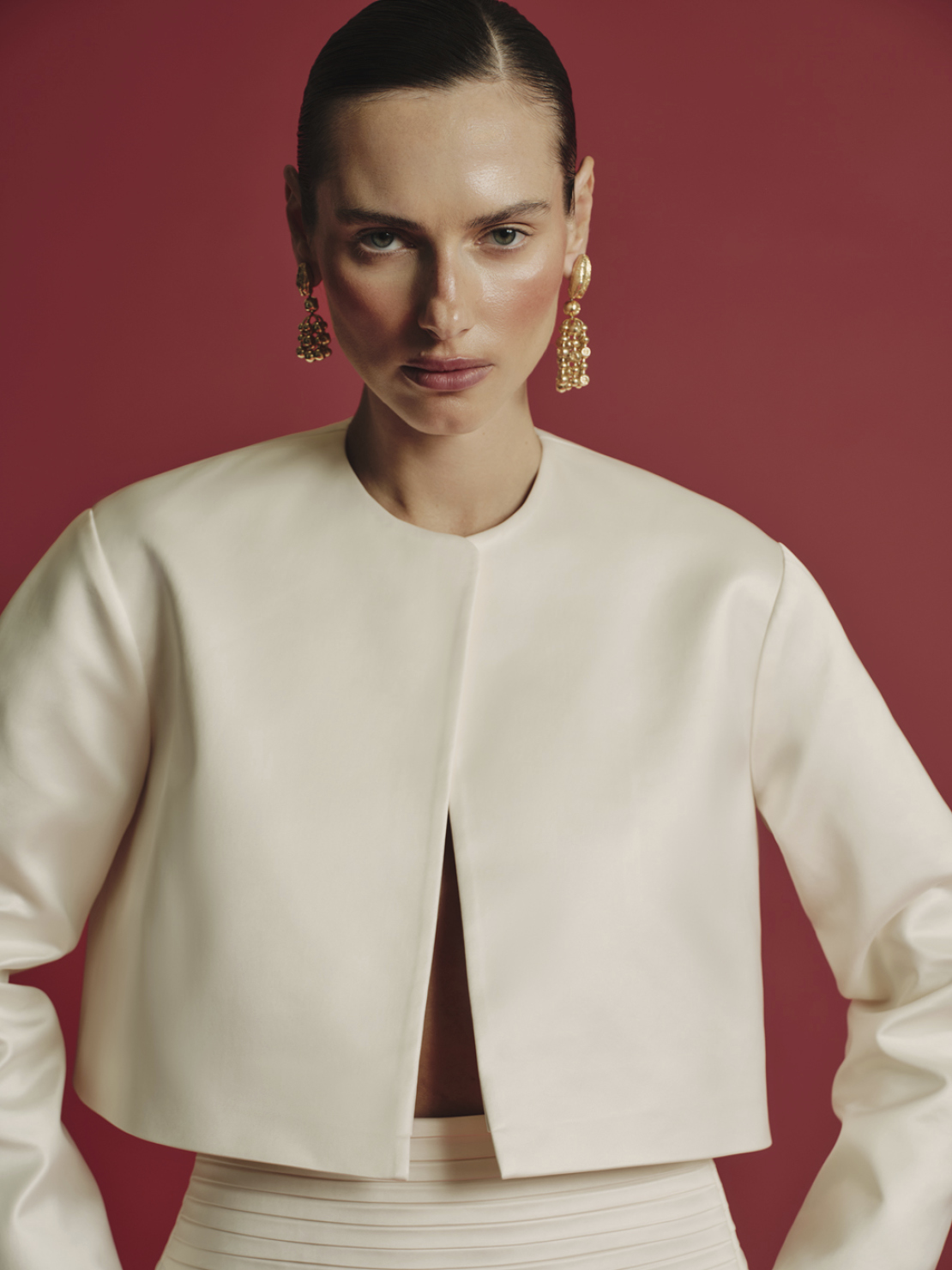
What were some of the biggest challenges you faced while building ABADIA into an international luxury brand?
One of the biggest challenges was staying patient and trusting our own rhythm in an industry that often rewards speed and constant output. Building a luxury brand with depth, craftsmanship and longevity takes time. Remaining intentional as I grow internationally has always been very important to me.
Sustainability and ethical production are key pillars of the brand. How do you ensure those values remain protected as the company continues to grow?
By keeping them embedded in every decision rather than treating them as separate initiatives. From the materials we source to the communities we work with, there is always an emphasis on responsibility, longevity and intentional production. Growth should never come at the expense of those values.
Looking at the latest collection, what were some of the key inspirations and themes shaping the season?
This collection was rooted in stillness, meditation and deliberate slowness. I was thinking a lot about the relationship between movement and rest, volume and softness, and how clothing can create a sense of grounding. Sadu weaving played an important role through its rhythm and repetition, which became central to the collection’s emotional language.
As the brand continues to expand globally, what areas are you most excited to explore next?
I am excited to continue deepening the world of Abadia beyond collections alone. Expanding further internationally while continuing to strengthen our connection to craftsmanship, storytelling and community feels very important to me.
Finally, what advice would you give to young regional designers hoping to build globally recognised brands while remaining authentic to their roots?
I would advise them to trust their own perspective and not feel pressure to fit into an existing framework. The strongest brands come from a place of honesty and clarity. I think there is real power in creating from your own culture, experiences and references, and allowing that authenticity to guide the work.
By Lindsay Judge
Georges Kern, House of Brands CEO, Discusses Reviving Universal Genève
For decades, Swiss watchmaker Universal Genève held an important place within watchmaking history. Founded in Le Locle in 1894 before relocating to Geneva in the early 20th century, the Maison became renowned for combining technical innovation with refined, design-led watchmaking. Revered by collectors for icons such as the Polerouter, Compax and Tri-Compax, Universal Genève earned its reputation as “Le Couturier de la Montre” (the couturier of watchmaking), for its rare ability to unite mechanical expertise with elegance, artistry and cultural sophistication. Following the Quartz Crisis, the brand gradually faded from prominence and remained largely dormant for decades. Today, however, the historic Maison is entering a major new chapter under the leadership of Georges Kern.
After reshaping Breitling over the past several years, Kern now leads the newly established House of Brands, a curated portfolio of watch maisons, each with its own heritage, DNA, and cultural relevance. Universal Genève marks the first major relaunch within that vision, with another historic watchmaker, Gallet, also set to return later this year. Fresh from unveiling the revived Universal Genève in Geneva following Watches and Wonders 2026, Kern travelled to Dubai to introduce the brand to the Middle East for the first time.
The arrival signals the next phase of Universal Genève’s international expansion, with the Maison preparing to launch in the Middle East as part of a tightly controlled global rollout. Positioned within the high-end luxury segment, the revived brand is placing design, craftsmanship and emotional connection at the centre of its identity, drawing heavily on its historic reputation as one of watchmaking’s most aesthetically driven maisons. Boutique concepts are being imagined more like couture ateliers than traditional watch retailers, while future collections will span from refined everyday pieces to highly exclusive bespoke creations. We sat down with Kern to discuss reviving one of watchmaking’s great sleeping giants, building the House of Brands, and why Universal Genève’s blend of heritage, artistry and contemporary luxury feels especially relevant today.
Universal Genève is particularly interesting because it feels like a brand that naturally appeals to both men and women. Was that intentional from the beginning?
Absolutely. I believe the brand will ultimately be very balanced between male and female customers, probably close to 50/50. What’s important is that the products never feel artificially designed for one gender or the other. Everything comes directly from the brand’s history. Nothing feels forced or invented.
Universal Genève was a dormant brand with such a rich archive that we didn’t need to create an entirely new design language. Unlike some modern revivals where you have to imagine what a brand might have become over decades, here the foundations already existed. The designs are timeless and incredibly sophisticated.
When you look at pieces like the Polerouter, designed by Gérald Genta, who also created the Royal Oak and Nautilus, you realise just how important Universal Genève was historically. Discovering that heritage has been fascinating.
Why did you choose Universal Genève specifically for revival?
Around three years ago, we began discussing how we could expand beyond Breitling. We had strong manufacturing capabilities, excellent teams and a lot of expertise, so I felt we could do more.
At first, we explored acquiring existing watch brands, but often the brands available for sale are the ones with problems. You inherit stock, operational issues and a complicated structure. That didn’t interest us.
So instead, we started looking at historic dormant brands. I asked our heritage department which names truly mattered, and two immediately stood out: Universal Genève and Gallet, which we will also relaunch later this year.
The more we researched Universal Genève, the more compelling it became. The history is extraordinary. It has this very artistic, almost couture-driven identity. In some ways, it reminds me of Schiaparelli because of the relationship between creativity, artistry and revival.
We discovered incredible archival material, letters from Jean Cocteau, connections to figures like Jeanne Lanvin and many fascinating cultural references. Then there was the historical slogan “Le Couturier de la Montre” (the watch couturier). The moment I saw that, my imagination immediately started working. It felt authentic and obvious. Everything about the brand naturally aligned.
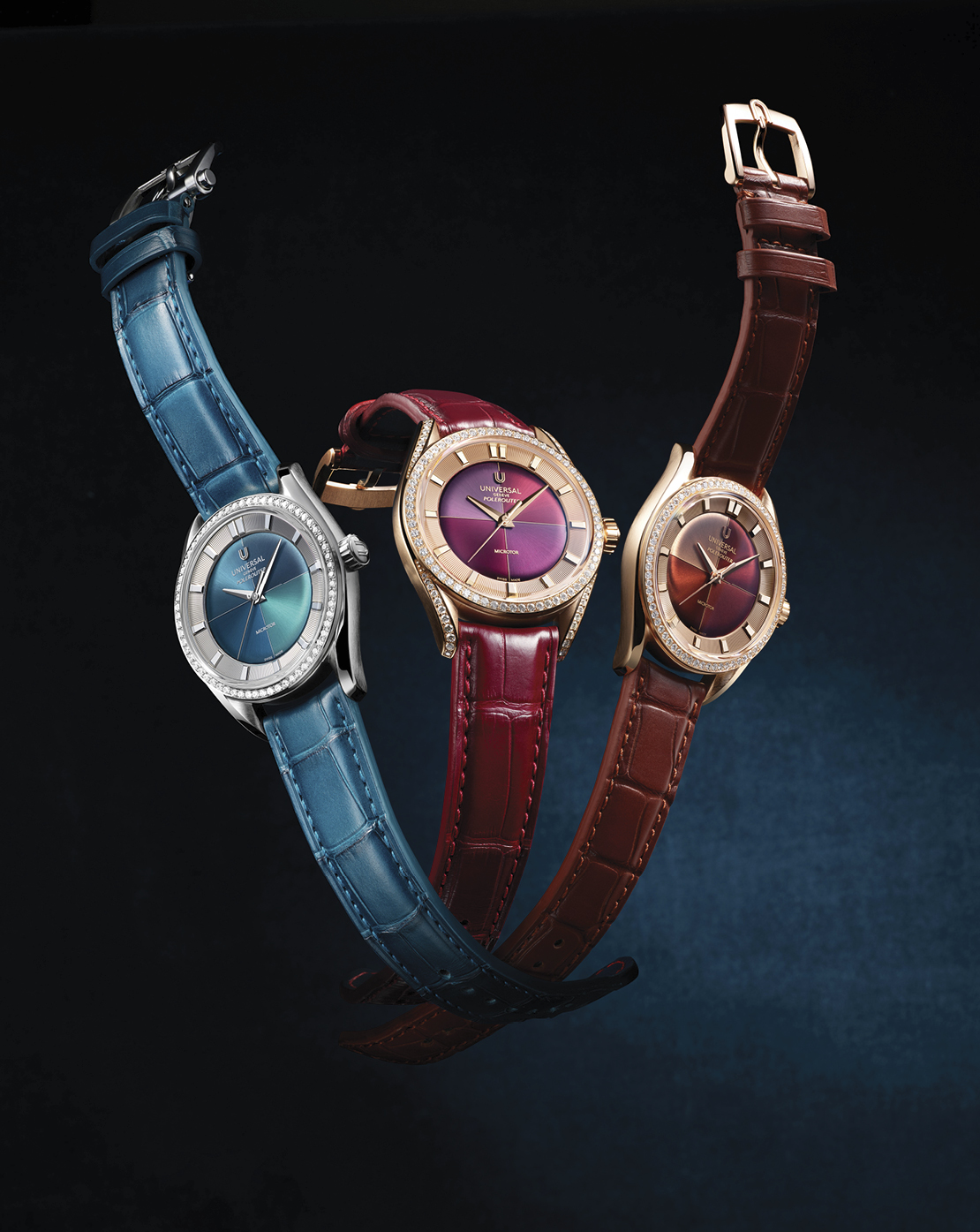
Reviving a heritage watchmaker on this scale must come with significant challenges. What has been the most difficult part of the process?
The biggest challenge was building everything from scratch while staying true to the brand’s spirit. We developed three entirely new movements, including a chronograph, an automatic and a hand-wound movement. We also chose a very specific technical direction with a micro- or rather three-quarter rotor architecture. As I emphasized early on, there had to be a micro-rotor solution — although you could also describe it as a three-quarter rotor. The larger oscillating mass is necessary to achieve a modern 72-hour power reserve while keeping the movement under 4 millimeters thick. We explored various approaches extensively, but ultimately there was no other viable option. For this combination of performance, proportions and elegance, the three-quarter rotor was the only solution. Developing that technology from the ground up was extremely complex.
At the same time, we had to build every other aspect of the brand: the products, campaigns, social media strategy, retail concept, boutiques and team structure. When you start with a blank sheet of paper, every detail matters.
But it was also incredibly exciting because I could apply everything I’ve learned over the past 30 years in the industry. Every mistake you make throughout your career becomes valuable when you have the opportunity to build something new from the beginning.
What has the reaction been like since the launch in Geneva?
Honestly, people were blown away. The response from collectors, retailers and journalists has been overwhelmingly positive. Retailers immediately wanted to work with the brand, although we are intentionally keeping distribution extremely limited at first. We will probably begin with only 10 to 15 retail partners globally because exclusivity is very important to us. The average price point will sit around US$25,000 to US$30,000, although pieces start at US$11,500. We are positioning Universal Genève firmly within the high-end luxury segment, but in a way that feels fresh and emotionally driven rather than overly technical. Within that space, we’re adding value to the market by positioning the brand between the more conservative maisons and the more extravagant players in the market, not overly traditional but not ostentatious either, with an aesthetic and brand expression designed to appeal to both men and women.
You have spoken before about how important boutique identity is. How will this apply to Universal Genève?
Universal Genève will have its own dedicated boutiques and completely distinct retail identity. The boutiques will not feel like traditional luxury watch stores. We are approaching them more like couture ateliers. We constantly asked ourselves throughout the development process: how can we create something different from what already exists? The reality is that the market doesn’t need another complicated high-end watch brand focused purely on technical specifications. Most collectors already own the classic brands. What people are increasingly looking for is strong identity, exceptional design and emotional connection. That’s why we speak about “functional beauty”, the idea that reliable, precise movements must always serve the watch’s design and aesthetic appeal. It is about the harmony between the two. The focus is on elegance, design and authenticity rather than pure complication for the sake of it.
Do you think luxury consumers today are looking for something beyond the traditional established watch brands?
Definitely. That’s exactly what retailers are telling us. At this level, customers often already own traditional collector pieces. What excites them now is discovering something different with genuine heritage but a fresh perspective. Universal Genève offers that. The designs are distinctive, the story is compelling, and the products feel unlike anything else currently on the market.
How have you structured the collections themselves?
We’ve created three distinct layers. First, there are the core collections with classic executions in steel, leather and precious materials, all powered by our new movements, which we refer to as prêt-à-porter. Then we have capsule collections, which are more expressive and experimental. These are limited editions produced in small numbers, roughly 50 to 100 pieces per model. Finally, we have the couture segment. These are fully bespoke creations, similar to haute couture fashion. They are unique pieces made specifically for clients, often incorporating custom stones and detailing. Naturally, those require time to produce because each element is sourced and created individually.
Dubai is clearly an important market for the brand. What can we expect in terms of expansion here?
Dubai is absolutely essential for us. We definitely plan to open a boutique here.
Over the next six to eight months, we hope to establish flagship boutiques in cities including Geneva, New York, London, Milan and Dubai. At the same time, we will continue with a very selective global distribution strategy. Even with expansion, I don’t expect Universal Genève to have more than around 15 points of sale worldwide initially. We want to maintain rarity and exclusivity.
Heritage clearly plays a huge role in the revival. How deeply have you explored the archive?
The heritage is the entire reason we bought the brand. What we acquired were the iconic designs, the aesthetic codes and the stories connected to Universal Genève. The collector community surrounding the brand is incredibly passionate. Many watches even carry nicknames connected to famous figures who wore them. For example, collectors refer to a Tri-Compax model as the “Clapton” because Eric Clapton wore it extensively. Then there’s the famous “Nina Rindt” watch, a 1960s Compax named after Nina Rindt, the wife of Formula One champion Jochen Rindt. She famously wore the watch during his races and the watch became iconic and a cultural phenomenon through its association with her. She actually attended our launch event and remains incredibly charismatic and elegant. Those kinds of stories give the brand emotional depth. Since the relaunch announcement, vintage Universal Genève models have also increased dramatically in value, which reflects the renewed excitement surrounding the brand.
Beyond Universal Genève, the House of Brands is expanding significantly. What is the wider vision?
The idea is to create a coherent luxury ecosystem across different price points and audiences. Breitling sits at the center of the House of Brands. Then we have Gallet, a sister brand distributed through Breitling’s boutique network and selected retail partners, offering strong heritage, quality and adventure-oriented Swiss watchmaking at a more accessible entry point. Finally, Universal Genève, operates as a distinct maison positioned at the very top end of the portfolio, reimagining watchmaking through a more creative and artistic approach. Together, the brands allow us to speak to different customers while maintaining authenticity and strong positioning across the portfolio.
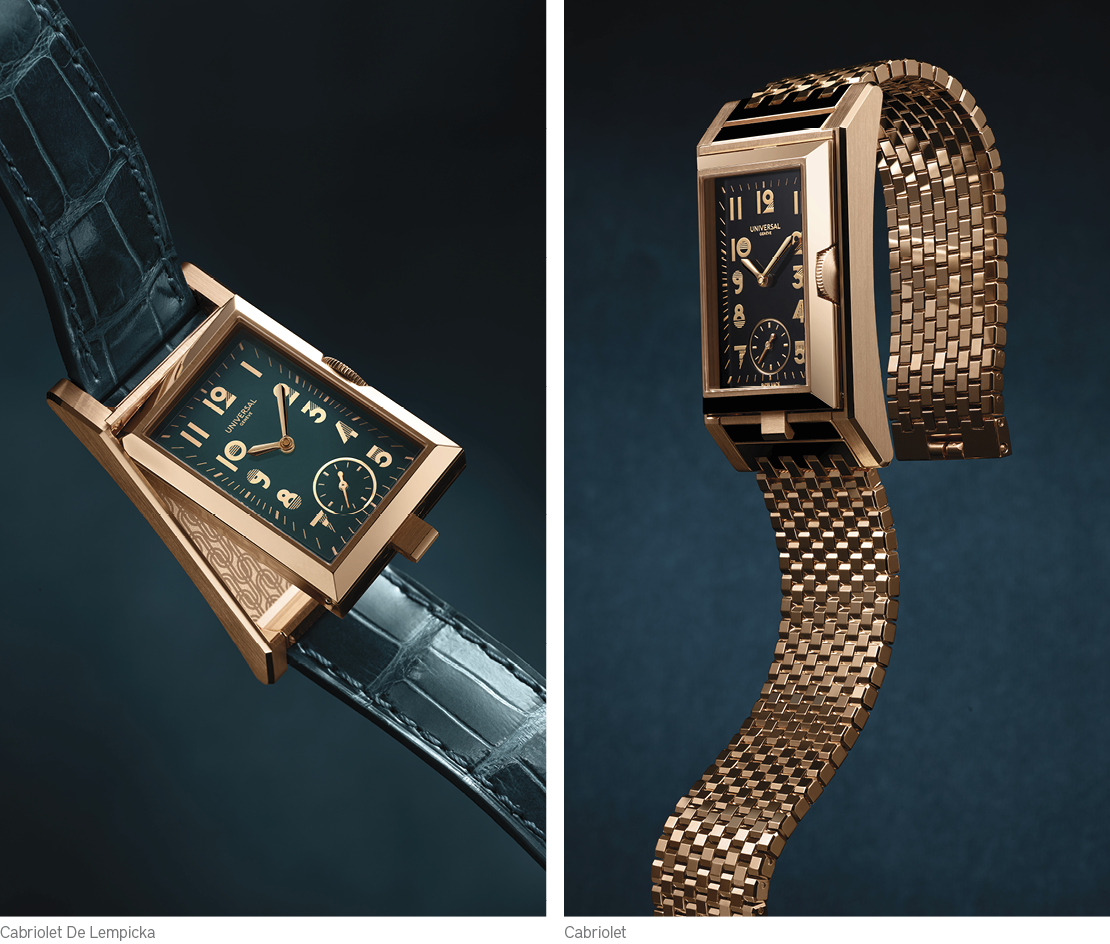
Finally, what is your outlook on the wider luxury industry right now, particularly in the Middle East?
I’m very optimistic about the UAE and the Middle East overall. This region has extraordinary fundamentals. Dubai has some of the best airlines, hotels, hospitality and service standards in the world. It also offers a level of safety and security that many global cities no longer have. Those strengths won’t disappear.
Luxury always depends partly on emotion. People still have spending power, but they need to feel positive and optimistic when purchasing luxury products. I think once there is more stability globally, this region will recover extremely quickly, perhaps even faster than after COVID.
By Lindsay Judge
How Lamborghini is Translating its Unmistakable Design Language Into Fashion, Interiors, and Luxury Living
Lamborghini has long occupied a unique position within the automotive world. Beyond engineering some of the industry’s most recognisable supercars, the Italian marque has cultivated a visual identity rooted in sharp geometry, dramatic proportions and an uncompromising approach to performance. Increasingly, however, that identity is moving beyond the road. Today, Lamborghini’s influence stretches into fashion, interiors, sport, architecture and collectables, as the brand transforms its design philosophy into a broader luxury lifestyle universe.

What makes Lamborghini’s expansion particularly distinctive is the consistency of its design language across entirely different categories. Rather than approaching collaborations as simple licensing exercises, the company works closely with partners to ensure each project reflects the same attention to detail, materiality and technical precision associated with its vehicles. The result is a series of products and experiences that feel connected to the spirit of Lamborghini without becoming overly literal.
This approach is especially visible in the brand’s growing portfolio of performance-led collaborations. In sport, Lamborghini partnered with Babolat to develop a series of advanced padel rackets that borrow directly from the lightweight engineering techniques used in its supercars. Carbon fibre construction, structural rigidity, and aerodynamic thinking all play a role in shaping the rackets, creating equipment designed as much for responsiveness and precision as for visual impact. The aesthetic references are subtle yet unmistakable, with angular detailing and signature graphic elements that reflect Lamborghini’s broader design codes.
Elsewhere, Lamborghini’s long-running partnership with Ducati has produced several limited-edition motorcycles that merge the identities of two iconic Italian performance brands. Models such as the Panigale V4 and Streetfighter V4 reinterpret Ducati’s engineering through Lamborghini-inspired finishes, colours and detailing, creating collector pieces that appeal to enthusiasts of both marques. The same thinking extends to marine performance with the SEABOB SE63, developed in partnership with luxury watercraft company CAYAGO. Inspired by the visual drama of Lamborghini’s cars, the underwater scooter translates the brand’s sculpted surfaces and aggressive lines into an entirely new environment.



The brand’s expansion into interiors and architecture demonstrates an equally ambitious evolution. Lamborghini’s collaboration with Dar Global on luxury residences in Spain’s Benahavís region reflects how automotive design principles can inform physical living spaces. Angular architecture, dramatic spatial layouts and carefully selected materials draw inspiration from the marque’s cars while maintaining the sophistication expected within contemporary luxury real estate. Rather than replicating the look of a supercar, the project channels its emotional energy and sense of movement into the experience of living itself.
In home interiors, Lamborghini has also explored the relationship between technology and craftsmanship through its partnership with Italian audio specialist Sonus faber. Their limited-edition speaker system incorporates exposed carbon fibre alongside details inspired by Lamborghini dashboards and steering wheels, creating an object that feels as much engineered as it is designed. Here, automotive references become part of the product’s structure and function rather than decorative additions.
Fashion, too, has become an important extension of the Lamborghini universe. The collaboration with Tod’s demonstrates how the brand’s performance-focused aesthetic can be softened into luxury craftsmanship without losing its identity. Premium leather loafers and sneakers reinterpret Lamborghini’s sharp visual language through refined silhouettes, tactile materials and understated detailing. The partnership reflects a broader shift within luxury fashion towards products that balance technical innovation with timeless Italian craftsmanship.

At the same time, Lamborghini continues to build cultural relevance through collectables and lifestyle objects aimed at wider audiences. Partnerships with LEGO and Hot Wheels reinterpret models such as the Revuelto into miniature and interactive formats, allowing the brand’s distinctive forms to reach both collectors and younger enthusiasts. Even at a smaller scale, the emphasis on proportion, recognisable silhouettes and visual drama remains central.

Ultimately, Lamborghini’s growing lifestyle presence reflects a broader evolution within luxury itself. Consumers are no longer simply buying products; they are buying into worlds, identities and experiences. By extending its design DNA across multiple sectors while remaining faithful to its core visual language, Lamborghini has positioned itself not only as an automotive brand but as a wider symbol of performance-driven luxury and contemporary Italian design.
Story of Craft: The Making of Loro Piana’s Plaid Series
Earlier this year, Loro Piana debuted Studies, Chapter I: On the Plaid at Milan Design Week, launching a new project dedicated to the house’s craftsmanship and celebrating plaid as a central element of the brand’s DNA. We take a close look at the making of this special project as it continues to unfold over the coming months.
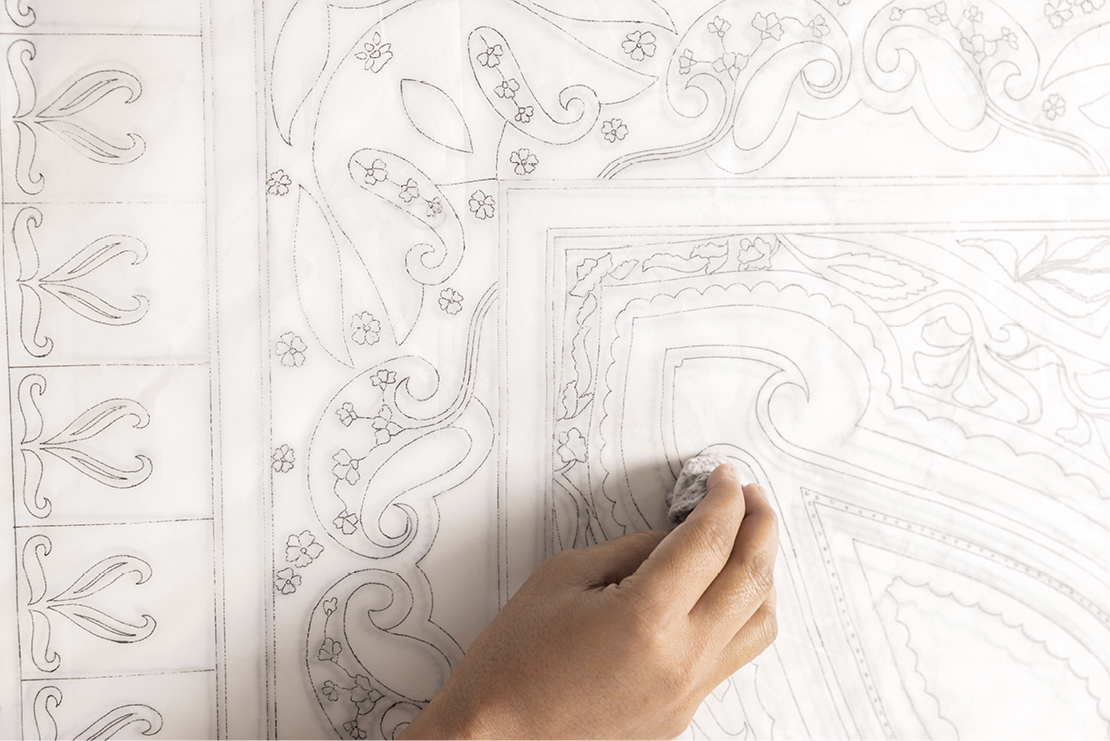
Presented as a series of 24 individual pieces, the project examined how a single object can hold multiple narratives through texture, construction, and technique. Each plaid was treated as a study in textile craftsmanship, distinguished through varying methods, motifs and finishes. Together, they formed what the house described as an “index” of approaches, mapping the possibilities of fibre and fabric through a curatorial lens.
The installation highlighted how craftsmanship is at the forefront of the luxury conversation, as clients are increasingly asking for transparency around craftsmanship and the irreplaceable techniques that go into creating luxury objects. In Loro Piana’s case, the plaid serves as a natural vehicle for this conversation. Long associated with comfort, travel and the outdoors, it occupies a unique place within the Maison’s universe, balancing practicality with refinement. Here, however, the plaid was elevated into something closer to textile art.
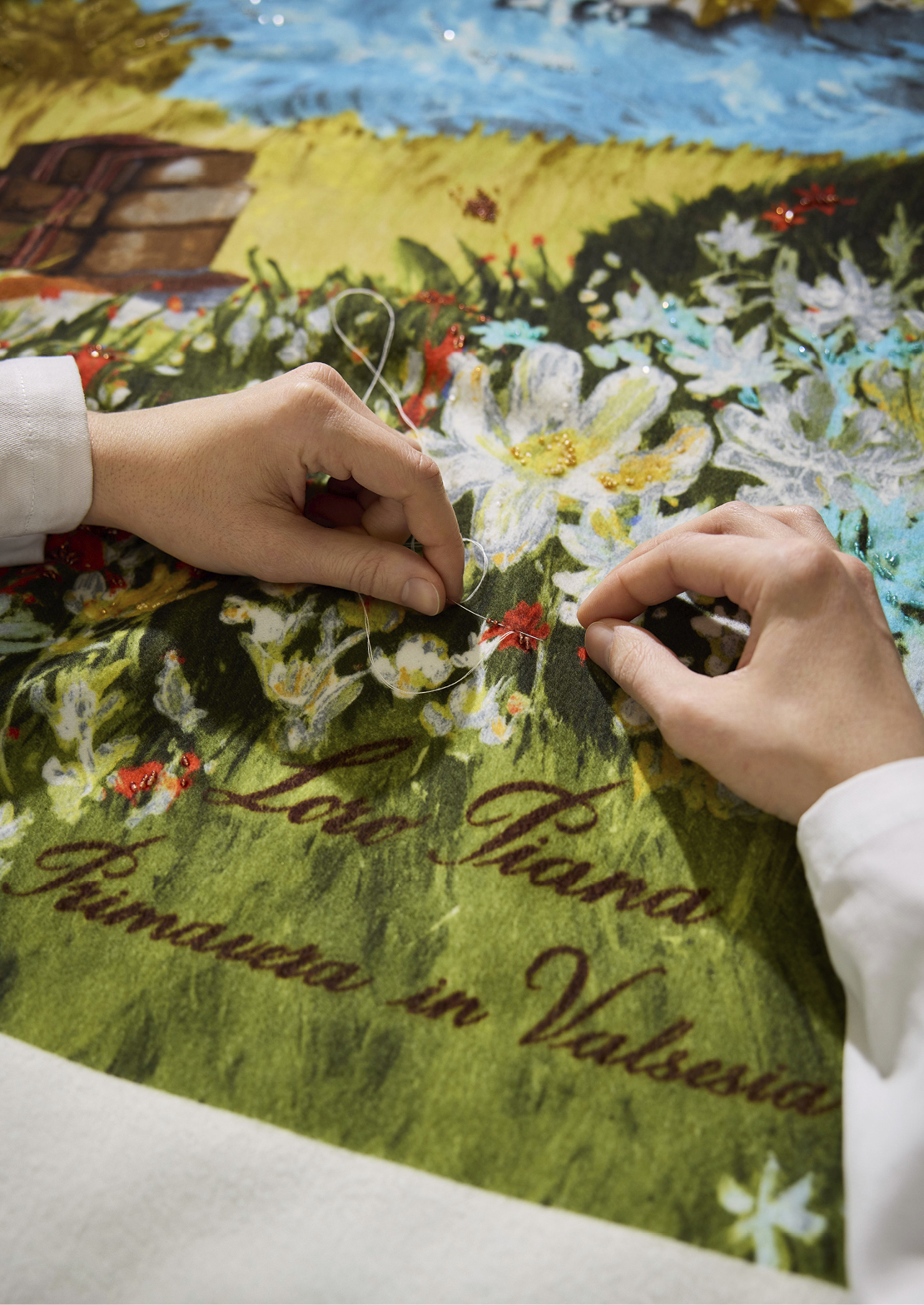
The journey began with Loro Piana Sceneries, a poetic evocation of Valsesia, the northern Italian region where the company was founded in 1924. Through landscapes inspired by seasonal rhythms, mountain environments and outdoor pursuits, the project traced the origins of the Maison and its longstanding relationship with nature. Snow-covered terrain, classic cars and alpine references created a vision of a particular way of living, one rooted in slowness, craft and the natural world.
From there, the exhibition unfolded into a deeper examination of technique. Fibre and yarn were displayed alongside finished pieces, placing emphasis on process as much as product. Visitors were invited to understand not just what these plaids looked like, but how they came into existence.
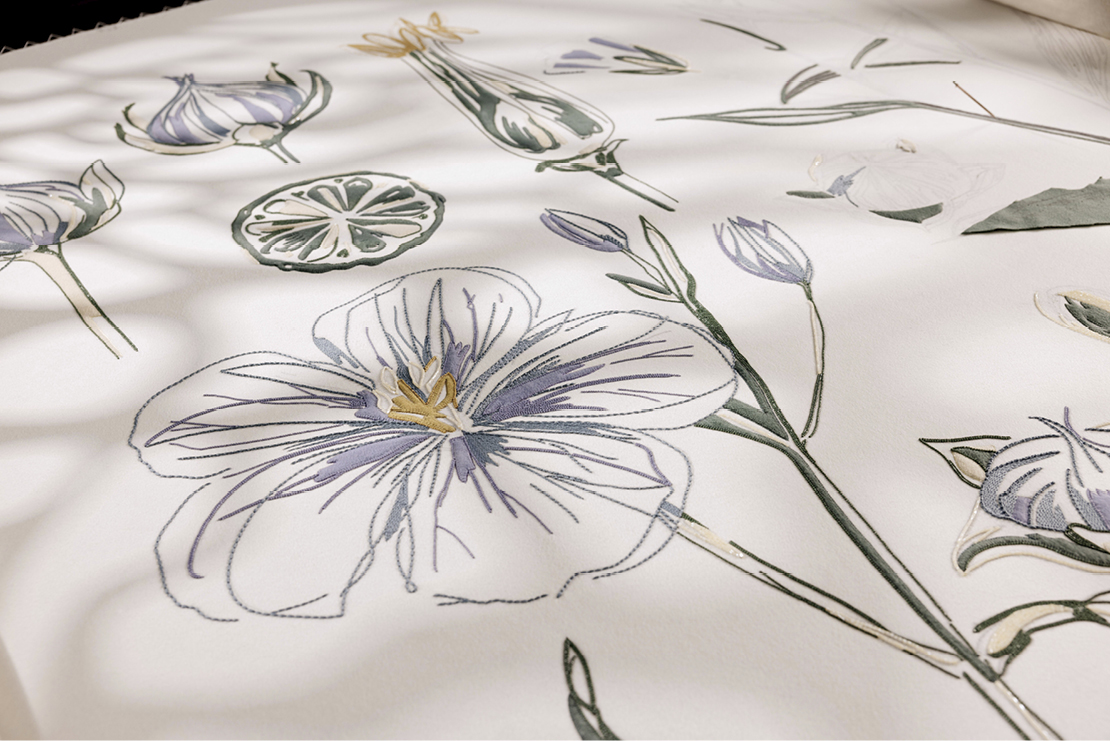
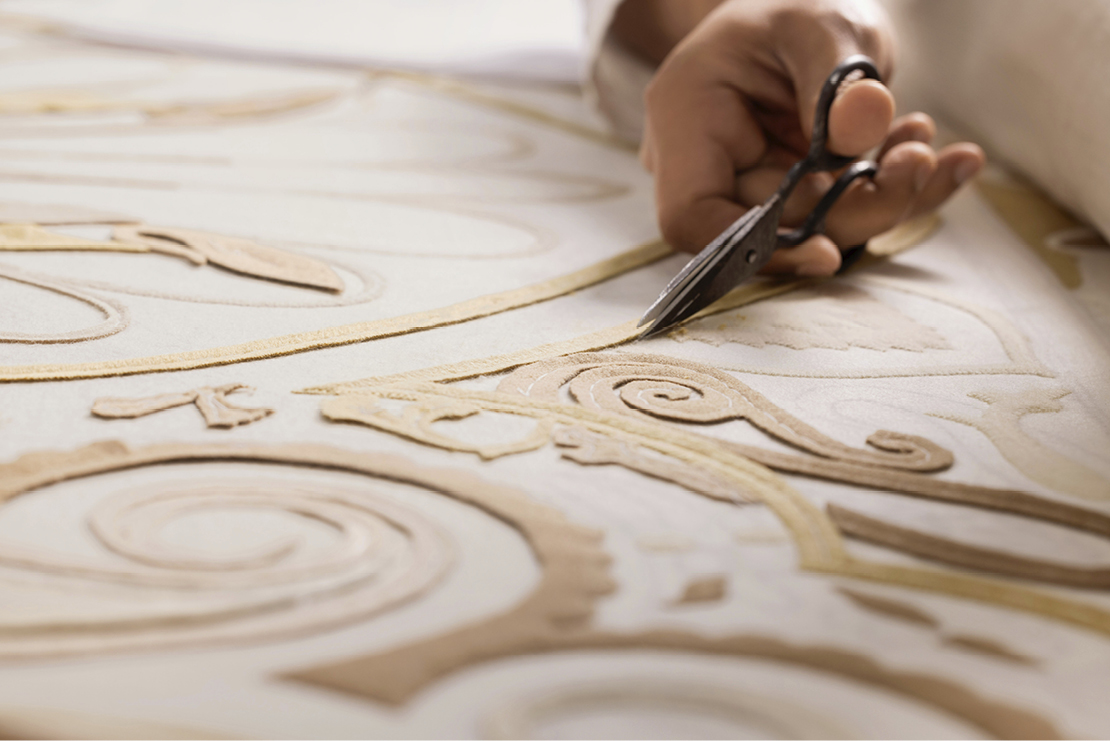
Among the techniques highlighted was needle punching, where fibres are repeatedly inserted and repositioned to create tonal variations and textured relief directly within the textile surface. Elsewhere, appliqué introduced layered contrasts through carefully stitched fabric and leather elements, while hand embroidery added dimensional detail through controlled stitching sequences.
Handloom weaving and jacquard weaving demonstrated the precision of traditional textile production, creating intricate structures and motifs by manipulating the yarn itself rather than relying on surface decoration alone. Screen printing, meanwhile, brought further complexity through layered colour applications that retained the softness of the fabric beneath.
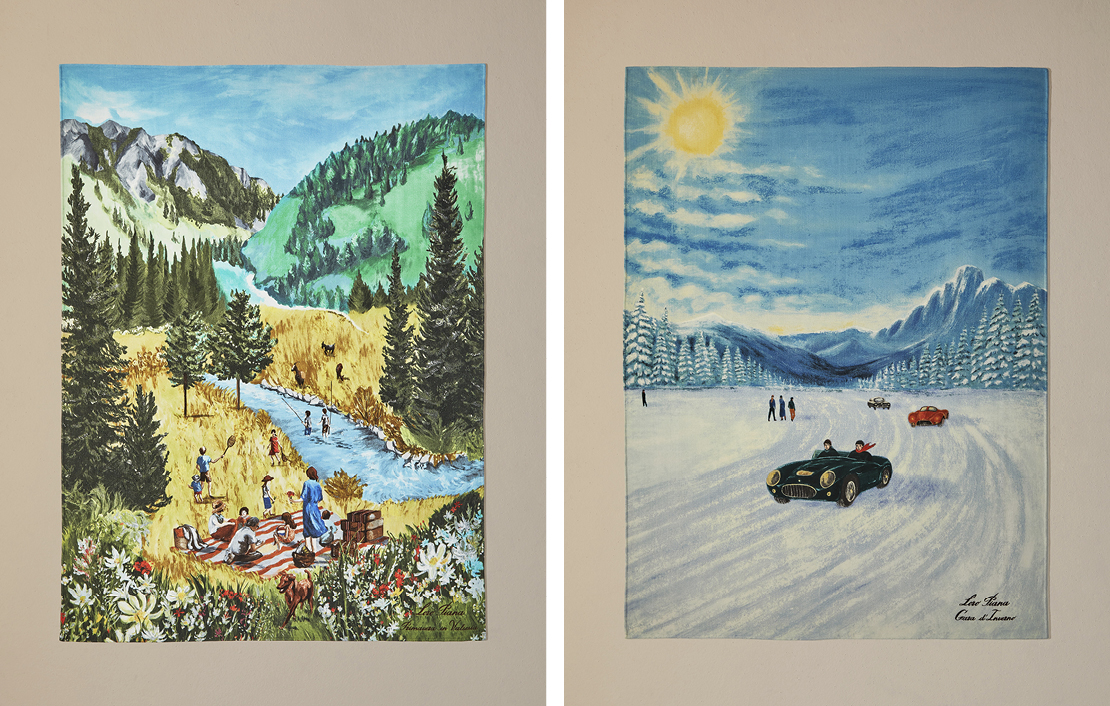
Material played an equally important role within the project. The plaids were crafted using some of the Maison’s most prized fibres, including Vicuña, Baby Cashmere, Cashmere and The Gift of Kings®, alongside linen, Wish® wool and Pecora Nera® wool. These materials were paired with embroidery, patchwork and weaving techniques to create pieces that felt deeply tactile yet technically rigorous.
What emerged was a vision of luxury rooted not in overt decoration, but in precision, rarity and restraint. Each plaid is crafted exclusively upon request, reinforcing the idea of individuality and measured production over mass production.
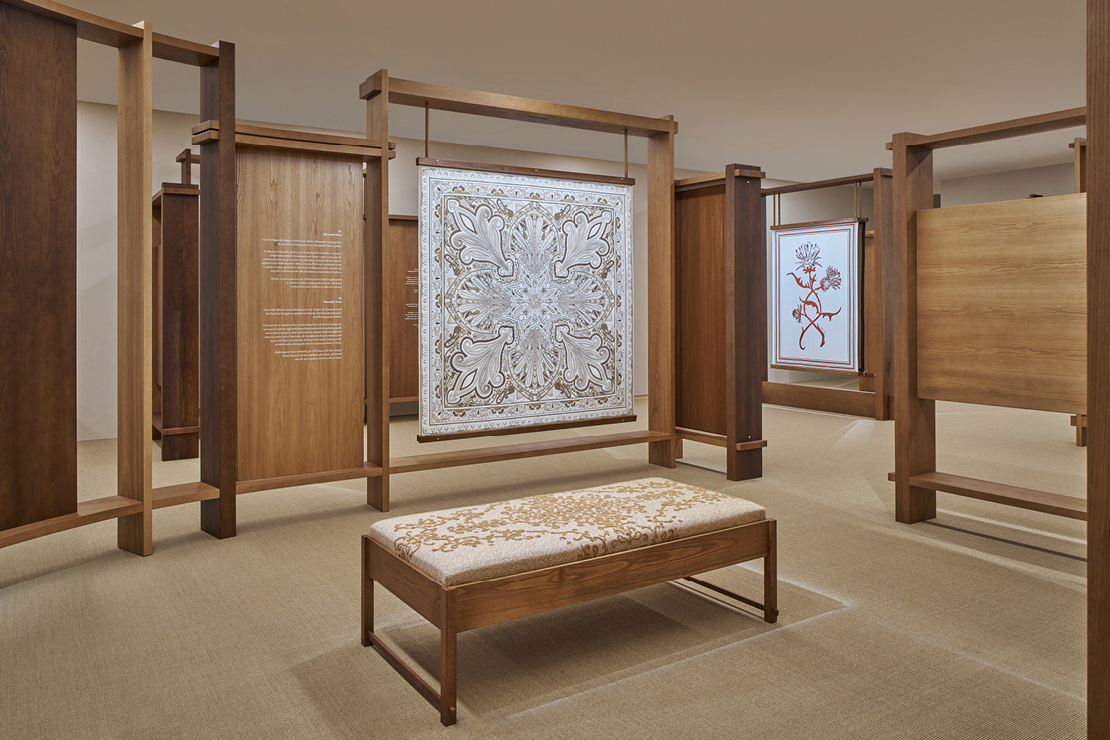
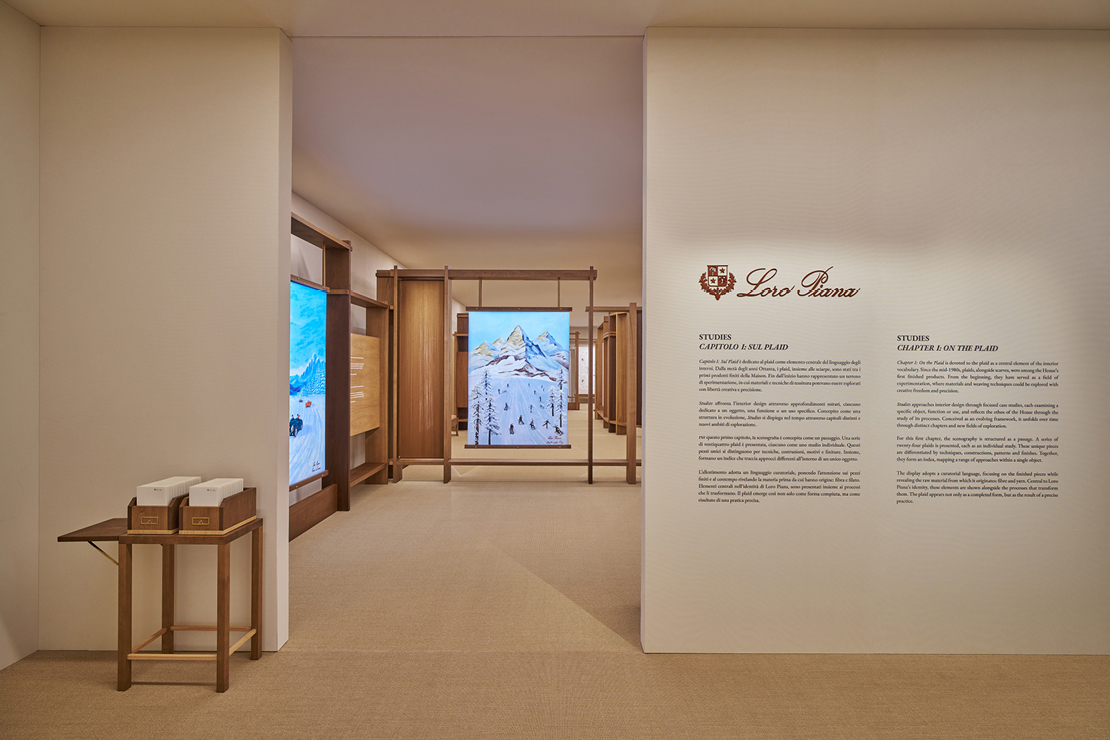
The wider project also explored the codes and symbols that have shaped Loro Piana’s visual identity over the decades. In Codes of the House, functional motifs such as the Belt pattern and the Suitcase Stripe were revisited through weaving and embroidery, demonstrating how utilitarian details evolve into enduring signatures. Elsewhere, Botanic Repertoire revisited the thistle flower that has appeared within the Maison’s coat of arms since 1951, connecting textile finishing techniques to the natural world that inspired them.
Through fibre, texture and technique, Studies, Chapter I: On the Plaid reveals how an everyday object can become a record of heritage, experimentation and human skill.
Resort Reimagined, Cruise 2027 Collections Arrive With a New sense of Glamour and Ease
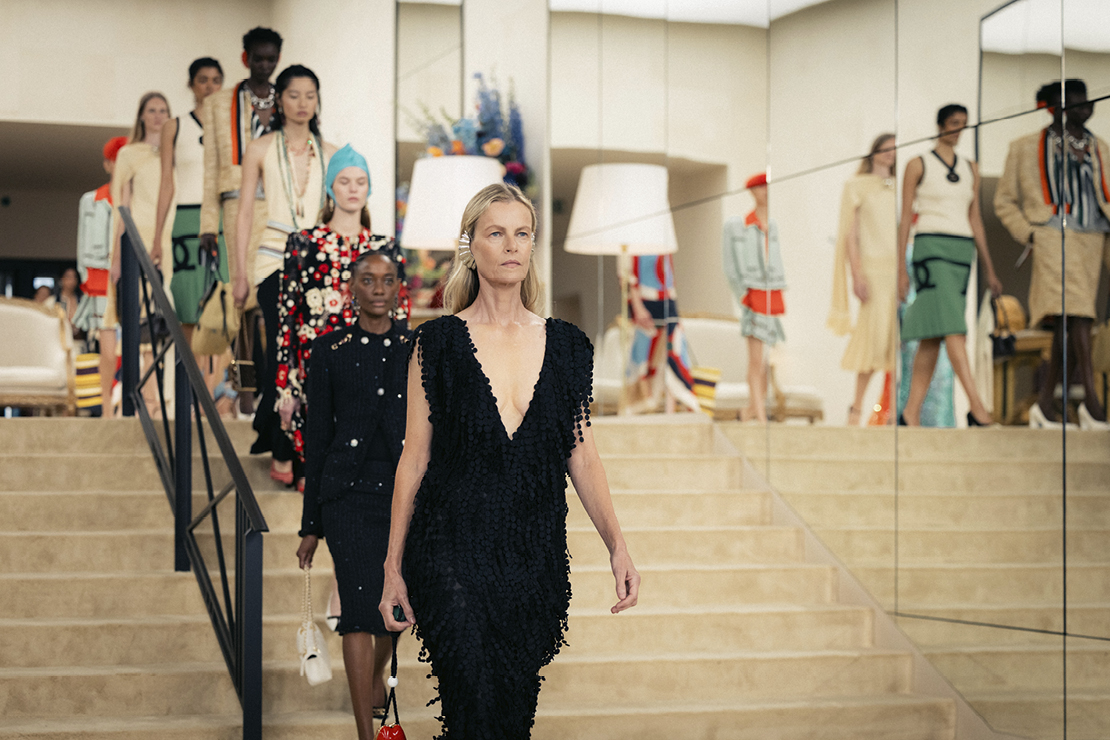
Chanel
Chanel
For his first Cruise collection for Chanel, Matthieu Blazy returned to one of the most important locations in the Maison’s history: the seaside town of Biarritz, where Gabrielle Chanel opened her haute couture house in 1915. The Cruise 2027 show explored ideas of freedom, movement and escape, themes that have long shaped both Chanel’s history and Blazy’s evolving vision for the house.
Biarritz has always held a special place in the Chanel story. Removed from the formality of Parisian society, it represented freedom, movement and modernity for Gabrielle Chanel, who transformed jersey, sportswear and seaside dressing into a new vision of elegance. Blazy tapped directly into this spirit, building a collection that moved fluidly between practicality and glamour, restraint and fantasy.
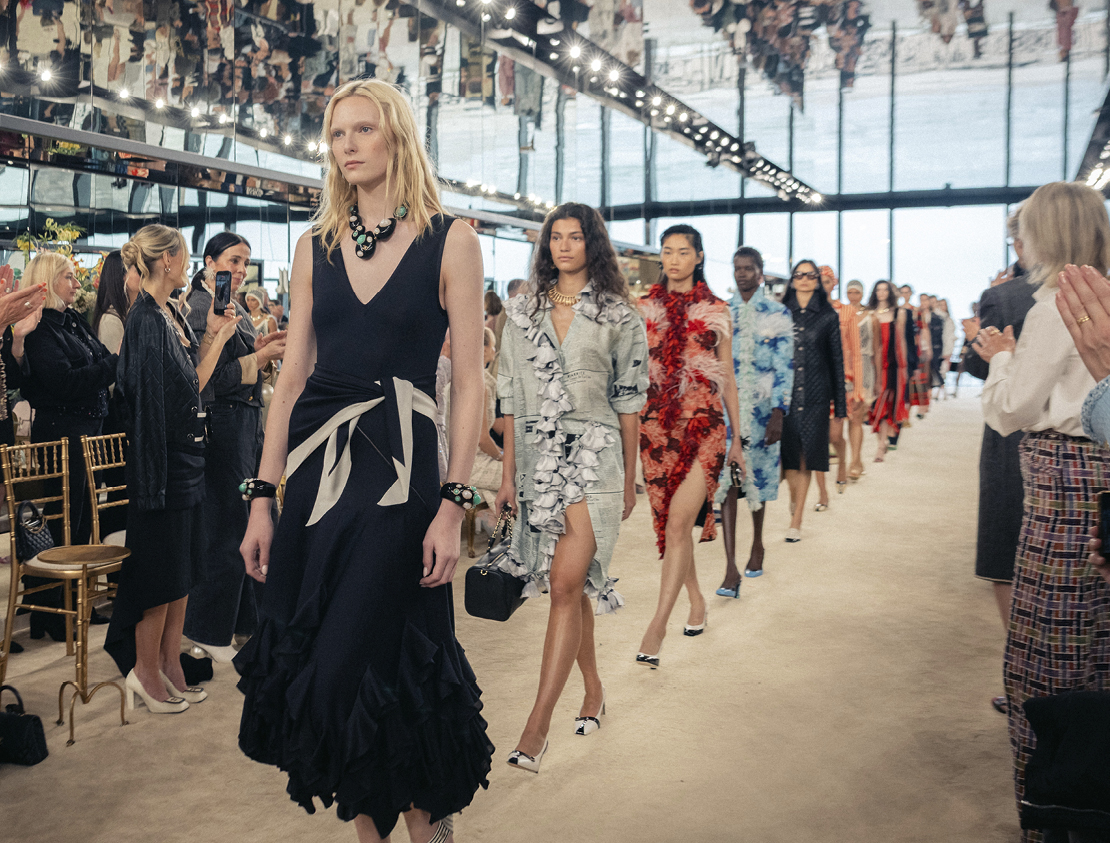
The setting itself reinforced the mood. Held in a mirrored salon overlooking the coastline, the show unfolded against grey skies and crashing waves, grounding the collection in a sense of escape rather than polished Riviera perfection. Blazy described Biarritz as a place where “function and fiction” coexist, and this tension shaped much of the collection.
There was an ease to the silhouettes that immediately felt convincing. Blazy revisited archetypes associated with Chanel, marinière stripes, black dresses, tweed and swimwear, but approached them with a more instinctive and playful hand. A series of looks inspired by 1920s bathing suits and swimming caps referenced the liberation of the female body that Chanel herself championed, while oversized black dresses with dropped waists and sculptural proportions softened the collection’s more graphic moments.
What made the show particularly successful was Blazy’s ability to shift between worlds without losing coherence. Breton-striped sweaters were paired with fluid printed skirts trimmed with tassels, while bold tweeds appeared in vibrant colours that felt lighter and more youthful than the house’s traditional interpretations. Towards the finale, shimmering fish-scale paillettes introduced a dreamlike quality, a subtle nod to the mythology of the sea and the “fictional mermaid” Blazy referenced backstage.
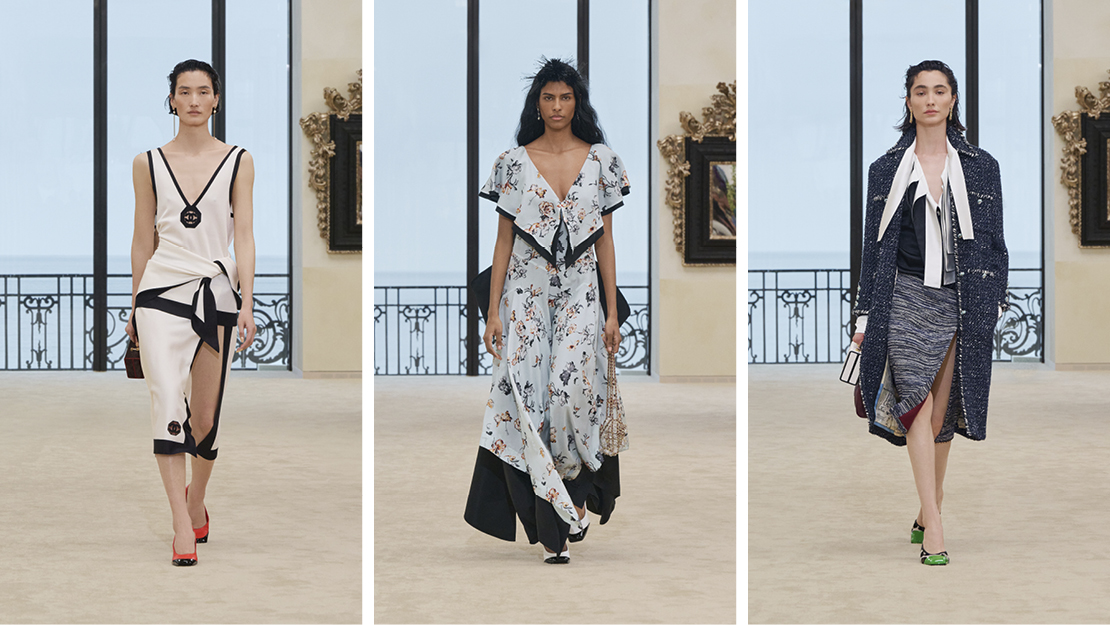
Accessories carried much of the collection’s wit. Oversized beach bags, miniature luggage-inspired purses, and waterproof flap bags reinforced the idea of movement and travel, while the now much-discussed “heel caps” left the foot almost entirely bare except for a sculptural heel tied delicately at the ankle. These touches prevented the collection from becoming too reverential. Instead, they injected humour and experimentation into the house’s heritage.
Most importantly, the show captured something that has long sat at the heart of Chanel: freedom. Not simply freedom of movement, but freedom of identity, of dressing instinctively and without rigid rules.
Dior
For his first Cruise collection for Dior, Jonathan Anderson approached the house with greater confidence and clarity, building on the direction established in his earlier collections while pushing it into more relaxed, expressive territory. Presented against the backdrop of the newly opened David Geffen Galleries at the Los Angeles County Museum of Art in Los Angeles, the Cruise 2027 show reinforced Anderson’s evolving vision for Dior, one that feels intellectually sharp, contemporary and deeply connected to craft.
Anderson’s approach to Dior has been one of the most anticipated creative shifts in fashion, not least because of his ability to merge craft, cultural references and commercial instinct with remarkable precision. Here, he leaned into the idea of American glamour through a distinctly European lens, filtering Hollywood grandeur through his own offbeat sensibility. The result was a collection that balanced elegance with eccentricity, moving between refinement and disruption without ever feeling forced.
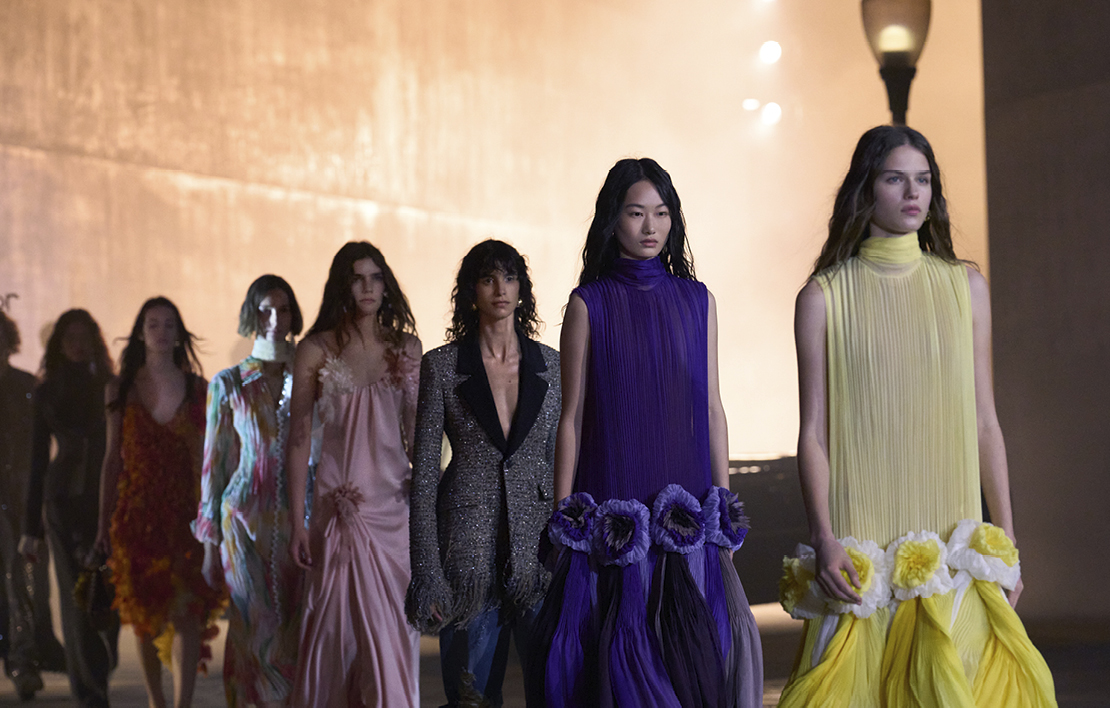
The silhouettes immediately established the tone. Tailoring remained central, but Anderson softened its rigidity through proportion and fabrication. Sharp Bar jackets appeared with subtle twists, while sweeping coats and structured outerwear carried an ease that prevented the collection from becoming overly formal. Elsewhere, voluminous dresses embroidered with rosettes and embellished with florals brought texture and movement to the runway, echoing Dior’s historic fascination with decoration while avoiding nostalgia.
What felt particularly compelling was Anderson’s treatment of fabric. Tweeds, silks and embellished textiles were manipulated in ways that gave familiar Dior codes a more lived-in sensibility. Even the collection’s more theatrical pieces retained a sense of wearability. A velvet evening jacket styled with denim perfectly encapsulated the show’s spirit, dissolving the boundary between couture references and contemporary dressing. It is this balance that Anderson has always mastered so effectively: clothes that feel culturally aware yet instinctive, rather than conceptual for its own sake.
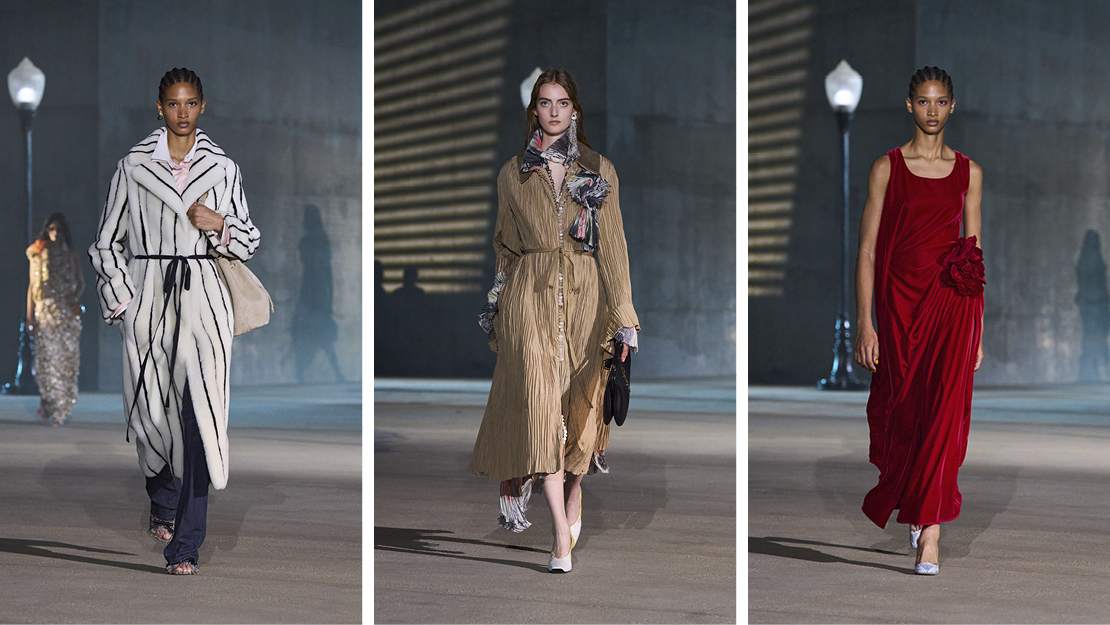
The collection also revealed a more youthful energy at Dior. There was looseness in the styling, ease in the layering, and confidence in letting pieces feel slightly undone. The peplum waists and softly sculpted lines nodded to Dior’s historic silhouettes, yet Anderson approached them with enough restraint to make them feel relevant rather than archival.
With this collection, Anderson offered a dialogue between craftsmanship, modern glamour and personal expression.
Gucci
For Cruise 2027, Gucci presented “Guccicore” in New York, a collection centred around eclectic dressing, layered identities and the expressive energy of personal style. Set against the backdrop of Times Square, and highlighting the city’s fast-moving atmosphere, the show carried a sense of spontaneity and individuality that felt closely connected to the way fashion exists in real life, fluid, emotional and constantly evolving.
The collection moved between glamour and utility. Tailoring remained central, though it was handled with a softer, more relaxed attitude. Oversized coats, elongated jackets and structured outerwear appeared alongside lace slips, sheer fabrics and crystal embellishment, creating silhouettes that felt dramatic while still maintaining ease. Leather outerwear and faux fur added further intensity, lending the collection a darker, more cinematic mood.
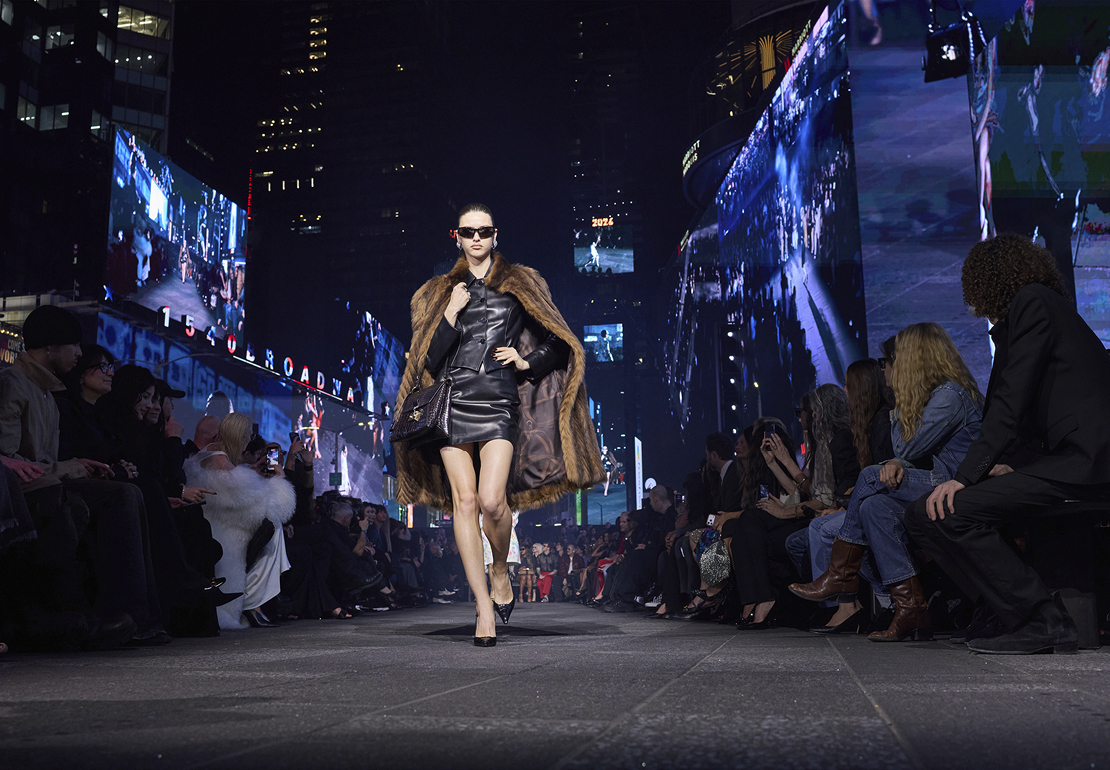
What made the show particularly compelling was its sense of character. “Guccicore” felt populated by multiple personalities and references, echoing the diversity and unpredictability of New York itself. There were nods to nightlife, vintage dressing, corporate uniforms and street style, all layered together through Gucci’s distinctive visual language. The styling embraced contrast and exaggeration, though always with a strong sense of intention.
Accessories amplified this atmosphere throughout the collection. Oversized bags, tinted sunglasses, sculptural jewellery and towering footwear reinforced the exaggerated proportions of the silhouettes, while familiar Gucci signatures appeared subtly throughout. Rather than feeling archival, these references were reworked through a more contemporary lens, giving the collection freshness and immediacy.
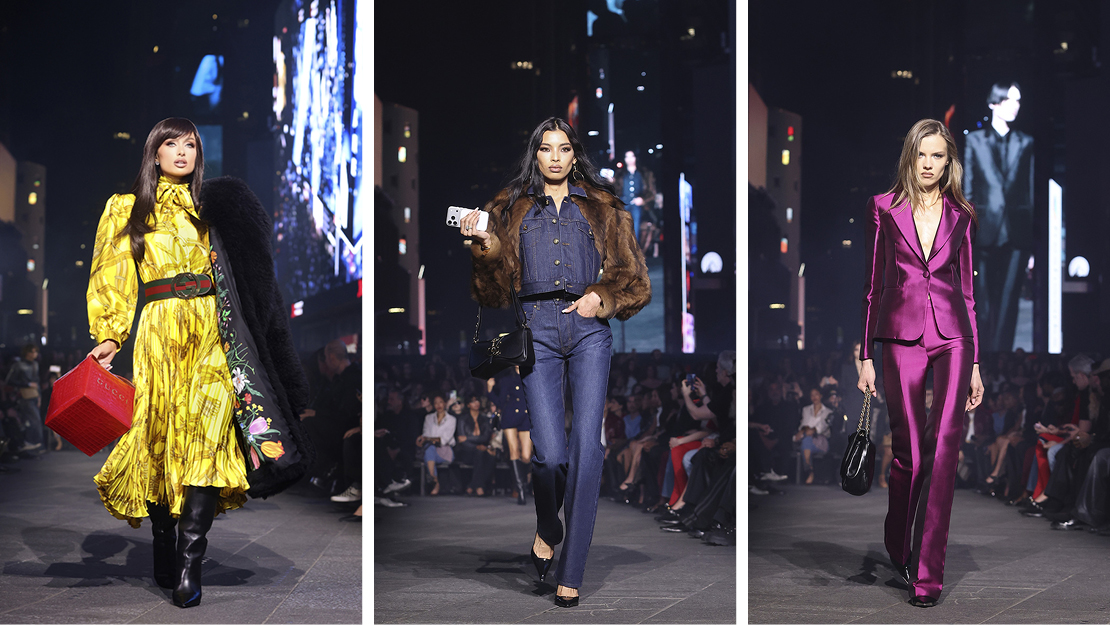
The show also carried a strong emotional energy. At a time when much of fashion continues to favour restraint and minimalism, Gucci remains deeply committed to bold dressing, texture and visual impact. “Guccicore” celebrated fashion as an extension of personality, embracing the idea that clothing can reflect contradiction, experimentation and individuality all at once. The collection leaned fully into excess, glamour and layered styling without losing clarity.
New York itself became an important part of the collection’s identity. The pace, unpredictability, and diversity of the city could be felt throughout the show, shaping clothes that appeared instinctive and lived-in rather than overly polished. The collection captured the feeling of different worlds intersecting, where tailoring, glamour, and street references coexist.
Louis Vuitton
For Cruise 2027, Louis Vuitton also turned its attention to New York, with Nicolas Ghesquière exploring the cultural dialogue between Paris and the city through a collection titled Metropolitan Life. Presented at the historic Frick Collection in Manhattan, the show unfolded as a study of duality, examining the intersections between old-world refinement and contemporary urban energy, French savoir faire and the layered realities of American style.
Ghesquière has long been fascinated by movement, travel and the emotional possibilities of clothing, and here those ideas were channelled through the identity of New York itself. The collection approached the city as a place of contradiction and coexistence, where uptown and downtown, glamour and utility, heritage and subculture continuously collide.
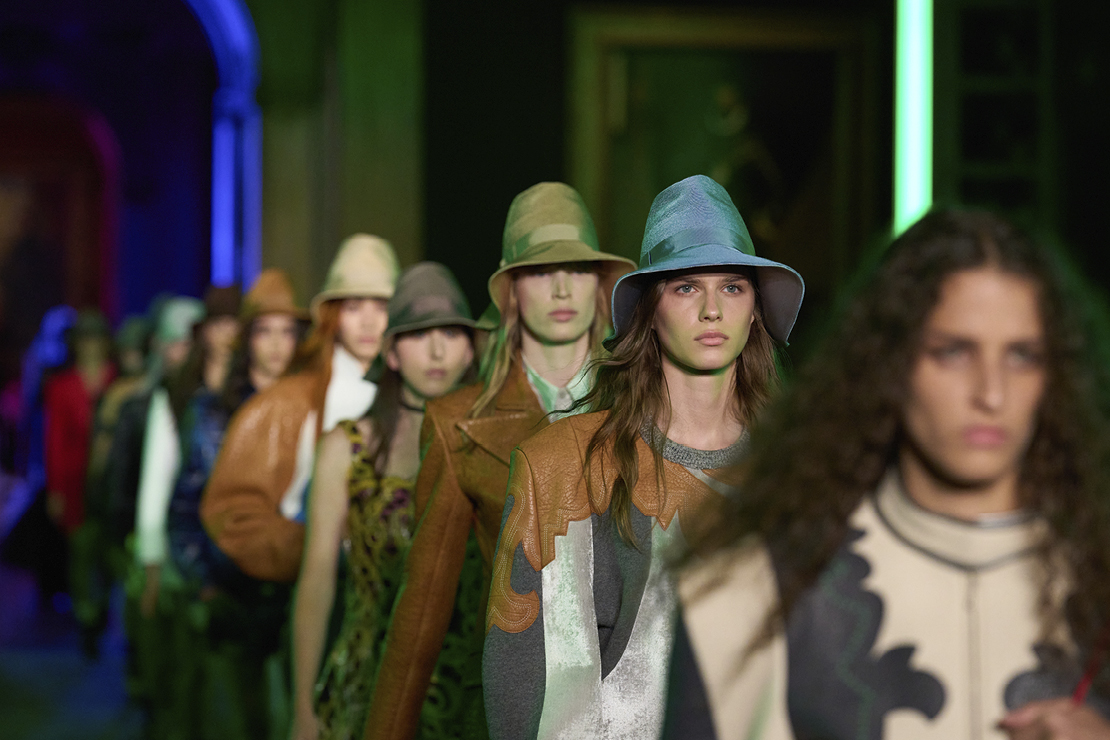
One of the collection’s strongest elements was its integration of pop culture and art. Inspired by the discovery of a 1930s Louis Vuitton suitcase reworked by Keith Haring, the collection incorporated Haring’s instantly recognisable visual language across garments and accessories. Rather than feeling decorative, these references reinforced the show’s wider exploration of New York as both cultural symbol and lived experience. Graffiti-inspired embroidery, vivid colour and graphic detailing brought energy to the collection, balancing the more polished and historical elements of the setting.
The silhouettes reflected this layered perspective. Tailoring remained sharp yet fluid, moving between elongated coats, structured jackets and softened eveningwear. Elsewhere, jersey, leather and denim referenced the foundations of American dressing, though elevated through intricate construction and embellishment.
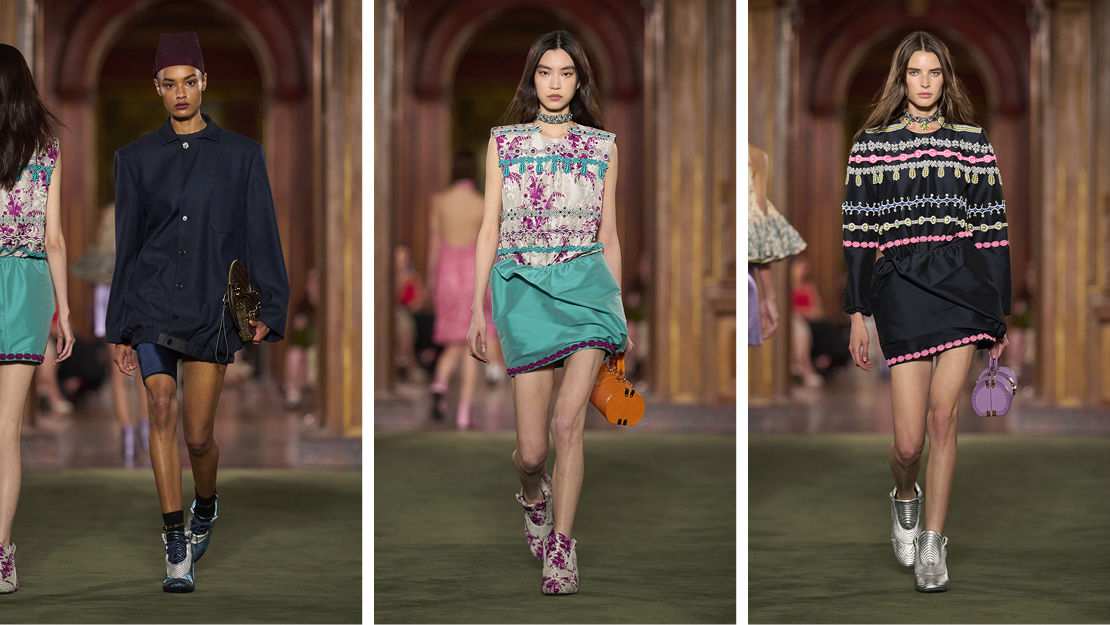
The Frick Collection itself became an important part of the narrative. Surrounded by European decorative arts viewed from an American perspective, Ghesquière positioned the collection within a broader conversation about cultural exchange and reinterpretation. This dialogue could be seen throughout the clothes, where references to the grandeur of the Gilded Age appeared alongside automotive details, slot machine motifs and fragments of street culture. Different eras and identities seemed to coexist simultaneously within the collection, much like the city that inspired it.
Accessories continued this sense of storytelling. Structured trunks, embellished leather goods and sharply detailed footwear grounded the collection within Louis Vuitton’s travel heritage while extending its metropolitan mood. The styling retained movement and energy throughout, giving the impression of characters navigating the city across different moments in time.
Sphere Abu Dhabi to Transform Yas Island Into a Global Entertainment Destination
Abu Dhabi is set to welcome one of the world’s most ambitious entertainment venues with the announcement that Sphere Abu Dhabi will be built on Yas Island, marking the first Sphere venue outside the United States. Developed through a partnership between the Department of Culture and Tourism – Abu Dhabi and Sphere Entertainment Co., the landmark project will see Abu Dhabi invest USD 1.7 billion into the construction phase alone.
Located between Yas Mall and SeaWorld Abu Dhabi, the venue is expected to be completed by the end of 2029 and will accommodate up to 20,000 guests. Like its Las Vegas counterpart, Sphere Abu Dhabi will combine cutting-edge immersive technologies with large-scale entertainment, hosting concerts, sporting spectacles, conferences, brand activations and multi-sensory “Sphere Experiences.”

The project will also place a strong emphasis on Emirati culture and storytelling. Plans include showcasing Emirati artists on the venue’s vast exterior Exosphere LED screen while developing immersive experiences rooted in local heritage and identity. Concert programming is expected to feature both regional and international artists, positioning Abu Dhabi as a major global entertainment and cultural hub.

Positioned close to Zayed International Airport and Yas Island’s growing collection of attractions, including Ferrari World, SeaWorld Abu Dhabi and the upcoming Disney resort, Sphere Abu Dhabi is expected to further strengthen the emirate’s tourism economy while creating thousands of jobs. The project represents another major step in Abu Dhabi’s long-term strategy to position itself as a leading global destination for culture, entertainment and innovation.
Dior’s Diorissima High Jewellery Collection is a Dreamlike Celebration of Nature, Fantasy and Craftsmanship
With Diorissima, Victoire de Castellane once again demonstrates why she remains one of the most influential voices in contemporary high jewellery. The latest collection from Dior Joaillerie is an extraordinary exploration of imagination, nature and artistry, bringing together 141 creations that showcase the House’s enduring commitment to innovation and exceptional craftsmanship.
Presented in Venice, a city long associated with beauty, romance and creativity, Diorissima unfolds across three distinct worlds. Rich in colour, intricate in detail and deeply expressive, the collection draws inspiration from Christian Dior’s lifelong fascination with nature while simultaneously pushing the boundaries of traditional jewellery design.
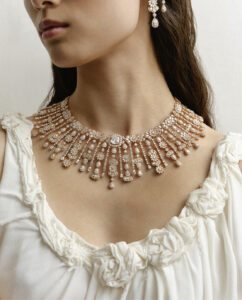
Since joining Dior in 1999, de Castellane has transformed the language of high jewellery, introducing a playful, highly personal aesthetic that blends storytelling with technical mastery. Diorissima continues this approach, taking its name from a legendary Dior fragrance and serving as a tribute to the House’s founder. At its heart, the collection reflects Dior’s vision of beauty through a contemporary lens, where fantasy and craftsmanship exist in perfect harmony.
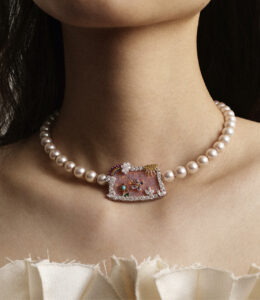
The first chapter immerses viewers in lush botanical landscapes. Here, verdant gardens emerge through intricate compositions of gemstones, precious metals and vibrant colour combinations. A dramatic triptych explores the founding couturier’s love of flowers and the natural world, while simultaneously reflecting de Castellane’s own creative sensibilities. The result is jewellery that feels alive, capturing the movement, texture and spontaneity of nature itself.
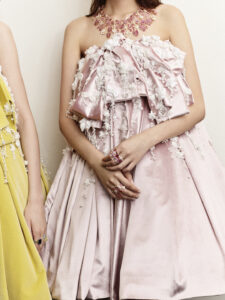
Floral motifs have long occupied a central place within Dior Joaillerie, and they appear here in remarkable new forms. Flowers, leaves and petals are reimagined through bold colour pairings and unexpected material combinations. Rather than striving for realism, de Castellane embraces a more imaginative interpretation of nature, creating pieces that feel dreamlike and emotionally resonant.
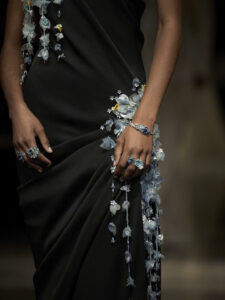
Elsewhere, the collection explores the art of collage, a technique that allows different gemstones, colours and textures to coexist within a single composition. These creations celebrate contrast and individuality, pairing unexpected materials to create dynamic visual narratives. Coral-inspired forms, fish motifs, seashells and bubbles evoke an underwater fantasy, while intricate detailing highlights the extraordinary technical skill behind each piece.
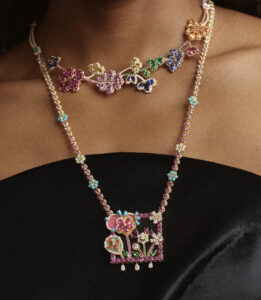
A third chapter introduces a more celestial dimension. Here, sparkling stars, shimmering skies and luminous gemstones create jewellery that appears suspended between reality and imagination. Unexpected combinations of colour and texture bring a sense of movement and wonder, while bold creative freedom remains a defining characteristic throughout.
Across all 141 creations, de Castellane demonstrates a fearless approach to design. Her use of colour remains one of the collection’s defining strengths, with gemstones carefully selected not only for their rarity but also for their ability to evoke emotion. Transparency and opacity, brilliance and softness, structure and fluidity all coexist within the same creative universe.
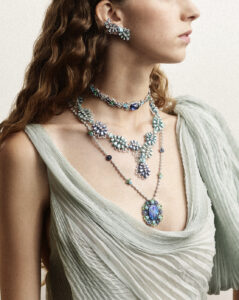
More than a high jewellery collection, Diorissima serves as a celebration of artistic expression itself. It encapsulates the spirit of Christian Dior while reaffirming Victoire de Castellane’s unique vision, one that continues to redefine the possibilities of high jewellery through imagination, emotion and extraordinary craftsmanship. In Diorissima, fantasy becomes tangible, and jewellery becomes a form of storytelling.
Chopard explores beauty, nature and imagination through its 2026 Red Carpet Collection
For its latest Red Carpet Collection, Chopard turns towards the idea of “Miracles,” exploring the beauty of fleeting moments, emotional memory and the extraordinary details found within the natural world. Created by Caroline Scheufele, the Red Carpet Collection 2026 continues the longstanding relationship between Chopard and the Cannes Film Festival, with which the Maison has remained closely intertwined for almost three decades.
Presented as a meditation on wonder and imagination, the collection approaches high jewellery through emotion and atmosphere rather than spectacle alone. Scheufele draws inspiration from what she describes as the “miracles” hidden within everyday life: the movement of clouds, the glow of moonlight, the shifting colours of nature and the emotional traces left behind by moments of beauty. These ideas shape a collection rooted in poetry, light and transformation.
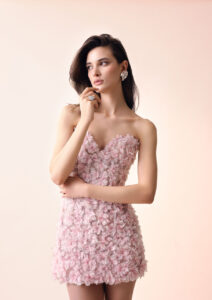
The collection unfolds through a series of exceptional creations that capture Chopard’s signature balance between technical mastery and expressive design. Precious stones appear in vivid, luminous colour combinations, reflecting natural landscapes, celestial references, and organic forms. Diamonds, emeralds, sapphires and coloured gemstones are arranged through fluid settings that create movement and softness, allowing each piece to feel alive on the body.
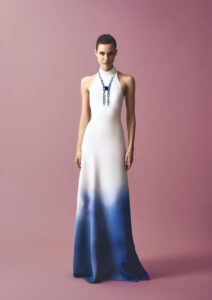
Nature remains central throughout the collection. Floral motifs, flowing structures and delicate sculptural details evoke shifting seasons and changing skies, while the play of light across gemstones reinforces the dreamlike quality of the pieces. There is a strong sense of fantasy woven into the collection, though it is always anchored by the Maison’s exceptional craftsmanship and gem-setting expertise.
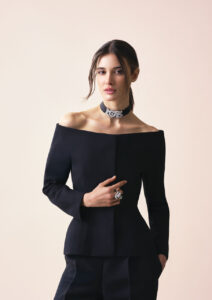
What makes Miracles particularly compelling is the emotional sensitivity behind the designs. Rather than focusing purely on grandeur, the collection explores intimacy and memory through jewellery. Certain pieces feel almost cinematic in their construction, capturing moments of suspension and transformation as stones reflect light or surfaces appear to move with the wearer. The result is a collection that feels deeply connected to the emotional language of the red carpet itself, where jewellery becomes part of storytelling and self-expression.
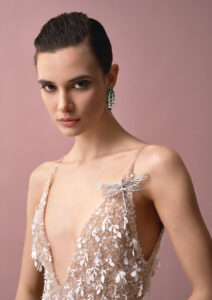
Within Chopard’s Geneva ateliers, these inspirations are transformed through meticulous savoir-faire, with artisans shaping each creation using highly specialised techniques that emphasise fluidity, lightness and precision. Every necklace, ring and earring reflects the Maison’s continued commitment to craftsmanship while embracing a more emotional and imaginative approach to high jewellery.
Amouage and Mandarin Oriental Unveil an Exclusive Fragrance Journey
Inspired by the spirit of Hong Kong and Bangkok and grounded in Omani heritage, Amouage’s new partnership with Mandarin Oriental transforms the hotel experience through a bespoke fragrance and luxury amenities collection designed exclusively for guests.
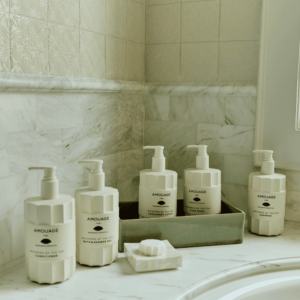
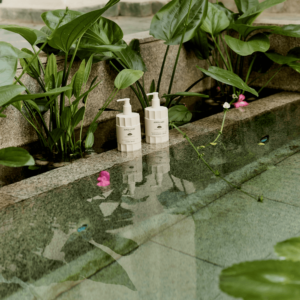
JAZ Hotel Group Launches JAZ Elite Hotels to Redefine Coastal Luxury
Spanning Egypt and Zanzibar, the new collection brings together JAZ Hotel Group’s most exclusive beachfront properties, placing personalised experiences, destination-led design and meaningful travel at the heart of luxury hospitality.
JAZ Hotel Group has unveiled JAZ Elite Hotels, a new luxury hospitality identity bringing together a curated collection of its most elevated beachfront resorts across Egypt and Zanzibar. The launch marks a significant evolution for one of the region’s leading hospitality groups, shifting the focus from scale and expansion towards a more experience-driven approach to luxury travel.
Elite Amara – Marsa Alam
The collection includes properties in some of the region’s most sought-after coastal destinations, including Almaza Bay, Sharm El Sheikh, Marsa Alam, Hurghada and Zanzibar. Each hotel has been selected for its distinctive setting, design and connection to its surroundings, creating a portfolio that prioritises individuality over uniformity.
At the heart of the concept is a reimagining of the traditional all-inclusive model. Rather than a one-size-fits-all approach, JAZ Elite Hotels offers guests greater flexibility through personalised experiences, curated dining concepts under the JAZ Flavors programme and integrated wellness experiences through Mividaspa.
JAZ Elite Aurora – Zanzibar – Room View
The launch comes as luxury travellers increasingly seek deeper connections to the places they visit, valuing atmosphere, authenticity and meaningful experiences alongside service and amenities. JAZ Elite Hotels has been designed to respond to this shift, creating immersive environments that celebrate both destination and culture.
“JAZ Elite Hotels represents a natural evolution of how we see luxury today,” said Alaa Akel, Chairman and CEO of JAZ Hotel Group. “It is not about doing more, but about doing better, refining what already exists and shaping experiences that feel more intentional, more connected and more distinct to each destination.”
Additional properties, including JAZ Elite Cavo in Sokhna and JAZ Elite Nejma in Marsa Alam, are scheduled to join the collection in 2026, further expanding the brand’s vision for contemporary luxury hospitality across the region.
Spanish Landscapes Inspire LOEWE Perfumes’ New Campaign
LOEWE Perfumes is returning to its roots with a new campaign that celebrates the connection between fragrance and nature through some of Spain’s most striking landscapes. Captured by photographer Peter Jordanov and videographer Marc Dimitrov, the campaign showcases the diverse terrain of LOEWE’s home country, using natural environments to reflect the character of the brand’s fragrances.
The imagery forms part of the LOEWE Landscape collection, where each scent is paired with a location that echoes its olfactory identity. Fields of wildflowers, rugged mountains, mineral-rich terrain and dramatic coastal scenery become visual extensions of the fragrances themselves.
LOEWE Perfumes Esencia Elixir
Leading the campaign is the newly launched LOEWE Aire Sutileza Elixir, a floral and musky fragrance with notes of pear, bergamot and lemon, presented against a blooming landscape of wildflowers. Elsewhere, the woody LOEWE Esencia Elixir is set among lush mountains, while LOEWE Solo Ella Elixir is framed by the warm glow of a Spanish sunset.

LOEWE Perfumes Pistachio Candle
The campaign also extends to LOEWE Home Scents, whose botanically inspired candles are set within the same natural environments. Together, the imagery highlights LOEWE’s enduring fascination with the natural world, transforming Spain’s landscapes into a sensory expression of fragrance, emotion and place.
Rolls-Royce and Cyril Kongo Transform the Black Badge Cullinan into Rolling Works of Art
Rolls-Royce Motor Cars has unveiled one of its most ambitious artistic collaborations to date, presenting five unique Black Badge Cullinan commissions created in partnership with internationally acclaimed artist Cyril Kongo. Developed through the marque’s Private Offices in New York, Seoul and Goodwood, the project sees Kongo’s vibrant visual language integrated throughout the luxury SUV, transforming each vehicle into a one-of-one collector’s piece.
While Rolls-Royce has a long history of collaborating with artists and creatives, this project represents an unprecedented level of collaboration. Kongo was embedded within the company’s Bespoke Collective, working alongside designers, engineers and craftspeople at the Home of Rolls-Royce in Goodwood. Over several months, he was given dedicated studio space within the marque’s facilities, allowing him to hand-paint each component directly.

The result is a series of five motor cars united by a common theme but distinguished by individual artistic interpretations. Inside, Kongo’s signature aesthetic universe, known as the “Kongoverse”, unfolds across the Starlight Headliner, fascia, centre console, picnic tables and rear waterfall section. Inspired by imagination, exploration and individuality, the artworks incorporate references to planets, constellations and quantum physics, creating dreamlike compositions that celebrate limitless creativity.

The most striking feature is the hand-painted Starlight Headliner. Each one features 1,344 individually positioned stars, with Kongo personally determining their placement and colour. A final star stretching the entire length of the ceiling marks a first for Rolls-Royce. Throughout the cabin, vibrant colours contrast against a black foundation, with Phoenix Red, Turchese, Forge Yellow and Mandarin creating distinct zones within the interior.

The exterior adopts a more restrained approach, finished in Blue Crystal Over Black and accented by bespoke gradient coachlines incorporating Kongo’s signature tag motif. Even the brake callipers feature different colours, another first for the marque.

All five Black Badge Cullinan by Cyril Kongo commissions have already been allocated to collectors, underscoring the growing demand for highly personalised luxury objects that blur the boundaries between automotive design and contemporary art.
Miu Miu launches Upcycled 2026
A vintage-inspired collection built around the classic white cotton shirt and khaki chinos.
Miu Miu launches its new Upcycled collection: a conversation between the past and the present, the emotion of history and the immediacy of the new. This emerges in an accompanying campaign, featuring singer, model and actress Suki Waterhouse. Drawing similarly on notions of time passing, here is an homage to Miu Miu’s own archive, upholding a restrained and elegant perspective, with an eye on reimagination and renewal. All serves to reinforce Miu Miu’s connection to vintage clothing and its commitment to breathing life into garments once worn and loved by others.
For 2026, Miu Miu Upcycled begins with the classic white cotton shirt and a pair of khaki cotton canvas chinos. These are two pieces beloved for their perfect fusion of form and function, and of sophistication and ease, both exemplifying the juxtaposition at the heart of the Miu Miu universe.
In a studio empty save for a single chair, against a backdrop predominantly confined to signature blue and khaki, the power of gesture, posture and gaze – at times introspective, at others direct – is emphasised. The power of character and the power of clothing interact – they are intimately intertwined.

The garments for the Miu Miu Upcycled collection were sourced in limited numbers from experts in vintage clothing worldwide. Each piece is carefully restored, then refashioned. Silhouette is reinvented: exaggerated, abbreviated, oversized. Trousers become jackets, bustiers and skirts. Shirts are reiterated as dresses and apron tops. Sleeves are slashed, pockets are patched and finished with ribbons and bows. Collars are introduced in signature aged leather, buttons are removed and replaced, and utilitarian surfaces are printed and embroidered with crystal flowers. Accessories are similarly reconsidered: a khaki pouch or backpack, printed, embroidered, and with leather trim; the Plume sneaker in the same material, finished with personalised laces and charms.
Any marks of ageing celebrated: the lives and experiences of previous owners are profoundly respected. In this way, even such apparently unassuming wardrobe archetypes are infused with meaning. Finished by hand, it is the very nature of Miu Miu Upcycled that no two garments are the same.
Miu Miu Upcycled 2026 was first unveiled in Tokyo at the Miu Miu flagship in Ginza on May 13, 2026, on the occasion of Miu Miu Jazz Club, and is available in selected stores worldwide from May 18, 2026.
