

Maison Valentino unveils the Valentino Sama 2026 Capsule Collection
Maison Valentino unveils the Valentino Sama 2026 Capsule Collection, a refined expression of women’s ready-to-wear and Valentino Garavani accessories created to mark the spirit of Ramadan. Conceived by Creative Director Alessandro Michele and photographed by Julie Greve, the accompanying campaign unfolds in a poetic setting where soft golden light filters through garden-filled interiors, lending the collection a sense of intimacy and quiet elegance.
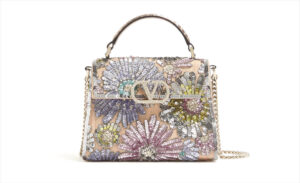
Comprising six ready-to-wear looks, the capsule blends the Maison’s signature sophistication with the warmth and radiance of the season. Fluid cady couture gowns with V Gold detailing sit alongside coordinated trouser sets, kimono silhouettes and kaftan-inspired pieces, all rendered in luminous rose gold tones and richly textured fabrics. Decorative motifs and feather accents add subtle drama, while side splits and jewel buttons introduce a modern edge.
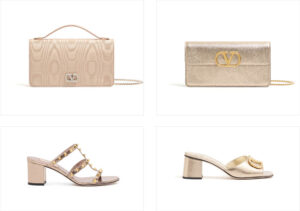
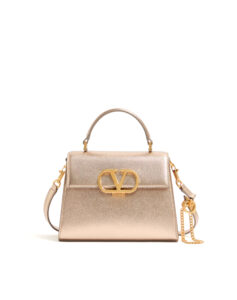
Accessories complete the story, with Valentino Garavani handbags reimagined in champagne metallic leathers, intricate embroidery and mirror-like embellishments that echo the collection’s refined, celebratory mood.
Discover Loro Piana’s Exclusive Ramadan Collection
Loro Piana
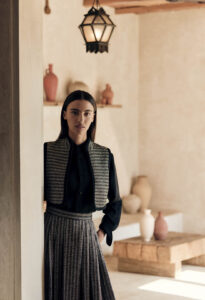
True to the Maison’s quiet authority, Loro Piana’s Ramadan 2026 Capsule Collection centres on a sense of lightness and fluidity, translating the spirit of the season into garments that feel both intimate and elevated. Centred around Loro Piana’s signature elongated silhouette, the collection is shaped by clean lines and a graceful sense of flow that feels modern, comfortable and timeless all at once. Fabrics drape softly against the body, suggesting ease without ever compromising precision. Each piece appears deceptively simple, yet reveals the meticulous craftsmanship and material excellence for which the house is renowned. The mood is calm, confident and effortlessly refined, perfectly suited to the rhythm of Ramadan and the gatherings that follow.
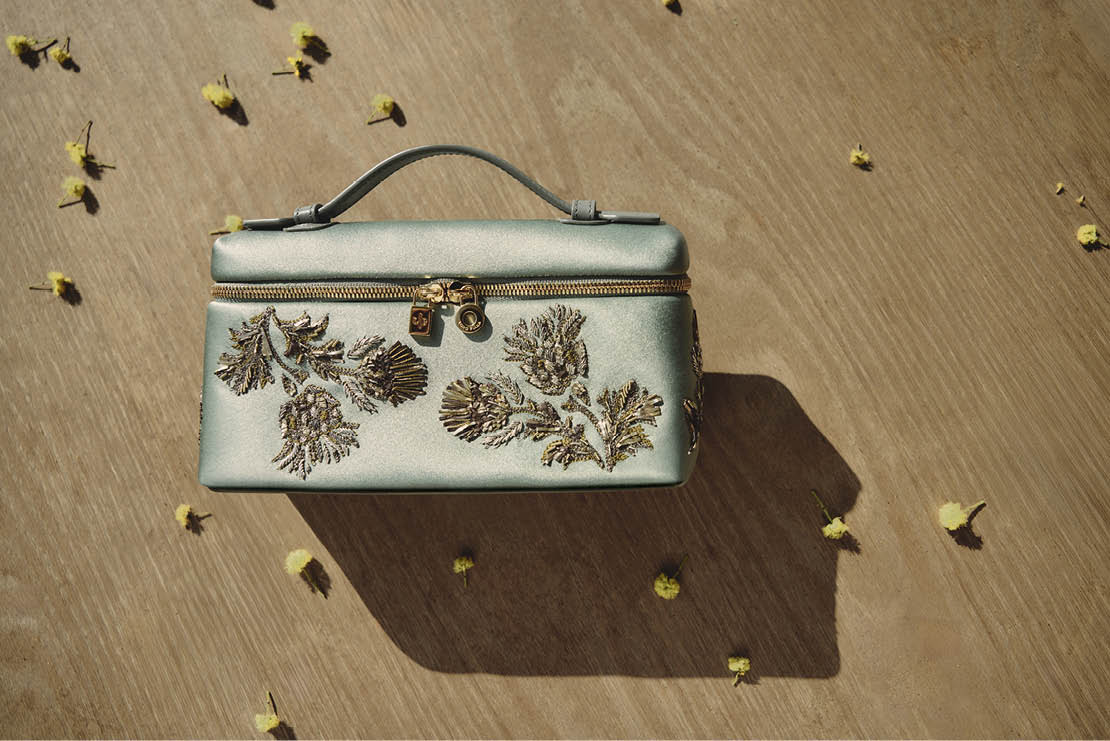
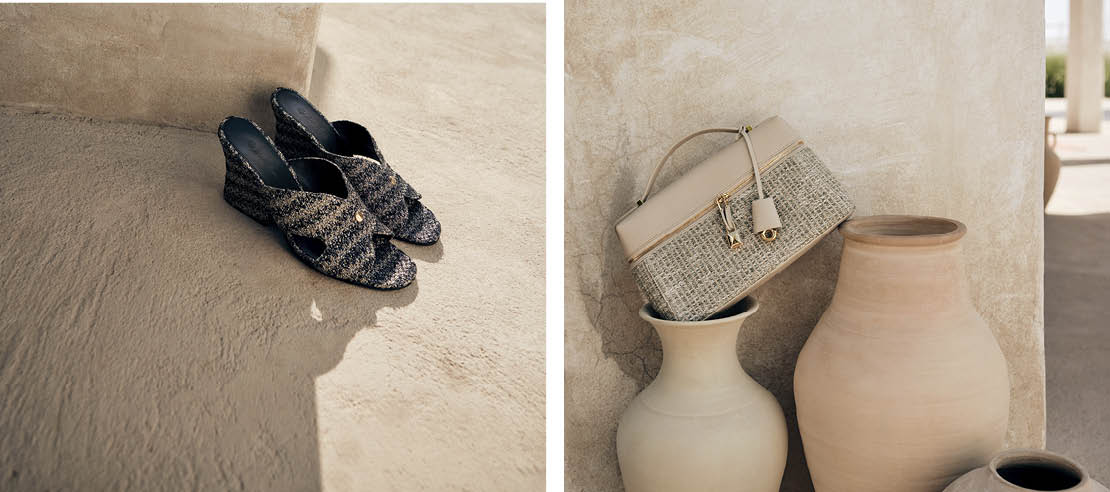
Iconic accessories complete the offering. The iconic Extra Bag and Extra Pocket return in the most exquisite materials, reinforcing Loro Piana’s mastery of texture and tactility. Their understated silhouettes feel perfectly curated, versatile enough for both daytime moments and evening engagements. Meanwhile, the Vera mules add a subtle note of sophistication, marrying comfort with impeccable design.
Brunello Cuccinelli unveils and exclusive Abaya Capsule Collection
Brunello Cucinelli’s Fall Winter 2025 Abaya Capsule Collection offers a considered meeting point between tradition and contemporary refinement, translating the house’s humanistic approach to luxury into a language that feels both timeless and modern. Rooted in the season’s dialogue between instinct and reason, the pieces balance structure with fluidity, precision with softness, creating silhouettes that move with effortless grace while retaining sartorial clarity.
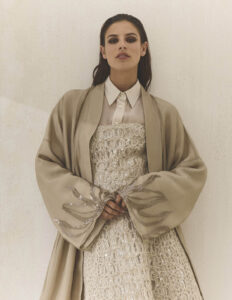
Crafted from noble materials, the abayas are defined by lightness and versatility. Crispy silk lends a refined crispness and gentle movement, while intricate embellishments draw inspiration from nature. Floral motifs, croc-inspired embroideries and fil coupé textures add subtle depth and rhythm without excess, allowing craftsmanship to speak quietly.
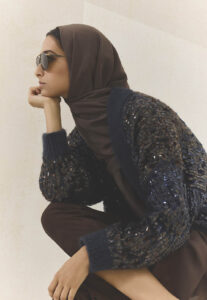
The palette reflects an emotional landscape of natural hues such as sand, stone, cocoa and cloud, punctuated by richer tones of burgundy and slate. Layering plays a central role, with abayas styled alongside soft cashmere knits, equestrian-inspired trousers and relaxed wool coats or denim overshirts. Finishing touches like the BC Duo mini bag in curly shearling or suede caps with polished bands add discreet luxury.
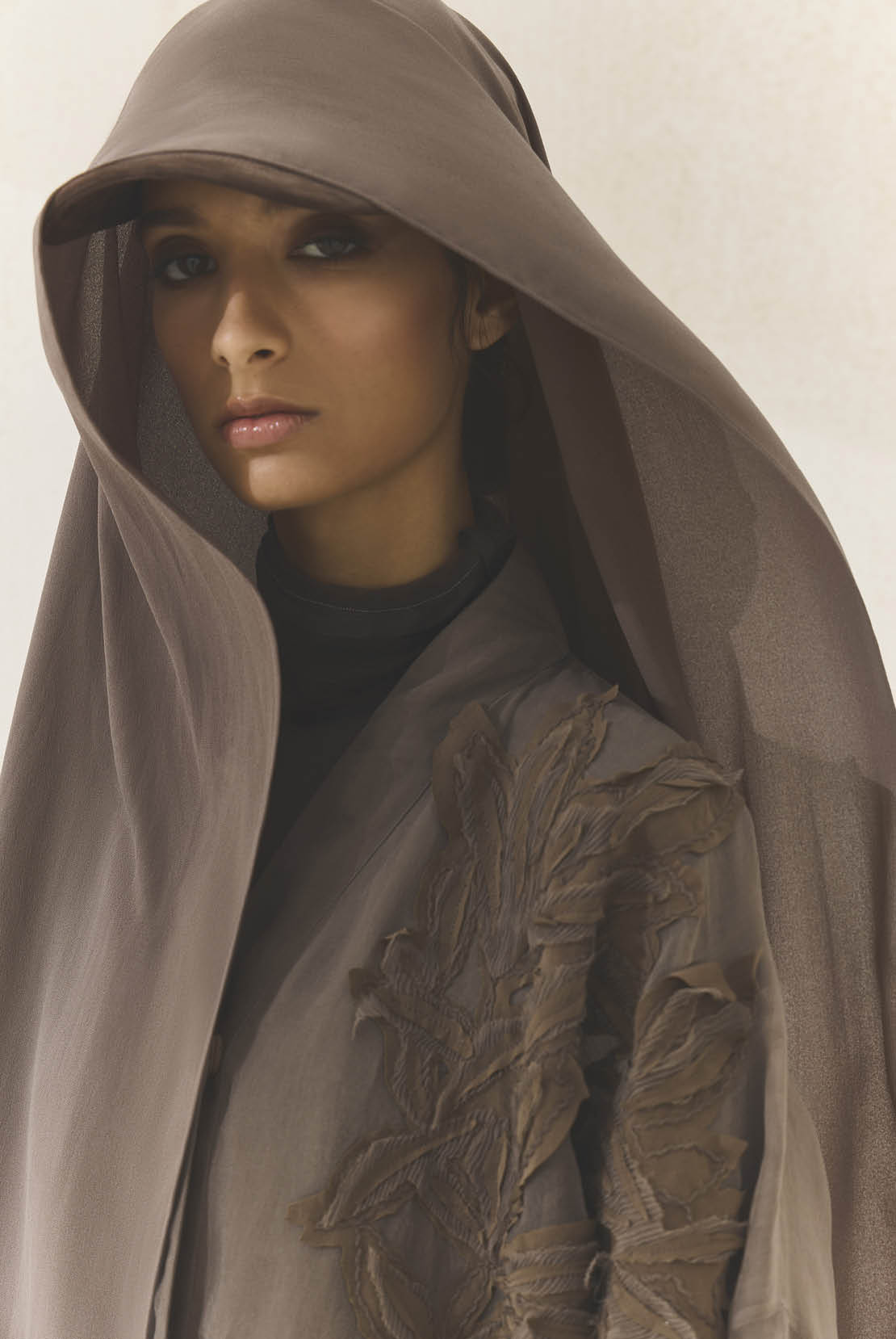
Together, the collection reimagines modern heritage, blending artisanal detail with ease, intuition with intention, and elegance with everyday wearability.
Prada’s Ramadan 2026 collection is a carefully considered expression of modern elegance
Prada’s Ramadan 2026 collection is a carefully considered expression of modern elegance, aligning sartorial refinement with the spirit of the season. The edit is defined by lean silhouettes and a sense of graceful ease. Flowing lines, soft structure, and considered proportions give each piece a poised, unforced elegance. Fabrics play a central role in this narrative. Lustrous surfaces and fine textures are enlivened by a subtle shimmer that feels festive without ever appearing excessive. Ultra-light Re-Nylon introduces a contemporary edge, particularly in elongated dusters with contrasting linings that move beautifully with the body. Pleated skirts grazing the ankle, paired with matching shirts, sit alongside crisp poplin shirtdresses that encapsulate Prada’s modern sophistication. The design language is precise and radiant, balancing restraint with refinement.
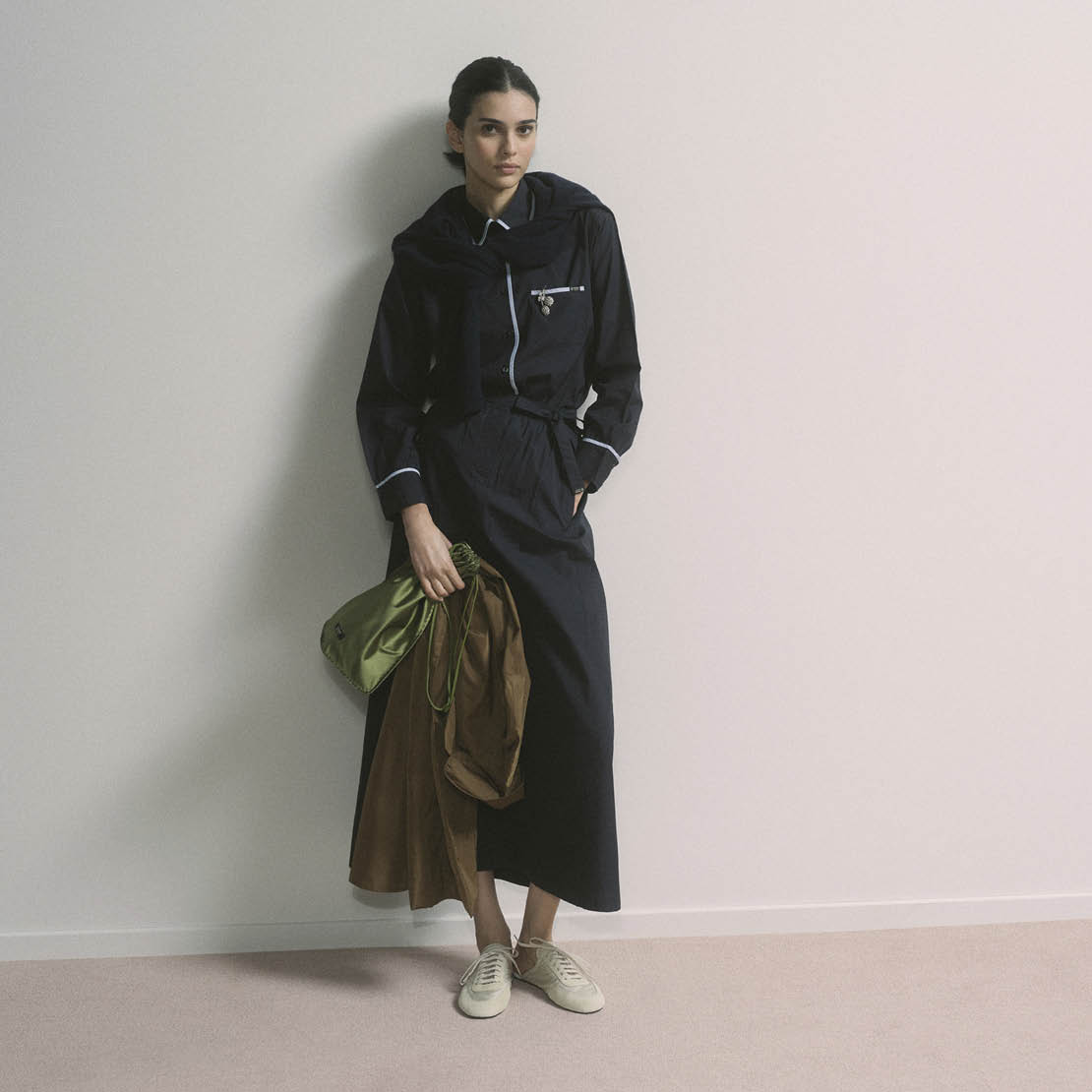
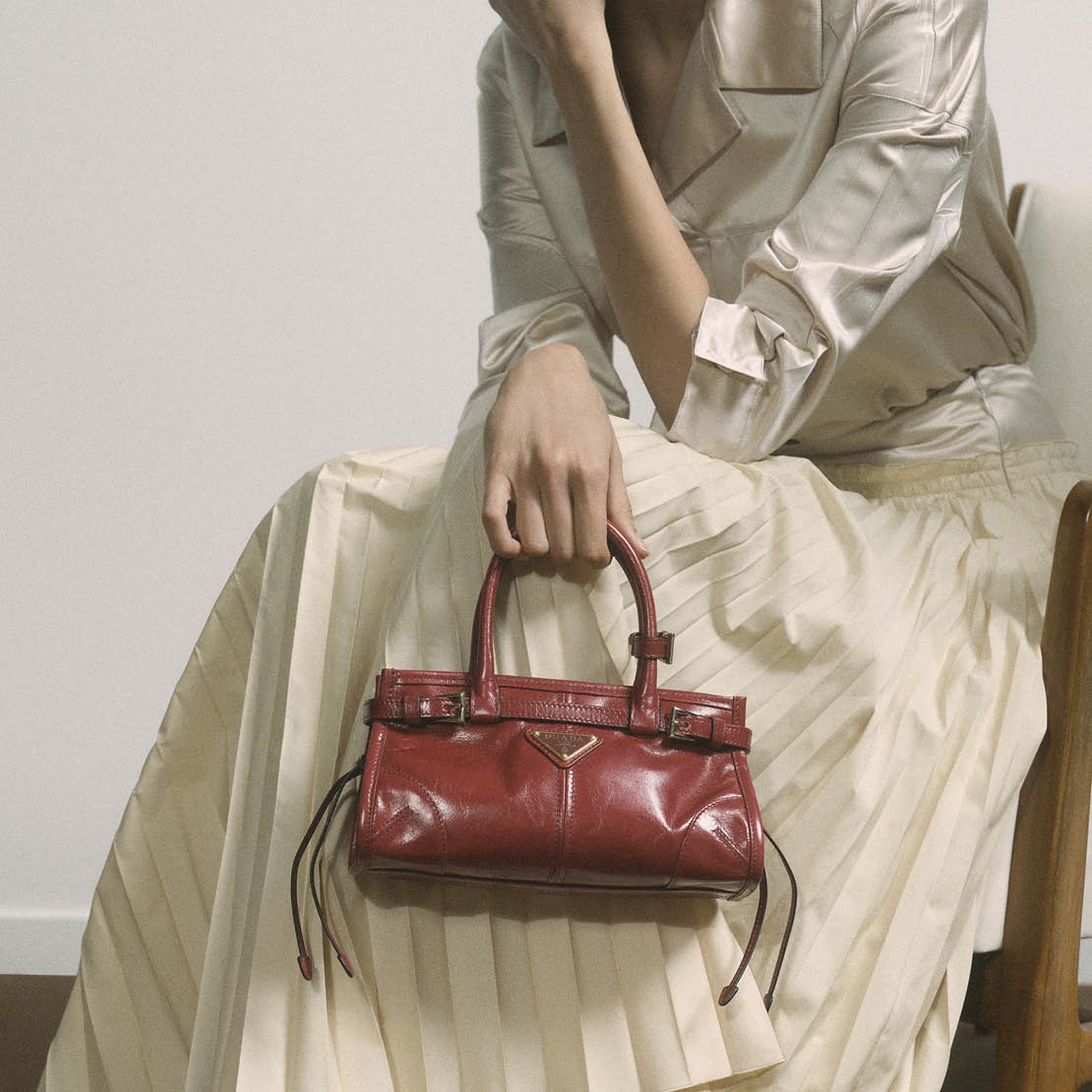
As day gives way to evening, the mood shifts towards a more overt femininity. Velvet, silk, satin, and duchesse gowns are delicately embroidered with crystals, creating a gentle sparkle that catches the light with understated glamour. These pieces feel celebratory yet timeless, designed to transition seamlessly from intimate gatherings to grander occasions. Accessories extend the collection’s polished character. House icons such as the Galleria bag are joined by newer silhouettes, including the Bonnie and the Pyramid. The Wish bag appears in satin for evening, while supple leathers and luminous hues complete the curated selection. Footwear moves fluidly between relaxed and refined, ranging from sneaker-sabot hybrids and slides to elegant slingbacks and sculptural platform sandals.
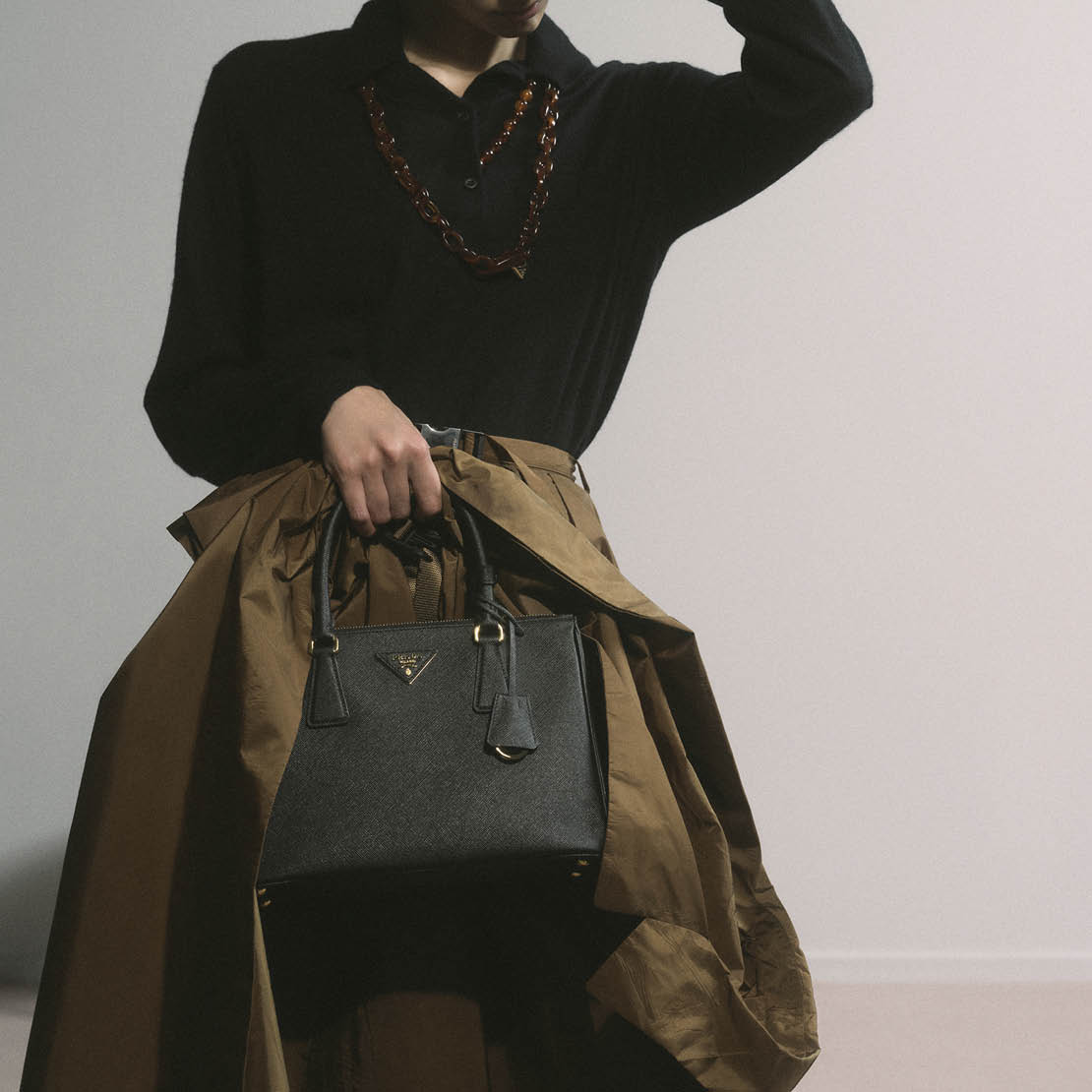
The men’s offering features sleek leather blousons that pair effortlessly with tailored bermudas or fluid trousers, while fine-gauge cashmere and merino polos layer beneath relaxed jackets. Subtle graphic zip shirts introduce a quiet personality, and the new Speedrock sneakers bring a touch of retro dynamism. The Duffle holdall anchors the look with practicality and polish.
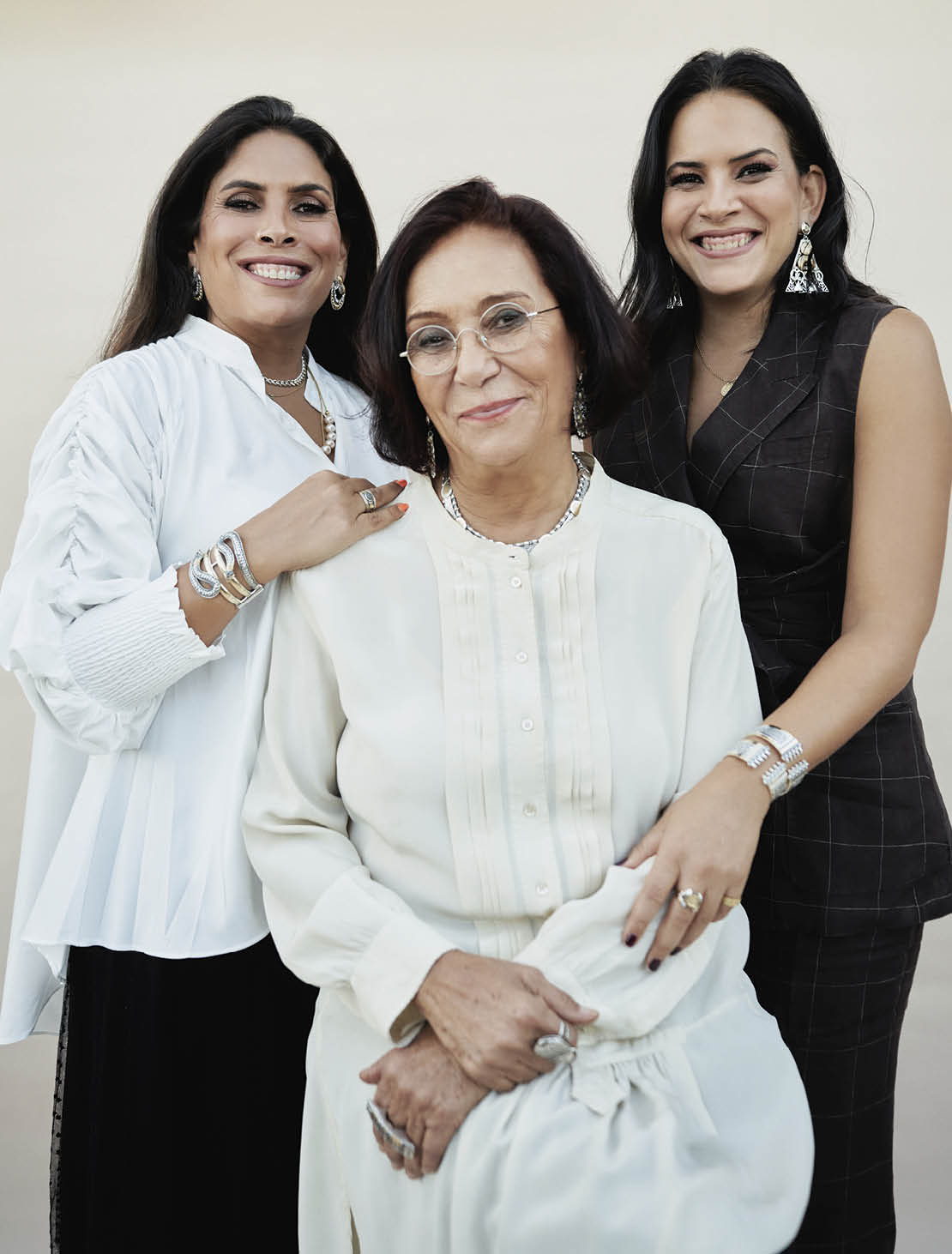
Azza Fahmy and her daughters, Amina and Fatma Ghali, discuss preserving the Maisons legacy for generations to come
Built on craftsmanship, cultural pride and fearless curiosity, Azza Fahmy has become one of the Middle East’s most influential jewellery houses. What began in 1969 as a bold personal journey for its founder, when Azza Fahmy became the first woman in Egypt to apprentice with master jewellers in Cairo’s Khan El Khalili, has since grown into an internationally recognised brand celebrated for its depth of meaning and artisanal excellence.
At the heart of the Maison is a commitment to storytelling. Each piece is shaped by historical research, skilled craftsmanship and a personal artistic touch, resulting in jewellery that feels both timeless and deeply individual. Designed as wearable art, many creations are passed down through generations, becoming modern heirlooms with emotional value.
Today, the brand is writing a new chapter in its story, led by three women from the same family. Azza Fahmy remains Chairwoman and Creative Director, guiding the creative vision, while her daughters Amina Ghali, Head Designer, and Fatma Ghali, CEO, oversee design and global growth. Together, they balance legacy with evolution, ensuring the brand continues to expand while staying true to its foundations.
In this interview, Azza, Amina and Fatma reflect on heritage, leadership and creativity, sharing how trust, shared values and generational dialogue shape the future of Azza Fahmy jewellery.
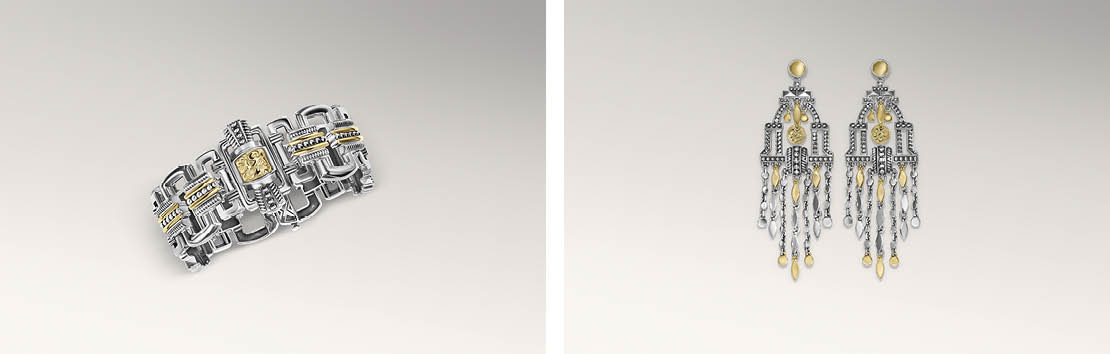
Azza, how did the original vision for the brand take shape, and how have these original values evolved over time?
Azza: The brand began with a very personal curiosity and deep respect for craftsmanship. From the beginning, it was about learning directly from artisans, valuing skill, patience and humility, and believing that jewellery could carry significant meaning. Those values have never changed. What has evolved is the scale. Today, we are telling stories to a wider world, but the brand’s soul remains.
What does it mean to see the brand evolve with your daughters now playing such central roles?
Azza: It is deeply fulfilling. Seeing the brand grow through my daughters gives it continuity and life. They bring their own perspectives while understanding the essence of the brand and what we built. It reassures me that the brand is in safe hands, able to evolve naturally without losing its heart, passion and identity.
Fatma, as CEO, how do you balance protecting the brand’s heritage while guiding it forward?
Fatma: For me, heritage is not something to preserve in a static way. It is a foundation we continue to build on. My role is to ensure that as we grow, expand and enter new markets, every decision aligns with our values and vision. Growth is important, but it must always feel intentional and authentic. The balance comes from knowing what should never change and guiding evolution in a way that remains true to our values.
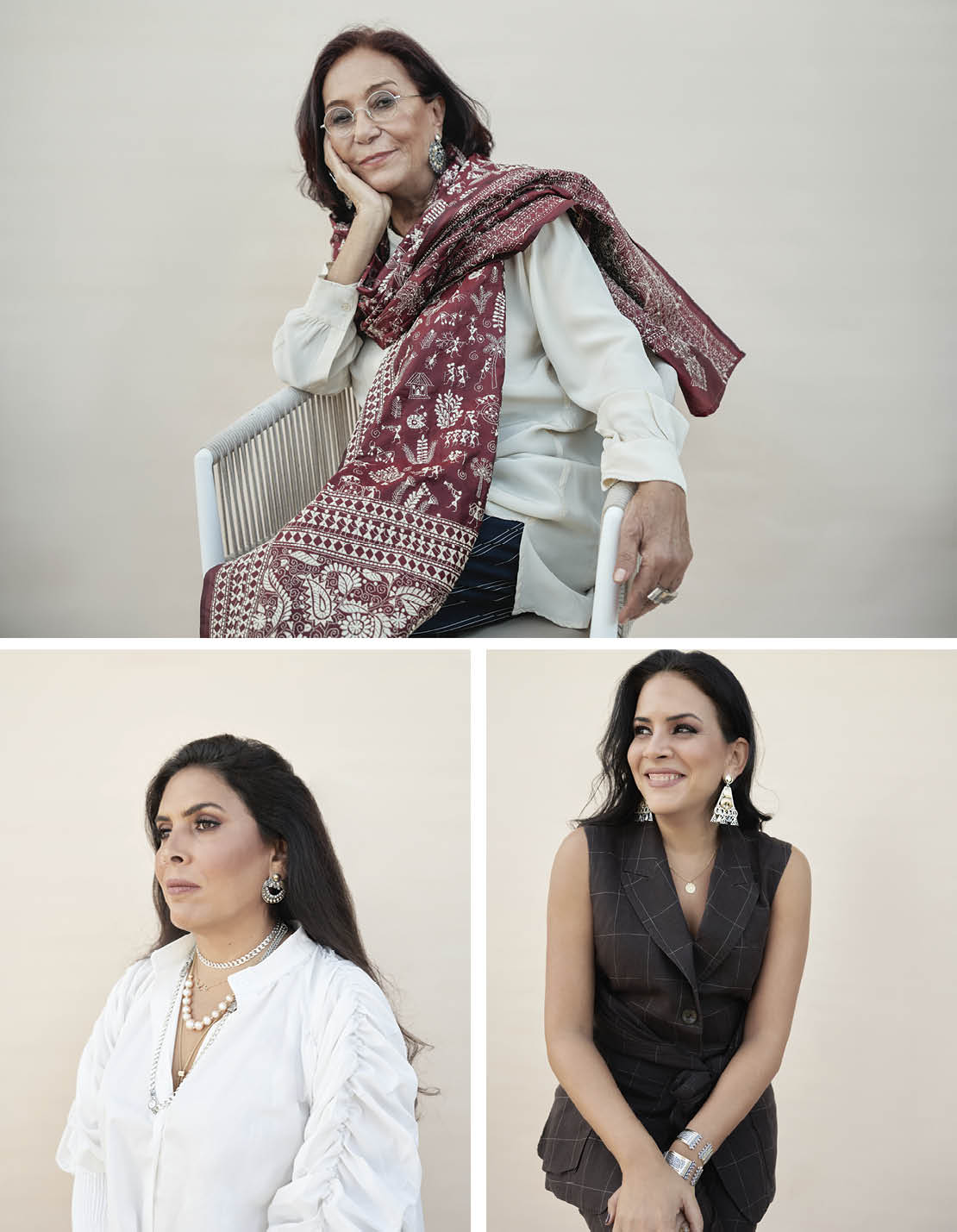
Amina, how would you describe your design approach, and how does it build on or reinterpret the brand’s legacy?
Amina: My design approach is rooted in research and emotion. I am inspired by history, poetry, architecture and cultures from around the world, and of course by the legacy of the brand and my mother. That legacy is my foundation, but my role is to reinterpret it for today. I think about how a piece feels when worn, how it becomes part of someone’s identity, and how it can remain timeless while still speaking to the present moment.
How do the three of you divide roles and decision making within the business?
Fatma: Each of us has a clear role. Azza is the soul and compass of the brand; as Chairwoman and Creative Director, she oversees all creative elements. Amina, as Head Designer, leads the direction and design of our collections. I focus on strategy, operations and long-term growth. We collaborate closely, especially on major decisions, because we are aligned.
What have been the biggest challenges and advantages of working together as a family?
One of the main challenges is learning how to separate work from our personal lives. We have become much better at it over time, but we continue to work on it. The advantage is trust. We share the same values, history and commitment to the brand. That creates a level of honesty and accountability that is very rare.
How do different generations within the brand influence creativity, leadership and long-term thinking?
Amina: Each generation brings a different lens. Azza Fahmy brings depth, instinct and lived experience, while I bring a contemporary design perspective shaped by global exposure. Together, this creates a continuous dialogue that keeps the brand grounded yet forward-looking.
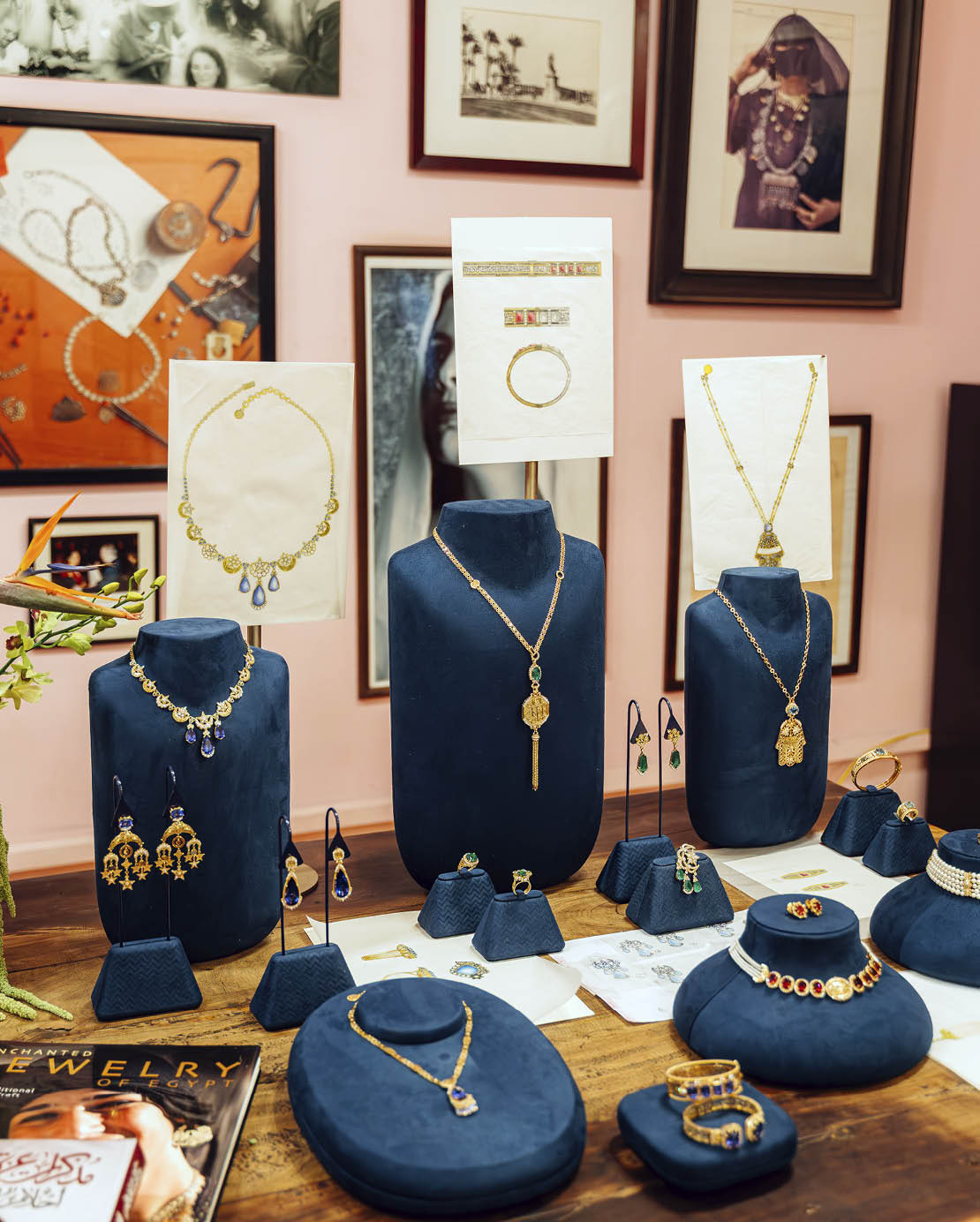
How do you ensure that craftsmanship and storytelling remain at the heart of the brand as it grows globally?
Amina: By never compromising on how things are made and staying true to our core values. Our workshops, artisans and techniques are central to everything we do. Storytelling comes naturally when there is so much depth and research behind the pieces. Growth should never come at the expense of the hands and stories behind the jewellery.
What does modern luxury mean to you today, especially for a new generation of clients?
Amina: For a new generation, luxury is personal, conscious and emotionally resonant. It is also about practicality. Today’s woman is always on the move and does not want to spend ten minutes trying to clasp a necklace or bracelet. Ease of wear and functionality are now an essential part of luxury.
What lessons have you learned from one another through working together?
Amina: The most important lesson I learned from my mother is to draw inspiration from everything around me. She taught me to observe deeply and translate subtle details into jewellery. That way of seeing has shaped how I design and tell stories through my work. From my sister, I am constantly inspired by how she is always several steps ahead; her perseverance and determination continue to motivate me.
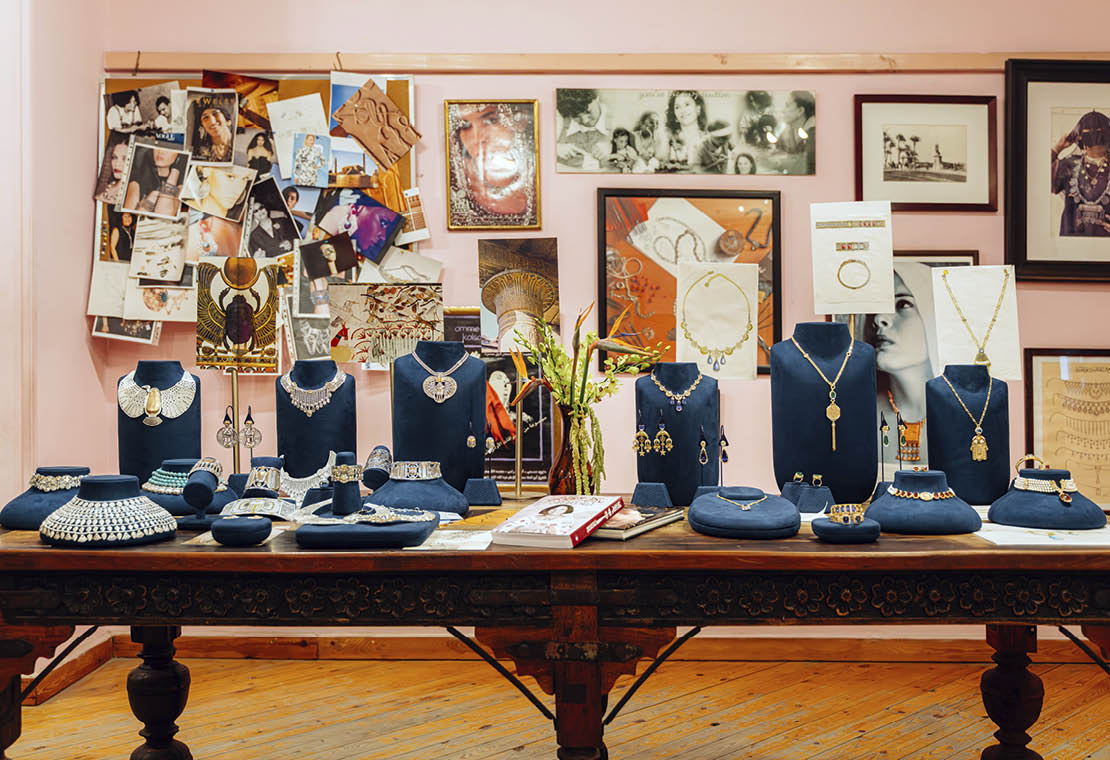
How do you see the future of the brand evolving over the next decade?
Fatma: We see a future where the brand continues to grow internationally while remaining deeply rooted in its identity. Our focus is on thoughtful, intentional expansion, strengthening our global presence without compromising our values. We also see the Azza Fahmy universe expanding through design, education and cultural transmission, with a stronger role for our design school and foundation in preserving craftsmanship and nurturing talent.
What advice would you give to other family-led or generational brands looking to grow without losing their identity?
Fatma: For family-led or generational brands, clarity of values is essential. Growth should be intentional and driven by purpose, not external pressure. It is important to create space for the next generation to lead in their own way, while ensuring they understand the foundations and principles the brand is built. Identity is sustained through everyday decisions; it is lived through how a brand creates, communicates and evolves over time.
By Lindsay Judge
Miu Miu unveils a dedicated Ramadan and Eid 2026 campaign
Miu Miu unveils a dedicated Ramadan and Eid 2026 campaign and collection that captures the season through a lens of quiet elegance and modern ease. Photographed by Romain Duquesne and starring Taleedah Tamer, the campaign unfolds with an intimate, contemplative mood, reflecting the values of reflection, togetherness and understated beauty that define the holy month.
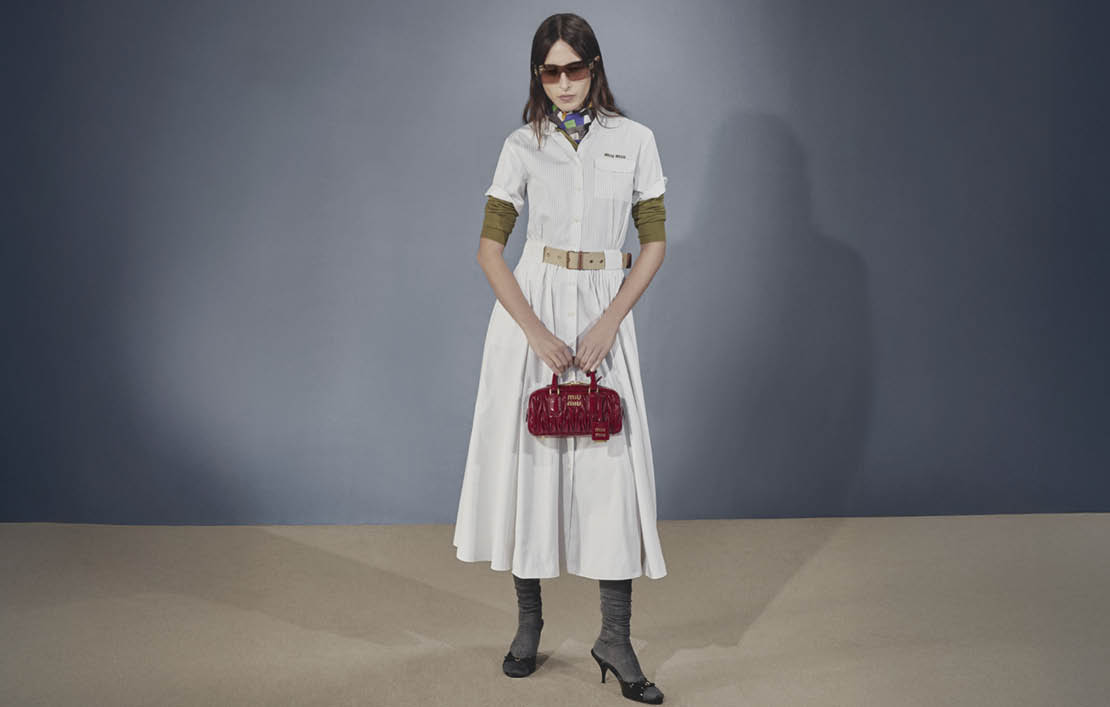
The ready-to-wear offering centres on clean lines and relaxed silhouettes designed to move effortlessly from day to evening. Cotton dresses, denim, lightweight knitwear and logo-accented outerwear appear in a refined palette of black, white and muted greens, greys and browns, subtly illuminated with delicate crystal embroidery. Accessories continue this restrained language, with signature bags such as Arcadie and Wander reimagined in classic tones alongside exclusive emerald and burgundy.
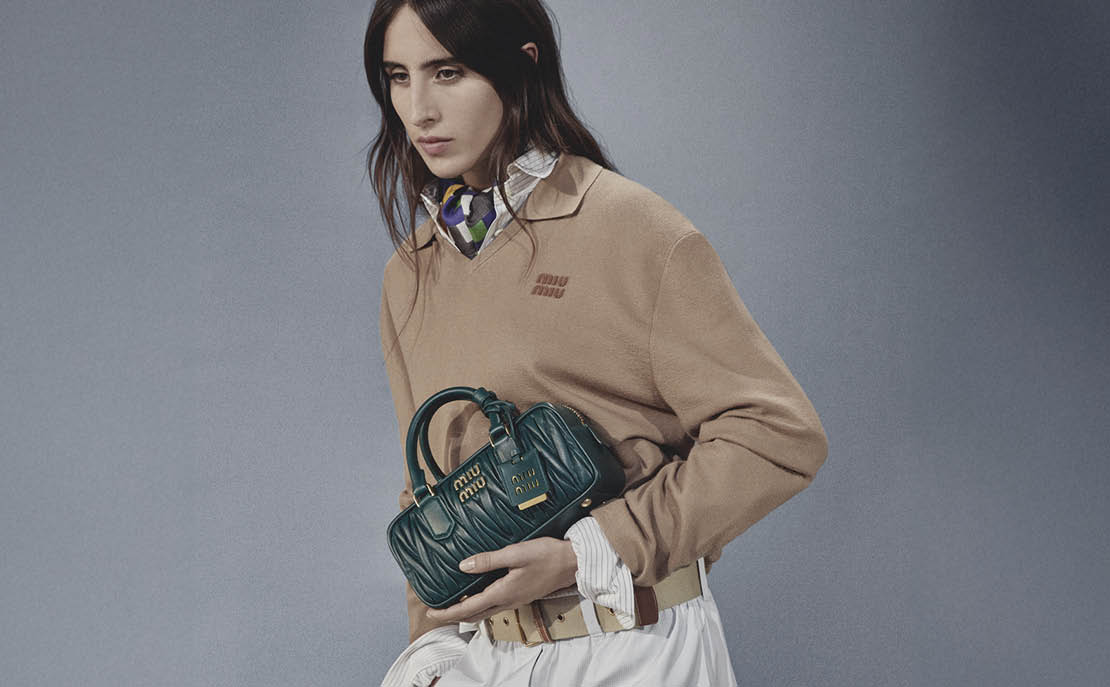
Footwear and jewellery add polished accents, while Miutine Eau de Parfum completes the edit. To mark the season, Miu Miu will host a cultural activation at Alserkal Avenue, offering a community-led space for exchange and celebration throughout Ramadan.

Jewellery in Motion, Boucheron revisits the mindset that made it one of Paris’ most influential jewellery houses
When Frédéric Boucheron opened his first boutique in Paris in 1858, he was already questioning the conventions of his time. While other jewellers followed established codes, Boucheron looked elsewhere for inspiration, drawing from nature, movement and the individuality of the wearer. That instinct to challenge tradition would later lead him to become the first jeweller to set up shop on Place Vendôme, a decision that reshaped the geography and identity of Parisian high jewellery.
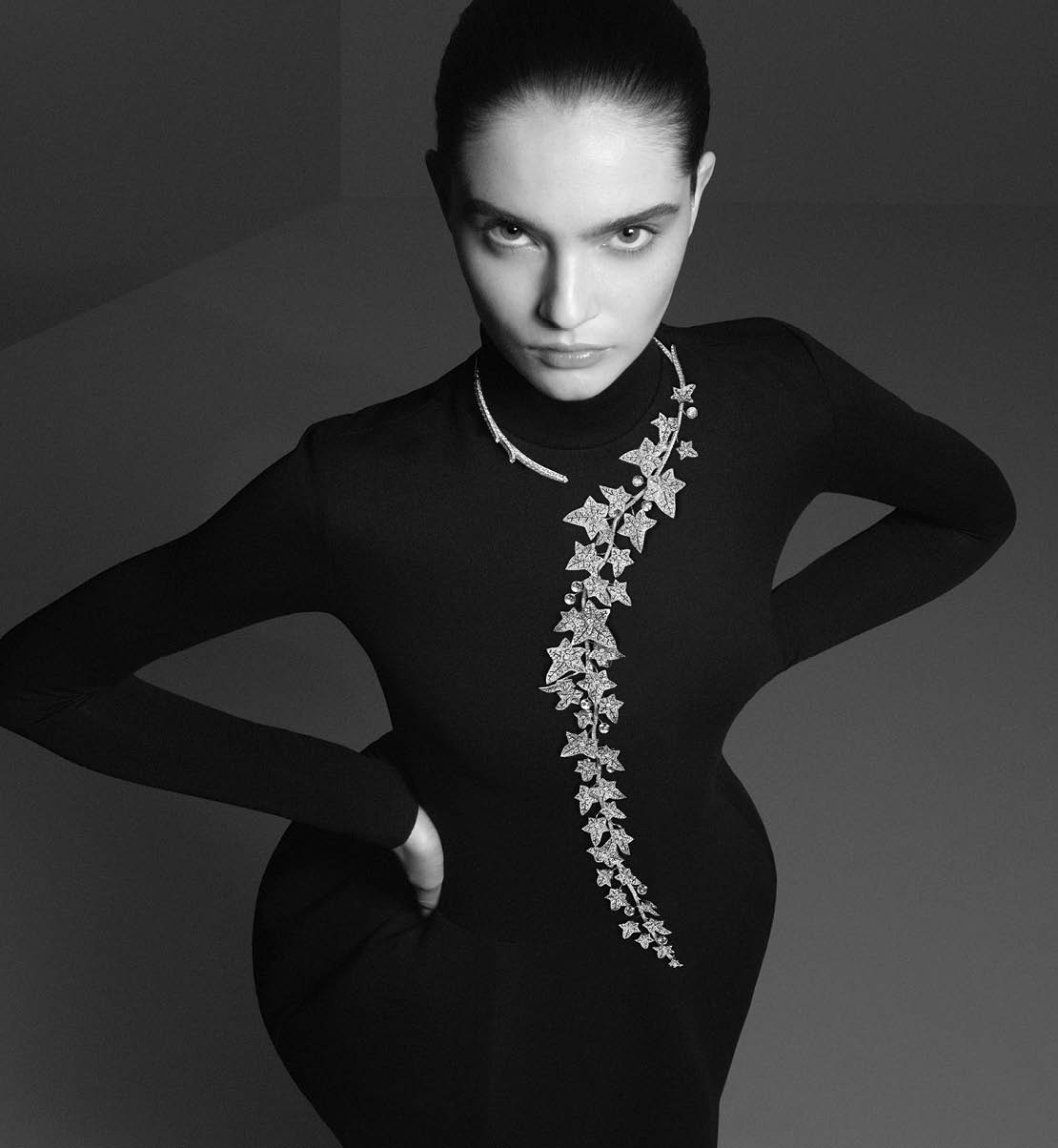
Unveiled in Paris on the first day of Haute Couture Week, Histoire de Style: Nom: Boucheron, Prénom: Frédéric is Creative Director Claire Choisne’s deeply considered portrait of the Maison’s founder. Rather than a literal homage, the collection explores the ideas that defined Frédéric Boucheron’s approach to creation, translating his mindset into four major high jewellery pieces.
Central to the collection is Boucheron’s relationship with nature, not as an idealised motif, but as something living, imperfect and expressive. Choisne revisits this philosophy through designs that feel fluid and organic, echoing Boucheron’s transformation of botanical forms and natural elements into a personal artistic language. As the son of a draper, he was acutely aware of how materials interact with the body, a sensibility that continues to shape the Maison’s understanding of jewellery as something worn, not simply displayed.
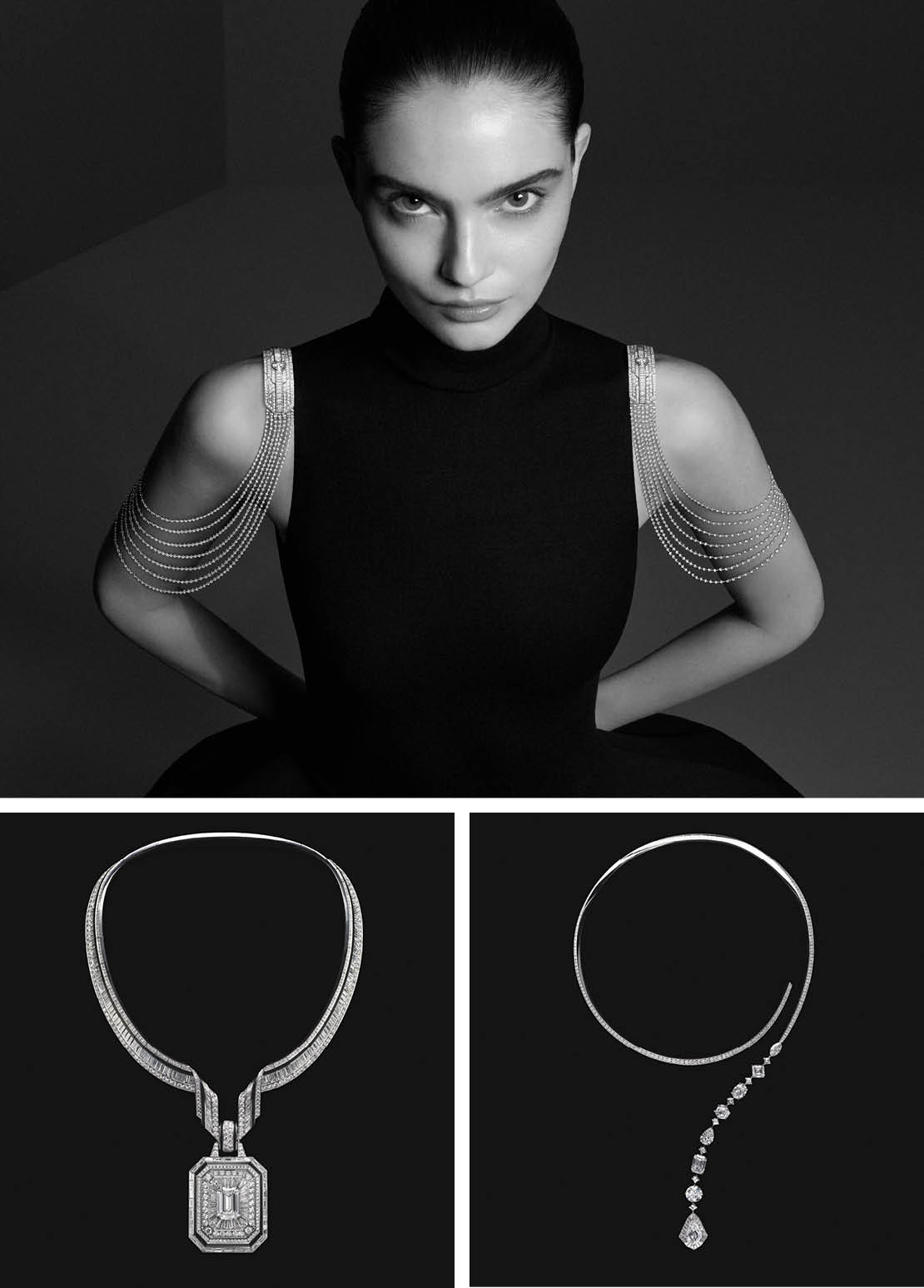
Each piece places the individual at its core, reflecting Boucheron’s belief that jewellery should respond to the spirit and aspirations of its era. Nearly 170 years after the Maison’s founding, this latest Histoire de Style collection reaffirms the enduring relevance of Frédéric Boucheron’s vision, one defined by freedom, innovation and a refusal to stand still.
Total Flexibility, Cartier introduces a new generation of Clash de Cartier pieces
Cartier’s latest evolution of Clash de Cartier unfolded as a bold reimagining of the collection’s signature tension between structure and fluidity. Conceived as a creative challenge to the line’s iconic geometry, the new pieces pushed flexibility further than ever before, introducing entirely supple designs crafted with extraordinary technical precision. For the first time, yellow gold entered the Clash vocabulary, replacing rose gold in necklaces and bracelets, bringing a warmer, more luminous expression to the collection.
At the heart of these new creations lay a dual mastery of craftsmanship. Traditional lost-wax casting, combined with high-precision machining, enables the assembly of up to 600 individual components into a single piece. Each element was meticulously finished by hand, connected yet free to move, resulting in jewellery that responded intuitively to the body. This articulation created a subtle vibration and even a faint sound, carefully refined during development, transforming movement into a sensory experience.
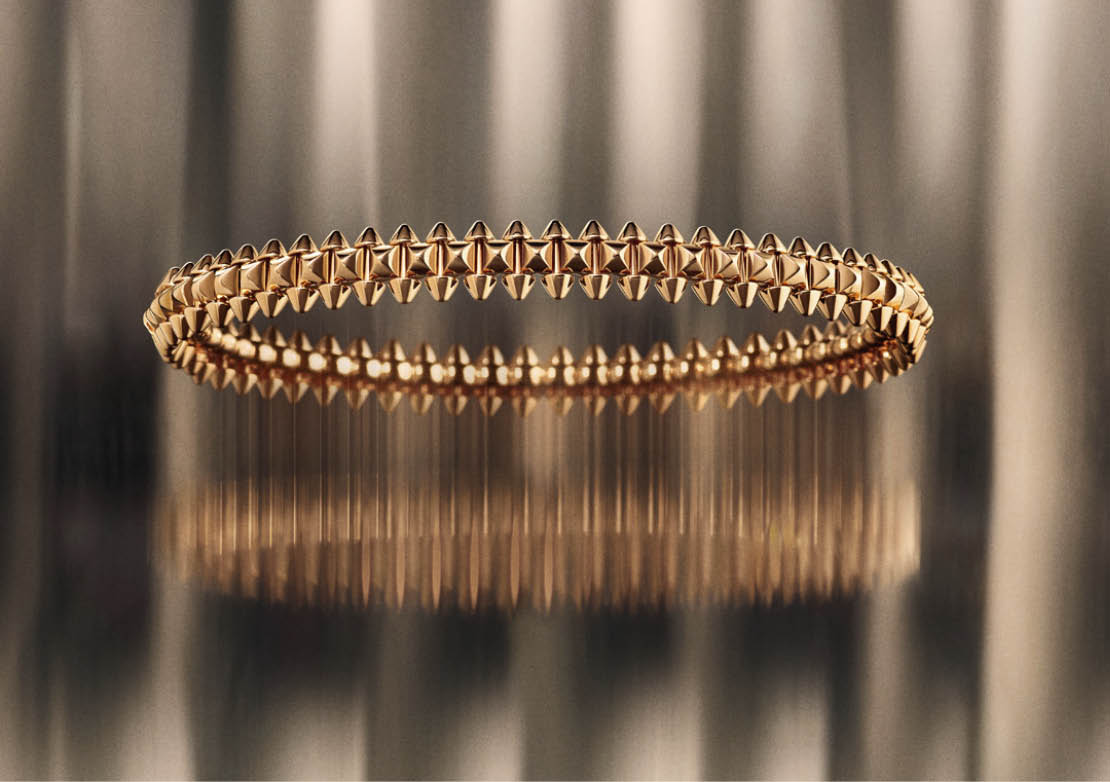
Clash de Cartier also expanded its aesthetic language through colour and scale. Red- and green-dyed agate, pink chalcedony, and onyx were introduced across rings, pendants, and earrings, interspersed with rose gold studs that emphasised architectural volume. Every bead was aligned to the millimetre and graded with precision, then secured with clou de Paris nails through a complex process that balanced mechanical technique with manual adjustment.
In its extra-large interpretations, the collection became bolder still. Wider yellow gold bracelets, necklaces and a striking three-finger ring featured upgraded onyx studs, combining sophistication with full flexibility. Adjustable earrings in rose or white gold offered versatility, shifting their appearance depending on how they were worn.
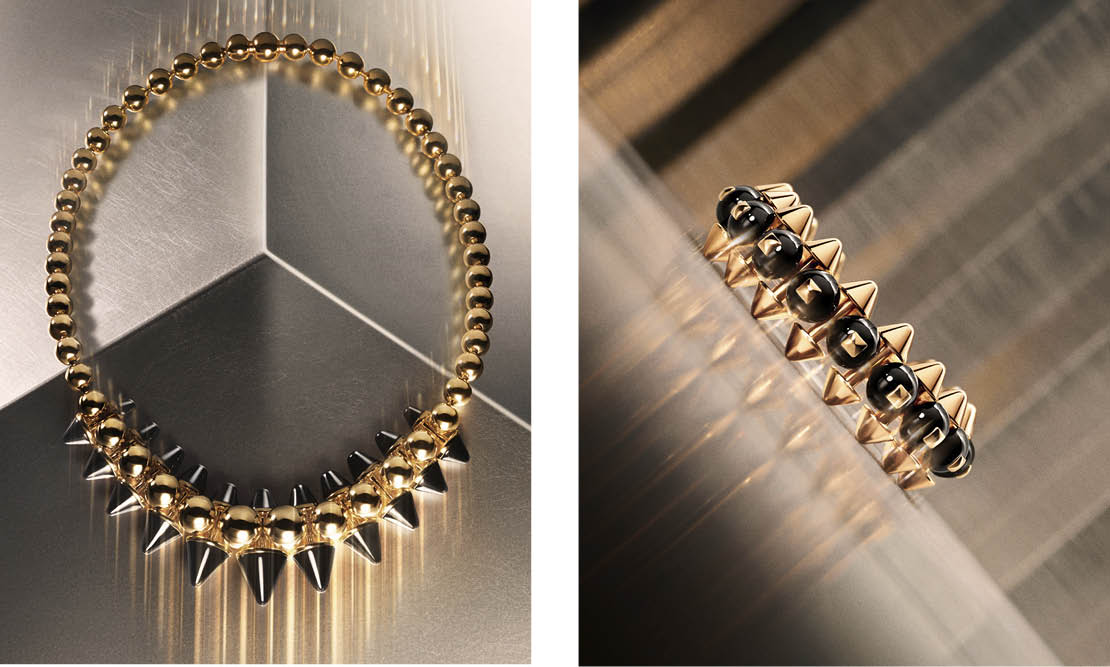
Rooted in Cartier’s long-standing dialogue between preciousness and mechanics, the new Clash de Cartier collections honoured the Maison’s pioneering spirit while shaping a contemporary jewellery signature. A powerful clash, refined into motion, sound and sensation.
Ghada Al Subaey, Founder of 1309 Studios on building a label that balances heritage with modernity
Founded in 2015, 1309 Studios has grown from a deeply personal vision into one of the region’s most distinctive contemporary fashion labels. Created by Ghada Al Subaey, the brand was born from a desire to redefine modest fashion as something expressive rather than restrictive, emotional rather than prescribed. From the beginning, 1309 Studios positioned itself as a space where cultural identity, modern design and female empowerment could coexist, offering women clothing that feels intentional, poetic and deeply connected to real life.
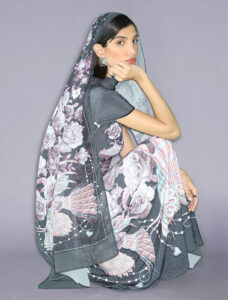
Built on fluid silhouettes, thoughtful construction and a strong sense of storytelling, the brand has developed a clear design language that blends femininity with quiet strength. Each collection reflects a balance between heritage and contemporary expression, where artistic references, cultural narratives and modern tailoring come together to create pieces designed for longevity rather than trends. Beyond aesthetics, 1309 Studios has also become known for its commitment to community, collaboration and purpose, working closely with regional artists and creatives while supporting the wider fashion ecosystem through initiatives such as The Cutting Studio, Qatar’s first premium garment manufacturing hub.
As modest fashion continues to evolve on both regional and global stages, 1309 Studios stands as a brand shaped by intention, cultural depth and clarity of vision. In this conversation, Ghada Al Subaey reflects on the origins of the brand, the evolution of its identity, the shifting narrative around modest fashion, and her ongoing mission to build something lasting that empowers women, nurtures creativity, and redefines how Middle Eastern fashion is experienced on the world stage.
1309 Studios has grown rapidly in a short space of time. Looking back, what was the original idea behind the brand, and what gap did you feel was missing in the market?
The original idea behind 1309 Studios was to create a brand that truly celebrates women in all their complexity. When I launched the brand in 2015, I felt there was a gap for modest fashion that felt expressive rather than restrictive, pieces that were modern, artistic, and emotionally driven. I wanted to merge contemporary design with cultural depth, offering clothing that feels effortless yet intentional, and that allows women to express both confidence and creativity.
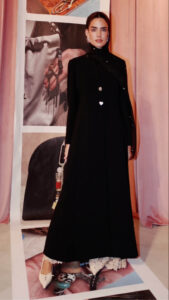
Your personal passion for styling is very evident in the collections. How did your own relationship with fashion shape the aesthetic of 1309 Studios?
My relationship with fashion has always been very intuitive and emotional. For me, clothing is a form of storytelling. I’ve always gravitated towards pieces that feel fluid and feminine, but also strong. That balance has shaped the aesthetic of 1309 Studios; clean silhouettes, softness in movement, and designs that feel poetic but grounded. I design with real women in mind and how they move through their daily lives.
How would you describe the DNA of the brand today, and how has that identity evolved since launch?
The DNA of 1309 Studios today is rooted in femininity and cultural storytelling. While the core values have remained consistent, over time, we’ve become more confident in our language through bolder prints, refined tailoring, and deeper artistic collaborations.
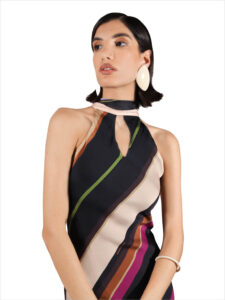
The perception of modest fashion has shifted significantly in recent years. How do you think that narrative has changed, both regionally and globally?
Modest fashion is no longer viewed as niche or limiting. Regionally and globally, there’s a greater understanding that modesty can be progressive and creative. Women want clothing that aligns with their values without sacrificing individuality or style. I believe designers from the Middle East have played a big role in reshaping that narrative by bringing authenticity and artistry to the conversation.
What do you think sets 1309 Studios apart from other brands?
What sets 1309 Studios apart is the cultural depth behind every collection. We don’t follow trends for the sake of it, each piece is designed with intention and longevity in mind. Our collaborations with Arab artists and commitment to empowering women give the brand a sense of purpose beyond aesthetics.
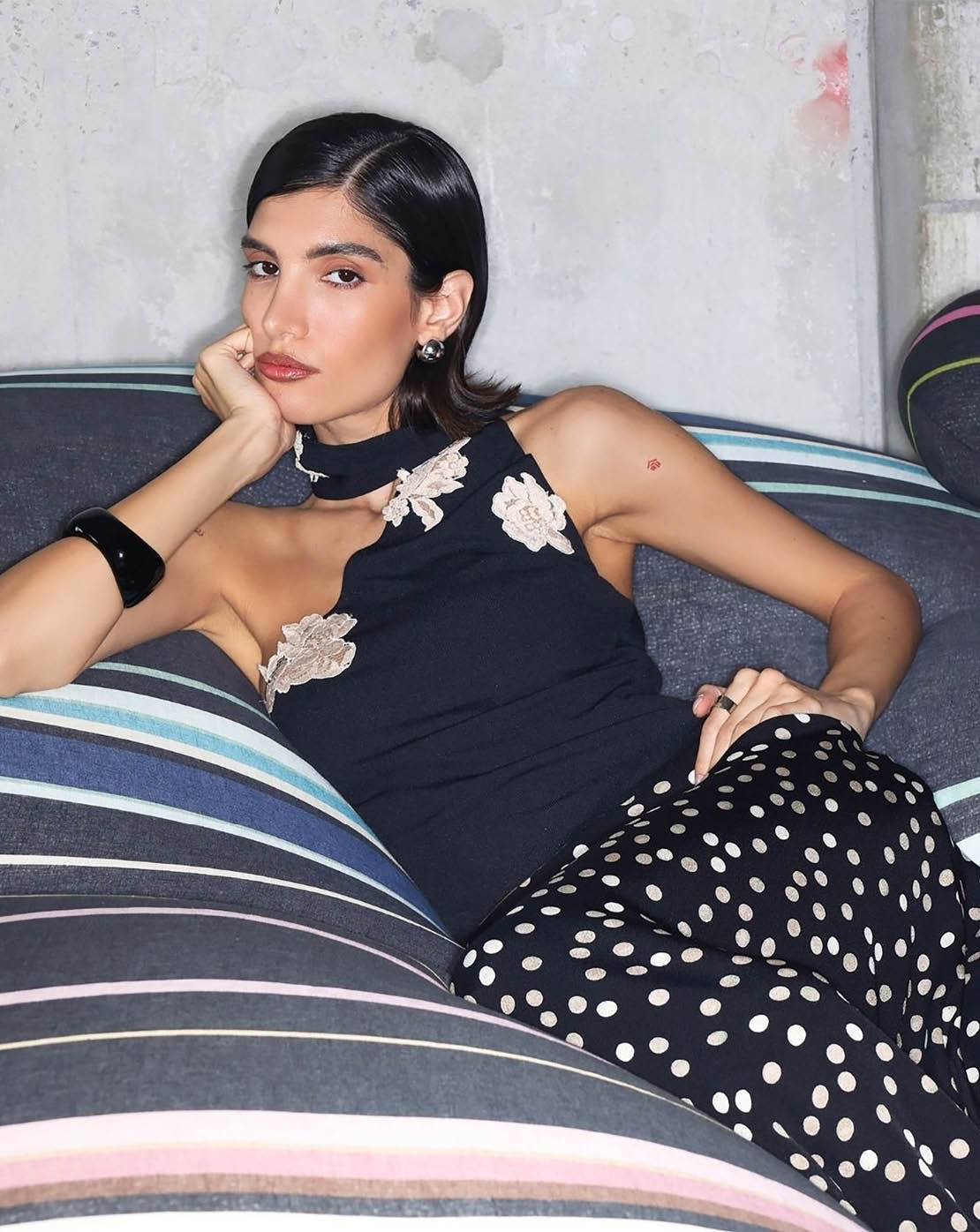
Who is the 1309 woman today, and how has your understanding of your customer developed as the brand has grown?
The 1309 woman is confident, thoughtful, and expressive. She values ease and intention in her wardrobe and chooses pieces that feel true to her lifestyle. As the brand has grown, my understanding of her has deepened beyond style alone. I now design with a clearer sense of how she moves through her day, balances different roles, and uses clothing as a form of self-expression.
Your designs often feel versatile and intentional. How do you envision women styling your pieces in their everyday lives?
I design with versatility at the core. I imagine women wearing our pieces in ways that feel natural and personal, whether styled simply or layered with character. Each garment is meant to adapt to different moments of life and move effortlessly from one setting to another without losing its identity.
The Middle East has become a powerful fashion market. How important has the region been in shaping the growth and direction of 1309 Studios?
The Middle East has been incredibly important to 1309 Studios’ growth. Being based in Qatar and part of a rapidly evolving creative landscape has shaped the brand’s perspective and purpose. The region’s balance between heritage and modernity mirrors the brand’s essence and continues to inspire everything we create.
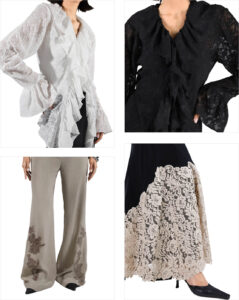
Can you tell us a little about The Cutting Studio and why it was important for you to launch this concept?
The Cutting Studio was launched to support and strengthen the local fashion ecosystem. It’s Qatar’s first premium garment manufacturing hub, created to provide designers with access to quality production, mentorship, and craftsmanship. For me, it was important to build something that extends beyond my own brand and contributes to the growth of the creative community.
What’s the biggest challenge you face as a creative and a business owner?
One of the biggest challenges is maintaining a strong creative vision while scaling a growing business, but it’s a balance I’ve learned to navigate with experience. I’ve become more intentional in my decision-making, trusting both intuition and structure. Challenges are part of the process, and I see them as opportunities to refine the brand and grow with clarity.
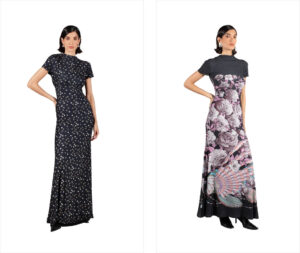
How do you stay grounded and connected to the brand’s original purpose as it continues to evolve?
I stay grounded by consistently returning to the brand’s purpose. Staying close to the creative process, listening to our community, and trusting my instincts helps ensure that 1309 Studios continues to grow without losing its essence.
Looking ahead, what would you still like to achieve with 1309 Studios?
I want to continue shaping how Middle Eastern fashion is perceived globally. My focus is on building something lasting that empowers women, supports creative talent, and proves that fashion can be both meaningful and enduring.
By Lindsay Judge
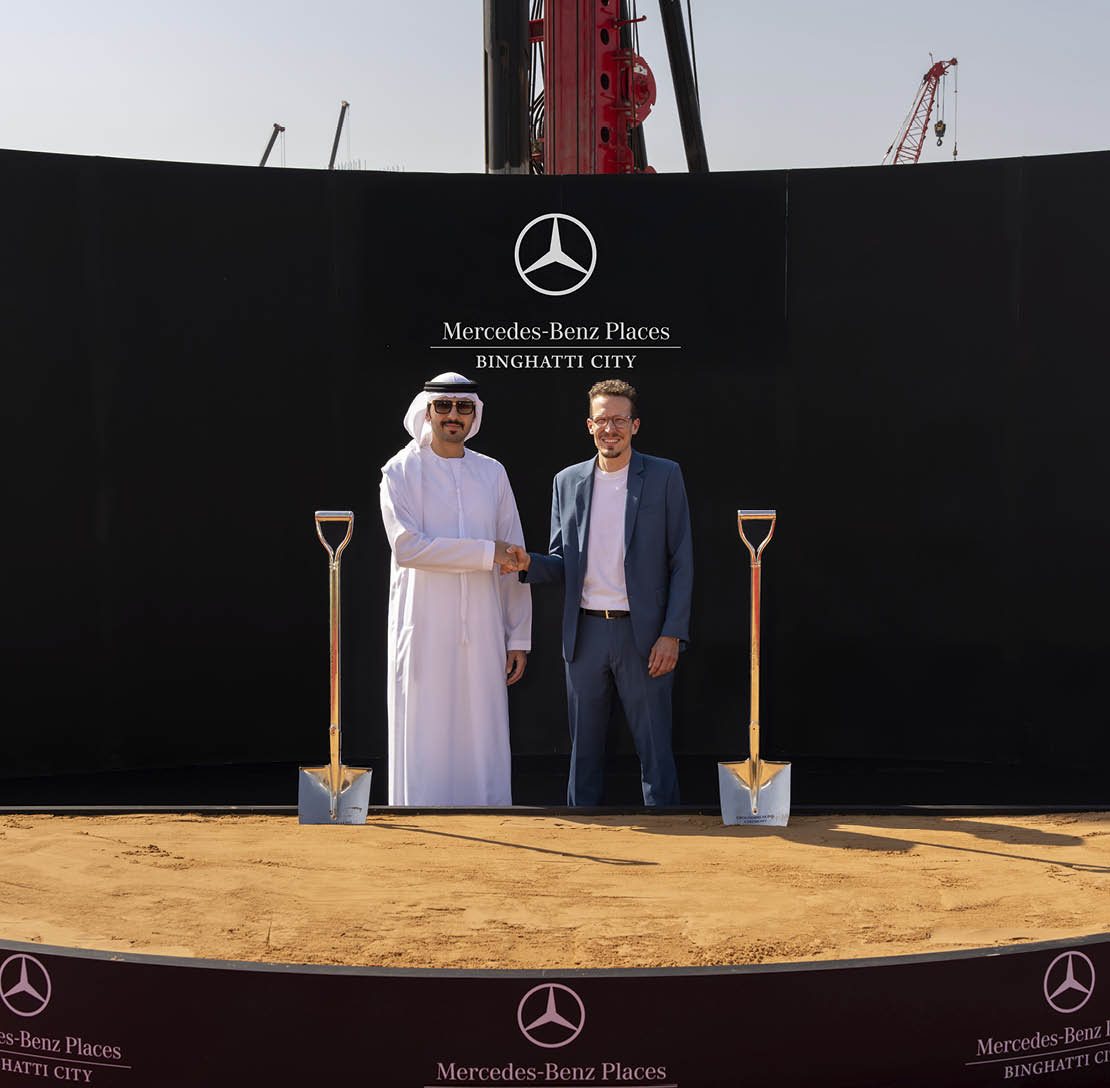
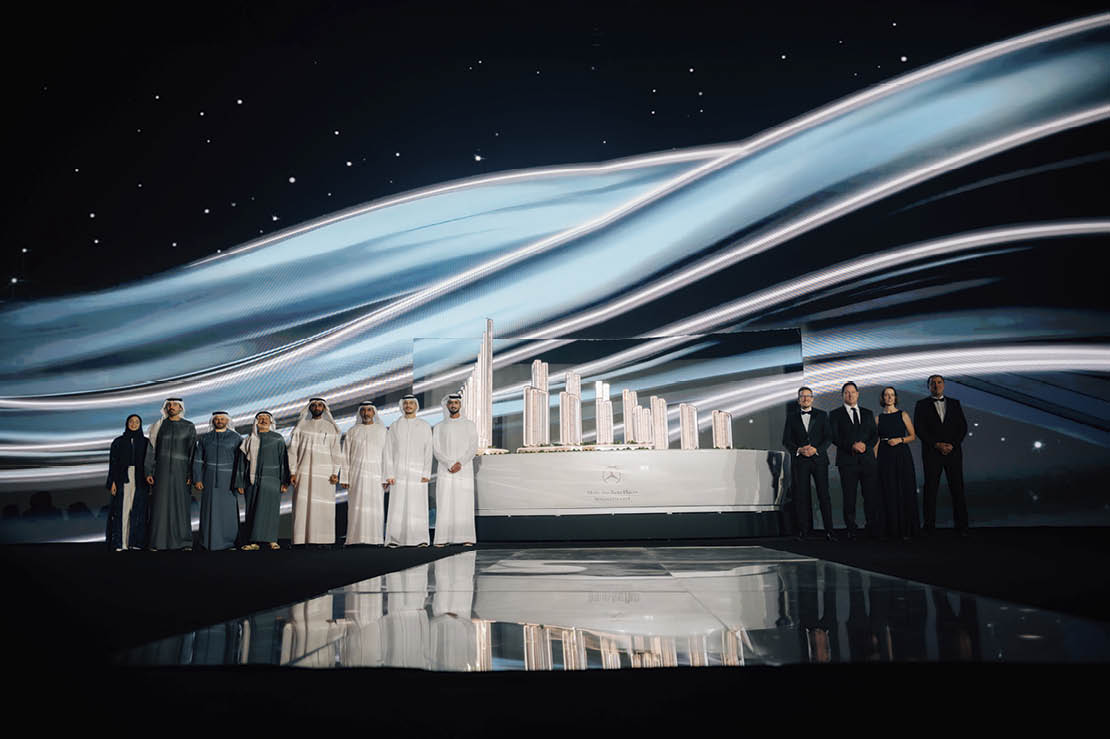
A City Reimagined, Inside Mercedes-Benz Places | Binghatti City as the project breaks ground
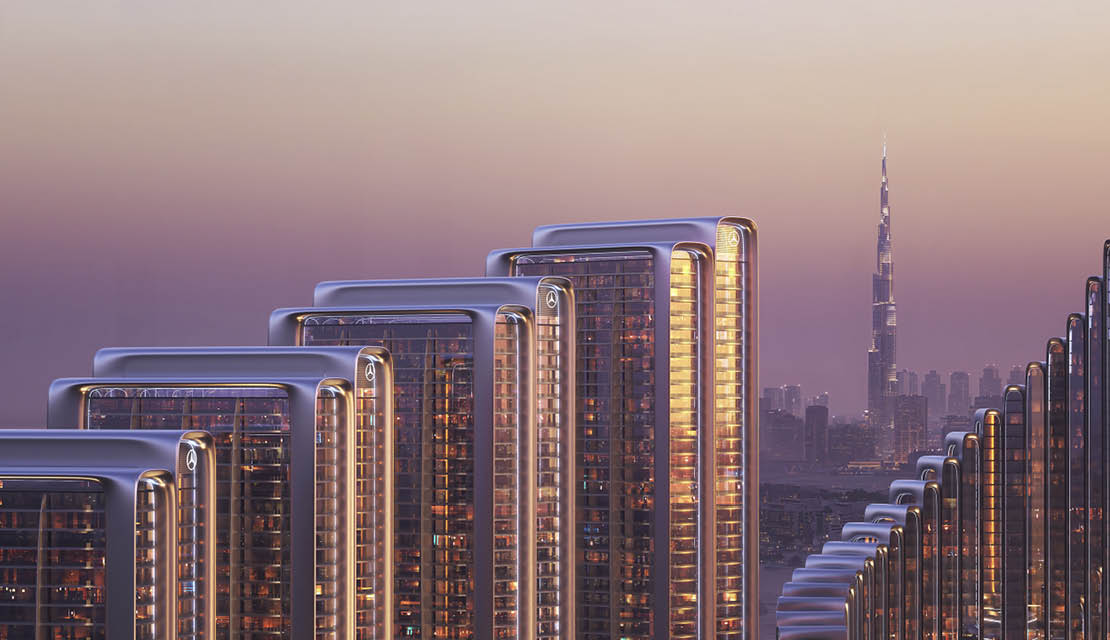
As the idea of urban living evolves at a fast, a new vision of branded living is taking shape. Mercedes-Benz Places | Binghatti City is a masterplanned ecosystem that reframes how design, mobility, and community can intersect at scale. Spanning nearly nine million square feet in the Meydan area, this “city within a city” marks the second collaboration between Mercedes-Benz and Binghatti, and their most ambitious yet. Moving beyond a single-tower statement, the project comprises more than 13,000 residences across 12 interconnected towers, anchored by the centrepiece building, Vision Iconic. Together, the architecture forms a coherent language inspired by Mercedes-Benz’s legacy, translating automotive design principles into a built environment that is as emotive as it is functional.
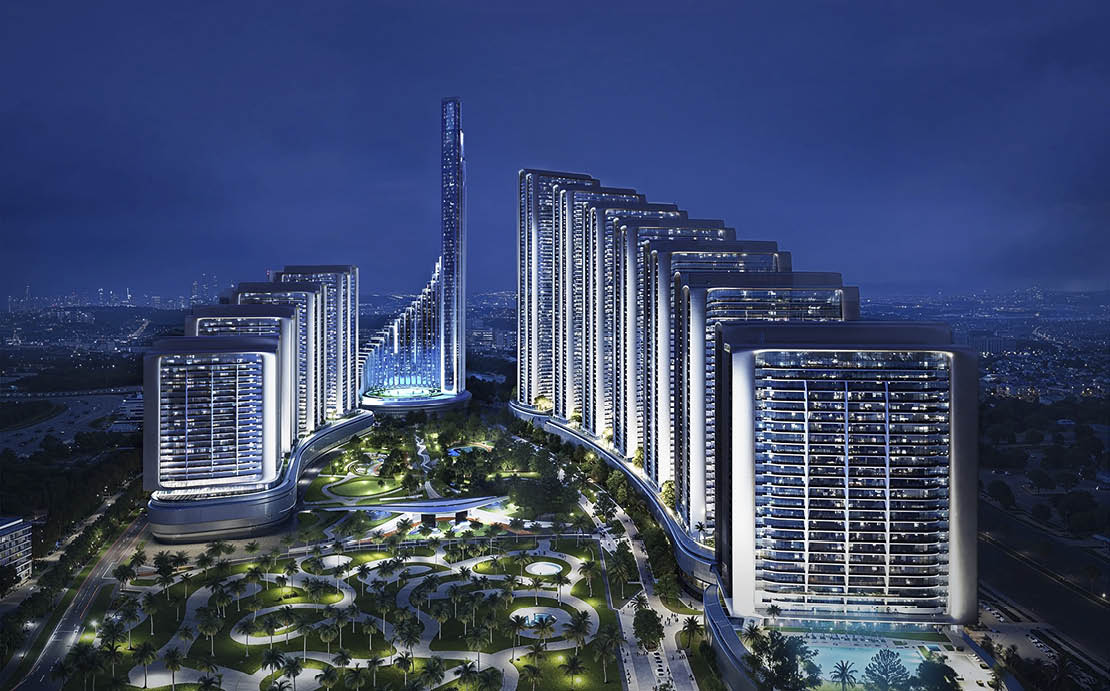
Grounding the project is Mercedes-Benz’s design philosophy of Sensual Purity, a concept that prioritises clarity, proportion, and emotional resonance. The development embodies the brand’s DNA through movement, fluidity, and technological precision. Horizontal podium lines echo the iconic grille, while sleek technical silver and chrome accents subtly reference the marque’s heritage. The towers appear to hover above their bases, creating a floating effect that reinforces a sense of lightness and elegance against Dubai’s dynamic skyline.
Even the naming of the buildings is deeply symbolic. Each tower takes inspiration from a Mercedes-Benz concept car, including Vision One-Eleven, Vision Mercedes Simplex, Vision Mercedes-Maybach 6, and Vision AVTR. This interplay between past, present, and future reinforces a core idea: that heritage and innovation can coexist seamlessly in contemporary architecture.
Inside, the residences reflect a refined, reduced aesthetic. Black and silver form the foundation of the interior palette, softened by tactile materials such as leather and wood. The result is an environment that feels both technologically advanced and human-centric. Every apartment is designed to elevate everyday living, integrating smart home systems, seamless layouts, and meticulous detailing that echo the precision of Mercedes-Benz engineering.
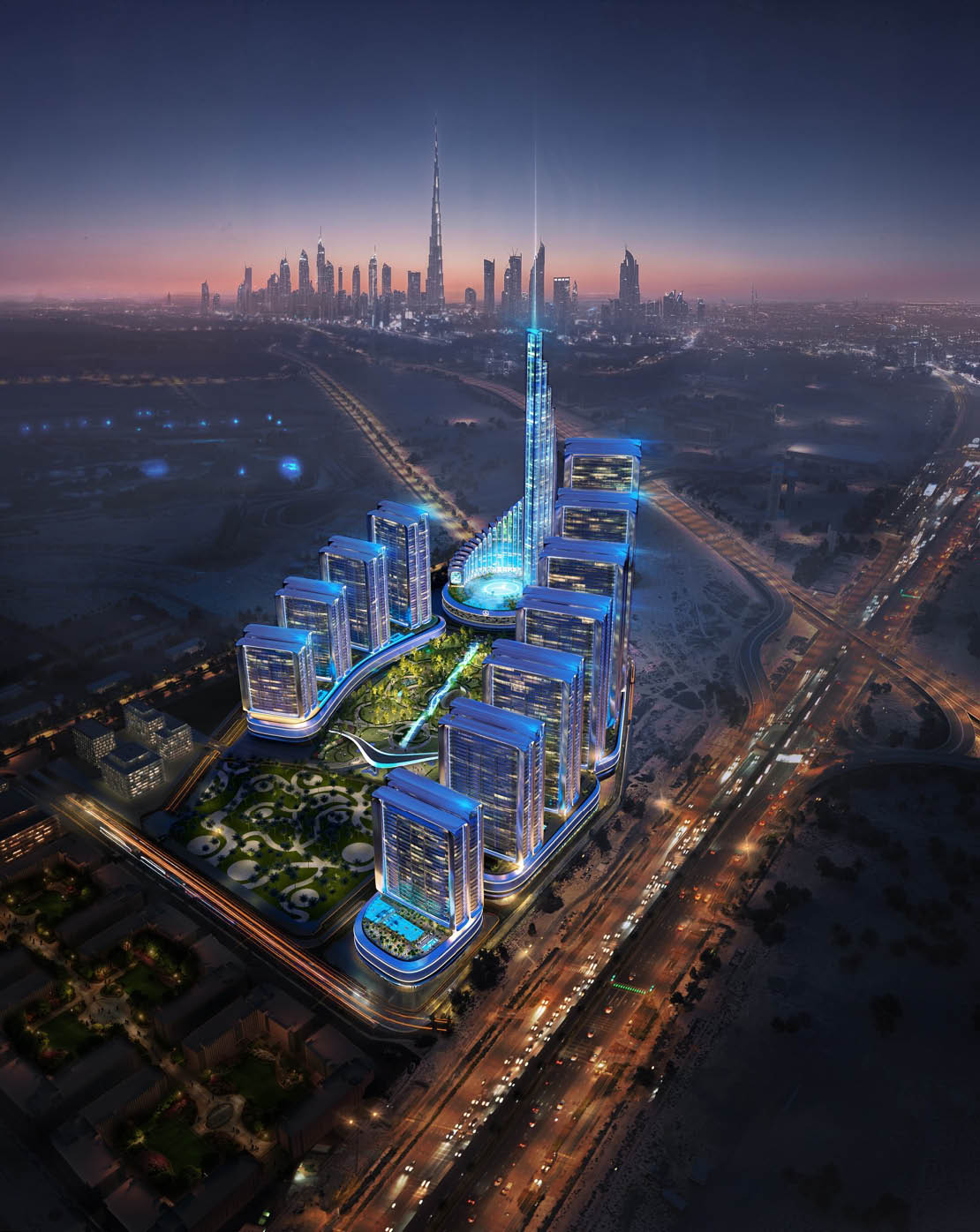
Yet Mercedes-Benz Places | Binghatti City is far more than beautifully designed homes. The masterplan places equal emphasis on landscape, lifestyle, and wellbeing. The Grand Promenade serves as the development’s green spine, weaving through communal zones including the Crown Arena for events, a Picnic Grove, and the Meadow Pavilion. Family-oriented spaces such as Little Marvels and Aqua Joy introduce playful, interactive environments, while elevated pathways encourage walkability and spontaneous social encounters.
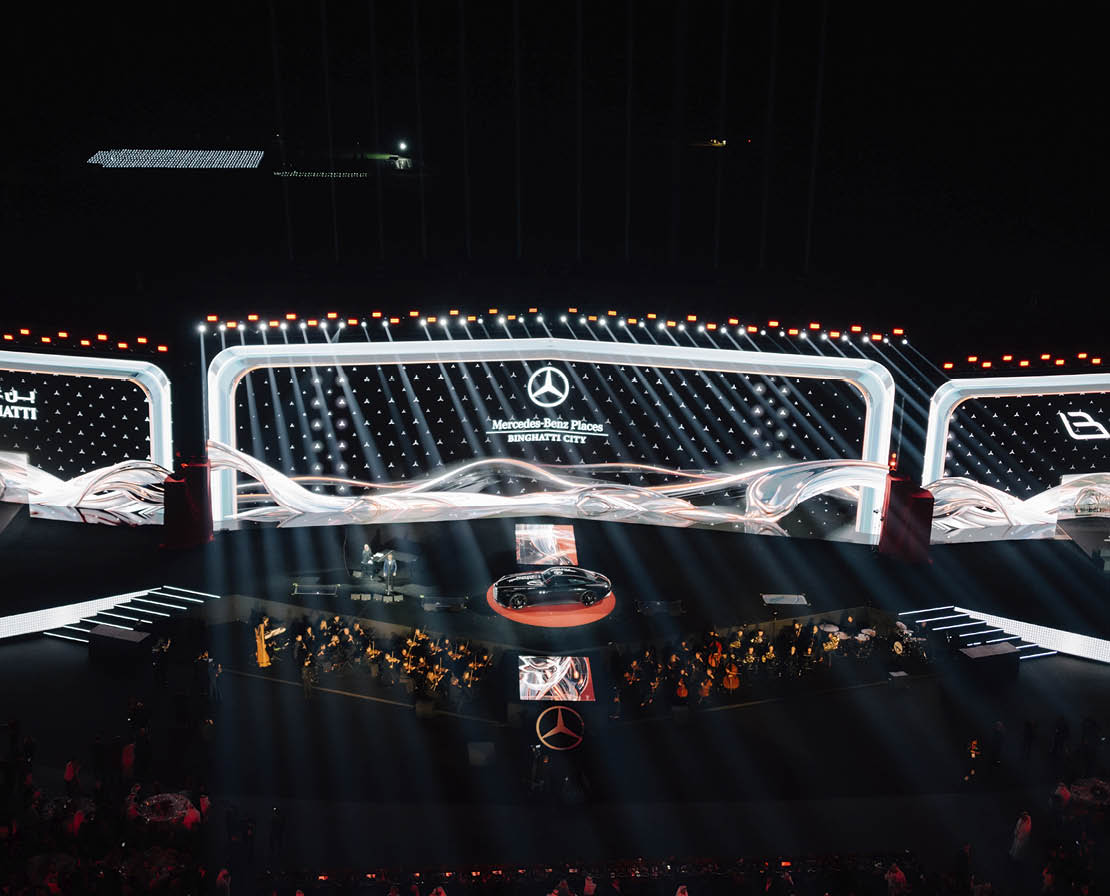
Water plays a central role in the design, with family pools, infinity pools, and splash zones anchoring recreational life. Meanwhile, a comprehensive wellness offering includes state-of-the-art gyms, yoga pods, outdoor training decks, and sky jogging tracks that connect seamlessly to the towers. The project also introduces twelve specialised sports clubs catering to a wide range of interests, from padel, squash, and golf simulators to climbing, fencing, archery, Pilates, and spin studios.
For those who seek social connection, the development offers grand communal spaces including a ballroom, event hall, private screening lounge, e-sports lounge, and a hotel-standard concierge service. These amenities blur the line between residential and hospitality experiences, creating a vibrant, integrated lifestyle that extends well beyond the front door.
Mobility is another defining pillar of the masterplan. Integrated EV infrastructure ensures that sustainability is embedded into daily life, while advanced transport links seamlessly connect residents across the site. In this way, Mercedes-Benz Places | Binghatti City aligns with Dubai’s broader vision of smart, sustainable urban development.
H.H. Sayyida Basma Al Said discusses the positive mental impact of Ramadan
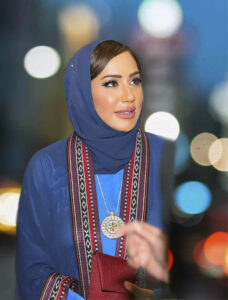
H.H. Sayyida Basma Al Said, Psychotherapist, Clinical Hypnotherapist, PTSD Trainer and founder of Whispers of Serenity Clinic, on the positive mental impact of Ramadan
We often think of Ramadan as simply a holy month of fasting, but in truth, it carries a much deeper meaning that goes far beyond abstaining from food and drink. Ramadan is an important period of spiritual awakening, self-discipline, compassion and inner transformation. It invites us to slow down and reflect, reconnecting us with our faith, our values and our inner selves.
Fasting has a meaningful connection to mental health, something that is not often discussed. It strengthens self-control, builds patience, encourages gratitude, and promotes mindfulness by helping us become more aware of our thoughts and emotions. Of course, there are moments when hunger can make emotions feel more intense, and people may lose patience more easily. Yet Ramadan also brings a conscious pause, that reminder to take a breath, calm down and be more mindful of how we think and feel.
It is also a time to think of others, especially those in need, and to give back to the community. The rhythm of Ramadan, through prayer, charity, reflection and generosity, can reduce stress, build emotional resilience and foster a sense of peace and purpose. By creating space for spiritual growth and mental clarity, Ramadan becomes not just a physical practice, but a powerful journey of emotional healing, balance and personal renewal.
Ramadan reminds us that true strength is not found in constant consumption but in conscious restraint. Not in a distraction, but in awareness. Not in excess, but in balance. By willingly experiencing hunger, silence and self-discipline, we learn empathy for others throughout the years. In a world that often overwhelms the mind, Ramadan offers a rare time of reflection, a rare time of mental stability. And it makes us pause, and our hearts soften, the mind clears, and the soul just kind of aligns with how everything around us is going on. It’s truly a time that matters.
I always feel that talking to someone helps, whether it’s a friend or someone you trust. During Ramadan, many of us naturally have these conversations with friends, sharing how we are feeling. Fasting can be challenging, especially for those who are used to coffee, tea or regular meals, which can sometimes lead to irritability. That is completely normal.
One important practice during this time is self-compassion. Fasting affects blood sugar levels, hormones and energy, so mood changes are expected. It is important to be gentle with yourself and accept that there may be emotional ups and downs. Ramadan does not require perfection. You will not always be calm, and that is okay. Awareness is the first step.
Pausing before reacting is another key practice. It is difficult, and often we remember it only after we react, but taking a moment to breathe and to remind yourself that it is Ramadan can make a difference. That pause lets you reset and start again.
Nourishment also matters. Many people fast but do not eat well when breaking their fast or drink enough water. When the body is not nourished, the mind is affected too. Caring for what you eat and drink is essential.
Ramadan is also a time of worship. Reading the Qur’an can bring calm and emotional grounding, anchoring both spiritual and mental well-being. Fasting invites us to ask how each moment can strengthen our character, through patience, gratitude and empathy.
When emotions rise, grounding techniques help. Deep breathing, stepping back and reminding yourself that feelings pass can restore balance. Being mindful of personal triggers, reaching out for support and viewing emotional struggles as part of a growth journey can transform discomfort into self-awareness, resilience and spiritual reward.
Ramadan is not meant to feel like a struggle or something to fear. It is a time that teaches calm, patience and perspective. When we approach it with that mindset, it becomes easier to move through the days and embrace the rhythm of the month.
Many people, including those who are not deeply religious or even Muslim, choose to experience Ramadan in their own way. Over time, they often notice the same shift: a sense of calm begins to settle in. That feeling of calm, along with gratitude and giving back, sits at the heart of what Ramadan offers.
For me personally, Ramadan feels like a pause. It is a moment to slow everything down, reset and reflect. The days feel quieter, creating space to focus on things I usually rush through. It’s time to address what needs attention, mentally and emotionally. Then, once Ramadan ends, there is renewed energy and clarity to move forward again.
Feminine Confidence, Mona Ead Mikati, founder of MOUNAY, discusses the brand’s Ramadan collection
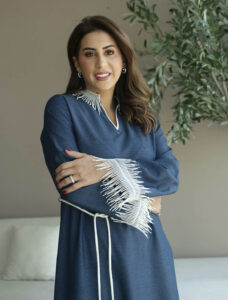
Founded in 2013, Dubai-based brand MOUNAY has quietly built a reputation for modern elegance. Shaped between Beirut and Dubai, the label speaks to a woman who dresses with clarity and self-assurance, favouring thoughtful design over fleeting trends. Under the direction of founder and creative director Mona Ead Mikati, MOUNAY has evolved into a contemporary wardrobe rooted in refined craftsmanship, architectural silhouettes, and timeless femininity. As the brand prepares to unveil its latest Ramadan collection, we speak to Mikati about creative evolution, designing with purpose, and what it means to create clothing that empowers women beyond the moment.
How would you define the universe of MOUNAY today, and how has it evolved since the beginning?
MOUNAY today is a universe of feminine confidence. It has evolved from a more instinctive, expressive beginning into something quieter but more assured. The core has always been about empowering women through thoughtful design, but over time the brand has matured into a language of refinement, restraint, and longevity — pieces that feel relevant beyond trends.
The brand has been based between Beirut and Dubai since 2013. How has working between these two cities shaped MOUNAY’s aesthetic and its understanding of modern Middle Eastern style?
Beirut brings emotion, depth, and a strong sense of individuality, while Dubai offers structure, clarity, and a global outlook. Moving between the two has shaped MOUNAY into a brand that balances softness with strength. It reflects a modern Middle Eastern woman who is rooted in culture but forward-looking, expressive yet composed.
What elements do you prioritise when designing pieces that feel both impactful and easy to wear?
Proportion, movement, and intention. I focus on silhouettes that make a statement through cut rather than excess, and details that reveal themselves gradually. Comfort is essential. If a woman doesn’t feel at ease in a piece, it loses its power. Impact should feel natural, not forced.
MOUNAY is known for its carefully chosen fabrics and refined cuts. How does material selection influence the final mood and movement of a collection?
Fabric is where emotion begins. The way a material moves, catches light, or sits on the body defines the mood of a collection. I choose fabrics that hold structure yet flow with the body, because movement brings life to a garment. The right material elevates simplicity and allows the cut to speak. I also choose rich materials to elevate the overall look.
As a founder and designer, how do you maintain clarity of vision while allowing the brand to evolve with changing lifestyles and expectations?
I stay anchored to the woman I design for rather than to trends. Lifestyles change, but the desire for elegance, confidence, and authenticity remains. By listening closely to how women live, move, and dress today, I allow evolution to happen naturally without losing the brand’s essence.
What’s the biggest challenge that you face with the brand today?
Maintaining depth and integrity in a fast-moving industry. There is constant pressure to produce more and faster, but MOUNAY is built on thoughtful pacing. Staying true to that philosophy while growing is an ongoing challenge, and a necessary one. My greatest pleasure is seeing clients wear the same pieces over the years; it gives me immense pride and strengthens my belief in what I do.
Ramadan dressing calls for a more considered approach to fashion. What was your starting point when designing the upcoming Ramadan collection?
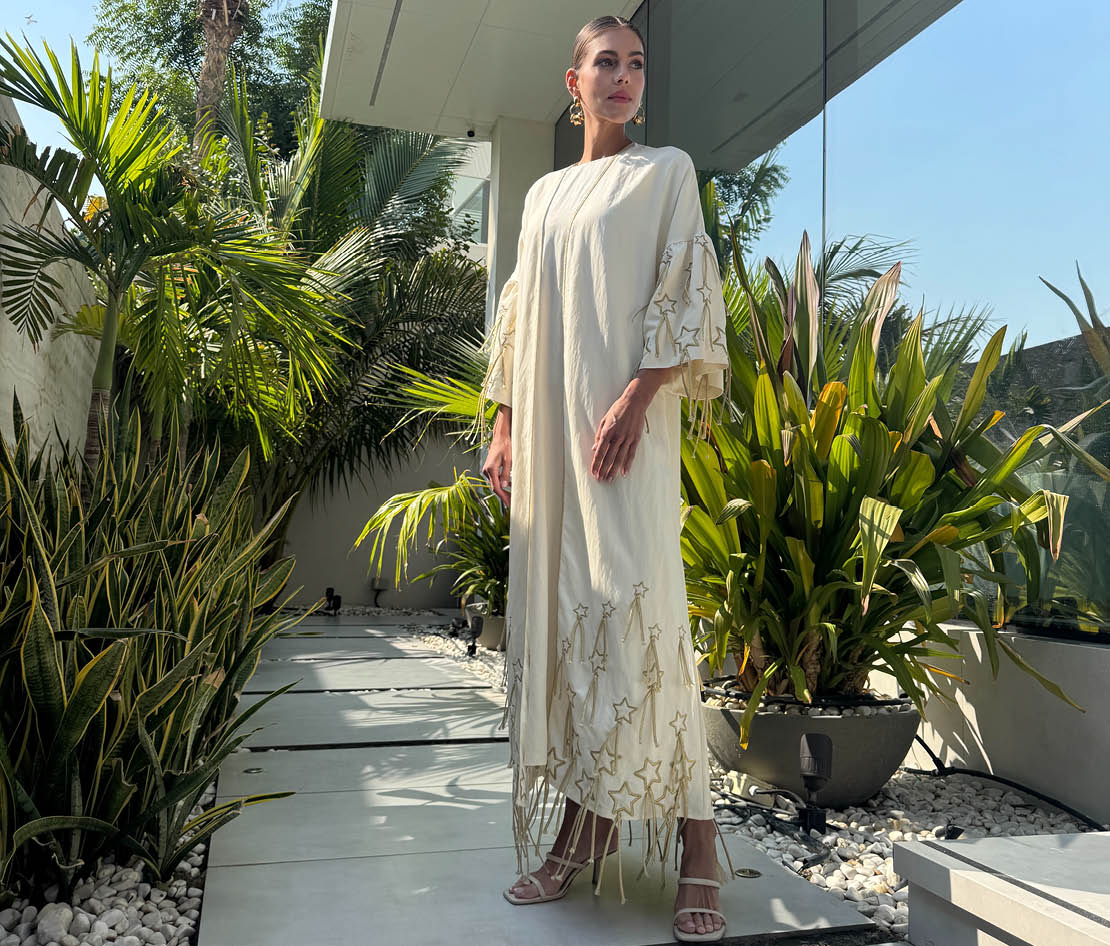
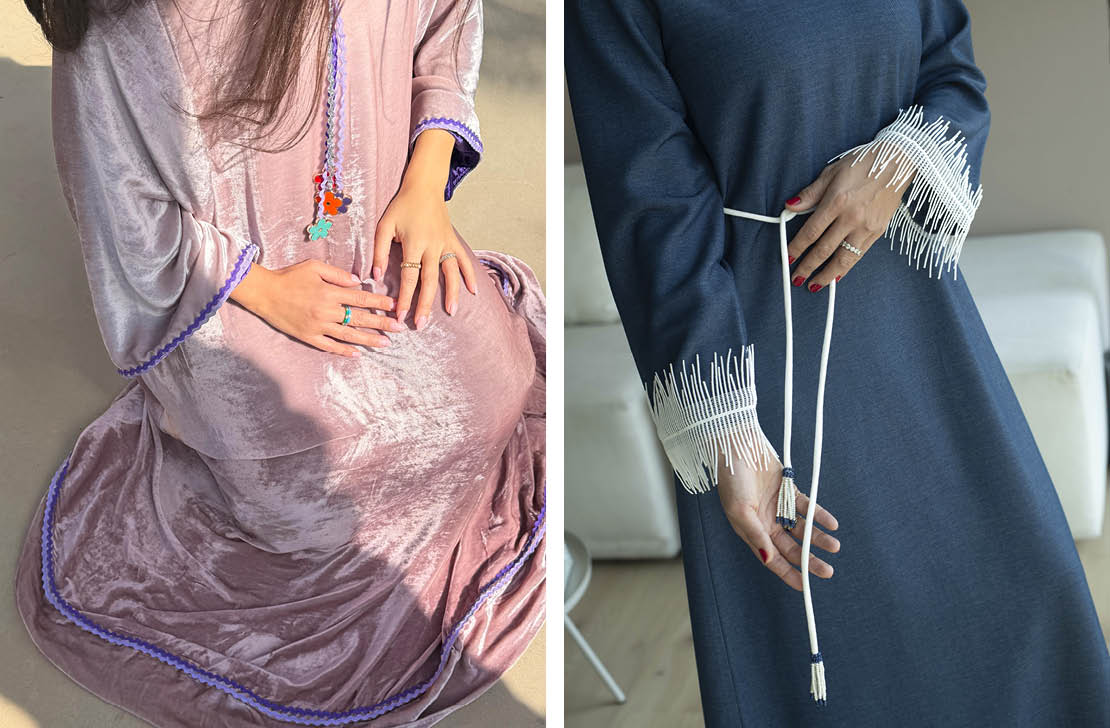
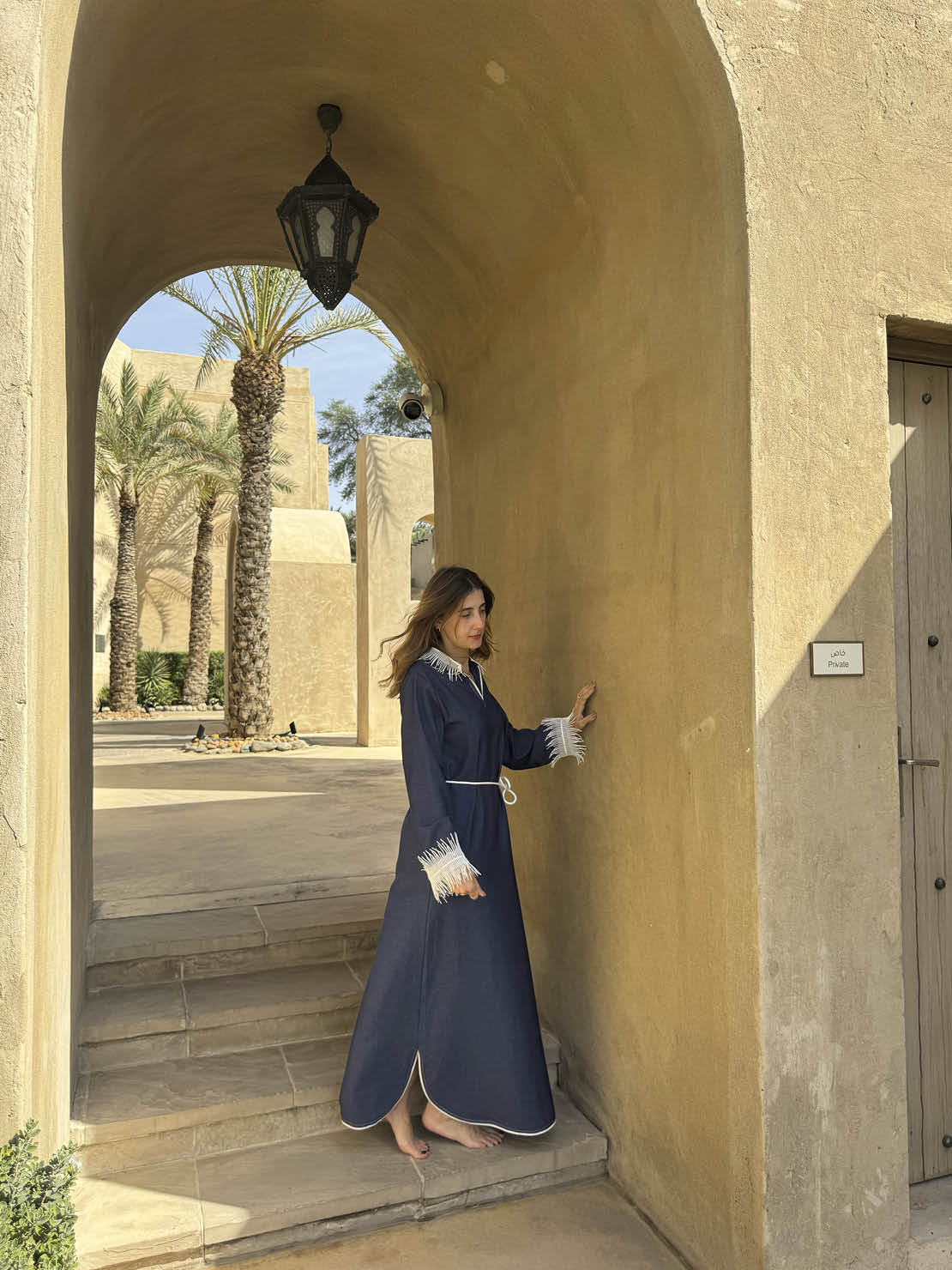
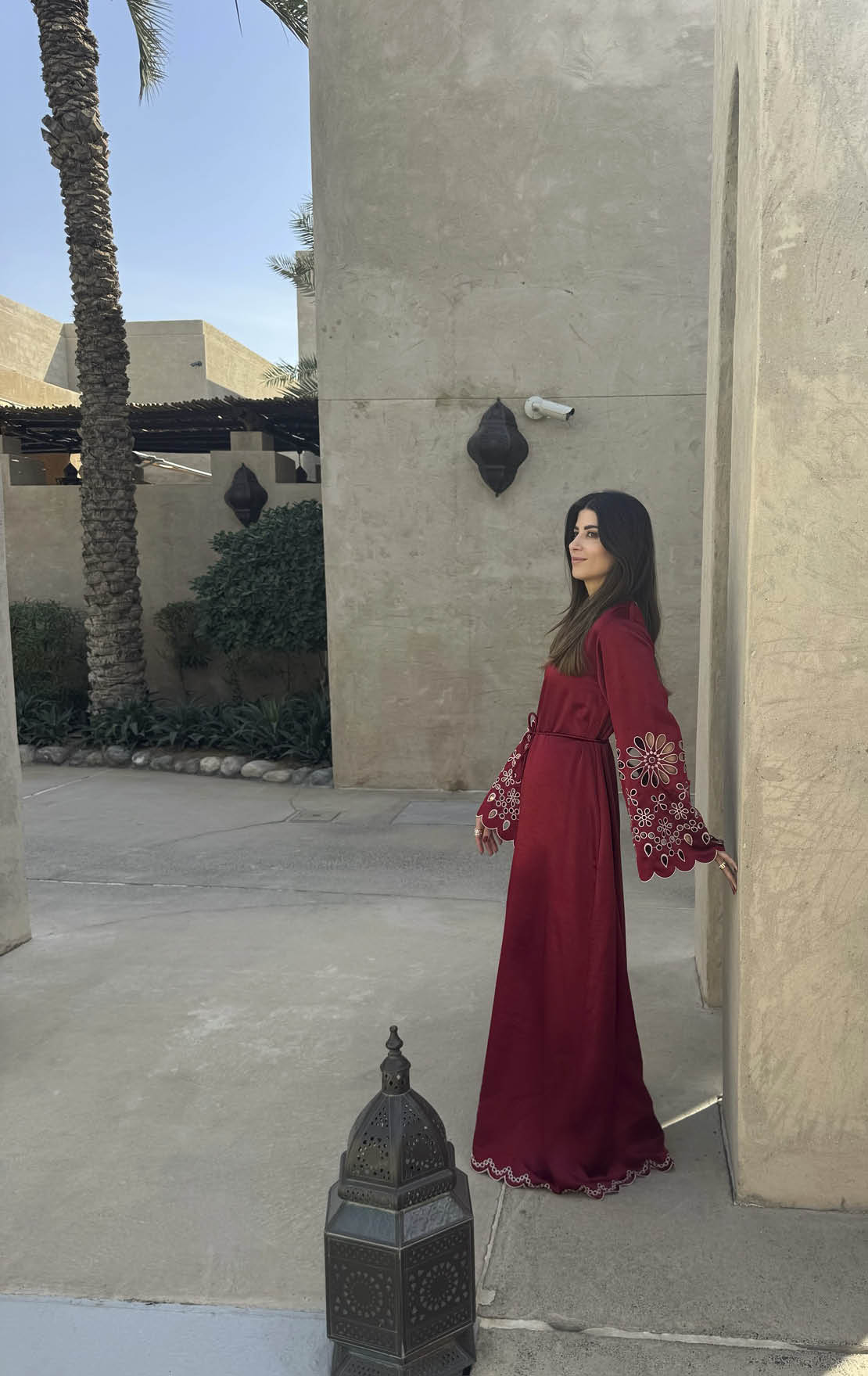
The starting point was reflection, the idea of quiet strength and presence. Ramadan is a time of inward focus, and I wanted the collection to feel respectful, fluid, and serene, while still carrying a sense of modern elegance that transitions effortlessly from day to evening.
Tell us a little about the collection — the theme, colour palette, and silhouette.
The collection is built around soft structure and understated luxury. The palette is muted and earthy, with warm neutrals and subtle depth. Silhouettes are elongated and fluid, designed to move with the body and layer naturally, allowing each woman to style the pieces in her own way.
What makes a Ramadan piece timeless in your eyes, something that can live beyond the season and return to a woman’s wardrobe year after year?
Timelessness comes from restraint. When a piece isn’t overly tied to a moment, it remains relevant. Clean lines, quality fabrics, and versatile silhouettes allow a Ramadan piece to evolve with a woman’s wardrobe rather than belong to a single occasion.
Looking ahead, how do you see MOUNAY continuing to support and empower women through design?
By designing with intention and respect for women’s individuality. MOUNAY will continue to offer pieces that adapt to different roles, moods, and stages of life — clothing that supports women rather than defines them and allows them to feel confident on their own terms.
What is something you would still like to achieve with the brand?
I would like MOUNAY to be recognised globally as a brand that represents modern Middle Eastern elegance with depth and authenticity, not just aesthetically, but philosophically.
How would you describe the brand in one word?
Timeless.
By Lindsay Judge
Slowing Down, Dr Dana Jammal explores the psychological aspects of Ramadan
As daily routines soften and the pace of life shifts during Ramadan, the impact on mental and emotional well-being often becomes more noticeable and it’s important In this conversation, Dr Dana Jammal of Thrive Wellbeing Centre in Dubai explores the psychological effects of fasting, changes in sleep patterns, and increased reflection, offering insight into why the month can feel both challenging and deeply grounding. From heightened emotional awareness to the calming power of structure and connection, she unpacks how Ramadan can support greater mental clarity, resilience and long-term emotional balance.

Ramadan brings a noticeable shift in daily rhythm. From a psychological. From a perspective, how do these changes in routine initially affect stress levels and emotional balance?
Any significant shift in routine places temporary demands on the nervous system. Early in Ramadan, changes in eating, sleep and daily structure can create a sense of disequilibrium, which may initially heighten stress or emotional sensitivity. Psychologically, the mind is adjusting to uncertainty and changes, which can briefly disrupt emotional balance before a new rhythm settles
in.
Many people report the first week of fasting as the most challenging. What is happening mentally and emotionally during this adjustment phase?
During the first week, both the brain and body are adapting. Reduced glucose availability, disrupted sleep, and altered daily cues can make emotions feel more immediate or intense. People may experience increased irritability or mental fatigue because familiar regulation strategies – such as eating on demand – are temporarily unavailable.
How does fasting influence mood and emotional awareness beyond hunger and fatigue? Are people more in tune with their emotions during Ramadan?
Yes, many people report heightened emotional awareness. Fasting reduces external distractions and habitual coping behaviours, which can bring emotions into clearer focus. Without immediate access to food or stimulation as regulatory tools, individuals may become more aware of the underlying emotional states, relational needs or stress patterns that are usually less visible in the pace of day-to-day life.
As the month progresses, many individuals describe feeling calmer or more grounded. What explains this shift from a mental health point of view?
Predictability returns as the nervous system adapts. Regular prayer, structured fasting hours and a slower daily tempo can create a sense of psychological containment. Over time, this consistency supports emotional regulation, which can lead to feelings of calm, grounding and mental clarity for many individuals.
Communal elements such as shared iftars and increased family time are central to Ramadan. How does this sense of connection impact emotional wellbeing?
Human connection is a powerful regulator of emotional wellbeing. Shared rituals, communal meals and collective spiritual practice foster belonging and reduce feelings of isolation. These experience can activate social bonding systems that support mood stability and emotional resilience.
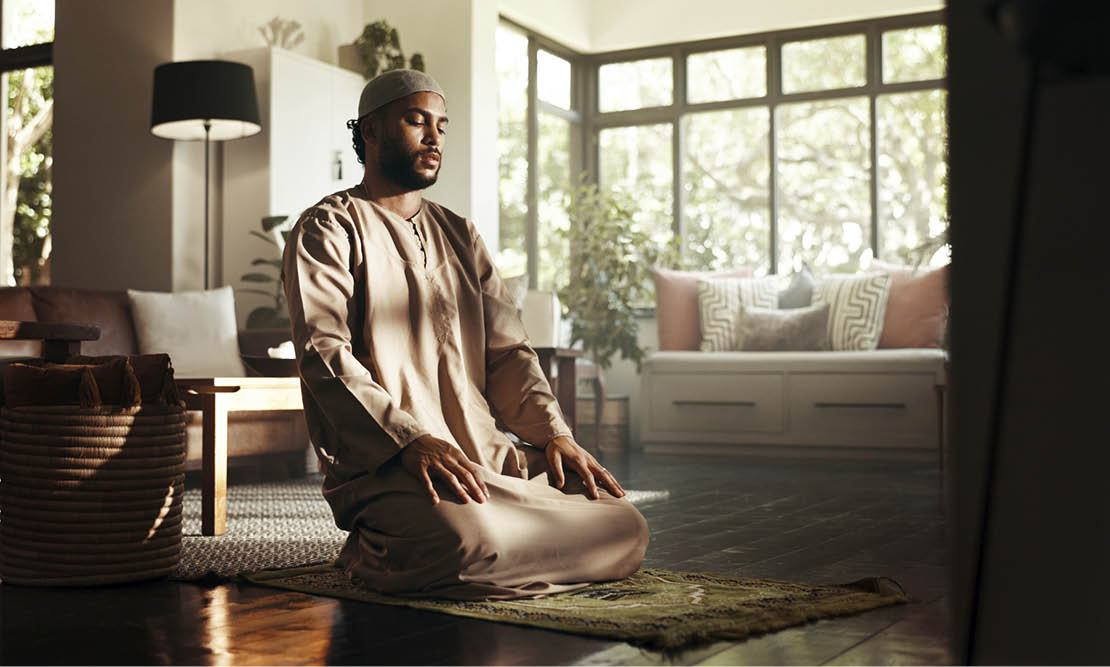
Ramadan often encourages reflection and slowing down. How can this intentional pause support stress management and mental clarity?
Slowing down interrupts chronic stress patterns. With a quieter pace, the mind has space to process rather than react. This reflective pause reduces cognitive overload, allowing individuals to notice stress signals earlier and respond more thoughtfully rather than operating on autopilot.
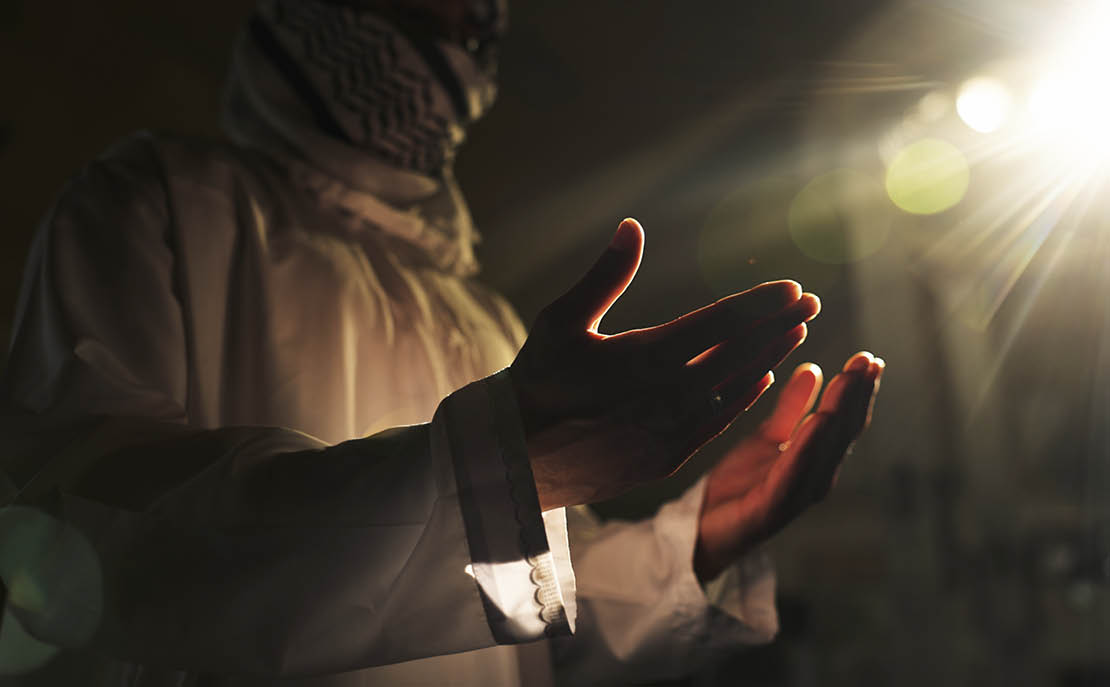
For those who struggle with anxiety or emotional overwhelm, what gentle mindset shifts can help them navigate Ramadan more positively?
Viewing emotional sensitivity as a normal part of adjustment – rather than a personal failure – can be helpful and regulating. Approaching Ramadan with curiosity instead of pressure and allowing emotional experiences to be informative rather than something to suppress often reduces anxiety about “not doing it right.”
Sleep patterns change significantly during the month. How do altered sleep schedules affect mood, and what small adjustments can help protect mental wellbeing?
Sleep disruption can increase emotional reactivity and reduce frustration tolerance. Even modest consistency – such as protecting a short daytime rest or maintaining regular wake times – can support emotional regulation.
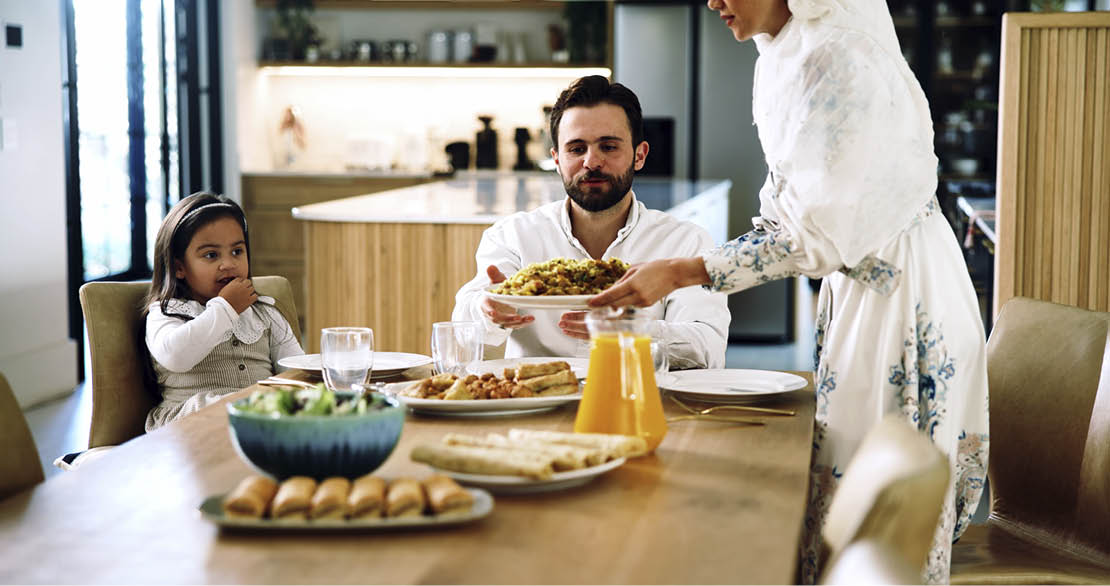
Do you see lasting mental health benefits after Ramadan ends, particularly for individuals who embrace its reflective and mindful aspects?
Yes, particularly for individuals who internalise the reflective aspects of Ramadan. Increased emotional awareness, improved self-regulation and clearer insight into personal needs often extend beyond the month. These benefits tend to endure when the intentional mindset developed during Ramadan is integrated into everyday life.
What is one emotional or psychological lesson from Ramadan that people can carry forward into everyday life long after the month is over?
That slowing down is not a loss of productivity but often a gain in clarity. Ramadan reminds us that emotional insight and balance emerge not from constant activity, but from presence, reflection, and intention.
By Lindsay Judge
New Arrivals, The 10 Global Hotel Openings in 2026 to Be Excited About
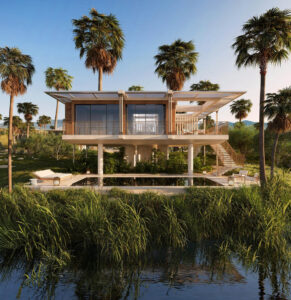
Amanvari, Mexico
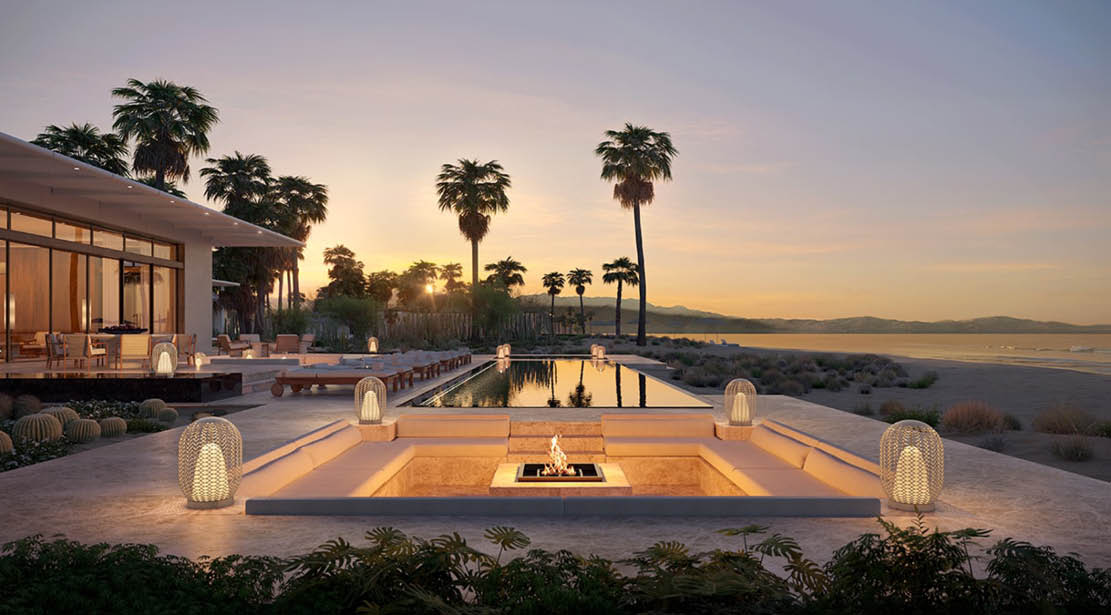
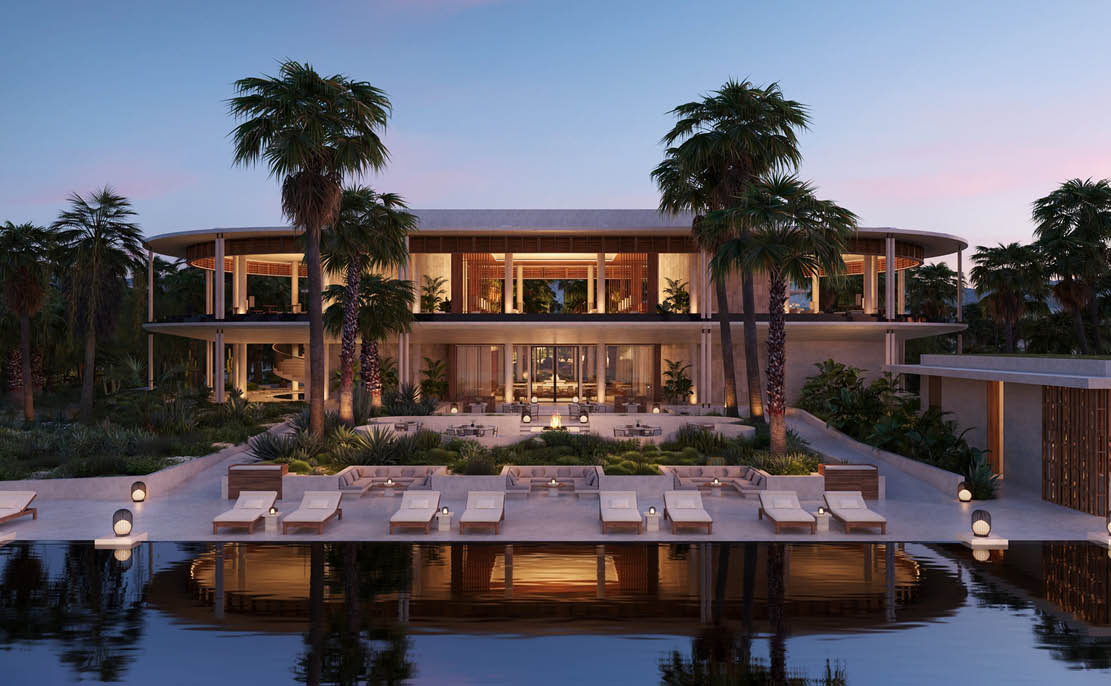
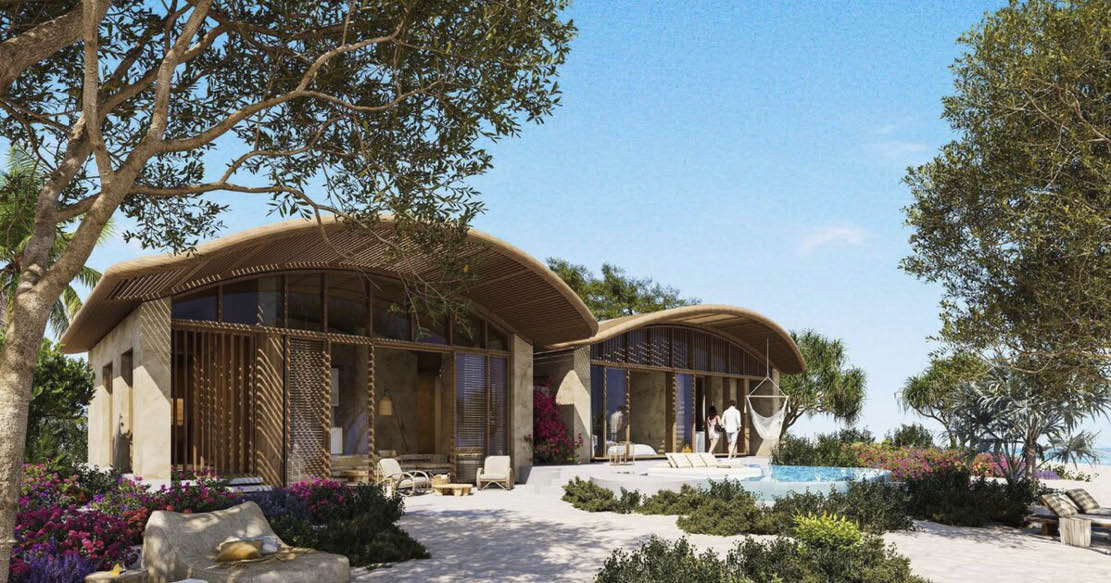
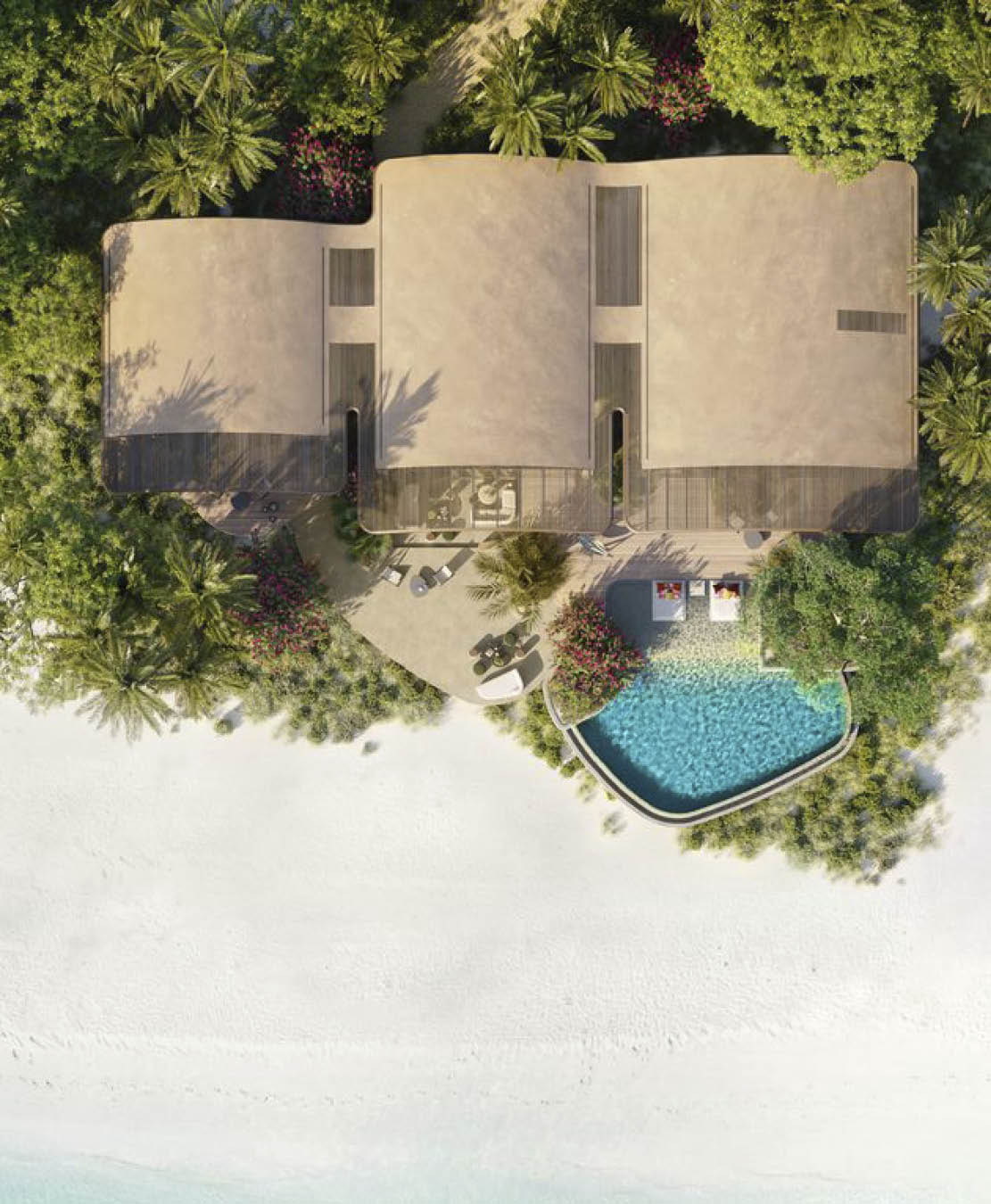
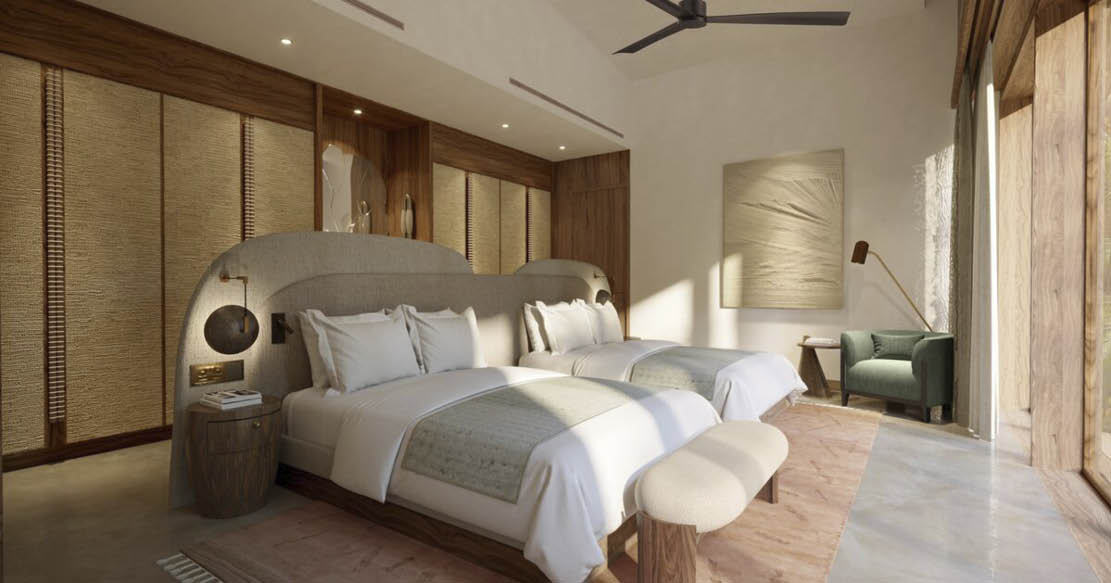
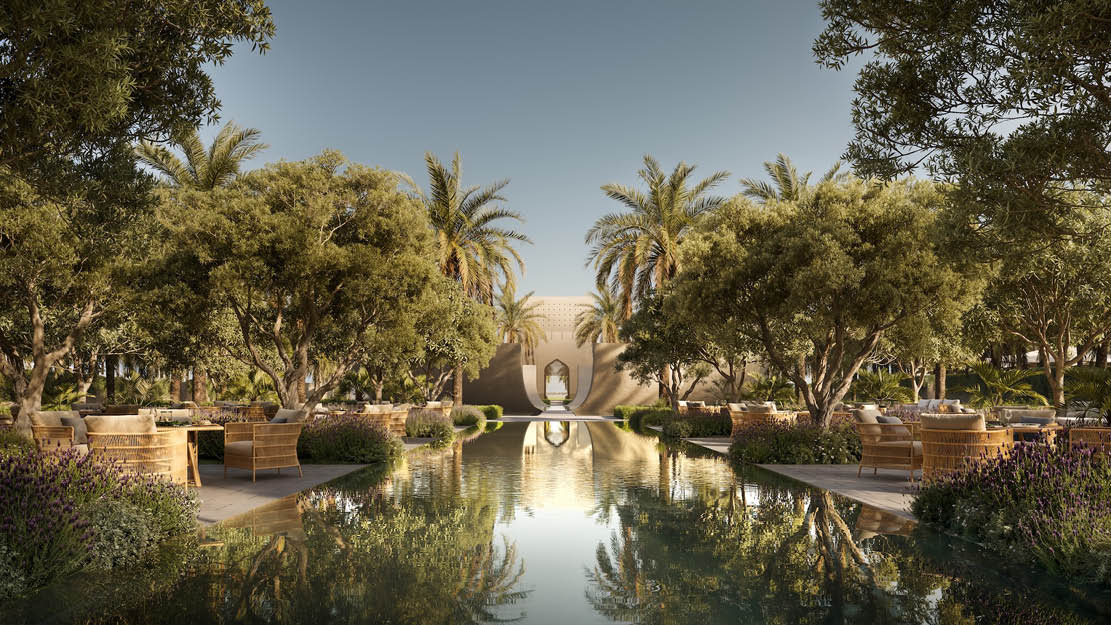
Amanvari marks Aman’s arrival on Mexico’s Baja East Cape, set within the expansive Costa Palmas community. With just 18 keys alongside a limited collection of residences, the resort is designed to feel deeply private and immersed in nature. Elevated casitas frame views of desert, sea and river estuary, while open-plan architecture dissolves boundaries between indoors and out. Expect Aman’s signature serenity, a destination-driven spa experience and dining that reflects both global influences and local heritage.
Bulgari Resort Ranfushi, Maldives
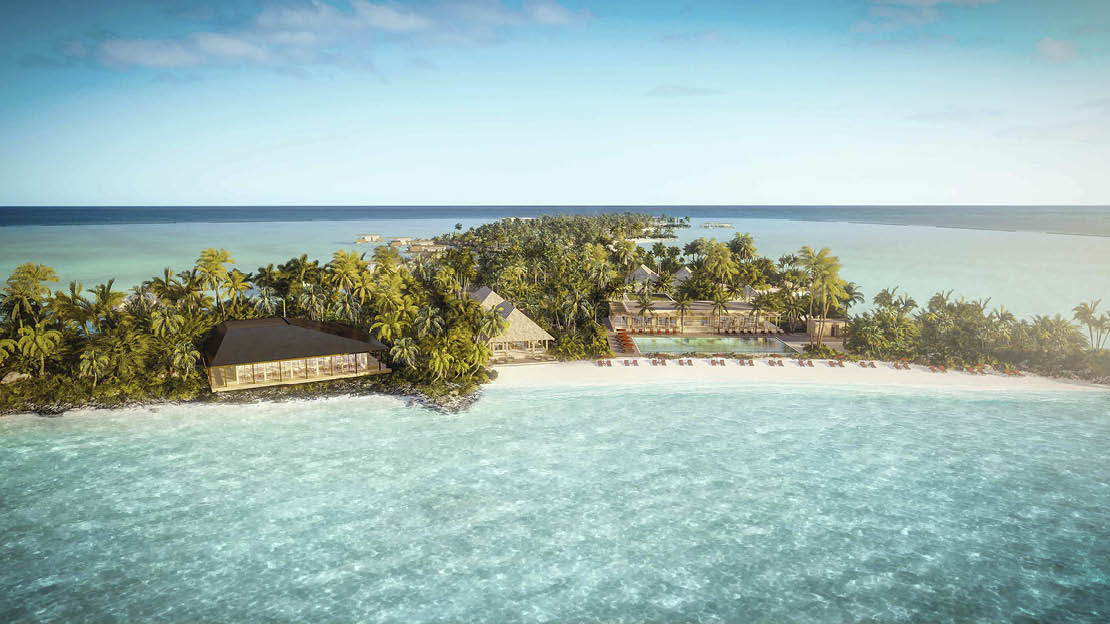
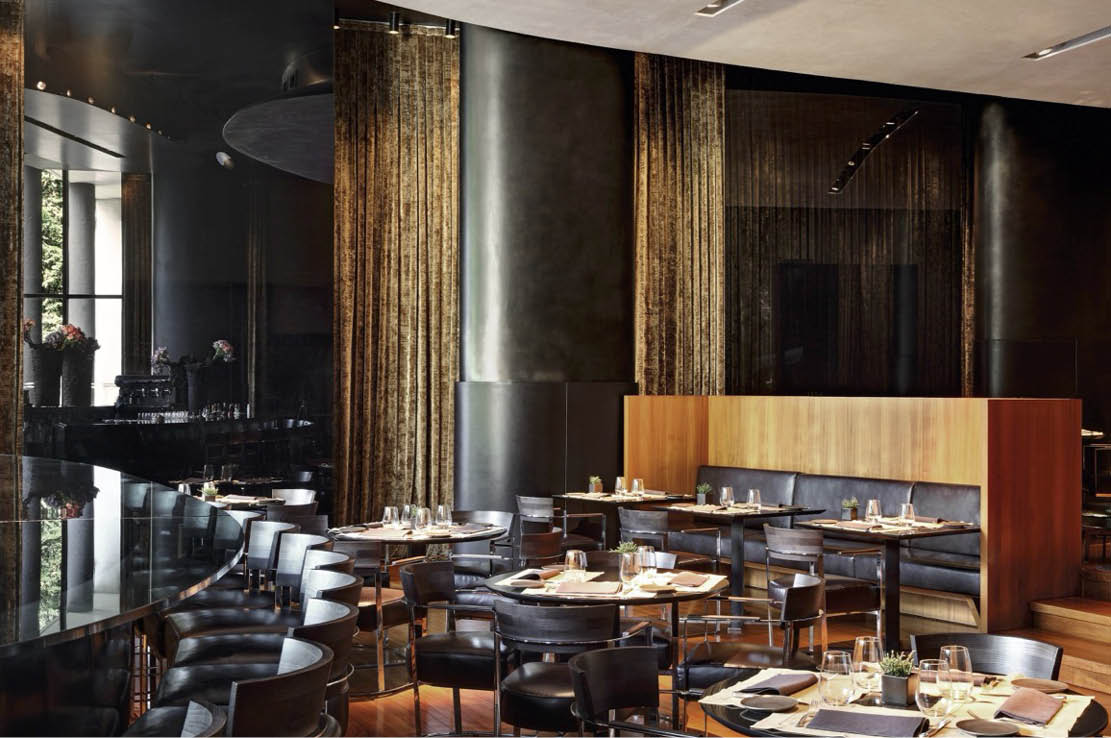
Bulgari brings its refined Italian sensibility to the Maldives with this new private-island retreat in Raa Atoll. Designed by ACPV Architects, the resort features 54 villas, including a flagship Bulgari Villa occupying its own island. Clean, contemporary architecture meets Maldivian landscapes, with a focus on privacy, tailored service and immersive wellness. A Bulgari Spa, fitness facilities and multiple dining concepts complete the experience, positioning Ranfushi as one of the most exclusive openings in the region.
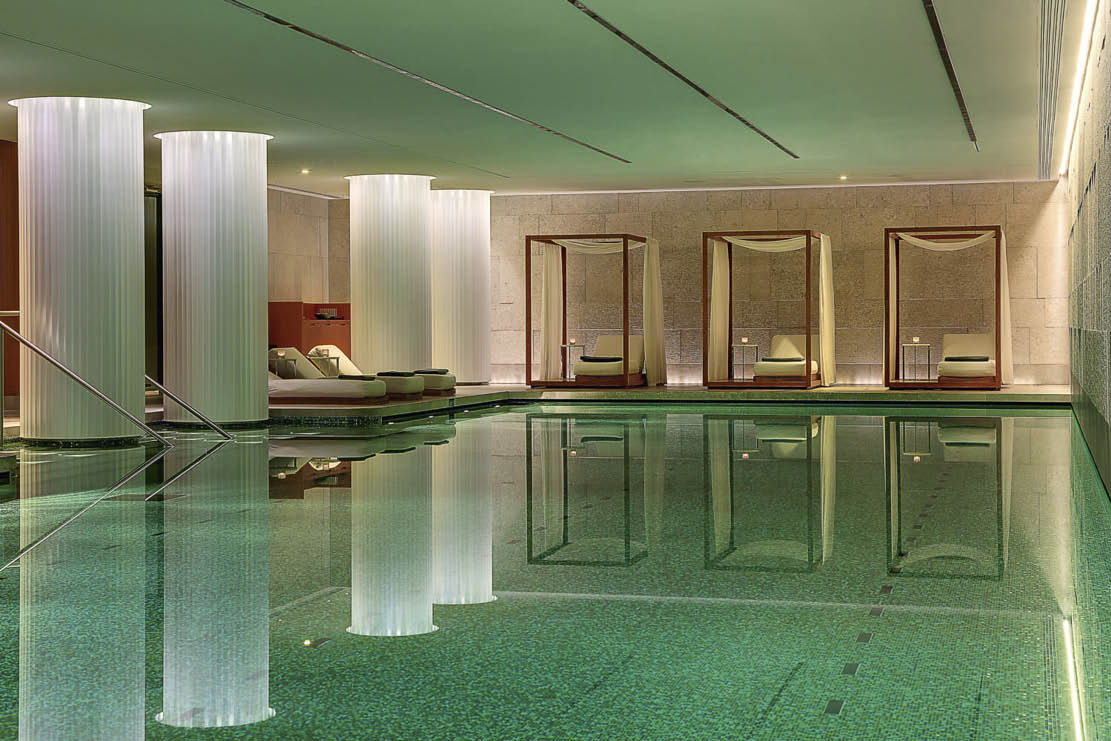
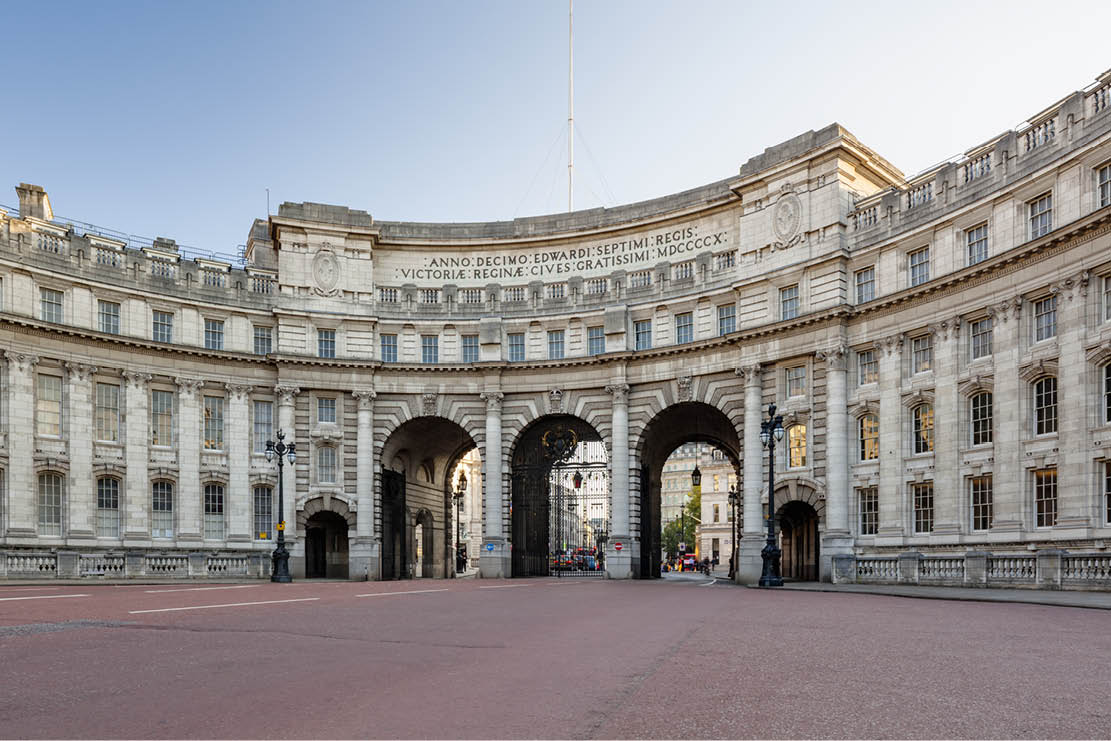
Waldorf Astoria London Admiralty Arch, United Kingdom
Few hotel openings feel as symbolic as this. Occupying the iconic Admiralty Arch between Trafalgar Square and Buckingham Palace, this Grade I–listed landmark is being reimagined as a 100-key ultra-luxury hotel. Interiors by Archer Humphryes will blend heritage with contemporary elegance, while dining is set to be a major draw. More than a hotel launch, this opening reinforces London’s enduring authority in grand, ceremonial hospitality.
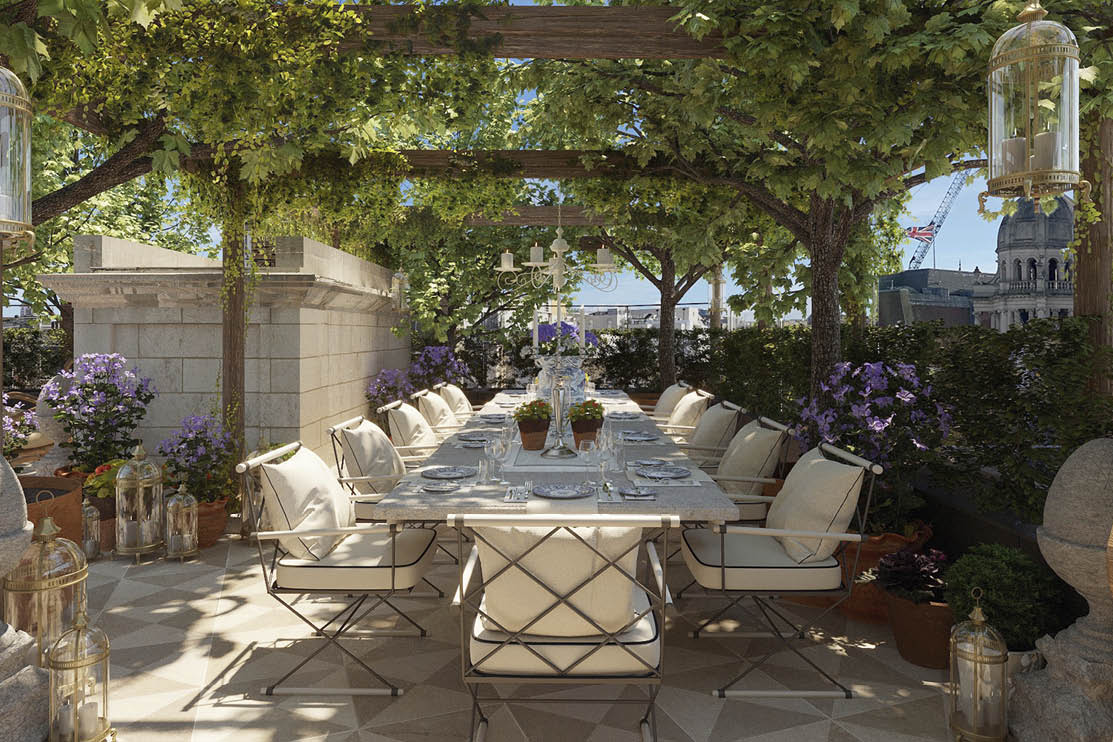
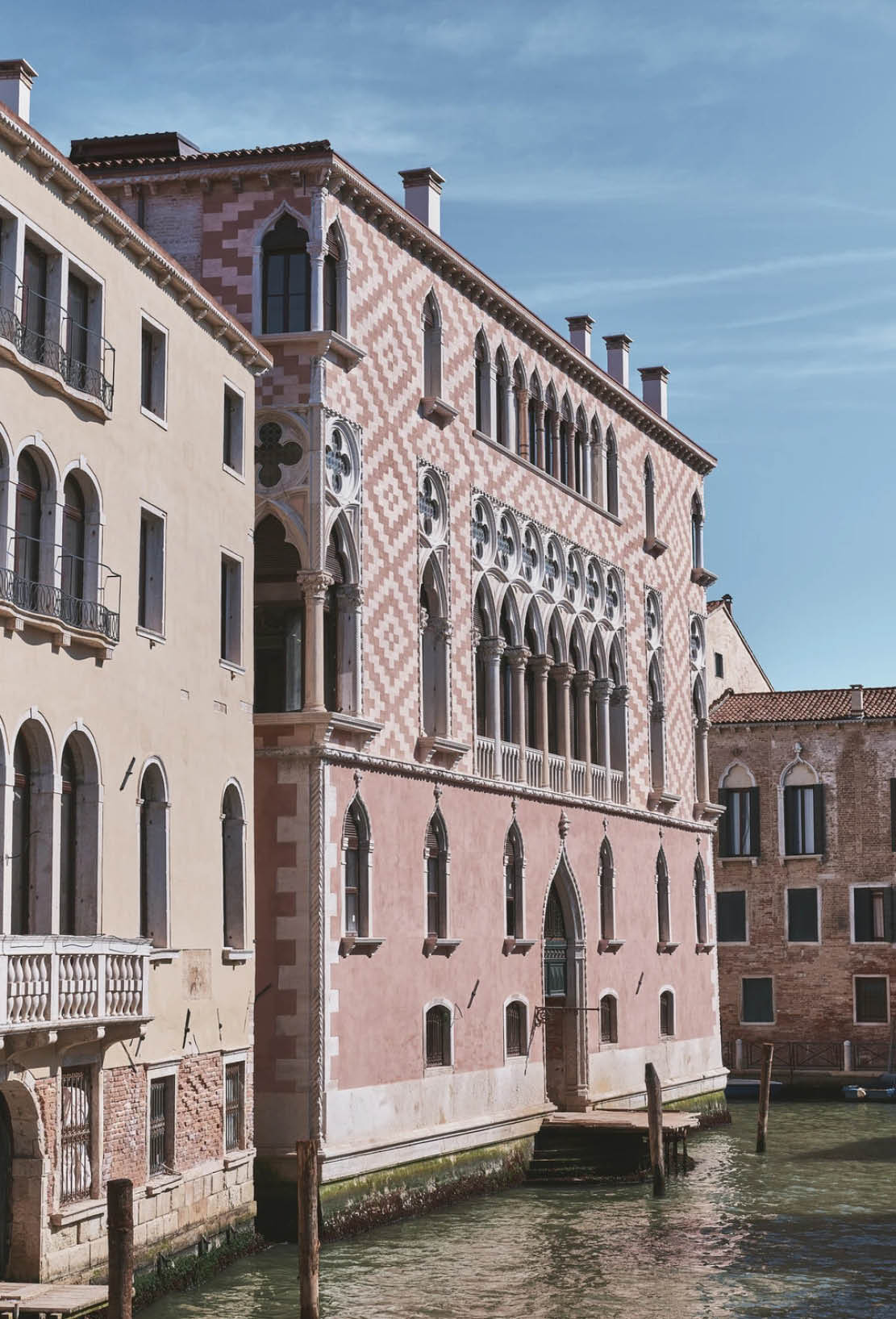
Orient Express Venice, Italy
Orient Express continues its revival with a landmark hotel opening in Venice, housed in a richly layered historic palazzo. Guests will arrive by canal, stepping through a dramatic Gothic portal into a world of gilded salons, hidden courtyards and cinematic details. The property reflects the brand’s romance-driven DNA, offering a deeply atmospheric stay that bridges nostalgia and modern luxury. It also signals the brand’s wider ambitions across hotels, trains and sailing yachts.
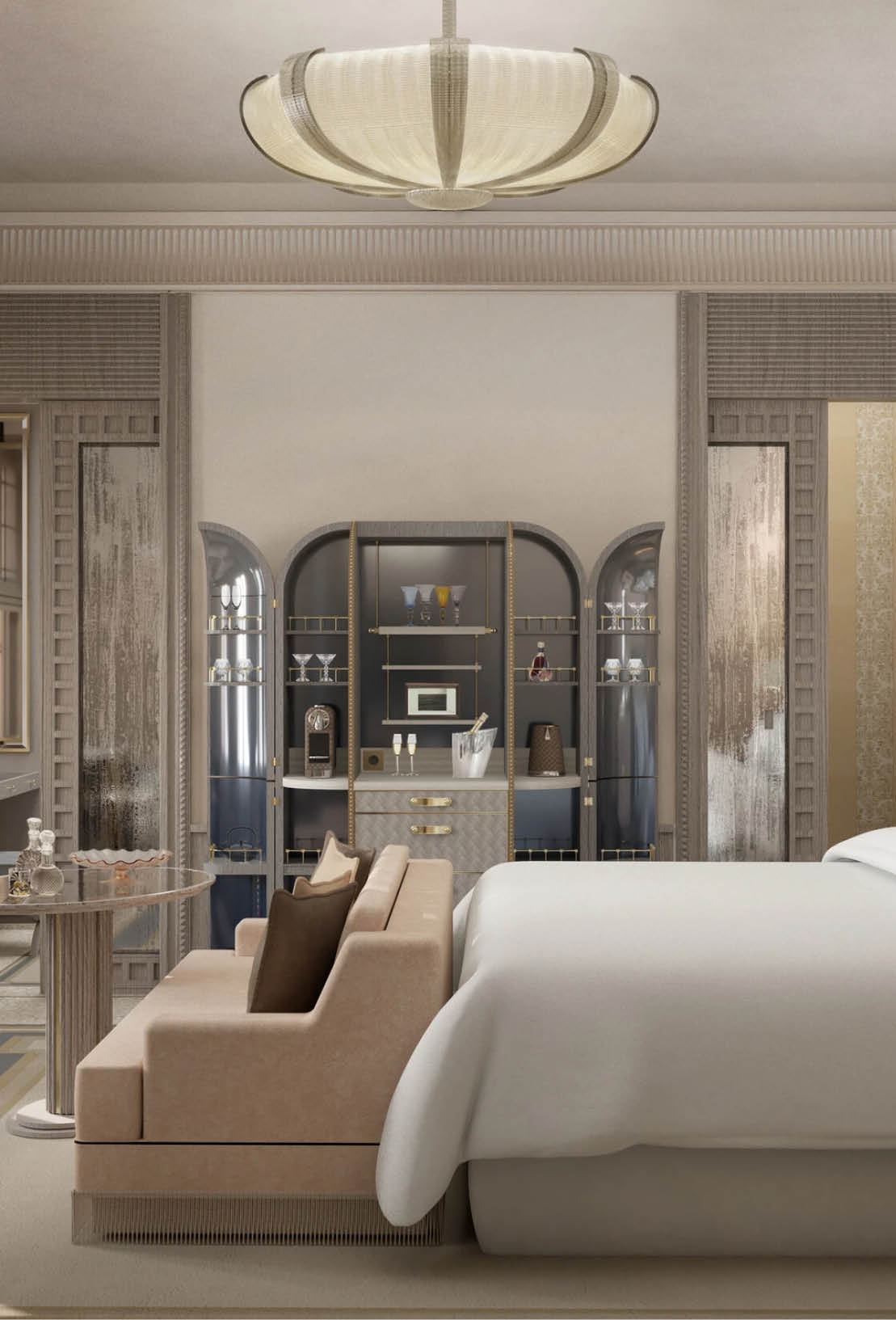
Six Senses Milan, Italy
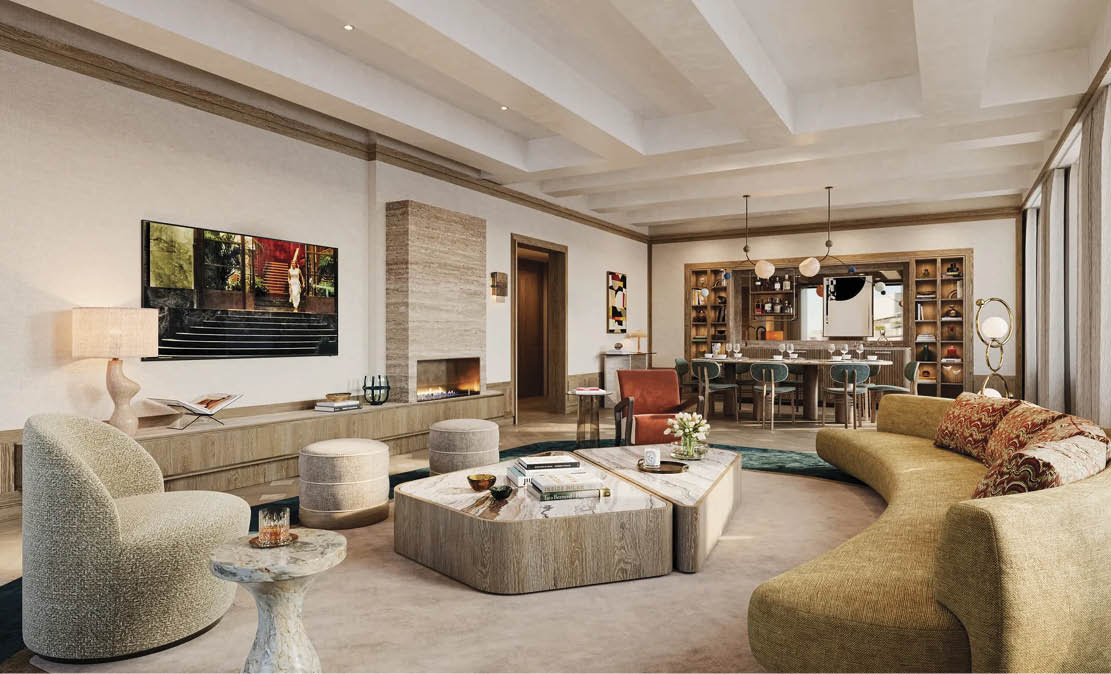
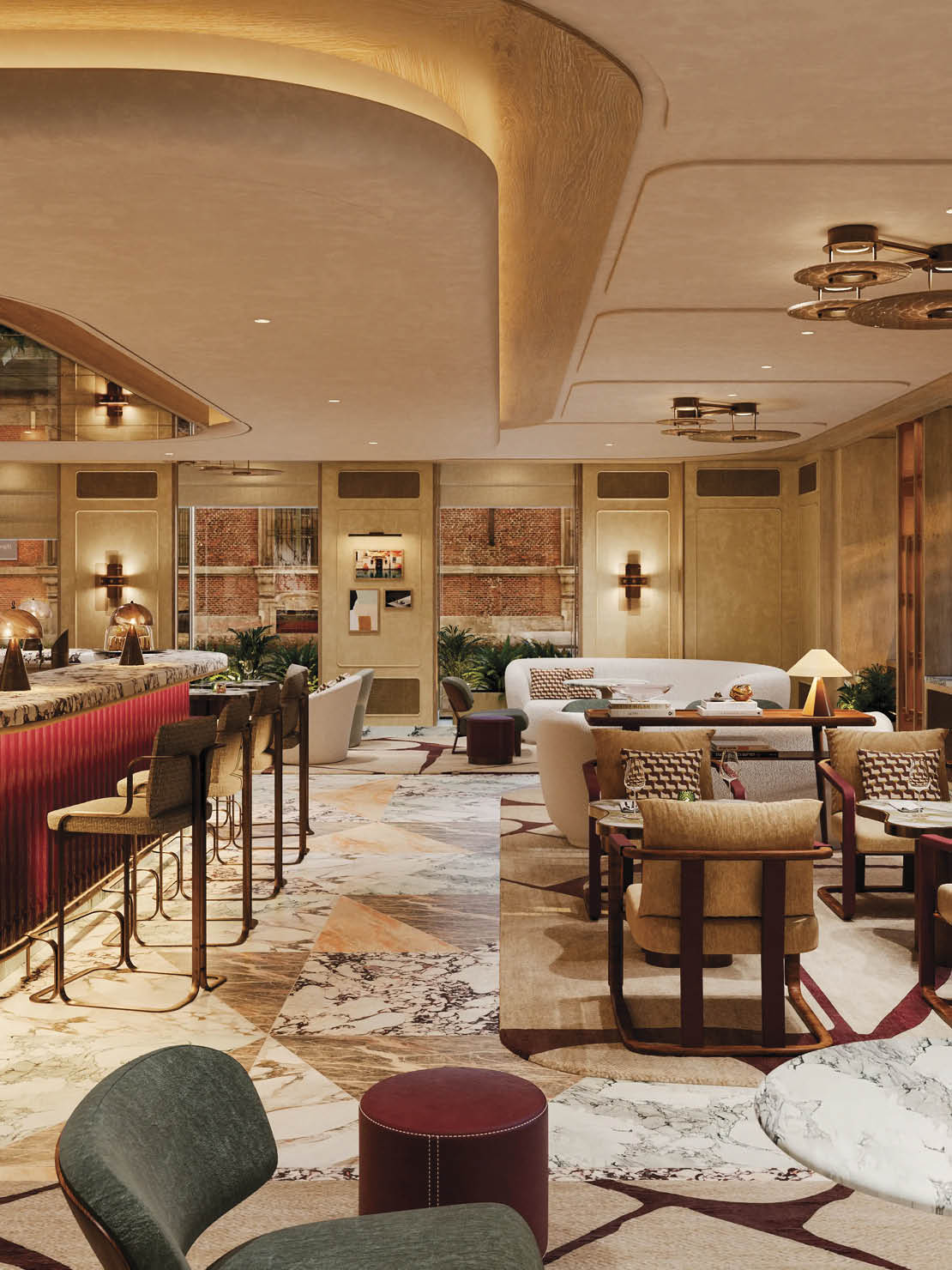
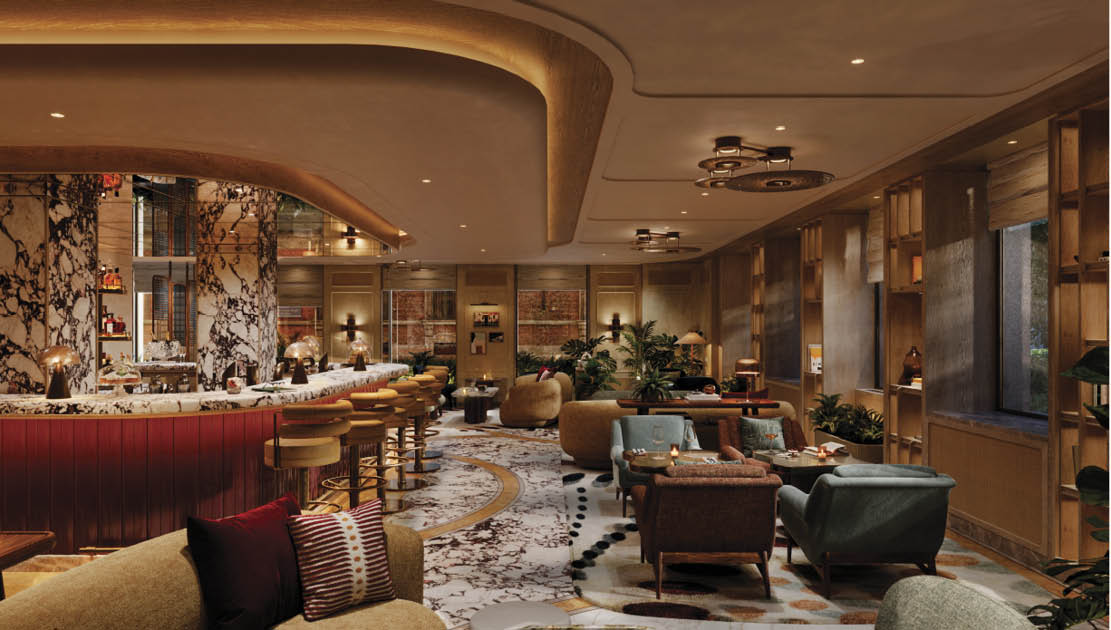
Six Senses makes its Milan debut in the heart of Brera, blending wellness-led luxury with the city’s artisanal heritage. Designed by Tara Bernerd & Partners, the hotel features richly textured interiors, 69 rooms and suites, and rare urban indulgences such as private plunge pools. Wellness takes centre stage with a comprehensive spa, indoor pool and holistic therapies, while rooftop dining and refined restaurants anchor the hotel firmly within Milan’s cultural rhythm.
La Réserve Seychelles
La Réserve’s Seychelles debut is intentionally intimate, with just six expansive private villas set along a secluded stretch of Praslin’s coastline. Each residence is fully staffed and designed for long, unhurried stays, complete with private pools, beach access and bespoke culinary experiences. The resort’s approach blends French-influenced luxury with the raw beauty of the islands, offering a highly personalised, all-inclusive model that feels discreet, refined and deeply immersive.


Miraval The Red Sea, Saudi Arabia
Miraval’s arrival in Saudi Arabia marks a significant moment for both the brand and the destination. Set on Shura Island along untouched shoreline, the resort brings Miraval’s immersive wellness philosophy to the Red Sea. Guests can expect purpose-driven programming focused on mindfulness, movement, creativity and nutrition, all delivered within a high-design, nature-led setting. It represents a thoughtful, experience-first approach within Saudi Arabia’s rapidly evolving hospitality landscape.
The Malkai, Oman
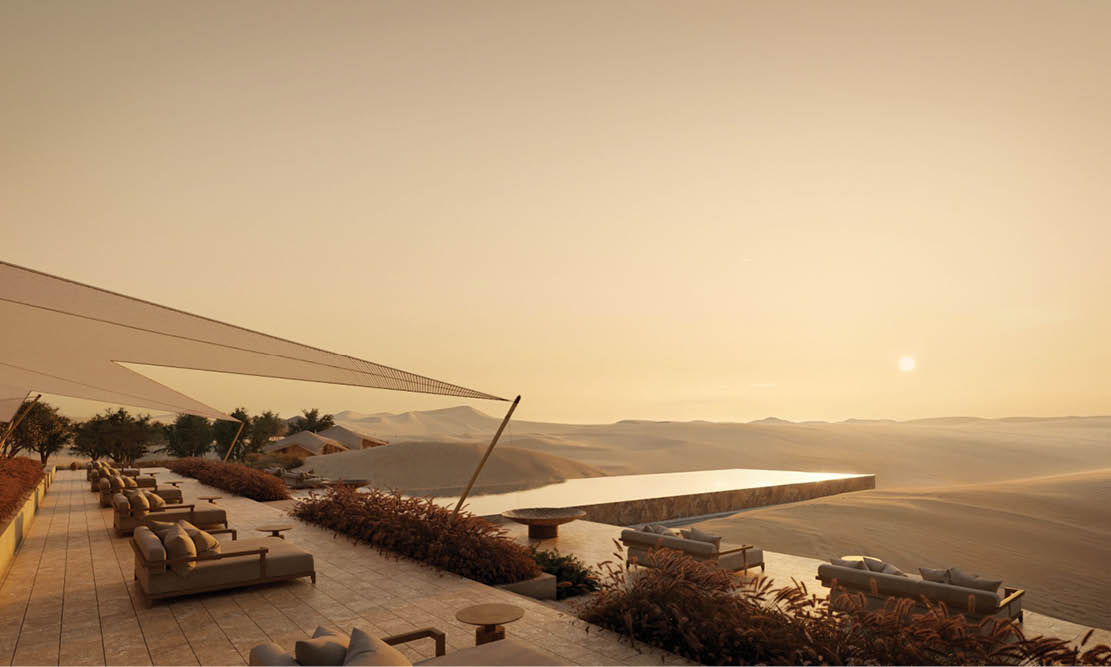
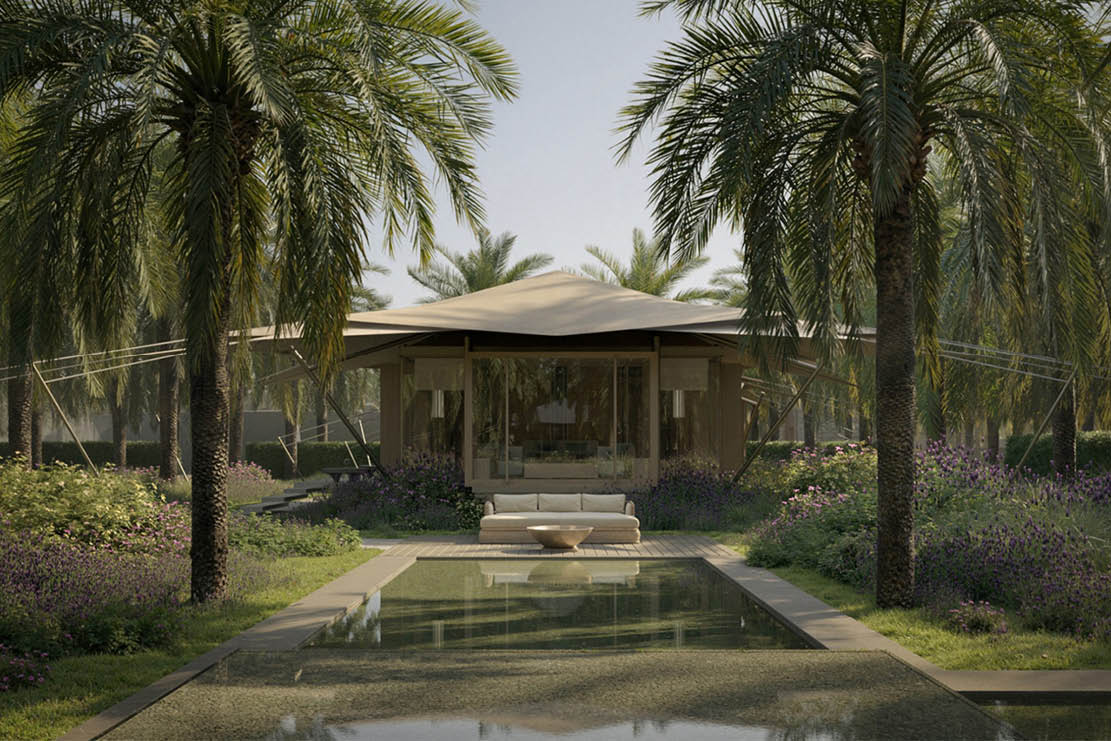
The Malkai redefines luxury travel in Oman through a three-part journey across the country’s most dramatic landscapes. Guests move between coastal plains, mountains and desert dunes, staying in a series of intimate tented camps connected by a guided overland experience. Each site offers refined accommodation, Omani-inspired dining and spa rituals, creating a deeply narrative-driven journey that prioritises cultural immersion over traditional resort living.
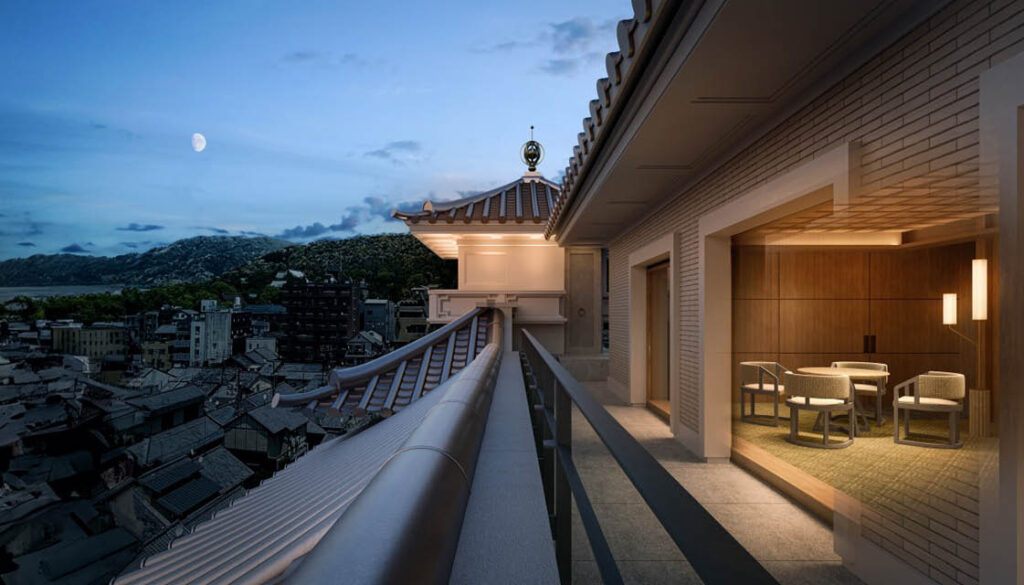
The Imperial Hotel Kyoto, Japan
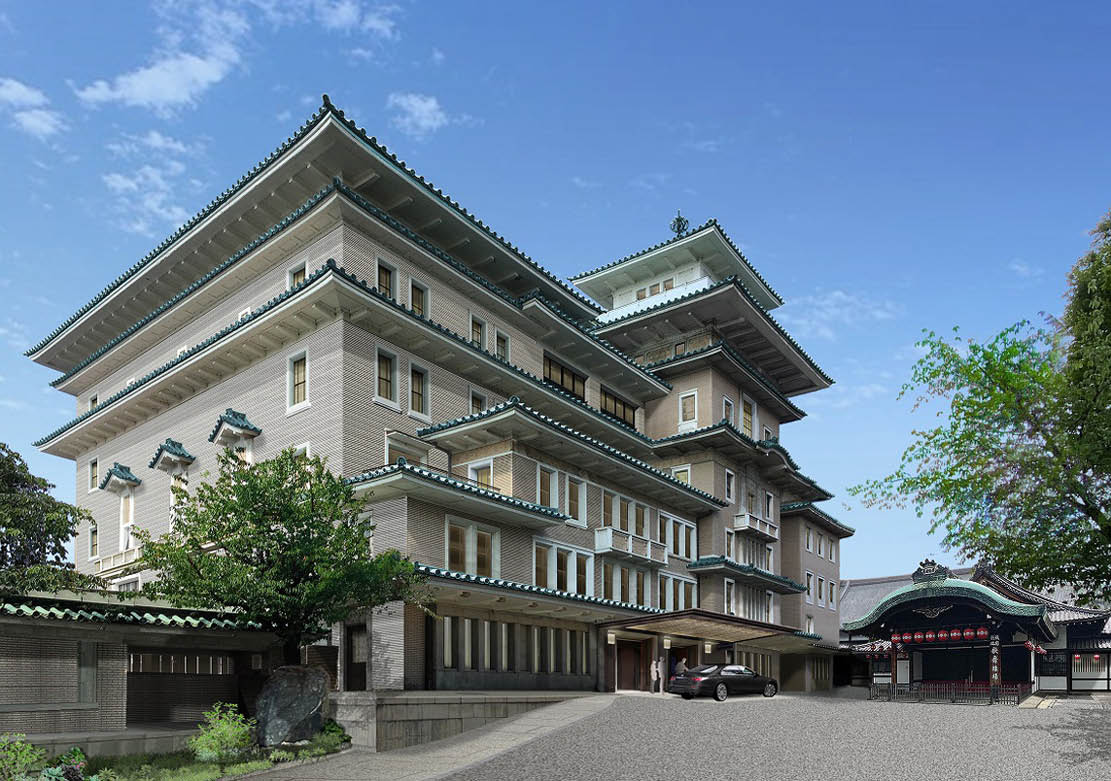
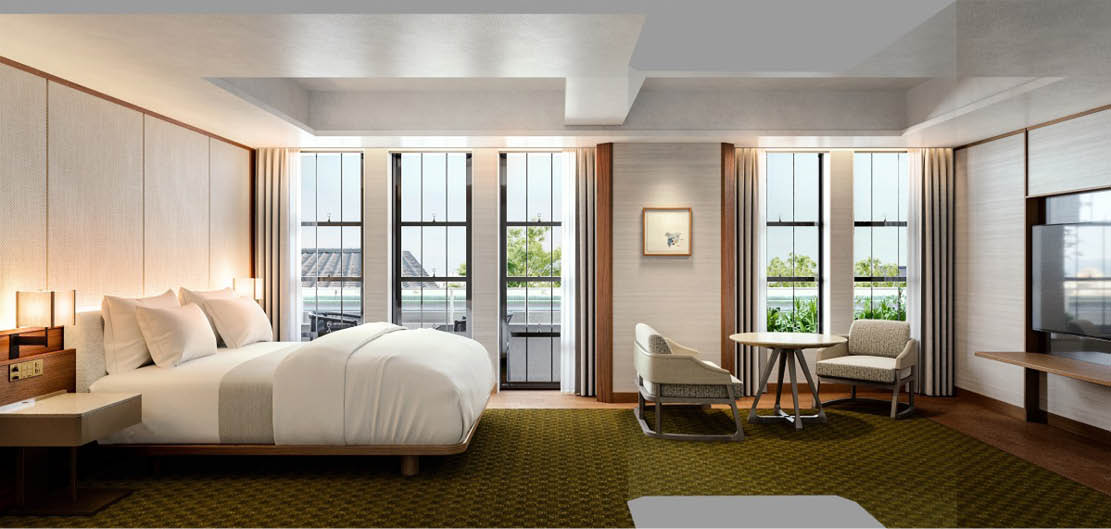
Imperial Hotels’ long-awaited expansion brings the brand to Kyoto’s historic Gion district, housed within the restored Yasaka Kaikan theatre. The 55-room property preserves original architectural details while introducing refined contemporary comforts. Materials, craftsmanship and spatial design pay homage to Japanese tradition, offering a quietly elegant stay that feels deeply rooted in place while reflecting Imperial’s legacy of understated luxury.
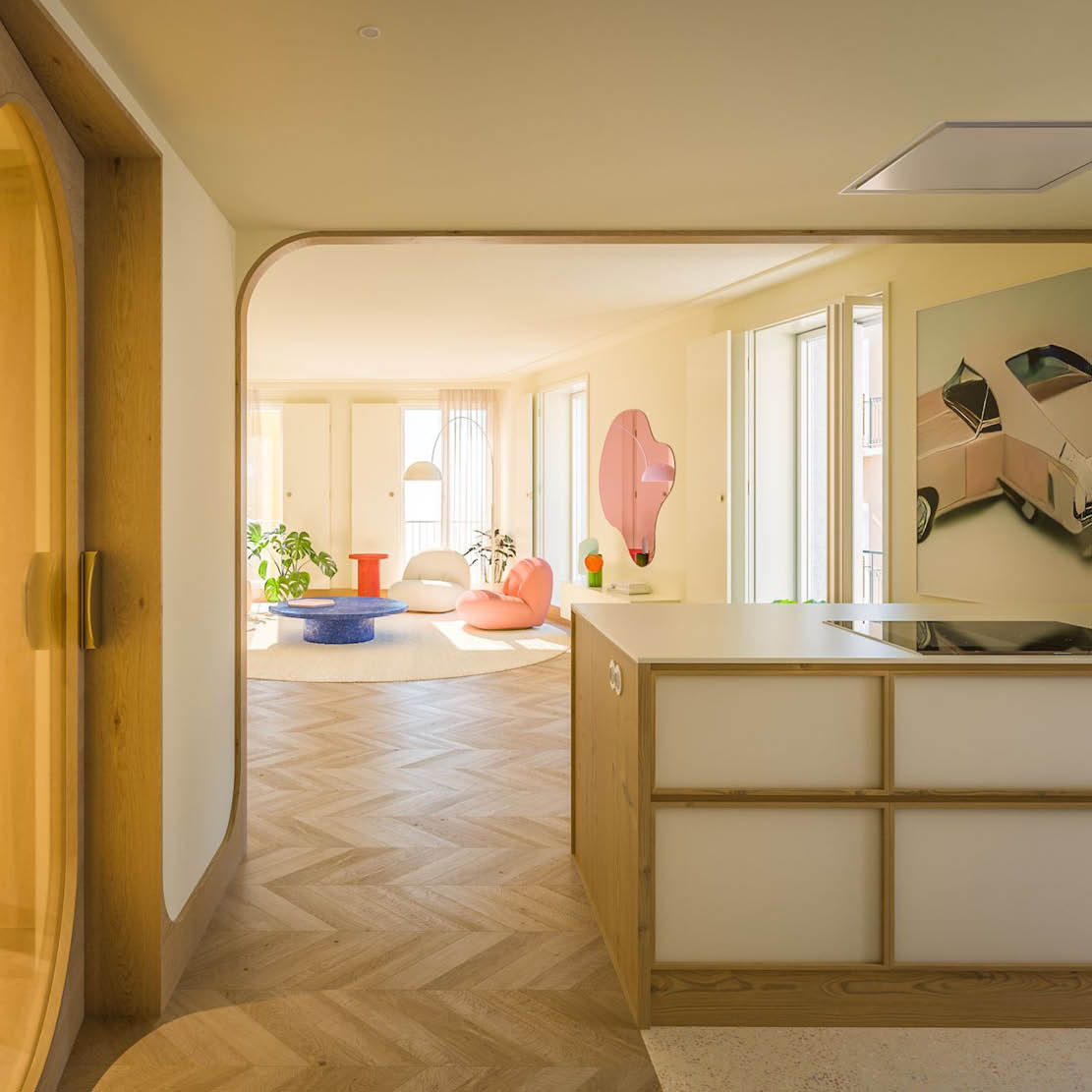
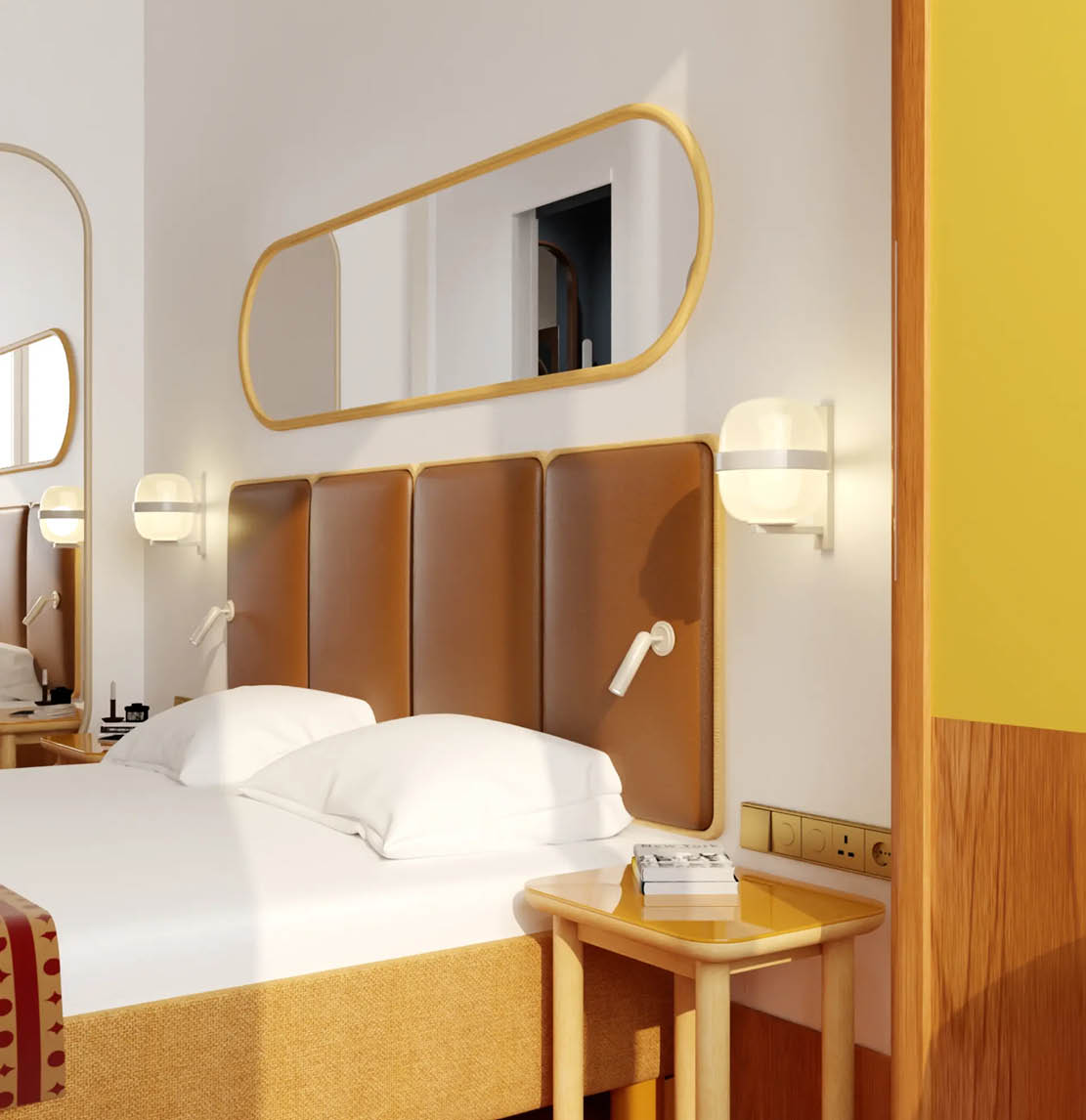
The Standard Lisbon, Portugal
The Standard’s Lisbon debut brings its signature playful energy to a historic hilltop site overlooking Alfama. Designed by Samuel Torres de Carvalho, the hotel blends calming, earthy guestroom palettes with bold communal spaces. A rooftop bar with panoramic city views anchors the experience, alongside long-stay residences and lively dining venues. It’s a distinctly Lisbon take on The Standard’s social, design-forward hospitality ethos.
Louis Vuitton Reveals an Exclusive Capsule Collection for Ramadan
Louis Vuitton
For its sixth edition, the LV Mirage Capsule Collection sees Louis Vuitton return with a refined expression of elegance, designed as a celebration of generosity and a thoughtful approach to modern dressing. Created as a complete lifestyle wardrobe, the collection spans leather goods, ready-to-wear, accessories, shoes, fine jewellery, and fragrance, offering a cohesive universe of exclusive pieces intended to be worn, gifted, and treasured.
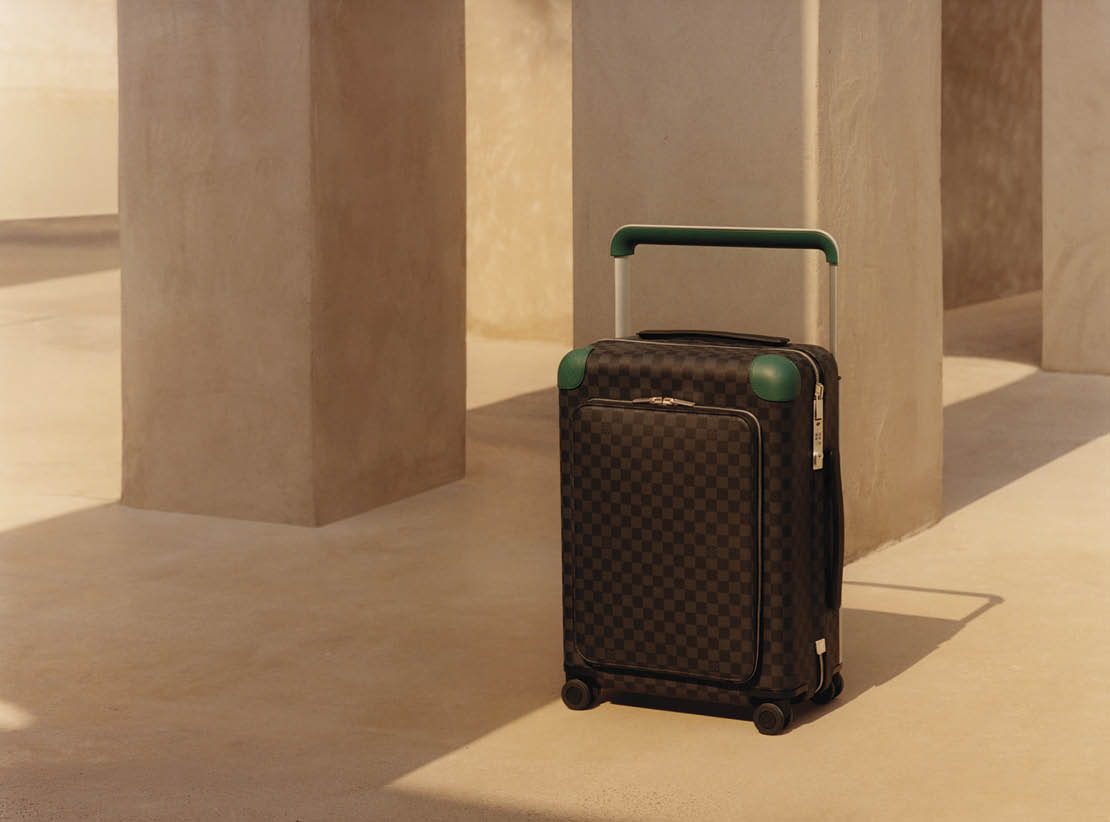
Fluidity defines the ready-to-wear offering, where versatility takes precedence. Pieces are designed to move seamlessly from day to evening, with soft, flowing silhouettes elevated by precious details such as gem buttons and delicate embroidery. The colour palette remains calm and considered, built around earthy browns, powdery pinks and warm neutrals that reflect a sense of understated chic.
Louis Vuitton’s iconic leather goods are also reimagined with a Mirage lens. The Capucines and Speedy bags appear in varnished Monogram leather, exceptional embroidery and gem-like accents that echo across the shoe collection. Select designs are finished with a distinctive “Heirloom” detail, a motif that connects footwear, eyewear and jewellery in a single visual language. New textile additions include a stole and a lightweight poncho, both introduced with tone-on-tone Monogram patterns that play with matte and shine for a discreet statement.
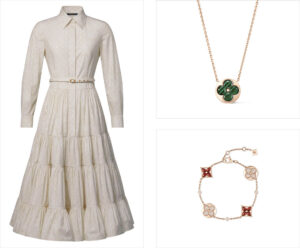
This edition marks a significant first for the Mirage universe, in collaboration with Lebanese designer Nada Debs. Known for reinterpreting traditional savoir-faire through a contemporary lens, Debs introduces a dune-inspired motif inspired by the desert landscape. Her contribution includes a high-end Bakhoor set shaped as a Monogram flower inspired by mashrabiya patterns, a Bakhoor trunk and a reinterpretation of the Capucines bag crafted in Taurillon leather.
Designing With Soul, Alya Al Suwaidi, Maitha Al Suwaidi, Co-founders of Contemporary Spaces discuss the evolution of family legacy
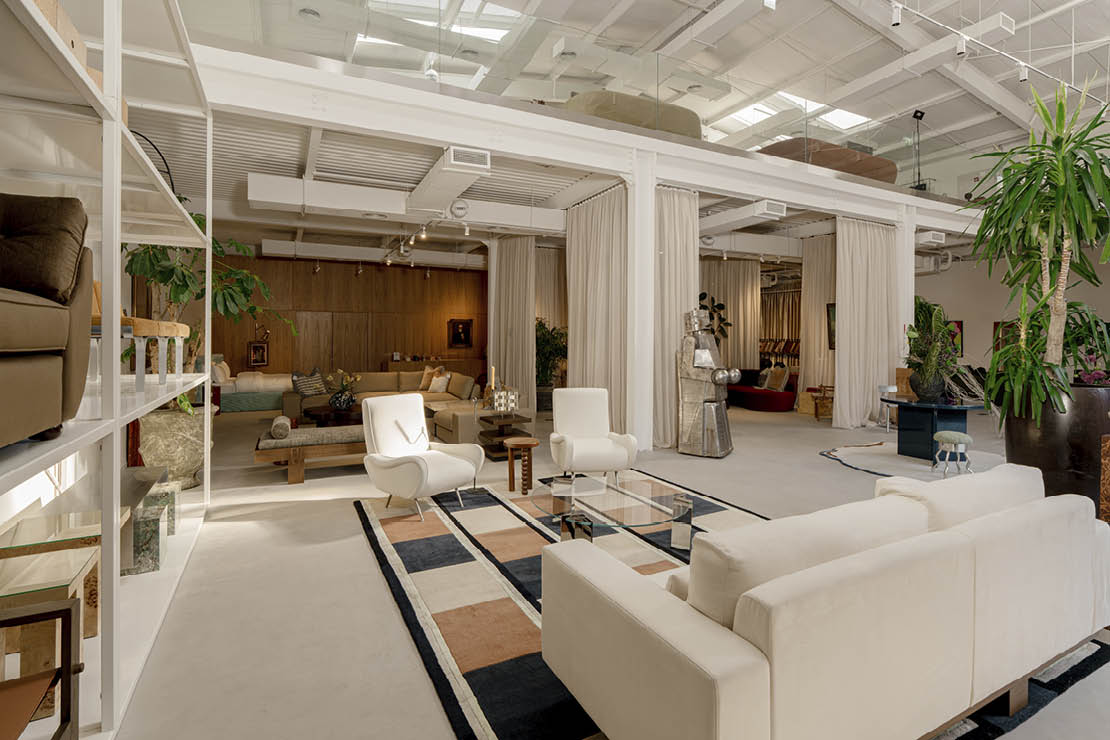
Rooted in heritage yet defined by a distinctly modern perspective, Contemporary Spaces enters the UAE design landscape as a thoughtful new voice in furniture and craftsmanship. Founded by Emirati siblings Alya Al Suwaidi, Maitha Al Suwaidi and Obaid Al Suwaidi, the studio draws from a deeply personal history shaped by years spent inside their father’s furniture and interior manufacturing factories. Surrounded by materials, tools and the quiet discipline of skilled makers from an early age, the siblings developed an instinctive understanding of structure, precision and longevity, values that now form the foundation of their own design practice.
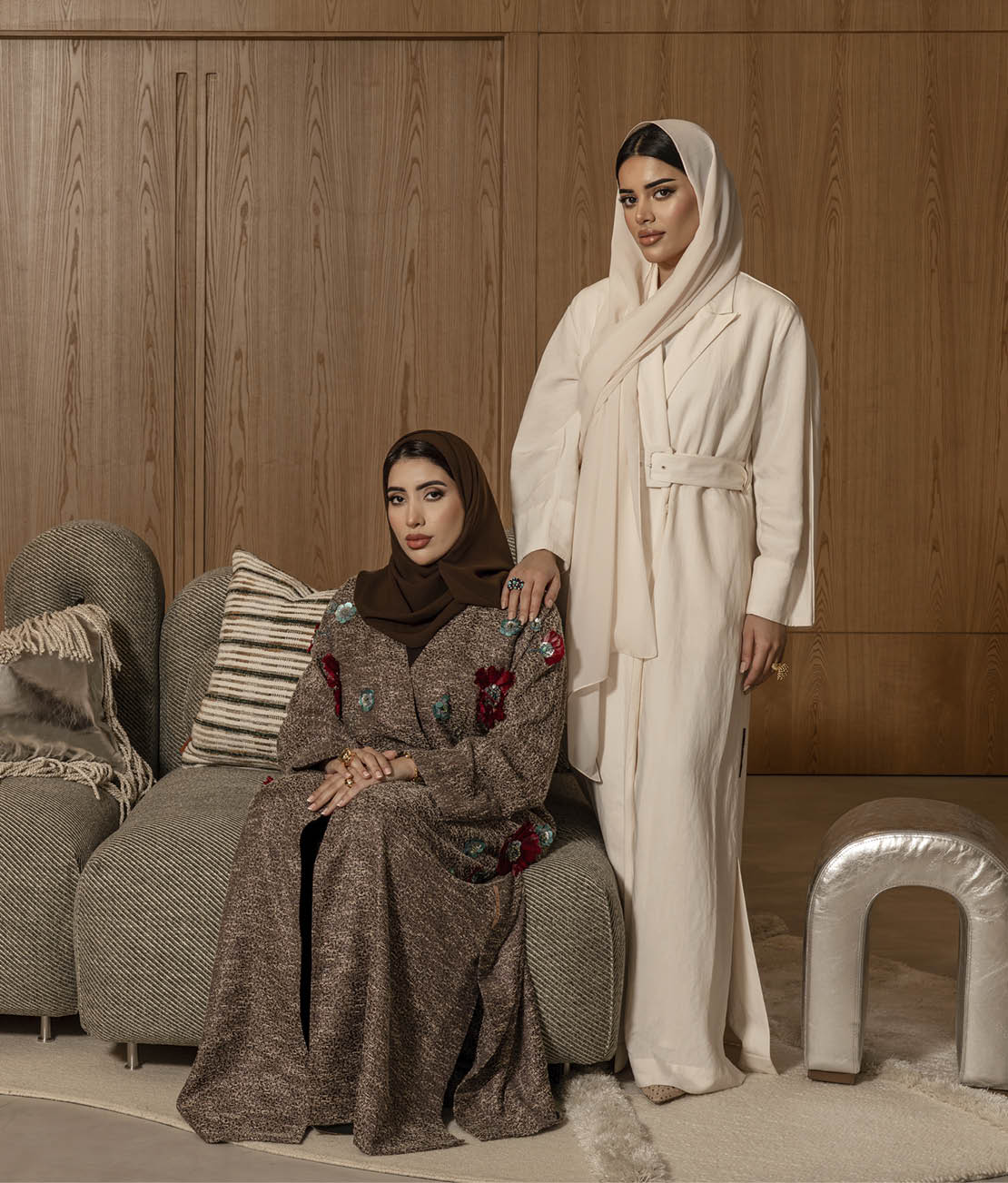
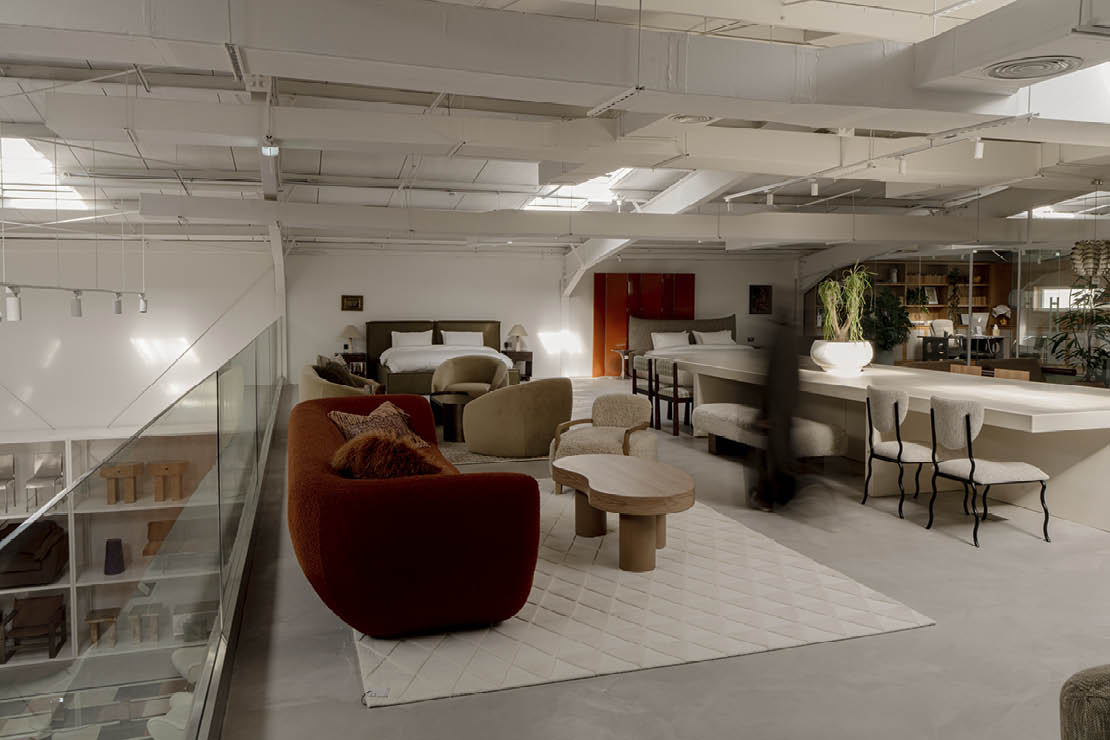
Officially launched in Dubai in November, Contemporary Spaces reflects a natural evolution of that legacy. Balancing conceptual design, material exploration and technical execution, the studio champions locally made furniture crafted with integrity, intention and sculptural clarity. Based in Al Quoz and embedded within the city’s creative ecosystem, the brand speaks to a growing desire for interiors that feel personal, grounded and enduring. In this conversation, the founders reflect on family, craftsmanship and their ambition to shape a confident, homegrown Emirati design language for contemporary living.
Tell us about how you grew up around your father’s factories, and do you think that shapes the way you think about design today?
We grew up watching furniture be built from the inside out. Our father’s factories taught us that design is not decoration, it’s structure, precision, and accountability. Seeing materials transformed daily gave us an instinctive understanding of weight, balance, and longevity.
That environment shaped how we design today: with confidence, discipline, and respect for process. Heritage gave us a foundation; modernity gives us permission to push it forward.

At what point did you realise you wanted to build your own studio, and how did the idea come to life?
The moment we realised we didn’t want to simply produce furniture, we wanted to author it. Contemporary Spaces was born from the desire to take decades of manufacturing knowledge and reinterpret it through a contemporary, design-led lens. We saw a gap for a studio that could speak fluently in both worlds: craftsmanship and cultural relevance. From that point on, building our own voice became inevitable.

Each of you brings a different strength to the brand. How do your individual roles influence the final design of a piece?
Our process thrives on contrast. One of us approaches form architecturally, another anchors the vision operationally, and the third challenges convention through material and colour. This tension is intentional. It allows every piece to be expressive without losing discipline; bold, but resolved. Nothing leaves the studio unless it holds up aesthetically, structurally, and conceptually.
Craftsmanship sits at the core of Contemporary Spaces. In an era of fast production, why was it important for you to prioritise making locally and working hands-on with materials?
Manufacturing locally allows us to stay close to every decision – every joint, curve, and material pairing. Working hands-on ensures authenticity and accountability. For us, craftsmanship is not a trend or a nostalgic reference; it’s a contemporary luxury.
How would you describe the aesthetic language of Contemporary Spaces to someone discovering the brand for the first time?
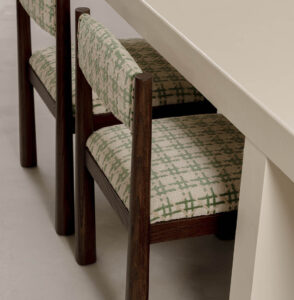
It’s confident, sculptural and intentional. Our language is architectural in form, tactile in experience, and unapologetic in presence. We design furniture that anchors a room, pieces that hold space through proportion, materiality, and restraint, balanced with boldness.
The UAE’s design scene is evolving quickly. What shifts are you seeing in how people approach their homes and furniture choices today?
There’s a clear shift toward individuality and permanence. People are moving away from disposable design and toward pieces that feel personal, considered, and emotionally grounding. Homes are becoming expressions of identity rather than showcases of trends, and furniture is expected to carry meaning, not just function.
As Emirati founders, how important is it for you to contribute to a homegrown design narrative within the region?
It’s fundamental. Regional design should be authored with confidence, not filtered through external validation. We see Contemporary Spaces as part of a new Emirati design language, one that is bold, self-assured, and globally fluent, yet deeply rooted in place.
Family values seem central to how the studio operates. What lessons from your upbringing continue to guide your decision-making as a brand?
We were raised with a respect for time, quality, and responsibility. Our father taught us that longevity comes from doing things properly, without shortcuts. Those values define how we design, manufacture, and build relationships. We think long-term, always.
How do you ensure that Contemporary Spaces feels personal and soulful, rather than purely minimal or trend-driven?
We design from instinct, not algorithms. Every piece begins with emotion, how it should feel in a space, how it should be lived with. Texture, proportion, and material depth create soul. Trends fade; intention remains.
What challenges have you faced launching a furniture studio in the UAE, and how have those challenges shaped your approach?
The challenge was redefining perception, proving that locally made can be design-forward, refined, and globally relevant. That challenge sharpened our voice. It pushed us to be bolder, clearer, and uncompromising in our standards. Resistance became refinement.
With Ramadan approaching, how does this season influence your personal routines and creative rhythm as a family and as designers?
Ramadan brings clarity. The pace slows, priorities sharpen, and intention deepens. Creatively, it’s a time of refinement rather than excess of editing, grounding, and reconnecting with purpose. As a family, it reinforces alignment.
Looking ahead, what do you hope Contemporary Spaces will represent within the regional design landscape over the next few years?
We want Contemporary Spaces to stand as a reference point, proof that UAE-made furniture can be bold, cultured, and uncompromising. Our ambition is to shape a design language that is confident in its identity, elevated in execution, and unmistakably expressive. We’re not here to follow the landscape; we’re here to define it.
By Lindsay Judge
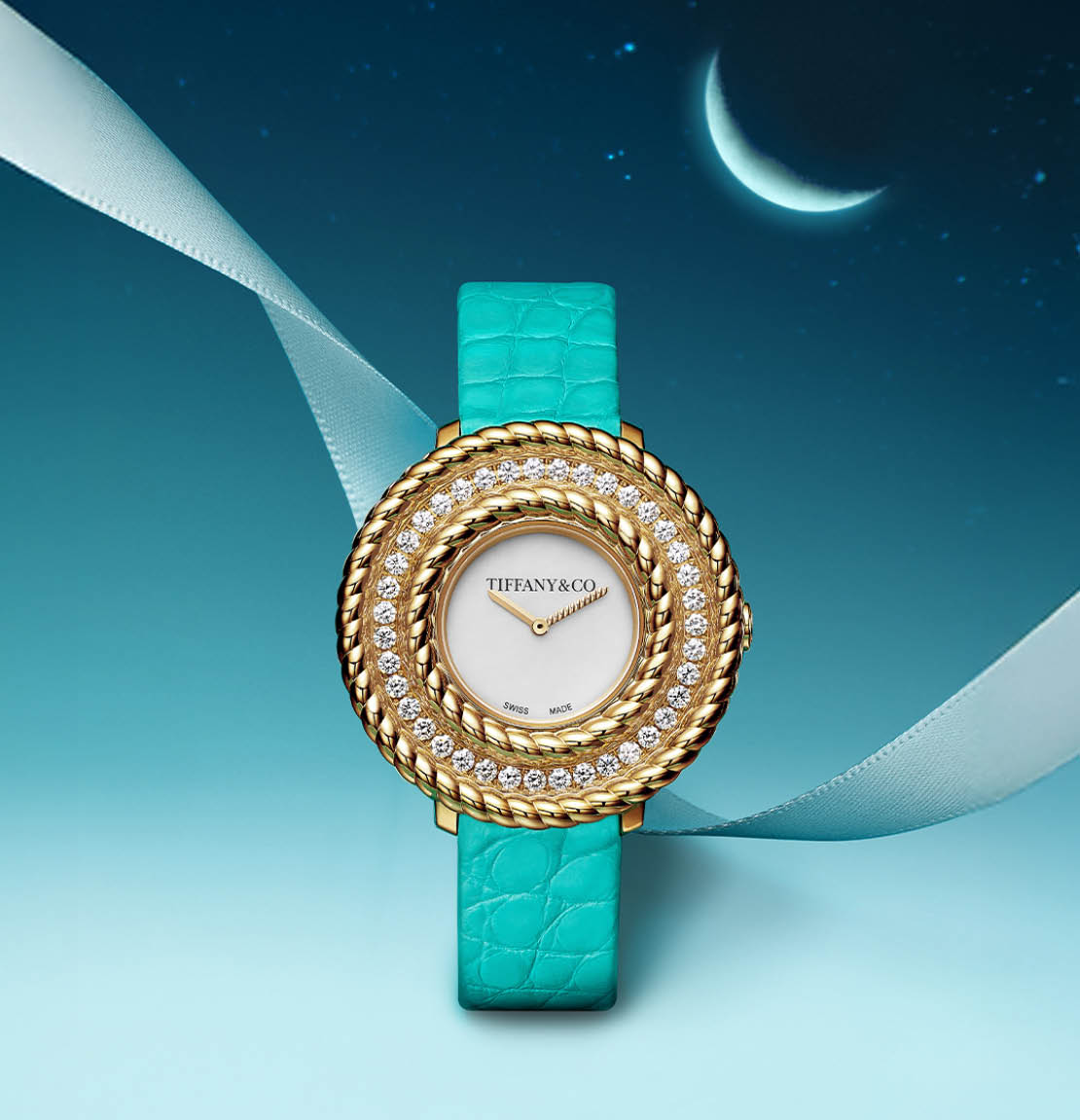
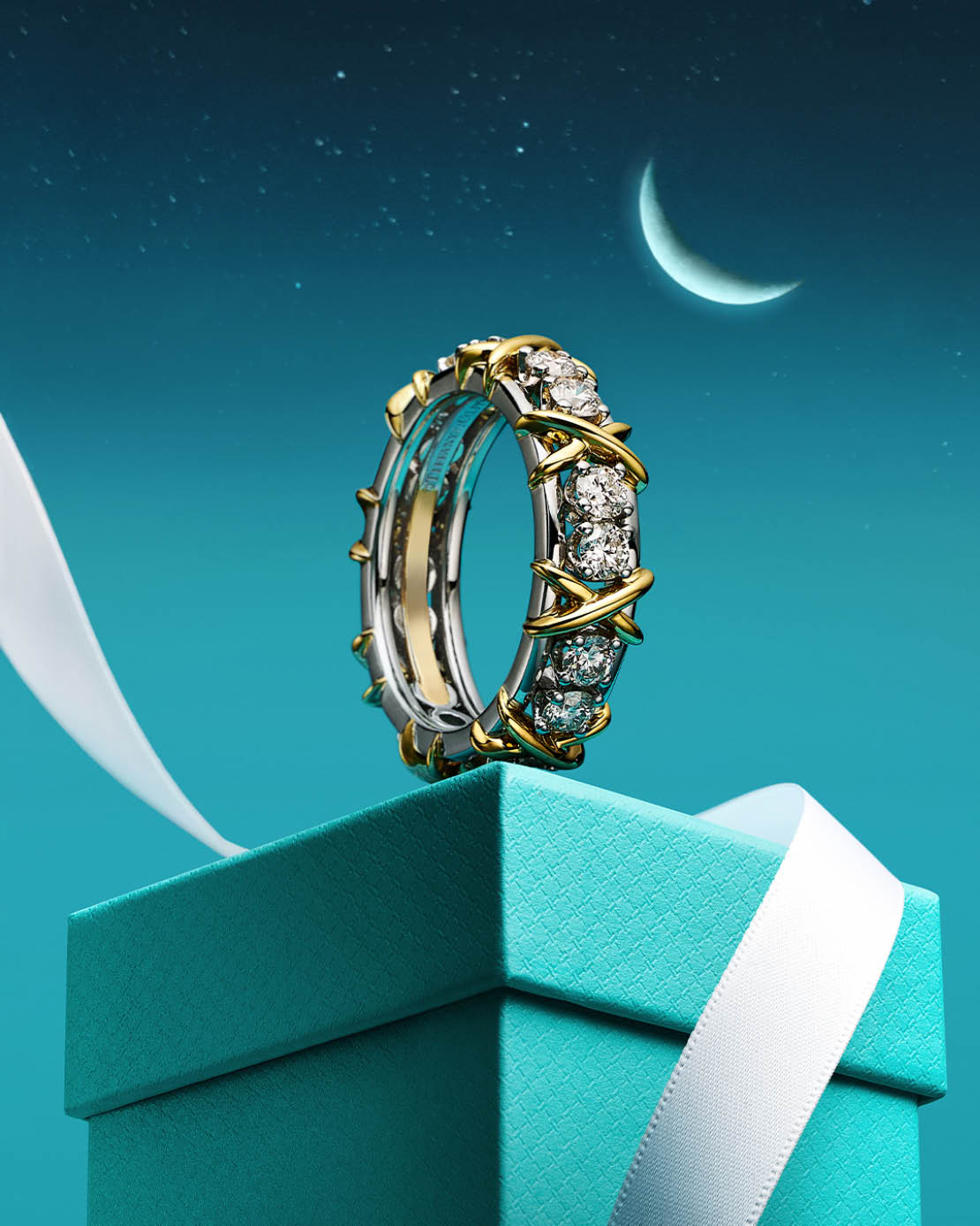
In the Moonlight, Tiffany & Co. reveal an elegant Ramadan campaign
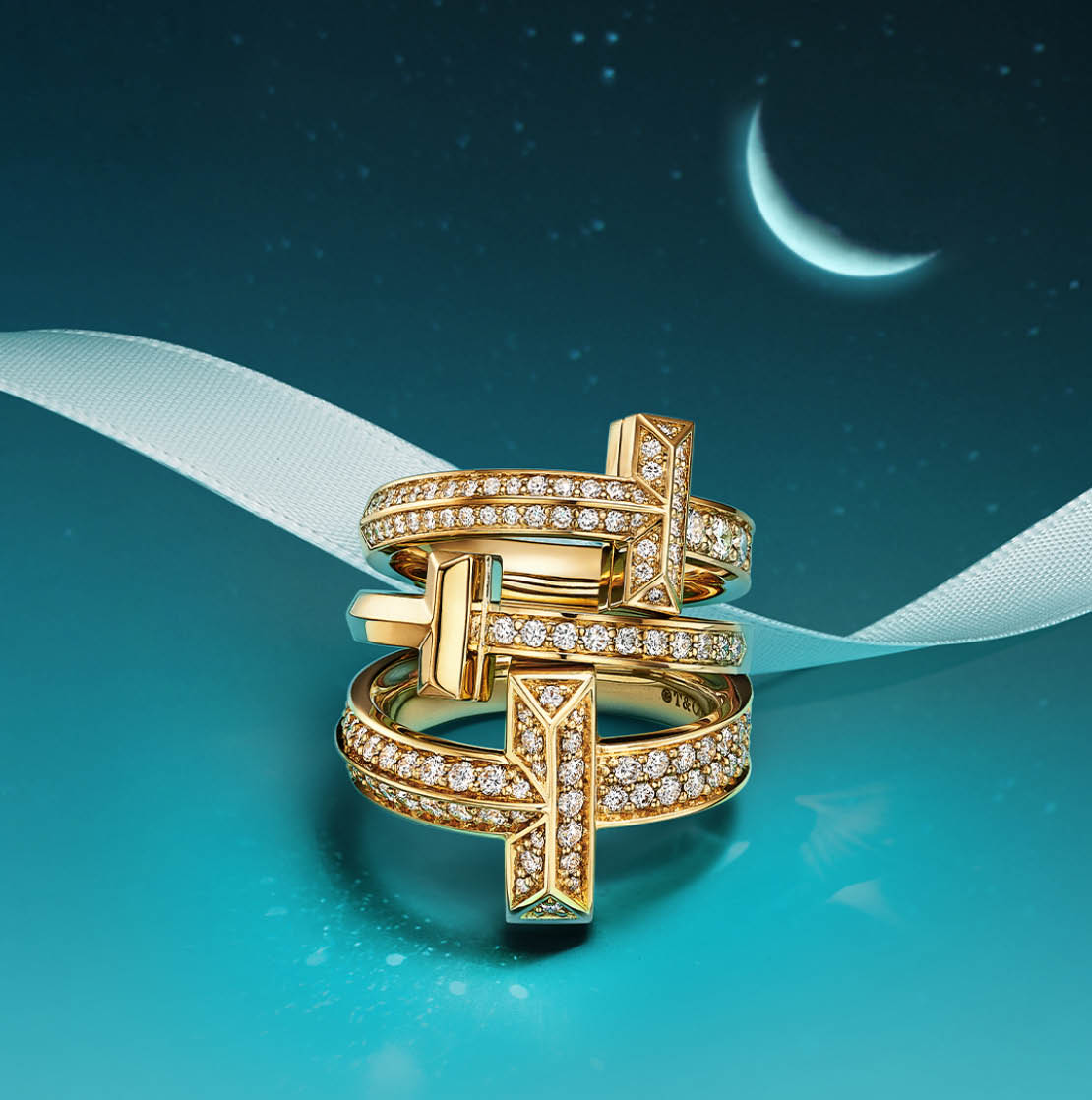
Tiffany & Co.’s 2026 Ramadan campaign, Beneath One Crescent Moon, is a contemplative meditation on unity, light, and shared devotion, framed through the quiet poetry of the night sky. With this campaign, the Maison leans into stillness, positioning Ramadan as a collective yet deeply personal experience that unfolds in parallel across cultures, cities, and households.
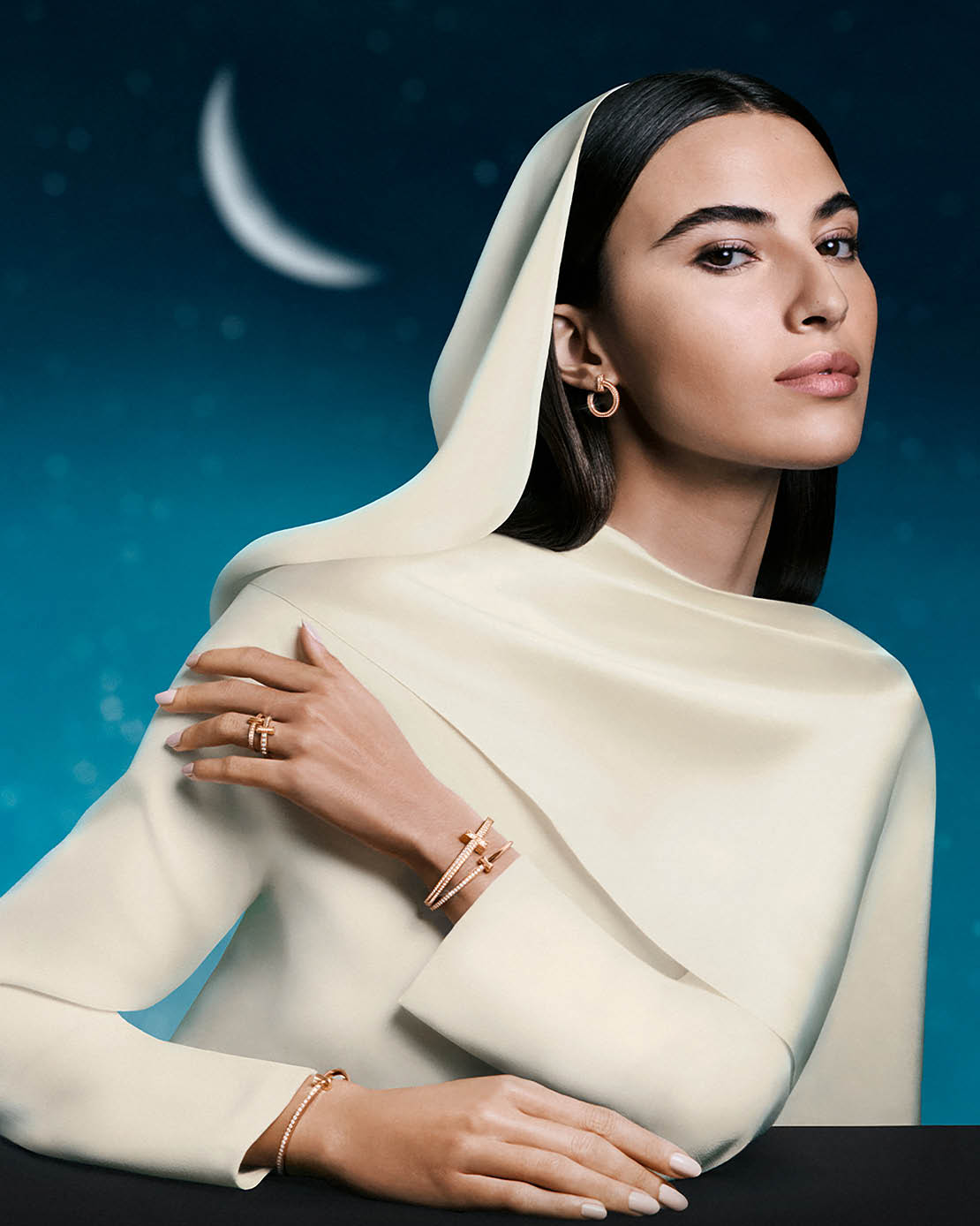
The campaign centres on the symbolic crescent, an emblem that has long guided the rhythm of the Holy month. Here, it becomes both a celestial beacon and an emotional thread, linking individual moments of prayer, reflection, and gratitude into a single luminous narrative. Tiffany interprets this connection through a language of light, restraint, and reverence, allowing the visual storytelling to breathe rather than overwhelm.
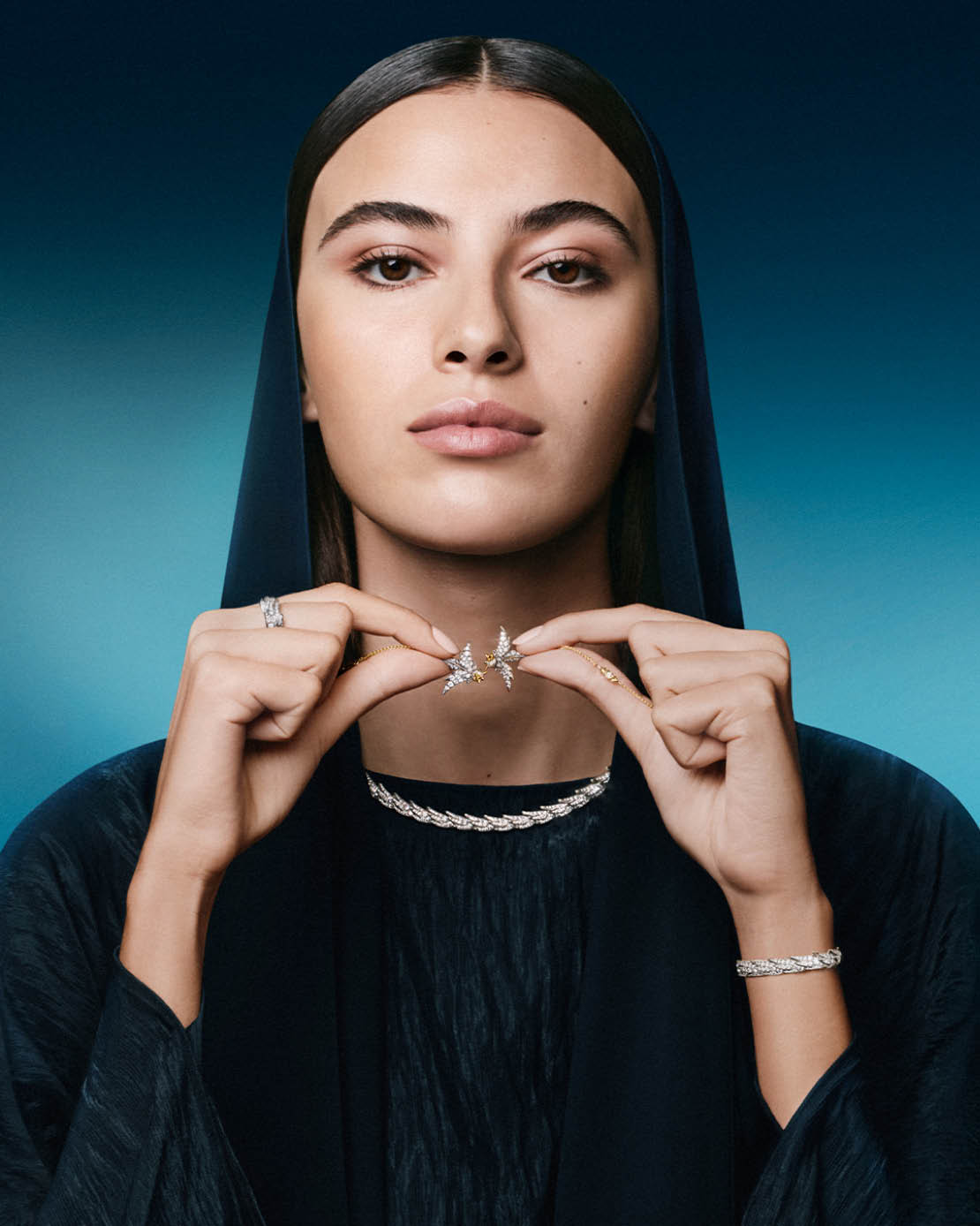
A defining element of the campaign is an original Arabic poem by Emirati author and artist Alia Al Shamsi. Her words move gently between intimacy and universality, evoking the soft glow of the crescent as it hovers over starlit skies. The poetry does not speak loudly; instead, it invites the viewer inward, reflecting how moments of solitude can still carry a powerful sense of togetherness. Imagery throughout the campaign mirrors this sentiment, favouring subtle illumination, shadow, and a hushed nocturnal palette. The emphasis is not on ornamentation but on atmosphere, capturing Ramadan as a season of heightened awareness, emotional resonance, and spiritual clarity.
The Skin Reset: The latest products for clean, refreshed skin
Give your skin the attention it needs with the latest product innovations and anti-ageing solutions.
DIOR
With Dior Science x Reverse Ageing, Dior places its most advanced skincare innovation firmly in the spotlight, translating decades of scientific research into tangible, results-driven products. At the heart of this evolution sits Dior Capture, the Maison’s flagship anti-ageing line, now entering a new era focused on collagen revitalisation and visible skin longevity.

Developed from Dior’s pioneering research into biological ageing, the latest Dior Capture formulas target one of the skin’s most critical challenges: the progressive loss of collagen linked to reduced cellular energy. This discovery led to the creation of OX-C Treatment™, a proprietary technology designed to optimise oxygen transport within the skin, revitalising collagen-depleted areas and restoring firmness and density over time.

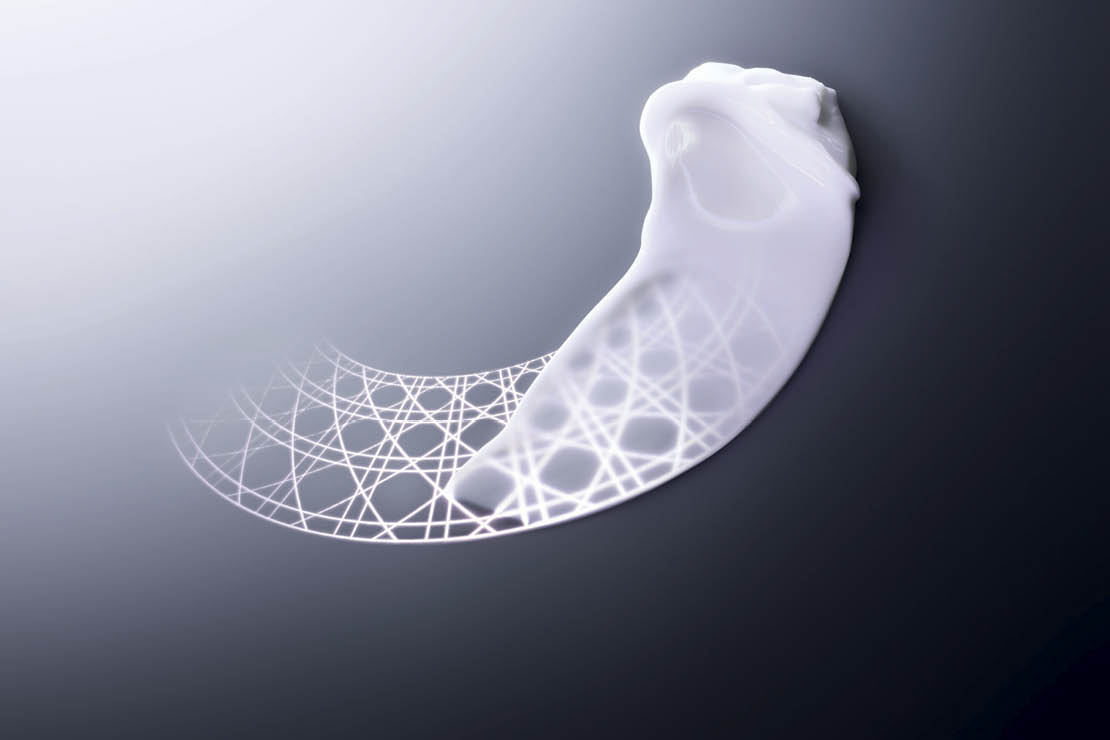
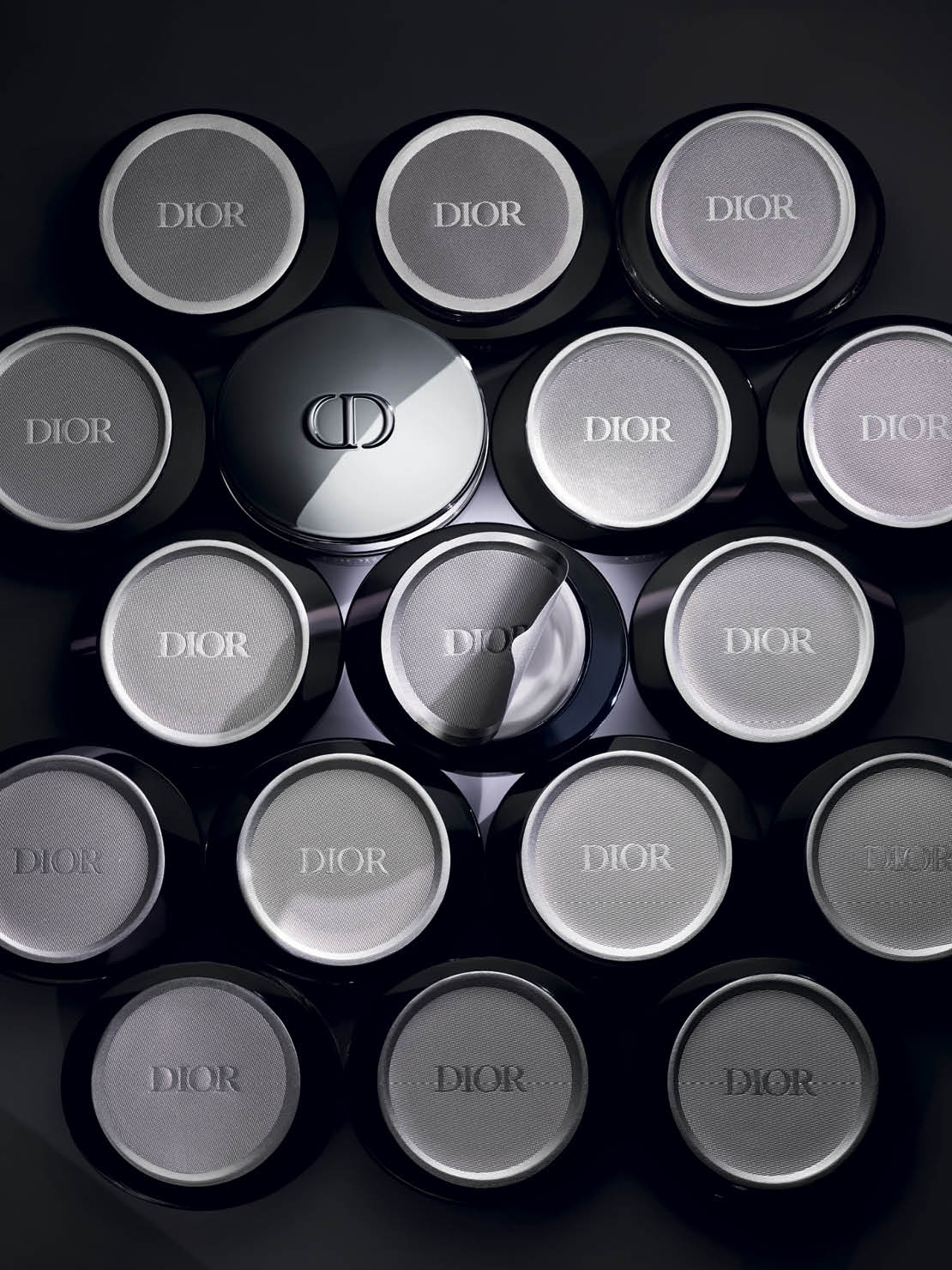
In 2026, Dior Capture advances further with the introduction of a 24-hour pro-collagen firming protocol. This dual approach pairs newly reimagined Day and Night Crèmes to address the skin’s differing needs across the circadian cycle. During the day, Dior Capture Day Crème is now available in two tailored textures. The Soft Crème offers lightweight hydration and elasticity, while the Rich Crème delivers enhanced nourishment and barrier support through a velvety, lipid-rich formula.

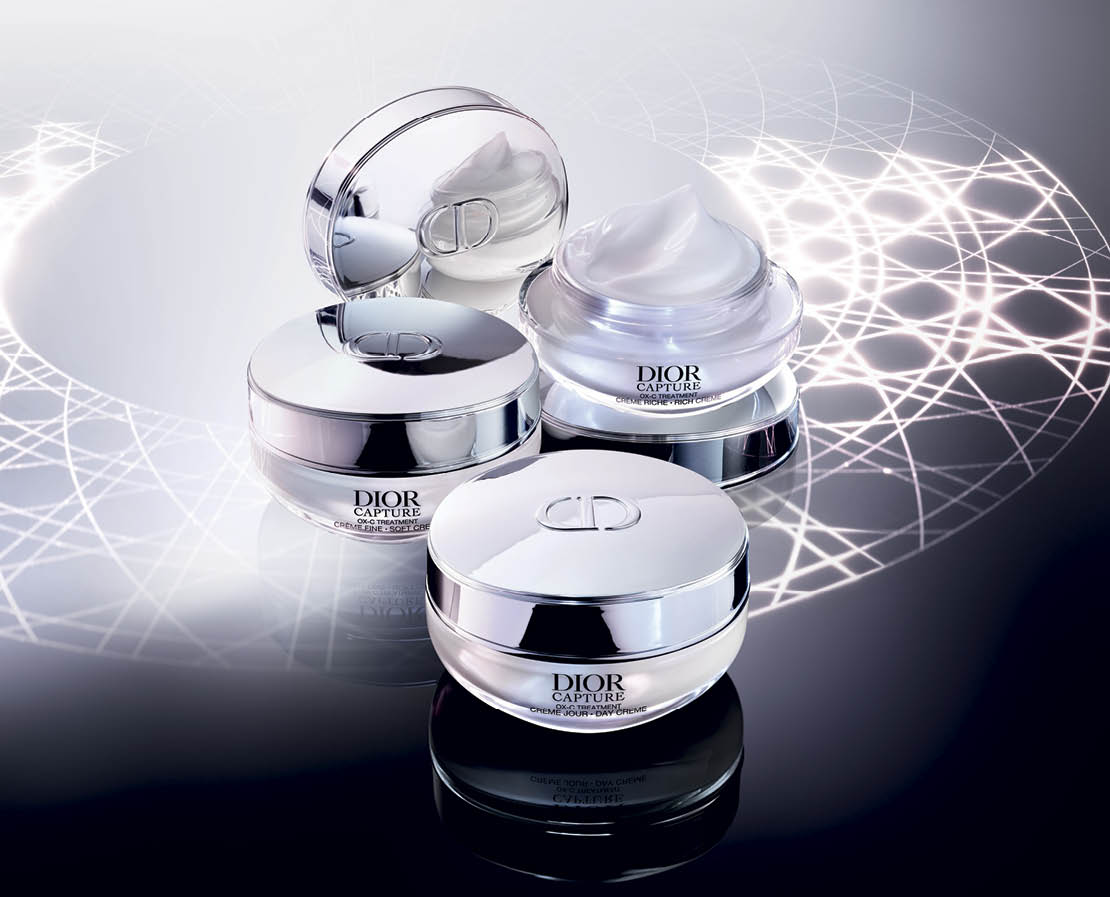
At night, when collagen degradation accelerates, the reinvented Dior Capture Night Crème takes centre stage. Enriched with Prolatonine™ and advanced bioactives, it targets nocturnal collagen loss while deeply revitalising the skin. Its balm-like texture melts effortlessly into the skin, delivering intensive regeneration and visible smoothing by morning.
Used together, the Dior Capture Day and Night Crèmes form a complete, science-led ritual designed to visibly firm, lift and rejuvenate the skin, day after day, night after night. Fronted by Charlize Theron, the line embodies Dior’s vision of confident, longevity-driven beauty grounded in innovation and performance.
Chanel
For Chanel, skincare has always been more than routine. With SUBLIMAGE, the House distils its philosophy of beauty into its most precious expression yet, where scientific excellence, sensorial pleasure and timeless elegance converge. Designed to address every youth parameter identified by CHANEL Research, hydration, comfort, wrinkles, structure, evenness, strength and radiance, SUBLIMAGE supports skin at every stage, turning time into an ally rather than an adversary.
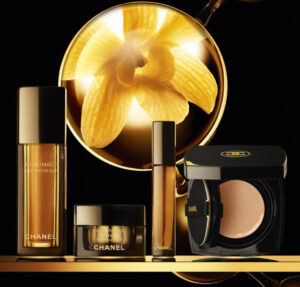
Deeply aligned with Gabrielle Chanel’s founding vision, the line reflects her belief that beauty is a source of confidence and inner strength. Nearly a century ago, she understood skincare as an act of self-expression. Today, SUBLIMAGE carries that conviction forward, elevating daily care into a refined ritual of longevity.
At the pinnacle of the line sit Les Extraits, SUBLIMAGE’s crown jewels. These highly concentrated treatments harness the regenerative power of the night, a precious window when the skin’s repair mechanisms are at their most active. This philosophy now extends to a new dimension with SUBLIMAGE L’Extrait Huile Lèvres, an intensive overnight lip oil designed to restore one of the face’s most delicate areas.
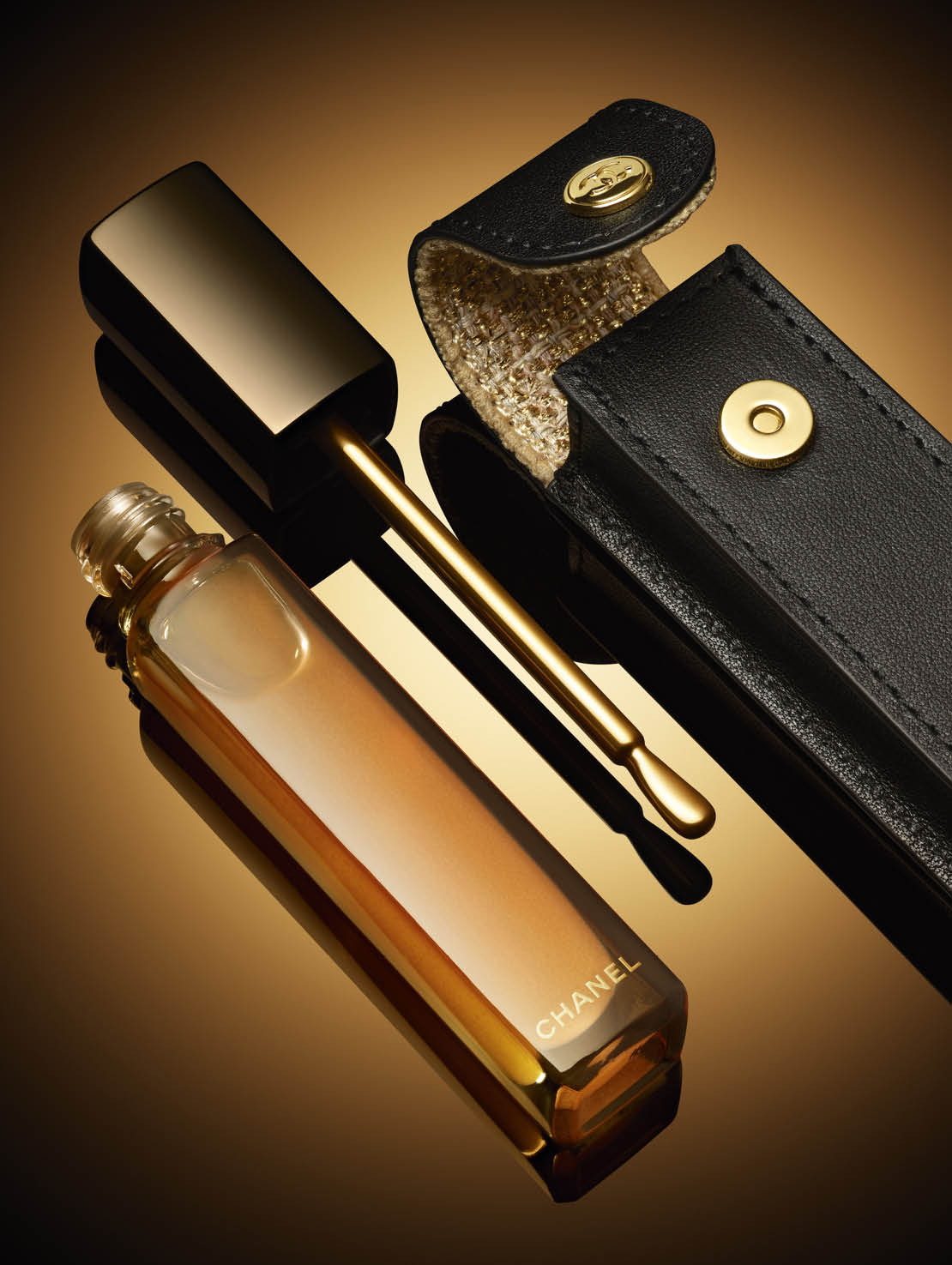
Infused with polyfractioned Vanilla Planifolia from Madagascar and Swertia from Bhutan, the formula works deep into the night to regenerate the lips and reinforce their structural matrix. A strengthening peptide enhances density and definition, helping lips appear smoother, fuller and revitalised by morning. The sensorial experience is equally considered: an amber-hued oil with a velvety texture glides on effortlessly, applied with a golden metal applicator that traces the natural curve of the lips.
Encased in a black leather sheath lined with gold-lamé tweed woven by Maison Lesage, SUBLIMAGE L’Extrait Huile Lèvres is both a skincare innovation and an object of desire. It embodies the quintessence of Chanel: where science, craftsmanship and beauty exist in perfect harmony.
Guerlain
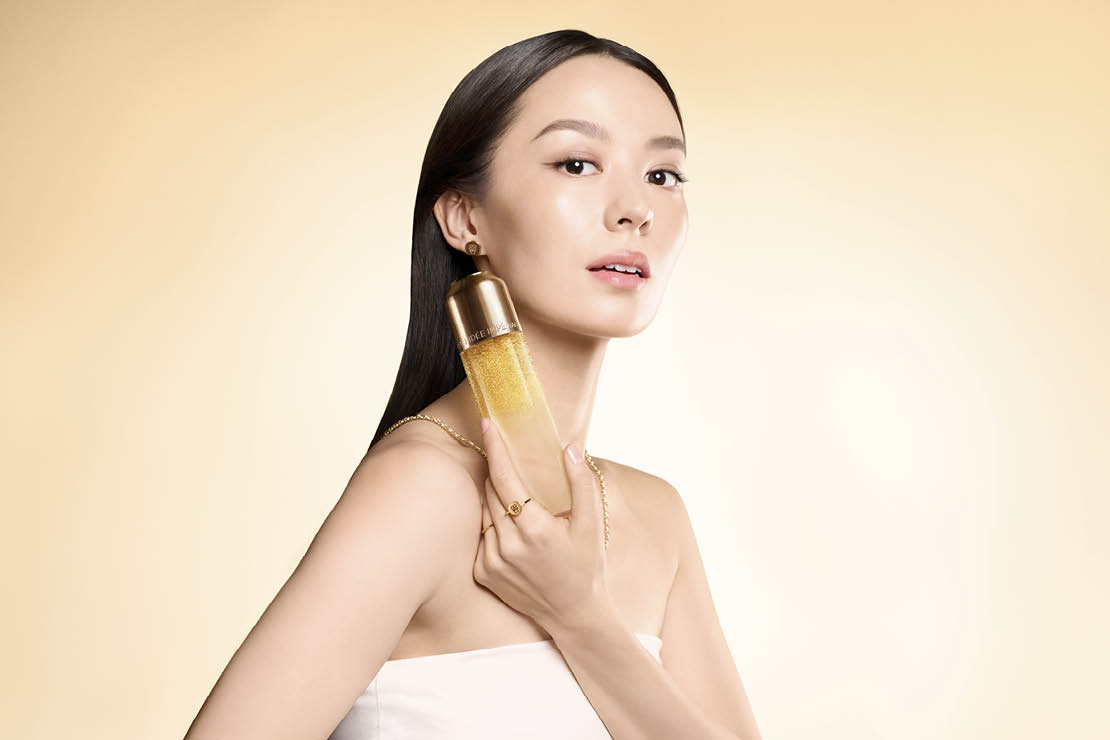
Guerlain opens a new chapter in its most prestigious skincare line, with the launch of Orchidée Impériale Gold Nobile, translating cutting-edge longevity research into a ritual designed to restore skin’s radiance at its source. Rooted in more than two decades of study at the Orchidarium, Guerlain’s dedicated research platform, the Gold Nobile line explores the science of cellular vitality through an unexpected lens: biophoton emission, a marker increasingly linked to youthful skin.

At the centre of this innovation lies the Gold Nobile orchid, a rare species native to the Himalayan region. Selected from over 30,000 orchids, its extract is produced through an advanced biotechnological process and forms the basis of Gold Nobile Technology, now the signature of the range. Acting deep within the skin, it helps reactivate cellular youth functions, supporting luminosity, density and firmness while enhancing the skin’s natural ability to reflect light.

In 2026, the Orchidée Impériale Gold Nobile ritual is elevated further with the introduction of The Goldessence, a new activating lotion that marks the first essential step in the regimen. More than a preparatory formula, The Goldessence accelerates skin renewal and optimises light diffusion, creating the ideal conditions for subsequent treatments. Its patented formulation combines thousands of encapsulated orchid oleo-concentrate microspheres suspended in a light-activating solution, delivering both immediate radiance and long-term rejuvenation.
Designed to work in synergy with The Serum, The Cream and The Eye Concentrate Treatment, The Goldessence enhances the performance of the entire ritual. Skin appears smoother, more even and visibly more luminous, ready to receive the full regenerative power of the Orchidée Impériale Gold Nobile line.
Refillable packaging and responsibly sourced materials reinforce Guerlain’s commitment to sustainable luxury, ensuring this exceptional skincare ritual reflects not only scientific excellence but also a considered vision of modern beauty, where performance, sensoriality, and responsibility coexist.
Loro Piana Returns to The I.C.E. St. Moritz for 2026
For the third consecutive year, Loro Piana continues its partnership with The I.C.E. St. Moritz, reaffirming the Maison’s long-standing relationship with the world of classic automobiles. Taking place on January 30 and 31, 2026, the prestigious International Concours of Elégance once transformed the frozen lake of St. Moritz into an open-air exhibition celebrating automotive beauty, craftsmanship and innovation.
Blending mechanical excellence with art, design and lifestyle, The I.C.E. offers a contemporary take on the traditional concours format. Set against the dramatic Alpine backdrop, the event draws collectors, designers and automotive enthusiasts from around the world, united by a shared appreciation for rarity, heritage and performance.

Loro Piana’s involvement reflects an authentic connection rooted deep in its history. Between 1987 and 2018, the Loro Piana Classic Cars Team was an active presence in elite endurance races such as the Mille Miglia, Coppa d’Oro delle Dolomiti and the Winter Marathon, fielding around 30 crews and earning numerous accolades along the way. This legacy is brought to life at the event through the display of a Bugatti Type 23 Brescia, owned by Giuseppe Redaelli, President of the FIA International Historical Commission. The car, winner of the 2011 Pebble Beach Chairman’s Award, is showcased in front of the Maison’s lounge as a tribute to this shared heritage.


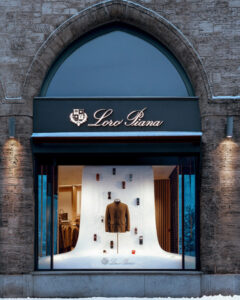
The intersection of driving and design has also inspired one of Loro Piana’s most iconic pieces: the Roadster jacket. Originally created in 2004 to mark the 75th anniversary of the Concorso d’Eleganza di Villa d’Este, the Roadster embodies functionality, elegance and freedom of movement. For The I.C.E. St. Moritz 2026, an exclusive capsule collection expands on this legacy, featuring men’s and women’s Roadster styles crafted in Cash Coarsehair Storm System® fabrics, alongside knitwear, leather driving gloves and silk foulards adorned with car-inspired motifs.
 .
.
Available exclusively at Loro Piana’s St. Moritz boutique, the capsule is presented through a dedicated window installation evoking wheels gliding across snow. To conclude the experience, judges wear the Maison’s Grande Unita scarf and signature cashmere cap, while winners receive deep-blue Roadster jackets, cementing the enduring dialogue between Loro Piana and the timeless world of classic cars.
Roger Vivier Unveils Heritage and Imagination, a Cultural Portrait of Design, Legacy and Creative Freedom
Roger Vivier: Heritage and Imagination is a new book that marks a defining new chapter for the storied Parisian maison, offering a richly layered cultural portrait of one of the twentieth century’s most visionary designers.
Published by Rizzoli and unveiled in Paris this January, the book moves beyond the conventions of the traditional retrospective, positioning heritage as a living, evolving force shaped by imagination, dialogue and contemporary interpretation.
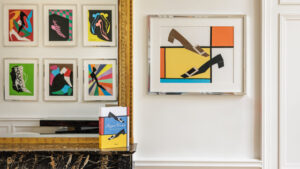
The release follows the inauguration of Maison Vivier in Paris and the opening of its archives, a moment that signals a shift in how the house chooses to share its history. Rather than preserving memory behind closed doors, Roger Vivier opens its creative legacy to a wider cultural audience, transforming archival material into a shared resource for curators, writers, designers, students and readers interested in fashion as a form of cultural language.
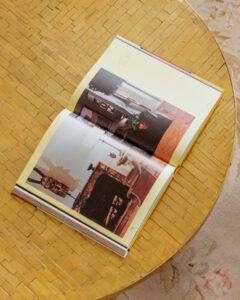
While Roger Vivier’s work has been the subject of significant publications over the decades, Heritage and Imagination looks decisively forward. Curated by Elizabeth Semmelhack, the book is structured around five thematic “Salons” inspired by eighteenth century intellectual gatherings. These include Le Salon de l’Héritage, Le Salon des Formes, Le Salon de l’Ornement, Le Salon de la Célébrité and Le Salon de l’Imaginaire. Together, they form spaces of conversation rather than chronology, allowing ideas, images and voices to intersect freely across time and disciplines.
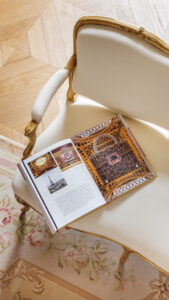
Drawing on newly disclosed archival material, such as original sketches, prototypes, photographs, and documents, the book reveals Monsieur Vivier as both a craftsman and a thinker. His radical approach to form, ornament and proportion is placed in dialogue with contemporary cultural voices, demonstrating the enduring relevance of his ideas in today’s luxury landscape.
Contributors include Global Brand Ambassador Ines de la Fressange, along with a remarkable group of actresses and cultural figures such as Catherine Deneuve, Isabella Rossellini, Michelle Yeoh, Eva Green, Laura Dern, Cher, and Christina Ricci. Writers and commentators, including Suzy Menkes and Carol Woolton, add further depth, each offering a distinct lens on Vivier’s influence.
Miu Miu unveils a dedicated Ramadan and Eid 2026 collection
Miu Miu unveils a dedicated Ramadan and Eid 2026 campaign and collection that captures the season through a lens of quiet elegance and modern ease. Photographed by Romain Duquesne and starring Taleedah Tamer, the campaign unfolds with an intimate, contemplative mood, reflecting the values of reflection, togetherness and understated beauty that define the holy month.
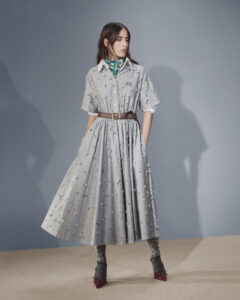
The ready-to-wear offering centres on clean lines and relaxed silhouettes designed to move effortlessly from day to evening. Cotton dresses, denim, lightweight knitwear, and logo-accented outerwear are presented in a refined palette of black, white, and muted greens, greys, and browns, subtly accented with delicate crystal embroidery. Accessories continue this restrained language, with signature bags such as Arcadie and Wander reimagined in classic tones alongside exclusive emerald and burgundy.
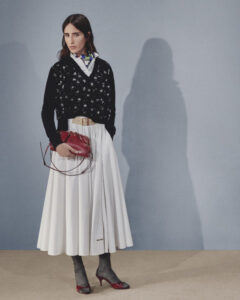
Footwear and jewellery add polished accents, while Miutine Eau de Parfum completes the edit. To mark the season, Miu Miu will host a cultural activation at Alserkal Avenue, offering a community-led space for exchange and celebration throughout Ramadan.
Valentino Reveals its 2026 Ramadan Capsule Collection
Maison Valentino unveils the Valentino Sama 2026 Capsule Collection, a refined expression of women’s ready-to-wear and Valentino Garavani accessories created to mark the spirit of Ramadan. Conceived by Creative Director Alessandro Michele and photographed by Julie Greve, the accompanying campaign unfolds in a poetic setting where soft golden light filters through garden-filled interiors, lending the collection a sense of intimacy and quiet elegance.
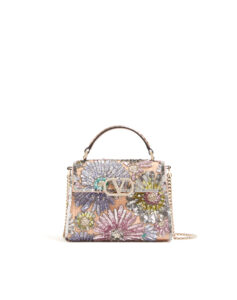
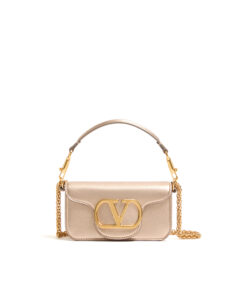
Comprising six ready-to-wear looks, the capsule blends the Maison’s signature sophistication with the warmth and radiance of the season. Fluid cady couture gowns with V Gold detailing sit alongside coordinated trouser sets, kimono silhouettes and kaftan-inspired pieces, all rendered in luminous rose gold tones and richly textured fabrics. Decorative motifs and feather accents add subtle drama, while side splits and jewel buttons introduce a modern edge.
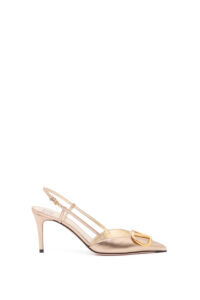
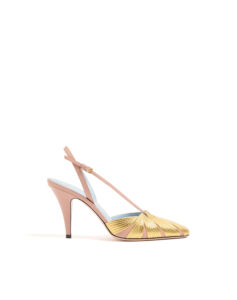
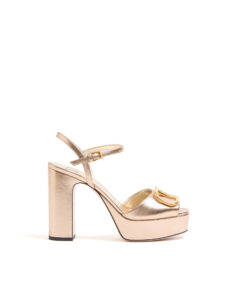
Accessories complete the story, with Valentino Garavani handbags reimagined in champagne metallic leathers, intricate embroidery and mirror-like embellishments that echo the collection’s refined, celebratory mood.
Desert Pause, Bab Al Shams Is the Ultimate Ramadan Staycation
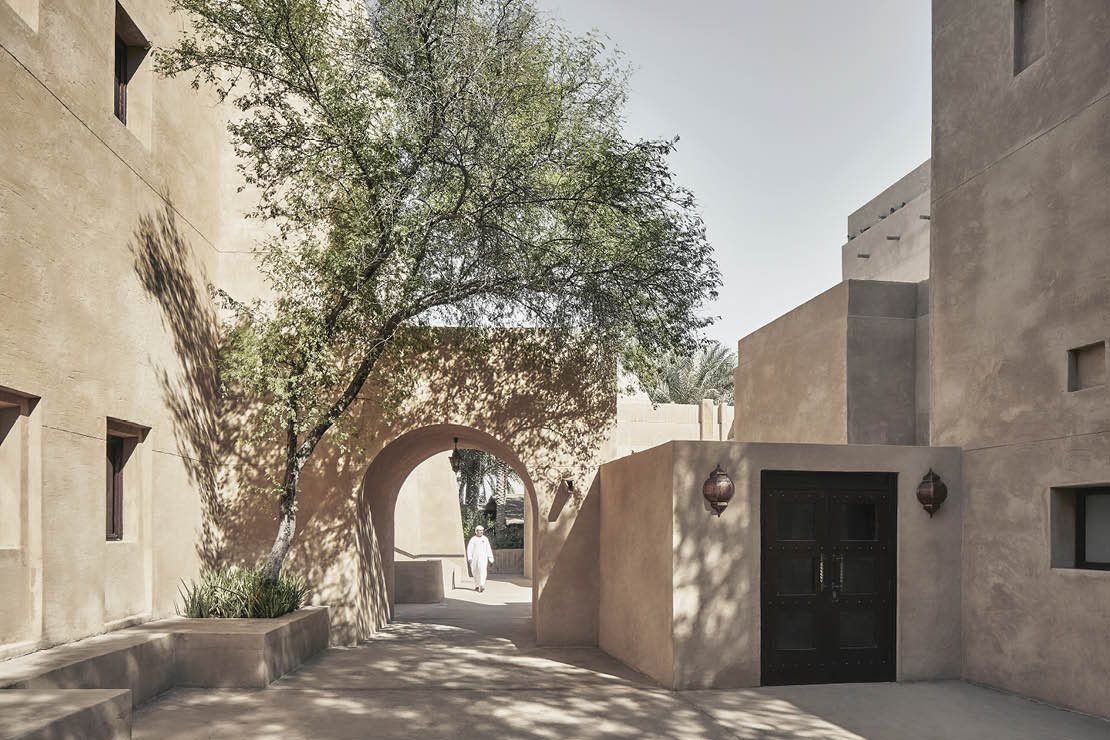
As Ramadan approaches, the desire to slow down, reconnect and find moments of calm becomes more meaningful, and Bab Al Shams Desert Resort offers exactly that. Set deep within the golden dunes just outside Dubai, the resort feels worlds away from the city, making it an ideal staycation for those seeking reflection, tranquillity and understated luxury during the holy month.
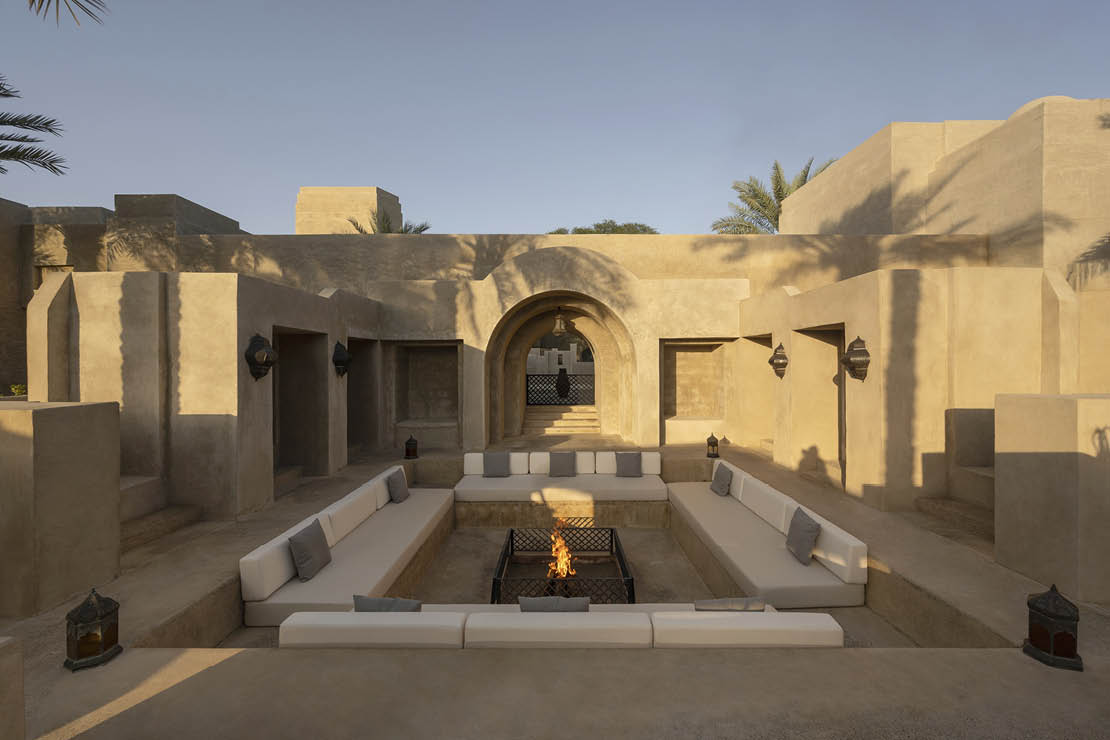
Designed to echo a traditional desert fortress, Bab Al Shams blends Arabian heritage with refined contemporary comfort. Get ready to experience relaxed mornings, with soft desert light, birdsong and uninterrupted views across the dunes, setting a serene rhythm that feels perfectly aligned with Ramadan’s slower pace. Guests can begin the day with gentle walks, mindful moments on private terraces, or wellness rituals focused on balance and restoration.
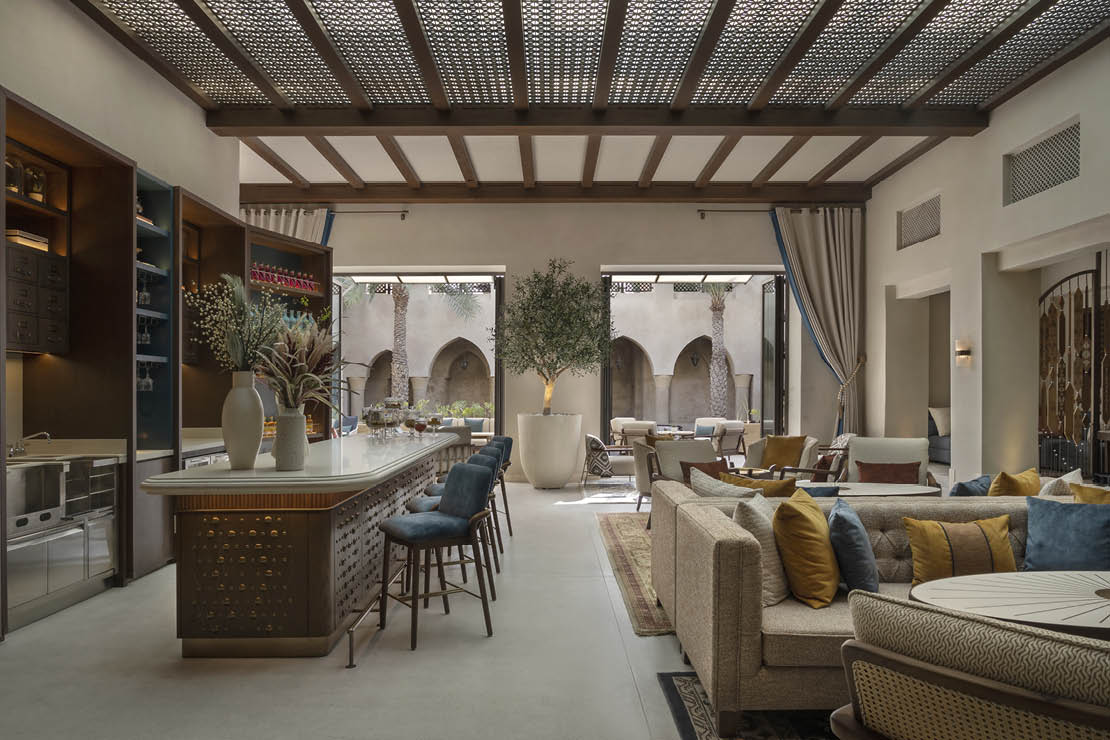
As the sun sets, Bab Al Shams truly comes into its own. Iftar is elevated into a sensory experience, often served under the stars, where traditional flavours meet thoughtful presentation. The atmosphere is intimate and unhurried, encouraging meaningful conversation and connection. Evenings continue with shisha lounges, soft lantern light and desert silence that invites reflection long after prayers.
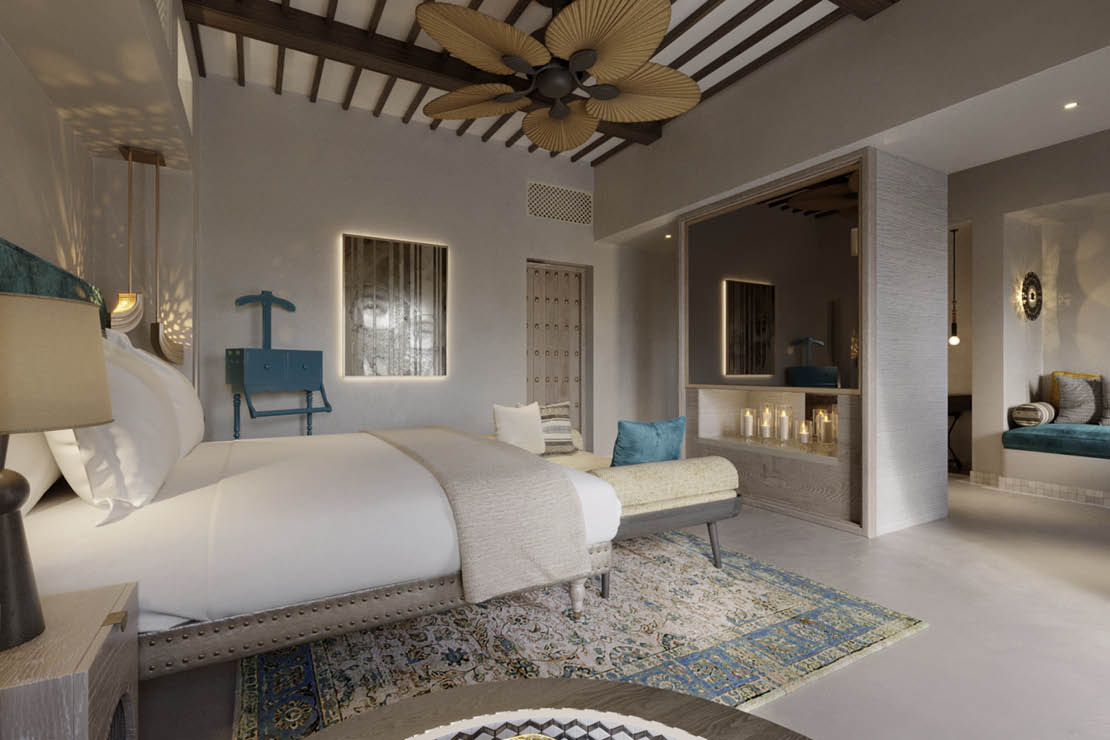
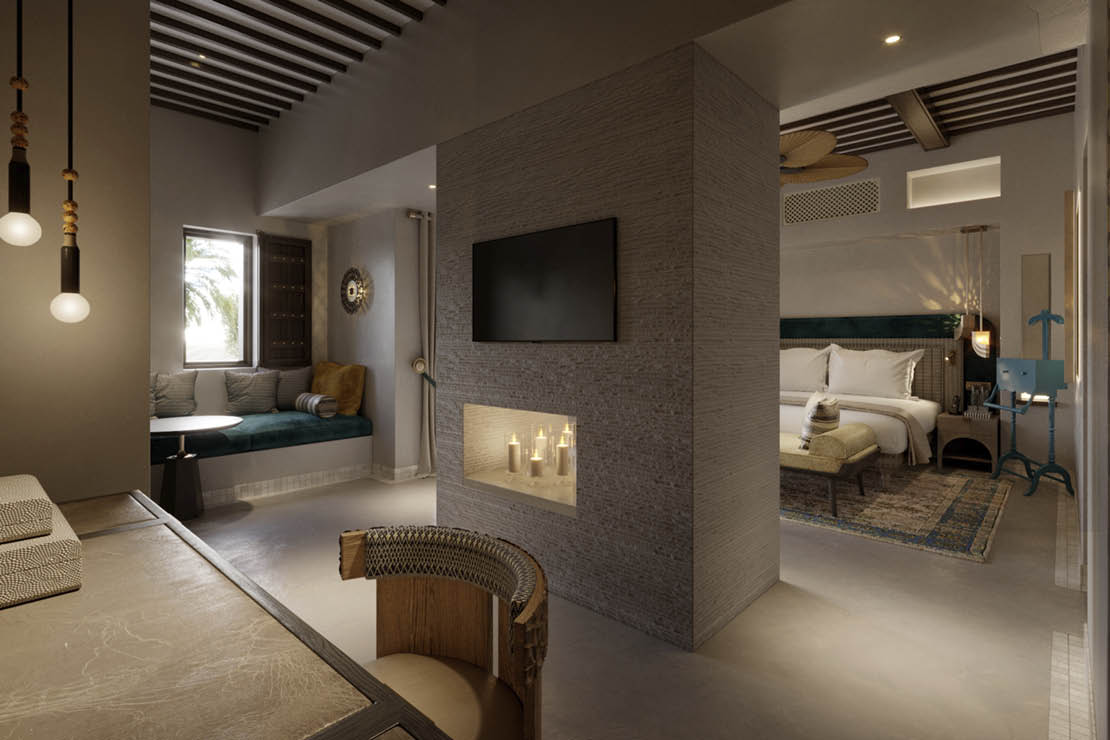
For families, couples or solo travellers, the resort offers a sense of retreat without excess. Activities are deliberately unforced, from camel rides at dusk to stargazing and spa experiences rooted in ancient wellness traditions. Privacy, space and stillness take precedence, allowing guests to disconnect from noise and reconnect with intention.
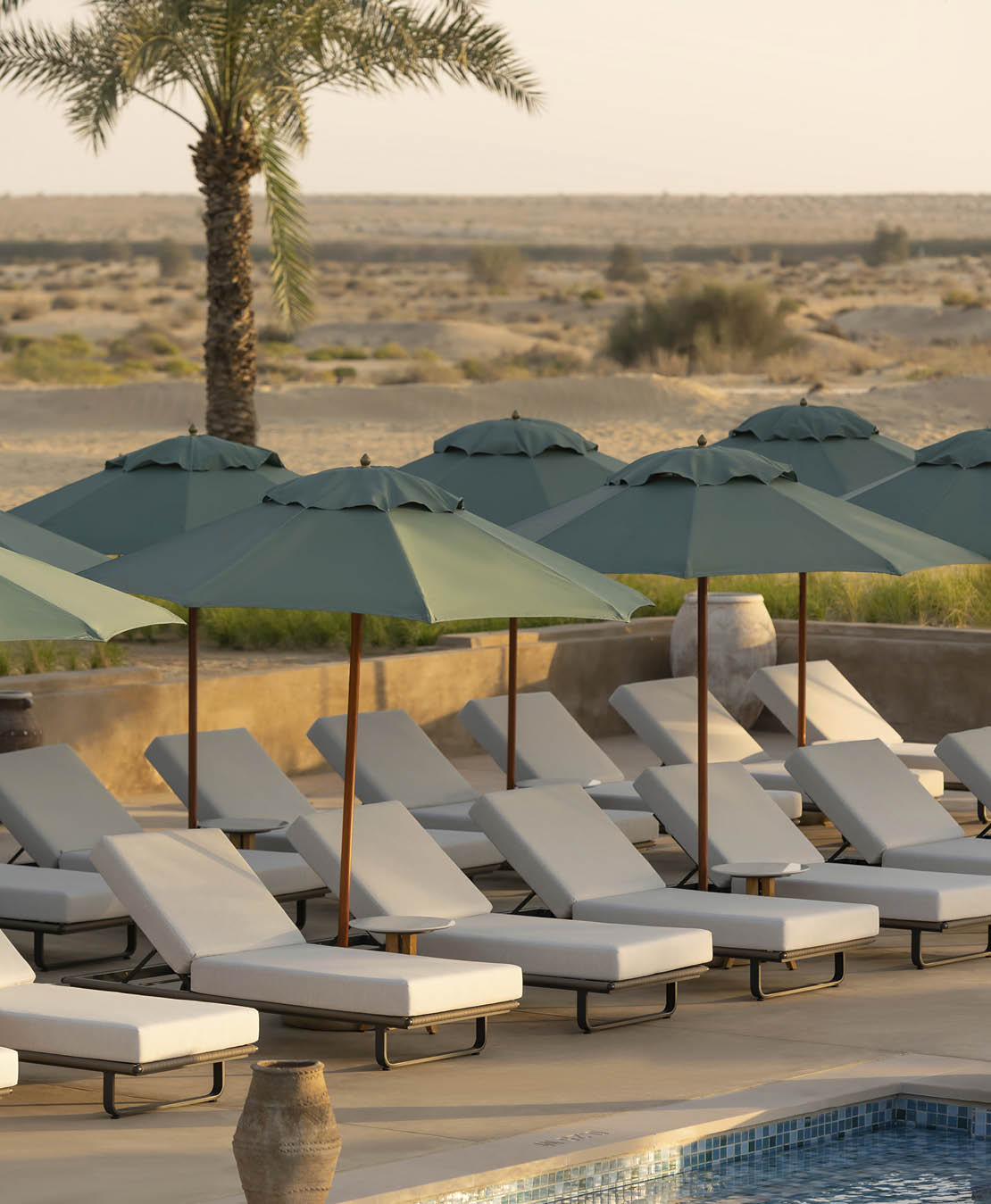
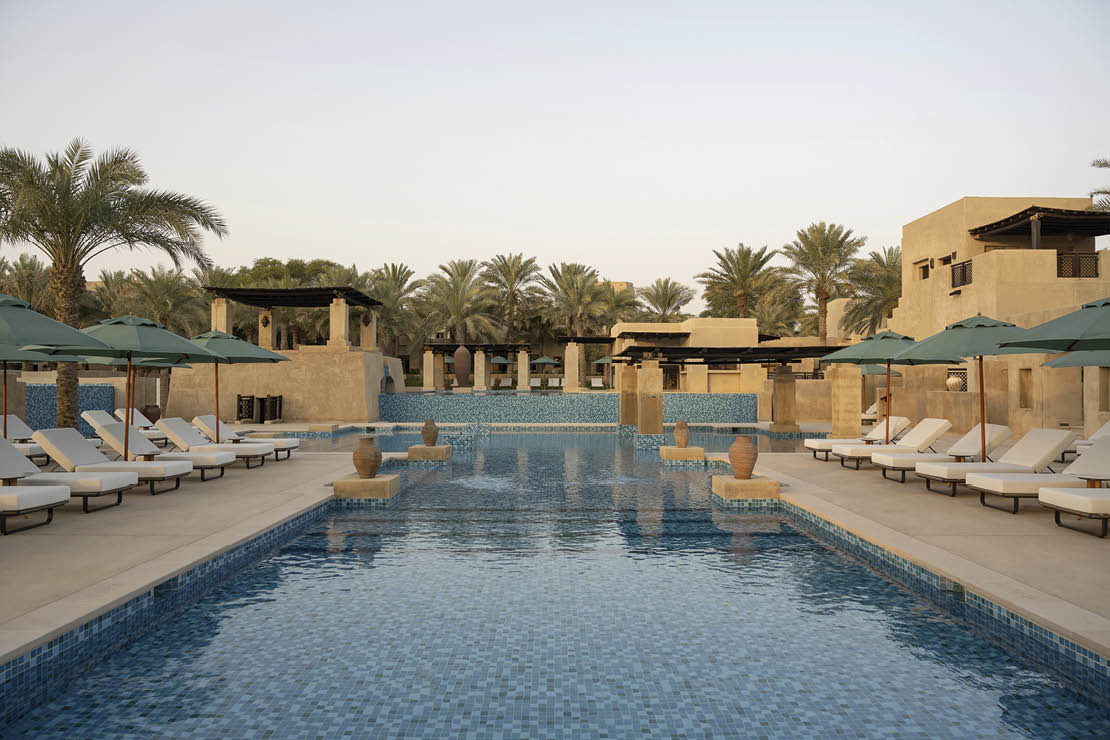
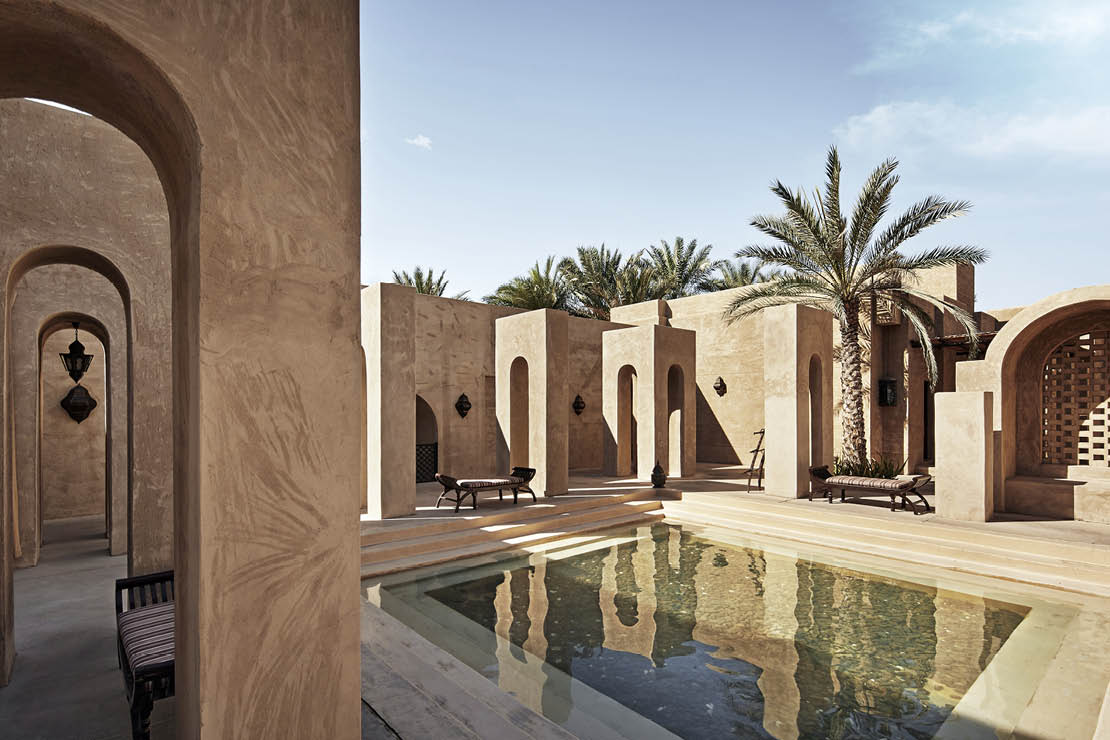
During Ramadan, Bab Al Shams becomes a sanctuary where time slows, rituals feel richer, and the desert itself becomes part of the experience, making it a perfect staycation for those seeking meaning, calm and quiet luxury.
Giorgio Armani’s Final Collection Is Captured Inside His Milan Home
For the first time, Giorgio Armani’s latest campaign is staged at the late designer’s personal home. The Spring/Summer 2026 campaign, marking the designer’s final collection, was photographed within his Milan residence on Via Borgonuovo, a deeply personal setting that offers rare insight into the world behind one of fashion’s most enduring legacies.
Shot by Oliver Hadlee Pearch, the campaign unfolds across the rooms and garden of the building that has long served as both Armani’s home and the site of the brand’s runway shows. Still inhabited by Leo Dell’Orco, the residence becomes more than a backdrop; it functions as a quiet narrator, carrying the memory, restraint and timeless sensibility that have defined Armani’s aesthetic for decades.
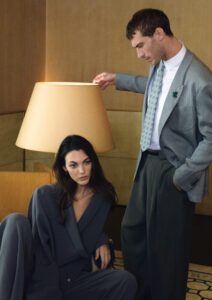
The choice of location feels deliberate and symbolic. Rather than closing with spectacle, Armani returns to origins, allowing space, light and lived-in beauty to frame his final creative statement. The campaign reads as a meditation on continuity, where the past is not revisited nostalgically but allowed to exist naturally within the present.
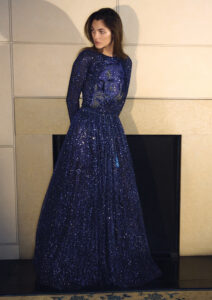
The cast reflects this understated approach. Vittoria Ceretti, returning to pose for Armani, appears alongside Clément Chabernard, with additional appearances by Aboubakar Conte, Zhaoyi Fan and Greta Hofer in the eyewear imagery. The models move through intimate domestic settings and into the garden, surrounded by personal objects, design pieces, sculptures and artworks that echo the designer’s refined taste.
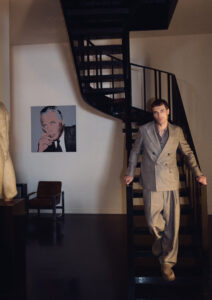
The collection is, of course, refined and understated in true Armani style. Structured suits, softly flowing dresses, relaxed shirts and knitwear trace the body with ease. Garments express a way of dressing that has always been central to Armani’s vision: natural, effortless and quietly confident. This is fashion that does not chase relevance, but remains relevant precisely because it resists excess.
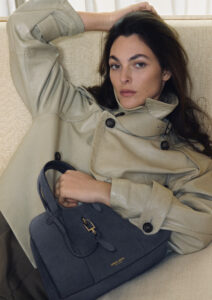
The campaign is a reminder that Armani’s language of restraint, precision and elegance transcends seasons and trends. By opening the doors to his home, Armani offers a final, intimate glimpse into the spaces where his creative memory lives on, affirming that true style is not defined by spectacle, but by consistency, clarity and time.
Emirates Developments and Jumeirah Unveil Jumeirah Residences Al Maryah Island
Emirates Developments has officially unveiled Jumeirah Residences Al Maryah Island, a landmark branded residential project developed in partnership with global luxury hospitality brand Jumeirah, marking a major step forward in Abu Dhabi’s vision for design-led, waterfront living. Launched at a high-profile event at Louvre Abu Dhabi on January 28, 2026, the announcement drew more than 700 guests and even featured global icon Katy Perry performing that night.
Located on Al Maryah Island, Jumeirah Residences Al Maryah Island sets a new benchmark for ultra-luxury residential living in the UAE. The development brings together world-class architecture, hospitality-driven services and a highly private residential environment, all within a culturally significant urban setting.
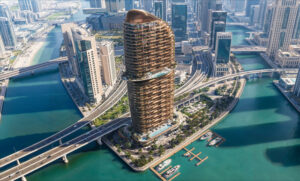
The project will comprise 253 one- to five-bedroom apartments, offering an elevated lifestyle in the heart of the capital. Positioned adjacent to The Galleria Mall and overlooking the waterfront canal, residents will enjoy direct promenade access alongside uninterrupted views of Reem Island and Abu Dhabi’s skyline. Each residence is designed to balance upscale community living with the exclusivity and refinement expected of a Jumeirah-branded address.
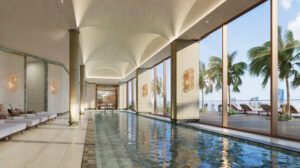
Conceived and delivered by Emirates Developments, the project reflects a long-term, developer-led vision aligned with Abu Dhabi’s ambition to be a global hub for culture, innovation and quality of life. From site selection to architectural design and lifestyle programming, every element has been curated to ensure enduring residential value. Partnering with Jumeirah brings the brand’s renowned hospitality, service excellence, and international reputation to a purpose-built residential context in the capital.
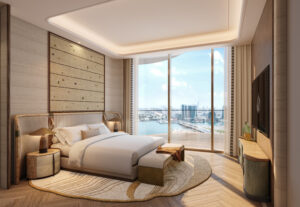
Architecturally, Jumeirah Residences Al Maryah Island is designed by Killa Design, led by acclaimed architect Shaun Killa. Rising from the waterfront as an amber-hued sculptural tower, the building features flowing curves, bold vertical lines and a dynamic façade that shifts with the light. Floating terraces, sky gardens and an elevated pool redefine vertical waterfront living, adding a striking new icon to Abu Dhabi’s skyline.
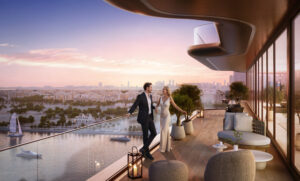
Scheduled to open in 2031, the residences will offer expansive private terraces, light-filled interiors and premium natural finishes. Residents will benefit from Jumeirah’s signature services, including concierge support, personalised wellness experiences and private dining, seamlessly extending luxury hospitality into everyday life.
Marella Partners With Deema Al Asadi on a New Nature-Inspired Capsule for Spring
Marella unveils its Spring Summer 2026 capsule as part of the brand’s ongoing Selected By series, this season created in collaboration with Middle Eastern creative Deema Al Asadi. The Marella Selected By Deema Al Asadi SS26 collection marks an important milestone for the Italian fashion house, representing its first clear commitment to the GCC and wider Middle East.
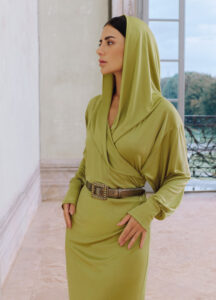
Inspired by nature, light and reflection, the capsule explores modern femininity through a refined and expressive colour palette. Saffron yellow captures the warmth of moonlight, while oregano green reflects the vitality of the natural world. Soft coral pink introduces a subtle femininity, balanced by talc white for a sense of timeless elegance.
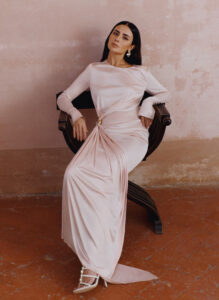
Lightweight textures define the collection, with fluid viscose dresses designed to move effortlessly on the body. Floral jacquard, delicate lace details and golden accents enhance the luminosity of each piece.
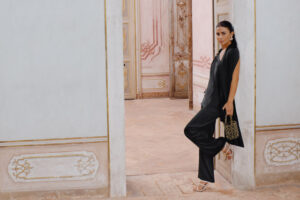
Shot in a grand Italian villa, the digital campaign merges Marella’s heritage with contemporary sophistication. The collection launches online at marella.com and in selected stores from 26 January 2026.
Discover Armani Privé’s Spring Summer 2026 collection
Armani Privé’s Spring Summer 2026 collection, Jade, marked a significant new chapter for the house with the debut of Silvana Armani at the helm. Guided by a sense of continuity, her vision felt both respectful and assured, offering a softer, feminine lens while remaining grounded in the codes that define Armani elegance.


The palette took its cue from jade, with delicate tones of green, pink and white set against graphic black. These hues echoed the stone’s harmony and balance, expressed through fluid, vertical silhouettes crafted in satin and silk. The clothes rested effortlessly on the body, emphasising movement and restraint rather than excess.


Masculine-inspired tailoring appeared in precise jackets stripped of structure, paired with embroidered bustiers and sharply cut trousers. Column dresses were animated by expert draping, while tunics opened to reveal impeccably tailored pants beneath. Subtle yet refined embroidery emerged throughout, sometimes as unexpected trompe l’oeil details, underscoring a collection defined by quiet confidence and refined evolution.
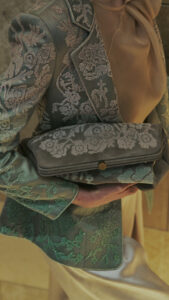
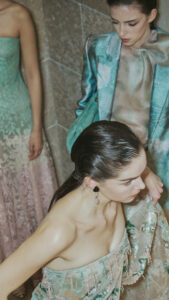
A collection that, while marking a new chapter for the brand, held its essence and legacy very firmly in its grip.
Discover Chanel’s Spring/Spring Haute Couture Collection by Matthieu Blazy
Matthieu Blazy’s Haute Couture debut for Chanel felt joyful, imaginative and full of energy, setting an optimistic tone for a new chapter in the house’s couture story. From the opening look, the collection embraced colour, movement and a sense of wonder, creating a show that felt whimsical and uplifting while remaining rooted in exceptional craftsmanship.
Silhouettes were fluid and expressive, designed to move beautifully with the body. Tailoring appeared relaxed yet precise, while evening pieces floated down the runway with an effortless elegance. Bold colour choices brought vibrancy to the collection, injecting a sense of optimism and playfulness that felt refreshing for couture. There was a lightness throughout, both in the construction and in the spirit, that made the clothes feel alive.
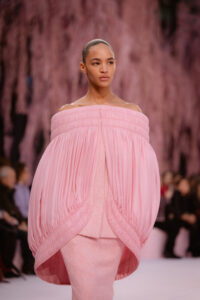
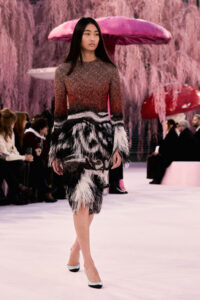
The setting leaned into a fairytale atmosphere, heightening the sense of fantasy without overpowering the garments themselves. Embroidery, layering and texture added depth and detail, revealing the extraordinary work of the ateliers while keeping the overall feeling joyful rather than heavy. Craft was celebrated openly, yet always in service of emotion and movement.
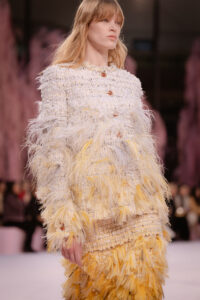
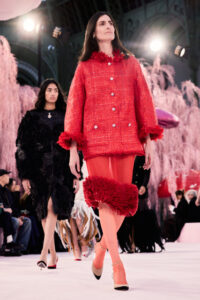
This highly anticipated collection marked a turning point for Chanel Haute Couture. It honoured the house’s legacy while introducing a brighter, more expressive emotional language. Blazy’s vision brought a renewed sense of magic to couture, offering a collection that felt confident, modern and full of possibility.
Inside Schiaparelli’s Spring/Summer 2026 Haute Couture Collection by Daniel Roseberry
Opening Paris Haute Couture Week yesterday, Schiaparelli’s Spring/Summer 2026 Haute Couture Collection “The Agony and The Ecstasy” marked one of the most emotionally charged moments of the Spring/Summer 2026 haute couture season.
Designed by Daniel Roseberry, whose Schiaparelli shows are consistently among the most highly anticipated of couture week, the collection once again delivered a powerful fusion of imagination, craftsmanship and feeling.
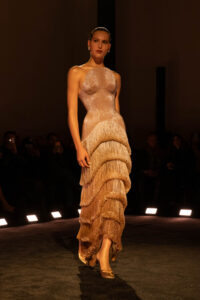
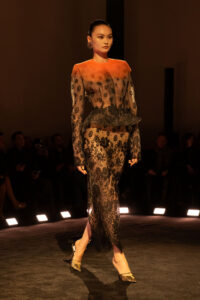
Drawing inspiration from Rome’s Sistine Chapel, Roseberry looked beyond Michelangelo’s artworks as historical masterpieces, instead attempting to channel the emotions they continue to provoke more than 500 years later. Much like his couture, the impact lingers long after the final look.
Rather than asking how couture should look, Roseberry shaped the collection around how it should feel. Sharp strokes evolved into scorpion tails and serpentine forms, giving rise to gravity-defying silhouettes alive with tension and movement. Reptilian and avian motifs emerged as heroic figures, symbolising freedom and transformation.
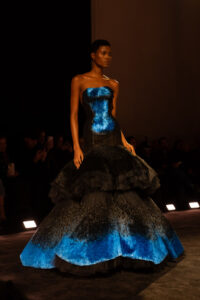
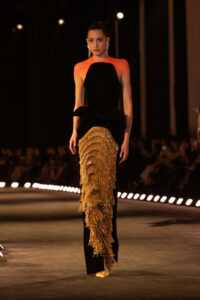
This was a celebration of craft as well as a tribute to Schiaparelli’s ateliers. Hand-cut lace appeared as a three-dimensional bas-relief; feathers were painted, airbrushed, or crystallised; and layered tulle created depth beneath delicate surfaces. Sculptural bird head accessories nodded to Elsa Schiaparelli’s fascination with nature, reinforcing couture as fantasy, emotion and unrestrained creative expression.
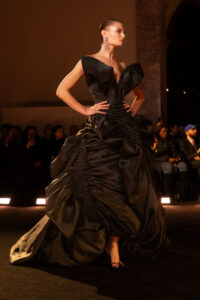
The beauty was in the details, and the details were truly beautiful. Another success story for the couturier whose Schiaparelli reign continues to break boundaries and celebrate the essence of Haute Couture.
Desert X AlUla returns for its fourth edition
Returning for its fourth edition, Desert X AlUla 2026 once again transforms one of the world’s most extraordinary landscapes into an open-air museum. Staged under the theme Space Without Measure, the exhibition draws inspiration from Kahlil Gibran’s reflections on possibility, perception, and the boundless nature of the human spirit, inviting visitors to experience contemporary art in direct dialogue with AlUla’s valleys, canyons, and ancient routes.
Set within Wadi AlFann, AlUla’s Valley of the Arts, large-scale, site-specific installations by Saudi and international artists respond to the land’s dramatic geology and layered history. AlUla is not a blank canvas but a living archive, shaped by centuries of movement, trade and settlement. Desert X AlUla unfolds within this context, placing contemporary works alongside traces of earlier civilisations at this UNESCO World Heritage site, encouraging new ways of seeing and listening to the land.
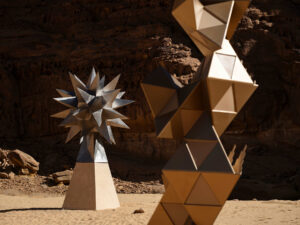
The 2026 edition is curated by Wejdan Reda, founder of Sahaba and Associate Director at Diriyah Biennale Foundation, alongside London-based curator Zoé Whitley OBE, bringing together regional insight and global perspective. While the full artist line-up will be revealed soon, the exhibition promises a dynamic mix of emerging and established voices exploring themes of culture, nature and transformation through works created specifically for AlUla.
All commissions were produced in Saudi Arabia, emphasising material knowledge, local craft and collaboration. Artists worked closely with artisans, musicians, botanists and fabricators through initiatives including Madrasat Addeera and the Native Plant Nursery, embedding community knowledge directly into the works.
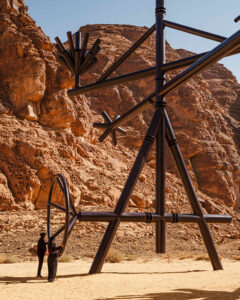
Visitors can experience Desert X AlUla in multiple ways, from self-guided walks and public or private tours to viewing the installations from an open-top car. Together, the exhibition and its accompanying programme of talks and events continue to strengthen AlUla’s growing legacy as a global destination for art in the landscape, where creativity, history and environment remain inseparable.
