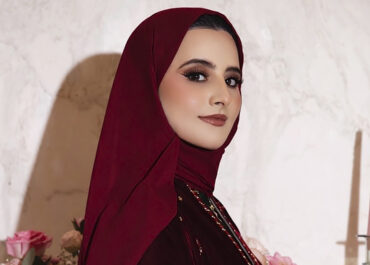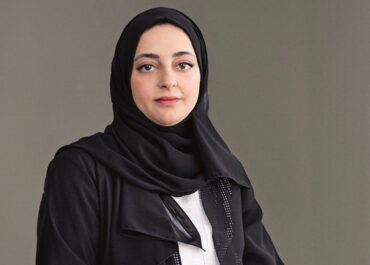

In a region where luxury is often expressed through bold statements and overt codes, a new generation of designers is quietly reshaping the conversation. Among them is Noura Alqemzi, the Emirati founder and creative director of Aimée Moreau. This contemporary leather goods brand speaks through restraint, form and intention rather than logos or spectacle.
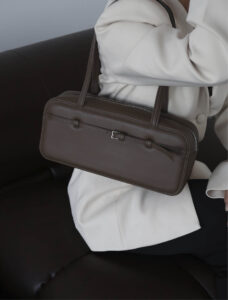
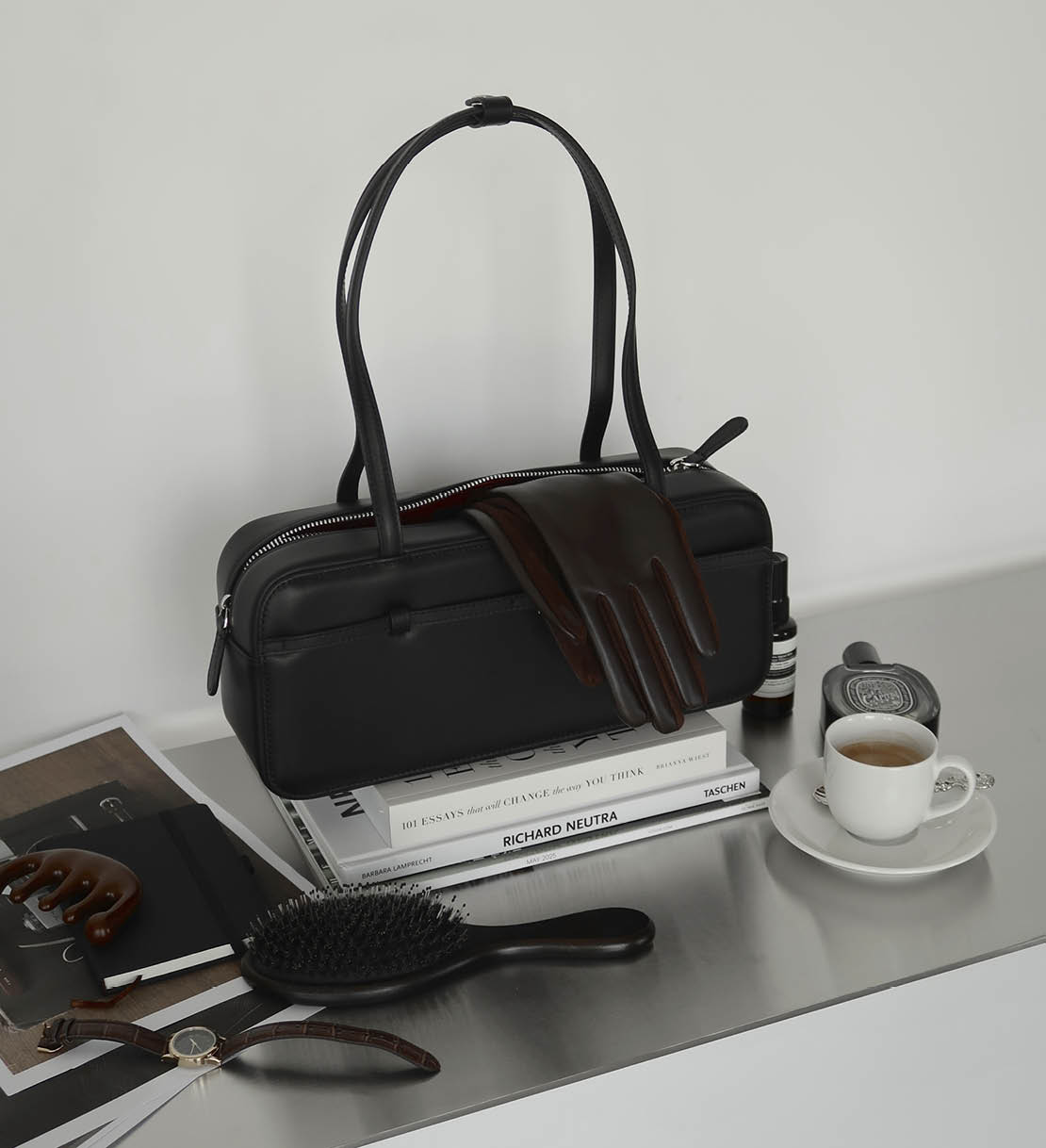
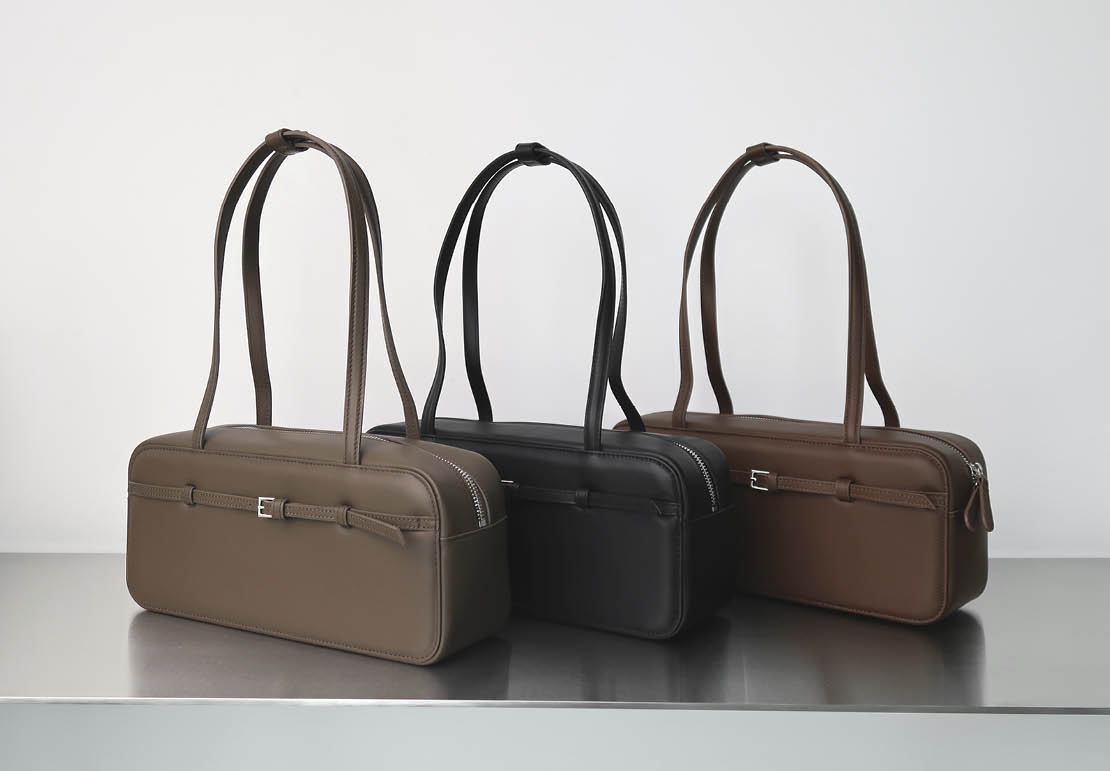
Founded in the United Arab Emirates, Aimée Moreau represents a thoughtful evolution of Middle Eastern luxury. Crafted in small batches by specialist artisans, the brand focuses on sculptural silhouettes, tactile materials and pieces designed to endure beyond seasons. Its debut collection, Forme 01, reflects this philosophy with a structured shoulder bag rendered in premium leather and offered in a refined, understated palette. The result is a collection rooted in permanence rather than trend, and in clarity rather than excess.
For Alqemzi, Aimée Moreau is both a creative expression and a statement of confidence. Built from the ground up, the brand reflects a broader shift in the region’s fashion landscape, one in which emerging Emirati designers are creating globally relevant luxury brands without relying on literal cultural references. Instead, heritage is expressed through approach: balance, precision, and a deep respect for craft.
In this interview, Noura Alqemzi speaks candidly about building a brand from scratch, defining luxury on her own terms, and the discipline required to create something that feels both deeply personal and internationally resonant.
Tell us about Aimée Moreau’s universe. What was the emotional and creative starting point behind the brand?
The idea started years before the brand existed. When I launched my first accessories label, I knew the leather goods space was where I eventually wanted to be. I didn’t see Emirati-founded bag brands aiming for a global audience, and it felt like an open space where I genuinely belonged. Instead of reshaping my earlier brand, I decided to build a new one from the ground up. That came with challenges, but I trusted the strength of the concept and my ability to build something that could sit confidently on an international level.
You describe your aesthetic as sculptural, minimal, and tactile. Tell us about your distinctive aesthetic and the creative process behind it.
My aesthetic is grounded in clarity. I’m drawn to clean forms, considered proportions, and silhouettes that don’t need loud elements to stand out. My creative process usually begins with understanding the purpose of a bag, how it will be used, what it needs to carry, and how it should behave in daily life. From there, I build shape, volume, and structure. Pinterest and visual research play a part, but most of the direction comes from editing. I remove anything that doesn’t belong. What remains is a functional shape with a clear identity.
As an Emirati founder and creative director, how important was it to build a brand that feels rooted in the region while also speaking to a global audience?
It’s important, but for me, the connection isn’t about motifs or literal cultural references. It shows up in the way I approach design, in restraint, in balance, in an appreciation for quiet detail. Emirati culture values refinement without noise, and that naturally shapes the brand’s direction. Aimée Moreau is global in its positioning, but the perspective behind it is mine, and that influence is part of every decision, even when the design language stays minimal.
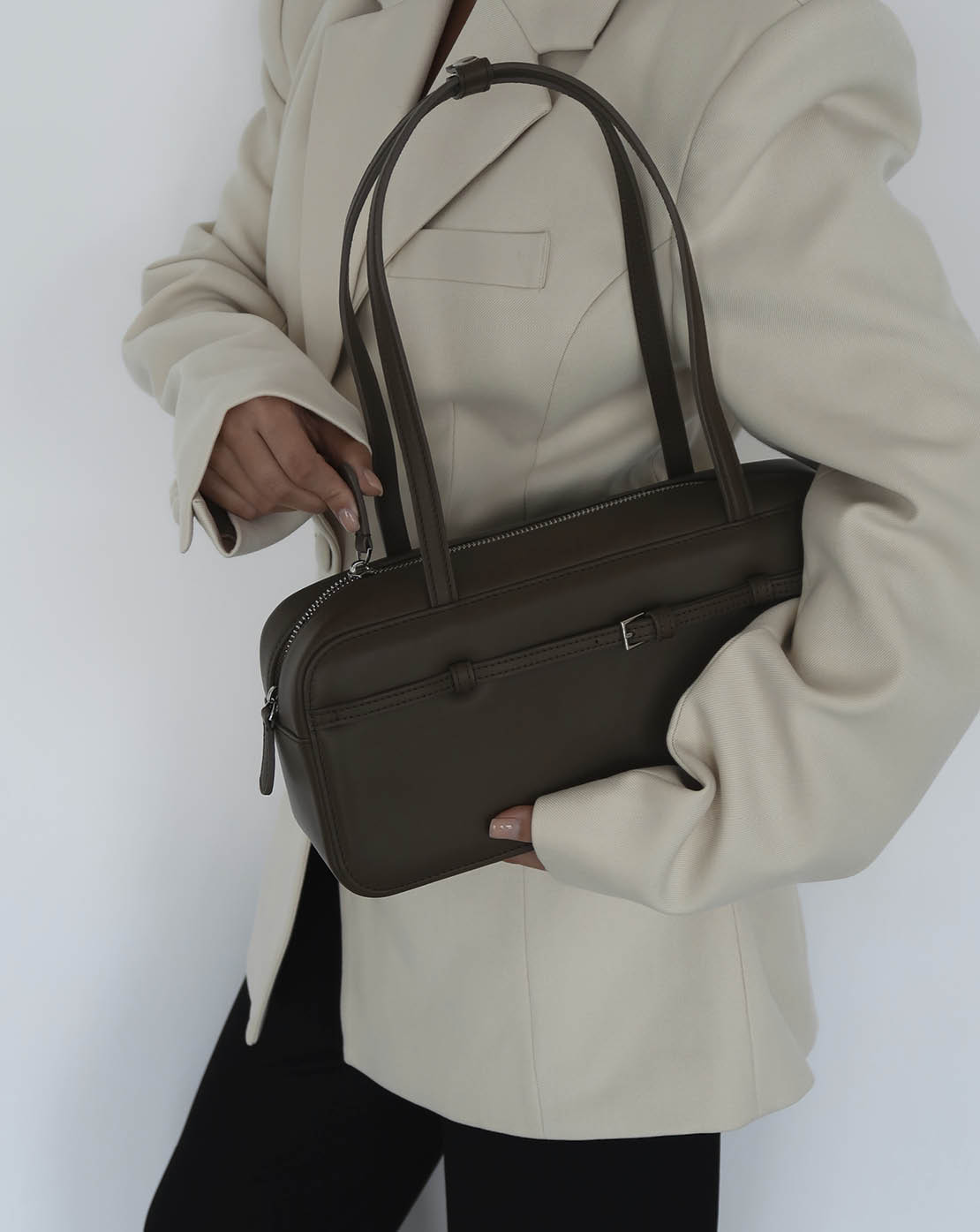
The debut collection, Forme 01, centres on permanence rather than trend. Why was it important for you to step away from traditional fashion seasons?
I didn’t want the brand to fall into the cycle of seasonal noise. Forme 01 was built around practicality, versatility, and longevity; it’s a bag meant to stay relevant. Seasonal drops don’t define the brand; silhouettes do. I prefer releasing pieces when they’re truly ready rather than rushing into a seasonal calendar that doesn’t serve the product or the long-term direction.
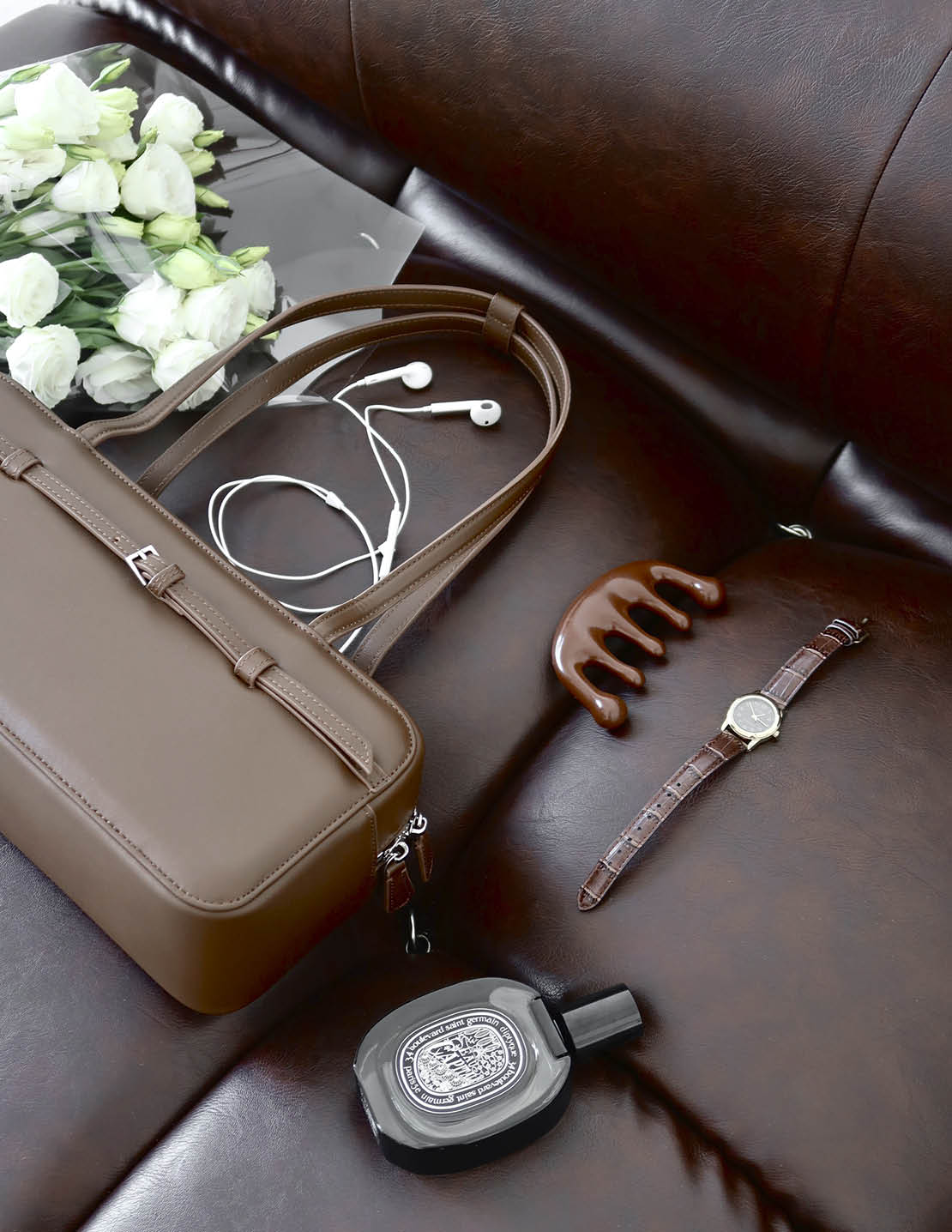
What was the biggest challenge in starting a brand from scratch?
Building everything without reference points. When you start from zero, every decision carries weight, from production to pricing to brand identity. You don’t have history to lean on. At the same time, that challenge was what allowed me to create Aimée Moreau exactly as I envisioned it. It forced clarity and pushed me to trust my direction.
Where would you like to see the brand in five years?
In five years, I want the brand to be stocked in key international markets and recognised for its design clarity. My focus is on establishing a solid silhouette library and expanding responsibly, not fast, but correctly. The goal is for the bags to be worn by women across the world and for the brand to sit confidently among global contemporary luxury names.
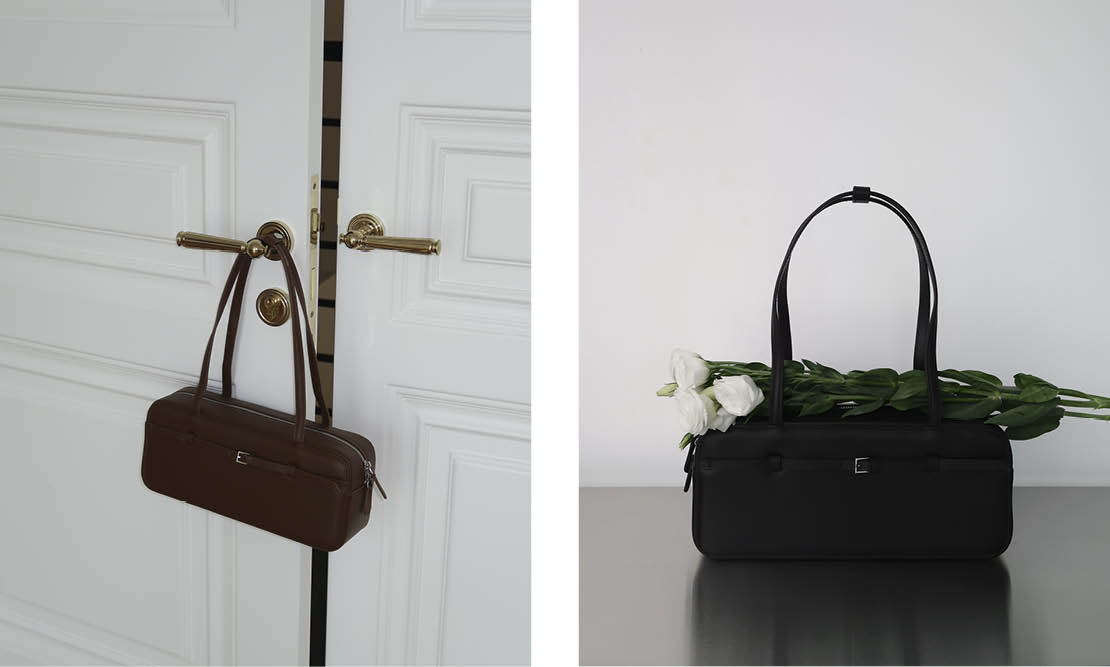
Who is the Aimée Moreau woman in your mind?
She prefers intention over excess. She values pieces that fit seamlessly into her life, modern, understated, and reliable. She doesn’t follow trends for validation; she builds a wardrobe with long-term value. The brand speaks to women who appreciate good design without needing the loud branding that often comes with it.
As a female founder in the Middle East luxury space, what have been the most defining lessons of your entrepreneurial journey so far?
You learn very quickly that clarity and consistency matter more than speed. The luxury space demands patience. It also taught me the value of trusting my instincts, especially as a founder coming from a region that is still shaping its global fashion footprint. You must be confident in your perspective and disciplined in how you build.
Tell us about you as a woman and what first inspired you to enter the world of fashion?
I’ve always gravitated toward design. Even before launching any business, I naturally paid attention to form, material, and how people interact with the products they use every day. Bags, in particular, always stood out to me; they sit at the intersection of function and identity. I didn’t come from a formal design background, which made entering the fashion world a challenge, but that challenge is what drew me in. Learning along the way, trusting my eye, and building experience through doing is what ultimately led me into fashion, and it’s where structure and creativity began to come together for me.
What’s the professional motto you live by?
Start with clarity and build with consistency. Direction matters more than volume and doing something well once is better than doing ten things without focus. Follow what genuinely interests you, learn from your mistakes instead of rushing past them, and be patient with the process — building something meaningful takes time.
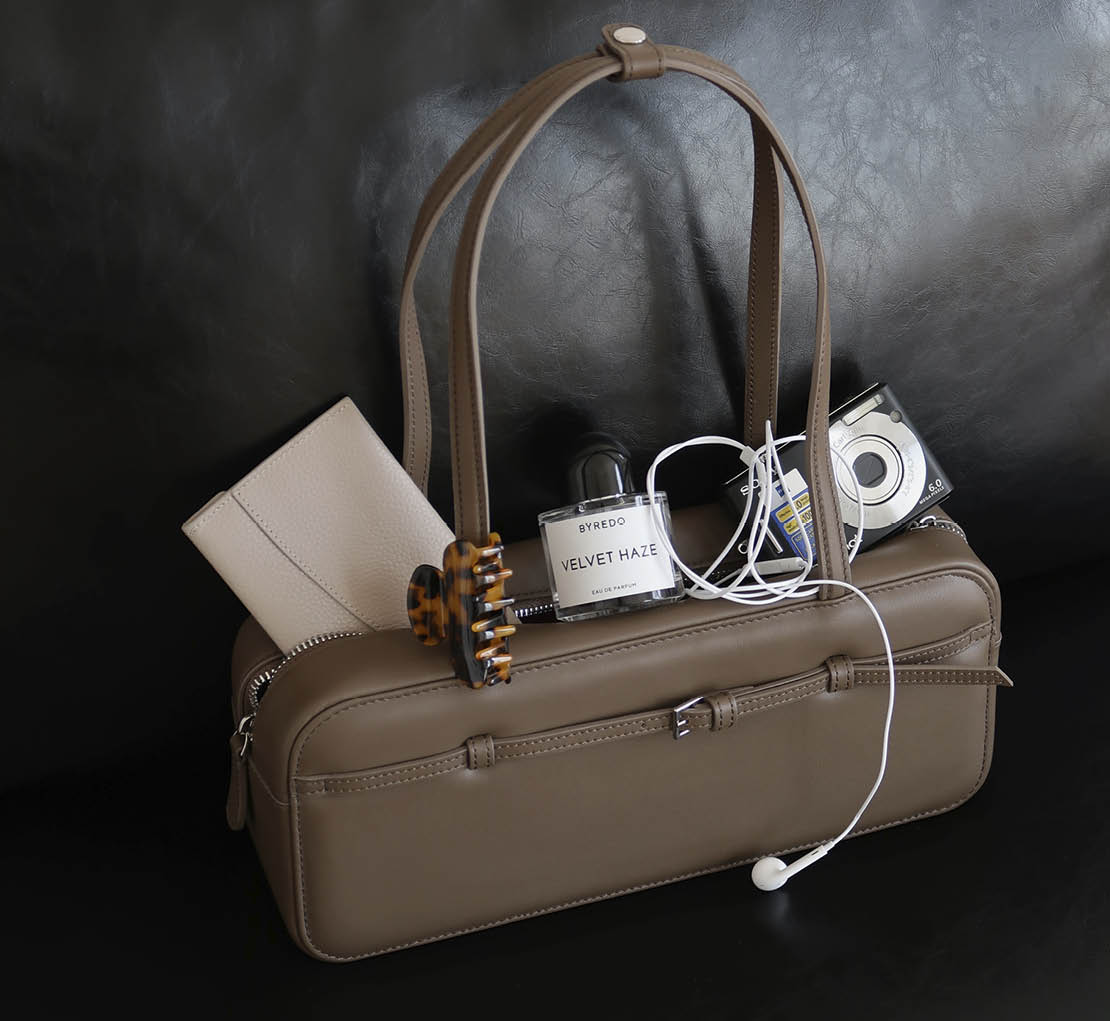
The region’s fashion identity is evolving rapidly. From your perspective, how is Middle Eastern luxury being redefined by emerging designers today?
We’re seeing designers from the region move away from stereotype-driven design and into more technical, global, and contemporary approaches. There’s more confidence now, a belief that a brand from here doesn’t need to over-prove its heritage to be taken seriously abroad. The redefinition is happening through quality, design clarity, and a more modern representation of what Middle Eastern luxury actually looks like.
Looking ahead, what can we expect next for Aimée Moreau, and what personal goals are you working towards as both a designer and a businesswoman?
You’ll see more silhouettes. The next two years are about expanding the product range and understanding which shapes resonate most with our audience. As a designer, my focus is on refining the brand language and exploring new constructions and materials. As a businesswoman, my goal is to grow the brand globally in a controlled, strategic way — building longevity rather than noise. Alongside that, I want to build a real community around the brand and create opportunities to interact with our customers more directly, whether through events, pop-ups, or hands-on experiences that allow for a more personal connection.
By Lindsay Judge