
From sets celebrating icons of urban architecture at Burberry and Dior to an equine performance of horsemanship at Stella McCartney, the AW26 season offered much in the way of innovative set design. Across London, Milan and Paris, designers transformed show venues into immersive environments that blurred the line between stagecraft and storytelling, from monumental installations and architectural references to playful spectacles and theatrical lighting. These spaces did more than simply frame the collections; they shaped the atmosphere through which each narrative unfolded, heightening the drama and emotion of the runway experience. As always, these temporary constructions can tell us as much about a designer’s current preoccupations as the garments they send out into them. Discover some of the standouts from fashion month below, where architecture, performance and imagination combined to create some of the season’s most memorable moments, demonstrating how the runway set design continues to evolve as an essential creative extension of the collection itself.
Dior
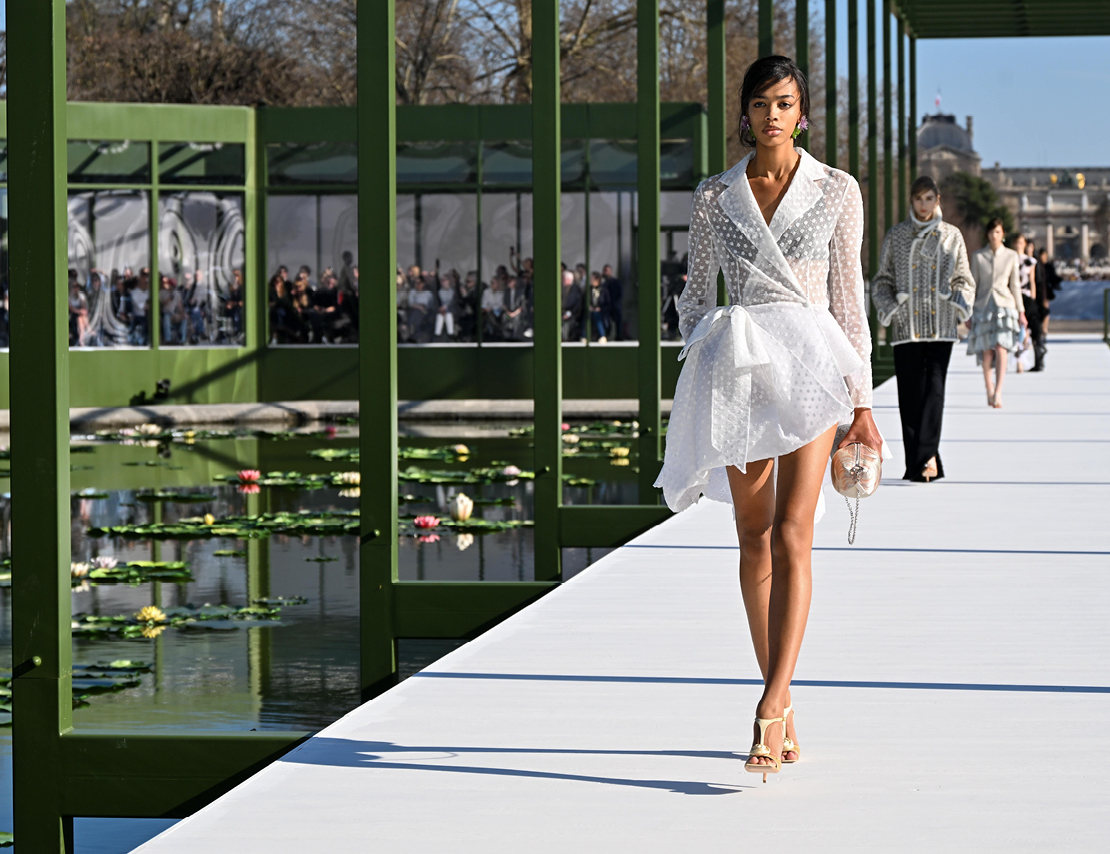
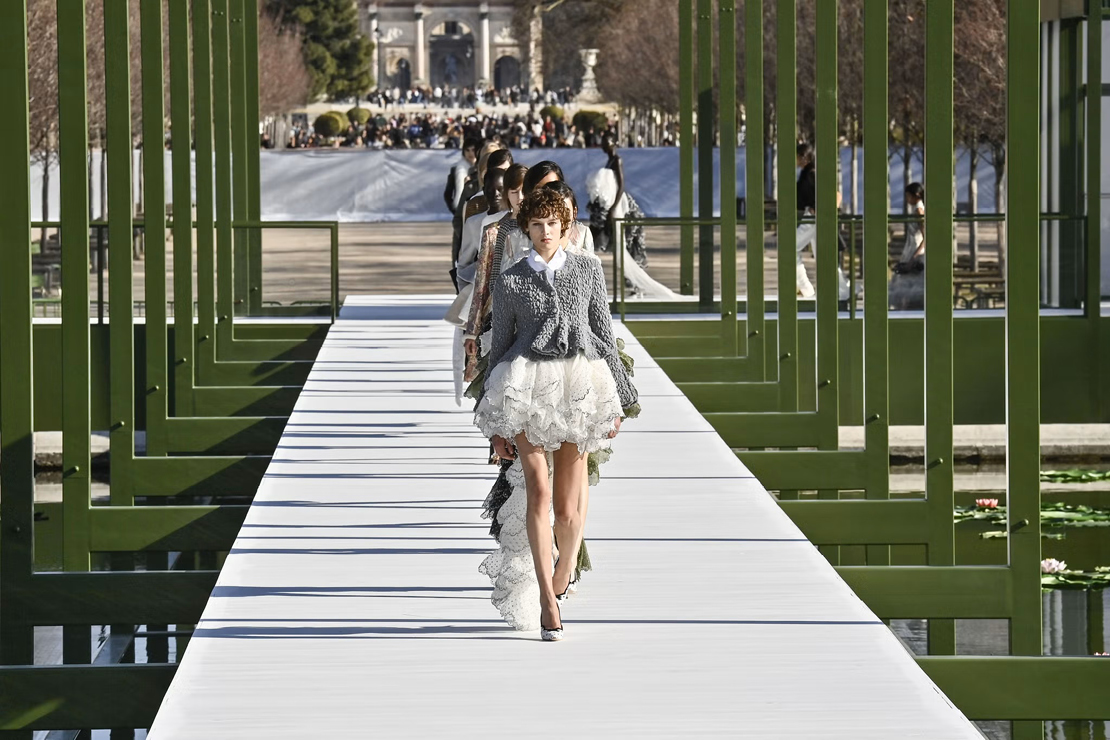
What more appropriate way to kick off Paris Fashion Week than a promenade in the Jardin des Tuileries, which became the site of Jonathan Anderson’s second womenswear collection for Dior, in a show space described as ‘an imitation of a park, within a park’. A giant glass box surrounded the formal fountains allowing light to flood in, with a catwalk raised over floating lily pads which snaked around the perimeter of the water, and across its centre.
Chanel
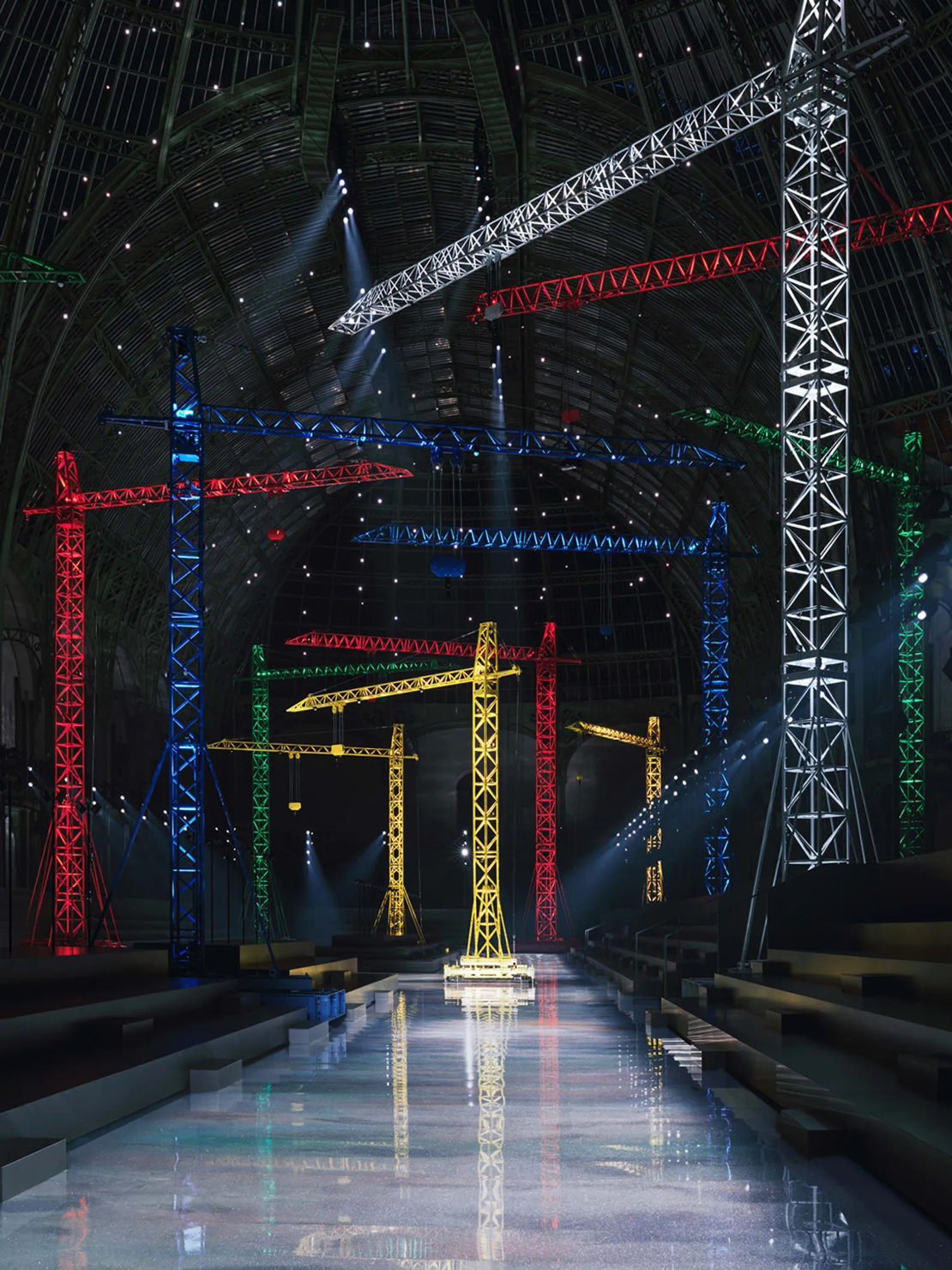
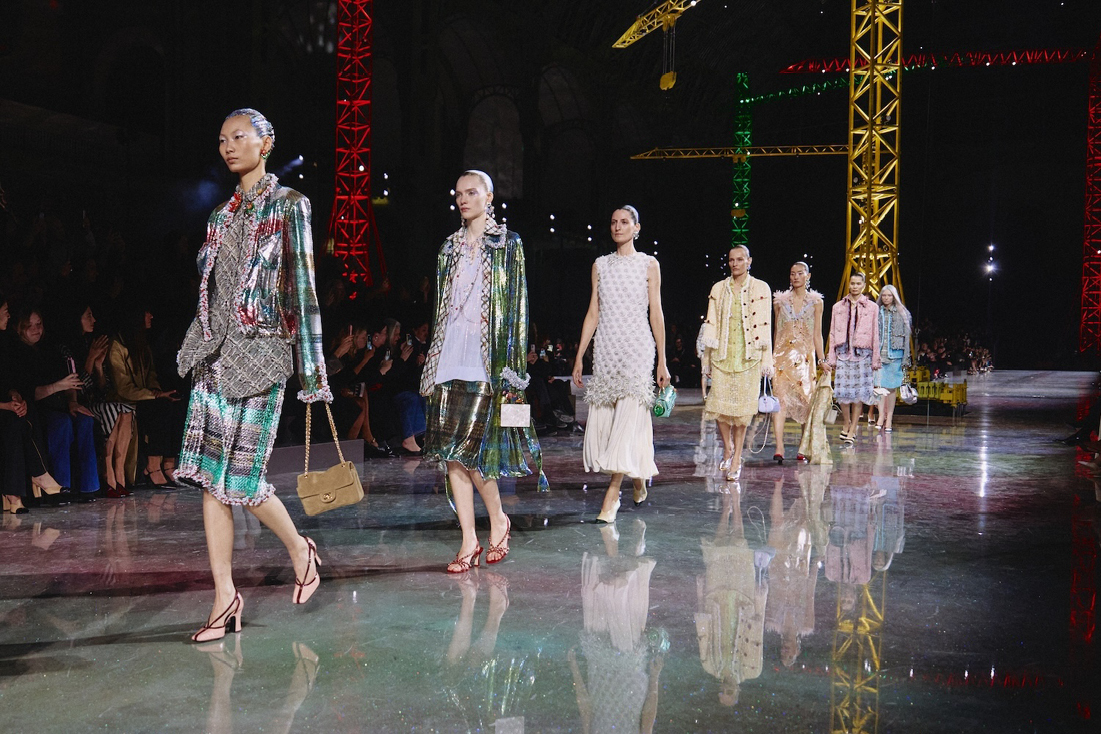
Known for his set design, this season Matthieu Blazy created enormous cranes in Playmobil primary colours for Chanel, piercing the space within the Grand Palais’ main atrium. With their resemblance to stage rigging, these monumental installations were assembled on a glitter floor to evoke the joy of dance, reinforced through a soundtrack of Lady Gaga remixed with dialogue from Billy Elliot. The whole effect was a glorious reminder that Blazy’s Chanel is to be totally joyful.a chic grey suit into a room, this would be it.
Louis Vuitton
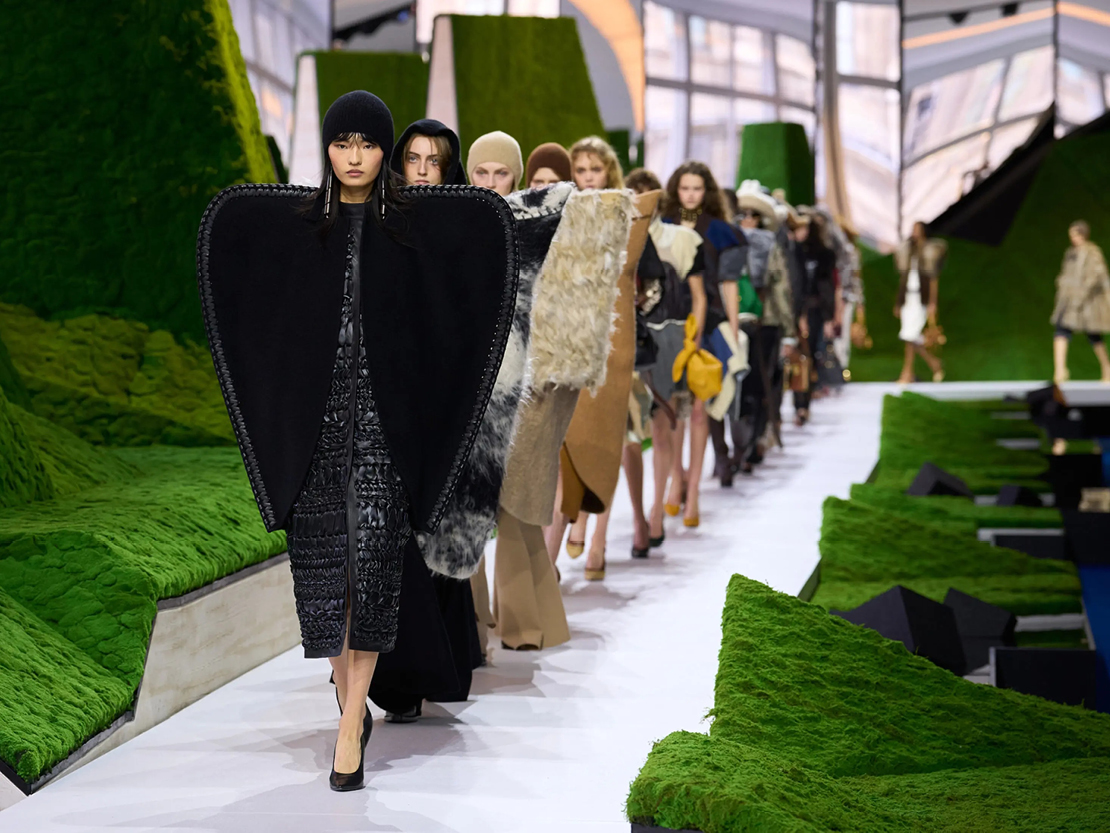
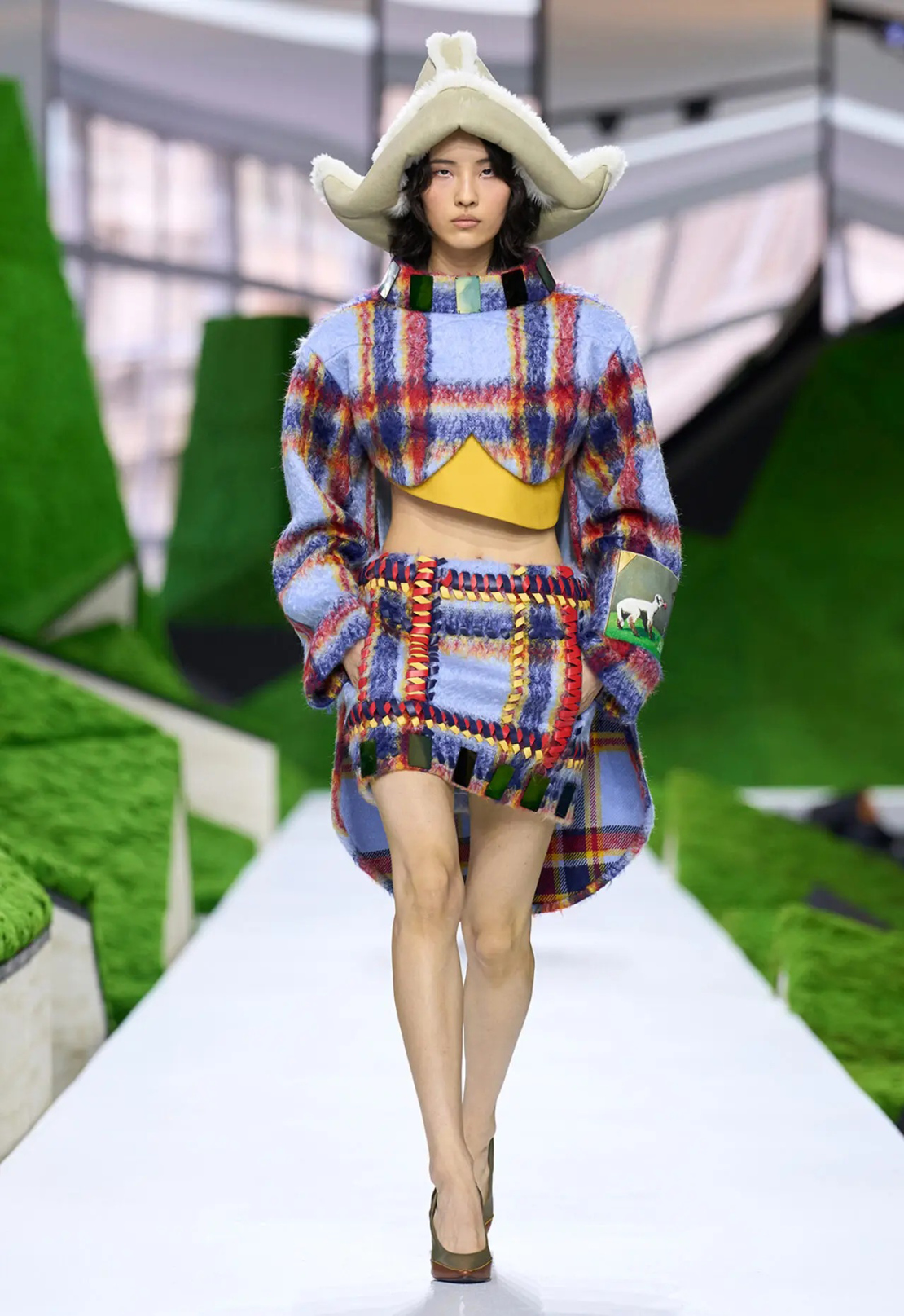
Inside the Cour Carrée of the Louvre Museum, Nicolas Ghesquière turned his gaze away from the city and towards the landscape as he unveiled his latest collection for Louis Vuitton within a moss-covered neo-landscape conceived by production designer Jeremy Hindle. Artificial hills rose around the audience, transforming the courtyard into a surreal pastoral stage that felt suspended somewhere between the natural world and speculative fiction.
Burberry
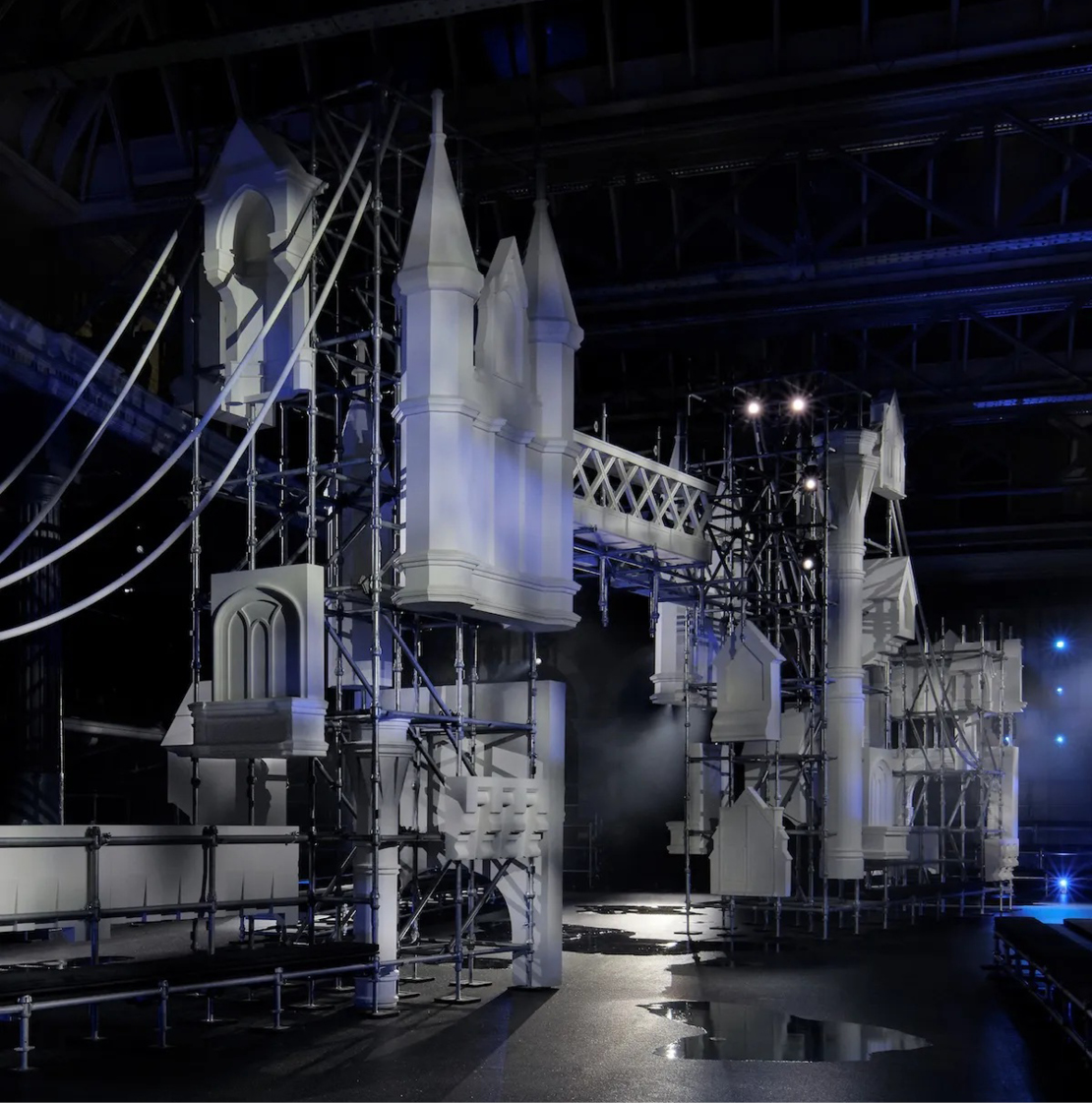
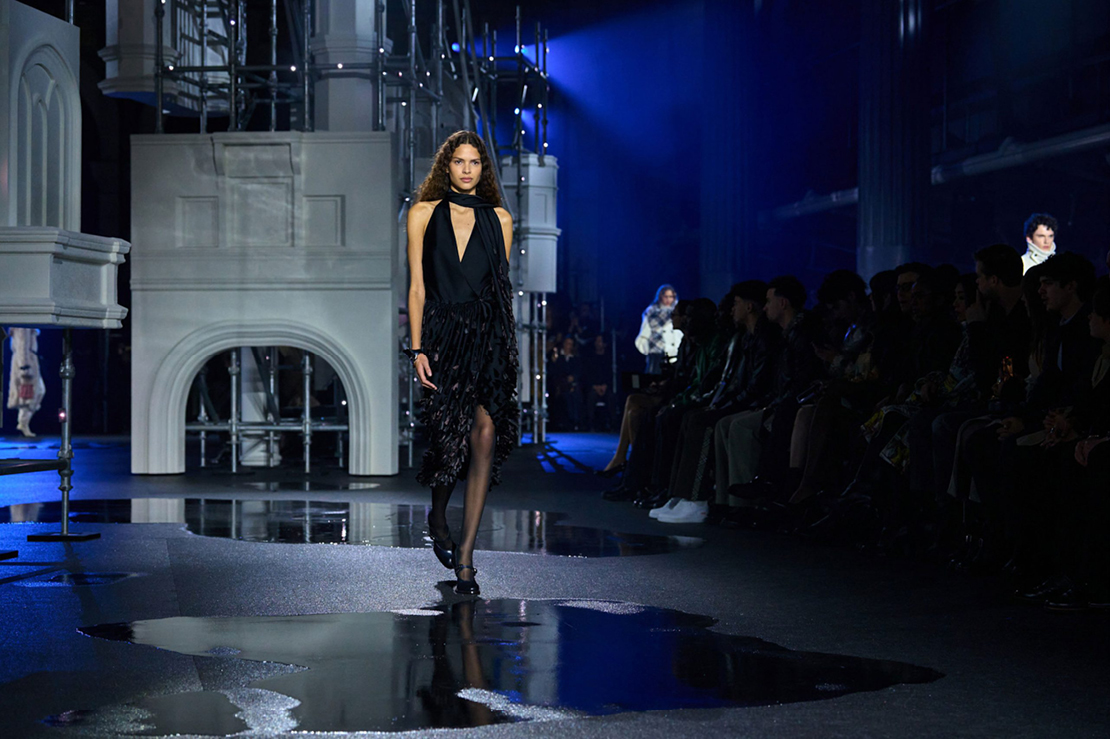
At London’s Old Billingsgate Market, Daniel Lee played with the idea of a city in construction for his latest Burberry show, presenting the new collection amid a recreation of London’s architecture, most notably, the spires of Tower Bridge deconstructed into toy-like blocks and wrapped in scaffolding. Trompe l’oeil puddles of resin scattered the tarmac-effect runway to echo London’s rain-soaked streets, while low lighting and black velvet seating captured an after dark mood.
Stella McCartney
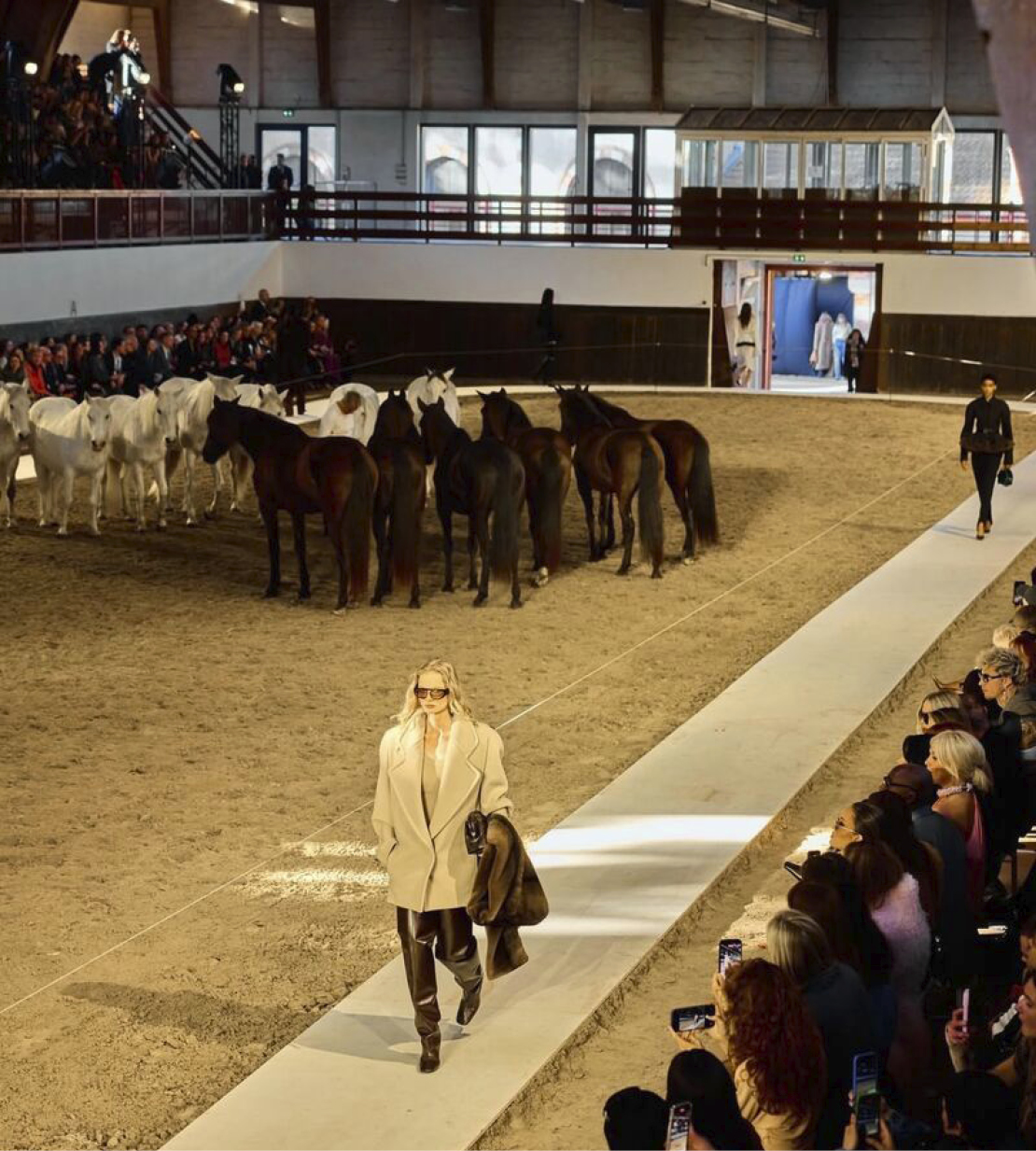
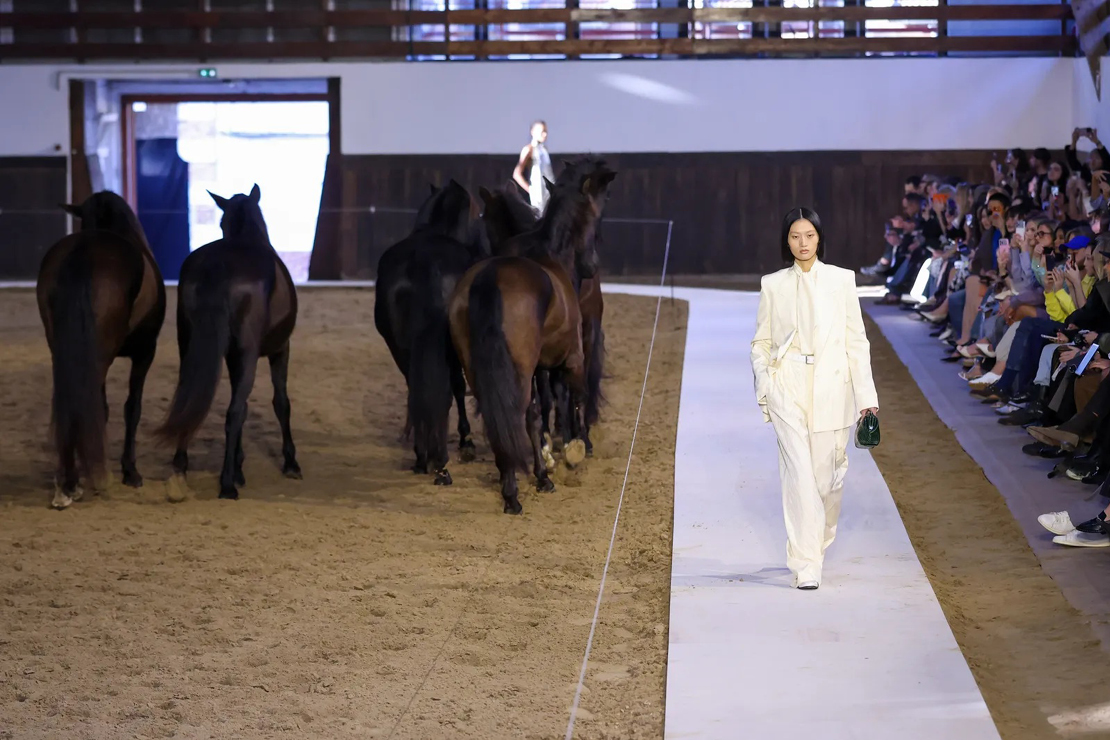
Stella McCartney took the Year of the Horse quite literally, hosting her AW26 show in a grand Parisian equine arena complete with a dozen beautiful horses. Inviting horse whisperer Jean-François Pignon and his shiningly intelligent Camargue ponies to reprise their runway performance from 2023, the artistic display formed a fantastic backdrop as models emerged clad in Stella’s latest collection.
Schiaparelli
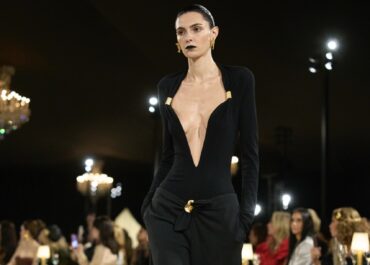
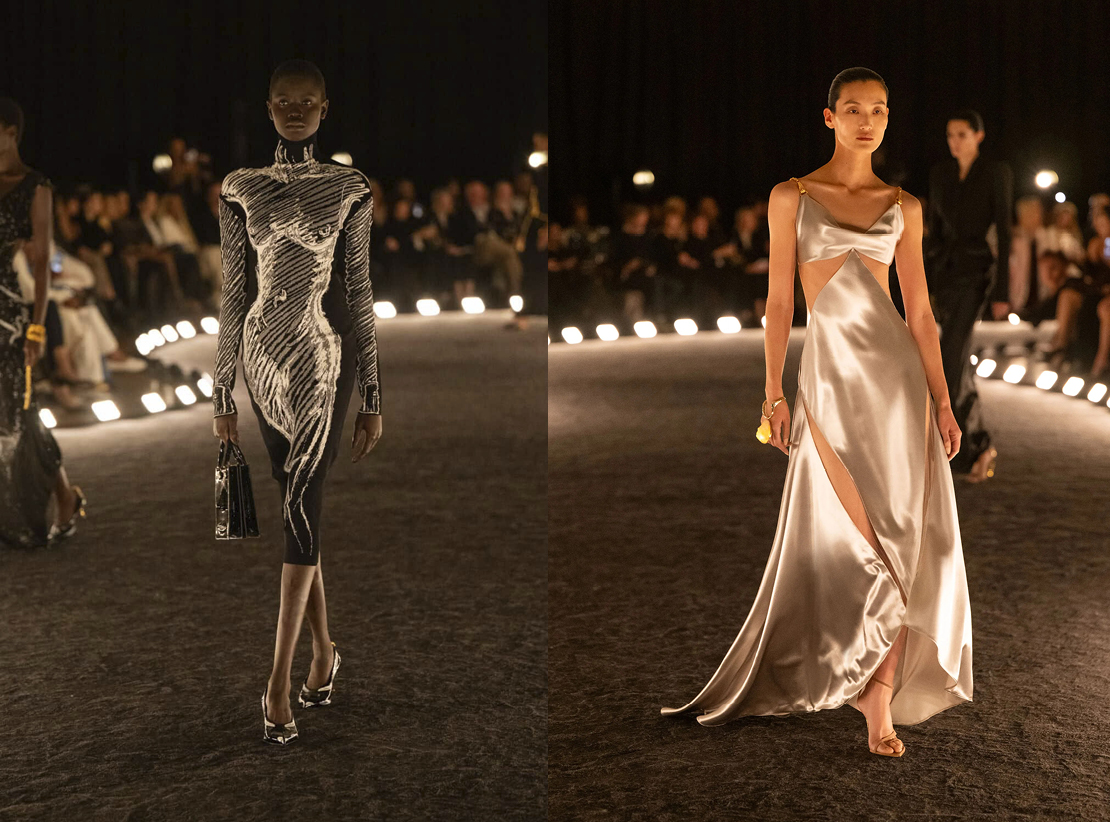
Daniel Roseberry called his AW26 Schiaparelli collection The Sphinx, a title that nodded to the house’s enduring fascination with enigma and contradiction. That tension ran through the collection. Staged on an elevated runway lined with blazing stage lights, playing on the power of illusion, the clothes oscillated between what a garment should be and what it can be, before firmly settling into a happy medium, balancing both on equally weighty ends of a scale.
Diesel
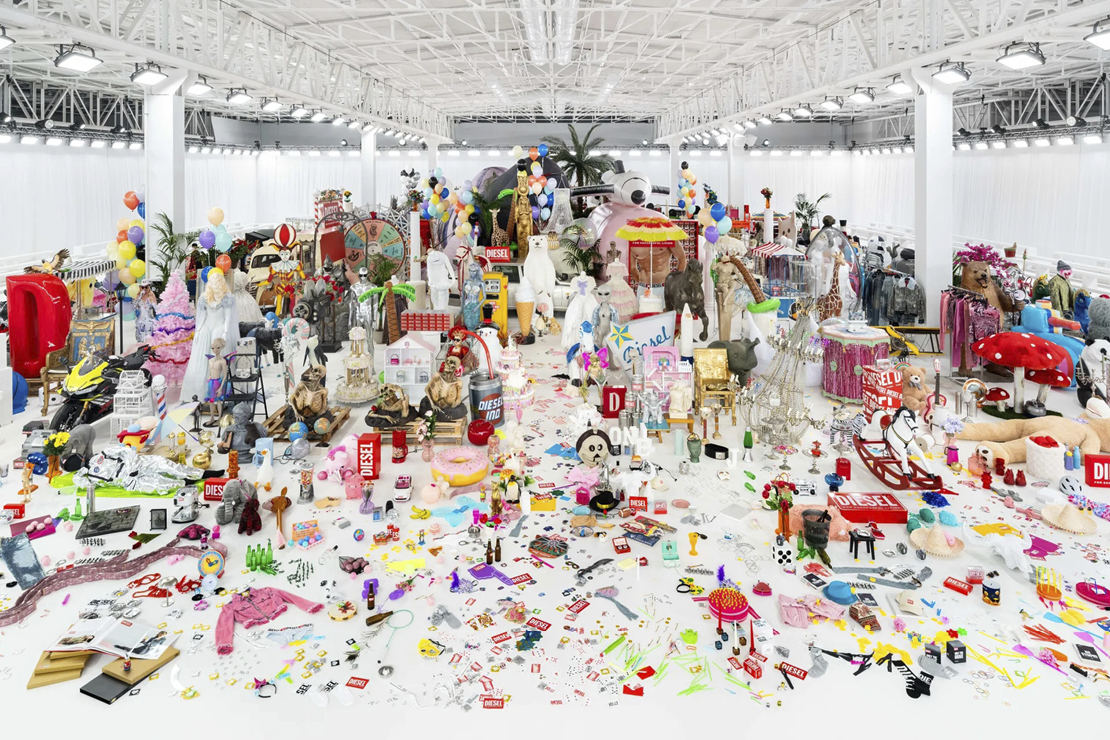
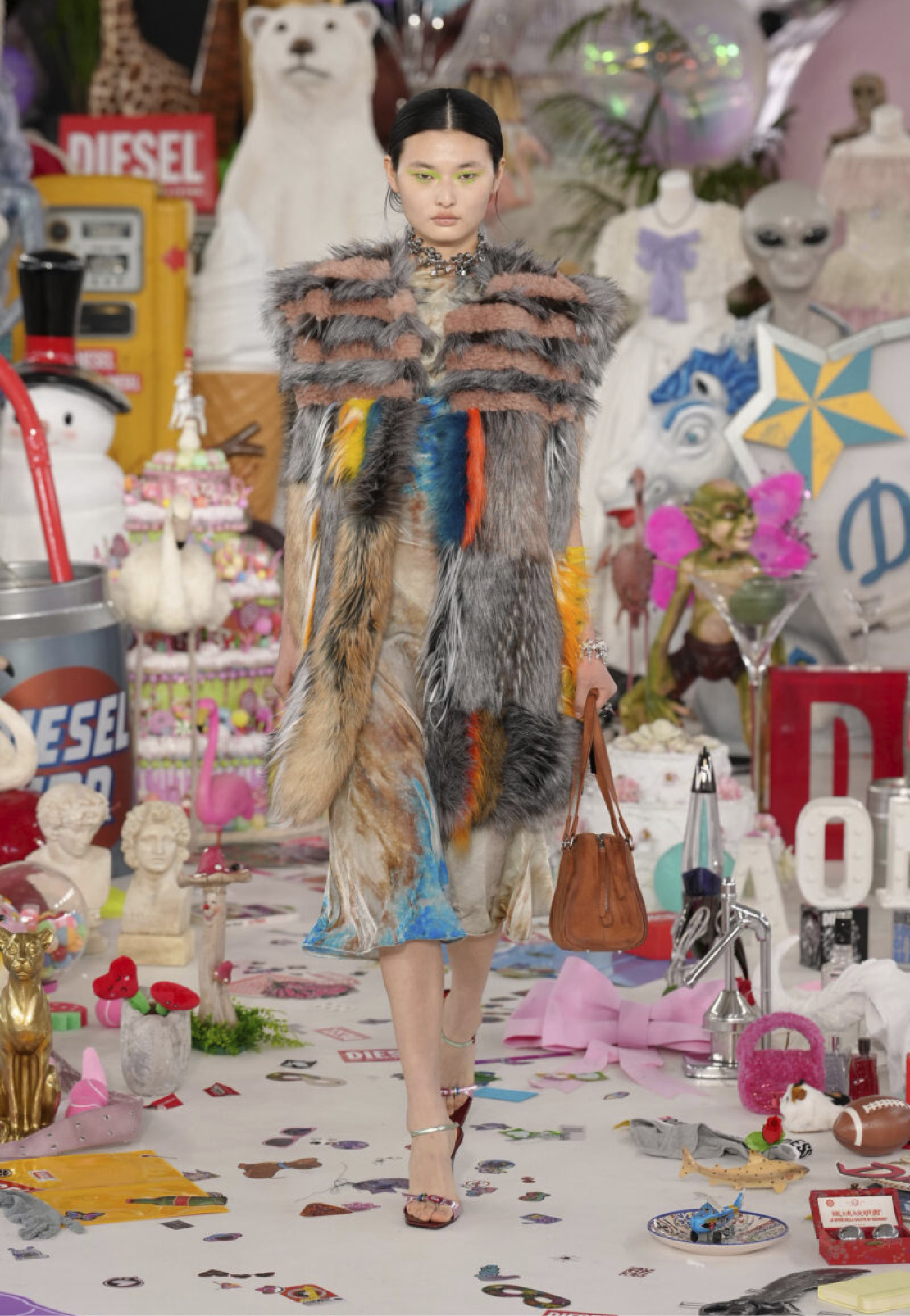
Diesel’s runway set consisted of around 50,000 pieces of memorabilia from the brand’s archive, a monumental time capsule. Displayed under bleached lighting, the installation was awash with high-voltage colour, with objects ranging from a fringed parasol and inflatable beach doughnut, to a coffee machine, motorbike, and lava lamp. Creative director Glenn Martens described the season’s mood as ‘waking up in a place, with no idea what happened last night’.
Gucci
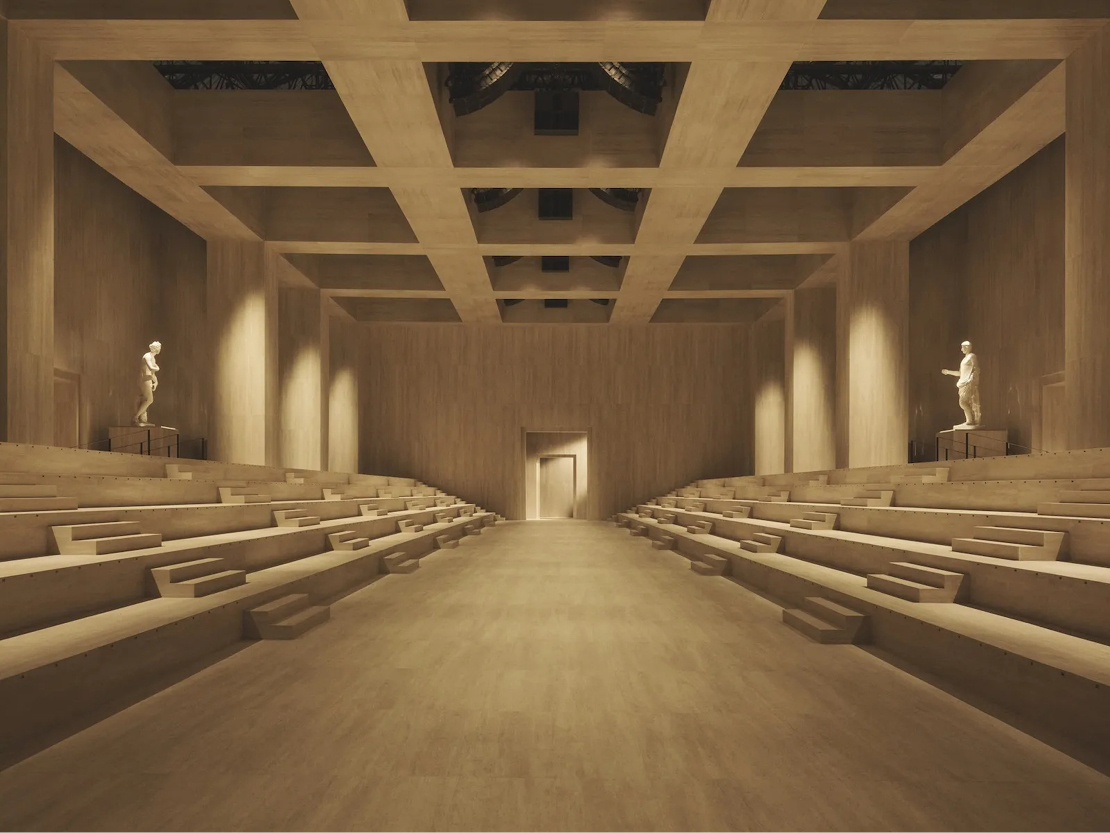
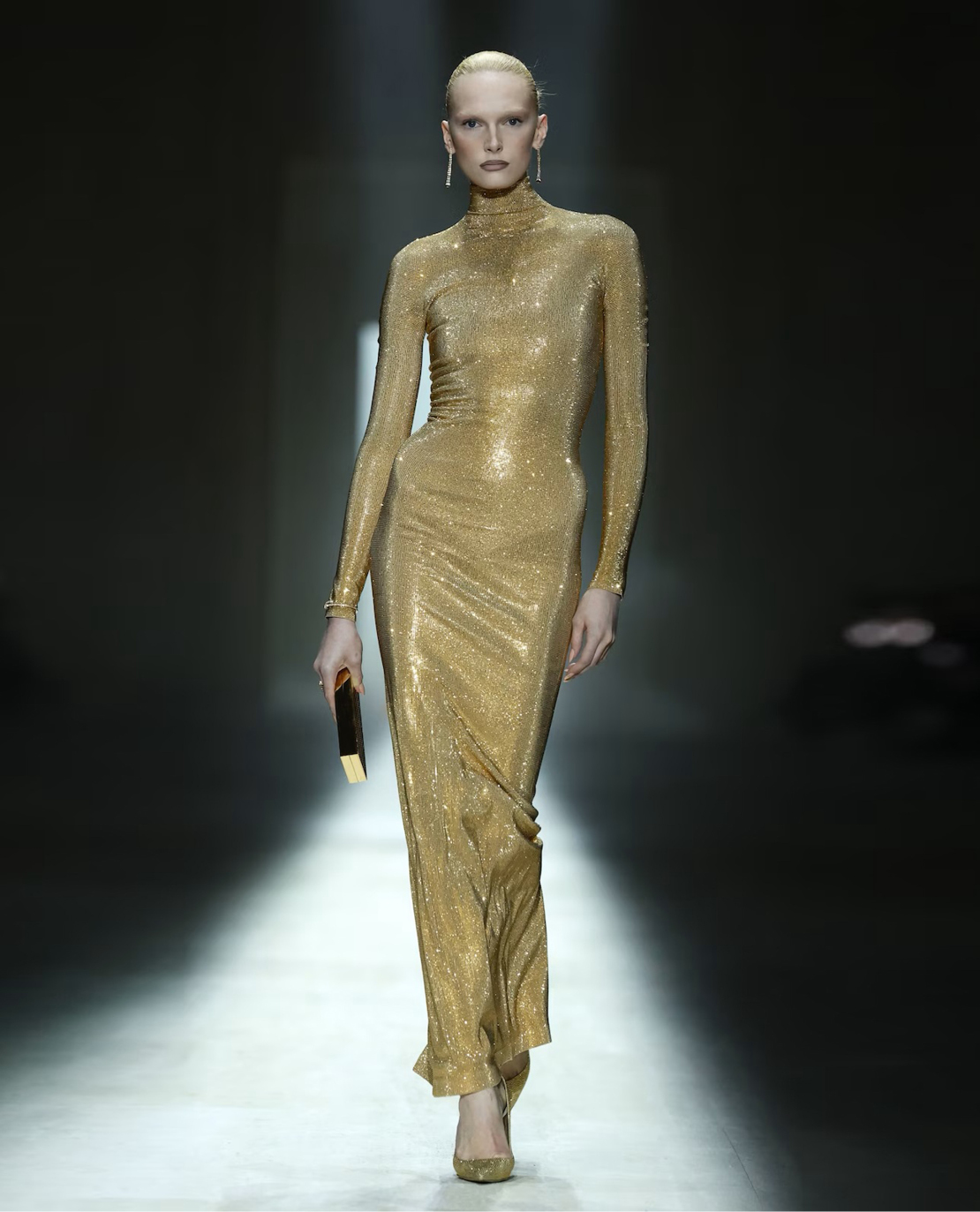
For Demna’s debut he explained that he had been seeking out what he calls the ‘Gucciness of Gucci’. It was a journey that led him to the ancient city of Florence, where the brand was founded and where he visited the Uffizi. The experience of entering a museum was the inspiration behind the runway set at Milan’s Palazzo delle Scintille. Upon entering the show space and ascending a staircase, guests were greeted with a vast hall clad in travertine Stoneleaf, with classical sculptures made out of plaster using 3D scanning and then treated to look like aged marble.
Prada
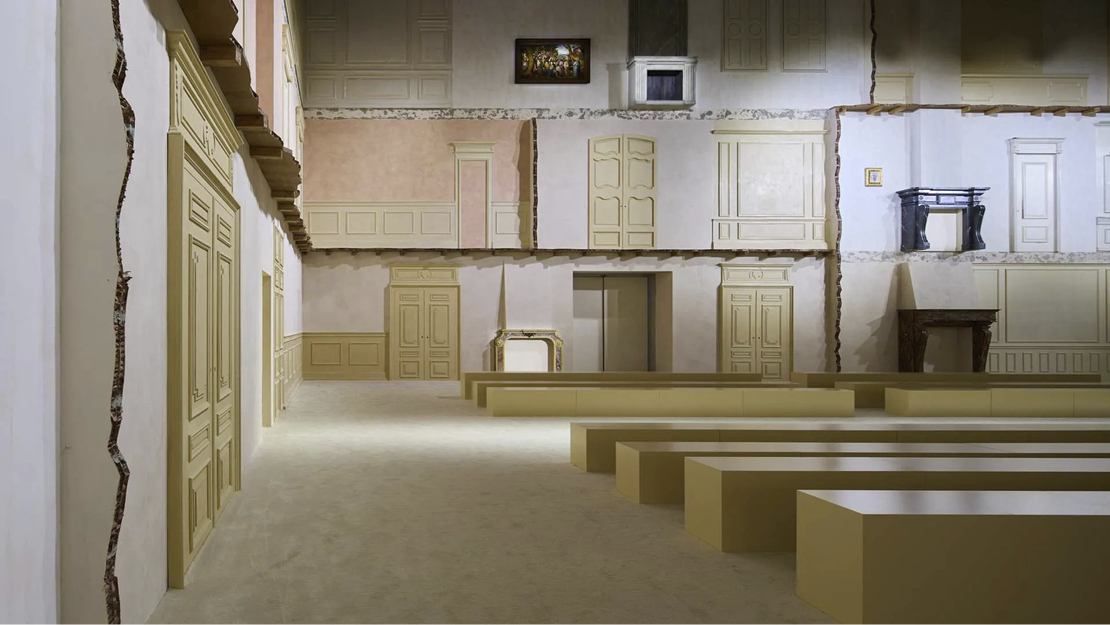
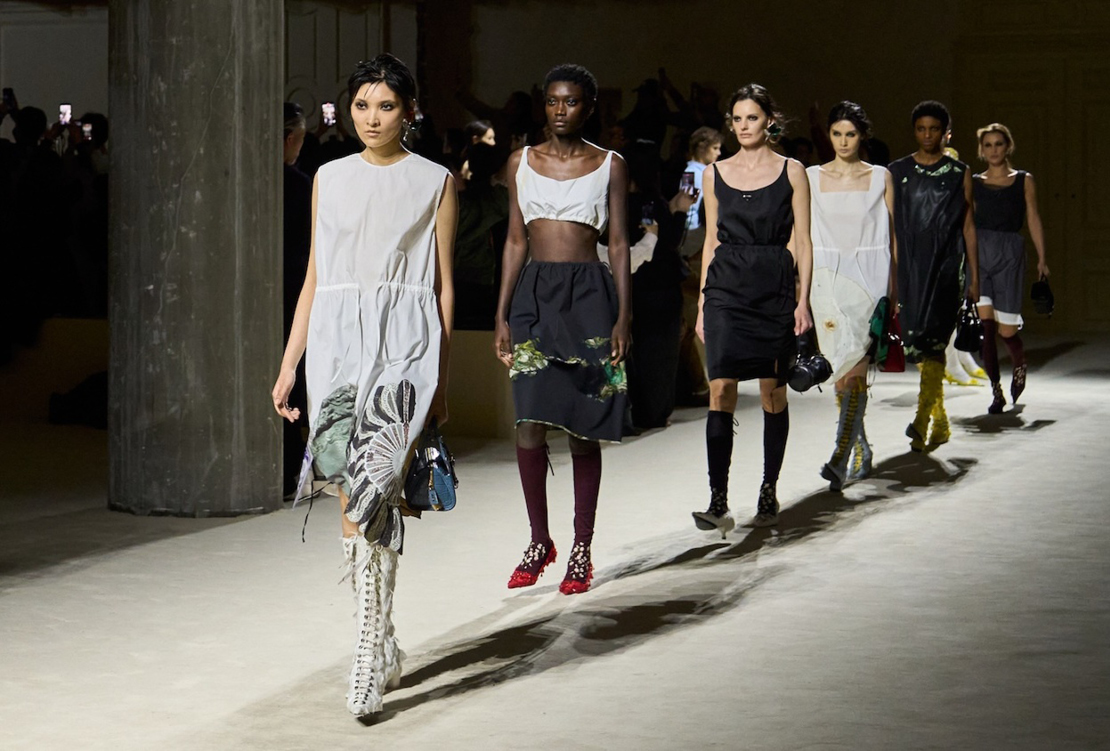
Prada was an exercise in extreme layering, with 15 models showing a total of 60 looks, gradually stripping away garments each time they walked the runway. However, the set had been stripped already, leaving only an eerie whisper of what might have been there before, like when you see a partially demolished house. Fireplaces exposed to the elements and masonry jaggedly revealed.
Fendi
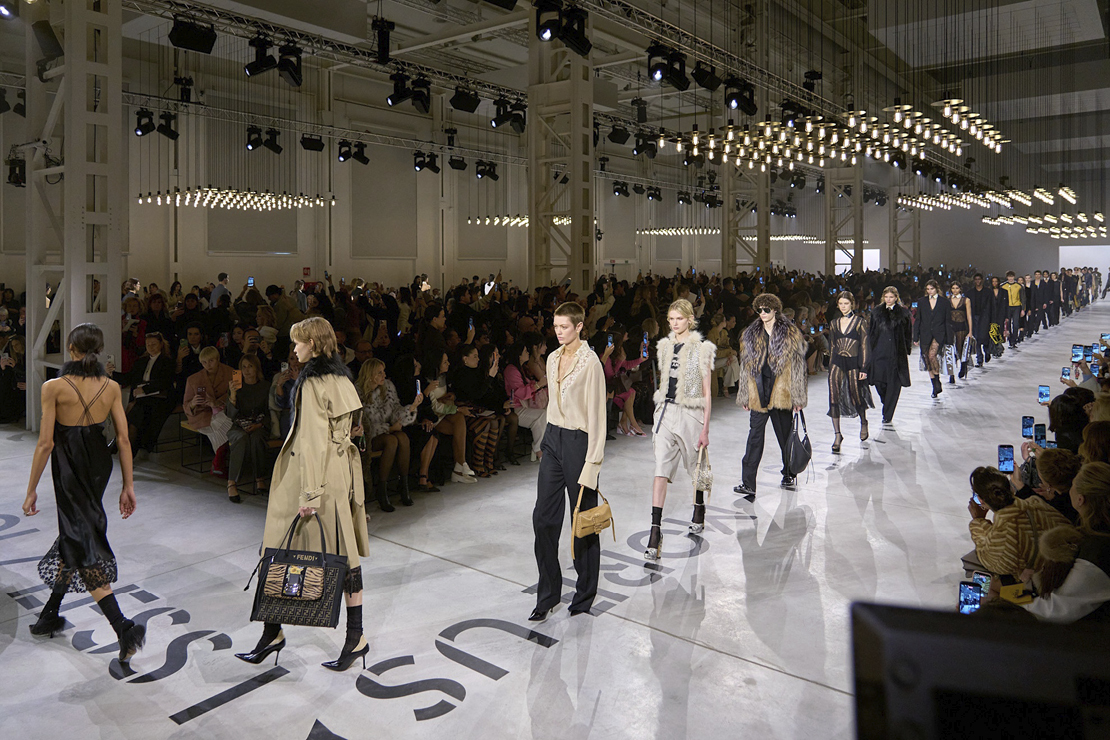
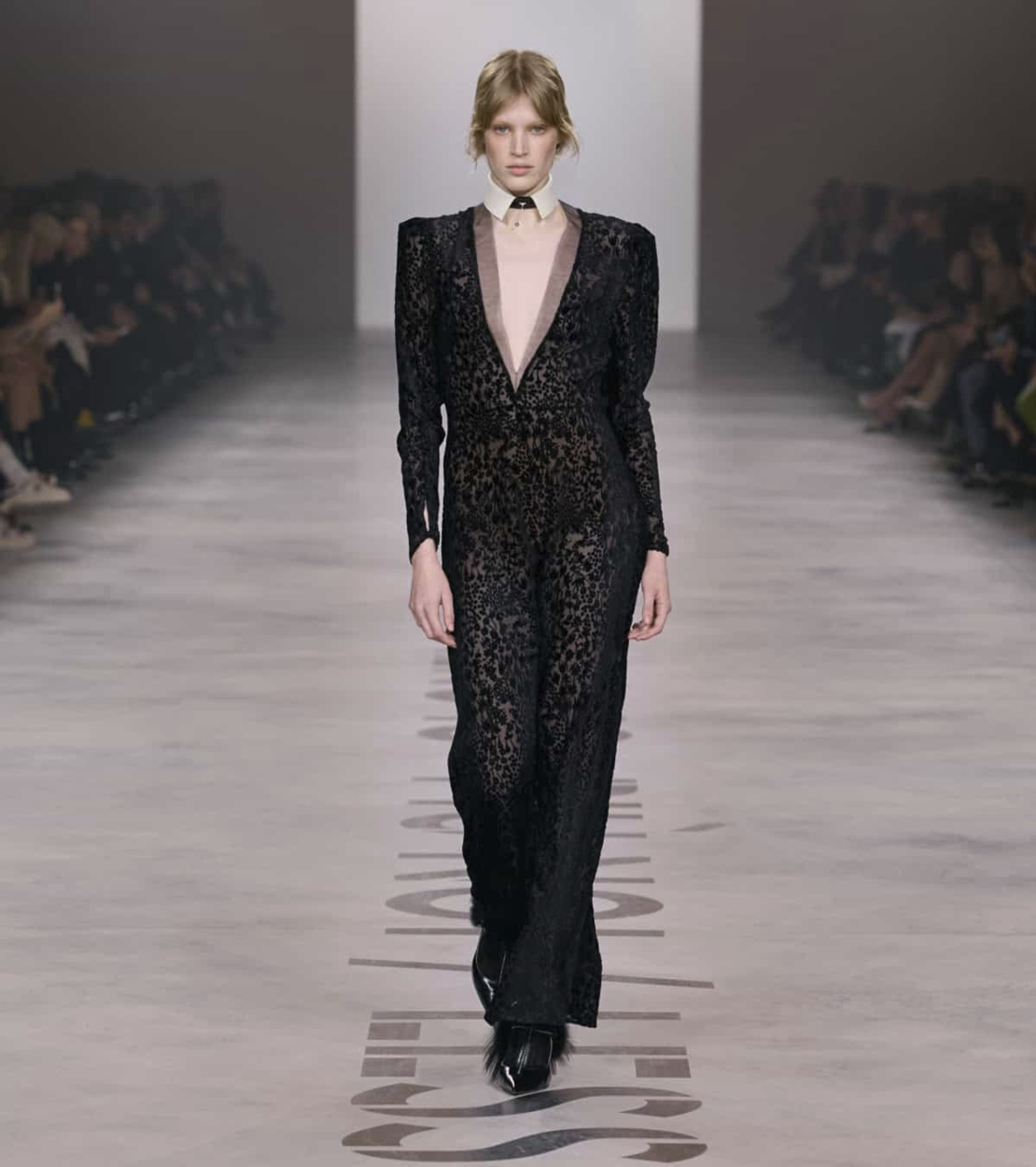
Making her debut, Maria Grazia Chiuri sent out of a message of intent for her Fendi era by emblazoning the catwalk with the message ‘Less I, More Us’. Having long had a way with words with those viral ‘We should all be feminists’ Dior T-shirts, this was a message of inclusivity that embodied the values of working together. Emblazoned down the runway in both English and Italian, it was a nod to her own way of working, while also celebrating the approach of Fendi’s five founding sisters.
By Eliza Scarborough