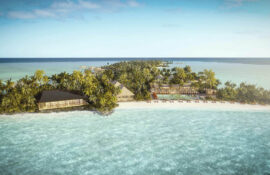

Set to redefine the city’s luxury hospitality landscape, Aman Dubai is one of the most highly anticipated hotel openings in the region. Rising on the newly formed Dubai Peninsula, the project brings Aman’s signature sense of serenity into a striking urban and coastal setting, where panoramic views of the Arabian Gulf meet the city skyline and the Burj Khalifa beyond. Designed by Kerry Hill Architects, the resort and residences promise a refined dialogue between place, culture, and contemporary living.
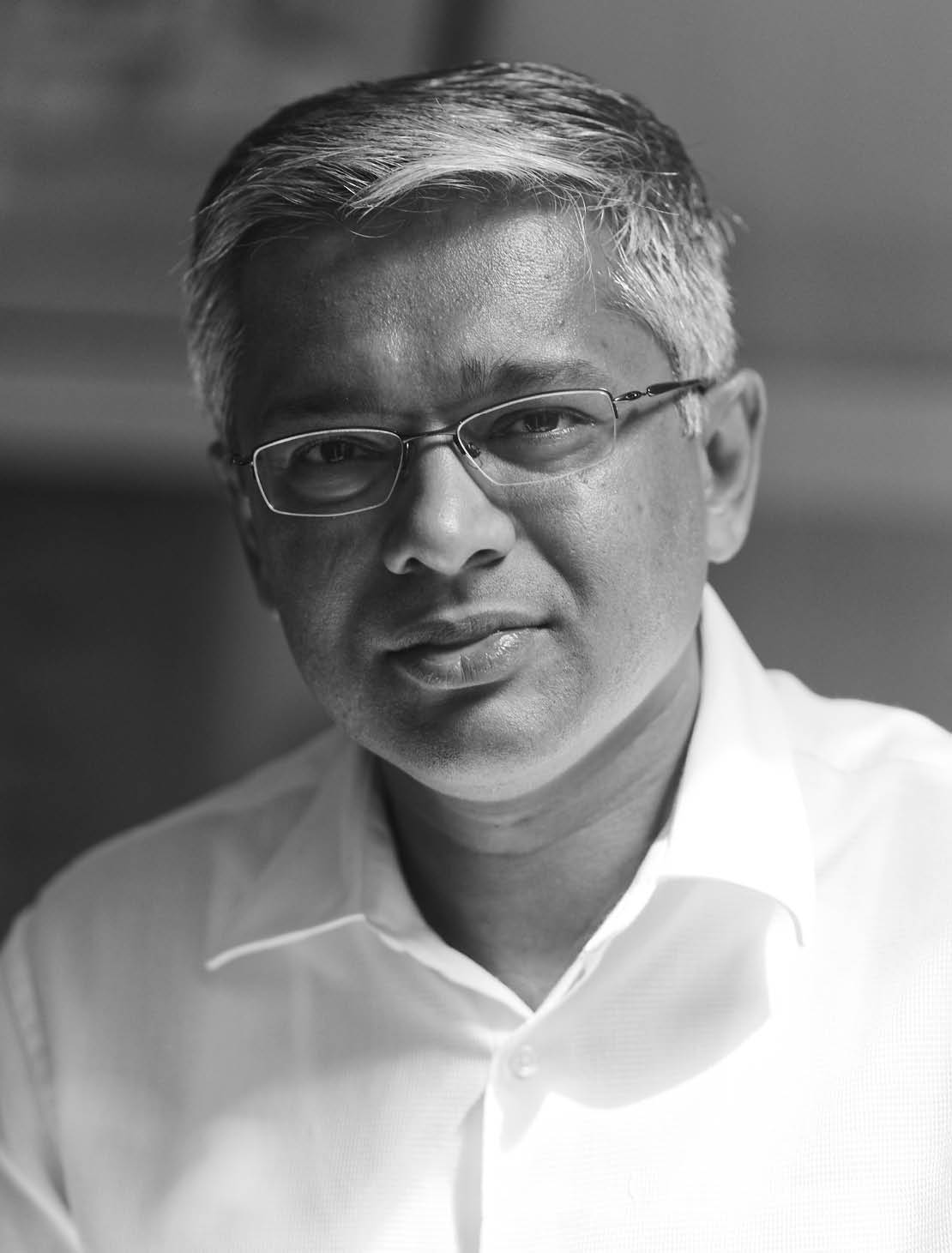
Here, Tanuj Goenka, Director at Kerry Hill Architects, shares insight into the architectural vision behind Aman Dubai, revealing how the studio has woven together Arabian heritage, natural materials, and Aman’s philosophy of understated luxury to create a sanctuary that feels both deeply rooted and quietly transformative.
Aman Dubai is one of the most anticipated hotel openings in the region. What was the initial design vision for translating Aman’s philosophy of understated luxury into Dubai’s urban landscape?
Aman Dubai is located on the newly formed Dubai Peninsula. The site offers uninterrupted views of the Arabian Gulf, along the north and south coastal beaches, and offers panoramic views of Dubai’s city skyline and the Burj Khalifa. The Aman resort and residences aim to create a distinct and memorable experience by combining Aman’s serenity with the hospitality of Arabian culture. The concept draws inspiration from the region’s rich architectural and cultural heritage and is reimagined as a living oasis with modern comforts.
What narrative or sense of place did you want to express through the design of Aman Dubai?
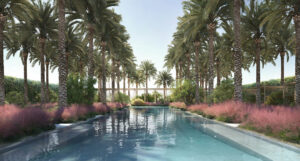
Our design seeks to seamlessly integrate the past, from when Bedouin herders settled in the region and engaged in date palm agriculture, pearling, fishing, and trade, to its vibrant present. Culturally significant elements from traditional architecture and handmade craft inform our design, creating a strong sense of place while honouring local traditions. Arabian culture is also characterised by a strong emphasis on family and hospitality. Welcoming and hosting guests is central to this culture, a value we have translated into our design through a contemporary lens.
KHA has a long-standing relationship with Aman. How did you approach translating Aman’s signature serenity into the urban context of Dubai?
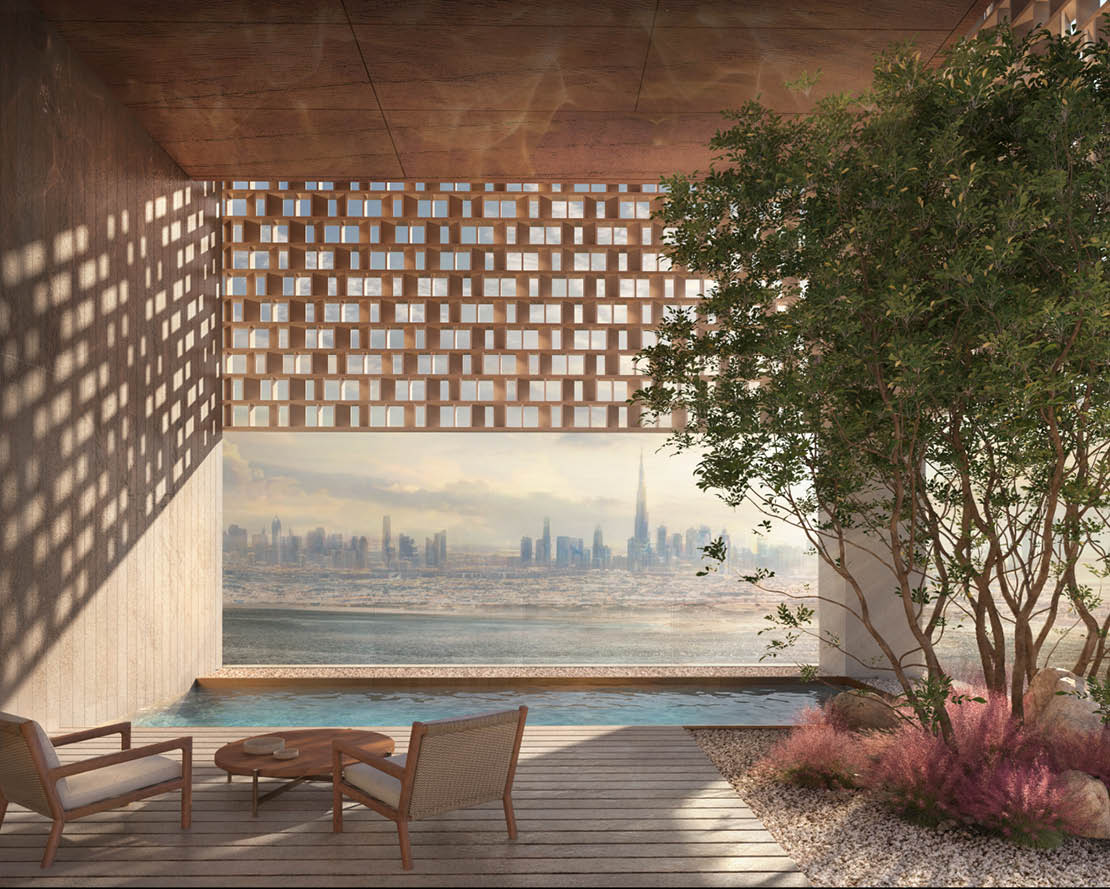
Our design concept is rooted in the region’s geography and cultural heritage. The resort features a solid rostrum of stone walls and gardens that step down toward the beach, carved and punctuated to connect subterranean spaces and landscaped courtyards with light and views. Together, these elements compose a living oasis of alcoves, cloisters, and verdant gardens.
Given Dubai’s bold skyline, how did you approach the challenge of creating a structure that feels both iconic and serene?
The overall planning and architectural language are guided by clean lines and spatial arrangements that respond naturally to the site. The towers and several low-rise buildings are composed of geometric forms that resonate with local tradition, while the towers are rotated to maximise uninterrupted views of the city skyline and ocean. The result is a collection of structures that feel effortless, serene, and in harmony with their surroundings.
How has the team drawn on the UAE’s natural and cultural identity to shape the architecture?
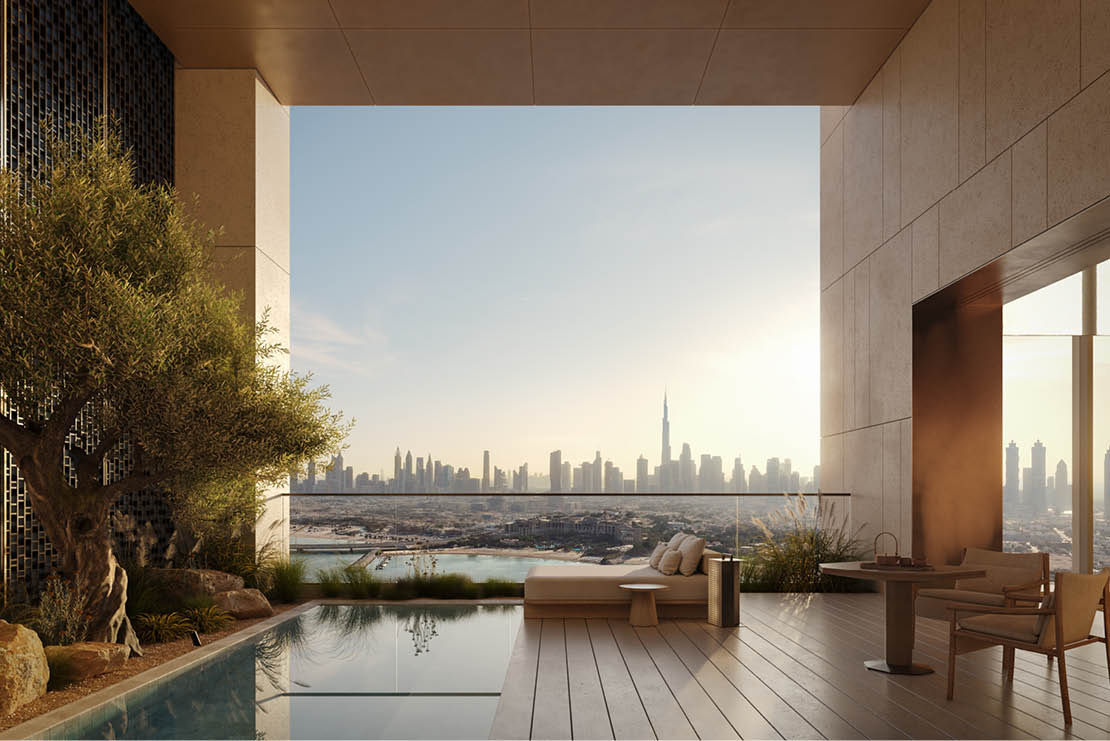
The desert seaside environment calls for a design that embraces simplicity and functional comfort. It draws inspiration from historical wisdom, interpreting natural shade, cooling, and air-circulation techniques. Through our design, we celebrate the nomadic spirit and cultural diversity of the region. Stone and woven palm leaves pay homage to traditional palm houses, crafting a tapestry of textured, natural, and expertly crafted elements. Ancient weaving techniques inspire shade structures, while art and gardens symbolise life and abundance.
The project includes both hotel and branded residences. How are you ensuring a seamless identity between the two developments?
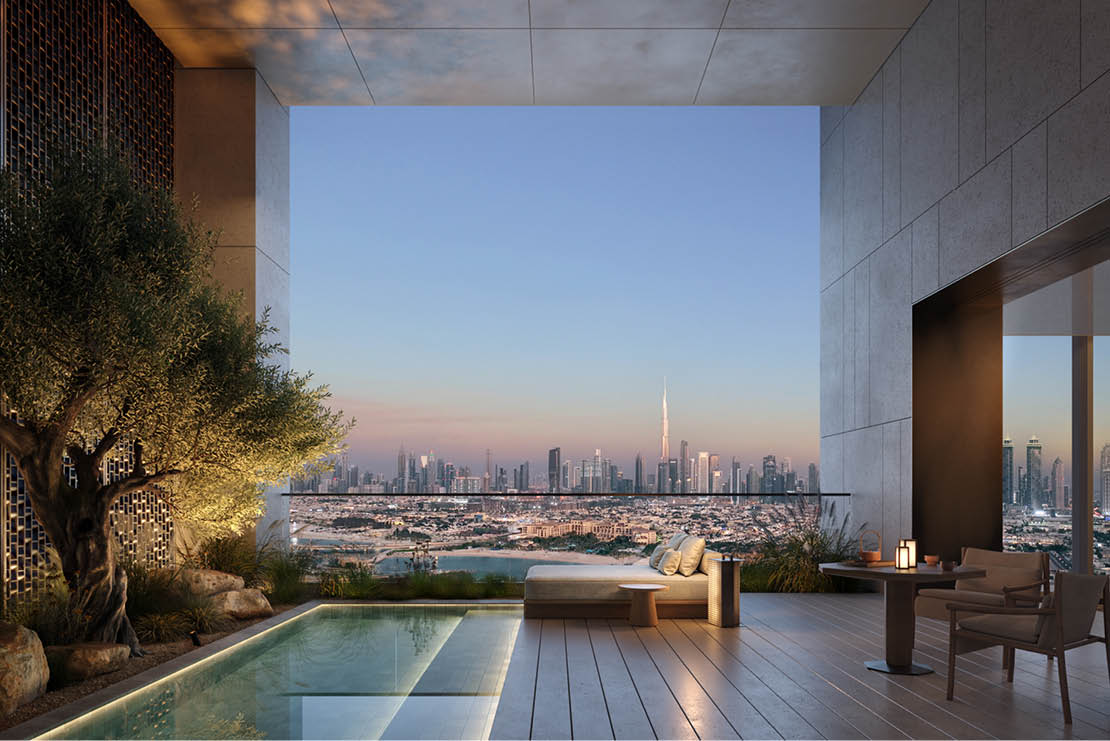
The hotel and residential towers share a unified design language and a refined material palette of limestone, timber, and architectural bronze. Their façades feature generous balconies landscaped with mature trees, extending the native botanical gardens from the beachfront up into the towers.
Are there architectural references or lessons from earlier Aman projects you worked on that are being adapted here?
There are some shared sensibilities with our other Amans. While each project is treated as unique, a set of guiding principles informs our architectural approach. It’s about creating buildings that feel authentic because they connect with their specific location’s climate, materials, and culture. We achieve this by using local materials, designing structures that naturally adapt to temperature, wind, and sunlight, and incorporating design elements meaningful to the local culture and community. This extends to our interiors, which are highly crafted and regionally sourced, and to the landscape, where careful collaboration ensures a seamless integration with the natural environment.
What emotions or sensory experiences do you hope guests will feel when they eventually step inside?
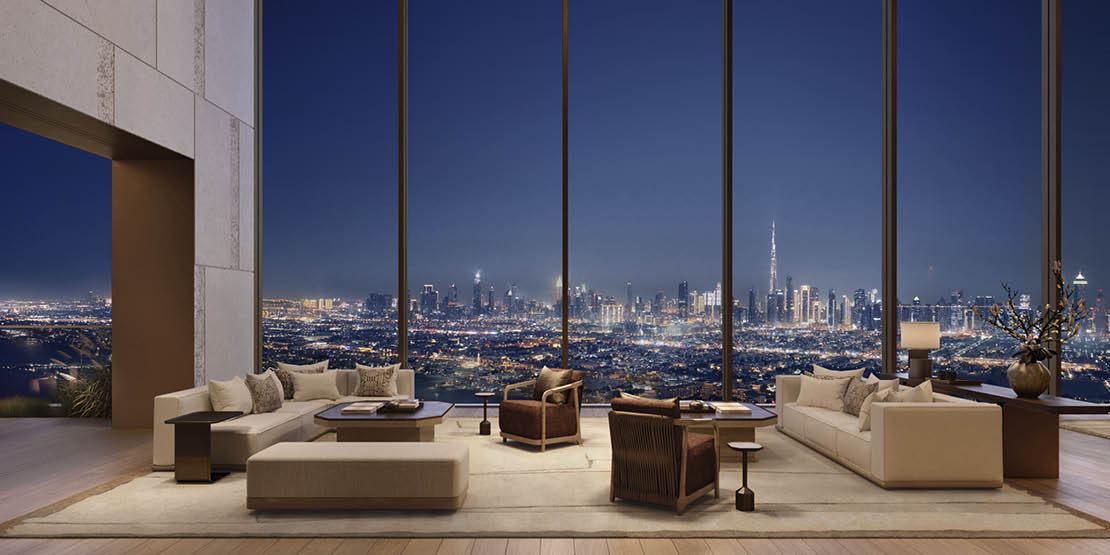
When guests step inside Aman Dubai, they are immediately transported from the frenetic energy of the city into a sanctuary. The senses are enveloped by soothing water, the scent of gardens, and the gentle interplay of light and shadow across courtyards and open spaces. Guests experience a sense of home alongside a place of discovery. Every element, from spaces for relaxation, wellness, nourishment, and entertainment, is designed to allow guests to retreat, rejuvenate, and reconnect. It is a place where the ocean, gardens, and architecture converge to create a living oasis, offering clam, inspiration, and sensory richness.
If you could describe the project in three words that define its spirit so far, what would they be?
Coastal: the shoreline identity and coastal siting. Verdant: lush greenery, courtyards, gardens, refuge
Crafted: cultural sensitivity, artisanal references, material refinement.
What does luxury mean to you today in architectural terms?
Luxury in architectural terms is less about materiality and more about spatial experience and the crossing of thresholds. It’s about how a space makes you feel – casual coastal living, that is elevated but relaxed. Luxury is about creating a sense of home while capturing the unique spirit of place.
By Emma Hodgson