
Modern Islamic artists are redefining how cultural heritage operates within contemporary art. Rather than preserving tradition as static history, they engage with Islamic visual language as a dynamic system, capable of responding to questions of identity, memory, power, and modern life. Across the Middle East and its global diasporas, these artists draw from calligraphy, geometry, repetition, and abstraction not as symbols of the past, but as tools for shaping new cultural narratives that resonate far beyond regional boundaries.
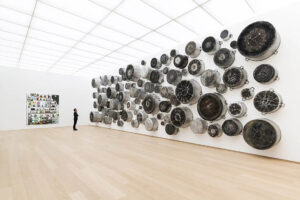
The foundations of Islamic art, such as geometry, calligraphy, repetition, and abstraction, remain central, yet their meaning has expanded. Where these elements once served primarily spiritual and architectural purposes, today they are tools for exploring identity, memory, and modern life. In studios across Dubai, Beirut, Doha, and Riyadh, artists draw on these forms not as fixed symbols, but as flexible systems capable of expressing both continuity and change.
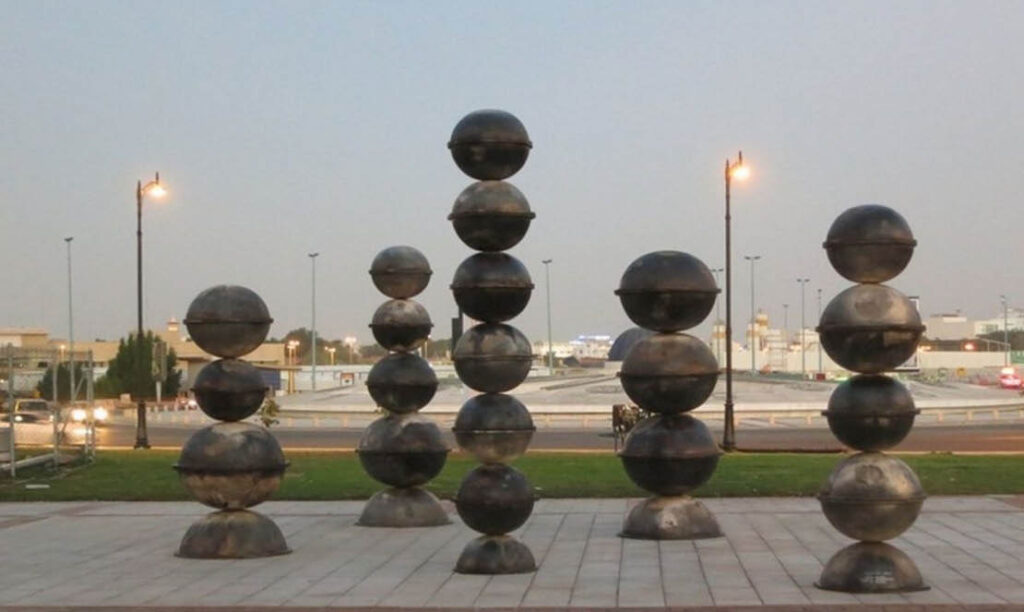
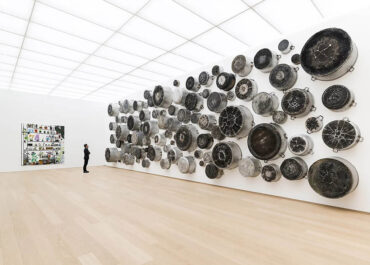
Maha Malluh art
Calligraphy, in particular, has taken on renewed relevance. Contemporary practitioners often push Arabic script beyond legibility, allowing it to function as form and rhythm rather than text alone. The Tunisian-French artist eL Seed exemplifies this shift, merging classical calligraphy with the scale and immediacy of street art. His monumental works—found across the Arab world and beyond—transform language into a visual experience, challenging perceptions of Arabic culture while preserving its poetic essence.
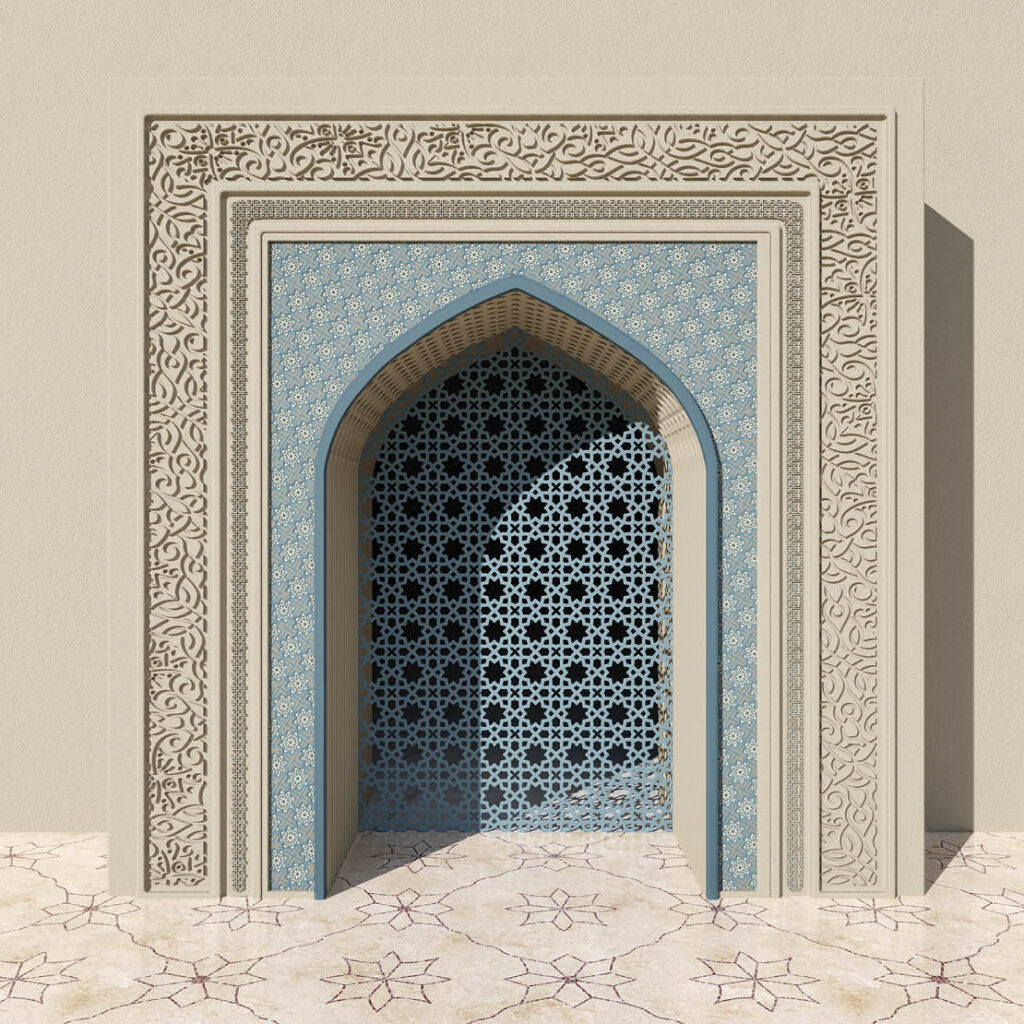
Geometry, long associated with sacred architecture, has also found new expression through contemporary media. Saudi artist Ahmed Mater approaches Islamic symbolism through a conceptual lens, blending faith with science and modernity. His works, which often reference pilgrimage and ritual, translate spiritual ideas into minimalist, thought-provoking forms that resonate deeply within the region’s rapidly changing cultural landscape.
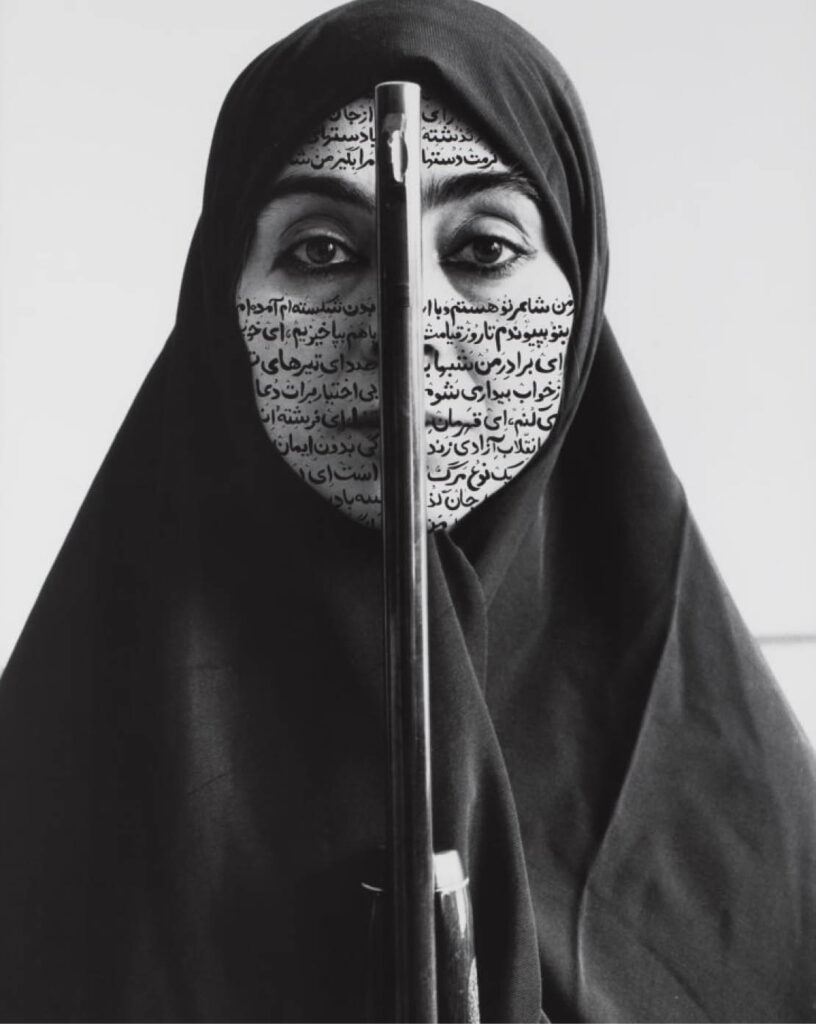
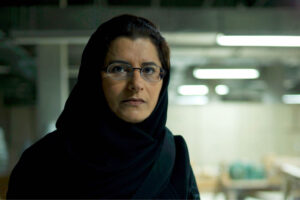
Shirin Neshat, Rebellious Silence, Women of Allah series
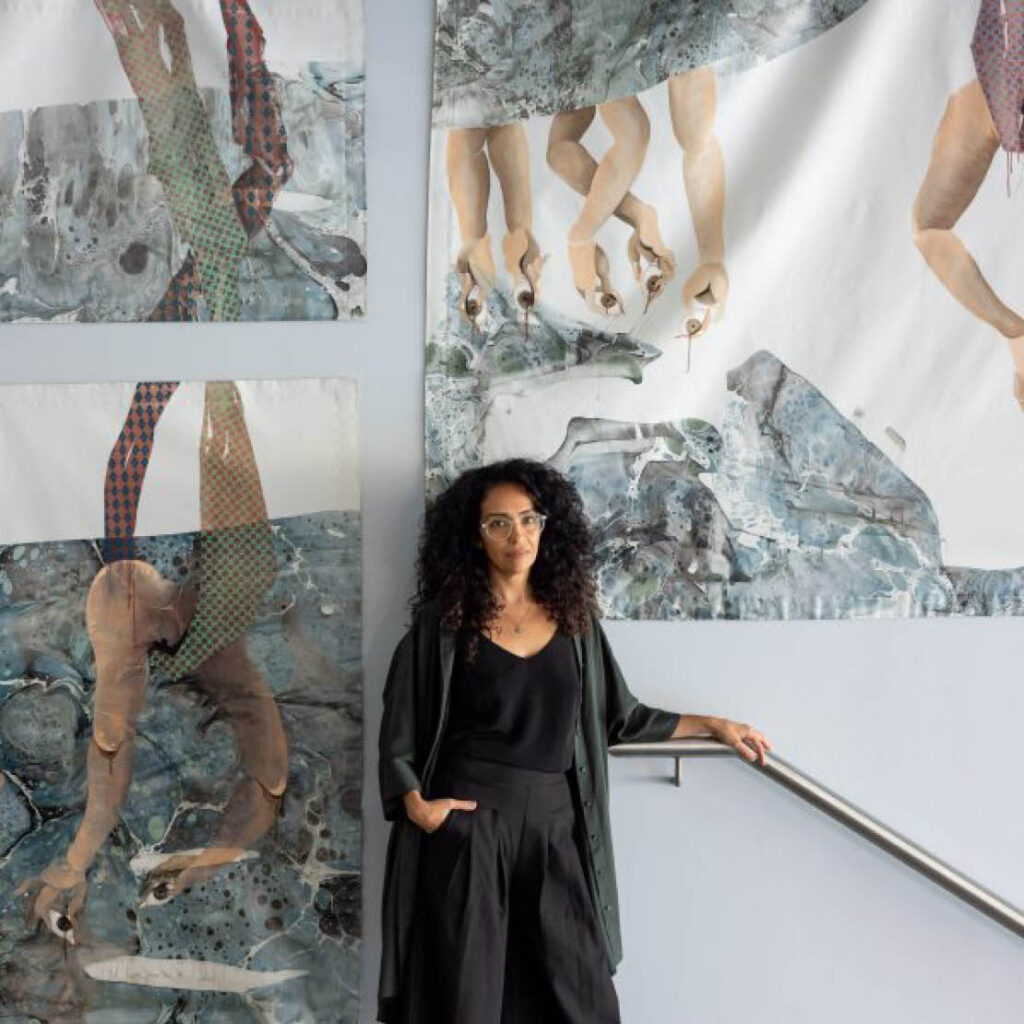
Hayv Kahraman
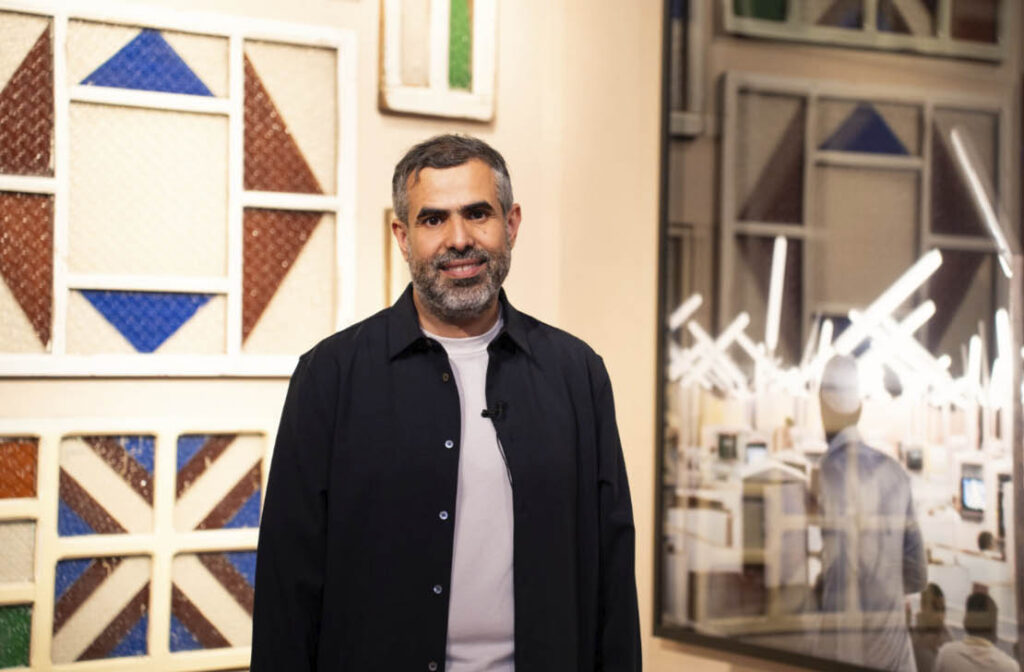
Ahmed Mater
The regional context remains essential to contemporary Islamic art. Iranian-born artist Shirin Neshat, widely exhibited throughout the Middle East and internationally, examines themes of faith, power, and gender through photography and film. Her integration of calligraphic text onto the human body transforms Islamic cultural references into powerful contemporary narratives.
This engagement with memory and lived experience also emerges in the work of Maha Malluh, one of Saudi Arabia’s most influential contemporary artists. Working primarily with assemblage and found objects, Malluh transforms everyday materials, often linked to domestic life, ritual, and repetition, into meditative compositions. Her practice reflects a quiet spirituality rooted in accumulation and rhythm, echoing Islamic artistic principles while addressing cultural memory and social change within the Kingdom.
A similar exploration of identity and displacement appears in the work of Iraqi-American artist Hayv Kahraman, whose practice draws from the visual language of Islamic and Persian miniature painting. Through flattened perspectives, patterned surfaces, and carefully staged female figures, Kahraman examines themes of belonging, migration, and the politics of the body. While her work is not overtly religious, it resonates strongly within contemporary Islamic art through its use of repetition, surface, and narrative density—elements long embedded in Islamic visual traditions and now reinterpreted for the present.
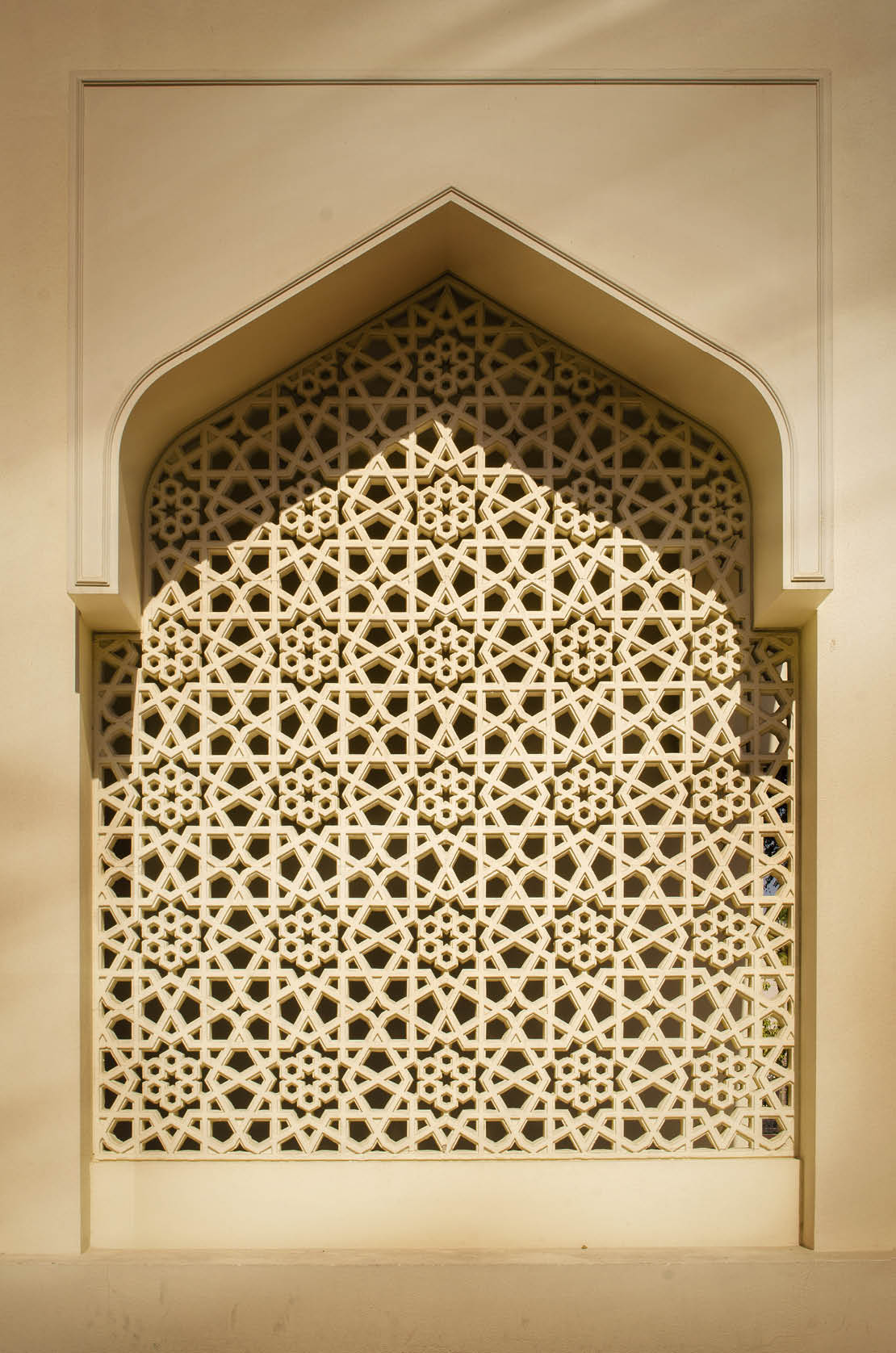
Even when not overtly religious, Islamic artistic heritage continues to influence contemporary abstraction. Iranian-American painter Ali Banisadr draws inspiration from the compositional density and narrative complexity of Persian miniatures, translating these historical references into energetic, contemporary paintings. His work demonstrates how Islamic visual language can persist subtly, shaping form and movement rather than relying on explicit symbolism.
What unites these diverse practices is not geography or medium, but approach. These artists do not treat Islamic art as a fixed category; they engage with it as a point of departure. Their work exists comfortably within international museums, biennales, and galleries, reinforcing the idea that Islamic-influenced art belongs fully within global contemporary discourse.
Through their practices, modern Islamic artists demonstrate that cultural heritage is not a constraint, but a catalyst for contemporary expression. Their work reshapes how Islamic visual language functions today, expanding it beyond historical interpretation into a living cultural force. In doing so, they assert that modern Islamic art is not positioned on the margins of contemporary culture, but actively shapes it, challenging perceptions, redefining identity, and contributing powerfully to the global artistic conversation.