
Salha Obaid has emerged as one of the UAE’s most thoughtful and distinctive voices in the country’s evolving literary landscape. From her early short story collection Alzheimer to her more recent novels, her work traces the complexities of memory, identity and place, offering narratives that are at once deeply personal and broadly reflective of the societies they inhabit.
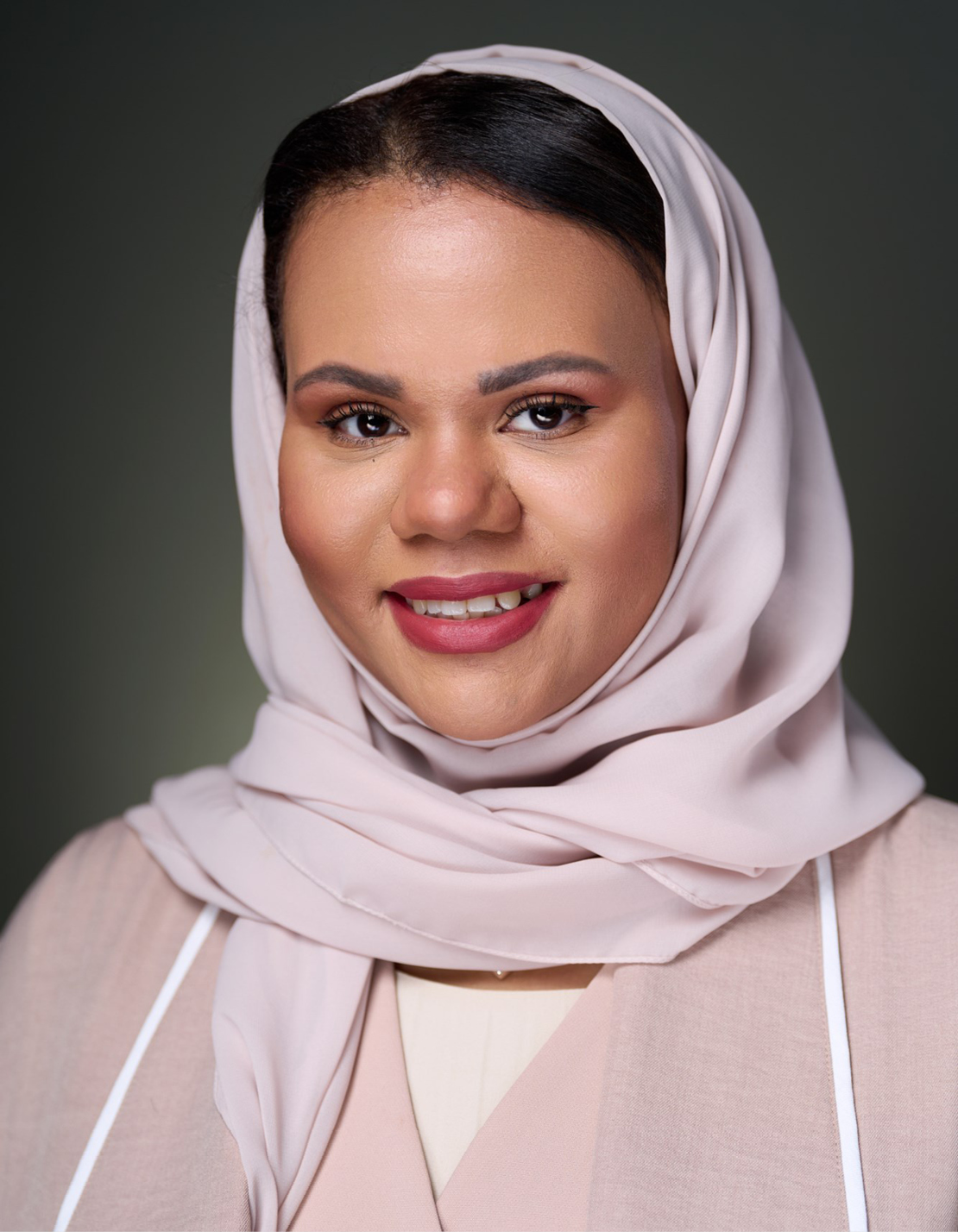
Rooted in the UAE yet resonating far beyond it, Obaid’s writing reflects a sustained engagement with the world around her, shaped by observation, inquiry and a desire to understand the human condition in all its nuances. Alongside her literary practice, her role within the country’s cultural landscape, from her work with the Board of Directors of Culture and Science in Dubai to founding the Cultural Community Project, underscores a broader commitment to dialogue and collective cultural growth.
As the UAE’s literary scene gains momentum, her work sits at the intersection of tradition and experimentation, exploring not only what stories are told but how they are shaped and expressed. Here, Obaid reflects on memory as a central theme, the influence of place on her storytelling, and the evolving role of writing in times of uncertainty.
What first inspired you to begin writing, and how has your voice evolved since then?
What inspired me in the first place was reading. From there came my first fragments of writing, through imitating imagined friends and stories like those I read. Over time, observations and personal questions about place, people, and the world emerged, allowing my writing experience to develop with a voice I continue to shape.
What themes do you find yourself returning to most, and why do they resonate with you?
I often return to the theme of memory. It first appeared quite directly in my debut short story collection, Alzheimer, shaped by my own understanding and perspective. Since then, it continues to surface in my work, sometimes subtly, through small details and underlying narratives.
Over time, memory has evolved into something broader for me, almost like an ongoing exploration of how individuals and societies understand themselves. It intersects with both personal experience and collective history, shaping the way we relate to place, identity and one another.
In many ways, everything begins with memory. It informs how we interpret the present and how we imagine the future. We often ask what comes next, but before that, there is another question: what happened, and how? That is where memory becomes essential, in helping us make sense of who we are and how we move forward, both as individuals and as societies.
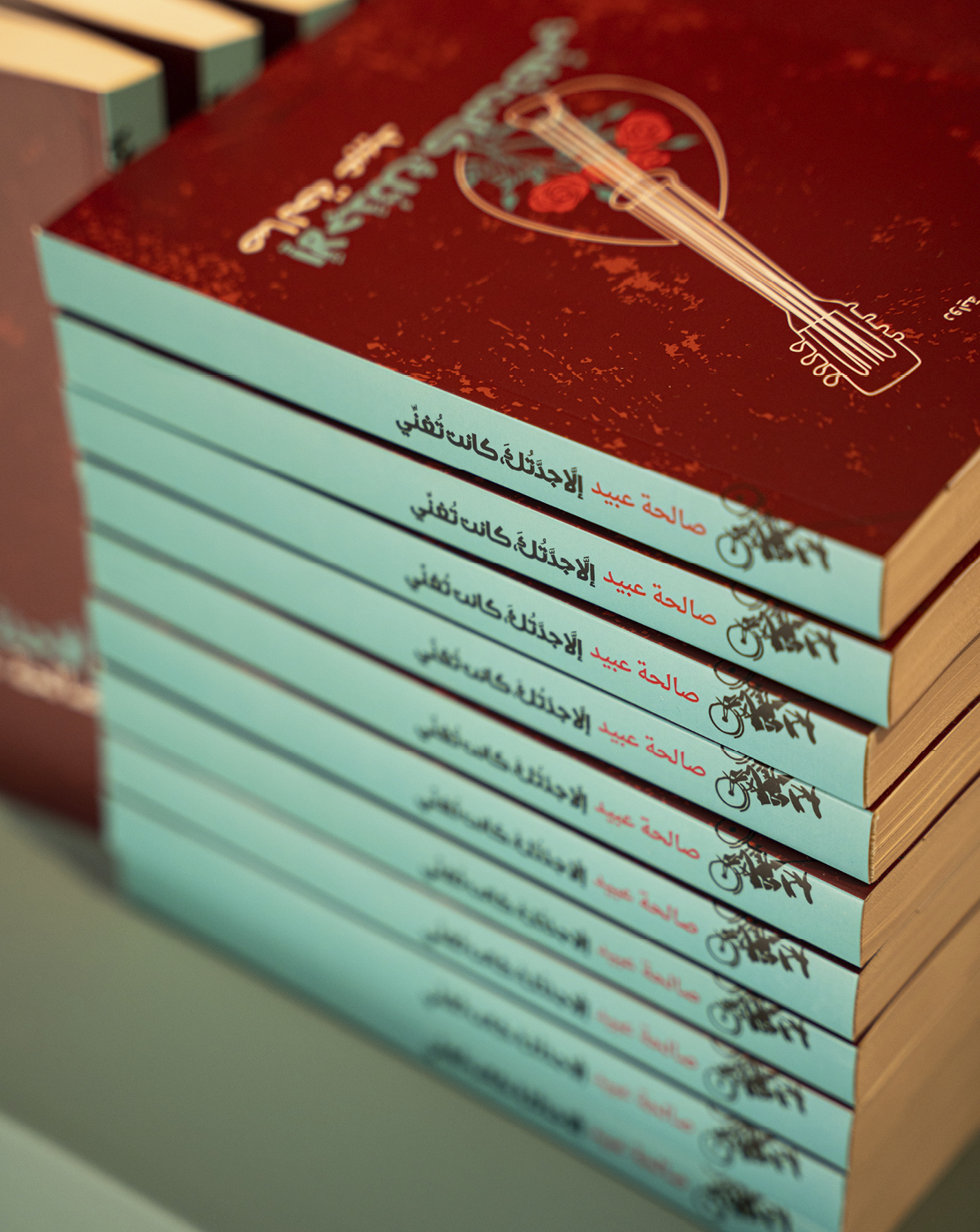
As an Emirati writer, how has the UAE influenced your storytelling, and what does it mean to contribute to the country’s growing literary landscape today?
My work is deeply connected to place, even when it isn’t explicitly referenced in my short stories. The human experiences and transformations I explore are drawn from my observations of people and everyday life in the UAE. In my novels, place becomes more central. It acts as a framework that holds events, shaped by social, historical, political and economic shifts. Many of these changes may not be immediately visible to those observing the Gulf region, particularly the UAE, from a distance. There is often a perception that we exist separately from the wider global experience of modern life and its complexities. Through my writing, I try to offer a more nuanced perspective, showing that we are deeply connected, and that our experiences, emotions and challenges are shared.
You have published both short story collections and novels. How does your creative process differ when working on short-form versus long-form writing?
For me, a short story centres on a specific emotional state. It’s about capturing and unpacking a feeling or a moment in a condensed, immediate way, and I often complete it in a single sitting. Novels, on the other hand, require a different approach. While they share that same impulse to explore an idea, they exist on a much broader scale, often connected to wider social and historical contexts. The process involves building fully realised characters and situations, supported by research, to create a cohesive world that feels believable and immersive for the reader.
You are also actively involved in the cultural landscape, serving on the Board of Directors of Culture and Science in Dubai and founding the Cultural Community Project. How important is community building to your work as a writer?
I believe a writer exists in two ways. The first is through their work, which lives on over time, beyond their own presence. The second is more immediate, shaped by their engagement with the world around them, through dialogue, participation and a conscious effort to contribute to the cultural life of a place.
For me, community building is part of that second role. It is about being present, engaging with others and helping to create a shared cultural awareness. I often think of Michel de Montaigne’s idea that conversation is a way of refining the self through connection with others. In that sense, dialogue becomes essential, not only in writing, but in how we exist within a cultural environment.
Being actively involved allows me to contribute to that wider cultural movement, supporting its growth and vitality in a more immediate and tangible way.
The UAE’s literary and publishing scene has grown significantly in recent years. How have you seen opportunities evolve for writers in the region?
This growth has played an important role in bringing forward a wider range of creative voices, each with different perspectives and levels of experience. It reflects the energy of a region like the UAE, where development is constant and where culture is being actively supported, both at an institutional level and through individual initiatives.
What remains important now is time. As the scene continues to expand, time will determine which voices and projects truly endure and shape the literary landscape in a lasting way, both within the region and on a global stage.
You recently participated in Letters to the UAE, sharing messages of hope with the community. What inspired your contribution, and why are initiatives like this meaningful at this moment?
This is an overwhelming moment, where emotions are heightened and often shaped by uncertainty, fear and anxiety. At the same time, there is a visible collective effort to respond to these challenges with clarity and realism, to understand what is happening and to face it honestly. In this context, writing becomes essential. It offers a way to document these feelings and to create a sense of continuity, a reminder that this place endures, even in moments of instability. We live in a world that often feels disoriented, prone to forgetting its own history. Writing, in that sense, becomes a way of holding on, of recording and of affirming what is real.
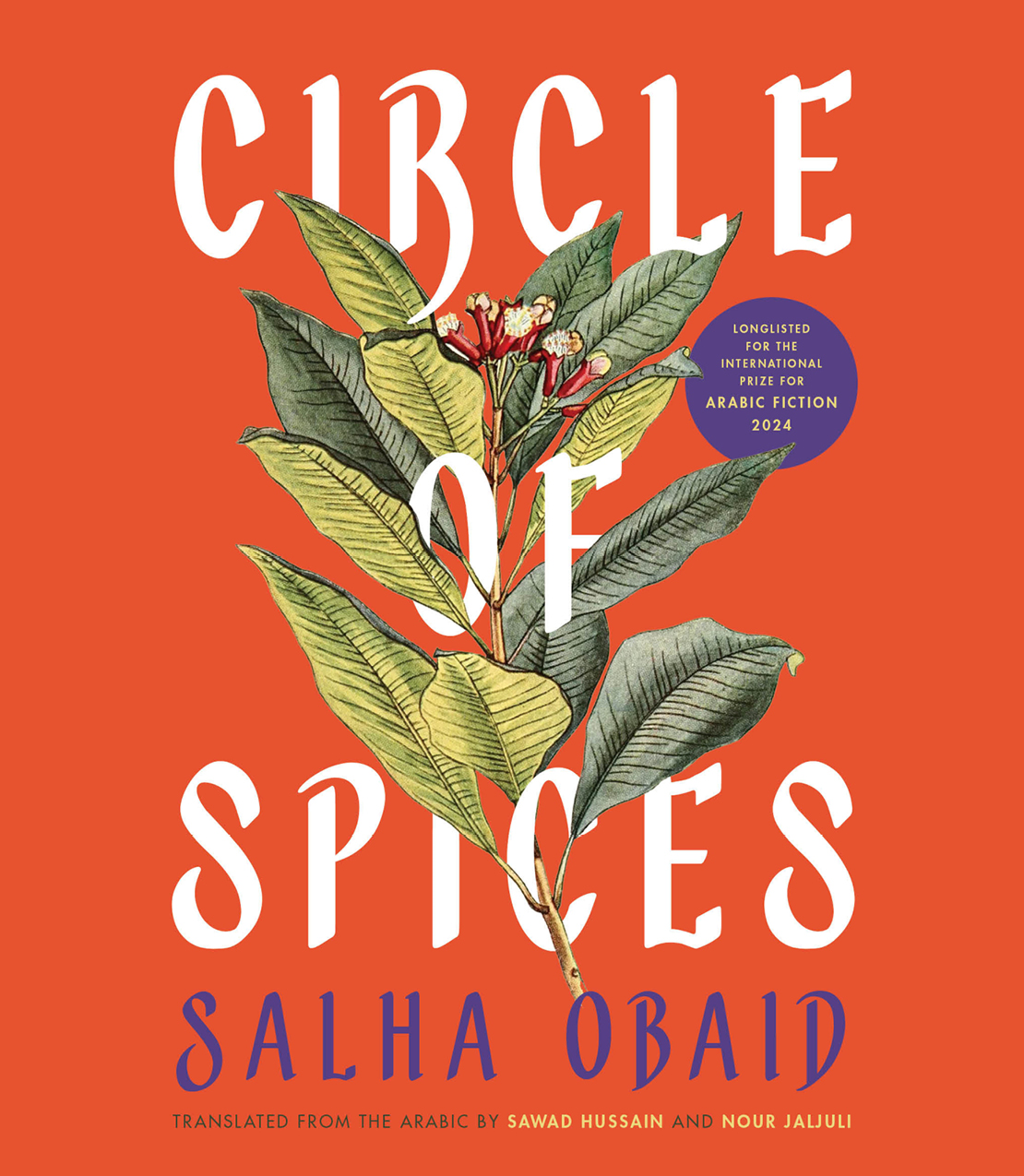
Across your books, your storytelling often balances introspection with social observation. How do you approach translating everyday experiences into compelling narratives?
I am naturally drawn to observation and constant inquiry. I tend to focus on small details to understand the bigger picture, approaching the world almost like a puzzle I am continuously trying to piece together.
In my daily life, I collect fragments, phrases, emotions, ideas and questions. Some of these find their way into short stories, while others stay with me longer, gradually developing into the foundations of larger works that require more time, research and exploration. It’s an ongoing process, one that allows everyday experiences to evolve into something more layered and meaningful over time.
What continues to inspire you creatively, and where do you find ideas for your stories today?
Reading remains central to my creative process; it opens new ways of thinking and understanding. Travel is equally important, allowing me to observe different places and the patterns of human behaviour within them. I’m also inspired by conversations and the nuances of everyday life, whether simple or complex. These moments often prompt me to write as a way to explore and make sense of what I encounter.
Looking ahead, what would you like to explore next in your writing, and what do you hope your work contributes to the UAE’s cultural and literary future?
There are many ideas I would like to explore in my writing, but beyond content, I’m increasingly interested in experimenting with form. I’m drawn to the possibilities within storytelling, how structure, voice and style can evolve to create new ways of expression. I often ask myself what my work might look like if I pushed these boundaries further. That sense of exploration is something I find exciting and continue to develop. Ultimately, I hope my writing contributes to a broader, evolving literary landscape in the UAE, one that embraces both depth of content and experimentation in form.
By Lindsay Judge