
As BMW Group enters one of the most transformative moments in its history, the focus is shifting far beyond performance alone. From design language and digital innovation to strategic cultural partnerships, the brand is redefining what premium mobility looks and feels like in a rapidly evolving global landscape. Nowhere is this more apparent than in the Middle East, where BMW’s presence has grown increasingly dynamic, shaped by a new generation of customers who value experience, emotion and authenticity as much as engineering excellence.
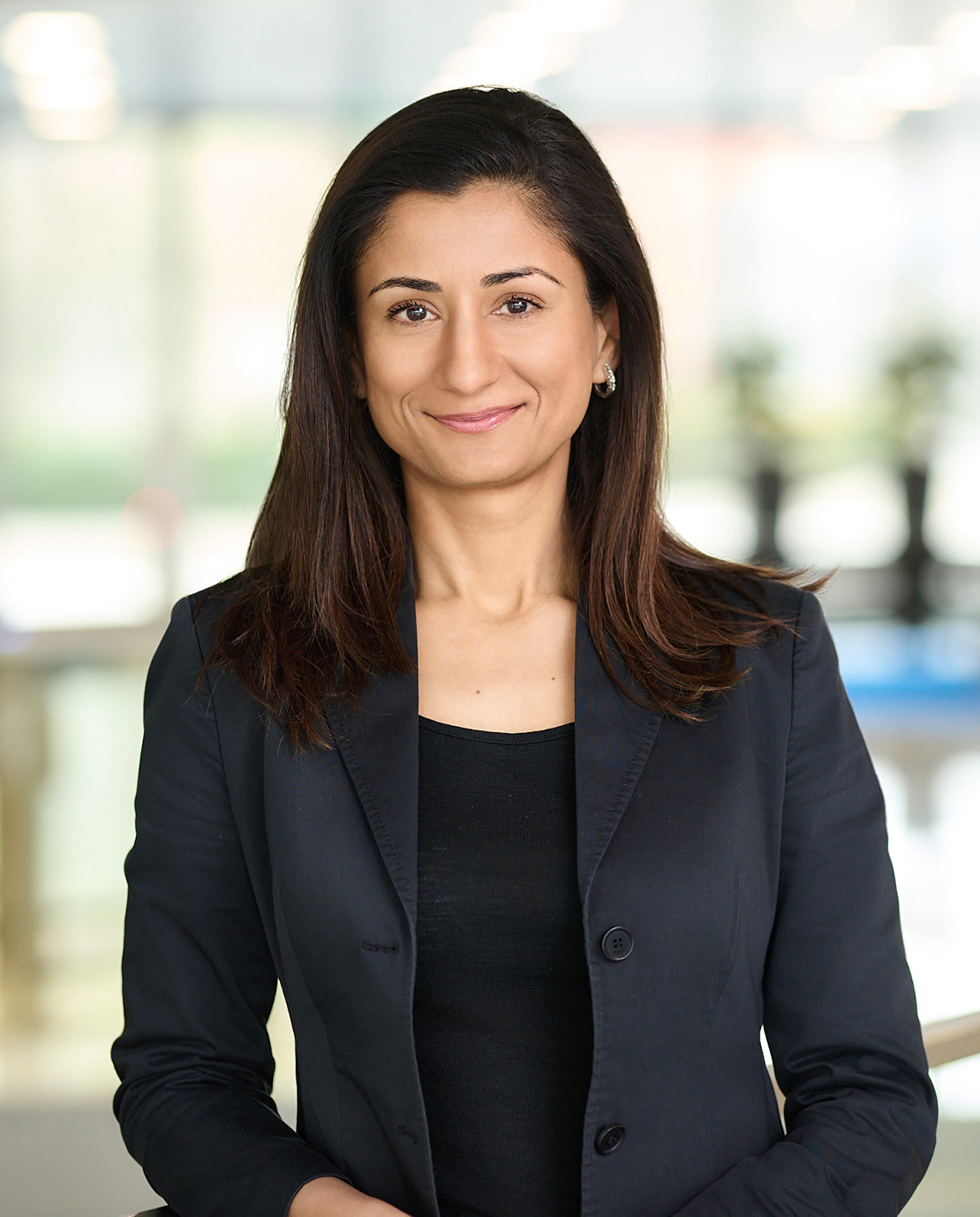
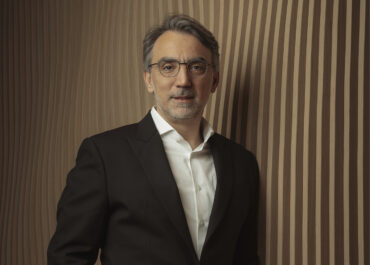
Leading this regional momentum is Ritu Chandy, BMW Group’s Head of Sales for Asia-Pacific, Eastern Europe, the Middle East and Africa. With responsibility across some of the brand’s most diverse and competitive markets, she sits at the forefront of a new era defined by adaptability, localisation and customer-centric thinking. As the Neue Klasse signals a renewed direction for the company, we met with Chandy on a recent visit to Dubai this February to discuss the role of strategic partnerships, the importance of cultural relevance, and why this region continues to play a critical part in shaping BMW’s future on a global stage.
BMW feels noticeably fresher and more dynamic, particularly in the Middle East. We’ve seen strong visibility through platforms like Art Basel and a clear shift in communications. What’s driving this evolution?
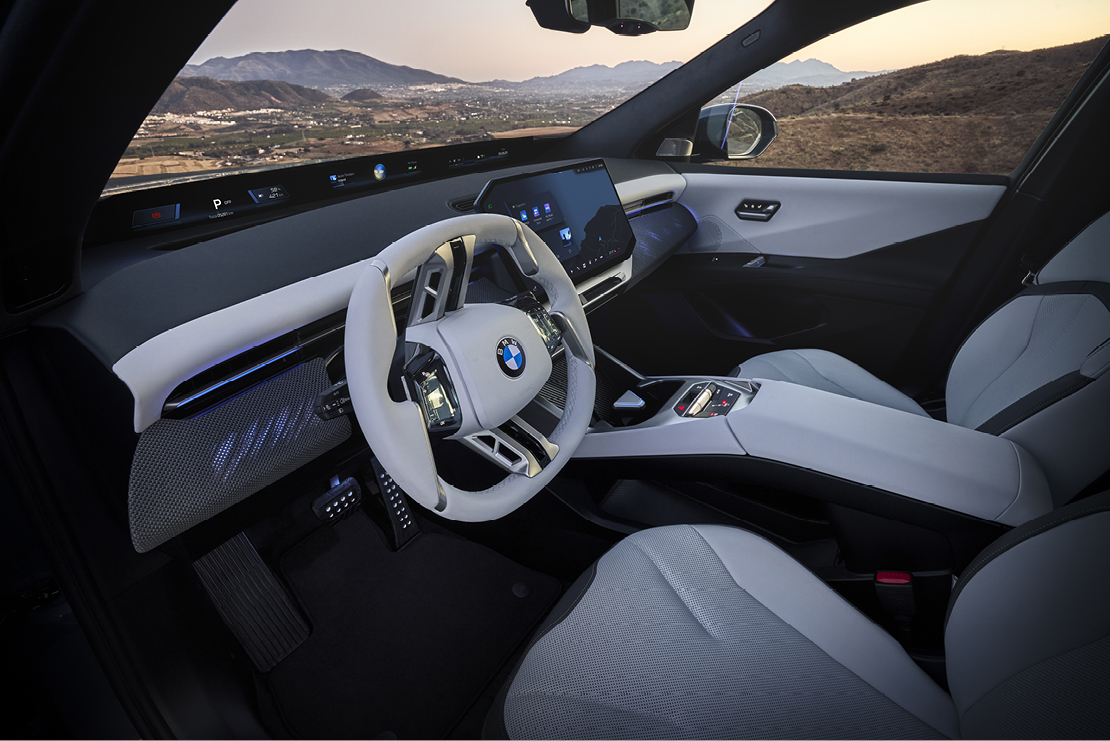
BMW is a brand that constantly adapts and changes. It very much lives in the now. We evolve with the markets we are present in, and that adaptability is core to who we are. You used the word “fresh,” which I like, because 2026 is truly one of the most exciting years in BMW Group’s history. It marks the beginning of a new era with the Neue Klasse, and with that comes a renewed, fresh approach.
It’s not that BMW wasn’t fresh before, but we are adapting very quickly to the times. Strategic partnerships are a key part of that. We believe the brand is amplified with partnerships like the 1 Billion Followers Summit and Art Basel. That’s really important because these partnerships amplify the brand, but only when there is a shared ethos. Any partnership we enter must align with our values.
If you think about art and BMW, there are many common codes. Whether it’s about curation or bespoke craftsmanship. The same thinking applies to sport. Take tennis, for example. Carlos Alcaraz has been a friend of the brand for over a decade. He wasn’t chosen by accident. We believed in his talent early, supported him throughout his journey, and he remains a friend of the brand today. He was also one of the first to speak publicly about the Neue Klasse – BMW iX3 – and what this new era means to him. That’s what matters to us: truly embodying brand values and using art, sport and individuals to authentically amplify BMW.
This is particularly important as we enter the biggest transformation in BMW Group’s history. I don’t even like to call it a product offensive. It’s a design offensive, a UI and UX offensive, a complete rethinking of the experience. We are launching around 40 new models. It’s a huge milestone for the decades to come.
The response so far has been overwhelming; we have been meeting with our partners in the region, and the reception has been very positive. In Europe, customers are placing deposits without even having driven the car. Those who have driven it have returned with a sense of disbelief that BMW has taken yet another step forward. It’s been incredibly positive. The experience of driving the car is integral to this evolution, and I think once you have driven it, you will understand this fresh, new approach. It’s very relevant to what we want to stand for today.
This region is highly competitive and rapidly evolving, with new markets emerging alongside established ones. How does BMW stay ahead?
Firstly, this is a very important region for us, and it has developed extremely positively over the years. It’s been fabulous to spend the last 48 hours here and experience firsthand what’s happening. We hold leadership positions in the upper-class segment, including the 7 Series, X7, and the M brand, which the local teams have developed exceptionally well. Looking at the wider group of brands, the region is also critical for MINI, BMW Motorrad and Rolls-Royce Motor Cars. In fact, yesterday we visited the single largest Rolls-Royce facility globally from a sales perspective.
This region continues to play a very important role, but it’s not just about the numbers. Dubai, in particular, is one of the most competitive automotive markets in the world. There are no trade barriers, and new brands can enter freely. We were told today that around 40 new Chinese brands have entered the market, in addition to the other brands already present. So, it’s highly competitive; however, it’s also a very discerning market, and our brands are for discerning customers. BMW Group is not in the game of chasing volume. We are in the premium segment. We are catering to customers who value distinction, innovation and craftsmanship. We stand for driving dynamics and sheer driving pleasure, and we want to embody that experience in how you purchase your car and how you are supported after purchase.
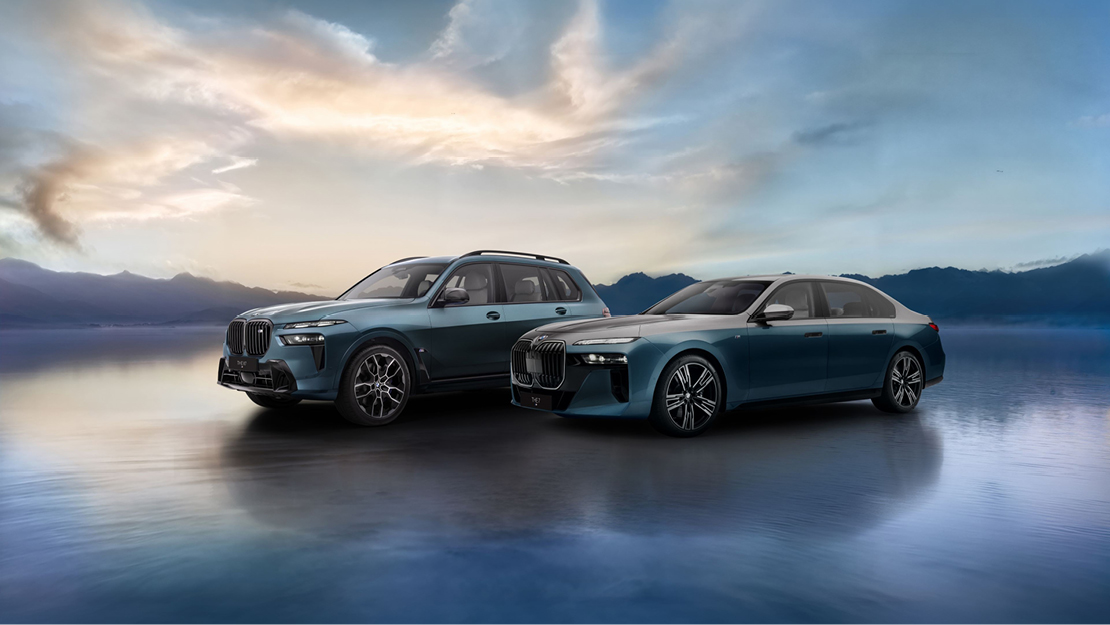
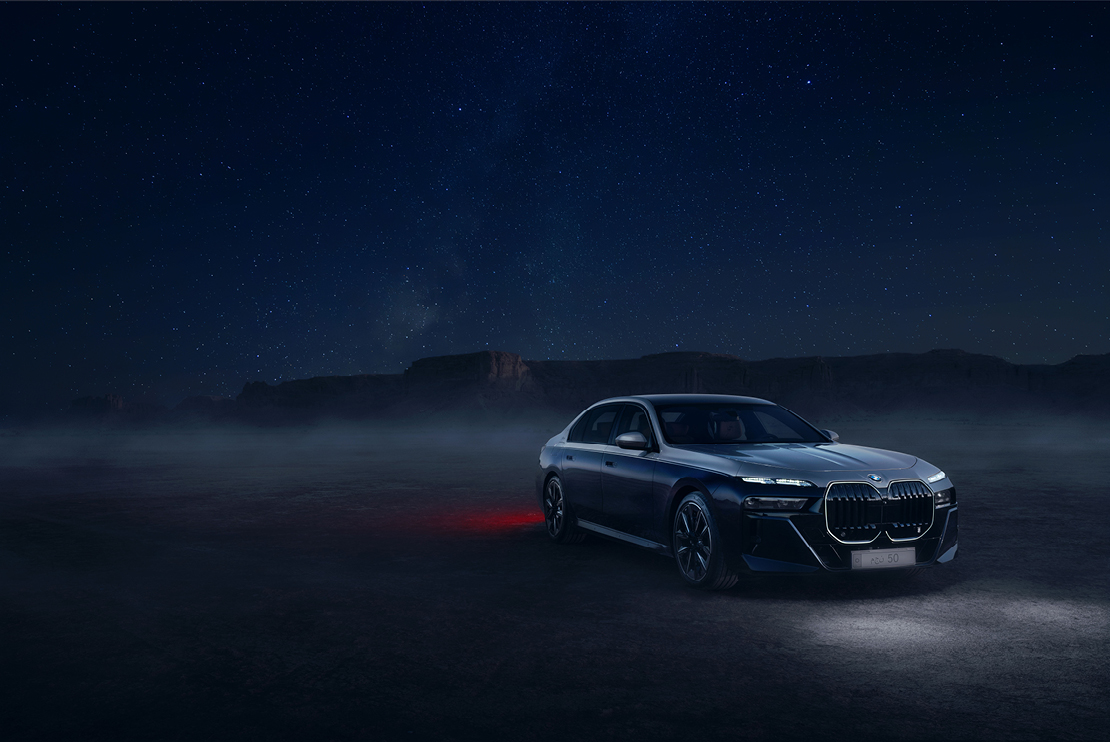
BMW Individual holds a special place in the Middle East, where craftsmanship and personal expression naturally converge. One of the strongest examples of this is the BMW 7 Series Suhail Edition, a collection of just 50 cars worldwide, curated exclusively for the region. Inspired by the Suhail star, a symbol of clarity, brilliance and new horizons in Arabian culture, this edition pays tribute to the spirit of the Middle East, a place where innovation and tradition do not compete but enrich one another. BMW Individual is more than a statement, it is a storytelling experience.
We are very fortunate to have extremely solid partners in the region, and I think our success here is not just the result of our team and our strong products, but also of our partners. They are strong partners; they believe in the brand ethos, not just today, but for the long term. They invest not only in facilities but also in people, processes, services, and community building. Whether that’s M track days, curated events or exclusive gatherings, these touchpoints matter deeply in this market. I think we must give credit where it’s deserved to our partners.
Emerging markets such as Iraq, Syria, and Egypt present opportunities. We are not at our final frontier yet, as we are still developing the network. We have a lot of exciting product reveals coming in the next 12 months and beyond. We also have a new brand: BMW ALPINA. This is so important in this region because it plays a significant role for Rolls-Royce and BMW, and BMW ALPINA fills an important space between the two. Alpina is about that very acquired taste of understated luxury and performance. We are planning to build significantly on this brand. This region and everything here are very relevant to our brand; the hotels and everything here engage with the customers we want to reach.
Experience, emotion and customer are three recurring themes. How does BMW remain close to its community and incorporate customer feedback when shaping future models?
This is a very important question. As a company, we have some core values that are non-negotiable: sheer driving pleasure, strong design language, and sustainability are indisputable parts of who we are. But beyond that, the localisation of our experience and products is essential. Relevance comes from understanding how those values translate into different markets.
A good example is electrification. At one point, it was fashionable for brands to declare themselves 100 per cent electric. BMW never did that. We firmly believe that electrification is not a binary journey. Different markets will adopt at different speeds, and we will continue to offer combustion engines, including V8s, where there is demand. This was our view, and we never compromised on this. To me, that is us reflecting our commitment to listening to customers globally, not reacting to a single regulatory or regional narrative.
You can see this localisation reflected in our flagship dealerships in Dubai, for example, you see aspects of the Arab language. Emiratisation and cultural relevance are incorporated into the experience, ensuring that we adapt the brand values to local markets where we can. To your point on community, this is where it starts. I grew up in different parts of the world, and have lived in different parts of the world, but at the same time you identify with a brand for something that’s absolutely integral to the brand, but if it’s too farfetched and you don’t feel like you can associate with it in local context, then you’re not going to watch to engage with it. That’s where our partners, yet again, play an important role: taking those values and making them approachable for customers in markets around the world.
The community aspect is very important. You can invest heavily in advertising, but if a brand is not part of the right conversations and communities, it won’t resonate. This is an emotional market, and thankfully, BMW creates an emotional product. Experiences like M track days unlock that joy and reinforce the brand’s values. M Performance parts are also highly appreciated in the region, especially elements like the BMW M exhaust system, where engineering meets emotion. It’s the harmony of driver, machine and moment, perfectly aligned.
Looking ahead, what do you still hope to achieve in this region?
This region has the potential to be more than just a strong sales market. It can be a thought leader in terms of shaping the customer experience and how we engage with our customers. There are best practices here that we can certainly apply globally. We operate across a vast region, from Asia-Pacific to Eastern Europe, the Middle East and South Africa, and there is enormous value in cross-market learning. We’ve seen exceptional customer experiences in markets like Singapore that can be adapted elsewhere.
There is always more to do. I think we can do more in partnerships and in how we approach them. Our partners are a strong reflection of what’s happening in those regions and offer valuable insight into what is developing. We need to bring that knowledge further into our company and further develop what we are doing. We have 26 nationalities in our office, with some great people whom we need to continue developing. There are new levers, such as AI, that we can definitely use in the way we approach business. So there is much to be done. It is about learning from and applying experience to develop what we do. Ultimately, customers are not just buying a vehicle. They are buying into a brand and a community, and they expect a certain level of care.
In one sentence, how would you describe 2026 for BMW?
New era. Unleashing momentum. We are truly unleashing momentum, and it has already begun. We are going to build on that momentum throughout the year, with lots more to come.
By Lara Mansour