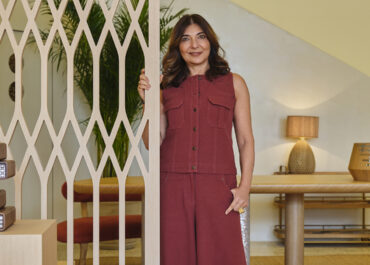

Rooted in craft yet shaped by a global perspective, Nada Debs has spent over two decades redefining contemporary design from the Middle East. Founded in Beirut in 2003, her eponymous studio is known for its emotionally resonant furniture, objects, and bespoke commissions that reinterpret traditional craftsmanship through refined forms and material innovation.
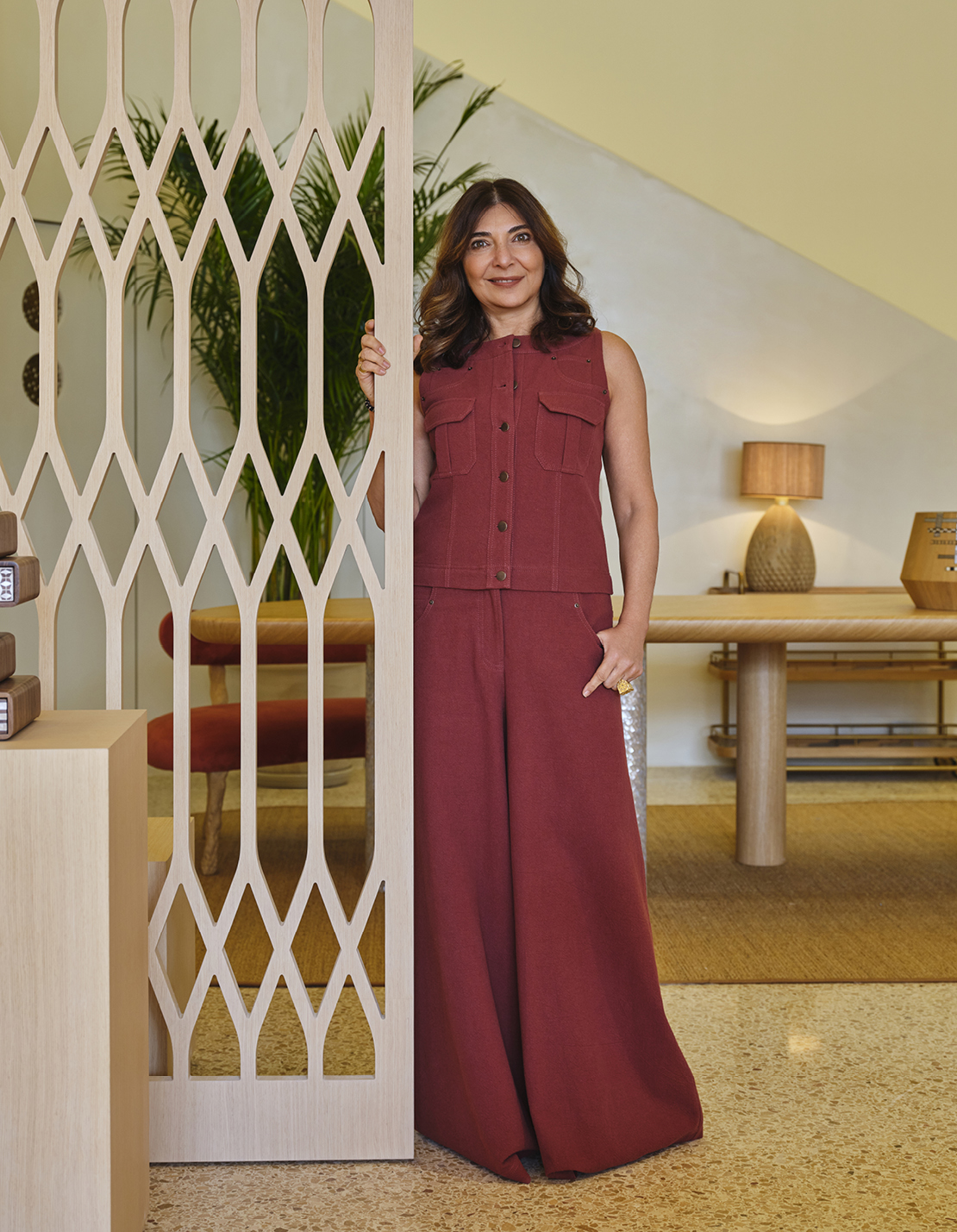
Now, with the opening of her first international flagship in Dubai’s Alserkal Avenue, Nada marks a pivotal new chapter for the studio, reflecting both expansion and an evolution of the brand and its global story. The new space not only introduces her work to a wider global audience but also signals a generational transition, with her son Tamer Khatib stepping into the role of Managing Director.
In this interview, Nada reflects on her personal journey, the cultural dualities that shape her practice, and the vision behind the Dubai flagship, as she looks ahead to the next chapter of the brand.
Your work is deeply rooted in craftsmanship, yet unmistakably contemporary. Looking back at your early years growing up between cultures, how did that shape your design language and sensibility?
My work has always been about finding a balance between different cultures and design languages. Identity is central to everything I do — bringing out the spirit of a region or a place through design. Much of my work draws on Middle Eastern craft, infused with the Japanese sensibility I developed while growing up in Japan. There is a beautiful geometric language that has long existed in architecture across the region, and today, I reinterpret it through contemporary products.
You founded your studio in Beirut in 2003, when contemporary design from the region was still emerging globally. What motivated you to start your own practice, and what were the biggest challenges in those early years?
It was never a calculated plan. I began experimenting with regional craft, and people responded to it naturally. There was a growing desire for something that felt both contemporary and rooted in Arab identity. I simply responded to that need — it was very much a case of being in the right place at the right time.
Your career spans over two decades now. How do you feel your design philosophy has evolved, and what values have remained non-negotiable throughout your journey?
Our philosophy has remained consistent. We believe deeply in the “handmade, heart-made” concept, not only the craft itself, but the human behind it. Passion is essential to our work. Everything we do is about balancing contrasts: tradition and modernity, different cultures, and unexpected realities. Even in collaborations, we seek a common ground between identities.
The 2020 Beirut port explosion was a pivotal moment for many creatives. How did that experience impact you personally and professionally, and how did it influence your decision to expand beyond Lebanon?
It was the catalyst for relocating from Beirut to Dubai. Lebanon was facing immense economic and political challenges, and we needed a way to sustain our craftspeople. We realised that creating demand was the only solution. Dubai became the ideal hub to operate from — a place where we could continue supporting artisans in Lebanon and across the region.
The Dubai flagship marks your studio’s first international address. Why did Dubai feel like the right city for this next chapter, both creatively and strategically?
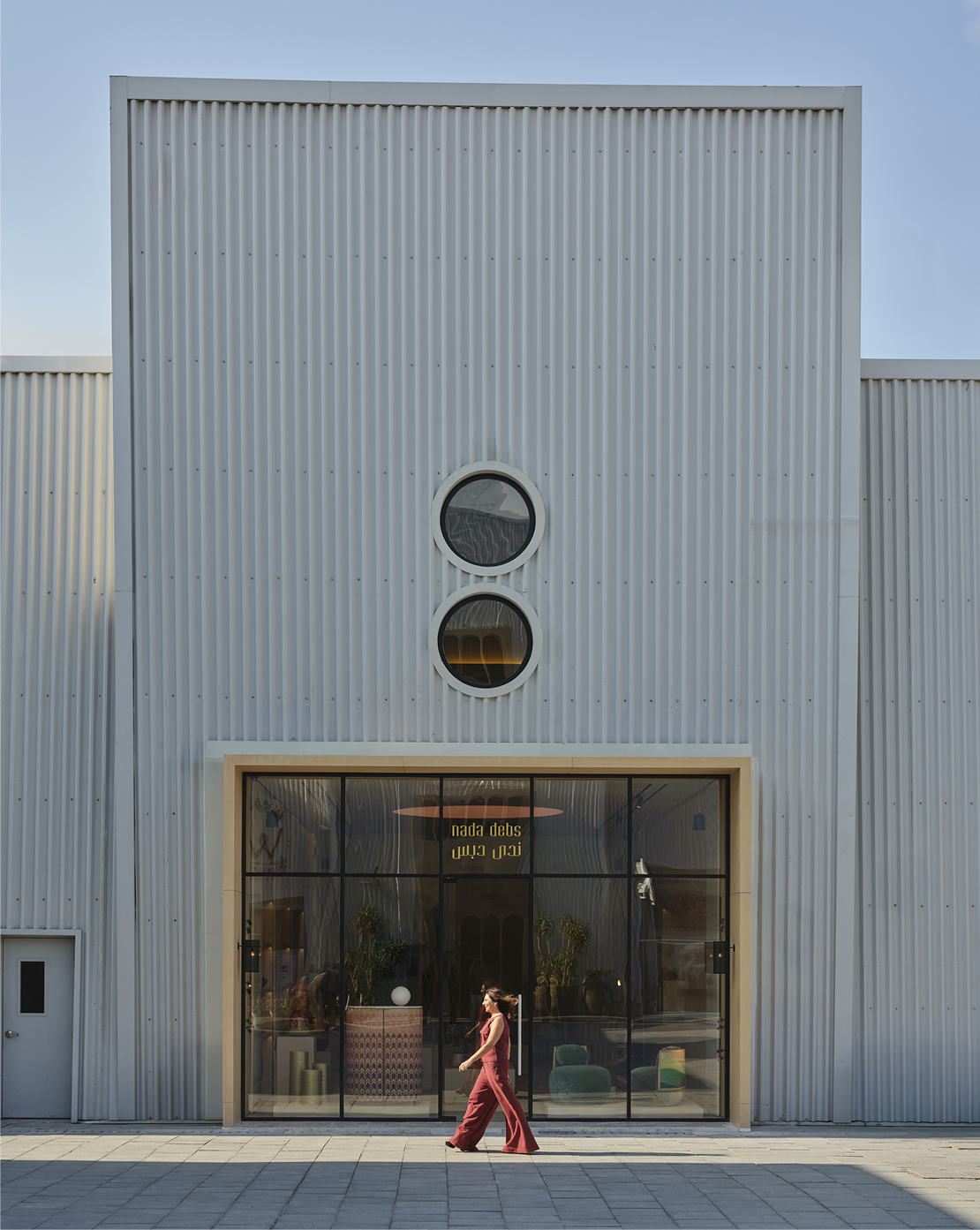
Dubai represents opportunity, movement, and connection. It allows us to grow while remaining anchored to our roots and our crafts. The space is conceived as a ‘box within a box,’ blending raw architecture with warmth and intimacy.
Can you walk us through your vision for the interior design and the emotional experience you wanted visitors to have?
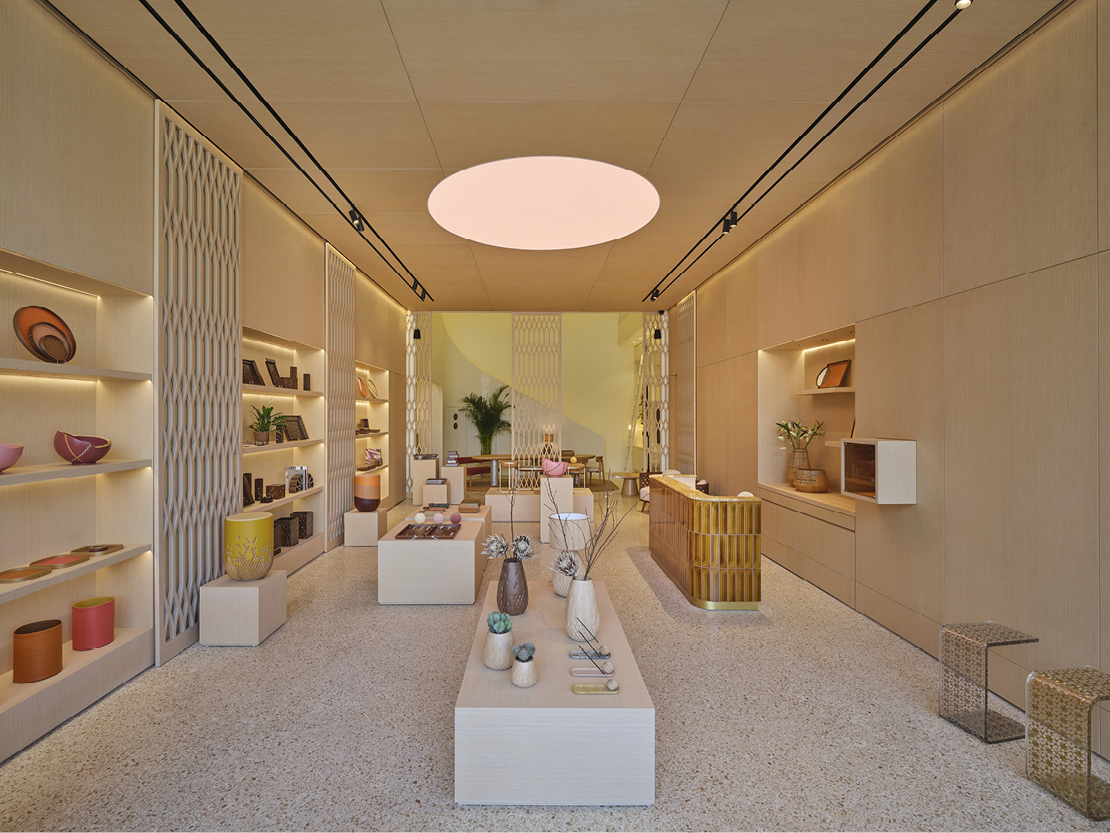
When I first saw the space, it felt intimidating. A tall, narrow metal box. I wanted to create something warm and welcoming. So I inserted a wooden box inside it. The boutique on the ground floor is meant to feel intimate and hospitable, evoking Arab warmth. As visitors move deeper inside, the space transitions into a studio environment. Upstairs, the atmosphere becomes more industrial yet still soft and calming, with choices like buttercream wall tones and raised flooring. The intention was to create comfort rather than intimidation.
Sensorial design plays a strong role in the boutique, from materials to scent. Why is it important for you that people not only see, but feel and experience your work?
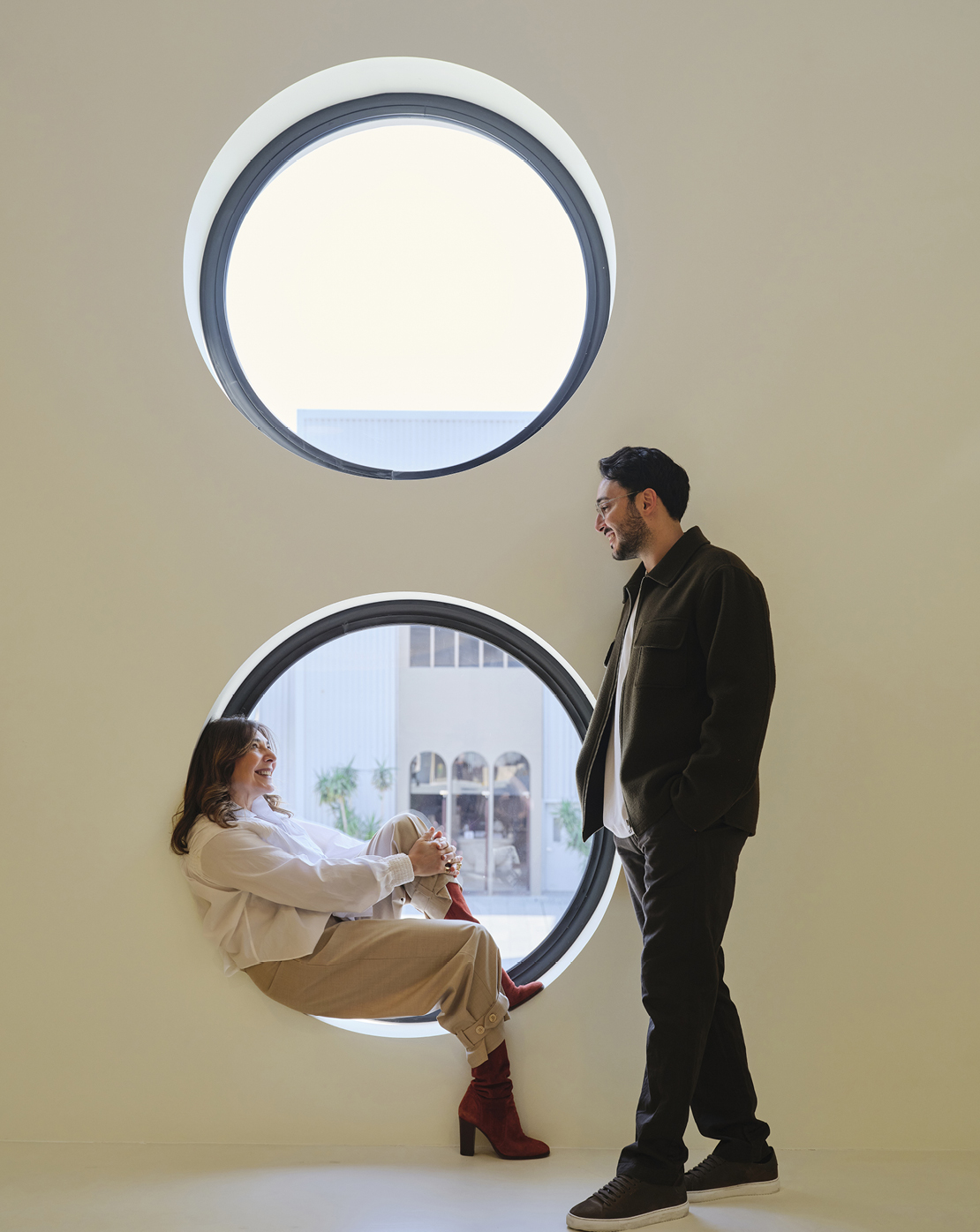
The two dots represent duality, something that defines both my work and modern life. I began by blending Japanese sensibility with Arab craft, but today duality exists everywhere: traditional and modern, different cities, multiple roles, opposing ideas. Our message is that opposites can coexist and work hand in hand.
The opening also marks a generational transition, with your son, Tamer, stepping in as Managing Director. What has it been like collaborating with him, and how do you see this new dynamic shaping the brand’s future?
When Tamer approached me at 26 and said he wanted to join the company, it opened up the idea of legacy for me. This new chapter feels very much like his own project. He brings a retail and commercial perspective that complements my role as a designer. It is exciting to see how this dynamic will shape the studio’s future.
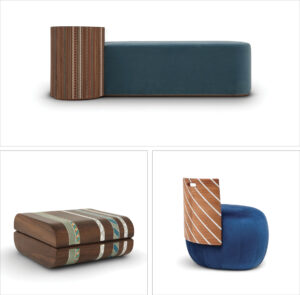
Your work often explores duality; East and West, traditional and contemporary, and Arabic and Japanese influences. How is this philosophy reflected in the Dubai flagship specifically?
I began by blending Japanese sensibility with Arab craft, but today duality exists everywhere: traditional and modern, different cities, multiple roles, opposing ideas. Our message is that Dubai itself embodies duality. Everyone here comes from somewhere else, yet finds common ground. The store reflects this idea, reconciling contrasts and showing that differences can coexist harmoniously.
As you look ahead, with Dubai as a new global hub for the studio, what is your vision for the next chapter of Nada Debs, and what legacy do you hope to continue building?
We hope this will be the first of many future locations. We plan to continue working with craftspeople across Asia, including Afghanistan, Pakistan, Uzbekistan, and eventually India, China, and Japan. In many ways, it is about returning to our roots while expanding our reach.
By Lea Nouhra