
As the UAE’s design landscape continues to evolve, a new generation of homegrown brands is redefining how materials, craftsmanship and contemporary living intersect. Among them is YLA, a Dubai-based furniture atelier founded by engineer Benoît Rondard, whose work challenges traditional perceptions of metal in interior design. With a background in high-precision manufacturing and a vision rooted in emotional design, Rondard has set out to transform metal from an industrial material into something refined, expressive, and quietly architectural.
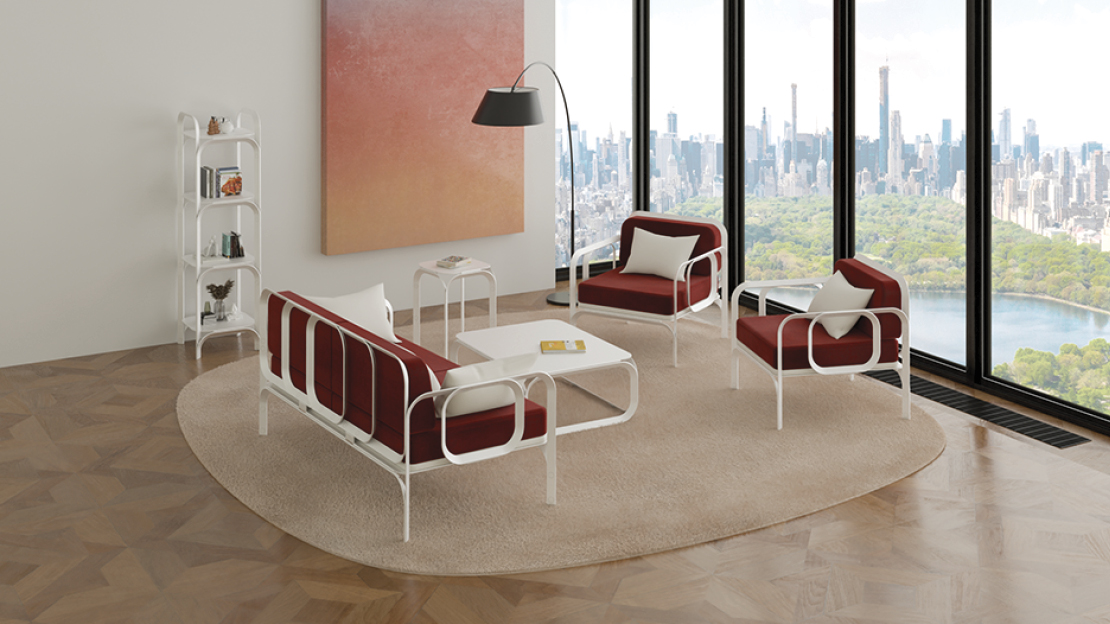
Launched in 2025, YLA’s debut Audace Collection introduced sculptural pieces crafted from stainless steel and aluminium, softened through thoughtful proportions, curved forms and tactile finishes. Designed in collaboration with French designer Rémi Damilleville, the collection reflects a balance between strength and serenity, combining technical precision with a calm, minimal aesthetic. Rooted in Dubai yet conceived with a global perspective, YLA’s philosophy centres on longevity, intentional design, and the belief that furniture should evoke emotion as much as it functions.
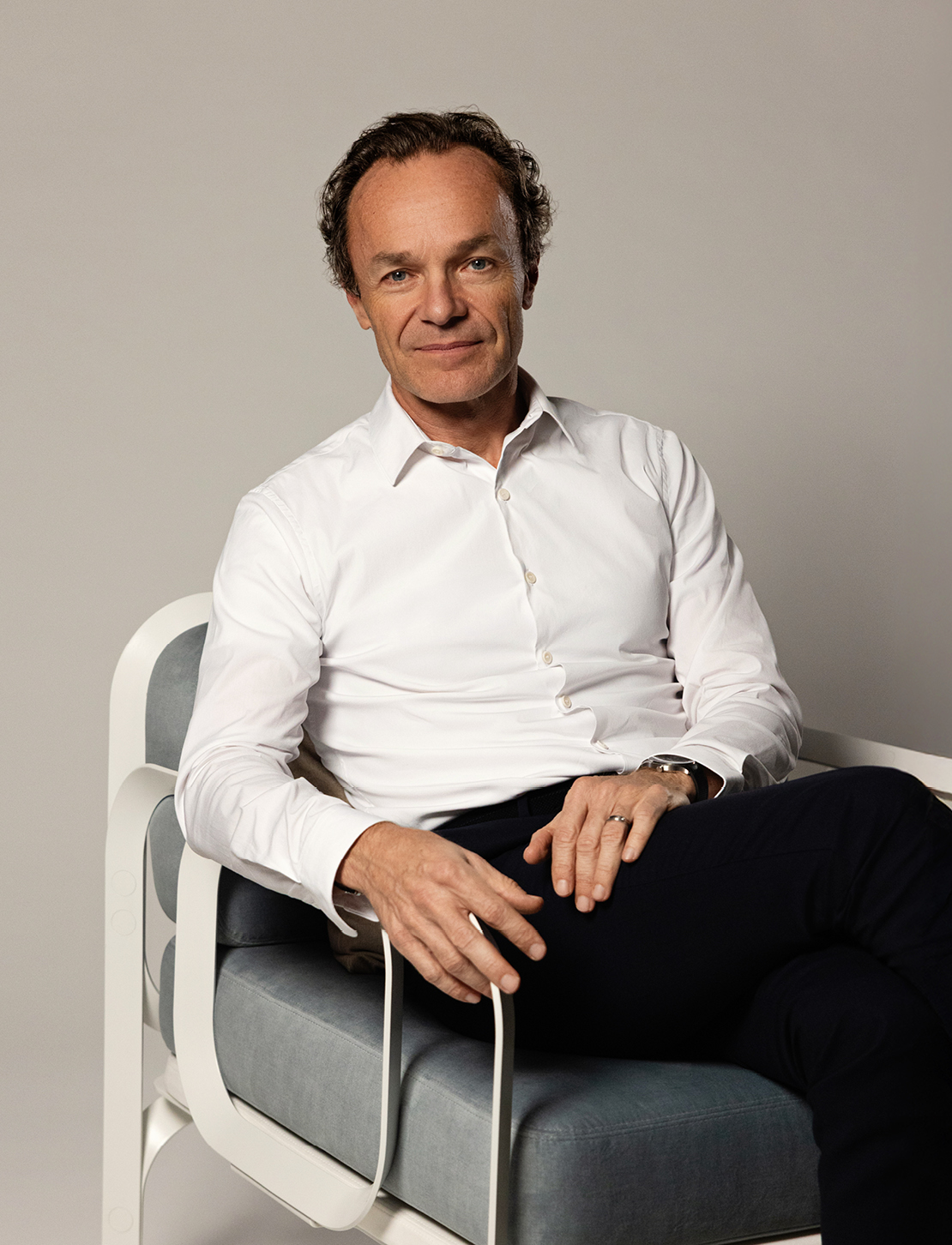
With local manufacturing at the heart of the brand and a growing international outlook, Rondard is part of a broader movement positioning the UAE as an emerging global design hub. In this interview, he discusses the inspiration behind YLA, the evolving regional design landscape and how material-led design is shaping the future of contemporary interiors.
What led you to start your own brand, and what’s the vision behind YLA?
Yla was born from the desire to translate deep technical expertise in metal into a design language that feels refined, minimal, and relevant for contemporary interiors. Coming from a background rooted in high-precision metal manufacturing, I saw an opportunity to move beyond industrial applications and explore a more expressive, design-driven approach.
The vision behind Yla is to create indoor metal furniture that combines precision, durability, and a strong aesthetic identity. The goal is to position metal not as a cold or purely functional material, but as something that can convey balance, colour, and emotion within a space.
What drew you to working with metal in particular, and how do you approach transforming an industrial material into something refined and expressive for the home?
Metal is often perceived as rigid and industrial, but it has incredible potential when handled with precision. What attracted me is exactly this contrast: taking a material associated with industry and transforming it into something soft in perception, even if not in structure.
At Yla, we work on proportions, finishes, and colour to achieve this transformation. Powder coating, for example, allows us to introduce depth and warmth, while our approach to geometry keeps the design minimal and balanced. The objective is to make the material appear to almost disappear, leaving a clean, calm presence in the space.
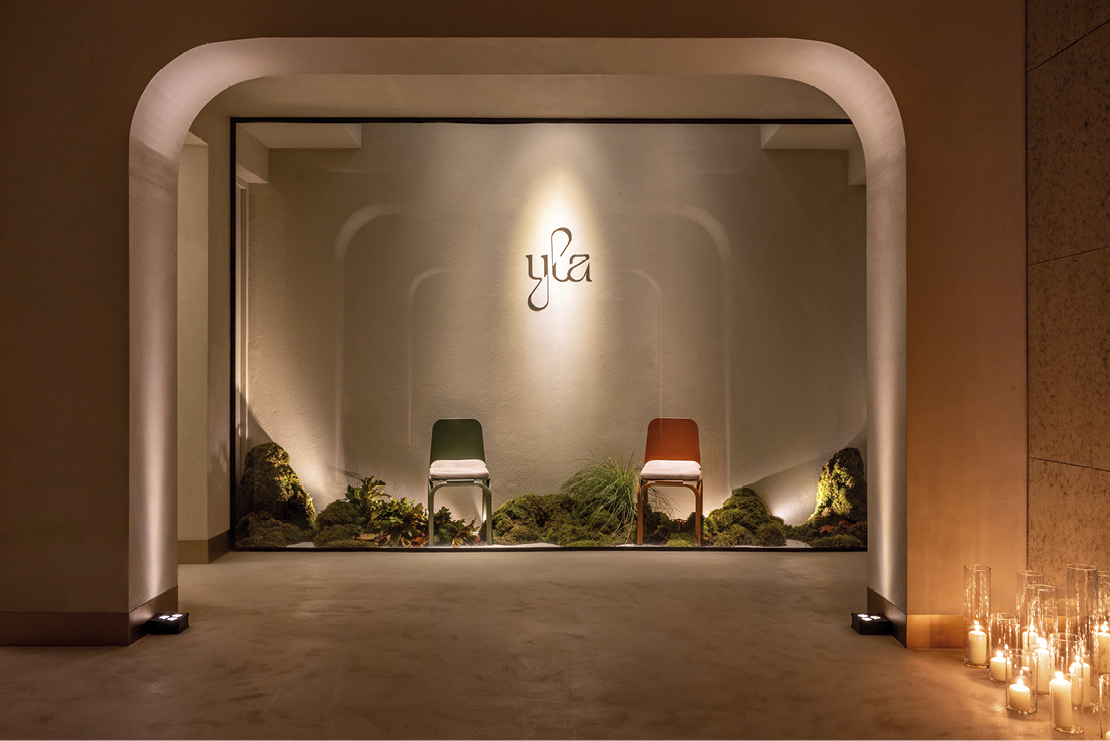
Tell us about your design process and how you approach each piece.
Our design process is highly iterative and closely connected to production. We start with a clear intention regarding proportions and use, then move quickly into prototyping.
Because design and manufacturing are closely linked, we can test, refine, and adjust continuously. Details such as junctions, thickness, and finishing are critical, as they define the final perception of the piece. The goal is always to reach a point where the design feels simple, even if the process behind it is technically complex.
What was the creative vision behind the first collection?
The first collection was conceived as a statement of intent. We wanted to introduce a series of pieces that express clarity, balance, and restraint, while showcasing the technical capabilities behind them.
Colour played an important role, with tones inspired by nature rather than trends. The collection was designed to feel cohesive, with each piece contributing to a consistent visual language built on minimal forms and precise execution.
Producing locally in Dubai is central to YLA’s identity. Why was it important for you to build a design brand rooted in local manufacturing?
Local production allows us to maintain full control over quality and to keep a direct link between design and execution. It also gives us the flexibility to produce made-to-order pieces and adapt when needed.
Dubai offers a robust industrial infrastructure, and our location in Jebel Ali allows us to operate efficiently while staying connected to international markets. Beyond logistics, it was important to build something rooted in the place where the brand was created, contributing to the local ecosystem.
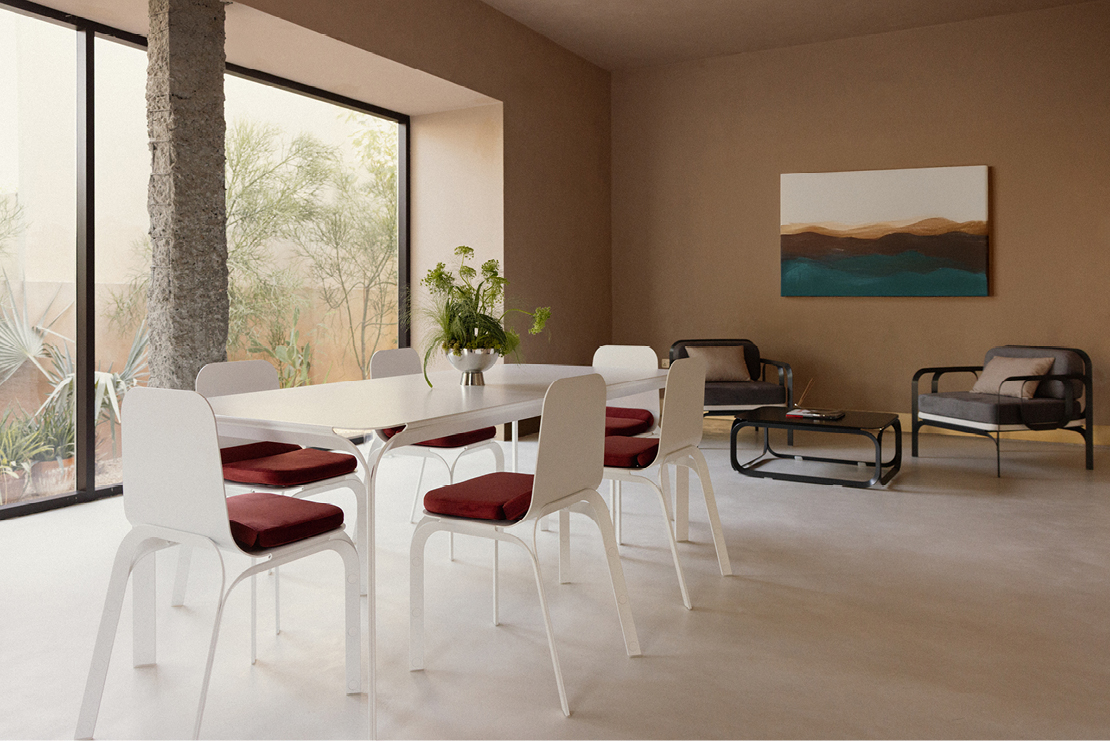
How have you seen the region’s design and manufacturing landscape evolve?
There has been a clear evolution over the past few years. The region is moving from being primarily a consumer of design to becoming a place where design is created and produced.
We are seeing more initiatives, more platforms, and a growing interest in locally developed brands. At the same time, manufacturing capabilities are improving, enabling higher-quality, more complex production within the region.
The UAE is increasingly positioning itself as a global design hub. What opportunities does the region offer emerging design brands today?
The UAE offers a unique platform for visibility and growth. It combines international exposure with strong infrastructure and a supportive business environment.
For emerging brands, this means the ability to launch, test, and scale in both local and global markets simultaneously. The diversity of the audience also creates opportunities to engage with different perspectives and industries, from residential to hospitality.
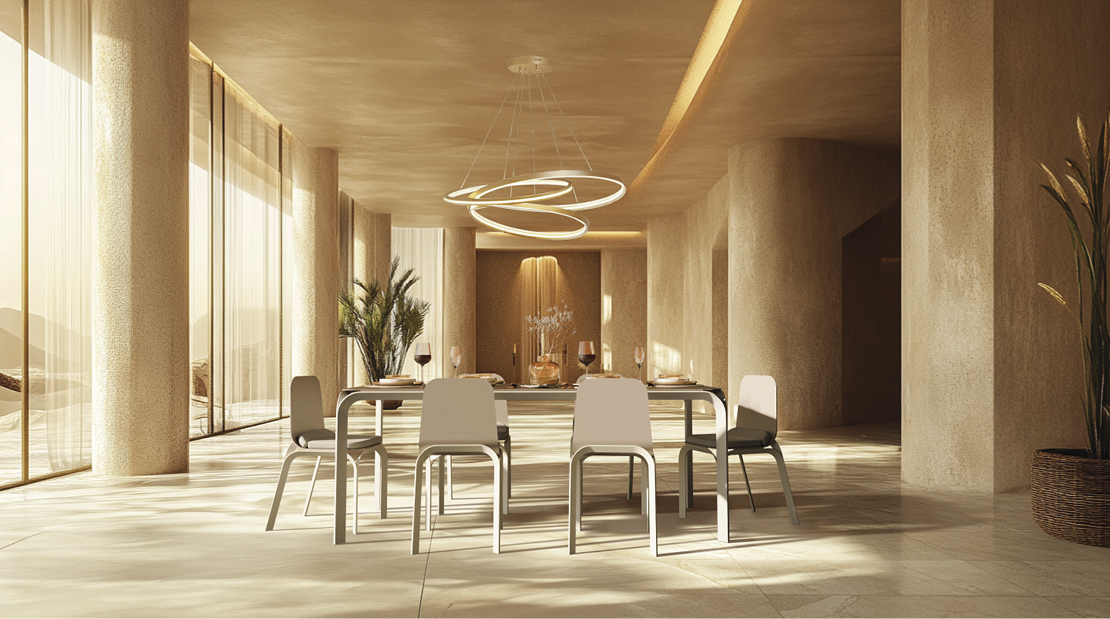
How would you describe the design identity emerging from the Middle East, particularly in furniture and product design?
The identity is still evolving, but it is becoming more confident and distinct. There is a growing balance between international influences and regional sensibilities.
In furniture and product design, this often translates into a focus on materiality, texture, and a certain sense of calm and space. Rather than following trends, many designers are exploring more timeless and grounded approaches.
Platforms such as Dubai Design Week, Downtown Design and Alserkal Avenue are becoming increasingly influential. How important are these ecosystems for supporting regional design brands?
These platforms are essential. They provide visibility, build connections, and enable brands to showcase their work in a curated environment.
They also help build a narrative around design in the region, which is important for positioning local brands within a broader international context. For emerging brands, this can be a first step towards recognition.
What more do you think is needed to strengthen the region’s design industry and support homegrown brands?
Continued investment in both creative and industrial infrastructure will be key. Education, collaboration between designers and manufacturers, and access to production facilities are all important elements.
At the same time, there is a need to support long-term brand building, not just short-term visibility. Developing strong, consistent brands takes time, and the ecosystem should encourage that.
Material-led design and craftsmanship are gaining renewed attention globally. How do you see this influencing contemporary furniture design?
There is a growing appreciation for how things are made, not just how they look. Material-led design brings focus back to the essence of an object.
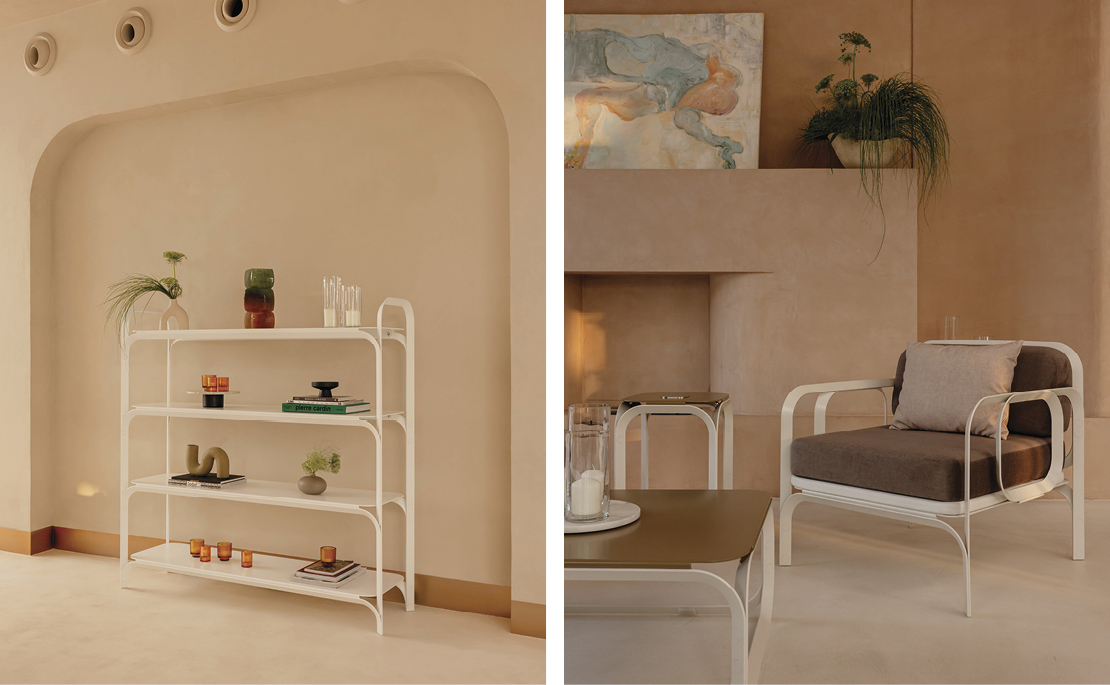
In furniture, this translates into pieces that are more honest, where the material and the construction play a central role in the design. Craftsmanship becomes visible, even in minimal forms.
Sustainability and longevity are becoming increasingly important in interiors. How is YLA approaching these ideas in both design and production?
For us, sustainability is closely linked to durability and longevity. Our pieces are designed to last, both in terms of structure and aesthetics.
We use materials such as stainless steel and aluminium, which are durable and suitable for long-term use. Finishes are developed to resist wear and preserve surfaces over time.
The idea is to create objects that do not need to be replaced, which is a fundamental aspect of sustainable design.
Collaboration appears to be central to YLA, including your work with designer Remi Damilleville. How important are creative partnerships in shaping the brand’s direction?
Collaboration is very important. It brings different perspectives and allows the brand to evolve beyond a single point of view.
Working with designers such as Remi Damilleville helps challenge assumptions and refine ideas. These exchanges contribute to shaping a more consistent and thoughtful design language.
What’s the biggest challenge you face with a new brand in the region today?
One of the main challenges is building recognition and trust as a new brand. In a competitive environment, it takes time to establish credibility and communicate the value behind the product.
Balancing investment between product development, production, and brand building is also a key challenge, especially in the early stages.
Looking ahead, what is your long-term vision for YLA, and what role would you like the brand to play within the regional and international design landscape?
The long-term vision is to position Yla as a reference for indoor metal furniture, known for its precision, durability, and refined minimal aesthetic.
We aim to grow both within the region and internationally, collaborating with architects, designers, and hospitality projects. At the same time, we want to contribute to the development of a strong design identity emerging from the Middle East, showing that brands from this region can compete globally with a clear and confident voice.
By Lindsay Judge