
Behind discreet façades, along familiar streets, and inside spaces that feel lived-in rather than monumental, Beirut’s galleries continue to shape one of the region’s most intellectually engaged and culturally layered art ecosystems. Here, art is woven into daily life, reflecting Beirut’s long-standing relationship with culture, creativity, dialogue, and reinvention. Unlike cities where cultural life is centralised around large institutions, Beirut’s art world unfolds across neighbourhoods. Each gallery contributes to a broader narrative, rooted in both Arab and international art histories, sustained by contemporary experimentation, and shaped by curatorial voices committed to understanding, continuity and depth.
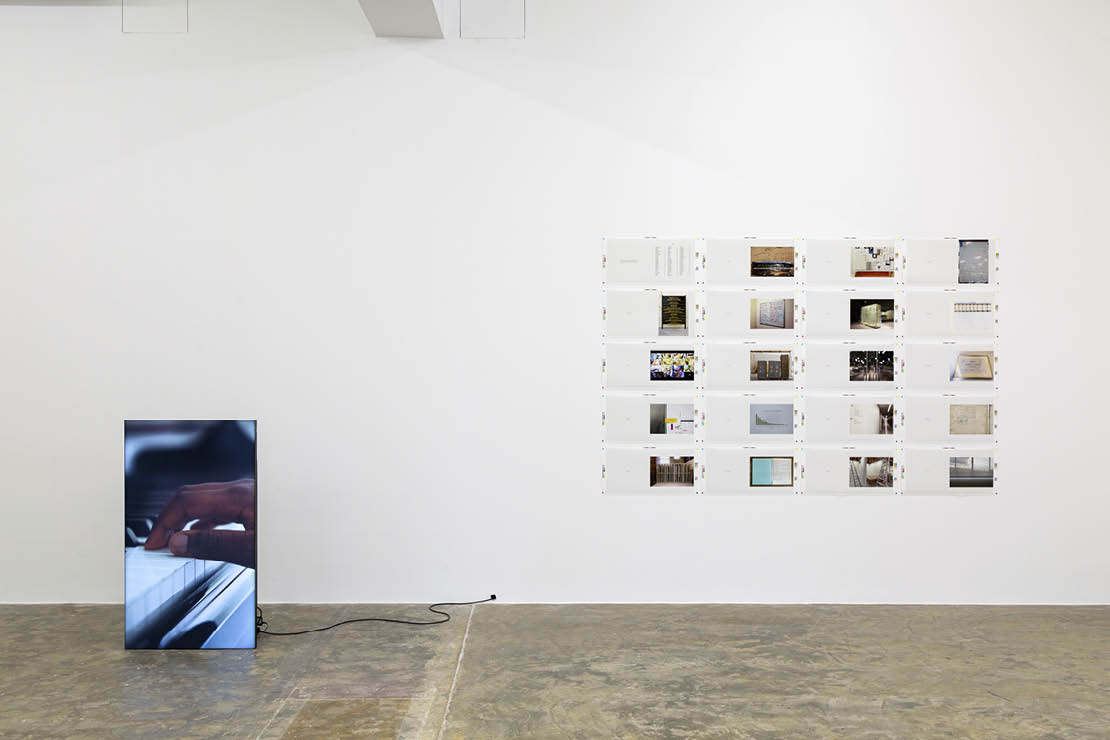
At the heart of this landscape stands the Dalloul Art Collective (DAC), founded by Dr Basel Dalloul, whose vision has played a pivotal role in shaping Beirut’s engagement with modern and contemporary Arab art. Conceived as a dynamic platform rather than a traditional institution, DAC operates at the intersection of exhibition-making, research, and public dialogue. Through carefully curated programs, the collective foregrounds critical narratives and artistic practices that span generations and geographies, anchoring Beirut’s contemporary scene within a broader cultural and intellectual continuum, one in which the present remains in constant conversation with the past.
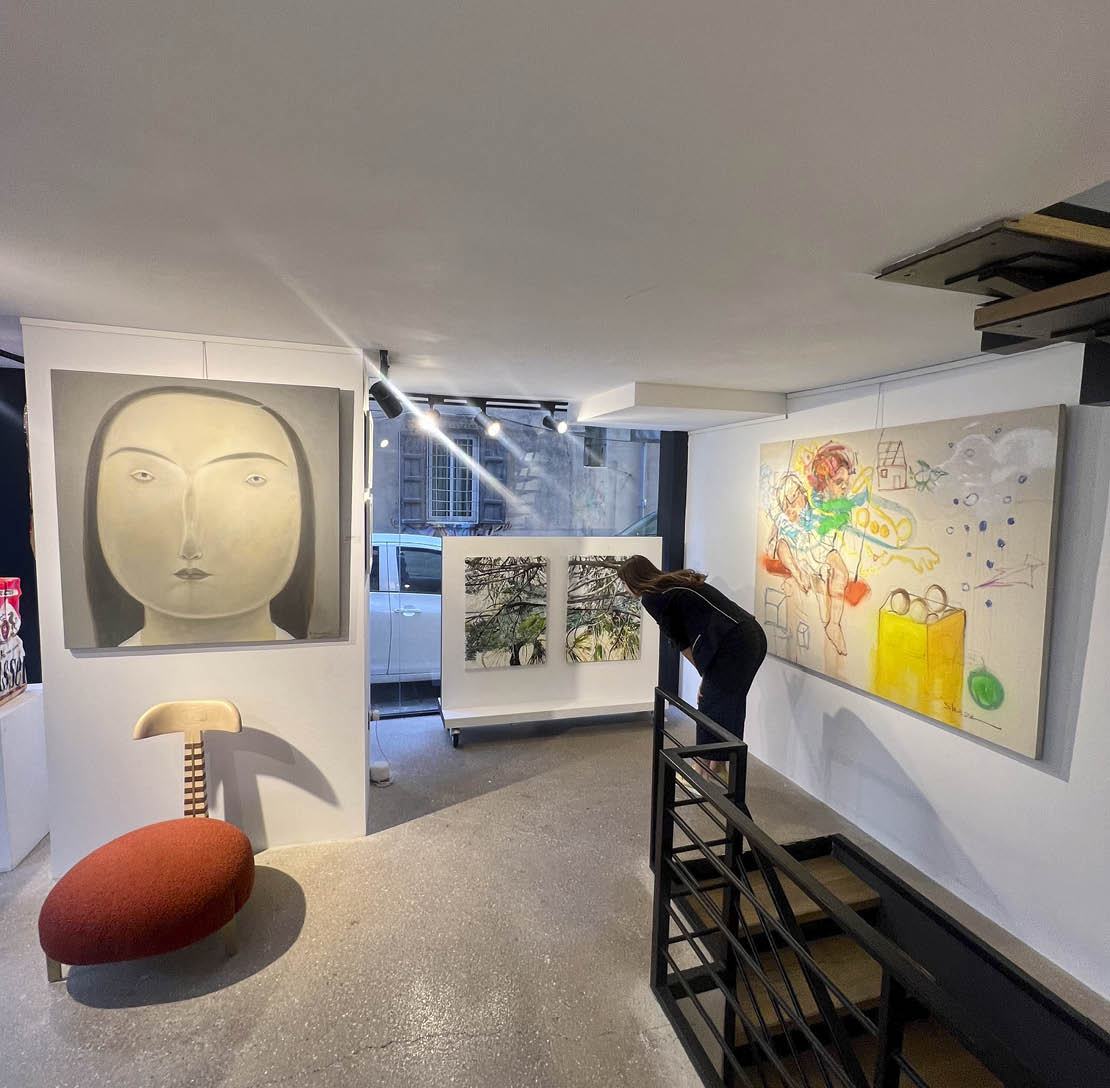
This sense of continuity is echoed at Saleh Barakat Gallery, a cornerstone of Beirut’s art ecosystem located within the historic Médina Theater. Dedicated to Middle Eastern contemporary art, the gallery approaches exhibition-making through a strong curatorial framework, foregrounding practices that engage critically with history, identity, and material inquiry. Its program emphasises rigorous selection, contextual placement, and sustained dialogue around artists’ work. In a city shaped by constant change, Saleh Barakat Gallery’s commitment to curatorial integrity and long-term cultural relevance remains quietly enduring.
In Gemmayzeh, Art On 56th reflects Beirut’s understated elegance. Since its founding in 2012, the gallery has cultivated a program that bridges Lebanese and international perspectives, presenting exhibitions that are intimate, refined, and globally informed. It is a space that values nuance, where discovery unfolds without spectacle and where thoughtful curation encourages contemplation rather than urgency.
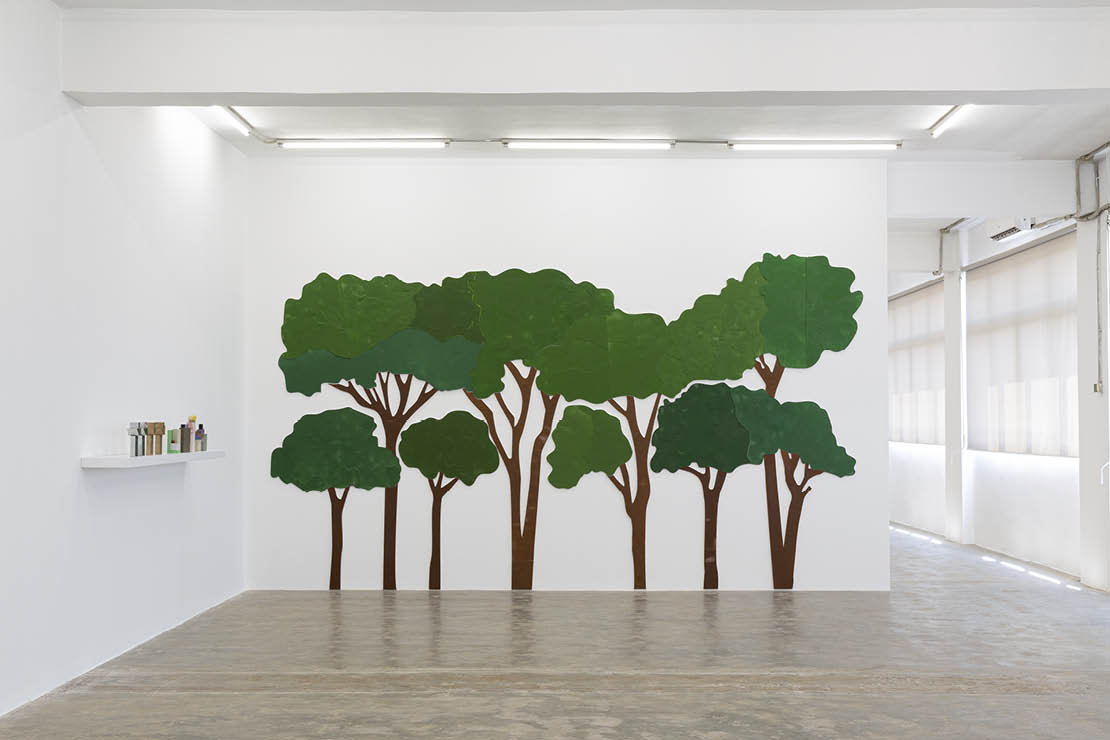
Also rooted in Gemmayzeh, Août Gallery has emerged as one of Beirut’s most forward-looking contemporary platforms, working closely with international contemporary artists alongside regional voices. The gallery’s program is shaped by a curatorial sensitivity to current artistic discourse, often engaging themes of identity, memory, and the present moment. Its expansion to a second space on Rue Pharaon underscores a commitment to adaptability and dialogue, positioning Beirut as an active participant in global contemporary conversations rather than a peripheral observer.
In Gemmayze on Gouraud Street, Art Scene Gallery brings a lifestyle-conscious dimension to Beirut’s art culture. The gallery integrates contemporary art and Middle Eastern Art with collectable design, reflecting the city’s strong design sensibility. Art is presented within lived contexts, appealing to collectors who value intuition, spatial awareness, and the everyday presence of art as much as theory.
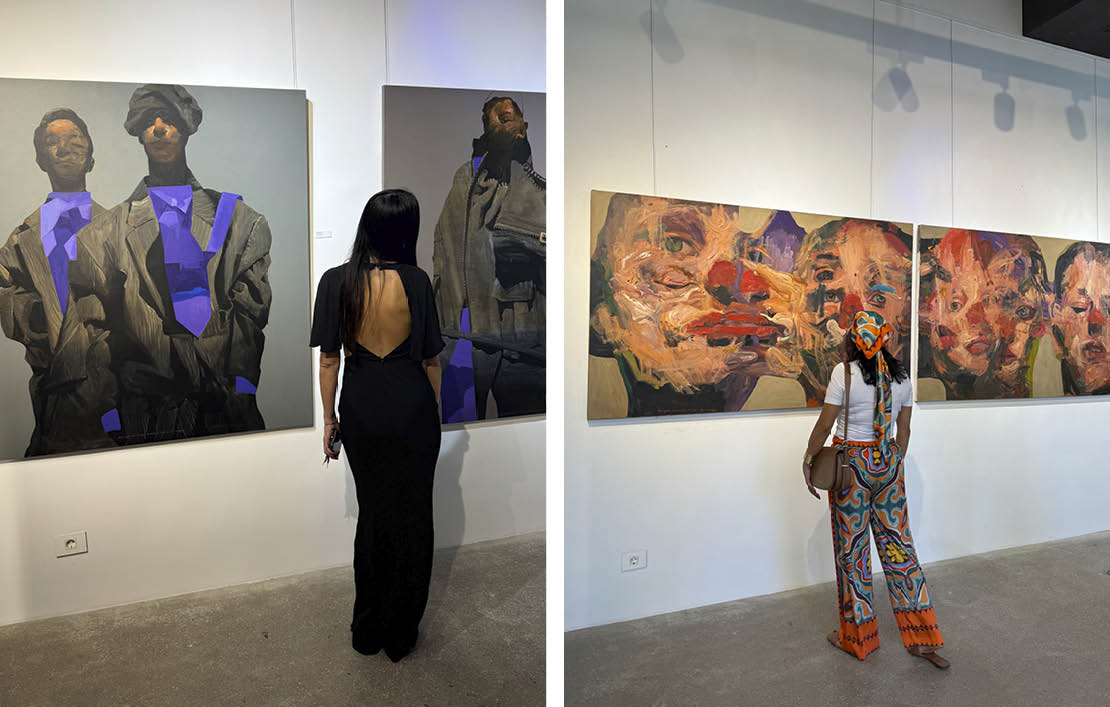
In Mar Mikhael, Galerie Tanit offers a quieter, more contemplative rhythm. Founded in Munich in 1972 and established in Beirut in 2004, Tanit’s long-standing presence reflects a sustained commitment to cross-cultural exchange. Its exhibitions are marked by restraint and precision, allowing works to unfold without excess framing. Emphasising longevity over immediacy, Tanit reinforces Beirut’s capacity for nuance and curatorial depth.
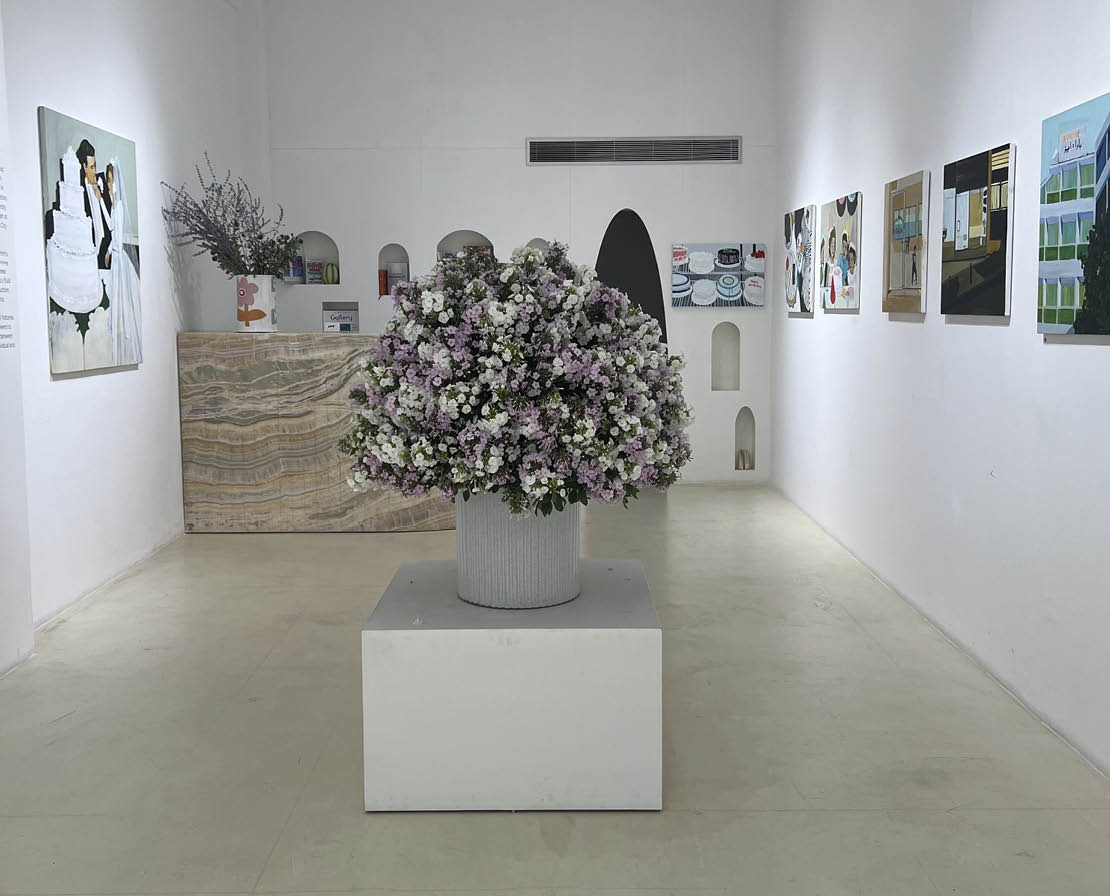
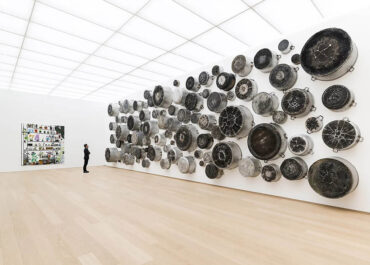
At the forefront of Beirut’s contemporary discourse is Sfeir-Semler Gallery, whose presence in Karantina and Downtown Beirut positions the city firmly within global contemporary dialogues. Founded by Andrée Sfeir-Semler, the gallery is known for its intellectually rigorous program and for its long-term support of artists whose practices engage with politics, history, and material experimentation. Its preference for industrial, unpolished spaces mirrors a curatorial philosophy that values substance over spectacle, trusting the viewer to meet complexity with equal seriousness.
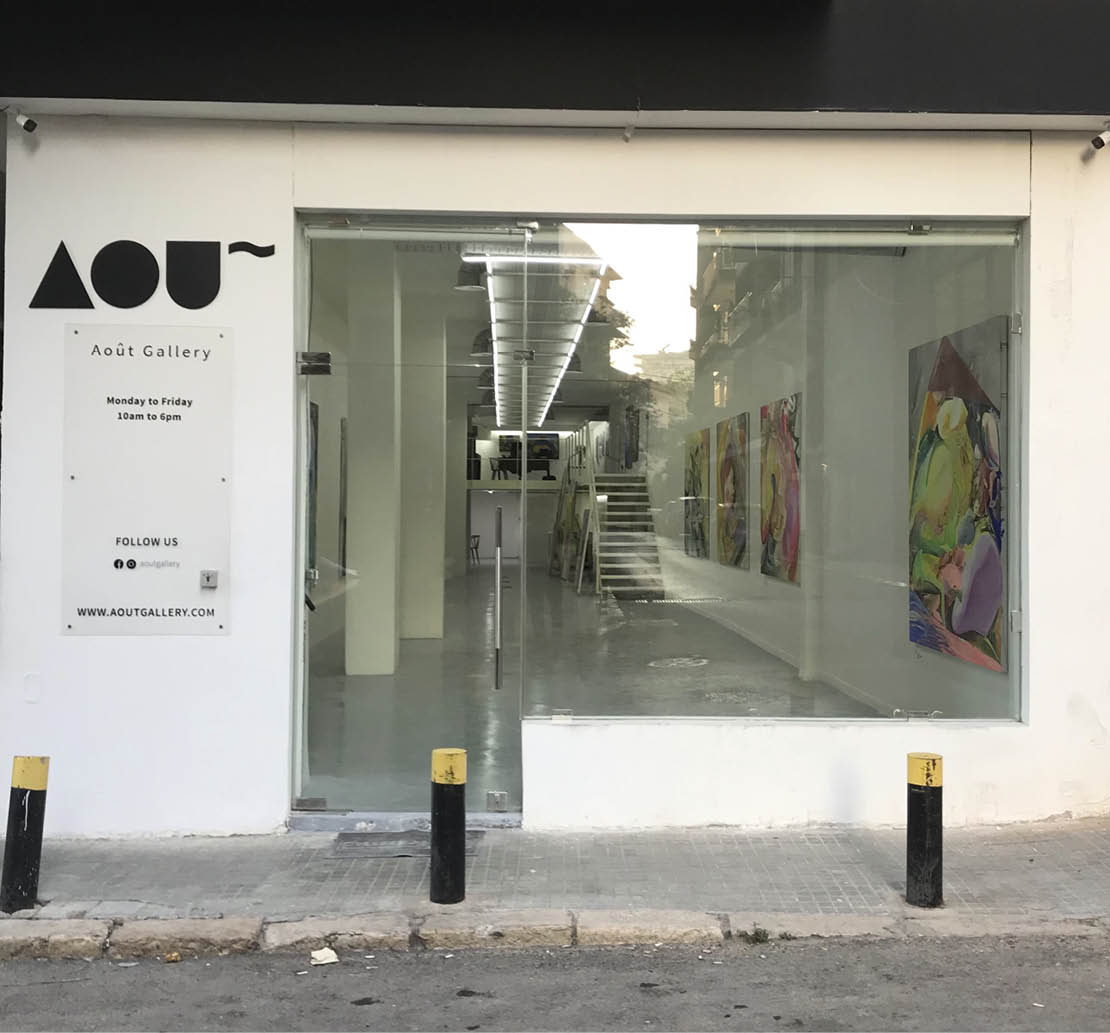
Taken together, Beirut’s galleries reveal more than an art scene, they reflect a way of living with culture as necessity rather than ornament. In a city shaped by rupture and renewal, art has never been peripheral; it has been a means of survival, expression, and continuity. Beirut’s cultural life persists not because conditions are ideal, but because creativity remains essential, embedded in conversation, in memory, and in the instinct to build meaning even in uncertainty. The galleries stand as quiet acts of defiance, affirming that thought, beauty, and critical inquiry continue to matter.
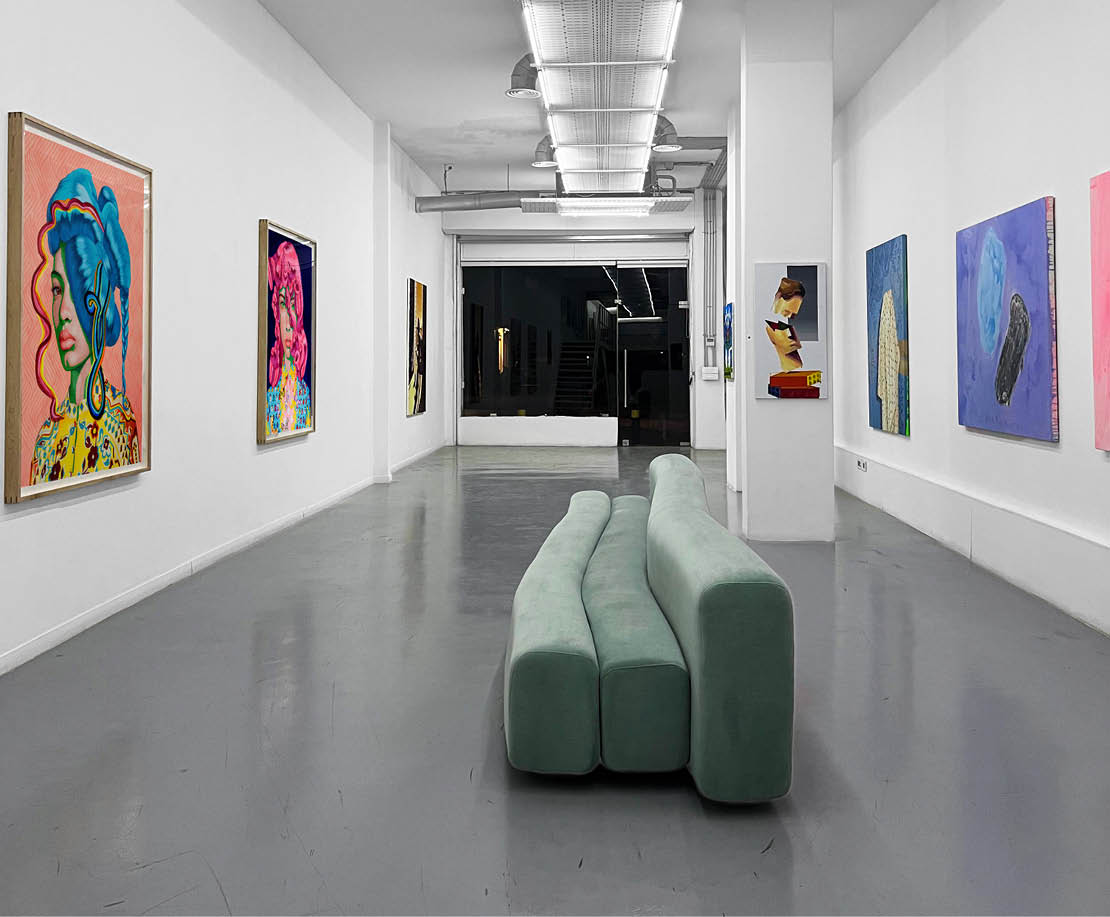
This is the deeper resilience of Beirut: a city that insists on culture as a form of resistance and belonging. Here, art is not confined to white walls, it moves through homes, streets, and daily encounters, sustaining a collective identity shaped by dialogue rather than erasure. To experience Beirut through its galleries is to witness a city that continues to choose creation over silence, connection over collapse. In Beirut, art does not simply endure; it actively shapes how the city understands itself, again and again.
By Nour Jarmakani