
In professional sports, most stories are told on the court, through trophies, scoreboards and highlight reels. Yet the defining chapters often unfold in silence, during the moments when everything stops. For Lebanese basketball star Elie Rustom, that moment arrived at the height of his career while playing for powerhouse club Sagesse in one of the league’s most intense finals against long-time rivals Al Riyadi. For years, Rustom had been known as a resilient competitor, a cornerstone in the Lebanese League and a respected national team figure whose leadership extended beyond the court. Then injury intervened, abruptly forcing him into unfamiliar territory filled with doubt, stillness and the fear that his dream might never return. What followed became a different kind of journey, one shaped by mindset, faith and the gradual rebuilding of identity. In the conversation that follows, Elie reflects on recovery, resilience and the way setbacks can shape stronger athletes and stronger people for the future.
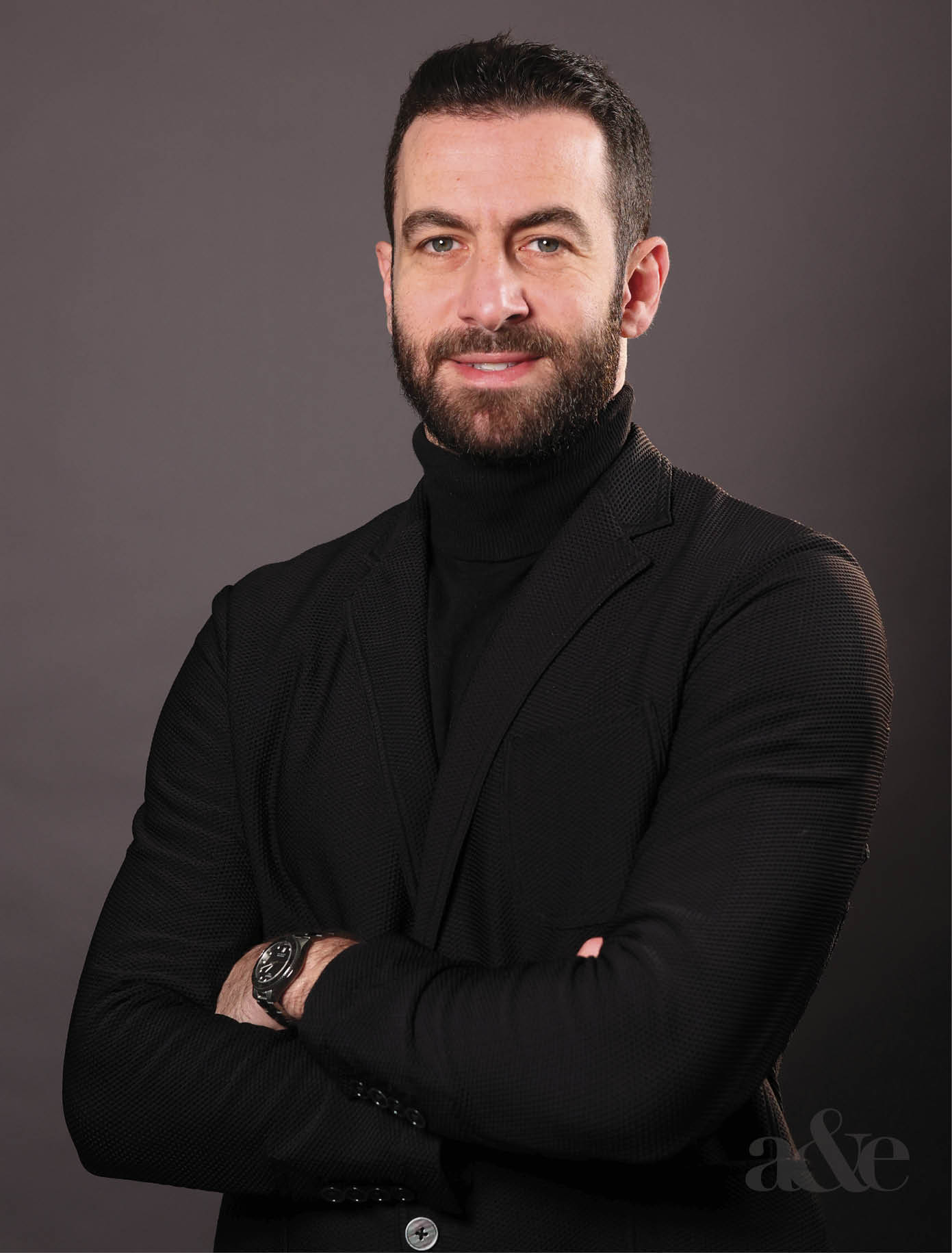
You were once at the peak of your career when an injury suddenly changed everything. What was the hardest part of that moment, not physically, but mentally?
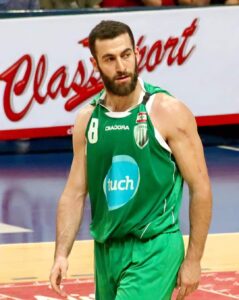
The hardest part was believing that it had actually happened to me, especially at the peak of my career with Sagesse Club during the finals against Al Riyadi. In that moment, it felt as though everything I had worked for since I was a child disappeared all at once, and I truly believed it might never come back. I kept asking myself, “Why me? Why now? Is this real?” It felt like a nightmare I couldn’t wake up from. In many ways, it felt similar to grief, except that what I was grieving was my dream.
Athletes often define themselves through performance. When basketball was taken away from you temporarily, how did it affect your identity?
The hardest part of my injury was being torn away from the sport that had shaped my entire life. Suddenly, for nearly six months, I couldn’t train, couldn’t compete, my days were filled only with physiotherapy, and the rhythm I had always known was gone. I felt lost. I didn’t know how to fill my time, how people lived without the constant push of practice, and even my own body felt like a stranger. It was as if a piece of me had vanished. But gradually, I started to explore new ways to spend my time, to try new things, to reconnect with myself beyond the athlete. And in that quiet, unexpected space, I discovered a resilience and inner strength I never knew I had
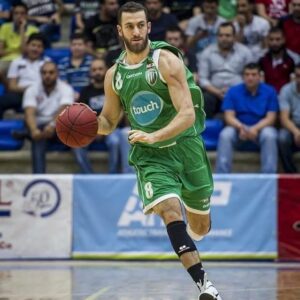
Injuries can isolate players emotionally. Did you experience moments of loneliness or self-doubt during recovery, and how did you confront them?
During that period, I was fortunate to have family, friends, and even fans visiting me in the hospital and at home, which made the days more bearable. But when everyone left, the pain and overthinking would return; the moments of doubt, insomnia, and anxiety about the future were very real. What helped me the most was the unwavering support from my fans. Their messages, emotional videos, and constant encouragement reminded me of how much I meant to them. That support gave me a sense of purpose beyond myself, and motivated me to come back stronger, not just for me, but for everyone who believed in me
There is a silent mental battle athletes face behind the scenes. What was the darkest thought you had to overcome during that period?
I still remember the darkest thought I had back then: accepting that this had happened to me and wondering if I would ever be able to play again. I kept blaming myself, asking if I could have avoided it, and being stuck in the past felt unbearable. Looking at my broken hand, so tiny compared to my strong, bulky other hand, was heartbreaking. I would cry every time I saw it. It was a moment of deep vulnerability, both physically and mentally, and one of the hardest parts of my journey.
What role did mindset play in your rehabilitation, and how did you train your mind alongside your body?
Mindset played a crucial role in my rehabilitation. I spent a lot of time learning about how the brain influences the body, and I made a conscious decision to accept the injury and that it was something I could not change. What mattered was the future. I knew I had to move forward with what I had, create a new plan, and focus on one goal: returning to the court and playing again in front of my fans and supporters. I was fully committed to that belief, determined to do whatever it took to come back. Over time, I even learned to embrace my scar, it became a symbol of my journey and strength, something people recognize me by today. Alongside the physical work, prayer played a powerful role in keeping me grounded, hopeful, and mentally strong throughout the process
Many athletes rush to return too soon. How did you balance patience, discipline, and ambition during your recovery?
Patience was essential. Through my career and previous injuries, I learned two major lessons: respect the injury by giving it the time it needs, and trust the process, the doctors, the treatment, and the plan. That’s exactly what I did. Together with my medical team, I set small, realistic goals, and every ten days, I could see real improvement. Watching my body gradually respond helped me stay motivated and disciplined. As I improved physically, my confidence grew, and that progress strengthened me mentally as well. Balancing ambition with patience allowed me to return stronger and more prepared, rather than rushing and risking setbacks.
Was there a specific moment when you realized you were mentally ready to come back, not just physically cleared to play?
I broke my hand during a dunk in our home court gym, and when I returned to practice, fear was still very present. Even in everyday situations, like moving through a crowded room, I was afraid someone might hit my left arm. Although the doctors had cleared me physically, rebuilding confidence took time. Then one day in practice, without overthinking it, I dunked on the same basket, on the same court where the injury had happened. In that moment, the fear disappeared. My teammates and coaches were shocked, and their reaction gave me an incredible boost of motivation. That’s when I knew I was truly ready both mentally and physically.
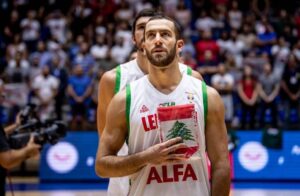
How did this injury reshape your understanding of success, failure, and longevity in professional sports?
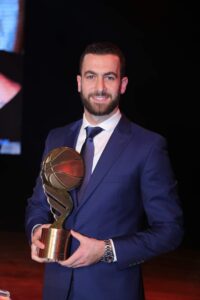
Life is not always filled with roses. Accidents and obstacles are inevitable, and sometimes they happen to reveal strengths within us that we didn’t even know existed. The most important thing is not the fall itself, but how we rise and continue forward. One moment that deeply stayed with me was receiving a statue from a fan with the words engraved on it: “Fall seven times, stand up eight.” That message perfectly captures the mindset that carried me through my journey.
Pain, setbacks, and uncertainty can either break or build a person. What lessons did this experience teach you about resilience?
No matter what we go through, if we truly believe in our goal, resilience allows us to keep moving forward. The journey is not always easy — it can be painful and demanding — but overcoming adversity builds strength, character, and perspective. Achieving a dream after taking the hard path makes the success even sweeter, and that resilience becomes the true reward.
Do you believe this chapter made you a stronger athlete or a stronger person, and why?
Both. I returned to the court a stronger athlete, mentally sharper and more focused, because sport is not only about physical strength. At the same time, I came back as a stronger person in life, better prepared to face challenges and view situations from a different perspective.
For young players facing injuries or mental struggles today, what advice would you give them about patience, belief, and self-worth?
Be patient with yourself and trust the process. Injuries and mental struggles are part of the journey, they are not something to fear, but something to accept and overcome. They do not define your worth or your future. Believe in yourself, even on the days when progress feels slow, and take things one step at a time.
Looking back now, would you say this setback was a pause or a turning point in your life?
At the time, this setback felt like a pause, a transition phase, before it eventually became a turning point in my life. It pushed me toward new ways of thinking and a stronger, more mature mindset. I want young athletes to know that setbacks are not the end of the journey; they can be the beginning of discovering new strengths, new passions, and a clearer vision for a brighter future, not only for themselves, but for the Arab world as a whole.
What drives you today, and how do you want your story to inspire others beyond basketball?
What drives me today is resilience and the determination to achieve my goals. I want my story to inspire other athletes, especially in the Arab world, to know that serious injuries and mental struggles can be overcome. If we were able to surpass these challenges, so can you. The most important thing is to love what you do, because achieving greatness in any field demands dedication, hard work, and sacrifice.
Sport often becomes a lifeline for young people. How do you see basketball shaping character, discipline, and resilience in today’s youth?
When I was playing basketball, I mainly focused on how much I enjoyed the game. Now, as I approach retirement, I realize how much basketball has shaped my character and strengthened my personality. It taught me discipline in daily life, the value of sacrifice and determination, and strengthened my competitive spirit in every field I enter. Beyond that, it taught me how to work as part of a team, not just think individually, and helped me develop leadership skills that I carry with me off the court as well.
In moments of personal struggle, did you become more aware of the responsibility athletes carry as role models for younger generations?
Yes, absolutely. Every time I face mental struggles, I remember how many young people look up to me and expect me to stay strong. This is a responsibility I carry toward them. They may not know what I am going through personally, but they care about my performance, and that pushes me to focus on overcoming these challenges in every way possible.
What values do you believe sports can instill in youth that education or social media alone cannot?
Education is very important, but sometimes it can feel static, general, or even boring. Social media can also be misleading at times. I believe sports teach essential lessons that neither education nor social media can fully provide. Sports are real, every game presents new challenges, requiring creativity and the ability to react instantly. They train the connection between the brain and the body, helping athletes make split-second decisions and respond effectively to any situation on the court. These experiences build skills and qualities that are invaluable both in sports and in life.
You’ve witnessed the evolution of basketball in the region firsthand. How do you assess the current basketball scene in the Arab world today?
In most of the Arab world, during my peak, basketball was not considered essential, people tended to focus more on soccer. But now, the situation is improving. Federations and schools are putting more effort into developing basketball, integrating modern sports science and fitness education, and investing heavily in basketball centers and academies. They are also bringing in foreign players, experts, and consultants to raise the level of the game. This is especially true in the Gulf region, where Dubai has a team participating in the Euro League, Saudi Arabia is investing heavily in basketball, and Qatar will be hosting the 2027 Basketball World Cup. The results are already showing, and the future for basketball in the region looks very bright.
What potential do you see in Arab youth when it comes to competing on regional and international levels?
We are already seeing many Arab countries evolve in both talent and team development. Some are reaching advanced levels, and growth plans are already in place. What is needed now is patience and commitment to a long-term vision, because in sports, results take time to achieve.
What do you think is missing or needs to change for basketball in the Arab world to reach its full potential?
The key is to stick to the plan that is already in place and continue investing in development. This includes creating more academies and school programs, bringing in qualified coaches from abroad, integrating sports science, and increasing exposure to international competition to raise the level of play. Equally important is embedding basketball more deeply into the culture, boosting visibility, media coverage, and public interest so that more young people are inspired to play. Patience and long-term planning are essential because progress takes time. With consistency, commitment, and the right infrastructure, Arab basketball has the potential to reach world-class standards
How important is mental health awareness in sports within our region, and do you feel it’s finally getting the attention it deserves?
Mental health is as important as physical health, especially because athletes face many challenges and often feel afraid to speak up. Recently, awareness has started to grow in Lebanon, which is great, and I would love to see this attention expand across all Arab countries. Supporting athletes’ mental health not only improves performance but also personal growth and sets a strong example for young players.
Looking ahead, what personal objectives are you still driven to achieve as an athlete?
As an athlete, and now at the end of my career, my goal is to help young athletes grow and become better. Part of the game is sharing our experience to support others. I also want to use my knowledge with teams and federations to help develop basketball in Lebanon and across the region, improving the game for the next generation.
Beyond the court, are there dreams or initiatives you hope to pursue, perhaps in mentorship, coaching, or youth development?
I’m not drawn to coaching; I feel more productive and fulfilled in management, mentorship, or youth development. This is where I can apply my 20 years of court experience, as well as the knowledge I gained working locally and internationally with some of the most influential coaches who came to the region. That’s also why, alongside my engineering degree, I completed a master’s in sports management in 2019 to better equip myself to make a real impact in developing the game and supporting young athletes.
If you could define the next chapter of your life in one sentence, what would it be about?
“Exploration” is the best word to describe this new phase of my life. After 20 years of a daily rhythm filled with two practices, team commitments, games, and physical competition, I’m now experiencing a completely different life. It’s a chance to discover new opportunities, grow in new ways, and explore how I can contribute off the court.