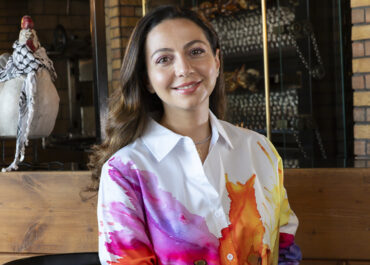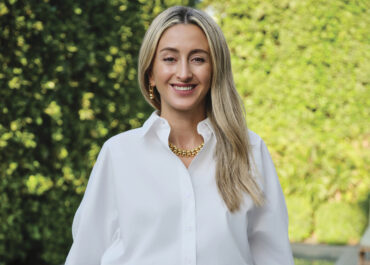

In a world where beauty is often reduced to trends and quick fixes, Ayesha Depala offers a more conscious narrative, one rooted in healing, intention, and self-awareness. Through her brand Divinum Healing, she challenges conventional beauty standards by bridging skincare, spirituality, and holistic wellbeing. As the beauty industry continues to expand at an unprecedented pace, so does the urgency to question what we apply to our skin and consume daily. In this exclusive interview, Ayesha shares her personal journey, her philosophy of conscious beauty, and why educating ourselves about ingredients, energy, and intention is no longer a luxury but a necessity.

Your journey is deeply personal. What inspired you to create Divinom Healing, and how did your own healing experience shape the brand’s philosophy?
My journey into healing began not as a profession, but as a profound act of self-inquiry. It was born from a quiet questioning of the world around me and our place within it. Over six years, I spent extended periods in the Amazonian jungle, studying with indigenous shamans whose relationship with nature was lived and reverent.
Those years were revelatory. Immersed in the rhythm of the rainforest, I witnessed a way of being that contrasted with the hyper-consumerist culture that dominates modern life. I began to see the excess we normalise, the agendas propelled at the expense of human vitality, and the influence of greed and fear in global decision-making.
We have plundered the Earth that sustains us, polluted the soil, waters, and air, forgetting that this planet is the living system that nourishes all life. This realisation stirred something within me that could not be ignored. I knew I could not remain a passive observer. I had to transform insight into action.
During this period, I met my master, HH Paramguruji, a spiritual authority and scholar of yogic sciences. He is the inheritor and master of more than 30,000 unique formulations, perfected under the guidance of his revered 147-year-old guru and other esteemed teachers in a lineage of extraordinary depth. Under his guidance, I came to understand the human body in a way that transcended conventional paradigms. The ancient yogic sciences revealed an integrative system of health that respects nature’s design.
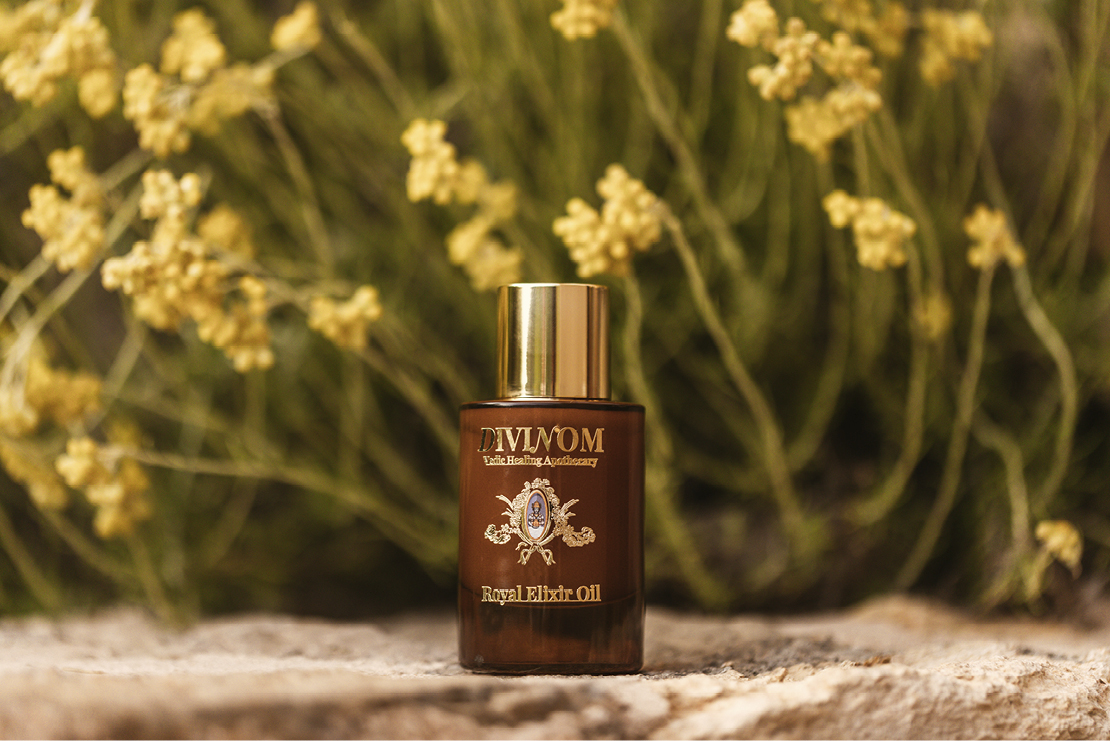
Through his mentorship, Divinom was born not as a brand, but as a mission. In the name of beauty and progress, we have been consuming substances our bodies cannot recognize, let alone process. Divinom offers a return to formulations rooted in nature’s intelligence, designed to nourish rather than compromise.
Healing is not a trend. It is a responsibility. And it begins with remembrance.

Why is it so important for consumers to educate themselves about what they put on their skin and into their bodies?
The beauty industry is often described as evolving, yet in many respects, it is devolving.
While the industry has grown in size and profitability, this does not necessarily translate into progress in formulation or safety. A significant portion of products are still formulated with petroleum derivatives and potentially harmful compounds such as phthalates, PFAS, parabens, synthetic dyes and endocrine-disrupting chemicals. These substances have been linked to hormone imbalance, reproductive disruption, allergic reactions and long-term systemic stress.
Fragrance remains one of the most opaque categories. Many scented products contain complex blends of synthetic ingredients that may interfere with hormonal health. Some compounds are bio-accumulative, meaning they remain in the body over time.
In the pursuit of beauty, we must ask, at what cost? Luxury should never compromise wellbeing. Education is therefore essential, not only for ourselves, but for the next generation. Only when consumers become informed can the industry be compelled to align beauty with health rather than placing them at odds.
From your perspective, what is the biggest misconception people have about clean or holistic beauty?
The term “clean” has become one of the most overused descriptors in modern beauty. It is frequently deployed as a marketing device, yet often lacks both rigour and definition.
A formulation may contain a small percentage of nature-derived ingredients and still be positioned as clean. Many cosmetic formulations continue to rely on petroleum-based substrates onto which botanical extracts are layered, with additional synthetic compounds introduced to enhance texture and shelf longevity.
Standards remain inconsistent and, in many markets, insufficiently stringent. The absence of universally enforced definitions allows terms such as clean, natural, and non-toxic to be interpreted flexibly.
True integrity in beauty requires transparency and formulations designed with the body’s long-term well-being in mind.
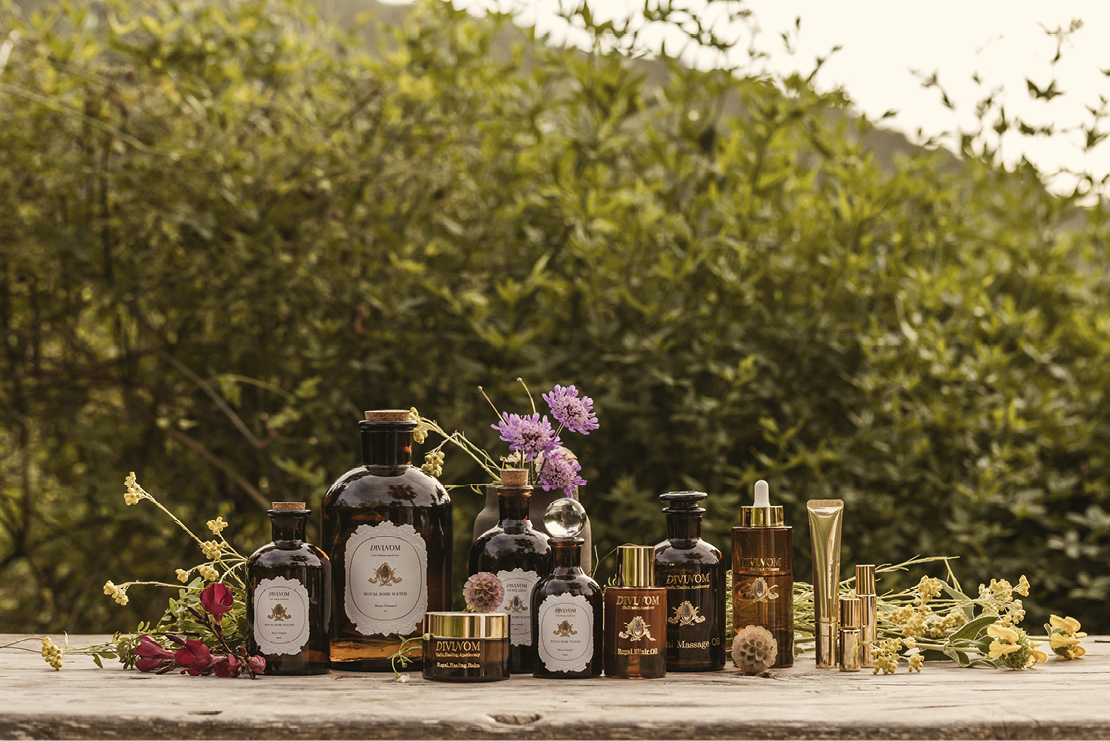
How do you define beauty today, and how is it connected to emotional and spiritual wellbeing?
Beauty is not merely aesthetic. It is energetic. It is the visible expression of an invisible state. A peaceful heart radiates effortlessly, while agitation, envy and inner unrest imprint themselves upon the face. Our features are informed by our inner world. Over time, the emotions we rehearse become the expressions we wear. In a culture that encourages curated identities, we attempt to appear as something we are not, while carrying a different narrative within. This incongruence creates subtle dissonance that the body reflects.
When we speak of beauty, we must also account for the energetic body. Until we cultivate a deeper relationship with Source or sacred intelligence, true contentment remains elusive. The pursuit of perfection becomes endless. No procedure can substitute for coherence between the soul and the self.
How can people distinguish between marketing hype and genuinely beneficial formulations?
The market today is saturated with viral beauty trends and quick fixes promising transformation at speed. Yet true healing requires an undoing. It is a process of deconditioning and unlearning what we have been taught to desire.
This awakening must begin with inspiration. Nature operates in intelligence and balance. When we return to her principles, we rediscover a blueprint for sustainable wellbeing.
At Divinom, we convene gatherings designed to illuminate the intelligence of the human body and how profoundly it responds to what we place upon and within it. In a world captivated by speed, we advocate for discernment.
How do intention and energy translate into the way your products are developed and sourced?
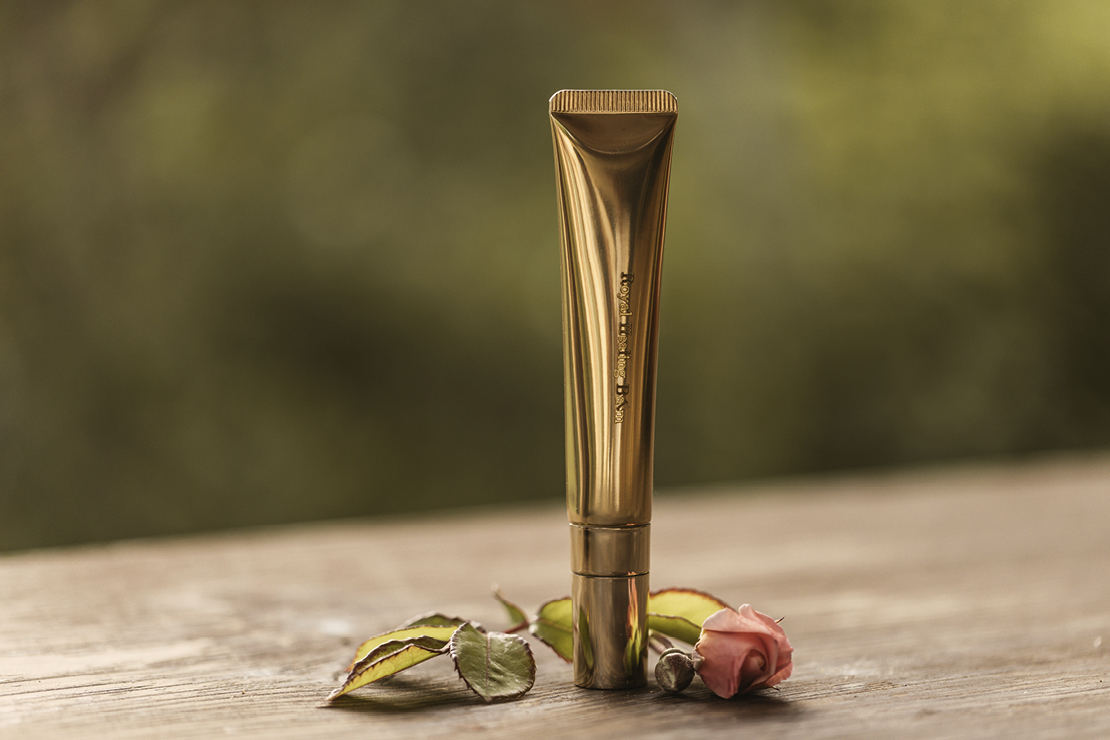
A vast dimension of reality remains unseen. Yet the metaphysical exerts influence on the material world. At Divinom, we honour both realms. The farmers who harvest our roses observe disciplines rooted in ancient wisdom. Specific metals are selected with precision in alignment with traditional sciences that understand how materials influence the integrity of a preparation.
Before plants are harvested or blended, mantras and prayers are offered as an invocation and a form of reverence. Sound, intention and gratitude refine what is being created. The scientific and the sacred are not at odds. They are complementary dimensions of the same intelligence.
How has the beauty industry contributed to disconnection from our bodies, and how can it become a tool for reconnection instead?
The modern beauty industry profits from pain. It thrives on cultivated insecurities, reinforcing the notion that we are perpetually unfinished. Social media has amplified this phenomenon. Digitally altered standards are presented as normal. Insecurity is ignited, and then a solution is offered. Rather than cultivating self-acceptance, the system perpetuates comparison. And comparison is the quiet thief of contentment.
If we are to shift this narrative, we must offer something radically different, not correction, but reconnection. Tools that restore inner coherence and practices that anchor individuals in self-worth independent of trend. True beauty emerges from wholeness.
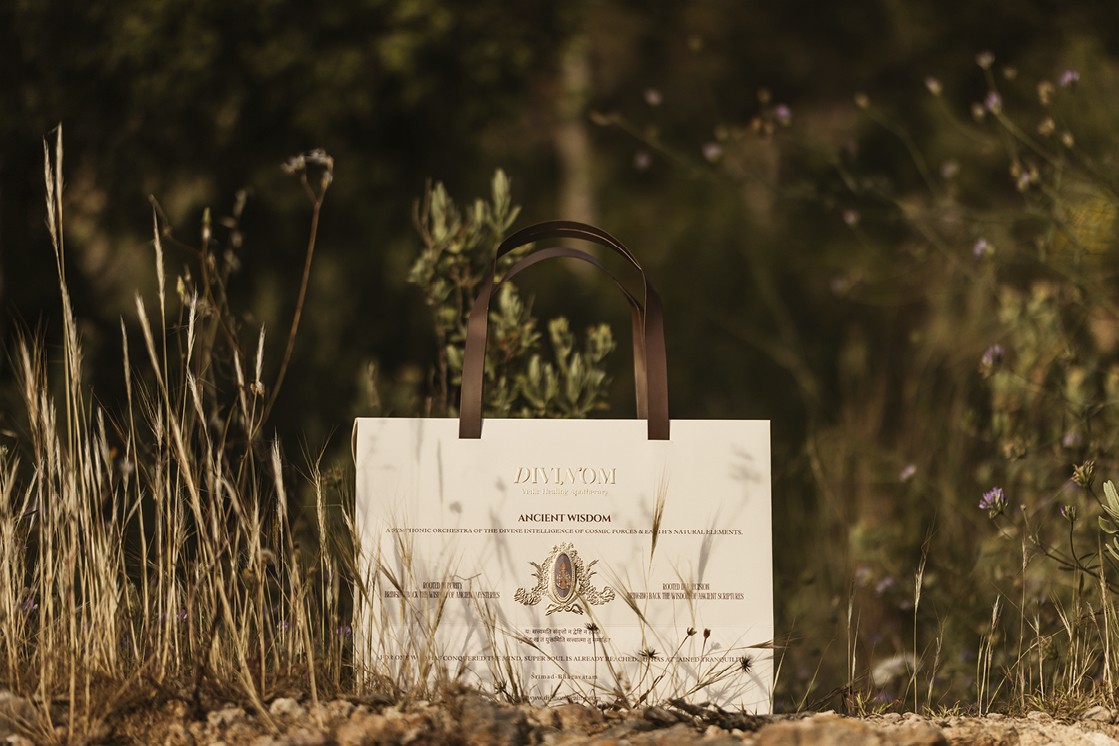
What does conscious production and conscious consumption mean to you?
Sustainability has become a defining buzzword, yet beyond the language, there remains a dissonance between what we advocate and how we live. True sustainability begins at home. It is reflected in how we consume and the values we pass on to our children. Every piece of plastic ever manufactured still exists in some form on this planet. Sustainability cannot be reduced to a logo on packaging. It is a philosophy of cause and effect. Luxury in the modern era must be defined by reverence for the Earth and future generations.
For someone beginning their wellness journey, what should they look for when choosing skincare or supplements?
For someone at the beginning of their wellness journey, my guidance is simple. First, nourish the body deeply. Prioritise high-quality, healthy fats, such as pure, traditionally prepared ghee. It supports cognitive clarity, strengthens the nervous system and contributes to cardiovascular resilience. Secondly, shift focus from surface correction to internal restoration. Skin health reflects systemic balance. Consider the state of the gut, liver, colon and blood. Finally, choose skincare with discernment. Opt for petroleum-free formulations that respect the skin’s natural intelligence. Wellness is cultivated through daily conscious decisions.
Looking ahead, what is your vision for Divinom Healing?
Divinom’s mission is to educate, empower and democratize health. For too long, we have outsourced authority over our wellbeing. The wisdom we seek is not new. It has been preserved within ancient scriptures and traditional sciences whose depth exceeds modern comprehension. Divinom exists to translate ancient intelligence into accessible knowledge and inspire individuals to become students of their own biology and energy.

What role should brands play in educating consumers rather than simply selling to them?
In a world driven by profit rather than the promise of a healthier tomorrow, the most powerful act of resistance is self-reliance. True independence in health arises when people are equipped with knowledge that allows them to make conscious choices. The future of wellness lies in restoring trust in the body’s innate intelligence.
If you could change one regulation within the beauty industry, what would it be?
It would be the introduction of radical transparency. Every ingredient used in a formulation should be clearly declared on product labels. While intellectual property has its place, it should not come at the expense of public health. Transparency is an elevation of trust. The future of beauty must be built on clarity, accountability and respect for the consumer.
By Lea Nouhra