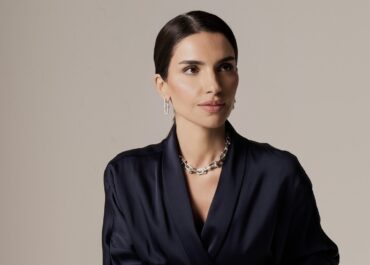

Her Excellency Mariam Al Hammadi stands at the forefront of advancing women’s empowerment in the UAE and beyond. As Director General of NAMA Women Advancement, she brings a strategic, forward-thinking approach shaped by years of humanitarian leadership, policy development and cross-sector collaboration. With a career spanning both the corporate and non-profit worlds, Mariam has consistently focused on creating meaningful, long-term change, placing women at the centre of sustainable social and economic progress.
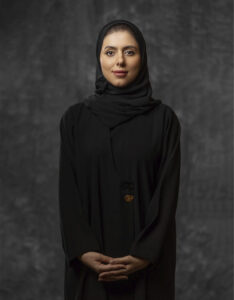
Before joining NAMA, Mariam served as Director General of The Big Heart Foundation, where she led initiatives impacting millions of lives across more than 25 countries. These experiences shaped her belief that empowering women is not only a social priority but a catalyst for stronger communities and resilient economies. Today, under her leadership, NAMA continues to expand its reach through partnerships, research, and programmes designed to equip women with the tools to lead and thrive across sectors.
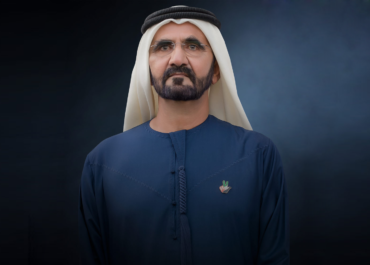
Guided by the vision of Her Highness Sheikha Jawaher bint Mohammed Al Qasimi, Mariam’s work reflects a commitment to creating systemic change, moving beyond conversations around empowerment to building tangible opportunities. In this conversation, she reflects on leadership, collaboration, and the evolving role of women across the region, while sharing her vision for the future of gender equity on both a regional and global stage.
You have led transformative initiatives across both humanitarian and development sectors. How has your experience at The Big Heart Foundation shaped your approach to advancing women’s empowerment at NAMA?
Driven by a deep commitment to advancing women’s socio-economic status, my professional journey has spanned both the corporate and humanitarian sectors. I began my career in the corporate world before making a conscious transition into humanitarian and development work to pursue a path where impact is both meaningful and enduring in people’s lives.
My experience at The Big Heart Foundation was instrumental in shaping my perspective on what true empowerment requires. Working across more than 30 countries and engaging with millions of people facing complex humanitarian challenges, I came to understand that impact is not measured by immediate outputs, but by the lasting change it creates in people’s lives and the systems that support them.
I met women whose resilience fundamentally redefined strength, mothers rebuilding their lives after loss, young girls pursuing education against significant barriers, and entrepreneurs creating opportunities in fragile contexts. These experiences reinforced a fundamental truth that women are not just passive beneficiaries of change, but active drivers of transformation. When equipped with the right tools and opportunities, their influence extends beyond the individual, uplifting entire communities.
Today, at NAMA Women Advancement, I build on this foundation with a clear focus on shaping systems that enable women’s full and sustained participation in economic and social life. Our approach goes beyond programmes to influence policies, strengthen institutional frameworks, and drive partnerships that embed gender equity into the fabric of economies. We are working to ensure that women’s contributions are not only recognised but fully integrated into future-facing sectors and leadership spaces, positioning empowerment as a driver of inclusive and sustainable growth.
Ultimately, empowerment is not only about unlocking individual potential but about redefining the systems that sustain inclusive and lasting impact at scale.
Working under the vision of Her Highness Sheikha Jawaher bint Mohammed Al Qasimi, how does that leadership influence the direction and ambition of NAMA today?
The vision of Her Highness Sheikha Jawaher bint Mohammed Al Qasimi is not only guiding but also foundational to NAMA’s mandate. It drives a strategy focused on scalable outcomes, systemic change, and measurable impact, positioning women’s advancement as a core pillar of economic and social development.
This vision is reflected in how NAMA translates strategy into action, focusing on programmes that deliver tangible results and sustained progress in women’s lives. It informs our approach to designing initiatives that are relevant, scalable, and aligned with national priorities and global development frameworks.
From its inception, NAMA has worked to reshape perceptions of women’s roles and reinforce their position as active contributors to economic and social advancement. This goes beyond awareness to enabling participation—creating environments where women are supported and empowered to lead and thrive across all sectors.
Her Highness’s vision also reflects a global perspective, recognising that advancing women’s empowerment is a shared responsibility that requires collaboration, knowledge exchange, and sustained commitment. At NAMA, we translate this vision into action through strategic partnerships, strengthened institutional frameworks, and programmes that contribute to more inclusive and forward-looking societies.
Her leadership sets a clear ambition: to not only support women, but to redefine the systems that enable their empowerment to be enduring and transformative.
The conversation around women’s empowerment has evolved significantly in recent years. What do you believe are the most pressing challenges women still face, particularly within the region?
The conversation around women’s empowerment has advanced significantly, and in many parts of the region – particularly in the UAE – the foundations are strong. What has shifted more fundamentally is the environment in which women live and work, shaped by rapid economic, technological, and social change.
Over the past decades, economic structures, the nature of work, and the pace of life have evolved rapidly. Industrial and digital transformations have redefined labour markets, placing greater emphasis on specialised skills, adaptability, and lifelong learning. At the same time, roles that were once embedded within family and community structures have transitioned into more formal and complex systems. In parallel, technological innovation has not only expanded opportunities but also reshaped how individuals participate in the economy.
As a result, women today navigate an environment where choices are broader, roles are more interconnected, and decision-making requires greater awareness, agility and confidence.
In this landscape, the challenge extends beyond access or participation. It lies in ensuring that women are equipped—not only to engage with these changes—but to actively shape them.
Women’s empowerment, therefore, is not a standalone objective; it is a strategic imperative for resilient and sustainable societal progress. Achieving this requires moving beyond a focus on individual capability-building to instead addressing the systems that influence women’s experiences- policies, workplace structures, and economic frameworks. It is about creating enabling environments that recognise the full spectrum of women’s roles – whether in leadership, the economy, or within the family – and ensure these roles are supported, not constrained.
At NAMA, this perspective guides our work. Through initiatives such as Irtiqa, we collaborate with institutions to embed gender equity into policies and workplace practices, particularly in sectors where structural gaps persist.
Our research and policy efforts are equally critical. For example, our collaboration with partners on care-related challenges contributed to developing the Care Leave policy, demonstrating how evidence-based insights can drive tangible, systematic policy outcomes.
Collaboration has been central to your work, both locally and globally. How important are partnerships in accelerating gender equity, and what kinds of alliances are you prioritising moving forward?
Advancing gender equity is inherently collaborative – its progress depends on how effectively institutions, sectors, and communities align their efforts.
In practice, the difference between intention and impact often lies in that alignment. When efforts are fragmented, progress remains limited. But when the government, the private sector, and civil society operate within a shared framework, change becomes more scalable, more sustainable, and more responsive to real needs.
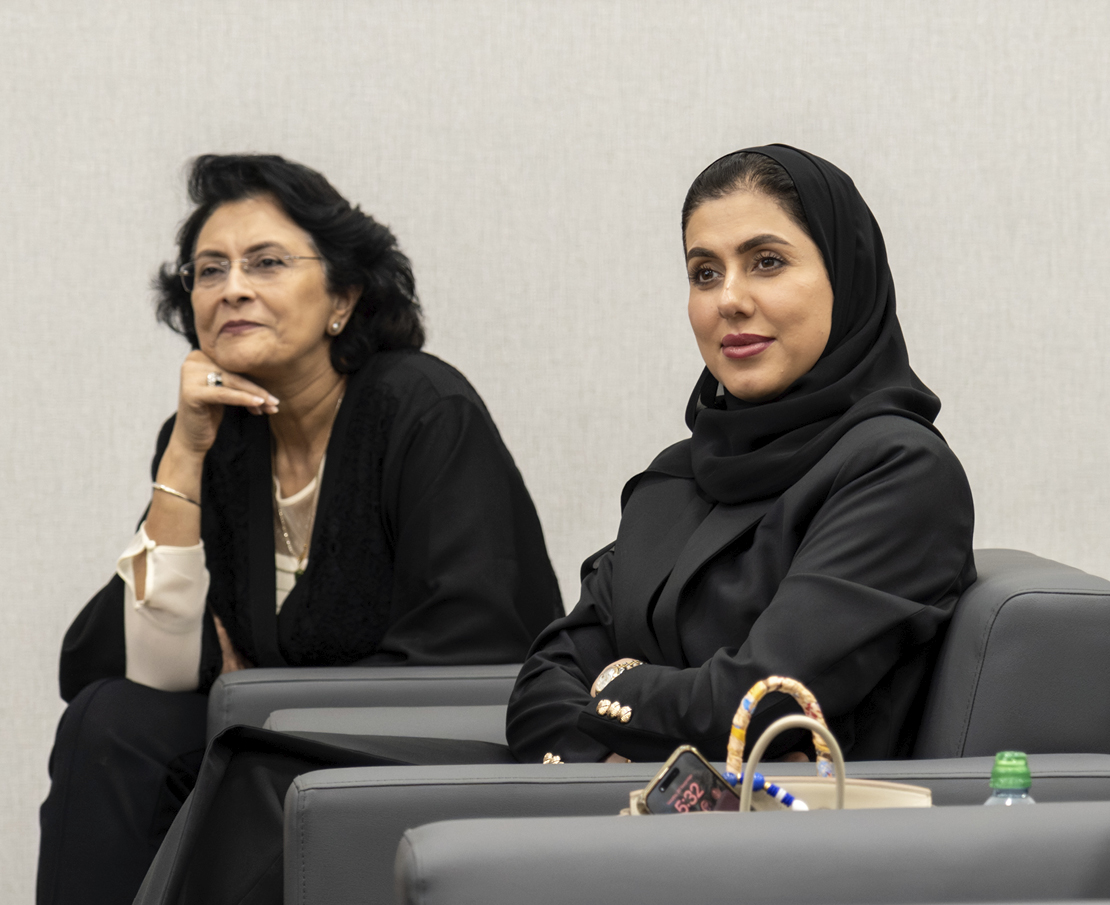
At NAMA Women Advancement, we use partnerships as a strategic lever to shape the agenda for gender equity and drive systemic change. We work with government entities to inform and advance inclusive policies, and engage the private sector to strengthen workplace standards and expand equitable economic participation. For example, through our collaboration with Emirates Global Aluminium on the Challenger Programme, we support the development of more inclusive practices within heavy industry, helping address structural gaps in traditionally male-dominated sectors. These partnerships are designed not only to implement initiatives, but to influence how institutions embed gender equity into their operations at scale.
Our international programmes extend this approach globally. Through collaborations with UN Women, we have supported women entrepreneurs in accessing finance and markets. In Africa, our partnership with the International Renewable Energy Agency has focused on advancing women’s participation in the clean energy sector, equipping them with technical and leadership skills in emerging industries.
Looking ahead, our focus is on building alliances that go beyond implementation. We are prioritising partnerships that inform policy, unlock access to opportunities, and elevate women’s voices within regional and global dialogues.
Advancing gender equity requires a shared commitment to creating environments where women can fully participate and actively lead in defining the future of our societies.
What’s the biggest challenge you face in your role today?
One of the biggest challenges I face today is ensuring that progress in women’s empowerment is not only visible but also meaningful and sustainable across policies, institutions, workplaces, and communities.
While there is growing recognition of the importance of empowering women, the real challenge lies in translating that recognition into systems that consistently enable women’s participation, leadership, and growth. In my role, this means working across multiple layers—policy, institutions, and partnerships—to ensure that efforts are aligned, cohesive, and capable of driving lasting change.
It also requires balancing immediacy with long-term impact. There is often pressure to deliver visible outcomes, but the most meaningful progress is built over time—through structures that continue to create opportunities far beyond a single initiative or moment.
At its core, the challenge is not only to expand opportunities for women but also to ensure they are connected so they can thrive across sectors and generations. Because real empowerment is measured by sustained progress over time, not isolated outcomes.
What are some of the key initiatives or programmes that are coming up in the near future at NAMA?
Our focus remains on strengthening both the economic and holistic well-being of women, while continuously evolving and building our existing programmes.
Education continues to be a key pillar of our work, particularly through research grants, academic partnerships, and long-term initiatives such as the Jawaher Fund for the Advancement of Women’s Education, which supports women pursuing higher education and research across fields, including STEM, health, and social sciences —ensuring they are equipped to contribute meaningfully to society and the economy.
At the same time, we are expanding programmes that strengthen institutional capacity and create more inclusive environments. Through our national Irtiqa initiative, we are convening entities across sectors through targeted workshops and forums such as the Women Councils Connect platform, which focuses on strengthening governance models, enhancing operational maturity, and enabling organisations to translate gender commitments into measurable workplace outcomes. This includes supporting entities in establishing and advancing Women Councils as structured mechanisms that inform policy, strengthen accountability, and embed gender equity into institutional decision-making.
We also continue to invest in community-based platforms such as NAMA Talks. The 2026 edition is being delivered as a six-session, year-long series across Sharjah, with a focused theme on women’s health and quality of life. The programme is designed to provide practical tools and structured dialogue that support women in managing competing responsibilities, strengthening wellbeing, and sustaining their participation across professional and family roles.
Alongside this, research is a central component of how we shape policy and programmes. Through the Jawaher Fund for the Advancement of Women’s Education, we awarded 80 research grants in 2025 in partnership with leading institutions, including the University of Sharjah, as well as Al Akhawayn University and Cadi Ayyad University in Morocco. The research spans STEM, sustainability, public policy, and inclusive economic growth, ensuring that our work is grounded in evidence and contributes to addressing pressing regional and global challenges.
From your perspective, where does the greatest untapped potential lie for women in the UAE and the wider region?
I believe the greatest untapped potential lies in moving women from participation to influence, positioning them not only as contributors, but as decision-makers shaping economic and social outcomes. The UAE has already built a strong foundation through sustained investment in education, representation, and opportunity, resulting in a generation of highly capable, globally aware women ready to lead.
Leadership often requires resilience and adaptability. What continues to motivate and ground you in your role today?
What keeps me grounded is the tangible impact of our work, seeing how the right support at the right time can transform a woman’s life, in turn, the future of her family and community.
Across both my humanitarian experience at The Big Heart Foundation and our efforts at NAMA, I have witnessed how access to education, financial literacy, and enabling policies can create lasting, meaningful change. These concrete shifts are a daily reminder of why this work matters.
Early in my career, I learned to combine analytical rigour from the private sector with a sense of compassion and service shaped by humanitarian work. That balance continues to guide my approach to leadership. Over time, I have also come to understand that resilience is not merely enduring pressure- it is the ability to remain anchored in purpose while navigating constant change.
What motivates me is the knowledge that every initiative contributes to a broader vision. Whether it is equipping women with financial literacy or supporting them in taking their first steps into entrepreneurship, we see how access to the right tools can open pathways to growth. This enables women to develop and scale their businesses over time, supported by an ecosystem designed to sustain their progress.
I see leadership as stewardship. It is our responsibility to carry a vision with care, to remain consistent in times of uncertainty, and to ensure that what we build delivers lasting impact.
What message would you share with young women who are just beginning to shape their ambitions?
To every young woman, I would say this: your ambition is not negotiable. It is not something separate from who you are; it is an extension of your perspective, your experiences and your values. Hold on to it with clarity and conviction.
Do not wait for perfect conditions. Start where you are, even if the path ahead is not fully defined. Growth does not come from certainty; it comes from moving forward with purpose and learning along the way.
Invest in your skills, your knowledge, and your networks, while also prioritising your wellbeing. These are lasting assets that will open doors, sustain you through challenges, and create opportunities over time. Make use of the platforms around you, whether through mentorship, business networks, or initiatives like NAMA Talks, to connect, learn, and build the awareness and resilience needed to navigate both your professional and personal journey.
There will be obstacles, but each one you overcome clears the path for others. Ambition is not only about what you achieve for yourself, but also about the example you set in your everyday roles, whether as a daughter, a colleague, a mother, or a mentor, and how that encourages others to grow alongside you.
And when you step into leadership, do so with that awareness. You are not only shaping your own future but also expanding what is possible for others and contributing to a more inclusive and equitable society.
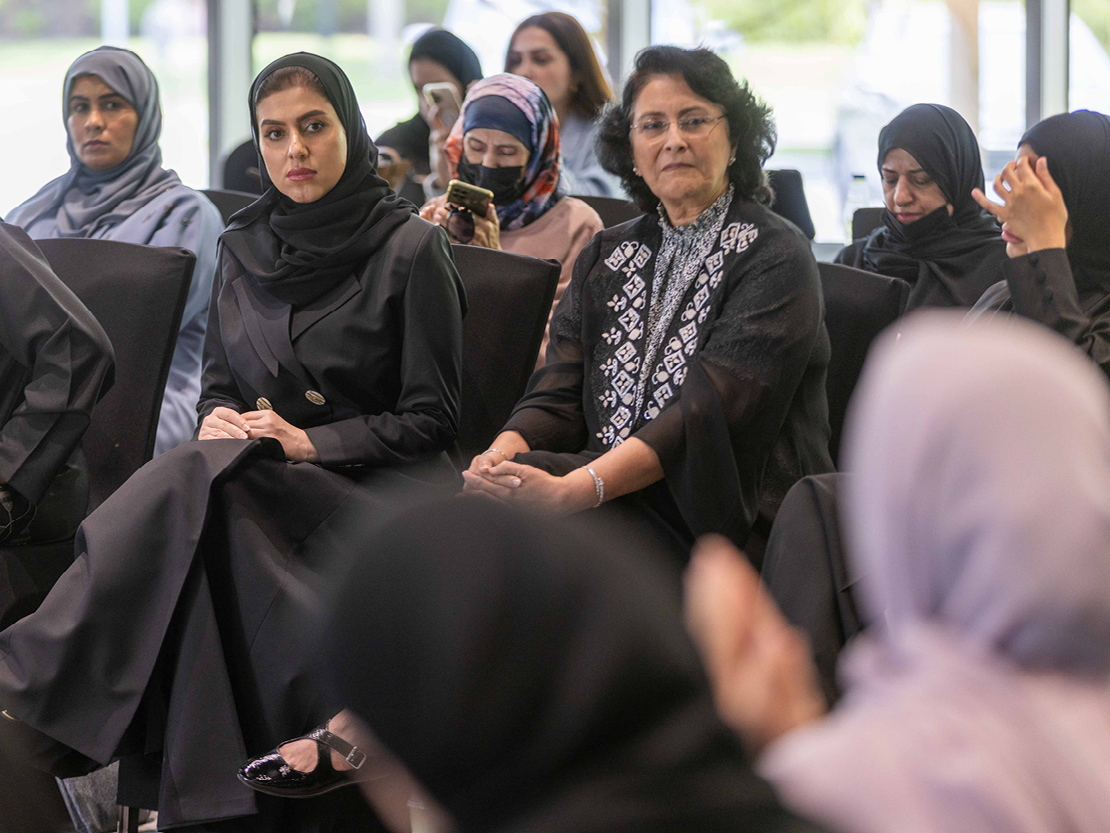
Looking ahead, what is your long-term vision for NAMA, and the role it can play on a global stage in shaping conversations around gender equity?
My long-term vision is for NAMA to be recognised as a catalyst for advancing women’s empowerment across four core pillars: economic empowerment, sustainable livelihoods, health and wellbeing, and status in society. These priorities should not be treated in isolation, but embedded within national policies and institutional frameworks across the UAE.
Rooted in Sharjah’s values, NAMA’s role extends beyond programme implementation to shaping broader systems of impact. It is about influencing how institutions think, design, and act to support women’s full participation in society.
Internationally, I see NAMA evolving into a thought leader, contributing to global conversations through regionally grounded, evidence-based models. A key part of this is amplifying voices from our region and ensuring that diverse experiences inform global approaches to gender equity.
By Lindsay judge