
Assouline’s latest release presents Beirut as a city shaped by history, contradiction and an enduring instinct for reinvention.
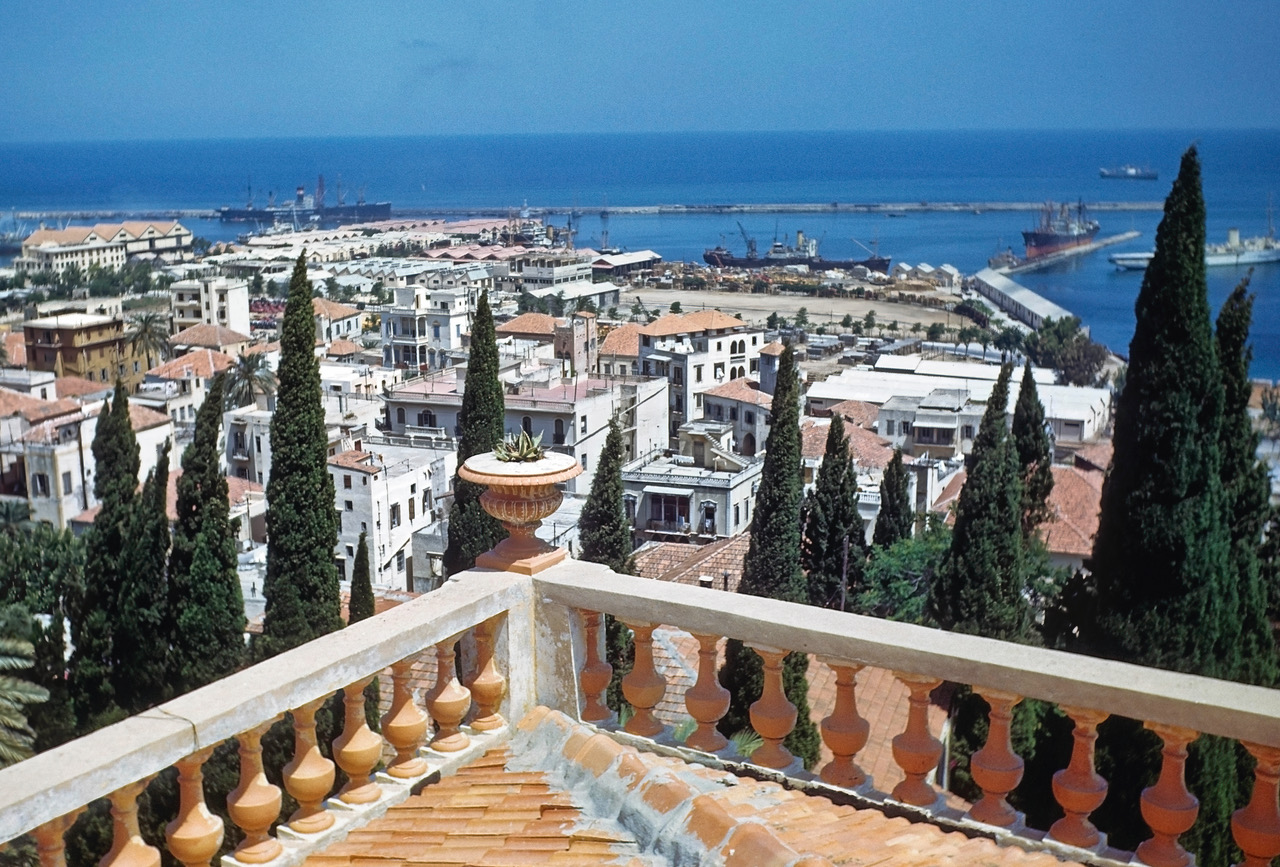
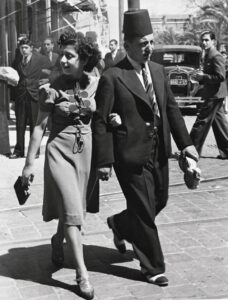
© Ivan Dmitri Michael Ochs Archives Getty Images
Beirut has never been easily defined. The Lebanese capital carries the traces of countless civilisations, yet history alone cannot explain its identity. Its appeal lies in how ancient heritage, Mediterranean beauty, and contemporary creativity exist side by side, creating a city that feels familiar and elusive all at once.
This layered character is explored in Beirut Habibi, a new book from Assouline written by Lebanese novelist and professor Charif Majdalani. Released as part of the publisher’s Classics Collection, the volume traces the people, places and influences that have shaped Beirut while celebrating the creative energy that continues to propel it forward.
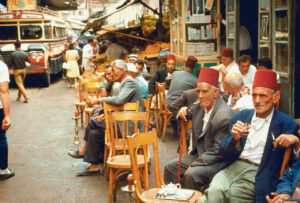
12 © Carlo Bavagnoli The LIFE Picture Collection Shutterstock
Positioned on a peninsula extending into the Mediterranean, Beirut has been a Phoenician port, a Roman colony, an Ottoman centre and part of the French mandate. Each period has left a visible imprint on its architecture, culture and daily rhythms. European influences appear in its cafés and boulevards, but the city remains unmistakably Arab and Levantine in character.
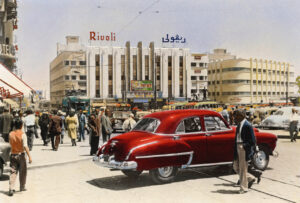
© ullstein bild_ullstein bild Getty Images
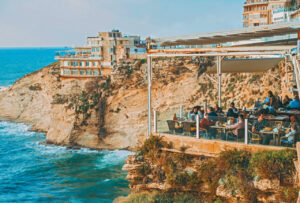
Across more than 150 images, Beirut Habibi moves between the landmarks and everyday details that reveal the capital’s many identities. The grandeur of the Sursock family’s palace evokes the elegance of an earlier Beirut, while the city’s bustling souks capture its commercial spirit. Along the coast, the monumental Raouché rock formations rise from the sea as one of its most recognisable natural symbols.
© Bernd Lohse_ullstein bild Getty Images
Elsewhere, lemon trees scent narrow streets and historic neighbourhoods such as Gemmayze are animated by restaurants, cafés, galleries and independent boutiques. Fashion also plays an important role in this creative portrait. Elie Saab’s couture ateliers demonstrate how Beirut’s distinctive glamour and exceptional craftsmanship have travelled far beyond Lebanon, reaching international runways and red carpets.
© Hugh Mitton Alamy Stock Photo
While the book acknowledges the upheavals that have shaped the city, including the civil war that ended in 1990, it does not define Beirut solely through moments of destruction. Instead, it considers how culture, beauty and intellectual life have persisted through change. Artists, writers and thinkers have long been drawn to the city’s meeting of Eastern and Western traditions, contributing to a cultural landscape that continually finds new forms of expression.
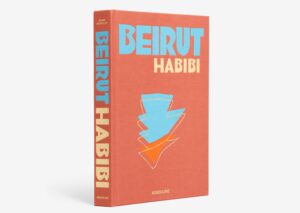
Assouline celebrates the many layers of Lebanon’s capital in Beirut Habibi
Presented in a linen hardcover, the 304-page volume is both a visual journey and a tribute to a place that continues to resist simple narratives. Sophisticated, spirited and filled with contrasts, the Beirut captured within its pages is not frozen in nostalgia. It is a living city, forever negotiating its history while imagining what might come next.