
Dolce&Gabbana is revisiting Sicilian references for Spring/Summer 2027 in a collection titled “Stravaganza Siciliana”.
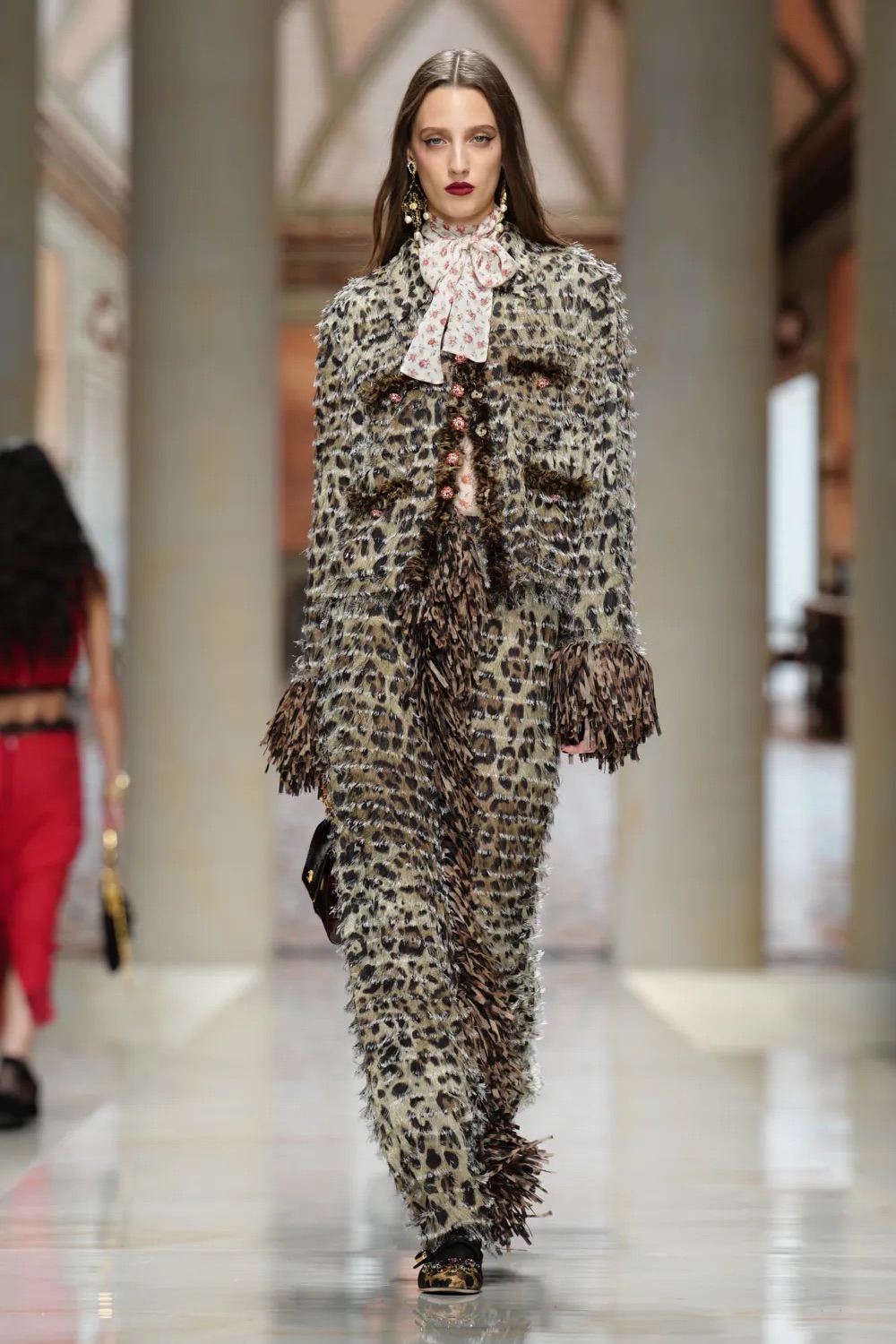
The collection takes its starting point from the idea of a family palazzi in Sicily and the objects accumulated within it over generations. Vintage clothing, jewellery, embroidered linen, lace and upholstery are reworked as part of a wardrobe that combines references from different periods.
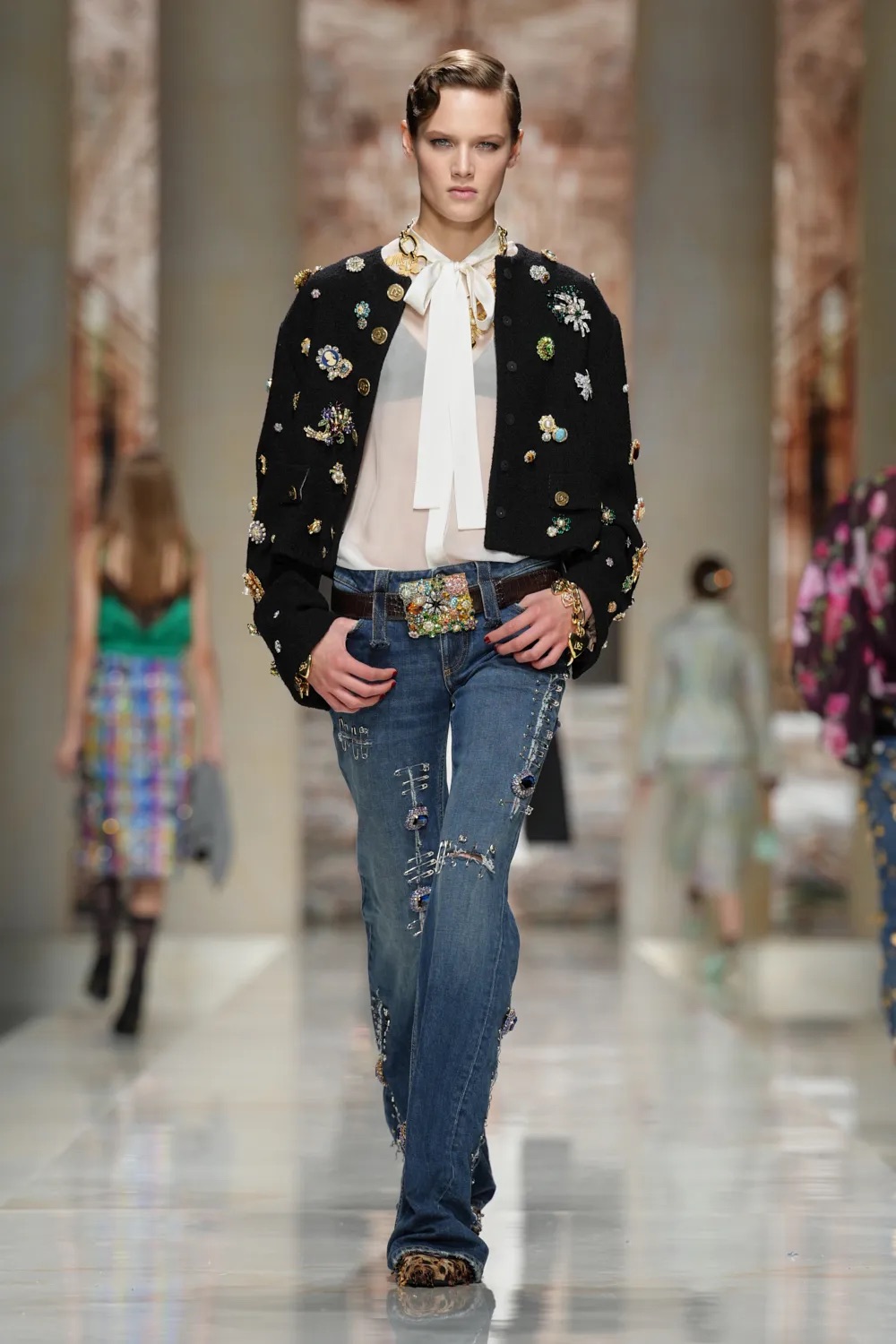
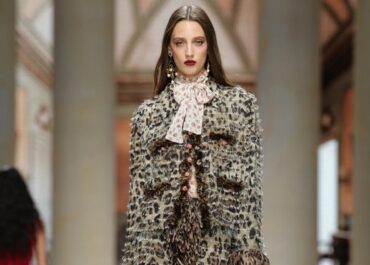
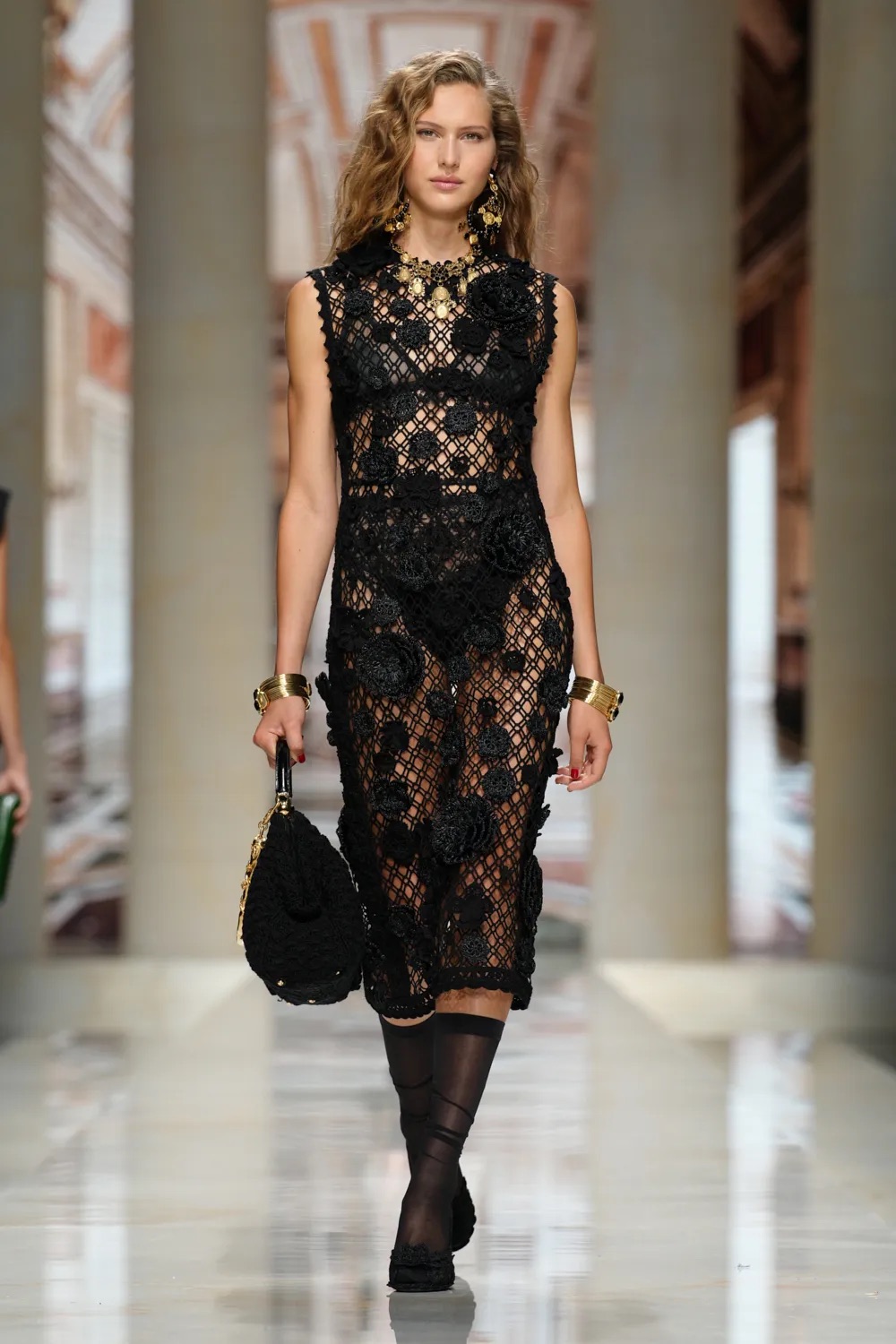
The result is deliberately eclectic. Pastel lace is paired with leopard print, while brocade and upholstery fabrics are used for dresses and jackets. Lingerie is worn beneath tailored pieces, while miniskirts introduce a more contemporary element. The collection also layers jewellery across the body, combining pearls, crosses, cameos, coral, brooches, stones and talismans.
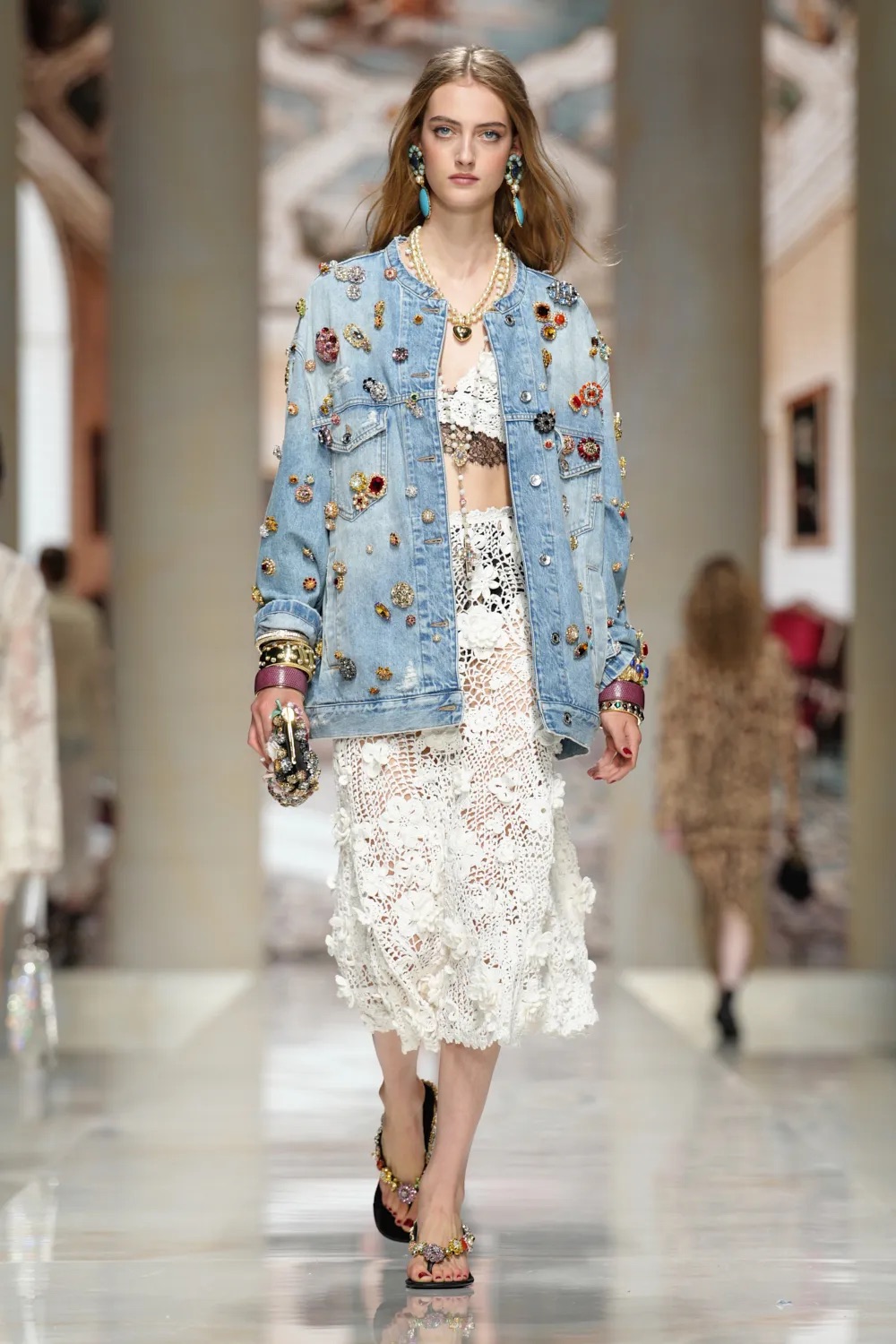
The interiors of the Sicilian palazzo provide another source of inspiration. Damask, passementerie and furnishing fabrics are transferred from the home to clothing, while chandeliers and heirlooms inform the collection’s jewellery and accessories.
Leopard is among the collection’s key motifs. Dolce&Gabbana traces its significance in Sicily back to the Roman mosaics of the Villa Romana del Casale at Piazza Armerina, where leopard imagery appears alongside representations of power, attraction and spectacle. The motif later took on another, specifically Sicilian association through Giuseppe Tomasi di Lampedusa’s The Leopard.
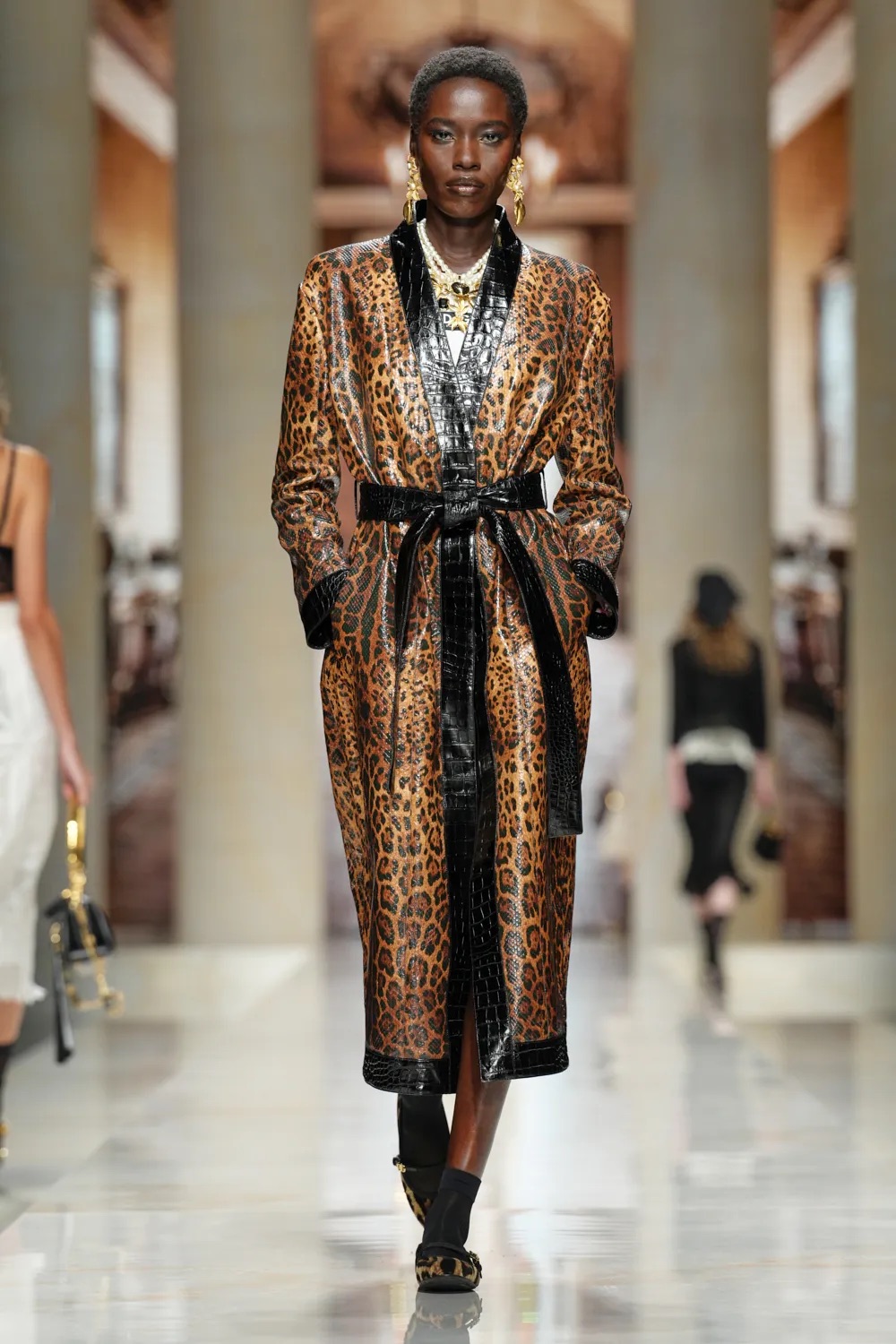
For SS27, leopard is used alongside the collection’s other references to create a wardrobe built around contrast. Historical fabrics sit alongside lingerie and miniskirts, while traditional jewellery is accumulated rather than worn sparingly.
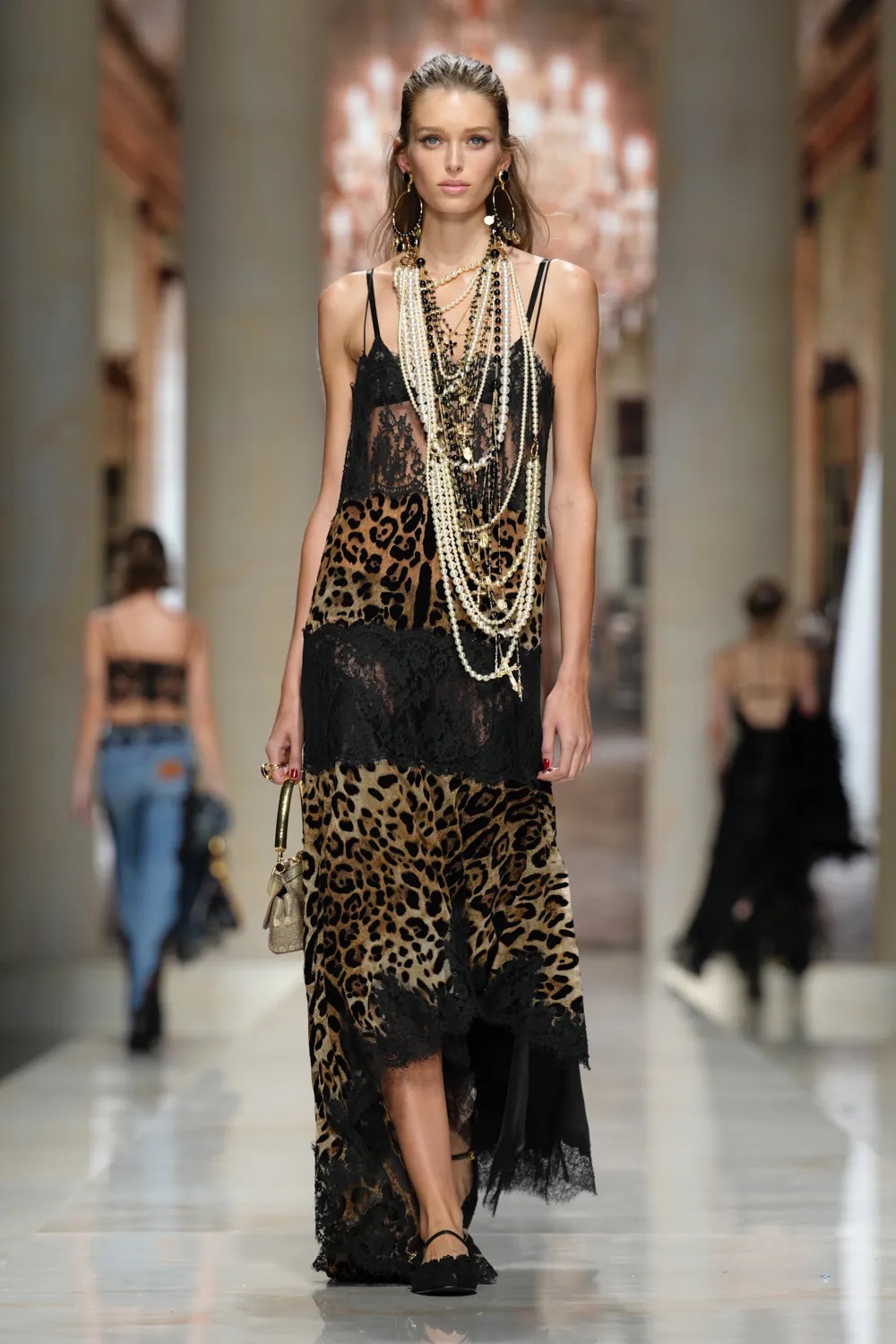
The collection’s title, “Stravaganza Siciliana”, refers to an approach to dressing in which different eras, materials and styles are mixed freely. Rather than reproducing historical pieces literally, Dolce&Gabbana uses them as starting points for new combinations.
The collection is framed by the idea that identity evolves over time, with the past providing material for the present rather than remaining fixed within it. As Lampedusa wrote in The Leopard: “For everything to remain as it is, everything must change.”