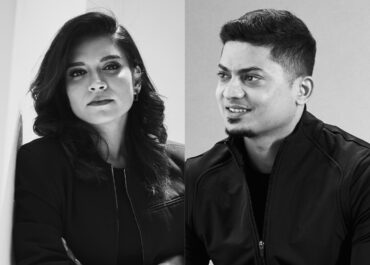

A decade ago, Wajdan Gul and Anam Khalid invested their savings in an idea they believed could change the way the region approached performance wear.
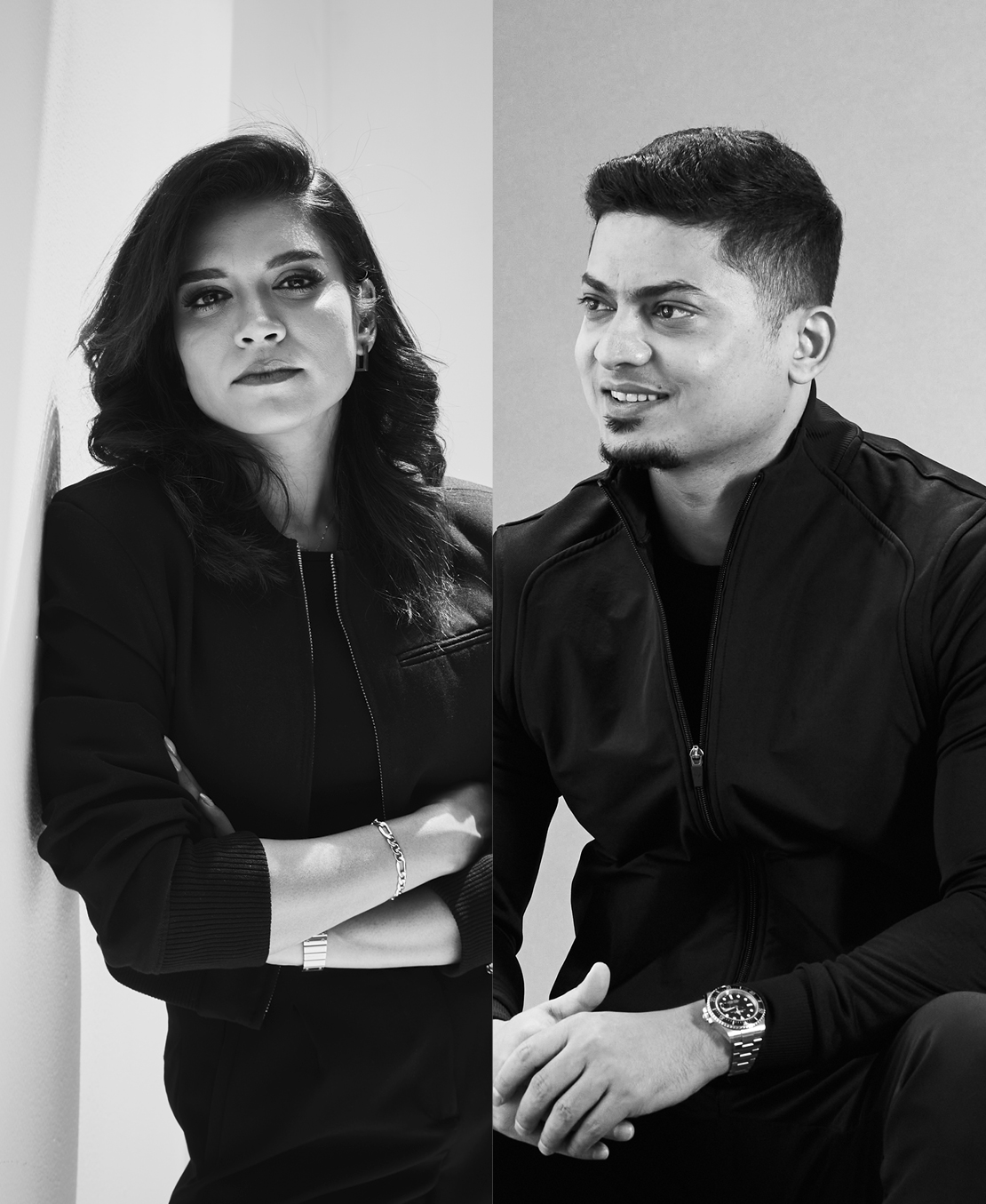
Today, SQUATWOLF has grown into an internationally recognised activewear brand, with a presence across the GCC and customers in approximately 120 countries. What began in their Dubai apartment has evolved into a business that combines technical innovation, a strong sense of community and an increasingly ambitious retail strategy.
For the husband-and-wife founders, however, the past ten years have involved considerably more than commercial growth. Their journey has demanded personal sacrifices, difficult decisions, and an ongoing negotiation between two very different leadership approaches. As SQUATWOLF enters its second decade, the pair reflect on the lessons that have shaped them, the importance of remaining connected to their roots and their determination to prove that a global performance wear brand can emerge from the Middle East.
You both had established corporate careers before launching SQUATWOLF in 2016. What first made you consider starting your own business, and why performance wear?
Anam: Neither of us comes from an apparel or fitness background, which surprises people. I started working in 2010 at a big FMCG multinational, and I couldn’t have asked for a better start to my career. Waj was always the start-up guy and had built tech start-ups with his friends back in Pakistan.
After three or four years, I wanted international experience, so I took an offer in Dubai while we were engaged. It was meant to be one year, and like everyone who comes here for one year, I never wanted to go back. Waj sold his shares and moved here too.
We were both doing well in our careers, but something was missing. Fitness was a big part of our personal lives, and we saw that runners, cyclists, and swimmers all had communities, but gym-goers didn’t. No performance wear brand had come out of this region. The name says it all. The squat engages the most muscles, and the wolf is a pack animal. Community has been our number one pillar since day one.
You started SQUATWOLF with your own savings, working out of your apartment in Dubai. What were the biggest challenges of those early years?
Wajdan: We put all our savings, Dhs250,000, into the first collection, licences and logistics. The first year was probably the most difficult of our lives, not because of the pressure, but because we were sleeping four or five hours a night for the whole year.
We both still had our day jobs, so we’d come home and work from six in the evening until three or four in the morning. One room was the warehouse, and the other was the living room and office. We’d answer customer chats over dinner and pack every order ourselves.
I knew nothing about building a website or running a direct-to-consumer business, so I taught myself. We went live on WooCommerce because it was the cheapest option, with cash-on-delivery only.
What gave us confidence was the first order, which came within 24 hours, for about Dhs800. I was in a meeting at work, refreshing the page repeatedly. When it came through, I stood up in the middle of the meeting, called Anam and then called my father to tell him I was resigning. He told me to calm down because it was only the first order. But to us, it felt like $800 million. We had worked on something for six months, and somebody out there believed in the same thing we did.
As SQUATWOLF celebrates its tenth anniversary, which moments stand out as the most significant turning points?
Anam: The night we went global is one I will never forget. The lockdown in Dubai was serious, and we genuinely started thinking this might be the end. We sat with the Meta team, marked every country on a map where people could still train at the gym or go running, turned on the ads worldwide and went to sleep. The next morning, we had orders from more than 60 countries. Today, we have shipped to around 120.
The next turning point was 2023, when we raised our Series A. Customers commented on every post, asking where our store was and where they could touch and feel the products. Retail requires significant investment, so we raised funds to build an omnichannel business and a proper product team.
Then came Dubai Mall in 2024. That was one unreasonable thing we both insisted on: our first store had to be in Dubai Mall, no matter what. It was a very long wait. After that came Qatar, Kuwait and our first store in Saudi Arabia at Riyadh Park, and every store has broken records.
As a husband-and-wife team, how do your individual strengths complement each other, and how do you navigate disagreements?
Anam: We have been together for about 21 years, including 10 years before we got married, and this is our 11th year of marriage. Waj has always been a start-up guy, and I have always worked in big corporations. That’s exactly how we split the business.
I take care of everything that needs years to build: brand, people and culture, product, supply chain and planning. Our product cycle is 18 months, so I’m already working on seasons that won’t reach customers for a long time. The monthly and quarterly targets go to Waj. I build the future, and he focuses on today.
When we disagree, it’s hard for me to stay quiet, so I always say what I feel. But we argue to move the business forward, not to prove who is right. If every decision is taken from one perspective, it’s not healthy. I would never make a wrong decision for the business just to make Waj happy. Over the years, I’ve learned what he’s like as a professional, not just as a husband, and how to pitch my ideas to him with logic.
Wajdan: What inspires me every day is her focus. She picks one thing, starts from zero, and takes it to a thousand, and she won’t sleep until she gets there. I’m the opposite. I come up with a new idea every day, and she’s the one who says, “Waj, calm down. This is what we need to focus on right now.”
In the early days, our disagreements were very emotional. There was ego attached, and because we’re husband and wife, a work argument could easily turn into “you never listen to me”.
We’ve learned to agree to disagree and keep emotions out of it. Now I ask her to take me through her thinking and explain why she disagrees. I usually go quiet and give her space because I won’t be right every time. We never make a decision without consulting each other. If disagreeing is never easy between two partners, the real problem is usually trust.

The global activewear market is increasingly competitive. How have you established a distinct identity for SQUATWOLF?
Anam: My first rule is that if you follow someone, you will always be number two. In the early days, everyone asked why people would buy from us when the biggest global brands already existed.
Our answer was this region. This is our home ground, and if this region isn’t happy with the brand, we can never take it to the next level.
The other part was community, built from the ground up. We had no money for big names, so we approached personal trainers, who were really the unsung heroes of the gyms. We told them we couldn’t pay them much yet, but we would give them products.
Those trainers became almost like celebrities, and people would come to the website and say, “I know this guy. He trains at my gym.” They were micro-influencers before anyone used that word, and that network has now grown to around a thousand athletes and creators.
After COVID, we did lose our way for a couple of years and tried to behave like the global brands. When you’re confused, it shows. Now we’re back to the vision we started with, and everything is working because we’re being ourselves.
How does living and working in the Middle East influence your approach to product design?
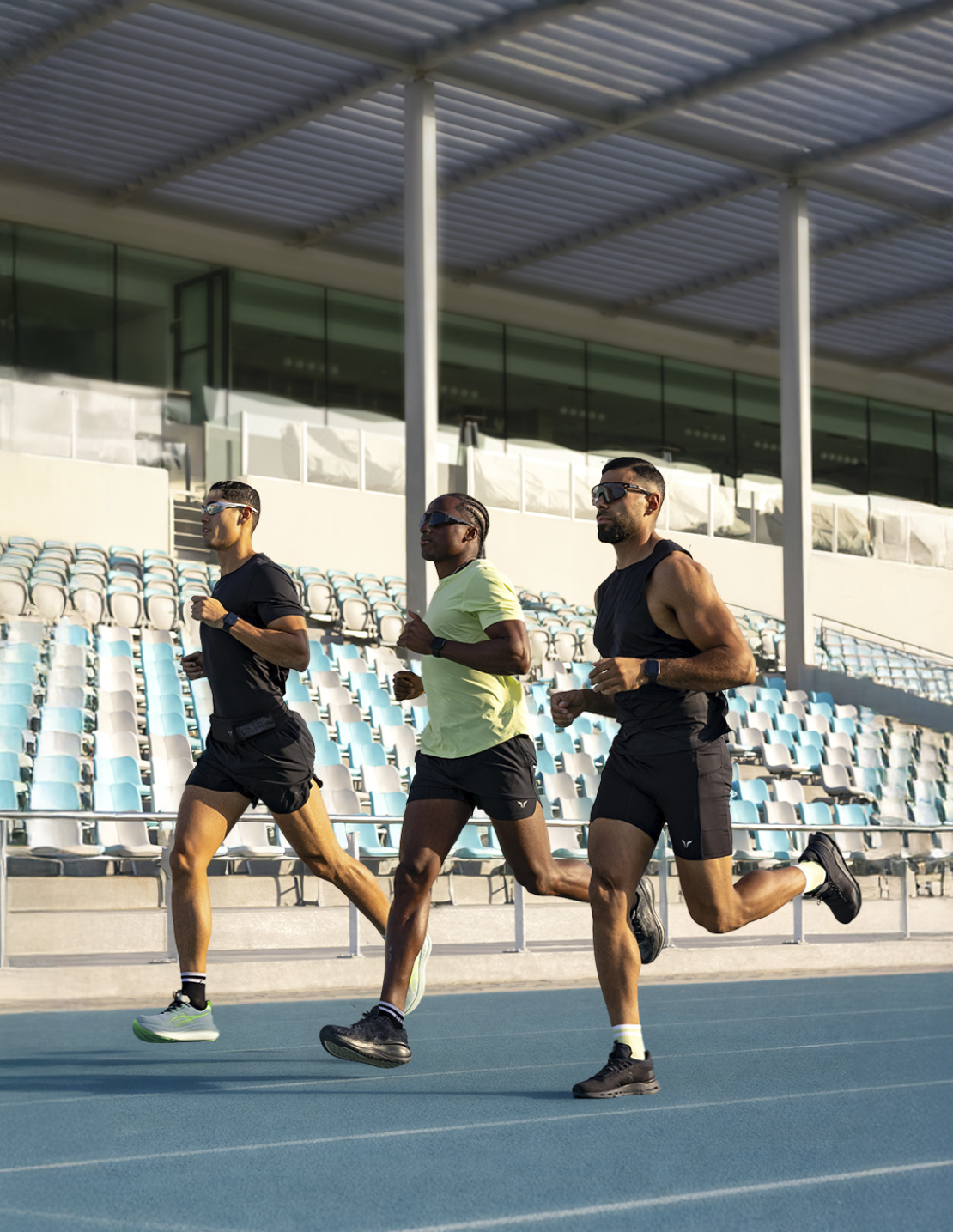
Anam: SQUATWOLF is all about this region, and this is not a normal environment. The big global brands make products for their own weather. When people here are running in 45-degree heat, the product has to perform, and nobody else was designing for that.
For me, anything that works here can work globally, but the opposite isn’t necessarily true. That’s why we built ACTDRY, which dries three times faster, and ACTCOOL, which helps regulate body temperature.
My favourite feedback came from a customer who was playing padel in this heat and told us they were the driest person on the court.
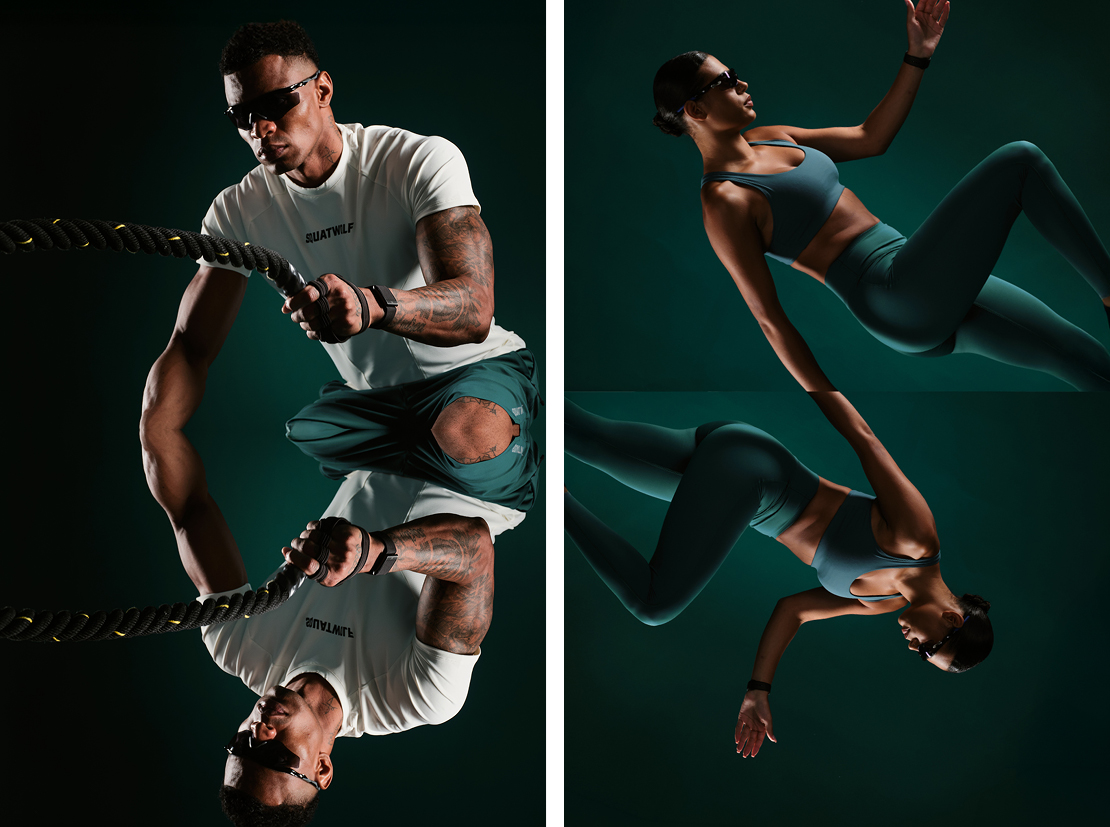
Dubai also gives us something very special when it comes to fit. It’s a melting pot, so we test our products on real athletes from Africa, Europe and Asia, including Emiratis, Egyptians, Lebanese and Moroccans. That’s why our fits work for so many body types when we go international. We also shoot with local athletes and models because the customer here is different.
How has the UAE’s entrepreneurial environment contributed to SQUATWOLF’s international growth?
Wajdan: Brands like ours don’t usually come out of this region. We were the first, and that gave us a huge home advantage. Dubai is a hub, so we ship to around 80 countries from our warehouse here in a typical month.
Malls are the parks of this region. People don’t just shop there; they spend their whole day there with their families. Dubai Mall alone gets over 120 million visitors a year, and almost every tourist who comes to Dubai walks through it. A store there puts you in front of the world, not just the city.
But the biggest learning for us was about roots. During COVID, we grew everywhere, and it was mushroom growth. We were so excited by the idea of going global that we started losing our foothold at home.
After COVID, we rolled a lot of that back and focused on the most profitable markets, and the GCC still accounts for most of our top ten.
It hasn’t all been easy. Because we don’t have an industry like ours here, we still bring a lot of our talent from abroad. My advice to any brand here is don’t try to conquer the world from day one. Be authentic to where you started.
Anam, how has your background in human resources influenced the way you lead SQUATWOLF today?
Anam: In big companies, what you’re taught in HR is to develop people and invest in them long term. The idea of giving up on someone is rarely part of the conversation. That stayed with me.
What frustrated me in corporate life was the lack of ownership. Too often, nobody had the backbone to make the right call, and as a manager, I sometimes had to step in and let very senior people go.
At SQUATWOLF, the one thing I had to unlearn was how much time I give people. I start with 100 per cent faith and trust, and I used to give people two, three or four years to come good. A start-up doesn’t have that time.
Today, my team will tell you that I set very clear expectations and then expect results. Everything you need to succeed is there, but if you mess up, it’s on you.
I’m probably the tougher boss, but for me, the tough bosses are the ones who develop you the most. I give feedback on the spot, never in public. We celebrate mistakes here, as long as you take full ownership and learn from them.
That value has cost us money, of course, but the gain has been much bigger. We have around 20 nationalities in the office now, so I look for people who have moved around a bit. I’ve learned that ego, toxicity and divas never work out. When you’re responsible for around 150 families, you can’t take culture lightly.
Wajdan, how has your leadership approach evolved as the business has grown?
Wajdan: I’m a commercial guy. I see numbers and growth, and Anam reminds me we’re talking to humans.
All I’ve done my whole life is zero to one, and in zero to one, it’s just you. You learn to trust yourself and depend on yourself. Going from one to a hundred is the opposite because you have to trust everyone else.
That has been the hardest change for me. I might know I can do something better, but that isn’t a scalable model. Sometimes I’m actually wrong, and someone else can do it better than me. I still struggle with it.
The other big learning was hiring. Nothing will cost you more than the wrong leader. Now I look for people who have built something from nothing, and I listen for whether they say “I” or “we”.
Retail also humbled me. As a digital-first founder, you think you know your customer better than anyone. Meeting them face to face in our stores showed me how much I didn’t know, and I wish we’d entered retail earlier.

How are changing attitudes towards fitness, fashion and lifestyle influencing the future of SQUATWOLF?
Wajdan: Retail has taught us a lot about this. Online, customers mostly buy the basics: single-logo T-shirts in black, white and grey. In our stores, they pick up much more expensive pieces because they can feel the product and understand the value.
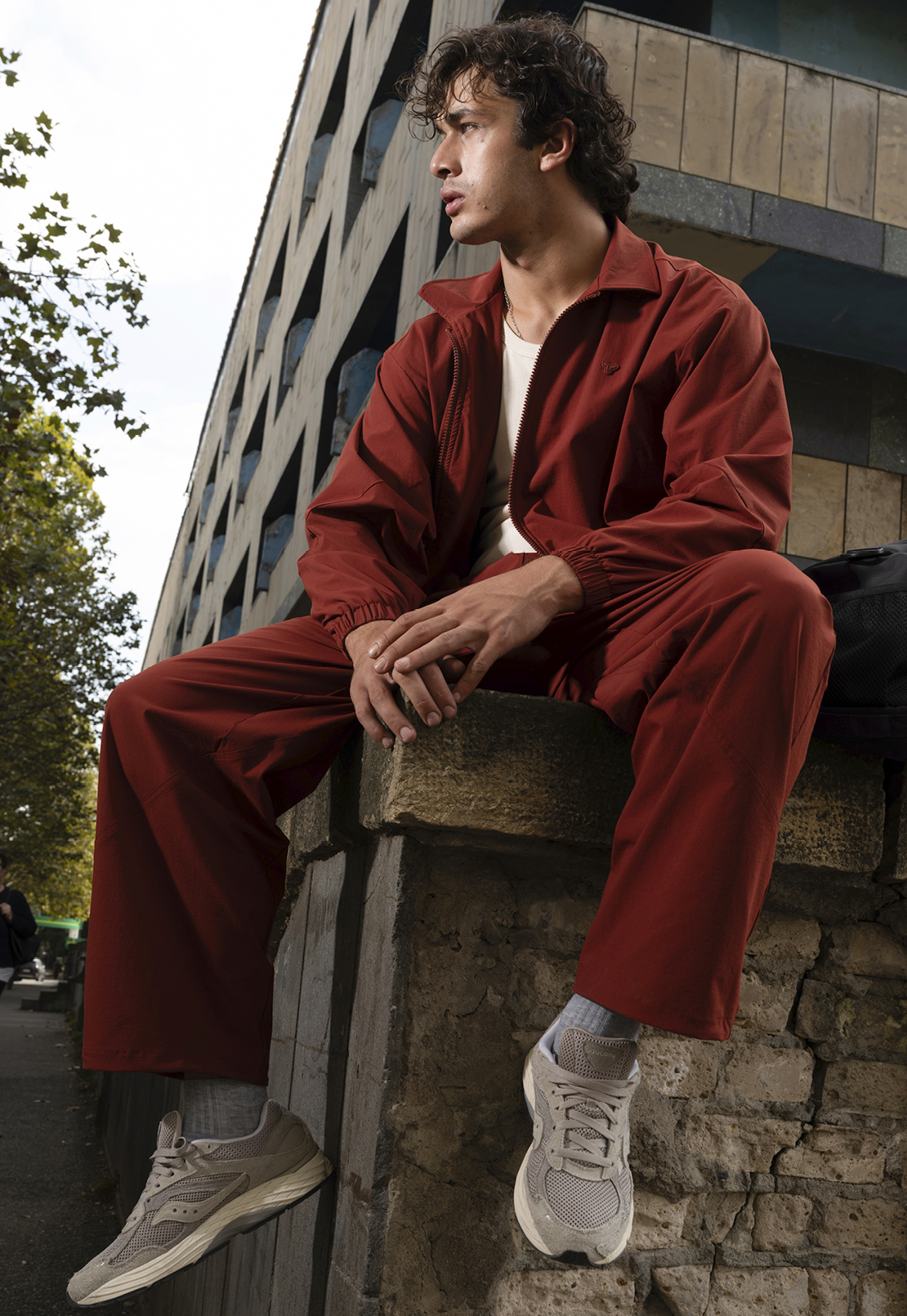
That’s also why we launched Off Duty. We’ve always been a performance wear brand, and duty is you going to the gym. But what are you wearing when you’re not in the gym? Off Duty takes the athletic aesthetic of performance into everyday life. In a mall, you meet everyday people, and if all you have is performance wear, they might think the brand isn’t for them. Off Duty brings them in, and then you inspire them to become stronger.
We were nervous about it, but at our Spring/Summer 2027 buyer sell-in, it was one of our best-selling collections.
Building a business together inevitably involves personal sacrifices. How do you balance your professional ambitions with your relationship and lives outside work?
Anam: We don’t get a lot of downtime. SQUATWOLF is on the dinner table, it’s on our holidays, and work only goes into the background when we’re in the mountains without internet.
After four, five or six months without a break, my body starts telling me it’s enough, and Waj starts getting sick, almost every year. He doesn’t know how to stop, so I have to tell him it’s time for a break.
Fitness, of course, brings us back. We train every day. And one line I never cross is family. Family is always a yes. I sometimes compromise on friends, but I don’t miss family events because of the business.
We’re probably less romantic than we were before we worked together, but the relationship is much more mature, and we’re each other’s biggest confidants.
Wajdan: I just want to carry on, and that’s one of my weaknesses. Anam understands when it’s time to take a break much better than I do.
I’d be lying if I said I’d never felt like quitting when we go through stress and struggle because that’s the human side of you. But we haven’t come this far to quit.
Working together tests your relationship on another level because you’re husband and wife, partners and co-CEOs all at once. Still, I wouldn’t trade our lives for anything.
As you enter your second decade in business, what ambitions do you have for SQUATWOLF, and what would you each still like to achieve personally?
Anam: The ambition has never changed. We want a brand that started here to compete on the global stage. What Emirates is to this region, SQUATWOLF wants to be for fitness apparel.
I want that moment when the world is looking at us and we can say, “We did it.”
Personally, I believe in the journey more than the destination. For me, it’s about who we become as people and leaders along the way, and I still don’t feel fulfilled.
Wajdan: We feel like we’re still only scratching the surface. Personally, I’ve learned that the entrepreneurs who inspire me didn’t become who they are because of money. They grew as people, and that’s the person I want to become.
What is the biggest lesson you’ve learned since starting the business?
Wajdan: People. The most expensive mistakes you’ll ever make are the people you bring onto the ship. Before anything else, whether it’s a hire or a co-founder, ask yourself one question: can I trust this person? If the answer is no, it doesn’t matter how brilliant they are.
Finally, what advice would you give entrepreneurs with a strong idea who are hesitant to leave the security of an established career?
Wajdan: First, find an idea you’ll love forever. Every business starts with a honeymoon phase, and then you realise it’s an enormous amount of work.
Before you start, figure out what will keep you going when the cash runs out or something goes badly wrong, because that day will come.
And remember that you don’t have to jump on day one. We both kept our day jobs while we built SQUATWOLF at night, and Anam stayed in her corporate job until 2020.
I was sitting in a meeting at work when our first order came in. When we started, we had no idea how hard it would be, and Anam always says that was a blessing in disguise. Sometimes not knowing is what gives you the courage to start.