
Some of the world’s most remarkable art collections were never intended to be housed in traditional museums.
Assembled over decades by passionate collectors, philanthropists and art-world visionaries, these private holdings offer a more personal perspective on art history, bringing together works chosen according to individual tastes, interests and relationships with artists. Fortunately, many of their owners have chosen to share their collections with the public, transforming former residences, architectural landmarks and purpose-built galleries into cultural destinations. From a Venetian palazzo overlooking the Grand Canal to a converted Second World War bunker in Berlin, these five collections are well worth a visit.
Peggy Guggenheim Collection – Venice, Italy
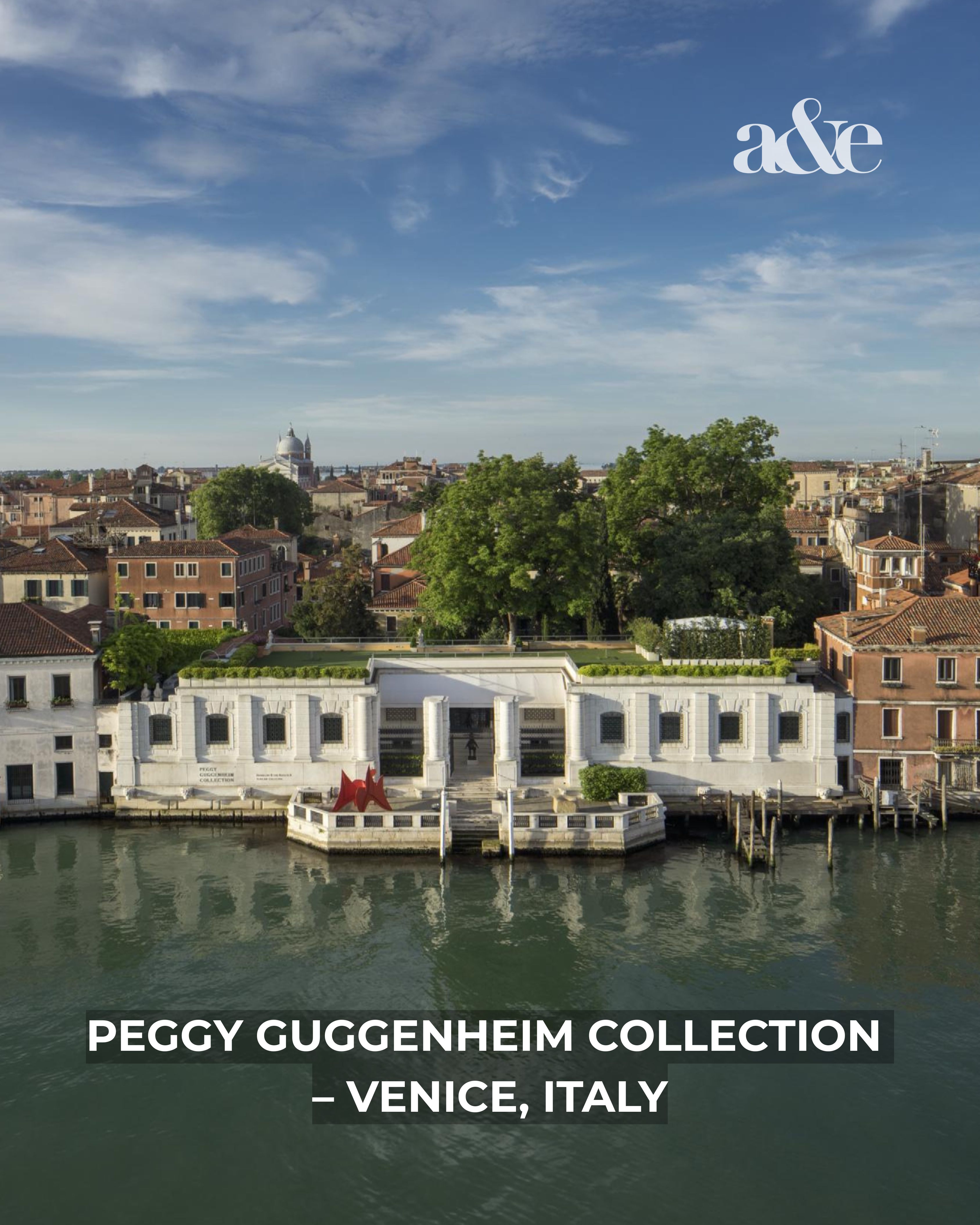
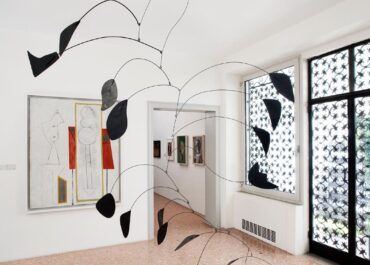
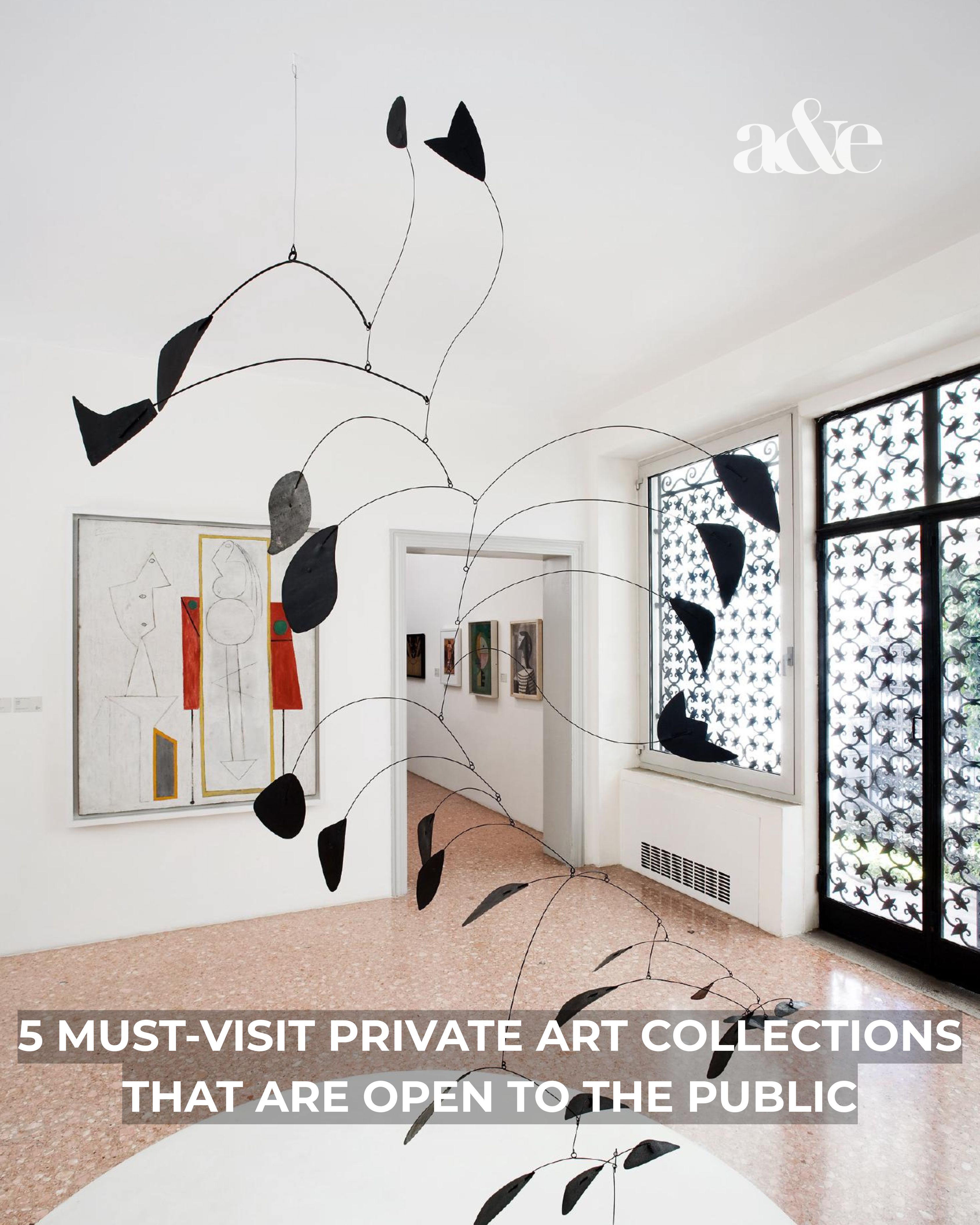
Few private collections are as closely associated with their owner’s personality as the Peggy Guggenheim Collection. Housed in Palazzo Venier dei Leoni, the unfinished eighteenth-century palazzo that American collector Peggy Guggenheim called home for three decades, the museum occupies one of the most enviable positions along Venice’s Grand Canal. Guggenheim began opening her home and collection to visitors in 1951, establishing a legacy that continues today under the stewardship of the Solomon R. Guggenheim Foundation.
One of Europe’s foremost collections of modern art, its holdings span Cubism, Surrealism, Futurism and Abstract Expressionism, with significant works by Pablo Picasso, Salvador Dalí, René Magritte, Max Ernst, Jackson Pollock and Wassily Kandinsky. Guggenheim was also an influential patron of the avant-garde, supporting emerging artists at pivotal moments in their careers. Beyond the galleries, the sculpture-filled garden, where her ashes are interred, offers a particularly intimate connection to the collector herself.
Fondation Beyeler – Riehen, Switzerland
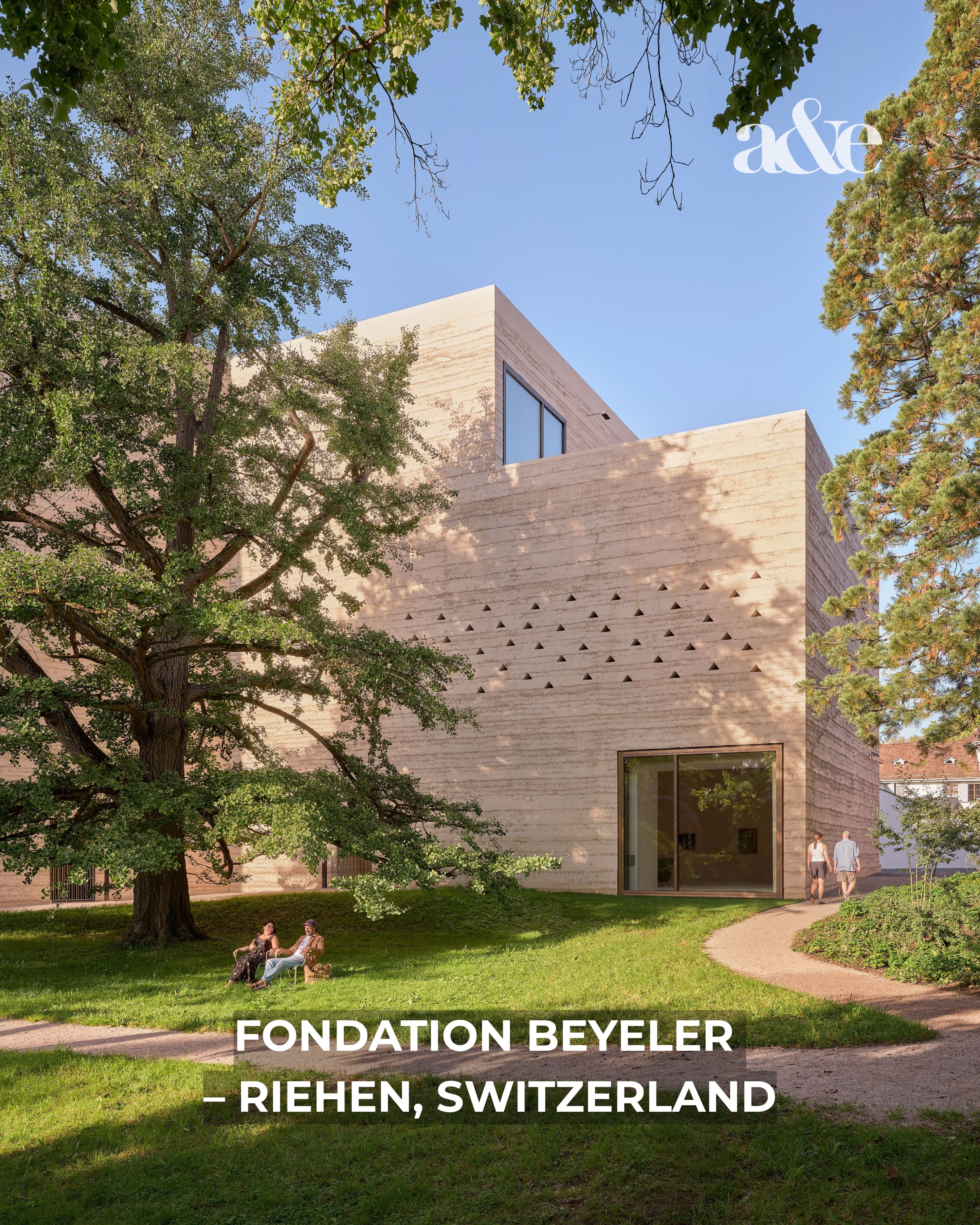
Set within a landscaped park in Riehen, just outside Basel, Fondation Beyeler brings together an exceptional collection of modern and contemporary art in a building designed by renowned Italian architect Renzo Piano. The museum grew out of the personal collection of Swiss art dealers Ernst and Hildy Beyeler, who spent more than five decades acquiring works that reflected their distinctive appreciation of artistic quality. After transferring the collection to a foundation in 1982, the couple realised their ambition of creating a permanent public museum, which opened in 1997.
Today, the collection comprises more than 400 works, tracing the development of modern art through masterpieces by Claude Monet, Paul Cézanne, Vincent van Gogh, Pablo Picasso, Henri Matisse and Mark Rothko. Significant works by contemporary artists, including Louise Bourgeois, Andy Warhol and Wolfgang Tillmans, further expand its scope. With natural light, expansive glazing and views across the surrounding greenery, the museum offers an experience in which architecture, art and landscape are considered equally important.
Calouste Gulbenkian Museum – Lisbon, Portugal
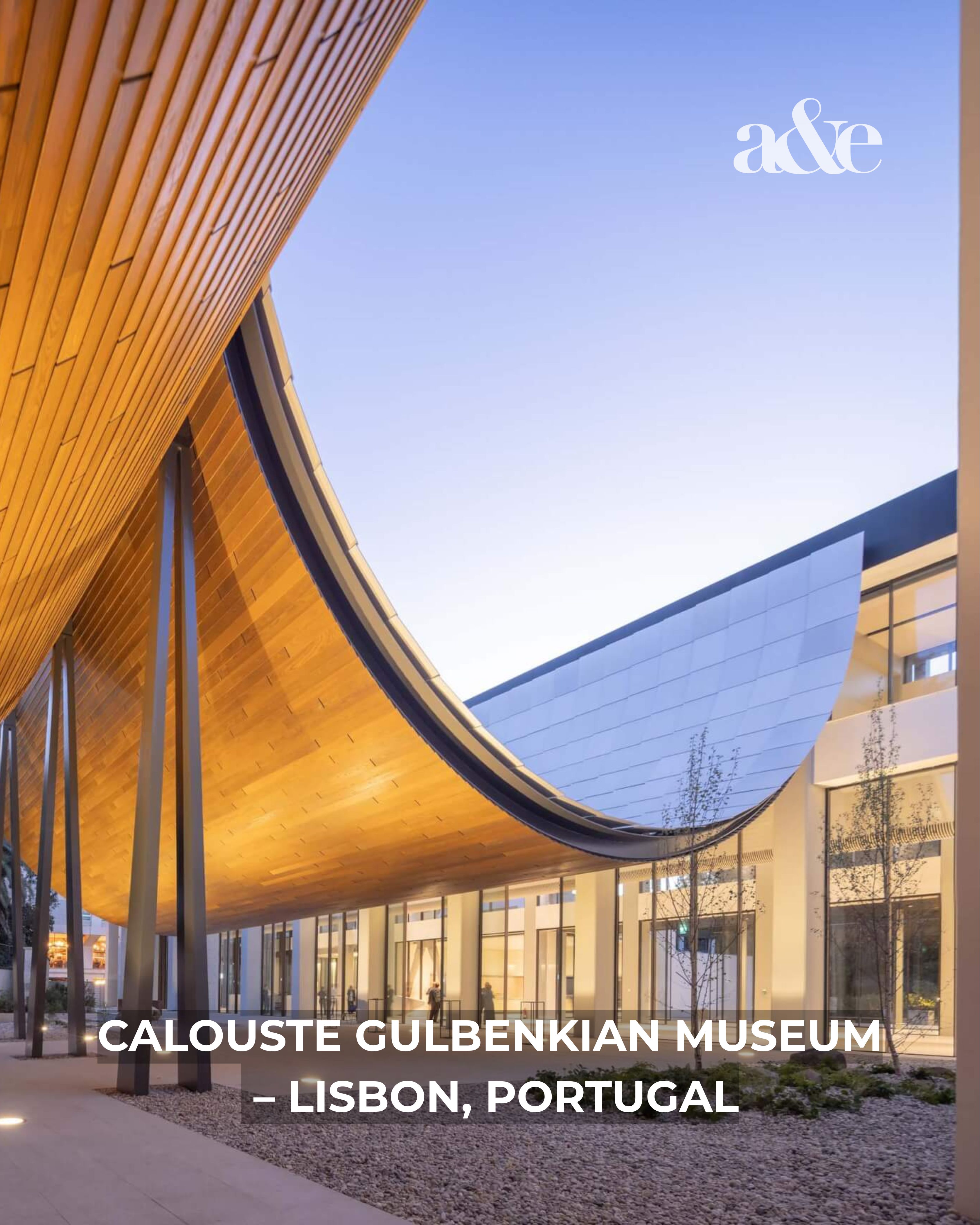
One of Lisbon’s most significant cultural institutions, the Calouste Gulbenkian Museum houses the extraordinary collection of Armenian-British businessman and philanthropist Calouste Sarkis Gulbenkian. Often described as one of the greatest private art collections of the twentieth century, it reflects the collector’s remarkably eclectic interests and spans more than 5,000 years of artistic history. Gulbenkian spent much of his life acquiring works from across the world, bringing together an exceptional range of objects before establishing the foundation that bears his name.
The collection encompasses Ancient Egyptian artefacts, Greco-Roman sculpture, Islamic art, Chinese porcelain and European decorative arts, alongside paintings by Rembrandt, Rubens, Turner, Monet and Degas. Particularly notable is its collection of French decorative arts and jewellery by René Lalique, whose intricate designs represent some of the museum’s most celebrated holdings. Set within landscaped gardens in central Lisbon, the museum offers an opportunity to explore the tastes of one of history’s most discerning collectors.
Boros Collection – Berlin, Germany
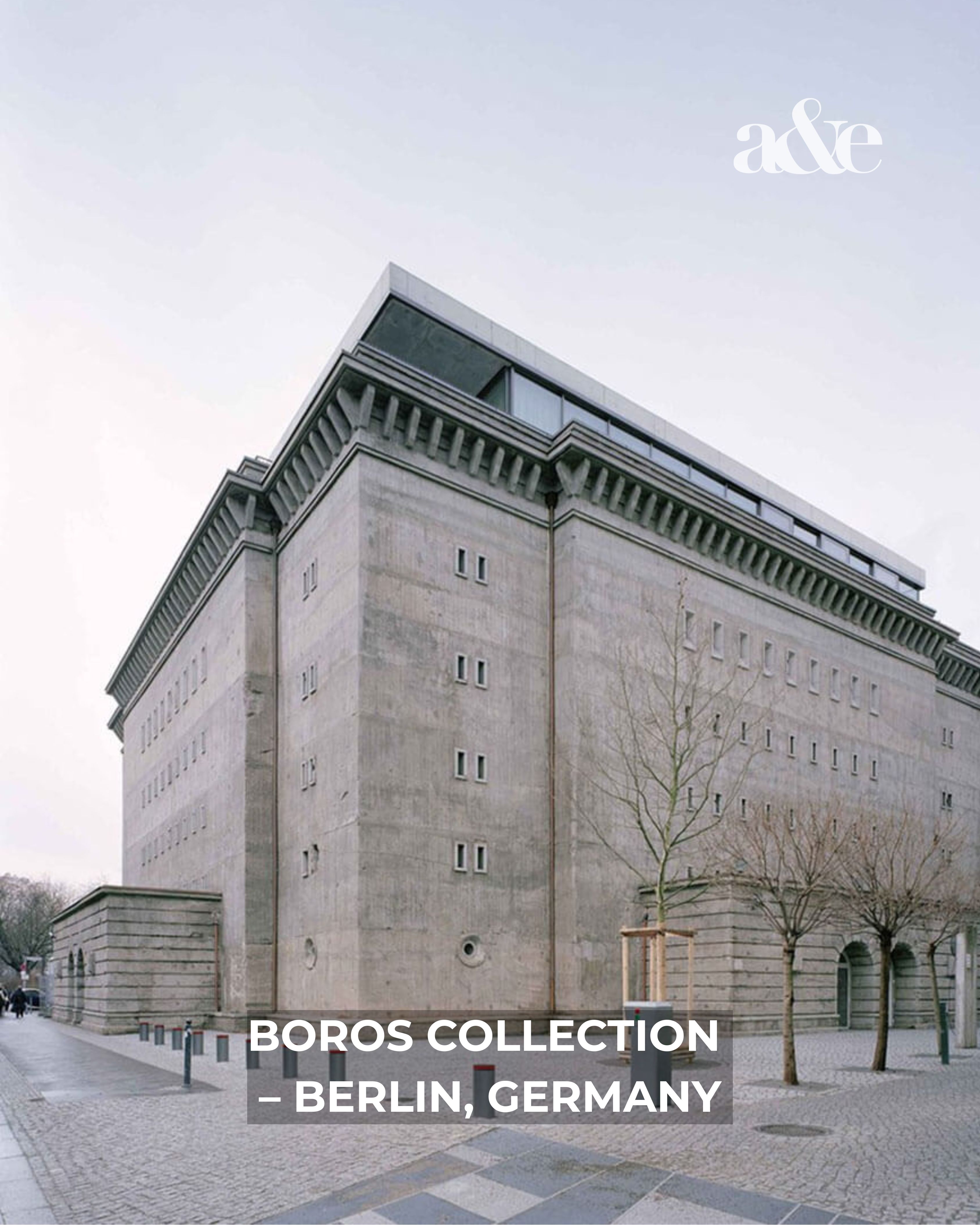
Few art destinations offer quite the same combination of history, architecture and contemporary creativity as the Boros Collection in Berlin. Housed inside a former Second World War bunker in the city’s Mitte district, the private collection belongs to advertising entrepreneur and art collector Christian Boros and his wife Karen. Originally constructed as an air-raid shelter, the imposing concrete structure has since served several purposes, including a prison and a nightclub, before being transformed into an exhibition space by architect Jens Casper and his team.
The collection focuses on contemporary art produced since 1990, featuring works by internationally recognised artists including Olafur Eliasson, Wolfgang Tillmans, Ai Weiwei and Anselm Reyle. Rather than operating as a conventional museum, the Boros Collection presents changing exhibitions across the building’s distinctive rooms, with artworks responding to the bunker’s unusual architecture and history. Access is exclusively through pre-booked guided tours, making a visit a particularly considered way to experience contemporary art in one of Berlin’s most unconventional spaces.
The Barnes Foundation – Philadelphia, USA
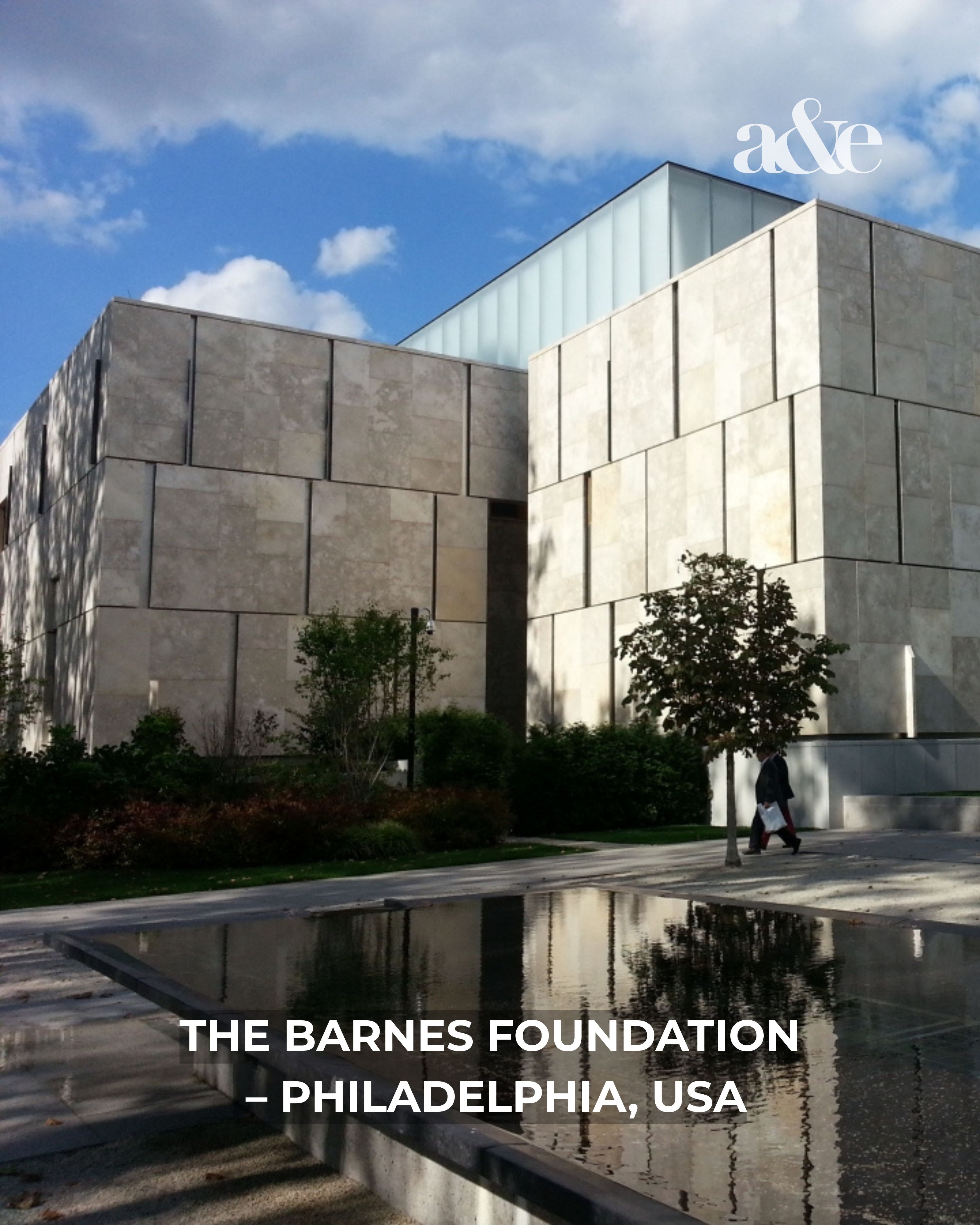
For an alternative approach to experiencing some of the world’s most celebrated Impressionist and Post-Impressionist paintings, The Barnes Foundation is essential. Established by American collector and philanthropist Dr Albert C. Barnes in 1922, the institution was founded on the belief that art appreciation should be accessible to everyone. Over several decades, Barnes assembled an extraordinary collection, particularly renowned for its holdings of Pierre-Auguste Renoir, Paul Cézanne, Henri Matisse and Pablo Picasso.
What distinguishes the foundation is not simply the calibre of its collection, but the way in which it is displayed. Barnes devised carefully considered arrangements, bringing paintings into conversation with African sculpture, Native American objects, antique furniture and decorative metalwork. Rather than organising works chronologically or by artist, his distinctive approach encourages visitors to consider relationships between colour, form, texture and composition. Although the foundation relocated from its original home in Merion to a purpose-built building on Philadelphia’s Benjamin Franklin Parkway in 2012, Barnes’s original gallery arrangements remain central to the experience.