
There is something wonderfully anachronistic about Haute Couture. At a time when fashion can be imagined by artificial intelligence, photographed, shared and replicated almost instantaneously, couture continues to operate according to an entirely different set of rules.
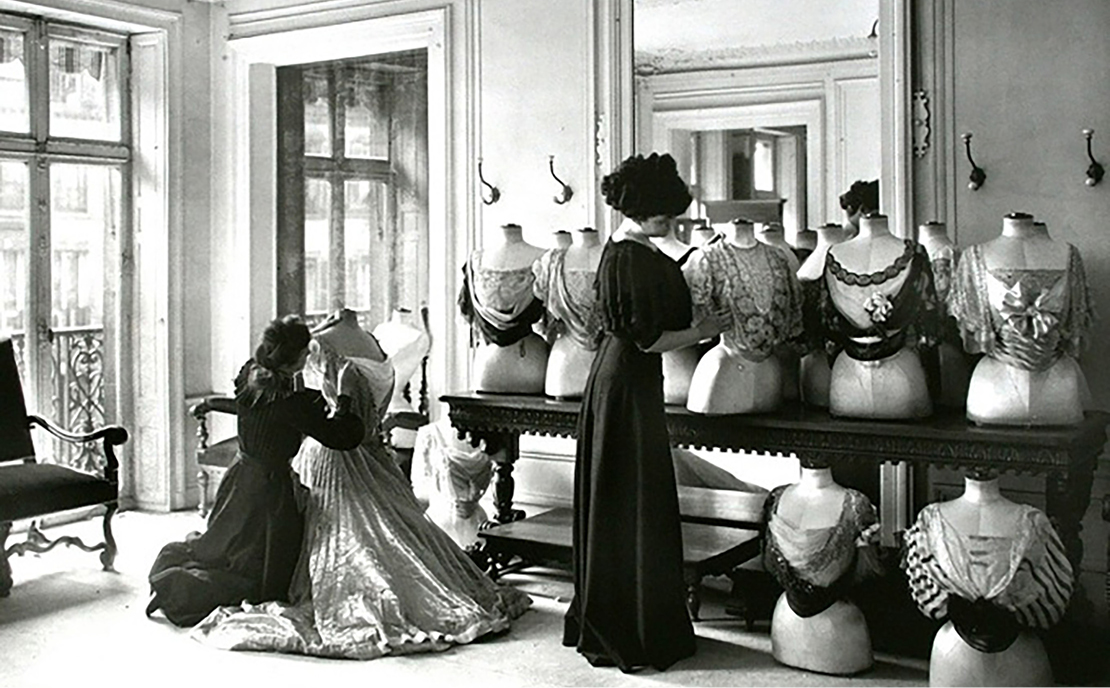
Its clothes are made slowly, painstakingly and, in many cases, almost entirely by hand. A single garment can require hundreds, sometimes thousands, of hours of work, with fittings, embroidery, pattern adjustments and hand-finishing taking place over weeks or months. The result is clothing that exists in an increasingly rarefied space. It is not designed for mass consumption, it does not need to be practical, and it certainly does not need to make commercial sense. It simply needs to be extraordinary.
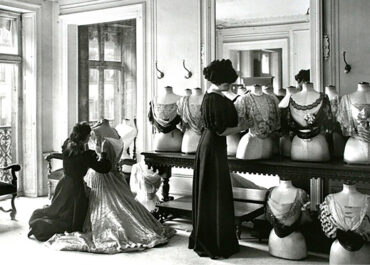
That, of course, has always been the point. The story of Haute Couture is, at heart, a story about transformation, about the extraordinary power of clothing to make us feel like somebody else. Its origins lie in nineteenth-century Paris, where Charles Frederick Worth, an Englishman who established his fashion house in the middle of the century, helped transform dressmaking from a service into something much closer to an art form. Worth did not simply wait for wealthy clients to tell him what they wanted. He presented collections of his own designs, developed a distinctive aesthetic and attached his name to his creations. In doing so, he established one of the fundamental principles of modern fashion, the designer as author.
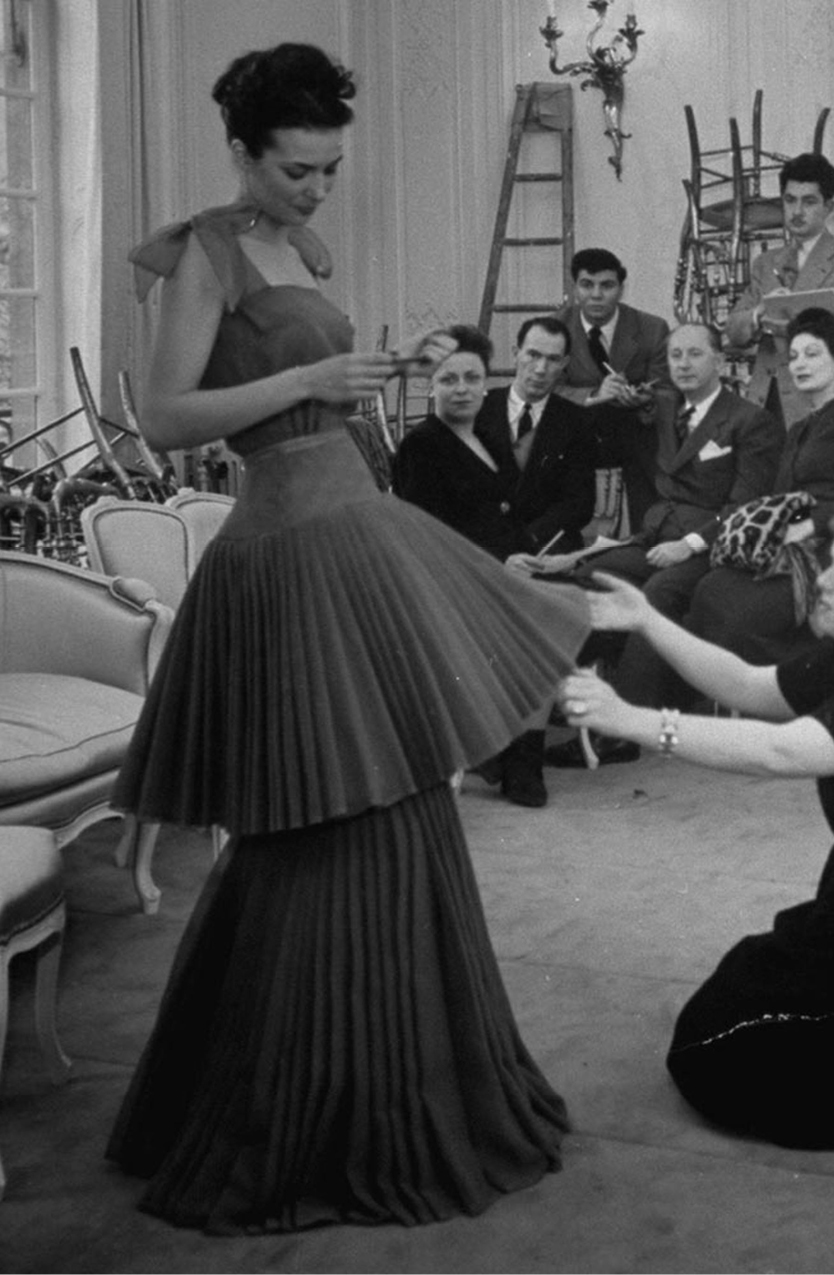
It was a radical shift. Until then, the dressmaker’s role had largely been to respond to the wishes of the client. Worth reversed the relationship, creating a world in which the designer supplied not only the garment but the vision behind it. A woman entering his atelier was no longer simply commissioning a dress. She was buying into an idea of herself. That proposition would become the foundation on which the great couture houses of the twentieth century were built, as Paris became a battleground of creativity, craftsmanship and increasingly elaborate fantasies of femininity.
The history that followed reads almost like a roll call of fashion’s great revolutionaries. Paul Poiret challenged the dominance of the corset and imagined a more liberated silhouette. Madeleine Vionnet transformed the relationship between fabric and body through her pioneering use of the bias cut. Jeanne Lanvin brought an extraordinary delicacy and refinement to couture, while Elsa Schiaparelli famously blurred the boundary between fashion and art, collaborating with Surrealist artists and proving that a dress could be provocative, witty and intellectually engaging as well as beautiful. Coco Chanel, meanwhile, introduced an entirely different vocabulary, stripping away some of couture’s ornamentation in favour of modernity, ease and a new kind of understated luxury.
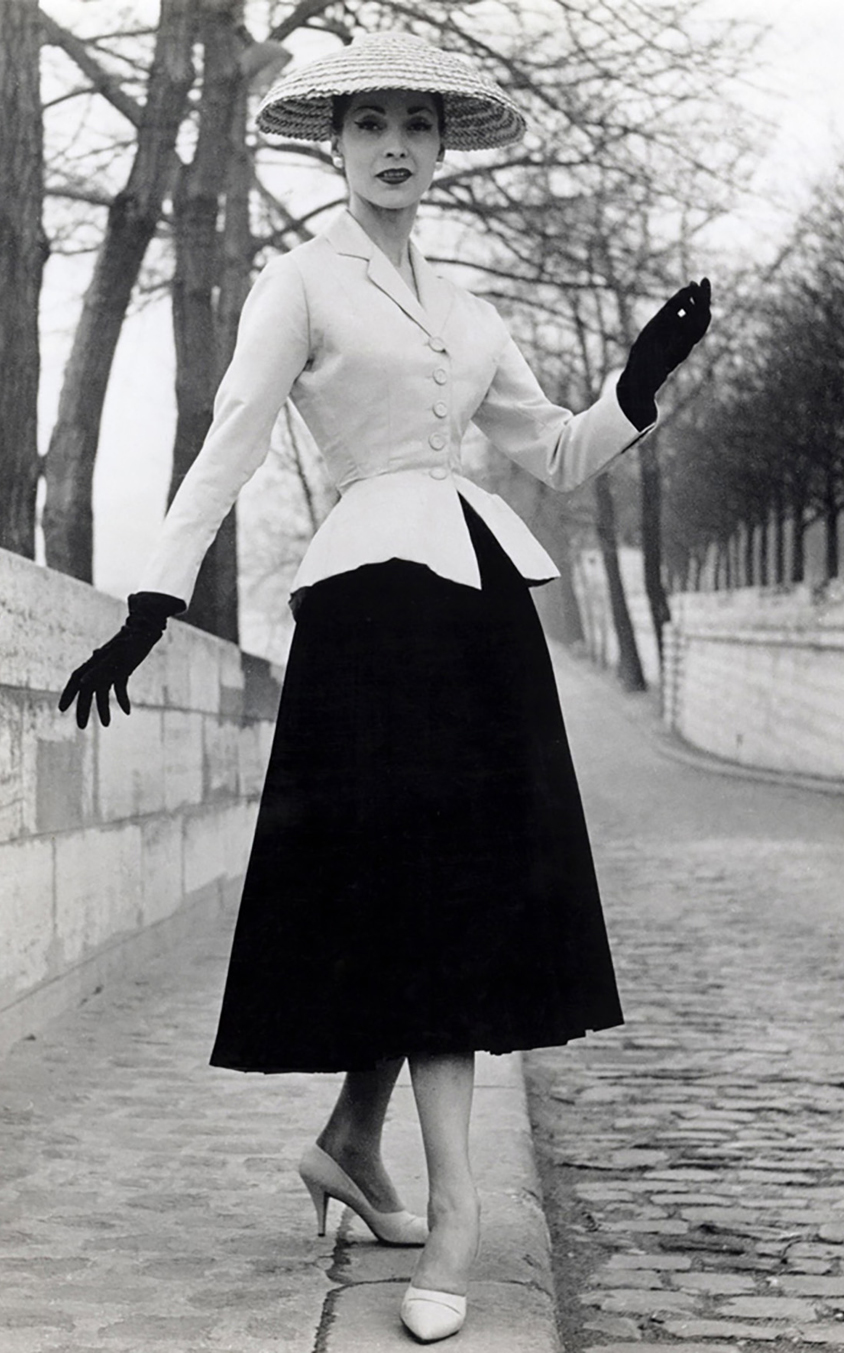
Then, in 1947, came Christian Dior’s New Look. After years of wartime austerity, Dior’s tiny waist, rounded shoulders and dramatically full skirt seemed almost deliberately extravagant. The collection did not merely introduce a new silhouette, it offered a fantasy of abundance at precisely the moment when the world was desperate to move beyond restriction. There were metres upon metres of fabric, sculpted femininity and an almost theatrical sense of occasion. Dior understood something that couture designers have returned to ever since, changing the shape of a woman’s clothes can change the way she experiences herself.
The same instinct can be found throughout the decades that followed. Balenciaga experimented with volume until the traditional relationship between body and garment was almost completely dissolved. Givenchy created a new language of elegance, most memorably through his work with Audrey Hepburn, while Yves Saint Laurent brought the codes of contemporary life into a world that had traditionally been dominated by grand evening gowns. Again and again, couture evolved because the woman wearing it evolved. What remained constant was the idea that clothing could be transformative.
It is easy, then, to think of couture as belonging to another era, to grand Parisian hotels, society balls and a world in which wealthy women had wardrobes rather than just clothes. And yet couture has proved remarkably difficult to kill. Ready-to-Wear should have rendered it obsolete. The changing lifestyles of wealthy clients should have made the traditional fitting ritual irrelevant. The rise of fast fashion should have made the painstaking process of producing a single garment seem absurdly inefficient. Instead, couture adapted, finding a new purpose in a fashion industry increasingly dominated by speed and scale.
Today, its significance lies partly in the very things that make it seem impractical. Couture preserves techniques that might otherwise disappear and provides a place where craftsmanship can exist without compromise. The Petites Mains, the highly skilled artisans working within the Parisian ateliers, carry knowledge from one generation to the next, mastering embroidery, featherwork, draping, pleating, tailoring and countless other disciplines. Their contribution is rarely visible in the way a designer’s name is, yet it is fundamental to the finished garment. Couture is therefore not simply about luxury materials or extraordinary prices, it is a repository of human knowledge.
That feels particularly poignant in the age of AI. Fashion can now generate images, predict trends and reproduce ideas with astonishing speed, but the couture atelier remains stubbornly physical. Its most valuable ingredient cannot be generated by an algorithm. It is time. Time spent learning, making, fitting, undoing and beginning again. A couture garment is valuable not only because of what it looks like when it is finished, but because of everything that has gone into making it possible. In a culture increasingly organised around immediacy, couture’s slowness has become almost radical.
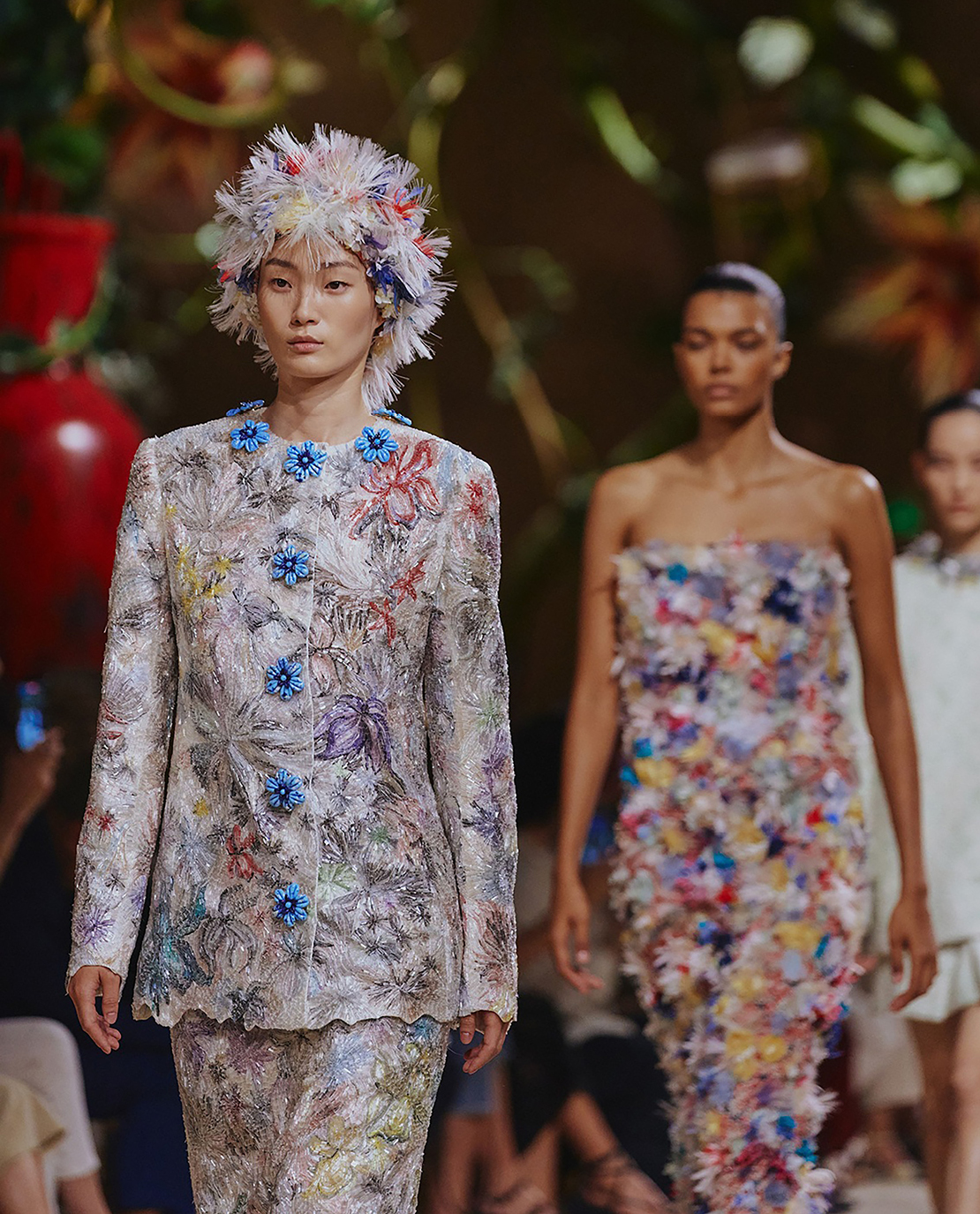
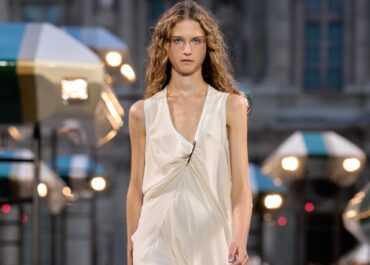
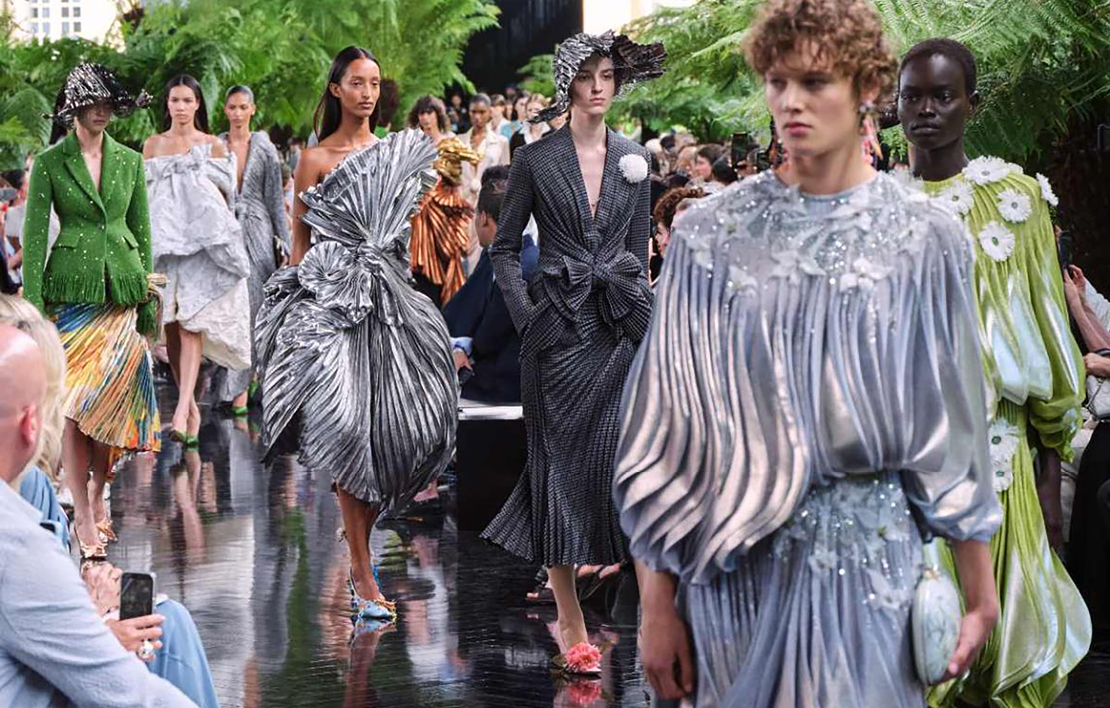
And perhaps that helps explain the particular mood of AW26. Because if this season’s collections are anything to go by, couture has rediscovered its appetite for fantasy. Across the shows, the imagination seemed to take precedence over practicality, with fairy tales, fantastical creatures, exaggerated volumes and extraordinary surfaces appearing again and again. The collections often felt as though they had emerged from childhood dressing-up boxes, albeit ones populated by the world’s most extraordinary ateliers.
Couture does not have to answer the practical questions that govern the rest of fashion. It does not need to be versatile or easy to wear, nor does it have to fit neatly into an existing wardrobe. It can be excessive, theatrical, strange or even slightly absurd. Indeed, some of the most memorable couture moments have emerged precisely because a designer has been willing to make something that serves no obvious purpose beyond creating wonder.
In an age in which almost everything we buy is expected to be useful, couture has the rare privilege of being unnecessary. The skirt can be enormous, the coat absurdly dramatic, the embroidery wildly excessive and the silhouette completely impractical. A garment can exist simply because somebody imagined it and because an atelier possessed the skill to make that imagination real. That may be the greatest luxury couture has to offer.
From Worth’s nineteenth-century Paris atelier to the fantastical creations of AW26, the story has therefore remained remarkably consistent. Fashion changes, silhouettes change and women change, but the desire for transformation endures. Haute Couture survives not because we need it, but because we still want to dream. And perhaps, in a world that increasingly asks us to be sensible about everything, there is something rather wonderful about clothes that ask us to be anything but.