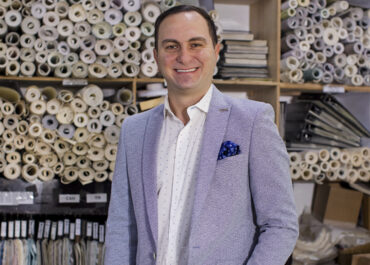

Rami Selo is the Chief Operating Officer of Sedar Global, a family-founded business that has shaped the window and wall décor industry in the Middle East for over 130 years.
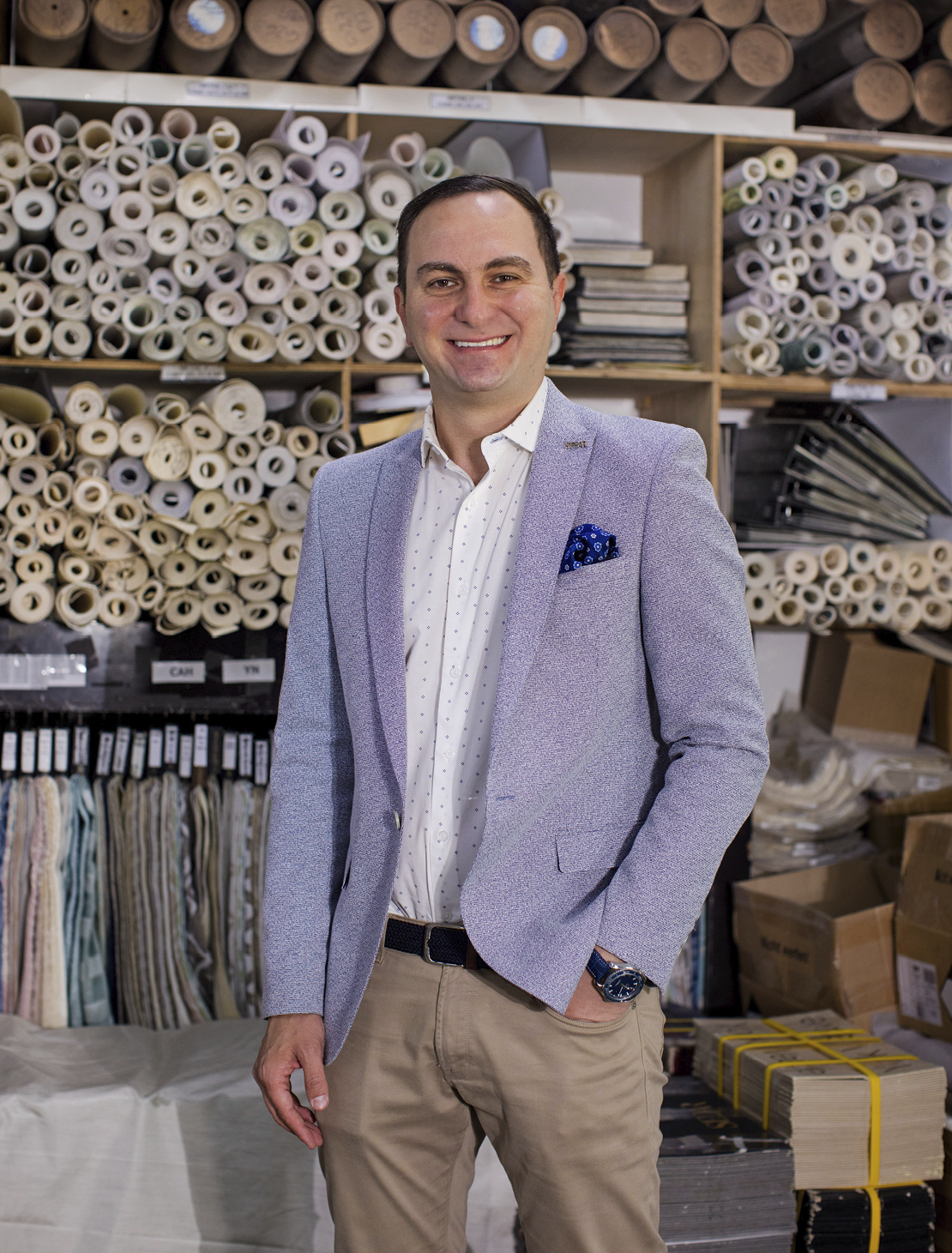
Representing the next generation of leadership, Selo has played a pivotal role in evolving the company from a heritage brand into a forward-looking, design-led business operating across 11 countries and 30 showrooms. With a strong presence across the UAE, Saudi Arabia, Kuwait, Qatar, Oman, Bahrain, Egypt, Iraq, Yemen, Sudan, Morocco, as well as Canada and a design hub in Northern Italy.
Having joined Sedar in 2006 after earning a degree in Interior Design from the American University of Sharjah, Selo has worked across manufacturing, operations, and strategic development. This hands-on experience has informed his ability to lead with both operational depth and creative vision, ensuring the business remains agile in a rapidly changing market.
Under his leadership, Sedar has expanded its product offering to reflect shifting consumer needs, including the introduction of upholstery services in response to growing demand for sustainable interior solutions. He has also driven innovation within the retail experience, overseeing the development of a VR-enabled e-commerce platform that reimagines how bespoke interiors are designed and purchased, bridging the gap between physical and digital environments.
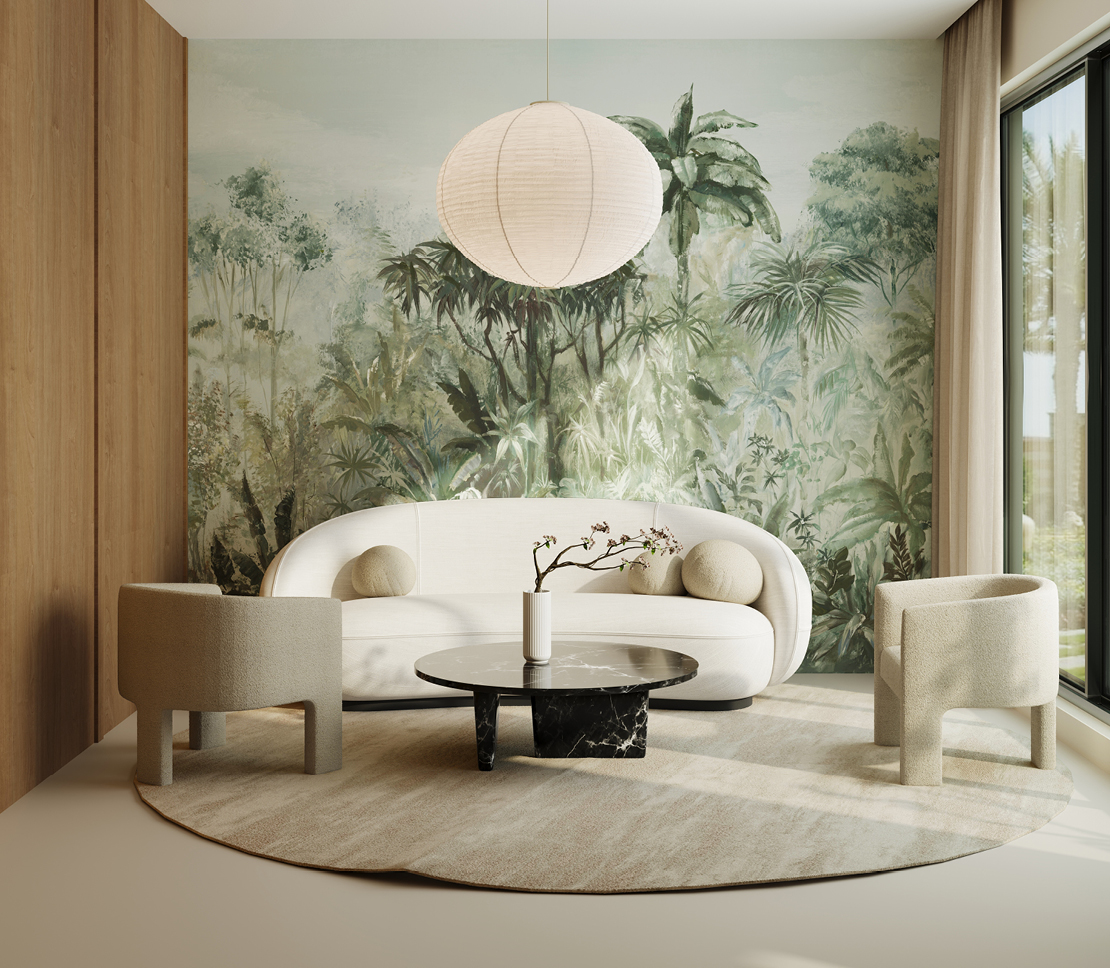
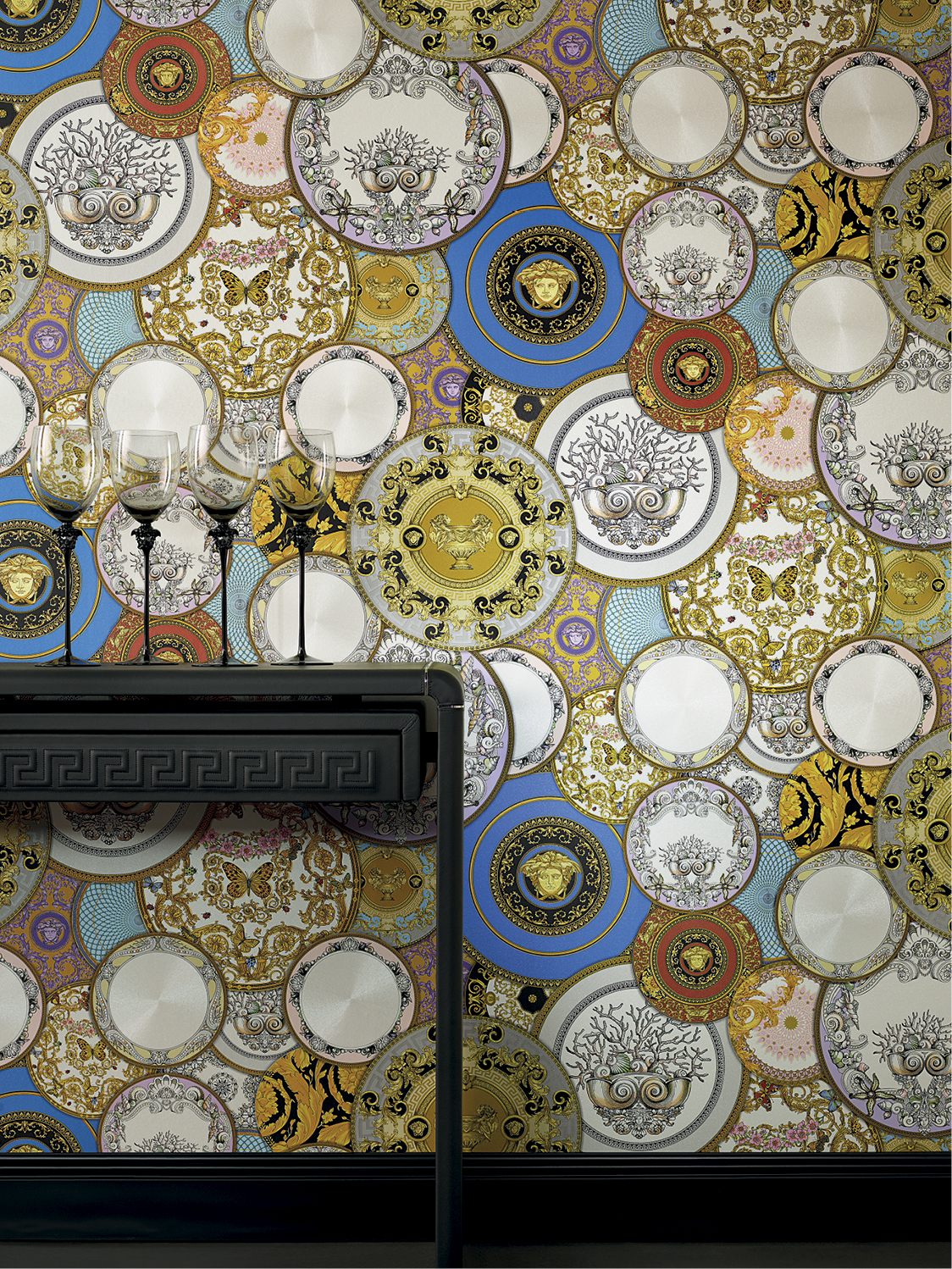
Selo has further strengthened Sedar’s global positioning through strategic collaborations with leading international brands such as Armani/Casa, Versace Home, Missoni Home, and Swarovski, as well as a landmark partnership with The Metropolitan Museum of Art, bringing world-renowned artworks into customisable interior applications for the first time in the region.
As consumer expectations continue to evolve across the Gulf, what are people now looking for from their homes?
Across the Gulf, we are seeing a clear shift towards homes that feel more personal, comfortable and reflective of the people living in them. Clients still place a strong emphasis on beautiful design and exceptional quality, but they are increasingly looking for spaces that feel warmer, more individual and more connected to everyday life.
The very pared-back, all-white minimalist aesthetic has had its moment. Today, people are gravitating towards richer, more expressive interiors, with earthy and richer tones, tactile materials, natural finishes and a greater sense of depth and personality. There is also a move away from overly coordinated spaces towards more curated homes, combining beautifully made furniture, bespoke details, art and statement pieces.
At the same time, the home is expected to work much harder. Hybrid living has changed how people use space, while indoor-outdoor living is becoming increasingly important across the region, with terraces, gardens and shaded areas treated as a natural extension of the interior. In response to this, we have also expanded Sedar’s offering to include pergolas, providing more ways for clients to create comfortable and functional outdoor living spaces. Smart technology is also playing a bigger role, with integrated systems for lighting, climate control, blinds and entertainment becoming part of how people expect their homes to function.
Ultimately, people are designing more for themselves and the way they genuinely live. They want homes that feel distinctive, flexible, comfortable and easy to enjoy.
Personalisation has become increasingly important in luxury and interiors. How is this changing the way consumers shop for home furnishings and the level of service they expect?
Personalisation is changing both what consumers buy and the level of service they expect. Digital tools, and increasingly AI, are making it easier for clients to explore fabrics, colours and finishes and visualise how they will work within their own homes before making a decision. This makes the journey more engaging and exciting, but it also raises expectations the advice and service need to feel just as personal as the product itself.
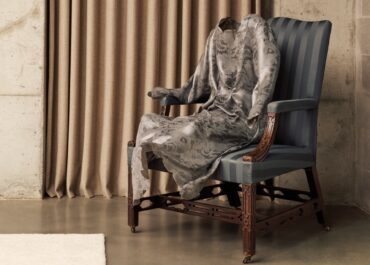
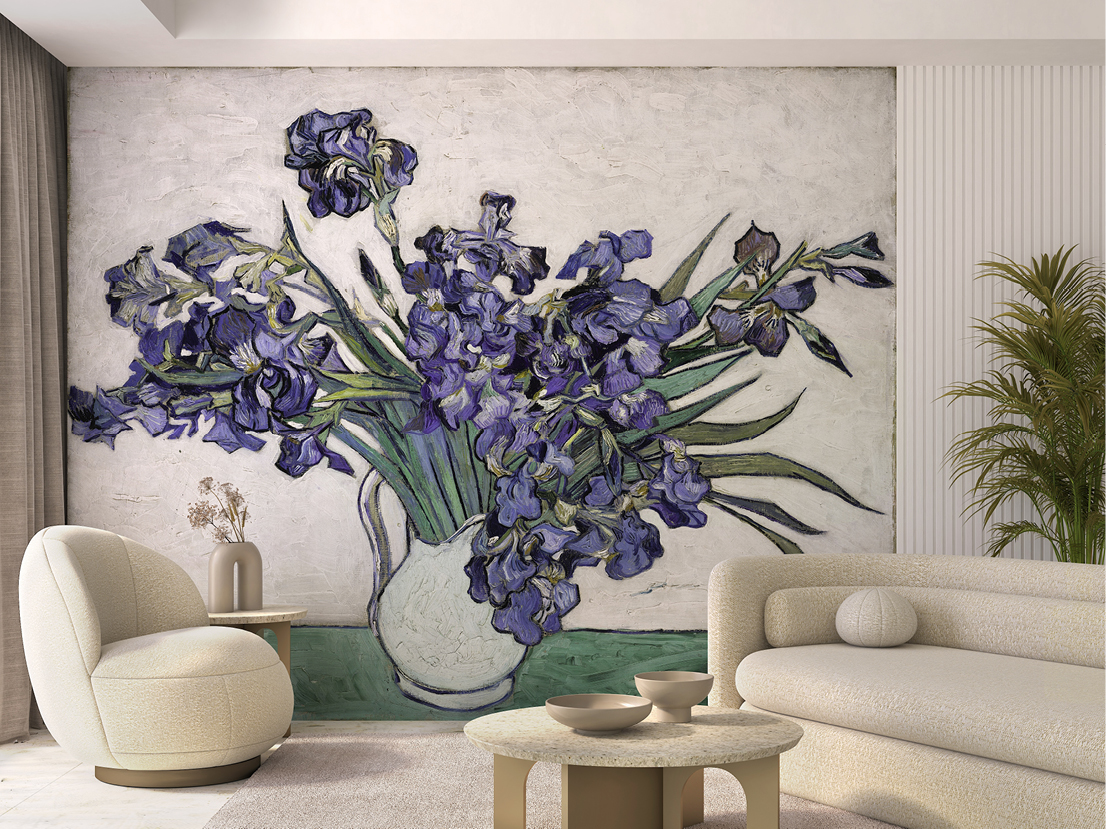
At the same time, consumers are looking for access to more distinctive and individual products. This is reflected in the growing interest in internationally recognised design names we carry such as Armani/Casa and Missoni Home, alongside unique collaborations. Our collaboration with The Metropolitan Museum of Art, New York, for example, allows customers to bring iconic artworks into their homes through bespoke wallpapers and blinds, creating something that feels far more personal.
Homes today are expected to accommodate work, entertaining, family life and downtime. How has this shift towards more multifunctional living changed demand across the interiors market?
Multifunctional living is placing much greater emphasis on flexibility, adaptability and space efficiency. People increasingly want rooms that can shift throughout the day, from working and studying to relaxing, entertaining and family life, so interiors need to respond more easily to different uses.
We are seeing this through modular furniture, adaptable layouts and more flexible ways of zoning spaces, whether through curtains, screens or folding doors. Privacy and acoustics have also become more important, particularly in open-plan homes where several activities may be happening at once. Consumers are also paying more attention to durable, easy-to-maintain materials and smart lighting that can shift from task-focused during the day to softer, more atmospheric settings in the evening.
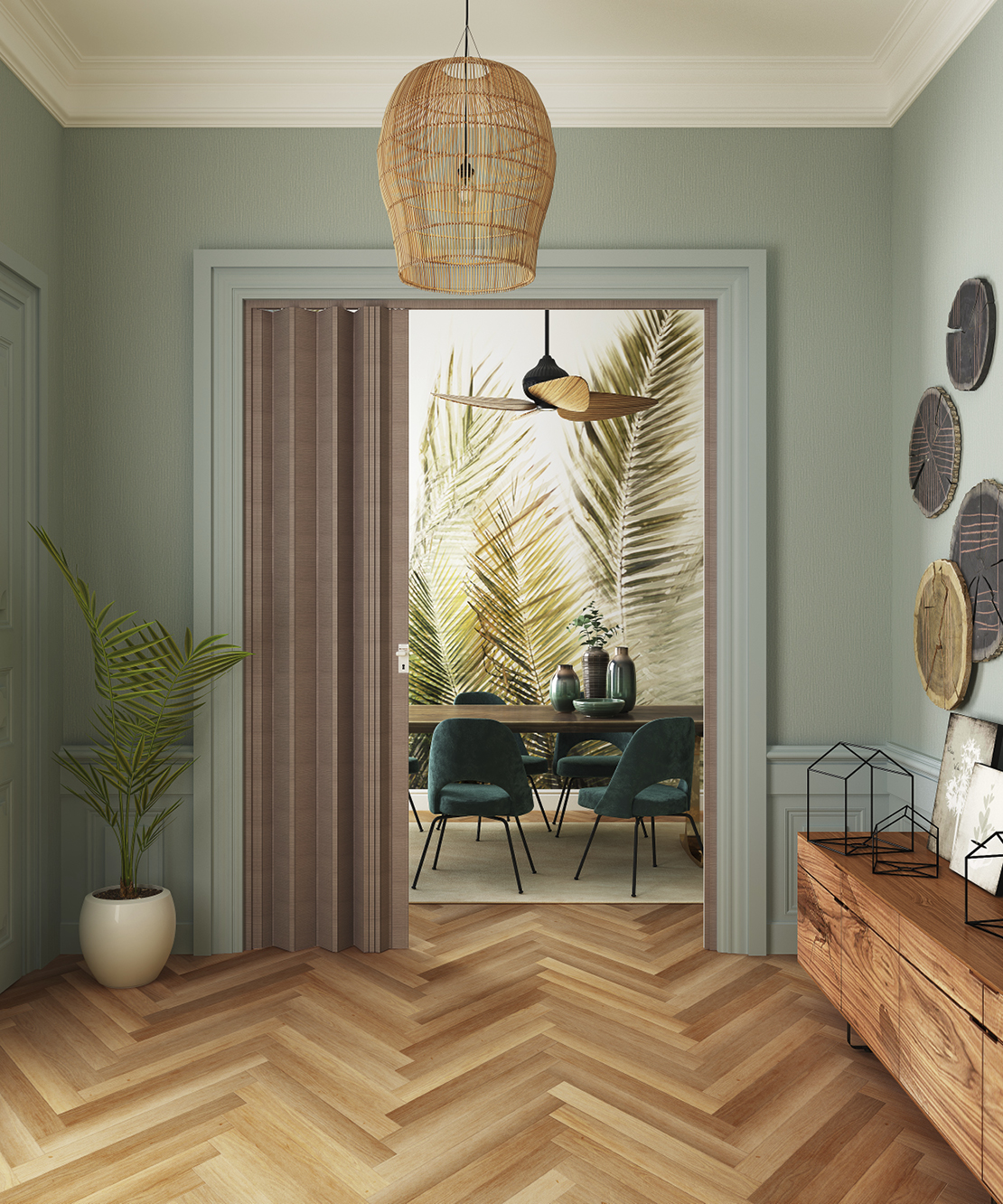
At Sedar, we recently introduced folding doors in response to this demand, alongside upholstered wall panels that can help define spaces while also adding softness, texture and acoustic benefits.
Smart technology is becoming more embedded in the home, from automated shading to integrated lighting and climate systems. How do you see technology changing the relationship people have with their living spaces?
Smart technology is making the home feel more intuitive and responsive to the way people live. Increasingly, systems can adapt throughout the day, adjusting lighting, shading and climate automatically to create the right level of comfort without the homeowner having to constantly intervene.
What is particularly interesting is how seamless this integration has become. The best technology is no longer something that feels visibly “smart”; it works quietly in the background and becomes part of the architecture and interiors.
For us, Somfy is a good example of this. Curtains, blinds and exterior awnings can respond automatically to changing light levels throughout the day, helping to manage glare, heat and privacy. That is especially relevant in the Gulf, where controlling sunlight can have a significant impact on both comfort and how a space performs.
Sedar has invested in digital tools including VR-enabled e-commerce. How can technology improve the design and purchasing journey without losing the personal element that is so important in interiors?
Technology is making the interiors journey much more immersive and informed, but I don’t think it should ever replace the human element. Tools such as VR, 3D visualisation and AI can help clients understand how a product will look and work within their own space, reducing uncertainty and making it easier to explore different possibilities.
At the same time, interiors are inherently tactile. With curtains, upholstery and wallcoverings in particular, people still want to see how a fabric responds to light, feel its texture and understand its quality. The most successful approach combines the two: using technology to make visualisation and decision-making easier, while keeping expert consultation, physical samples and personal guidance at the heart of the experience.
As online shopping and virtual experiences continue to grow, what role do you believe physical showrooms will play in the future of the interiors industry?
Retail stores today are becoming experience centres rather than traditional stores. You can discover a design on your phone, but there is something different about seeing its colour in person, feeling a fabric and watching how it falls. A showroom also gives you the chance to talk through the little details that can completely change the result.
I also think showrooms are becoming much more collaborative spaces. They can host private consultations, interior workshops, talks and events for designers and architects, giving clients and the wider design community a place to exchange ideas and experience the brand in a more meaningful way.
Technology will continue to make the journey easier and more immersive, but the physical showroom remains where the tactile, personal and experiential side of interiors really comes to life.
You joined Sedar in 2006 and have worked across different areas of the business. How has that hands-on experience shaped the way you lead the company today?
It’s taught me to pay attention to what happens after an idea leaves the meeting room. A beautiful product means very little if the customer’s experience of choosing it, receiving it or living with it is not achieved. I’m passionate about growing the business, but I stay close to the team behind the business and pay the most attention to our customers’s reviews and feedback.
Sedar has been a family business since 1892. What lessons from more than 130 years of history remain relevant when navigating today’s much faster-moving consumer landscape?
Always be open to new ideas , take pride in the craft and stay consistent. The pace of the business has changed dramatically, but those remain the foundation of our business philosophy. A family can come to us with a very personal idea for their home, and they’re trusting us to get the details right. Real success is when you continuously earn that trust over decades and generations.
As a fourth-generation leader, how do you balance preserving the business’s identity and heritage with the need to continually evolve and innovate?
I don’t think our heritage asks us to stand still. Sedar has lasted because each generation has found a way to make its expertise relevant to the people it serves. For us, that means keeping the care and craftsmanship while keeping up with the change in our customers’ behavior and needs. Again, consistency and consumers’ trust in what we do is what kept our business alive for many generations.
Sedar operates across a diverse range of markets. What differences are you seeing in consumer behaviour across the GCC, and where do you see the strongest opportunities for growth?
Across the GCC, expectations are becoming much higher. Customers want a seamless, trouble-free experience, greater choice and more personalised solutions, but the way those priorities play out can vary from market to market.
In the UAE, consumers are often very design-aware and quick to adopt new ideas, while in Saudi Arabia we are seeing strong demand driven by residential development, large-scale projects and a growing appetite for premium interiors. Across the region more broadly, customers are also increasingly interested in smart-home integration and technology-led solutions.
For us, the strongest opportunities lie in continuing to evolve with those expectations, broadening the offer, strengthening service and investing further in smart-home solutions as demand continues to grow.
Sustainability is increasingly influencing purchasing decisions in the home. How is this changing the way consumers think about longevity, materials, reupholstery and investment pieces?
Consumers are asking much better questions about what they buy, how it is made and how long it will last. There is a growing appreciation for quality pieces that can stay in the home for years rather than needing to be replaced. A well-made curtain or piece that you still love years later is a meaningful investment, both in terms of quality and longevity.
Reupholstery is another important part of that conversation. Rather than replacing a piece entirely, sometimes the better choice is to give it a new life through a different fabric or finish. In response to that shift, Sedar has also added reupholstery to its offering, giving clients more ways to refresh and extend the life of existing pieces.
Materials and sourcing are becoming more important too, which is why we prefer to work with suppliers who incorporate more sustainable materials into their production.
Looking ahead, what do you believe will have the greatest impact on the Gulf interiors market, and how are you preparing Sedar for that next phase?
I think the biggest change will be how closely design, service and technology come together. People will expect a home that looks beautiful, responds to the way they live and easier to create. That’s where we’re focused, understanding the customer, introducing products that suits their lifestyle and making the entire experience feel more personal.