

For Lebanese-Canadian author Najwa Zebian, writing has always been deeply personal. What began as a private way to understand her own emotions has grown into a body of work that resonates with millions of readers worldwide. Through her books, poetry, and social media, she has built a career on articulating feelings many struggle to put into words, especially those around relationships, identity, and self-worth.
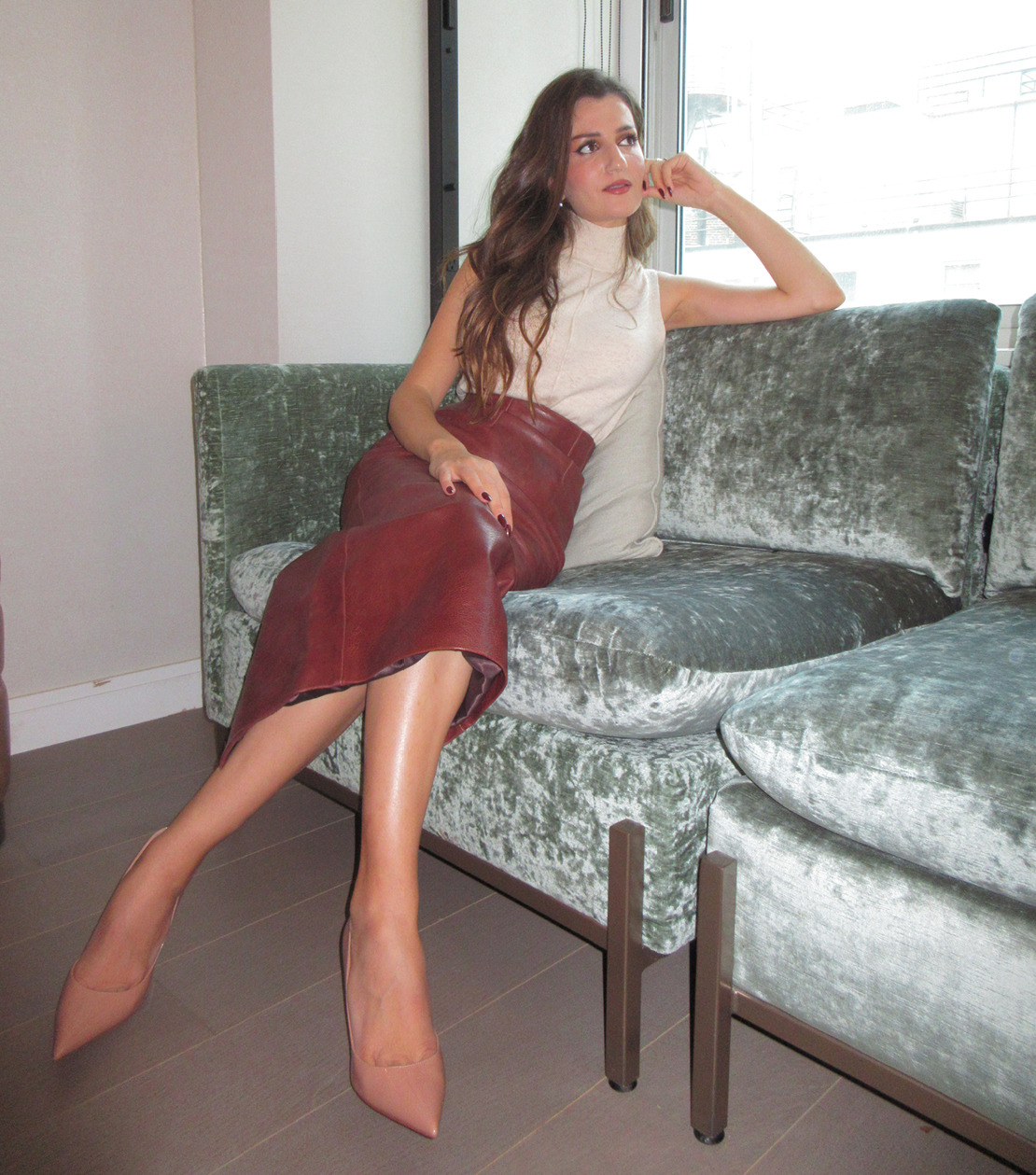
Her latest book, The One Who Broke You Can’t Heal You, examines why we so often seek closure from the very people who hurt us, and how learning to trust ourselves can be the first step toward moving forward. Drawing on her own experiences, Zebian continues to explore the complexities of human relationships while encouraging readers to question familiar ideas about love, sacrifice and personal boundaries. Here, she discusses the experiences that have shaped her writing, the importance of emotional independence and what she has learnt about herself along the way.
Growing up, what role did writing play in helping you understand yourself and find your voice?
Writing in my journal was the only way I felt my feelings mattered. It was a place where I could express my thoughts and emotions without feeling judged, and where I could be honest before I necessarily felt able to be honest out loud.
I think we sometimes imagine finding our voice as a moment when we suddenly become confident enough to speak. For me, it was much quieter. Writing was where I learnt to listen to myself first. Before my words were about being heard by anyone else, they were about me hearing myself.
Over time, writing helped me give language to things I felt deeply but didn’t always know how to name. I firmly believe that once you can name what you’re feeling, you can gain enough clarity to begin healing it.
Your writing explores deeply personal experiences. Has sharing these publicly changed your relationship with vulnerability?
My work is deeply connected to my own life, but I’ve learnt that vulnerability doesn’t mean giving everyone unrestricted access to your story.
Earlier in my journey, the line between vulnerability and exposure was less clear. With time, I’ve understood that I can write from a very honest place without sharing every detail of an experience or every part of myself.
Vulnerability isn’t necessarily saying everything. It’s being truthful about what you choose to say. When I put something personal into words, I hope it stops belonging only to me. I may have written those words through my own experience, but readers encounter them through theirs. Someone can recognise their own heartbreak, healing, or relationships in words from my story. That shared desire to feel understood is something we all have.
How has your Lebanese-Canadian heritage influenced your perspective on relationships, family and emotional expression?
I don’t think we can separate the way we understand love, family, belonging and responsibility from the environments that shaped us.
Being Lebanese-Canadian has meant carrying different worlds within me and learning how to make space for all of them while also making space for my authentic self. Culture gives us beautiful things: connection, loyalty, community, identity and a profound sense of family. But everyone eventually has to ask which beliefs genuinely belong to them and which they inherited without choosing.
That question has become central to my work: Is this what I believe, or what I was taught to believe?
Living between cultures has taught me that two things can be true. You can love where you come from while questioning some of what you learnt. You can honour your family while becoming your own person. You don’t have to reject your roots in order to grow beyond certain expectations.
What inspired your latest book, The One Who Broke You Can’t Heal You, and why did you feel it was an important subject to explore?
I wanted to write about something I see so many of us do: looking to the person who caused our pain and waiting for them to give us the one thing we believe will finally let us heal: closure.
We wait for the apology, the explanation, the acknowledgement or the changed behaviour. We think that if they could just understand what they did to us, perhaps we could move on.
But that makes our healing dependent on someone else’s willingness or ability to give us what we need. Not just anyone, but the person who chose to hurt us. How ironic is that?
The book goes deeper than simply telling people to walk away from someone who hurts them. I’m interested in why certain relationships have so much power over us. What did we learn about love and our worth? Why can being needed sometimes feel like being loved? Why do we abandon ourselves trying to prevent someone else from abandoning us?
Ultimately, the book brings the focus back to your relationship with yourself. Another person’s inability to give you closure doesn’t mean you have to keep waiting. You can choose to close the door on the past yourself.
Why do so many people struggle to let go of the need for an apology or explanation from someone who has hurt them?
Because we want the ending to make sense. We want it to be peaceful, neat and calm.
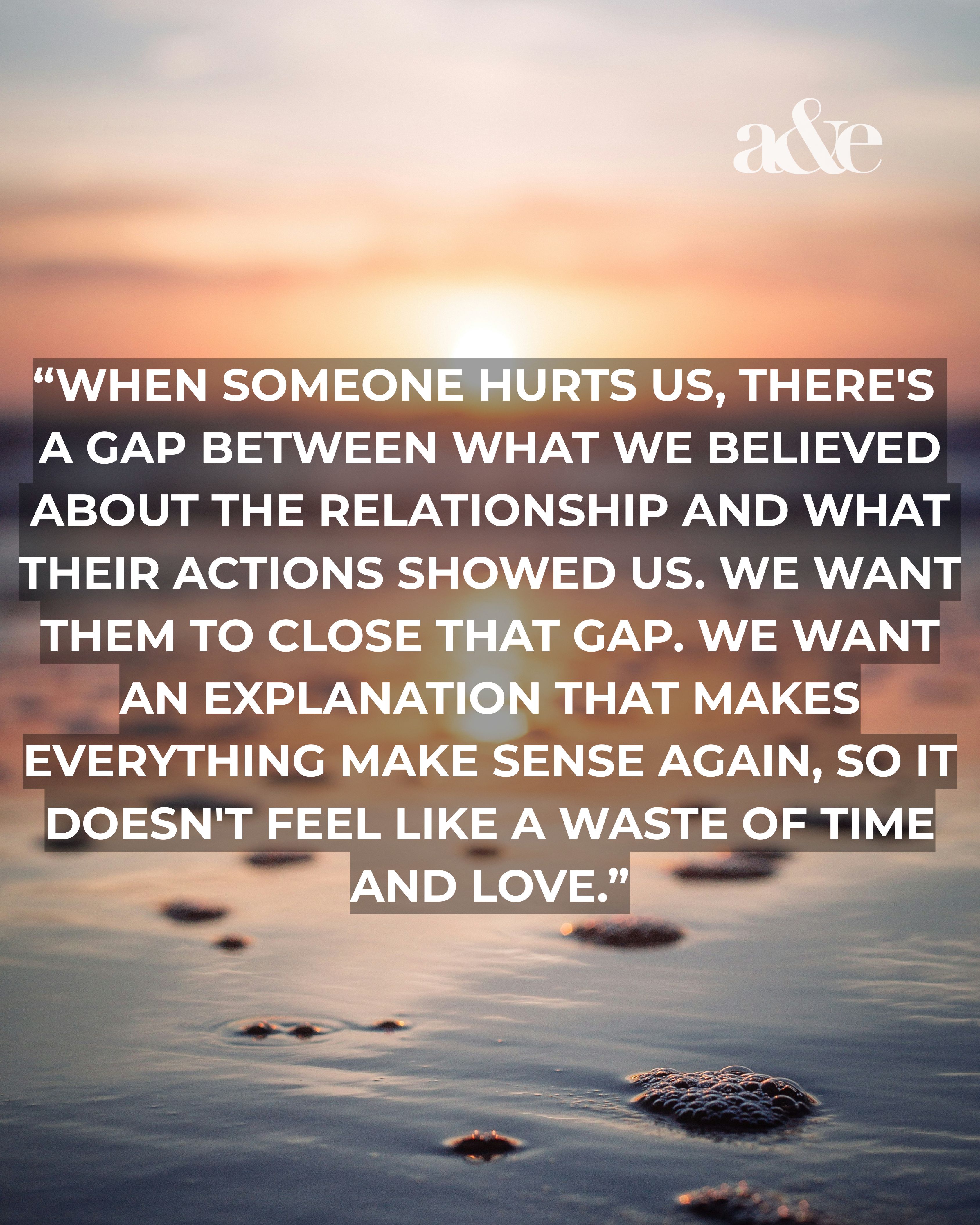
When someone hurts us, there’s a gap between what we believed about the relationship and what their actions showed us. We want them to close that gap. We want an explanation that makes everything make sense again, so it doesn’t feel like a waste of time and love.
Underneath the desire for an apology is sometimes something much deeper: Please tell me that what happened mattered. Please tell me that I mattered.
That’s why letting go can feel so painful. It can feel as though we’re giving up on ever receiving proof that what happened to us was real.
But their refusal to acknowledge your pain doesn’t make it less real. Their inability to explain themselves doesn’t mean you have to stay confused forever. Sometimes closure isn’t finally receiving the answer you’ve been chasing. It’s deciding you no longer need that person to give you permission to move forward.
Your work places considerable emphasis on rebuilding our relationship with ourselves. What does that process look like in practice?
It often looks much smaller and less glamorous than people expect. If you’ve spent years prioritising everyone else, being told to “choose yourself” can sound beautiful and liberating without actually telling you what to do.
It can begin with noticing how often you override your intuition. When you want to say no, do you say yes because you’re afraid of disappointing someone? When something hurts, do you immediately explain why the other person probably didn’t mean it? When you’re exhausted, do you believe rest has to be earned?
Instead of immediately asking, “What do they need from me? you begin asking, what do I need? What am I feeling? What would I choose if I weren’t afraid of someone’s reaction”
Self-trust, which I believe is the ultimate goal of rebuilding a relationship with yourself, develops through small acts of not abandoning yourself. It’s difficult, but so worth it.
When did you first realise the impact your writing was having on others, and has that sense of responsibility influenced your work?
The most meaningful moments have always been when someone tells me, “You put words to something I couldn’t explain.” I remember thinking, really? I thought I was the only one.
It’s incredibly humbling because I know what it’s like to carry heavy feelings without having the language to express them. When something I write helps another person understand their own experience, I don’t take that lightly. It makes me feel seen, too.
I’ve also learnt that responsibility doesn’t mean writing what everyone wants or needs me to write. I can’t be everything to everyone who reads my work. My responsibility is to approach what I write with honesty, care and integrity.
I never want someone’s relationship with my words to become more important than their relationship with themselves. Ideally, the writing brings them back to their own voice.
People often tell me, “You saved me.” My response is always, “You saved yourself.” Give the credit where it’s due.
Social media has helped your writing reach a global audience, but it can also encourage comparison and external validation. How do you navigate that contradiction?
It’s a contradiction I’m very conscious of. Numbers can quickly turn expression into performance. You can post something deeply meaningful to you and then unconsciously allow likes, views or comments to determine whether it was valuable.
I have to remind myself that visibility and value aren’t the same thing. Social media has allowed me to connect with people around the world and share words that might otherwise never have reached them. But I don’t want an algorithm deciding whether I believe in my own work. I ask myself: Would I still believe this was worth saying if fewer people responded?
That applies beyond social media, too. If our sense of worth rises and falls entirely according to how others receive us, we’re giving the outside world enormous authority over our inner world.
Have you noticed a change in how women approach conversations around emotional wellbeing, self-worth and personal boundaries?
I’ve noticed much more boldness in the way women approach subjects that have historically been considered taboo. There’s clearer language around boundaries, emotional wellbeing, healing and self-worth. Language matters because it’s difficult to advocate for something you don’t yet know how to name.
I also think more women are giving themselves permission to question ideas that once felt unquestionable: that being loving means endlessly sacrificing, that setting a boundary is selfish, or that keeping the peace is always more important than speaking honestly.
But having the language is only the beginning. Saying “I need boundaries” and actually tolerating someone’s disappointment when you set one are very different experiences. That’s where the deeper work happens. It’s about putting those ideas into practice, especially when it feels difficult or unfamiliar.
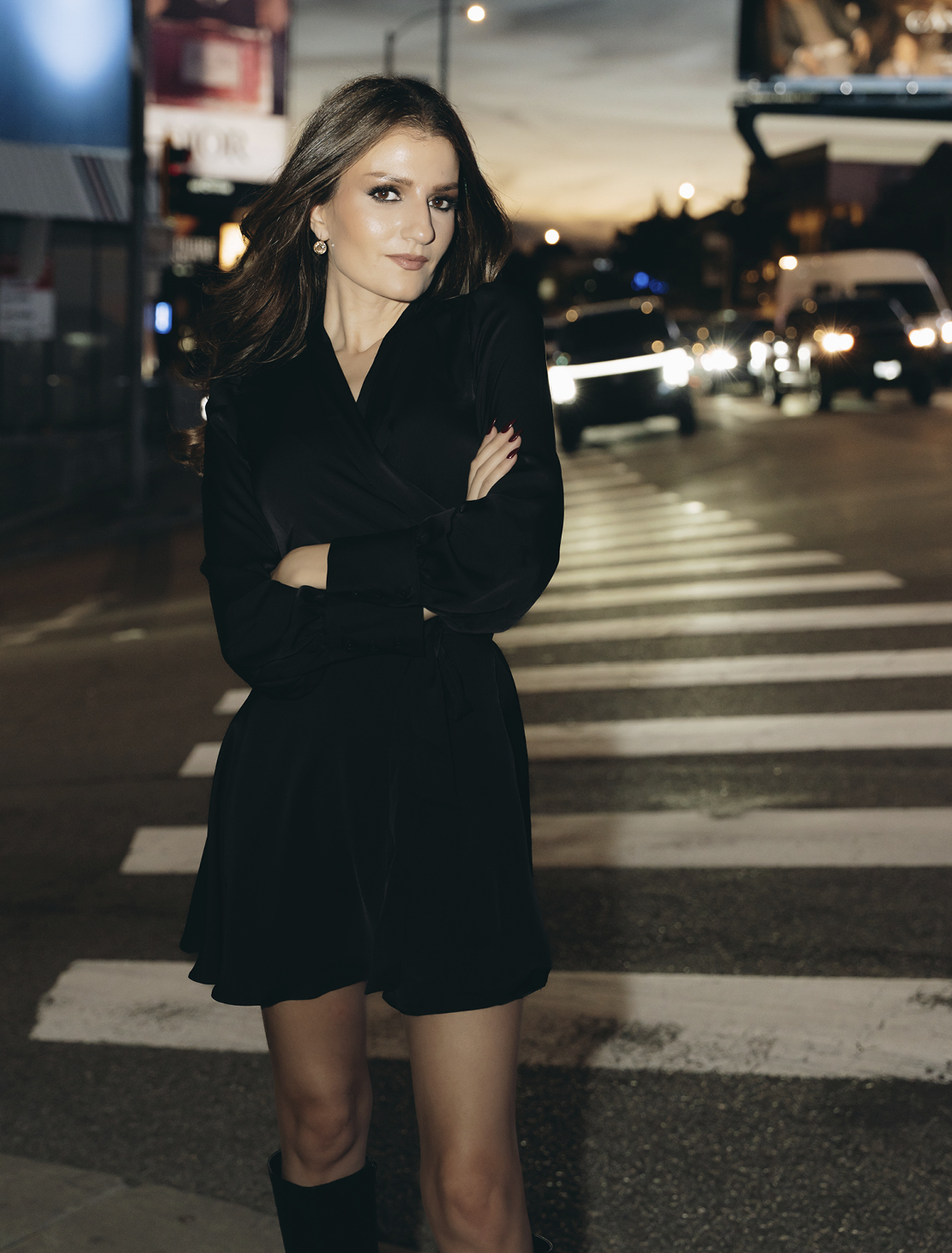
What are the most important lessons you’ve learnt about yourself through your personal growth journey?
Understanding someone’s reasons doesn’t oblige me to keep accepting behaviour that hurts me. I’ve learnt that compassion and boundaries can coexist. I can understand why someone is the way they are without taking responsibility for changing them.
I’ve also learnt that I don’t have to earn my place in someone’s life by endlessly proving how much I’m willing to give. It’s exhausting.
Most importantly, I’ve learnt that growth doesn’t mean becoming someone who never gets hurt, triggered, or afraid again. It means becoming someone who knows how to remain with herself when those feelings surface. I can survive them.
For a long time, strength meant endurance to me. Not anymore. Now, strength also means knowing when not to endure and choosing to walk away.
Looking back at the woman you were when you first began writing, what would you tell her today?
Oh, what a beautiful question. I would tell her: You don’t have to hurt enough to deserve your own compassion. You don’t have to wait for someone to validate what you’ve experienced before you’re allowed to believe yourself. You don’t have to become indispensable to people so they won’t leave. And you don’t have to explain yourself perfectly to earn the right to have a boundary.
I’d also tell her the voice she’s trying so hard to find isn’t out there. It’s already there. She just has to stop abandoning it every time someone disagrees or makes her feel she has to erase her true self to be seen.
As you enter this next stage of your career, what would you still like to explore or achieve through your work?
I’m increasingly interested in going beyond the question, “Who hurt us?” and exploring what happens inside us after we’ve been hurt.
How do we rebuild trust in ourselves? How do we learn to receive love without performing for it? How do we recognise ourselves outside the roles we’ve played for everyone else?
I want my work to continue evolving as I evolve. I never want to repeat an idea simply because it connected with people before. I want to keep asking harder questions and find new ways to help people come home to themselves.
Ultimately, I don’t want to give people a formula for who they should become. I want to create words that help them remember who they already are.
More information about the new book, and where to buy it can be found here: najwazebian.com/books