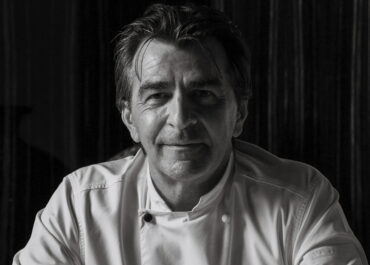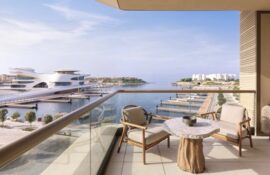

Yannick Alléno has been part of Dubai’s dining scene for well over a decade, establishing a longstanding partnership with One&Only The Palm through STAY by Yannick Alléno.
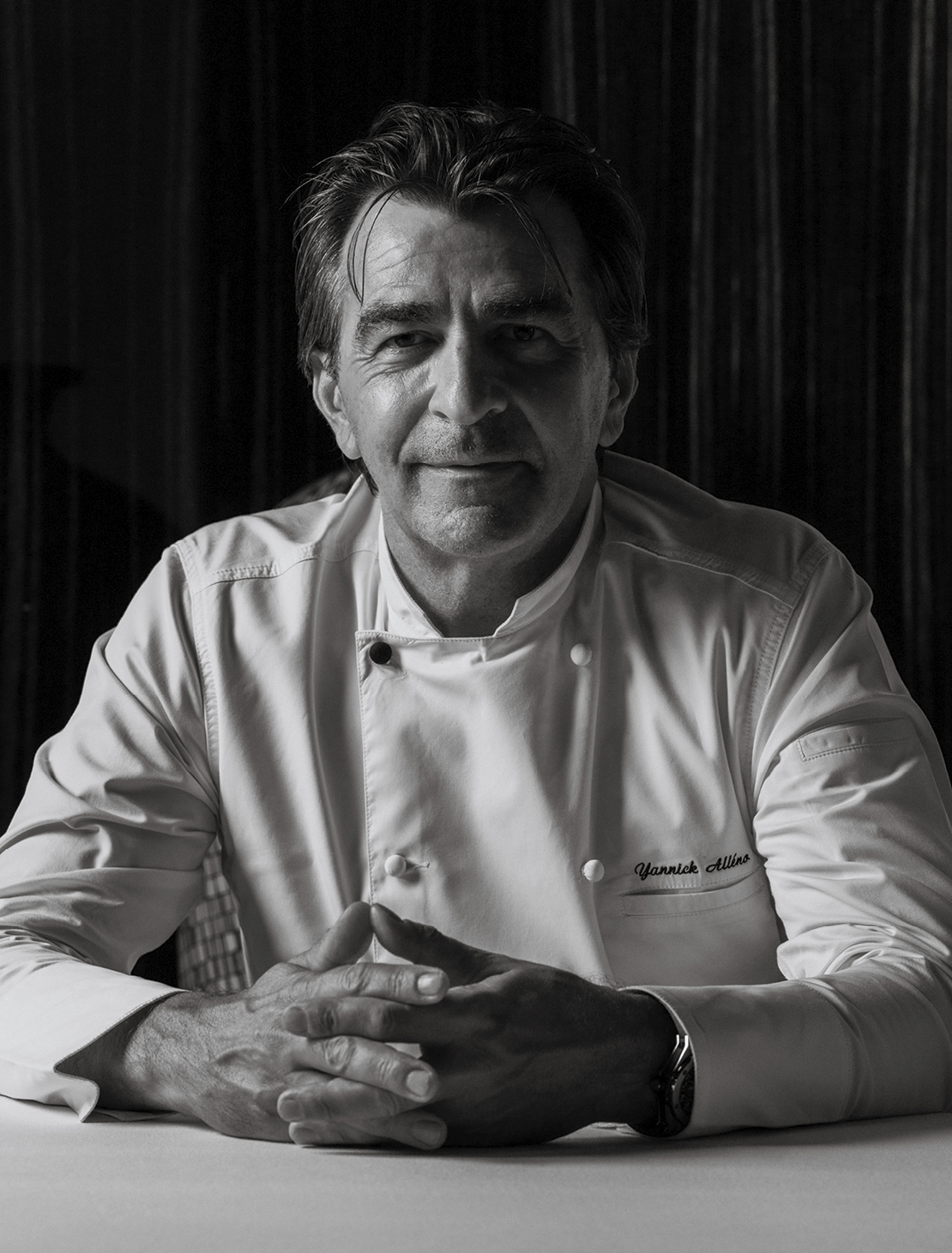
Now, the multi-Michelin-starred French chef is expanding his presence at the resort with two restaurants that offer distinctly different dining experiences.
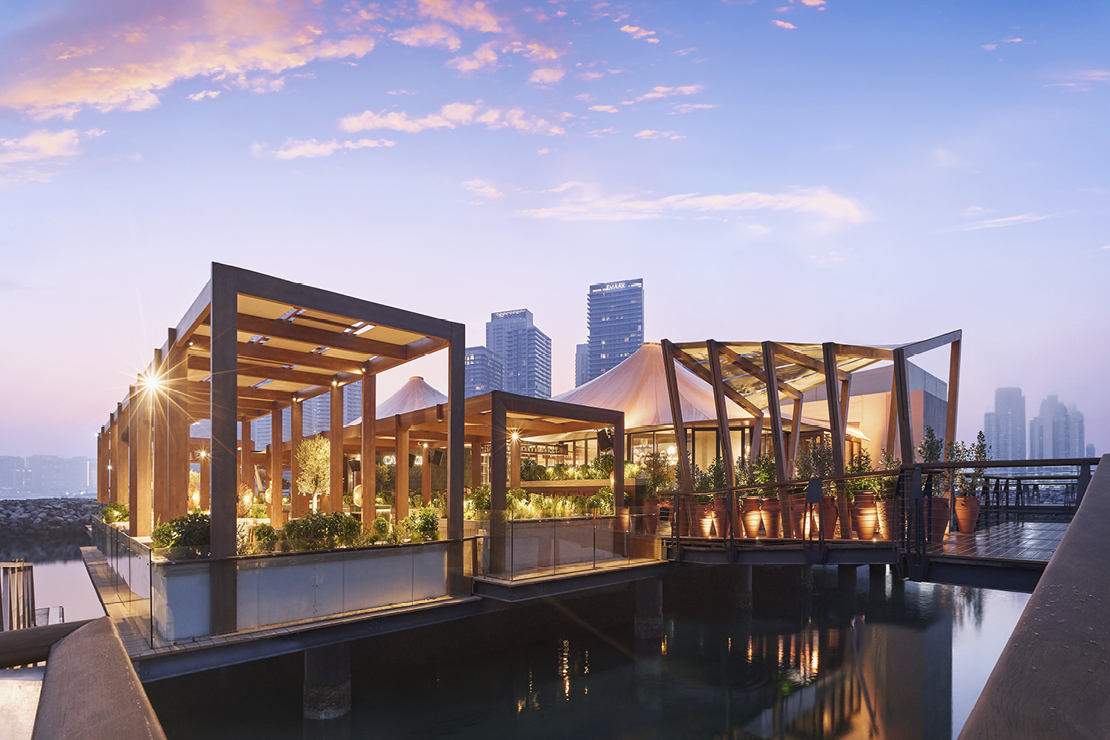
Opened on 19 October 2026, L’Abysse Dubai introduces Alléno’s interpretation of Japanese omakase to the Middle East. Following locations in Paris, Monaco, and Osaka, the intimate 34-seat restaurant combines the precision and craftsmanship of Japanese cuisine with French gastronomic techniques. Meanwhile, 101 takes a more relaxed approach, drawing on the coastal cooking traditions of the French and Italian Rivieras, with Mediterranean-inspired dishes served in a waterfront setting.
The openings reflect both Alléno’s evolving culinary philosophy and his confidence in Dubai as an international gastronomic destination. Here, he discusses the thinking behind the two concepts, the importance of creating a distinctive restaurant experience and his ambitions for the future of fine dining.
Your relationship with One&Only The Palm began with STAY by Yannick Alléno. What initially drew you to Dubai, and how has your connection to the city and its dining scene changed since?
My association with One&Only goes back a long way. We first spoke with the Kerzner group in 2008, and we essentially built the hotel’s food and beverage offering from the ground up. I believe it was the first time a hotel in Dubai asked an outside Michelin-starred chef to take charge of all its food and beverage, including STAY, Zest, and later 101.
What I find interesting is that the Kerzner group has adapted to what the market needs today, which is why we created L’Abysse and Casea 101. A hotel needs to evolve; it can’t stay frozen. Things change with their environment.
The opening of L’Abysse Dubai and Casea 101 marks an important expansion of your partnership with One&Only The Palm. What inspired you to bring these two concepts to Dubai?
It took long conversations to define a concept that did not exist. L’Abysse is unique, built on a very artistic approach to both cuisine and décor. It already exists in Paris and Monte Carlo, each with two Michelin stars, and in Osaka. It was born from my wish to translate my understanding of Japan through French techniques.
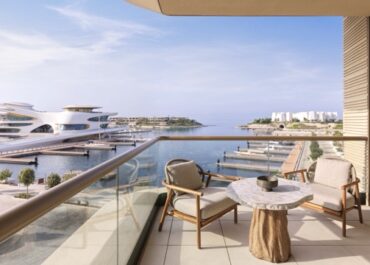
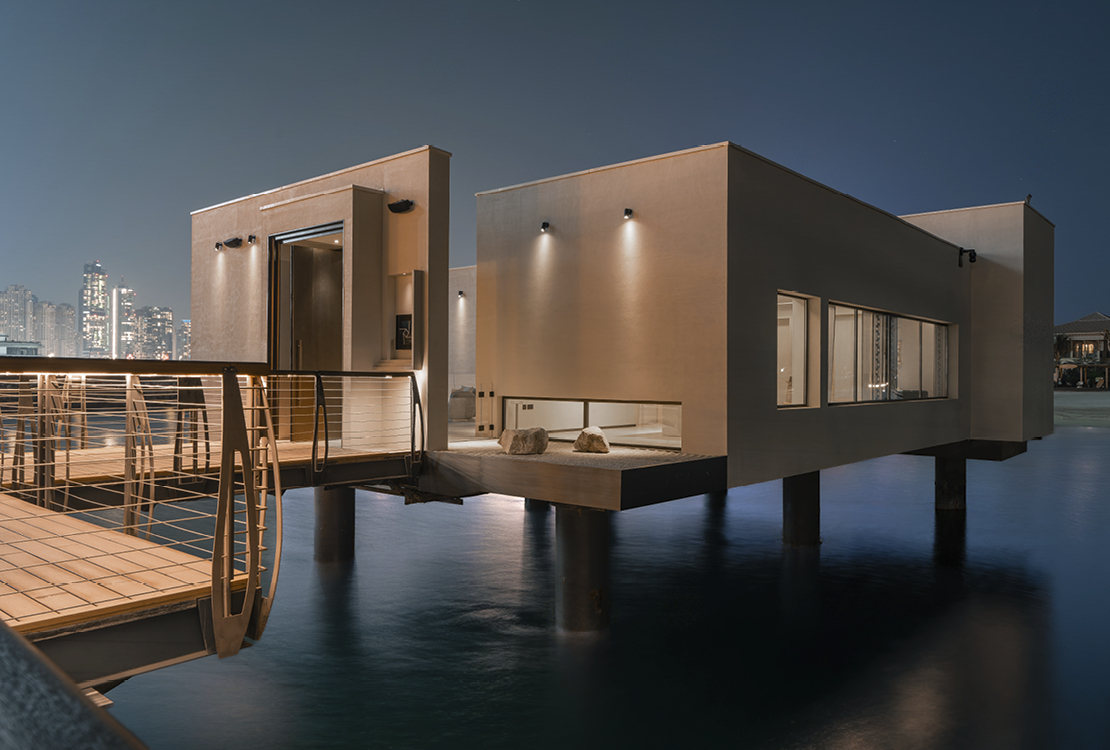
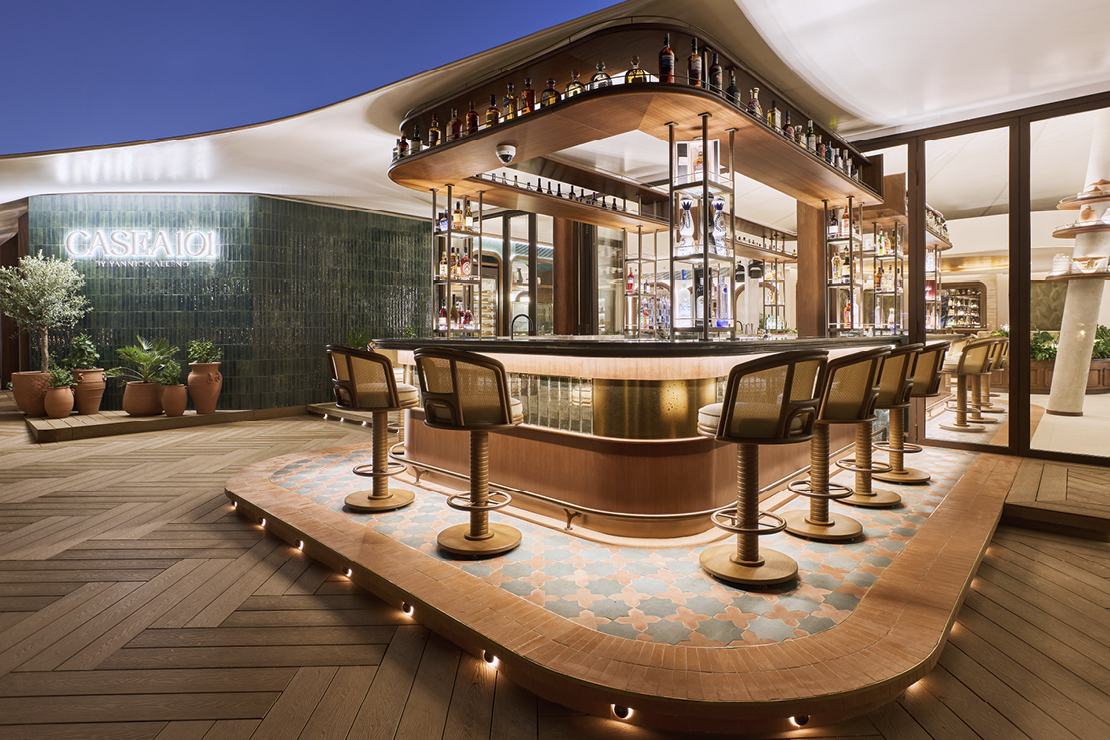
With Casea 101, I did not want to bring the market something you see everywhere. It is a festive, everyday place, fortunate to sit at the tip of the Palm, with breathtaking evening views. You can arrive by boat as easily as by car.
Casea 101 was born from the wish to cook home-style food from the French and Italian Rivieras. We wanted to bring creativity even to the simplest products, like pasta: blue lobster ravioli or Stroganoff rigatoni finished with fine straws of fried potato. The whole menu follows that approach, right through to the little dessert pizzas with caramelised pastry cream and candied fruit.
L’Abysse Dubai introduces your interpretation of Japanese omakase. What first drew you to Japanese gastronomy, and how does it complement your French culinary background?
When we say omakase, don’t think simply of sushi. I was first drawn to Japanese cuisine’s precision and the respect it gives each ingredient. I wanted to bring that approach into dialogue with French techniques.
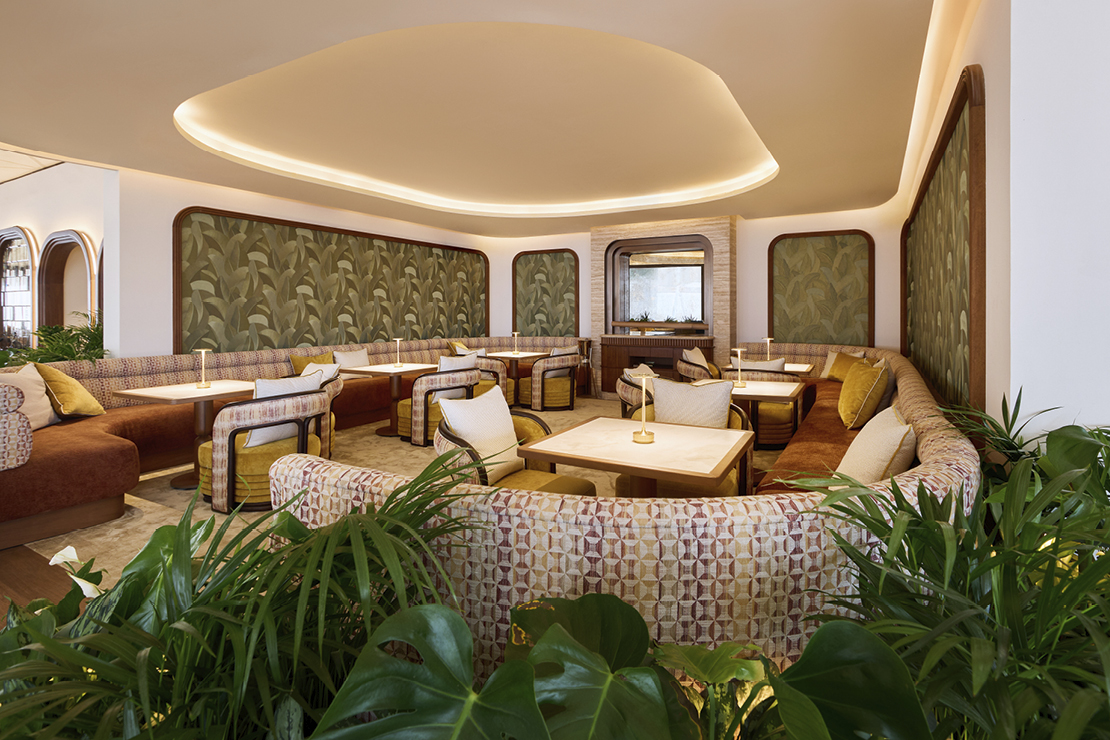
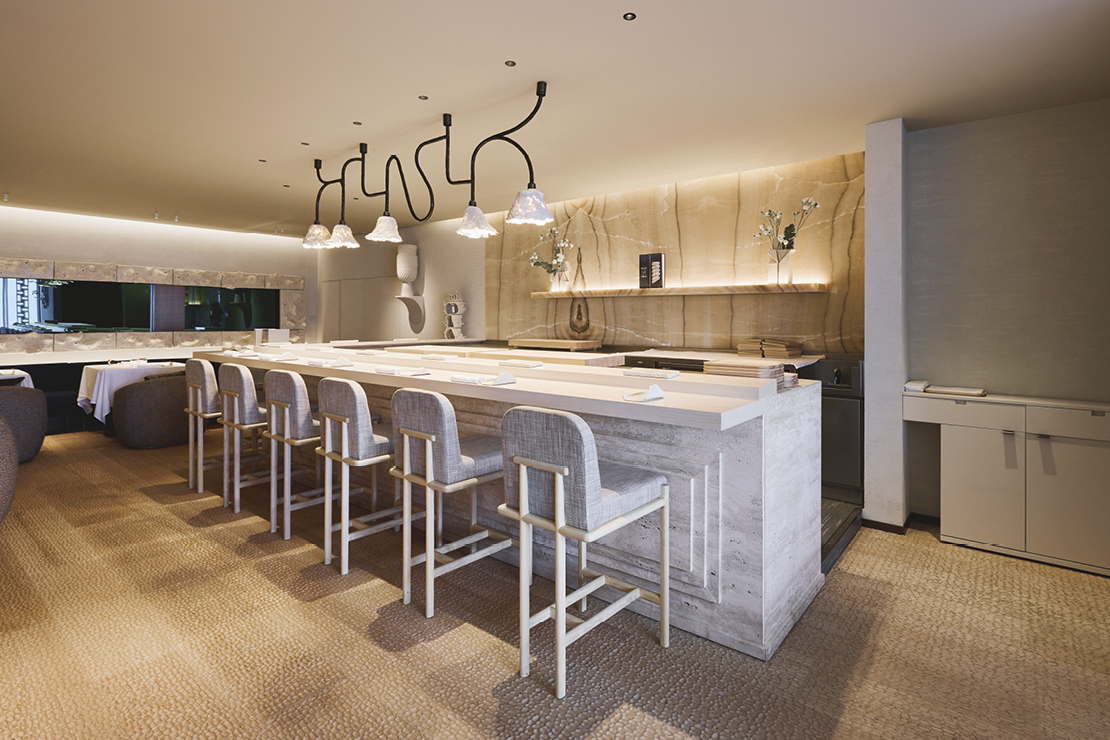
This is a journey into my world, the universe I imagined, where two cuisines meet at the highest level. L’Abysse should be seen as a fine-dining counter. This is truly haute gastronomy. Every spoon, every piece of porcelain, every vibration has been considered.
In a classic omakase, you might have two or three things to eat, very good sushi, and that’s it. Here, it starts with small, precise bites drawn from French technique. What we call the ’emotions’ punctuate the dinner between the sushi. And because we are French, we go all the way to dessert, with a generous sweet chapter called the ‘amami’.
Casea 101 offers a very different experience, inspired by the relaxed atmosphere of the Mediterranean and French Riviera. How do you ensure each restaurant has its own identity while reflecting your personal vision?
I know the French and Italian Rivieras very well. We have two restaurants in Monaco, I have my house in Italy, and we spend a lot of time in the south of France, in Beauvallon-sur-Mer in the bay of Saint-Tropez. We wanted to bring true home cooking. Casea 101 is the home.
When the Monkfish Milanese comes out, you are not eating in a restaurant; you are eating at someone’s home. The Casea Caesar salad I created is another example. So are the Stroganoff rigatoni and the lamb chops cooked over a live fire and served with a tomato, lemon and basil condiment.
These are the dishes you are served when you are welcomed into someone’s home. Casea means “casa” and “sea,” so we have to receive our guests accordingly.
Dubai’s hospitality industry has developed considerably over the past decade. How would you assess the city’s culinary landscape today?
Dubai is already a global hub. Everyone comes through here, stops over, leaves and returns. I think Dubai is now a city as gastronomically alive as Paris, New York, or Tokyo. It is one of the capitals of gastronomy, shaped by so much culinary and cultural diversity, and that is what makes it great. Dubai has become extremely important on the world gastronomic scene.
With so many new restaurants opening in Dubai, what do you believe restaurants need to offer to establish a lasting presence?
To last, you have to put a great deal of seriousness behind what you do. A venue’s longevity reflects its professionalism. Being backed by a resort also matters because you have the strength of a hotel behind you.
What matters in luxury is personality. You don’t go to a hotel for a good bed; of course, the bed will be good. You go for the food and the experience, because you want something you cannot find elsewhere.
One&Only The Palm has exceptional spaces, exceptional culinary offerings and exceptional people. That gives us a clear competitive advantage.
Beyond the food, how do you approach the relationship between cuisine, design, atmosphere and personalised service?
It’s all one. My teams and I are deeply involved in designing our restaurants from the ground up. Every detail counts, and that is what makes the difference: the texture of a wall, the rim of a glass, the feel of the cutlery. On its own, each is nothing, yet it is this multitude of details, which you don’t necessarily see but sense and feel, that makes the experience great.
Sensing each guest matters too. Luxury, in the end, is the sensitivity you have towards every individual you welcome into your home. That is how you understand what each person expects. Ours is a beautiful profession: we are here to sell happiness, nothing more, nothing less.
As hospitality continues to evolve, what do you see as the greatest challenges and opportunities for the next generation of chefs?
I think the young generation is wonderful. They are far more open-minded than I was when I started, thanks to their exchanges with the hundred-plus nationalities living in Dubai. It is wonderful to see their eyes open to a world that is moving at full speed.
Their challenge is their training: never stop learning, because that is what will make them grow. Guests are also far more open than before. If I had opened a restaurant like L’Abysse 40 years ago, people would have stared at me blankly, but now I am not worried about the future at all.
You are known for challenging the conventions of French cuisine, particularly through your approach to sauces and techniques. How would you describe your culinary philosophy today?
Like Escoffier, I am a reformer. I am not a revolutionary; I am a reformer. My age gives me perspective on what I have lived through, and I have arrived at a time when everything is transforming.
I reinvented sauces and brought them back into fashion, in France and around the world. Today’s cooking needs real evolution because health and environmental challenges await us. We must grasp these challenges, think about them, and adapt solutions.
I have also evolved service and its personalisation, which helped us secure the Orient Express projects, spanning its sailing yacht and trains. When I created La Conciergerie de Table, it was a real evolution and a true answer to our guests. I remain in that spirit today, continuing to reform things in the right direction.