
The Arab fashion industry is entering a defining period, shaped by a growing generation of designers, entrepreneurs and creative voices with ambitions that extend far beyond the region. For Amina Taher, appointed Chairwoman of the Arab Fashion Council in July, the opportunity now lies in turning that creative momentum into lasting commercial success and greater global influence.
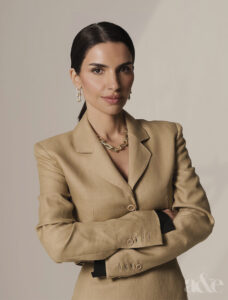
Bringing experience across aviation, fintech, sport and retail, Taher approaches the position with a strategic understanding of brand building, partnerships and long-term growth. Her vision is for the Council to become a leading institution within the region’s creative economy, creating the infrastructure, connections and opportunities designers need to build sustainable international businesses.
As the Council represents the fashion industries of 22 Arab countries, Taher is equally committed to celebrating each market’s distinct identity while advancing a shared regional ambition. Here, she discusses the importance of education and mentorship, and why access to investment, manufacturing and global networks will be crucial to the next chapter of Arab fashion. She also reflects on the meaning of Emirati Women’s Day and shares her advice for young designers hoping to make their mark on the world stage.
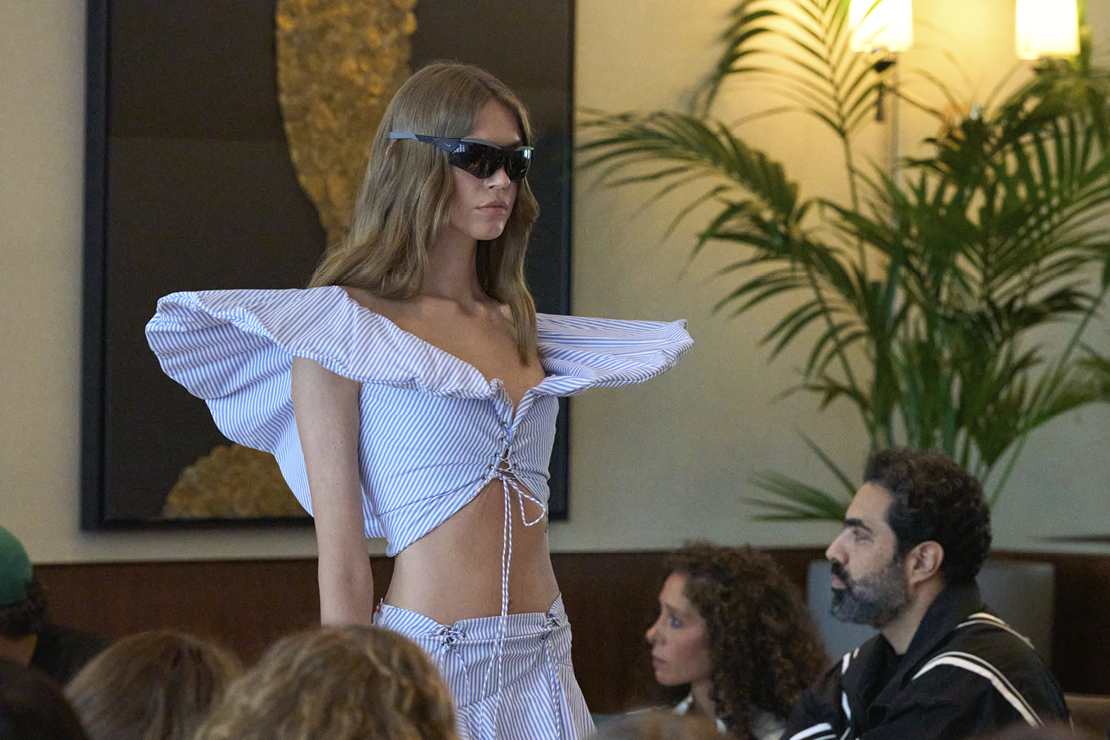
You took on the role of Chairwoman of the Arab Fashion Council in July. What attracted you to the position, and what do you hope to bring to the Council?
What attracted me most was the opportunity to contribute to something that has already built real momentum for the region. I see fashion not only as a creative industry, but as a driver of economic growth, cultural exchange and global influence. I want to help build on that foundation with greater ambition and global reach, creating more opportunities for regional talent and strengthening the Arab world’s presence on the global fashion stage.
How will your own career and experience shape your approach to leading a fashion institution?
My career has taken me across aviation, fintech, sport and retail but the common thread has always been building brands, creating partnerships and bringing people together around a shared ambition. I will bring that same strategic mindset to the Council, while making sure creativity and the needs of our designers remain at the heart of everything we do.
What is your long-term vision for the Arab Fashion Council, and where would you like the organisation to be five years from now?
I would like the Council to be recognised not simply as a platform for fashion, but as a leading institution supporting the region’s creative economy. In five years, I want to see more Arab designers building globally recognised and commercially successful brands, with the Council playing a meaningful role in creating the infrastructure, connections and opportunities that make that possible.
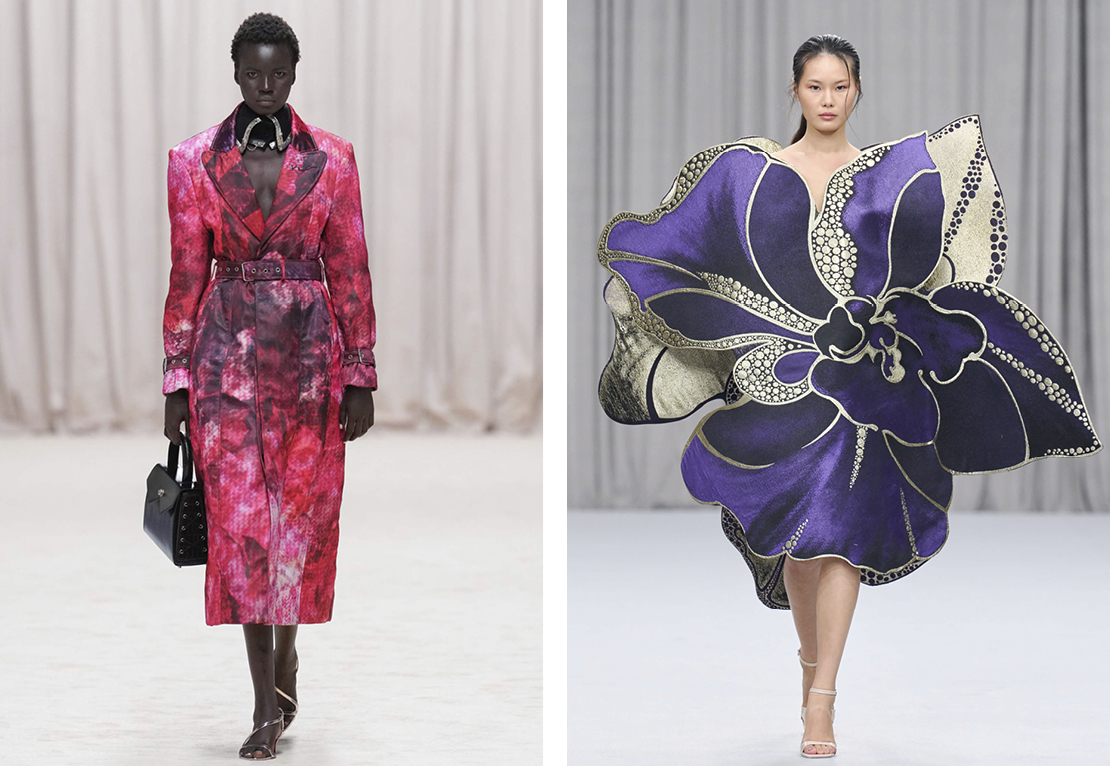
What are your immediate priorities as you begin this new chapter with the Council?
My immediate priority is to listen and engage closely with our designers, partners, government stakeholders and the wider creative community to understand where the Council can make the greatest impact. At the same time, I want to strengthen the partnerships and opportunities that connect regional talent with the global fashion ecosystem and create tangible pathways for growth.
The Council represents the fashion industry across 22 Arab countries. How do you create a shared regional vision while respecting the distinct identity of each market?
Our diversity is one of our greatest strengths. We don’t believe in creating one definition of Arab fashion, we believe in creating a platform where the distinct identity, heritage and creative language of each country can be celebrated, while working together towards a shared ambition to make the Arab world an increasingly influential force in global fashion.
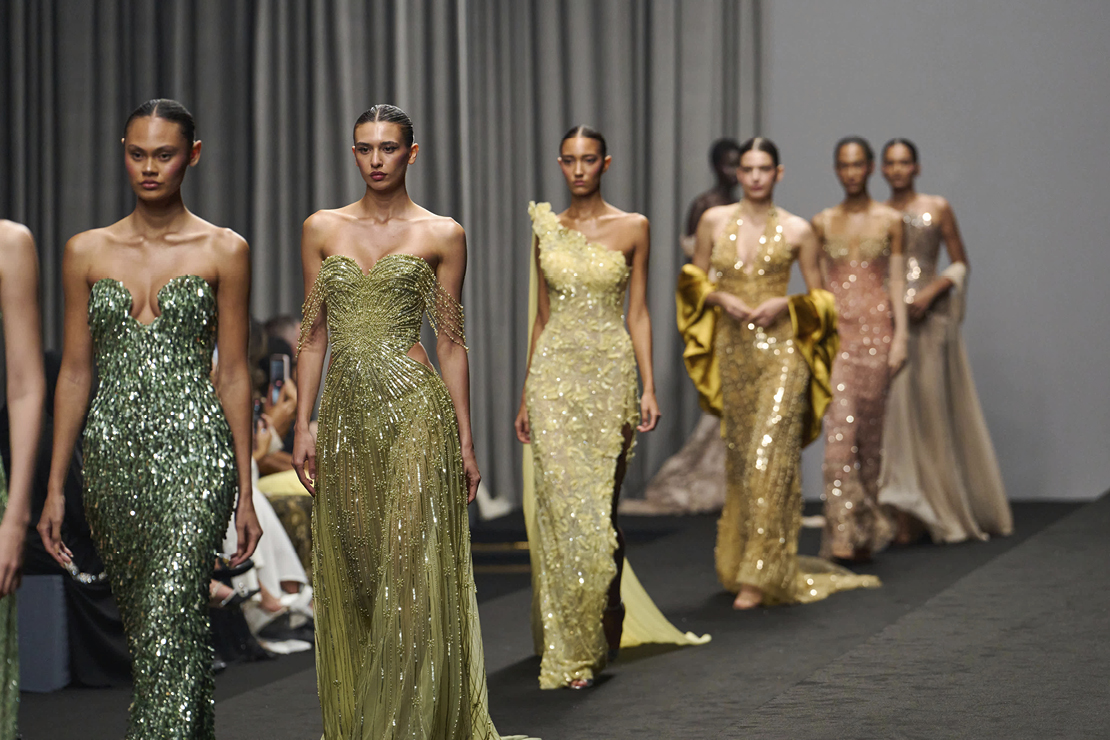
What in your opinion, are the greatest challenges currently facing designers in the region?
Creativity can open the door, but sustaining a business requires much more. For many emerging designers, the challenge is accessing the funding, manufacturing capabilities, commercial expertise and international networks needed to scale. We have extraordinary creative talent in this region, so the opportunity now is to strengthen the ecosystem around that talent and help designers translate creativity into sustainable, globally competitive businesses.
Emerging designers often receive attention without the commercial support needed to build sustainable businesses. How can the Council help bridge that gap?
Visibility is important, but it becomes truly valuable when it translates into opportunity. The Council can play a role in connecting designers with the right people, knowledge and resources, from investors and retailers to mentors and industry experts. Our role is to help create pathways that enable designers to turn creative potential into sustainable businesses.
How will initiatives such as the AFC Fashion Fund and its scholarship programmes create tangible, long-term opportunities for the next generation?
Talent exists everywhere, but access does not. Initiatives such as the AFC Fashion Fund and our scholarship programmes can help change that by giving emerging talent access to education, funding, mentorship and networks that might otherwise be out of reach. Sometimes one opportunity, introduction or investment can change the trajectory of a career. The long-term goal is to ensure talented young people from across the region have a clearer pathway into the industry and the support to build lasting careers.
What more can be done to improve fashion education, mentorship and access to specialist skills across the Arab world?
We need to bring education and industry much closer together. Young designers need access not only to creative education, but also to expertise in manufacturing, business, technology, retail and brand building. Mentorship is particularly powerful because access to the right person or perspective at the right moment can change the course of someone’s career. Building stronger connections between education and industry will ultimately strengthen the entire ecosystem.
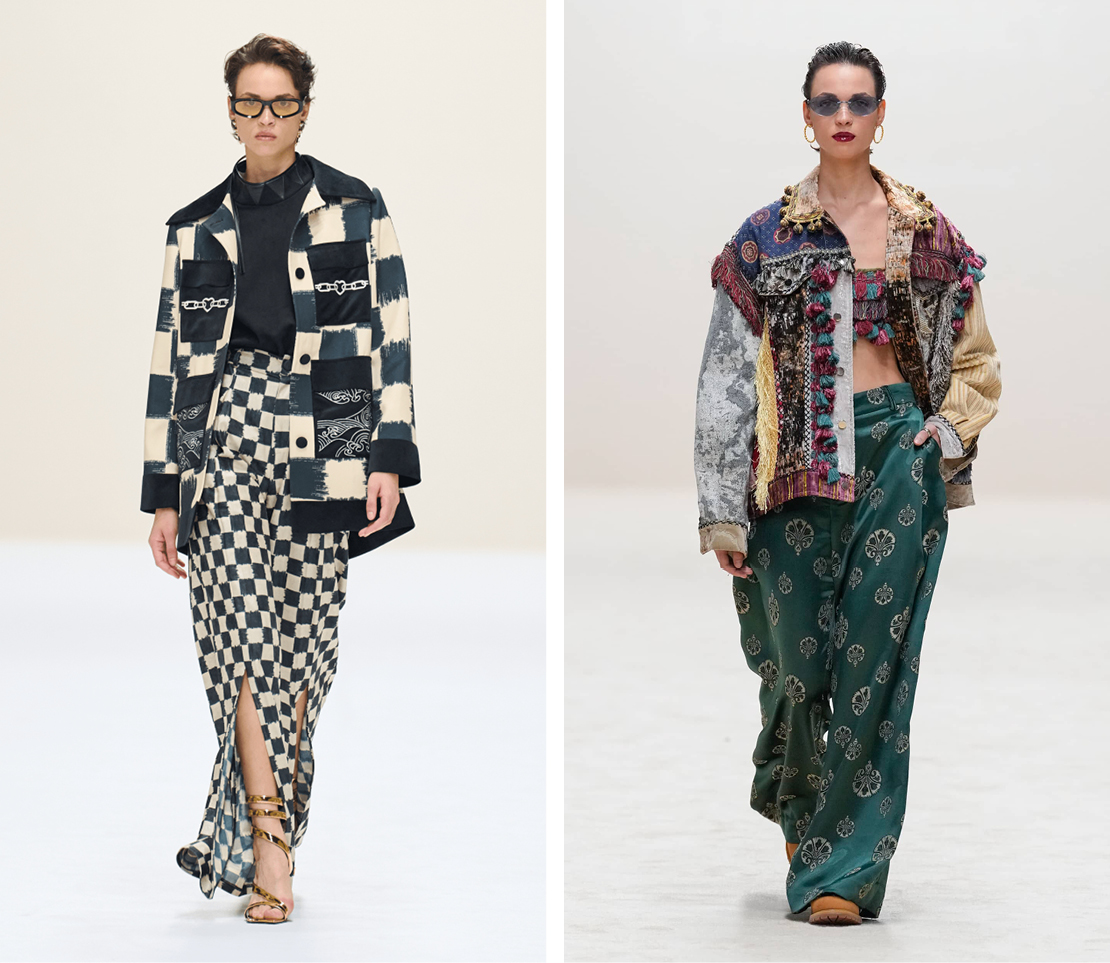
The Middle East is an important luxury market, but it is also becoming an influential source of design talent. What needs to happen for more Arab brands to become globally recognised businesses?
We need to think beyond being successful only within the region. Our designers already have creativity, cultural depth and a strong point of view. The next step is ensuring they have the business foundations, investment, distribution and global partnerships needed to scale. The ambition should not simply be to showcase Arab talent internationally, but to build Arab brands that compete and succeed internationally.
What does the future of fashion in the region look like to you, and where do you see the greatest opportunities?
I see a very exciting shift happening. The region has long been an important consumer of global fashion, but we are increasingly becoming creators, innovators and entrepreneurs within the industry as well. The greatest opportunity lies in bringing together our creativity, cultural identity, technology and entrepreneurial energy to build a fashion ecosystem with its own distinctive voice and genuine global relevance.
Emirati Women’s Day 2026 is being celebrated under the theme “Together, We Rise Stronger and Better.” What does that message mean to you personally?
To me, it is a reminder that progress is never just individual. I have been fortunate to work alongside and learn from many inspiring women, and I genuinely believe that when women create space, opportunity and support for one another, the impact extends far beyond any one person. We rise stronger when we recognise that someone else’s success does not diminish our own; it strengthens what is possible for all of us.
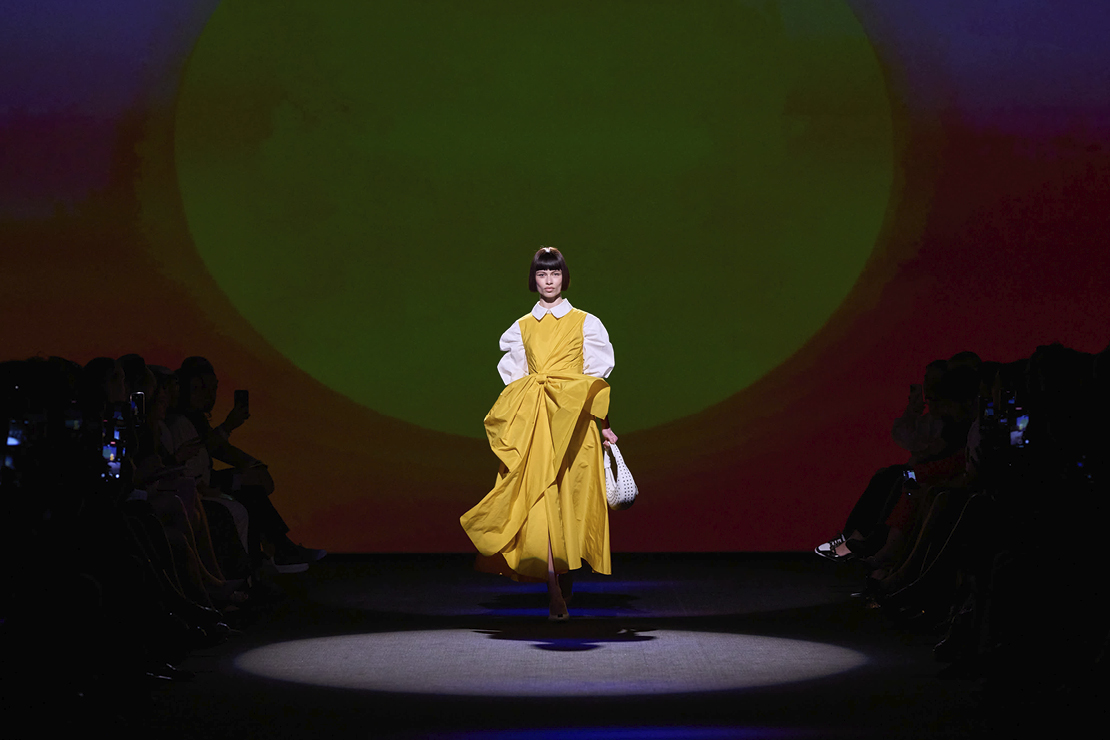
What message would you like to share with young designers hoping to build a career and a lasting brand in the Arab fashion industry?
Be ambitious, but understand that building something meaningful takes time. Do not be distracted by the pressure to achieve everything quickly. Focus on developing your craft, understanding your business and surrounding yourself with people who challenge and support you. Most importantly, never feel that being rooted in this region limits your ambition. Your identity, perspective and connection to this part of the world can be among your greatest strengths as you build for a global audience.