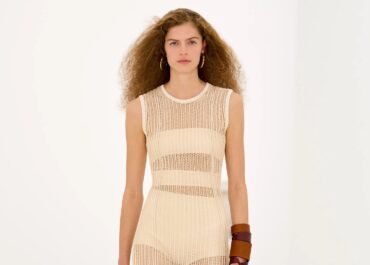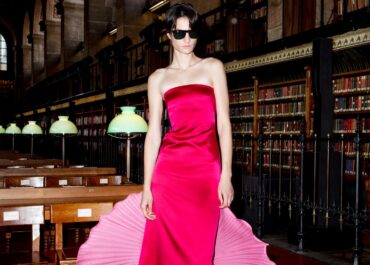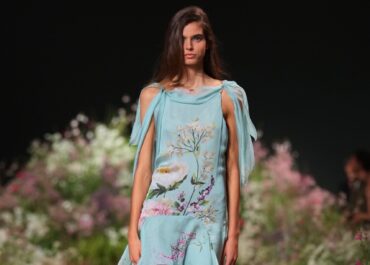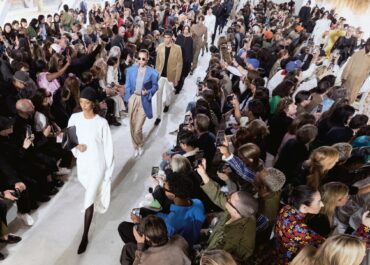

Founded by sisters Aya Abdelraouf and Mounaz Abdelraouf, Okhtein was created with the clear intention to reintroduce Egyptian craftsmanship to the global luxury conversation through a contemporary lens. Launched in 2013, the brand quickly established itself through a distinctive design language that blends heritage, structure and storytelling, bringing a renewed focus to the value of artisanal work produced in Egypt.
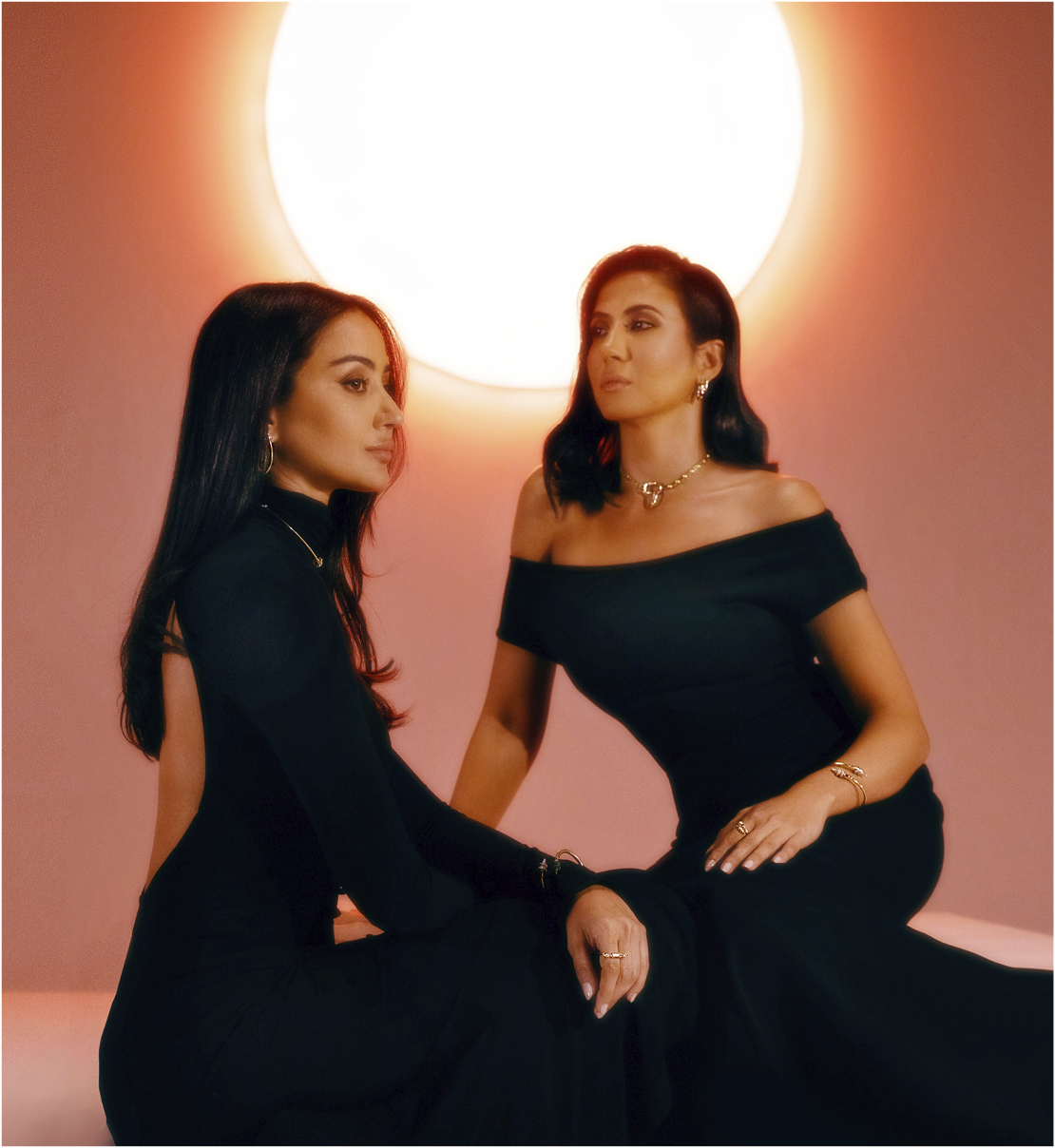
Born and raised in Cairo, the sisters were shaped by a deep connection to culture, art and design from an early age, influences that continue to inform their work today. At the heart of Okhtein is a commitment not only to craftsmanship but to the communities behind it, with the brand working closely with local artisans and female-led initiatives to preserve traditional techniques while creating new opportunities.
Known for pieces that carry as much meaning as they do design, Okhtein has built a global following drawn to its balance of detail, narrative, and individuality. Now, with the introduction of its bespoke service in Dubai and Riyadh, the brand enters a new chapter, offering a more personal, collaborative approach to design that allows each piece to become uniquely tied to its wearer.
As Okhtein continues to expand internationally while remaining rooted in its origins, we speak to Aya and Mounaz about evolving a brand with purpose, navigating growth and redefining what modern luxury can look like.
From the beginning, Okhtein has celebrated heritage through contemporary design. How has your creative vision evolved as the brand has matured?
At the beginning, the vision was already clear. Our work has always been rooted in heritage, craftsmanship, and storytelling, and that foundation has remained consistent from the start. What has evolved over time is the depth and precision with which we approach it. As the brand has matured, we’ve expanded how we translate those references into each piece, allowing the stories behind them to become more layered and defined. That evolution has also come through in how we work with materials, detail, and construction, refining each element while maintaining the same core identity. It’s not about changing direction, but about building on what was already there. Each collection adds to that process, allowing the work to grow in scale and clarity, while staying grounded in the same principles that shaped Okhtein from the beginning.
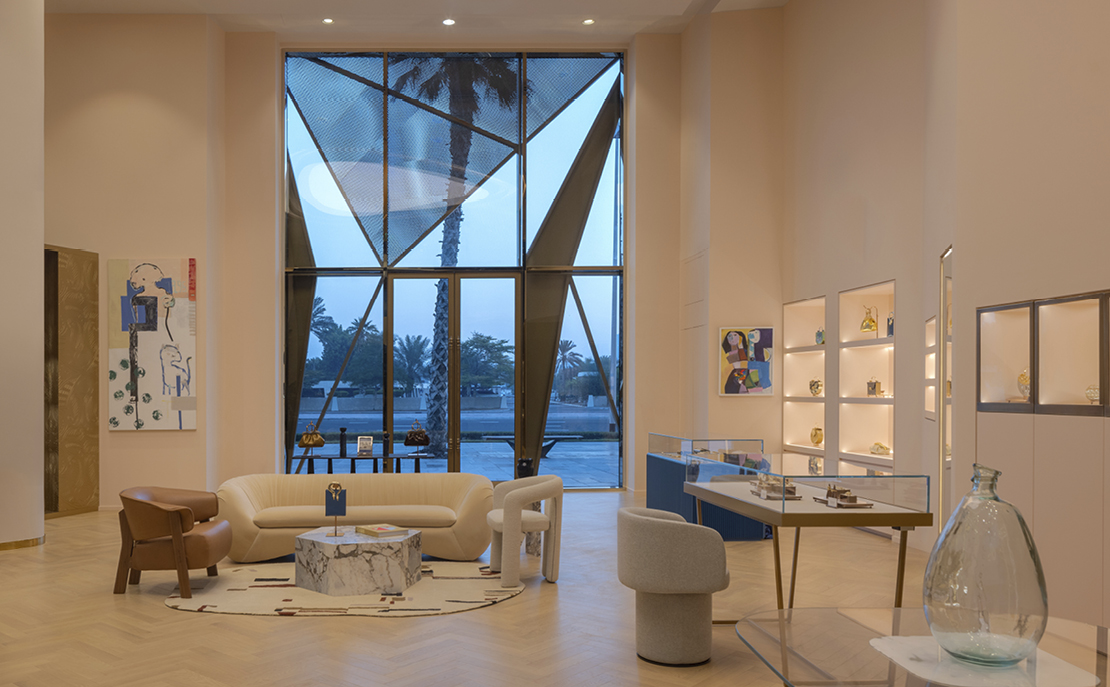
Your designs are deeply rooted in Egyptian craftsmanship. How important has preserving traditional techniques been in shaping Okhtein’s identity?
Craftsmanship is central to our identity. It’s not something we add to the design; it’s what defines it from the beginning. Our understanding of craft was shaped early on through Egyptian craftsmanship. It influenced how we see materials, detail, and construction, not only as elements of design but as things that carry intention and discipline. For us, traditional techniques are not references, but a way of thinking. They inform the structure, the level of detail, and the balance within each design. Preserving them doesn’t mean keeping them unchanged but allowing them to be translated into a contemporary context. Through design, they remain part of how each piece is conceived and built. That’s how they continue forward, by staying embedded in the work itself.
The Middle East fashion landscape has changed significantly over the past decade. How have you seen the region evolve, and where do you see its influence heading next?
There has been a clear shift in how the region expresses itself. Over the past decade, it has become more confident, more visible, and more self-defined. Designers are no longer looking outward in the same way; there is a stronger sense of identity in the work itself. At the same time, there is a growing appreciation for pieces that carry meaning, whether through craftsmanship, narrative, or detail. That has always been part of the region, but it’s now being expressed more openly and more consistently. Looking ahead, we see the influence of the region continuing to grow, not as a trend, but as a distinct voice. One that contributes to the global fashion landscape on its own terms, with a clearer sense of direction and presence.
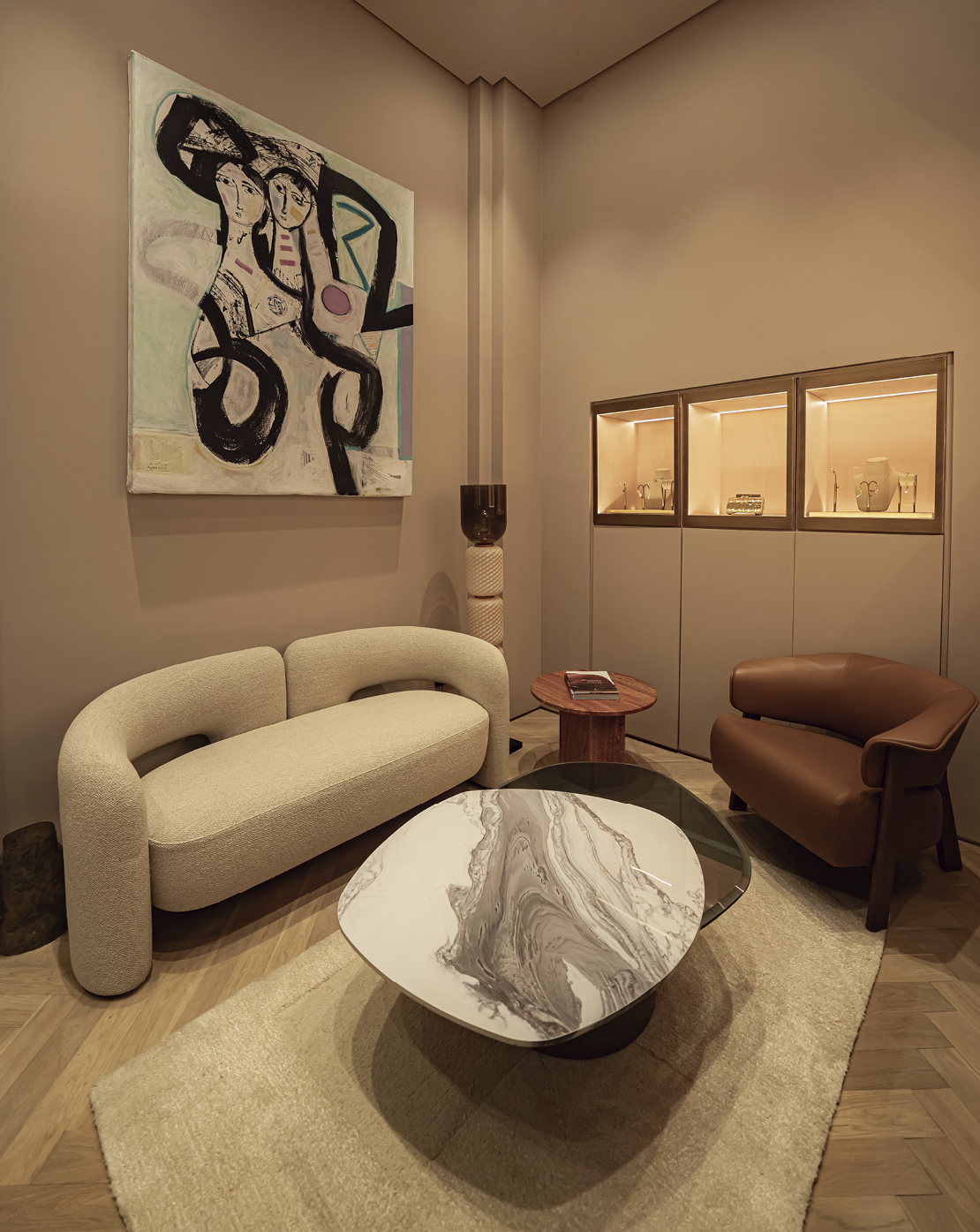
Middle Eastern designers are gaining increasing global recognition. Why do you think this moment is particularly important for regional brands?
This moment is important because the narrative is coming from within the region itself. For a long time, Arab identity in fashion was often interpreted from the outside. What’s happening now is different. Designers speak from their own experiences and references, which brings a level of authenticity that resonates more strongly. It also marks a shift in how regional brands are positioned. They are now part of the global conversation in a more established and recognised way. What makes this moment significant is that it creates space for a more accurate and nuanced representation of the region, one that isn’t shaped by expectation, but by lived experience.
What opportunities do you see emerging for luxury brands from the region, particularly in markets such as the UAE and Saudi Arabia?
Markets like the UAE and Saudi Arabia offer strong opportunities for luxury brands, with a clear appreciation for detail, craftsmanship, and pieces that carry meaning, alongside a strong sense of individuality in how they are chosen and expressed. What stands out in these markets is how intentional the relationship with luxury has become. There is a growing demand for pieces that feel more personal and considered, rather than purely transactional. That creates space for more tailored experiences, where design, storytelling, and personalisation come together in a more defined way. For regional brands, this is an opportunity to move beyond traditional retail and build a more direct and meaningful presence, where the value of the piece extends beyond the object itself.
Okhtein has recently launched its exclusive bespoke service in Dubai and Riyadh. What inspired you to introduce this more personalised experience now?
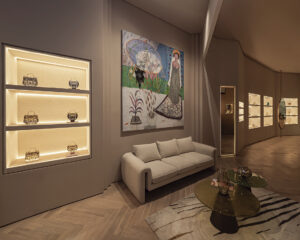
The introduction of bespoke was a natural progression from how we’ve always approached design. Each piece already carries a narrative, but over time, we felt there was an opportunity to make it more personal. Markets like Dubai and Riyadh, in specific, reflect a shift toward more considered and individual ways of engaging with luxury. There is a stronger desire for pieces that feel specific to the wearer. That’s what made the timing right. It allowed us to move from creating a defined narrative to making it more personal.
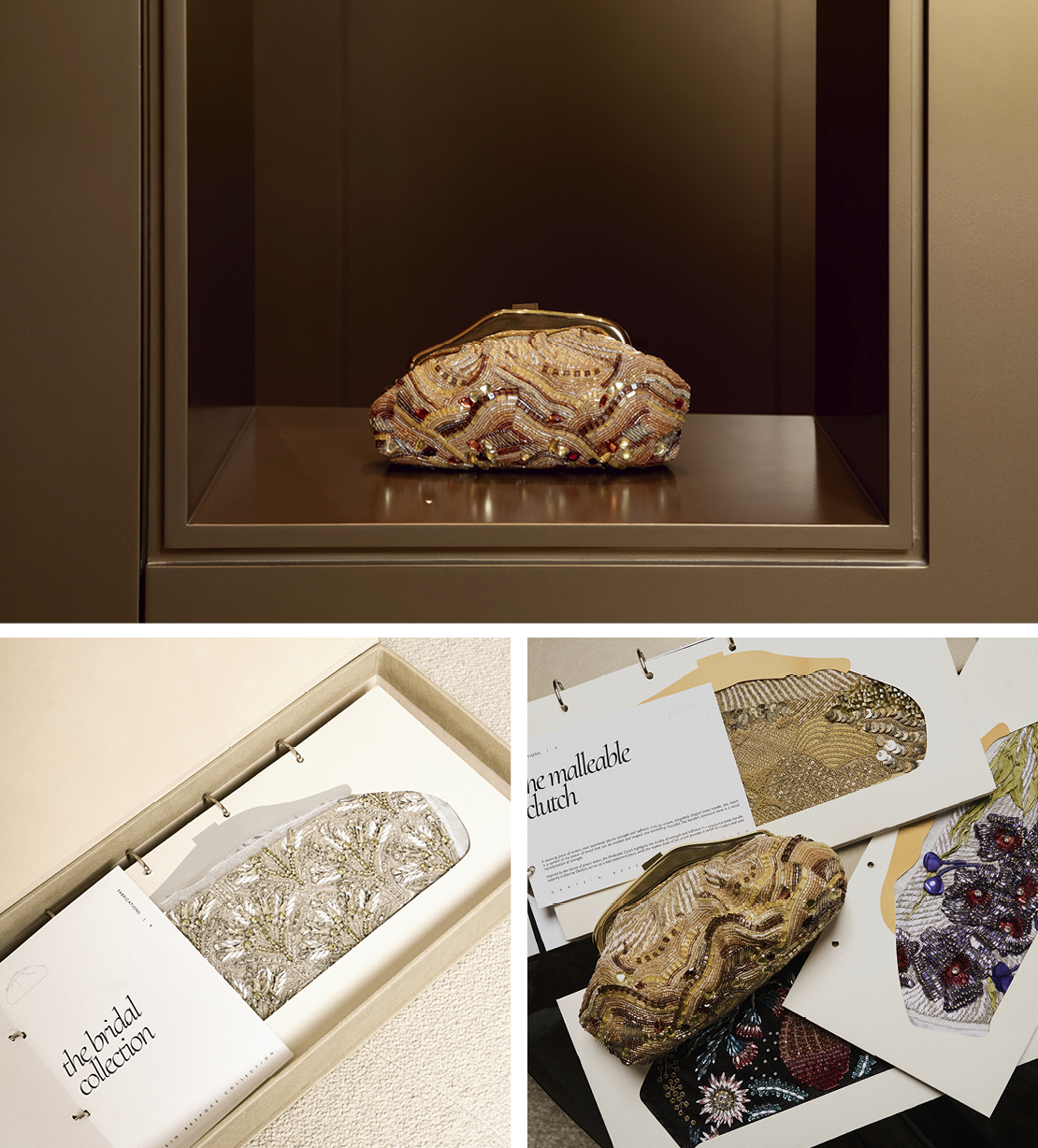
Clients can collaborate directly with you to design a one-of-a-kind piece. Why was it important for you to create this more personal relationship with your customers?
Creating that relationship changes the role of the piece itself. When someone is part of its creation, it becomes tied to a person, a moment, and a set of choices entirely her own. For us, it shifts the process from designing for someone to designing with her. That interaction adds another layer to the work. It still carries our language, but it also carries hers, making the piece more specific and more personal in a way that cannot be replicated. That’s what makes it important. It allows the piece to move beyond being an object and into something that holds meaning over time, something that can be kept, passed on, and experienced differently by the person who owns it.
In an increasingly fast-paced fashion landscape, how important is the idea of creating something timeless, personal and made to order?
In a fast-paced landscape, creating something made to order introduces a different sense of time. It shifts the process away from immediacy and towards something more considered. There is value in slowing down the process by which a piece comes into being. It allows for more attention to detail, more precision, and a more deliberate approach to design. That changes not only how the piece is made, but how it is understood. In that sense, timelessness is not about resisting change but about creating something not defined by speed. Something that exists with a sense of permanence, rather than urgency.
What markets are you most excited about as you continue to expand globally?
We’re particularly drawn to markets where there is a strong appreciation for craftsmanship and a clear connection to narrative and design, where the work is understood not only for how it looks, but for what it carries. For us, expansion is not only about geography, but about context. It’s about entering places where the brand can exist in a way that feels aligned, allowing the work to be experienced as it’s intended.
As female founders building a globally recognised brand, what have been the biggest challenges along the way, and what advice would you offer to women looking to build their own businesses?
One of the biggest challenges has been building a brand that meets international luxury standards while staying true to where we come from. As the work evolved, so did the level of technical complexity, particularly in our approach to structure, materials, and construction. That required us to rethink how and where we produce, while remaining grounded in the same identity. At the same time, there is always a balance between creative direction and the realities of building a business. That process takes time, and it requires clarity, consistency, and resilience.
Our advice would be to begin from your own culture, not from imitation. Build from your own perspective and protect it. Being unique is essential, but so is resilience. This industry can be demanding, and there will be moments where things don’t unfold as expected. What matters is the ability to continue, to stay consistent, and to keep building with conviction.
As you look to the future, what would you still like to achieve with Okhtein?
Looking ahead, our focus is on continuing to grow the brand while strengthening its presence in an intentional, considered way. It’s important for us to build a strong foundation where the work is understood and experienced in its full context. Beyond that, the vision is to continue expanding globally in a way that feels aligned. Growth, for us, is not about scale alone but about allowing the brand to exist in different places while remaining true to its origins. It’s about building something that can evolve over time, without losing the identity that defines it.
What else is in the pipeline for the brand this year?
This year, we’re working on a more intimate, personal collection that holds a very meaningful connection for us. It draws on something closely tied to our grandmother, and it’s a project we’ve been developing with great care. Alongside that, we will continue to expand the bespoke experience, allowing it to evolve further into a more personal way of connecting each piece to its owner. At the same time, we will continue to introduce new designs and explore different directions across the coming seasons, building on our existing language while allowing it to develop.