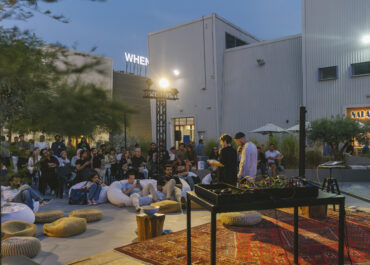

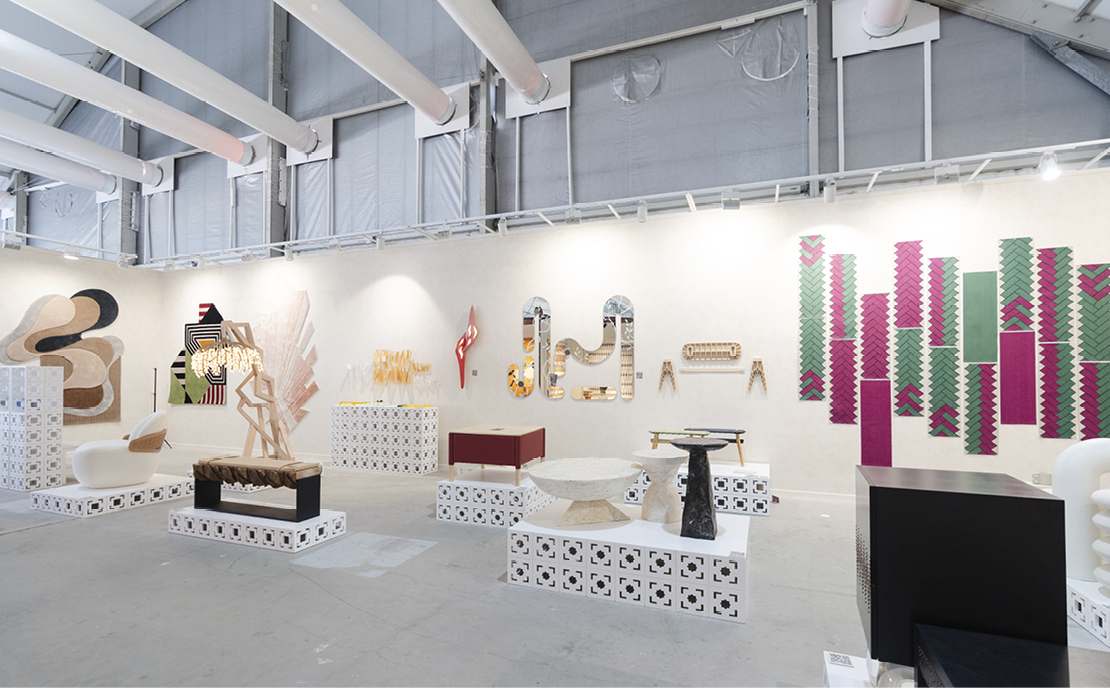
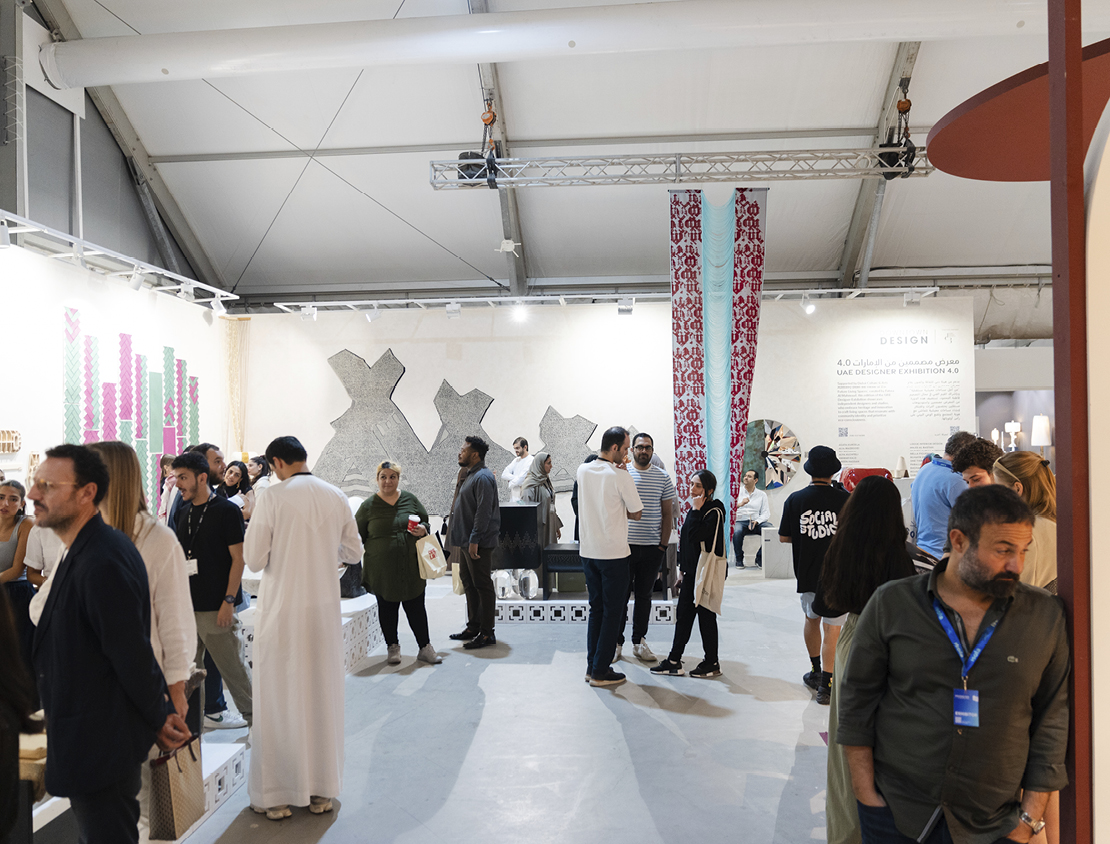
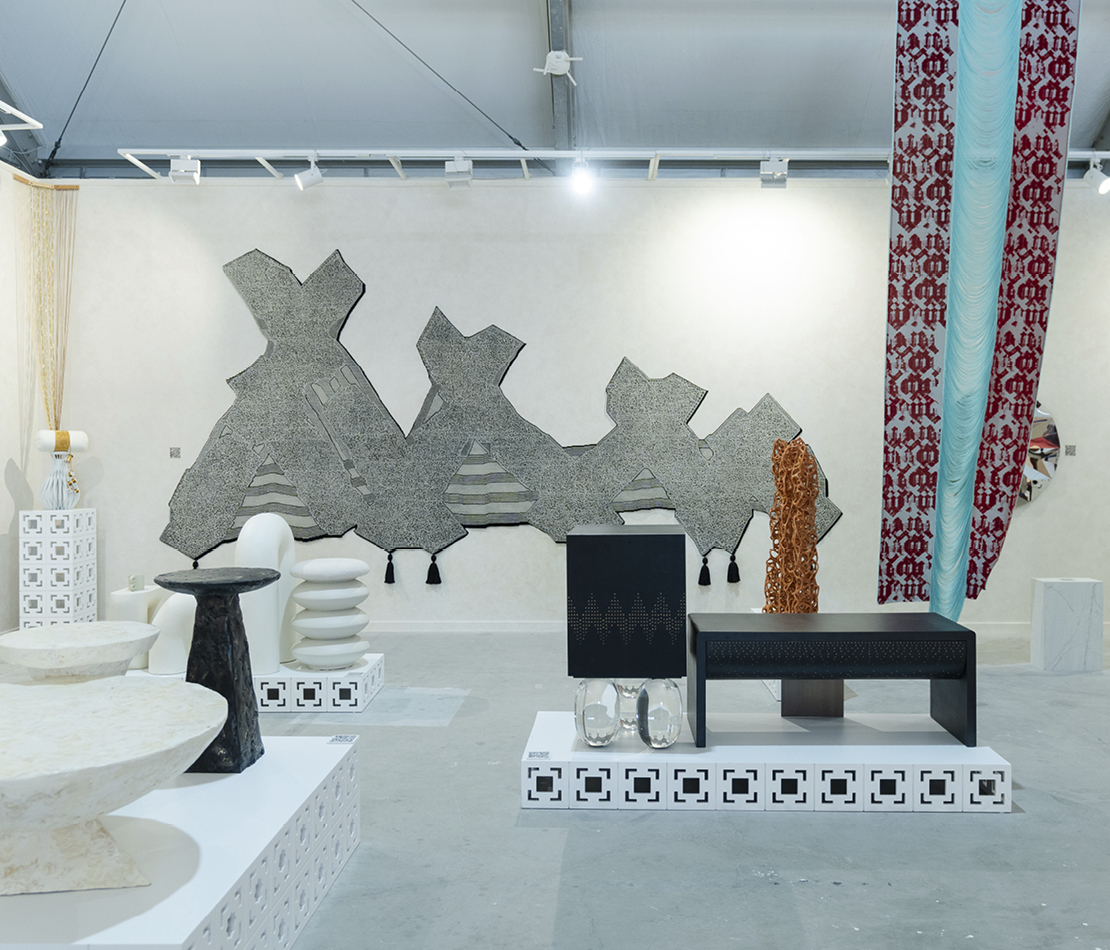
The UAE Designer Exhibition is an annual platform devised to support the local creative community, showcasing emerging talents and young practitioners and their design talent. Hosted at Downtown Design in November, this year’s exhibition was curated by Fatma Al Mahmoud under the theme ‘For Future Living Spaces’, with a focus on designers committed to crafting living spaces that embrace social impact and eco-consciousness.
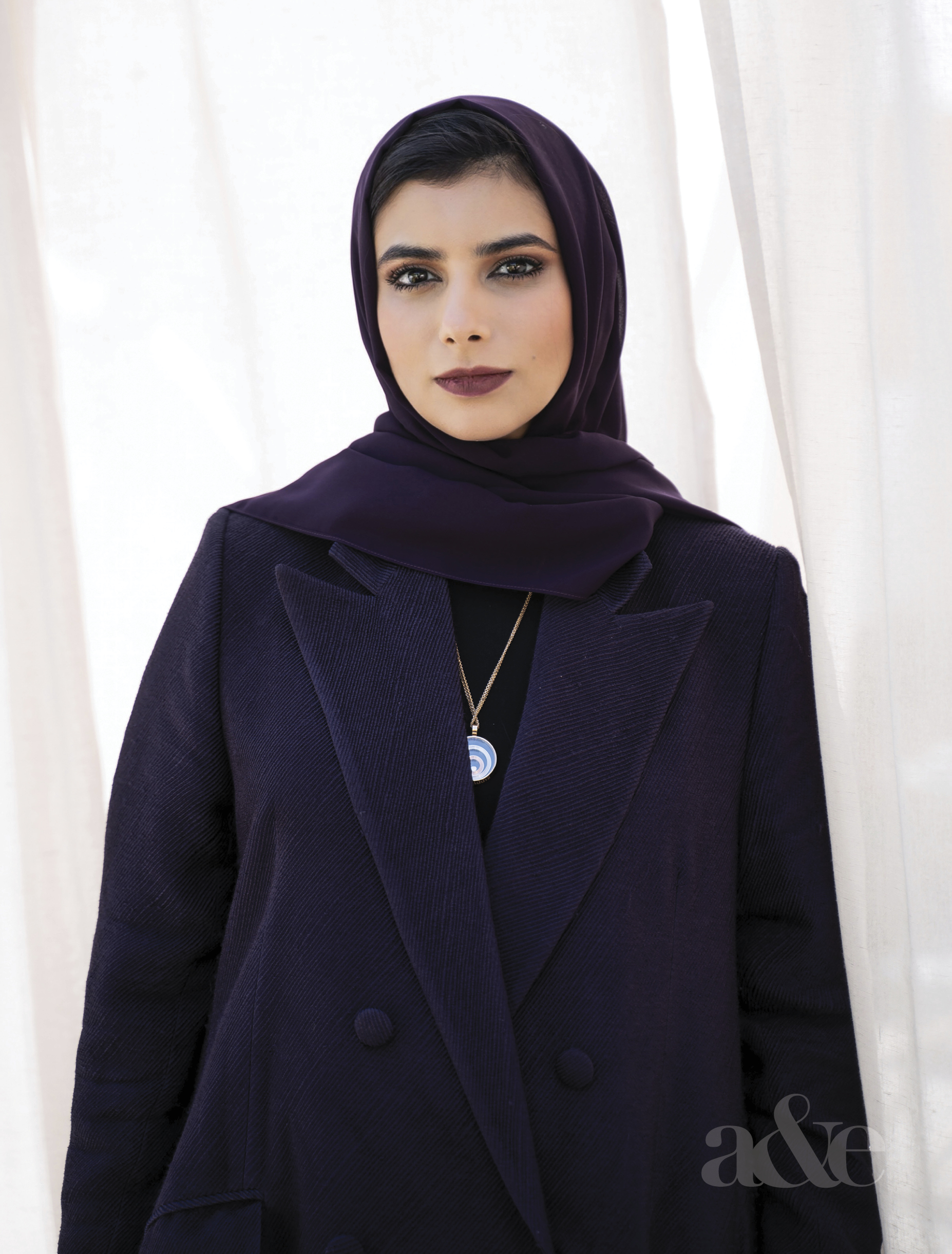
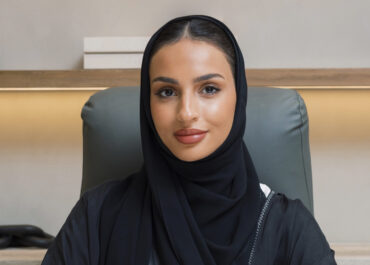
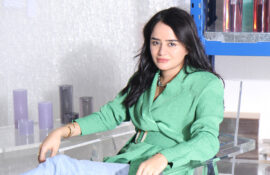
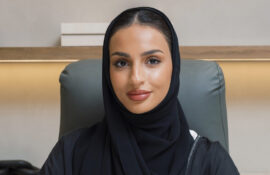
Al Mahmoud currently holds the position of Cultural Planning Manager at House of Wisdom, Sharjah’s cultural hub, and was invited to be part of the exhibition thanks to her dedication and support of the creative community in the UAE. She has made significant contributions to the art and design scene with a strong emphasis on community engagement and a passion for cultural-led exhibitions, projects, and programs. She is at the forefront of shaping the creative landscape as the Cultural Planning Manager at House of Wisdom and Managing Partner at Hamzat Wasl Studio.
Working previously as the Head of 1971 – Design Space, one of her key strengths is identifying and nurturing emerging talents in the regional design field. By working in proximity with local and regional designers, Al Mahmoud has cultivated a deep understanding of the design ecosystem and has developed strong relationships within the industry.
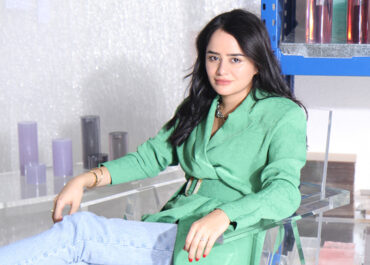
For the recent edition of the UAE Designer exhibition, Al Mahmoud was tasked with selecting submissions that not only considered the future of living spaces but also urged designers to use materials and resources that are environmentally responsible, promote local production and sourcing, and design for longevity and adaptability. This year’s showcase included work from UAE-based designers and studios, including Alya Alghfeli, Munira Almulla, Majid Al Bastaki, Areen Hassan, Ammar Kalo, Alia Mazrooei, Nuhayr Zein and Dachah Studio. Here, we find out more about the exhibition and the importance of supporting local talent.
Tell us about this edition of the UAE Designers Exhibition, how it came to light, and its role today.
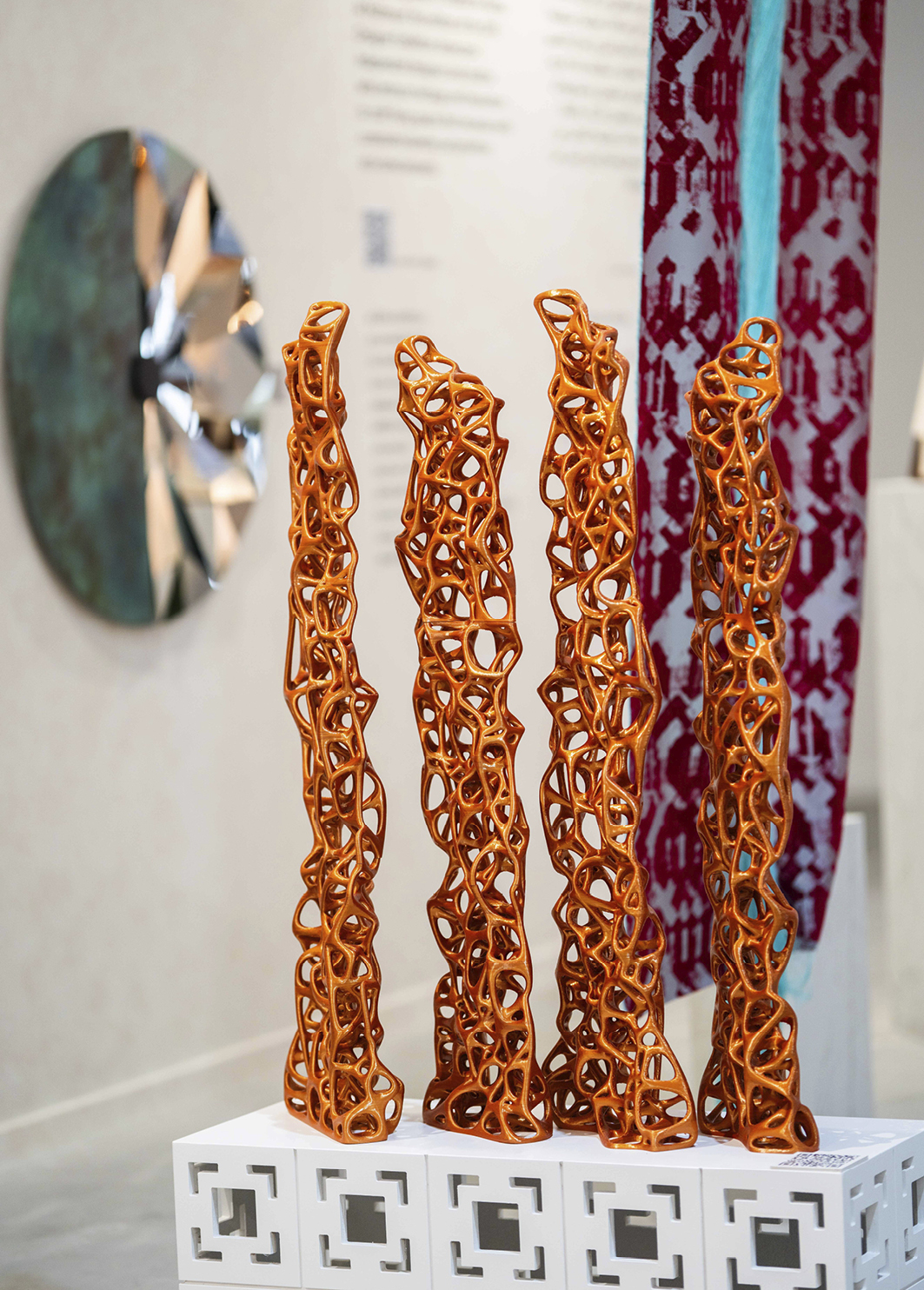
For this edition of the UAE Designers Exhibition, I had many conversations with all the designers before they started production. We set many criteria for the selected designers, including cultural reference, sustainability, eco-consciousness, and local production. We managed to ensure that most of the pieces were locally produced or at least elements of each piece were locally produced, using locally sourced materials where possible and also considering sustainable measures when it comes to production.
We have 25 participants, and what’s different about this year’s edition is that it’s actually a blend of renowned designers and emerging designers. I wanted the established designers to act as an incentive or an inspiration to the emerging designers.
How did you select the designers?
I had many conversations with the designers after seeing their proposals. And that was combined with the criteria that we set out for the participants.
 Tell us some of the highlights and some of the pieces we should look out for.
We have Nella Figueroa, a designer from Venezuela, who took the water mechanism from her home country and created an innovative water jug and set of cups titled Ávila’s. It’s handcrafted from sustainable materials and based on a well-known landmark in Venezuela. It highly portrays her culture, and it’s about the concept of pouring water and how water is important to life. It acts as a connector to everyone from different cultures.
We have Munira Almulla with O-Collection. Munira incorporated recycled plastic materials from sea waste into a seat. The upholstered seats and backrests feature “Oceanic” by Camira, an innovative upholstery material, where each meter of fabric contains the equivalent of 26 plastic bottles, effectively repurposing these materials that would otherwise pollute the ocean.
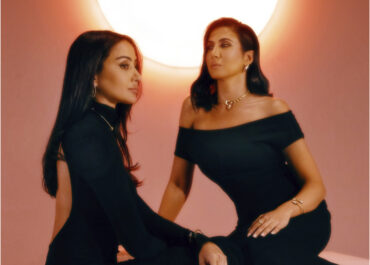
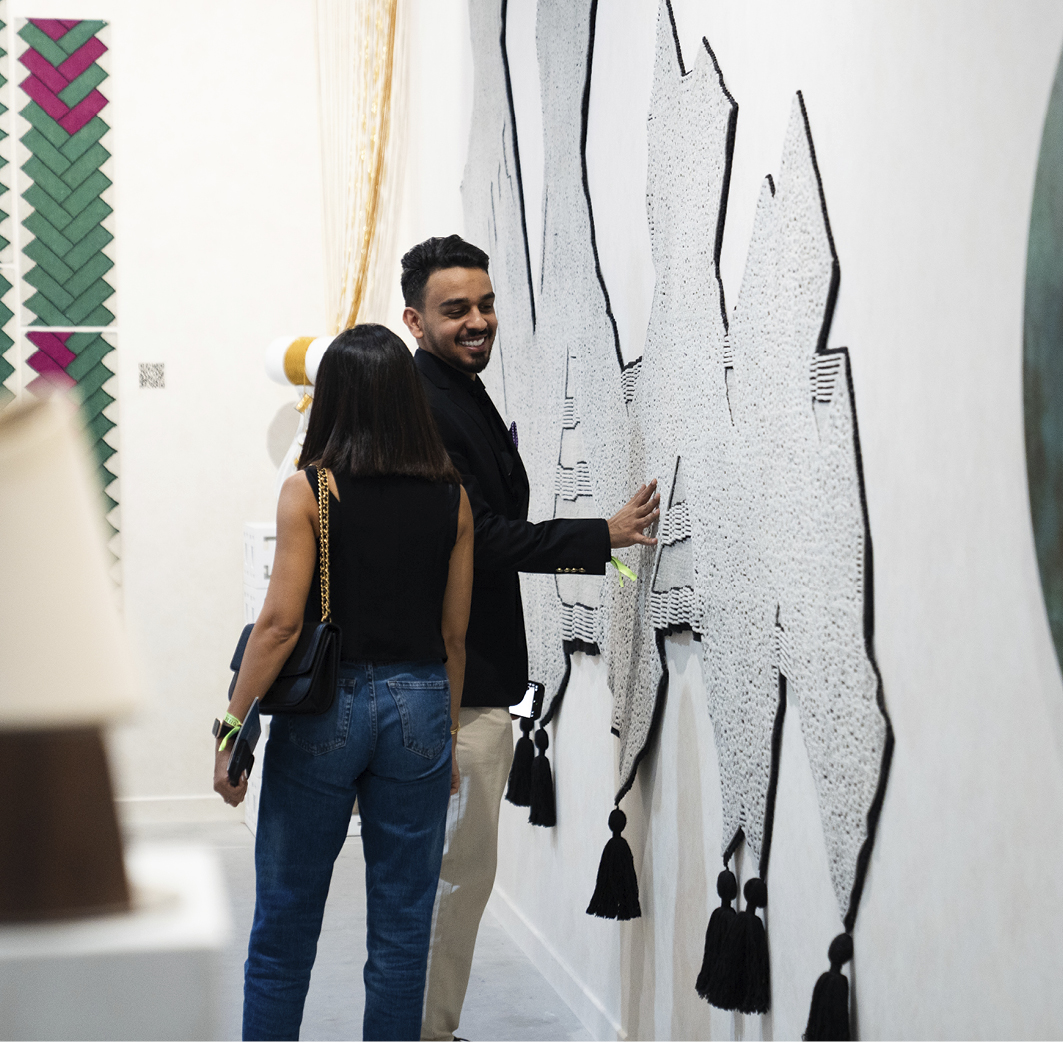
Then we have Diana Hawatmeh & Sheika Al Serkal, who created artworks using rugs as the expressive form, in collaboration with Alfombra carpets. They were influenced by their background of graphic design, featuring works from the screen, and translating them into these products. The work is very geometric, like their graphic designs.
Interior design Roudha AlShamsi created a handwoven piece. She took the Emirati craft of Safeefah and incorporated it in a contemporary way.
Why do you think it’s important to highlight talented creatives from the UAE at an event such as this?
An event like this acts as a platform for emerging designers to showcase their practices. Having Dubai Design Week onboard, looking into the proposals, and having a back-and-forth conversation, also impacts the designer’s careers. Such a platform is quite important, and it offers local, regional and global exposure to the designers.
How would you assess the industry in the UAE currently?
It’s booming. We have presented ourselves globally, but we are booming here in the region. Something I would like to mention is that there are a lot of struggles here when it comes to local production. That’s where I think we are still an emerging market in this industry, however, when it comes to the final pieces and the design talent, they have proven that they can get that global recognition.
What would you like to see happen regarding local production?
I believe the governments are investing in the creative industries, so having that support and raising awareness means that we are getting there.
Tell us about House of Wisdom.
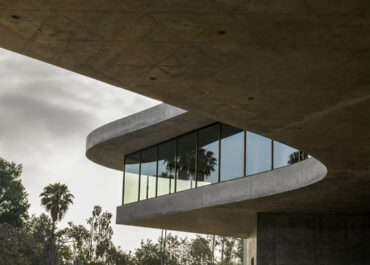
House of Wisdom is a contemporary form of a library. It’s not the typical library. It’s a place for people to come together, network, explore, exchange ideas, and discover the programmes that we offer, and our exhibitions. House of Wisdom itself is considered and iconic landmark. It was designed by Foster & Foster and was once again based on cultural references. It takes a lot of elements from Islamic art and architecture. With the programming we do, we manage to attract a diverse community, both local and international, to join us through the programmes and exhibitions that we offer.
And we know there is an exciting vision for Sharjah as a culture capital…
Yes. We have ongoing exhibitions, and they are mainly in collaboration with international institutions. For instance, we have an upcoming exhibition with the King Faisal Research Centre in Saudi. We recently had a Frida Kahlo exhibition in collaboration with a museum in Mexico. So, we are already going global.