

In 2015 rugby returns to its birthplace
Experience the world’s great sporting moments in Britain
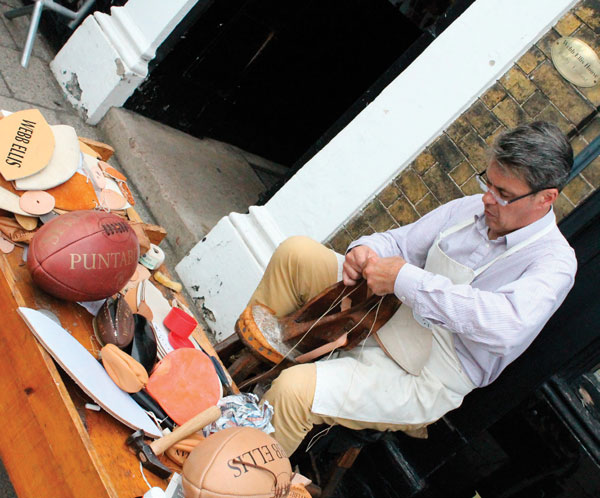
Contested every four years, the Rugby World Cup is one of the world’s largest sporting tournaments. First held in 1987, it currently sees 20 international rugby union teams compete over 48 matches for the prestigious Webb Ellis Cup – named after the supposed inventor of rugby, William Webb Ellis – and rugby immortality. The current holders are New Zealand, after the Kiwis narrowly beat France while hosting the tournament in 2011.
Hoping for a similar tale of home glory, England hosts Rugby World Cup 2015, with some fixtures also to be played in neighbouring Wales at the Millennium Stadium in the capital, Cardiff. In total, matches will take place in ten cities and a dozen stadiums, from the north-eastern city of Newcastle down to the city of Exeter in Devon, south-west England. The competition begins on 18 September, with the final being played at London’s Twickenham – the world’s largest rugby devoted stadium, often nicknamed the Home of Rugby – on 31 October. A hundred days before the first match, a Festival of Rugby and a domestic Trophy Tour kick off on 10 June to begin the countdown. www.rugbyworldcup.com
Come for the game, then stay to explore the host destinations! This guide will show you how each of those host destinations is planning to celebrate Rugby World Cup 2015, through their fanzones and their plans for the Festival of Rugby, as well as highlighting the huge scope of attractions, accommodation, shopping, nightlife, family fun and key events that are taking place in all these cities. Many stadia run behind-the-scenes tours, however, visit their individual websites regarding information on stadium tours before, during and after Rugby World Cup 2015; timings may differ during the tournament.

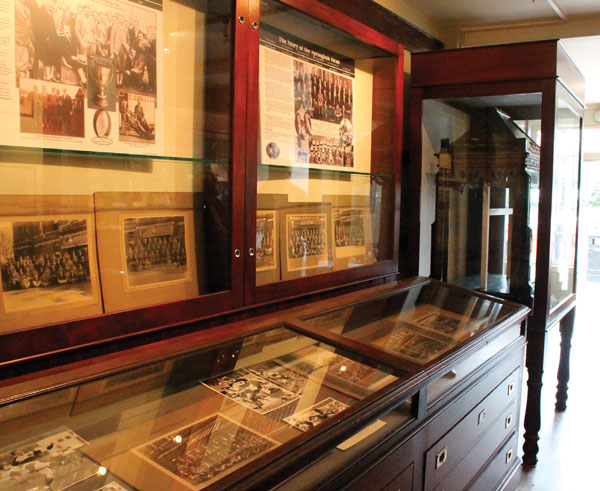
How rugby began
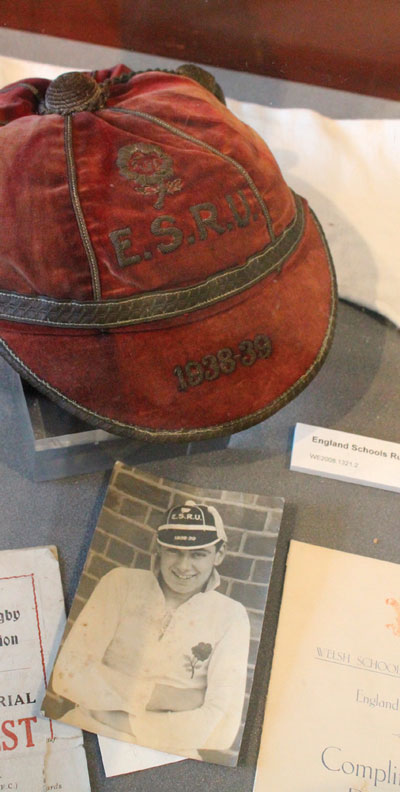
Rugby lore has the game originating in 1823, when a pupil at Rugby School, William Webb Ellis, picked up the ball during a football match and ran with it. This new game slowly spread around public schools and universities, with the first formal rules inked in 1845. A Rugby Football Union (RFU) followed in 1871, with an inaugural international – England versus Scotland – played that same year.
1883 then witnessed Britain’s Home Nations Championship, the first international rugby competition. By 1908, with the sport having long spread into many former British colonies, Australia, New Zealand and South Africa had all sent touring teams to compete.
Despite continued growth, rugby union didn’t turn professional until the International Rugby Board (later the IRFB, now World Rugby) removed player-payment restrictions in 1995. Continental club competitions soon followed, including Europe’s much-vaunted Heineken Cup and Super Rugby in the southern hemisphere. Today, World Rugby boasts 117 member countries.
The Rugby World Cup’s history
Until 1984, rugby union lacked a global international competition; there were only regional championships such as Europe’s Six Nations. Consistently mooted since the 1950s, momentum for a Rugby World Cup grew in the mid-1980s until, with Australian, New Zealand, French and South African union delegates all now in favour, an IRFB vote stood deadlocked at 8-8. After English and Welsh representatives then switched sides, an inaugural competition finally became possible.
The inaugural 1987 tournament, co-hosted by Australia and New Zealand, featured 16 invited nations. By 1991, an initial qualifying tournament had been introduced. 1995’s version was hosted by the returning South Africans; in the moving finale, President Nelson Mandela handed the trophy to Springbok captain Francois Pienaar. From 1999 onwards, 20 nations competed. 2003’s historic tournament, held in Australia, remains the only Rugby World Cup won by a northern hemisphere side, Jonny Wilkinson’s drop-goal sealing it for England. Now hugely popular, the 2007 competition in France set records for total attendance (2.26million) and estimated global TV audience (four billion). Even higher numbers are anticipated in 2015.
Fanzones and Festival of Rugby
Everyone’s invited to the Festival of Rugby, which kicks off on 10 June – 100 days before Rugby World Cup 2015’s Opening Ceremony and first match – and runs through to the tournament’s final, on 31 October.
Taking place across Britain, it will see clubs, schools, community groups and other affiliations host a wide variety of rugby-themed events to create a true festival feel.
Already on the agenda are the World Wheelchair Rugby Challenge at the Copper Box Arena in London’s Olympic Park and a massed performance of ‘The Armed Man’ by the Voices for Hospices Choir in Kempton Park racecourse, 15 miles south-west of central London. Not to mention a Beach Rugby Festival in the seaside resort of Weymouth, south-west England, or a rugby-themed beer festival in Ormskirk, 30 minutes north of Liverpool. Details are being confirmed at various times so visit www.festivalofrugby2015.com for all the up-to-date information of the activities taking place.
Not got tickets for a game? Make for one of the 15 official Rugby World Cup 2015 Fanzones and watch on a big screen instead; the atmosphere will be just as good, and access is completely free.
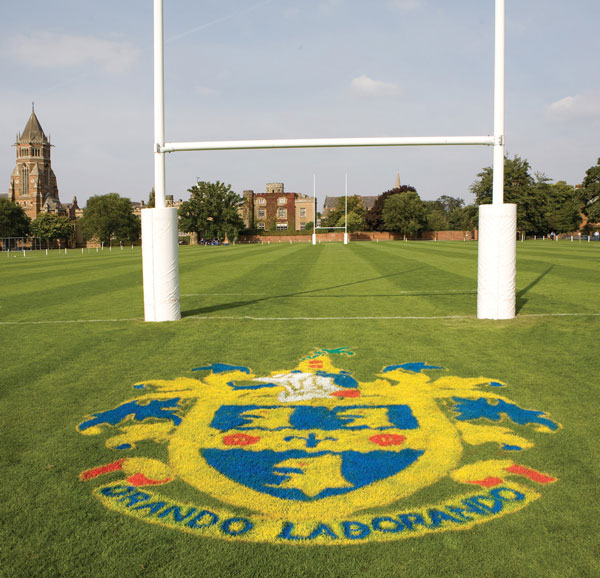
Each host venue has a Fanzone, as well as the sport’s birthplace, Rugby, and Central London’s Trafalgar Square (although this Fanzone won’t screen live matches).
Fanzones will be open on match days and at various other times during the six-week tournament. The venues span iconic spaces like Leeds’ Millennium Square, sporting arenas such as Wembley Stadium, city greenery including Victoria Park in Leicester and two waterside locations: Gloucester Docks and Brighton’s beach-side Madeira Drive.
With a million people expected in total, every Fanzone will include a bevy of food and drink options. This is the first-ever Rugby World Cup to see an official Fanzone in every host city. Information on the fanzones can be found on the individual destinations’ pages in this guide and for further information about locations and opening times, visit www.rugbyworldcup.com/fanzones.


Trophy Tour
Also kicking off on 10 June is a domestic Trophy Tour, taking over from the international version and lasting 100 days to mark the countdown to Rugby World Cup 2015’s big kick-off. The tour sees the iconic Webb Ellis Cup travel through Scotland, Northern Ireland, Wales and England, so if you’re travelling in Britain during the tour, you may even catch a glimpse of this coveted trophy.
It then arrives at Twickenham Stadium on 18 September ahead of the opening ceremony. Forty-three days later, it will be handed to the winning team’s captain at the same stadium. The Trophy Tour schedule will engage with more than 100 clubs, organisations and rugby festivals from grassroots to elite level, allowing fans to get within touching distance of the Cup. More than 300 events are scheduled during the continuous, 100-day tour; go to www.rugbyworldcup.com/trophy-tour for a map and calendar of all the action.
Opening Ceremony
Enticing details of the Rugby World Cup 2015’s Opening Ceremony – taking place at Twickenham Stadium before the first game, England vs Fiji, on 18 September – are only expected to arrive as the tournament nears. A spectacular ceremony is already anticipated, however, thanks to the news that Unspun Creative, the company that oversaw all four acclaimed ceremonies during London’s 2012 Olympic and Paralympic Games, has been put in over-all charge.
Key milestones for your diary
10 June – 31 October: Festival of Rugby, across Britain & Ireland.
10 June – 18 September: Rugby World Cup 2015 Trophy Tour, across Britain & Ireland.
18 September: Opening Ceremony, Twickenham Stadium, London.
18 September: Opening match, England vs Fiji, Twickenham Stadium, London.
30 October: Bronze Final, Olympic Stadium, London.
31 October: Final, Twickenham Stadium, London.
Where to buy tickets
Cheer on your country on an official Supporters Tour:
http://supportertours.rugbyworldcup.com/travel_home.aspx
General Ticketing: www.rugbyworldcup.com/ticketing
Special Thanks:
Visit Britain www.visitbritain.com
London: www.visitlondon.com
The Mondrian London: www.mondrianlondon.com