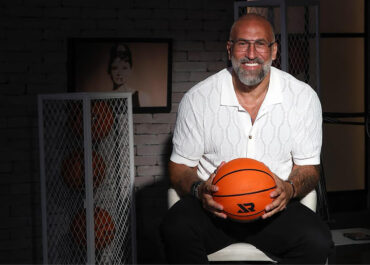

For more than 25 years, Fadi El Khatib was a defining figure in Middle Eastern basketball.
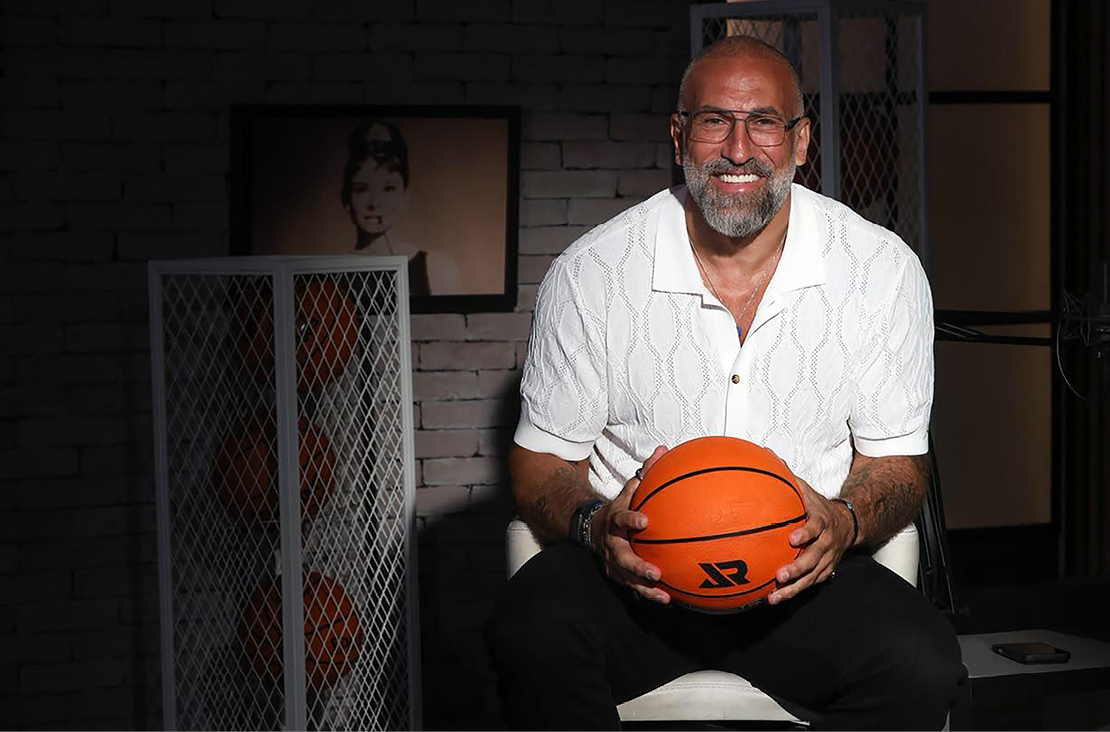
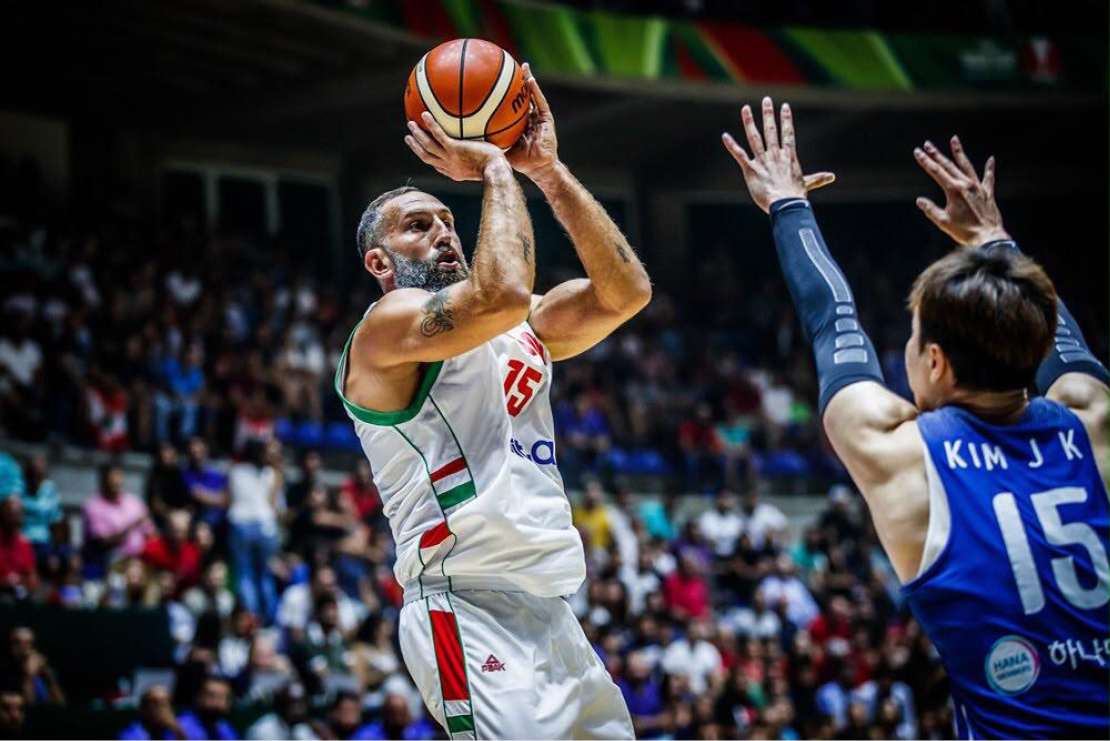
Known as ‘The Lebanese Tiger’, he represented Lebanon at three FIBA World Cups, helped secure three Asian Championship silver medals and was instrumental in the country’s memorable victory over France at the 2006 World Cup. His influence on Lebanese basketball is considerable, but his ambitions have since extended well beyond the court.
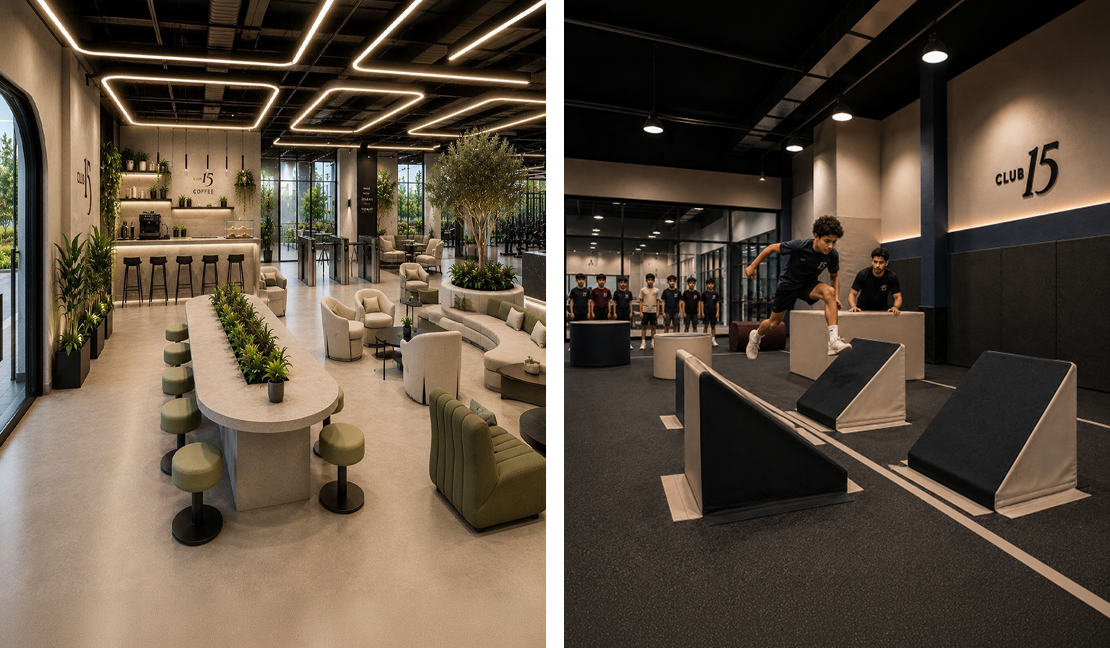
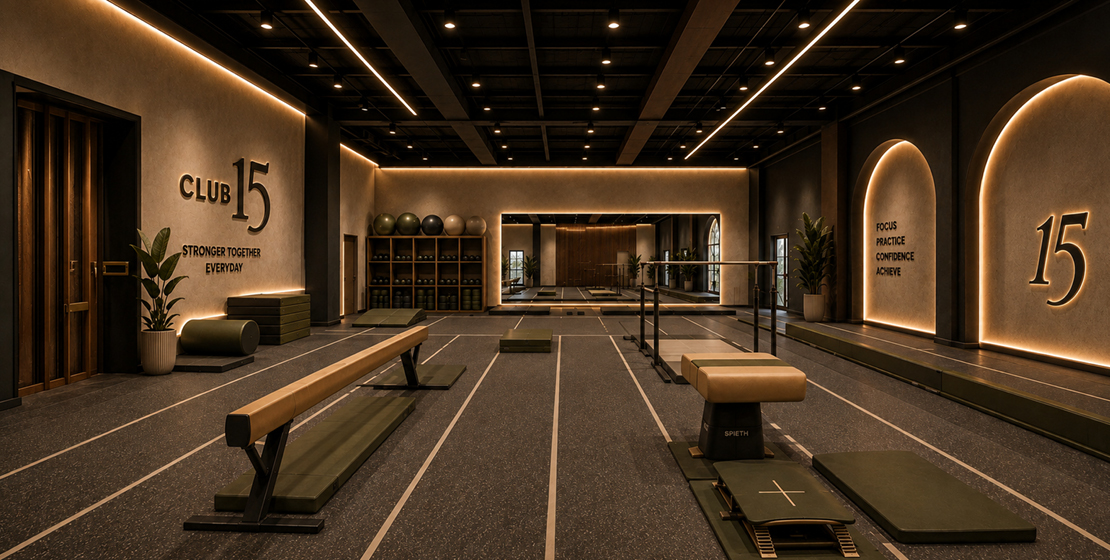
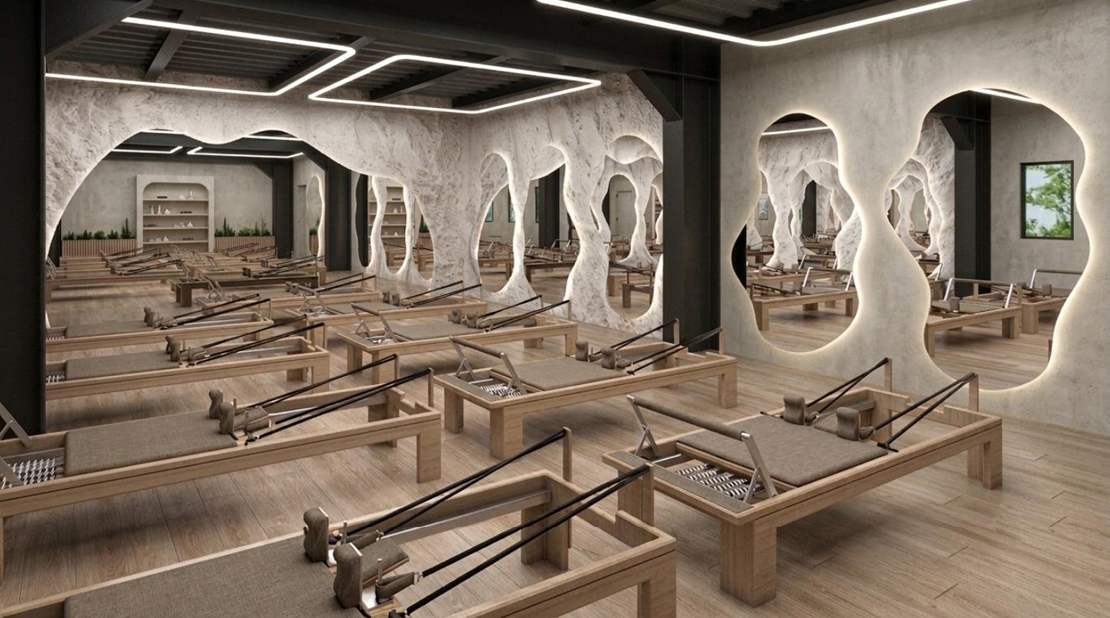
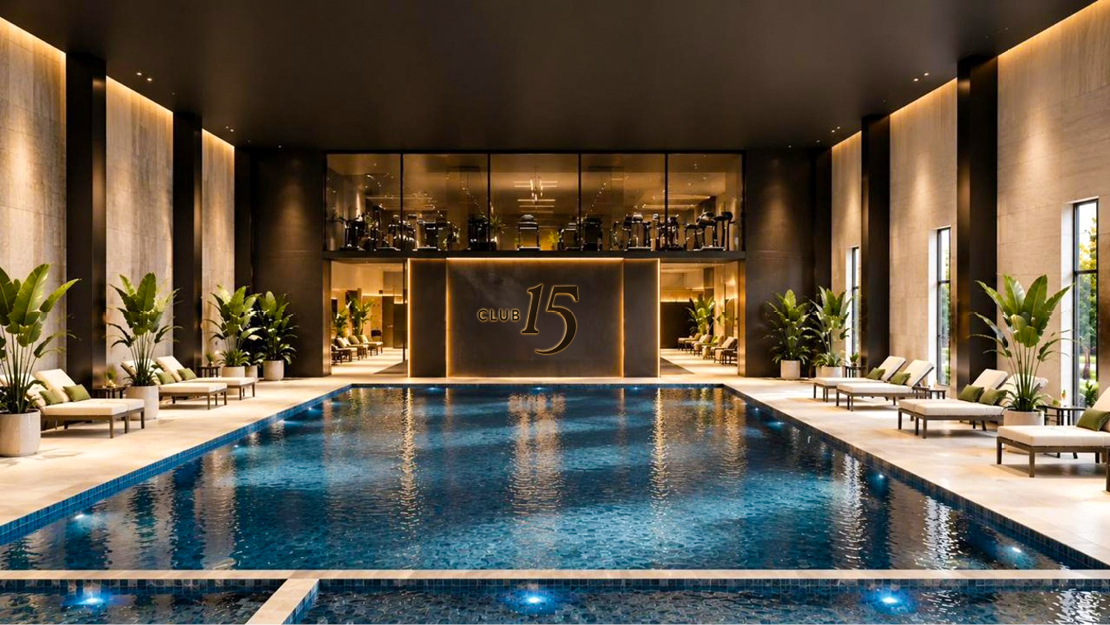
Now based in Dubai, El Khatib has established himself as a fitness entrepreneur, building on his experience as founder and CEO of Champs Sports & Fitness Club. His latest project, Club 15, is a 15,000-square-metre sports and lifestyle destination in Al Quoz, bringing together professional-level training, wellness, recovery and family activities.
Named after the number he wore throughout his basketball career, the venture is especially personal. Here, El Khatib reflects on the transition from professional athlete to businessman, the importance of maintaining balance and what success means to him today.
Looking back on more than 25 years of professional basketball, what are you most proud of?
Representing Lebanon was always something I carried with great pride. I was fortunate to be part of a generation that helped bring Lebanese basketball onto the international stage, and those memories will stay with me. But if you ask me what matters most today, it’s my family. Watching my children grow into their own people is something no sporting achievement could ever compare to.
How difficult was the transition from professional sport to business?
It’s a big adjustment when sport has been such a defining part of your life. But I always believed retirement shouldn’t mean the end of your ambitions. I had studied marketing while playing professionally, so I knew I wanted to build on that and explore a different path. It took time to find my feet, but I realised many of the qualities that made me a good athlete could serve me just as well in business.
What were the most important lessons you took from your sporting career?
Basketball taught me that success is never a straight line. There are incredible highs, but also losses, injuries and disappointments. Each experience taught me resilience and the importance of moving forward rather than allowing setbacks to define you. The mental strength I developed on the court has been just as valuable in business and in life.
What inspired you to enter the fitness industry?
Sport has always been a huge part of my life, so moving into the fitness industry felt like a natural progression. But building a business is very different from competing as an athlete. You can’t rely on your own performance alone; you have to understand people, build the right team and make decisions that will stand the test of time. I’ve learned to be patient, stay curious, remain adaptable and accept that there’s always more to learn.
What was your original vision for Club 15?
Dubai has an incredible sporting and fitness landscape, but I saw an opportunity to bring different elements together under one roof. The idea was to create a sports city within a city, combining professional-level training, fitness, recovery, wellness and family experiences. I wanted somewhere that caters to different ages and abilities, making an active lifestyle more accessible while building a genuine community.
How much of Club 15’s philosophy comes from your experience as a professional athlete?
My years as a professional athlete taught me that looking after your body is about much more than training hard. Recovery, balance and understanding what your body needs are just as important. That’s the thinking behind Club 15. We want people to explore different activities, find what they enjoy and build habits that they can actually sustain.
What do you hope people will gain from being part of Club 15?
I’d love for people to find their own reason to keep coming back. For some, it might be improving their performance; for others, it’s spending time with their children, trying a new activity or simply meeting people. If we can create a place that becomes part of someone’s routine and brings something positive to their day, then we’ve achieved something worthwhile.
How important is physical activity to your own mental wellbeing?
Basketball gave me a lot more than physical strength. It taught me discipline, focus and mental strength, particularly how to handle pressure and disappointment. Those lessons have stayed with me beyond my professional career. Whether it’s a gym session or a swim, it helps clear my head and gives me time to reset, particularly when life gets busy.
What does your fitness routine look like today?
I still enjoy gym training, swimming and hot power yoga, and I’ve recently developed an interest in padel. I also try to be mindful of what I eat. My routine isn’t always perfect, especially with work and family commitments, but I make a conscious effort to stay active. It’s something I genuinely enjoy, rather than something I have to force myself to do. You need to find the time to make your health, physical and mental, a priority.
Has your definition of success changed over the years?
When I was playing professionally, success was largely measured by what happened on the court: the games, the titles and the achievements. Today, I look at things differently. My family is at the centre of everything, and professionally, I find satisfaction in creating something that has value beyond myself. Building Club 15 is a big part of that.
What advice would you give to younger men about ambition, resilience and maintaining balance?
Don’t put your entire identity into one thing, whether that’s your career, your sport or your achievements. Have ambitions and work hard for them, but make room for the other parts of life that matter. Build relationships, spend time with the people you love and don’t be afraid to ask for help. You never know when life will take you in a different direction, and it’s important to have something beyond your professional identity.
Finally, what is your next ambition?
Right now, a lot of my energy is going into Club 15. I want to see it grow into a destination that people genuinely feel connected to, and one that makes a lasting contribution to Dubai’s sporting and wellness landscape. I’m looking forward to seeing what we can build with it.