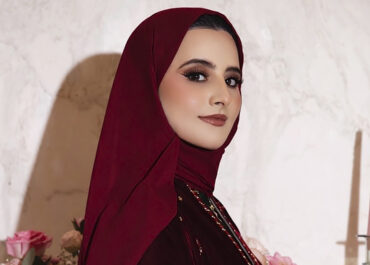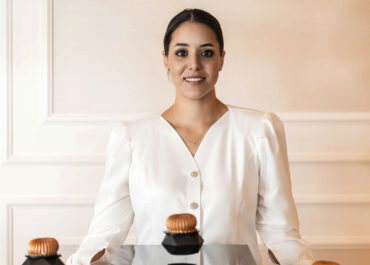

From early childhood memories spent surrounded by gemstones to founding her own fine jewellery house, Kaltham Al Majid’s journey into design has been shaped by both heritage and personal conviction. As the founder of Kaltham’s Pavilion, the Qatari designer brings a deeply considered approach to contemporary jewellery, where craftsmanship, cultural identity and emotional storytelling intersect. Her collections reflect a dialogue between past and present, drawing on traditional influences while embracing modern forms and materials. In this conversation, Al Majid reflects on the inspirations behind her brand, the role of narrative in her creative process, and how she continues to design pieces that resonate with women both within the region and beyond.
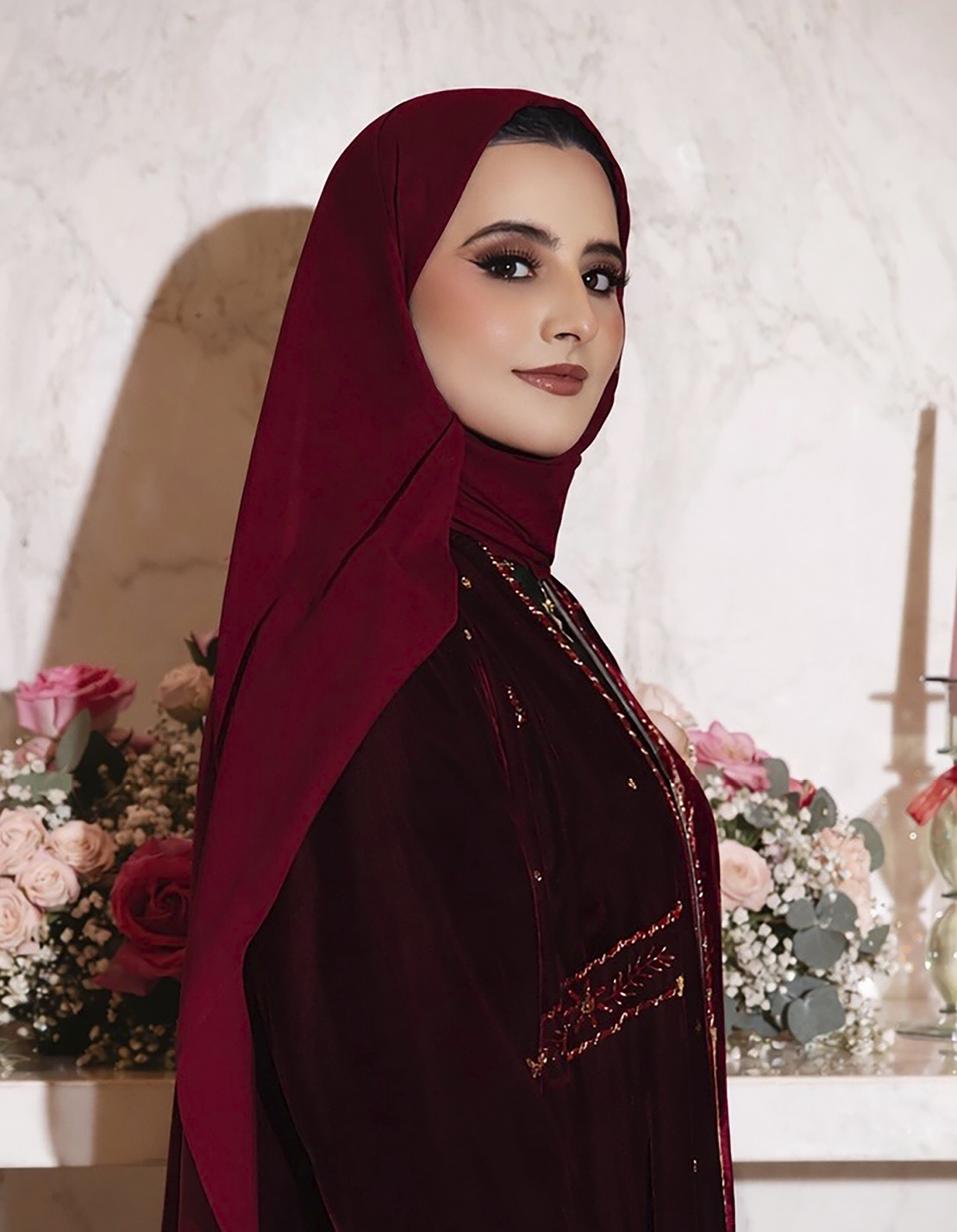
Can you share the story behind the founding of Kaltham’s Pavilion and what inspired you to enter the world of fine jewellery?
My journey into jewellery began long before the brand itself. I grew up surrounded by gemstones and craftsmanship — my grandfather was a jeweller, and as a child, I would spend time in the family shop during Eid and wedding seasons, mesmerised by the sparkle of diamonds and the emotion attached to each purchase.
Although I later studied economics, the pull toward design never faded. I pursued certification in jewellery design and CAD/CAM to deepen my technical understanding, and in 2018, I officially launched Kaltham’s Pavilion. The brand was born from a desire to create fine jewellery that feels personal, expressive, and rooted in heritage, yet unmistakably modern.
As a Qatari woman leading your own jewellery house, how has your cultural background shaped your design language?
My cultural identity is inseparable from my creative identity. Qatar’s history with pearls, craftsmanship, and refined elegance deeply influences my work. There is a quiet strength in Qatari femininity — dignified, graceful, confident — and that sensibility shapes my design language. Even when a piece is contemporary in structure, there is always an emotional undercurrent of heritage.
Your pieces are described as contemporary yet timeless. How do you balance modern luxury with tradition?
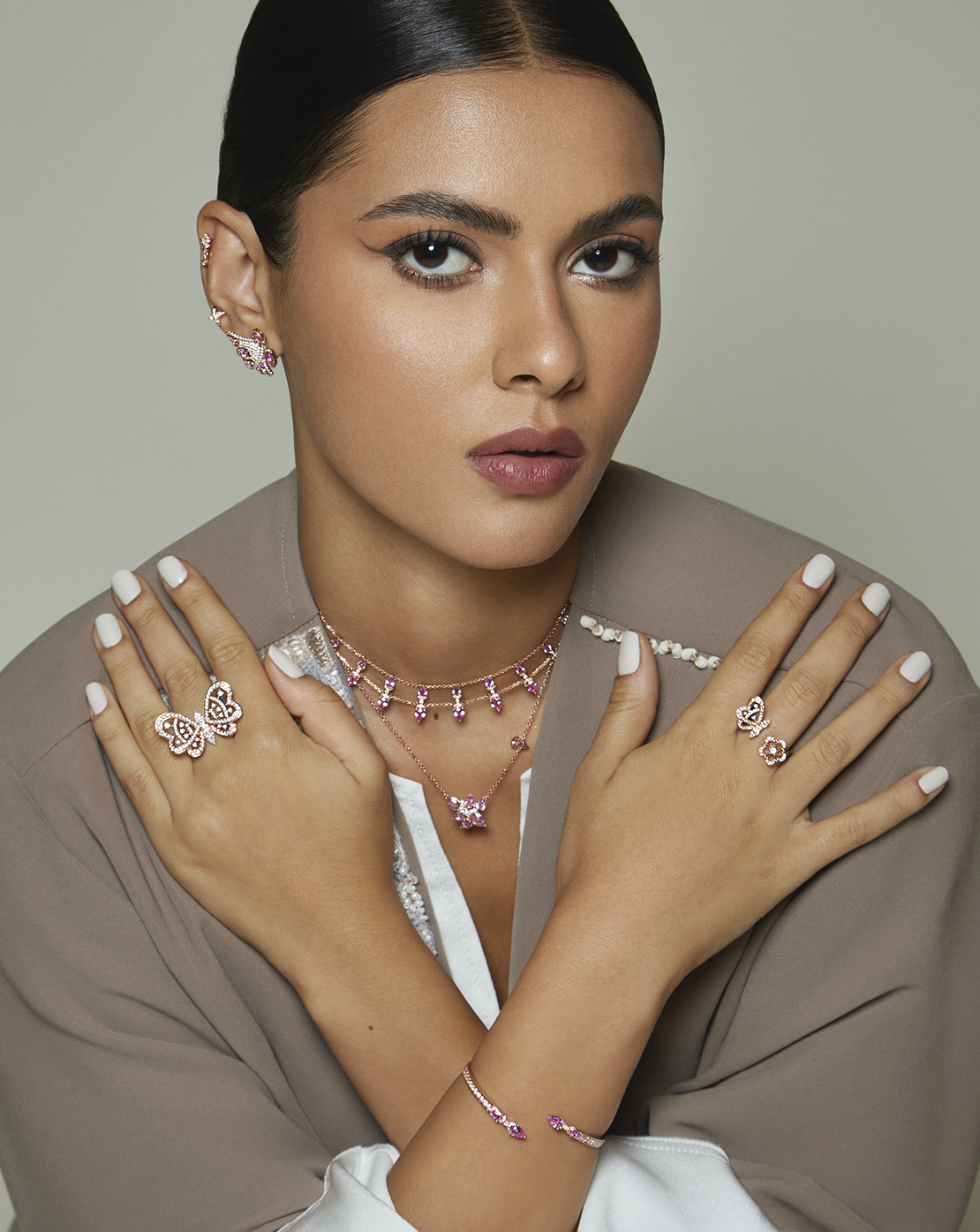
From the beginning, I wanted to create something distinct from what was already in the market, especially in how gemstones are used. My first collection, inspired by the lotus flower and featuring pink sapphires, helped establish a signature identity that felt fresh yet symbolic. Modern luxury, to me, lies in clarity of form and precision of detail. Timelessness comes from craftsmanship and material integrity. When these elements coexist, the result transcends trends.
What role does craftsmanship play in defining your brand identity?
Craftsmanship is the foundation of everything we create. I am deeply involved in stone selection and production processes, working only with trusted artisans and manufacturers who meet the highest standards.
Luxury is not just aesthetic; it is structural. The quality must be felt as much as it is seen.
Your designs feel imaginative and expressive. Where do you draw inspiration from?
Nature is a constant source of inspiration, with florals, butterflies, celestial themes, and movement. I am drawn to softness, symbolism, and organic forms. However, I am equally inspired by women. Their milestones, achievements, and emotions often shape the narrative of a collection. Jewellery should feel alive; it should reflect the wearer’s journey.
Pearls, diamonds and precious stones feature prominently in your work. How do you select materials?
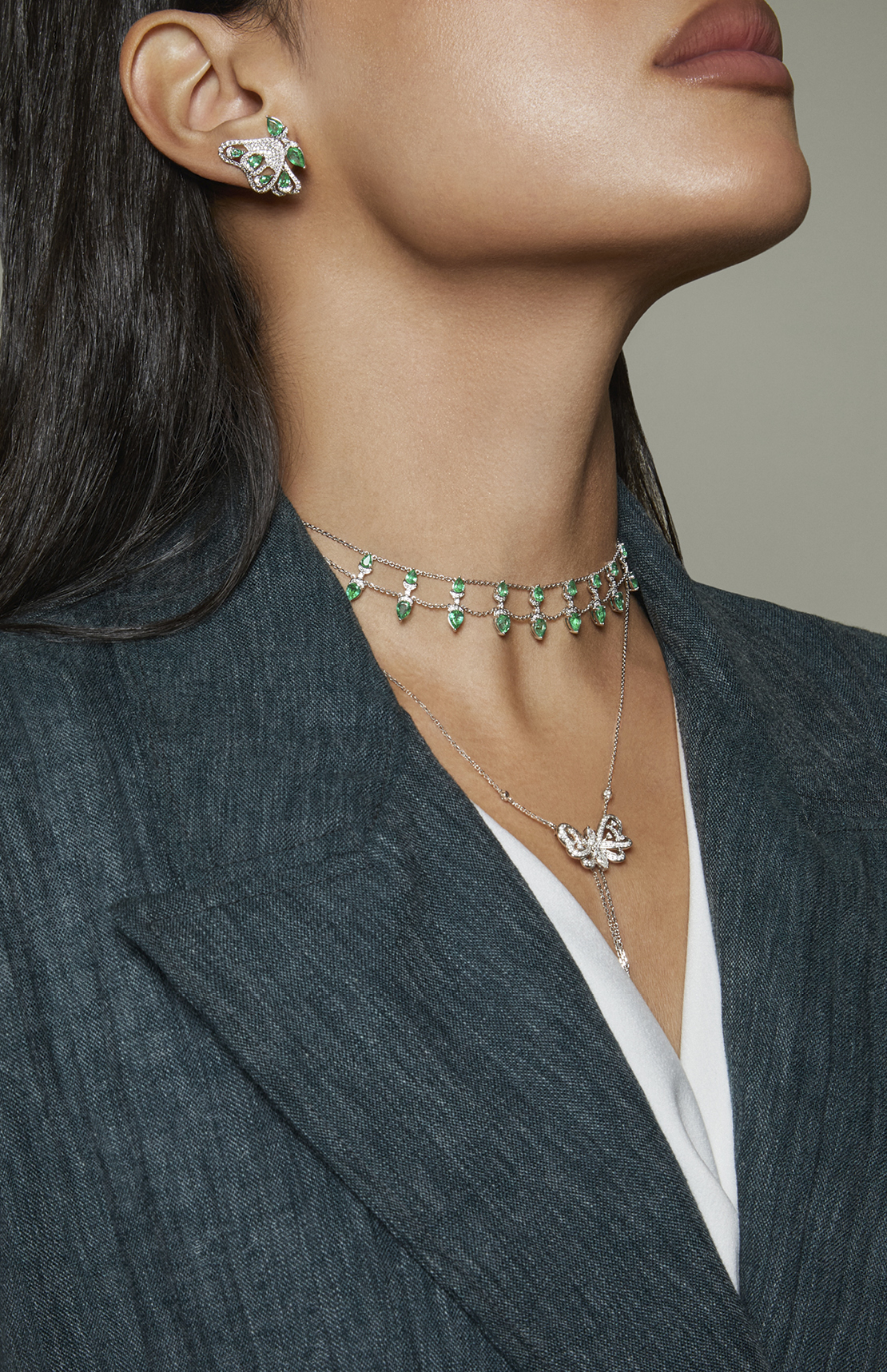
Material selection is both technical and intuitive. I consider quality — cut, clarity, origin — but also emotional resonance. Pearls speak to heritage. Diamonds symbolise endurance. Coloured gemstones introduce individuality and character. Each material must align with the story the design is meant to tell.
How important is storytelling in your creative process?
Storytelling is central. Before sketching begins, I define the emotional essence of a collection — whether it represents transformation, romance, resilience, or celebration.
The final piece is simply the physical translation of that narrative.
Your prêt jewellery sits alongside one-of-a-kind pieces. How do these categories differ creatively?
Prêt jewellery allows me to design everyday luxury, refined pieces women can wear daily with confidence. This was important to me, as many fine jewellery houses traditionally focus on occasion pieces. One-of-a-kind creations, however, allow for artistic freedom, rare stones, bold experimentation, and elevated craftsmanship. Together, they represent accessibility and aspiration.
How do you design with emotion in mind?
Jewellery marks moments — engagements, achievements, self-celebration. I design, imagining the memory the piece will hold. Emotion gives jewellery its true value. Without an emotional connection, it is merely an ornament.
What challenges have you faced as a female founder in the regional industry?
Building reliable supply chains and sourcing top-tier manufacturers were among the earliest challenges. The industry can be complex and traditionally structured. However, resilience and clarity of vision have been my greatest tools. Being a female founder has allowed me to bring a distinct perspective, rooted in an intimate understanding of the modern woman.
How do you see Middle Eastern designers evolving globally?
Middle Eastern designers are no longer emerging; we are contributing meaningfully to global luxury narratives. Our heritage, craftsmanship traditions, and bold aesthetics are powerful differentiators. There is a growing appetite for cultural authenticity, and designers from our region are uniquely positioned to shape that future.
What legacy do you hope to create for the next generation?
I hope Kaltham’s Pavilion becomes more than a jewellery house, I hope it becomes a symbol of creative courage for women. A reminder that heritage and ambition can coexist. That elegance and strength are not opposites. And that women can build legacies rooted in both beauty and integrity.
By Lindsay Judge