
Since its founding in 2012 with the support of Van Cleef & Arpels, L’ÉCOLE, School of Jewelry Arts has established itself as a unique educational platform dedicated to sharing the cultural, historical and technical dimensions of jewellery with a wider audience. Through a multidisciplinary approach spanning courses, workshops, talks and exhibitions, the institution opens up the world of jewellery to all, from curious beginners to seasoned collectors, offering an immersive understanding of gemstones, craftsmanship and the artistry behind each creation.
Now with a permanent presence in Dubai, alongside its campuses in Paris, Hong Kong and Shanghai, L’ÉCOLE continues to expand its global dialogue while engaging closely with regional audiences. The Middle East campus reflects the school’s broader mission, creating a space where education, cultural exchange and heritage intersect, while also supporting local initiatives through partnerships and philanthropic programmes.
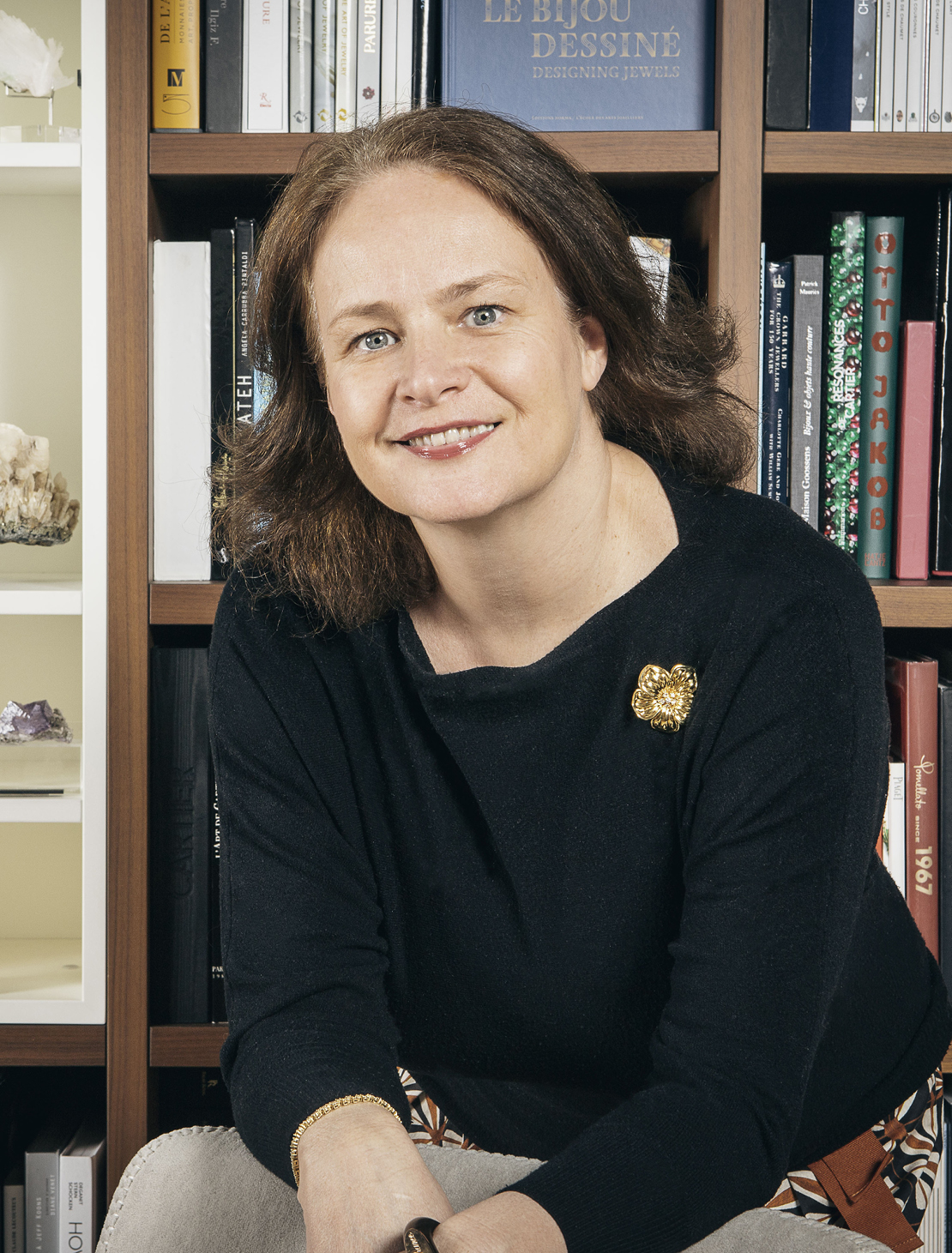
This season, that dialogue extends into its latest exhibition, Poetry of Birds, a thoughtful exploration of symbolism and storytelling across jewellery and the arts. Here, Lise Macdonald, President of L’ÉCOLE, reflects on the institution’s evolving presence in the region and its role in shaping the future of jewellery education.
L’ÉCOLE has steadily expanded its international footprint. How do you see the school’s presence evolving in the Middle East, and what opportunities does this region offer for jewellery education and cultural exchange?
The Middle East has experienced remarkable growth in recent years, particularly in the cultural and educational spheres. Its unique context as an international melting pot, the openness of the public to cultural exchange and the strong interest in history, arts and savoir-faire provide a natural, fertile ground for L’ÉCOLE. We aim to actively contribute to this growth by building strong and lasting relationships with local audiences and institutions.
L’ÉCOLE’s mission is to share and transmit jewellery culture to a wide audience through diverse educational paths – from courses to exhibitions, talks, publications, podcasts, and research programs. We hope to inspire the public – jewellery lovers and amateurs, children and adults – as well as experts and students to approach jewellery arts in new and creative ways, blending tradition and modernity in their imagination.
Why did the Middle East feel like a natural next chapter for L’ÉCOLE, and how do you tailor your programs to resonate with the artistic traditions and aesthetic sensibilities of the region?
We chose Dubai to settle L’ÉCOLE’s first permanent campus in the Middle East as it is a dynamic cultural hub, a strategic place to initiate partnerships with local cultural and educational institutions, and to progressively organise activities across the UAE and the whole region. Our programs are tailored to local needs, while drawing on our expertise to collectively address the universality of jewellery arts. Accordingly, we are increasingly developing our courses and talks in Arabic and forging strong links between our scientific content and the region’s. Our most recent exhibition to date, “Poetry of Birds”, features a particularly strong local relevance, developed in close collaboration with local lenders, including institutional partners such as the Sharjah Museum of Islamic Civilization.
Your latest exhibition, Poetry of Birds, has captured attention for its delicate storytelling and craftsmanship. What inspired this theme, and how does it connect with L’ÉCOLE’s broader mission of blending art, history, and craftsmanship?
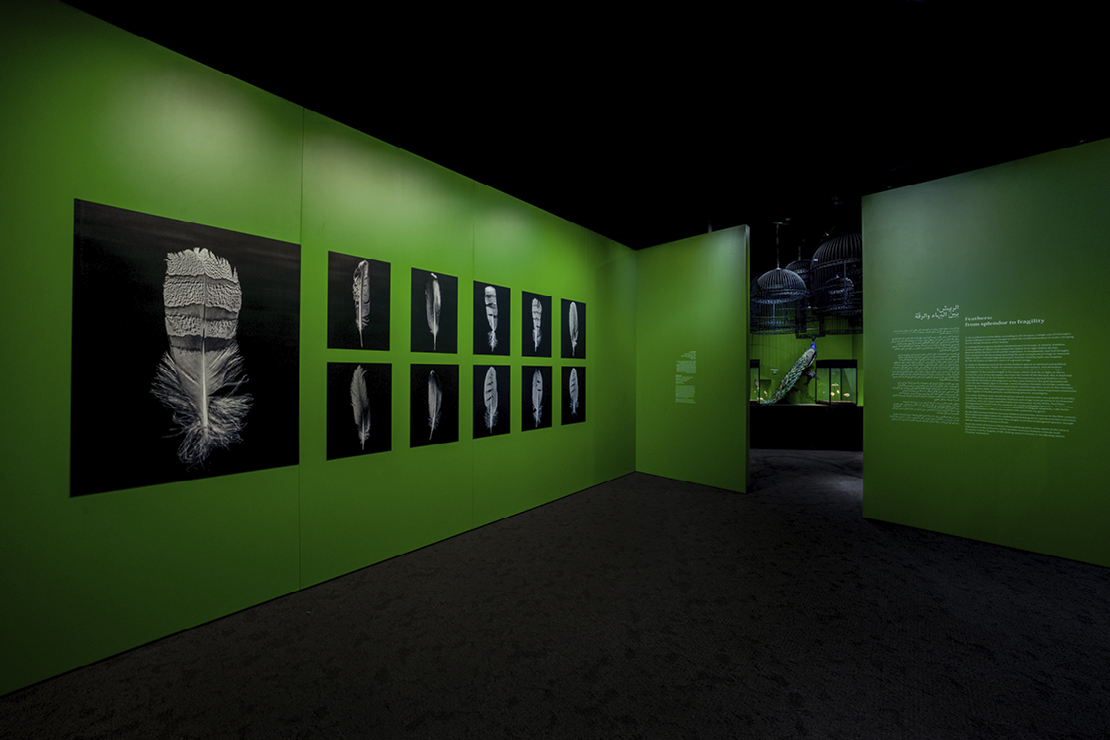
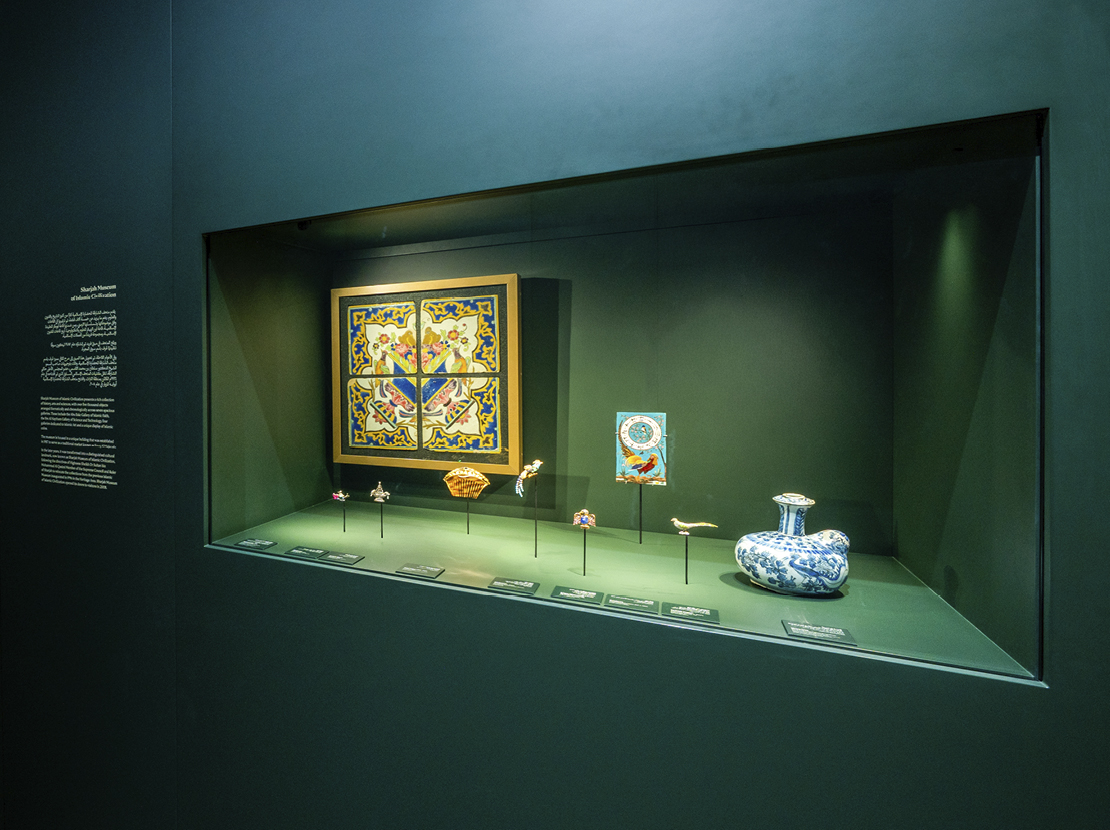
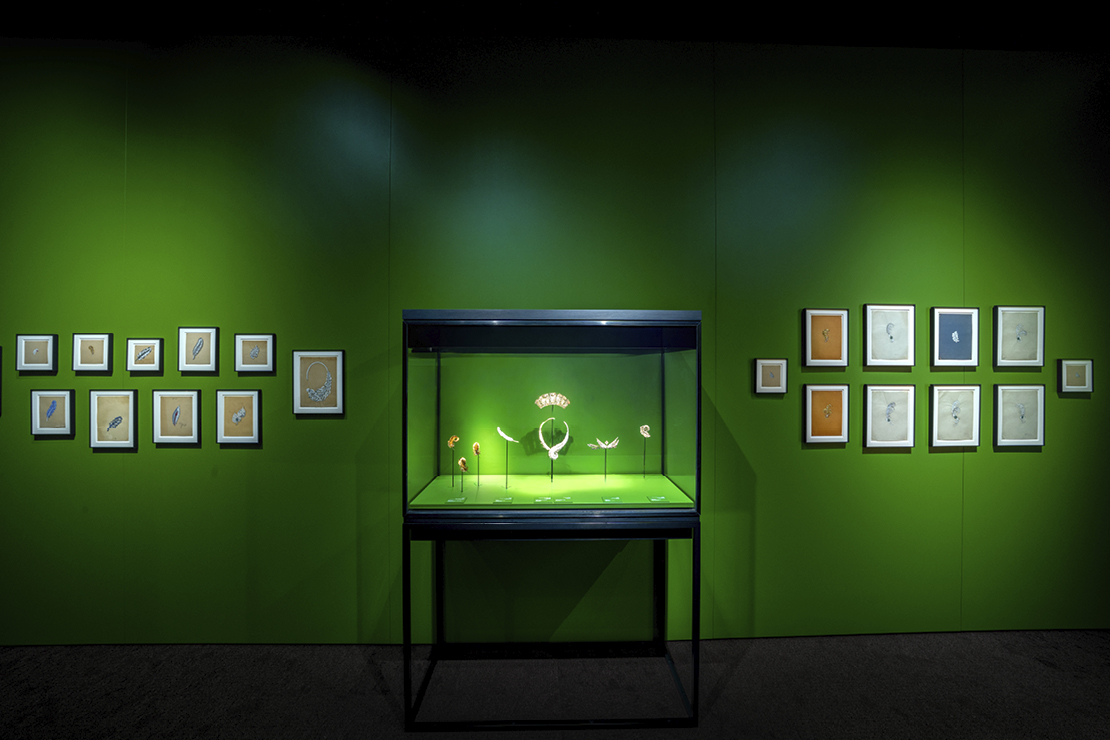
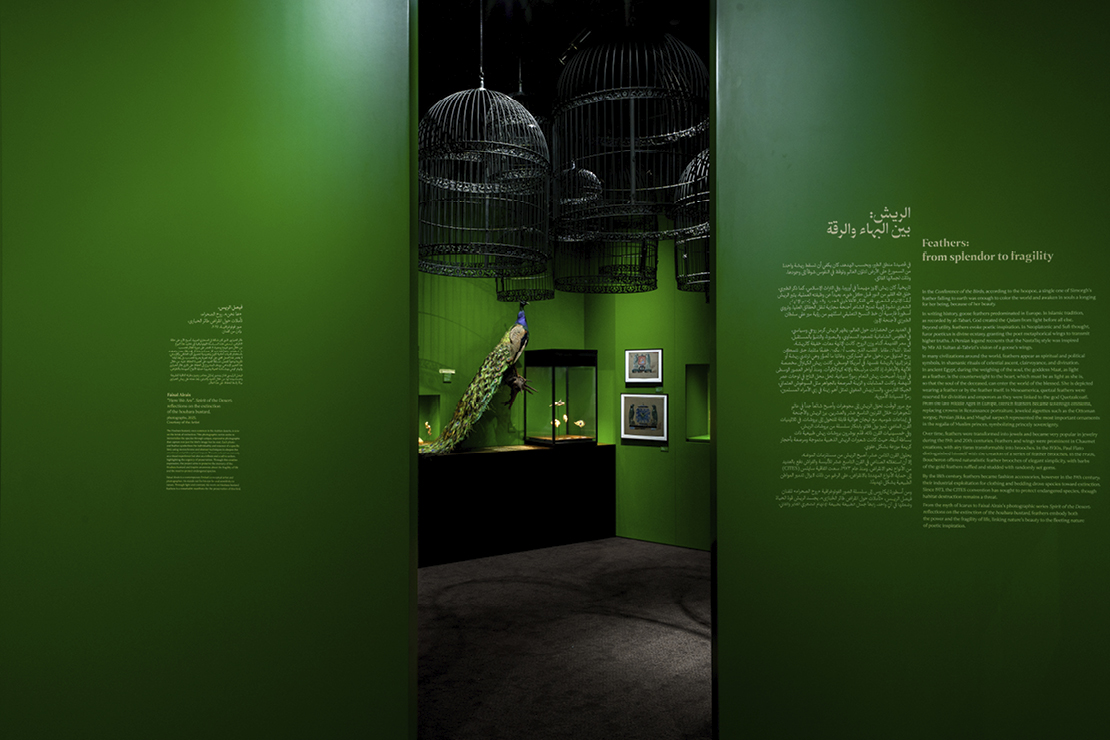
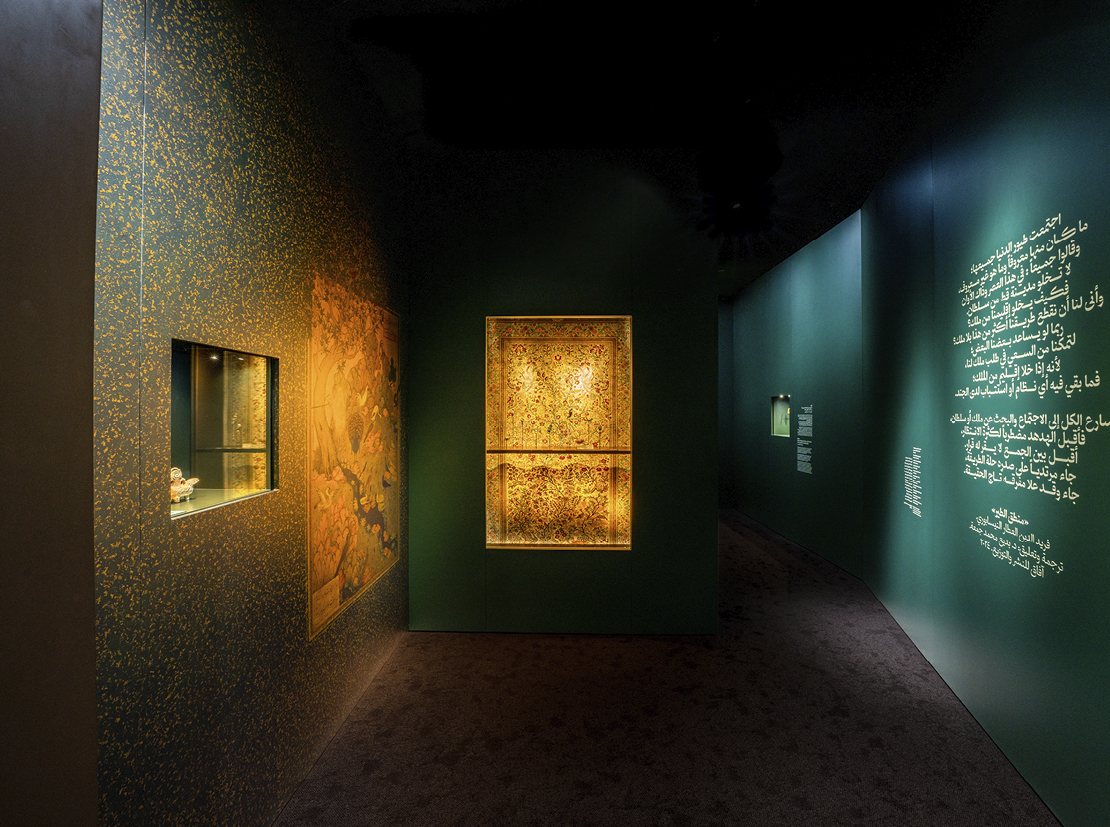
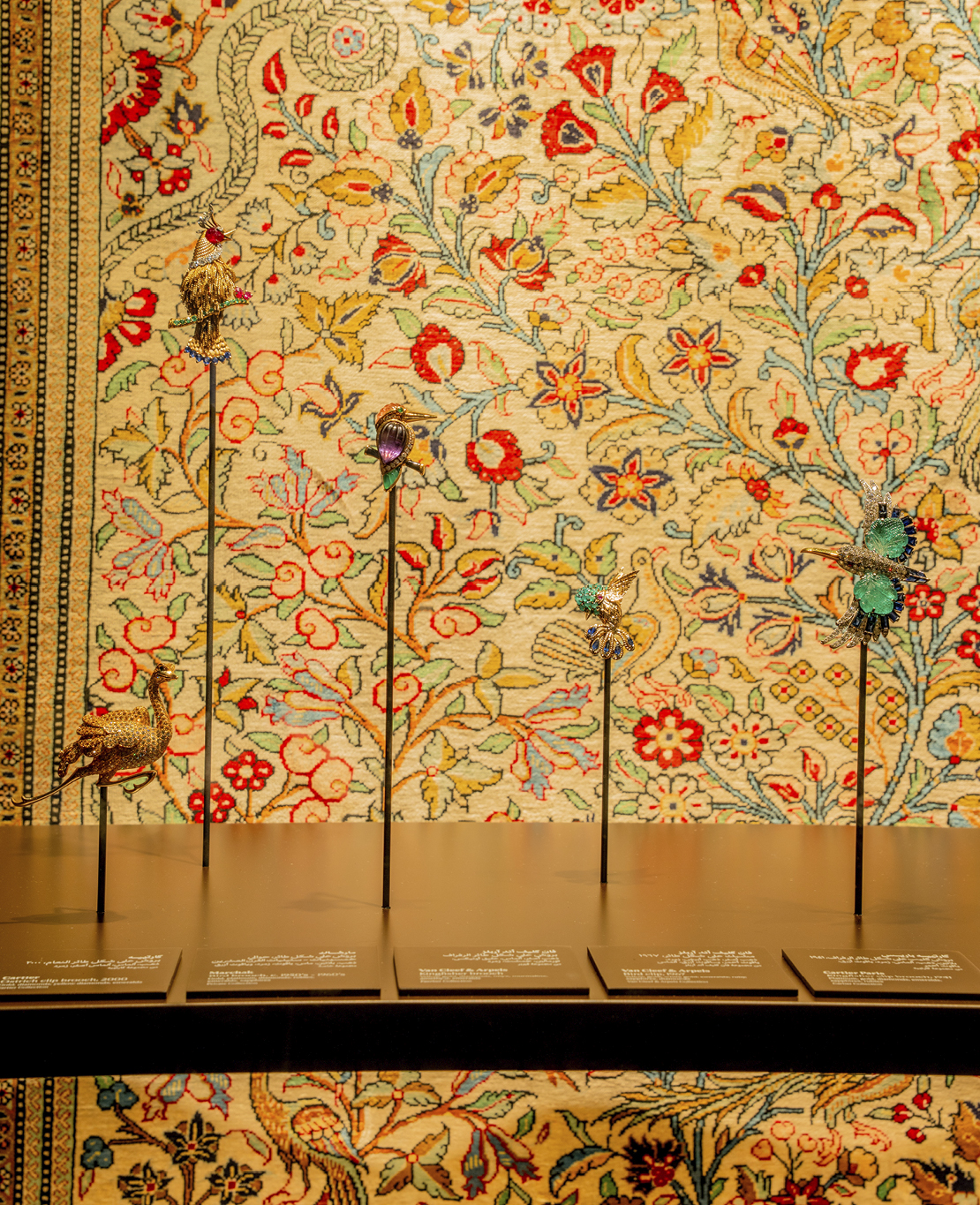
Birds, with their vibrant plumage, their songs, and their capacity for flight, are considered symbolic creatures in multiple cultures. They have inspired many artists and jewellers. L’ÉCOLE has been interested in these aerial figures since 2019, when it presented the “Birds in Paradise” exhibition in Paris. We decided to adapt the topic for the regional audience by highlighting the links between bird-shaped jewellery and Middle Eastern arts, with poetry as the connecting thread. The precious loans from European Maisons encounter the works of art from the Sharjah Museum of Islamic Civilization and Dubai Museums, alongside photographs by Emirati photographer Faisal al Rais. With its immersive scenography, the exhibition creates a dialogue between 19th and 20th-century jewellery and other artistic fields, shedding light on a topic relevant at both local and international levels.
Birds have deep symbolic meaning across cultures, including in the Middle East. How does Poetry of Birds explore these narratives through jewellery and decorative arts?
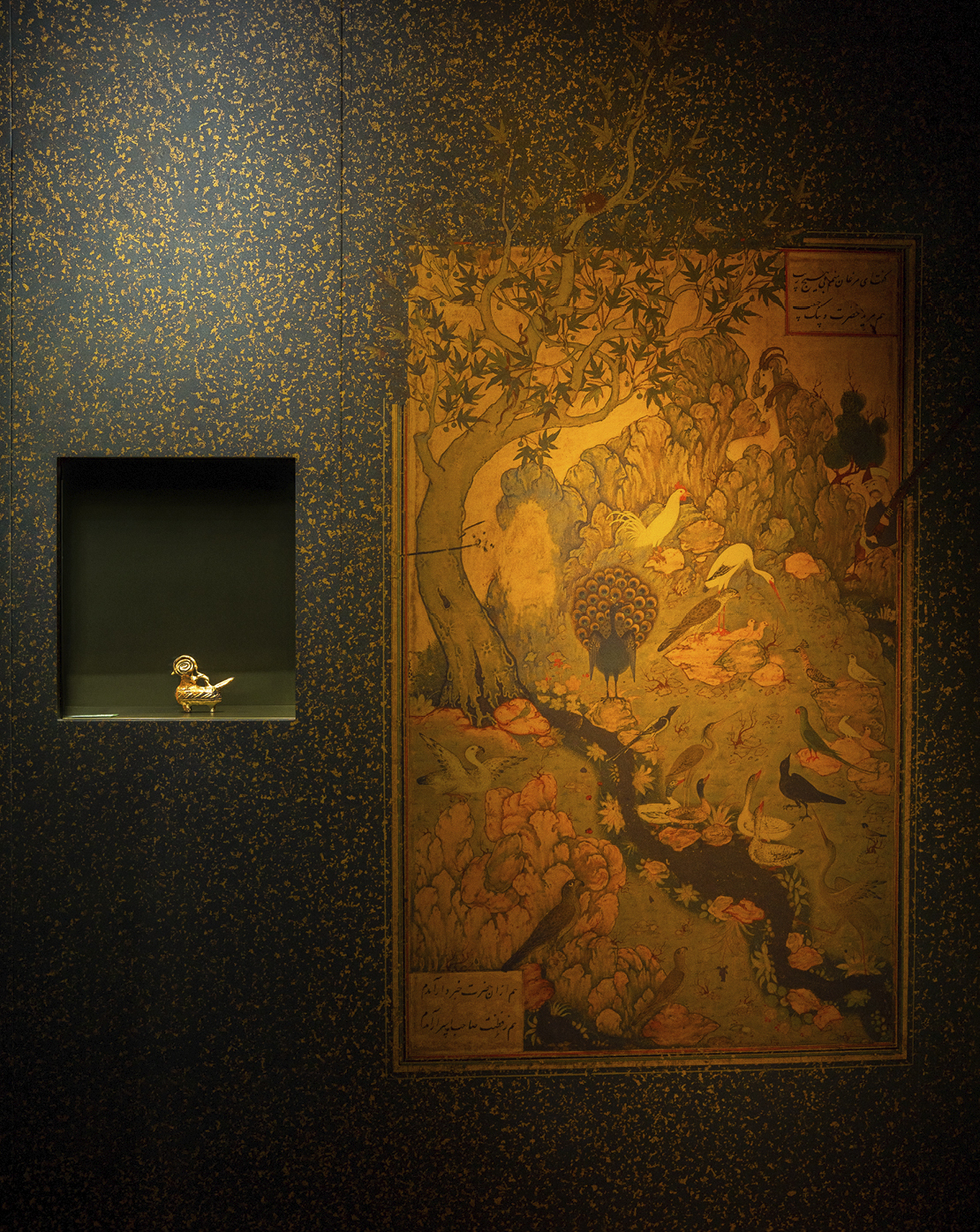
Birds have indeed long been revered in Middle Eastern culture as symbols of freedom, renewal, and the human spirit. Through “Poetry of Birds,” we aimed to honour this tradition and demonstrate how these figures resonate across time and continents in art, poetry, and jewellery. The work by Persian poet Farid al-din Attar, The Conference of the Birds, written in 1177, was a real inspiration for our curator, for instance. The 150 exceptional pieces bringing together bird-shaped jewels from myriad styles, but also calligraphies, photographs, sculptures, ceramics, and tapestries, have all been selected in that goal: to transcend mere aesthetics and reveal how even the smallest motif can encapsulate centuries of memory, emotion, and craftsmanship.
One of L’ÉCOLE’s core strengths is nurturing new generations of talent. How are you empowering emerging jewellery artists, designers, and craftspeople, particularly young voices from the Middle East?
L’ÉCOLE in Dubai launched specific professional development programs for young talents, like ADMAF Jewelry Design Award and the Talent Atelier Program with Dubai Culture & Arts Authority (Dubai Culture), to empower local professionals and create cross-disciplinary dialogues. These programs enrich and inspire emerging designers by providing a platform to refine their skills and advance their expertise in jewelry arts with educational experiences in the Dubai and Paris campuses through courses, workshops, museum visits and encounters with jewelry experts of different backgrounds. These programs are one of the key cornerstones of our campus in the region as we are increasingly solicited to play a role in transmitting knowledge to young creators. Our campus in Dubai is becoming an increasingly important hub for the next generation of creative talents.
Traditional craftsmanship techniques are becoming increasingly rare worldwide. How does L’ÉCOLE work to safeguard these skills, and what role do you believe education plays in preserving centuries-old savoir-faire?
Traditional craftsmanship is evolving with technology, but jewellery still has a strong connection to human gestures and creativity. It is our purpose to shed light on and share knowledge of the jewellery arts through hands-on workshops, to foster understanding and admiration for this savoir-faire, part of our humanity. L’ÉCOLE has a role to play to introduce people of all ages to jewellery craftsmanship, history and the world of gemstones as appreciation inspires preservation.
Hands-on learning is a hallmark of your approach. How important is it for students to experience real tools, materials, and techniques rather than only digital or theoretical learning?
Education creates intellectual and emotional resonance because it brings meaning and context to what might otherwise remain an object or a theory. For example, we conduct hands-on workshops by recreating the actual jeweller’s bench and explaining real jewellery-making techniques. We also use professional gemmology equipment, where one learns to recognise and appreciate gemstones and minerals. That said, L’ÉCOLE is also providing different paths of education – one can learn not only through in-person experience, but also through reading jewellery-related books and remote learning with online talks and podcasts. With our own publications on different jewellery topics or the recent literary collection Dédale associating jewellery and literature, as well as our podcast “Voice of Jewels”, L’ÉCOLE hopes to multiply different touchpoints to interest the public with different learning habits and from various locations.
You’ve championed accessibility in jewellery education. How do you ensure L’ÉCOLE remains inviting to the public while also maintaining depth and academic rigour for more advanced learners?
Our goal is to propose pleasant and meaningful experiences at the crossroads of leisure and education. We want to create the perfect conditions so that our participants can focus on the beauty of jewellery and discover something new. The quality of the learning experience is also a key priority at L’ÉCOLE. Our courses are designed for small groups, with two Lecturers for each class. Regarding academic content, L’ÉCOLE’s Research and Education Department leads jewellery research and develops pedagogical materials to ensure our courses and talks remain accessible to everyone while upholding scientific rigour.
As President, what has been the most significant challenge you’ve faced in steering a global institution like L’ÉCOLE, and how has it shaped your vision for the future?
The recent rapid and international expansion of L’ÉCOLE in the Middle East and China has been a wonderful opportunity for all the teams worldwide to expand our knowledge and, in turn, the transmission of jewellery culture from these regions. It continues to be an immense source of new projects, collaborations and future developments for us, and we are confident that this international approach will enable L’ÉCOLE to better fulfil its mission of transmission to all.
Looking ahead, what would you still like to achieve for L’ÉCOLE, whether through expansion, new programmes, partnerships, or areas of research?
The world of jewellery culture provides an endless source of content, and we are thrilled to continue our journey in its transmission, looking through the prism of different cultures, know-how and gemmology topics. Our ambition is to delve deeper into their studies, foster cross-cultural dialogue, and spark interest – if not passion – in the beautiful and rich world of jewellery.
Finally, when you think about the next decade of jewellery arts, what excites you most and how do you hope L’ÉCOLE will contribute to that evolving landscape?
By transmitting jewellery culture and knowledge to the widest possible public, L’ÉCOLE aims to cultivate a community that deeply values the history, craftsmanship, science, and art inherent in jewellery. This objective seeks to inspire a public perception of jewellery that moves beyond mere adornment to recognise its profound artistic and cultural significance as a form of human heritage.
Looking ahead, L’ÉCOLE hopes to have a significant and lasting impact on cultural education by serving as a dynamic, international hub for jewellery knowledge and exchange. It envisions itself as a meeting point across its campuses worldwide, where jewellery professionals, academics, and enthusiasts can converge to share insights, exchange ideas, and collaborate on innovative projects within the jewellery arts. In the Middle East, partnerships with cultural institutions like Dubai Culture, ADMAF, Al Safa Library, etc. are also ways for us to support young people, emerging artists, and outreach to a wide public with an interest in art and culture in general.