
As the region continues to navigate periods of uncertainty, Jean-David Malat, founder of JD Malat Gallery, has chosen to move in the opposite direction, expanding, investing and building momentum in one of the world’s fastest-evolving cultural hubs. With the opening of JD Malat Gallery in Downtown Dubai in early 2025, the Paris-born, London-based dealer has brought his international programme to the region at a moment when energy is shifting eastward.
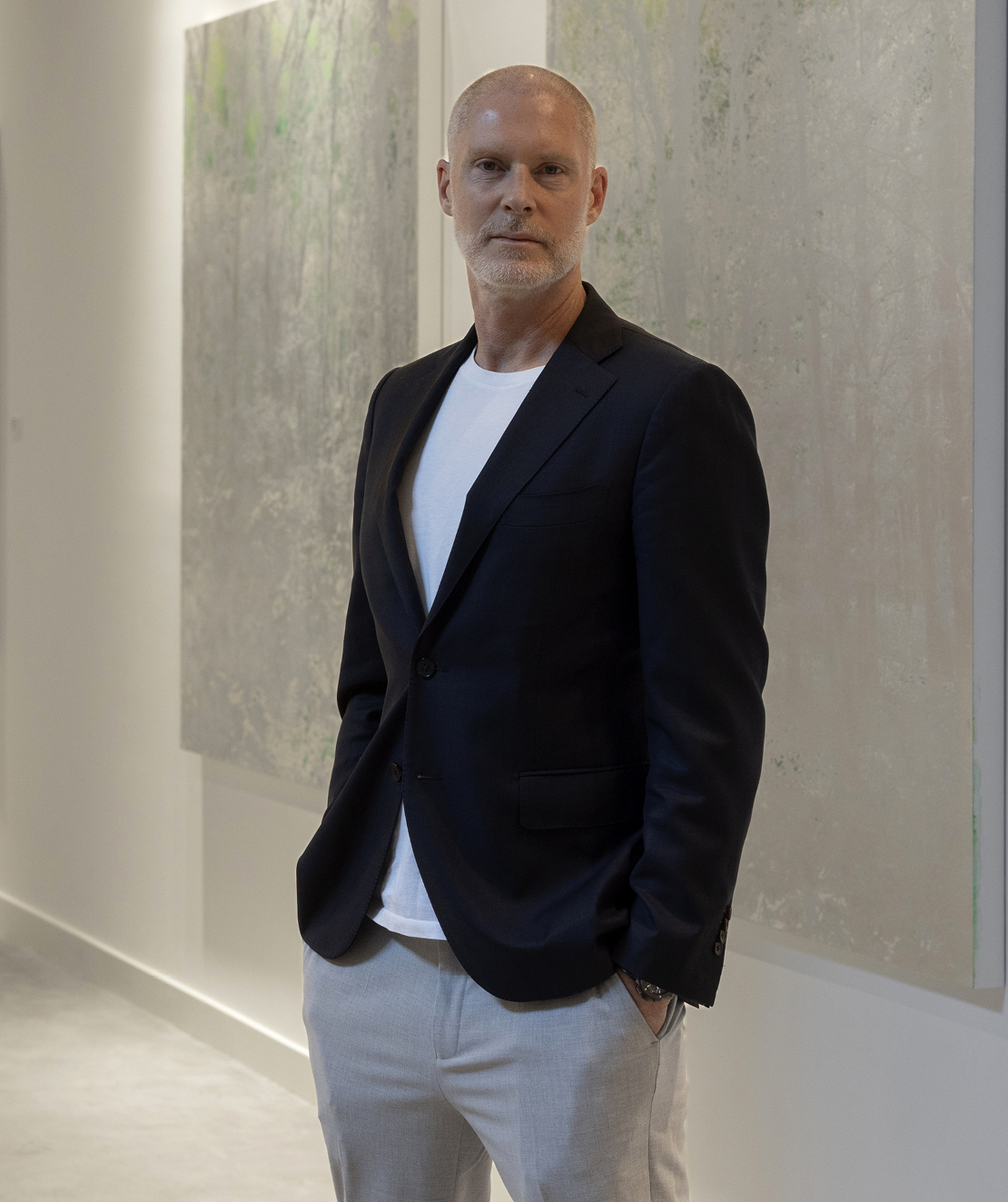
As the second gallery, after its established Mayfair space, the Dubai outpost reflects broader confidence in Dubai’s role as a global meeting point for collectors, artists and institutions. Rather than slowing down in response to external pressures, Malat has continued to programme exhibitions, launch new initiatives and actively engage with the local community, reinforcing the idea that galleries must remain dynamic, even in challenging times.
With a strong calendar of exhibitions ahead, including the upcoming Made in UAE initiative, JD Malat Gallery is entering its next chapter with intent. Here, Malat reflects on building in Dubai, staying resilient through uncertainty and the opportunities shaping the region’s art scene today.
What first brought you to the Middle East, and what attracted you to the region?
I came to Dubai in 2024, initially because many of my friends, clients and collectors had relocated here from London. I wanted to see firsthand how the city had evolved. When I arrived, I was genuinely surprised by how much it had changed since my last visit in 2008. There was a real energy everywhere I went, and I found myself reconnecting with people I had known for years, all of whom were now based here.
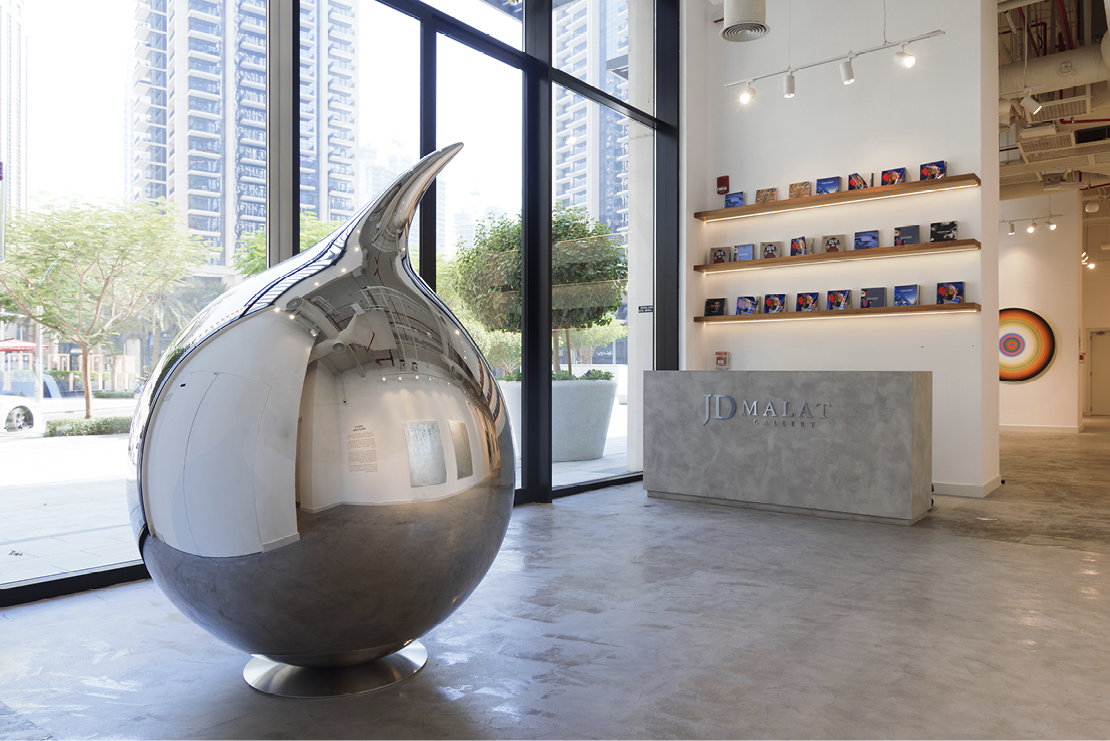
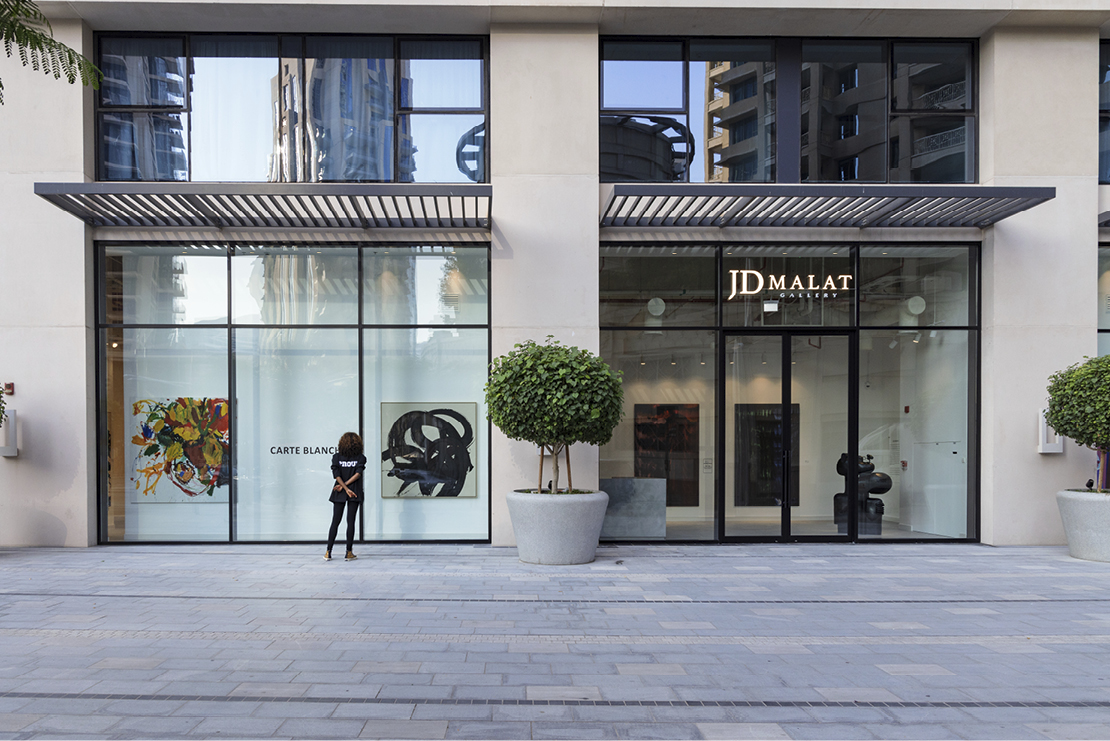
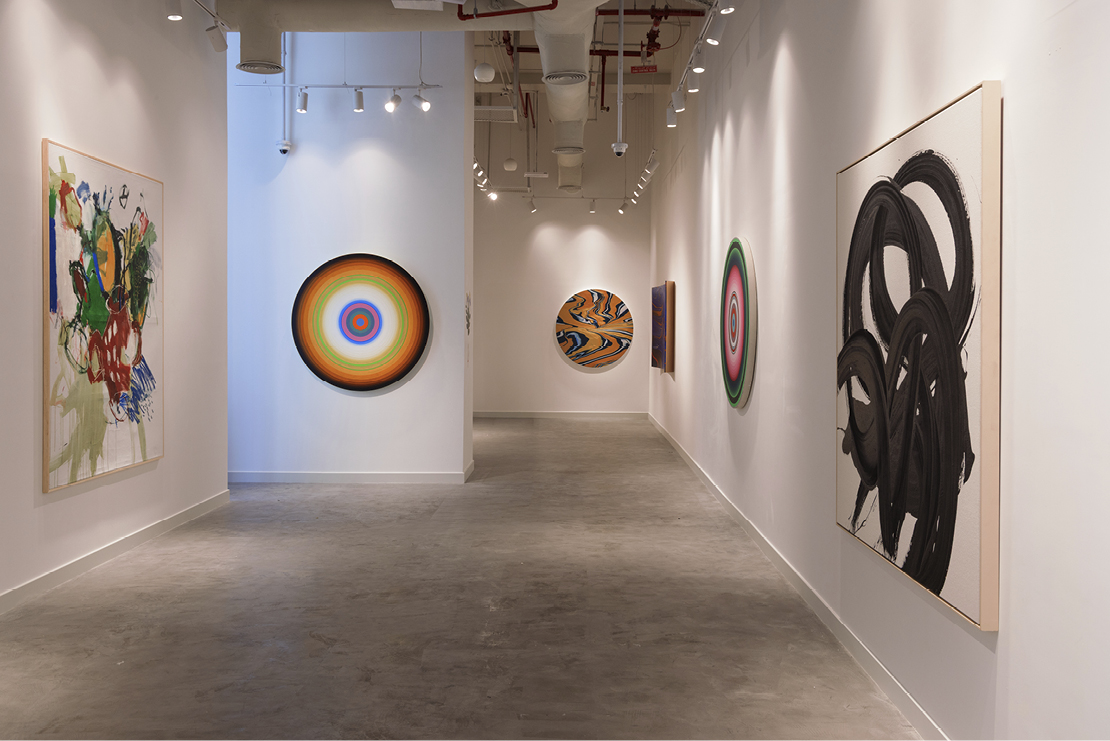
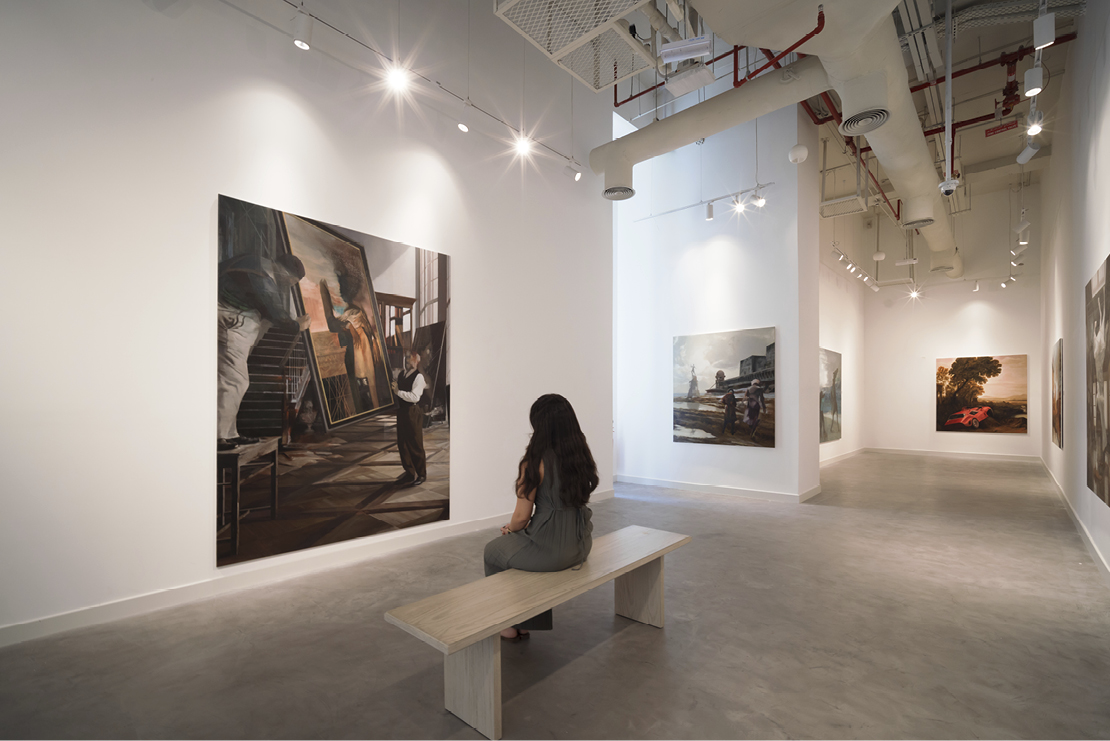
Very quickly, I realised there was an opportunity. I opened a company and began looking for a gallery space, exploring areas such as DIFC and Alserkal Avenue before finding a location on the Boulevard. What drew me to it was the atmosphere, there is life, movement, people walking, cafés and restaurants. It felt different, more open, more accessible. I took on three units and transformed them into one large gallery space. I opened in January 2025, at a time when I felt the London market was slowing while the UAE was gaining momentum. It turned out to be the right decision; we’ve had an extraordinary first year.
You’ve already hosted several exhibitions in Dubai. What direction do you want to take the gallery in the region?
I want to stay true to the gallery’s identity while also responding to the region. Our programme continues to focus on the international artists we represent, but I am also very interested in discovering and working with talent from the Middle East.
We are launching a project called Made in UAE this summer, which has so far received over 1,000 applications. We are currently reviewing submissions with a panel of judges and will select five artists to exhibit. It’s important to take time when choosing artists. It involves discussion, reflection and alignment with the gallery’s vision.
Alongside this, we’ve maintained a very active exhibition programme. We opened with a group show, Carte Blanche, which introduced the gallery through a mix of artists, followed by a series of solo exhibitions. Remaining visible and engaged is essential, and the response from audiences in Dubai has been extremely positive.
How important is that personal connection in building your gallery?
It’s fundamental. I enjoy meeting artists and collectors and being present in the gallery. When people visit, they want to understand the vision behind the space and the work. That connection creates a different kind of relationship.
Before opening, I spent a full month in Dubai meeting people, introducing myself and building those relationships. It made a real difference when we launched. We had a very busy opening, and since then we’ve continued to host events, talks and gatherings. A gallery should feel alive; it’s not just about the exhibitions, but about the experience around them.
What role do art fairs play in the region, and how do you see them evolving?
Art fairs are very important. We participated in Art Abu Dhabi, which was extremely successful for us, almost a sell-out, and we’re now preparing for Art Dubai. These platforms bring visibility and create moments of energy for the market.
What I find particularly interesting is the mix of local and international audiences. The region is still developing its global positioning, but there is strong engagement from collectors here. With new fairs and global names entering the market, it will continue to grow. Of course, there are logistical challenges, especially around shipping, but overall, the direction is very promising.
How do you navigate periods of uncertainty within the industry?
For me, the approach is simple: you keep going. During Covid-19, I continued to organise exhibitions, even without physical audiences. I adapted, working digitally and creating initiatives to support artists when everything else had paused.
It’s the same mindset now. When things slow down, you don’t wait; you create. Recently, instead of extending our current exhibition, we decided to change it and open a new group show. A gallery needs to remain active. Otherwise, nothing moves.
I also believe that art has a role to play during uncertain times. When people come into a gallery, it can offer a moment of calm, almost like a form of meditation. That’s something I value deeply.
What advice would you give to emerging artists looking to be discovered?
They need to be different. That’s the most important thing. I see a lot of work that feels familiar, and that’s not enough. Artists need to develop their own perspective and create something that makes people stop.
Storytelling is also essential. Collectors connect with meaning. They want to understand the story behind the work, not just how it looks. Art is not only decorative, but it also carries emotion, context and intention.
And of course, persistence. Keep creating, keep refining your work, and use the platforms available today. Social media is a powerful tool; it allows artists to share their work globally in a way that wasn’t possible before.
What draws you to an artist? How do you recognise potential?
It’s never the same. It can be the technique, the subject, the personality, or simply something that resonates emotionally. But there must be a connection. Today, I think there is a growing desire for authenticity. With everything becoming more digital, collectors are drawn to work that feels real, something crafted, something that reflects time, skill and human touch.
What continues to inspire you in your work?
Discovering artists is what I enjoy the most. Supporting someone early in their career and seeing their work grow, entering collections, being recognised, that’s incredibly rewarding. I’ve worked extensively in the secondary market with major names, but what excites me today is working with contemporary artists, building something together and being part of that journey.
Are you considering further expansion?
At the moment, I am focused on strengthening London and Dubai. The two galleries already require a great deal of work. Expansion is not only about space, but it’s also about having the right people and the right structure. We’ve explored other markets, including New York, where we held a pop-up in Chelsea. It was very successful, but opening a permanent space requires a different level of commitment. Today, you can build presence through art fairs, pop-ups, and relationships without necessarily being physically everywhere.
What can we expect from the gallery in the coming months?
We have a strong programme ahead, including solo exhibitions and curated group shows. This summer will focus on Made in UAE, followed by a major exhibition dedicated to international women artists, bringing together both represented and invited artists.
There is a lot to come. The focus is on continuing to build momentum, introducing new voices and keeping the gallery active and engaged within the region.
By Lindsay Judge