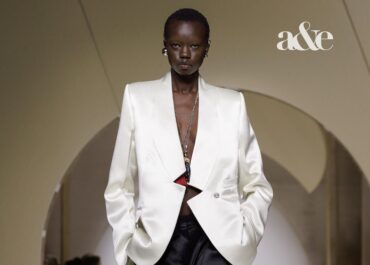

Sarah Beydoun has built more than a brand; she has built a community. As the founder and creative director of Sarah’s Bag, the Beirut-based label known for its intricately handcrafted pieces, her work sits at the meeting point of design, craftsmanship and social impact. What began as a sociology project has grown into a globally recognised luxury brand, all while remaining deeply rooted in its original purpose: creating opportunities for women through meaningful, skilled work.
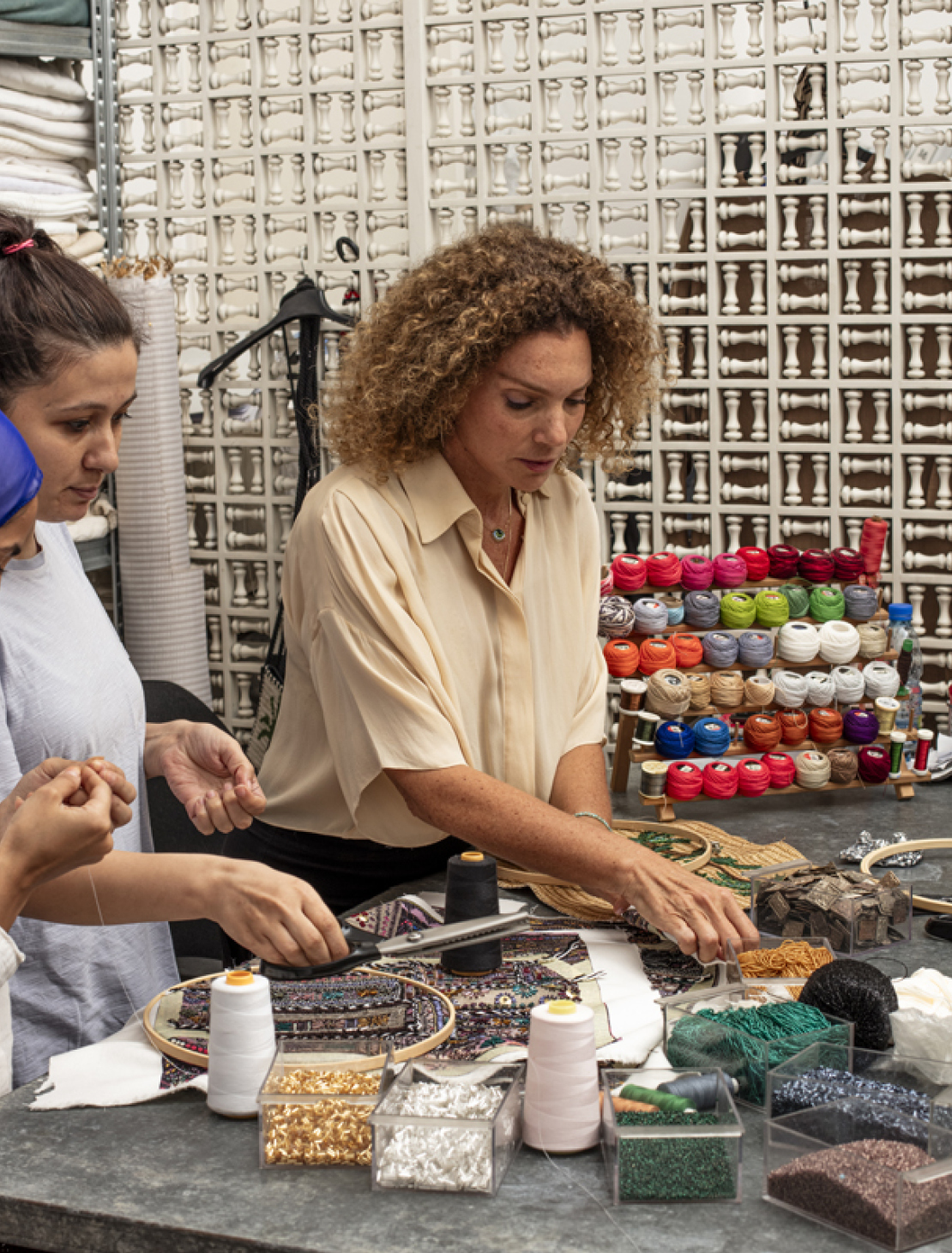
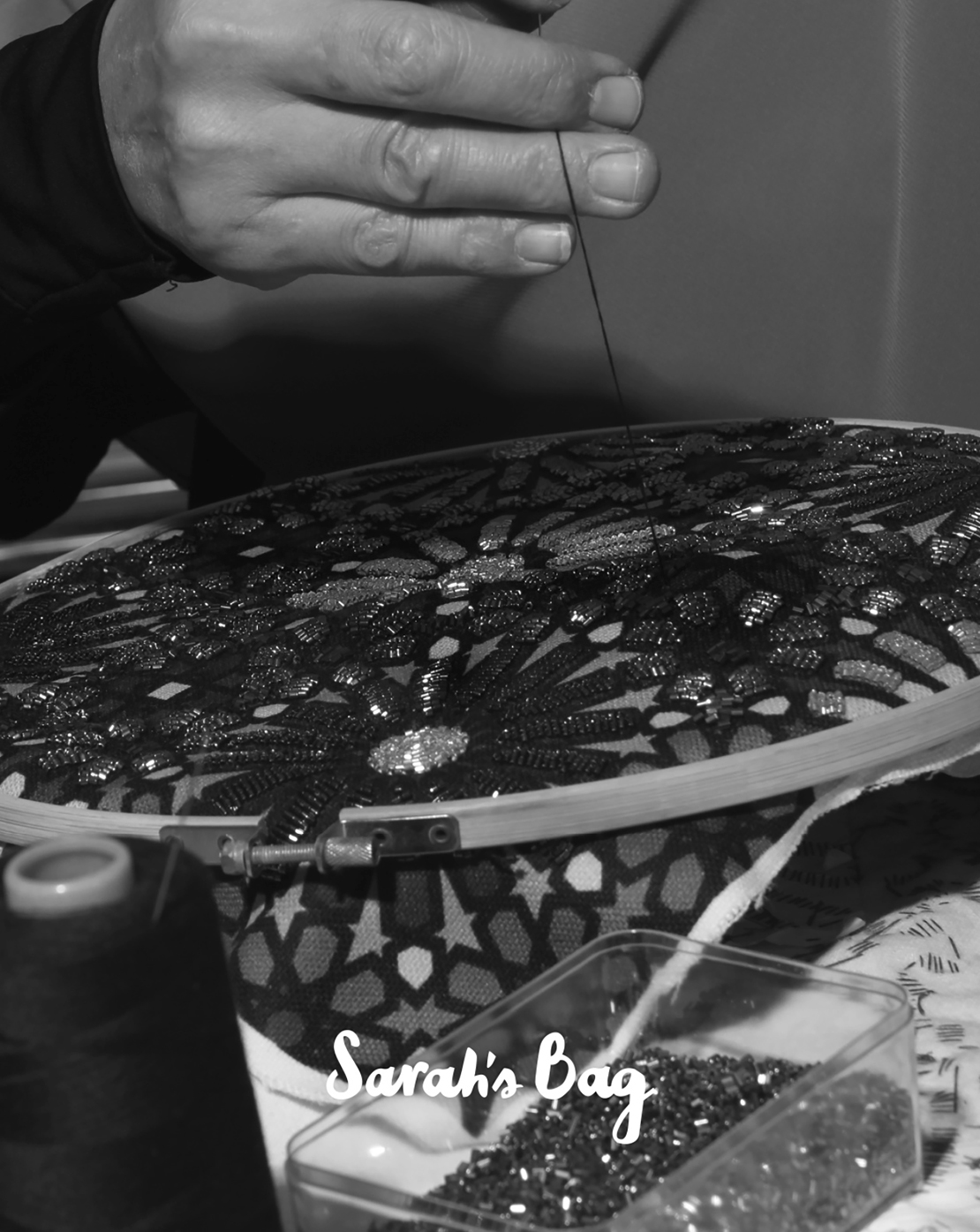
Over the past two decades, Beydoun has developed a distinct aesthetic that feels both playful and considered, with each piece brought to life through hours of detailed embroidery, beading and handwork. Behind every design is a network of artisans whose craftsmanship shapes the brand’s identity, turning each bag into something personal, expressive and enduring.
Navigating the realities of building a business in Lebanon has added another layer to her journey. From economic instability to periods of conflict, resilience has become part of the brand’s foundation, reinforcing its focus on purpose, adaptability and human connection.
Here, Beydoun reflects on the evolution of Sarah’s Bag, the community at its core, and how she continues to balance creativity with a mission that remains as relevant today as it was at the very beginning.
Sarah’s Bag was founded with a clear social mission alongside a strong design identity. How have you balanced these two pillars as the brand has evolved?
From the beginning, the two pillars were never separate. The product had to be desirable, with design, quality, and craftsmanship meeting luxury standards. The social mission is sustained through that equation. As the brand evolved, the focus has been on maintaining this balance, ensuring that every piece is both beautifully designed and meaningfully made.
Supporting and empowering artisans has always been at the heart of your work. How has that community grown over the years, and what does it mean to you today?
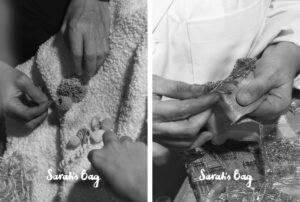
What started as a small group of trainees in Baabda prison has grown into a strong, skilled community of artisans across Lebanon. Today, more than 200 women in different regions are continuously employed by Sarah’s Bag. We have explored many forms of handcrafts rooted in our region, from embroidery and crochet to beading and marquetry, and many of the women have developed highly specialized skills over time. These crafts now represent stability, independence, and pride. It is a living ecosystem of craftsmanship that we continuously nurture through creative design.
Many of the women you work with have been part of the brand for years. How do you continue to nurture and evolve those relationships while expanding the business?
The relationships are built on trust and consistency. I am a strong believer in the importance of the people who form the teams. We invest in training, fair wages, and flexible working conditions. As we grow, we create structure within the teams so that knowledge is shared and passed on, while maintaining close, personal connections.
Craftsmanship is central to Sarah’s Bag, with each piece requiring hours of intricate work. How do you preserve these traditional techniques while keeping the designs relevant for a contemporary audience?
We preserve the techniques by continuously using and evolving them. Each collection introduces different techniques that our teams perfect, so with every new season, we challenge ourselves to develop new designs through diverse forms of craftsmanship.
Your collections are known for their vibrant, playful aesthetic. How do you approach each new season creatively, and what inspired your latest collection?
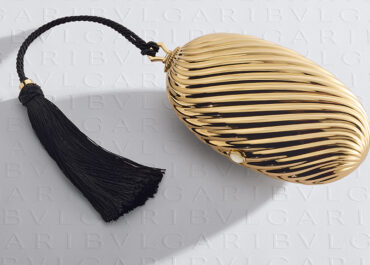
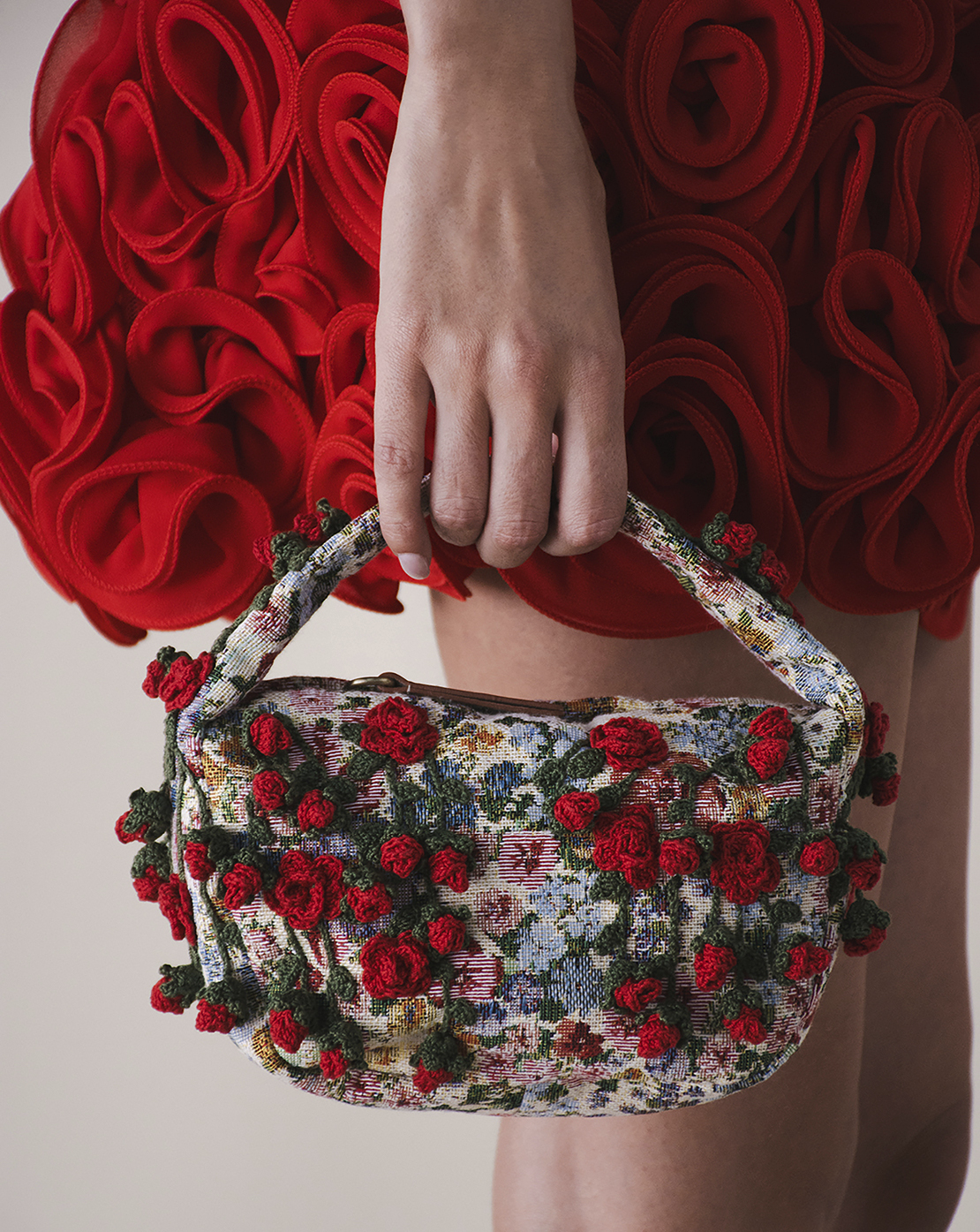
Each collection begins with a story, drawn from travel, art, or cultural references, which we translate into textures, embroidery, and colour. We are a niche brand with broad appeal, and we feel there is a shift toward investing in unique, meaningful pieces with a strong point of view. In our latest collection, we revisit our iconic bags and reinterpret bestsellers, bringing a sense of joy and lightness. These pieces are designed to uplift, especially in challenging times, offering the wearer something emotional and expressive.
The region has faced periods of instability in recent years. How has this impacted your approach to running the brand, and what has it taught you about resilience?
Running the brand in challenging times requires constant adaptability. We’ve learned to be agile, diversify markets, and strengthen our internal operations. Times of war and hardship have also reinforced the importance of what we do, providing continuity and purpose amid uncertainty.
In challenging times, how do you maintain momentum while staying true to your values and mission?
We stay focused on what we can control: our product and our team. A clear sense of purpose guides our decisions. We always return to our social mission of employing underprivileged women, especially in difficult times, it becomes even more crucial. The recent war has displaced around 30% of our employees, and our first response is always to support them.
We have always placed the human element at the core of what we do, and today more than ever, this remains our priority.
What have been some of the biggest challenges you’ve faced as an entrepreneur?
Scaling while preserving our identity and social mission is the main challenge. Maintaining craftsmanship, quality, and brand DNA as the business grows requires discipline.
At the same time, navigating five wars over 25 years of my career has been the ultimate challenge. Experiencing war as a child, then as a mother, and as a business owner is very different. When you have 250 families relying on you for their livelihood, the responsibility becomes deeply personal.
Are there new materials, techniques or creative directions you are currently exploring that feel particularly exciting?
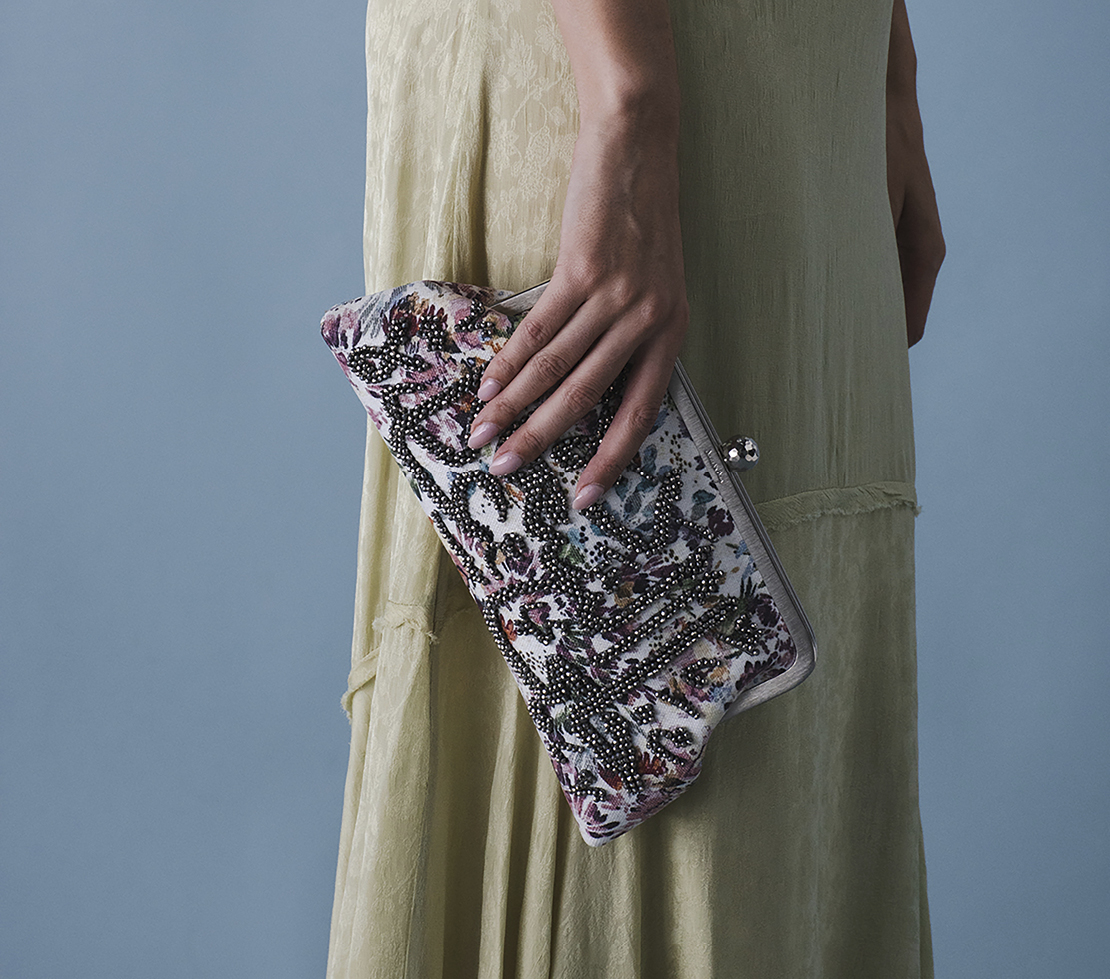
In recent years, we have focused on elevating our craft internationally, positioning our bags as “luxury artisanal.” This required effort across all teams, from creative to production to quality control. We increasingly see our pieces as precious objects designed to be passed from one generation to another. In that sense, we consider our bags as “modern heirlooms”.
We are also working on a collection inspired by vintage Beirut posters from the 1960s. Thanks to the work of the Fondation Philippe Jabre in preserving this heritage, we are translating these visuals into a contemporary design language. I love Beirut and feel deeply attached to it. With every war, I feel a stronger need to speak about it and highlight its beauty. As designers in Lebanon, I believe we all make the effort to ensure that Beirut is not only associated with war and conflict, but also with beauty and creativity.
Looking ahead, what markets or regions are you most interested in expanding into next?
It has been a pleasure to design with the Arab region in mind. Today, there is a renewed appreciation for handmade products and strong demand for bespoke services, which we have offered since the beginning of Sarah’s Bag on our website.
We are also seeing a shift from trends toward personal style, and it is rewarding that our clients, whether in the GCC or internationally, recognize our DNA and integrate it into their own identity.
Beyond expansion, is there a concept or project you’ve always wanted to realise but haven’t yet had the chance to explore?
Over the years, we have expanded from accessories to ready-to-wear, outerwear, and fashion jewellery. I am open to exploring lifestyle elements and creating curated, limited-edition pieces for the home that reflect the same craftsmanship and spirit as Sarah’s Bag.
I don’t want to limit my creative direction, as long as we continue to support our artisans and keep the social mission and craftsmanship at the core of everything we do.
Finally, what does the future of Sarah’s Bag look like to you?
A brand that continues to merge craftsmanship, design, and social impact. More global in reach but always rooted in its values. Beyond longevity for both the brand and the artisan community, I simply want to remain excited about what I do and continue to enjoy the creative journey.
By Lindsay Judge