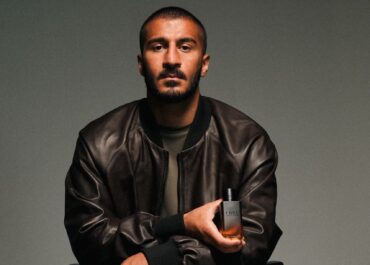

Few perfumers today have shaped modern fragrance culture quite like Francis Kurkdjian. Renowned for creating some of the industry’s most recognisable scents, from Baccarat Rouge 540 to Le Male, Kurkdjian has built a reputation for translating emotion, memory and atmosphere into fragrance with cinematic precision. Since being appointed Perfume Creation Director of Parfums Christian Dior in 2021, he has continued to reinterpret the house’s olfactory identity through new creations and reimagined classics, bringing a deeply artistic yet highly personal approach to Dior fragrance.
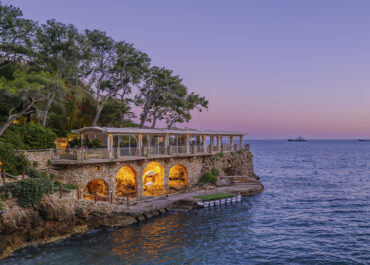
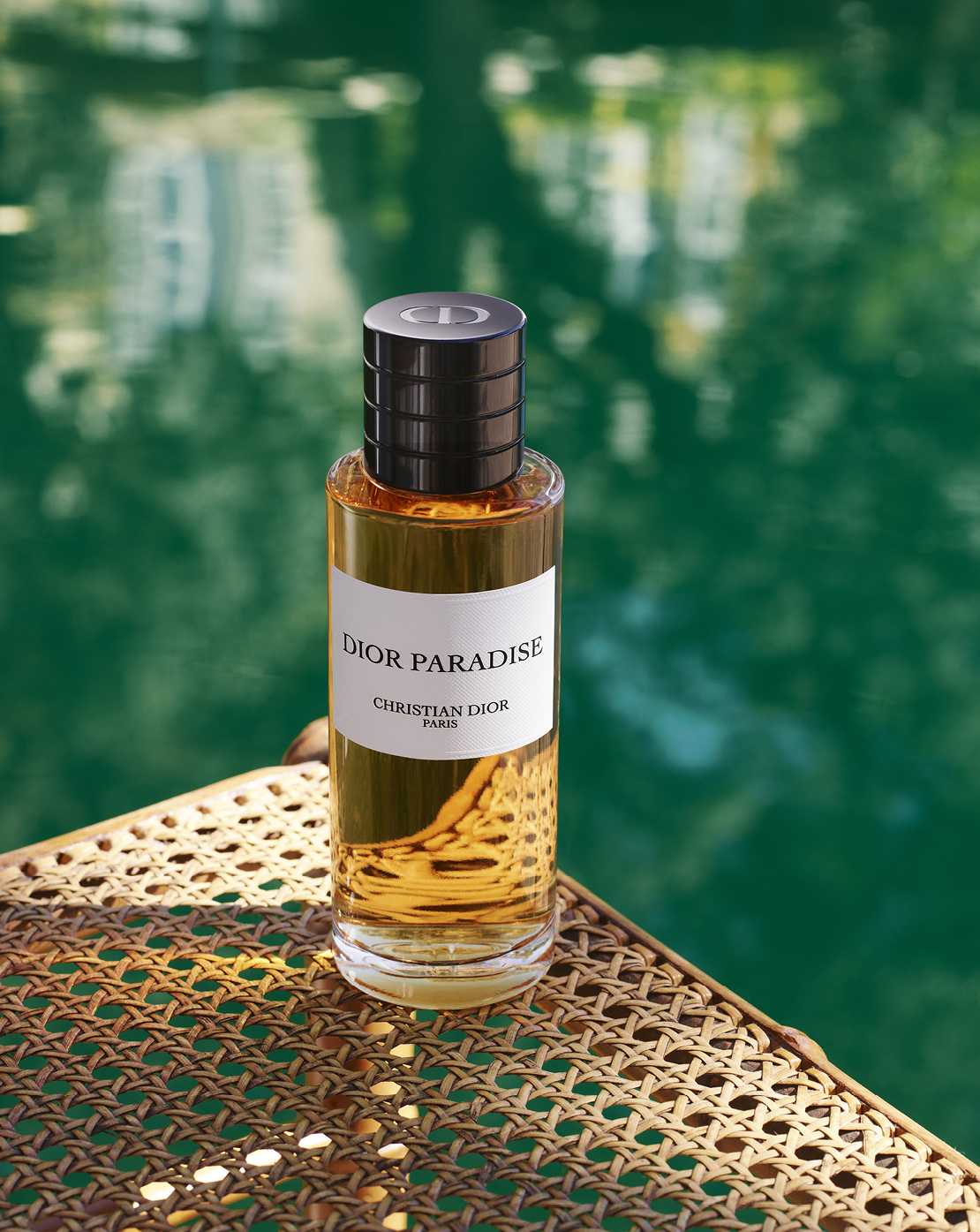
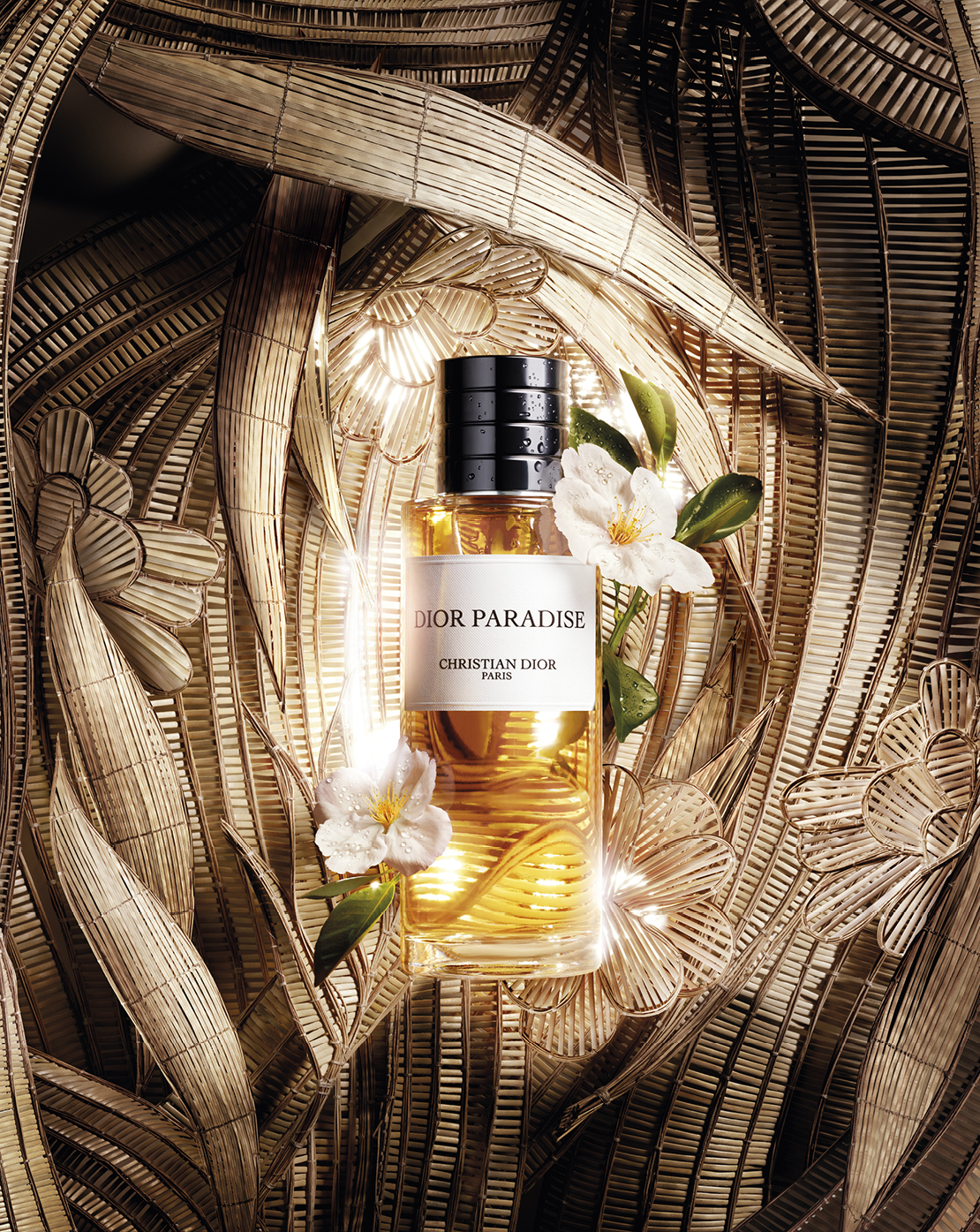
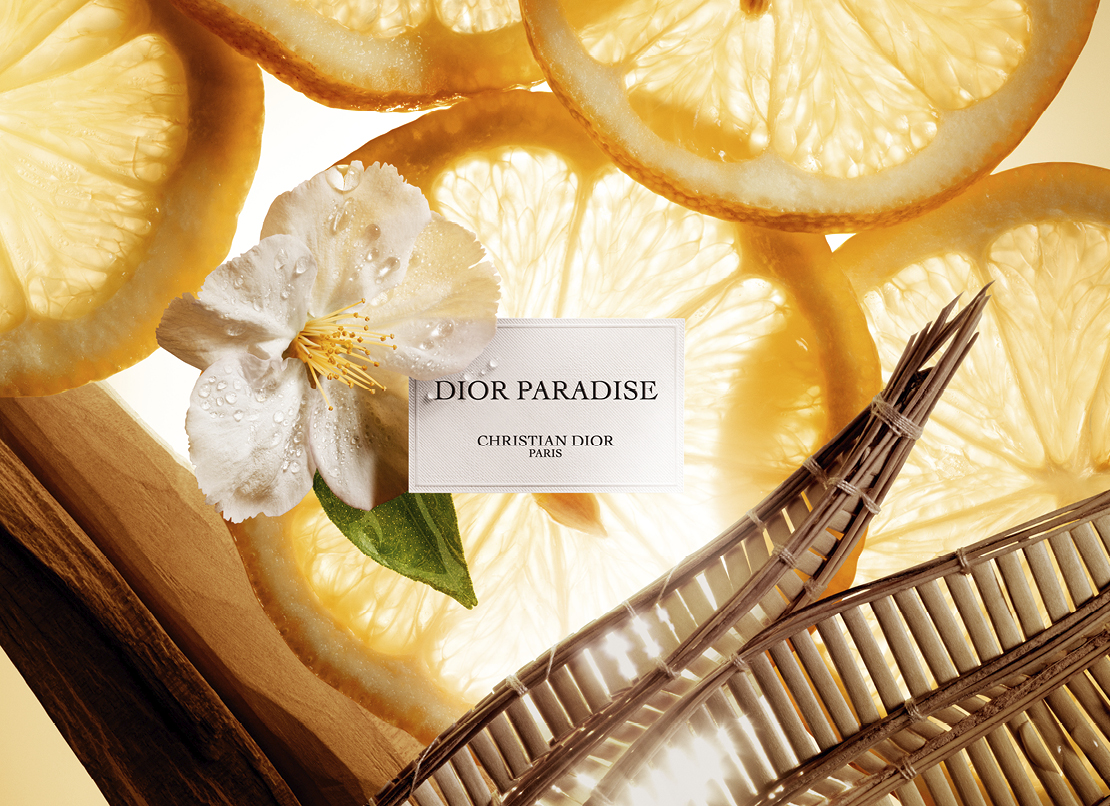
His latest creation, Dior Paradise, joins La Collection Privée Christian Dior as a luminous tribute to Christian Dior’s beloved Provençal estate, Château de La Colle Noire. Inspired by the almond trees that once filled the grounds, the fragrance explores themes of memory, reconstruction and the idea of a lost paradise rediscovered through scent. Blending creamy bitter almond with citrus and tonka bean, Kurkdjian transforms one of Dior’s most personal places into an evocative olfactory landscape rooted in nostalgia, nature and renewal. We spoke to Kurkdjian about translating place into perfume, storytelling through scent, creative freedom at Dior and why he believes the future of perfumery lies in individuality rather than imitation.
On the launch of Dior Paradise, creatively speaking, how do you translate the specific perceptions of this place into a fragrance?
It was actually quite simple, because we know from the archives that there used to be fields of almond trees on the property, until Christian Dior passed away, and then shortly after, his sister as well. Later, the other landowners decided to cut them down because almond trees require a lot of work for very little reward, especially at that time.
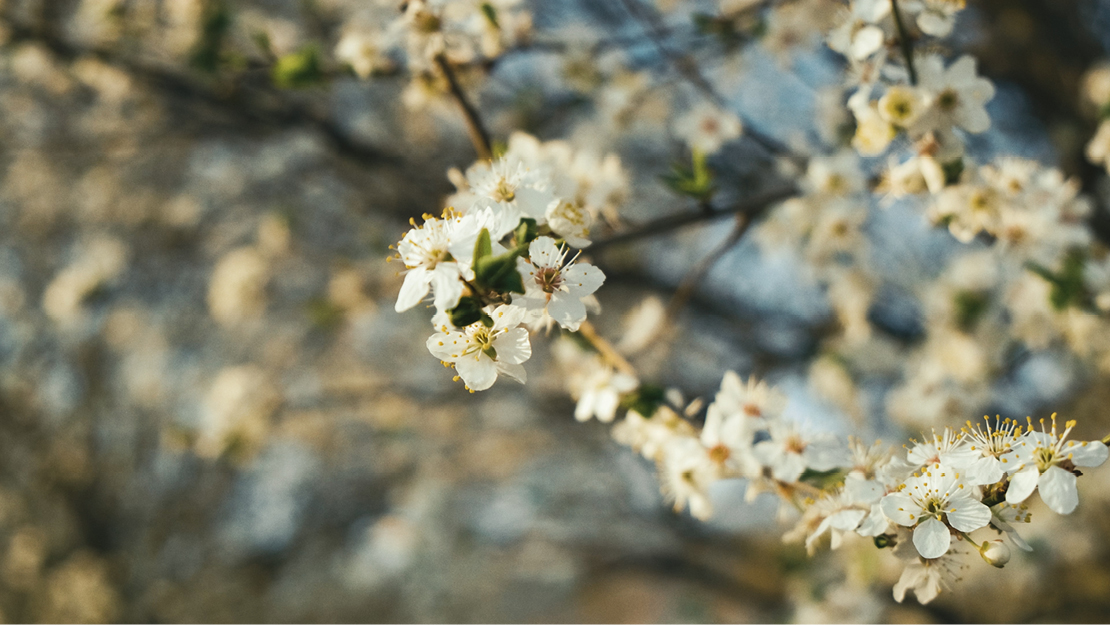
But we still have the garden maps from that period, which clearly show these almond fields. We also have testimonies from Christian Dior himself, describing how much he loved these trees and how happy he was to see them. Almond trees are among the very first to bloom — after mimosa. In the South of France, mimosa blooms from late December into January, but the very first flower that announces the arrival of spring is the almond blossom.
What is remarkable is that the flower appears before the leaves. It’s similar to sakura in Japan — they belong to the same botanical family. You see the flowers before anything else, which creates a very striking and poetic image. It’s not unique, but it’s spectacular because it’s not what we’re used to seeing.
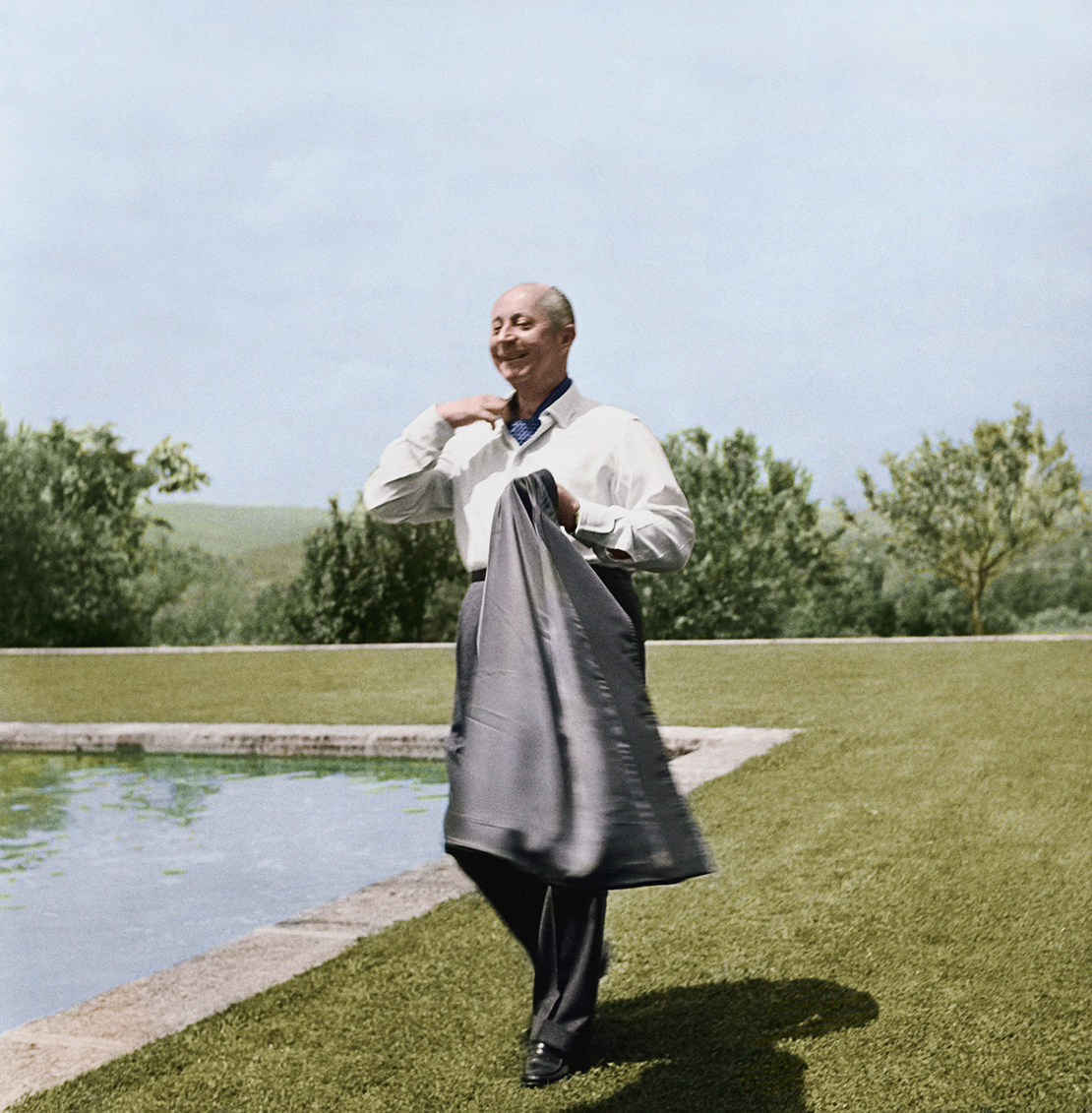
Christian Dior wrote that one of his favorite moments at La Colle Noire was looking out from his bedroom window onto the garden and these fields. From there, you could overlook the entire landscape. That image made everything very clear to me.
The almond tree plays a central role in the story of Dior Paradise. How did you interpret this symbol olfactively?
Almond is easy to translate into perfume, even though it’s not a scent in the traditional sense — it’s more associated with taste and flavor. Still, there are materials available, including almond oil and specific distillation techniques, that allow us to extract that dry, powdery sensation. So it wasn’t a challenge to express almond in terms of fragrance.
You often speak of perfume as a form of storytelling. What story does Dior Paradise tell to the wearer?
We express this in the press kit as well — it’s the idea of a lost paradise. La Colle Noire, and the garden Christian Dior created and maintained, were a way for him to recreate the imagery of his childhood.
His family had to sell their home in the early 1930s due to financial hardship. They went from being very wealthy to very poor, almost overnight. When he later established himself in the South of France and eventually bought La Colle Noire in the 1950s, his goal was to rebuild that lost paradise of his youth. That is why the fragrance is called Dior Paradise. It’s about memory, loss, and reconstruction.
As an exclusive fragrance, what makes Dior Paradise unique among Dior creations?
It’s not about a famous place — they’re all famous in a way. What makes this fragrance unique is that the story behind it has never been told before. For me, the story always comes first. If you remain true to the story, then the creation becomes truly unique.
Looking back at your career, which moment do you feel defined you as a perfumer?
I don’t really think in terms of defining moments. A career isn’t something that happened ten years ago — it’s what you are achieving today, and even more, what you will do tomorrow. I’m not very interested in celebrating the past. For me, it’s always about what comes next.
How do you balance personal artistic freedom with the heritage of a major house like Dior?
Because I’m free. If they’re not happy, they can fire me — and I’m fine with that. I give 200% to my work. If people think it’s not good enough, that’s part of the game. It’s like any business. I love what I do, but it’s not my house. That freedom is essential to creation.
Perfume trends evolve quickly, yet your work often feels timeless. What principles guide your creative process today?
I don’t think trends change as much as we imagine. We often believe perfumes were stronger in the past, but if you actually revisit them, you might be surprised. Our memories — especially from childhood — are very powerful, but when you smell those fragrances again today, reality can be very different. It’s fascinating to compare memory and reality.
Finally, what advice would you give to young perfumers dreaming of a long and meaningful career?
Don’t try to imitate anyone. We are all individuals. You must follow your own path, your own history. Listen to your heart and your instincts — that’s essential.
Things never happen the same way twice. You can find echoes, but never exact repetition. The only true values I believe in are work, passion, hard work, and consistency. Work passionately, stay true to your vision, and bring something new. The world doesn’t need a second me.