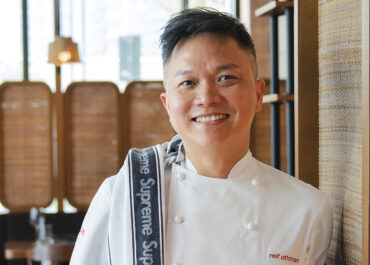

From the hawker stalls of Singapore to a growing portfolio of homegrown concepts in the UAE, Chef Reif Othman has built a career around one deceptively simple principle: flavour comes first.
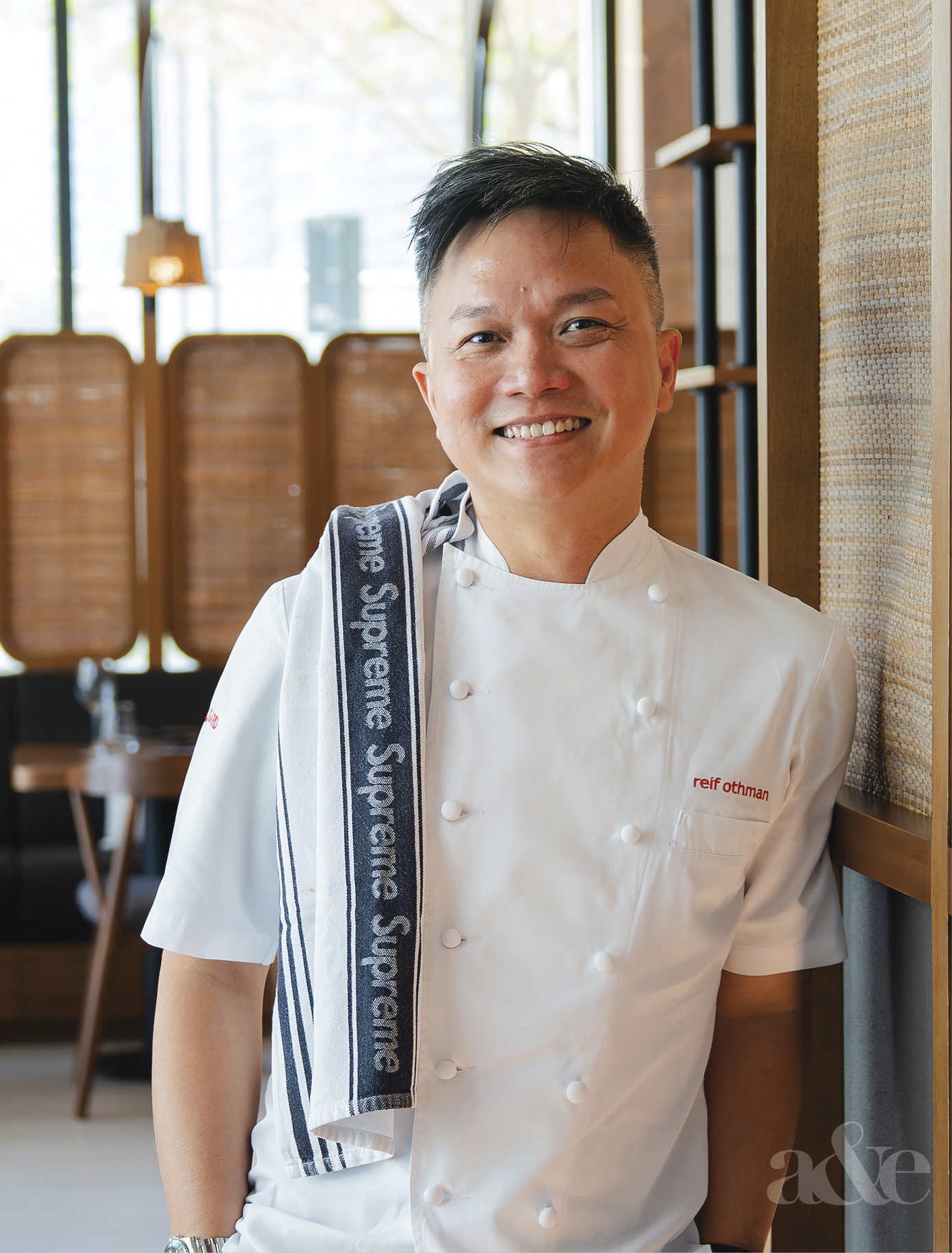
Japanese technique, Southeast Asian references, fire, acidity and umami all find their way into his cooking, but Othman has never been particularly interested in rigid culinary labels. For him, a dish either works or it doesn’t.
That instinctive approach has shaped everything from REIF Japanese Kushiyaki to the 12-seat TERO, as well as newer concepts spanning ramen, pizza and bakery. Yet as his restaurant portfolio expands, Othman remains focused on creating ideas with their own identity rather than repeating a successful formula. Here, he reflects on growing up around food in Singapore, the changing face of Dubai’s dining scene, the realities of being both chef and entrepreneur, and why simplicity, consistency, and knowing when to stop remain at the centre of his cooking.
What is your earliest memory of food or cooking, and when did you first realise you wanted to become a chef?
Growing up in Singapore, food was everywhere. My mum had a small restaurant, so food was always a big part of our life. On Sundays, she would take me to the market with her, and I remember being fascinated by all the raw ingredients – everything being so fresh and full of colour. I think that’s probably where my curiosity first started.
Some of my earliest memories are of watching the guys cooking at the hawker stalls. Very small kitchens, very fast, very hot, but everything had so much flavour. No fancy equipment, no twenty ingredients on the plate. Just people who knew exactly what they were doing.
I don’t think I had one moment where I said, “okay, I’m going to be a chef.” I just knew quite early that I wanted to be around food. Then once I started cooking professionally, that was it.
Was there a particular dish, person or experience that first made you understand how powerful food could be?
For me, it was probably seeing how people react to very simple food. In Singapore, you can have a stall selling one dish for years, and there will still be a queue every day. That always stayed with me. You don’t need twenty components or a big story if something tastes good enough that people keep coming back. That’s still how I look at food now. You can be clever, you can use technique, you can make something beautiful — but first it has to taste good. Otherwise, what are we doing?
Your food is known for moving between Japanese technique, Southeast Asian influences and other culinary references. How did that distinctive style develop, and how would you describe your cooking today?
I never really planned a “style”. I’m Singaporean, I’ve worked a lot with Japanese food and technique, I’ve travelled, I eat everything. So naturally all of that comes into the food. I also don’t like the word fusion very much. Sometimes people use it when they don’t know what else to call something. For me it’s simple: does it taste good? Does it make sense? If yes, I’m happy. I don’t care if somebody wants to call it Japanese, Singaporean or something else.
You now have a growing number of concepts across the UAE. What excites you about building different concepts?
I get bored easily! I don’t want to keep opening the same restaurant with a different logo. If we do another concept, it needs to have its own reason to exist.
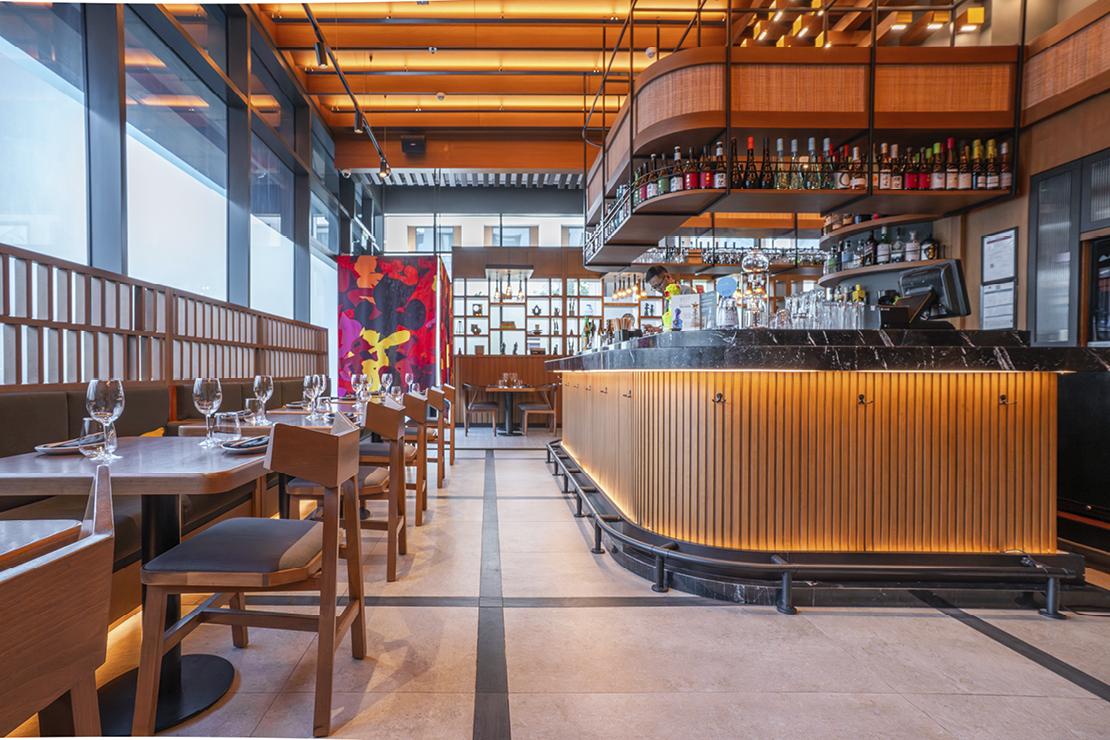
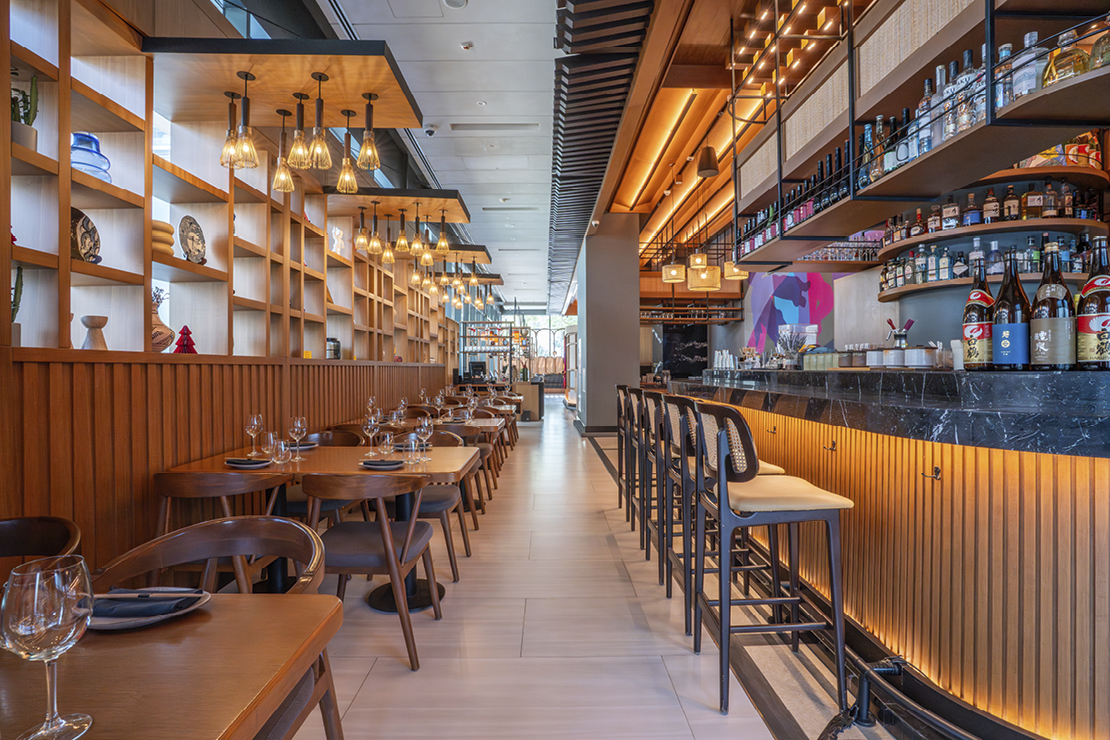
REIF has its own personality. TERO lets us go a bit crazy. SIO is ramen. KO.NA is pizza. CRISP. is a bakery. They are all completely different, but they still come from the same team and the same way of thinking. That’s the fun: starting with nothing and building a whole new identity around an idea.
With several concepts under your name, how do you make sure each one has its own personality while still carrying a recognisable thread of your identity?
I always say: protect the DNA, not every single dish. I don’t want every restaurant to serve the same food just because I’m behind it. Then what’s the point of having different concepts? But there should still be something familiar in the way we cook – big flavour, not too much nonsense on the plate, something people recognise and then something they don’t expect. I think if you know my food, you know. There should be something in the flavour and the way we cook that feels familiar, without every concept having to look the same.
The UAE hospitality industry has changed enormously over the past decade. How have you seen the dining scene evolve, and what do you think diners here expect from restaurants today?
Dubai is a completely different dining city now. The guest is much more educated. They travel, they know restaurants, they know chefs, they know ingredients. You can’t just open something beautiful and expect people to keep coming because there is a nice marble table.
And I think homegrown restaurants are much stronger now. Before, everyone got excited because another international brand was coming to Dubai. Now some of the most interesting restaurants are being created here. I’ve said it before: Dubai doesn’t need to keep importing its food identity. We’re building one here.
What do you believe is the secret to longevity in hospitality, particularly in a market where new restaurants are opening constantly?
Consistency. Opening a restaurant is easy; keeping it good is hard. The first three months, everyone comes because it’s new. Everyone takes pictures, everyone posts it. Then what? You need people to come back when you’re no longer the new restaurant.
For me, that means good food, good people, looking after the guest and knowing when to change something — but also knowing when not to change something just because everybody else is doing it.
Do you think a chef today needs to be as much an entrepreneur as a cook?
If you want to own restaurants, yes. You don’t have a choice. You can be the best chef in the world, but if you don’t understand the numbers, the rent, the team, the operation, you’re going to have a problem. I love cooking, obviously, but now I probably spend as much time talking about business as I do food.
And I actually enjoy that side of it. Creating something, seeing it work, watching the team grow — that’s also very satisfying. But yes, passion is great. Passion also has to pay the bills.
TERO is a very different proposition, with just 12 seats and a six-course experience. What does such an intimate format allow you to do creatively that a larger restaurant cannot?
TERO is where we can loosen the rules a little. With only 12 seats, we can do things that wouldn’t necessarily make sense in a larger restaurant. We can use more particular ingredients, change dishes more often, play with the pacing, and serve things that need a bit more explanation or interaction.
The guest is also right there in front of the kitchen, so you see the reaction immediately. You can talk to them, explain where an idea came from, and sometimes even change the way you serve something based on the room. That intimacy gives us a lot more freedom, and for me that’s the whole point of TERO.
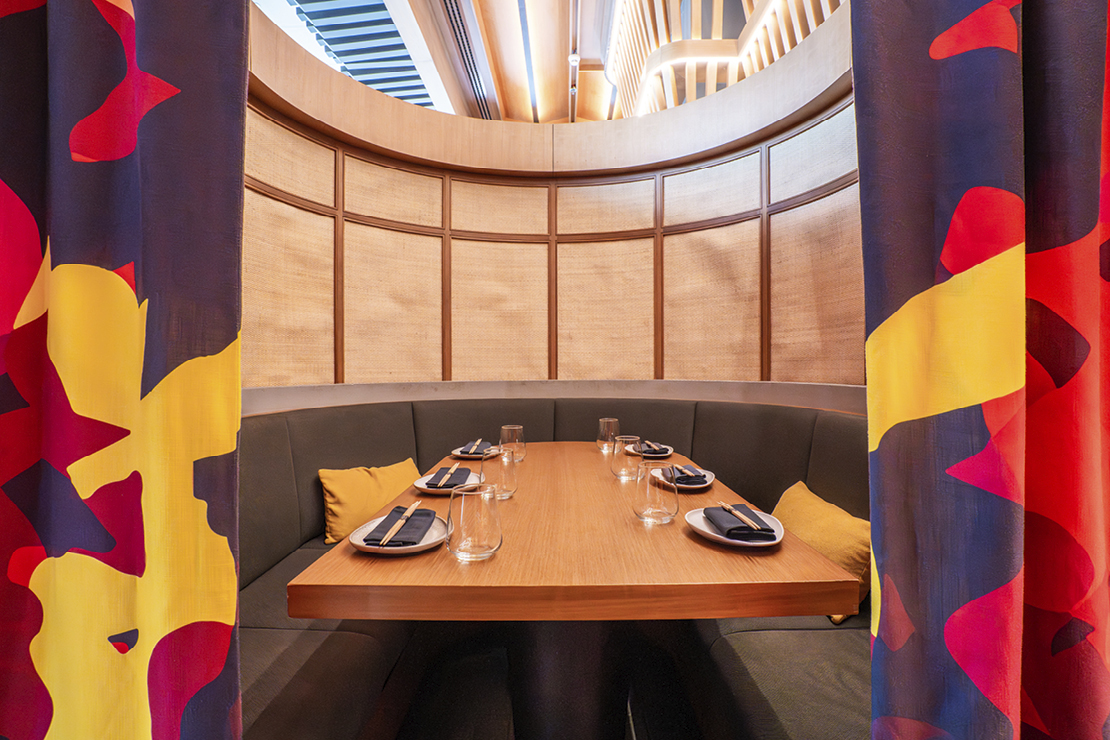
This season, TERO returns with A Journey Through Asia, bringing together Japanese technique, Southeast Asian memories and influences that do not necessarily belong to one cuisine. Why was it important for you to create a concept without rigid culinary boundaries?
Because I don’t cook with those boundaries anyway. If you call TERO Japanese, you’ve already missed the point. Of course there is Japanese technique, but then you might see Indonesian flavour, Filipino flavour, something from Singapore, something from somewhere completely different. A dish can start somewhere and end somewhere completely different. If it tastes good, I don’t need a passport for it.
How do you decide when a dish is ready to go onto a menu, particularly when you are combining flavours or techniques from very different culinary traditions?
You taste it. Then you taste it again. Sometimes an idea sounds amazing in your head and then you cook it and it’s terrible. So, you start again. For me, the biggest mistake is adding too much because you want to show how clever you are. If you’re combining different flavours or techniques, every single thing needs to have a reason to be there. Once you start removing things and the dish actually gets better, you know you’re getting close. Keep it simple. Let the flavour do the work.
Is there one ingredient, flavour or technique that you find yourself returning to again and again?
Umami. Acid. Fire. I like food with a lot of depth, but I always want something that cuts through it. And grilling will always be part of my cooking. Fire does something that you can’t fake. You get smoke, caramelisation, texture — very simple things, but when you get them right you don’t need to do too much afterwards. That’s probably my cooking in general: get the flavour right first, then don’t mess with it too much.
Looking ahead, what’s next in the pipeline for you?
A lot! We’re growing Hotaru, we’ve expanded into Egypt, there are more international projects we’re looking at and there are new concepts coming as well. But I’m also not interested in opening restaurants just to say we have more restaurants. The location has to make sense, the partner has to make sense, the concept has to make sense. I would rather say no to five opportunities and do one properly. So, there are definitely more things coming, I’m just not telling you everything yet…