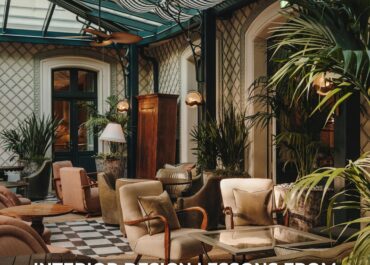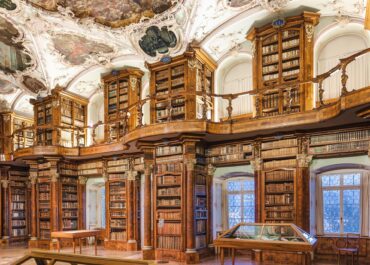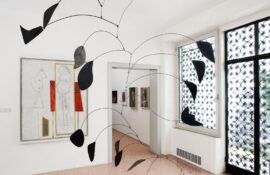

From beautifully layered interiors to atmospheric lighting, the world’s most luxurious hotels offer a masterclass in creating a five-star home.
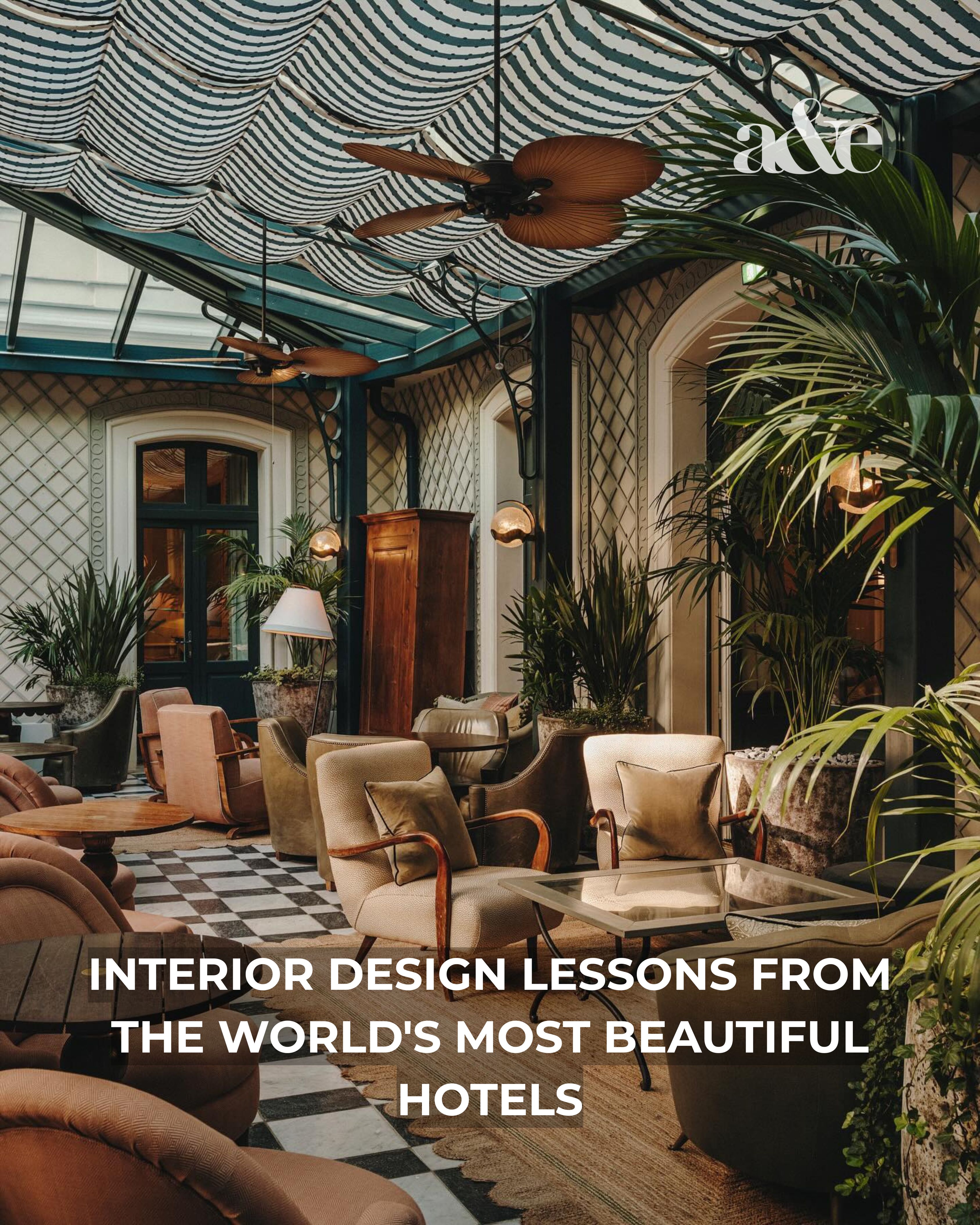
There is a particular magic to a beautifully designed hotel. The moment you walk through the door, everything feels considered, the lighting is flattering, the furniture is perfectly placed, the fabrics invite you to sink into them and every room seems to have its own distinct personality. It is an art that the world’s finest hoteliers and interior designers have spent decades perfecting, yet the principles behind it are surprisingly easy to translate into our own homes.
Historically, the grandest hotels borrowed their design language from the great private residences of Europe, from English country estates to Italian palazzi, creating interiors that felt both magnificent and wonderfully welcoming. Today, that same philosophy continues, with designers combining heritage, craftsmanship and contemporary comfort to create spaces with a genuine sense of place.
Make A Statement With Lighting
Treat lamps and shades as decorative objects in their own right
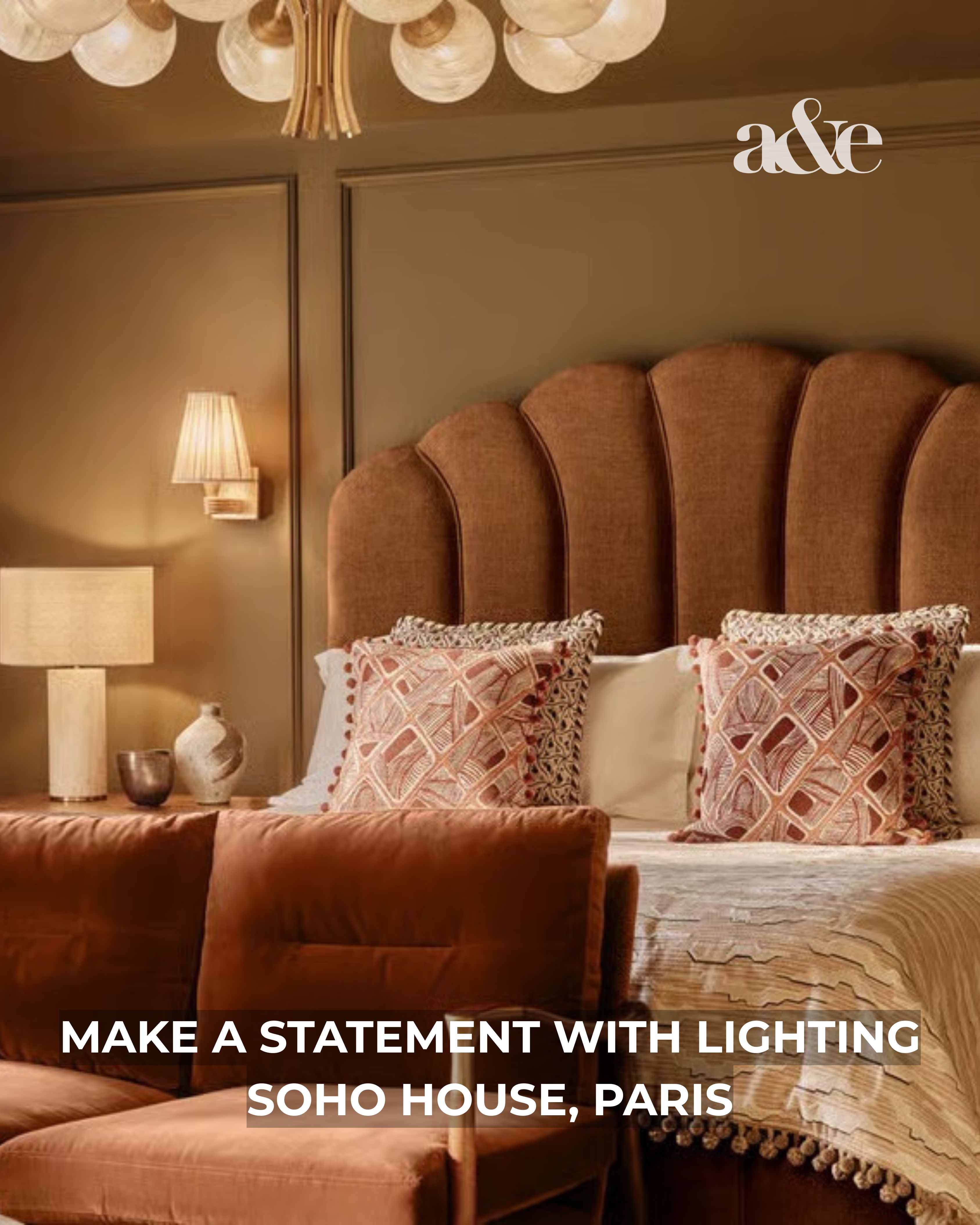
Lighting is one of the most effective ways to introduce personality into an interior, and the world’s best hotels understand that a beautifully chosen lamp can be as important as any piece of furniture. At Soho House, where distinctive lighting has become part of the group’s signature aesthetic, designers Ben Neville and Harriet Liley favour gathered linen and silk shades, alongside more natural materials such as raffia and rattan. Proportion is just as important as the material itself. When pairing a shade with a base, the shade should be approximately three-quarters of the height of the base, while its width should be roughly equal to the overall height of the lamp. Getting these proportions right creates a balanced silhouette that feels considered rather than cumbersome. Whether placed on a bedside table, console or occasional table, a statement lamp can bring an entirely new dimension to a room. Think sculptural bases, tactile finishes and beautifully diffused light.
Layer Textures And Fabrics
The secret to a room that feels as wonderful as it looks
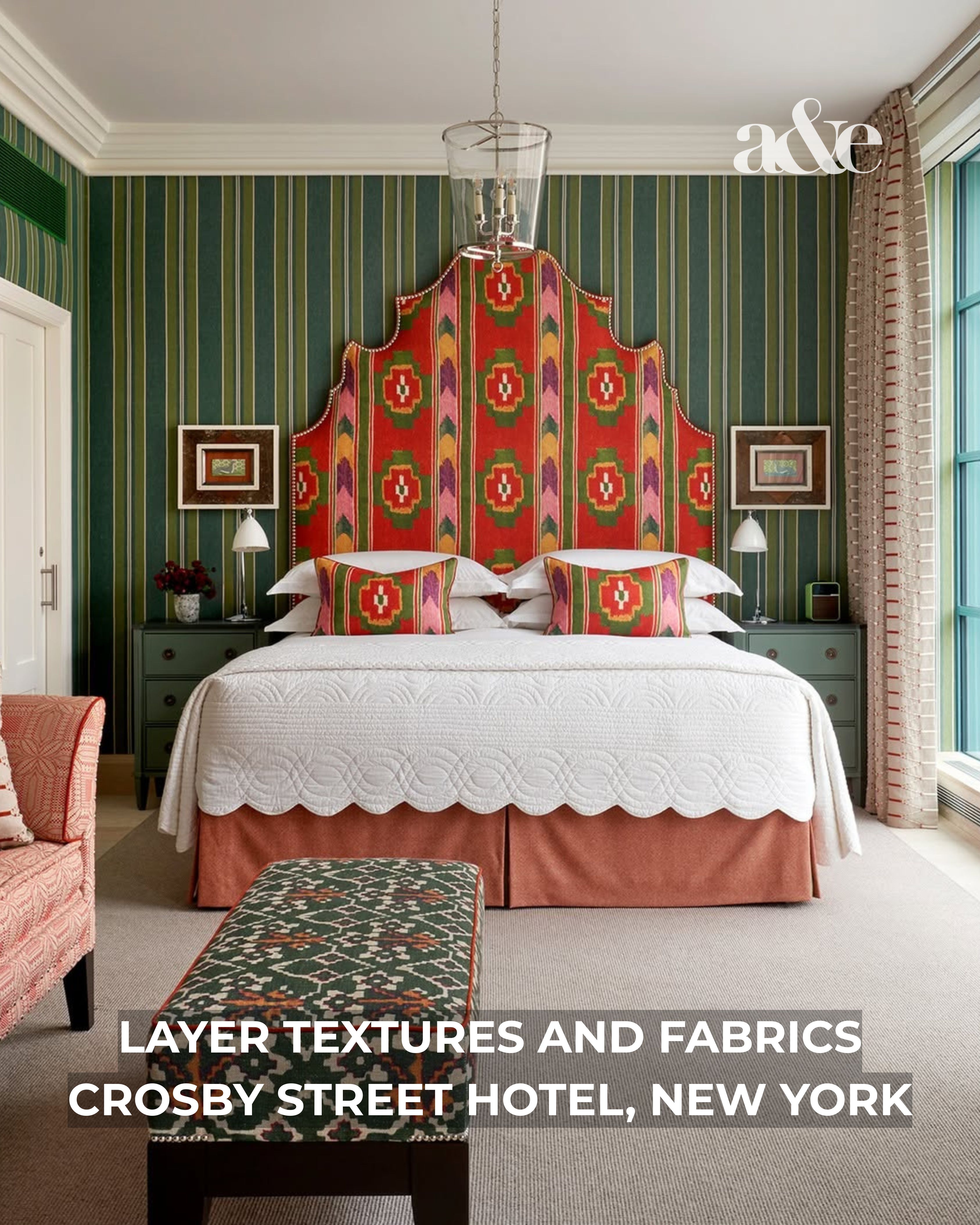
A beautiful interior should appeal to more than just the eye. Texture, particularly, has the power to transform a room, introducing warmth, depth and a sense of understated luxury. Kit Kemp, co-owner and Creative Director of Firmdale Hotels, has long championed the art of layering fabrics, combining contrasting colours, patterns and finishes to create spaces that feel both individual and inviting. Her approach is to think about how different materials work together rather than relying on one dominant fabric. Heavy weaves might bring structure to an upholstered sofa or armchair, while lighter linens soften cushions and window treatments. Unexpected contrast trims, vintage textiles and found fabrics can introduce another layer of interest. The key is to avoid anything feeling overly considered or uniform. A room should evolve through its textures, with each layer contributing to a richer, more tactile whole.
Design Around How You Actually Live
The most successful interiors make everyday life feel effortless
Perhaps the most valuable lesson from luxury hotel design is that the smallest details often make the biggest difference. A bedside light that can be reached without leaving the bed, a convenient place for a glass of water or an armchair positioned to catch the morning sun might seem like minor considerations, but together they create an effortless sense of comfort. At Casabianca on Lake Como, furniture is arranged to make the most of natural daylight, with armchairs positioned to capture the changing sun and frame views across the lake or towards the property’s century-old cedar tree. The same thinking applies to larger living spaces. Rather than pushing everything against the walls, create smaller, more intimate zones using rugs, lighting and carefully grouped furniture. At The Surrey, A Corinthia Hotel in New York, designer Martin Brudnizki uses layered textiles, warm timber and a glass-enclosed fireplace to make expansive living and dining spaces feel wonderfully welcoming. Even the positioning of a bed can transform a room, with four-poster designs creating a defined sanctuary within larger bedrooms.
Introduce A Star Piece
Every room deserves a little drama
A memorable room needs something that catches the eye and gives it personality. British designer Kelly Hoppen believes every interior benefits from one defining piece, whether that is a dramatic chandelier, an exceptional artwork, a beautiful piece of furniture or an unexpected injection of colour. It is this element of surprise that stops a room from feeling predictable. The beauty of a statement piece is that it need not be extravagant or particularly expensive. It might be an unusual antique, an oversized mirror, a sculptural chair or a particularly beautiful fabric. What matters is that it creates a focal point and gives the space a sense of individuality. In a more restrained interior, a single bold object can provide all the visual interest required, while in a more decorative setting it can introduce another layer of personality. The trick is to choose something you genuinely love and allow it room to make an impact. A little drama, after all, is never a bad thing.
Give A Room A Story
The most beautiful interiors have a sense of history and personality
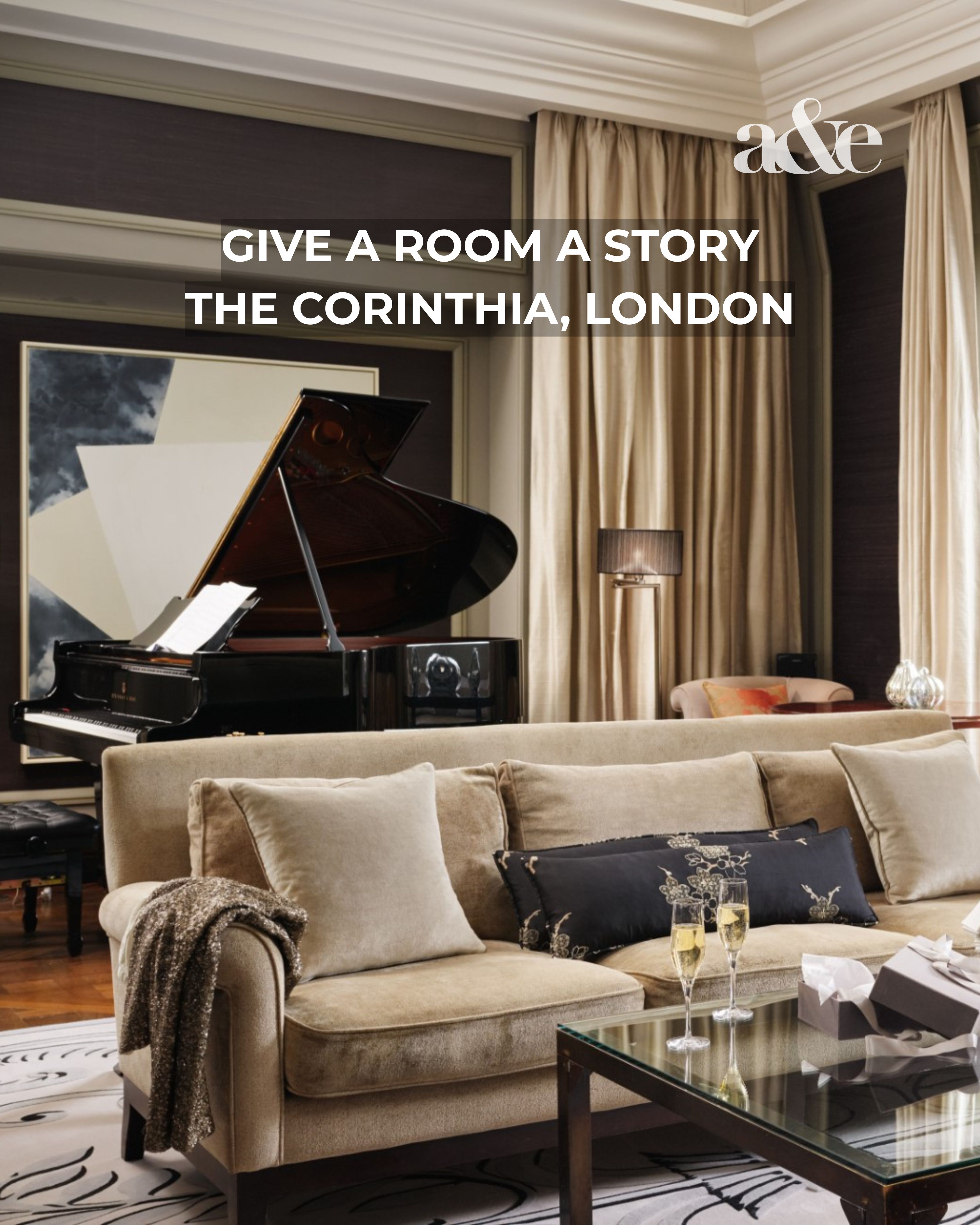
The finest hotel interiors rarely feel generic. Instead, they draw inspiration from their surroundings, architecture and cultural heritage, creating spaces that tell a story. Each property in the Corinthia collection reflects the character of its city. At Corinthia London, the two-storey Musician’s Penthouse features a Steinway piano and cocktail cabinet, while the Brontë Penthouse in Brussels references the literary sisters through deep-blue panelling, manuscript-inspired wallcoverings and a beautifully appointed study. In Rome, the Theodoli Heritage Suite occupies part of the former Bank of Italy building, where original frescoes and an extraordinary historic ceiling sit alongside contemporary Italian art and furniture. It is a reminder that the most interesting interiors are often those that embrace their past rather than disguise it. Personal objects, meaningful artwork and treasured books can do exactly the same at home.
Make The Most Of Natural Light
Mirrors and clever positioning can transform a space
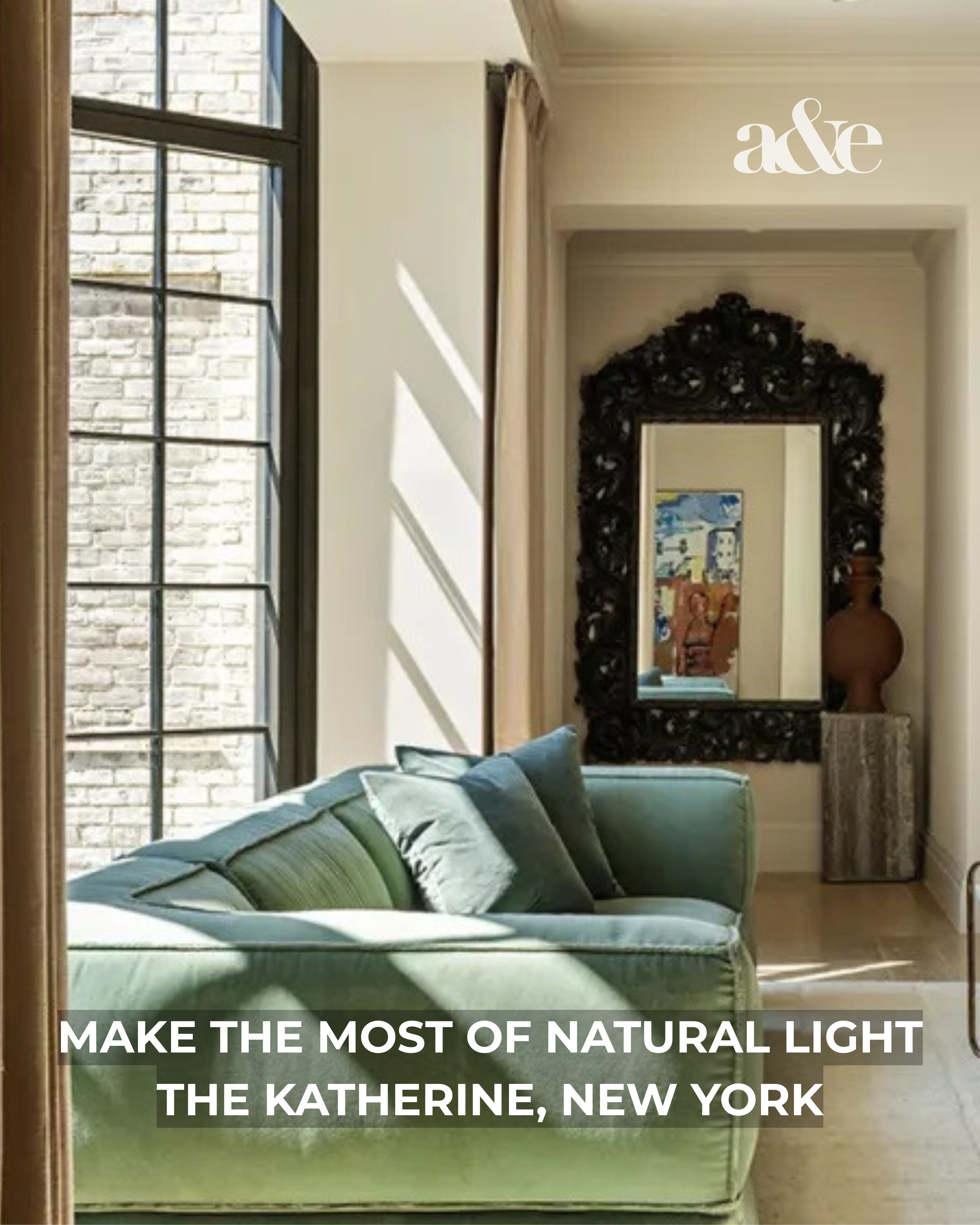
Natural light has an extraordinary ability to change the atmosphere of a room, making even the simplest interior feel brighter, more spacious and more inviting. One of the easiest ways to maximise it is through the considered use of mirrors, a technique favoured by interior designer Nate Berkus. Rather than treating a mirror as purely functional, Berkus champions investing in a beautiful antique or vintage design, particularly those with characterful frames and aged finishes. Positioning one opposite a window allows it to reflect daylight back into the room, helping to create a greater sense of space and luminosity. Even a mirror placed above a console, with a single candle burning beneath it, can introduce an appealing sense of warmth and atmosphere. The same principle applies to reflective surfaces more generally, polished metals, glass and carefully chosen accessories can all help bounce light around a space. It is a relatively simple design trick, but one that can make an enormous difference, particularly in smaller or darker rooms.
Use Art To Express Your Personality
Think beyond decoration and let artwork become part of the interior’s identity
Art should never feel like an afterthought. In the world’s most beautifully designed hotels, it is often central to the entire design concept, helping to establish a room’s mood, character and identity. Internationally acclaimed designer Kelly Wearstler, whose hotel projects include properties for Viceroy and the Avalon Beverly Hills, approaches artwork as an integral part of the wider interior narrative. Rather than selecting pieces simply to fill an empty wall, consider how artwork relates to the architecture, colour palette and furnishings around it. An oversized contemporary painting can bring unexpected energy to a traditional room, while a collection of smaller works, vintage prints or sculptural objects can introduce a more personal, collected feel. Equally, artwork need not always be confined to walls. Sculptures, ceramics and decorative objects can provide another layer of visual interest, particularly when displayed alongside books and antiques. The aim is to create an interior that feels individual and considered, with every piece contributing to the overall atmosphere.
Master The Five-Star Bed
Bring the effortless luxury of a beautifully dressed hotel bed into your own bedroom
Few things are quite as inviting as slipping into a perfectly made hotel bed. The crisp sheets, generous pillows and carefully arranged layers create an immediate sense of comfort, and recreating the look at home is all about getting the proportions and details right. Olga Polizzi, Director of Design for Rocco Forte Hotels, advocates a generous arrangement of four pillows, ideally combining different fillings such as down, feathers and non-allergenic options to suit individual preferences. The duvet should be pulled up to approximately 25cm below the head of the mattress, with the bedspread positioned to cover the gap between the mattress and bed base. Folding the top third of the bedspread back on itself creates that beautifully finished hotel look, while scatter cushions should be arranged centrally in front of the pillows, with a gentle slope. The secret is to make the bed feel sumptuous without becoming overly formal. After all, the ultimate luxury is a bedroom that looks beautiful and feels even better.